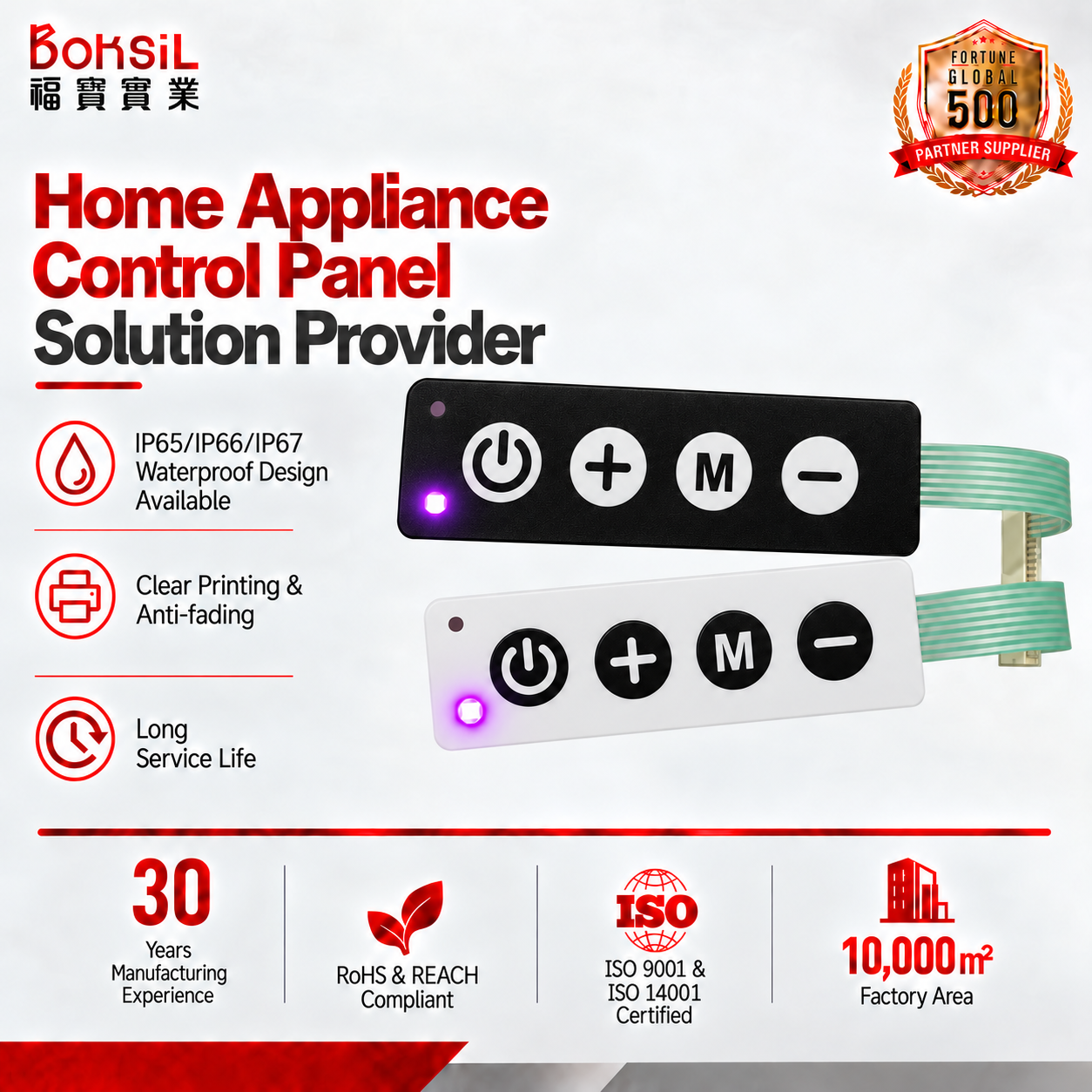
Precision Engineered Components
Featured Industrial HMI & Membrane Assemblies
Direct-from-factory tactile keypads, silicone elastomeric overlays, and hermetically sealed matrix circuits customized for resource, infrastructure, and heavy processing operations.
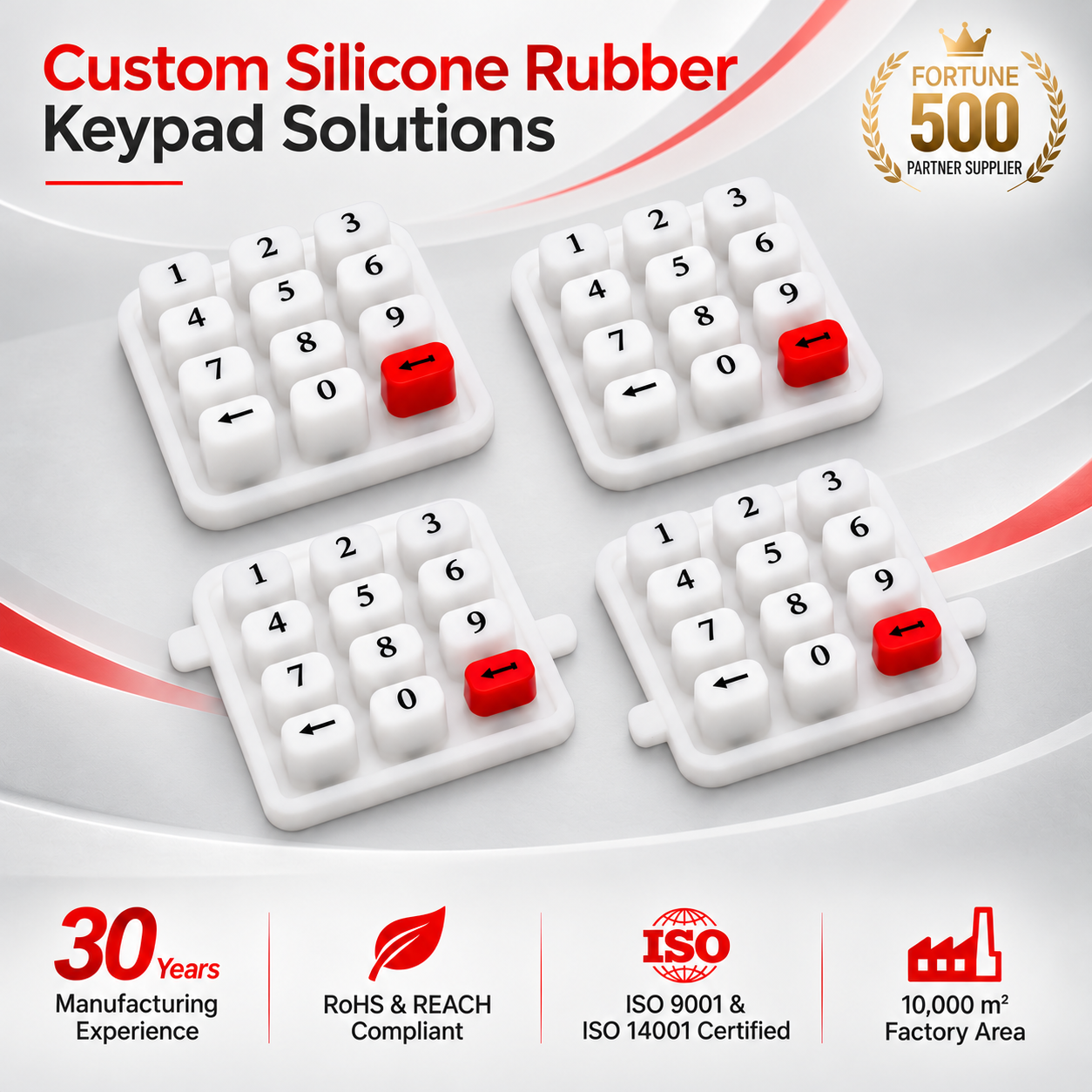
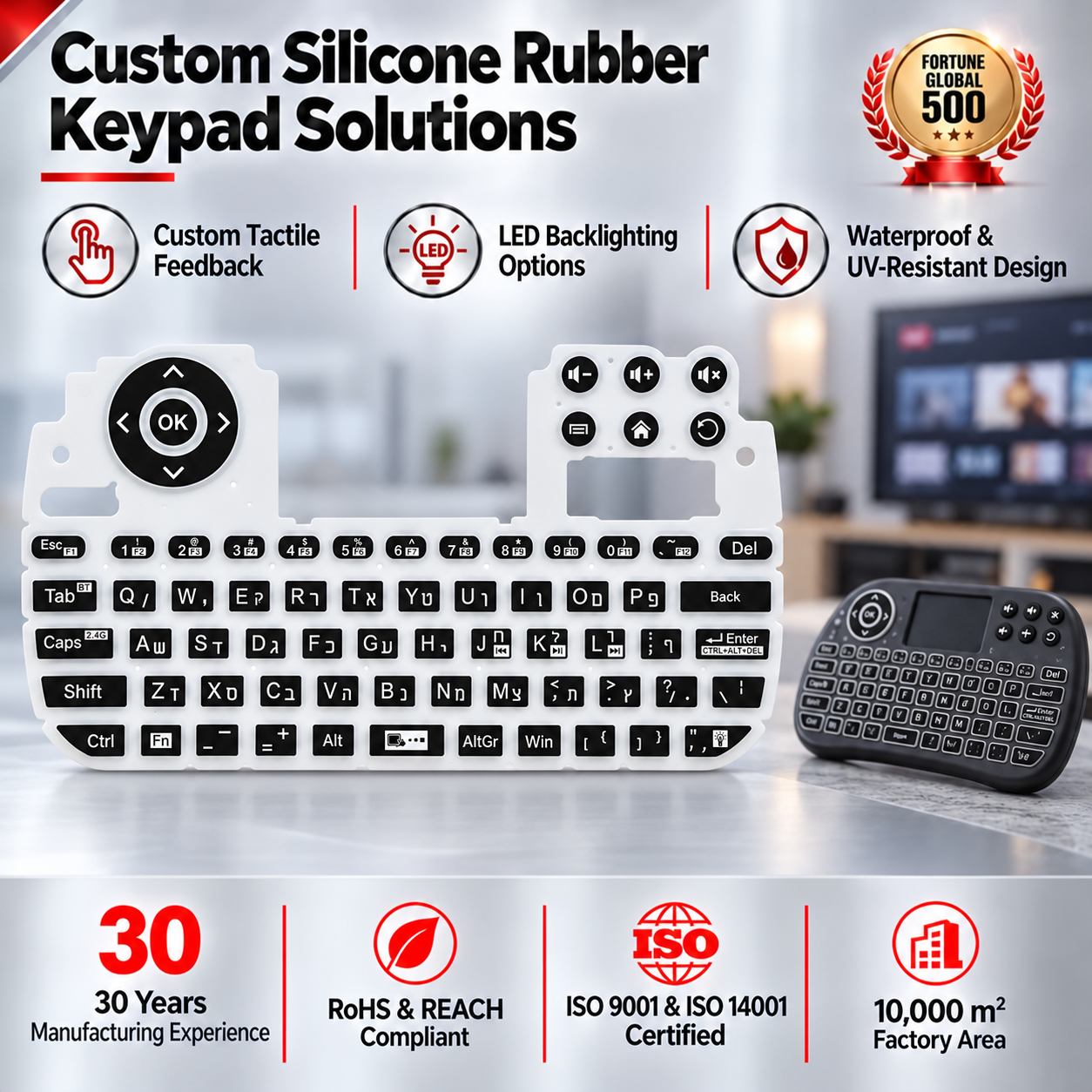
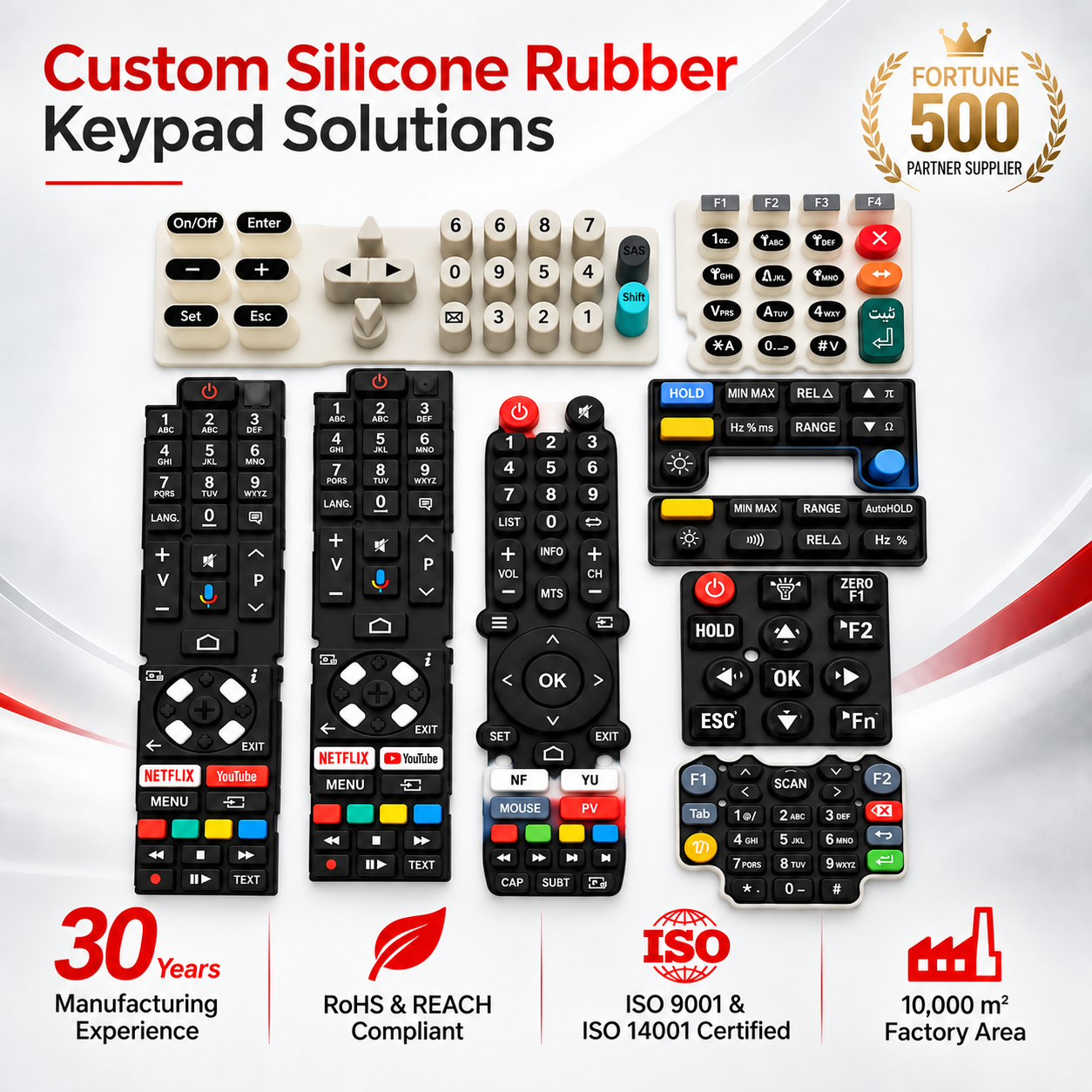
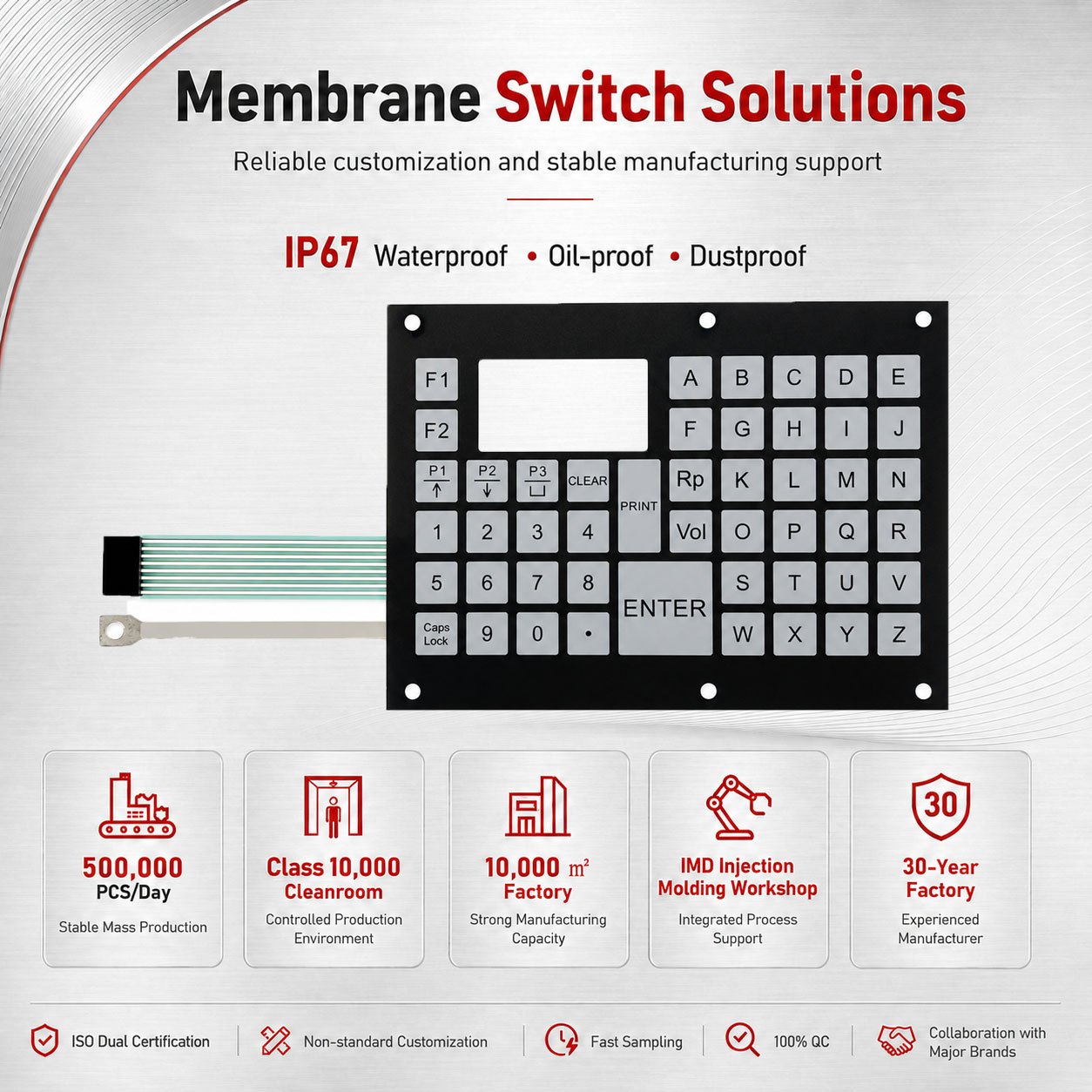
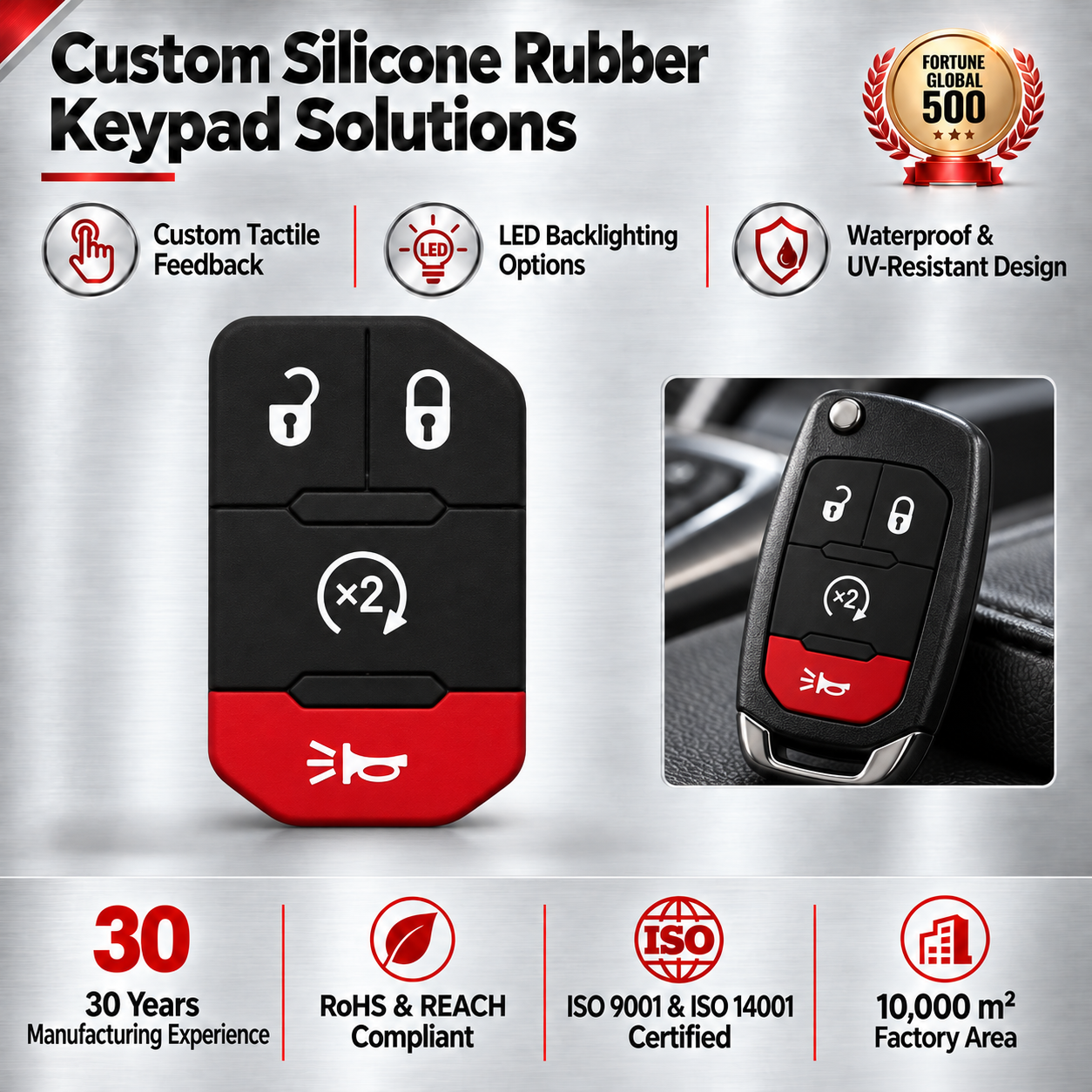
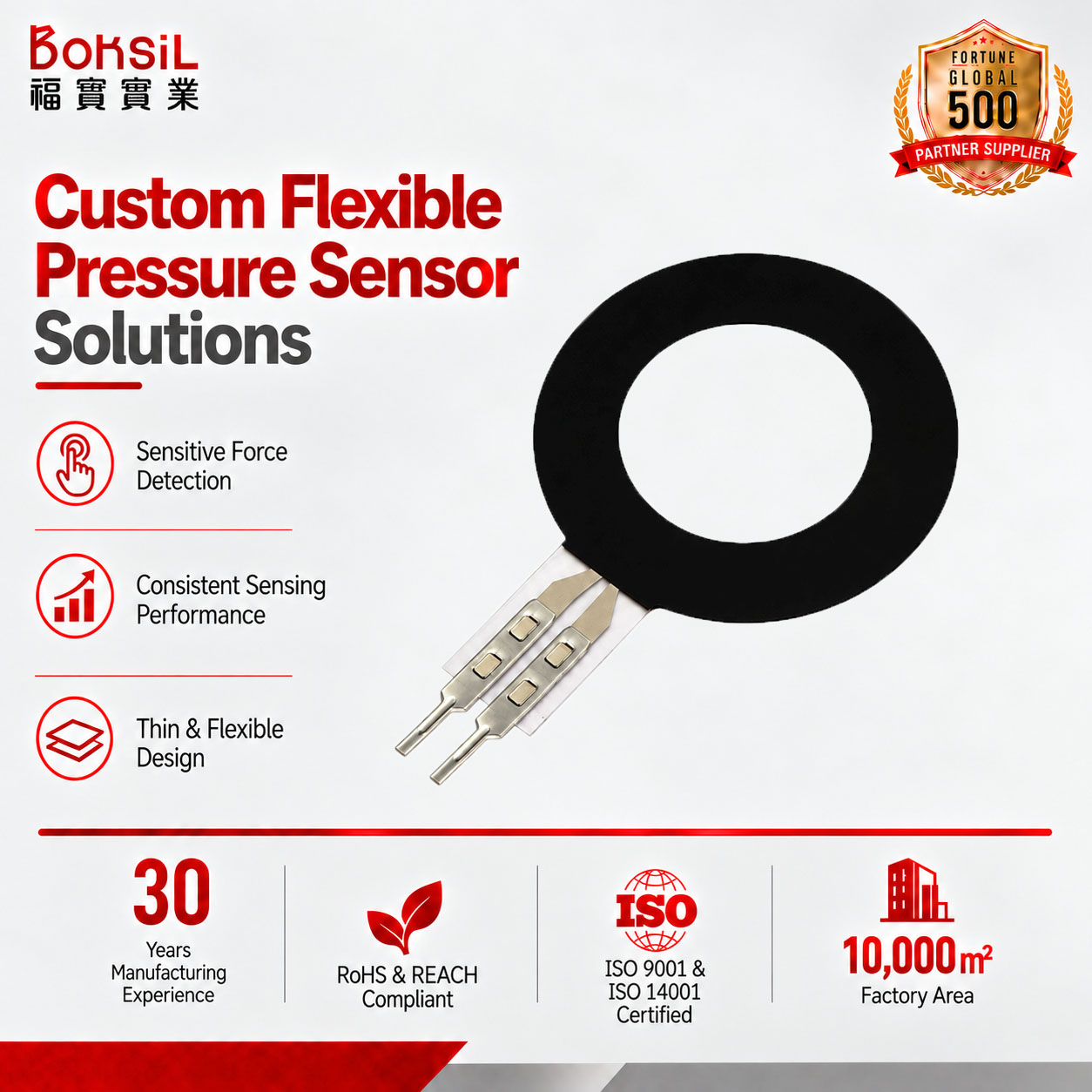
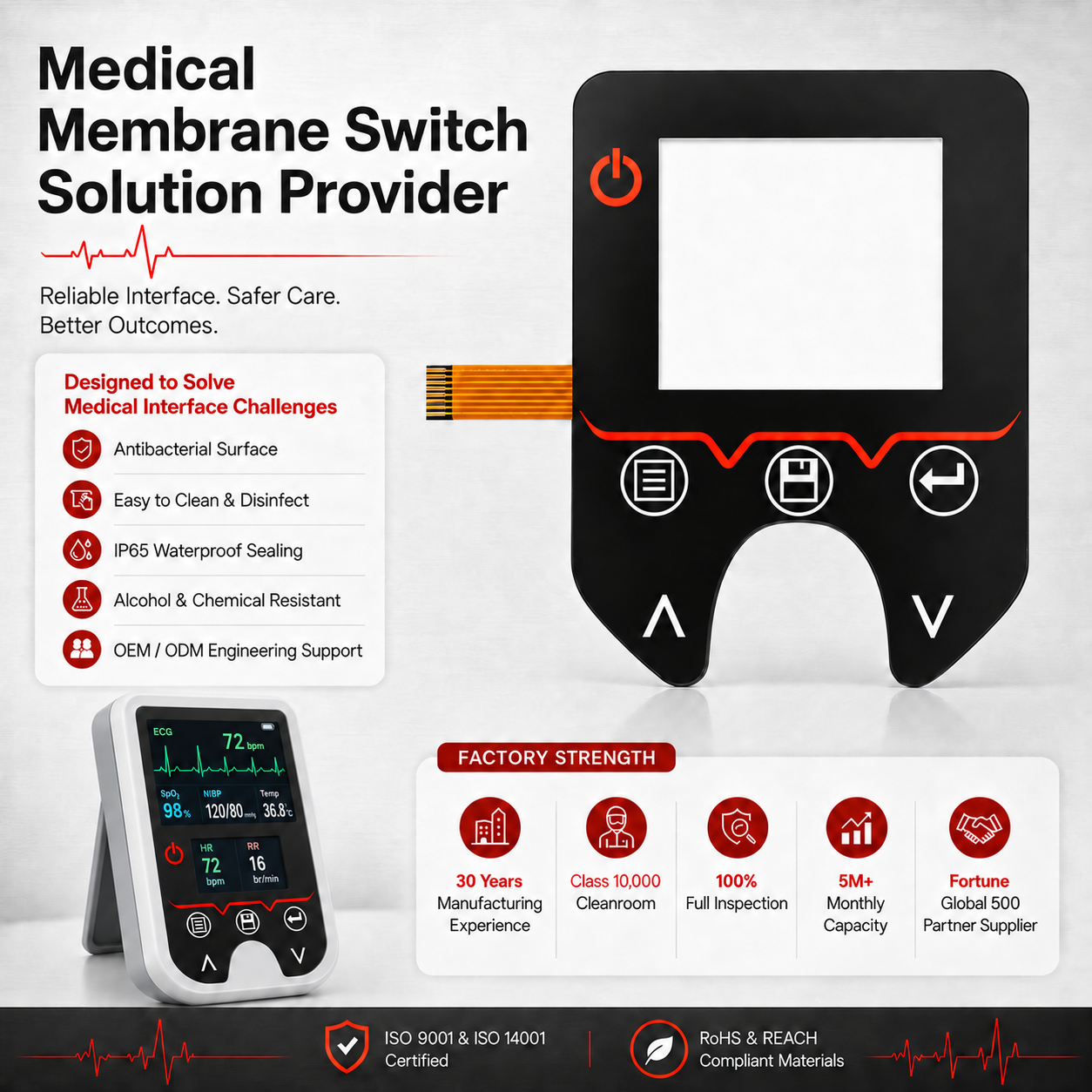
Engineering Membrane Keypad Assemblies for Port Moresby's Extreme Operational Realities
Port Moresby serves as Papua New Guinea's economic, administrative, and industrial logistics nerve center. From the commercial terminals of Motukea Port to offshore support vessels in the Coral Sea, electronic control equipment is routinely exposed to harsh conditions rarely encountered in standard assembly environments. The coastal equatorial climate imposes ambient temperatures hovering near 32°C, relative atmospheric humidity routinely exceeding 85%, and severe airborne marine salinity. In mining hinterlands connected via Port Moresby supply routes—such as Porgera, Ok Tedi, and Lihir—fine mineral dust, diesel exhaust, and chemical washdowns create severe threats to electromechanical controls.
Standard off-the-shelf pushbutton arrays and basic commercial keypads rapidly succumb to these stressors. The ingress of vapor triggers silver electromigration and dendritic shorts across non-sealed switch traces, while constant ultraviolet exposure degrades standard polycarbonate overlays, inducing embrittlement and micro-cracking within months. As premier membrane keypad assembly suppliers & exporters serving Port Moresby, Dongguan AXRU Electronics Co., Ltd. re-engineers interface reliability through specialized multi-layer stack-ups, rigorous perimeter sealing matrices, and high-performance dielectric barrier materials.
Information Gain Insight: Unlike standard screen-printed silver ink circuits that deteriorate under tropical humidity, our export assemblies destined for Papua New Guinea specify Flexible Printed Circuits (FPC) with polyimide bases and copper rolled-annealed foils, or silver-printed PET layers protected by high-solid UV-curable carbon overcoats and perimeter hydro-gaskets that meet IP65, IP67, and NEMA 4X certifications.
Mining, Quarrying & Mineral Extraction
Heavy machinery operating along Papua New Guinea's volcanic corridors requires human-machine interfaces that ignore pulverized basalt, copper tailings, and hydraulic oil. AXRU’s assemblies incorporate stainless steel metal domes with high actuation forces (350g to 500g) that deliver unambiguous tactile snap-through even when operated by technicians wearing heavy nitrile or leather protective gloves.
Maritime Terminals & Motukea Bunkering
Cargo handling systems, container cranes, and fuel dispensing consoles across Port Moresby's maritime shoreline face constant exposure to salt spray and corrosive winds. We utilize premium Autotype polyester (PET) exterior overlays coated with anti-glare, chemical-resistant hardcoats that eliminate yellowing and delamination under intense equatorial solar exposure.
Commercial Power Generation & Telecoms
Reliable continuous monitoring is essential for off-grid diesel gen-sets, microgrid substations, and remote communication repeater stations throughout the National Capital District. Our graphic overlays feature optical clear dead-front LED indicator windows, integrated backlighting via Light Guide Film (LGF), and embedded surface-mount components sealed against insect contamination.
Emerging Industrial Trends Shaping HMI Adoption Across Papua New Guinea
The acceleration of infrastructure initiatives, such as the Papua LNG terminal development, port modernizations, and regional renewable minigrids, has driven substantial shifts in how procurement directors in Port Moresby select front-panel control hardware. Three distinct trends define the modern procurement cycle:
1. Shift from Rigid Electromechanical Pushbuttons to Hermetic Membrane Panels
Mechanical rocker switches, legacy potentiometers, and loose key switches allow particulate and atmospheric moisture to bypass panel bezels, directly corroding underlying terminal blocks. Engineering teams across Port Moresby are modernizing equipment consoles with continuous-surface membrane overlays. A completely uninterrupted front faceplate eliminates panel cavities, providing zero ingress points for torrential monsoon washouts and salt-air aggregation.
2. Demand for Hybrid Silicone Rubber & Metal Dome Interfacing
While flat capacitive touch controls have expanded in consumer electronics, heavy industry across Papua New Guinea requires undeniable physical actuation verification. The blend of compression-molded silicone elastomer keypads mounted over tactile metal domes delivers a durable aesthetic with 1.2mm to 2.0mm long-travel feedback. This configuration prevents accidental actuations caused by accidental machine strikes or hand tremors common in high-vibration engine rooms.
3. Integration of Capacitive Sensing and Force Sensitive Resistors (FSR)
Sophisticated diagnostic devices, remote health monitors, and laboratory devices imported through Port Moresby General Hospital and regional university laboratories increasingly adopt multi-touch capacitive sensing matrices. By combining hard-coated acrylic front panels with back-printed silver capacitive circuits, medical devices achieve completely flush surfaces that can be wiped clean with harsh hospital-grade disinfectants, preventing cross-contamination without compromising touch sensitivity.
Engineering Material Stack-Up Matrix for Port Moresby Industrial Procurement
Choosing the correct raw material configuration is critical to preventing premature field failures. The technical comparison below outlines the exact specifications our engineering team evaluates during Design for Manufacturability (DFM) reviews for projects deployed across the Pacific region:
| Material Layer | Standard Specification | AXRU Ruggedized Tropical Spec | Operational Significance for PNG |
|---|---|---|---|
| Graphic Overlay | Standard Polycarbonate (PC) 0.175mm | Autotex / XE Textured Polyester (PET) 0.15–0.20mm | Exceptional resistance to chemical washdowns, no UV yellowing, rated for >5 million switch flexes without micro-cracking. |
| Graphic Inks | Air-dried solvent inks | UV-cured dielectric & automotive-grade pigment inks | Sub-surface printing prevents legend wipe-off from hydraulic oils, alcohol cleaners, and high friction usage. |
| Adhesive Systems | Generic commercial acrylic tape | 3M 200MP / 300LSE High-Surface Energy Adhesives | Maintains hermetic edge shear strength at temperatures exceeding 70°C and resists peel-off from powder-coated metal enclosures. |
| Circuit Substrate | Polyester (PET) Screened Silver | Polyimide (PI) / Rolled Annealed Copper FPC | Virtually eliminates silver migration risks under sustained 90%+ relative humidity; handles high current loads for integrated LEDs. |
| Tactile Mechanism | Nickel-plated carbon steel domes | Stainless steel domes (SUS301) with gold plating | Guarantees crisp snap tactile ratio over 1,000,000 actuations; immune to internal cavity condensation oxidation. |
| Tail Exit Sealing | Open unsealed notch | Continuous RTV silicone encapsulation / UV seal barrier | Prevents moisture capillary wicking along connector pins into the active contact switch grid. |
AXRU Technical Authority
State-of-the-Art 10,000㎡ Production & Environmental Testing Lab
Assessed on-site by Intertek, our vertically integrated plant in Dongguan, China handles every process under one roof—from cleanroom screen printing to climatic reliability testing.
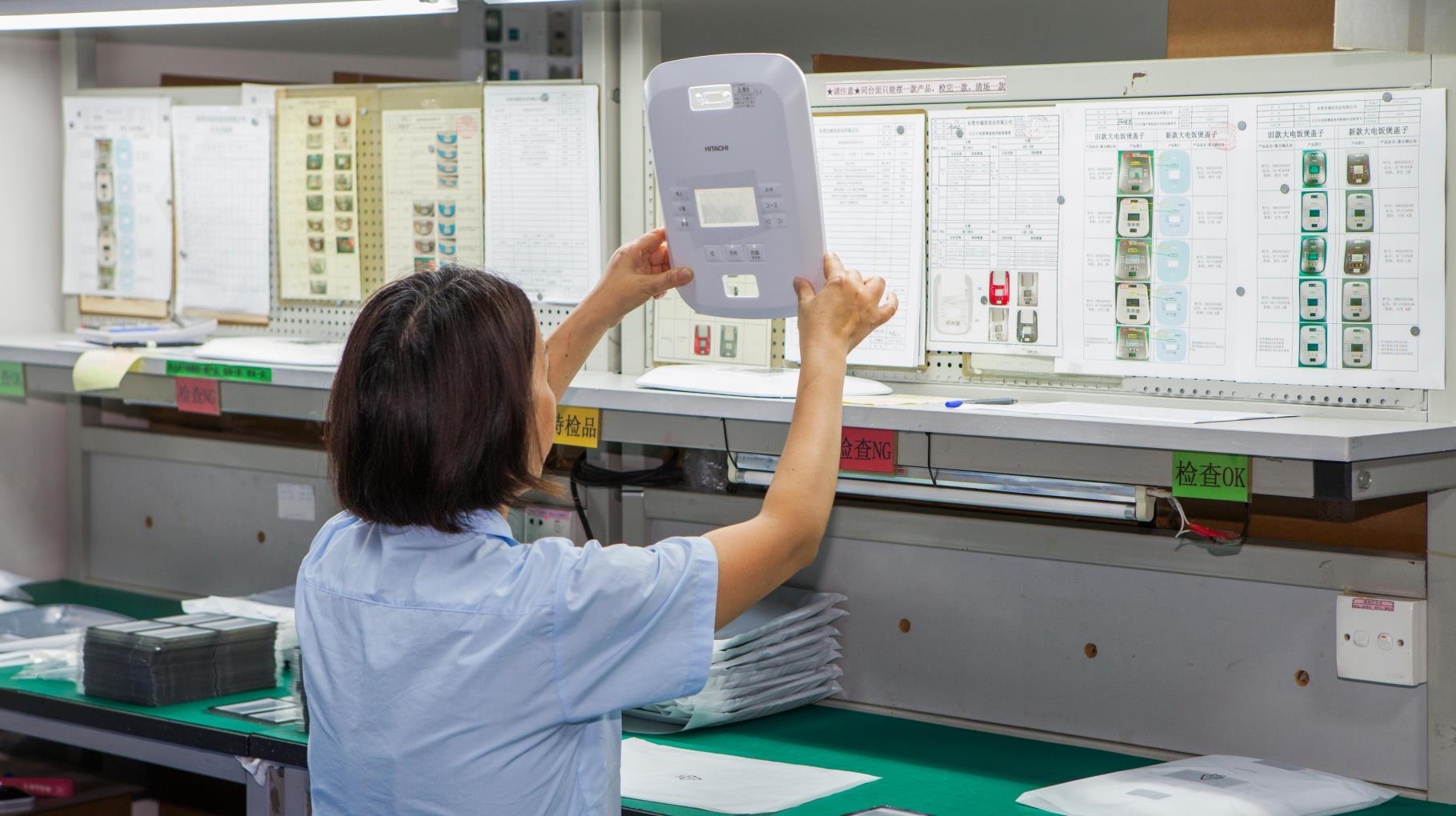
100% Electrical Inspection
Every single line, contact resistance switch point, LED diode drop, and open/short circuit is verified automatically.
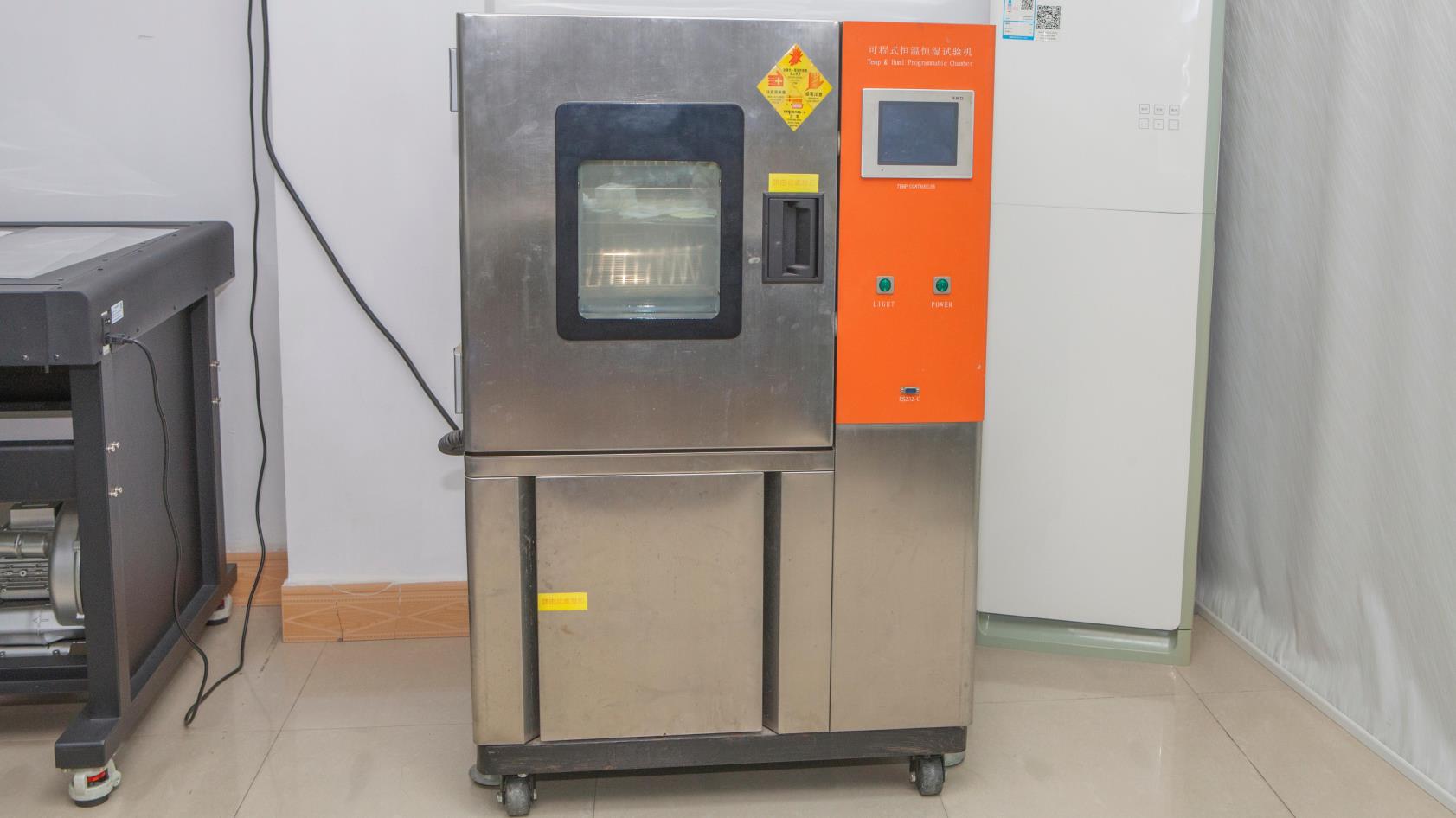
Programmable Humidity Lab
Simulates thermal shocks from -40°C to +85°C and 95% RH to validate zero delamination in tropical PNG climates.
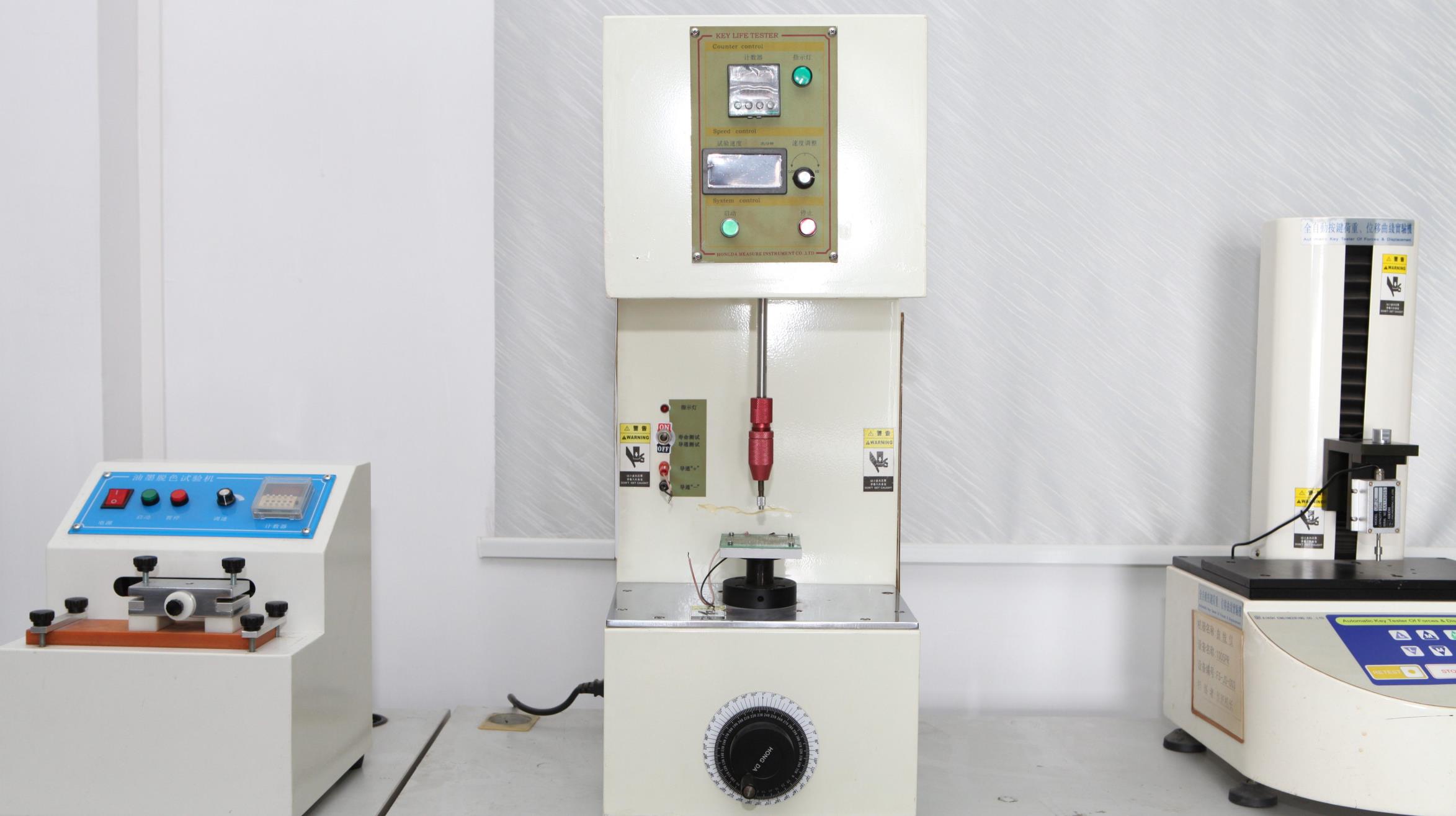
Key Actuation Life Testing
Automated pneumatic actuators cycle switches beyond 1,000,000 to 5,000,000 strokes to assure structural endurance.
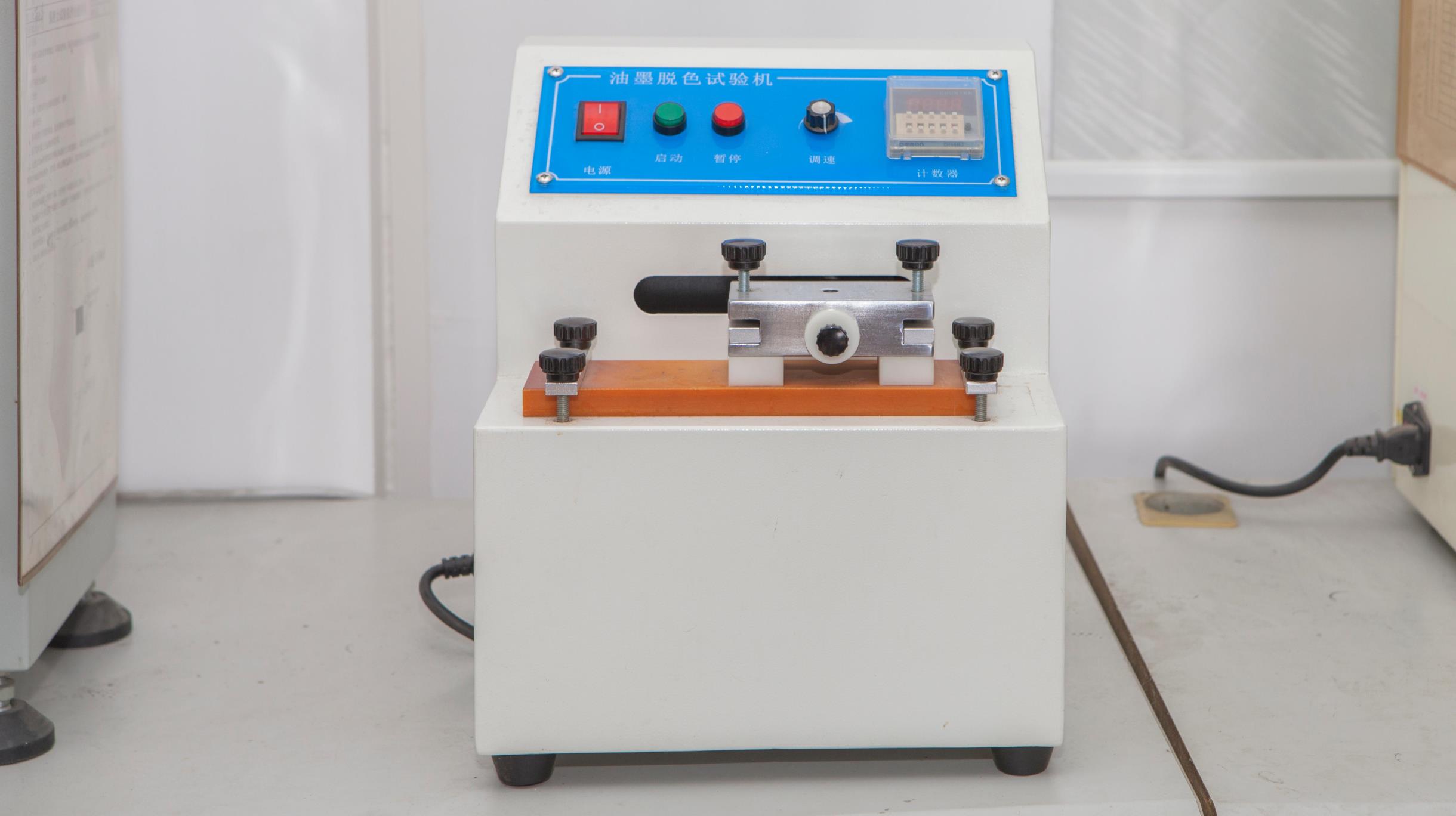
Ink Decolorization & Abrasion
RCA abrasion and chemical solvent exposure checks guarantee overlay markings remain crisp under grease and fuel.
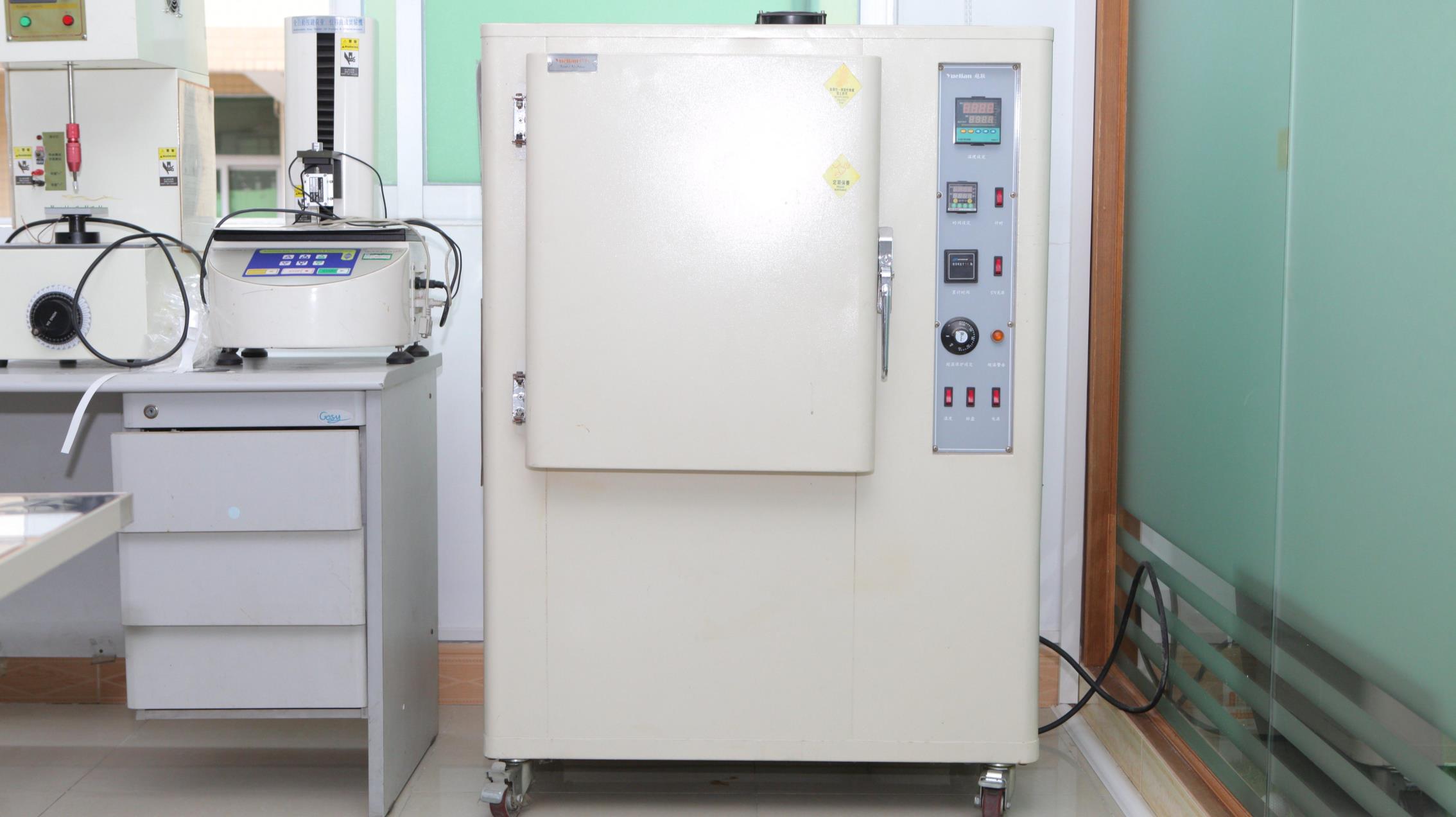
Yellowing Resistance Chamber
Accelerated solar UV exposure testing confirms transparent display windows retain clarity for years under intense sunshine.
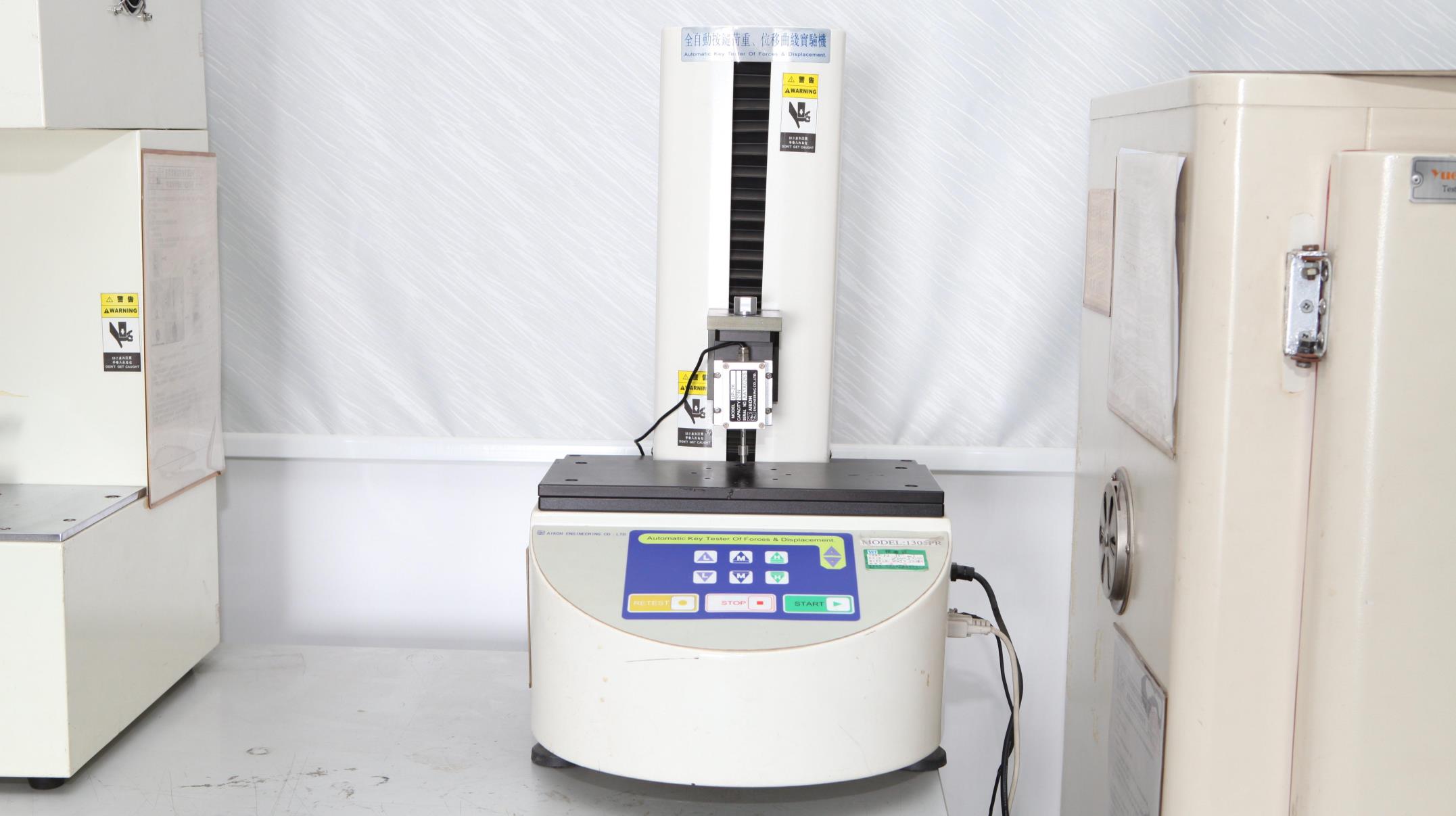
Force & Displacement Tester
Generates detailed force-deflection curves to calibrate consistent tactile snap ratios and click feel across multi-key panels.
Procurement Directives
Frequently Asked Questions by Port Moresby Buyers
Direct technical and commercial answers addressing importation, compliance, design customization, and lead times for Papua New Guinea industrial buyers.
How do you ensure membrane switch circuits don’t fail from moisture ingress in Port Moresby?
To prevent catastrophic failure in equatorial environments, we deploy complete perimeter-sealed gaskets using genuine 3M high-performance acrylic adhesives (such as 3M 467MP or 3M 300LSE). Furthermore, where high condensation or washdowns are anticipated, we transition standard screen-printed silver circuits to gold-plated or solder-masked copper Flexible Printed Circuits (FPC). Additionally, our cable tail exit features a specialized potted silicone barrier or UV-cured potting dam, isolating the circuit cavity from ambient capillary moisture absorption.
What is the minimum order quantity (MOQ) and sample lead time for custom assemblies?
We understand that many industrial control systems in Papua New Guinea are tailored for specialized machinery with lower production runs. Our standard MOQ starts at just 100 units for fully custom membrane keypads, graphic overlays, and silicone panels. Engineering prototypes and pre-production samples are completed on our rapid laser-die cut sample making machines within 5 to 7 working days, allowing your engineering team to validate ergonomics, pinouts, and aesthetics before tooling authorization.
Can AXRU handle international freight, customs documentation, and logistics to Port Moresby?
Yes. AXRU maintains more than a decade of proven global export experience. We regularly ship consolidated orders directly to Jacksons International Airport (POM) via international air couriers (DHL, FedEx, UPS) for urgent replacement projects, with transit times averaging 4–7 business days. For bulk mass production, we facilitate consolidated ocean freight routing to the Port of Motukea, preparing complete commercial invoices, packing lists with Harmonized Tariff System (HS) codes, and Certificates of Origin for smooth clearance through PNG Customs Service.
Can you reverse-engineer legacy membrane panels from worn-out or damaged machinery?
Yes. Mining and manufacturing facilities across PNG frequently run legacy Caterpillar, Komatsu, or specialized plant controllers where OEM parts are obsolete. You can send us a physical sample—even if cracked or non-functional. Our engineering department can map the schematic matrix, digitize the graphic artwork, recreate Pantone color balances, and rebuild an upgraded replacement panel featuring modern UV-stable and waterproof materials.
What engineering files and parameters are needed to issue a formal quotation?
To receive a comprehensive DFM evaluation and quote within 24 hours, provide:
1. 2D mechanical outlines (AutoCAD DXF, DWG, or PDF) denoting dimensions, cutouts, and tail exit location.
2. Graphic artwork vector files (Adobe Illustrator .AI, .EPS, or CorelDraw) with Pantone matching codes.
3. Electrical circuit requirements (matrix pinout, connector pitch, e.g., 2.54mm or 1.0mm ZIF, and LED colors).
4. Operating environmental specifications (operating temperature range, required IP seal rating, and tactile snap preference).
Intertek Verified Factory
10,000㎡ plant and 121 skilled personnel inspected on-site by Intertek, ensuring strict compliance with international manufacturing and labor quality standards.
Fortune 500 Qualified
Recognized OEM/ODM supplier delivering precision HMI components to major global multi-nationals across automotive, medical equipment, and consumer brand sectors.
Direct Engineer Access
No communication barriers. Work directly with experienced structural, electrical, and materials engineers through every stage of DFM analysis and production.
Complete Traceability
Every shipment includes comprehensive quality assurance dossiers, First Article Inspection (FAI) reports, and individual electrical trace test data archiving.
Accelerate Your HMI Development for Papua New Guinea
Have an upcoming engineering project, replacement requirement, or drawing ready for review? Connect with AXRU Electronics’ dedicated export engineering division today.
Inquire Now