Engineered Keypad Overlays & HMI Panels Serving Greater Phoenix
Direct from our 10,000㎡ manufacturing facility to OEMs throughout Phoenix, Tempe, Scottsdale, Chandler, and Mesa.
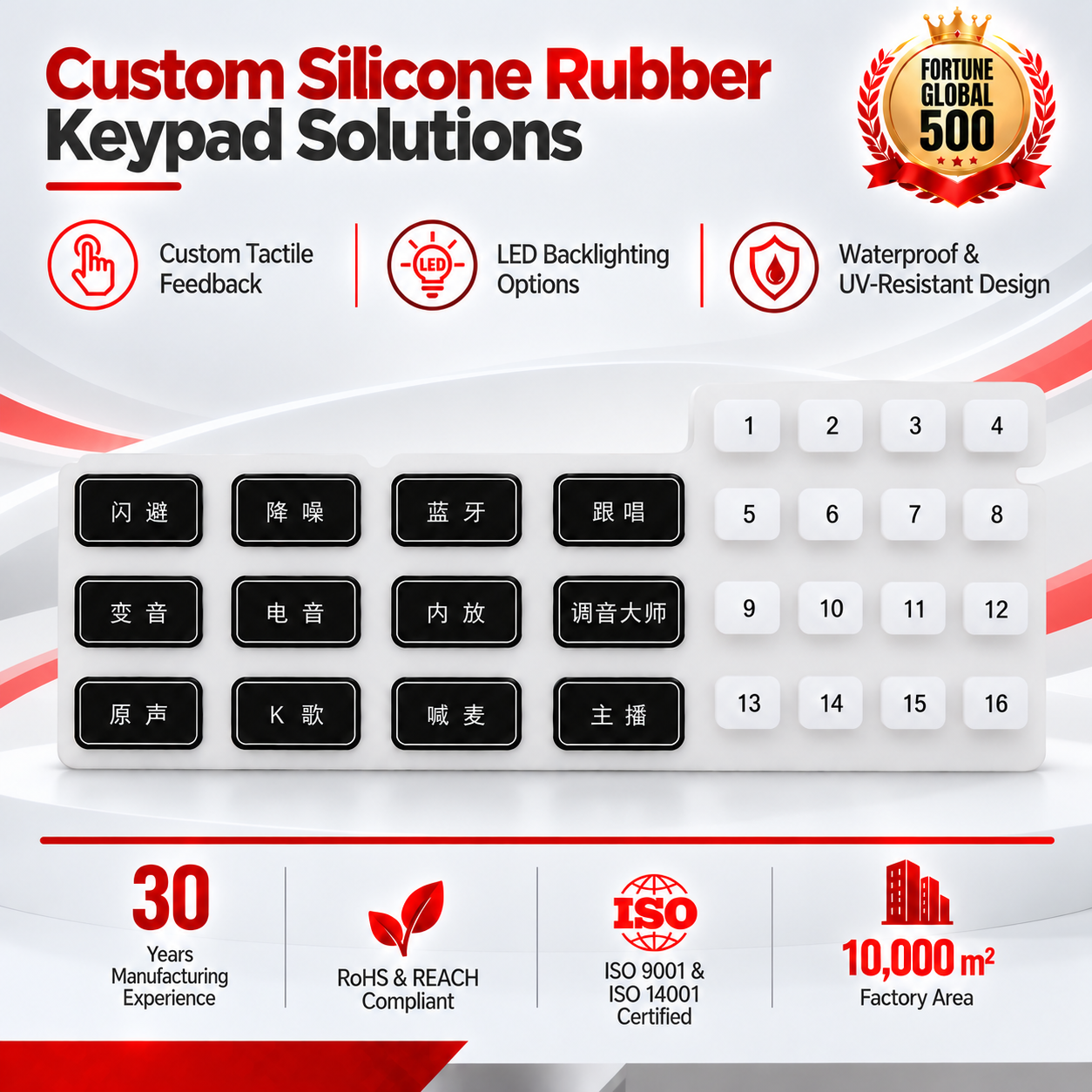
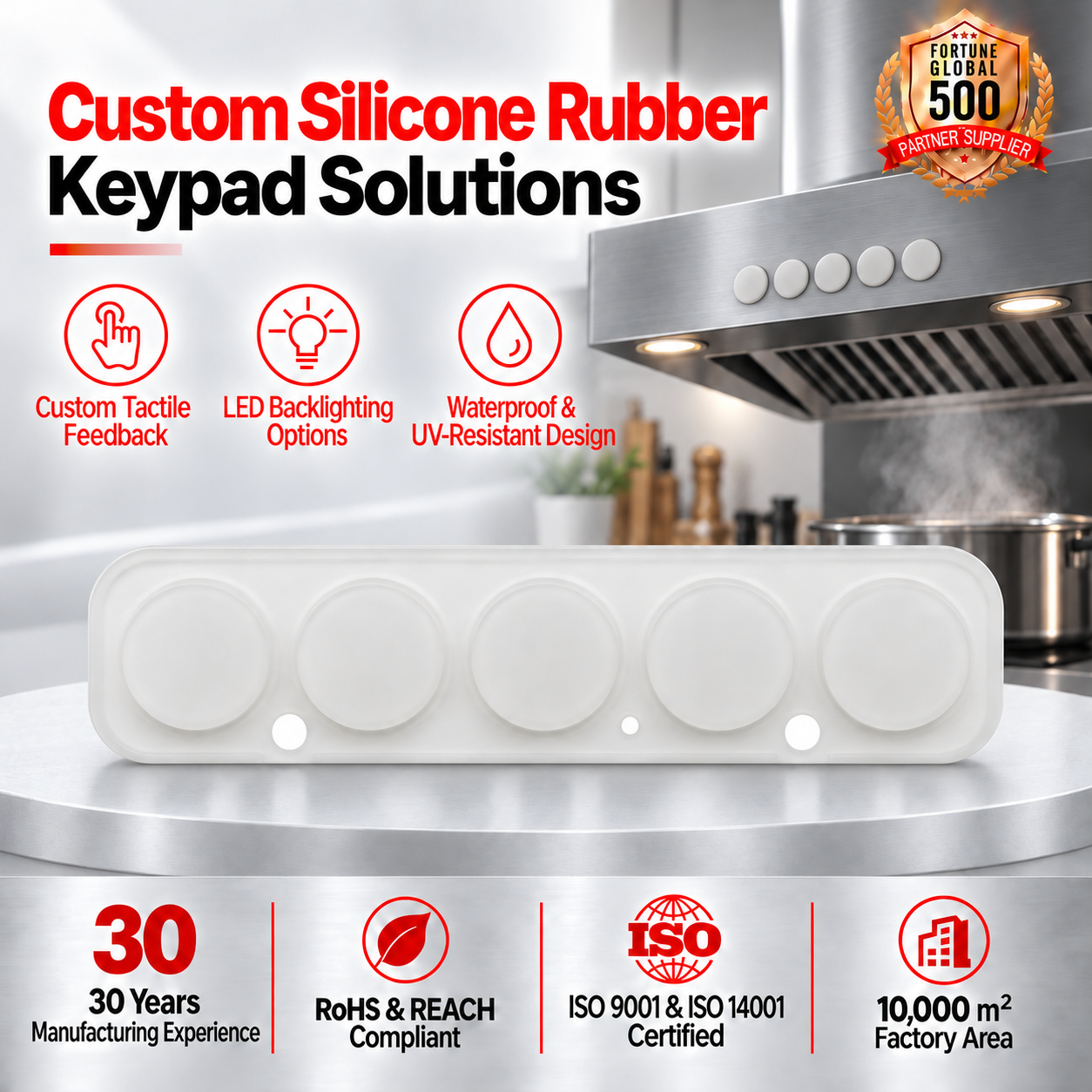
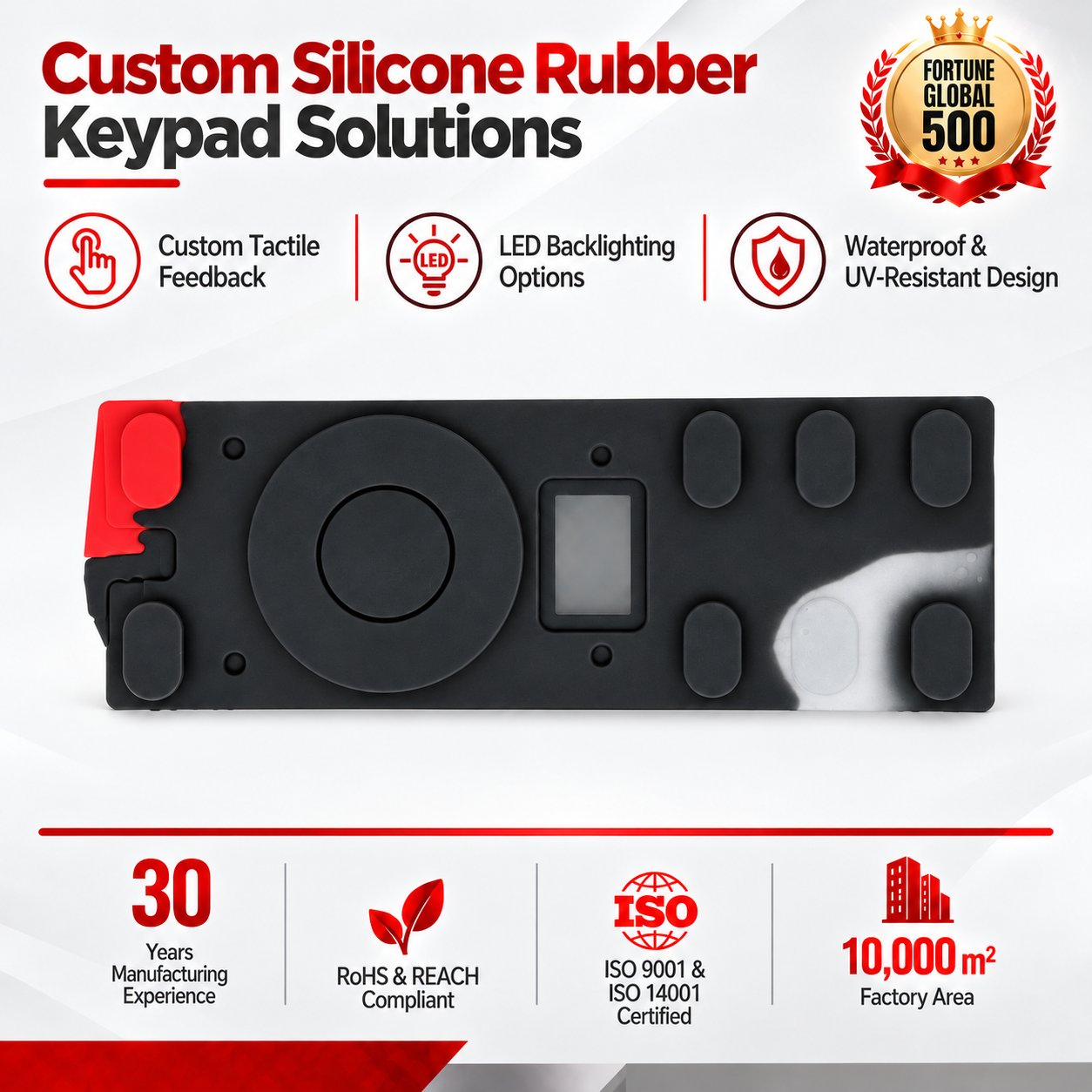
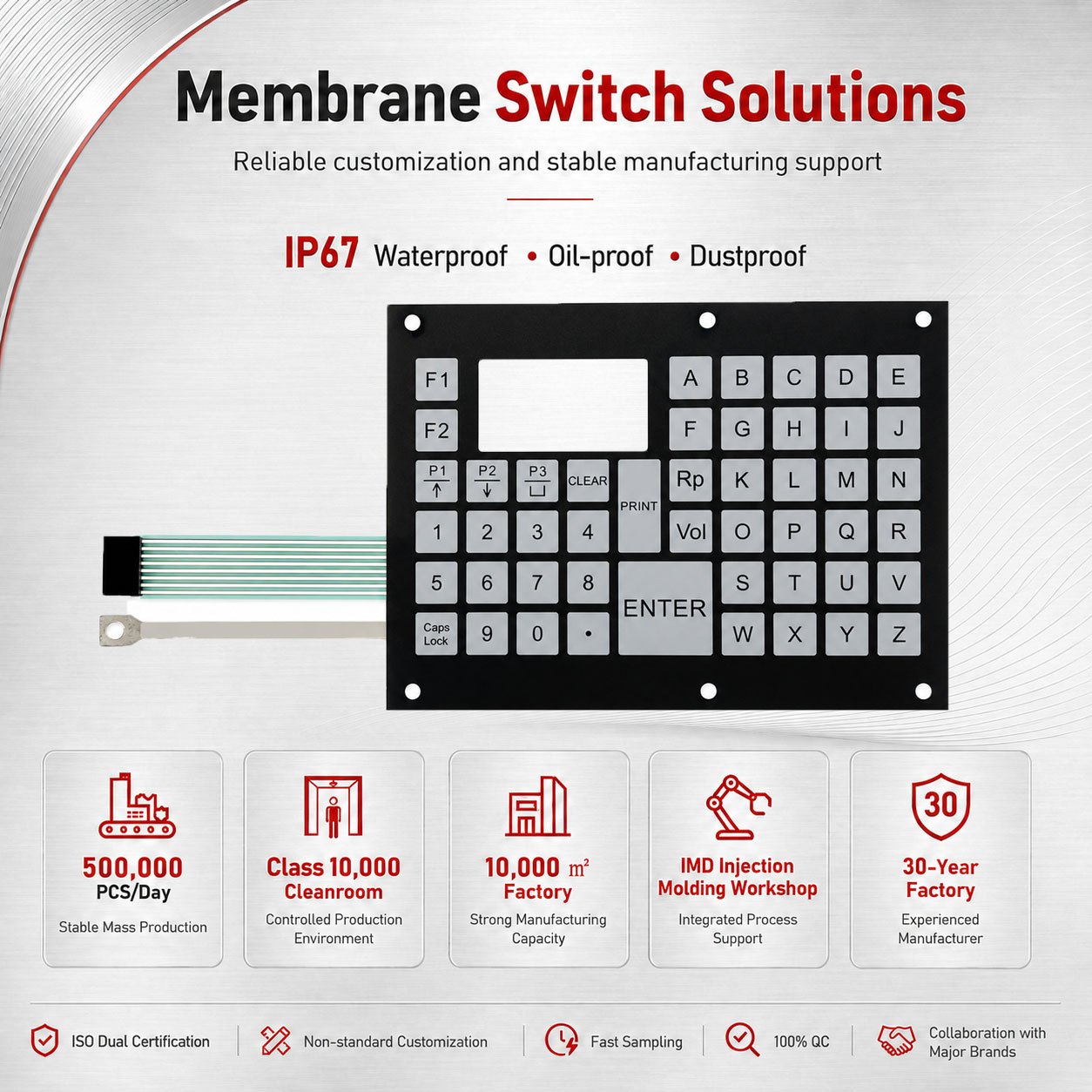
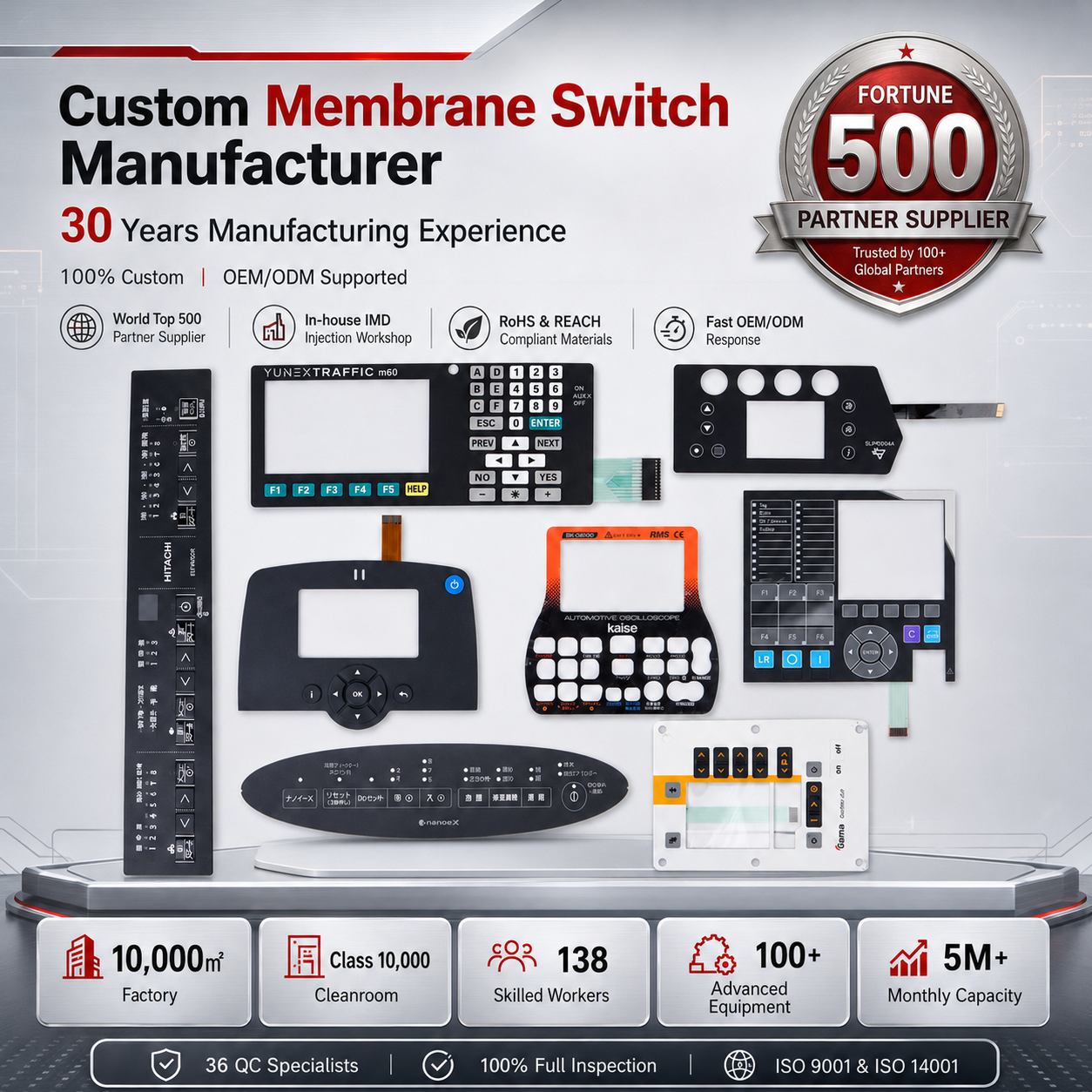
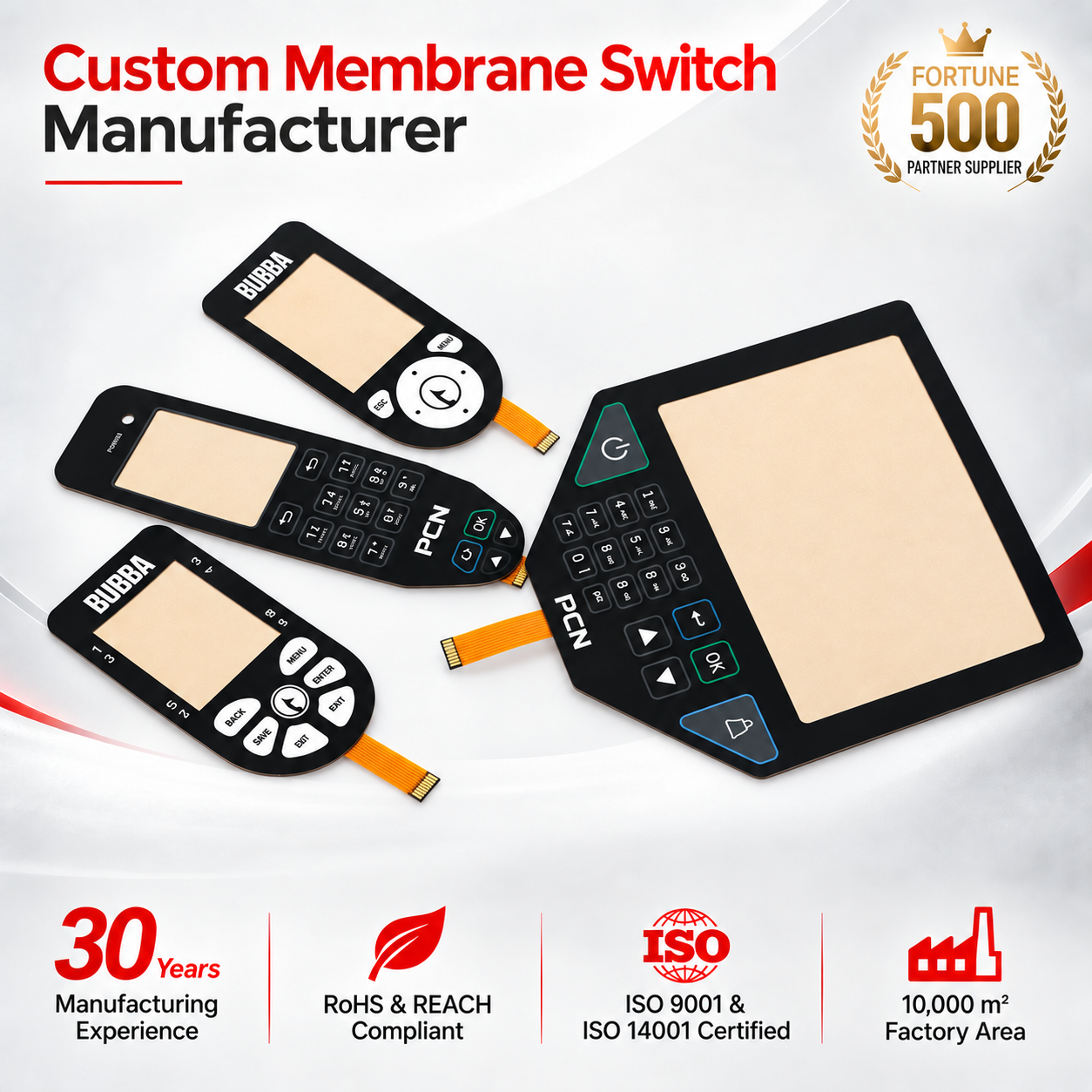
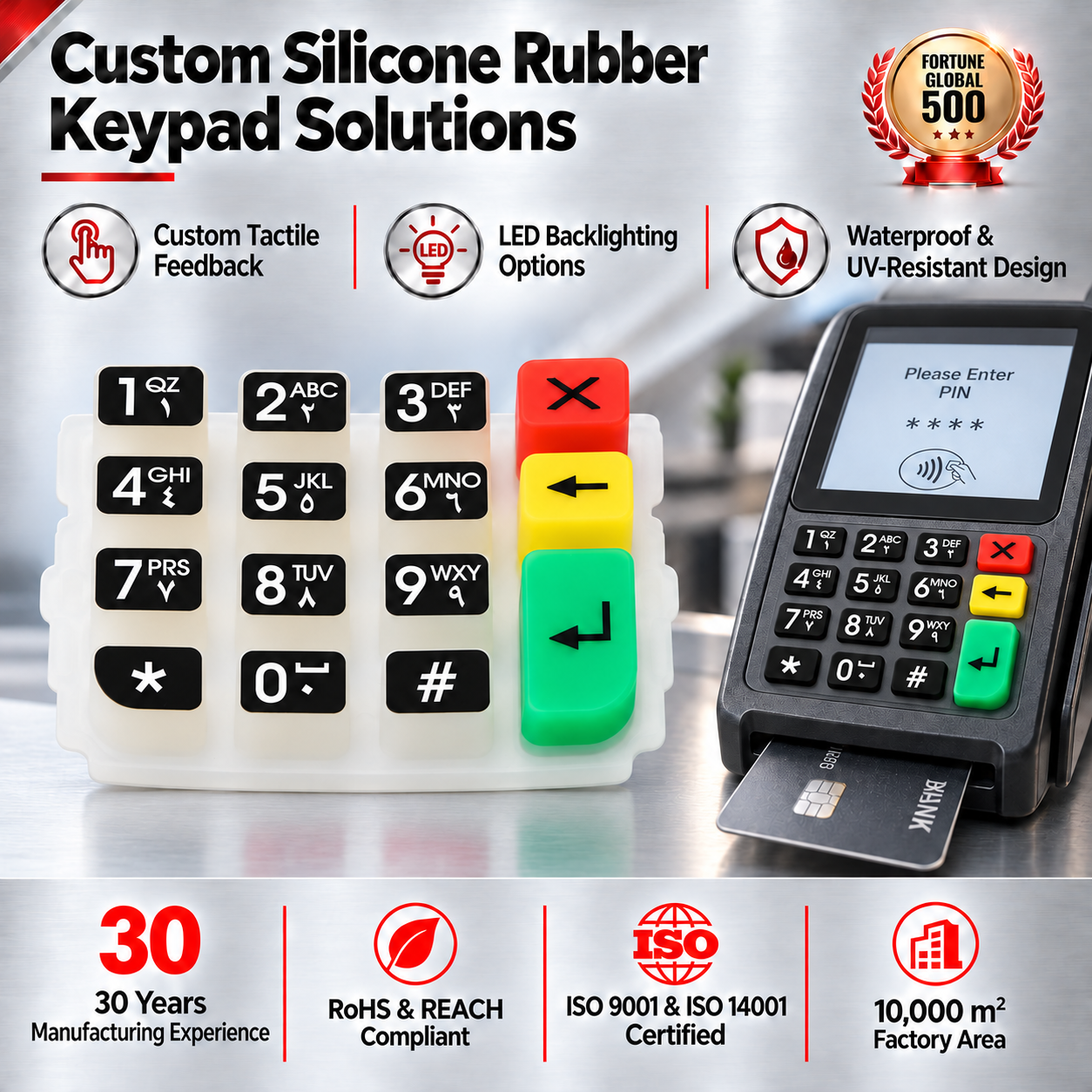
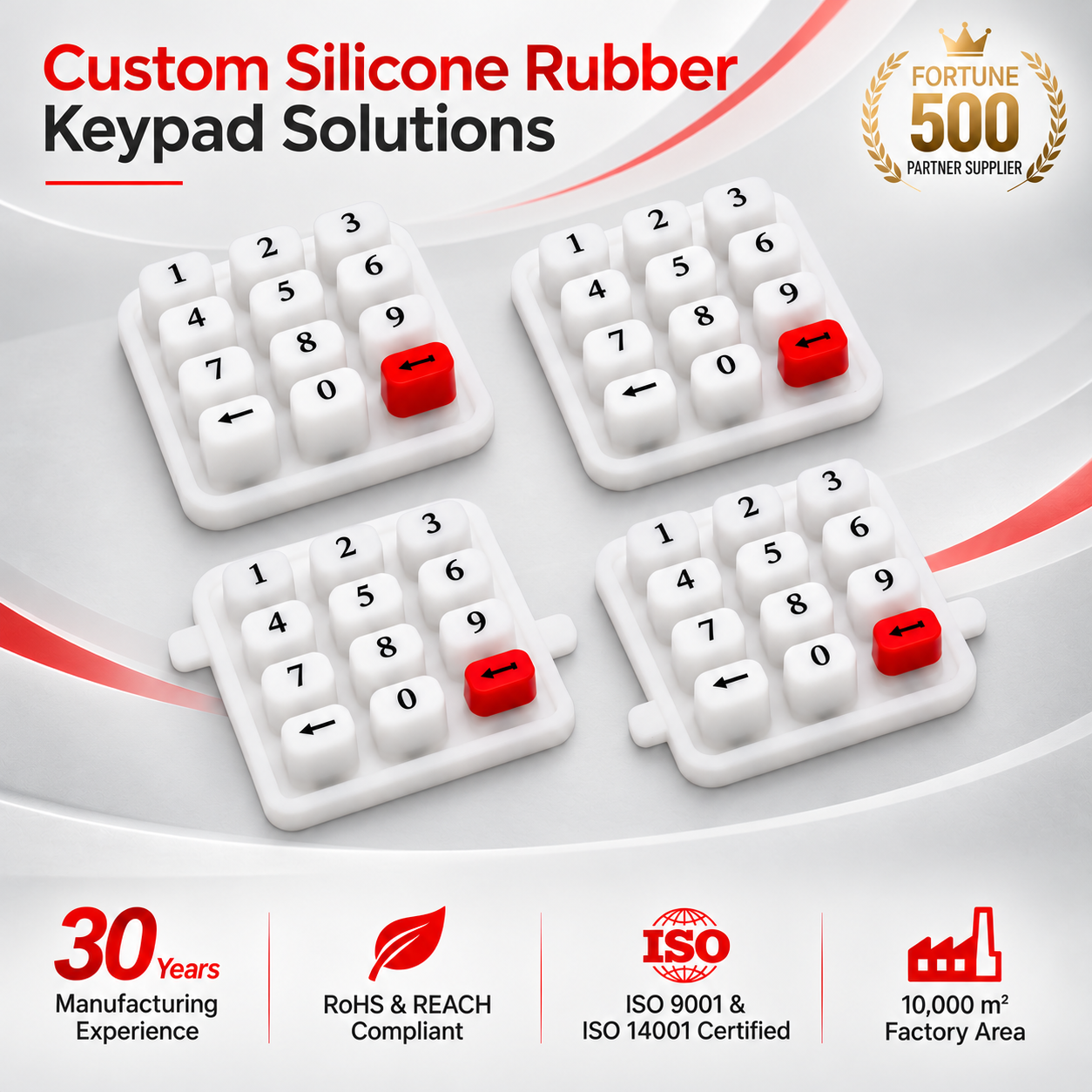
Engineering Resilient Keypad Overlays for the Phoenix Desert Climate
As the Silicon Desert continues its accelerated ascent across the Phoenix metropolitan corridor—anchoring major semiconductor fabs, aerospace programs, utility-scale renewable arrays, and advanced bioscience labs—hardware reliability requirements have fundamentally shifted. Human-Machine Interface (HMI) keypads and graphic overlays installed across Maricopa and Pinal Counties face some of the world's most unforgiving climatic profiles. Ambient air temperatures regularly surge past 118°F (48°C), causing internal electronic enclosure heats to peak upwards of 170°F (77°C) under direct solar loading.
Standard commercial membrane switches quickly experience failure in Phoenix: conventional adhesives shear, low-grade plasticized PVC overlays dry out and crack under solar UV radiation, and rapid thermal cycling between 50°F desert nights and blistering afternoons prompts trace micro-cracking and switch actuation failures. Dongguan AXRU Electronics Co., Ltd. engineer-to-order manufacturing directly addresses these failure modes by providing Phoenix OEMs with custom graphic overlays, metal dome membrane assemblies, and silicone compression keypads engineered with high glass-transition temperature (Tg) substrates, precision sub-surface silk-screen printing, and selective high-tack acrylic adhesives.
Semiconductor & Cleanroom Tooling
Chandler and North Phoenix chip fabs require chemical-resistant Autotex polyester graphic overlays capable of enduring aggressive IPA clean-down cycles without ink degradation or window fogging.
Solar Inverters & Smart Grid HMIs
Utility-scale tracking farms across the Sonoran basin require IP67/NEMA 4X sealed keypad overlays incorporating UV-stabilized hard-coated films, anti-glare display windows, and wide-temp tactile metal domes.
Medical Diagnostics & Biotech
Scottsdale and Phoenix biomedical instrument developers depend on flatbed die-cut overlays featuring antimicrobial surface treatments and continuous perimeter seals to block fluid ingress during clinical sanitation.
Aerospace & Defense Controls
Supporting prime contractors in Tempe and Mesa, our back-lit silicone keypads and dead-front overlays meet stringent tactile response specifications, MIL-STD vibration specs, and night-vision lighting requirements.
Fuel Dispensing & Retail Terminals
Outdoor payment terminals exposed to high ambient temperatures and aggressive chemical fuel vapors utilize custom 3M adhesive stack-ups, stainless steel metal keys, and rugged resistive graphic pads.
HVAC & Smart Building Automation
Commercial building controllers and desert air handlers utilize capacitive touch panels and silicone elastomer keypads engineered for uncompromised tactile snap ratios over millions of actuation cycles.
Material Selection Engineering Matrix for Harsh Desert Environments
When engineering human-machine interfaces destined for Phoenix deployment, material specification directly dictates product lifespan. The table below illustrates the structural, chemical, and physical tradeoffs between primary keypad overlay substrates evaluated in our in-house reliability testing laboratory.
| Substrate Material | Continuous Operating Temp | UV Solar Stability (Yellowing) | Chemical Resistance (IPA, MEK, Fuels) | Flexural Fatigue Life | Primary Industrial Use-Case |
|---|---|---|---|---|---|
| Biaxially Oriented PET (Polyester) | -40°F to 221°F (-40°C to 105°C) | Excellent with UV inhibitors (Outdoor grade) | High resistance to chemicals, oils, and industrial solvents | > 5,000,000 actuations (Embossed keys) | Outdoor solar inverters, medical interfaces, defense hardware |
| Polycarbonate (PC - Lexan) | -40°F to 266°F (-40°C to 130°C) | Moderate; susceptible to yellowing unless hard-coated | Vulnerable to aromatic hydrocarbons and solvents | < 50,000 actuations (Best for flat panels) | Indoor industrial controllers, dead-front instrumentation |
| Custom Compression Silicone | -58°F to 392°F (-50°C to 200°C) | Superior; unaffected by long-term desert solar exposure | Resistant to ozone, moisture, and industrial cleaning agents | > 1,000,000 tactile stroke cycles | Rugged handheld terminals, vehicle telematics, HVAC controllers |
| In-Mold Decoration (IMD/IML) | -22°F to 185°F (-30°C to 85°C) | High stability; reverse-printed film sealed under resin | Impervious to surface abrasion and liquid spills | Fixed rigid front panel | Automotive dashes, smart home control hubs, appliance fascias |
Emerging Supply Chain & Technological Trends in Arizona's Tech Corridor
Hardware procurement patterns across Phoenix, Chandler, Gilbert, and Scottsdale are experiencing four dominant macro shifts:
1. The Shift to Copper Flexible Printed Circuits (FPC) from Silver Screened Inks
While screen-printed conductive silver flakes on PET remain the historical baseline for low-cost membrane circuits, the elevated operating temperatures of Arizona's outdoor enclosures introduce silver migration risks in the presence of trace humidity. We are seeing a 45% annual increase in Phoenix-bound designs pivoting to copper etched Polyimide Flexible Printed Circuits (FPCs). FPCs offer tighter trace pitches (down to 0.5mm), negligible trace resistance, and zero risk of silver migration during high-temperature electrical loading.
2. Integrated Display Windows & Optical Bonding Preparation
As embedded color TFT and OLED displays become standard in industrial controllers, Phoenix OEMs increasingly design graphic overlays with dead-front printed windows, anti-glare micro-textures, and high optical clarity adhesive cutouts. This enables zero-air-gap bonding to the display assembly, preventing internal condensation during monsoon seasons and eliminating internal reflection under bright Arizona sunlight.
3. Low-Volume Prototyping Transitioning to Scaled Production
With Phoenix's booming startup incubator ecosystem adjacent to Arizona State University (ASU), engineering teams need prototyping flexibility without massive initial capital commitments. Our low 100-piece Minimum Order Quantity (MOQ) and dedicated sample-making equipment bridge the gap between initial pilot runs and full-scale factory production of 100,000+ units.
Why Phoenix OEM Buyers Partner Directly with AXRU Electronics
Dongguan AXRU Electronics Co., Ltd. operates a comprehensive 10,000㎡ manufacturing plant equipped with end-to-end processing capabilities. By eliminating third-party intermediaries, we ensure strict design fidelity, absolute traceability, and competitive direct-to-factory pricing.
10,000㎡ Modern Production
Housing 121 skilled technicians, automated screen-printing lines, high-precision flatbed die cutters, and climate-controlled cleanroom assembly bays.
In-House Mechanical & Environmental Testing
Every lot undergoes 100% electrical testing, along with key life cycle testing, force-displacement curve analysis, yellowing resistance testing, and thermal shock validation.
Senior Engineering Accountability
Collaborate directly with our interface project engineers on stack-up validation, tactile snap ratios, embossing profiles, and 3M adhesive selection prior to hard tooling.
Over a Decade of Tier-1 Supply
More than 10 years exporting mission-critical HMI solutions to Fortune 500 corporations and Tier-1 hardware manufacturers across North America and Europe.
Certified Raw Material Sourcing
Authentic 3M adhesives (467MP, 468MP, 300LSE, 9472LE), genuine MacDermid Autotype PET films, and Bayer polycarbonate substrates for zero compromise.
Dedicated Sample-Making Line
Rapid CNC digital cutting and high-resolution digital proofing enable functional engineering samples in days, dramatically cutting your product time-to-market.
Frequently Asked Questions: Phoenix Engineering & Purchasing Teams
Key technical and logistics inquiries fielded by our North American engineering support desk:
Which adhesive layer prevents delamination on powder-coated desert enclosures?
For low-surface-energy (LSE) materials like powder-coated steel or cast aluminum commonly deployed in Phoenix outdoor equipment, we recommend 3M 300LSE or 3M 9472LE. These adhesives maintain high peel strength across wide thermal fluctuations without edge curling.
How do you safeguard switch tactile feel during high-temperature expansion?
We utilize precision-vented spacer layers and high-grade stainless steel metal domes rated for 1,000,000 to 5,000,000 cycles. Internal venting channels equalize air pressure between the dome chamber and enclosure interior as ambient heat rises, ensuring a crisp, uniform tactile click.
What is the standard lead time for delivery to Phoenix-area facilities?
Rapid functional prototypes generally dispatch within 5–7 business days following DFM approval. Mass production runs typically take 2–3 weeks. Fast express air freight directly lands at Phoenix Sky Harbor (PHX) within 3–5 shipping days.
Can you assist in converting legacy silicone or mechanical switches to modern capacitive touch?
Yes. Our engineering department regularly helps OEM design teams re-architect mechanical faceplates into sleek capacitive touch panels or hybrid silicone-on-membrane assemblies, offering complete layout routing and LED backlighting guidance.