Engineered Interface & In-Mold Labeling Solutions
Explore our export-grade tactile interface panels, multi-layer graphic overlays, and in-mold bonded assemblies engineered for durability, moisture prevention, and reliable human-machine communication.
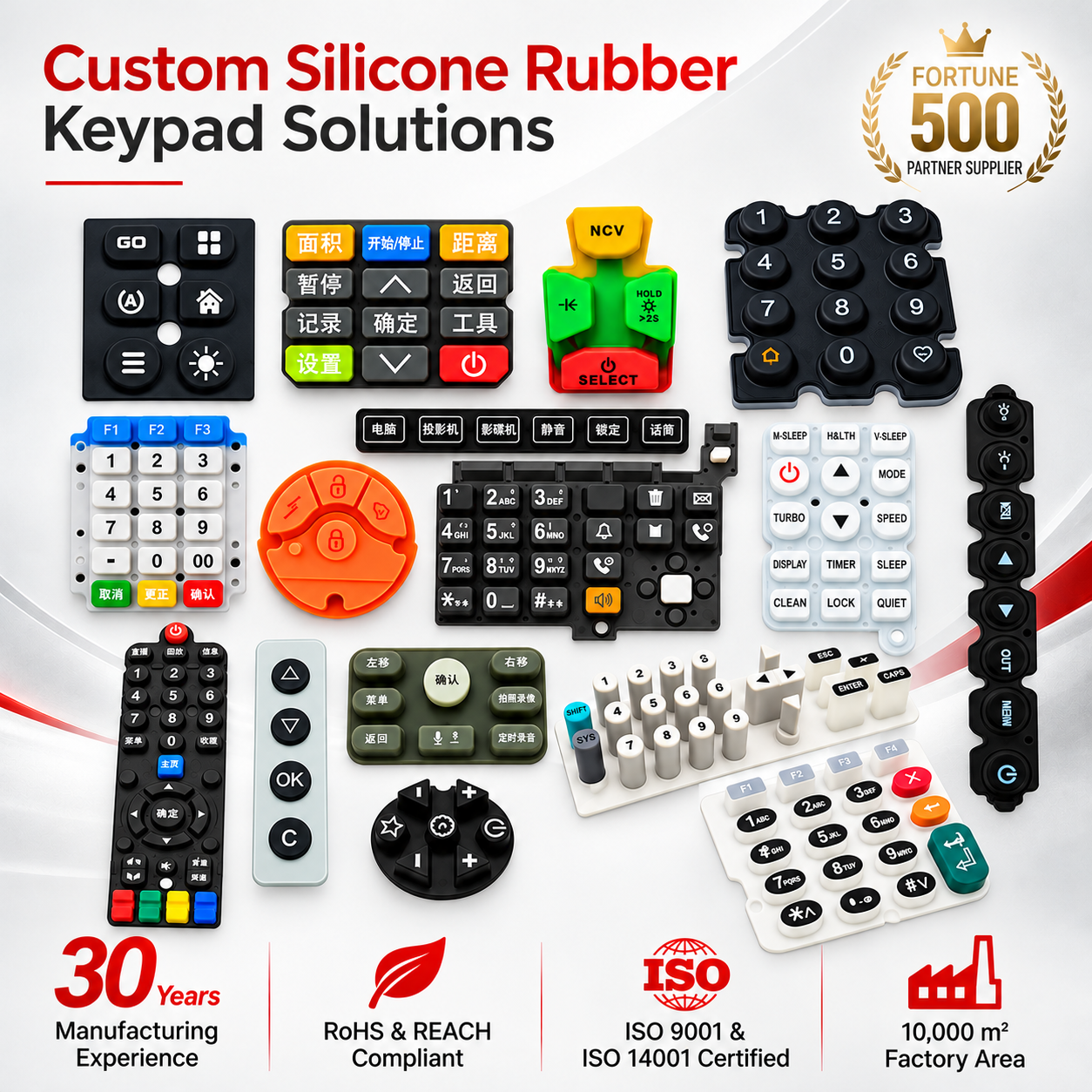
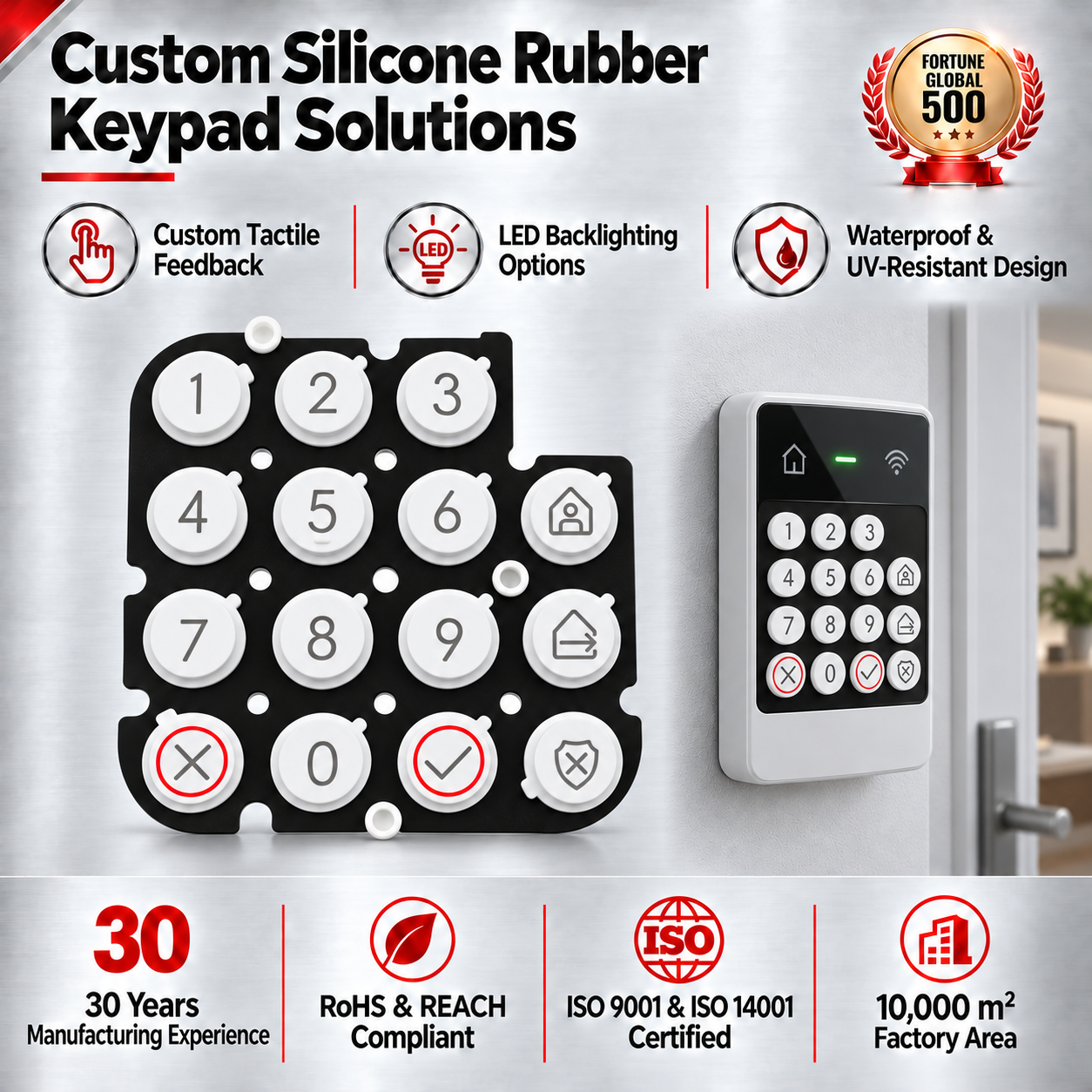
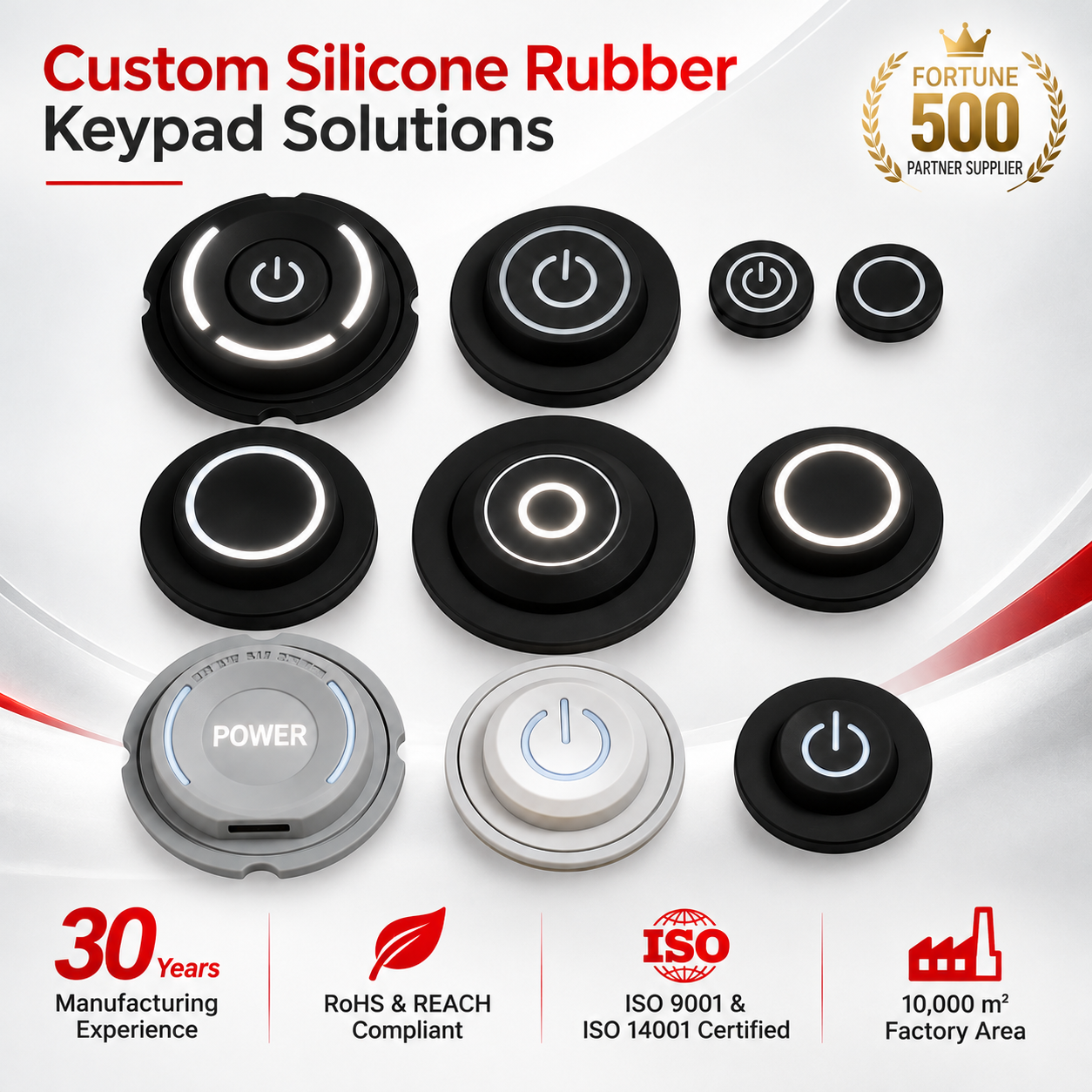
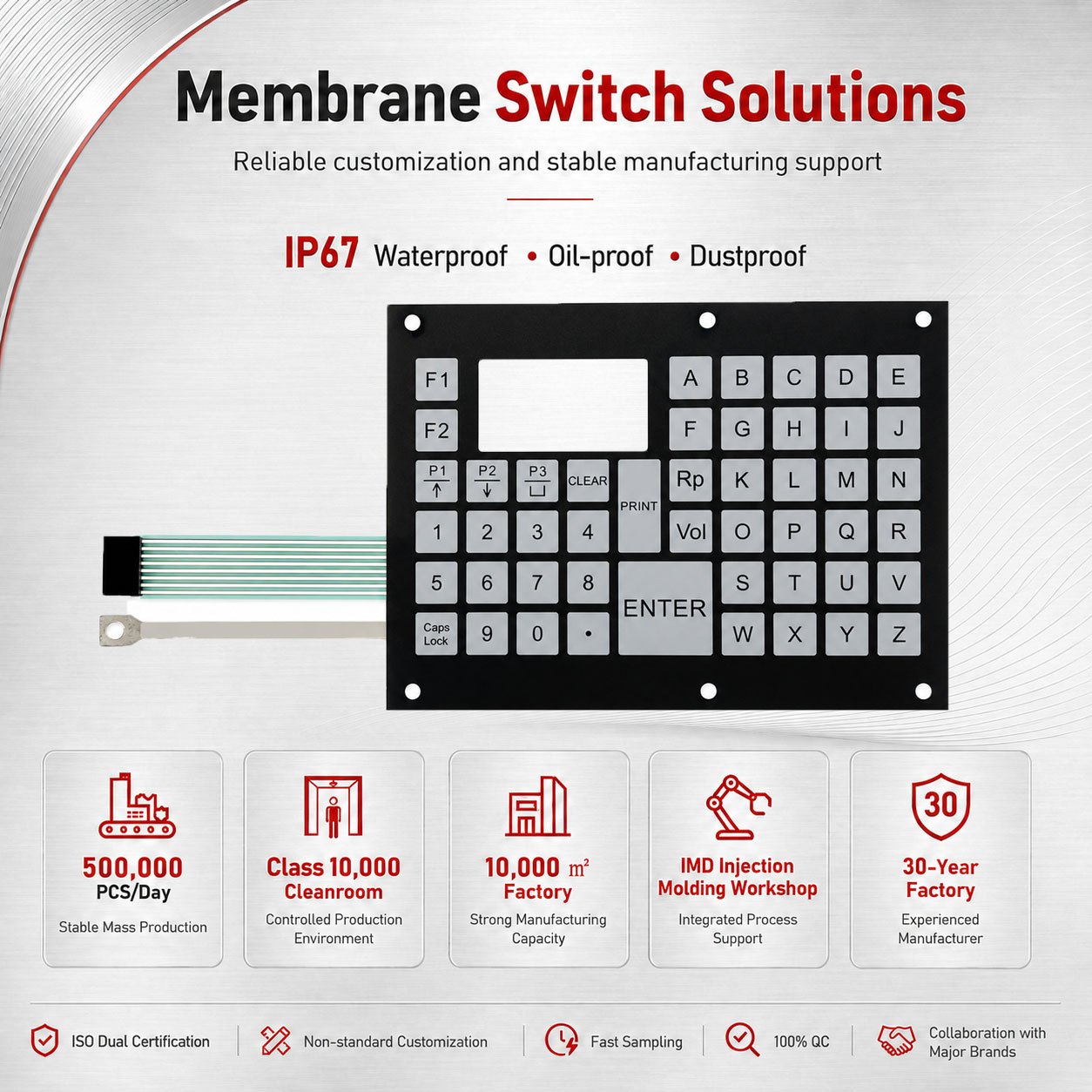
In Mold Labeling (IML/IMD) & Interface Engineering in Masaya
Comprehensive engineering analysis of polymer fusion, permanent graphic encapsulation, and extreme environmental resilience for Central American manufacturing hubs.
Molecular Polymer Fusion
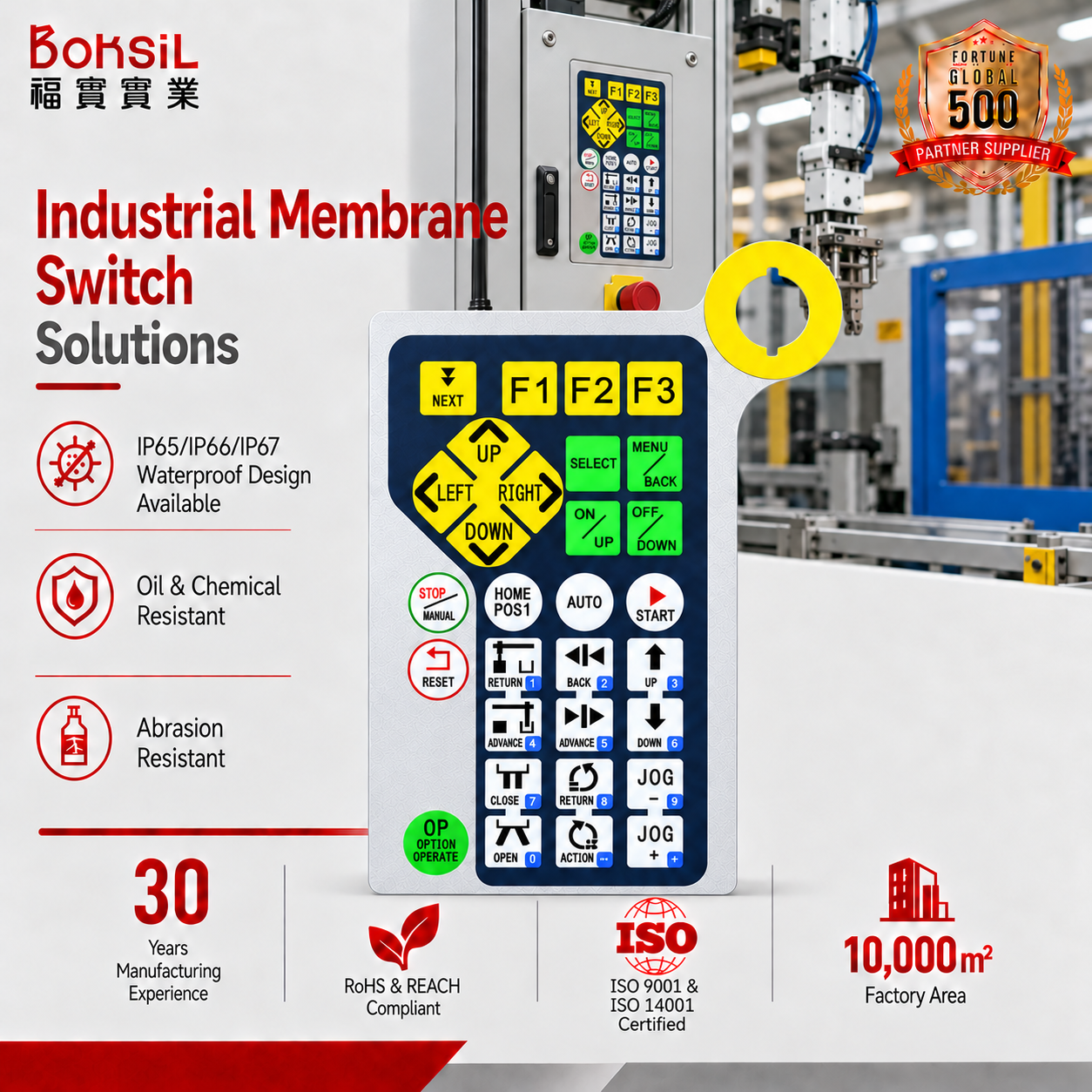
Unlike standard pressure-sensitive adhesive labels that peel under Central America's tropical humidity, our In-Mold Labeling technology fuses printed polycarbonate or PET films directly into injected resin cores, forming a structural, seamless monocoque component resistant to delamination.
Hermetic Barrier Defense
Nicaragua's Pacific volcanic region experiences ambient dust, high relative humidity (up to 85%+), and persistent thermal cycling. IML and second-surface printed overlays shield conductive tracks completely from ingress, delivering certified IP65 to IP67 protection against volatile environmental hazards.
Zero-Wear Chemical Immunity
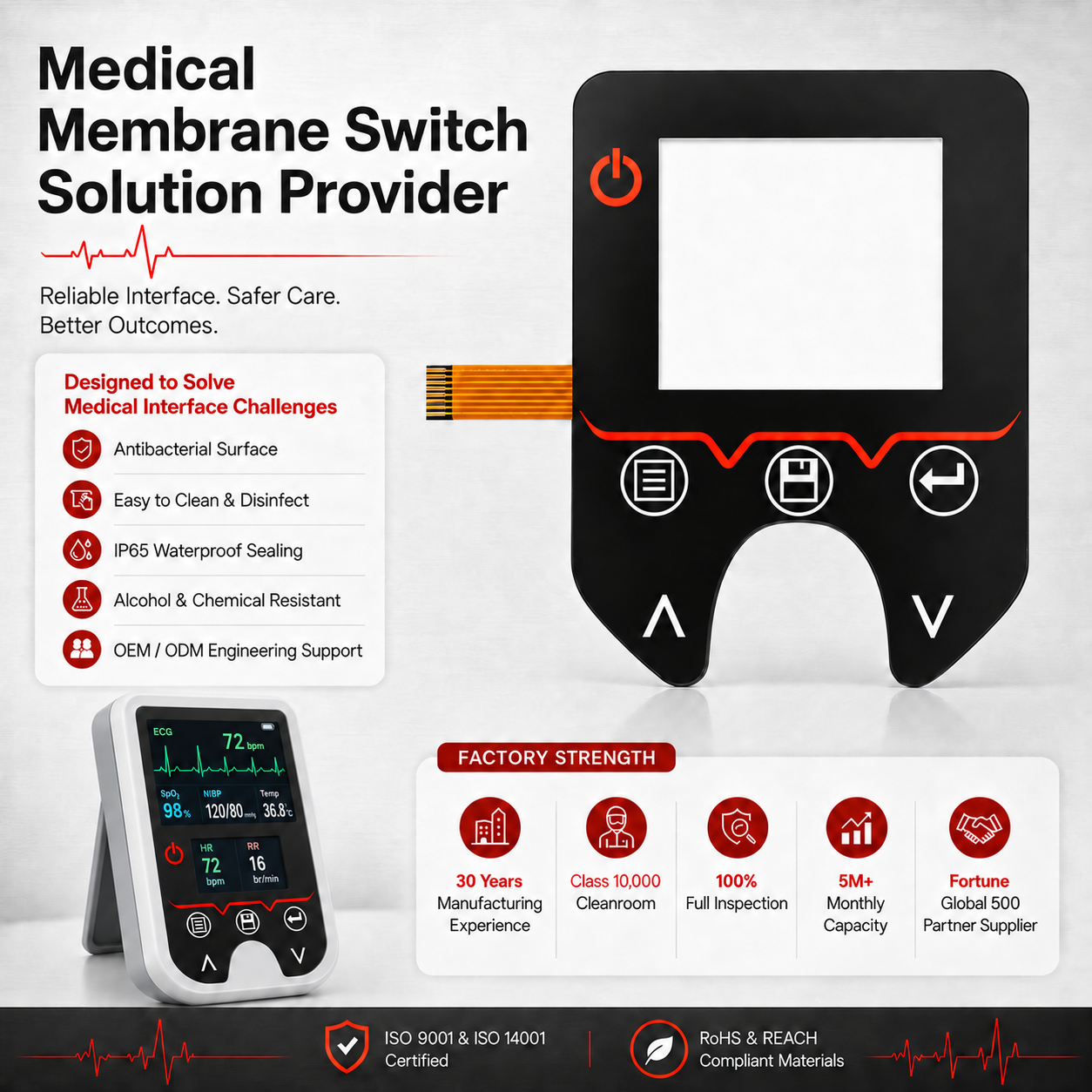
Labels and legends are embedded underneath an engineered hard-coat surface. Frequent exposure to harsh agrochemical agents, medical sanitation detergents, and industrial wash-downs leaves the graphical clarity and electrical actuation properties 100% unaffected over millions of operational cycles.
Strategic Industrial Application Scenarios in the Masaya Region
The Department of Masaya, positioned strategically between Managua and Granada, represents a dynamic economic node combining traditional craft-scale light manufacturing with modernizing agro-industrial processing, footwear fabrication, free trade zone (Zona Franca) textile processing, and specialized chemical distribution. For procurement managers and equipment engineers operating within Masaya's industrial landscape, human-machine interface components and labeling systems cannot be treated as passive decorative elements—they are critical operational fail-safes.
1. Agro-Industrial Sorting & Food Processing Equipment: Processing facilities across Masaya, Nindirí, and Tisma frequently handle raw agricultural produce where machinery is subjected to daily pressurized cleanings and caustic sanitizers. Traditional paper-substrate or exterior-printed vinyl stickers degrade quickly, risking particulate contamination in food streams. Our In-Mold Labeling interfaces eliminate outer seams, preventing micro-bacterial harbors and passing stringent sanitation evaluations effortlessly.
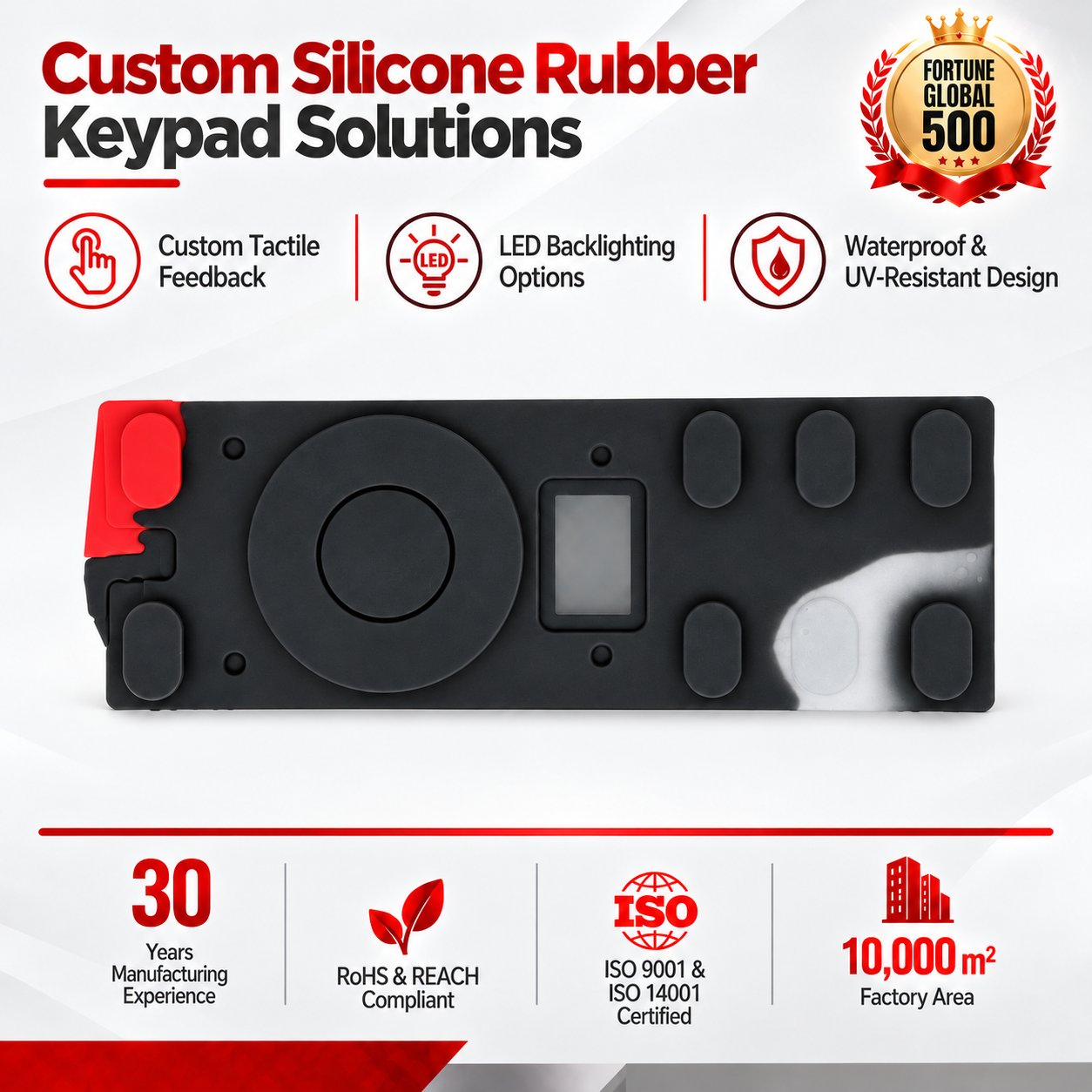
2. Zona Franca Industrial Automation & Production Monitoring: As textile and assembly lines scale up digital telemetry and PLC-governed monitoring stations across industrial parks in Masaya, interface durability dictates machine availability. AXRU's custom silicone keypads, integrated with conductive carbon pills and FPC backbones, allow factory operators to input high-frequency commands with tactile feedback without degrading from mechanical vibration or friction.
3. Outdoor Dispensing & Fuel Distribution Networks: Service stations along the Pan-American Highway corridor crossing Masaya face persistent solar ultraviolet irradiance, high ambient temperatures, and petroleum hydrocarbon exposure. Our UV-stabilized polycarbonate graphic overlays and stainless-steel hybrid tactile switch arrays prevent legend yellowing, ink decolorization, and membrane embrittlement across decades of uninterrupted service.
Regional Trends: Central American HMI & IML Evolution
Market intelligence analysis on the technological migration from legacy mechanical switches to intelligent In-Mold Decoration across Central American markets.
1. Convergence of Aesthetics and Functional Electronics (IME)
Modern equipment builders throughout Nicaragua and Central America are discarding separate mechanical push-buttons in favor of In-Mold Electronics (IME). By encapsulating conductive circuitry, backlighting LEDs, and capacitive sensors directly within thin-wall thermoformed plastic shells, OEMs achieve 40% reduction in housing weight and assembly cycle times while gaining complete water impermeability.
2. Supply Chain Consolidation & Direct Exporter Partnerships
Historically, procurement directors in Masaya relied on multi-tiered import distributors across North America or regional intermediaries, resulting in extended component lead times and opaque quality verification. The accelerating trend is direct technical partnership with accredited tier-one exporters capable of handling DFM, prototyping, cleanroom silk-screening, and testing under one audited roof.
3. Rigorous Material Traceability & Environmental Compliance
With an increasing volume of finished machinery manufactured in Central America designated for re-export into US and EU territories under free trade agreements (CAFTA-DR), local purchasers demand full RoHS, REACH, and UL compliance documents. Exporters supplying Masaya must deliver verified chemical certification and zero-defect quality standards for critical human interfaces.
Technical Comparison: Interface Technologies for Tropical Industrial Environments
Quantitative matrix comparing material endurance, IP sealing capabilities, and tooling amortization metrics for industrial procurement.
| Technology Type | Substrate Composition | Rated Mechanical Life | Environmental Ingress (IP) | Optimum Operational Context |
|---|---|---|---|---|
| In-Mold Labeling / IMD | Autotype PET / Optical PC fused with ABS/PC resin core | Immune to friction (Permanent substrate fusion) | IP67 / IP68 Hermetic hermetically bonded | Automotive panels, sanitizable medical controls, high-impact casings |
| Tactile Metal Dome Membrane | Polyester (PET) overlay, silver-printed circuit, stainless dome | 1,000,000 to 5,000,000 actuations | IP65 with continuous perimeter gasket adhesive | Agro-industrial controllers, CNC terminals, handheld metering |
| Capacitive Touch Surface | Chemically strengthened glass, PMMA acrylic, or rigid PC | Solid-state (Zero mechanical moving parts) | IP65+ completely sealed wipe-clean face | Smart commercial appliances, access control, cleanroom devices |
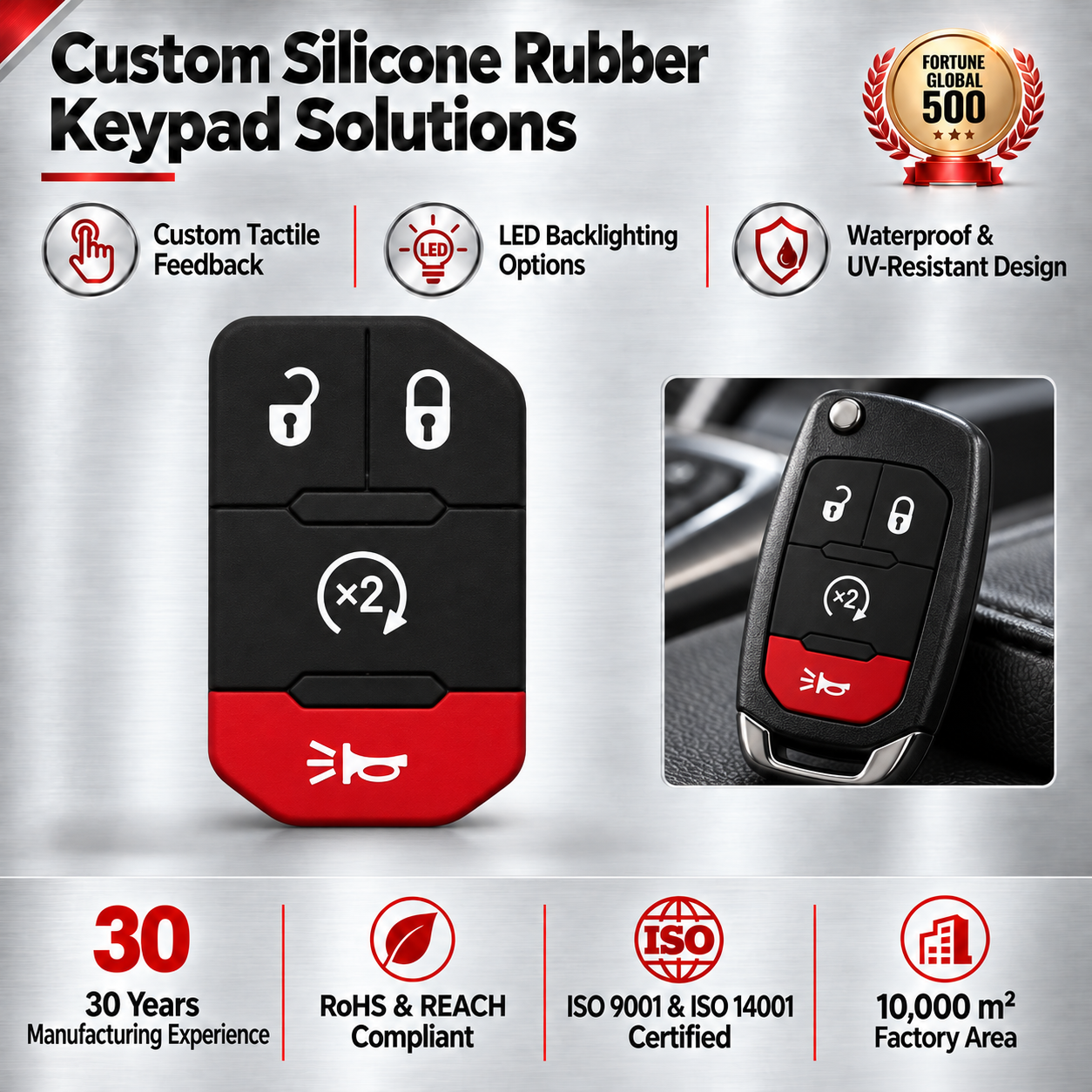
| Compression-Molded Silicone | High-tear-strength medical or industrial silicone elastomer | 500,000 to 2,000,000 cycles | IP64 standalone; IP66+ with integrated silicone seal rib | Remote transmitter units, communication PTT buttons, vehicle keypads |
| Vandal-Resistant Stainless Keypad | AISI 304 / 316 Stainless steel faceplate & actuated plungers | > 2,000,000 cycles (IK09 / IK10 impact rated) | IP65 weather-sealed front boundary | Highway fuel dispensers, public kiosks, unsupervised payment terminals |
Enterprise Strengths: World-Class HMI & IML Manufacturing
Dongguan AXRU Electronics Co., Ltd. serves as an authoritative OEM/ODM partner for global engineering brands and regional industrial leaders across Central America.
Full In-House Process Chain
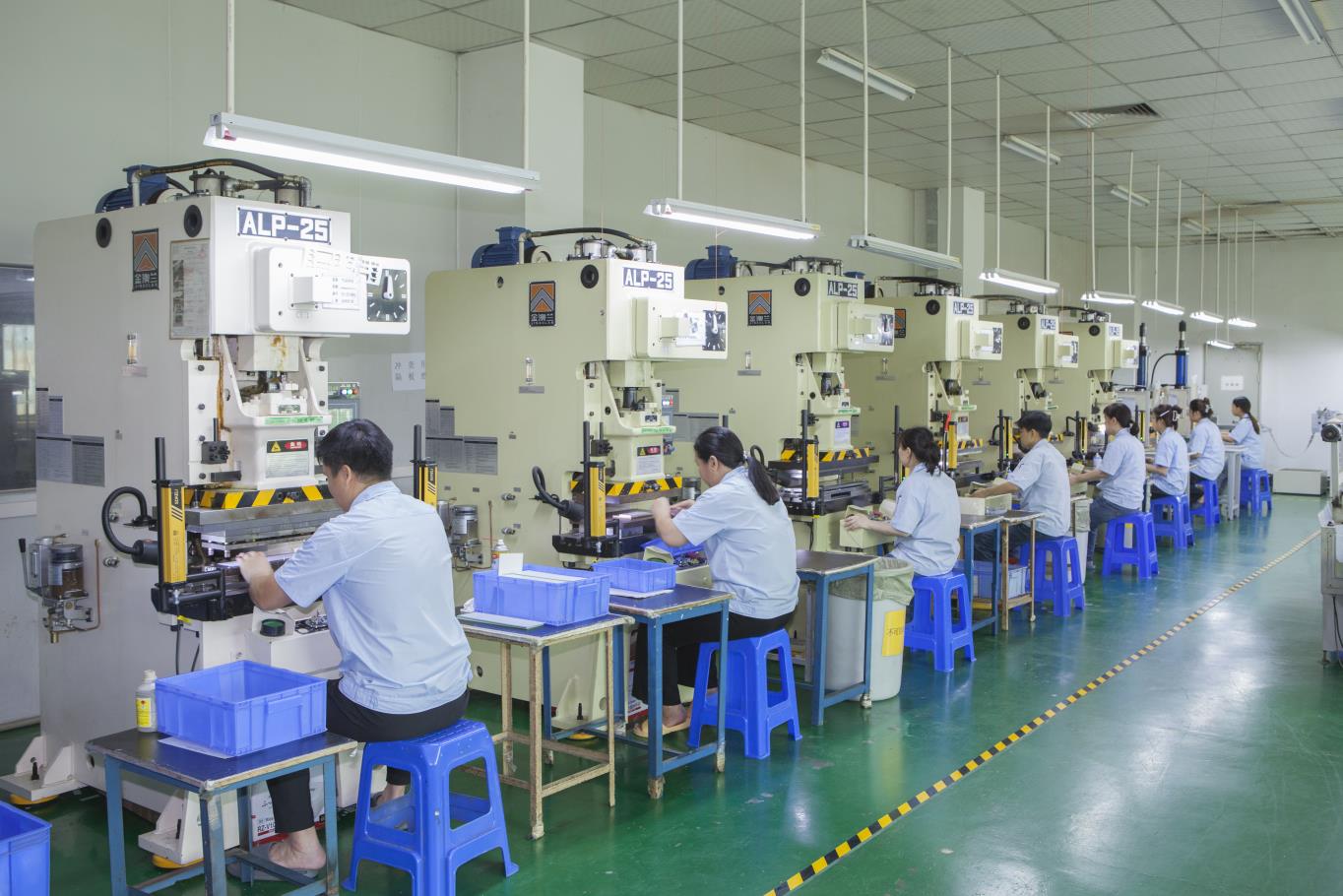
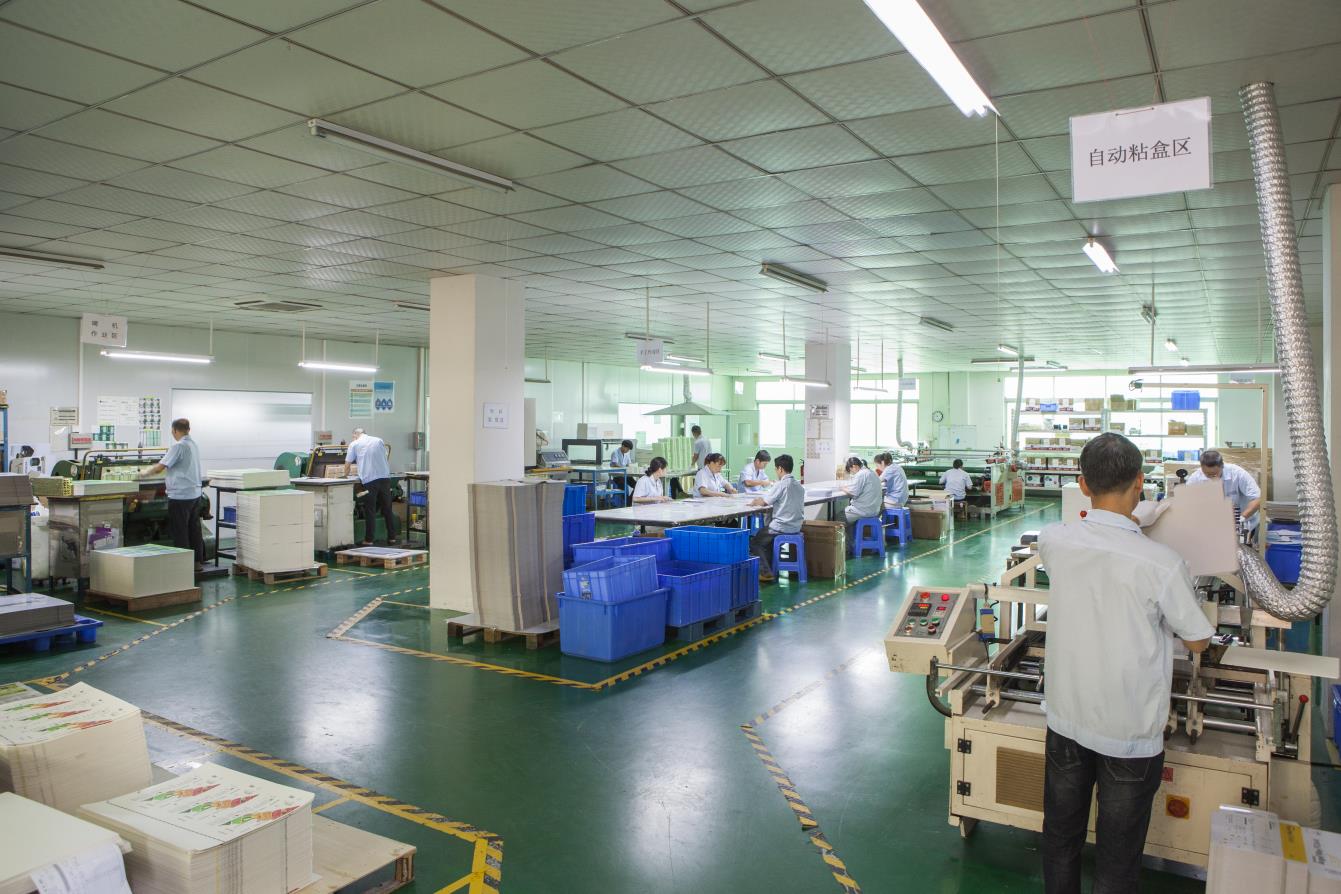
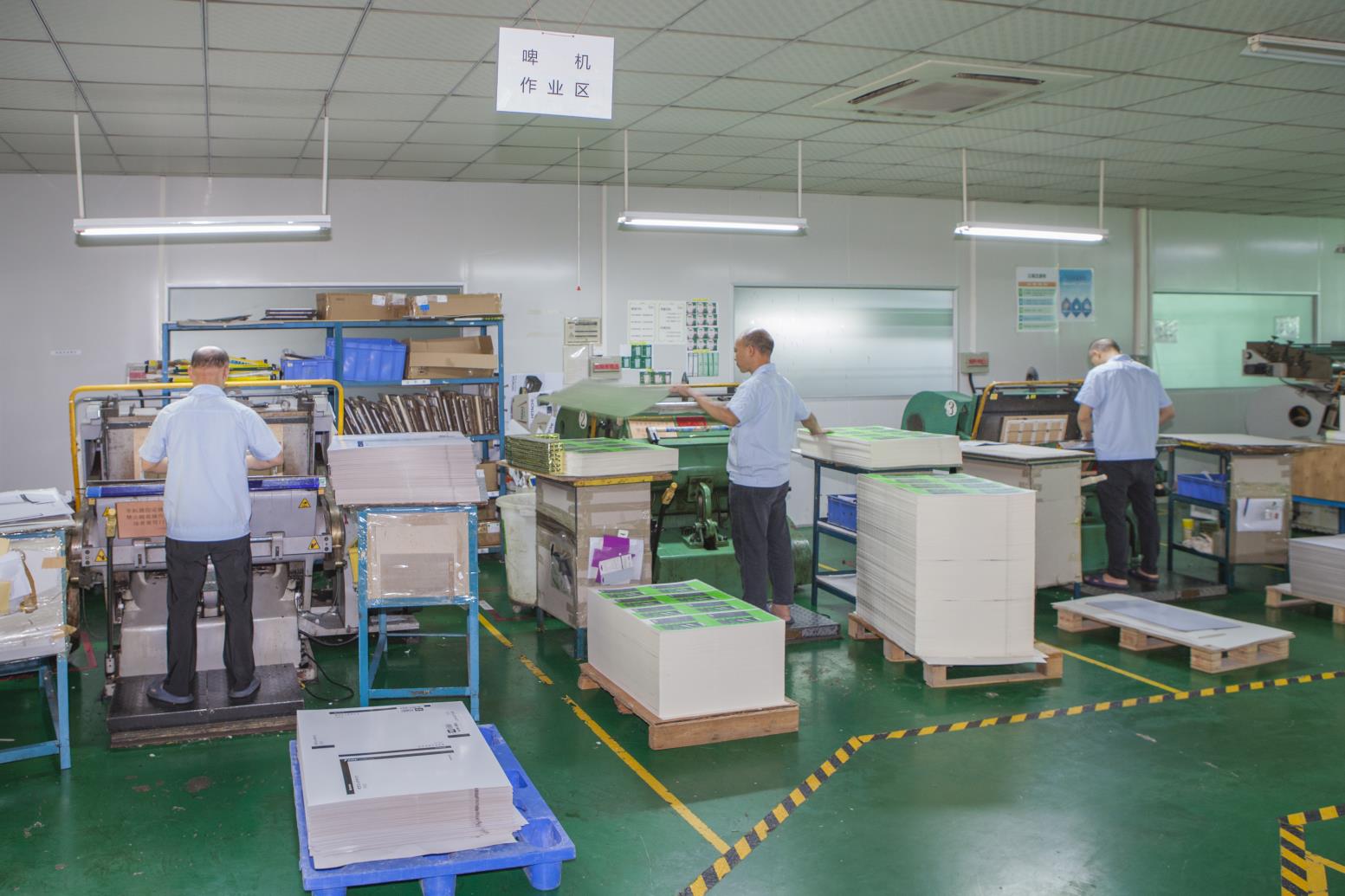
We do not outsource core processes. Tooling design, cleanroom screen printing, digital color matching, high-precision hydraulic forming, circuit printing, metal dome pick-and-place, adhesive lamination, and laser/flatbed die-cutting are executed under our single management structure in Dongguan, ensuring tight lead-time adherence and strict IP security.
Intertek Audited Quality System
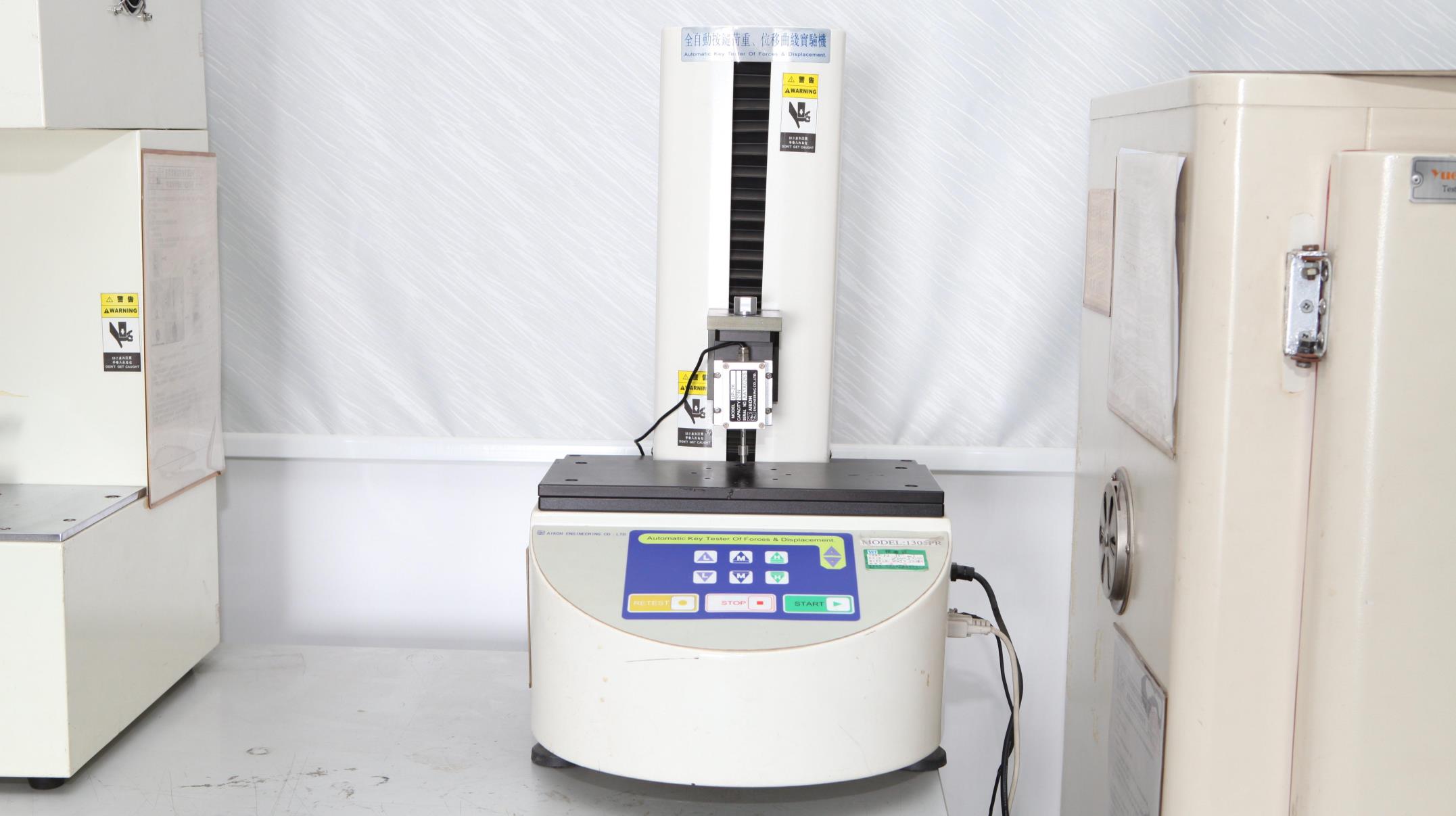
Our operations comply with stringent global quality benchmarks. AXRU maintains audited quality control frameworks verified on-site by Intertek. Every batch destined for Masaya undergoes 100% continuity and pinout testing, tactile force displacement logging, solvent rubbing testing, and thermal chamber cycling to guarantee unyielding field reliability.
Direct Central American Export Logics
Leveraging over a decade of international trade compliance, our logistics desk coordinates seamless multimodal freight directly to Nicaragua via air express (DHL/FedEx/UPS) for prototypes and urgently scheduled production runs, or consolidated maritime freight through Corinto or Puerto Sandino for volume manufacturing orders, complete with all necessary export declarations.
Frequently Asked Questions for Masaya & Central American Buyers
Essential technical, commercial, and freight information for procurement teams evaluating custom membrane keypads, graphic overlays, and in-mold labeled components.
Q1 What is the standard minimum order quantity (MOQ) for custom IML/HMI tooling?
For custom membrane switches, graphic overlays, and silicone keypads, our standard baseline production quantity starts from only 100 pieces per batch. We also provide initial engineering verification prototypes (typically 5 to 10 units) allowing your engineering team in Masaya to validate tactile response, backlighting transmission, and dimensional fit before initiating volume tooling runs.
Q2 What engineering data files must we supply to receive an actionable DFM quotation?
To deliver an exhaustive Design for Manufacturability (DFM) review and accurate price schedule, we require 2D mechanical outlines (AutoCAD DWG/DXF, Illustrator .AI, or vector .PDF), graphic artwork with specified Pantone or RAL color codes, electrical pinout schematic, preferred connector pitch (e.g., 2.54mm or 1.0mm FFC/FPC), and environmental criteria such as UV exposure or IP rating needs.
Q3 How do your membrane overlays withstand Nicaragua's high temperature and humidity?
We deploy premium stabilized Autotype polyester (PET) or anti-UV hard-coated polycarbonate films paired with medical-grade 3M 200MP, 300LSE, or VHB acrylic adhesive systems. Our perimeter sealing barriers protect conductive silver/carbon tracks from atmospheric oxidation and moisture condensation, verified in our programmable environmental test chambers from -40°C to +85°C at 95% relative humidity.
Q4 Can you integrate illuminated legends or active indicator LEDs into thin-film assemblies?
Yes. We routinely integrate surface-mount technology (SMT) miniature LEDs, light guide films (LGF) for uniform planar illumination, dead-front printed secret-until-lit graphic indicators, and fiber-optic backlighting backbones directly behind embossed or flat tactile keys without compromising the assembly's overall hermetic integrity.
Q5 What are the standard lead times for prototyping and freight transit to Masaya?
Engineering sample fabrication typically requires 7 to 12 working days following final DFM drawing sign-off. Mass production batches are manufactured within 15 to 20 working days. For shipping to Masaya, priority air couriers (DHL, FedEx, UPS) typically deliver within 5 to 7 days directly to your plant, while commercial maritime freight takes approximately 25 to 35 days.
Q6 What test documentation is supplied with delivered export batches?
Every commercial delivery includes an individualized Certificate of Conformance (CoC), 100% electrical continuity test verification reports, first-article dimensional inspection sheets, and material compliance disclosures (RoHS/REACH) confirming that all inks, adhesives, and base polymers meet stringent non-hazardous substance regulations.
Accelerate Your Next HMI or In-Mold Labeling Project
Whether you require a newly engineered DFM consultation, an urgent prototype batch for equipment deployment in Masaya, or a volume manufacturing cost-optimization review, our engineering team responds within 24 hours.
Get a Quote