Engineered HMI Solutions
Precision Products for Advanced Technical Applications
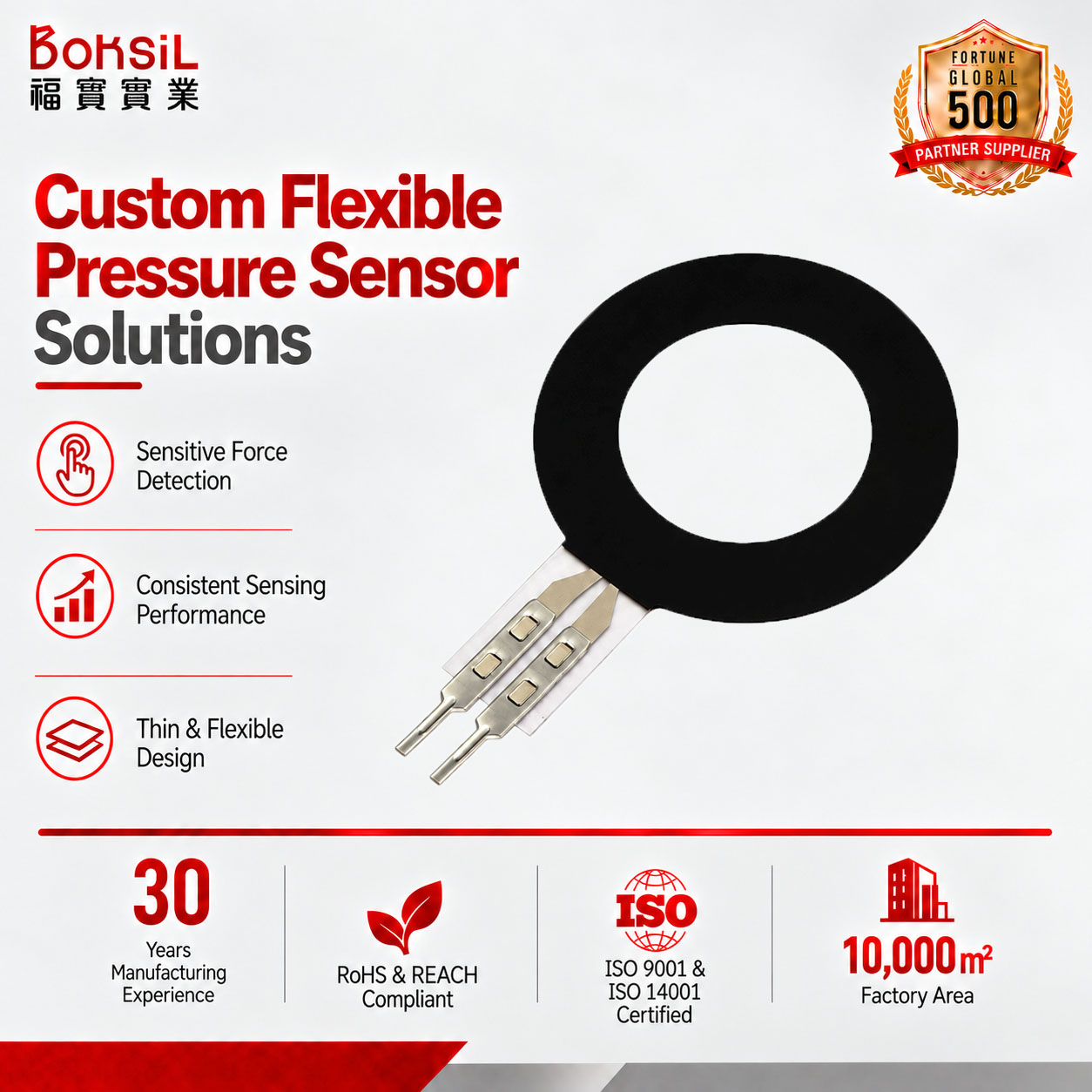
Seamless integration of in-mold graphics, force-sensitive resistors, tactile feedback units, and industrial environmental seals.
10,000㎡
Verified Facility Floor Space
100%
Electrical & Optical Inspection
121+
Certified Technical Specialists
IP65–IP67
Ingress Protection Capability
Engineering Whitepaper: In-Mold Decoration (IMD/IML) Architecture in Heredia’s Precision Ecosystem
As the province of Heredia, Costa Rica, solidifies its global prominence as Central America's Silicon Valley and premier medtech manufacturing corridor—anchored by free trade zones such as Global Park, UltraPARK, and America Free Zone (AFZ)—the demand for advanced Human-Machine Interface (HMI) manufacturing has experienced a paradigm shift. Original Equipment Manufacturers (OEMs) and contract manufacturers operating in Heredia are systematically transitioning away from traditional multi-piece mechanically fastened faceplates toward consolidated In-Mold Decoration (IMD) and In-Mold Labeling (IML) structural panels.
1. Advanced Technical Architecture of IMD/IML Panels
In-Mold Decoration represents the union of high-definition graphic printing, high-precision thermal or hydro-mechanical forming, and injection molding into a unified component. Unlike surface-printed plastic shells where graphics are exposed to constant sterilization, abrasion, and aggressive cleaning chemicals (such as isopropyl alcohol, glutaraldehyde, and sodium hypochlorite), IMD embeds the screen-printed or digitally printed graphical layer directly between a protective optical film and the structural polymer resin substrate.
The core structural breakdown utilized by our engineering laboratory includes:
- Exterior Protective Carrier Film: High-performance optical-grade Polycarbonate (PC), Polymethyl Methacrylate (PMMA), or optical bi-axially oriented Polyethylene Terephthalate (PET), treated with UV-cured hard coats providing 2H to 3H pencil hardness scratch resistance.
- Sub-Surface Graphic Inks: High-elongation, temperature-resistant screen-printing inks engineered to withstand up to 240°C during injection molding without thermal cracking, ink bleed, or optical delamination along micro-radii.
- Bonding Tie-Coat & Structural Substrate: Specialty bonding resins matched chemically to injected structural polymers including Polycarbonate, ABS, or Medical-grade PMMA/ABS alloys, eliminating interfacial shearing under mechanical stress.
| Evaluation Parameter | Traditional Graphic Overlay | Surface Painted / Pad Printed | Integrated In-Mold Decoration (IMD) |
|---|---|---|---|
| Abrasion Resistance | Good (Sub-surface on PET) | Poor (Direct contact wear) | Exceptional (Completely encapsulated under hard-coat) |
| Chemical Ingress Resistance | Dependent on edge adhesive integrity | Prone to degradation & peeling | Hermetic Seal (Zero perimeter adhesive vulnerabilities) |
| Geometry Flexibility | Strictly planar or low 2.5D emboss | 3D capable but fragile graphics | Complex 3D Contours with organic ergonomic curvature |
| Integration Capability | Requires multi-layer adhesive lamination | Requires assembly post-curing | Single-Piece Unit (Integrates light guides, snaps & bosses) |
| Expected Service Life | 1,000,000+ Cycles (Tactile limited) | < 250,000 Cycles before legend fade | Entire Life-of-Product Structural Durability |
2. Localized Industrial Applications Across Heredia’s Economic Zones
Heredia’s technological landscape presents rigorous operating constraints that directly influence component engineering:
- Class II & Class III Medical Diagnostic & Surgical Devices: Heredia hosts multinational medical device enterprises specializing in cardiac rhythm monitors, diagnostic surgical consoles, infusion pumps, and fluid delivery modules. In these critical applications, liquid-tight seals are not optional; they are life-safety requirements. IMD eliminates the micro-crevices characteristic of traditional multi-layer bezel-and-gasket designs, enabling seamless wipe-down biocidal sterilization and meeting strict biological contamination prevention protocols without graphic degradation.
- Cleanroom-Compatible Industrial Automation: Modern cleanroom manufacturing and semiconductor-adjacent facilities across the Barreal and San Francisco districts require control interfaces that release zero particulate shedding. IMD monolithic construction prevents mechanical particulate exfoliation caused by friction, making it suitable for cleanroom environments up to ISO Class 5.
- High-Humidity Smart Metering & Infrastructure: Costa Rica's tropical climate features ambient relative humidity consistently fluctuating between 75% and 95%. Conventional adhesive-bonded graphic faceplates often encounter adhesive plasticization, edge curling, or hydro-induced delamination over extended life cycles. IMD panels eliminate secondary adhesive layers entirely, offering non-delaminating resilience against perpetual ambient moisture.
3. Strategic Localization Trends & Supply Chain Resilience in Costa Rica
The manufacturing ecosystem in Costa Rica is actively driving Nearshoring and Supply-Chain Deepening. Historically, procurement teams in Heredia depended on finished components imported directly from North America or varied European sources, creating long lead times and inventory vulnerabilities. The trend among supply chain leaders in Heredia emphasizes direct supplier qualification with vertically integrated facilities that execute mold fabrication, precise screen printing, high-pressure forming, and automated cleanroom injection under a single quality management system.
Furthermore, local design teams in Costa Rica are designing sleeker interfaces, substituting tactile physical switches with capacitive sensing keys embedded directly behind IMD front windows. By printing capacitive sensor traces directly onto the IMD film prior to molding, designers achieve a continuous, unbroken front fascia capable of multi-touch sensing, dead-front backlit iconography, and integrated liquid crystal display (LCD/OLED) optical clarity.
Enterprise Manufacturing Competence
Engineered for Strict Quality, Scalability, and Global Conformance
Our integrated manufacturing facilities provide tier-one industrial engineering, proven across global medical and industrial automation sectors.
Intertek On-Site Verified Facility
Our 10,000㎡ plant and complete 121-person technical engineering workforce have undergone on-site audits and verifications by Intertek, ensuring strict compliance with international manufacturing, workplace safety, and cleanroom operational standards.
100% Comprehensive Inspection
Zero-defect commitments backed by full automated continuity, short-circuit, LED photometric, and dimensional inspection on every single assembly before release. Every production batch includes full electrical and optical traceability records.
Rapid Prototyping & Flexible MOQ
Supporting pilot launches, medtech clinical trial equipment, and agile product development in Heredia with accessible Minimum Order Quantities starting at just 100 pieces, supported by dedicated CNC sample and laser-forming lines.
In-House Reliability Testing Labs
Validated using on-site test fixtures including programmable temperature/humidity chambers, automated key actuation life testers, tensile adhesive shear testers, yellowing resistance UV chambers, and ink abrasion testers.
Full Material Traceability & DFM
Upfront Design for Manufacturability (DFM) reviews covering graphic stretch analysis, draft angles, gate placements, and dielectric insulation. Complete raw material compliance with RoHS, REACH, and UL94 flammability ratings.
Unified HMI Manufacturing Scope
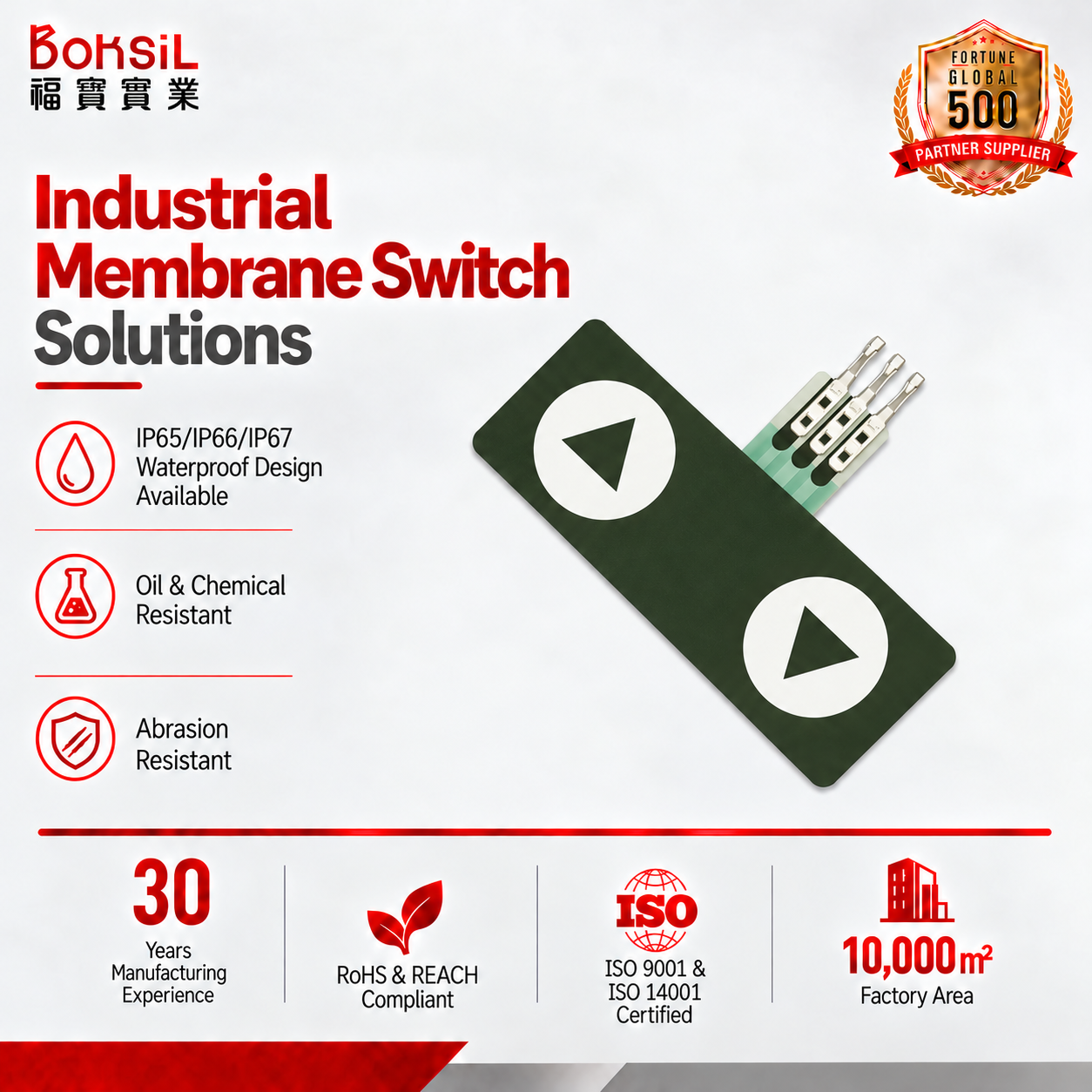
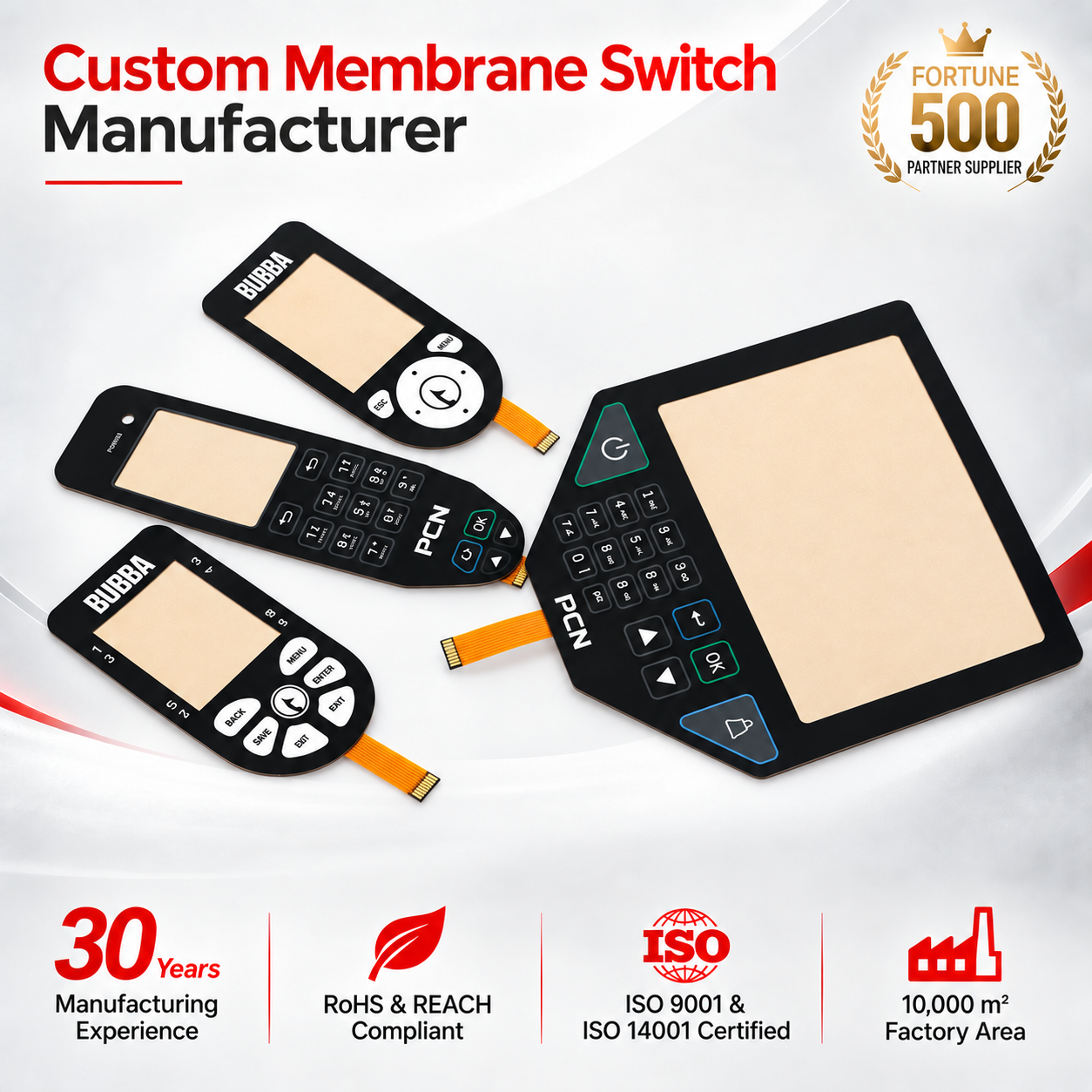
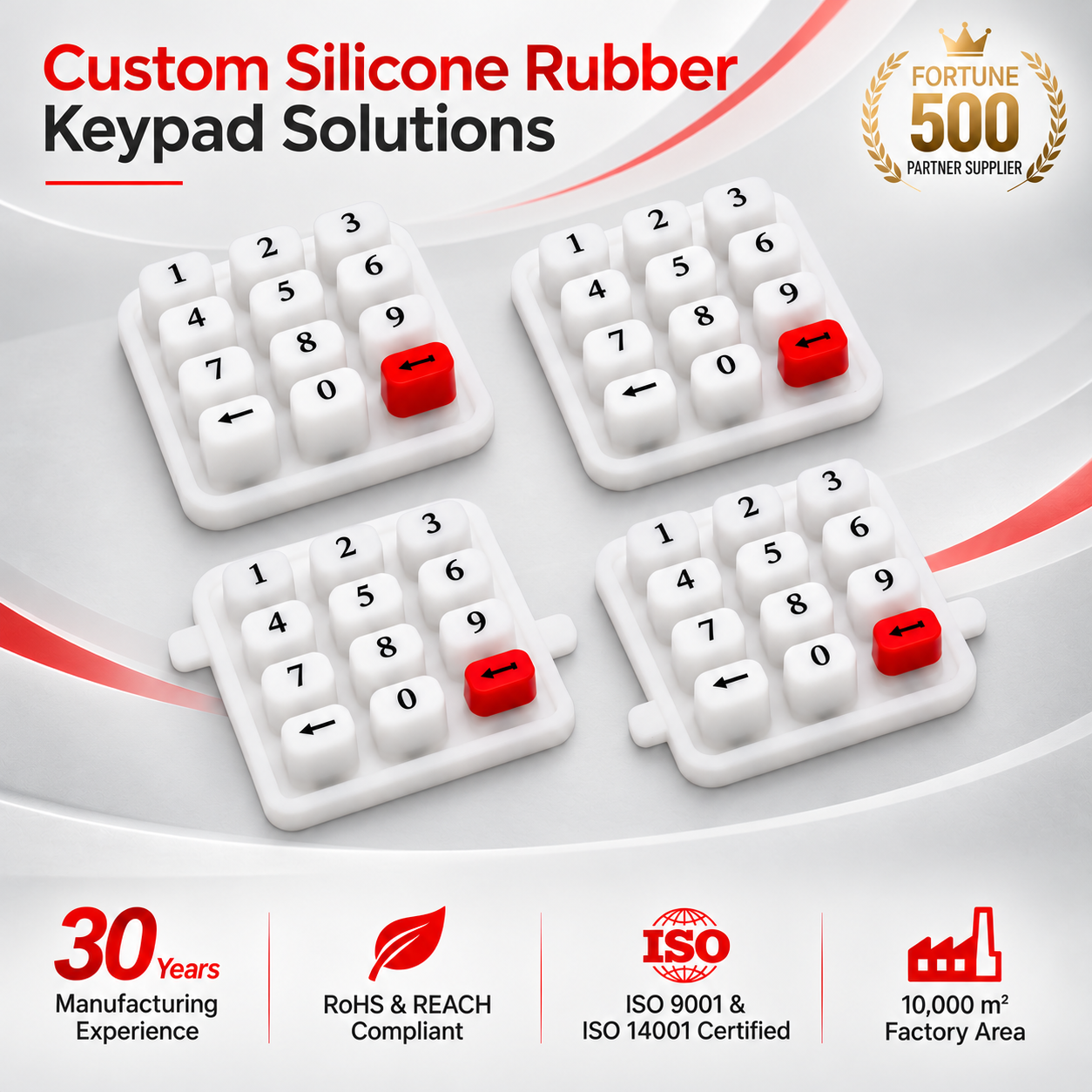
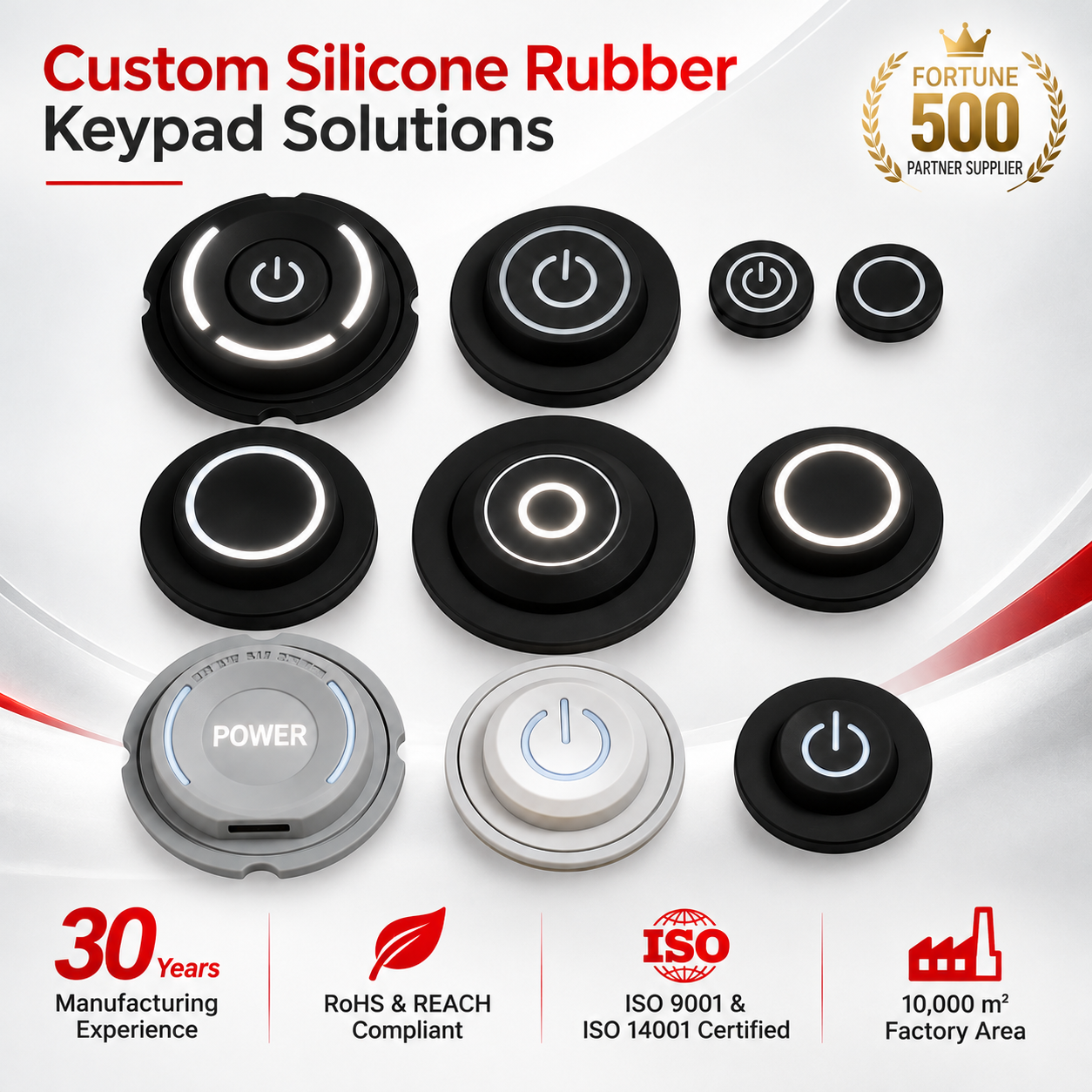
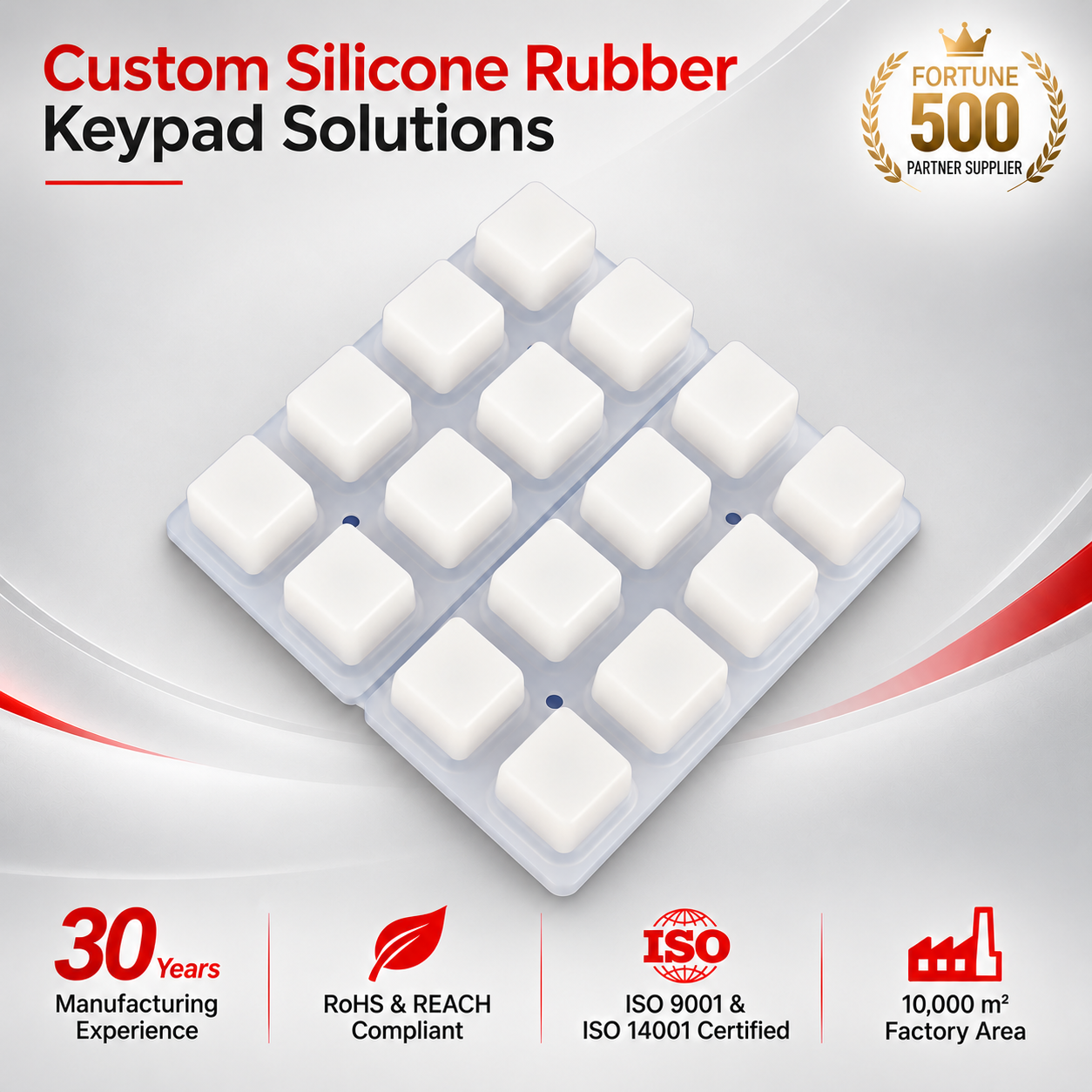
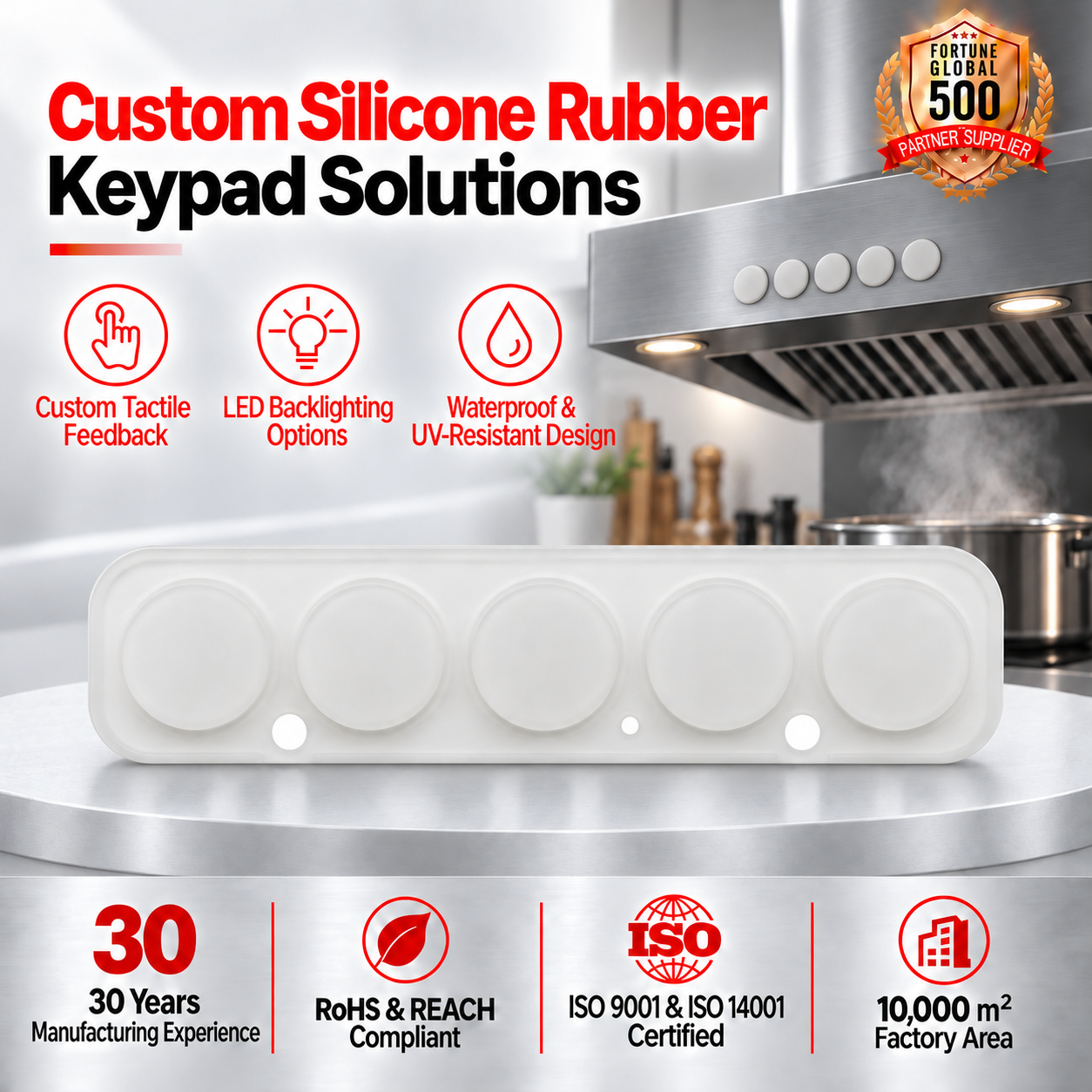
Beyond IMD panels, our single-factory footprint covers copper FPC circuit bonding, silicone rubber molding, metal dome arrays, capacitive touch sensing arrays, and dead-front light guide film integration under one roof.
Procurement Clarity
Frequently Asked Questions by Sourcing Teams in Heredia
Direct technical answers addressing environmental resistance, tooling, design validation, and international delivery protocols.
How does an IMD panel compare with traditional membrane graphic overlays for medical applications?
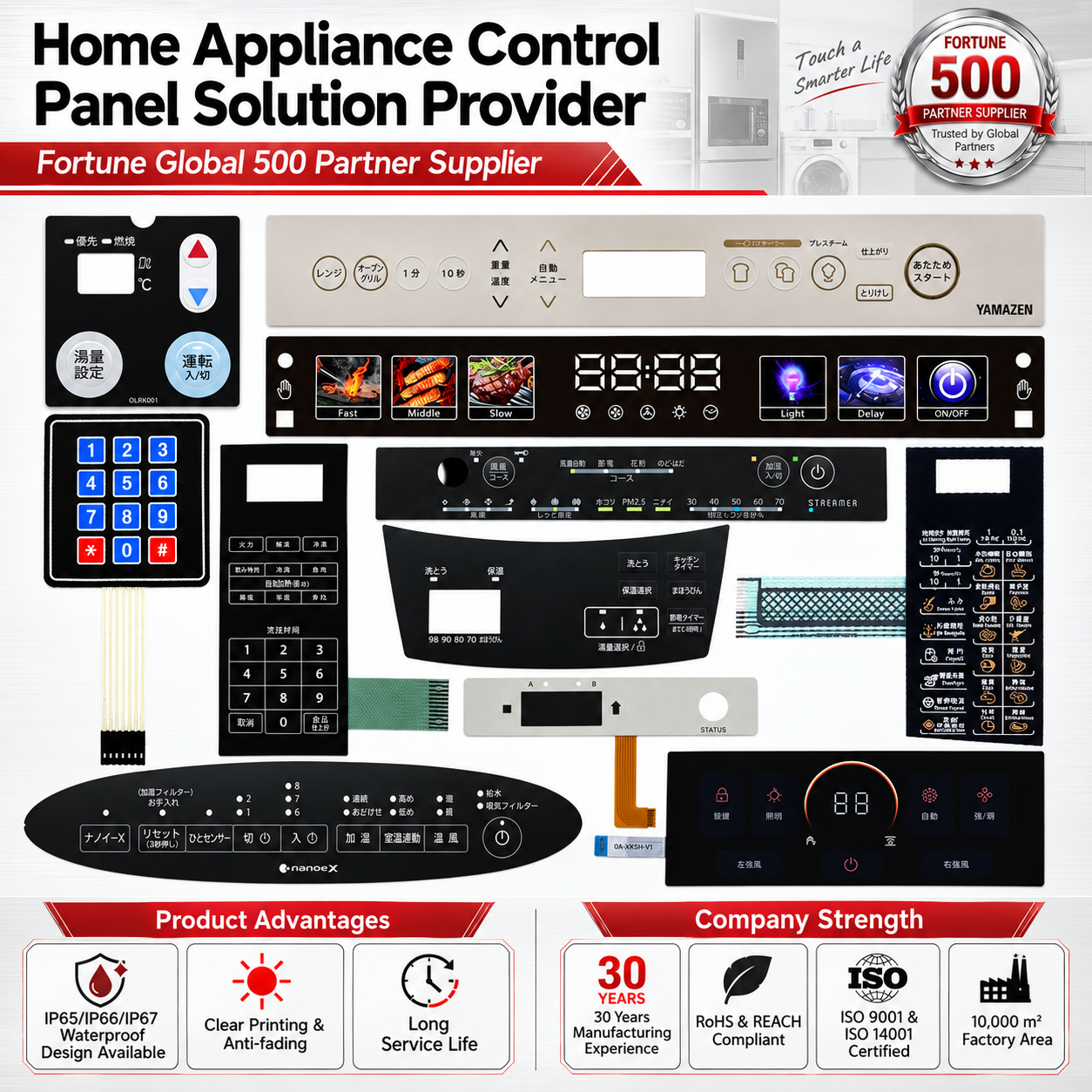
While high-grade polyester graphic overlays provide exceptional surface flex life, they require adhesive laminates to bond with plastic chassis. Over extensive cycles of aggressive hospital sterilization (using solvents like bleach or alcohol), adhesive borders can suffer micro-fluid ingress and bacterial trapping. An In-Mold Decoration (IMD) panel forms a single, monolithic, crevice-free structure with the graphics encapsulated underneath a hard-coated exterior. This provides true wash-down resistance, chemical non-degradation, and cleanroom sanitization compliance without risk of delamination.
What engineering files and specifications are required to initiate a tooling and DFM review?
To initiate an engineering DFM evaluation, please supply a 3D CAD model of the final molded part (STEP or IGES format) alongside complete 2D production drawings (PDF, DWG, or DXF) outlining critical dimensional tolerances, optical window areas, texture definitions, and cosmetic callouts. Graphic artwork should be supplied in vector formats (Adobe Illustrator or vector PDF) with distinct Pantone Matching System (PMS) color codes and opacity requirements for backlit iconography.
What are typical tooling development and production lead times for shipments to Costa Rica?
Precision forming and injection mold tooling development typically ranges between 20 and 30 business days, depending on geometric complexity and multi-cavity requirements. First Article Inspection (FAI) sample parts are produced, optically validated, and dispatched via priority international courier (DHL/FedEx) arriving in San José/Heredia within 3 to 5 transit days. Upon formal approval, volume mass production runs typically execute within 15 to 20 working days.
How do IMD panels perform under the high ambient humidity conditions of Heredia?
Our IMD components are explicitly qualified within on-site programmable environmental chambers to endure severe temperature and humidity fluctuations. Because the printed graphics and polymer layers are thermally fused during injection molding, there is zero interfacial adhesive layer to experience moisture plasticization or hydro-expansion. Testing batches are regularly subjected to 85°C at 85% Relative Humidity for continuous 500-hour profiles to ensure zero optical haze, color shift, or structural warping.
Can optical display windows and capacitive touch sensors be integrated into the same IMD panel?
Yes. Our manufacturing process accommodates selective gloss and anti-glare textures. Display windows over LCD, OLED, or seven-segment displays remain crystal clear with high optical transmission rates (exceeding 90%), while surrounding bezel surfaces can feature fine matte, brushed, or soft-touch textures. Furthermore, capacitive touch electrode patterns can be screen-printed with transparent conductive inks or laminated directly to the rear of the IMD panel to deliver a clean touch surface.
Advance Your Interface Engineering Project in Heredia
Collaborate directly with our senior tooling engineers and HMI specialists. Request an upfront DFM feasibility analysis, material stack-up consultation, or a competitive production quotation for your program.
Contact Us