Engineered HMI Architectures & Tactile Solutions
Export-grade human-machine interface assemblies engineered to withstand rigorous maritime salt spray, petrochemical exposure, and continuous clinical sanitization.
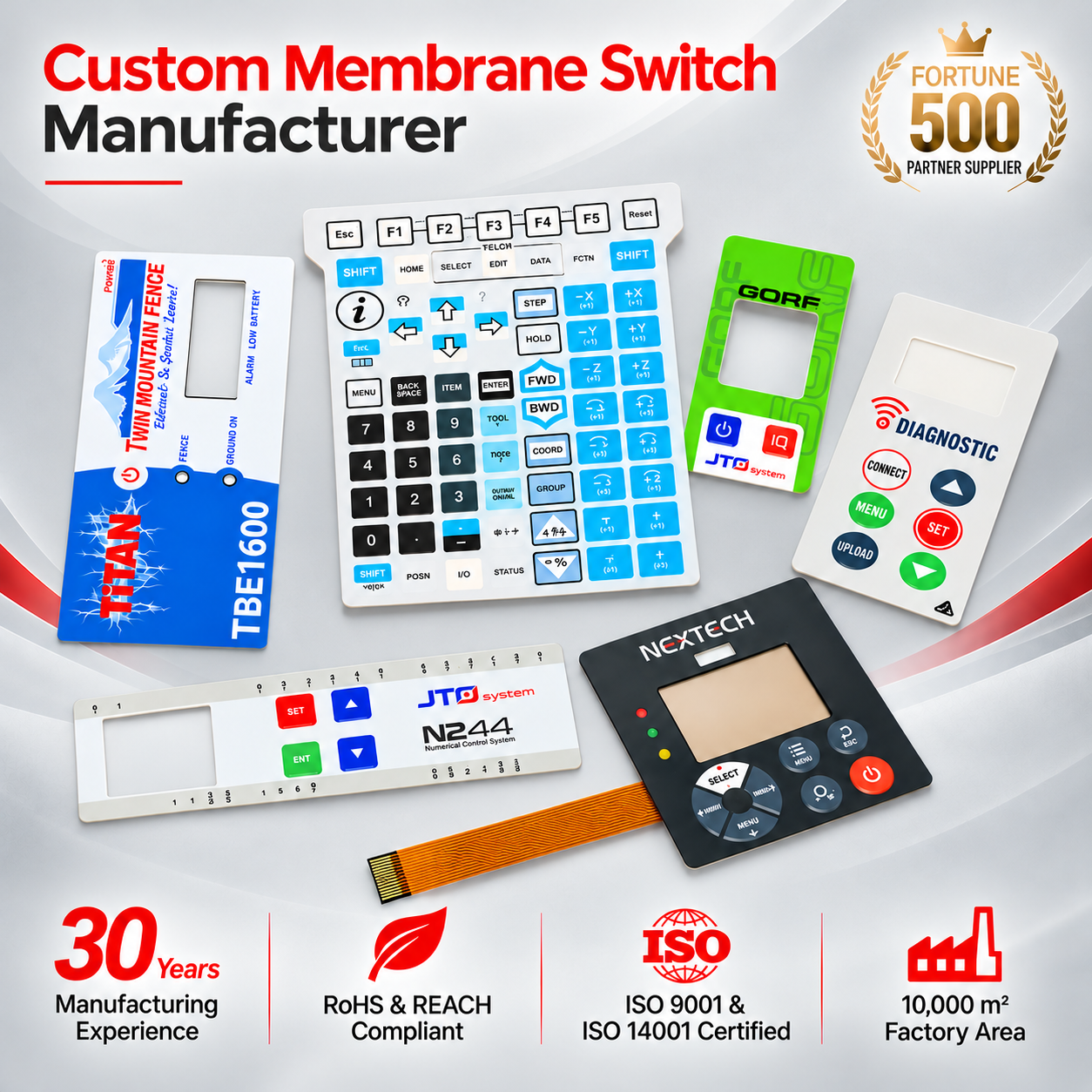
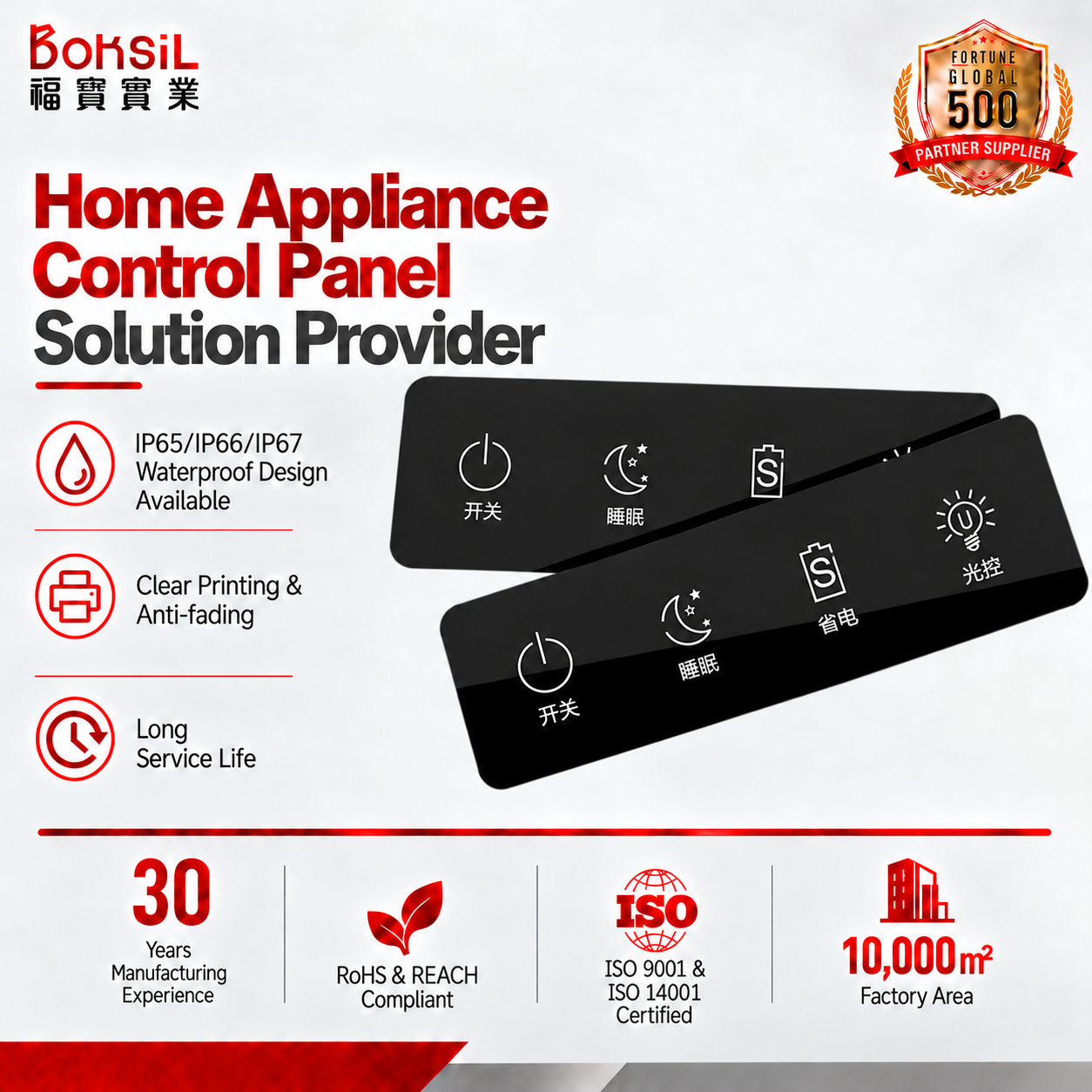
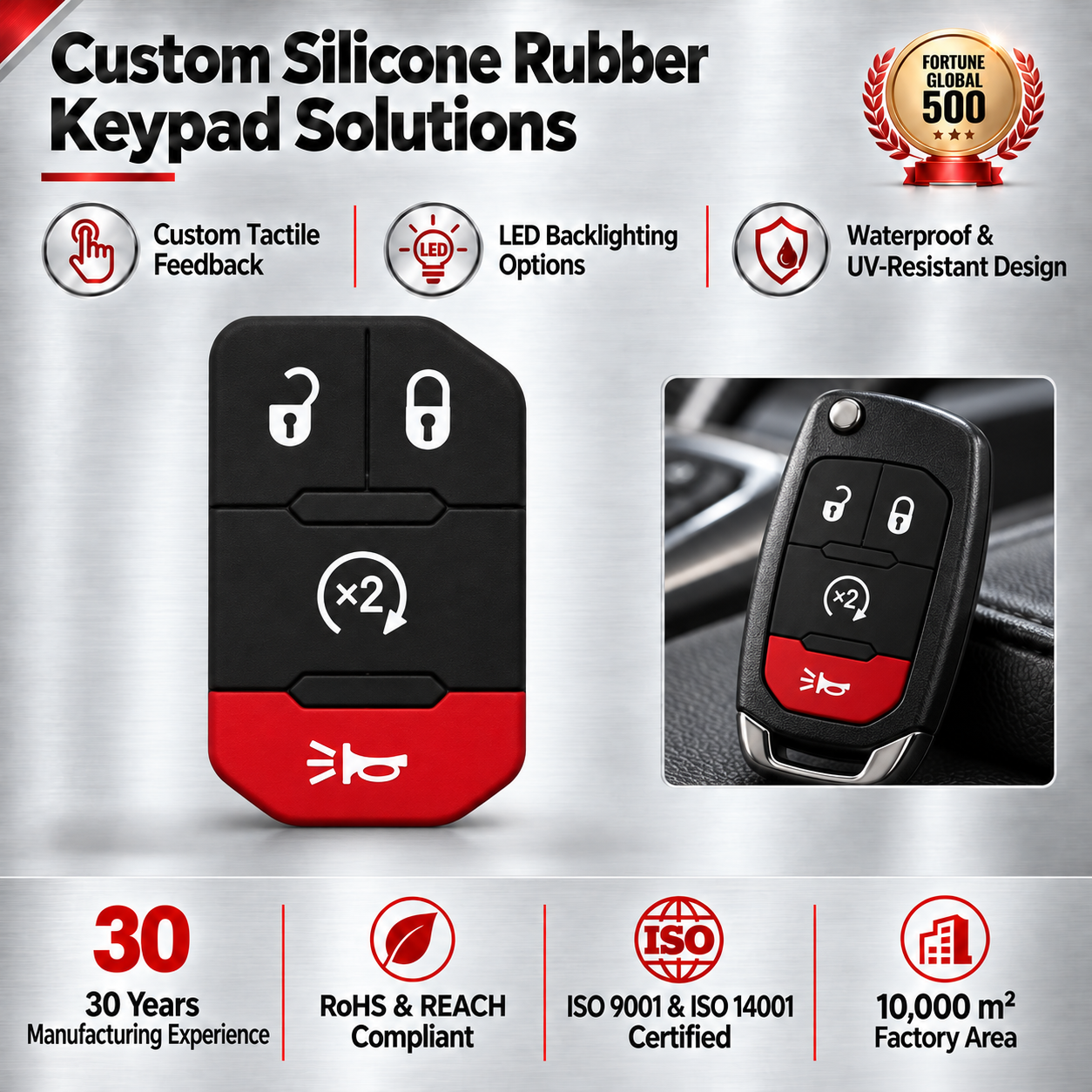
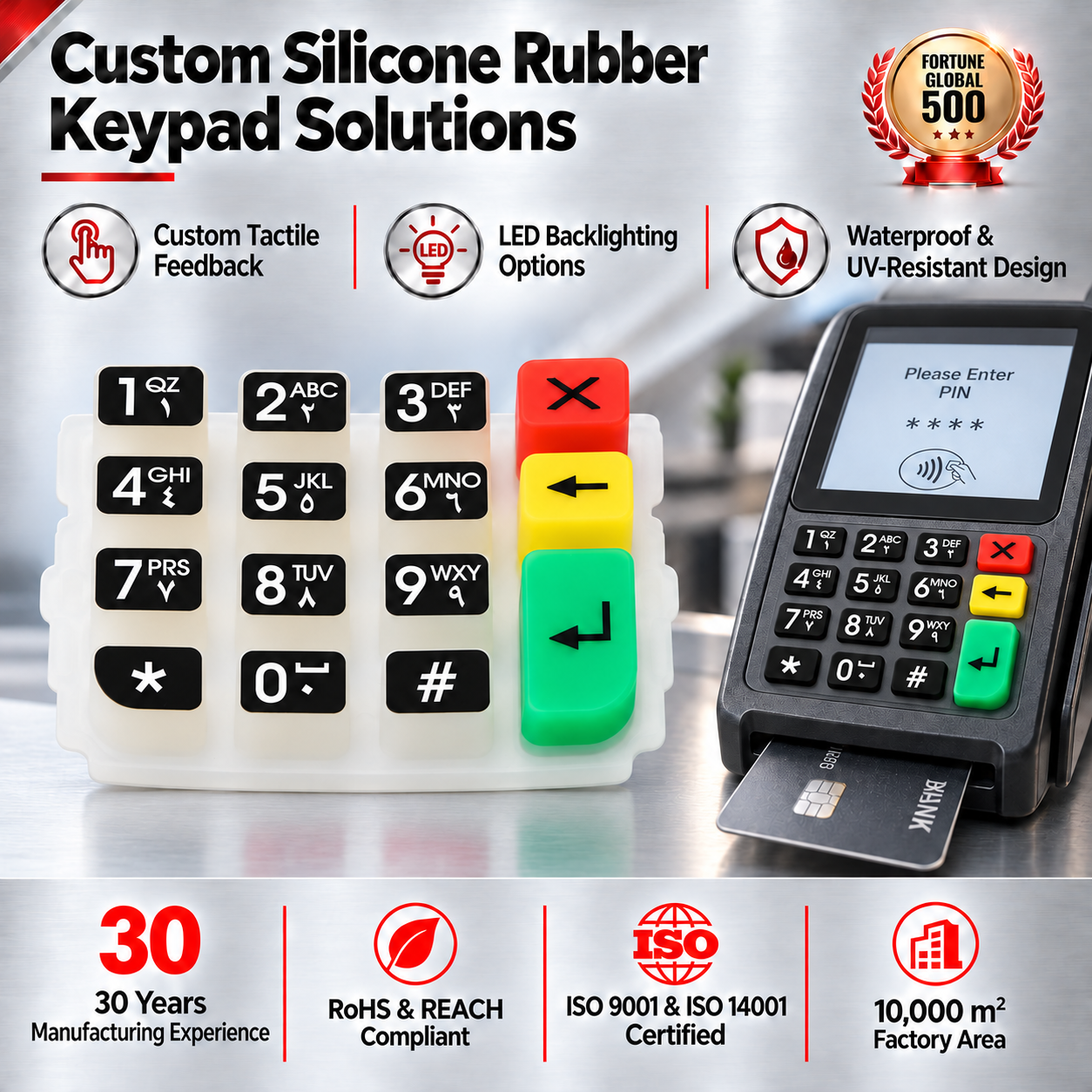
In-Mold Decoration (IMD/IML) vs. Traditional Overlays: Strategic Engineering Analysis for Coastal & Industrial Systems
As human-machine interface (HMI) requirements become increasingly demanding across coastal European hubs, industrial equipment manufacturers based in Zadar, Biograd na Moru, and the wider Ravni Kotari industrial belt face distinct structural challenges. The Adriatic microclimate subjects industrial hardware to constant airborne sodium chloride crystals, elevated summer ultraviolet indexes, and thermal expansion strains. Traditional adhesive-bonded membrane panels, while economical, can eventually exhibit edge delamination or adhesive plasticizer migration when continually washed down with alkaline degreasers or exposed to intense solar weathering.
In-Mold Decoration (IMD) and In-Mold Labeling (IML) solve these mechanical failure modes at the molecular level. During the IMD manufacturing sequence at our facility, graphic inks are screen-printed in reverse onto the sub-surface of optical-grade polycarbonate (PC), polyester (PET), or cyclic olefin copolymer films. The printed graphic foil is then vacuum-thermoformed to a high-tolerance dimensional die, precision trimmed via CNC fixtures, and transferred directly into the injection mold tool. Molten thermoplastic resin—predominantly ABS, PC-ABS blend, or optical PMMA—is injected at calculated pressures behind the printed film, molecularly fusing the graphic layer within the plastic substrate.
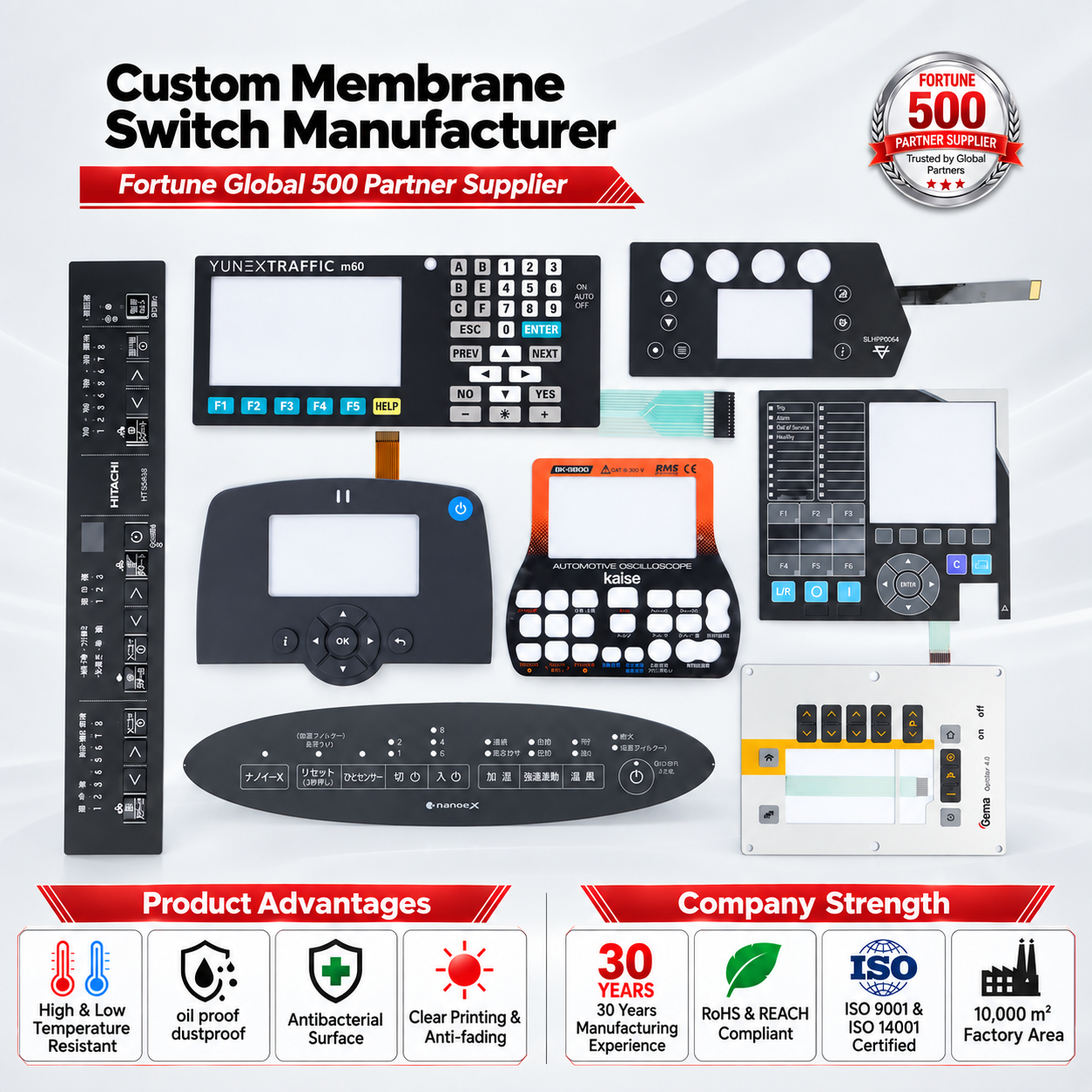
By bypassing external pressure-sensitive adhesives (PSA) along the primary outer boundary, IMD keypads provide an impervious, seamless facade rated up to IP68 and IP69K. When integrated with internal tactile stainless-steel domes (tested up to 5,000,000 cycles) or coupled with back-mounted capacitive sensor arrays, IMD technology delivers the tactile crispness expected by precision machine operators alongside an aesthetically pristine, modern monolithic glass-like contour.
Localized Use Scenarios Across Zadar's Industrial Sectors
How our IMD switches, capacitive modules, and elastomer keypads integrate into the regional economic ecosystem of Zadar and the Adriatic coastline.
Maritime, Nautical & Shipbuilding Hardware
In shipyards and leisure craft outfitting along Zadar’s port, electronics require corrosion-proof HMI solutions. Our UV-stabilized IMD marine consoles, switchgear panels, and bilge pump controls eliminate moisture ingress, providing reliable night illumination through dead-front LED light guides.
Fish Processing & Cold-Chain Automation
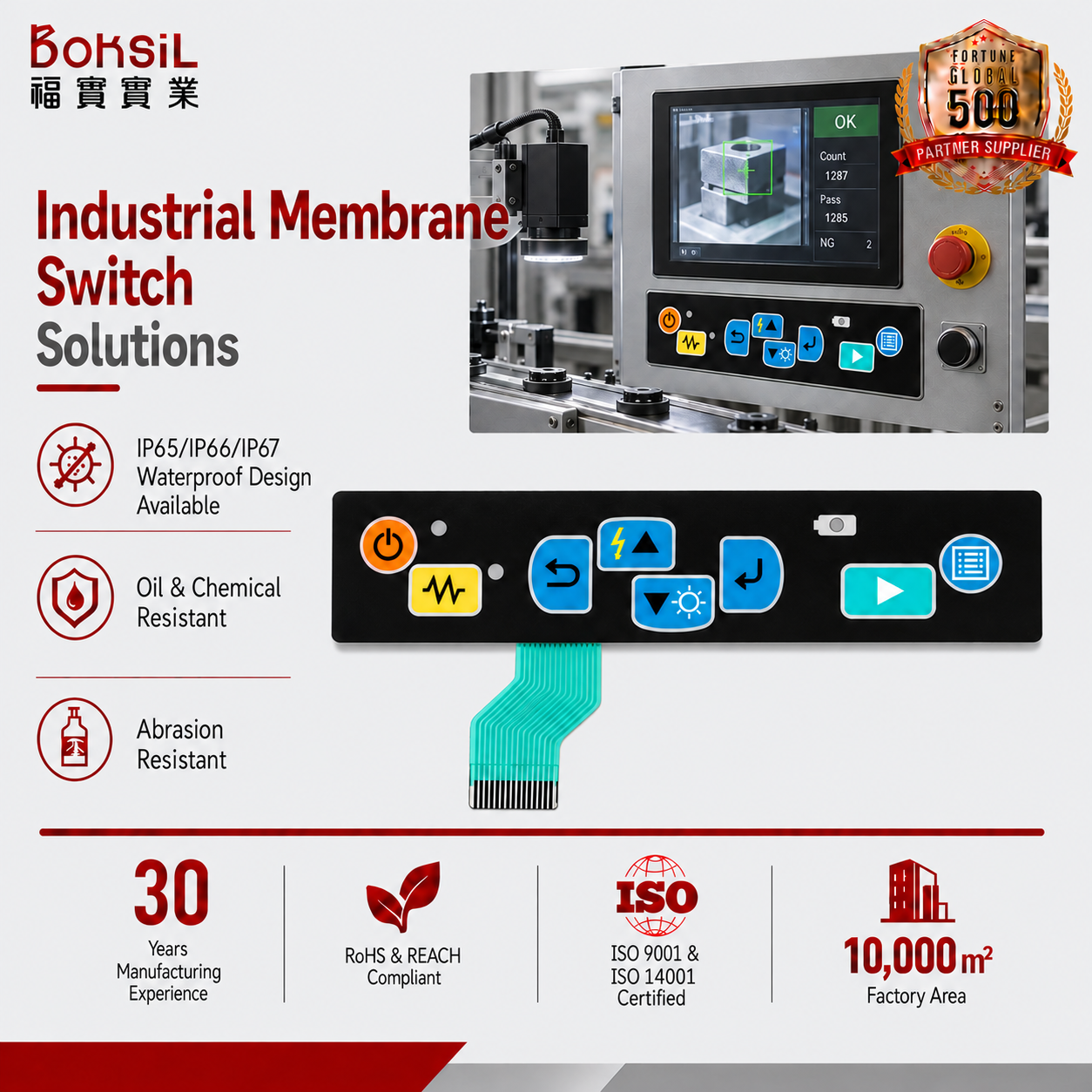
Centering around Kali on Ugljan and Gazenica industrial zones, pelagic fish processing machinery involves high-pressure saline washdowns and low-temperature storage. Our IP67/IP69K sealed IMD panels feature antimicrobial coatings that withstand chemical sanitizers.
Industrial Electronics & Logistics Hubs
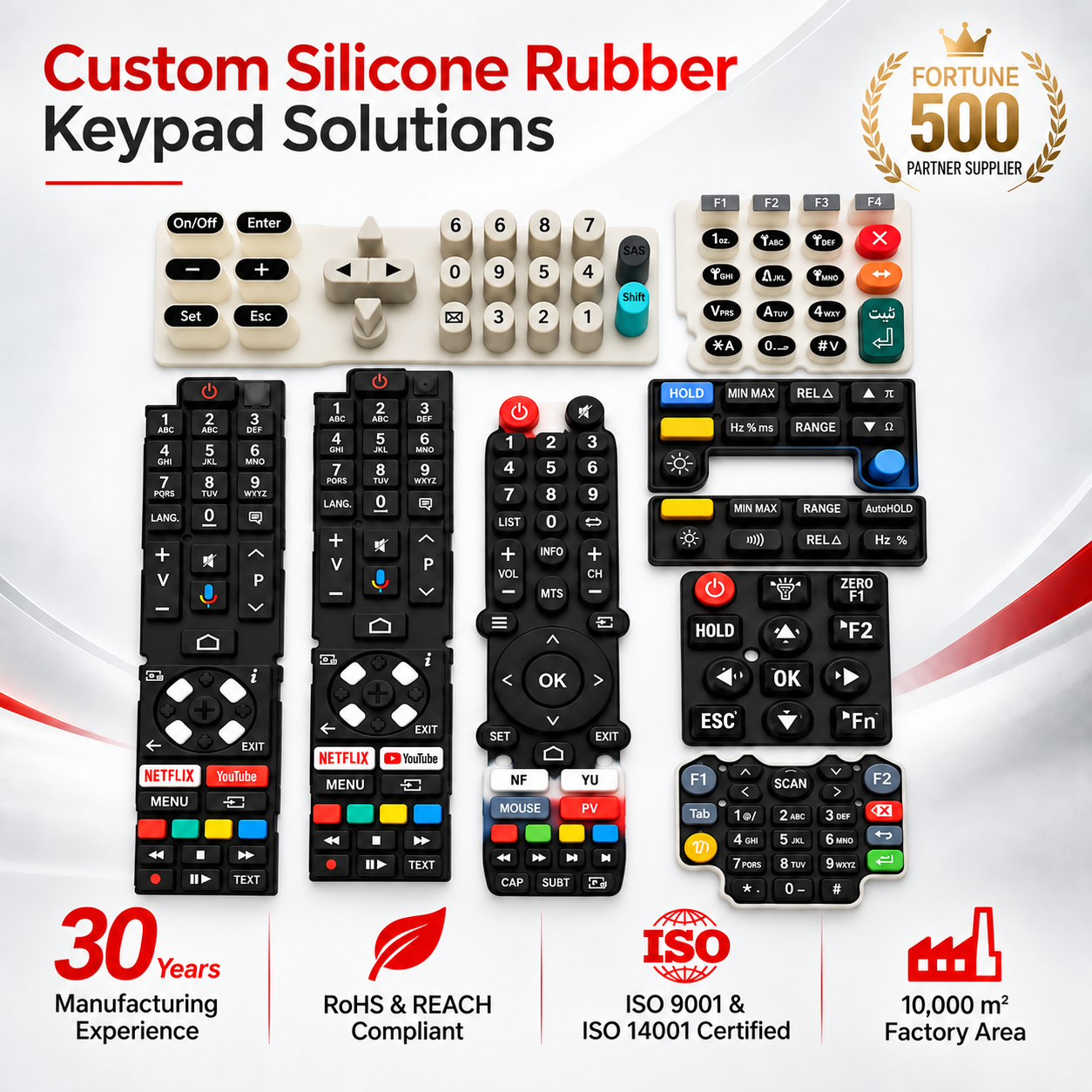
With infrastructure investments expanding around Zadar Airport and transport junctions, material handling and packaging systems require robust tactile control panels. We manufacture high-tactile silicone keyboards and FPC assemblies with ESD shielding up to 15kV.
Keypad & Interface Trends in the Adriatic Region
Adapting manufacturing parameters to modern European standards and regional production evolutions.
The Shift Toward Monolithic Capacitive & IMD Surfaces
Equipment builders across Croatia and Southeastern Europe are moving away from multi-component rubber keypads fitted into milled housings toward sleek, flush In-Mold Decorated capacitive panels. This eliminates crevices where salt, grease, and moisture accumulate, streamlining exterior assembly while fulfilling CE Machinery Directive hygiene requirements.
Strict Environmental Compliance: RoHS, REACH & UV Stability
Zadar-based engineering teams exporting equipment to the broader EU Single Market demand uncompromised compliance tracking. Every material batch we export—from raw Sabic Lexan PC film and Autotype polyester to Acheson conductive silver pastes and Henkel structural adhesives—is backed by traceable REACH and RoHS testing documentation, supplemented with QUV accelerated weathering validation.
Integrated Manufacturing & Reliability Verification
Operating out of our 10,000㎡ industrial facility in Dongguan with 121 technicians, Dongguan AXRU Electronics Co., Ltd. eliminates broker inefficiencies for direct supply chains into Zadar.
Unlike trading intermediaries, our complete fabrication lifecycle takes place under a unified quality management framework. From automated screen-printing of conductive circuits in Class 1,000 cleanrooms to precision thermoforming, high-pressure IMD plastic injection, and laser die-cutting, engineering oversight remains direct and accountable.
Full In-House Tooling
Dedicated CNC die machining, rapid prototype routing, and injection mold fabrication accelerate design verification to as fast as 7 working days.
Intertek On-Site Verified
Our production capacity, quality documentation, and corporate standing are thoroughly audited and verified on-site by Intertek.
Fortune 500 Proven
With over a decade of tier-one supplier experience, our engineering processes satisfy strict automotive and medical audits.
- Automated Key Life Cycling Tester (up to 5 million mechanical strokes)
- Force-Displacement Curve Analyzers for consistent tactile snap ratio
- Programmable High/Low Temperature & Constant Humidity Chambers (-40°C to +120°C)
- RCA Abrasion & Ink Decolorization Testers verifying chemical solvent resilience
- UV Accelerated Weathering & Yellowing Resistance Chambers
Frequently Asked Questions for Zadar Engineering & Procurement Teams
Direct answers concerning lead times, DFM validations, and international shipping protocols.