QWERTY Matrix
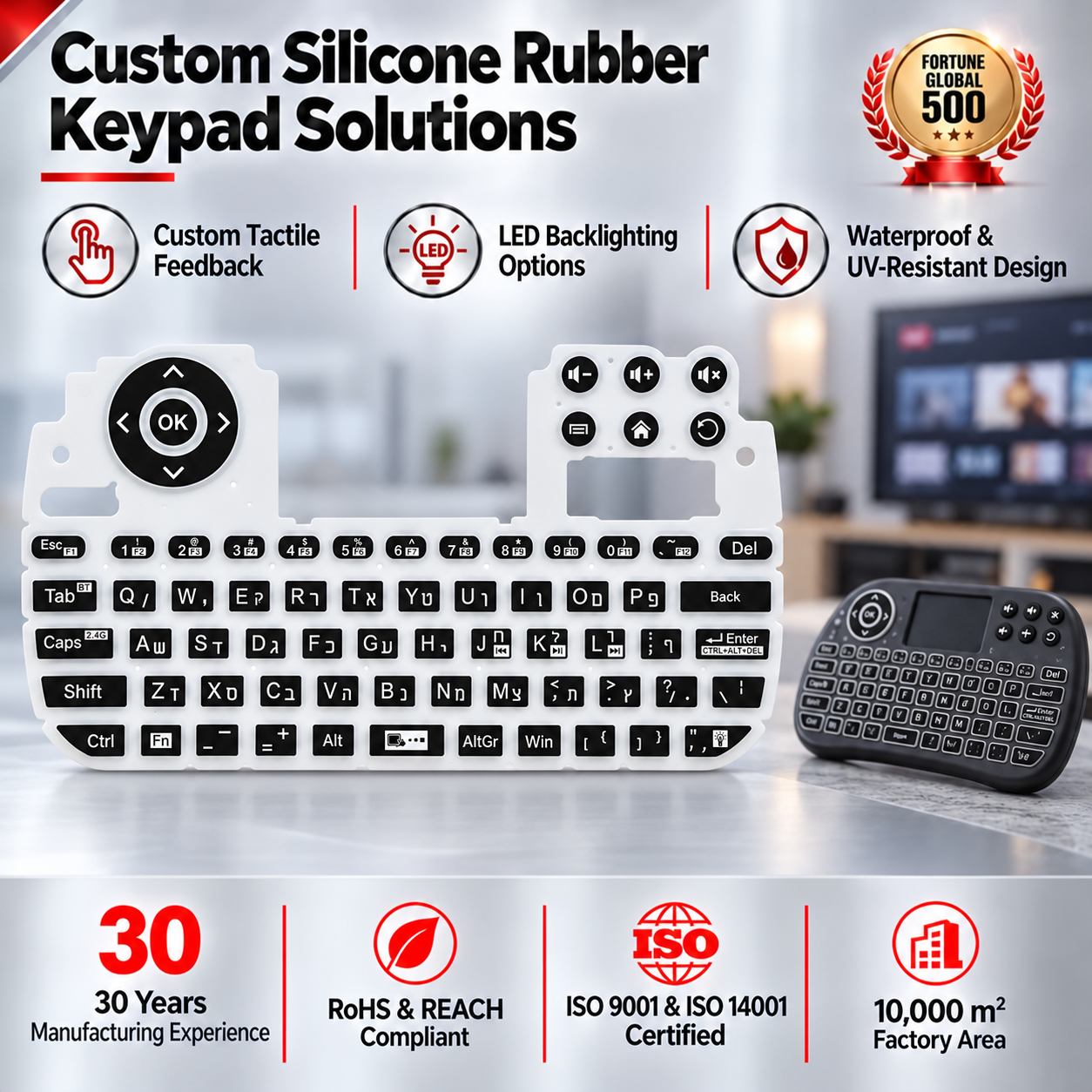
Mini Wireless QWERTY Silicone Rubber Keypad Customizable Soft Touch Matrix
- Material High-Tear Silicone
- Contact Gold / Carbon Pills
- Thermal Range -40°C to +200°C
Engineered to exact mechanical tolerance and cross-linked silicone chemistry. Directly serving precision apparatus makers in Triesen, Liechtenstein, and the Rhine Valley corridor.
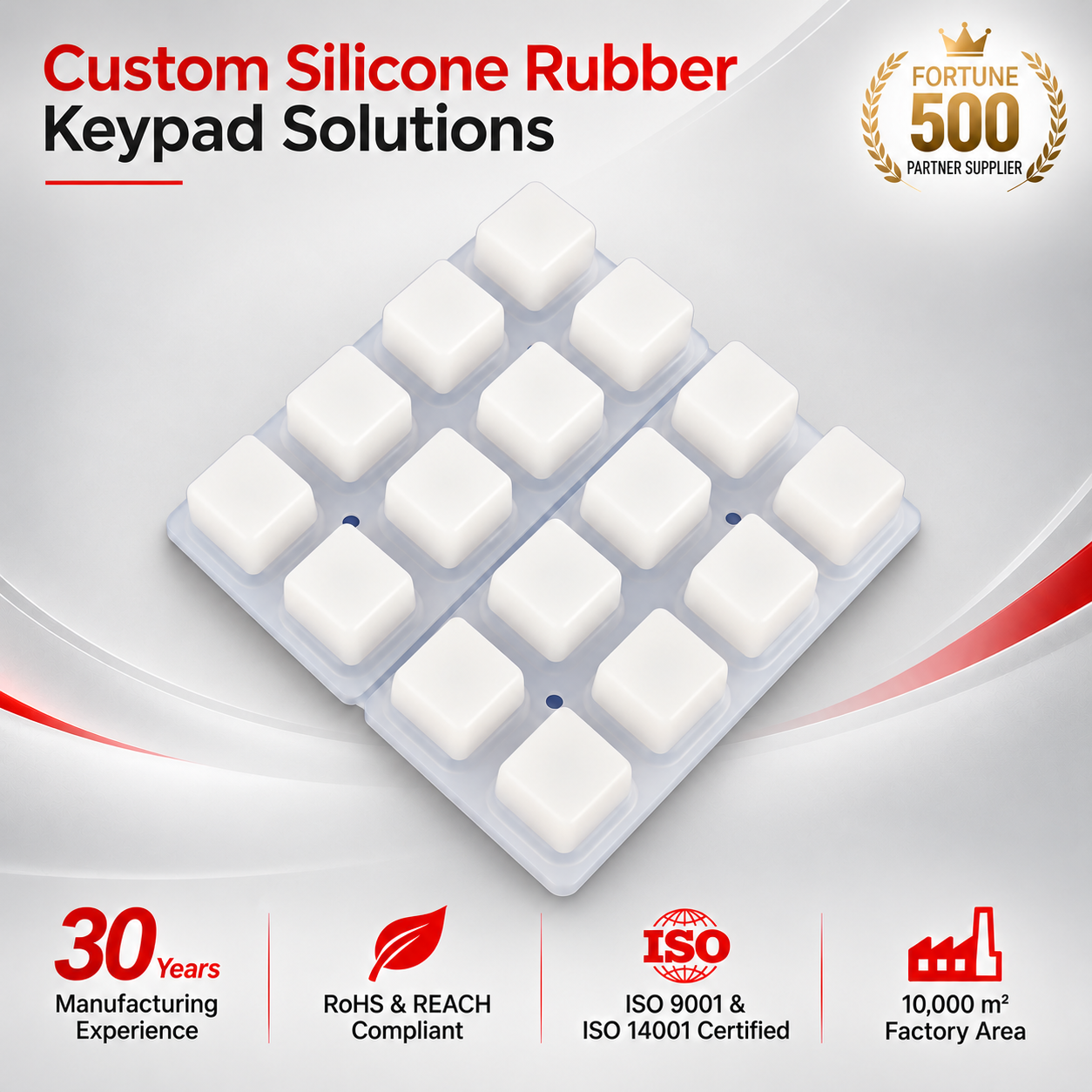
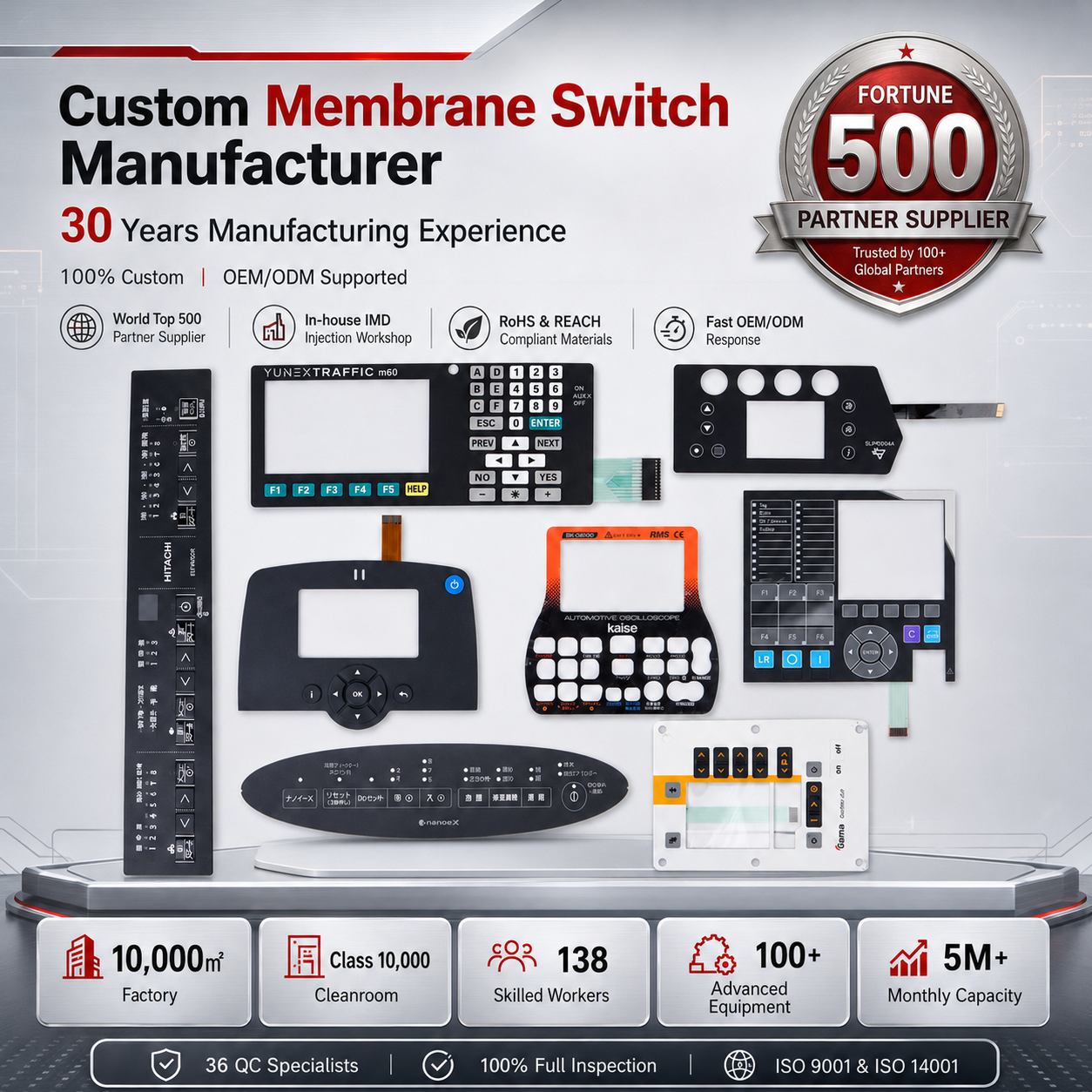
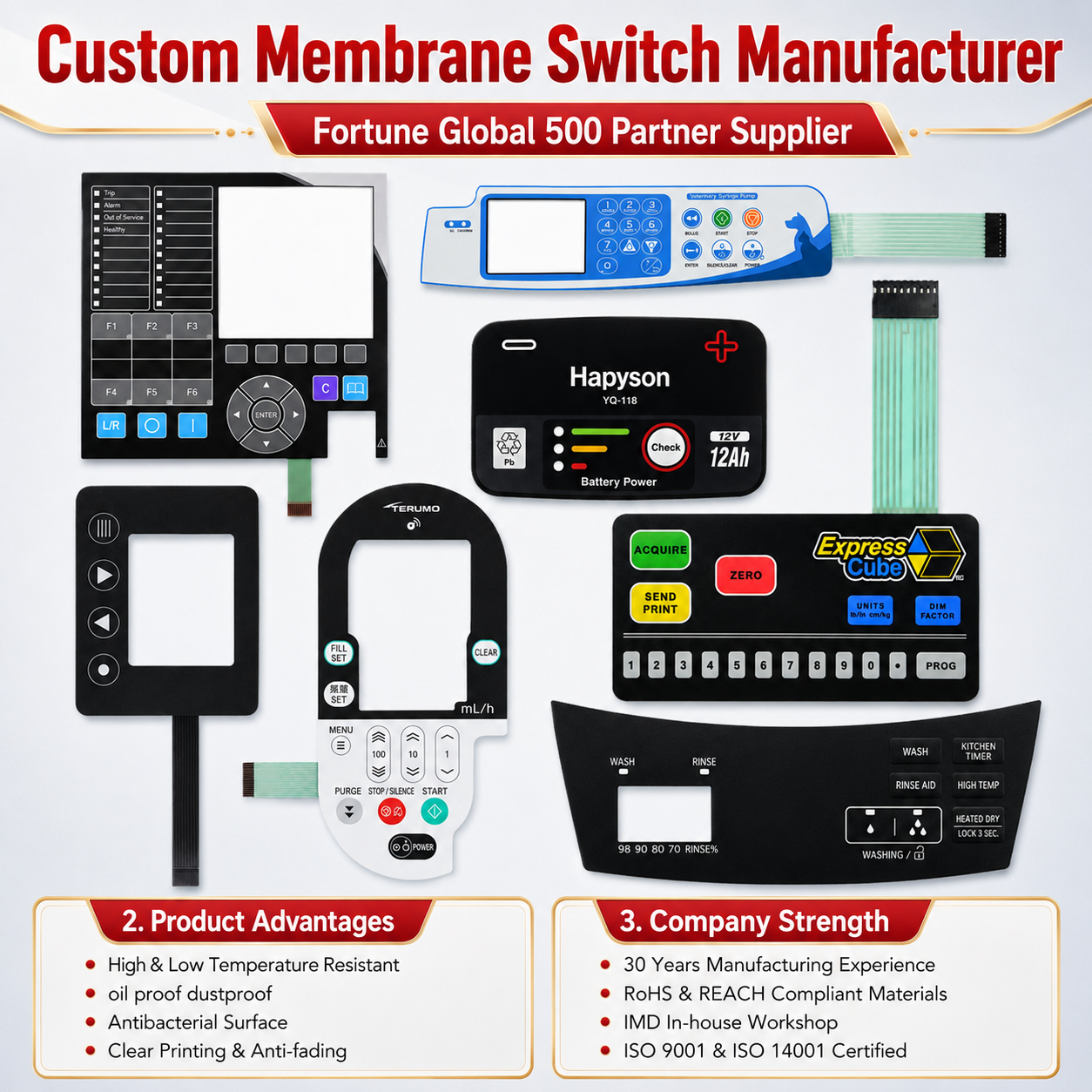
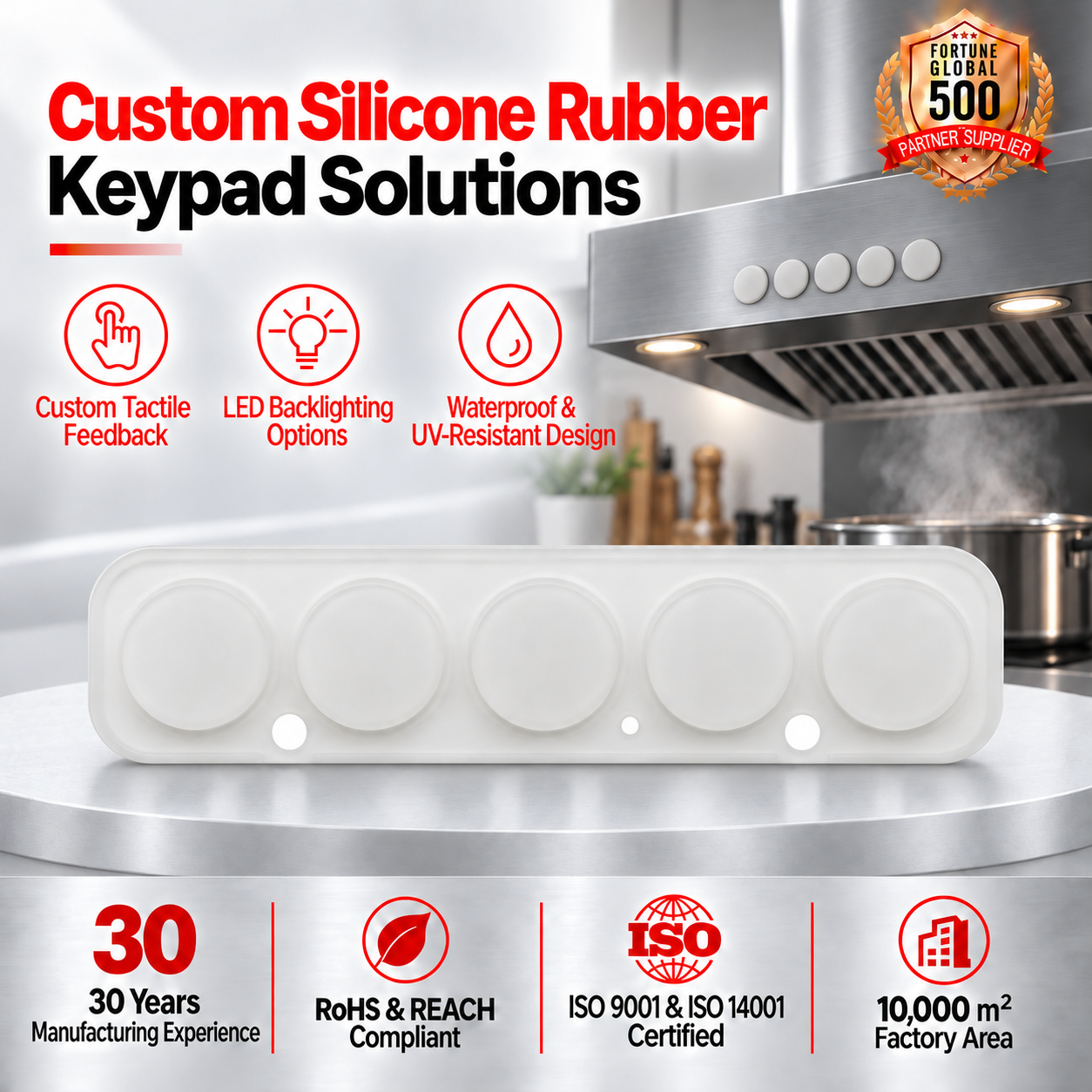
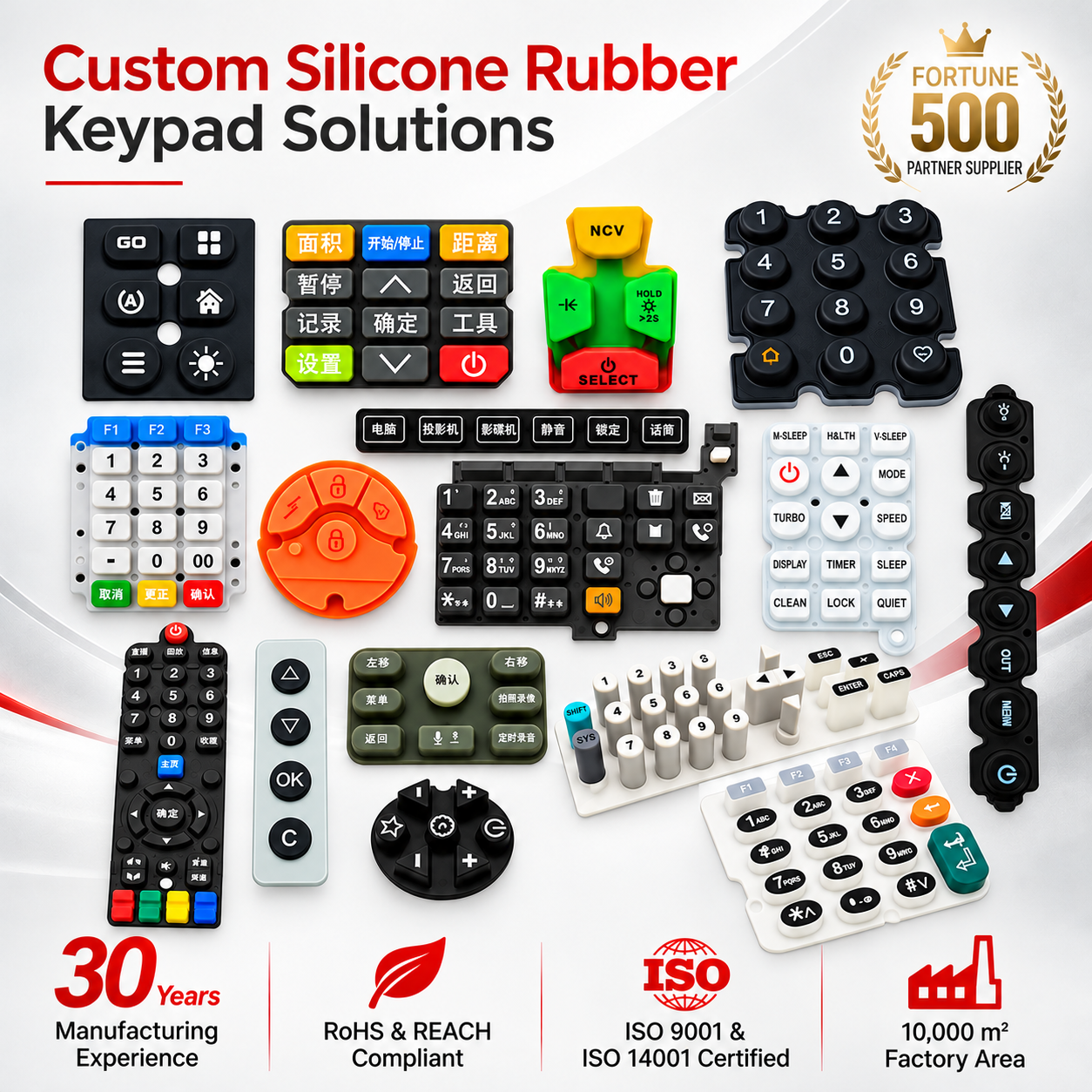
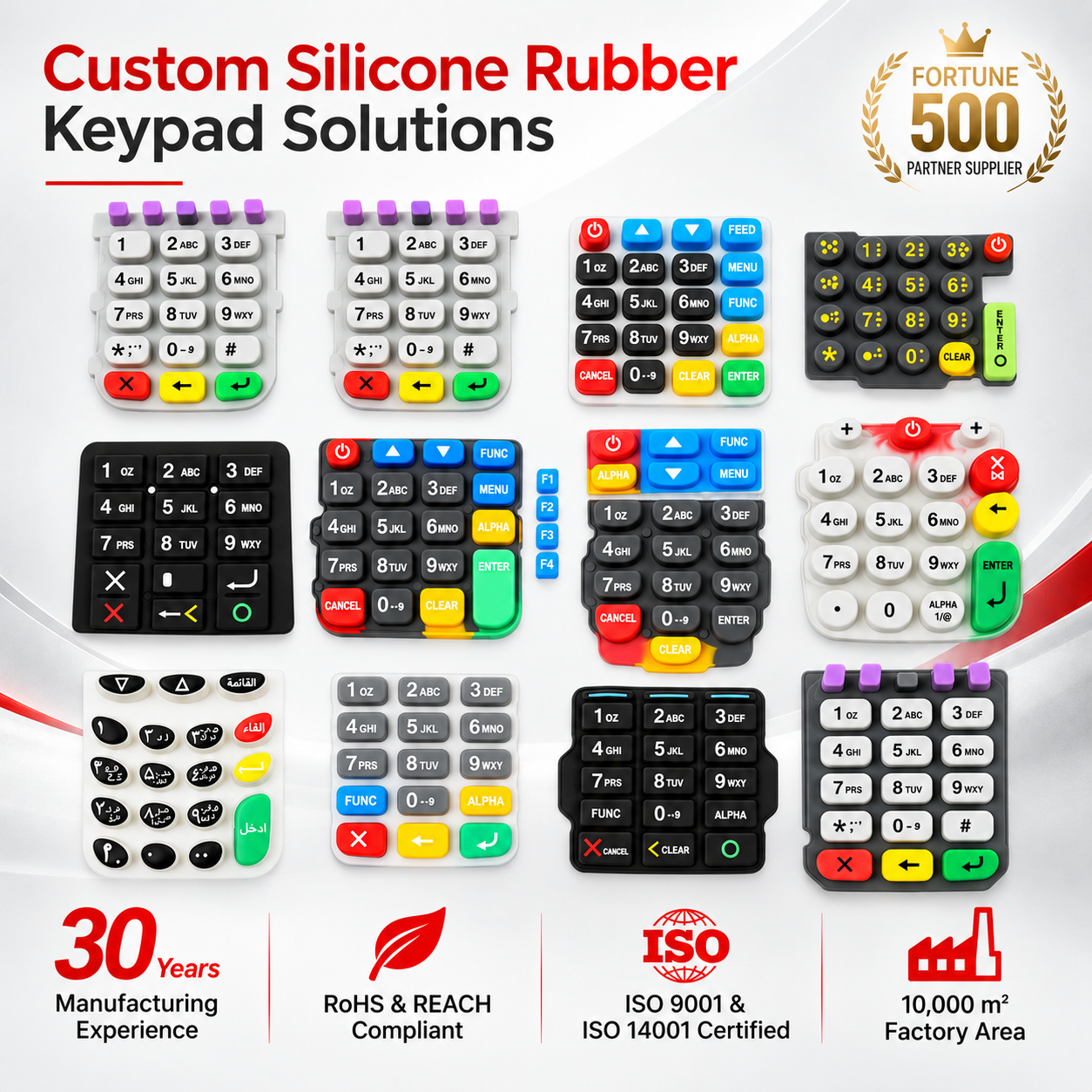
A technical evaluation on cross-linked polymer mechanics, compression-set stabilization, and contact resistivity under severe thermal excursion.
Standard methyl-vinyl silicone elastomers fail when continuous operational temperatures surpass +150°C. For industrial projects operating in Triesen's heavy equipment, commercial vacuum, and precision tool industries, AXRU deploys specialized phenyl-vinyl-methyl silicone (PVMQ) and fluorosilicone (FVMQ) gum stocks.
Thermal fatigue alters the stroke feel and actuation snap ratio of silicone key webs. When a keypad operates continuously above ambient temperatures, conventional elastomeric webbing hardens or sags, destroying the tactile feedback vital for precision apparatus operators.
Thermal expansion mismatches between the silicone key body and the electrical contact element often lead to contact detachment or carbon cracking. AXRU employs molecularly bonded conductive carbon pills and co-vulcanized gold-plated metal domes.
| Elastomer / Switch Class | Continuous Operating Temp | Peak Excursion (1h) | Chemical & Hydrocarbon Resistance | Tactile Life Expectancy | Alpine / Triesen Target Suitability |
|---|---|---|---|---|---|
| AXRU High-Temp PVMQ Silicone | -40°C to +220°C | +260°C | Excellent against coolants, lubricants, UV | > 2,500,000 actuations | Recommended - Heavy Duty |
| Standard Industrial Silicone (VMQ) | -20°C to +120°C | +150°C | Moderate; swells in direct aromatic oils | > 1,000,000 actuations | Commercial Appliances Only |
| Fluorosilicone Grade (FVMQ) | -50°C to +200°C | +230°C | Outstanding; impervious to fuels & harsh solvents | > 1,500,000 actuations | Recommended - Direct Hydrocarbon |
| Standard PET Membrane Switch | -10°C to +65°C | +80°C | Moderate; adhesive delamination risks at 75°C+ | > 1,000,000 actuations | Unsuitable for High Thermal |
| AXRU Polyimide (PI) / FPC Hybrid | -40°C to +140°C | +180°C | Complete sealed perimeter resistance (IP67) | > 3,000,000 actuations | Recommended - Hybrid Systems |
The Rhine Valley and the industrial hub of Triesen demand world-tier mechanical integrity. Discover how our custom elastomers support the region's prominent manufacturing and engineering sectors.
Triesen sits at the heart of global tool engineering. Handheld electro-pneumatic drill rigs, powder-actuated fasteners, and diamond coring machinery generate massive localized motor friction, inductive heat, and violent mechanical resonance.
Liechtenstein's metallurgical coating, solar-cell sputtering, and thin-film optical laboratories rely on ultra-high vacuum (UHV) reactors and thermal furnaces operating in nearby Triesen plants.
Medical fabrication across the Rhine Valley requires interface components capable of enduring repeated autoclave cycles, high-temperature steam sterilization (+134°C), and harsh medical-grade disinfectants.
How precision European apparatus designers are recalibrating their human-machine interface sourcing strategy to optimize cost without compromising reliability.
Engineers in Triesen are transitioning from pure membrane sheets to hybrid P+R interfaces. This combines the metallic, aesthetic elegance of hard polycarbonate/ABS keycaps with the dynamic sealing and thermal insulation of a silicone backing mat.
With Liechtenstein adhering to strict EEA environmental safety standards, component purchasing managers require 100% certified halogen-free curing systems and zero volatile organic compounds, fully supported by our Intertek-verified raw materials.
Alpine development teams are skipping domestic distributors to consult directly with Dongguan tooling masters. This slashes prototyping turnaround from months to under 10 working days, providing significant cost reduction on steel compression molds.
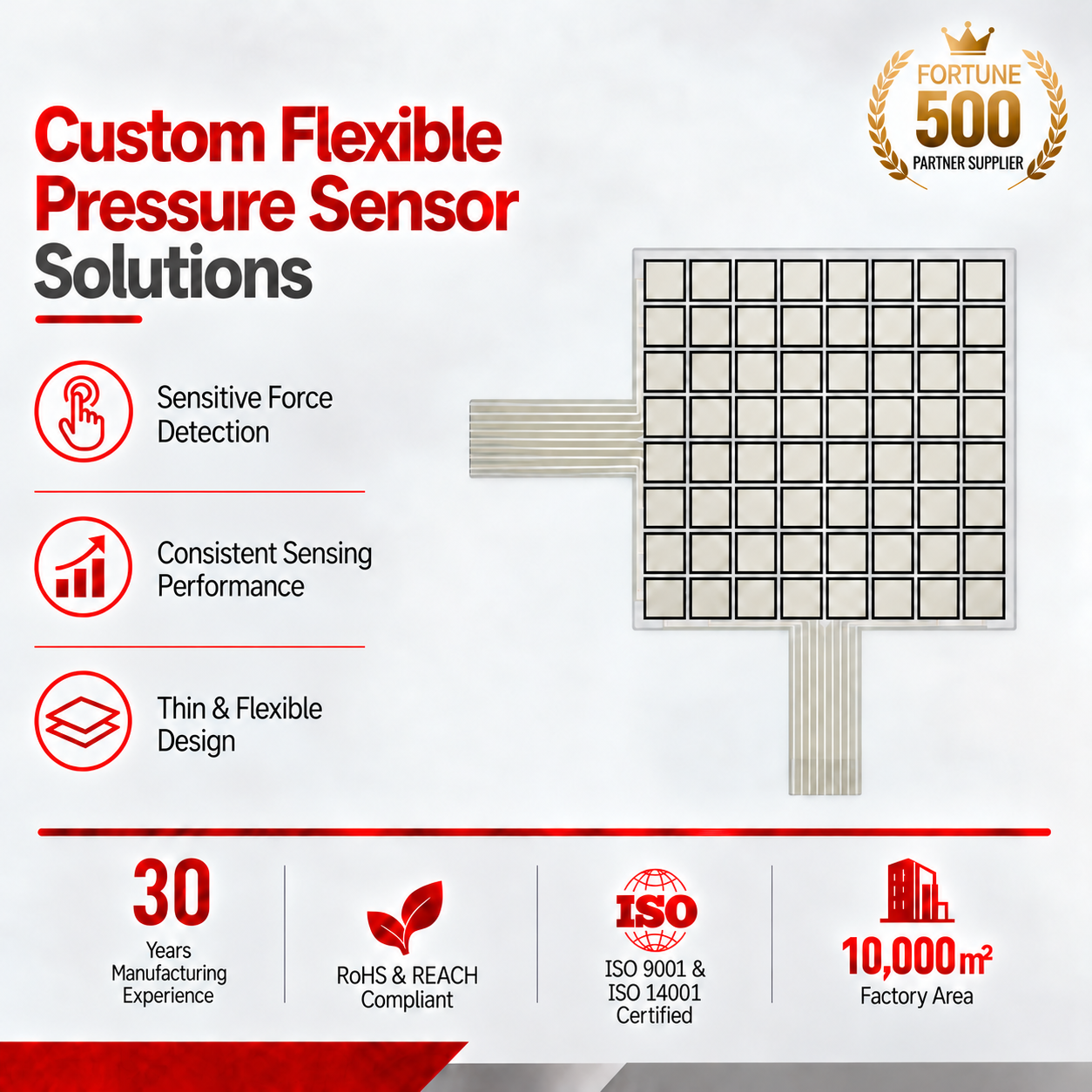
Modern HMI design incorporates flexible piezoresistive pressure sensors below the silicone key matrix. This dual-sensing architecture provides both digital switching and proportional pressure detection for sensitive variable-speed apparatus control.
A true vertically integrated 10,000㎡ factory footprint with 121 technicians. All tooling, compounding, molding, silk-screening, and environmental testing stay under one roof.
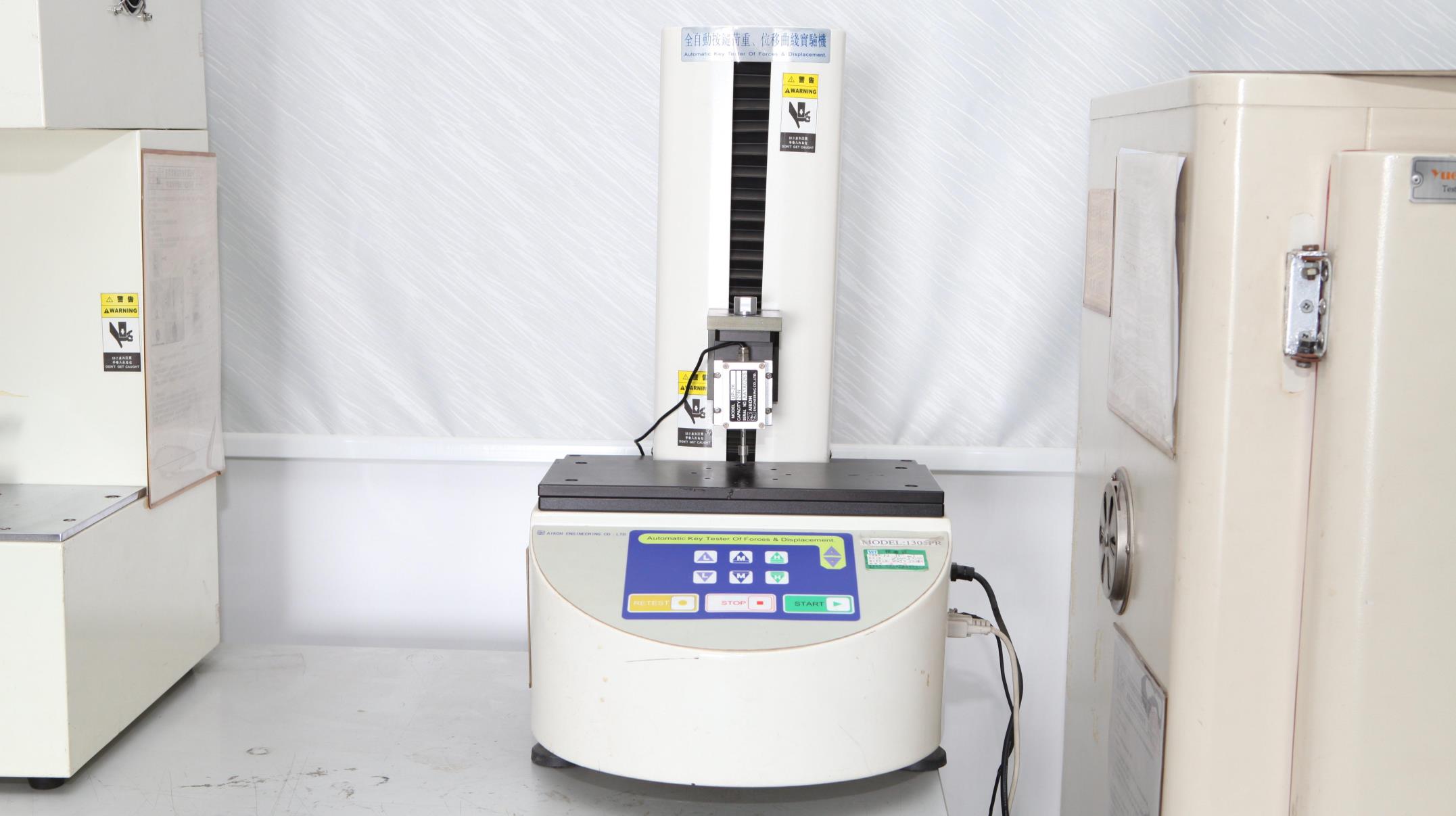
Every tooling lot is validated for peak actuation force (F1), return force (F2), and tactile click feel curve.
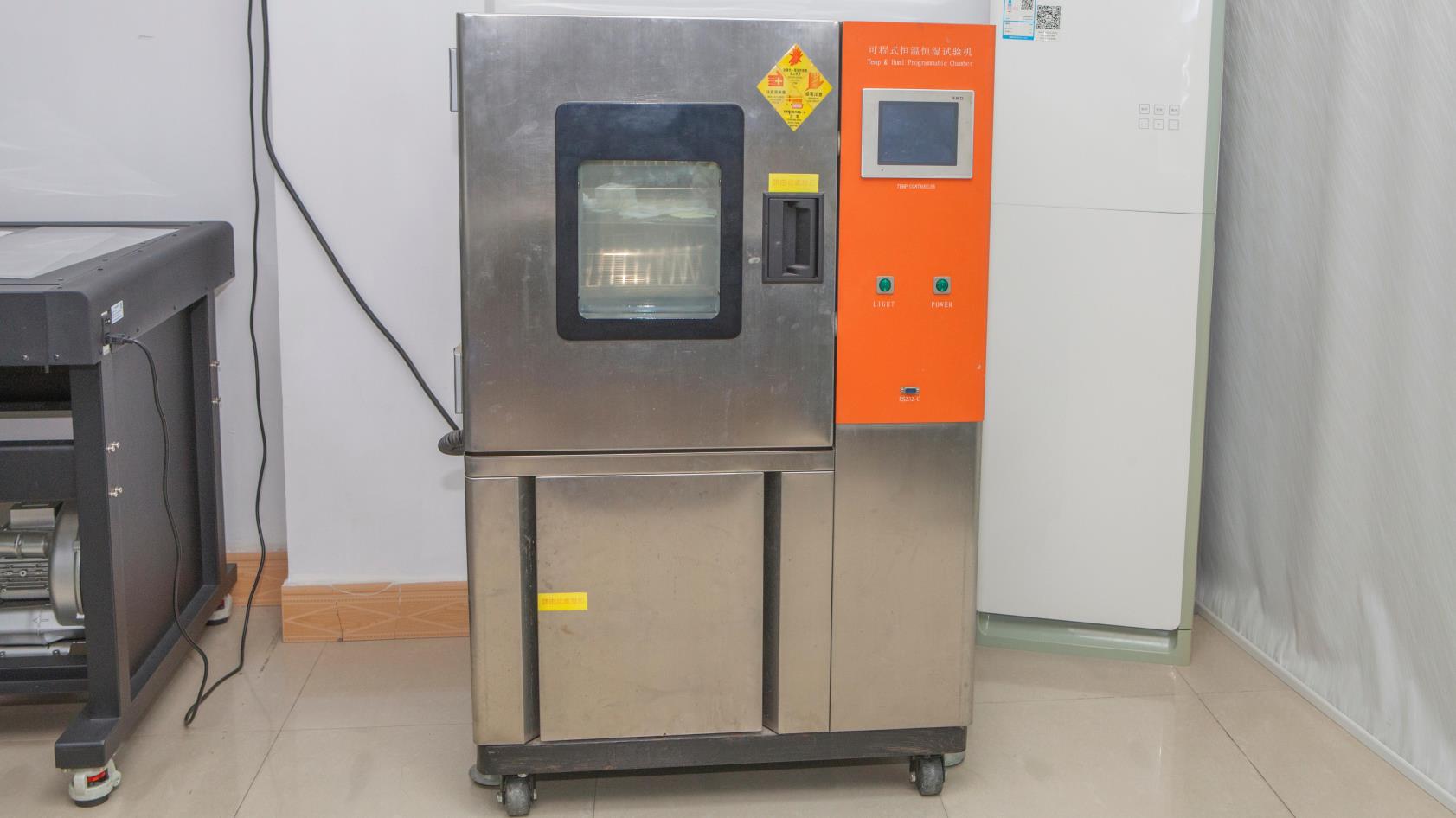
Simulating extreme thermal shock from -50°C to +250°C to inspect for delamination and elastomeric hardening.
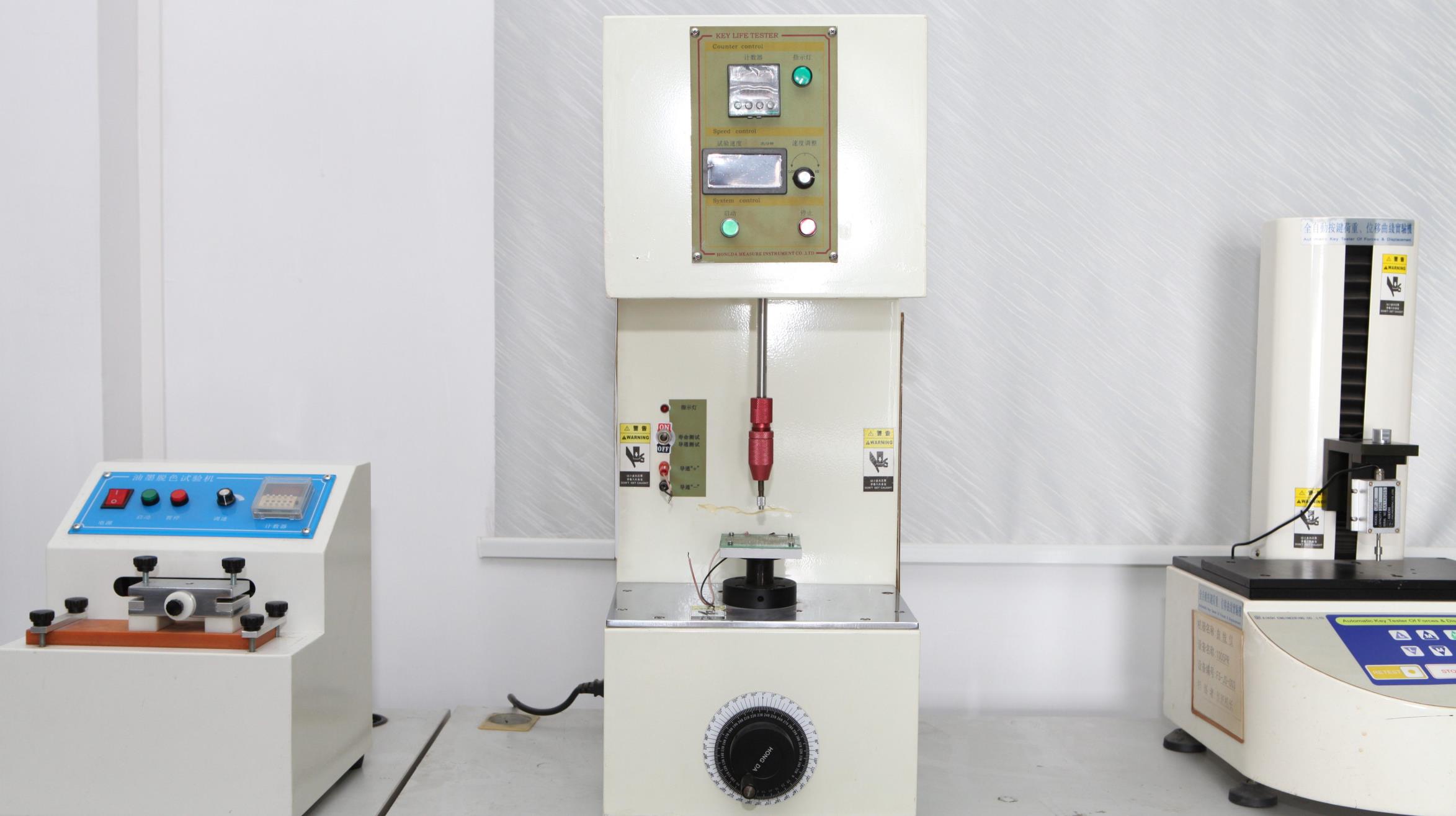
Multi-station automated cycle testers cycling key plungers up to 5,000,000 strokes at rapid operational speeds.
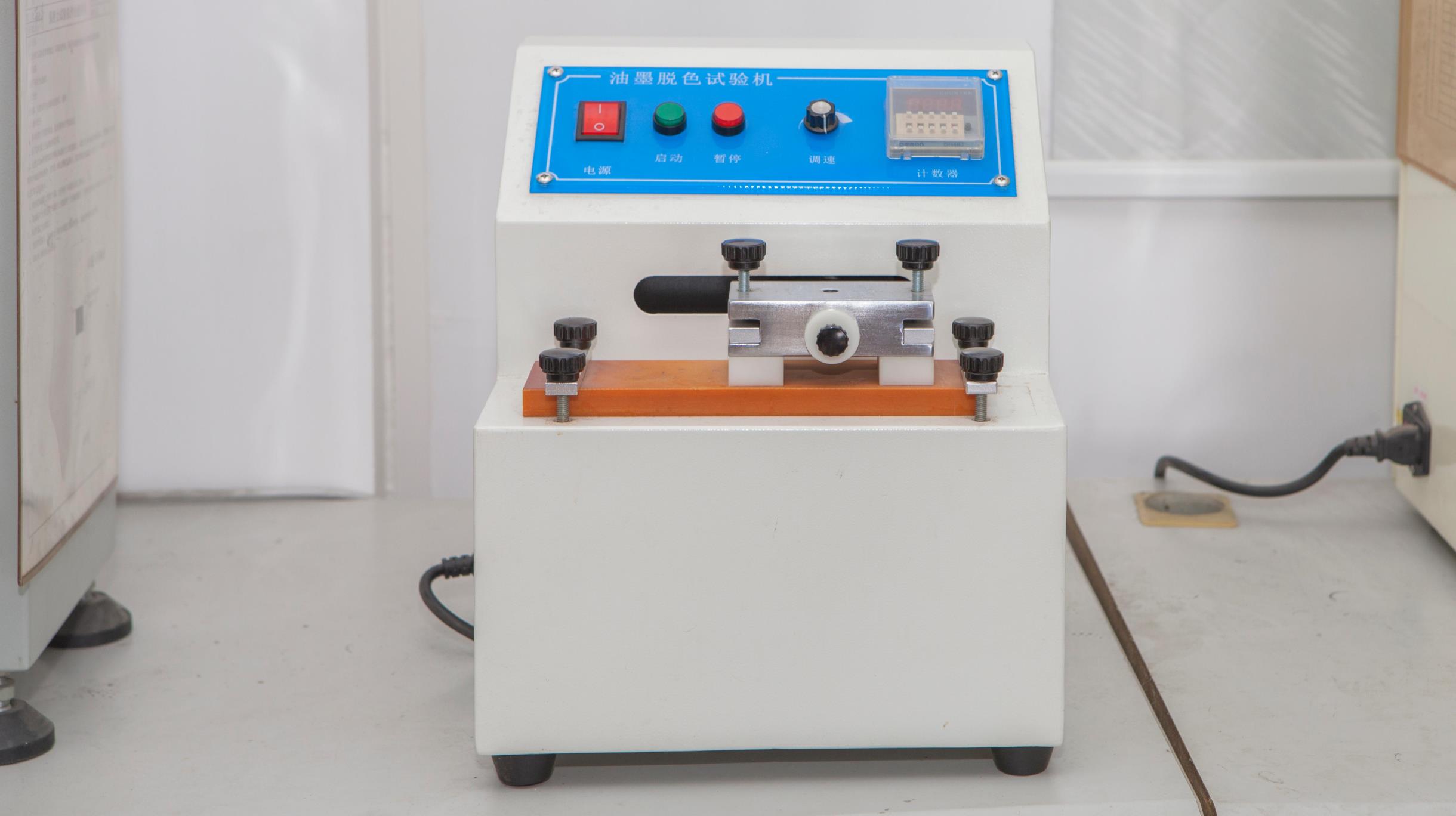
Legends and silicone ink coatings undergo rigorous mechanical rub tests against MEK, alcohol, and synthetic lubricants.
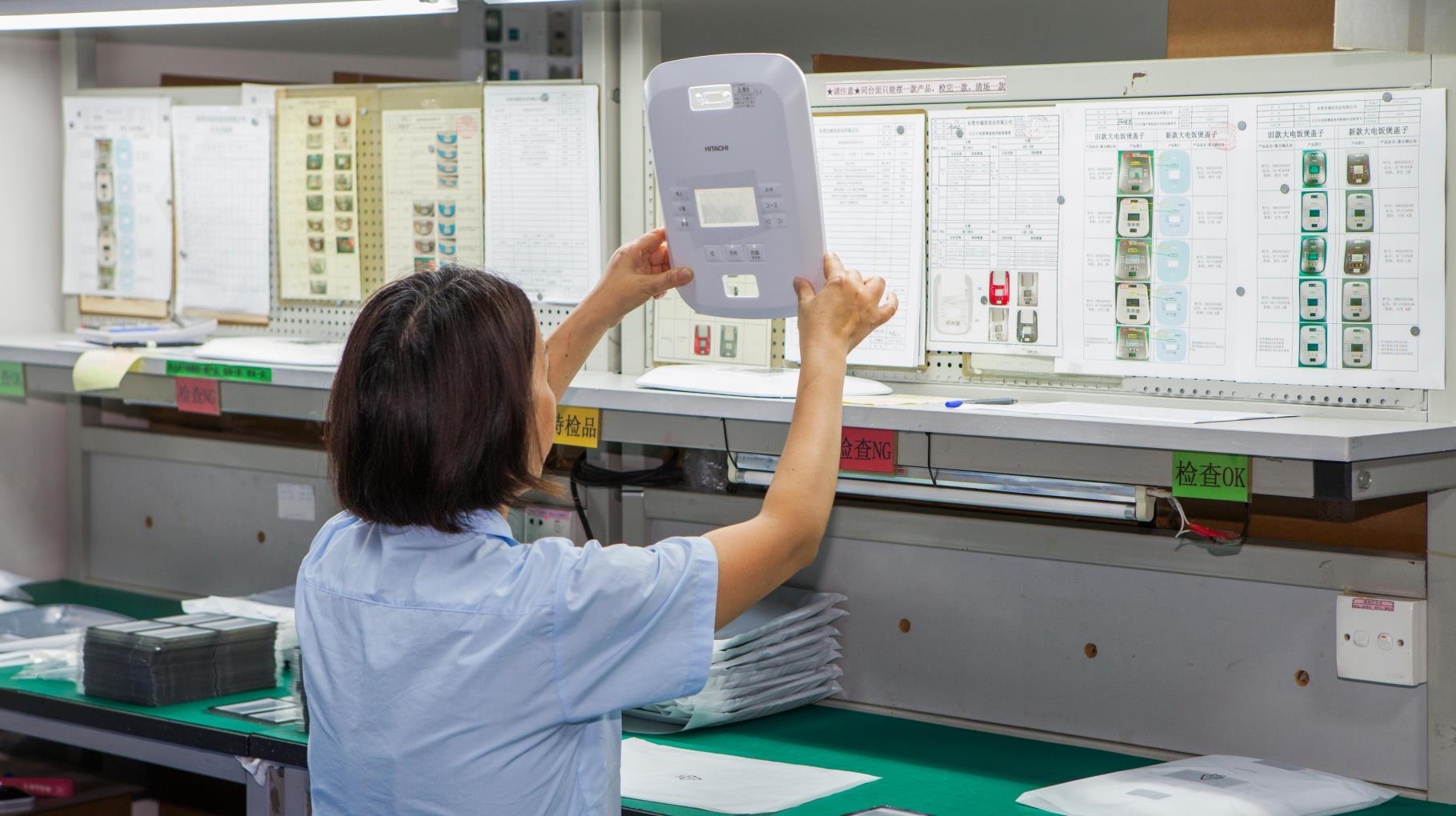
Every individual circuit and carbon contact point is tested for loop resistance, open, short, and LED polarity.
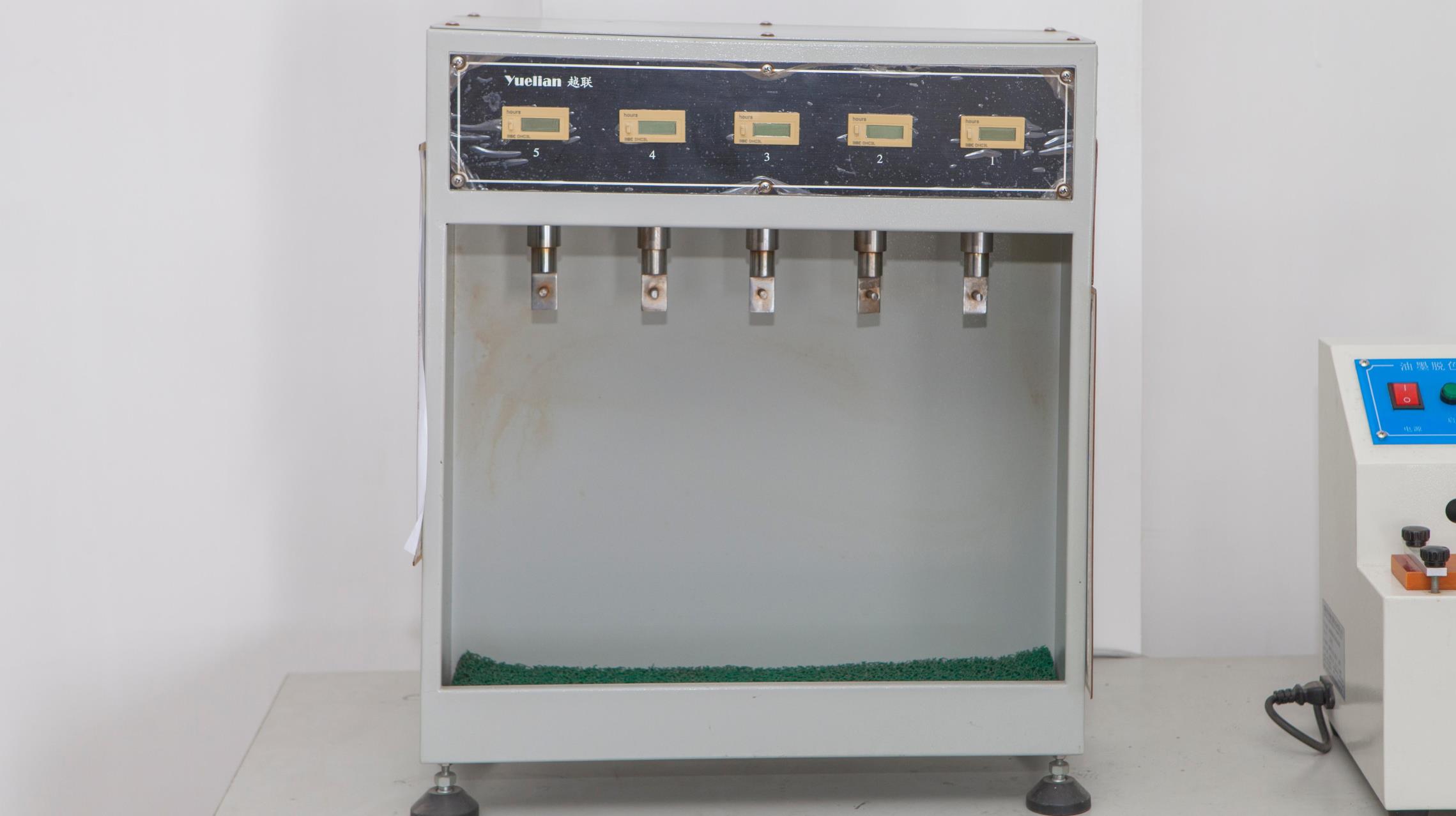
Testing adhesive bond strength of 3M high-temperature laminates and bonding tails to eliminate field separation.
Practical engineering answers regarding logistics, customs documentation, temperature thresholds, and tool tooling design for Liechtenstein and Swiss border operations.
Supplying world-class high-temperature silicone rubber keypads, FPC matrices, and tactile sensor solutions for machinery builders in Triesen, Liechtenstein, and globally. Submit your drawing for a complimentary 24-hour DFM appraisal.