Electronic Graphic Overlay Manufacturers & Factories in San Diego
Precision Human-Machine Interfaces, Harsh-Environment Front Panels, and Cross-Border OEM Manufacturing for San Diego's Advanced Biotech, Defense, and Cleantech Sectors
Engineered Graphic Overlays & HMI Control Interfaces
Explore custom screen-printed panels, conductive silicone arrays, and integrated flexible circuitry built to IP65/IP67/NEMA 4X standards with micron-level alignment accuracy.
Silicone PTT
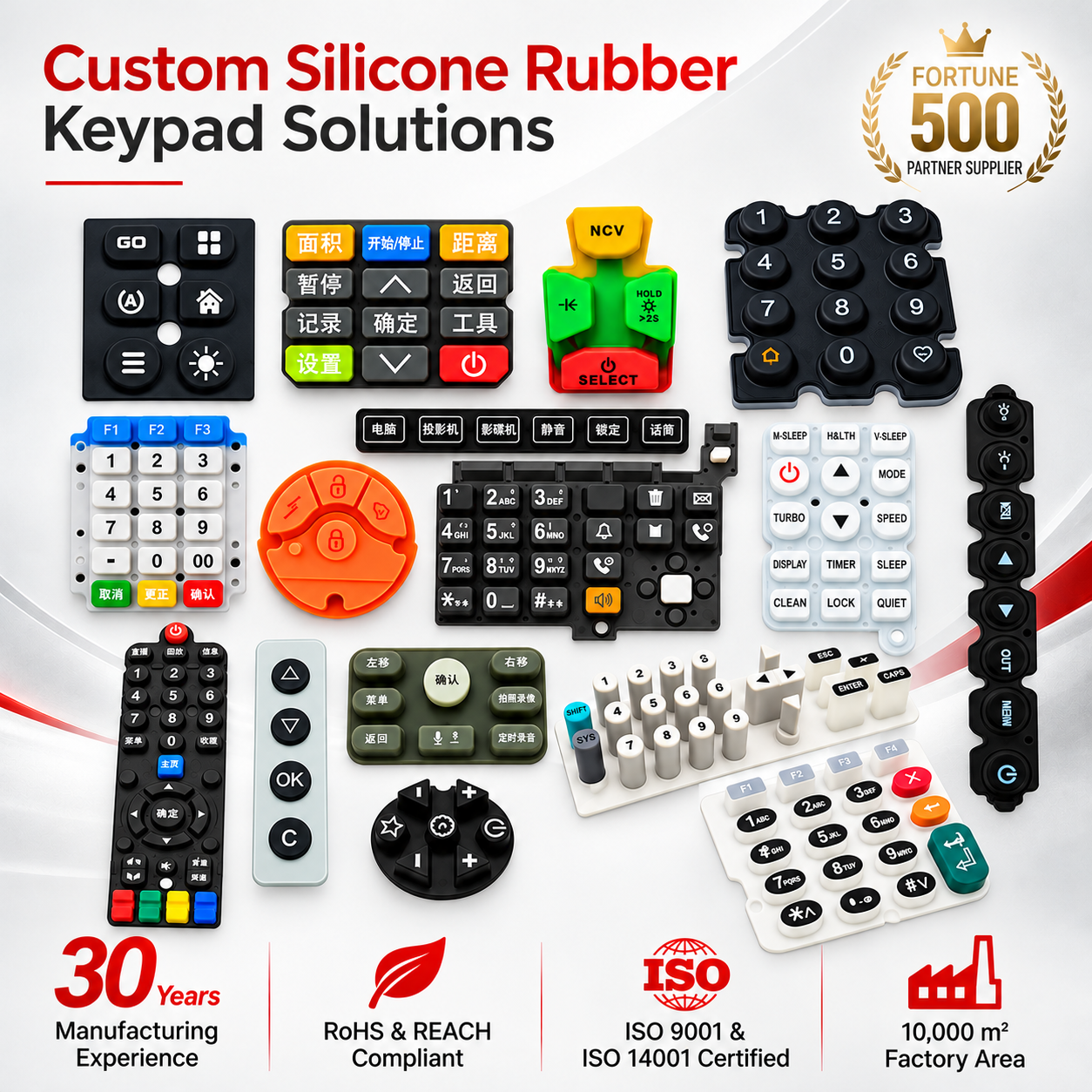
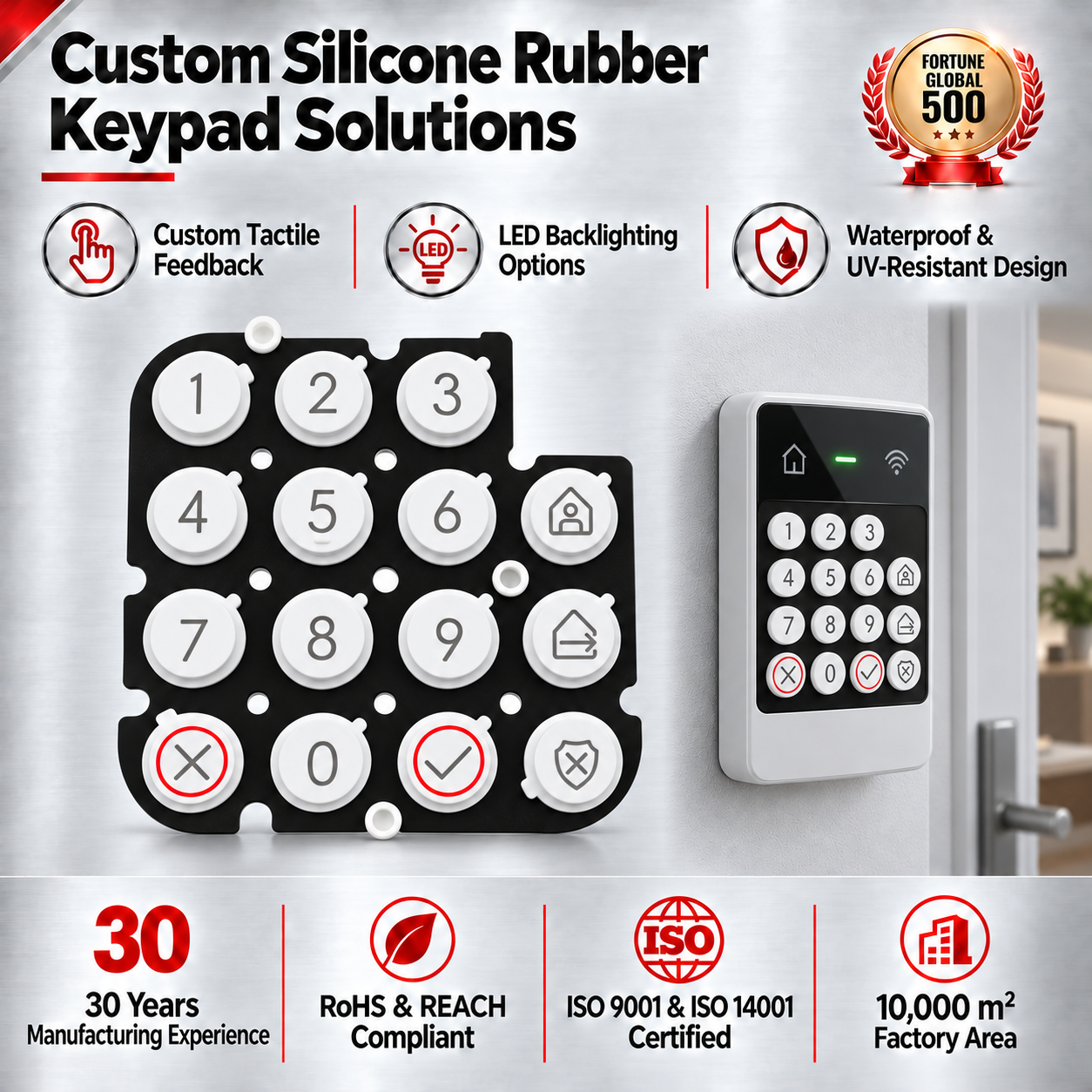
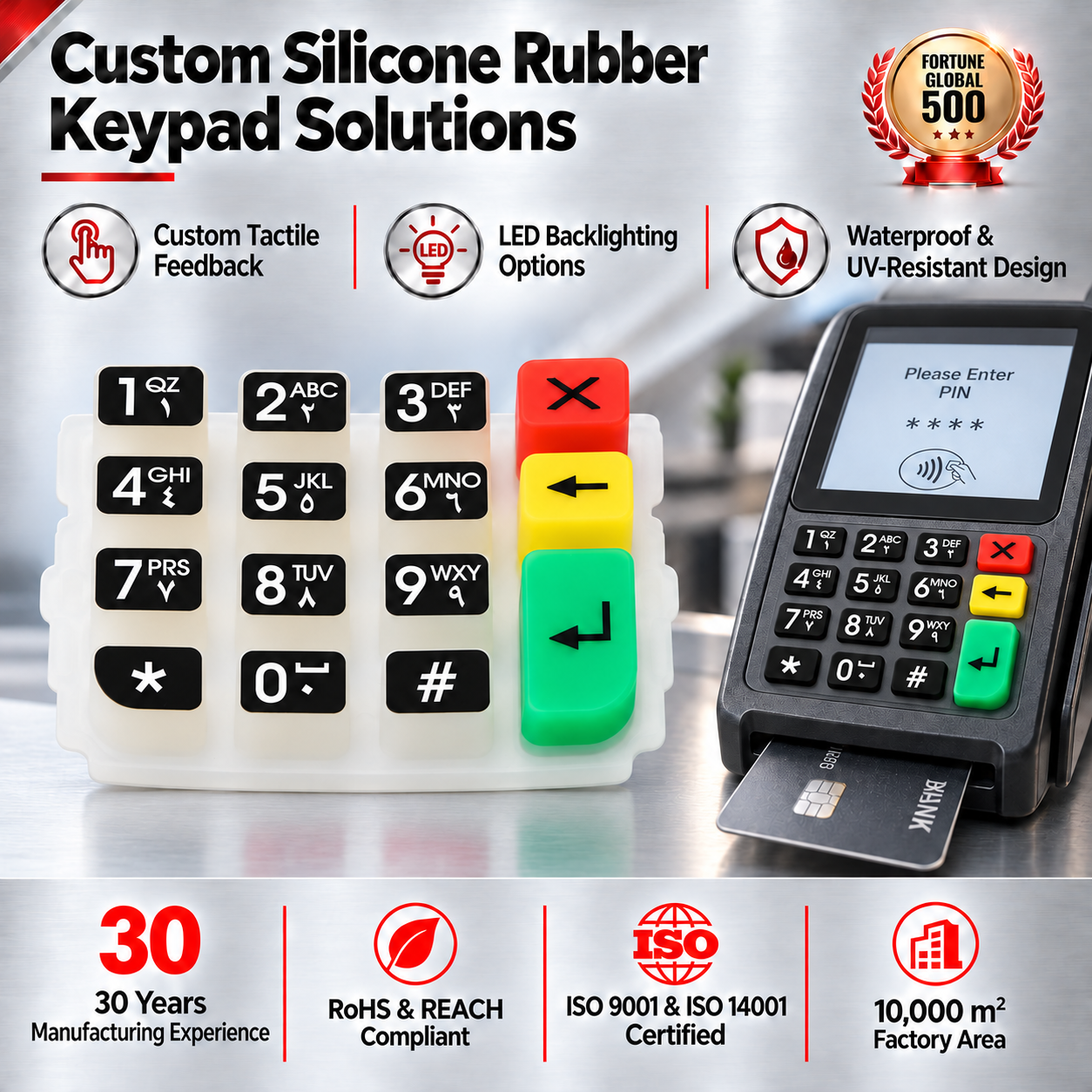
Custom Conductive Silicone Rubber Keypads
Compression-molded silicone elastomer with conductive carbon pills, laser-etched legends, and PU protective coatings for rugged handheld communication hardware.
Precision tactile response keypads with low contact resistance, chemical-resistant silicone blends, and crisp multi-color silk screening for appliances and meters.
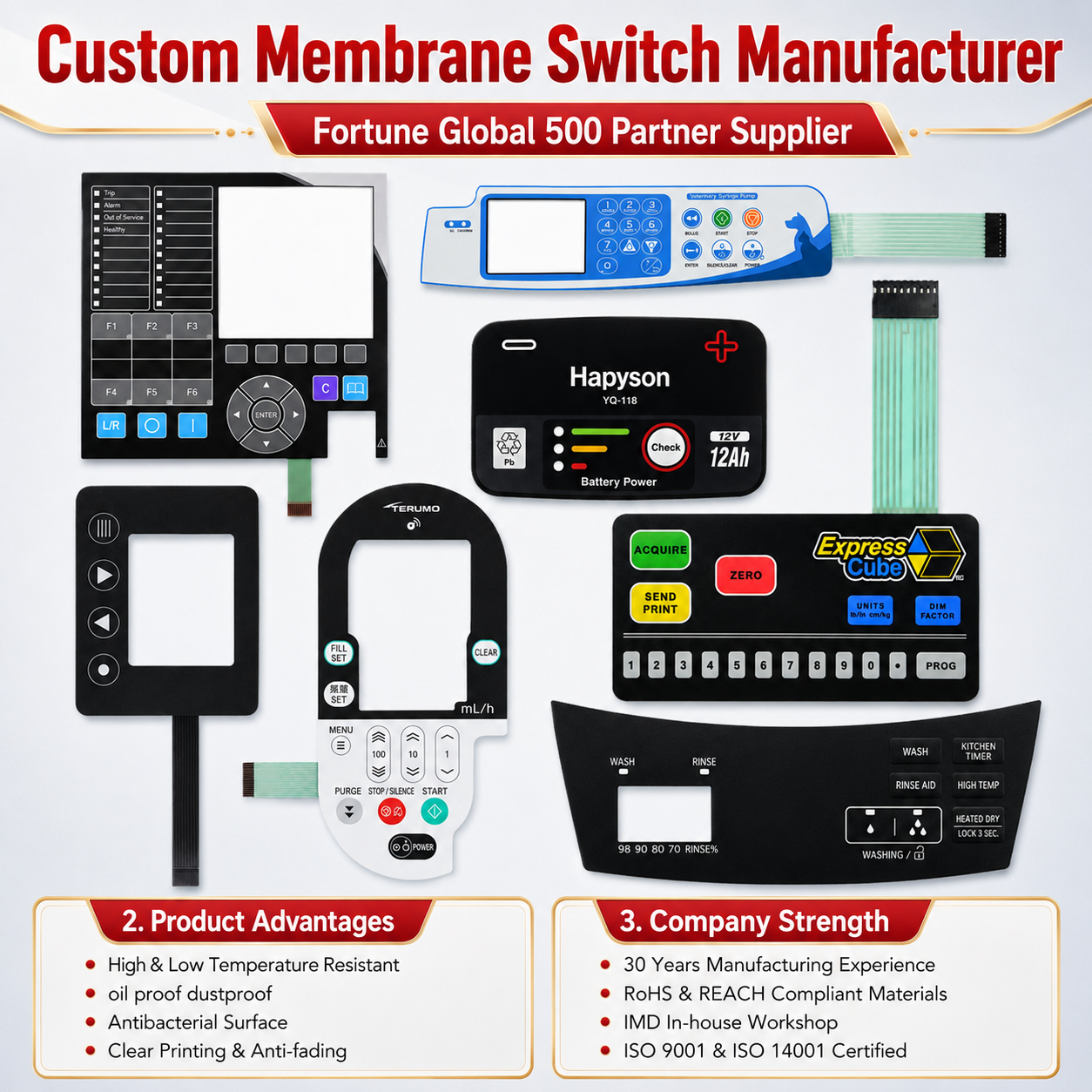
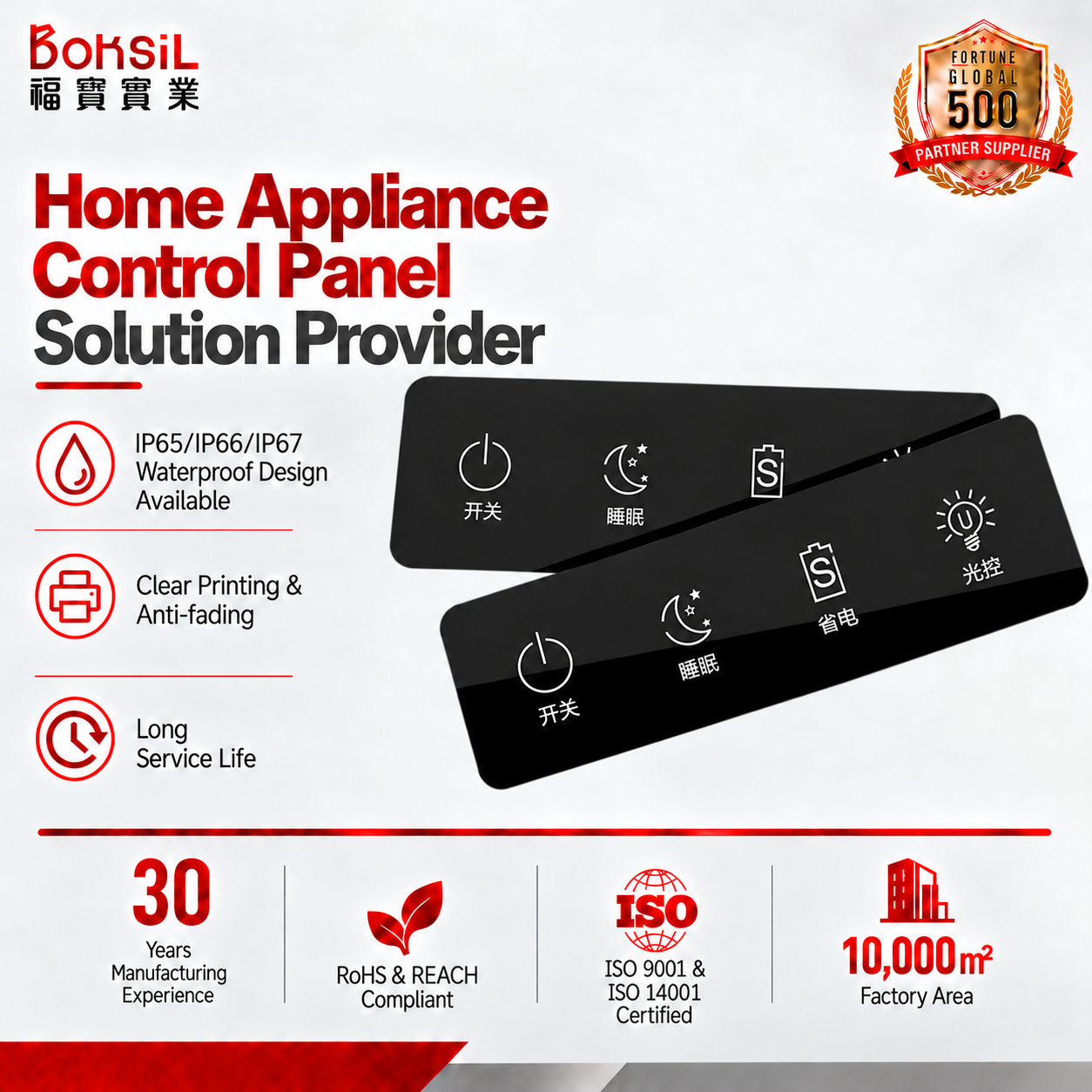
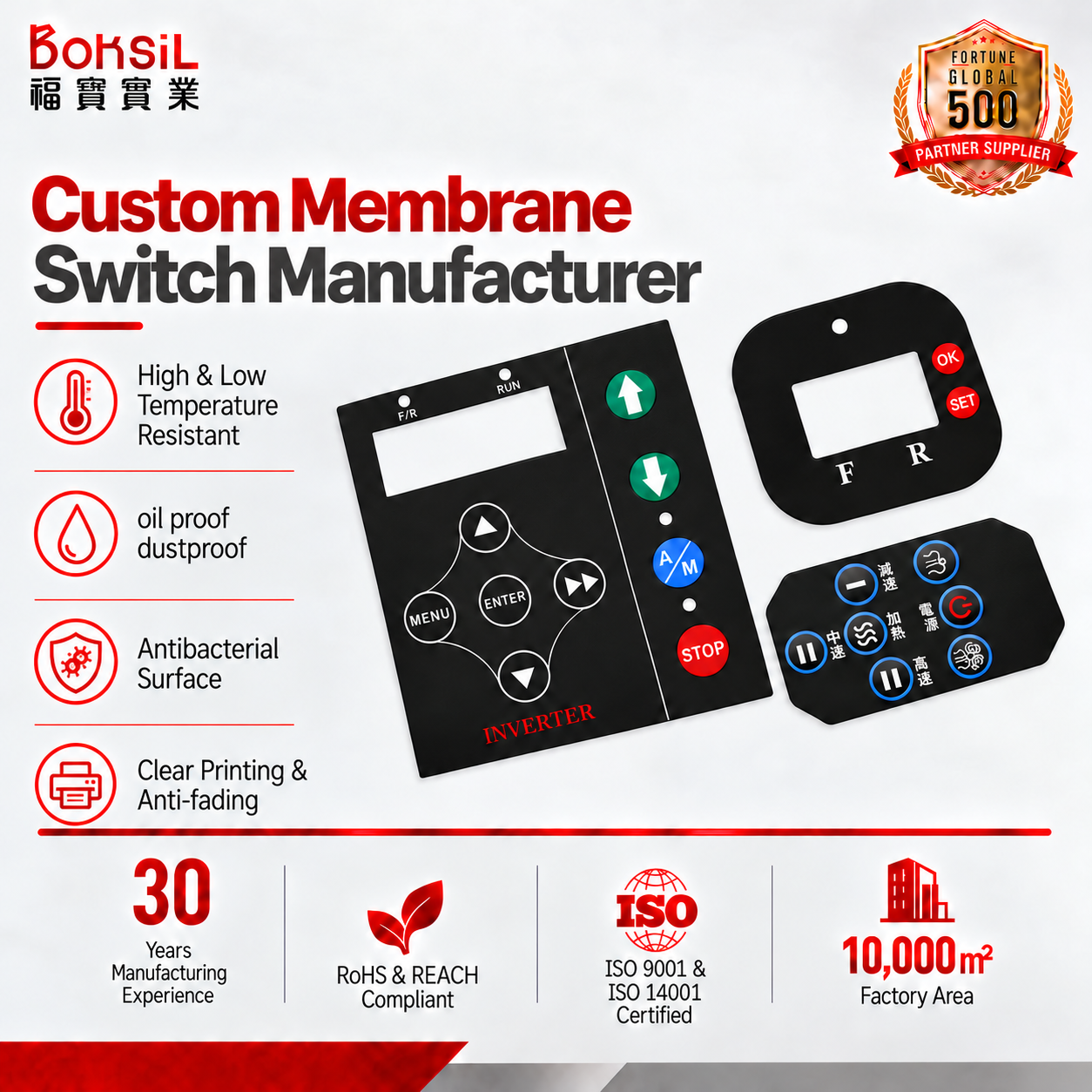
Flame-retardant (UL94 V-0/VTM-2 rated) polycarbonate fascia panels with velvet or matte textures, dead-front light blocking, and selective adhesive lamination.
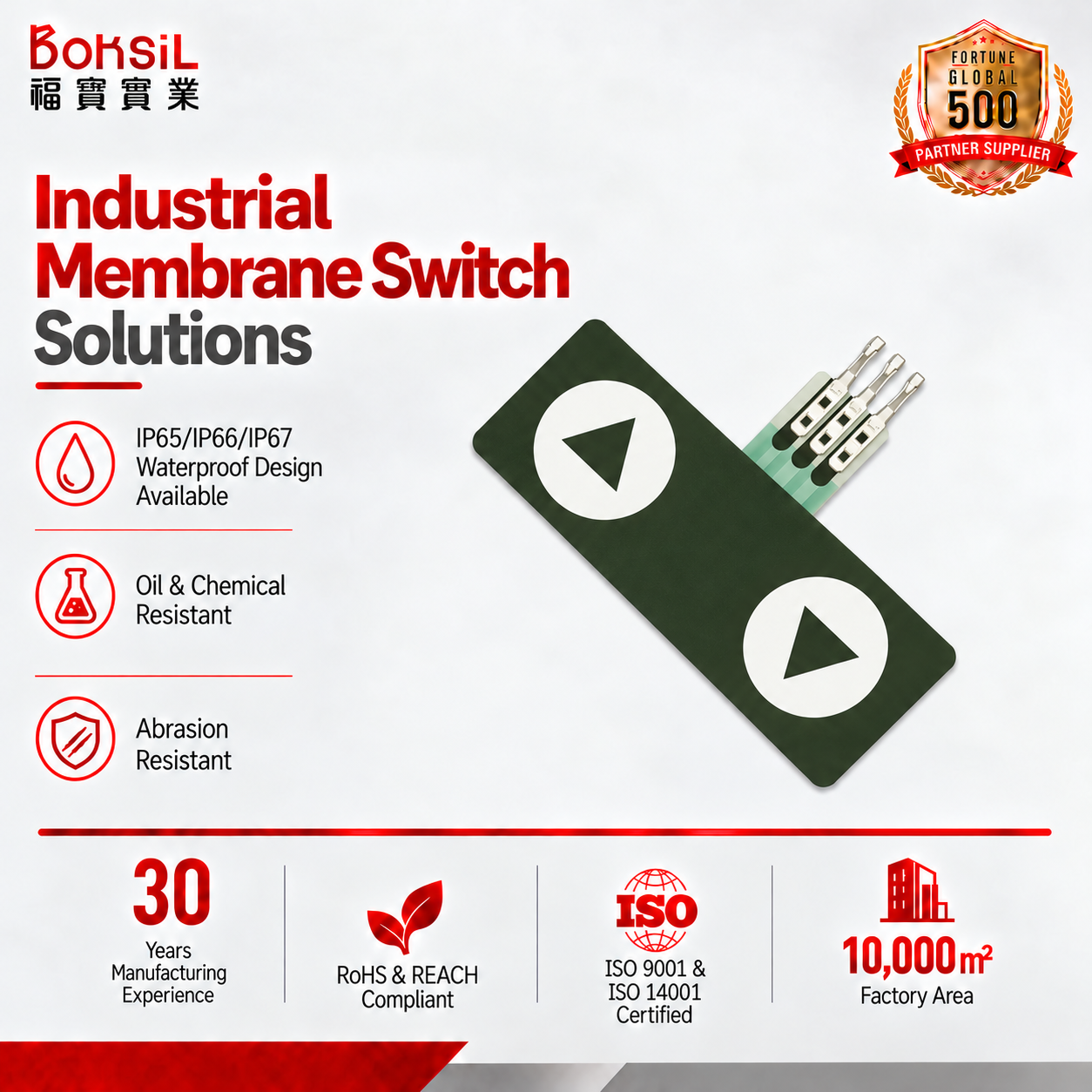
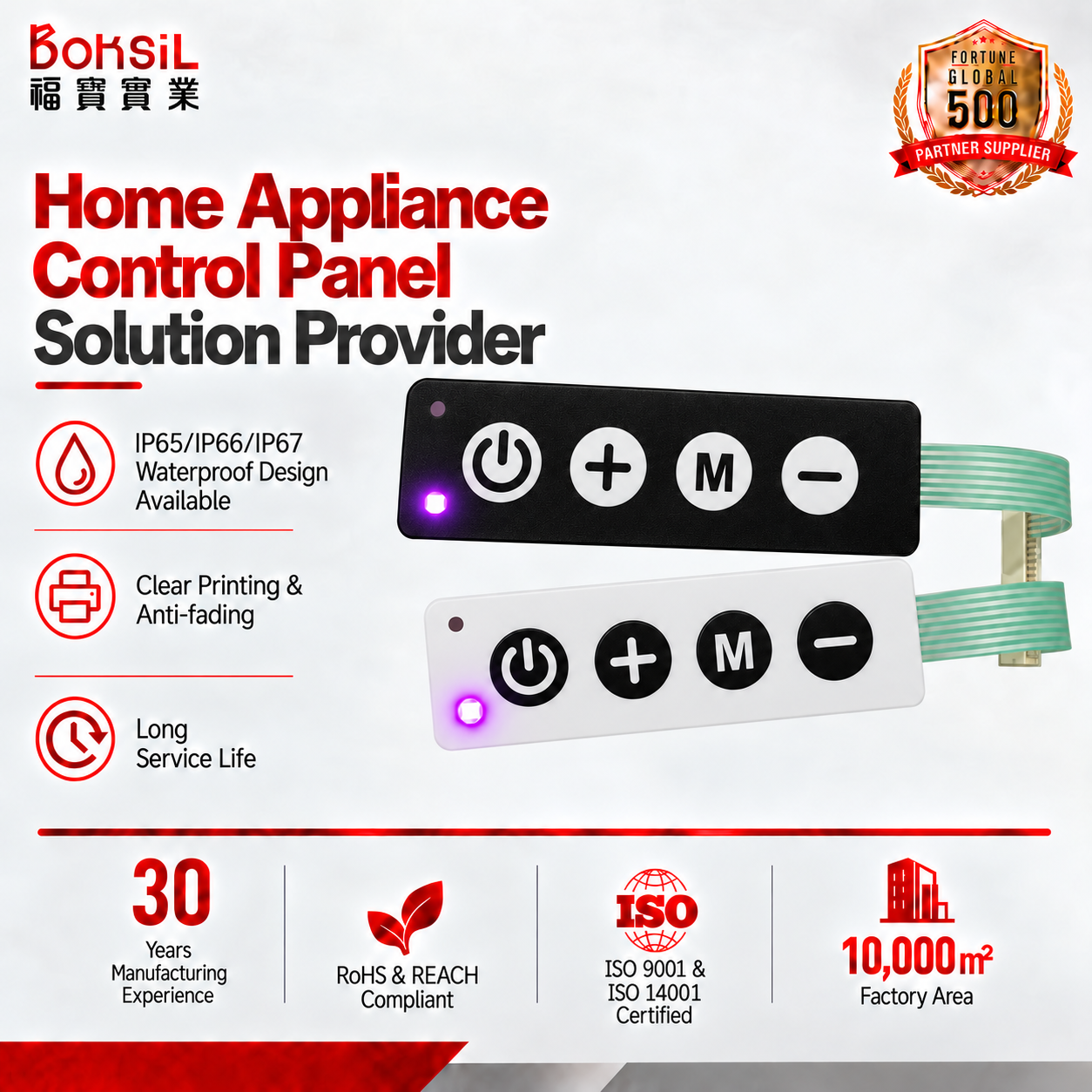
Surface-mount (SMD) LED integration within a low-profile multi-layer membrane stack, featuring stainless steel snap domes rated for over 1,000,000 actuations.
San Diego’s Innovation Corridor: Engineering Requirements for HMI Overlays
Greater San Diego represents one of the United States' premier epicenters for life sciences, biotechnology, defense electronics, aerospace systems, and marine technology. From the cutting-edge diagnostic laboratories clustered in Torrey Pines, UTC, and Sorrento Valley to the defense communication contractors anchored around Miramar, Kearny Mesa, and Point Loma, hardware design engineers require human-machine interfaces (HMI) that satisfy uncompromising operational mandates. Graphic overlays in these applications are far more than aesthetic labels; they serve as critical hermetic barriers against harsh solvents, physiological reagents, saline humidity, and broad thermal swings.
Information Gain Insight: Unlike standard commercial nameplates, electronic graphic overlays specified by San Diego biomedical and defense equipment manufacturers require sub-surface (second-surface) screen printing. By anchoring the pigmented inks and dead-front light blockers behind an optically clear, chemically stabilized substrate—such as biaxially oriented polyethylene terephthalate (Autotype MacDermid Autotex PET) or hard-coated polycarbonate (Lexan HP92W)—the visual indicia remain impervious to relentless wipe-downs with isopropyl alcohol (IPA), bleach (sodium hypochlorite), quaternary ammonium disinfectants, and synthetic hydraulic fluids.
As San Diego biomedical engineers commercialize next-generation DNA sequencers, automated point-of-care hematology analyzers, and wearable infusion systems, product architectures trend decisively toward compact, unified human interfaces. Traditional bulky push-buttons and discrete mechanical toggle switches are rapidly giving way to continuous-surface graphic overlays laminated over tactile metal domes, embedded surface-mount LEDs (SMD LEDs), optical filter display windows, and capacitive sensing electrodes. This convergence reduces enclosure seams, accelerates cleanability, lowers particulate retention, and elevates device aesthetics to meet modern hospital standards.
Substrate Material Comparison: PET vs. Polycarbonate (PC) vs. PMMA
Sourcing teams and mechanical engineers across Southern California frequently weigh trade-offs between optical transmission, flexural endurance, thermal deflection, and chemical shielding. Choosing the wrong substrate can result in catastrophic field delamination, premature key dome fatigue, or optical hazing. The following matrix illustrates the performance attributes validated across AXRU's testing laboratories:
Protective display bezels, smart metering LCD cover lenses, television panels, and capacitive touch glass-replacement surfaces.
AXRU Electronics supports San Diego systems developers through end-to-end material selection. Utilizing our dedicated in-house rapid prototyping equipment, we validate stack-up configurations—including 3M 467MP, 468MP, or 300LSE low-surface-energy (LSE) modified acrylic adhesives—prior to hard tooling release.
Mission-Critical Applications Across San Diego's Top Clusters
Precision interface fabrication customized for regional hardware leaders in health sciences, tactical communications, and cleantech infrastructure.
Biotech & In-Vitro Diagnostics
Micro-textured PET overlays with anti-microbial treatments and chemical barriers for centrifuges, PCR thermocyclers, mass spectrometers, and patient monitoring consoles operated under stringent decontamination protocols.
Defense & C4ISR Tactical Systems
MIL-STD-810 compliant front panels incorporating EMI/RFI shielding (silver conductive mesh or indium tin oxide - ITO layers), night-vision compatible (NVIS) dead-front filtering, and rugged metal-dome tactile arrays.
Clean Energy & Battery Storage
High-dielectric insulation overlays and heavy-duty silicone rubber membranes protecting solar power inverters, utility grid controllers, and EV fast-charging stations across the Imperial Valley and San Diego County.
Marine & Oceanographic Hardware
IP67 and IP68 waterproof perimeter-sealed membrane assemblies engineered to resist salt fog, persistent seawater spray, and high solar UV irradiance for underwater sonars, harbor buoys, and vessel telemetry.
Aerospace & Autonomous Drones
Ultra-thin, weight-optimized flexible circuitry with integrated polyimide (FPC) tails, connector pitch variations (0.5mm, 1.0mm, 2.54mm), and vibration-tested elastomer keypads for avionics testing and ground control stations.
Cross-Border Sourcing Trends: San Diego OEM Design with Global Manufacturing Scale
Southern California hardware developers face continuous pressure to compress NPI (New Product Introduction) cycles while minimizing bill-of-materials (BOM) cost. While local print houses in Chula Vista or San Marcos can handle short-run prototypes, domestic production of multi-layer assemblies involving printed conductive circuits, metal dome arrays, and molded silicone keypads often results in steep unit pricing and extended tooling lead times.
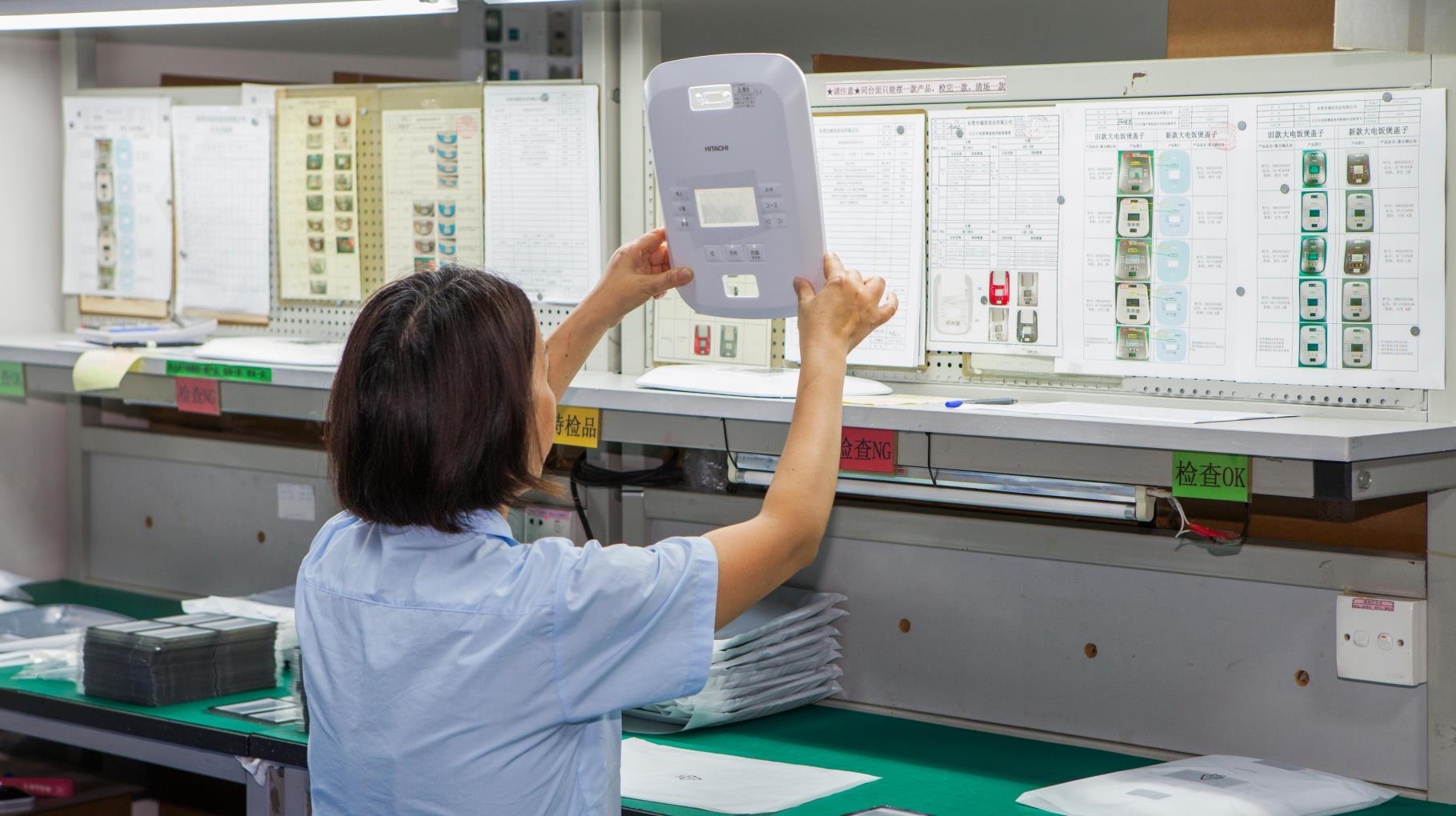
The modern procurement paradigm for San Diego technology leaders leverages a dual-advantage model: Engineering collaboration aligned with Pacific Time zone operations, underpinned by factory-direct fabrication in Dongguan, China. At Dongguan AXRU Electronics Co., Ltd., our 10,000㎡ vertically integrated campus consolidates screen printing, conductive circuit printing, surface-mount LED placement, automated dome array collation, laser cutting, and die cutting under one roof. By retaining all manufacturing and environmental validation in-house, AXRU eliminates the costly subcontracting markups and quality fragmentation typical of brokers and trading houses.
Supply Chain Resilience: Shipments direct from Dongguan reach San Diego International Airport (SAN) or Los Angeles (LAX) within 3 to 5 business days via air express (FedEx/DHL/UPS), ensuring rapid turnaround on prototype iterations (5–7 working days) and scalable mass deliveries that align seamlessly with your MRP schedules.
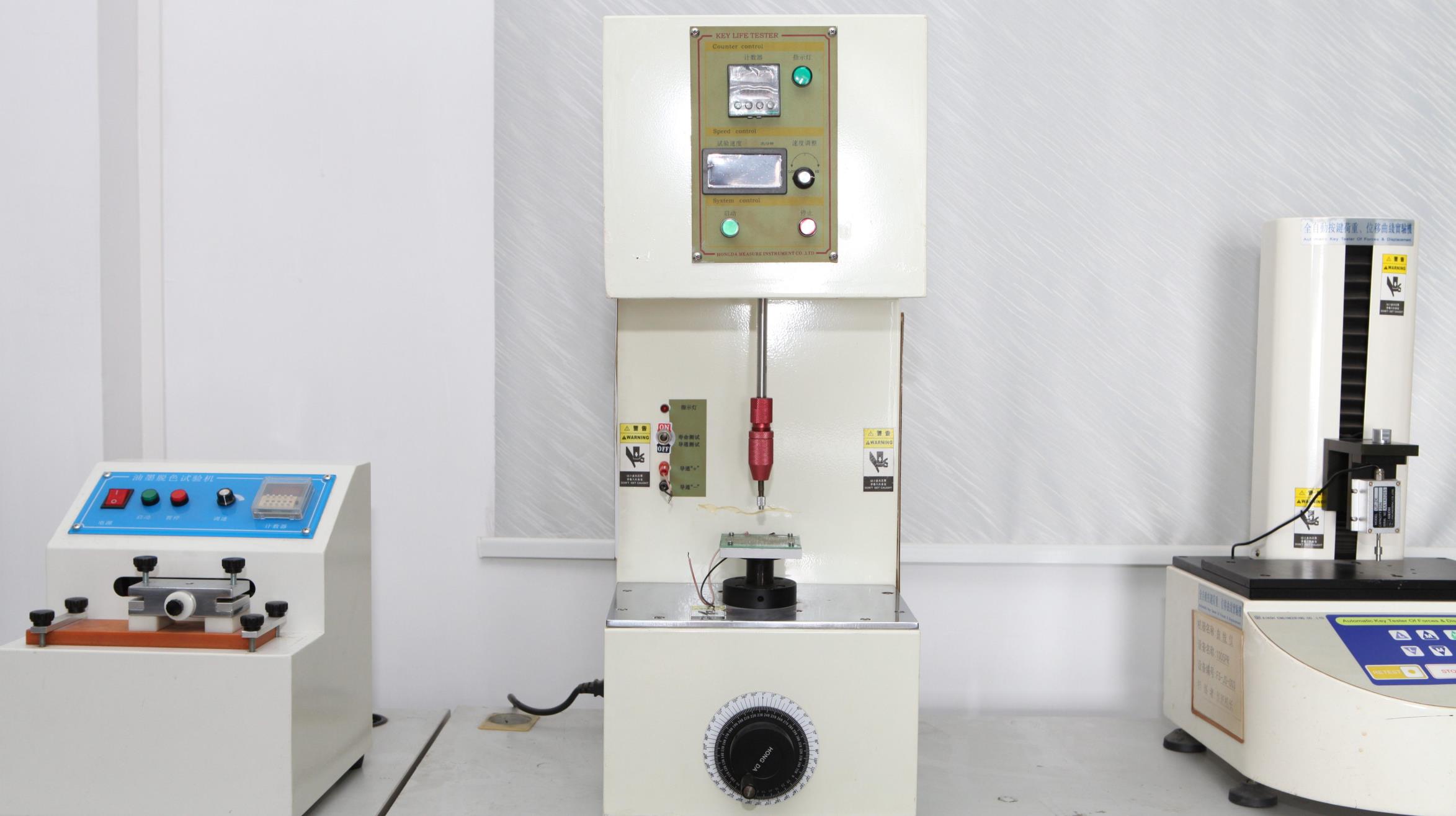
Key Life Testing Machine (1,000,000+ Actuations Validation)
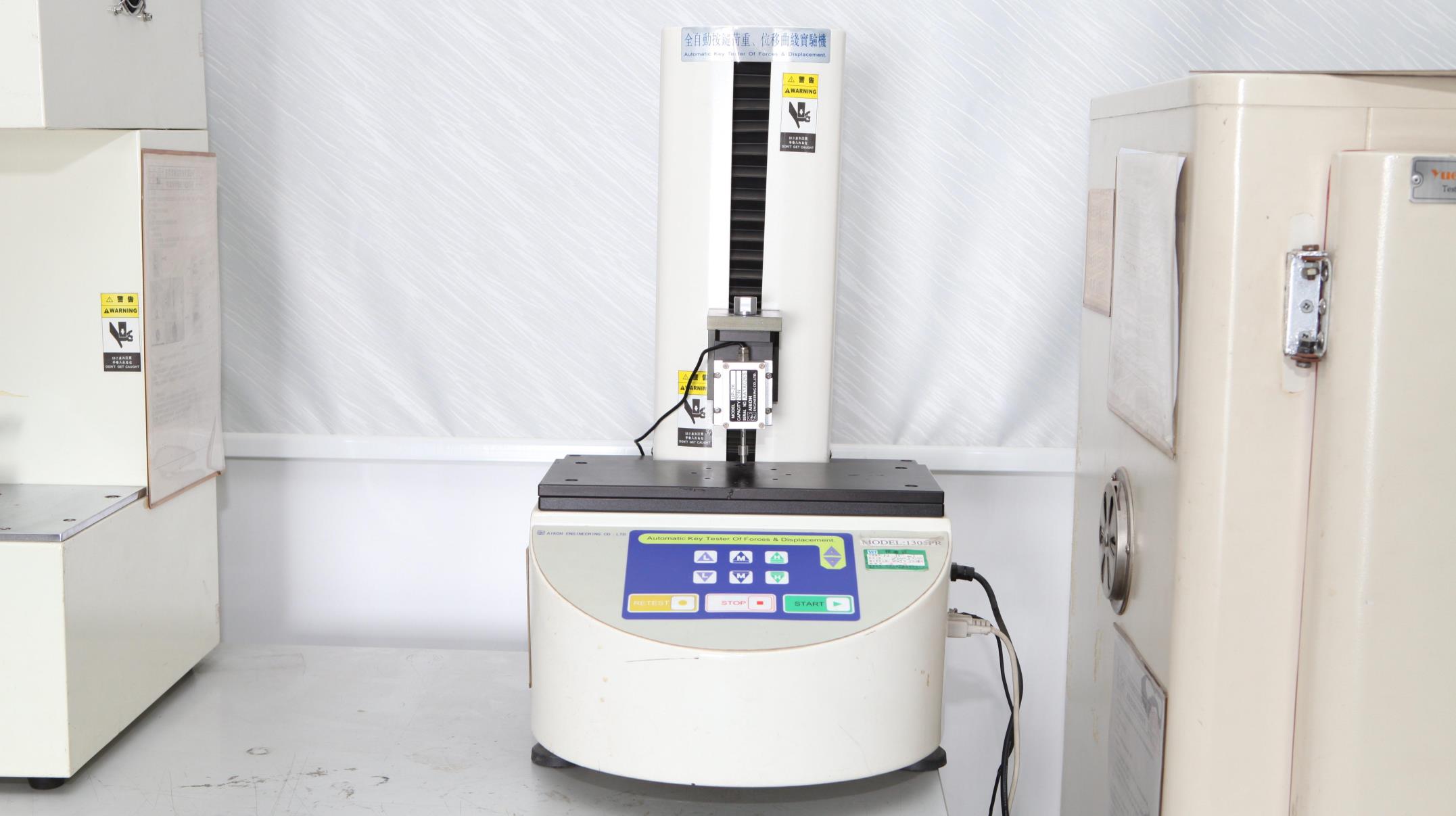
Force & Displacement Testing (Tactile Snap Ratio Auditing)
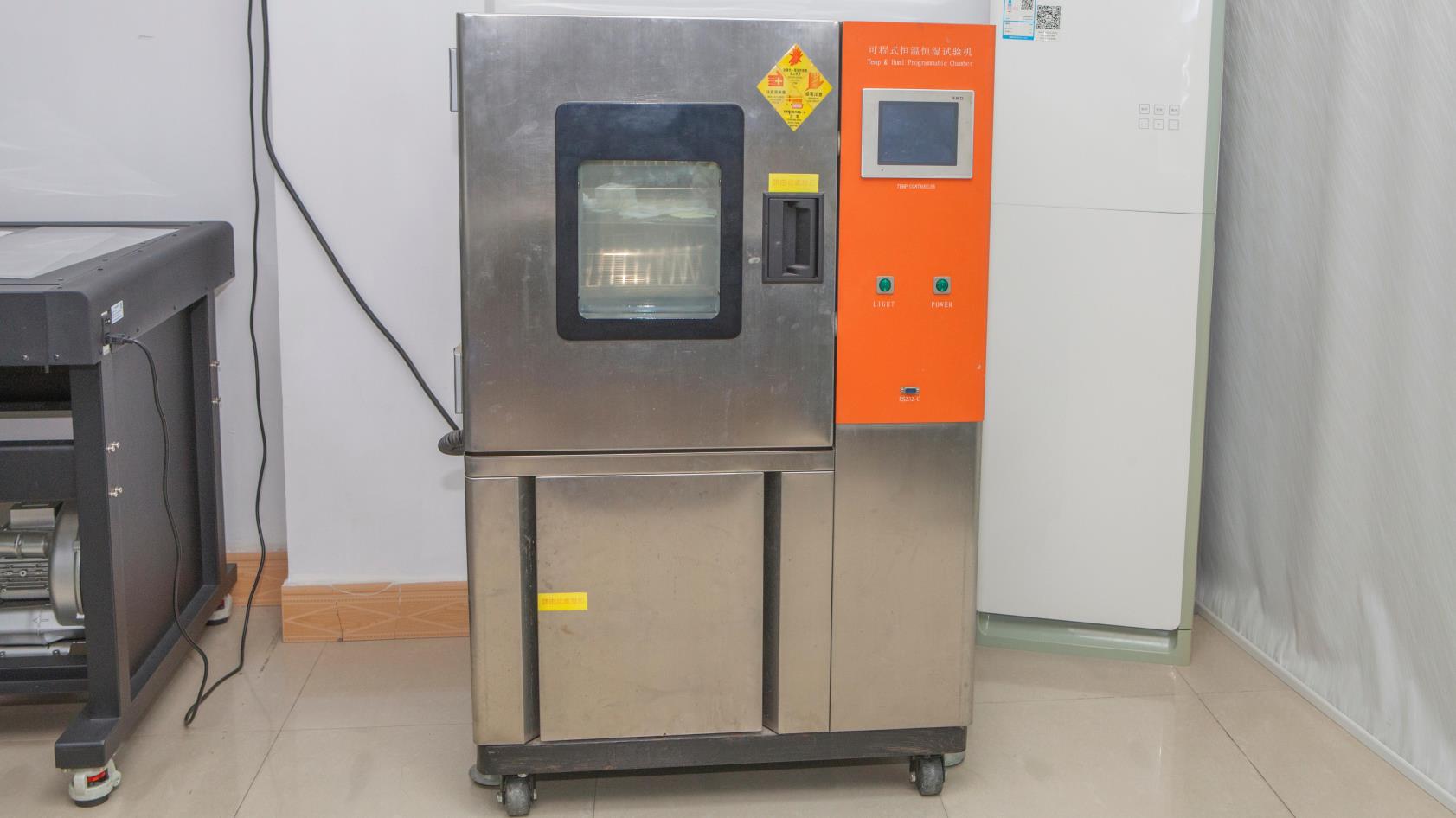
Thermal Shock & Programmable Humidity Test Chambers
San Diego Engineering & Sourcing FAQ
Direct technical answers addressing lead times, file formats, environmental sealing, and tooling economics for local hardware engineers.
What engineering design files are required to quote a custom graphic overlay?
To deliver an exact DFM (Design for Manufacturability) review and quotation within 24 hours, our engineering office requires mechanical drawings in vector formats: DXF, DWG, Adobe Illustrator (.AI), or high-precision PDF. Please include layer stack-up dimensions, Pantone (PMS) or RAL color references, display window transparency levels, embossing profiles (rim or pillow emboss), adhesive callouts (such as 3M 467MP or 300LSE), and pinout schematics for circuit-integrated overlays.
How do AXRU's graphic overlays achieve true IP65 or IP67 ingress protection?
Standard cutouts introduce vulnerability to capillary moisture ingress. For water-tight integrity, AXRU constructs a continuous perimeter adhesive gasket completely encasing the circuit and metal-dome cavities. By routing the tail exit within a sealed internal perimeter channel or utilizing high-barrier rear backer plates, our membrane switches achieve airtight seals rated to IP65, IP66, and IP67. This prevents fogging and leakage during high-pressure washdowns and chemical cleanings.
What is your Minimum Order Quantity (MOQ) and prototype turnaround for San Diego startups?
We recognize that San Diego's biotech and hardware startups require fast engineering prototypes for clinical trials, investor demonstrations, and functional testing before capital commit. Our standard prototyping MOQ begins at just 100 pieces. Utilizing our dedicated laser cutting and flatbed digital printing sample-making machines, rapid prototypes can be fabricated and dispatched within 5 to 7 business days, significantly compressing your product development schedule.
Can you integrate dead-front visual indicators and display windows into the overlay?
Yes. AXRU specializes in dead-front screen printing. When backlighting LEDs are unpowered, the icon or legend remains completely invisible, blending seamlessly with the dark fascia background. Once energized, the graphic illuminates with uniform contrast and zero light leakage. Furthermore, we provide optically clear, tinted, or anti-glare display windows tailored for OLED, LCD, and seven-segment LED displays.
How do you ensure ESD and RFI shielding for medical and defense electronics?
Static discharge can cause severe component degradation in sensitive medical diagnostic or RF communication instruments. We incorporate selective screen-printed silver grid grounding layers, carbon shielding planes, or aluminum foil barriers into the overlay stack-up. These layers route electrostatic discharges (up to 15kV) harmlessly through an integrated grounding trace to the device chassis ground.
Ready to Build Your Next HMI Interface?
Send your CAD files, stack-up requirements, or sample benchmarks to our senior application engineering team for an instant DFM feasibility audit and competitive factory-direct proposal.