Featured OEM Membrane Switches & Elastomer Keypads
Custom-fabricated switch assemblies engineered for marine electronics, high-humidity controllers, medical panels, and industrial computing in remote island environments.
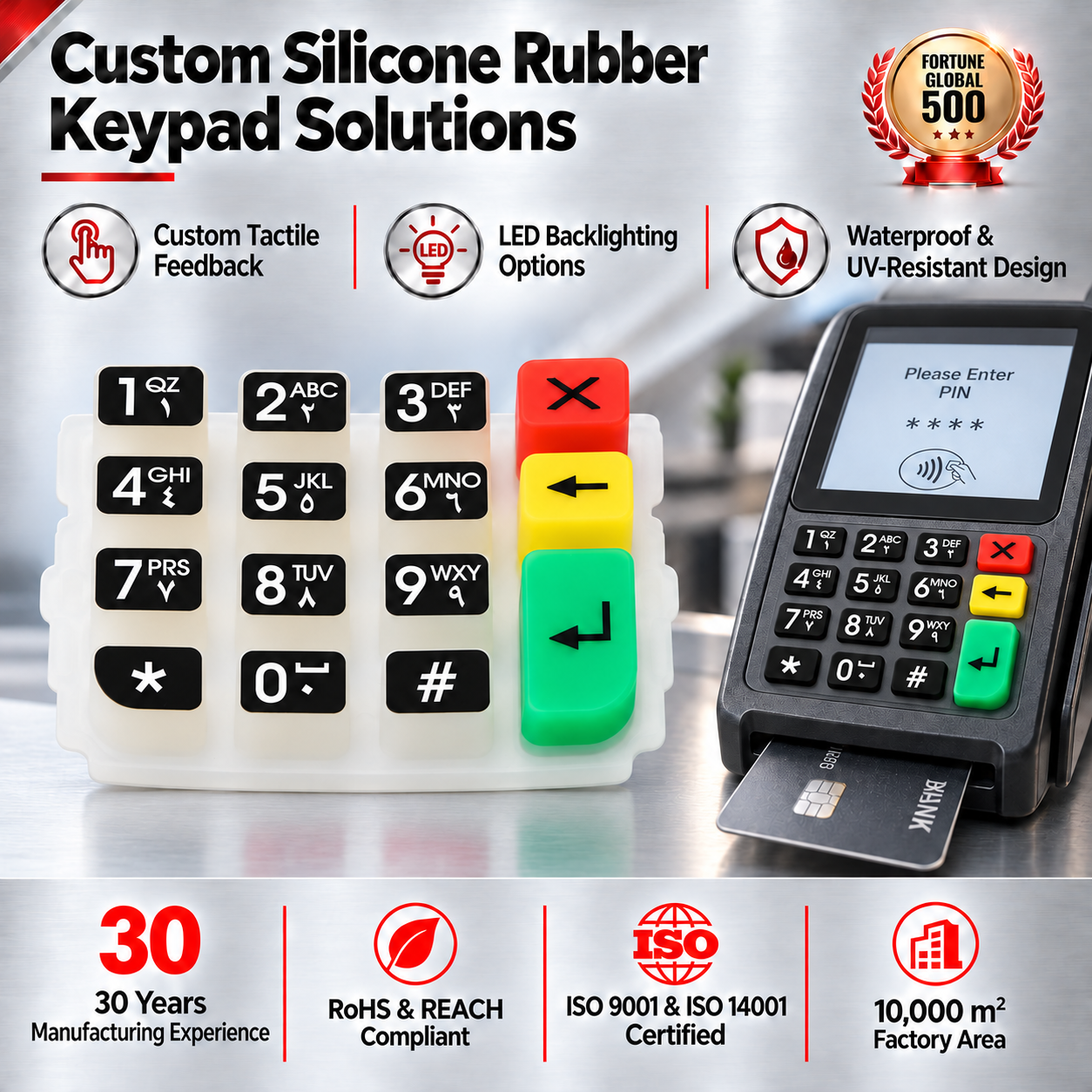
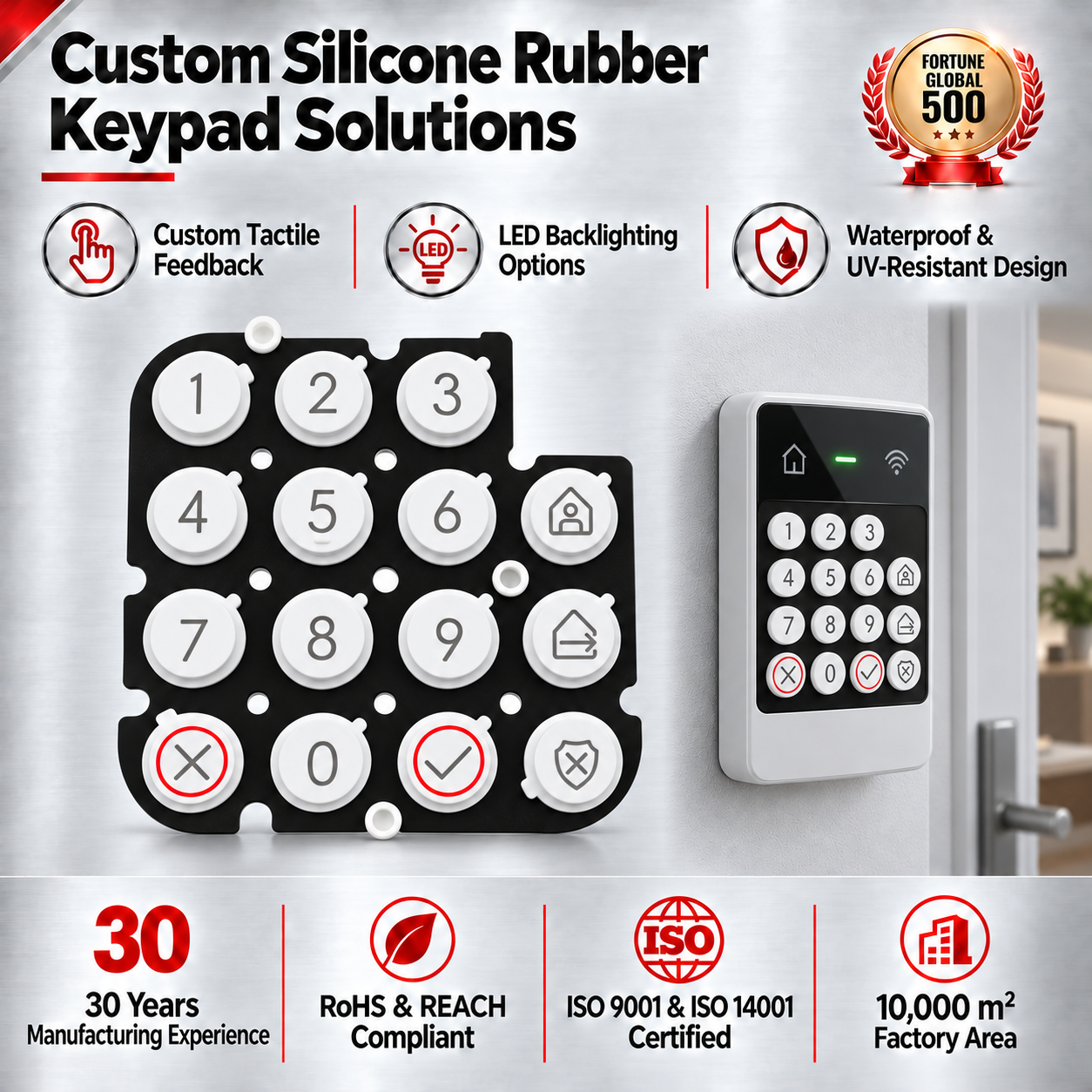
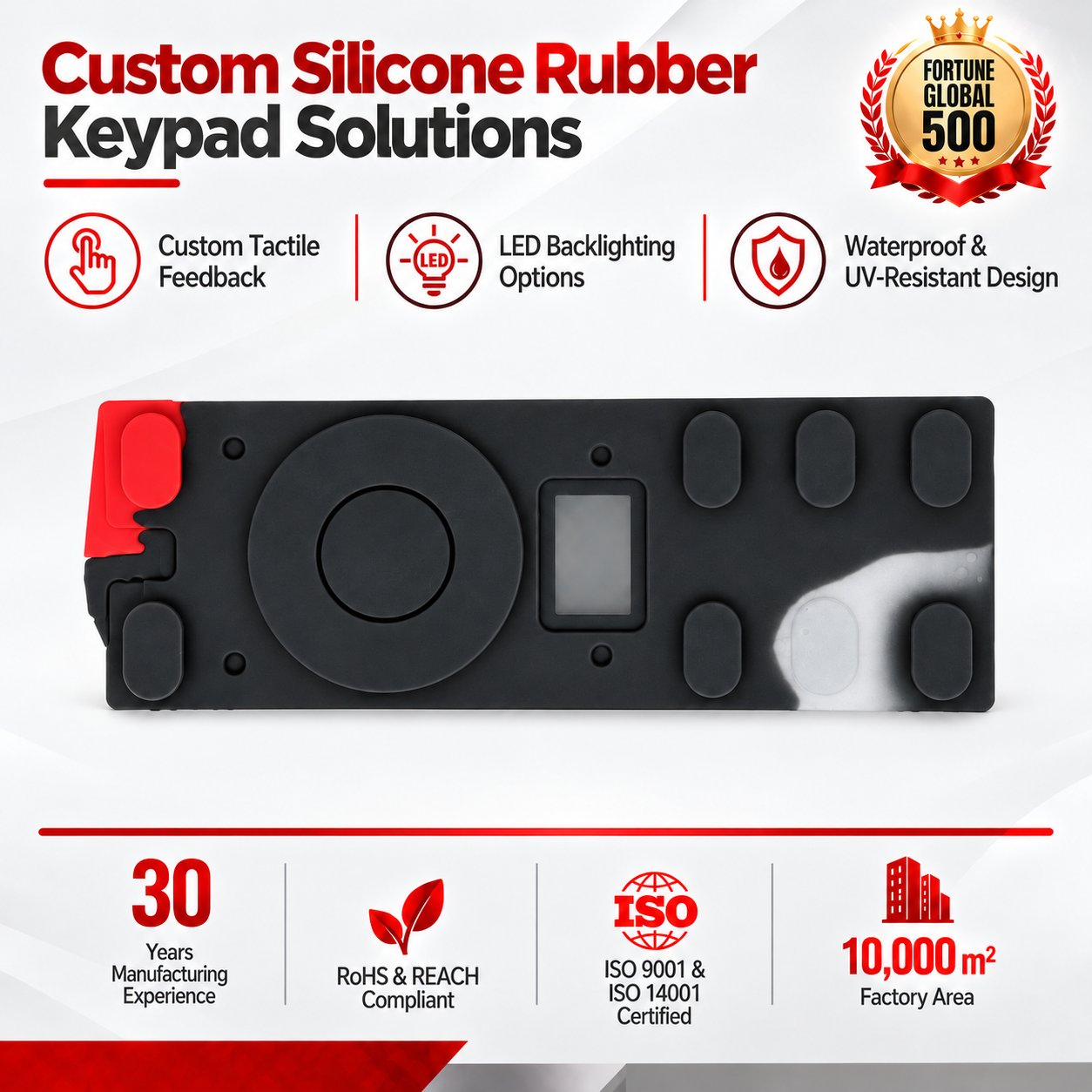

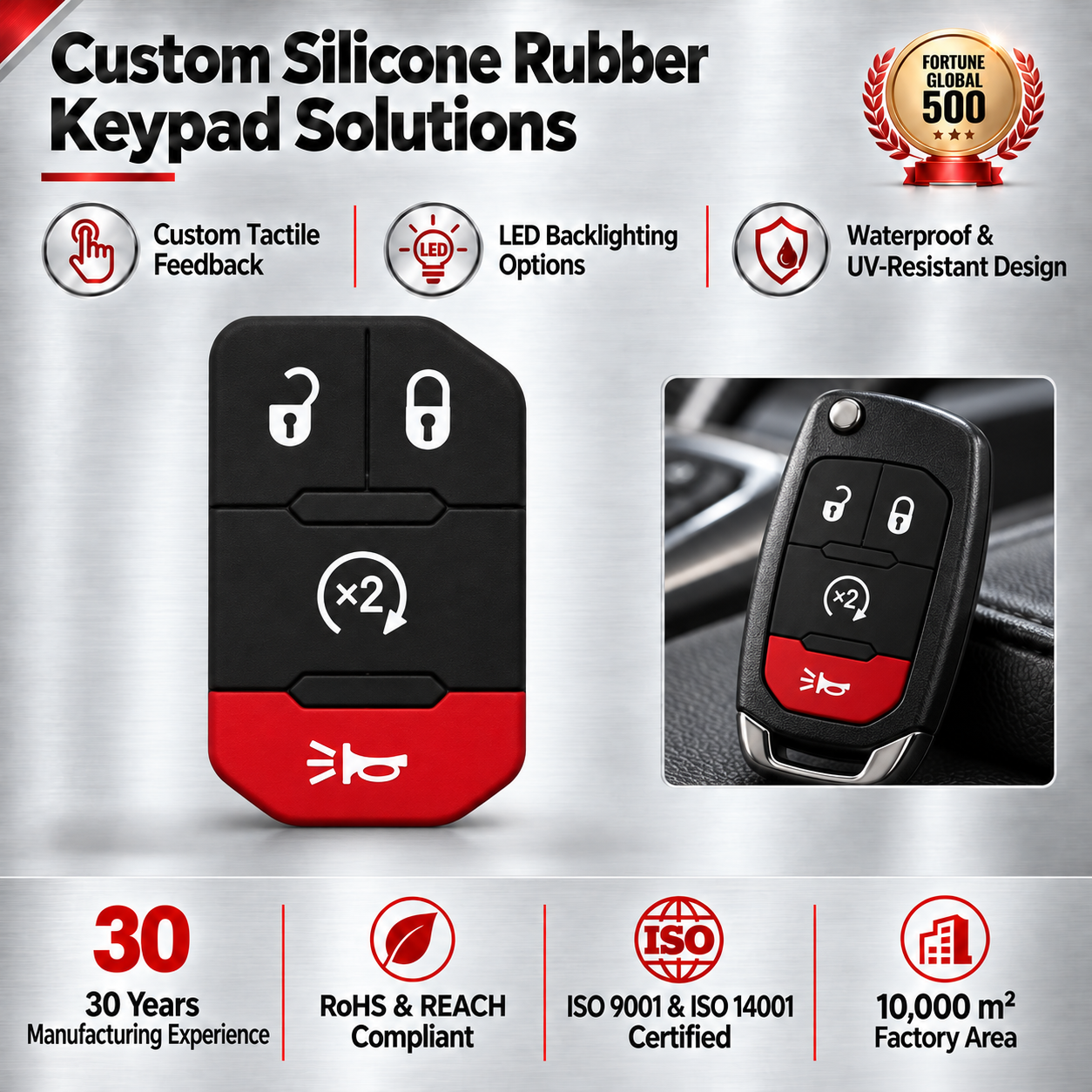
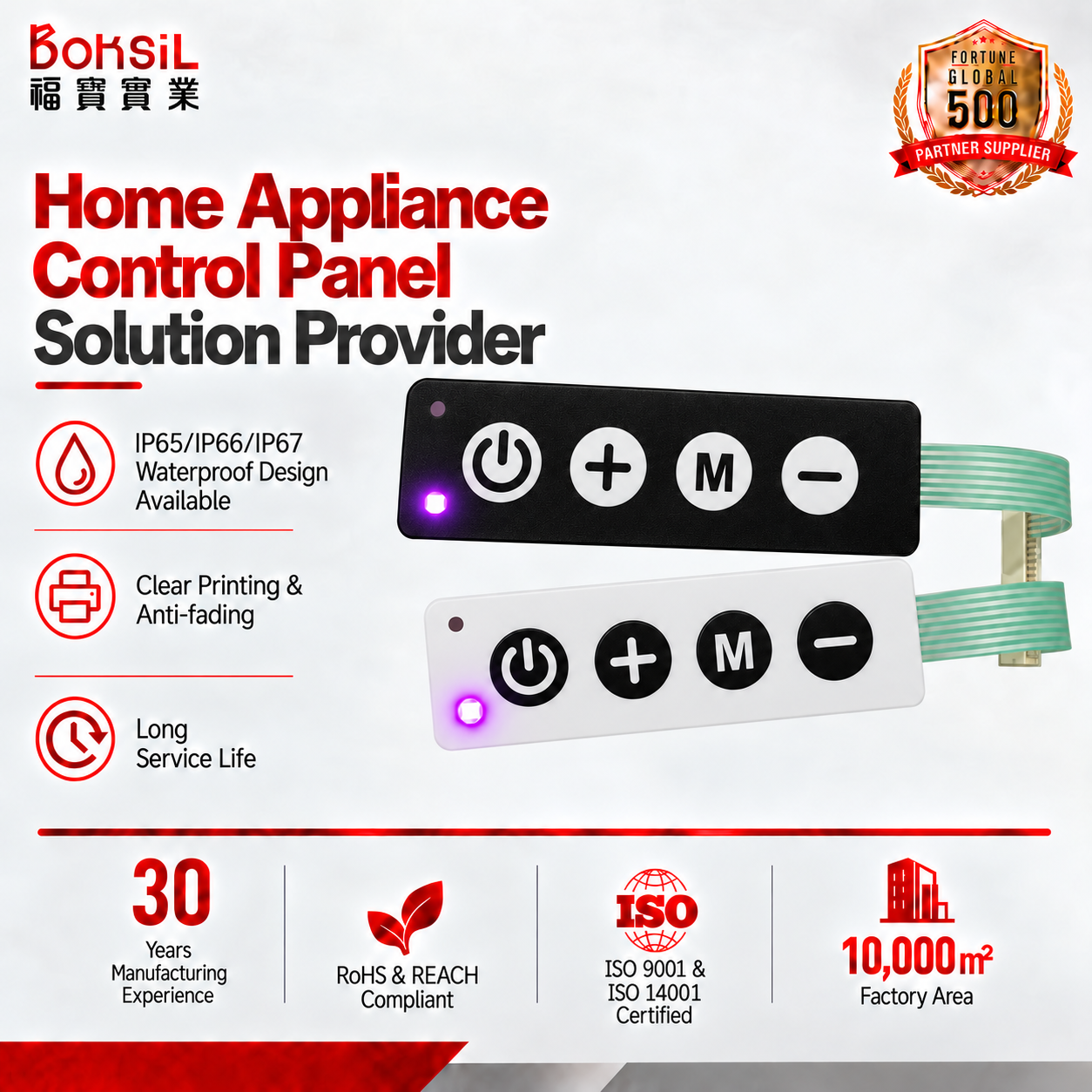
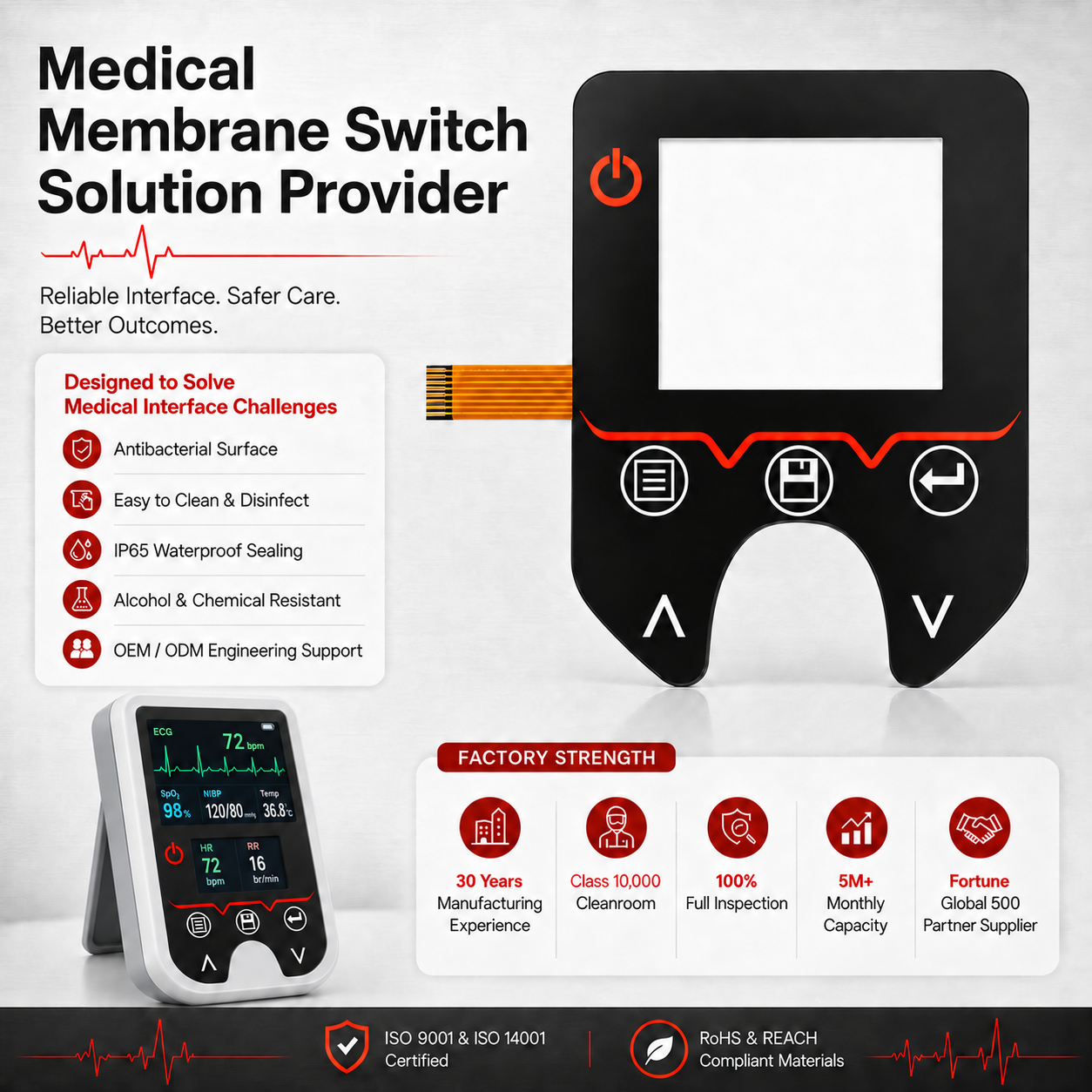
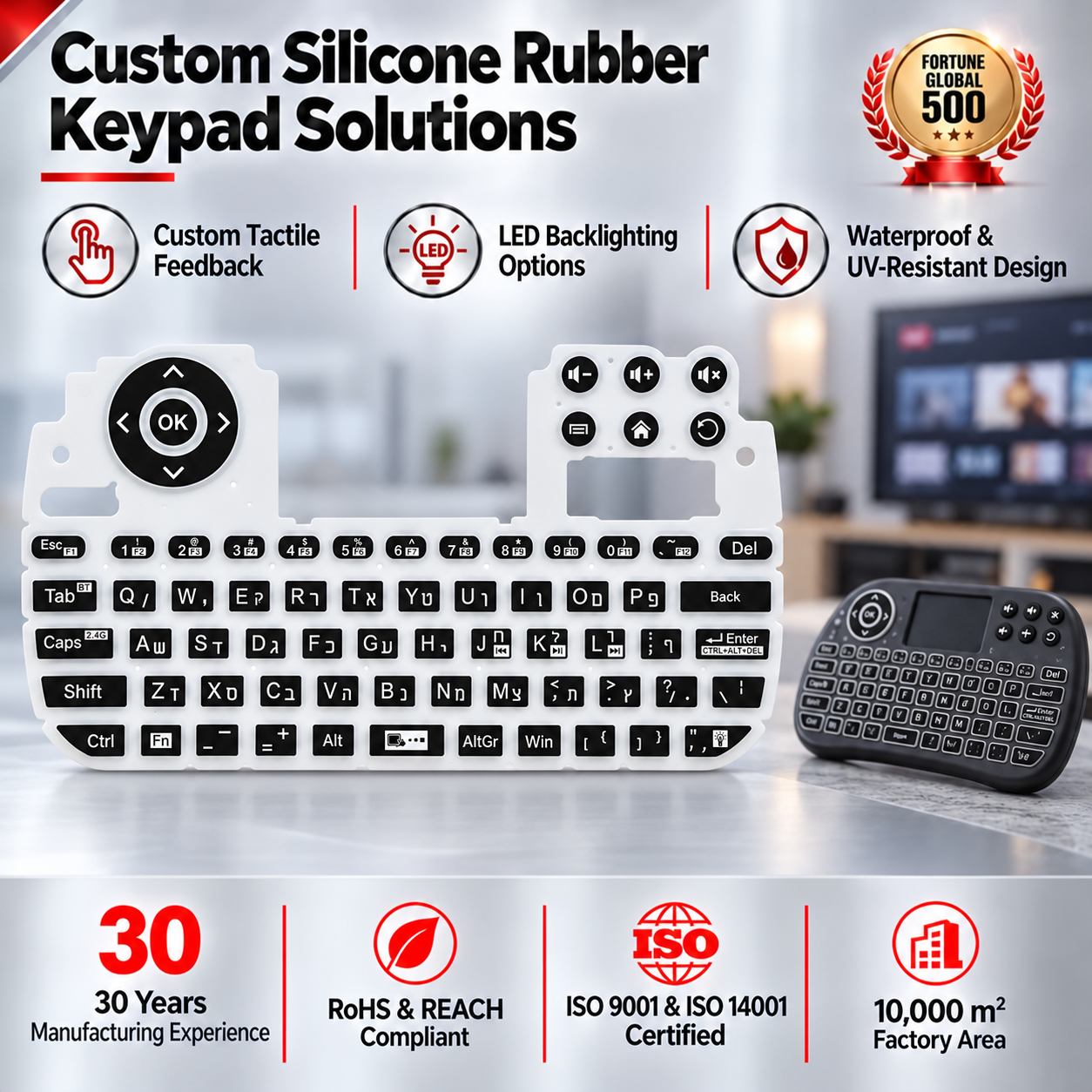
Industrial Whitepaper: Engineering High-Reliability Membrane Switches & Human-Machine Interfaces for Palikir & Pacific Island Deployments
In modern electrical systems and industrial human-machine interfaces (HMI), the membrane switch remains one of the most mechanically elegant, durable, and chemically resilient control architectures available to engineers. For specialized commercial, maritime, governmental, and utility deployments across Palikir—the federal capital of the Federated States of Micronesia (FSM) located in Pohnpei State—standard consumer-grade electromechanical switches routinely fail due to the intense oceanic microclimate. Operating in an equatorial marine belt characterized by extreme relative humidity (frequently exceeding 85% to 95%), elevated ambient temperatures, high solar ultraviolet indexes, and pervasive airborne sodium chloride (sea-salt aerosol), electrical interfaces must be fabricated to stringent design rules that prevent moisture ingress, dendrite migration, and contact oxidation.
This technical whitepaper outlines the stack-up engineering, material selection parameters, and quality assurance workflows implemented by Dongguan AXRU Electronics Co., Ltd. as an Intertek-audited OEM/ODM manufacturing partner supporting industrial modernization, telecommunication expansions, marine operations, and renewable energy grids throughout Palikir and the broader Pacific Oceania basin.
Engineering Takeaway: The Osmotic & Corrosive Challenge in Micronesian Deployments
Standard printed silver circuitry without environmental potting or perimeter encapsulation suffers from electrochemical migration (silver whiskering) when ambient vapor penetrates the substrate under continuous DC biasing. In Palikir, where precipitation ranks among the highest in the world, membrane panels must utilize closed-loop perimeter gaskets, laser-welded adhesive channels (such as 3M 300LSE or 200MP series), and optionally copper-clad Flexible Printed Circuits (FPC) with polyimide coverlays to guarantee complete dielectric isolation.
1. Multi-Layer Stack-up Architecture for Tropical Marine Environments
A membrane switch is not simply a decorative faceplate with contacts; it is a multi-tier laminated mechanical and electronic sandwich consisting of six to eight distinct functional films. When manufacturing custom units destined for the Micronesian market, our engineering teams recommend the following structural layout:
Autotex Hard-Coated Polyester Overlays
Utilizing biaxially oriented PET (polyethylene terephthalate) such as MacDermid Autotex XE, engineered to resist intense UV light degradation, chemical cleaners, salt crystallization, and continuous mechanical flexing without micro-cracking.
Nickel/Gold-Plated Stainless Steel Domes
Form-molded tactile metal domes engineered from high-grade stainless steel with specialized nickel or flash-gold plating. This metallurgy eliminates atmospheric corrosion and retains crisp snap-ratio feedback across more than 1,000,000 to 5,000,000 actuations.
Perimeter Gasketed Circuit Layer (FPC / PET)
Die-cut spacer adhesive bands create an airtight, moisture-proof seal around dome chambers. Conductive traces can be printed with screen-printed polymer thick film (PTF) silver-carbon or etched copper-on-Kapton FPC to achieve absolute zero-drift resistance.
2. Localized Application Scenarios Across Palikir and Pohnpei State
While Palikir serves as the administrative nerve center of the Federated States of Micronesia, hosting the national government complex at Capitol Hill, the practical demand for custom industrial membrane keypads spans several distinct technical sectors across the island and surrounding atolls:
A. Marine Navigation, Commercial Fisheries & Harbor Port Electronics
The FSM's commercial fisheries sector—managed through the National Oceanic Resource Management Authority (NORMA) and based out of nearby Pohnpei Commercial Port—requires specialized electronic monitoring systems, vessel monitoring transponders (VMS), and bridge control consoles. Keypads installed aboard oceanic longliners and purse seiners encounter constant saltwater spray, engine vibration, and aggressive wash-downs. Our IP67-sealed silicone rubber membrane keypads and conductive elastomer contact panels provide true hermetic isolation, preventing brine intrusion into onboard computational modules.
B. Off-Grid Solar Photovoltaic Inverters & Island Microgrid Controllers
The FSM Energy Master Plan places heavy emphasis on renewable energy generation, with hybrid solar PV installations and battery storage facilities expanding across Pohnpei. The power inverters, SCADA remote terminal units (RTUs), and battery management systems (BMS) deployed in Palikir operate in non-air-conditioned enclosures exposed to tropical ambient air. We supply custom graphic overlays and tactile membrane switchboards engineered with transparent LCD/OLED display windows, dead-front LED status indicators, and wide-temperature adhesive layers that withstand continuous 65°C operating parameters without delamination.
C. Municipal Water Treatment, Desalination & Public Utility Panels
Pohnpei Utilities Corporation (PUC) and regional infrastructure operators require robust human interface panels for chlorination systems, reverse osmosis desalination units, and municipal wastewater pumping stations. These environments introduce chemical exposures including chlorine gas, sodium hypochlorite, and sulfur compounds. Our reverse screen-printed polycarbonate and PET overlays encapsulate the ink beneath a durable plastic barrier, rendering legends impervious to chemical wiping, caustic wash solutions, and abrasive airborne particulate matter.
D. Government Telecommunications, Weather Stations & Satellite Terminals
Palikir serves as a primary hub for satellite earth stations, Pacific meteorological monitoring arrays, and telecommunication switches operated by FSM Telecom. Remote emergency broadcast radios, automated weather observation stations (AWOS), and solar-powered broadband repeater sites depend on tactile switch interfaces that do not oxidize over decades of neglected exterior exposure.
3. Engineering Specification Guide: Technology Selection Matrix
When engineering an HMI unit for deployment in Palikir or procuring from an OEM vendor, product designers must evaluate electrical, mechanical, and thermal trade-offs:
| HMI Technology | Standard Substrate Stack | Actuation Life (Cycles) | IP Seal Rating | Salt-Fog & Humidity Suitability |
|---|---|---|---|---|
| Tactile Metal Dome Membrane Switch | PET Film / Silver PTF or Copper FPC / 3M Adhesive | 1,000,000 – 5,000,000 | IP65 to IP67 (Full Perimeter) | Excellent with closed-cavity dome seals & venting to dry enclosure |
| Conductive Silicone Rubber Keypad | Molded Silicone Elastomer + Carbon / Gold Pills | 500,000 – 2,000,000 | IP66 to IP68 (Integrated Gasket) | Superior; silicone is inherently non-corrosive and moisture-repellent |
| Capacitive Touch HMI Panel | Chemically Strengthened Glass / Optically Clear PET | Infinite (Solid-State) | IP68 / IP69K (Hermetic Front) | Outstanding; requires firmware tuning for water-droplet rejection |
| Hybrid P+R (Plastic Cap + Rubber Keypad) | ABS / Polycarbonate Keycaps + Silicone Base Webbing | 1,000,000+ | IP65 with perimeter compression flange | High; combines premium plastic tactile aesthetics with elastomer seal |
| Vandal-Resistant Metal Keypad | SUS304 / SUS316 Stainless Steel Faceplate + PCB | 2,000,000 – 10,000,000 | IP65 / IK09 Impact Rated | SUS316 required for marine-grade corrosion and acid resistance |
4. Regional Development Trends & Sourcing Logistics for Palikir Buyers
Sourcing electronic components for the Federated States of Micronesia has historically presented logistical challenges characterized by extended airfreight transit times, transshipment through hubs like Guam or Honolulu, and limited localized manufacturing capacity within the Federated States. However, recent economic modernization programs funded via international development compacts have triggered an influx of digitized infrastructure across the archipelago.
Consequently, procurement managers and project contractors in Palikir are transitioning away from buying expensive, off-the-shelf catalog replacements from secondary distributors. Instead, they increasingly establish direct OEM relationships with specialized, high-tier factories in Dongguan, China. By consolidating design, rapid sample prototyping, screen printing, SMT assembly of indicator LEDs, and 100% automated electrical testing under a single certified roof, buyers in Palikir achieve substantial unit cost reductions while acquiring products custom-engineered to survive their unique geographical microclimates.
Why Global OEMs & Island Infrastructure Contractors Choose AXRU
Dongguan AXRU Electronics Co., Ltd. operates a vertically integrated 10,000㎡ manufacturing campus assessed on-site by Intertek, ensuring world-class reliability from single prototypes to mass container shipments.
10,000㎡ Intertek-Audited Campus
Our expansive facility houses precision dust-free cleanrooms, automated screen-printing lines, CNC digital cutters, and hydraulic silicone molding presses with 121 dedicated production professionals.
100% Comprehensive Electrical Testing
Zero-defect methodology: Every single unit undergoes computer-controlled pin-to-pin open/short testing, contact resistance measurement, and insulation resistance validation prior to export packing.
Low OEM MOQ (From 100 Pieces)
We empower regional engineering projects, governmental pilots, and low-volume industrial replacements by offering competitive prototype and initial production runs starting at just 100 units.
Advanced In-House Reliability Testing Rig
Our quality lab is equipped with key actuation life testers, automatic force-displacement curve plotters, programmable temperature/humidity chambers, and UV yellowing testers to simulate decades of tropical exposure.
Dedicated DFM Engineering Support
Work directly with seasoned HMI hardware engineers. We examine your CAD/DXF/Gerber drawings, suggest optimal tail routing, optimize tactile snap ratios, and configure waterproof venting channels before cutting steel tooling.
Streamlined Direct Pacific Export Logistical Chains
Over a decade of international freight handling experience. We provide compliant export crating, anti-static vacuum desiccated packaging, full customs documentation, and expedited express delivery directly into Pohnpei.
Frequently Asked Questions for Buyers in Palikir & Micronesia
Clear, direct answers regarding custom tooling, technical drawings, lead times, and environmental hardening for regional purchasing authorities.