Medical & Appliance
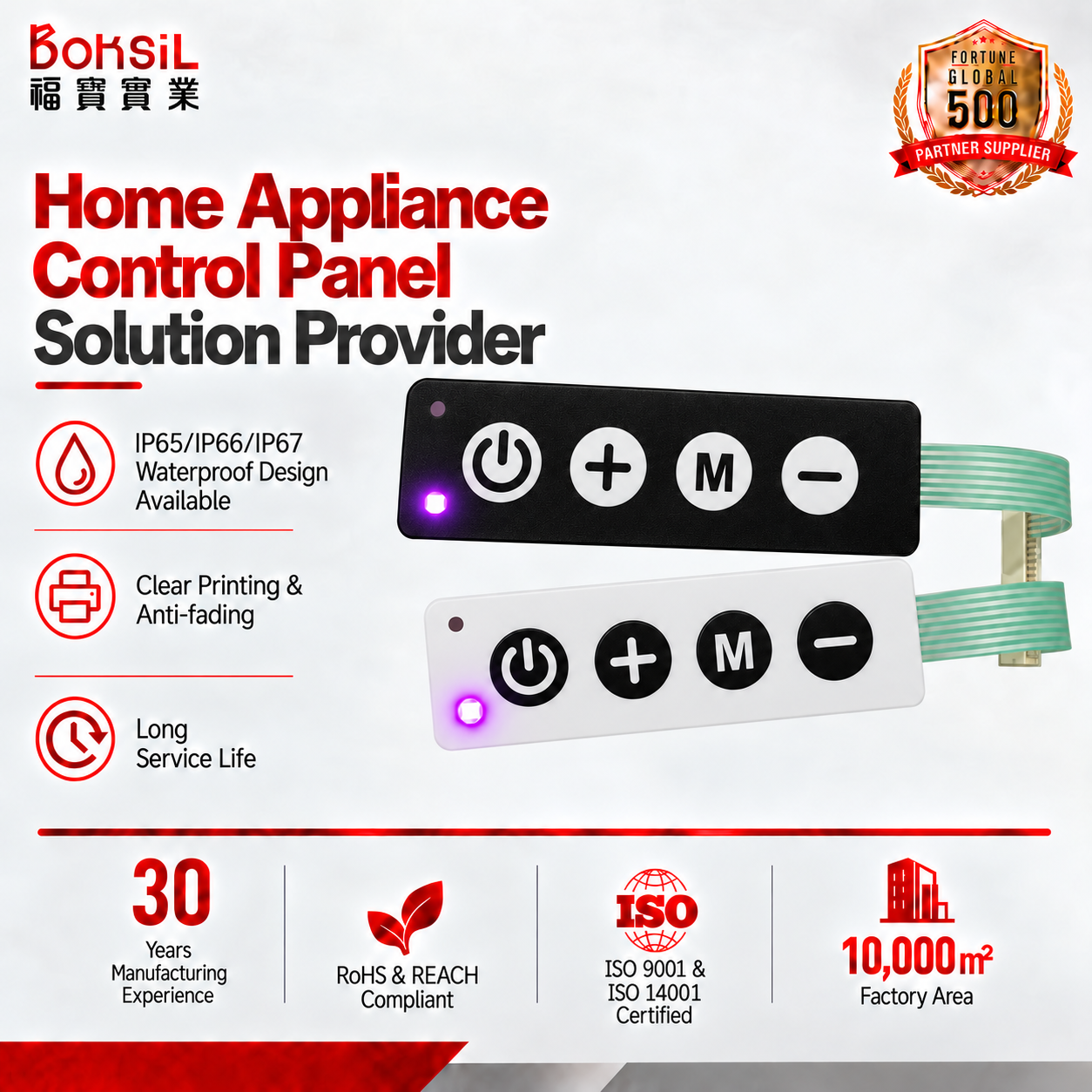
4 Button led Lights Metal Domes Tactile Button Membrane Switch for Home Appliance
- Circuit TypeSilver Printed PET
- LED IntegrationSMD 0805 / 1206
- Ingress RatingIP65 Sealed
Tested for Class 100 cleanrooms and high-cycle industrial automation in the Santa Clara corridor. Each unit is completely customizable for actuation profile, dielectric isolation, and graphic overlay shielding.
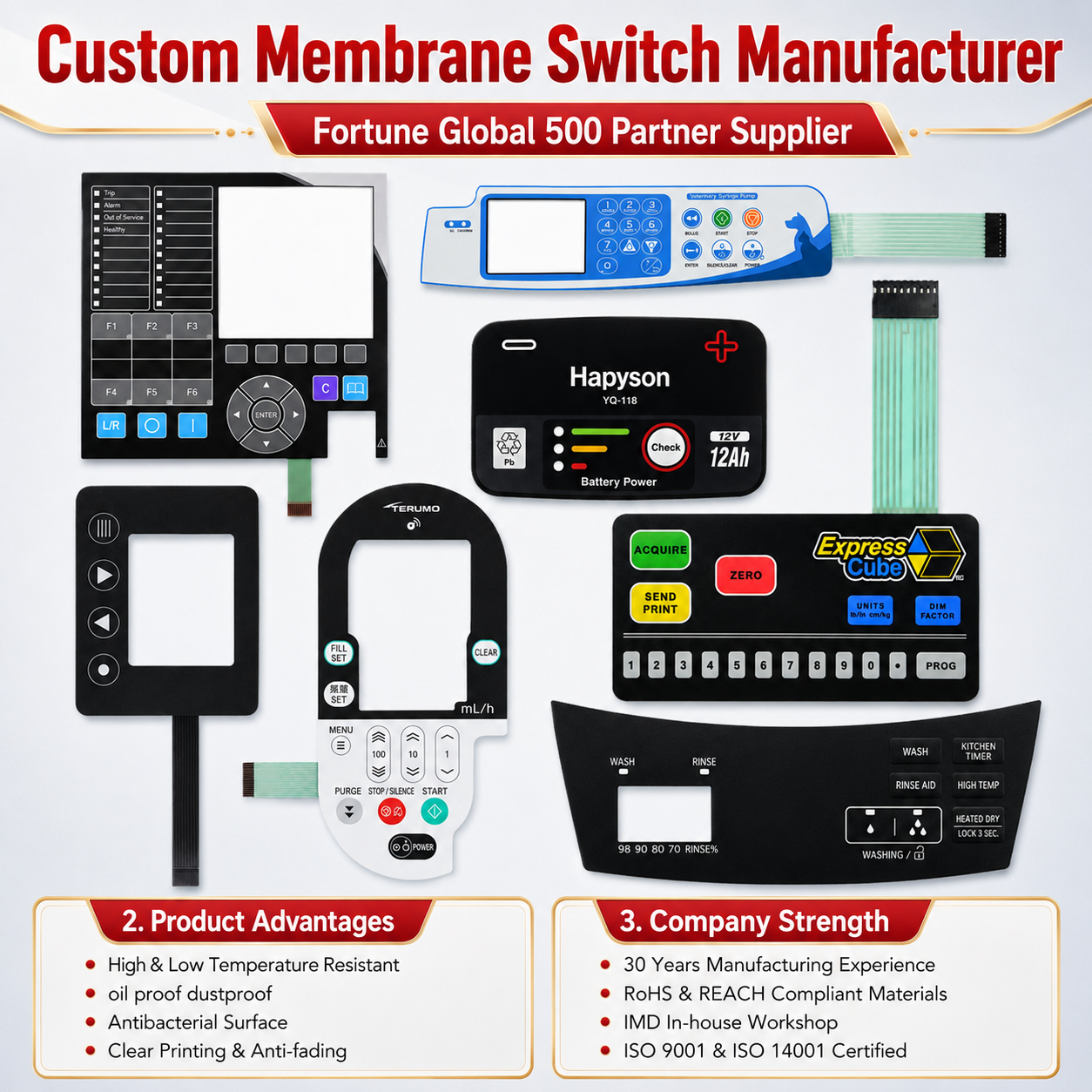
A rigorous review of low-profile Human-Machine Interfaces designed for zero mechanical wear, hermetic sealing, and ultra-high continuous actuation cycles.
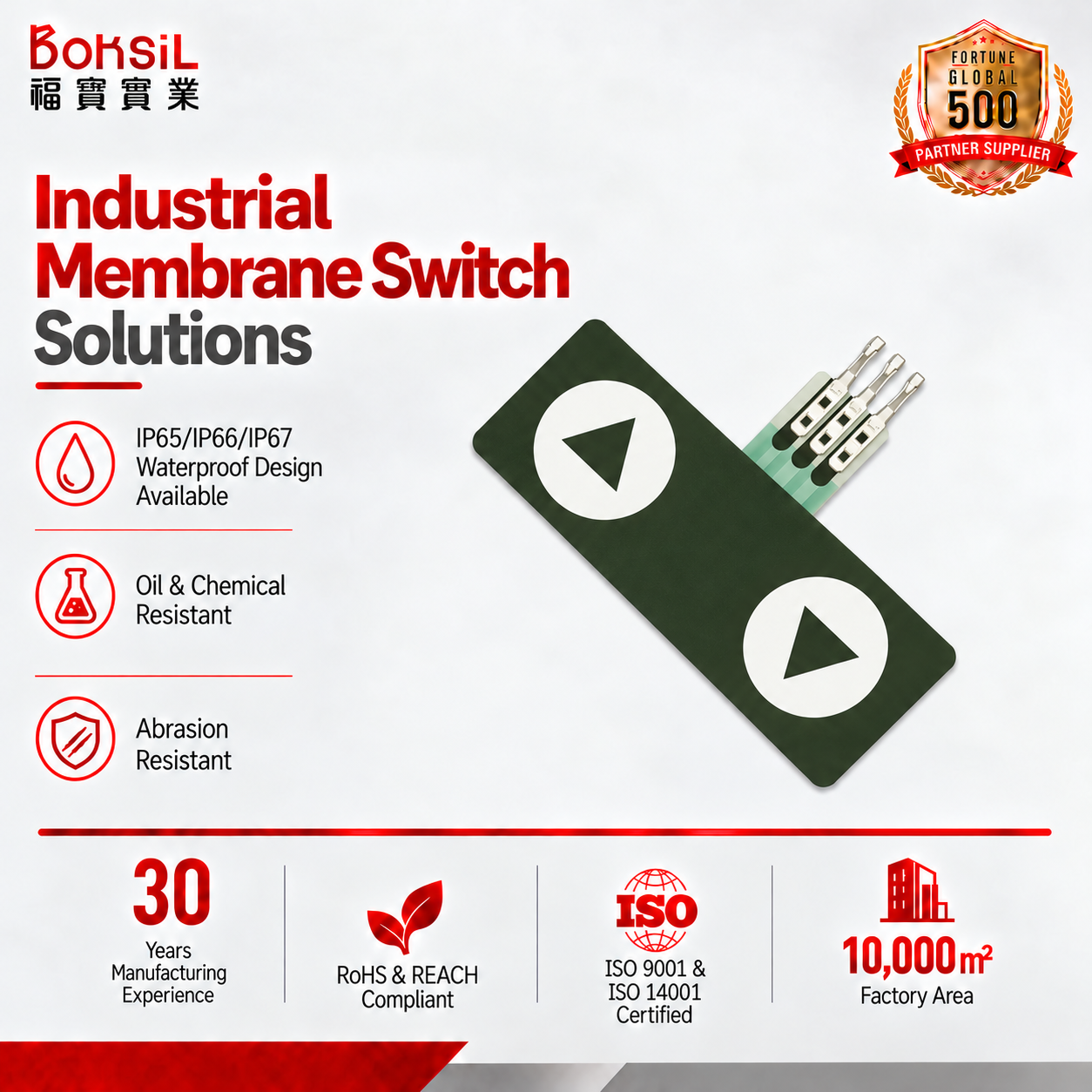
In high-reliability Silicon Valley hardware ecosystems—spanning the semiconductor equipment giants of Santa Clara to surgical automation labs along the Bay Area corridor—Human-Machine Interfaces (HMIs) face uncompromising operating environments. While tactile membrane switches rely on stainless steel metal domes to provide sudden mechanical snap action, OEM non-tactile membrane switches eliminate mechanical flexing elements entirely. By replacing internal snap domes with precision-engineered dielectric air gaps (ranging between 0.07mm and 0.15mm), non-tactile architectures achieve unprecedented functional longevity, completely flat wipe-down sanitation, and frictionless operator interaction.
A standard high-performance non-tactile membrane switch manufactured at our Dongguan facility comprises five to eight micro-laminated functional layers. The front interface consists of an Autotex® polyester (PET) or Sabic Lexan® polycarbonate (PC) graphic overlay, reverse-screen printed with UV-curable, chemical-resistant inks. Beneath the overlay lies a 3M™ 467MP or 468MP high-performance acrylic adhesive film, precision die-cut to eliminate dead spots.
The switching mechanism itself operates through two parallel conductive planes: the upper circuit layer and the lower circuit layer, separated by an inert polyester spacer sheet. The spacer contains precision laser-cut or punch-cut vented apertures aligned precisely beneath each graphic key boundary. When normal surface pressure is applied (typically 0.5 to 2.5 Newtons of actuation force), the upper conductive pad deflects across the micronic air gap to bridge the lower contact fingers. Upon release, the natural elastic memory of the base polyester substrate instantly restores the circuit to an open state.
A critical engineering failure mode in dense industrial electronic environments is dendritic silver migration. Under conditions of elevated ambient humidity and sustained direct-current bias voltage, silver ions ($\text{Ag}^+$) dissolve and migrate along moisture gradients, creating dendrites that short circuit adjacent traces. For hardware deployed in Santa Clara's climate-controlled yet continuous-duty cleanrooms, we employ a proprietary dual-barrier protocol:
Every silver conductor trace is printed using ultra-pure, micro-flake conductive silver pastes, dried in automated infrared curing tunnels. Immediately following trace curing, we apply a 100% pinhole-free carbon conductor overcoat with minimum 0.5mm peripheral overlap over the silver tracks. This carbon encapsulation barrier insulates the silver from ambient humidity, chemical outgassing, and ionic migration, ensuring trace longevity exceeding 10 years in continuous service.
| Engineering Attribute | Standard Non-Tactile PET Switch | Tactile Metal Dome Switch | FPC Copper Etched Non-Tactile |
|---|---|---|---|
| Actuation Life Expectancy | > 5,000,000 Cycles | 1,000,000 – 3,000,000 Cycles | > 10,000,000 Cycles |
| Actuation Travel Distance | 0.10 mm – 0.25 mm (Ultra-flat) | 0.35 mm – 0.60 mm (Tactile Snap) | 0.08 mm – 0.20 mm (Flush) |
| Total Assembly Profile | 0.5 mm – 0.8 mm (Slim-line) | 1.0 mm – 1.6 mm | 0.4 mm – 0.7 mm |
| Cleanroom Wipe-down Profile | 100% Flat / True Flush Surface | Embossed Dome Pockets | Hermetic True Flush Surface |
| Switch Resistance Rating | < 50 Ω (Trace length dependent) | < 1 Ω to 5 Ω | < 0.5 Ω Ultra-low |
| Integral Shielding Capacity | Printed Carbon / Aluminum Foil Grid | Foil or Mesh Layer | Continuous Solid Copper Ground Plane |
In wafer handling, test equipment, and cleanroom environments throughout Santa Clara, electrostatic discharge represents an existential risk to sub-5nm lithography substrates and delicate ASICs. A bare membrane switch can serve as a direct ESD ingress path to the host PCB. To solve this, our DFM (Design for Manufacturing) engineers integrate continuous perimeter-grounded aluminum foil shields or screen-printed conductive grid layers positioned immediately beneath the graphic overlay. This layer acts as a complete Faraday cage, safely redirecting static charges up to 25kV (compliant with IEC 61000-4-2 Level 4) directly to chassis ground via a dedicated tail discharge tab.
From Bowers Avenue semiconductor fabs to Scott Boulevard medical device laboratories, our non-tactile switch assemblies are built for demanding regional demands.
Silicon Valley wafer fabrication tools operate in stringent Class 10/100 cleanrooms where airborne particulates must be avoided. Our completely flush, non-tactile membrane switches feature perimeter vacuum seals, zero dome outgassing, and anti-static polyimide backings that prevent particle generation.
Santa Clara's bio-tech instruments require daily sterilizations using harsh chemical agents such as Isopropyl Alcohol (IPA), bleach, and Virex. With anti-microbial hardcoated Autotex polyester surfaces, our non-tactile panels withstand over 10,000 wipe-downs without legend fading or edge delamination.
Modern high-density compute server clusters stationed throughout Santa Clara County rely on slimline front-panel maintenance interfaces. Our non-tactile switches provide dead-front LED alert windows and sub-0.6mm thickness profiles, conserving critical 1U/2U server chassis faceplate real estate.
Electronic test consoles run repetitive technician setups 24/7. Non-tactile configurations eliminate finger fatigue during continuous high-frequency numeric inputs, while secondary acoustic/LED feedback provides reliable operator validation without mechanical switch wear.
How Silicon Valley hardware developers are transitioning toward high-density, hybrid sensing, and seamless aesthetic integration.
Santa Clara hardware designers increasingly require micro-pitch traces (down to 0.5mm) and low loop resistance (<1Ω) to interface directly with low-voltage microcontroller logic (3.3V and 1.8V CMOS). We manufacture rolled-annealed copper FPC non-tactile circuits that support fine-pitch ZIF locking connectors and active SMD soldering.
Modern industrial equipment aesthetics demand unified black or dark-graphite front consoles. Using precision selective dead-front diffusion printing and ultra-thin light guide film (LGF) layers, our switches show completely blank, uniform surfaces until activated by host software commands.
With agile product development hubs along Santa Clara’s San Tomas Expressway, engineering teams cannot wait 8 weeks for interface revisions. Our dedicated sample fabrication workshop delivers functional prototypes in as fast as 5 business days, supported by direct DFM reviews.
Operating a modernized 10,000㎡ manufacturing facility with 121 specialized engineers and technicians, AXRU is an audited OEM/ODM partner for global hardware leaders and Fortune 500 corporations. Every switch assembly, from raw polymer intake to automated final die-cut, remains 100% under our roof.
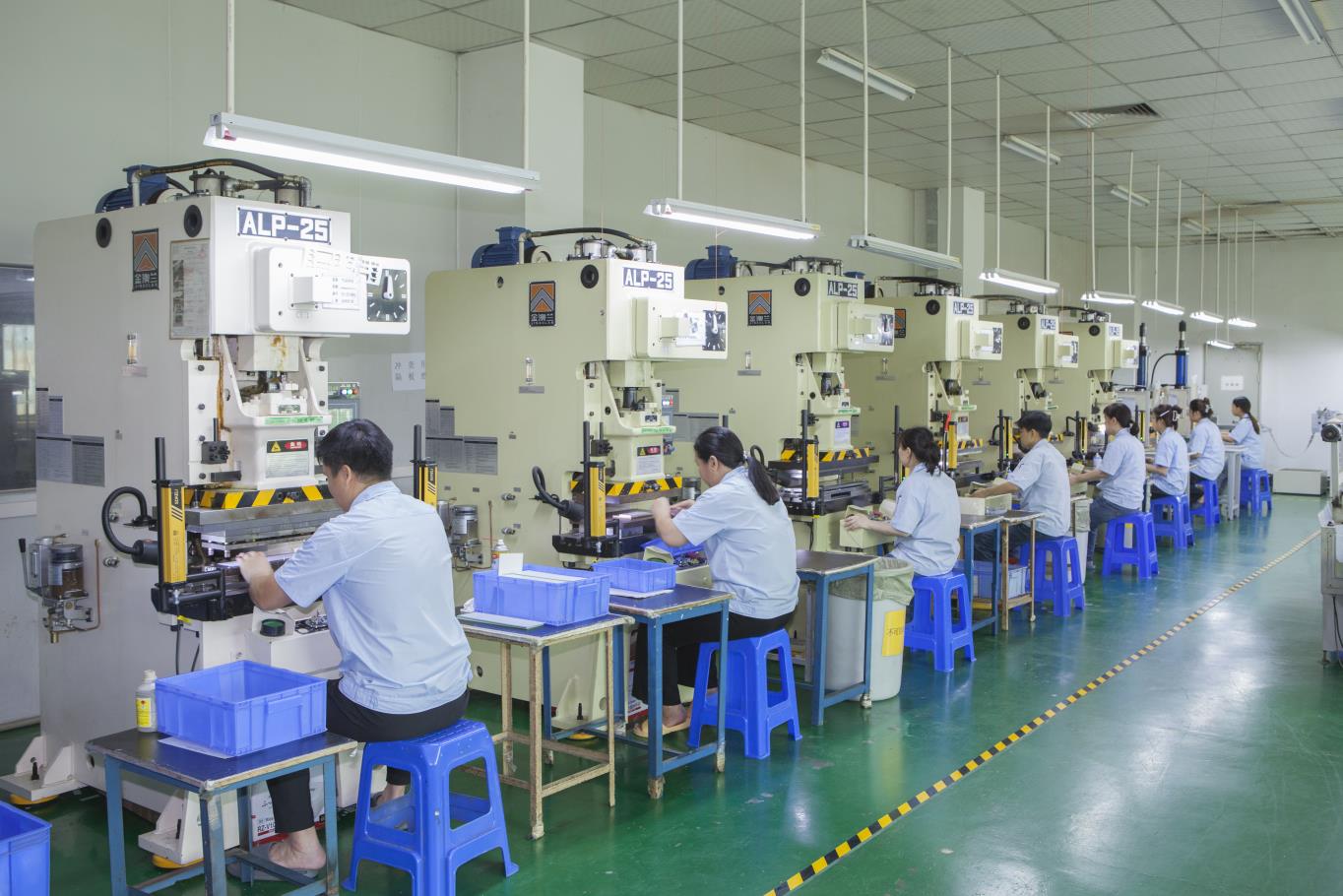
Guaranteed electrical continuity, chemical resilience, and dimensional tolerances verified through our certified in-house test infrastructure.
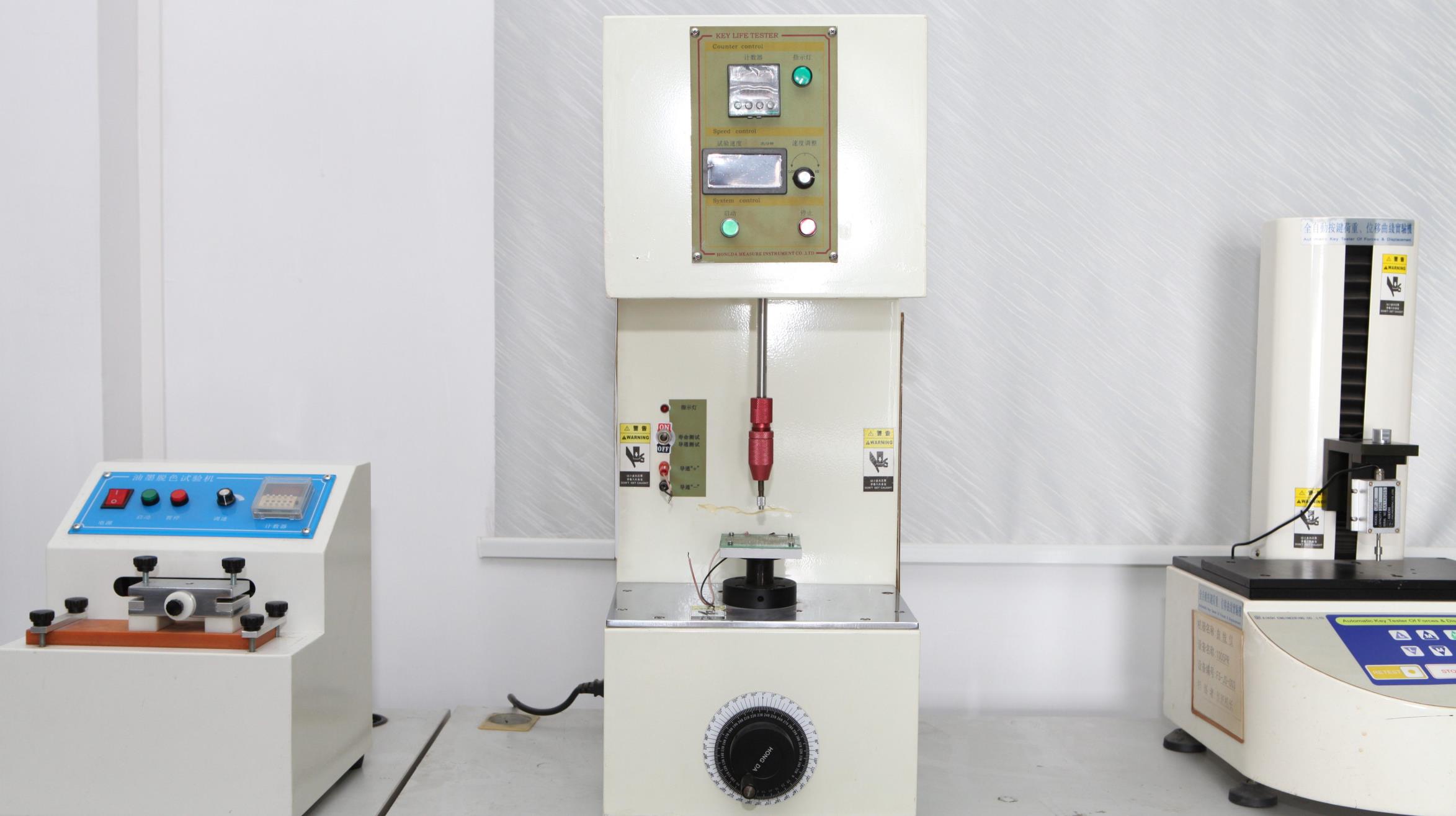
Pneumatic cycling actuators subject non-tactile keys to continuous repetitive cycling up to 5,000,000 actuations at 4Hz to confirm contact integrity and zero trace degradation.
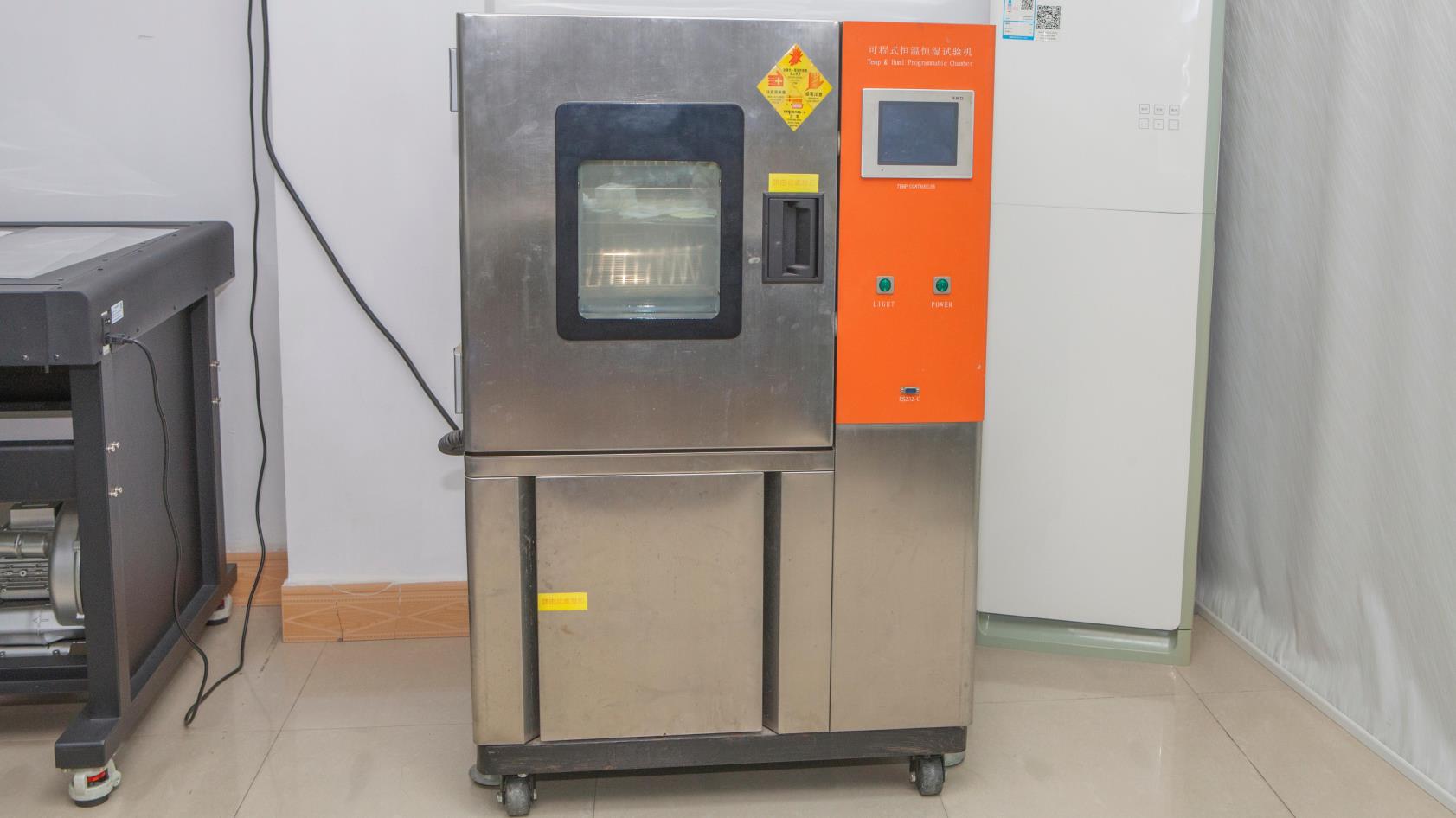
Thermal shock tests ranging from -40°C to +85°C with 95% relative humidity validate perimeter seal stability, preventing internal condensation and trace corrosion.
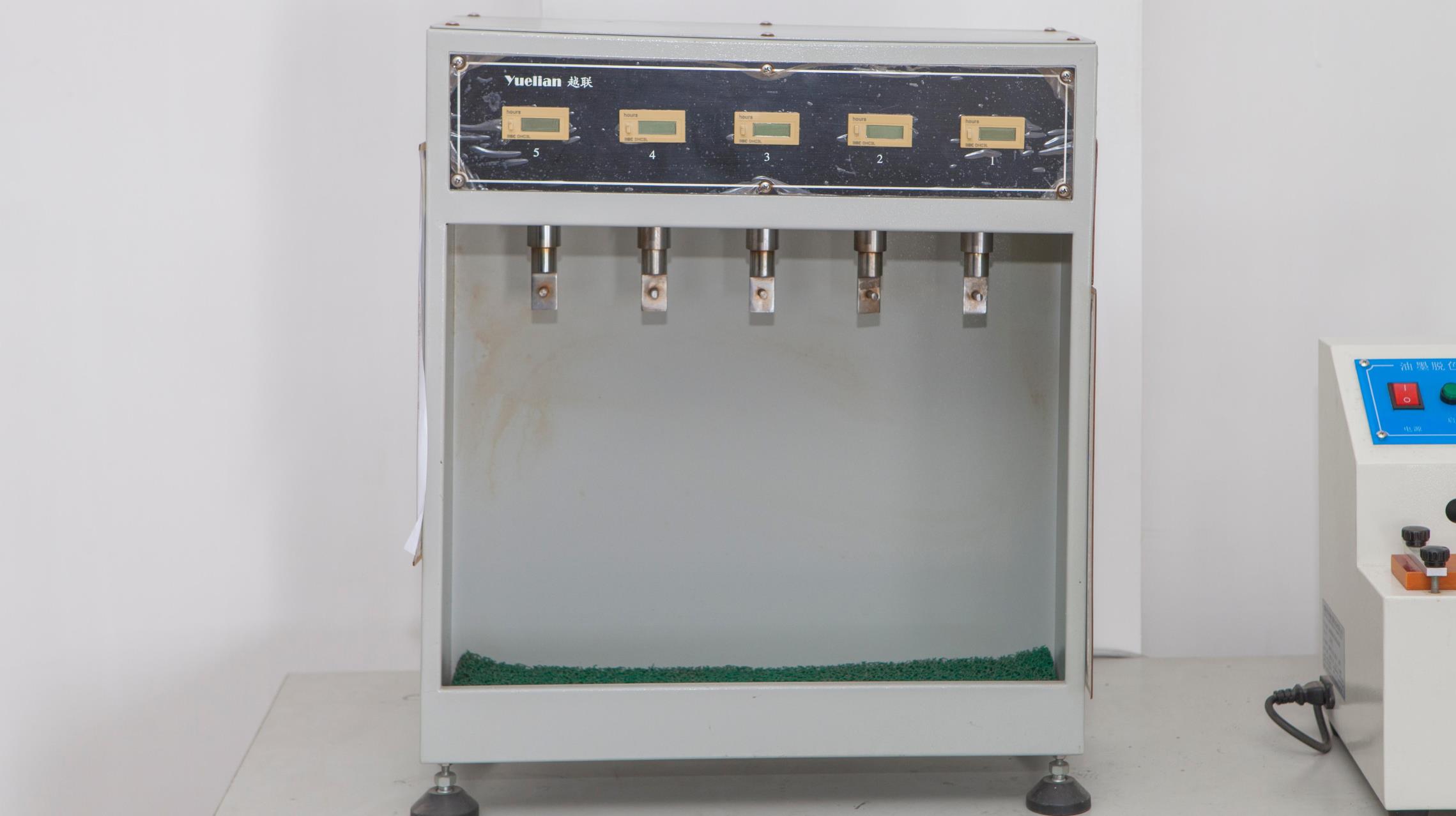
Calibrated strain testers measure the peel strength of 3M acrylic adhesive layers and tail-bonding joints to prevent premature delamination under shear forces.
Direct technical answers regarding DFM reviews, compliance, material selections, and logistics from our senior application engineers.
Send your 2D CAD files, color requirements, and environmental specifications to our technical team for an immediate Design-for-Manufacturing review and transparent OEM pricing.