Silicone Elastomer
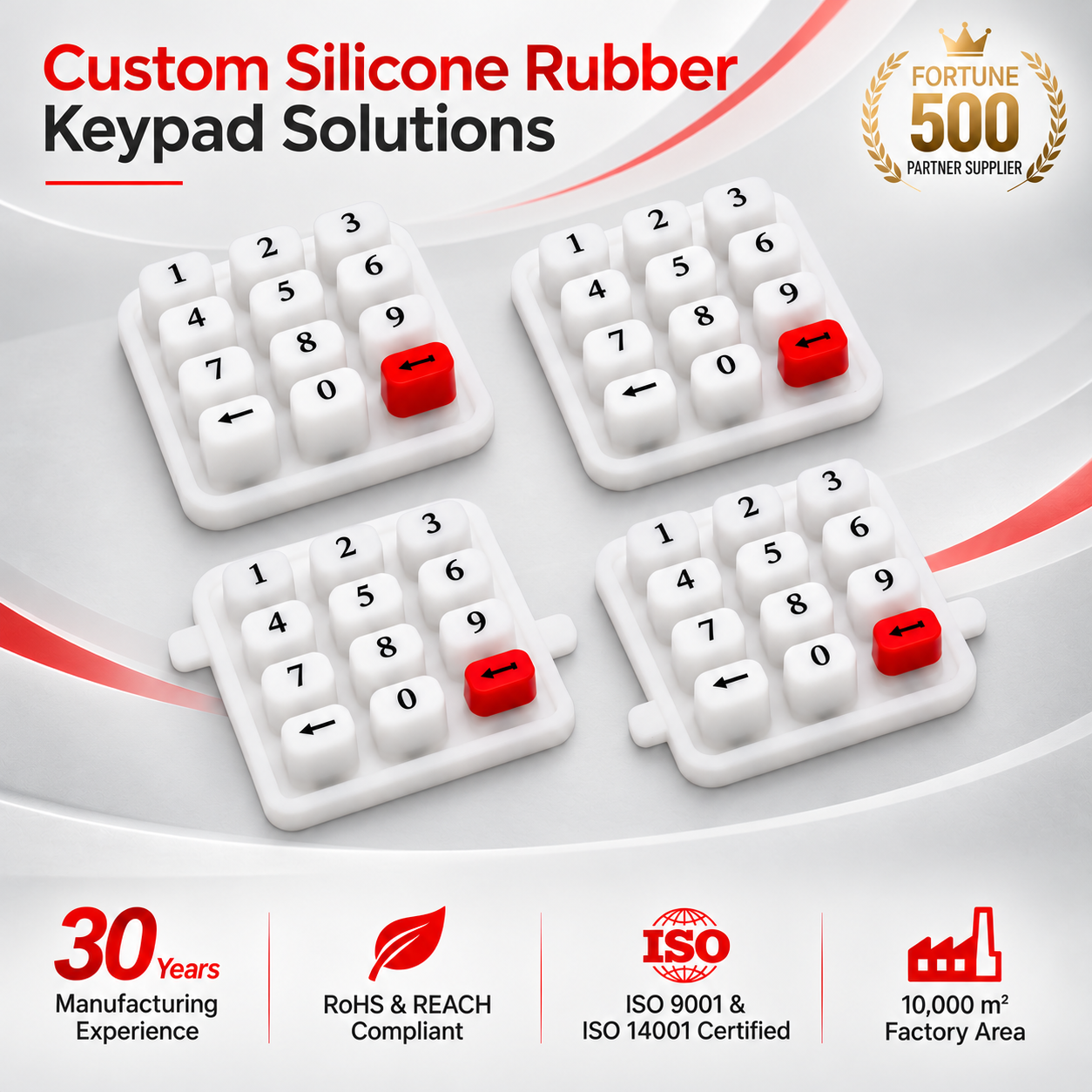
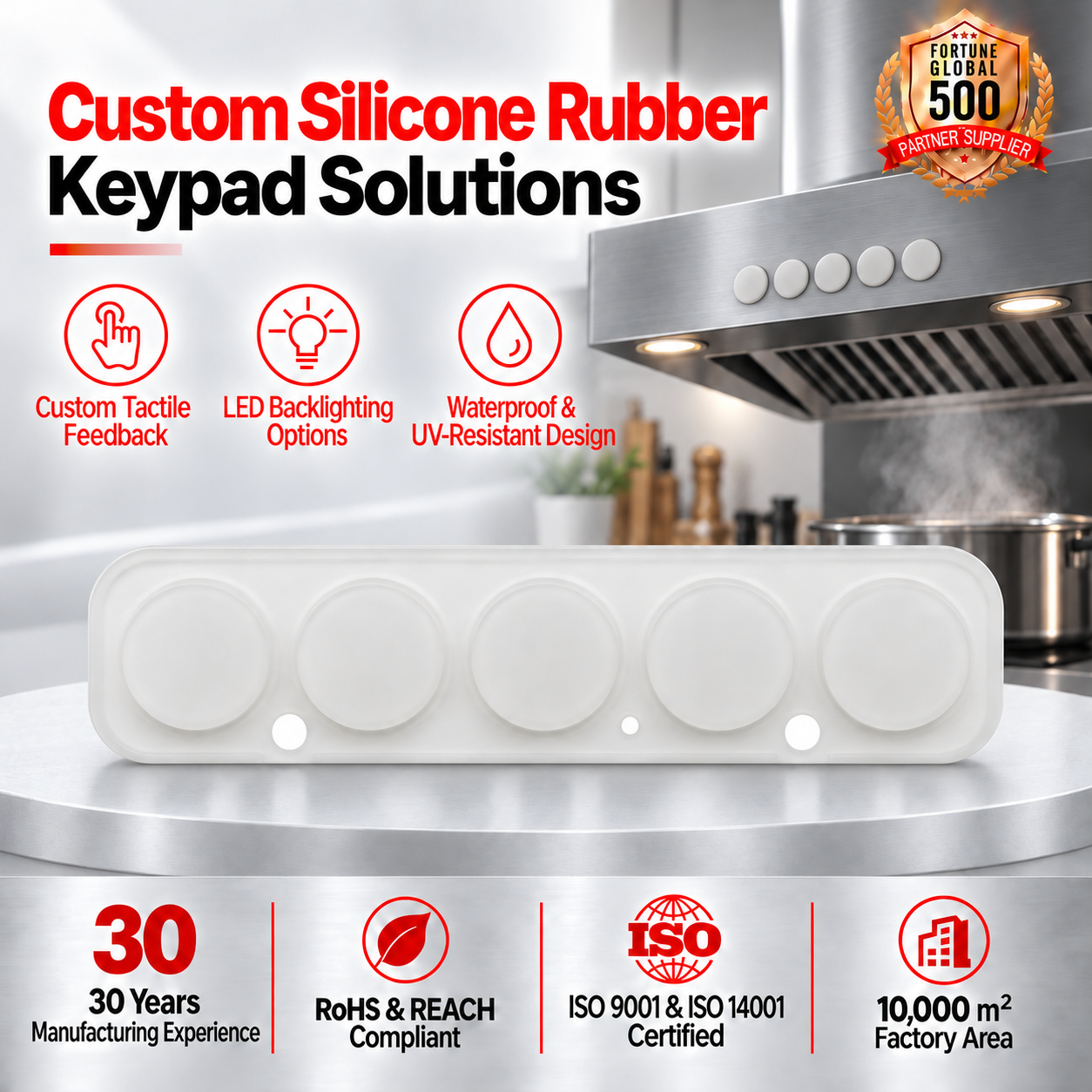
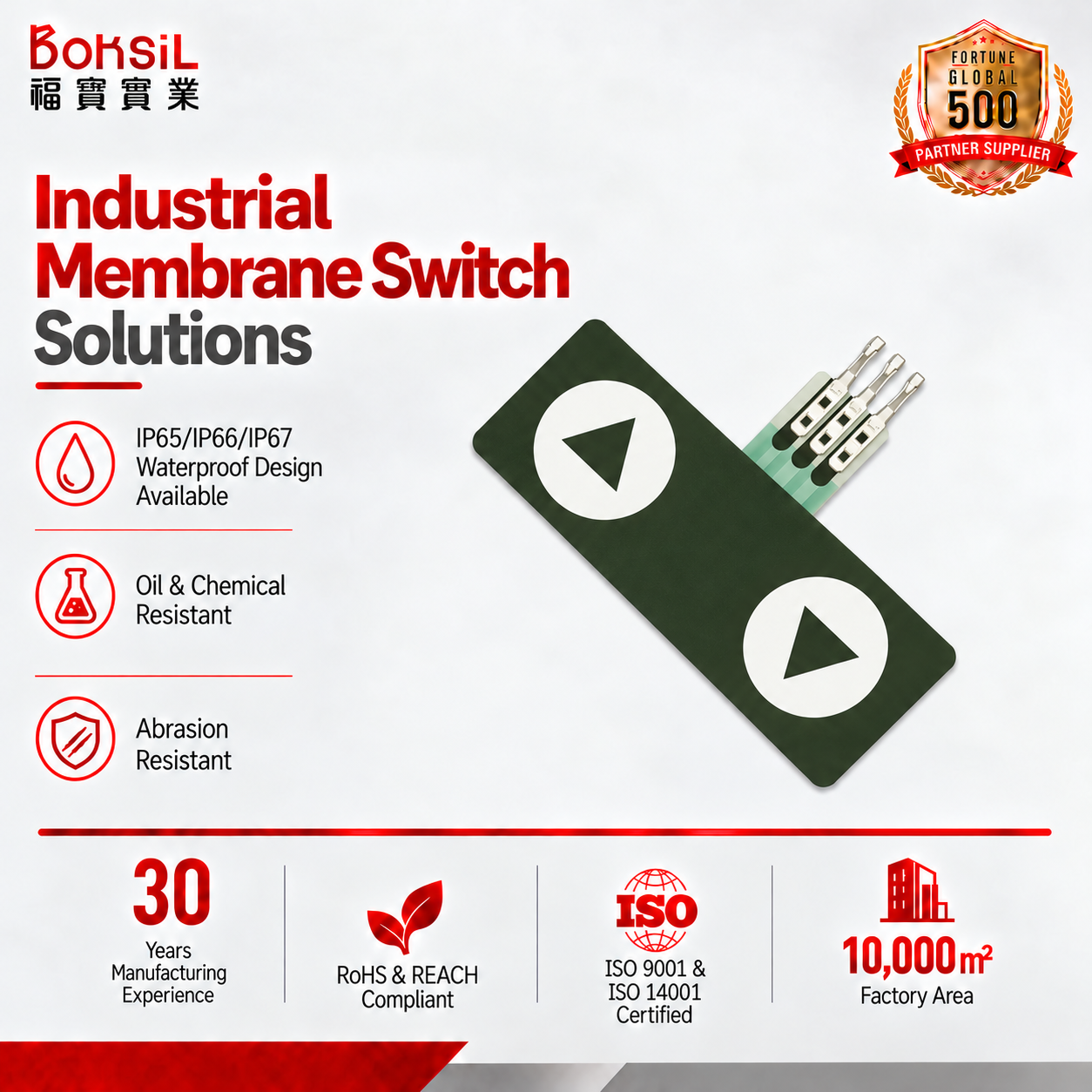
Fabricated with precision optical screen printing, automotive-grade conductive silver/carbon traces, micro-pitch FPC tails, and extreme-durability elastomer actuators.
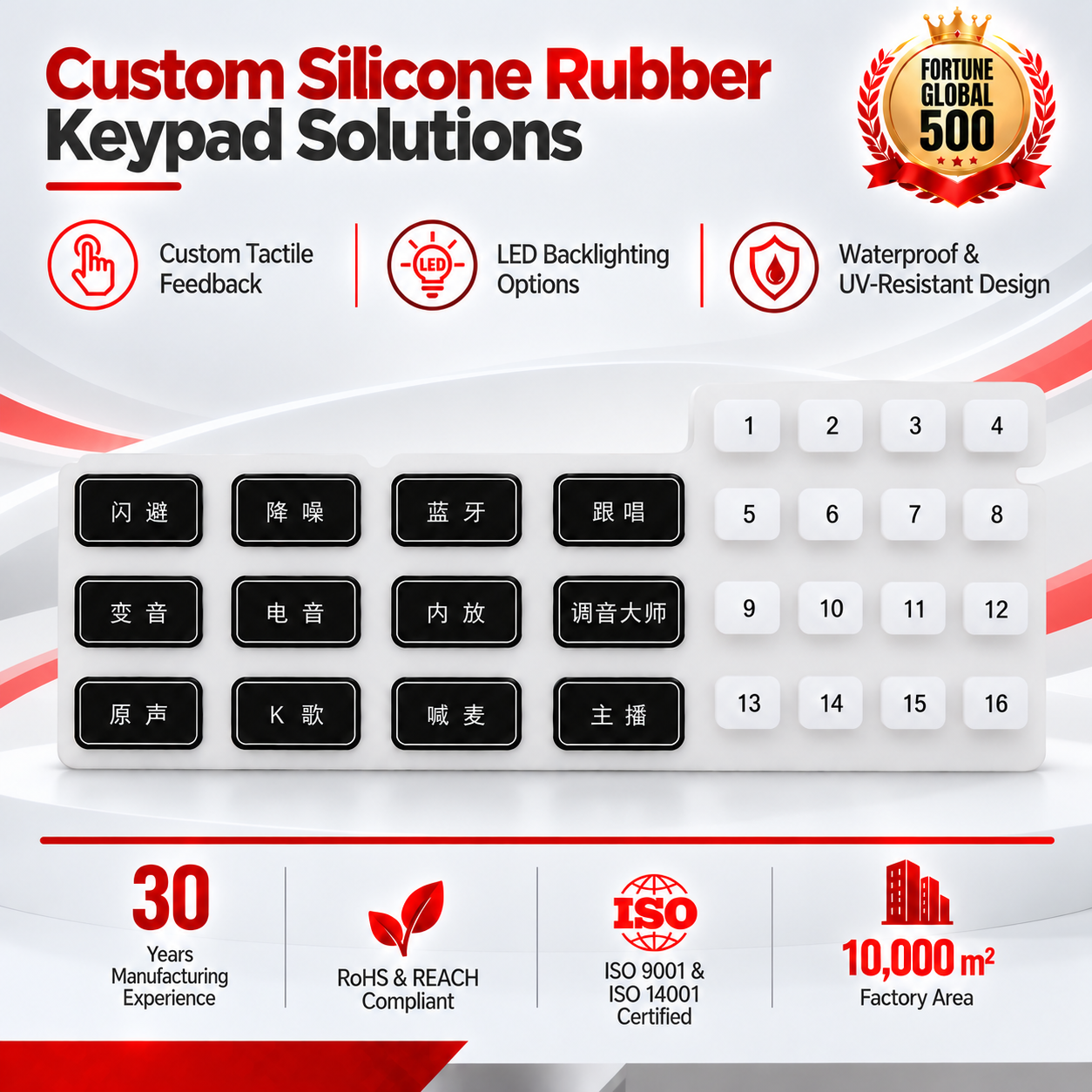
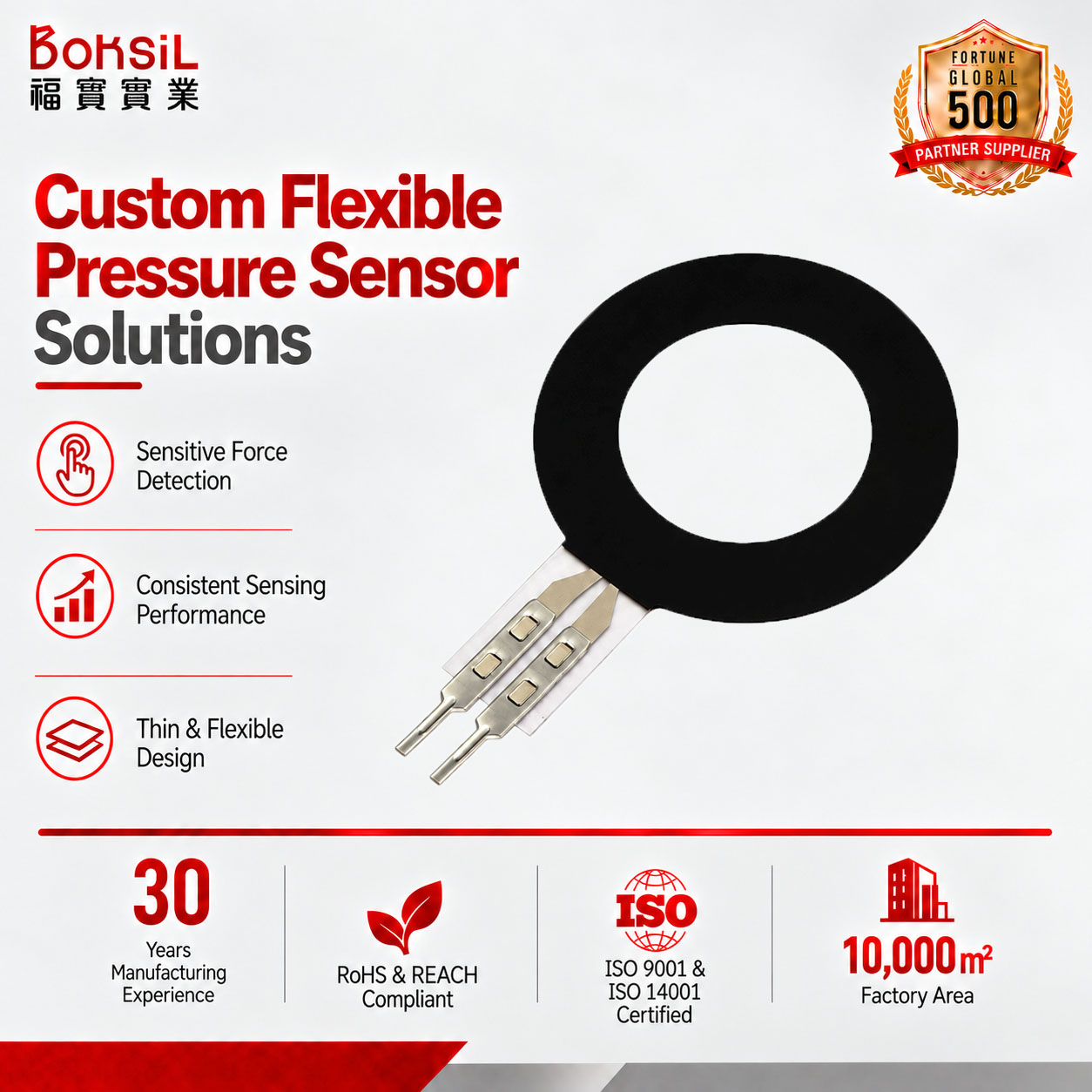
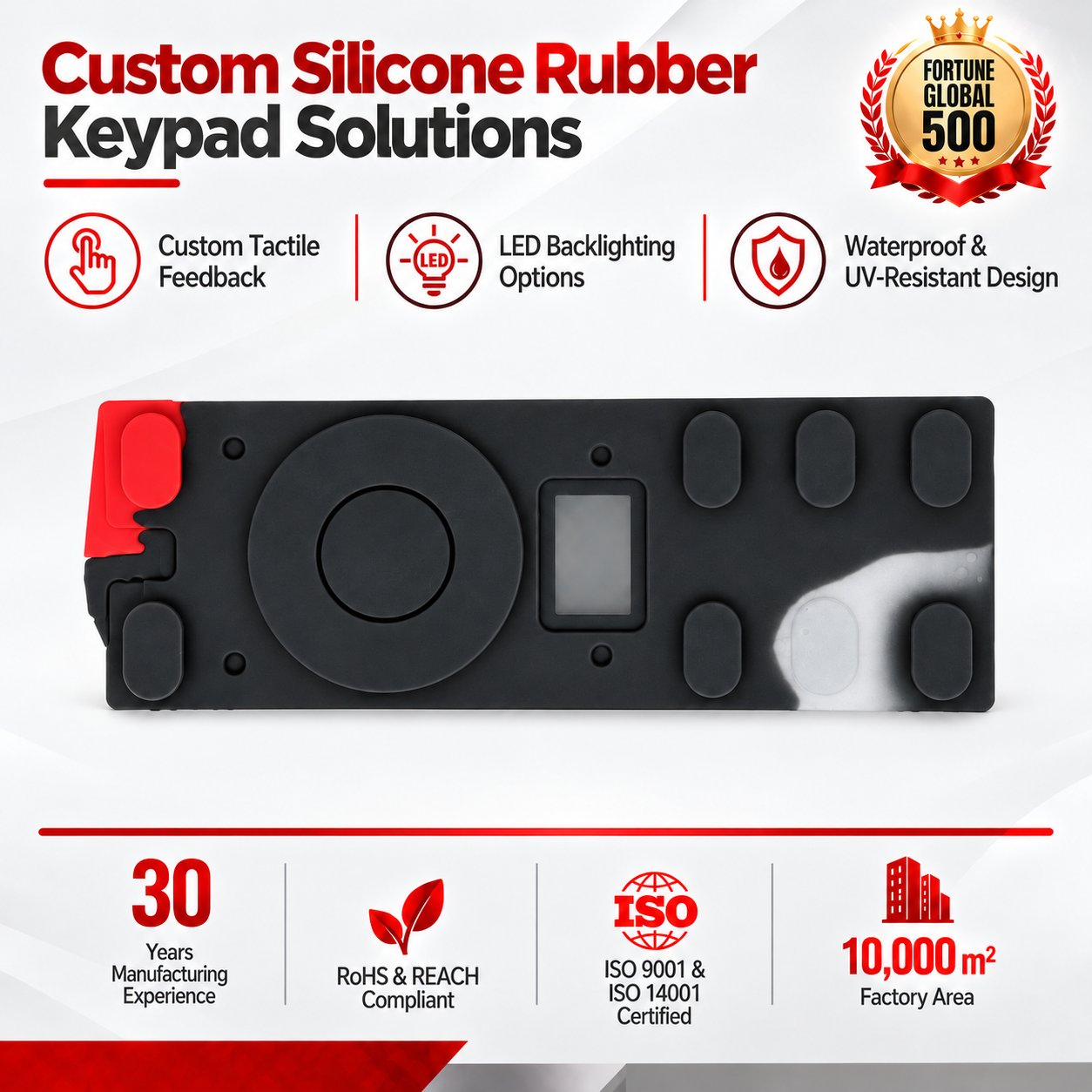
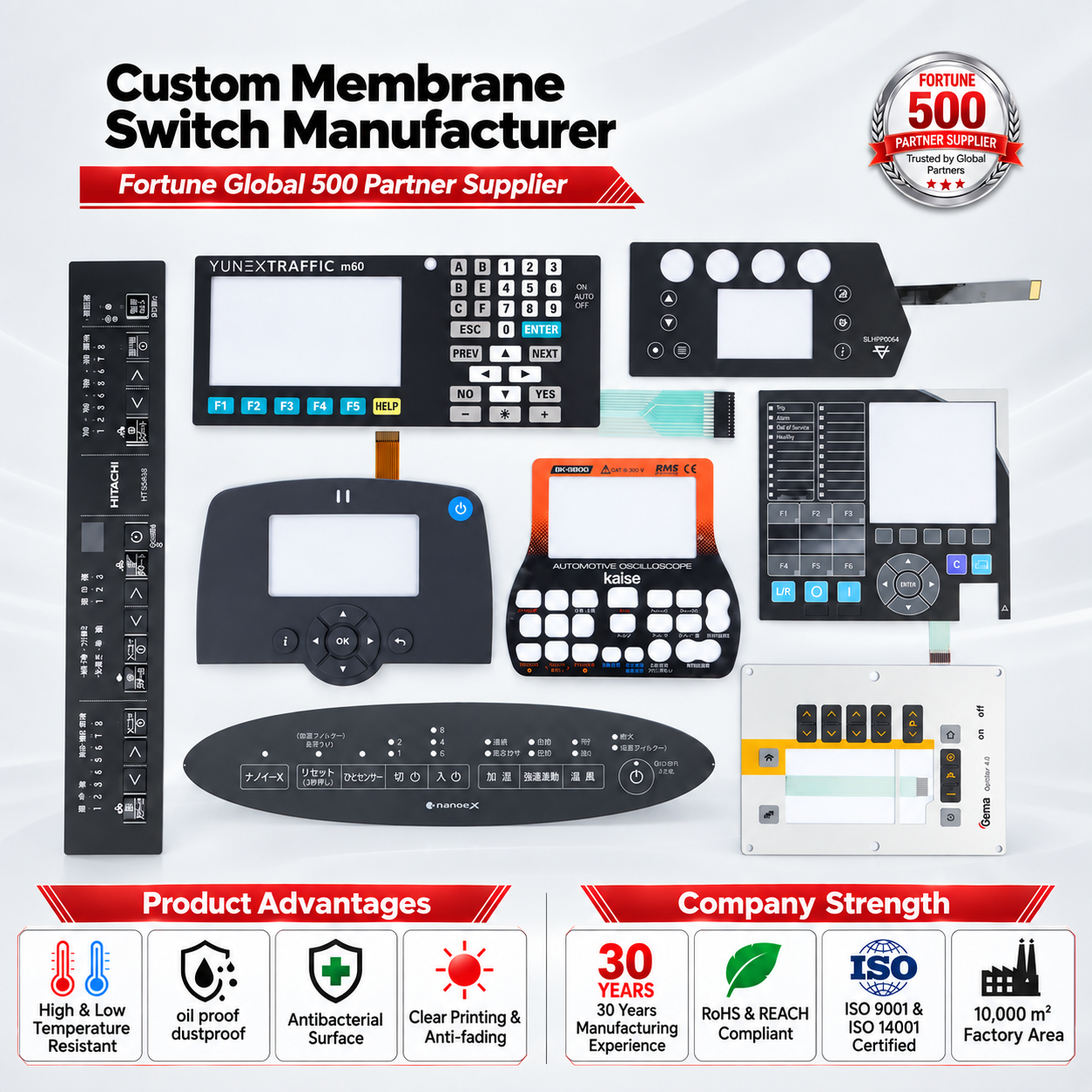
Operating from our 10,000㎡ intelligent production base in Dongguan, China, Dongguan AXRU Electronics Co., Ltd. provides full stack-up customization, zero-compromise electrical validation, and direct DFM collaboration for global engineering procurement teams.
In high-reliability electrical monitoring, medical isolation networks, and modern industrial automation systems, human-machine interfaces serve as the initial point of interaction and the first barrier of defense against environmental intrusion. Original Equipment Manufacturers (OEMs) and engineering integrators who specify custom membrane switches require not only flawless visual appeal but also absolute galvanic integrity, dependable snap tactile response under heavy repetitive usage, and impervious surface hermetic sealing.
As a leading custom OEM flexible membrane switch exporter serving Bender ecosystems and global critical power equipment developers, AXRU Electronics addresses key operational pain points: silver trace migration in damp environments, delamination under repeated thermal cycling, electrostatic discharge (ESD) interference disrupting microcontrollers, and switch fatigue failures on production lines. By controlling the complete stack-up sequence in-house—from polyester graphic overlay screen printing, laser kiss-cutting, adhesive channel venting, stainless steel dome indexing, to copper flexible printed circuit (FPC) soldering—our engineering team ensures zero variability across both pilot prototype runs and large production shipments.
Technical DFM Insight for Systems Serving Bender Equipment: Ground fault monitors, insulation monitoring devices (IMD), and hospital isolated power panels operate under strict international safety norms (IEC 61557-8 and IEC 60364-7-710). Membrane switches integrated into these enclosures must feature dielectric breakdown resistance exceeding 1,500V, edge-sealed gaskets preventing corrosive gas penetration, and ESD shielding grids rated for air discharge spikes above 15kV.
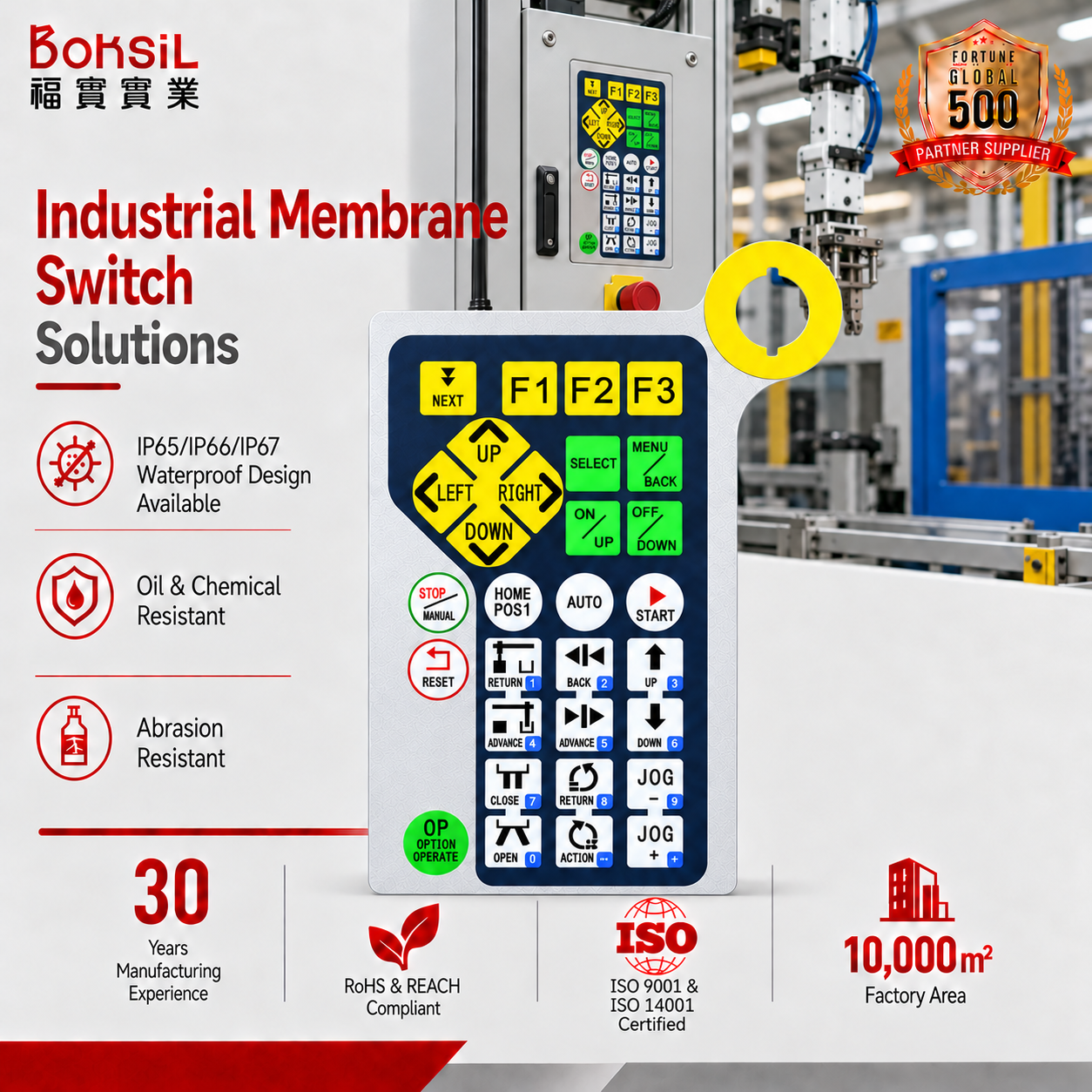
Engineered to seamlessly integrate into safety-critical interfaces, control consoles, power monitors, and automated switchboards operating in challenging field conditions.
Hospital operating theaters and intensive care units utilize isolated power panels with continuous line isolation monitors. Membrane switches engineered for these stations require non-porous Autotex polyester or anti-microbial textured films that withstand daily wipe-downs with harsh quaternary ammonium and chlorine disinfectants. Integrated dead-front indicators display alarm states (Safe, Caution, Overload) with zero light-bleed between visual channels, while tactile nickel-plated metal domes guarantee accurate nurse response even while wearing thick latex gloves.
In heavy marine drives, underground mining conveyances, and chemical processing facilities, ungrounded AC/DC IT power systems rely on high-precision ground fault detectors. Our membrane switches utilize multi-layer copper FPC circuits bonded with structural 3M VHB perimeter adhesives to guarantee IP67/IP68 sealing against oil vapors, saline mist, and conductive carbon dust. The internal vent channels are designed with micro-porous membrane filters that balance internal and external atmospheric pressure changes without drawing in ambient moisture.
Solar inverter combiner boxes, battery energy storage systems (BESS), and railway signaling cabinets experience severe temperature swings and intense UV radiation. AXRU engineers specify UV-stabilized Autotype XE films paired with high-temperature silicone keypads and gold-plated dome contacts. These assemblies prevent polymer yellowing, embrittlement, and adhesive breakdown during extended outdoor deployment, maintaining stable contact resistance below 1 Ohm across millions of operational cycles.
Compare our production options to determine the optimal balance of tactile response, mechanical endurance, and environmental protection for your project.
| Interface Parameter | Silver Conductive on PET | Flexible Printed Circuit (Copper FPC) | Silicone Elastomer + Membrane Hybrid |
|---|---|---|---|
| Primary Conductor Base | Screen-printed polymer thick-film silver ink with carbon overcoat | 0.5 oz / 1.0 oz rolled-annealed etched copper on Polyimide (Kapton) | Compression-molded high-tear silicone with conductive carbon pills |
| Trace Resistance | < 100 Ω (layout dependent, typically 10–50 Ω) | Ultra-low: < 1 Ω (ideal for high-speed signal & LED multiplexing) | < 150 Ω per switch contact point |
| Actuation Life Expectancy | 1,000,000 to 3,000,000 tactile cycles | 5,000,000+ tactile cycles (matched with stainless domes) | 1,000,000 to 2,000,000 elastomeric cycles |
| Ingress Protection (IP) | IP65 with continuous perimeter tape sealing | IP67 / IP68 with sealed tail exits and hydrophobic vent valves | IP66 to IP68 when molded with peripheral sealing ribs |
| Component Integration | Conductive epoxy bonded ultra-thin SMD LEDs, resistors | Reflow soldered 0603/0402 LEDs, light sensor ICs, connectors | Light guide films (LGF), plastic keycaps, laser-etched legends |
| Best Fit Application | Standard industrial terminals, lab instruments, consumer controls | Critical electrical safety monitors, medical devices, defense consoles | Outdoor hand-held devices, high-impact panels, heavy equipment |
How evolving safety standards, capacitive hybrid interfaces, and smart surface technologies are transforming HMI manufacturing.
The global human-machine interface industry is undergoing a significant transition toward unified, flat-panel, easy-to-clean architectures. Particularly in electrical monitoring, grid safety, and healthcare engineering, three critical trends dominate buyer specifications:
1. Convergence of Capacitive Touch and Tactile Feedback: While pure capacitive touch front panels offer sleek aesthetic appeal and effortless wiping, critical safety systems (such as emergency reset switches or calibration triggers in ground fault monitoring units) still require definitive tactile physical feedback to prevent accidental touch commands. Modern designs combine edge-embossed metal dome switches alongside capacitive scroll wheels or slider areas under a unified, continuous graphic film.
2. Transition to Copper FPC from Traditional Silver Ink Circuits: As control devices become more compact and feature-dense, circuit pitch is shrinking down to 0.5mm. At these tighter geometries, silver ink migration under high humidity and sustained DC voltage bias presents an operational risk. By migrating mission-critical products to Kapton-based copper FPCs with gold-plated contact fingers, OEMs achieve near-zero trace resistance, superior solder joint reliability for surface-mount LEDs, and complete immunity to electromigration.
3. Advanced Light Guide Film (LGF) Uniform Illumination: Bulky incandescent backlights and uneven discrete LEDs are being replaced by ultra-thin (0.125mm) light guide films. By coupling side-firing micro-LEDs into precisely micro-etched optical dots across the LGF layer, AXRU produces perfectly uniform, low-power backlighting for legends, company logos, and perimeter warning borders while adding virtually no thickness to the panel assembly.
Every production lot is documented, tested, and validated against ASTM and IEC international switch standards inside our Dongguan facility.
Automated multi-pin analyzer checks each key circuit for contact resistance, short circuits, switch threshold continuity, and open lines before packing.
Pneumatic cycling stations subject metal domes and silicone keys to millions of repetitive compressions at specified speeds, logging tactile snap drop-off.
High-resolution load cells record exact actuation force (Peak Force F1), bottom contact force, and tactile ratio to ensure uniform hand-feel across all keys.
Thermal cycling from -40°C to +85°C at 95% RH identifies adhesive delamination, tail insulation degradation, and thermal contraction vulnerabilities.
Weighted rub-testing using isopropyl alcohol (IPA), MEK, and abrasive erasers ensures the sub-surface screen-printed legends never peel, fade, or smear.
Measures adhesive bonding tensile strength between graphic overlays, spacer layers, and client housing backplates to eliminate field lifting.
Clear, comprehensive answers regarding technical stack-ups, certifications, tooling timelines, and production logistics.
To provide a firm DFM review and formal quotation within 24 hours, our engineering department typically requires:
1. Vector Graphic Artwork: Adobe Illustrator (.AI), PDF, or CorelDraw files with PMS Pantone or RAL color codes specified, clear indications of window transparencies, and embossed button boundaries.
2. Mechanical & Circuit Drawing: 2D mechanical prints (.DWG or .DXF) showing overall dimensions, tail length, pitch (1.0mm, 1.27mm, or 2.54mm), pinout assignment matrix, and LED polarities.
3. Stack-up Requirements: Material preferences (Autotex PET vs. Sabic Lexan PC), adhesive tape selection (e.g., 3M 467MP, 468MP, or 3M 300LSE for low surface energy plastics), metal dome actuation force (typically 280g or 350g), and required IP sealing level.
Standard membrane switches often fail when liquid penetrates the edges or migrates along the flexible circuit tail. We prevent this by implementing a complete perimeter hermetic seal: an unbroken perimeter ring of 3M acrylic adhesive with zero gap cuts. The circuit tail exit is designed with a specialized "S-bend" or internal routing channel, and vents are placed internally rather than exiting outward to the atmosphere. For high-humidity or submersed applications, we integrate waterproof ePTFE hydrophobic breathing vents that equalize air volume pressure during actuation while preventing moisture ingress.
Yes. We regularly supply custom-engineered flexible switches, front replacement overlays, and HMI panels designed to interface directly with Bender-style DIN-rail monitors, hospital isolated power indicator panels, and residual current monitoring controllers. We can match precise cutout dimensions, display window color filtering (for high-contrast LCD/OLED readouts), and connector pinouts to ensure seamless plug-and-play field integration.
Polyester (PET, e.g., Autotex XE / MacDermid): Offers high flexural fatigue life (over 5,000,000 actuations without cracking), high resistance to harsh solvents (isopropyl alcohol, acetone, bleaches), and superior heat deflection. It is strongly recommended for medical, marine, and industrial keypads with embossed buttons.
Polycarbonate (PC, e.g., Sabic Lexan): Offers outstanding optical clarity, impact resistance, and is easy to die-cut and print at a lower cost, making it ideal for flat control fascia, appliance display overlays, and non-flexing front panels.
For custom membrane switch projects, our rapid prototyping line produces working engineering validation samples within 5 to 7 business days following CAD approval. Full production tooling and mass production batches are typically completed and dispatched within 12 to 18 business days. Emergency fast-track prototype programs can be arranged through your assigned account manager.
In environments with power electronics or dry indoor air, static charges from human touch can exceed 15kV, risking damage to sensitive ICs behind the panel. We incorporate a dedicated internal shielding layer directly under the graphic overlay. This layer consists of either a screen-printed full-coverage carbon/silver grid or a solid laminated aluminum/copper foil layer connected directly to the chassis ground pin via the flex tail, effectively discharging static spikes safely away from the logic circuits.
Collaborate directly with our engineering team for free DFM file verification, material recommendations, and factory-direct pricing for your next generation of custom control panels.