Featured Membrane Switches & Keypad Assemblies
Precision-manufactured interface solutions engineered for industrial controls, medical diagnostic platforms, marine electronics, and utility equipment across Apia, Savai'i, and Upolu.
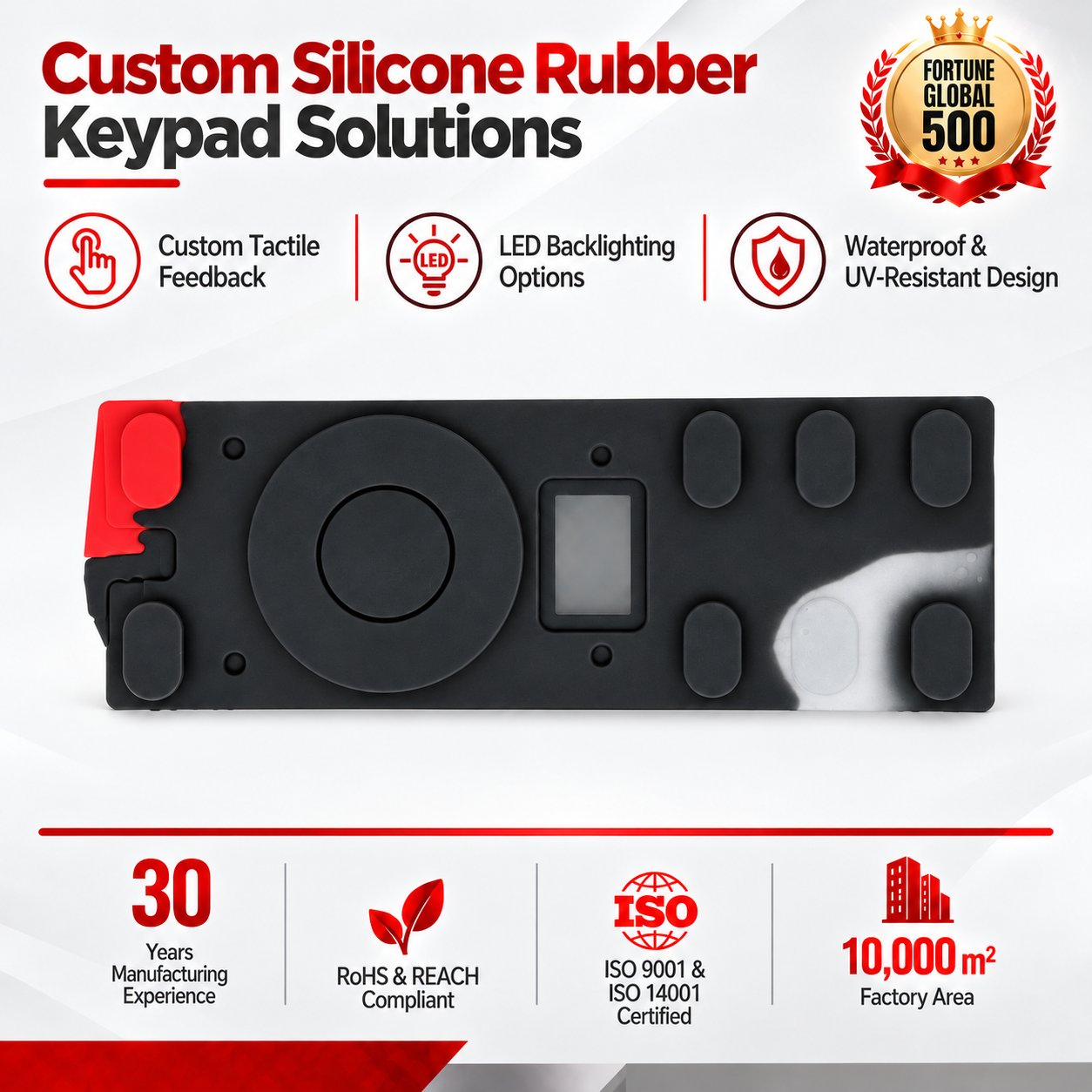
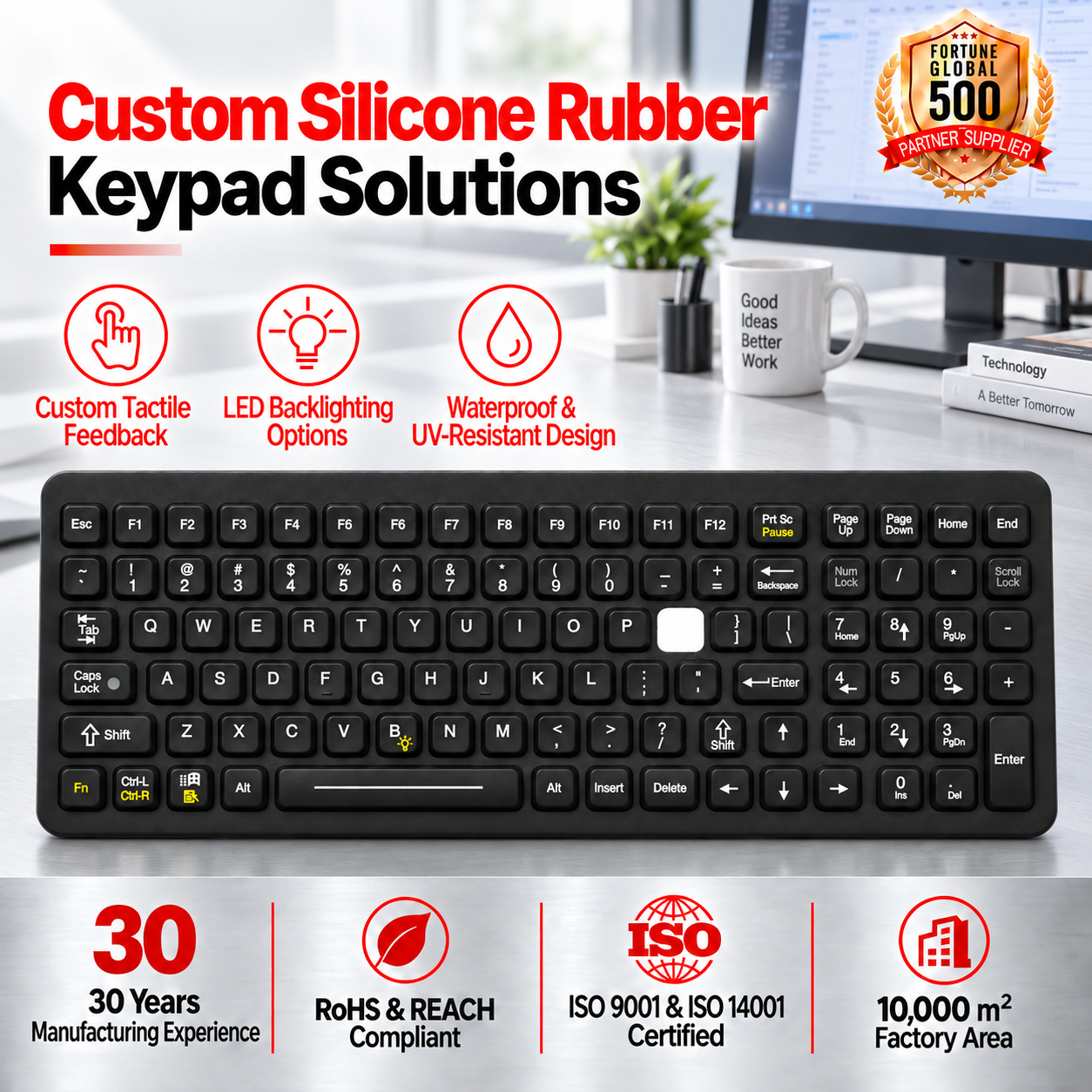
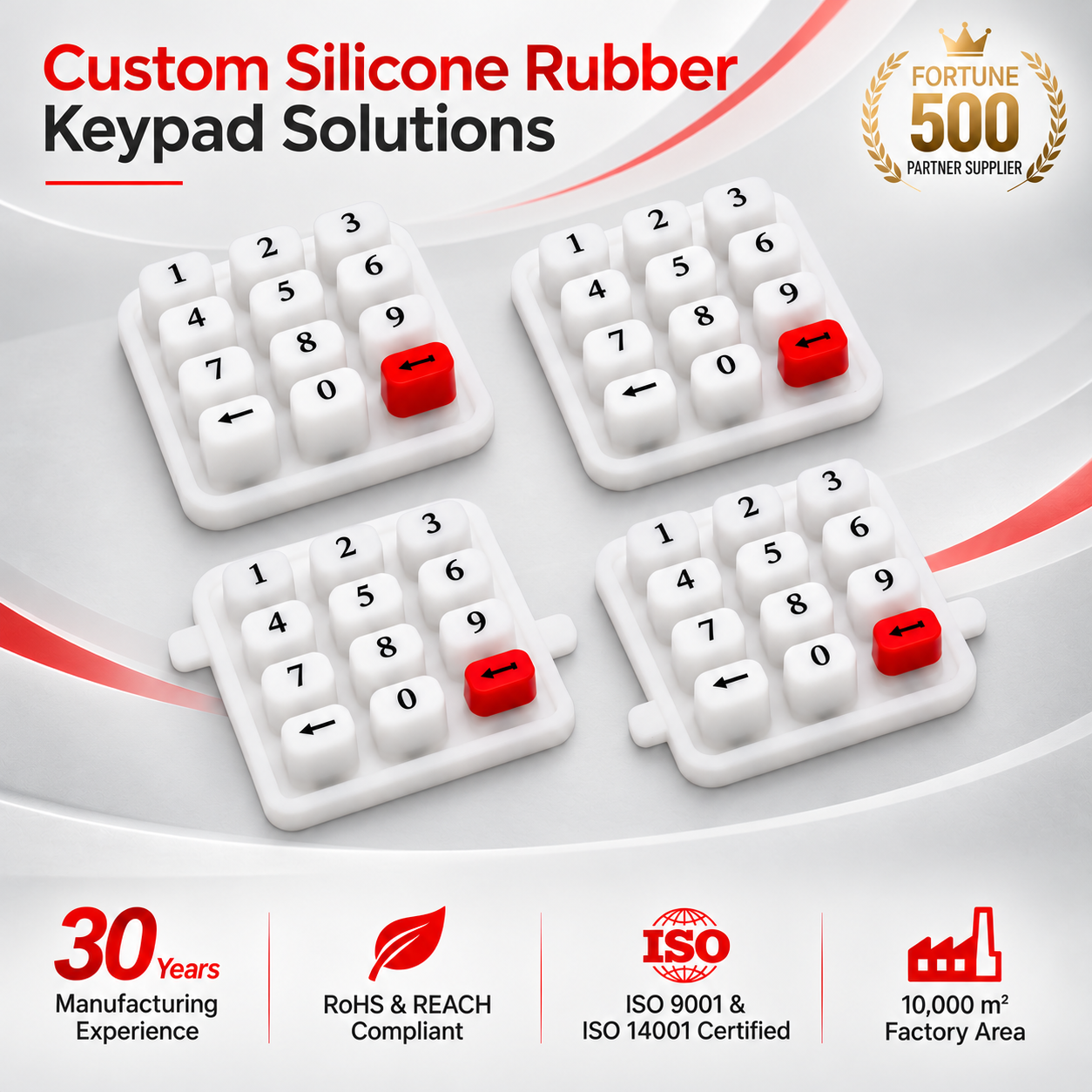
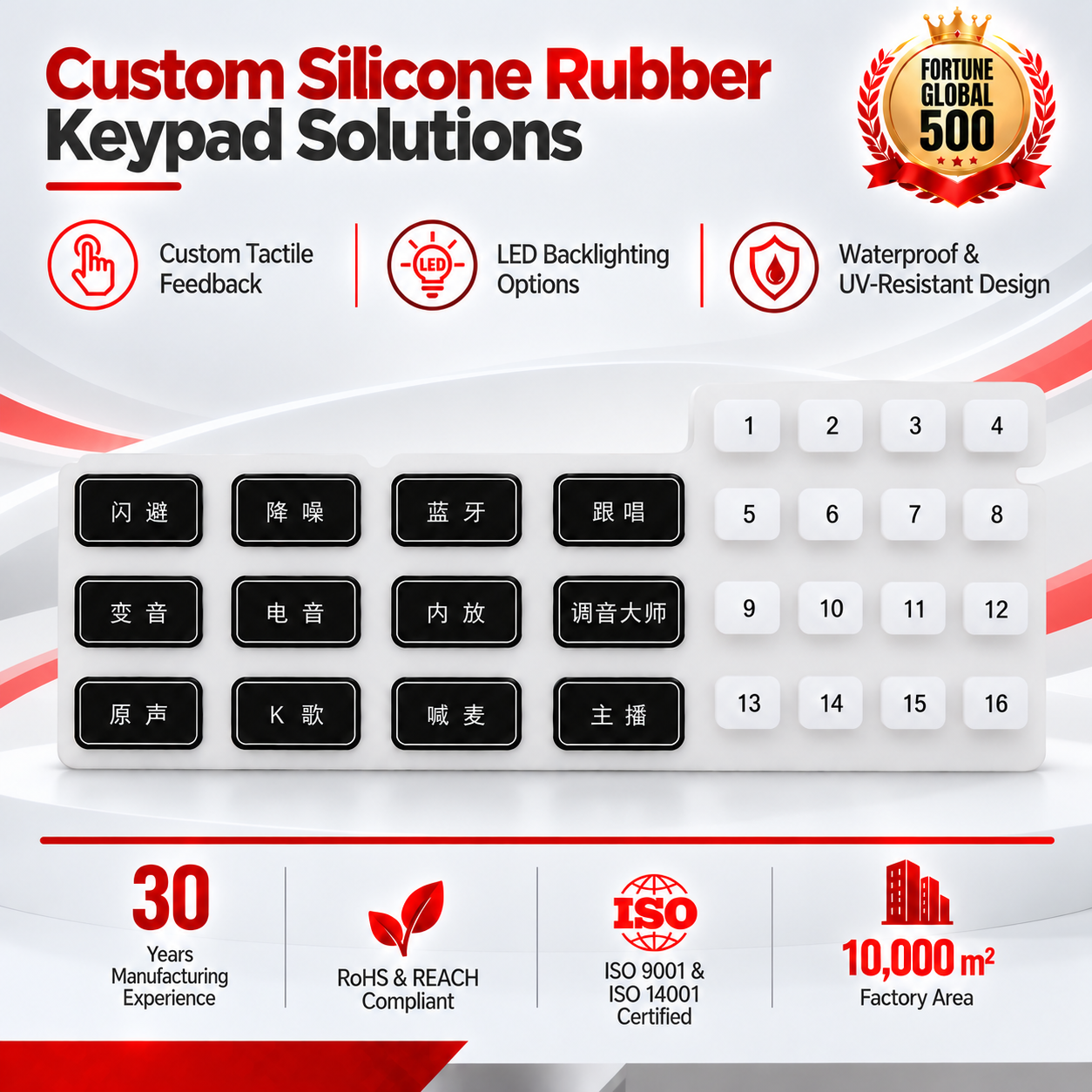
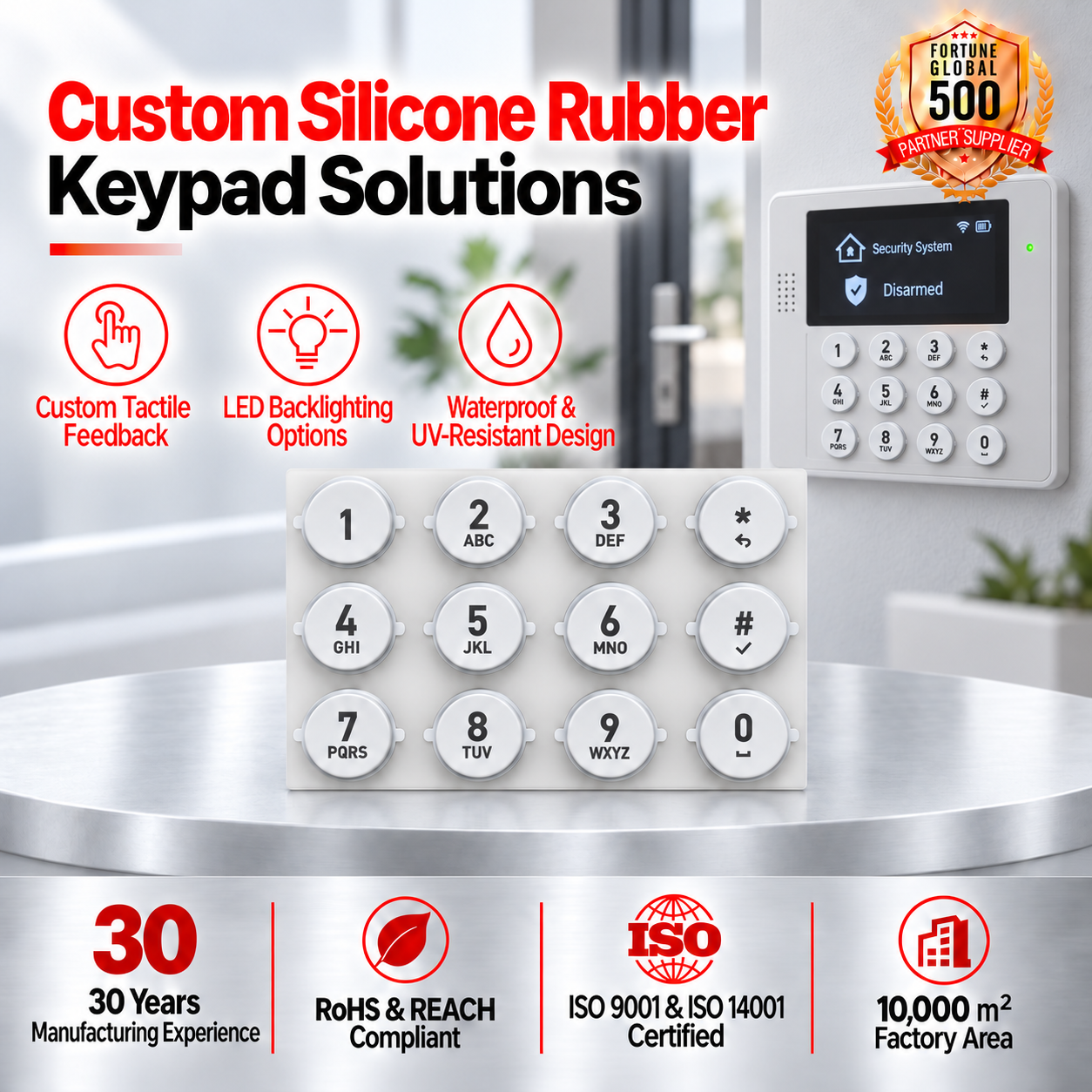
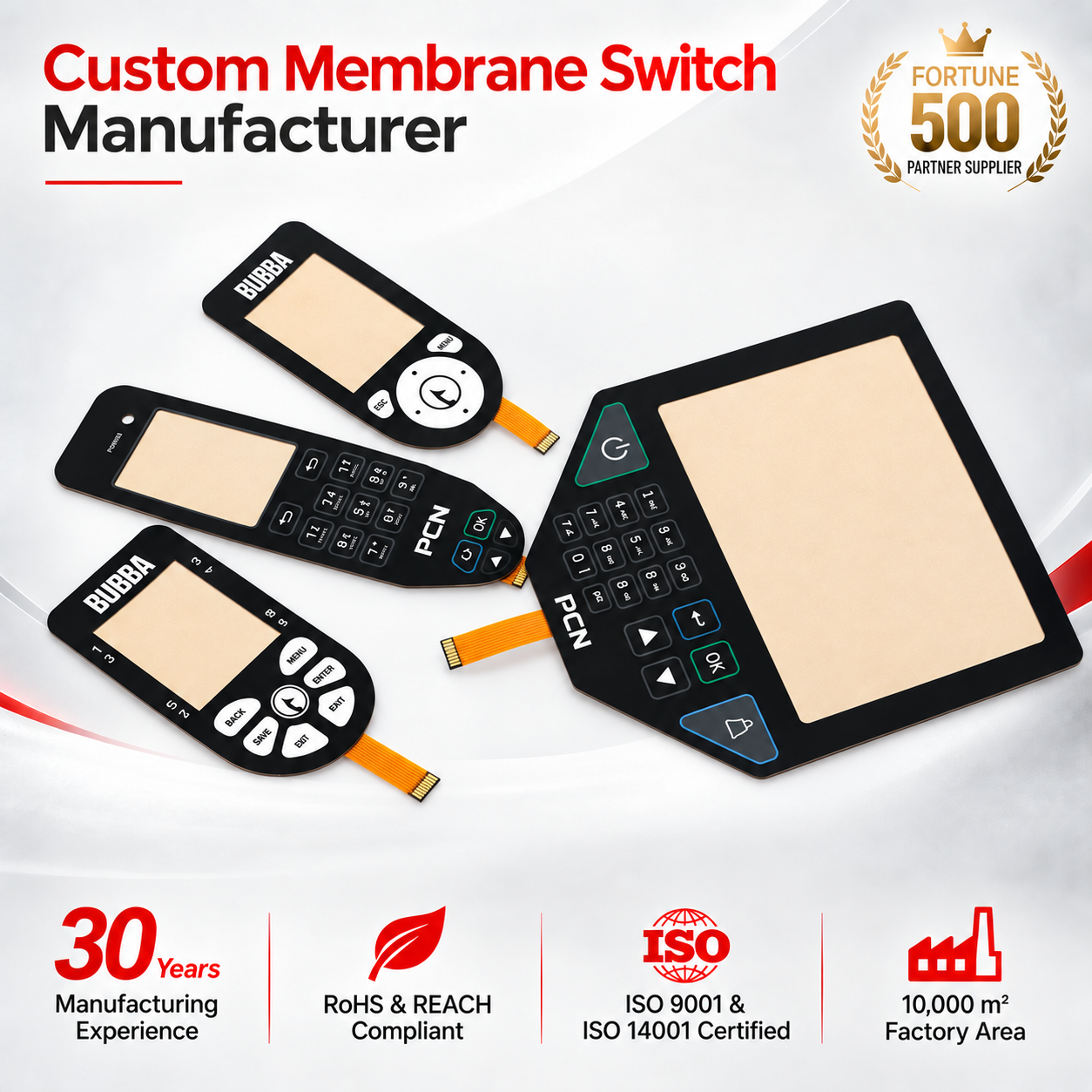
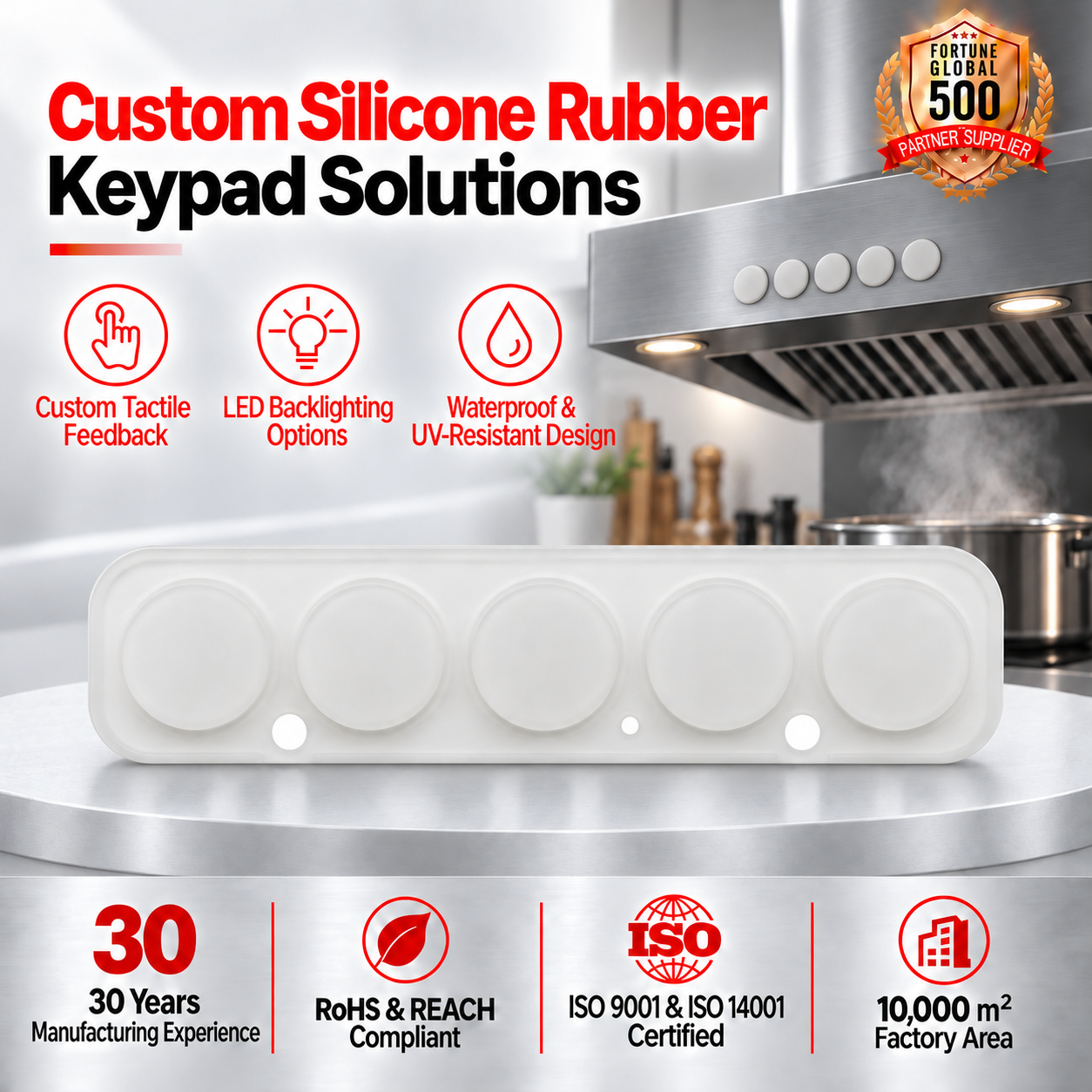
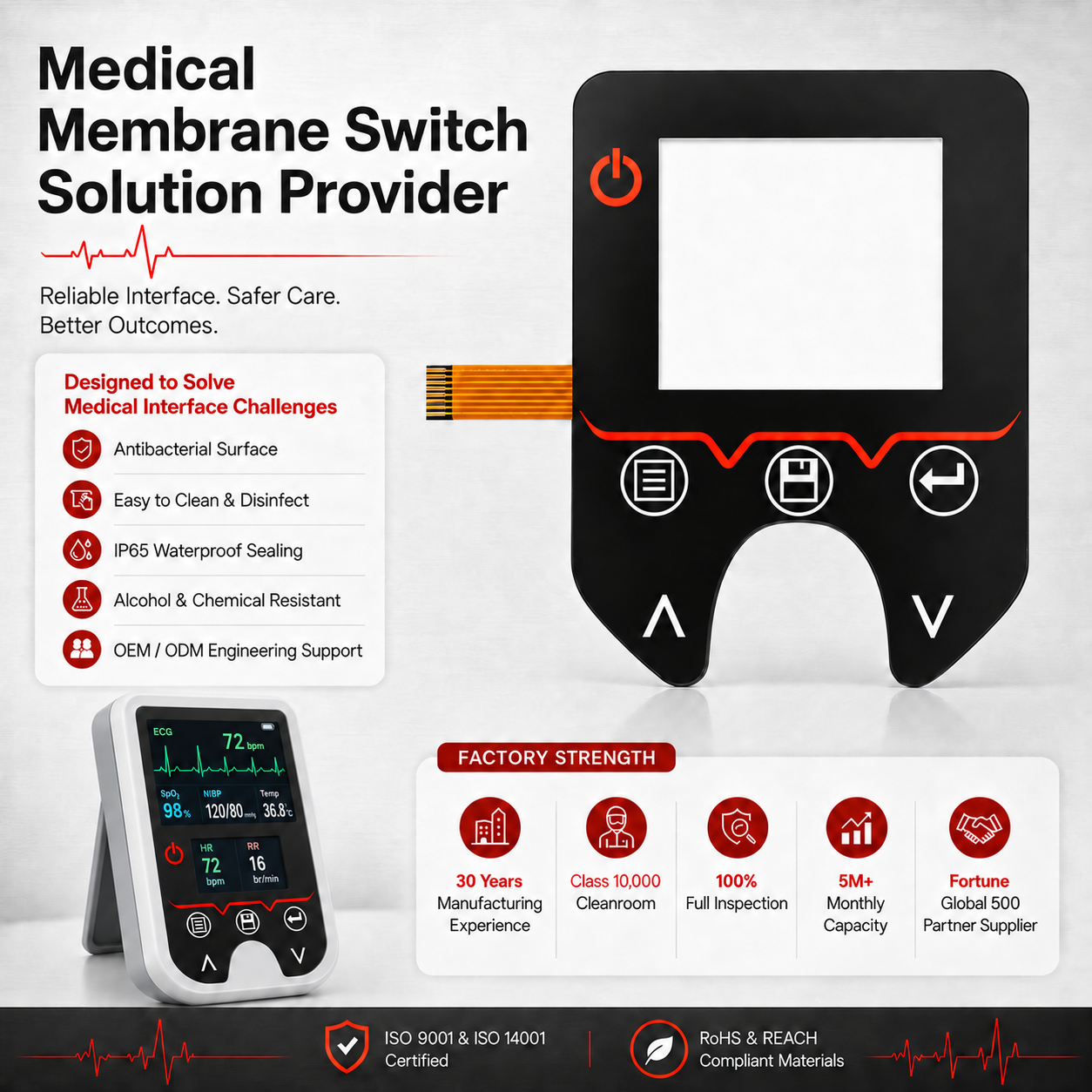
Technical Whitepaper: Sourcing Industrial Membrane Keypads for the Samoan Market
As the Independent State of Samoa expands its investments in localized manufacturing, port logistics, clean energy utilities, and maritime infrastructure, engineering teams face significant obstacles with conventional human-machine interfaces (HMI). Tropical island environments present an aggressive cocktail of environmental degradation factors: high year-round ambient temperatures, relative humidity consistently exceeding 85%, sustained ultraviolet (UV) radiation index values, and fine airborne sodium chloride (marine salt-fog).
Standard consumer-grade mechanical switches and unsealed input panels quickly fail under these operating conditions. Moisture ingress leads to dendrite growth across printed copper traces, while salt deposits crystallize behind moving mechanisms, generating switch sticking, open circuits, and catastrophic equipment shutdowns. Sourcing robust wholesale membrane keypads direct from an Intertek-verified China manufacturer like Dongguan AXRU Electronics Co., Ltd. bridges the gap between cost efficiency and industrial-grade longevity.
Climatic Resilience Formula: By deploying medical-grade Autotype polyester (PET) overlays, 3M 467MP/468MP acrylic adhesives, IP67-rated gas-tight perimeter sealing channels, and gold-plated stainless steel tactile domes, our membrane assemblies operate flawlessly throughout Samoa's high-salinity coastal zones.
Localized Application Scenarios in Samoa
Membrane switches and silicone elastomeric panels are not one-size-fits-all components. In Samoa's distinct economic landscape, specialized applications require unique multi-layer substrate selections, tactile actuation forces, and shielding characteristics.
1. Maritime & Fisheries Infrastructure
Commercial fishing fleets, cannery processing plants in Matautu, and port facilities at Apia Harbor depend on marine vessel controls, GPS navigation units, and processing scales that encounter daily washdowns and saltwater spray. Our IP67/IP68 perimeter-sealed membrane panels and silicone rubber keypads with polyurethane potting resist immersion, grease, and biological decay.
2. Renewable Energy & Microgrid Systems
Samoa's aggressive transition toward 100% renewable electricity—anchored by solar PV farms, battery energy storage systems (BESS), and mini-hydro stations—relies on outdoor power inverters, solar charge controllers, and sub-station breaker consoles. These systems require UV-stabilized graphic overlays that withstand decades of direct sunlight without embrittlement or optical fading.
3. Agricultural & Food Processing Facilities
The processing of copra, nonu fruit, cocoa, and taro requires sorting machinery, drying ovens, and packaging lines subject to heavy airborne plant dust, organic acids, and high-pressure steam cleaning. Smooth, continuous membrane switch surfaces eliminate crevices where contaminants settle, ensuring hygienic clean-in-place compliance.
4. Hospital & Medical Diagnostic Instrumentation
Healthcare facilities across Apia, including the Tupua Tamasese Meaole (TTM) Hospital, deploy patient monitors, diagnostic centrifuges, and infusion pumps. Our medical-grade PC/PET membrane keypads incorporate antimicrobial hard-coats that resist degradation from harsh medical disinfectants such as bleach, isopropyl alcohol, and quaternary ammonium solutions.
5. Public Utilities & Fuel Distribution Terminals
Commercial fuel dispensing units, water pumping stations operated by the Samoa Water Authority, and telecommunication relay cabinets on Savai'i demand vandal-resistant, stainless-steel or heavy-gauge P+R keypads. These units feature integrated ESD (Electrostatic Discharge) shielding to protect internal logic circuits against tropical lightning strikes.
Emerging Industrial & Engineering Trends in the South Pacific
Modernization across Pacific Island countries is accelerating changes in OEM component specifications. Procurement managers and maintenance directors are transitioning away from unsealed discrete push-buttons toward integrated, value-added interface sub-assemblies. The major market trends driving adoption in Samoa include:
1. Integration of Capacitive Touch Beneath Rugged Substrates: Rather than relying solely on mechanical tactile dome arrays, engineers are shifting toward solid-state capacitive sensing layers laminated under 2mm to 4mm tempered glass or chemically strengthened acrylic sheets. This architecture eliminates physical mechanical fatigue entirely, creating an impenetrable hermetic seal against oceanic humidity.
2. Smart LED Light Guide Film (LGF) Backlighting: Operating equipment in low-light conditions—such as night fishing boats or unlit field pump houses—requires energy-efficient, uniform illumination. Traditional discrete LED arrays suffer from hot spots and excessive current drain. LGF technology redistributes side-firing SMD LEDs across key legends evenly using minimal power, a critical advantage for solar-battery installations.
3. Polyimide Flexible Printed Circuits (FPC) Replacing Screened Silver Inks: While silver paste circuits on PET offer an economical solution for stable indoor environments, high-vibration maritime transport and marine engine bays benefit from copper-clad polyimide FPC circuits. FPCs tolerate constant mechanical flex, deliver low sheet resistance, and support dense micro-pitch connector terminations without trace cracking.
Engineering Comparison: Selecting the Right Substrate for Samoa
Choosing the correct materials is essential to prevent premature delamination, yellowing, or electrical failure. The following engineering matrix highlights key properties tested in our environmental test laboratories:
| Substrate / Technology | UV Degradation Resistance | Chemical & Salt-Mist Proofing | Tactile Actuation Life | Optimal Deployment Arena |
|---|---|---|---|---|
| Autotype Polyester (PET) Membrane | Exceptional (with UV inhibitors) | High resistance to hydrocarbons & salt | Up to 5,000,000 Cycles | Industrial automation, medical, port controls |
| Hard-Coated Polycarbonate (PC) | Moderate (Prone to chalking outdoors) | Susceptible to aromatic solvents | 1,000,000 - 3,000,000 Cycles | Indoor instrumentation, consumer electronics |
| Epoxy-Coated Silicone Rubber | High (Elastomer naturally inert) | Impervious to moisture & washdown | 1,000,000+ Cycles | Rugged hand-held devices, maritime keypads |
| P+R (Plastic Keycap + Rubber) | High (ABS/PC caps with UV coat) | Excellent physical & impact seal | 2,000,000 Cycles | Commercial fuel pumps, access control, POS |
| Capacitive Glass Front Panel | Permanent (Immune to solar radiation) | Hermetic, complete fluid barrier | Unlimited (Solid-state non-mechanical) | Smart appliance hubs, marine bridge consoles |
Why Global & Pacific Buyers Partner with AXRU Electronics
Dongguan AXRU Electronics Co., Ltd. operates a specialized 10,000㎡ manufacturing complex staffed by 121 skilled technicians, engineers, and quality assurance inspectors. Operating under verified quality management certifications and inspected on-site by Intertek, our plant bridges cutting-edge industrial fabrication with factory-direct pricing for overseas wholesalers and equipment developers.
In-House Reliability Testing
Our facility houses complete mechanical, electrical, and climatic test apparatus: automated key life testers, force-displacement curve plotters, programmable temperature and humidity chambers (-40°C to +150°C), and taber abrasion testers.
Complete Vertical Manufacturing
We do not outsource core processes. Screen printing, cleanroom circuit layout, metal dome pick-and-place, adhesive lamination, laser routing, and flatbed CNC die-cutting are conducted within our Dongguan plant, ensuring total trace-level accountability.
Rapid DFM Prototyping
Pacific engineering teams need agility. Our technical sales and DFM (Design for Manufacturability) engineers deliver full layer stack-up proposals and Gerber/CAD cross-checks within 24 hours, with functional engineering prototypes ready in 5-7 working days.
Frequently Asked Questions for Samoan Procurement
Key considerations regarding minimum order quantities, logistics, tropical moisture barrier engineering, and project workflows.
What is the minimum order quantity (MOQ) for custom membrane switches delivered to Samoa?
How do you prevent salt-fog corrosion and silver migration in coastal Pacific environments?
What engineering design files are required to receive a comprehensive DFM review and quotation?
- Graphic Overlay Artwork: Adobe Illustrator (.AI), CorelDRAW (.CDR), or Vector PDF files with specified Pantone color codes.
- Mechanical Housing / Outline: 2D/3D CAD drawings in .DXF, .DWG, or .STEP format detailing cutouts, embossed keys, and dimensional tolerances.
- Circuit Schematic: Netlist, pin-out schematic, tail exit location, and connector pitch (e.g., 2.54mm, 1.0mm, or ZIF crimp connector).
- Operational Specifications: Operating temperature envelope, IP sealing requirements, and tactile feedback preferences (metal dome versus polydome).
What are the typical sea freight and air express transit timelines to Apia, Samoa?
Can you reverse-engineer obsolete membrane keypads for legacy machinery currently running in Samoa?
Accelerate Your HMI Hardware Development Today
Connect directly with our experienced application engineering team in Dongguan. We will review your CAD drawings, suggest layer stack-up optimizations for the South Pacific climate, and provide a transparent, factory-direct quotation within 24 hours.
Contact Us