Featured Capacitive & Solid-State HMI Button Assemblies
Engineered in Dongguan, China with ISO 9001-certified cleanroom manufacturing. Every capacitive touch button, tactile membrane switch, and silicone keypad is customized to client drawings and tested 100% prior to dispatch to Kingstown.
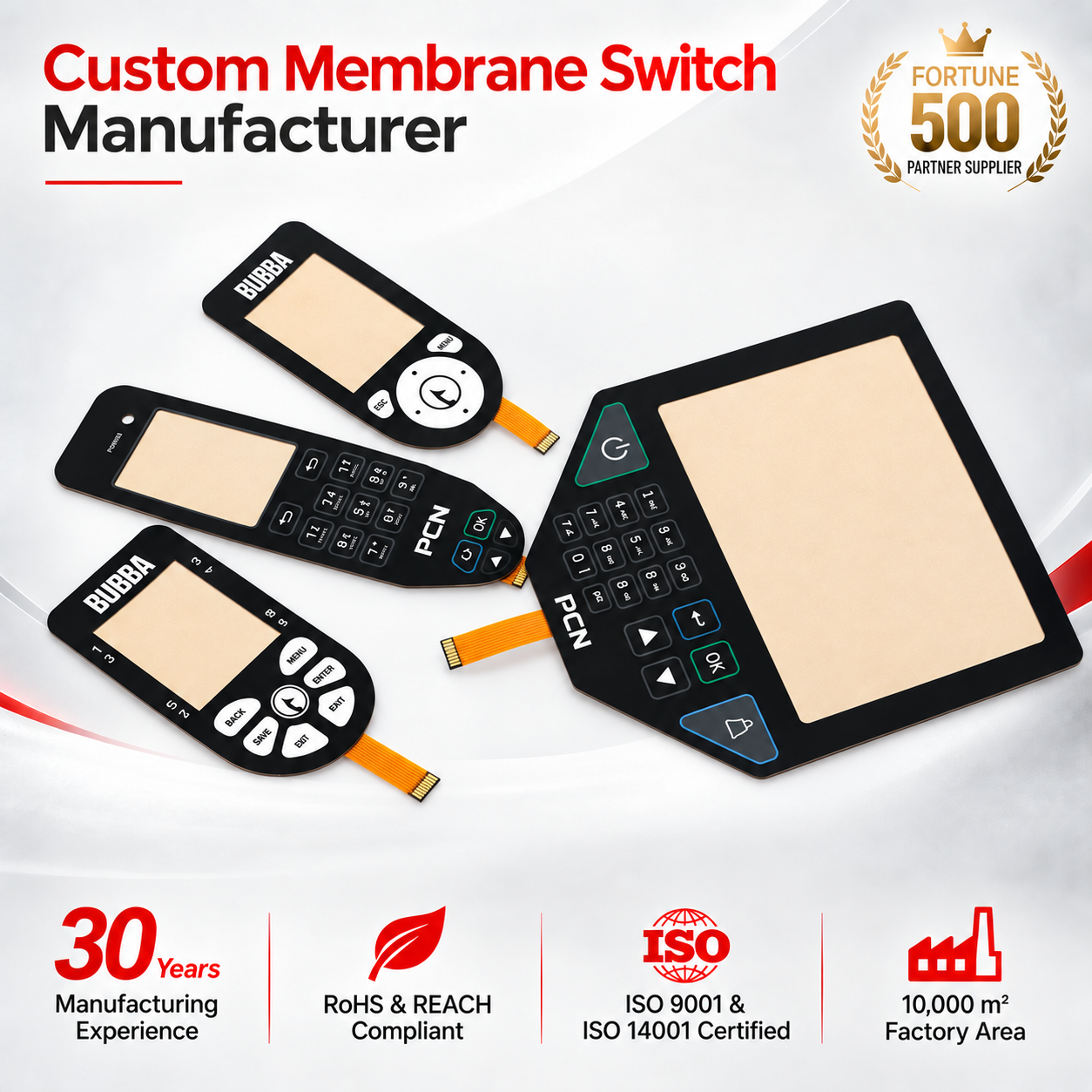
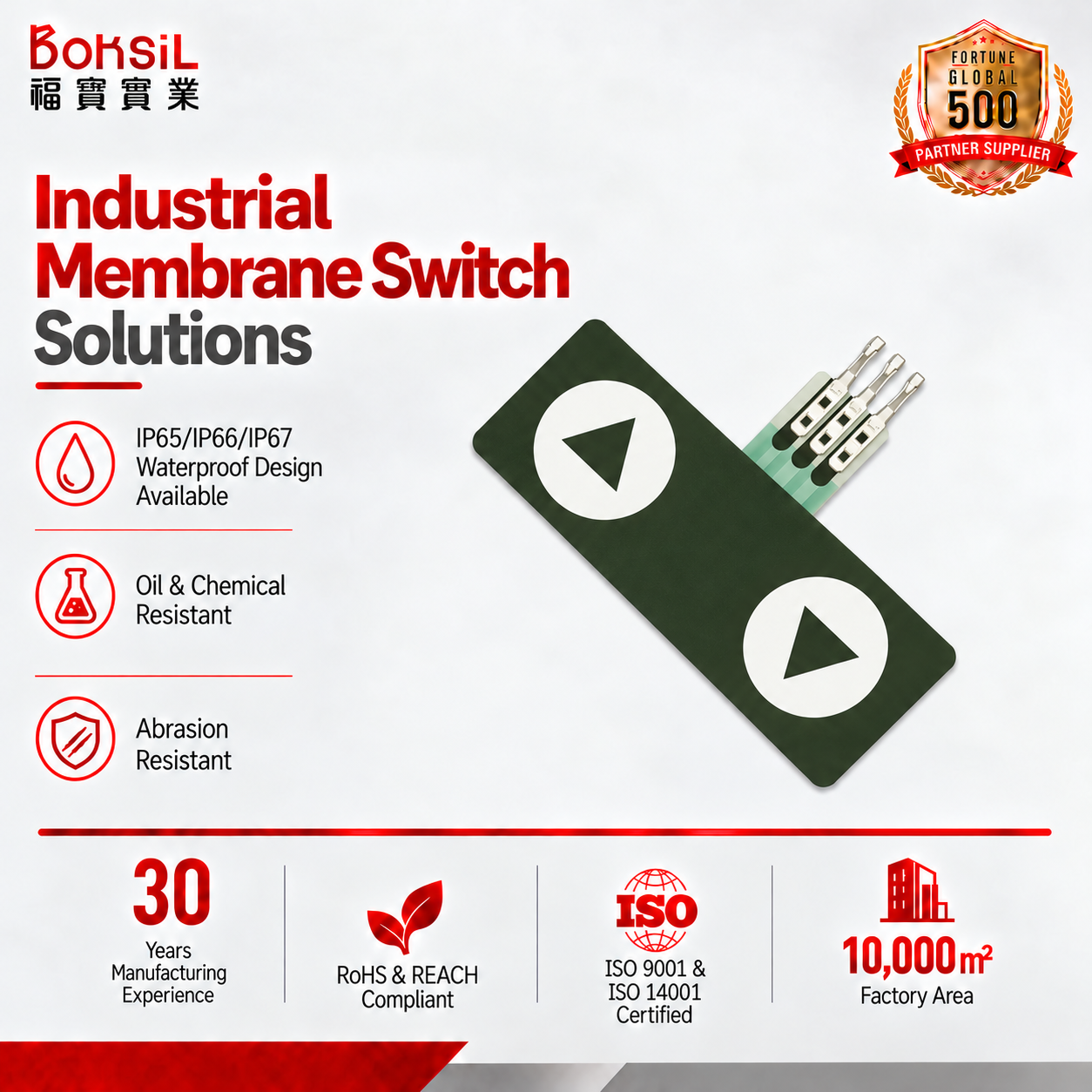
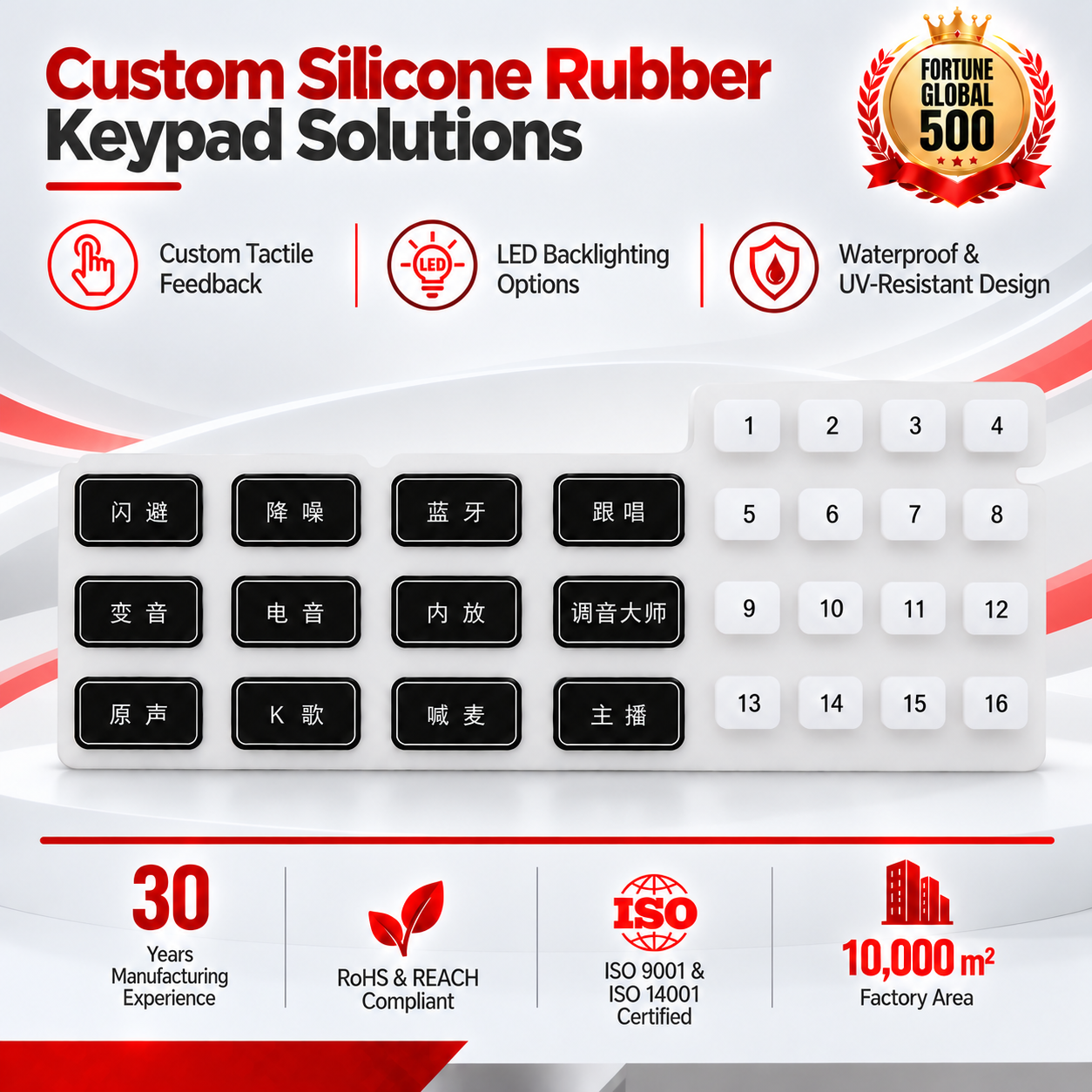
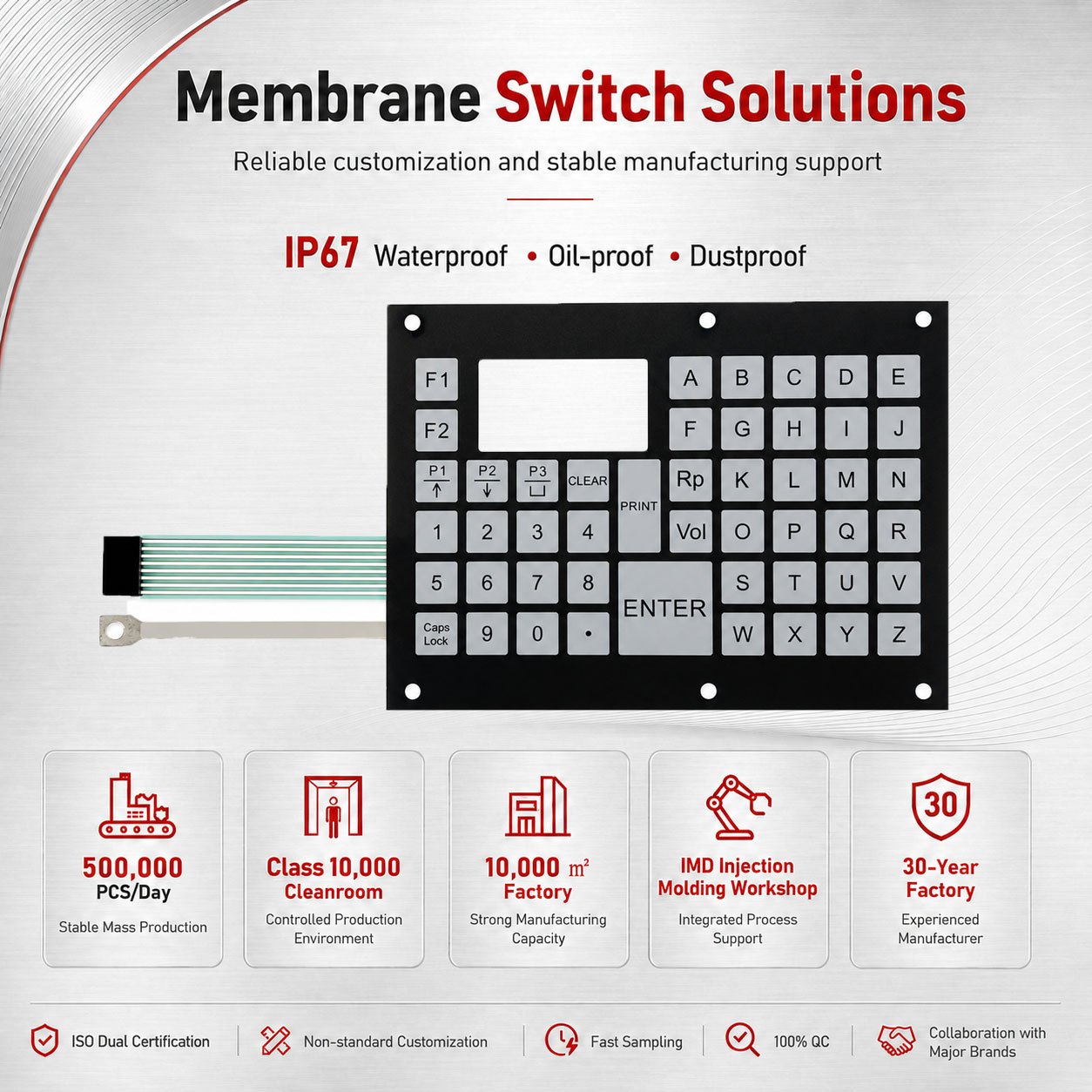
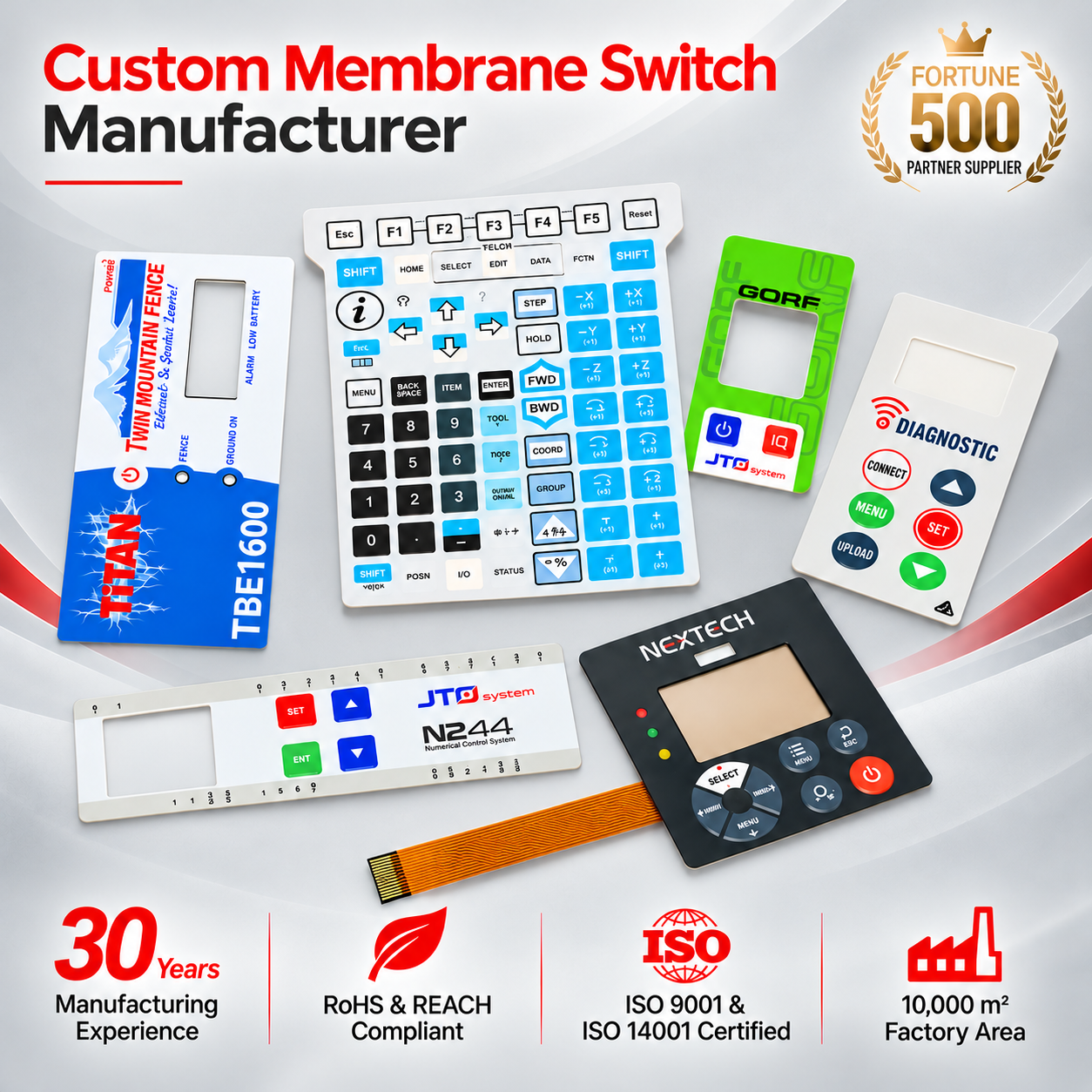
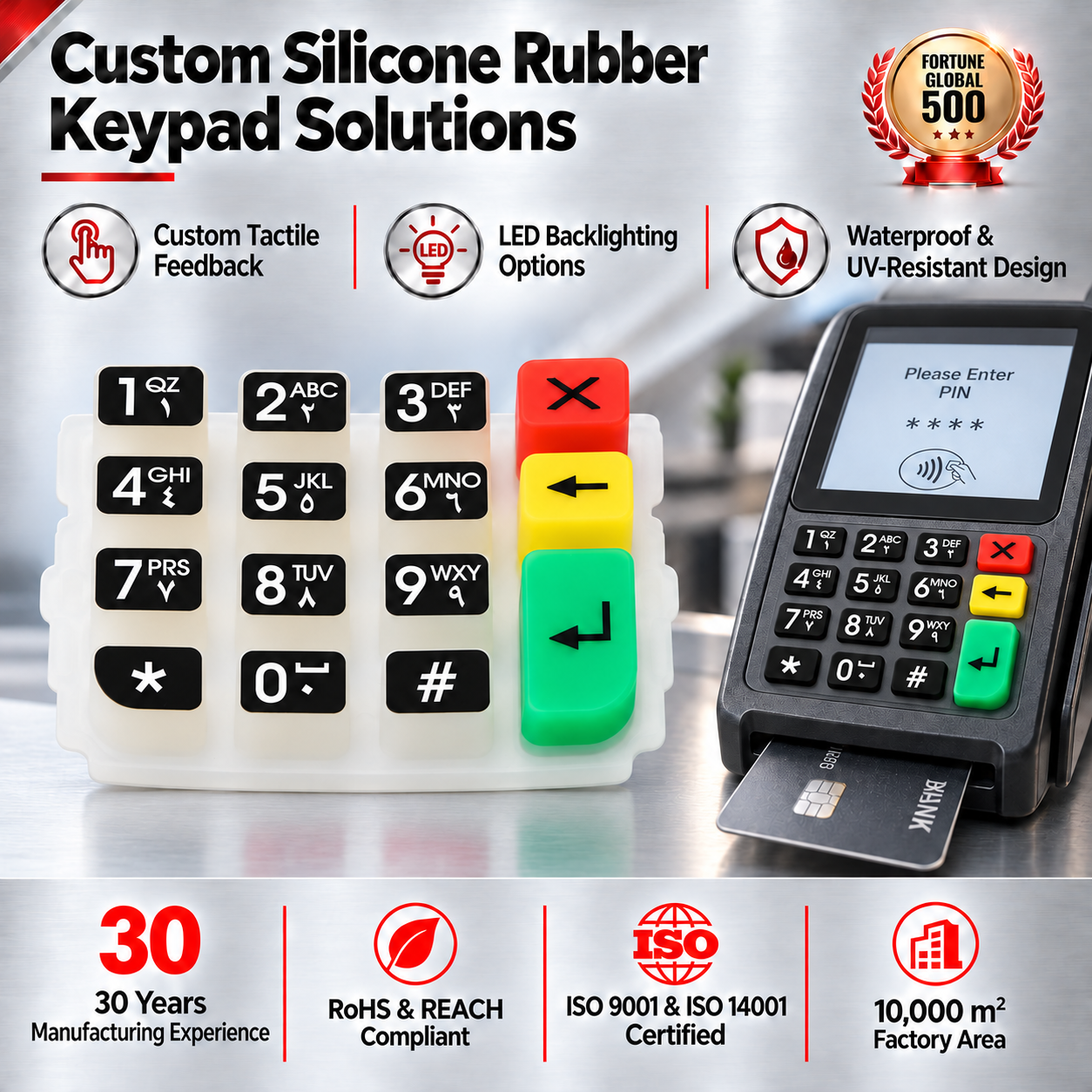
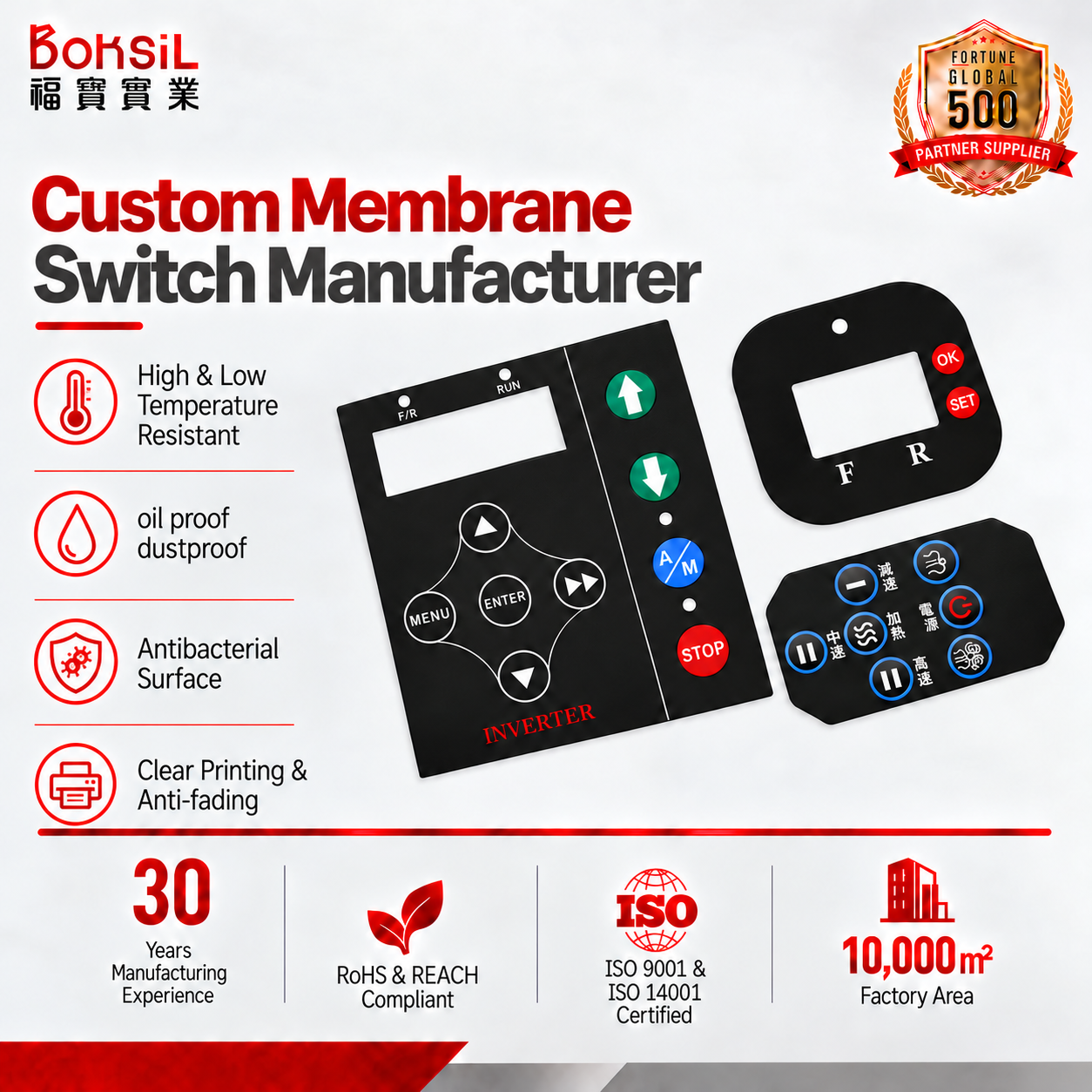
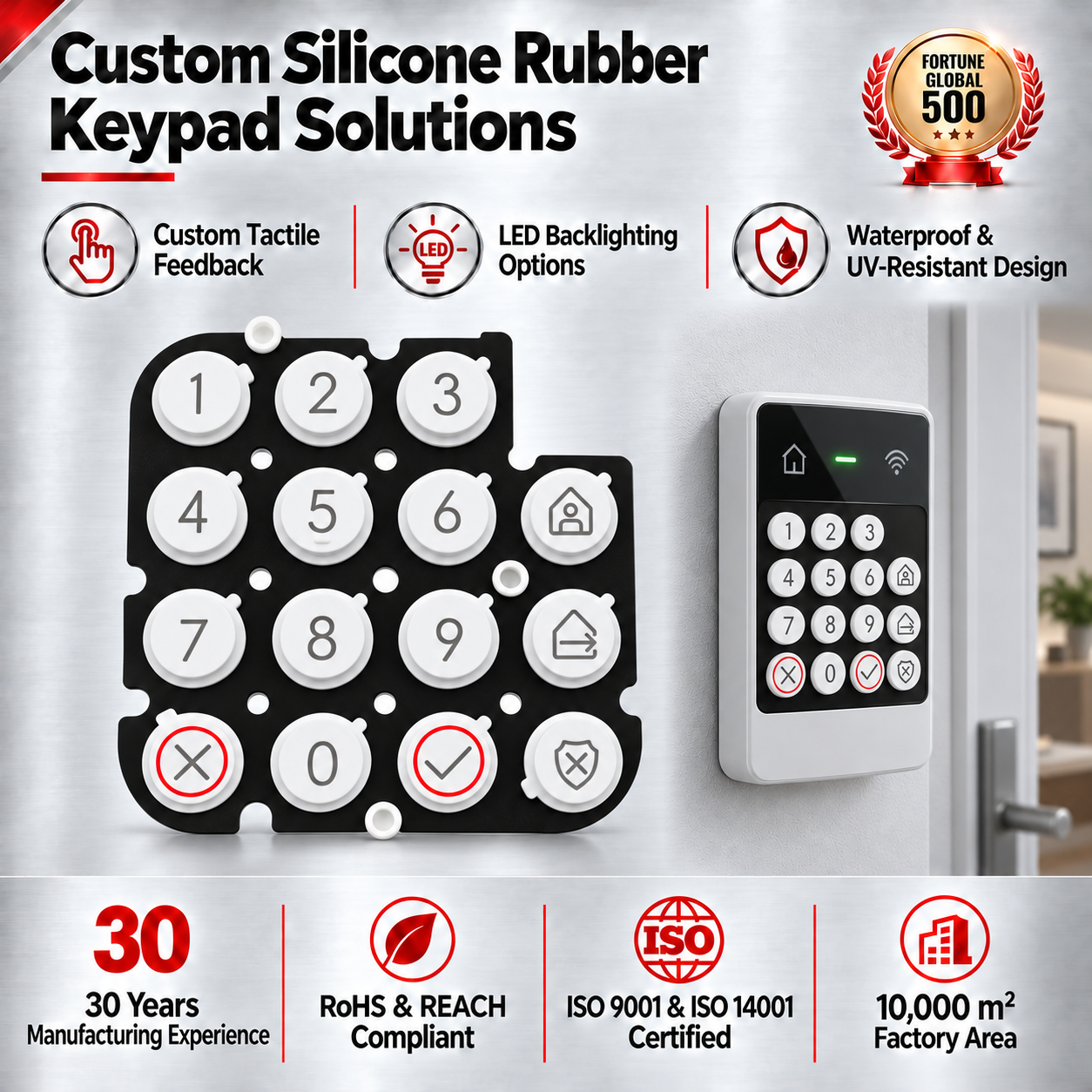
Solid-State Capacitive Touch Button Technology: Principles, Layer Stack-Ups & Marine Reliability
A deep-dive technical analysis of Projected Capacitance (PCAP) sensing electrodes, dielectric overlay substrates, and parasitic interference attenuation for Caribbean island environments.
In modern industrial, commercial, and marine human-machine interfaces (HMI), mechanical switch contacts represent the single most common point of field failure. In seaside and tropical urban centers such as Kingstown, Saint Vincent and the Grenadines, atmospheric salt aerosol, high relative humidity (frequently exceeding 85% RH), and intense solar ultraviolet (UV) radiation drastically accelerate the oxidation of contact platings and promote moisture ingress along mechanical actuator clearances. As a premier China wholesale capacitive touch button manufacturer, Dongguan AXRU Electronics Co., Ltd. re-engineers interface reliability through solid-state capacitive sensing architecture.
Unlike electromechanical tactile switches that depend on physical deflection of metal snap domes, a capacitive touch button functions as an open-face dielectric capacitor. The sensing circuit establishes a baseline mutual or self-capacitance field ($C_0$) between micro-etched electrode geometries on a Flexible Printed Circuit (FPC) or screen-printed conductive polymer substrate. When a human finger or a conductive stylus enters the fringing electrostatic field, the body's natural dielectric permittivity introduces a parallel parasitic capacitance ($\Delta C$). The underlying controller IC measures this minute frequency displacement or charge transfer time, cross-referencing user-configured firmware thresholds to register a pristine, bounce-free actuation.
Technical Information Gain: AXRU’s capacitive touch button matrices deploy dynamic environmental tracking firmware routines that continuously calibrate against baseline drift caused by high-humidity condensates, temperature deltas (from 20°C to 40°C in Kingstown's marine microclimate), and superficial moisture films. This eliminates false actuations without requiring mechanical depression.
Our manufacturing protocols leverage advanced materials, including DuPont/Henkel electronic-grade conductive silver pastes, optical-grade polymethyl methacrylate (PMMA / acrylic), chemically strengthened Corning Gorilla Glass or AGC Dragontrail glass, and high-tensile biaxially oriented polyethylene terephthalate (PET) films (Autotype Autotex XE). By encapsulating the conductive traces beneath an unbroken, impermeable front overlay through structural 3M 467MP, 468MP, or 300LSE acrylic adhesives, the switch panel achieves an impenetrable IP67/IP68 hermetic seal that renders the active electronics completely invulnerable to airborne chlorides, sulfurous volcanic fallout, and washdown spray.
Targeted HMI Engineering for Saint Vincent & the Grenadines Industry
Addressing the exact physical stressors and operational requirements of Kingstown's port maritime logistics, beverage processing, island microgrid infrastructures, and luxury hospitality sectors.
Kingstown Port & Commercial Marine Controls
Vessels operating across Kingstown Deepwater Harbour and the Grenadines inter-island ferry network require helm consoles, deck winch panels, and bilge pump monitors impervious to ASTM B117 salt fog corrosion. Our front-sealed capacitive glass and PMMA touch button panels feature hydrophobic coatings that shed seawater instantly, preventing false touches from heavy saltwater mist.
Rum Distilleries & Agro-Industrial Processing
From agricultural packaging plants in the St. Vincent valleys to bottling lines and rum distillery production near Kingstown, equipment operators require IP69K washdown-rated front control panels. AXRU’s capacitive touch interfaces tolerate aggressive chemical clean-in-place (CIP) washdowns, hot steam sanitization, and caustic ethanol vapors without graphical discoloration or seal breakdown.
Solar-Battery Microgrids & Utility Desalination
Saint Vincent Electricity Services (VINLEC) clean-energy installations, remote solar inverter banks, and reverse-osmosis (RO) water plants demand zero-maintenance HMIs. Capacitive solid-state buttons contain zero mechanical linkages that could fatigue in tropical heat. Coupled with UV400 inhibitors, our overlays resist solar yellowing and embrittlement for over 10 years of direct sun exposure.
Luxury Grenadines Resort & Hotel Automation
Boutique luxury resorts in Bequia, Mustique, and Canouan depend on sleek architectural touch switches for guest room environmental controls, intelligent lighting, and spa automation. AXRU manufactures dead-front reverse-printed capacitive glass plates that appear solid black or brushed metallic until touched, illuminating custom back-lit iconography with subtle LED guides.
Public Kiosks, Retail POS & Fuel Dispensers
Outdoor automated teller terminals, municipal ticketing stations, and fuel dispenser keypads throughout Kingstown are subject to high pedestrian duty cycles and attempted vandalism. Our 3mm-to-5mm tempered glass capacitive touch matrices withstand heavy ball-drop impact tests (IK08/IK10 rating) while maintaining sensitivity, operating flawlessly through gloved hands or condensation.
Medical & Diagnostic Clinic Interfaces
Kingstown hospital diagnostic monitors, portable ultrasound devices, and clinical centrifuges require perfectly planar, crevice-free surfaces that harbor zero microbial colonies. AXRU’s antimicrobial-treated polyester capacitive overlays resist hospital-grade isopropyl alcohol and bleach disinfectants, permitting rapid wipe-down sanitation between patient cycles.
HMI Actuation Technologies: Engineering Decision Matrix
Benchmarking Solid-State Capacitive Touch against Traditional Metal Dome Membrane Switches, Silicone Rubber Elastomers, and Mechanical Pushbuttons for Tropical Coastal Service.
| Evaluation Parameter | AXRU Capacitive Touch Button | Tactile Metal Dome Membrane | Silicone Rubber Keypad | Mechanical Discrete Pushbutton |
|---|---|---|---|---|
| Operating Mechanism | Solid-state electrostatic field shift ($\Delta C$) | Mechanical deflection of stainless dome | Collapsing elastomer web + conductive pill | Spring-loaded mechanical contact block |
| Actuation Lifespan | Virtually Unlimited (No moving parts) | 1,000,000 to 5,000,000 cycles | 500,000 to 1,500,000 cycles | 50,000 to 200,000 cycles |
| Ingress Protection (Front) | IP68 / IP69K (Continuous solid barrier) | IP65 to IP67 (Perimeter vented / sealed) | IP64 to IP66 (With molded bezel rebate) | IP40 to IP65 (Requires rubber boot) |
| Salt-Fog & Chloride Tolerance | Immune (Sensor traces buried under glass/PET) | High (When constructed with copper FPC) | Moderate (Carbon pills may oxidize over time) | Poor (Internal brass/copper springs corrode) |
| Direct Solar UV Withstand | Excellent (UV-stabilized PMMA / Ceramic Glass) | Very Good (Autotex XE outdoor polyester) | Good (Requires UV-inhibited silicone resin) | Variable (Thermoplastic caps fade & crack) |
| Tactile Feedback Options | Haptic motor integration, audible chime, LED pulse | Crisp physical snap (180g - 450g actuation force) | Soft ergonomic tactile snap travel (0.8 - 2.5mm) | Deep mechanical travel click |
| Thickness Profile | 0.5mm (FPC sensor) to 4.0mm (Armored glass) | 0.8mm to 1.5mm total package | 3.0mm to 12.0mm profile height | 25.0mm to 60.0mm rear enclosure depth |
Evolution of HMI Procurement in Kingstown & the Windward Islands
Strategic industry shifts driving OEM engineers and municipal systems integrators across Saint Vincent toward custom capacitive touch integration.
1. Accelerating Deprecation of Mechanical Contact Hardware
Kingstown's hardware maintenance records in maritime shipping and solar energy infrastructure show high maintenance expenses tied directly to mechanical microswitch failures. The Caribbean salt-air environment acts as an aggressive electrolyte, generating contact galvanic pitting and high electrical resistance within months of field service. Engineering procurement is shifting decisively toward sealed solid-state capacitive surfaces that permanently decouple the actuation mechanism from the ambient atmosphere.
2. Integration of Light Guide Film (LGF) & Dead-Front Aesthetics
Commercial clients in the Grenadines hospitality and yacht charter sectors increasingly demand high-end minimalist aesthetics. Through ultra-thin Light Guide Films (LGF) and precision selective dead-front printing, AXRU produces capacitive touch panels whose icons remain invisible until the system awakens or detects proximity. This delivers a uniform, high-contrast illumination that consumes negligible DC power—vital for off-grid solar-powered island installations.
3. Direct FPC-to-Board Controller Integration (I2C / UART / RS-485)
Rather than purchasing discrete touch keys requiring complex multiplexed wiring harnesses, Kingstown OEMs are adopting smart capacitive touch button modules. AXRU bonds specialized Cypress, Microchip, or Azoteq capacitive touch controller chips directly onto the extended Flexible Printed Circuit (FPC) tail via Chip-on-Flex (COF) technology, exporting clean digital I2C, SPI, or RS-485 Modbus signals directly to the master PLC or microcontroller.
Dongguan AXRU Electronics: Vertically Integrated China Manufacturing
Operating a 10,000㎡ production facility with 121 technicians in Dongguan, China—the world center for advanced electronics hardware. Every capacitive touch switch is manufactured in-house without core process outsourcing.
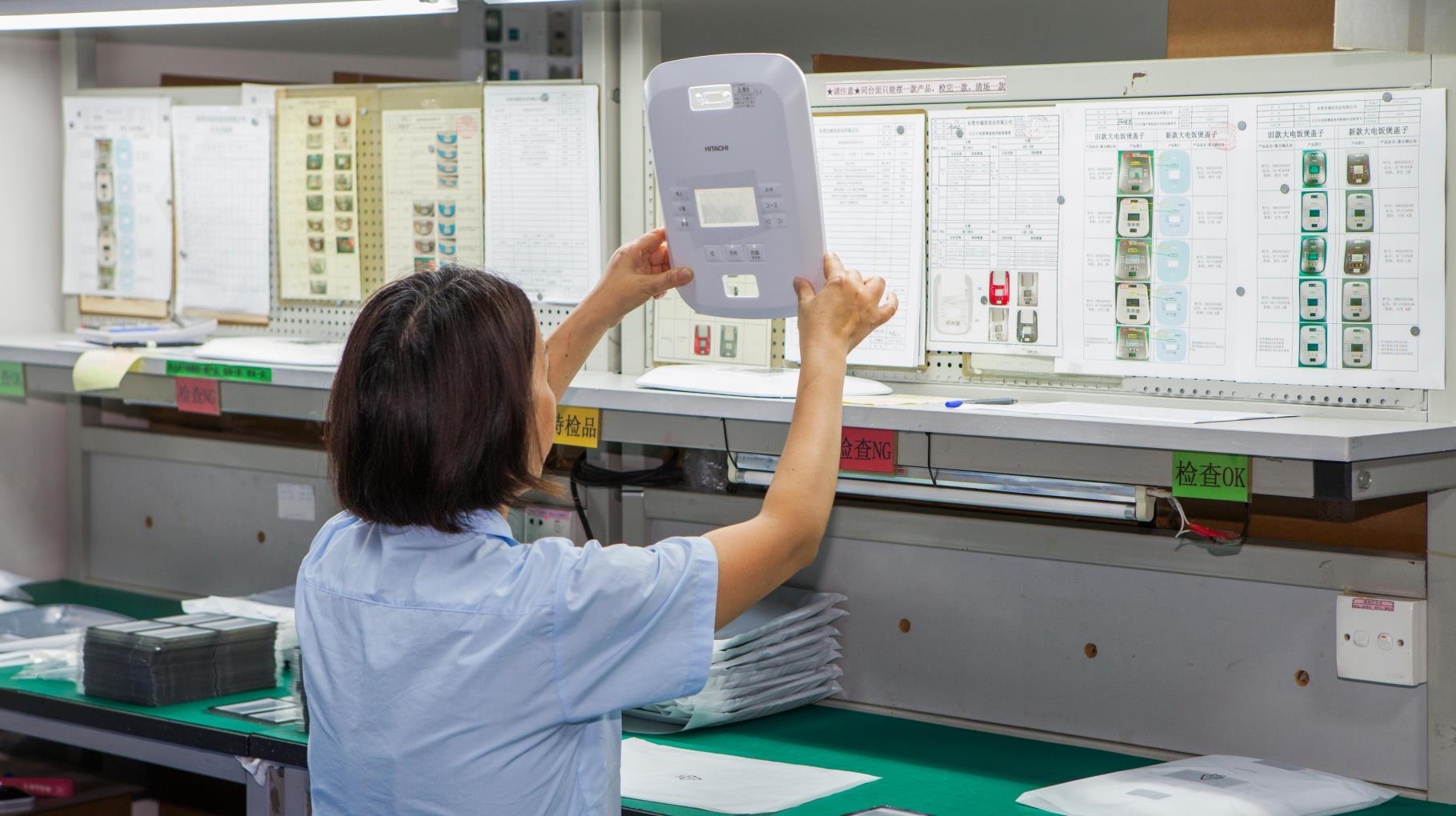
100% Automated Electrical Inspection
Every single capacitive touch key, LED channel, and FPC conductor track undergoes computer-controlled parameter testing before packing, guaranteeing zero open/short defects.
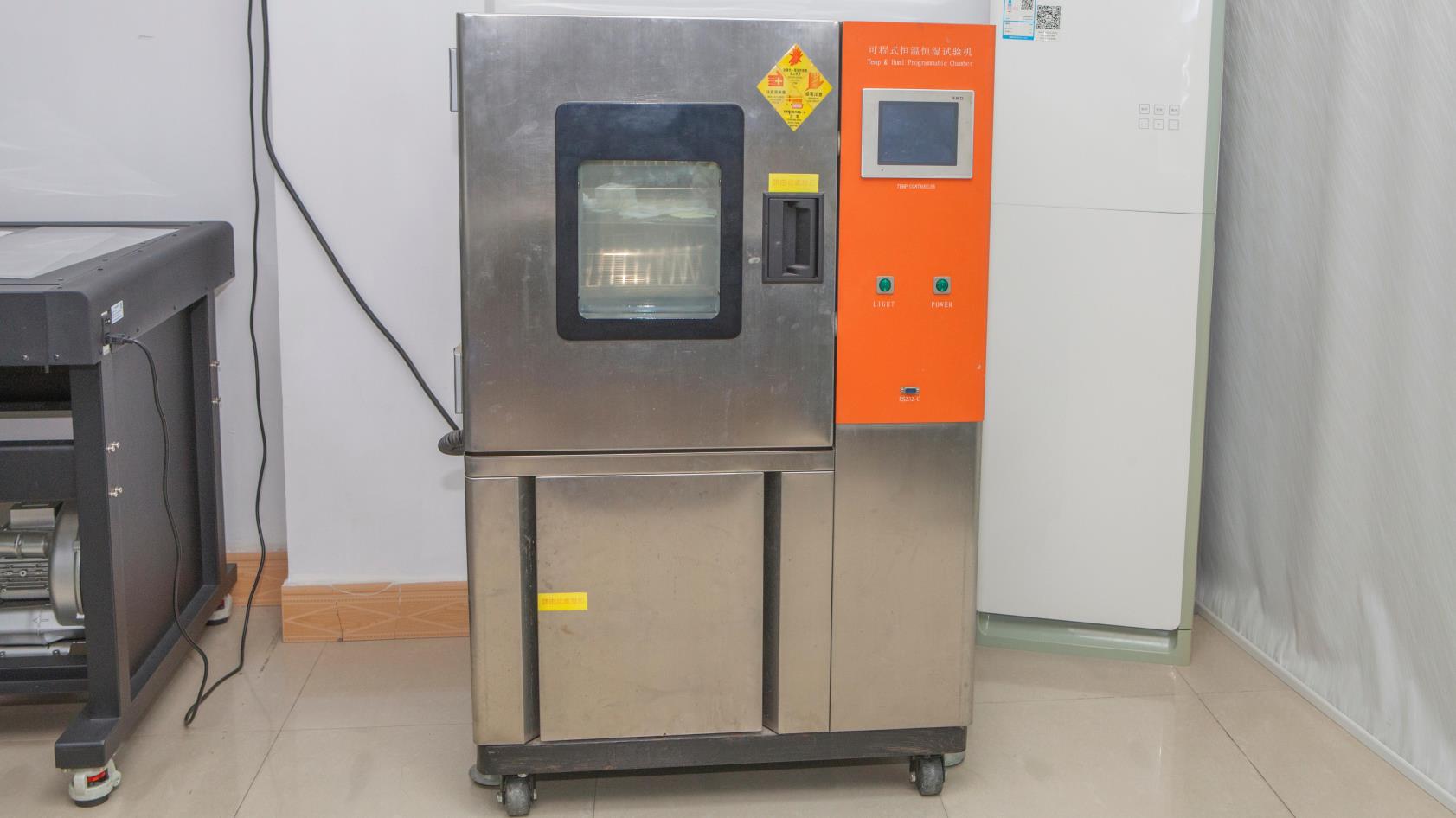
Programmable Climate Chamber Testing
Simulating extreme tropical weathering: panels undergo accelerated temperature (-40°C to +85°C) and 95% RH thermal-shock cycles to ensure adhesives never delaminate in Kingstown.
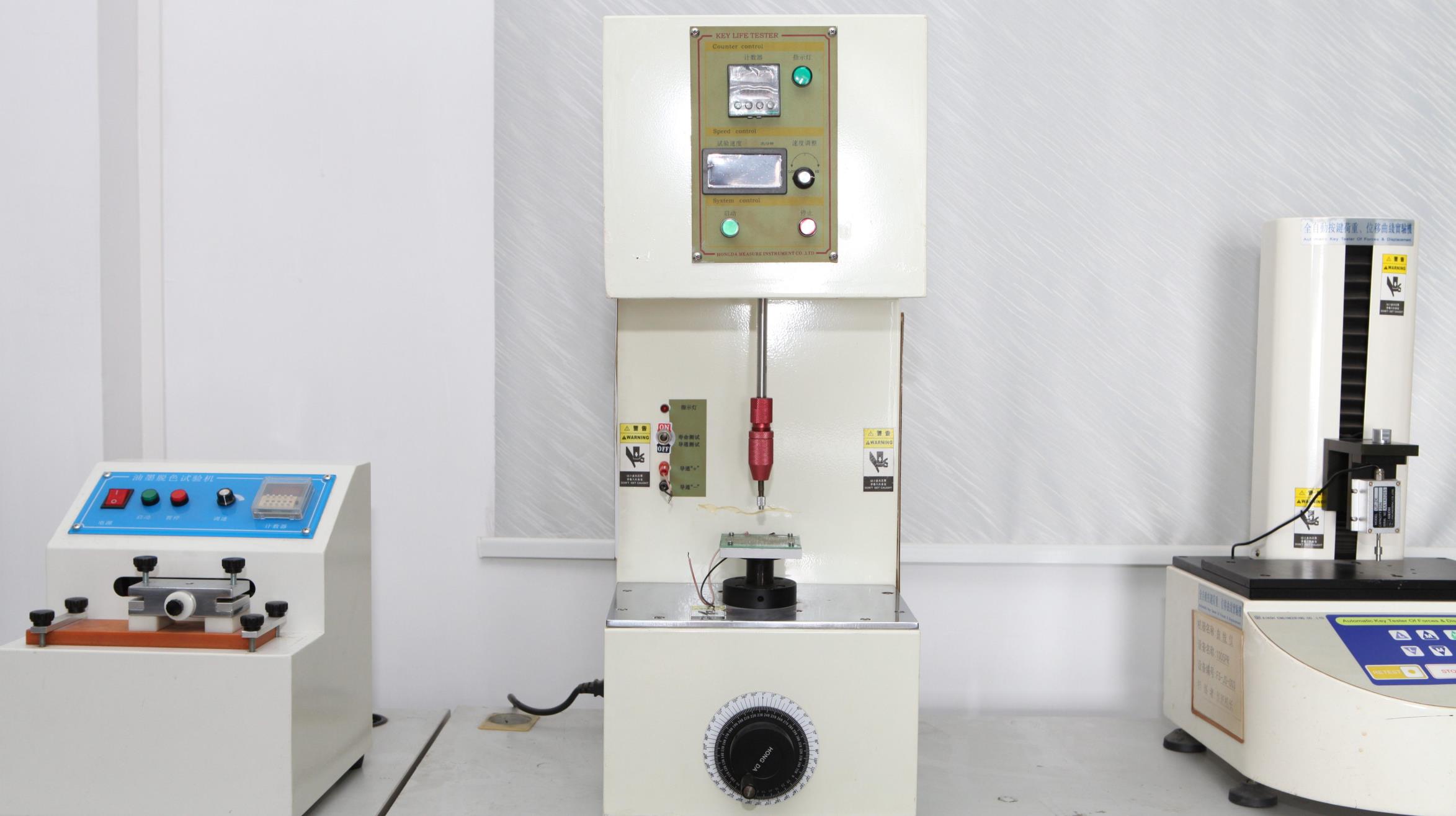
Key Actuation & Abrasion Reliability Lab
Routinely subjecting overlay inks, hard coats, and capacitive touch sensors to automated multi-million stroke cycles, RCA abrasion testers, and chemical solvent rubs.
Audited Quality Credentials & Verified Supplier Status
 ISO 9001 Quality System Standard
 Intertek On-Site Facility Verification
 RoHS & REACH Compliance Certified
Frequently Asked Questions: Kingstown B2B Procurement
Addressing common logistical, engineering, and manufacturing inquiries from procurement managers and engineers in Saint Vincent and the Grenadines.
Can AXRU ship custom capacitive touch button assemblies directly to Kingstown, Saint Vincent?
Yes. We frequently supply custom HMI panels, capacitive touch assemblies, and membrane switches to customers across the Caribbean basin. For rapid prototype delivery and expedited production lots, we ship air freight via DHL, FedEx, or UPS directly to Argyle International Airport (SVD) with transit times typically ranging between 4 to 7 business days. For high-volume sea cargo consignments, shipments are routed via consolidated container services landing at the Port of Kingstown. Our documentation team prepares complete commercial invoices, packing lists with detailed HS codes (typically 8537.10 or 8538.90), and Certificates of Origin to streamline clearance through the Saint Vincent and the Grenadines Customs and Excise Department.
How do your capacitive buttons prevent false triggering caused by sea spray, rain, or condensation?
False triggering in maritime environments is prevented via a dual hardware and firmware engineering strategy. On the hardware level, we apply hydrophobic anti-smudge / anti-liquid coatings to the glass or polyester front fascia, forcing standing water to bead up with contact angles exceeding 110°. On the circuit level, our electrode design utilizes driven shield electrodes surrounding every active touch key. In firmware, our controllers implement differential charge sensing: a uniform film of water alters capacitance across both the active sensor and the shield equally, causing the logic to cancel the common-mode shift. A deliberate touch by a localized human finger changes only the targeted key matrix, ensuring zero false triggers even during heavy downpours or thick condensation.
What engineering design files are required to initiate a capacitive touch switch quote?
To provide an accurate technical quote and Design for Manufacturability (DFM) assessment within 24 hours, our engineering department requests:
- Mechanical Enclosure / Cutout Drawing: 2D DXF/DWG or 3D STEP/IGES files detailing outline dimensions, window apertures, mounting studs, and tail exit position.
- Graphic Artwork: Adobe Illustrator (.AI), CorelDraw (.CDR), or Vector PDF with defined Pantone (PMS) or RAL color references and text typography.
- Electrical Schematics: Circuit matrix pinout, connector pitch (e.g., 1.0mm, 2.54mm ZIF/FCI), required LED polarities, or controller protocol requirements (I2C/UART/SPI).
- Operating Conditions: Environmental parameters such as temperature exposure, UV direct sun requirement, or chemical contact expectations.
If you only possess an existing failed mechanical switch from a field machine, you may courier the physical sample to our Dongguan lab for full reverse-engineering.
What is the Minimum Order Quantity (MOQ) for custom capacitive button assemblies?
Understanding that specialized industrial, marine, and medical systems in Saint Vincent often operate on regional production volumes, our standard production MOQ starts at just 100 pieces. For new product development (NPD) projects, we support engineering verification with rapid prototype builds ranging from 5 to 10 sample units. Our fast sample-making machinery and digital flatbed cutting plots eliminate hard tooling costs during initial verification cycles, allowing your team to test tactile feel, lighting uniformity, and firmware calibration before committing to mass production.
Can the capacitive touch buttons operate when technicians are wearing thick industrial or latex gloves?
Yes. Gloves introduce an additional dielectric insulation layer that attenuates the capacitive coupling between the finger and the electrode trace. By carefully configuring the sensor electrode geometry (increasing active surface area) and adjusting the controller's analog front-end (AFE) sensitivity gain and integration cycles, we calibrate the system to register clear signal-to-noise ratios (SNR > 5:1) through nitrile, latex, neoprene, and heavy leather work gloves commonly used in industrial bottling plants and marine workshops.
How does AXRU ensure the front graphic overlay will not yellow or delaminate under Caribbean sun?
Substandard overlays manufactured with standard PVC or interior-grade polycarbonates rapidly experience polymer chain scission when exposed to the intense solar ultraviolet flux of the Caribbean (UV index regularly exceeding 11). AXRU specifies specialized outdoor-grade substrates, primarily Autotype Autotex XE or UV-stabilized optical PMMA/chemically strengthened glass. All graphic symbols are second-surface screen printed (reverse printed on the interior side), ensuring the inks are physically shielded from surface abrasion, rain, and direct atmospheric exposure. We test our films in in-house accelerated UV aging chambers to verify resistance to yellowing (delta E < 2.0 after 1,000 hours of continuous UV-A radiation).
What is the standard production lead time from drawing sign-off to shipment?
Upon formal sign-off of our engineering DFM drawing and artwork proof: prototype engineering samples are produced and dispatched within 7 to 10 business days. Following sample approval, mass production orders of 100 to 5,000 units are completed in 12 to 18 business days. Repeat re-orders with zero design changes can be expedited through our raw material buffer program, delivering production lots in as few as 7 business days.