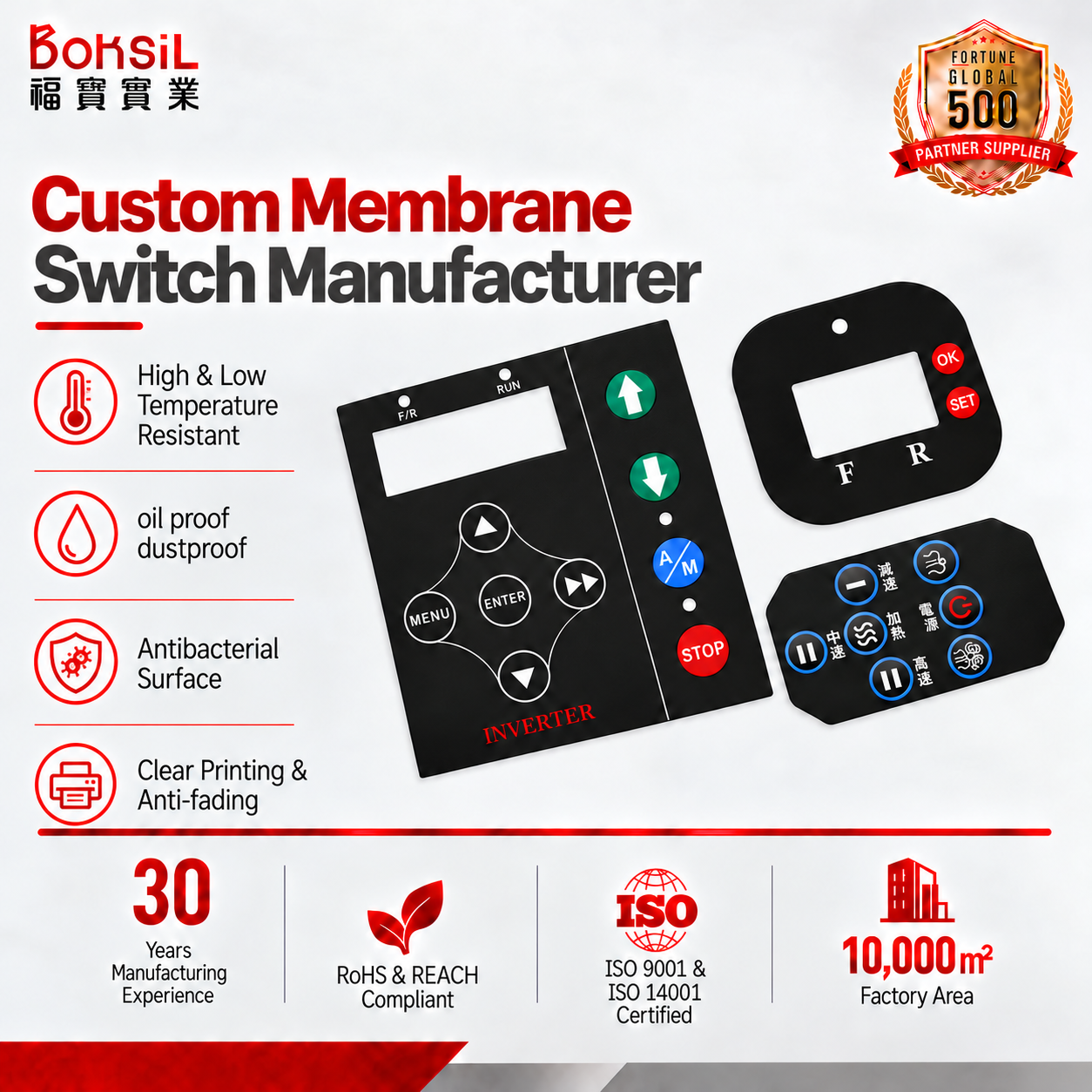
OEM/ODM Factory Front Control Electronic Panel Polycarbonate Membrane Switch Graphic Overlay
- Substrate: Lexan™ Polycarbonate (PC)
- Tactile Feedback: Stainless Steel Dome
- Trace Resistance: < 1.0 Ω/cm Conductive Silver
Direct OEM/ODM Tier-1 Human-Machine Interface (HMI) Engineering, DFM Precision Prototyping, and ISO-Certified Volume Production Tailored for Silicon Valley's High-Tech Ecosystem.
From rapid NPI sampling in Dongguan to fast-track freight arriving at San Jose International (SJC), we bridge complex industrial design with cost-effective, military-grade thin-film fabrication.
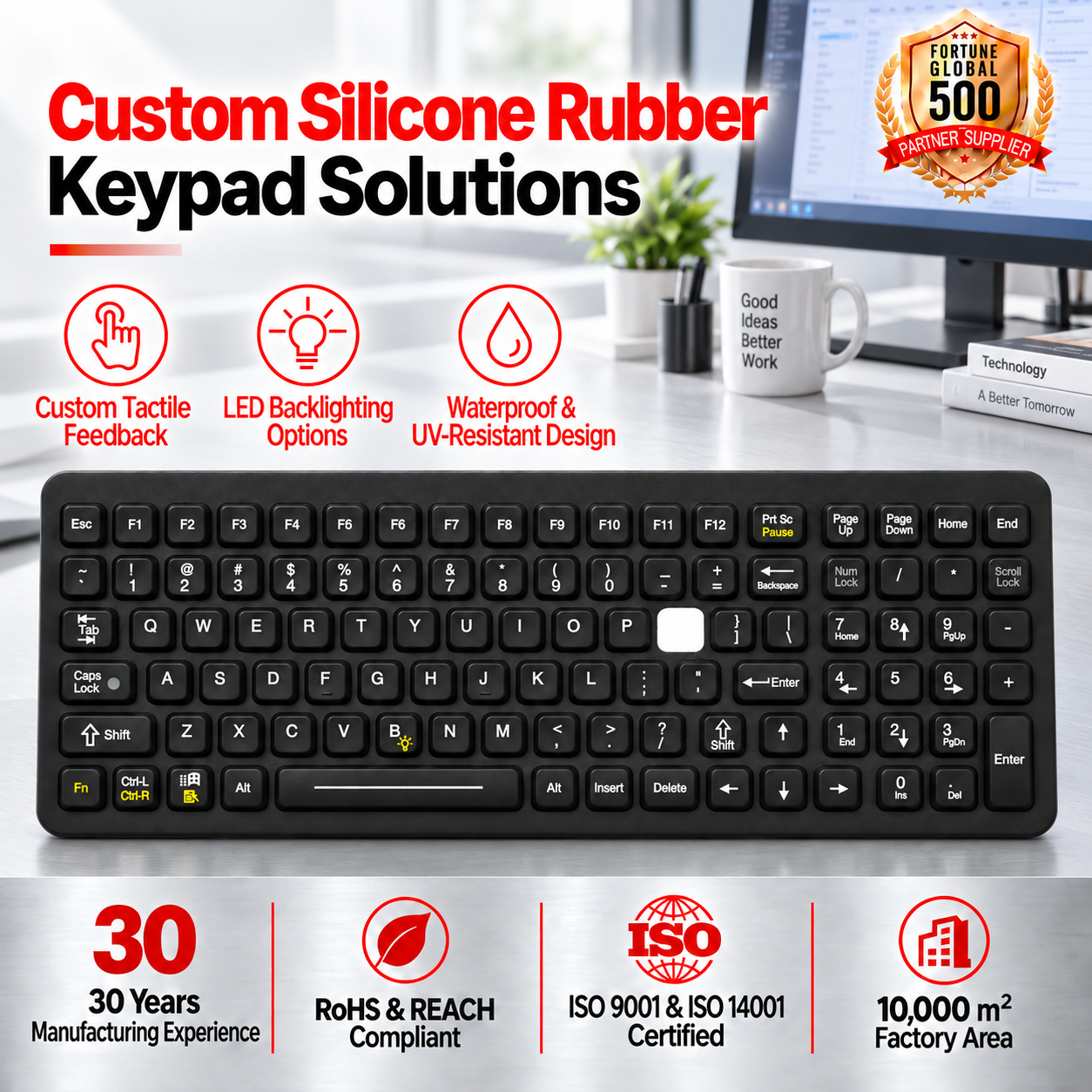
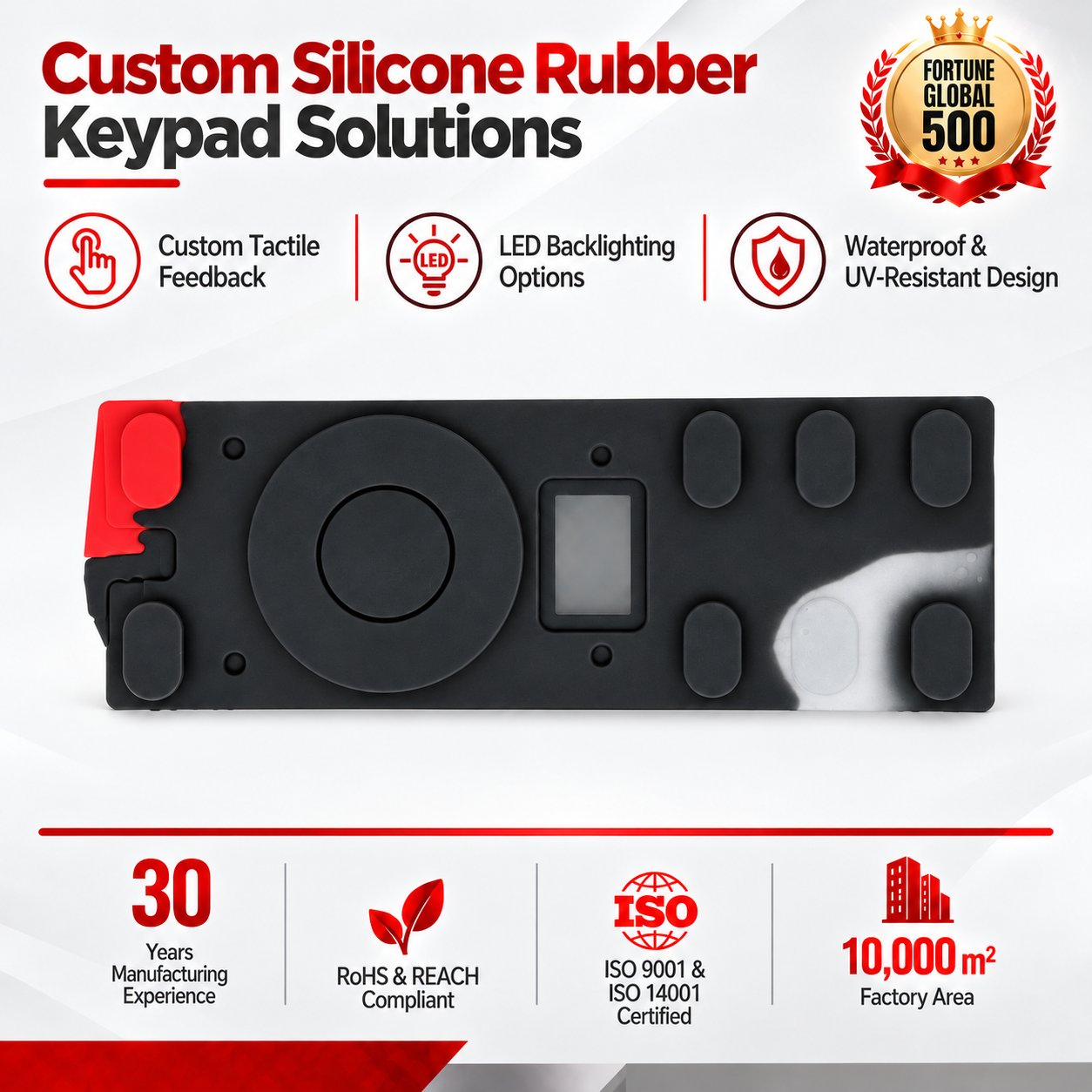
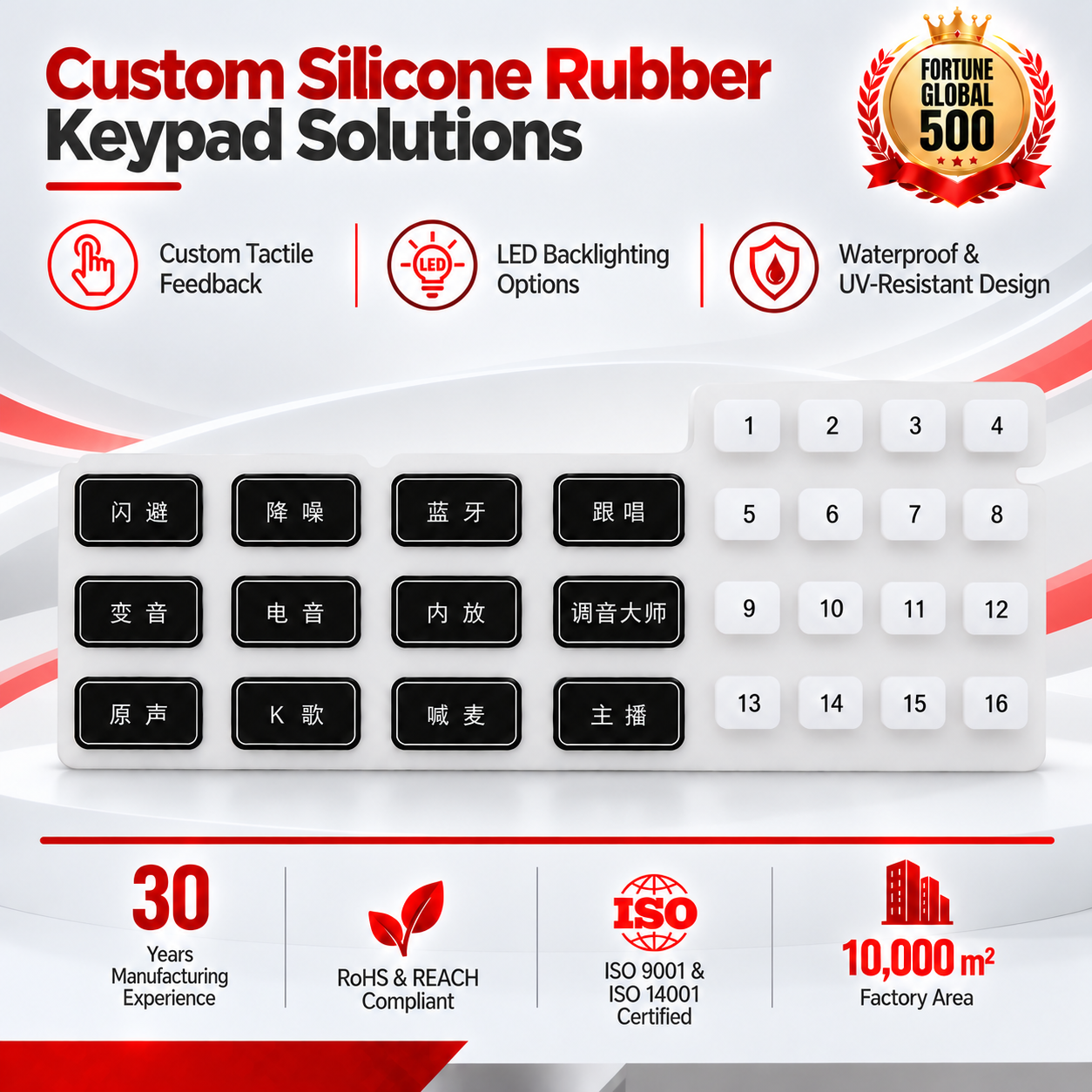
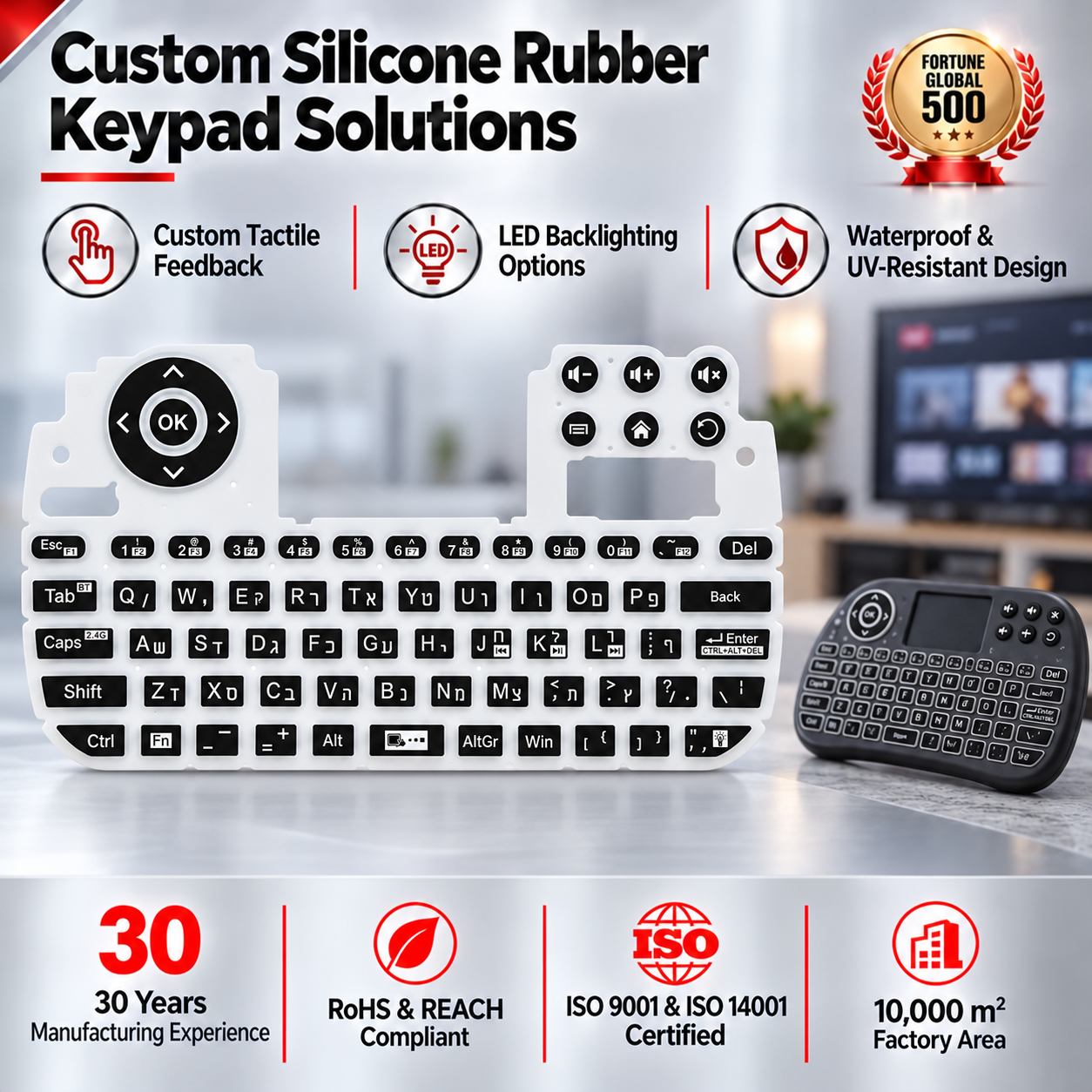
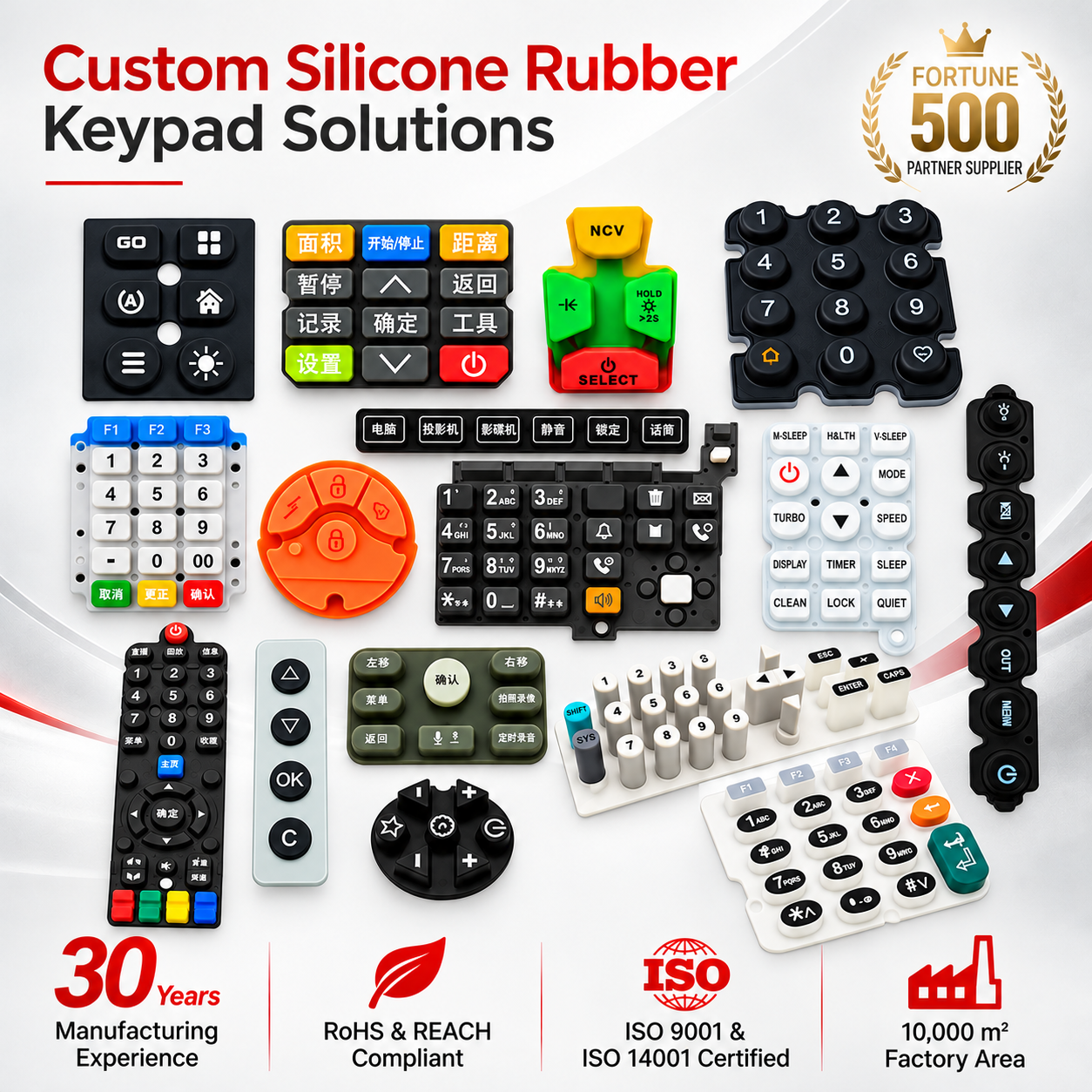
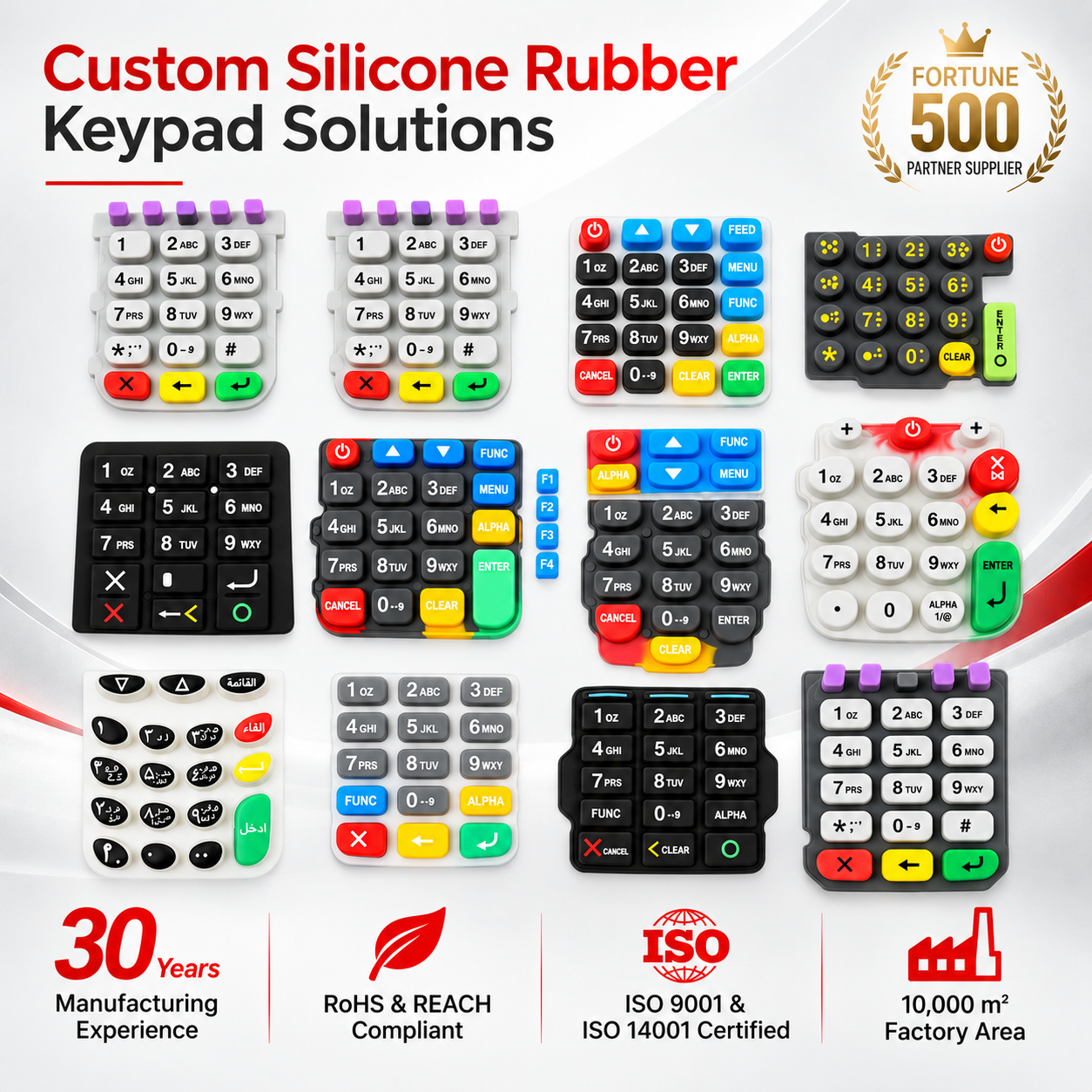
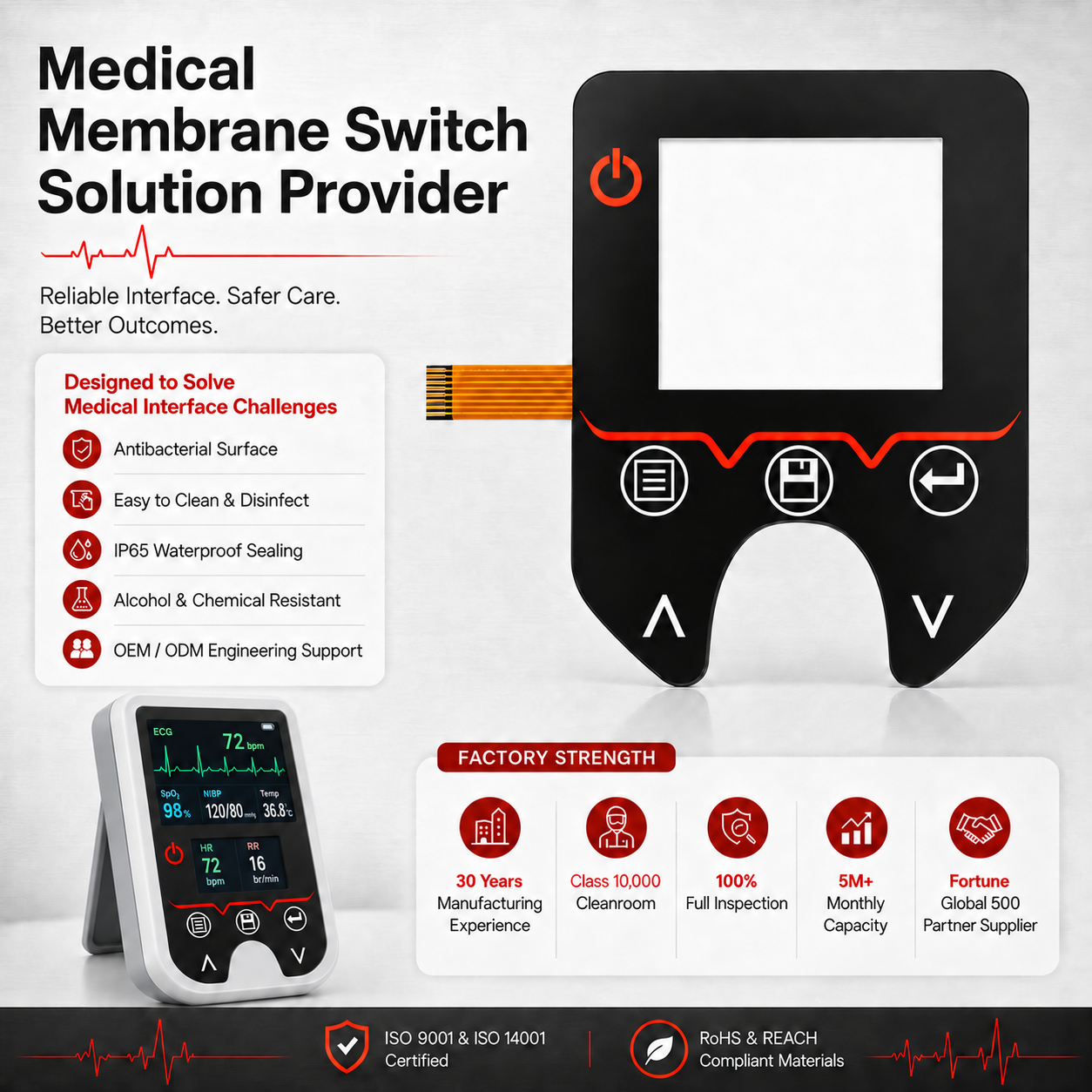
How advanced polymer formulations, cross-linked conductive silver inks, and mechanical snap-dome dynamics determine long-term switch survival in Silicon Valley's ruggedized and sterile deployments.
In modern electronic product design, human-machine interface (HMI) modules are often the most physically abused components of a complete sub-assembly. For hardware innovators operating across the Santa Clara Valley—ranging from med-tech robotics designers in North San Jose to industrial automation integrators in Sunnyvale—specifying printed membrane switches demands an uncompromising balance between tactile precision, hermetic sealing, and micro-ohmic circuit reliability.
A high-performance printed membrane switch consists of an multi-layer engineered laminate. The journey begins with the graphic overlay. We employ high-performance, bi-axially oriented heat-stabilized polyester (PET) films, such as Autotex® XE or Toray Lumirror™, as well as optical-grade polycarbonate (Lexan 8010). Polycarbonate yields exceptional clarity and structural rigidity for thermoformed dead-front displays, while polyester features flex fatigue resistance up to 5 million actuations without micro-fissuring, combined with imperviousness to harsh chemicals such as isopropyl alcohol, hydraulic fluids, and MEK cleansers.
Tactile feedback is vital in critical environments where tactile confirmation is legally mandated or functionally indispensable, such as surgical suites or avionics control consoles. We implement precision-formed SUS301 and SUS304 stainless steel domes (ranging from 6mm to 20mm in diameter, with actuation forces between 180g and 500g). These domes are nickel-plated or gold-flashed to guarantee ultra-low contact resistance (<0.5 Ω) and to prevent oxidation. For applications requiring near-silent operation with back-illuminated arrays, our integrated light guide film (LGF) modules direct optical flux seamlessly across the keypad surface using side-firing 0603 SMD LEDs, eradicating hotspots while preserving crisp dome travel (snap ratio ≥ 45%).
| Substrate Technology | Flex Endurance Cycle | Chemical / Solvent Resistance | Circuit Trace Density | Optimum San Jose Application Profile |
|---|---|---|---|---|
| Silver-Printed Heat-Stabilized PET | > 3,000,000 cycles | Excellent (Automotive, IPA, Bleach) | Pitch down to 1.0mm | Class II Medical Diagnostic Units, EV Supply Equipment (EVSE) |
| Flexible Copper Printed Circuit (FPC) | > 10,000,000 cycles | Immune to migration; Hermetic | High-Density (0.5mm pitch ZIF) | Robotic Arms, Defense & Aerospace Handheld Diagnostics |
| Silicone Rubber Elastomer Web Keypad | > 1,000,000 cycles | High Thermal Shock Range (-40°C~200°C) | Requires Rigid PCB or PET underlay | Outdoor Fleet Telecom, Agricultural & Autonomous Vehicle Cabs |
| Capacitive Touch Acrylic / Tempered Glass | Infinite (Solid-State) | Maximum (Cleanroom wipedown safe) | Direct Indium Tin Oxide (ITO) or Ag Mesh | Sterile Laboratory Automations, Smart Building Management Panels |
From South Bay hardware startups to established multi-national R&D campuses, we empower hardware engineering teams to overcome environmental challenges.
San Jose and adjacent Silicon Valley life-science corridors rely on our hermetically sealed IP67 membrane panels. Featuring anti-microbial hardcoats (polyester overlaid with microbicidal additive films), our assemblies withstand continuous wipedowns with hospital-grade glutaraldehyde and quaternary ammonium without optical clouding or mechanical delamination.
North San Jose cleanroom equipment requires switches that eliminate static risks. We integrate sub-surface transparent ITO (Indium Tin Oxide) or printed silver mesh ESD shielding planes rated up to 15kV static discharge, preventing electro-static transfer into sensitive internal microcontrollers during 24/7 wafer track operation.
Silicon Valley's massive green transport ecosystem demands user interfaces designed for extreme outdoor conditions. Our UV-stabilized outdoor overlays prevent yellowing, crazing, and adhesive breakdown under blistering South Bay summer sunlight and winter rainy seasons, providing guaranteed NEMA 4X compliance.
How edge-computing hardware, IoT miniaturization, and rapid iteration are transforming HMI component procurement.
The manufacturing demands of the San Jose technology sector have shifted fundamentally. Hardware builders are no longer satisfied with standard off-the-shelf control buttons. Instead, modern industrial design across the San Francisco Bay Area demands "Smart Surfaces"—sub-assemblies that consolidate capacitive multi-touch arrays, tactile physical overrides, dynamic backlighting, and integrated embedded microprocessors into a monolithic profile often thinner than 1.5mm.
Three primary engineering vectors are shaping this adoption:
A world-class 10,000㎡ manufacturing campus in Dongguan, verified on-site by Intertek, built specifically for high-mix, mission-critical OEM accounts.
Unlike trading brokers or fragmented subcontracting shops, every process—from high-definition CCD camera screen printing to precision metal-dome picking and FPC reflow soldering—is managed within our continuous, vertically integrated facility in Dongguan, China.
Every single custom membrane switch is subjected to 100% automated electrical testing, measuring trace continuity, short detection, dielectric insulation integrity (>100MΩ at 100V DC), and contact bounce times, backed by traceable batch QC certificates.
Our facility hosts high-precision automated force-displacement graph plotters, pneumatic key life cycling testers (>5M actuations), UV aging and yellowing chambers, taber abrasion testers, and constant temperature-humidity testing vaults (-40°C to +150°C).
Everything you need to know about engineering requirements, export compliance, turnaround times, and local fulfillment logistics.
Connect immediately with our senior HMI application engineers in Dongguan. Whether you are validating a concept, solving field failures from an existing supplier, or scaling up to 100,000 units, we provide precision turnaround, competitive factory-direct pricing, and complete technical support.
Get a Quote