Standard & Custom Capacitive Touch & Membrane Assemblies
Engineered for high sensitivity, zero mechanical hysteresis, and high moisture resistance. Explore our benchmark HMI modules developed for international machinery, medical monitors, and industrial field interfaces.
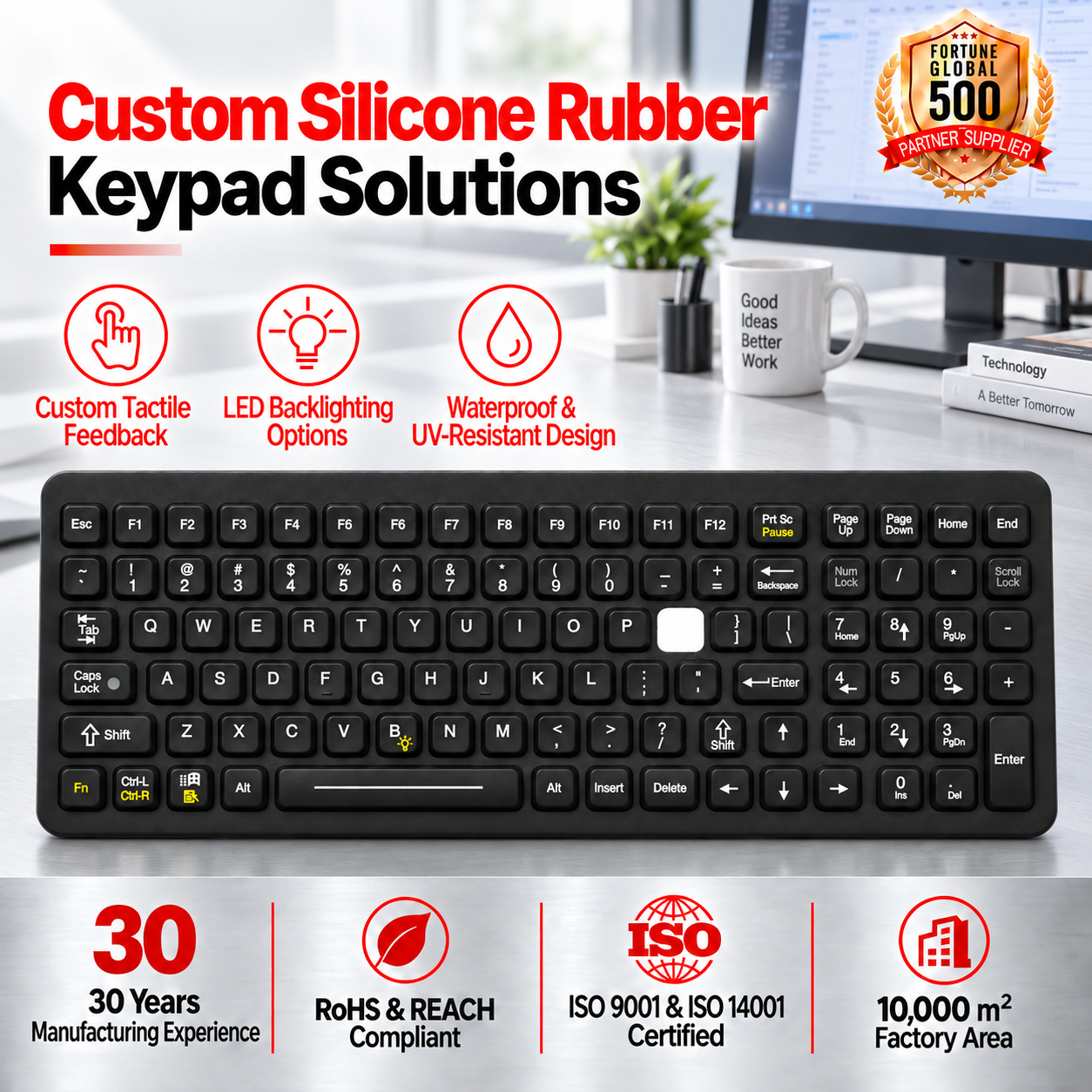
Industrial Silicone Rubber Conductive Keypad Panel
- Substrate: Medical-grade Silicone
- Conductivity: Carbon pill <100Ω
- Durability: >1,000,000 Cycles
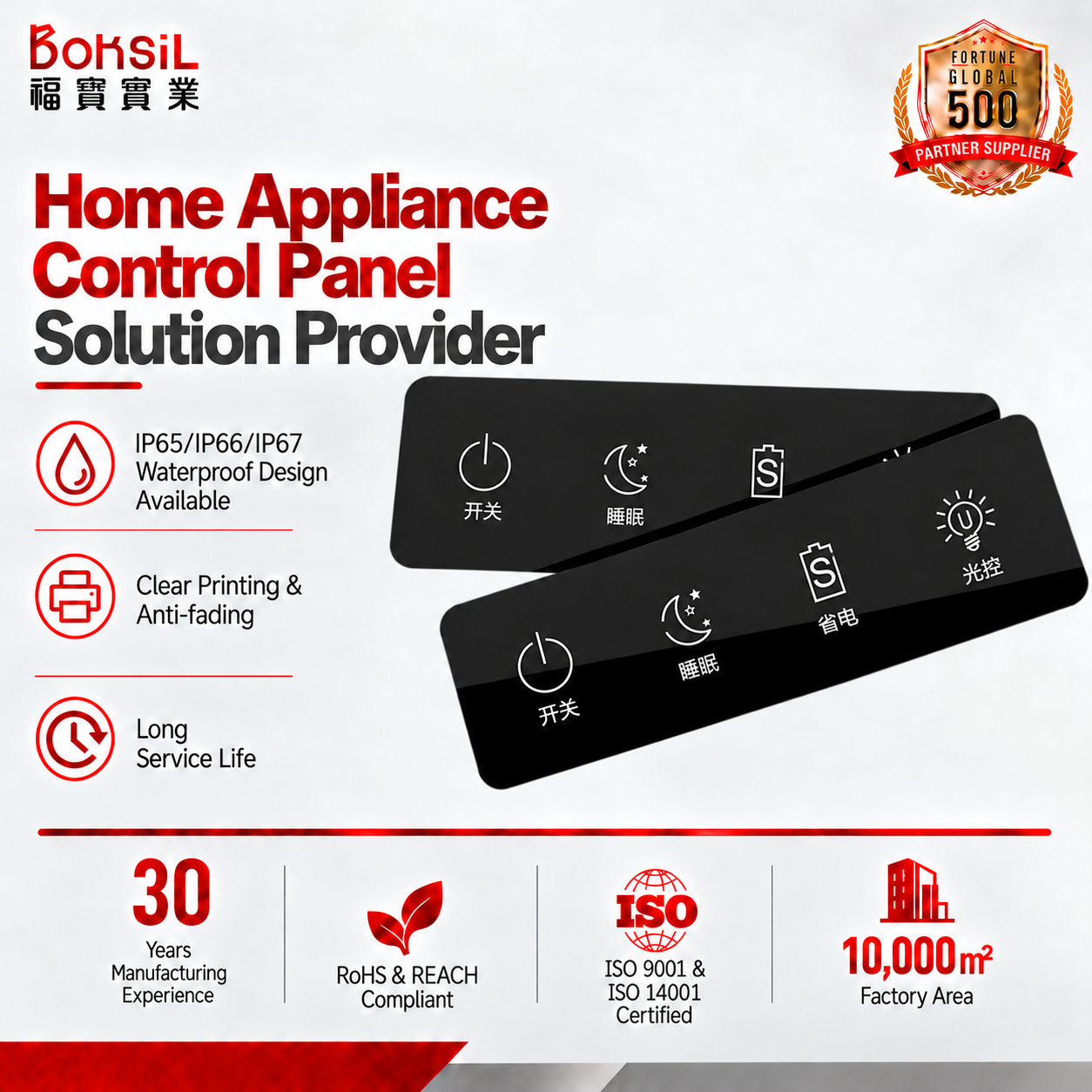
Factory Direct Custom Silk Screen PMMA Front Overlay
- Material: Hard-Coated Acrylic (PMMA)
- Surface Hardness: ≥3H - 6H Pencil Hardness
- Optics: Translucent / Anti-Glare
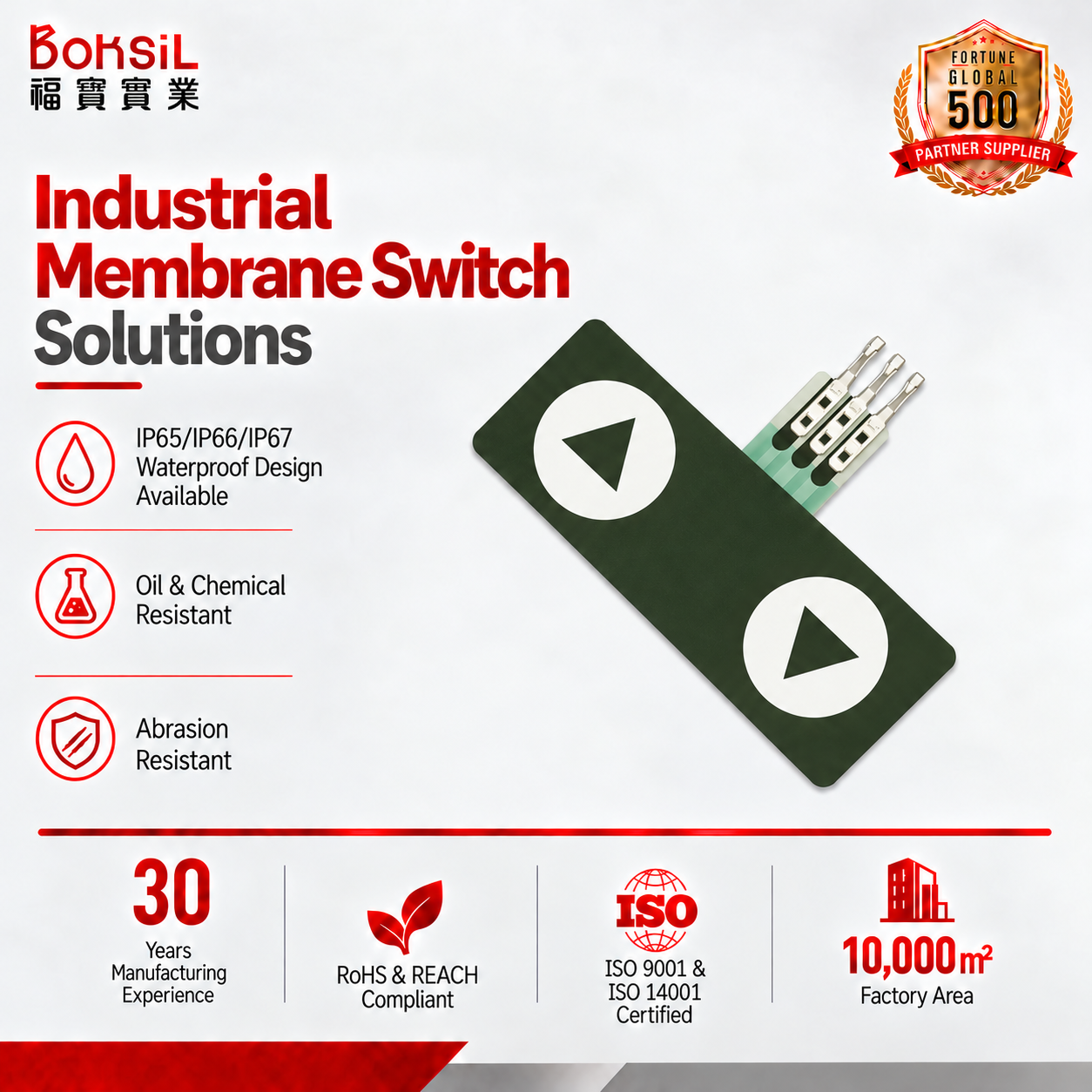
2-Button Membrane Switch with Copper FPC Circuitry
- Trace Pitch: 0.5mm / 1.0mm FPC Pinout
- Contact Resistance: <1Ω Low Impedance
- Sealing Grade: Perimeter NEMA 4X / IP65
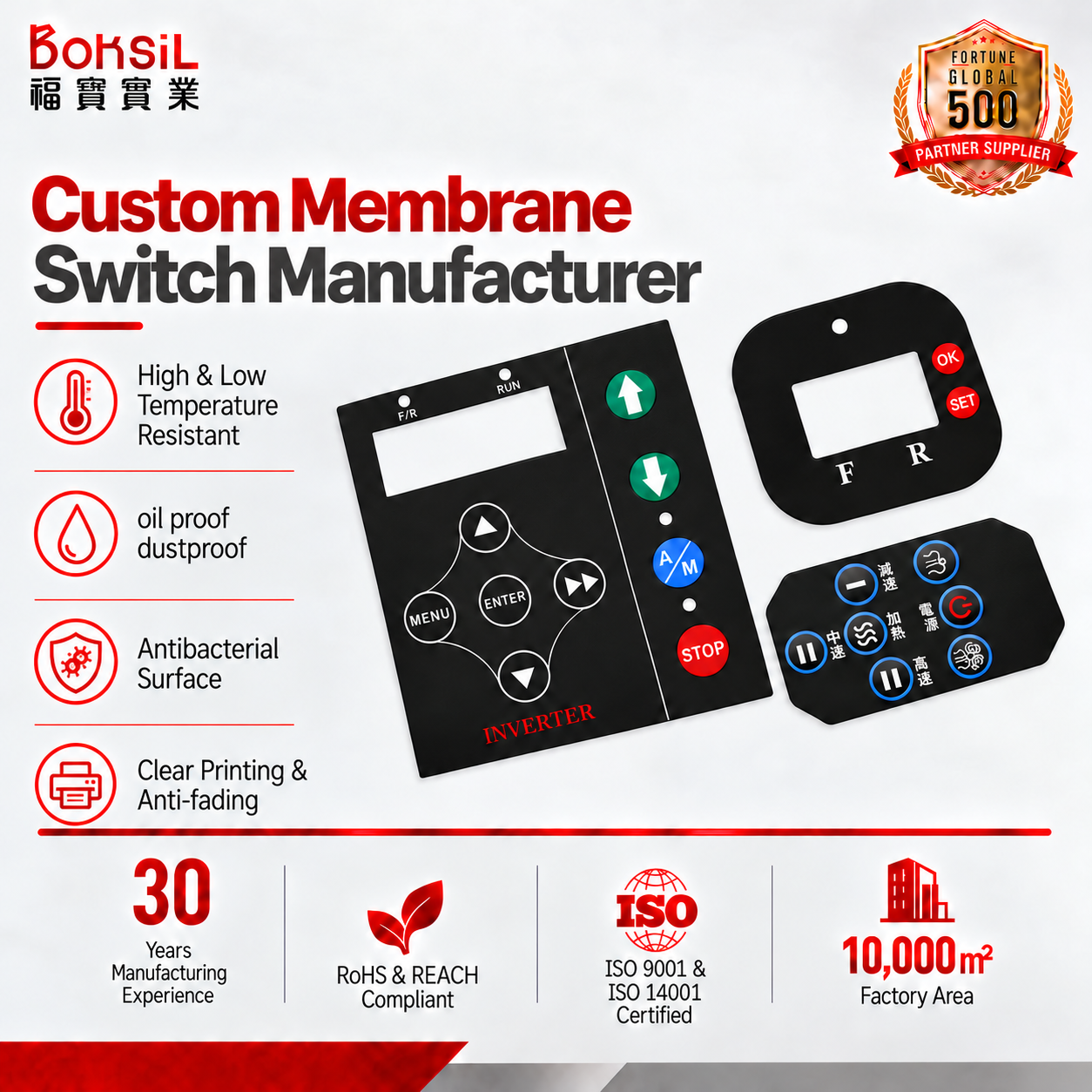
Polycarbonate Graphic Overlay Electronic Front Control
- Polymer: Lexan™ Polycarbonate Film
- Color Match: Pantone / RAL ΔE<0.8
- Backing: 3M 467MP / 468MP Adhesive
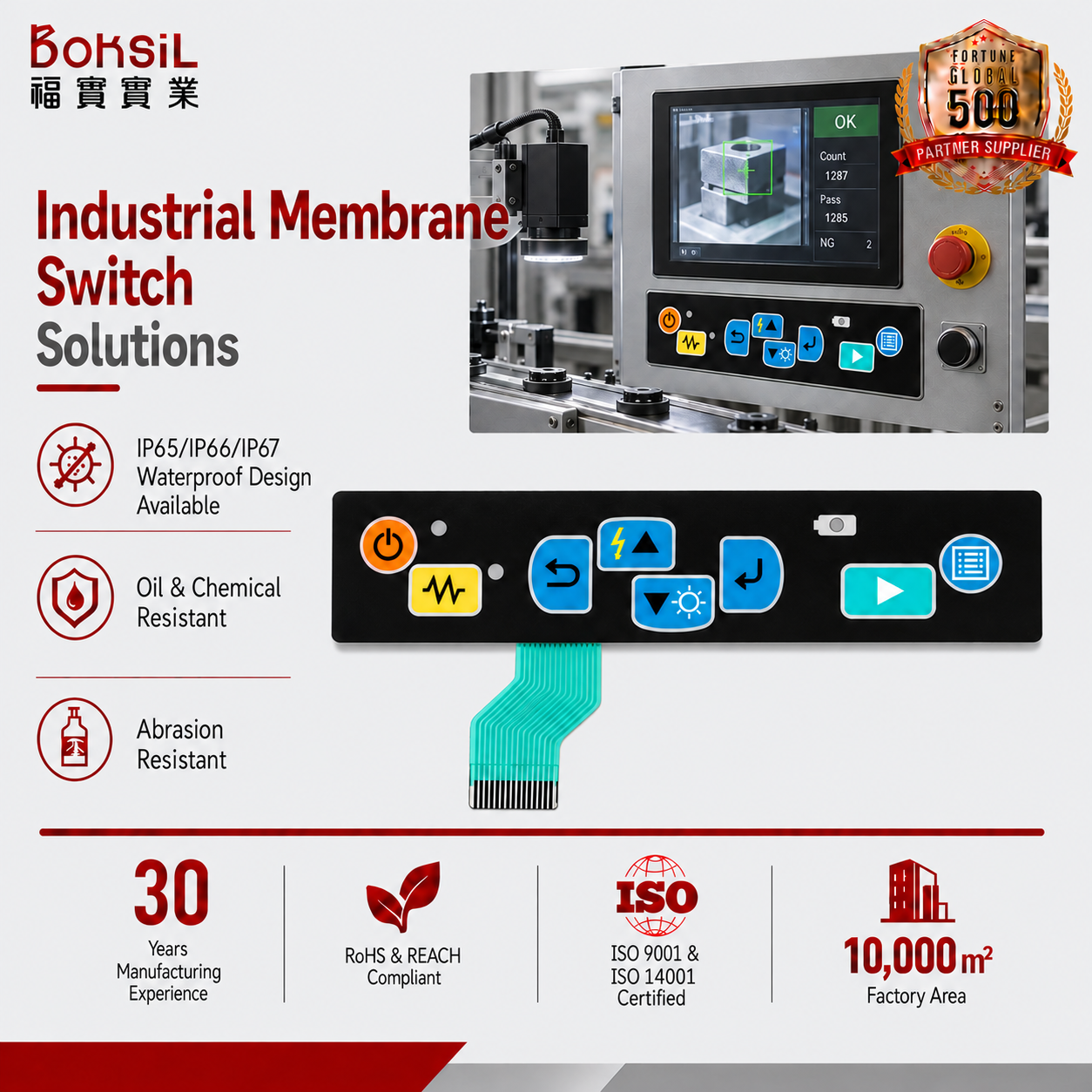
Capacitive Touch Sensor Membrane Panel with Silk-Screening
- Architecture: ITO / Carbon / Silver Matrix
- Dielectric Range: Supports 1-10mm Covers
- Operating Temp: -30°C to +85°C
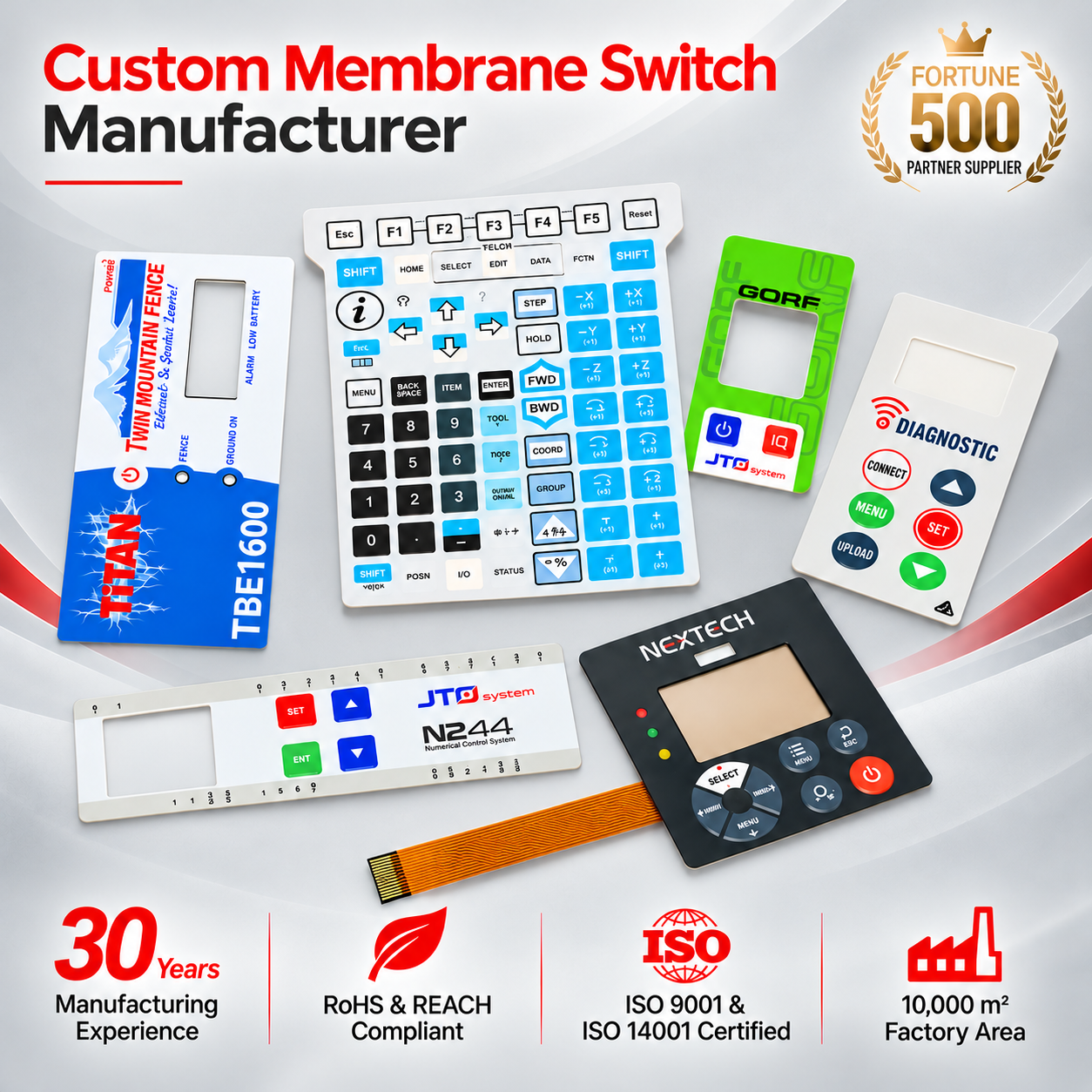
Industrial Embossed Keypad Overlay with Metal Domes
- Dome Force: 280g - 450g Crisp Snap
- Dome Type: Stainless Steel Nickel-Plated
- Life Expectancy: >3,000,000 Operations
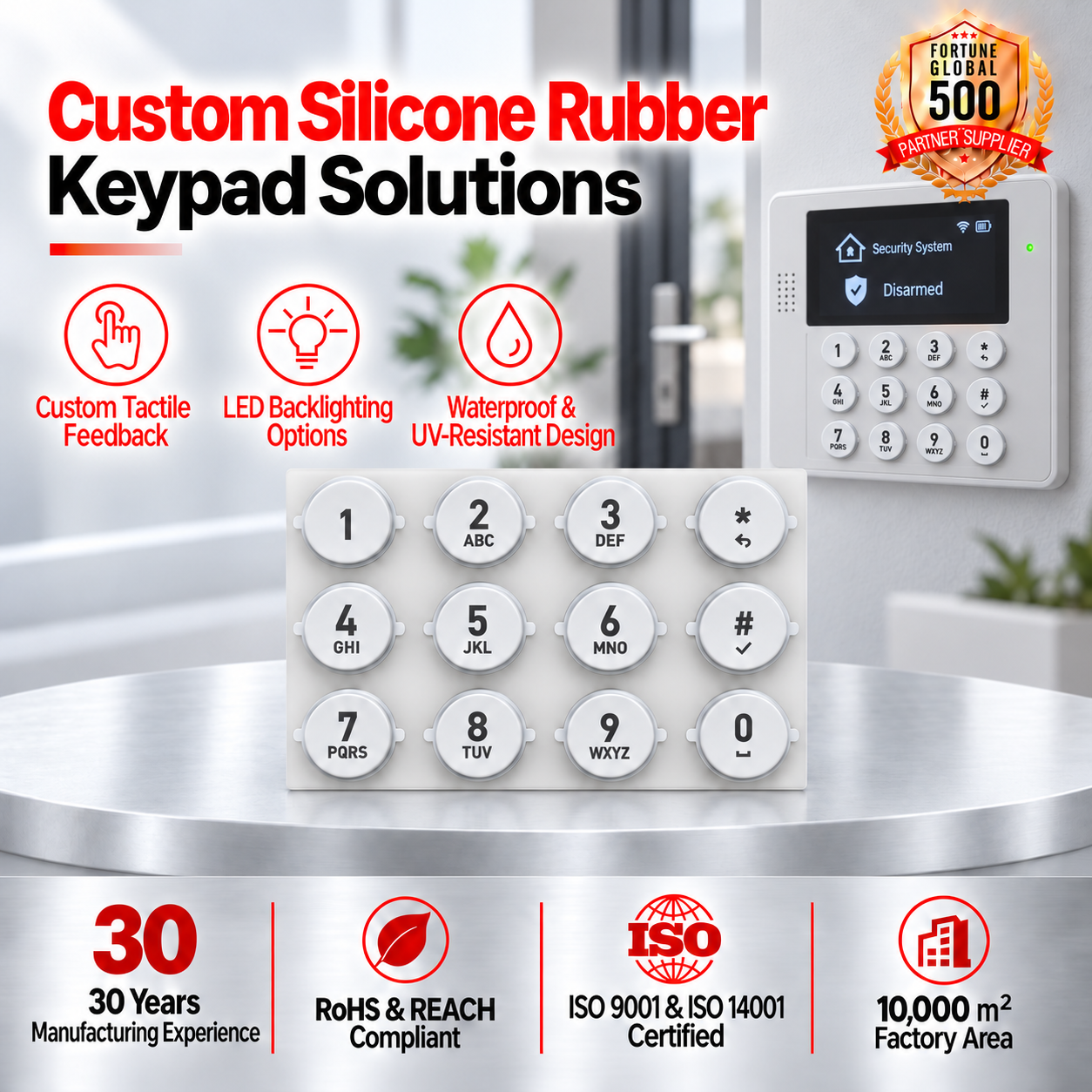
Custom OEM 12-Key Numeric P+R Silicone Keypad
- Configuration: 3×4 Matrix Telephony/Access
- Key Cap: Plastic + Rubber (P+R) Dual Mold
- Laser Etch: Translucent Backlit Symbols
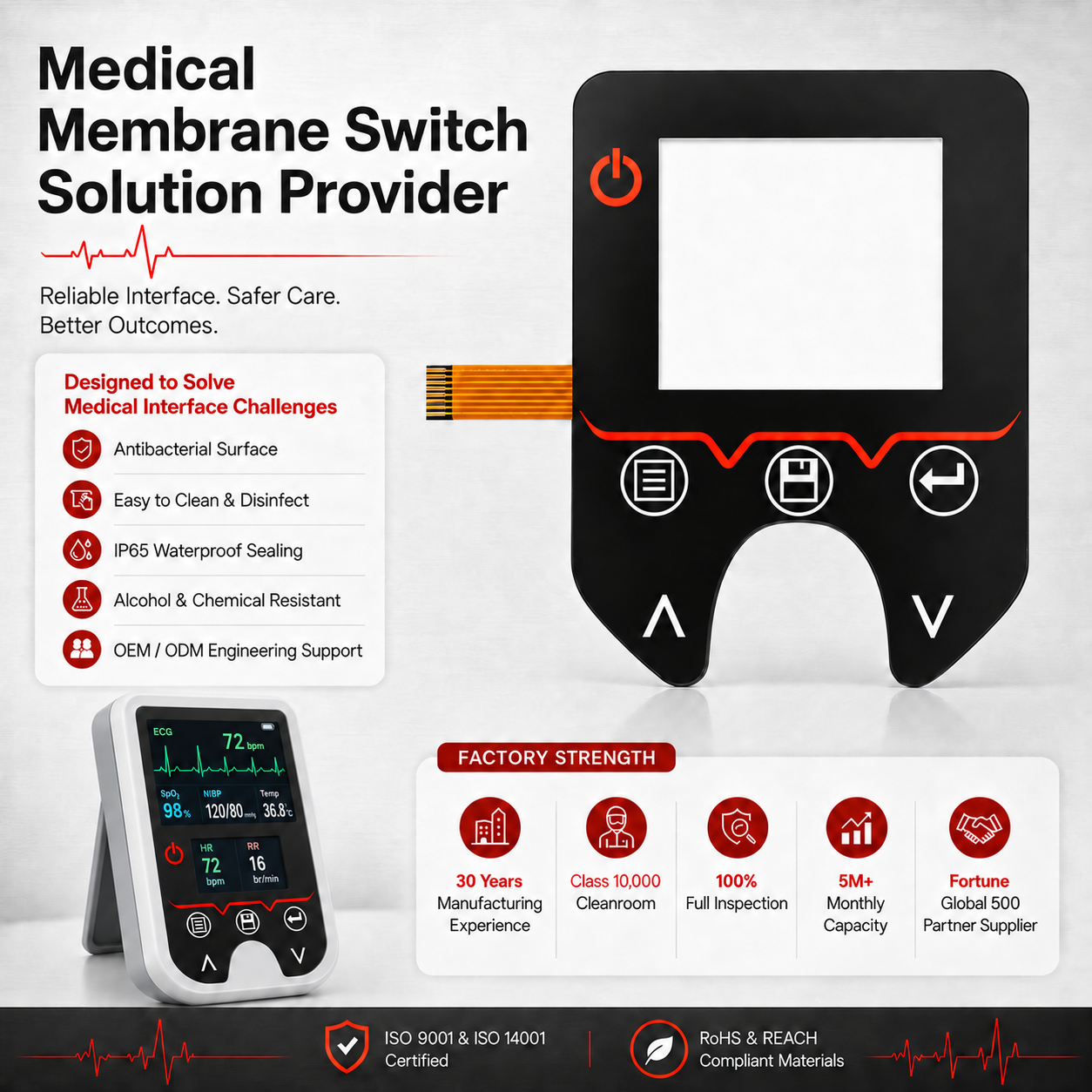
IP65 Sealed Medical Control Membrane Interface
- Antibacterial: Autoclave & Chemical Resistant
- Display Window: Dead-Front Water-Clear Anti-UV
- Ingress Rating: Full Hermetic IP67 Enclosure
Next-Generation Capacitive Switching: Physics, Stack-Up, and Factory Selection for Arno OEM/ODMs
A rigorous examination of solid-state human-machine interface design, electromagnetic compatibility in harsh working environments, and precision manufacturing workflows in China's manufacturing epicenters.
In contemporary industrial manufacturing, automated fluid logistics, medical therapeutics, and precision computerized machinery, the transition from electromechanical pushbuttons to capacitive touch switches is accelerating rapidly. For engineering leaders and international procurement directors representing the Arno industrial ecosystem and high-tier equipment manufacturers globally, selecting a verified manufacturing partner in China requires balancing capacitance sensing physics, material dielectrics, ingress defense, and production repeatability.
Capacitive touch button technology relies on the continuous monitoring of parasitic and mutual capacitance between a conductive sensor electrode printed on a dielectric substrate and the physical proximity of an operator's finger. Unlike tactile metal-dome switches that experience cycle fatigue, mechanical oxidation, and contact bounce, capacitive human-machine interfaces present zero mechanical wear parts. This solid-state architecture delivers theoretical actuation lifespans exceeding tens of millions of cycles, provided the sensing layer is shielded from moisture ingress, dielectric breakdown, and high-frequency EMI noise.
Substrate Physics and Dielectric Constants (εr) in Capacitive Front Panels
The sensitivity and signal-to-noise ratio (SNR) of a capacitive touch interface are governed by the equation C = (εr · ε0 · A) / d, where ε0 is the permittivity of free space, εr represents the relative permittivity of the overlay material, A is the surface area of the conductive pad, and d is the distance between the human operator's skin and the electrode. Selecting the proper overlay material is the most fundamental engineering decision during the Design for Manufacturability (DFM) phase:
| Substrate Material | Dielectric (εr @ 1MHz) | Surface Hardness | Chemical / Solvent Resistance | Typical Applications for Arno |
|---|---|---|---|---|
| PMMA (Cast Acrylic) | 3.0 - 3.4 | 3H - 5H (Hard-Coated) | Moderate (Alcohols, Oils, Detergents) | HMI Display Windows, Lab Instrumentation, Smart Appliances |
| Lexan™ Polycarbonate (PC) | 2.9 - 3.1 | HB - 1H (Up to 3H coated) | High impact strength; sensitive to hydrocarbons | Rugged Field Machinery, Handheld Terminals, Automotive Gauge Fascias |
| Autotype™ Hard-Coat PET | 3.2 - 3.5 | 3H (Anti-scratch, Anti-glare) | Excellent (Acids, Brake Fluids, Industrial Cleaners) | Heavy Chemical Dispensers, CNC Machine Operating Consoles |
| Chemically Strengthened Glass | 6.7 - 7.5 | ≥7H - 9H (Mohs 6) | Impervious to virtually all solvents and harsh acids | Medical OR Monitors, Marine Touch Stations, Outdoor Fuel Consoles |
| Compression Molded Silicone | 2.8 - 3.3 | Shore 40A - 70A | High Thermal Tolerance (-50°C to +200°C), Ozone Proof | Hybrid P+R Keypads, Sealed Diagnostic Instruments, Rugged Keypads |
Electromagnetic Noise Mitigation (EMC/EMI) and Parasitic Capacitance Shielding
In heavy industrial plant environments typical of modern processing centers, variable-frequency drives (VFDs), solenoid valves, and high-frequency switching power supplies induce common-mode electrical noise. Without rigorous electrostatic shielding, capacitive touch switches can suffer from phantom actuation or false touch rejections. At Dongguan AXRU Electronics Co., Ltd., our engineering methodology resolves this challenge through four integrated layers:
1. Solid Guard Rings and Active Driven Shields: We screen-print grounded perimeter loops around individual sensor electrodes using micro-particulate silver paste or conductive carbon ink. By routing active guard traces matched to the sensor potential, parasitic stray capacitance is minimized, stabilizing baseline counts on industrial microcontrollers.
2. Continuous Ground Plane Layers: For high-density multi-button interfaces, we incorporate an internal FPC or PET mesh ground plane positioned 0.15mm below the sensing matrix. This creates an impermeable shield against radiated emissions from back-mounted LCD displays, inverter modules, and power rails.
3. Dielectric Decoupling Adhesives: Selecting optical-grade adhesives such as 3M 467MP, 468MP, or VHB double-sided structural adhesives prevents micro air gaps. Trapped micro-bubbles are a primary cause of localized dielectric changes, ESD arc tracks, and intermittent sensitivity during operational temperature swings.
Zero-Drift Auto-Calibration
Trace geometry and dielectric stacks calibrated for seamless firmware integration with Cypress, Microchip, and STMicroelectronics touch controllers, maintaining baseline stability across -40°C to +85°C.
Hermetic Water & Fluid Immunity
Advanced cross-hatched capacitive sensor traces and differential sensing algorithms distinguish true human finger contact from surface saline puddles, oils, and conductive washdowns, conforming to IP67/NEMA 4X.
Multi-Tier Optical Backlighting
Precision-integrated Light Guide Films (LGF), side-firing SMD LEDs, and dead-front occultation printing achieve uniform, glare-free key illumination without generating excessive localized heat or thermal warpage.
Localized Applications & Sourcing Trends in the Modern Supply Chain
How localized automation, commercial appliances, and heavy engineering systems across European and Asian production centers drive demand for resilient touch interface panels.
Across key manufacturing clusters and industrial corridors—such as the Arno valley industrial region in Tuscany, Italy, as well as broader European tooling, pharmaceutical packaging, and commercial espresso machinery sectors—equipment architects are consolidating fragmented human-machine interfaces. Bulky mechanical switches and unsealed rotary potentiometers are being replaced by unified, wipe-clean capacitive panels. Three prominent localization trends are shaping procurement strategies in this space:
Commercial Foodservice & Beverage
High-end espresso consoles, industrial steam ovens, and dairy dispensing systems demand front fascias that resist 100°C steam, citric acid, and grease. Chemically tempered glass and PMMA capacitive panels provide hygienic, gapless surfaces that meet stringent EHEDG sanitary standards.
Medical Instrumentation & Diagnostic Bays
Diagnostic ultrasonography consoles, infusion pumps, and surgical theater monitors require frequent disinfection with quaternary ammonium compounds and bleach. Seamless capacitive PET/PC overlays eliminate bacterial harbor traps around bezel edges.
Outdoor Dispensing & Heavy Machinery
Automated fuel delivery systems, fleet carwash controllers, and agricultural consoles face severe UV index degradation and temperature fluctuations. We engineer multi-layer UV inhibitors and yellowing-resistant optical polymers that endure continuous sun exposure.
The Strategic Shift to Single-Source China Direct Manufacturing: Tier-1 OEM engineering firms in European industrial basins are shifting away from regional middlemen in favor of direct collaboration with verified Dongguan production facilities. Direct engagement with an Intertek-certified manufacturer such as AXRU eliminates multi-tier markups, reduces engineering iteration cycles from months to days, and guarantees end-to-end traceability of raw materials from 3M, Sabic, and Autotype.
Why Global OEMs Partner with Dongguan AXRU Electronics Co., Ltd.
10,000 square meters of vertically integrated cleanroom manufacturing, 12+ years of verified international export pedigree, and Fortune 500 qualification.
Unbroken Quality Control Under One Roof
Unlike sourcing brokers who sub-contract circuit printing, metal-dome assembly, and die-cutting to fragmented third parties, Dongguan AXRU Electronics retains full operational ownership of every production phase. Our factory floor houses Class 1,000 to Class 10,000 cleanroom printing facilities, computerized precision roll-to-roll drying ovens, and automatic punch lines in Dongguan, Guangdong.
- 100% Automated Electrical Verification: Continuity, insulation resistance (>100MΩ @ 250VDC), switch travel, loop impedance, and contact bounce mapped per unit.
- In-House Mechanical & Environmental Lab: Rigorous stress testing under extreme thermal shock, 98% relative humidity, chemical exposure, and abrasion.
- Flexible Sourcing Volumes: Low initial MOQ starting at 100 pieces for engineering validation (EVT/DVT) scaling seamlessly to 500,000+ units per month.
Every batch shipped to global buyers is backed by full First Article Inspection (FAI) packages, raw material RoHS/REACH compliance documentation, and traceable Intertek audit certification.
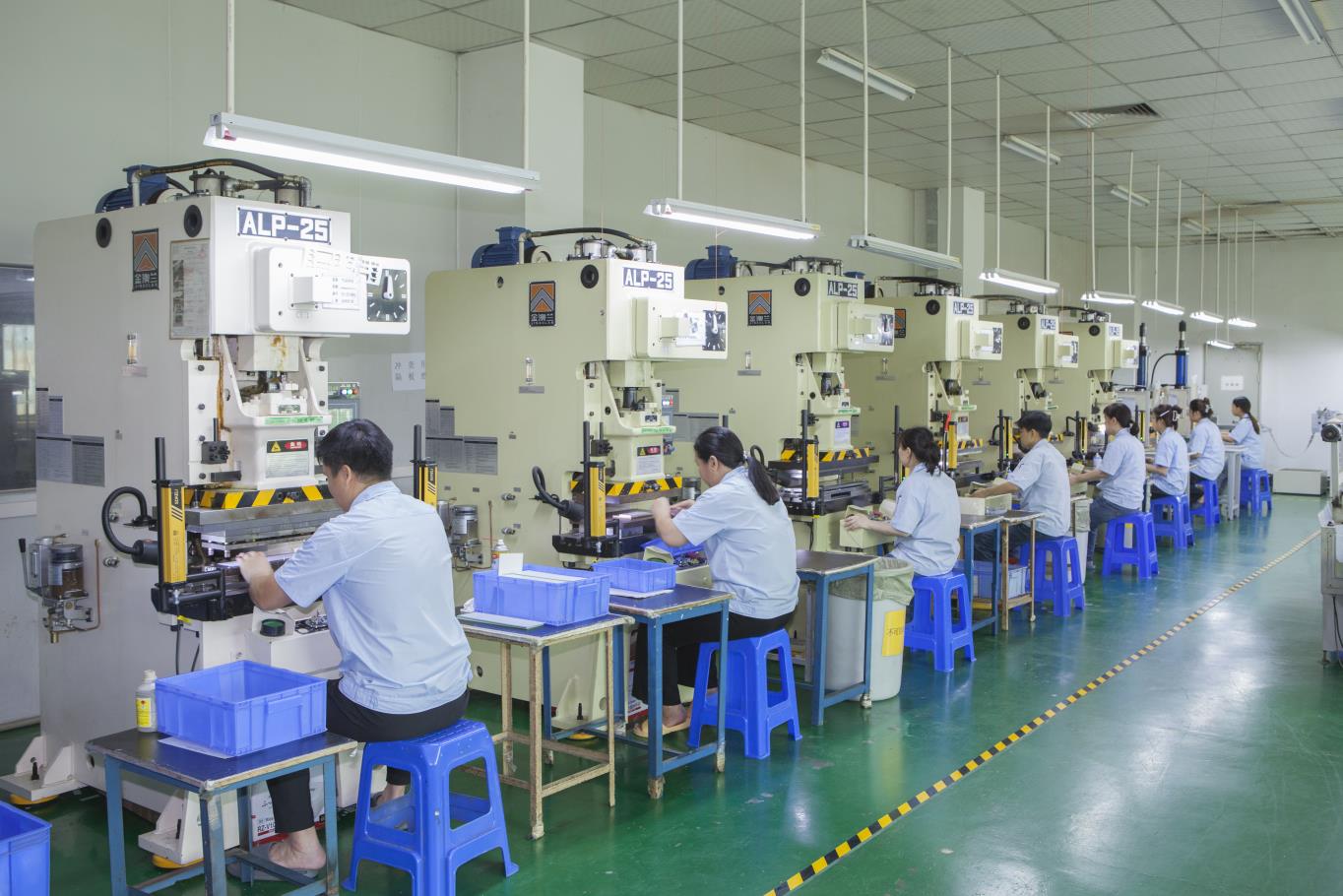
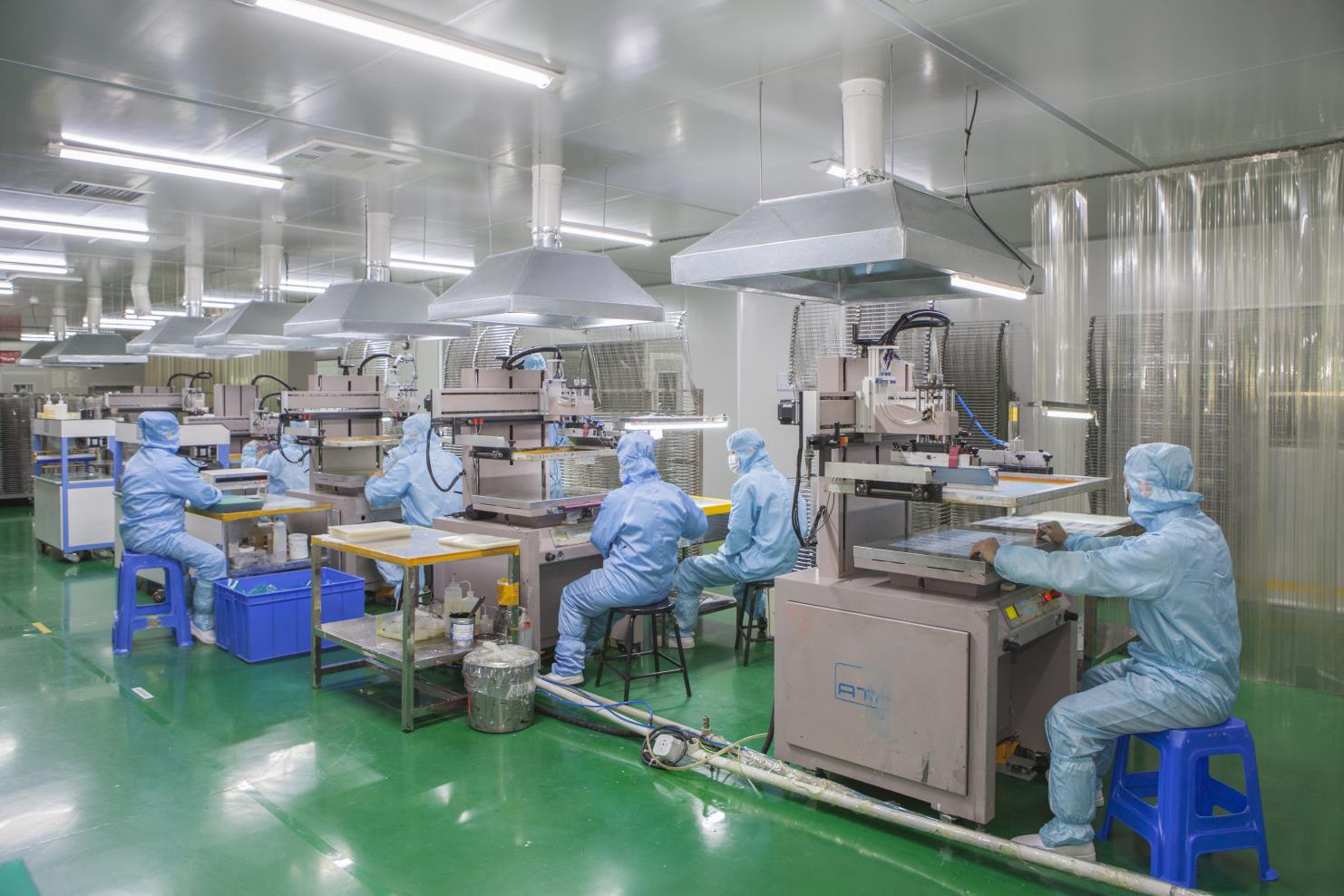
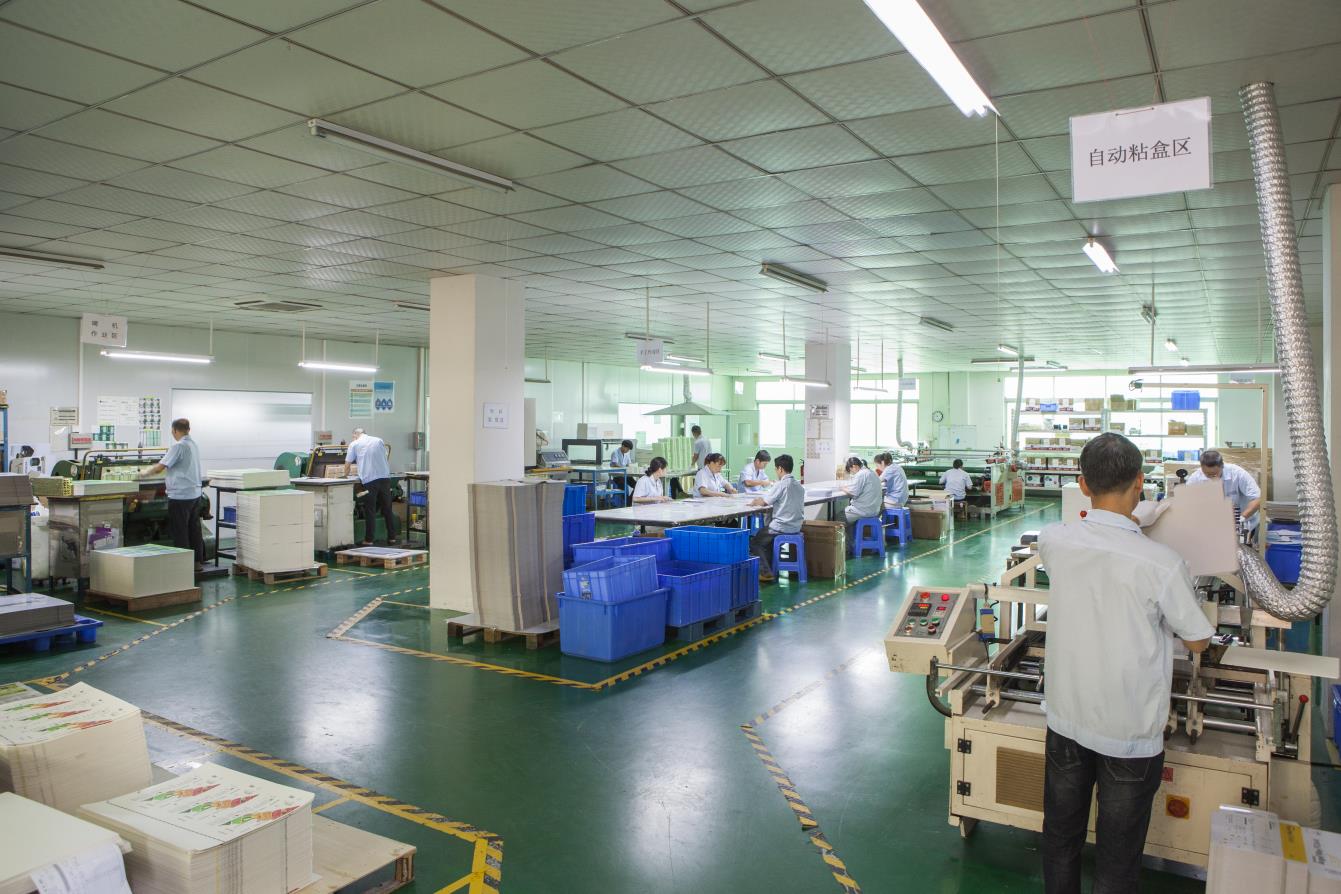
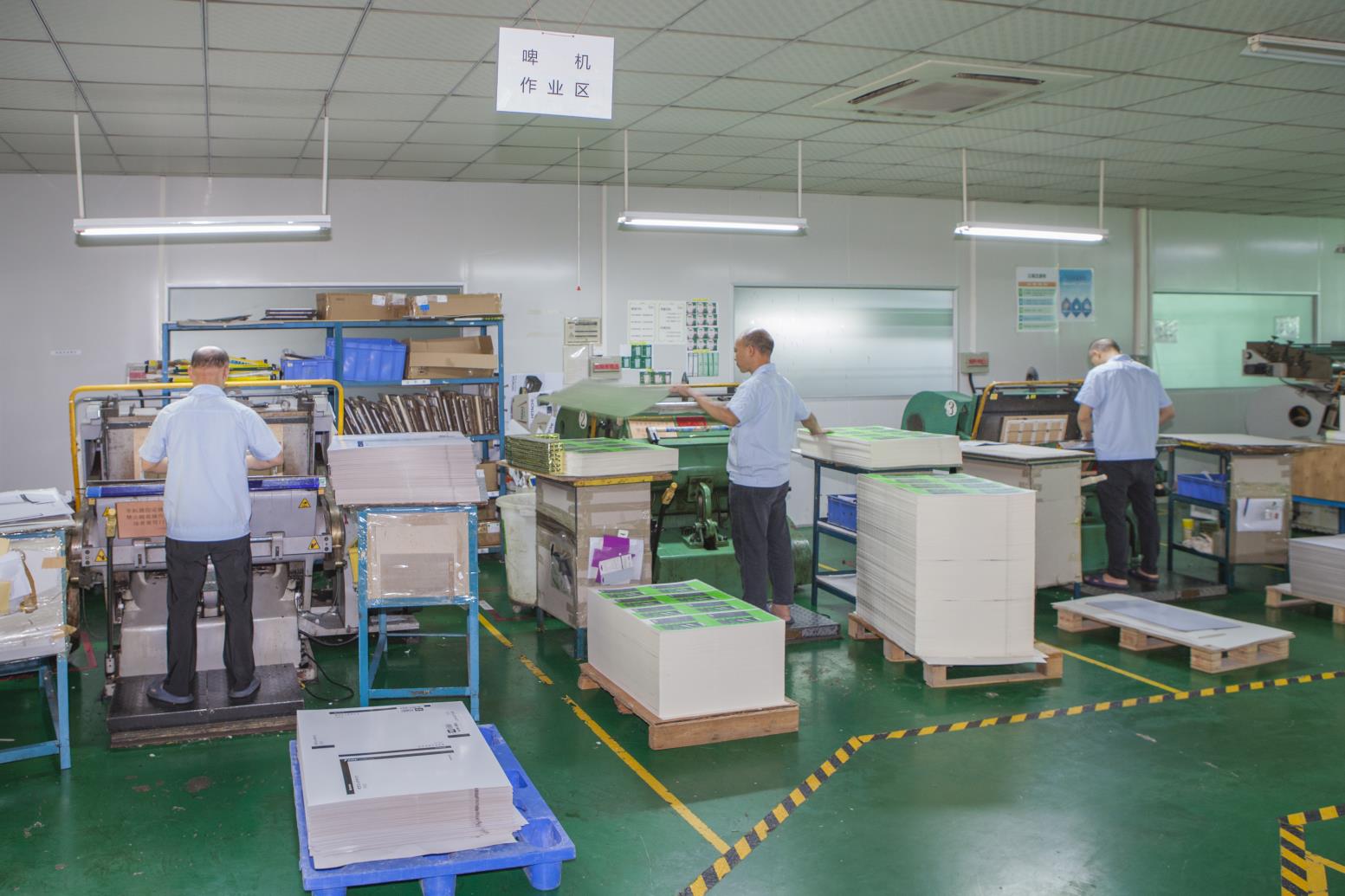
On-Site Testing & Reliability Validation Rigs
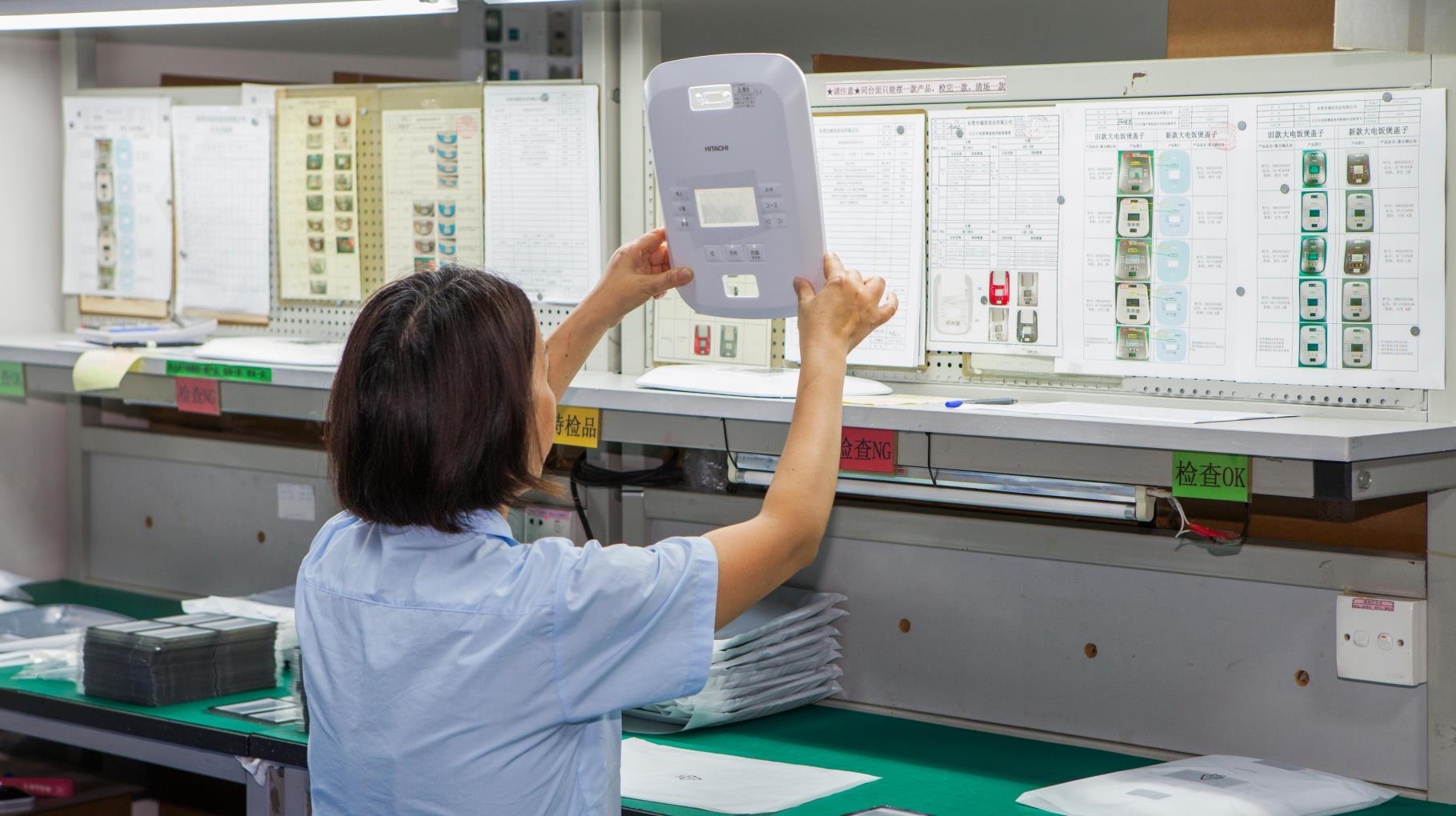
Automated Circuit Analyzer
100% checks for pin continuity, cross-talk shorts, isolation resistance, and integral LED polarity.
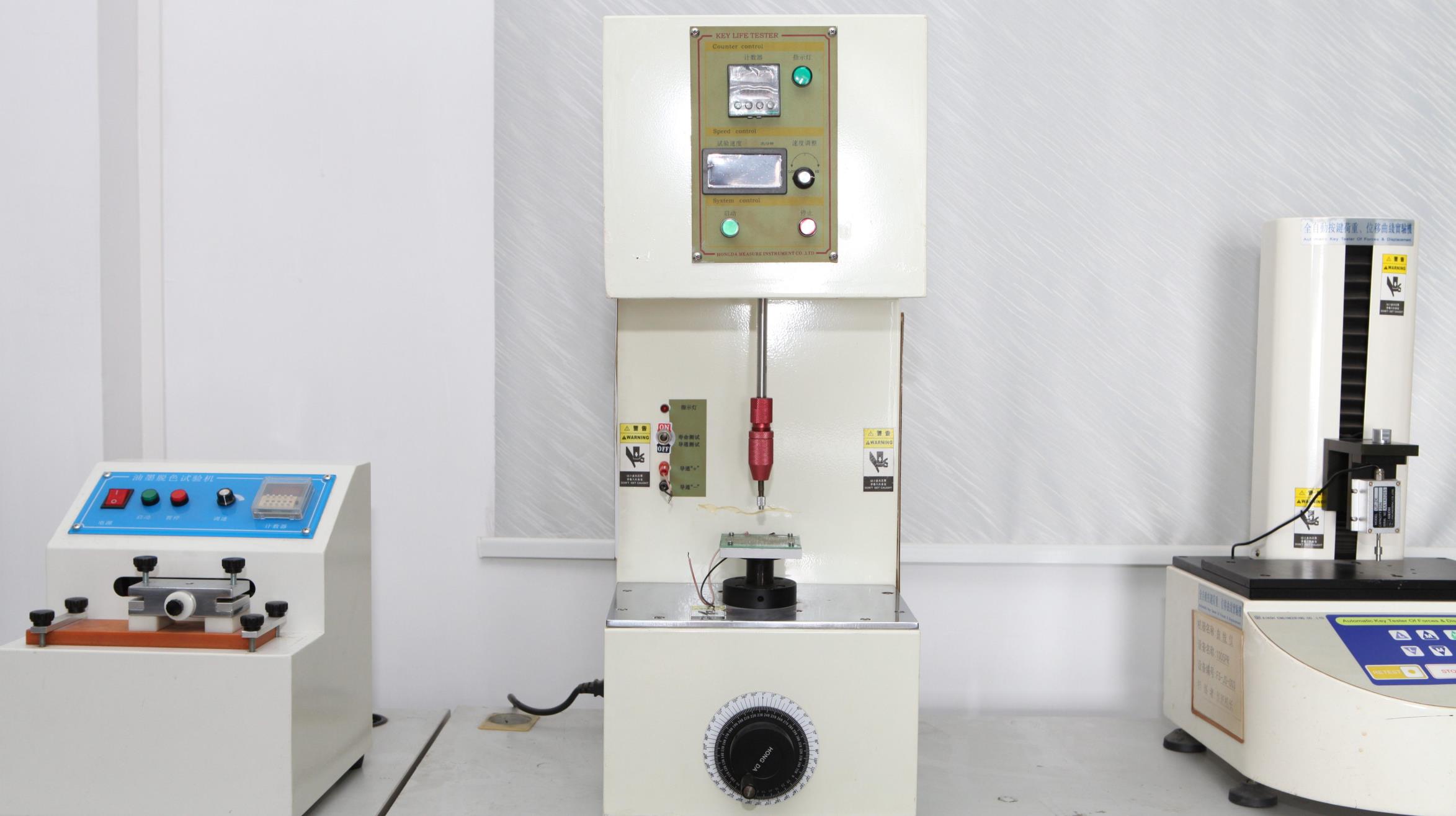
Pneumatic Key Life Tester
Cycles keys through 1,000,000 to 5,000,000 actuations at 2–5 Hz to record tactile degradation curves.
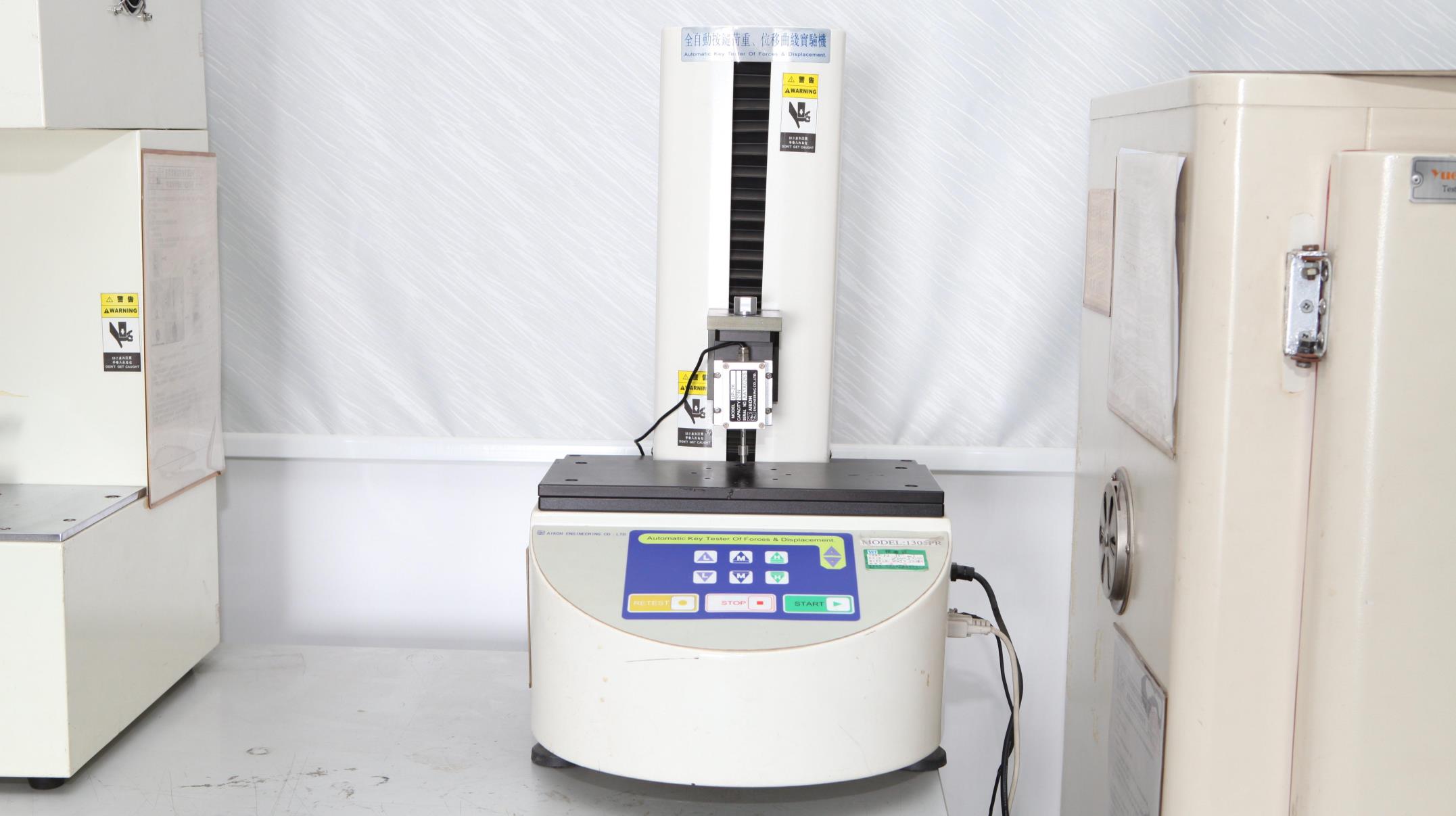
Force-Displacement Profiler
Measures peak tactile force, contact point, and snap ratio (>45% tactile feedback index).
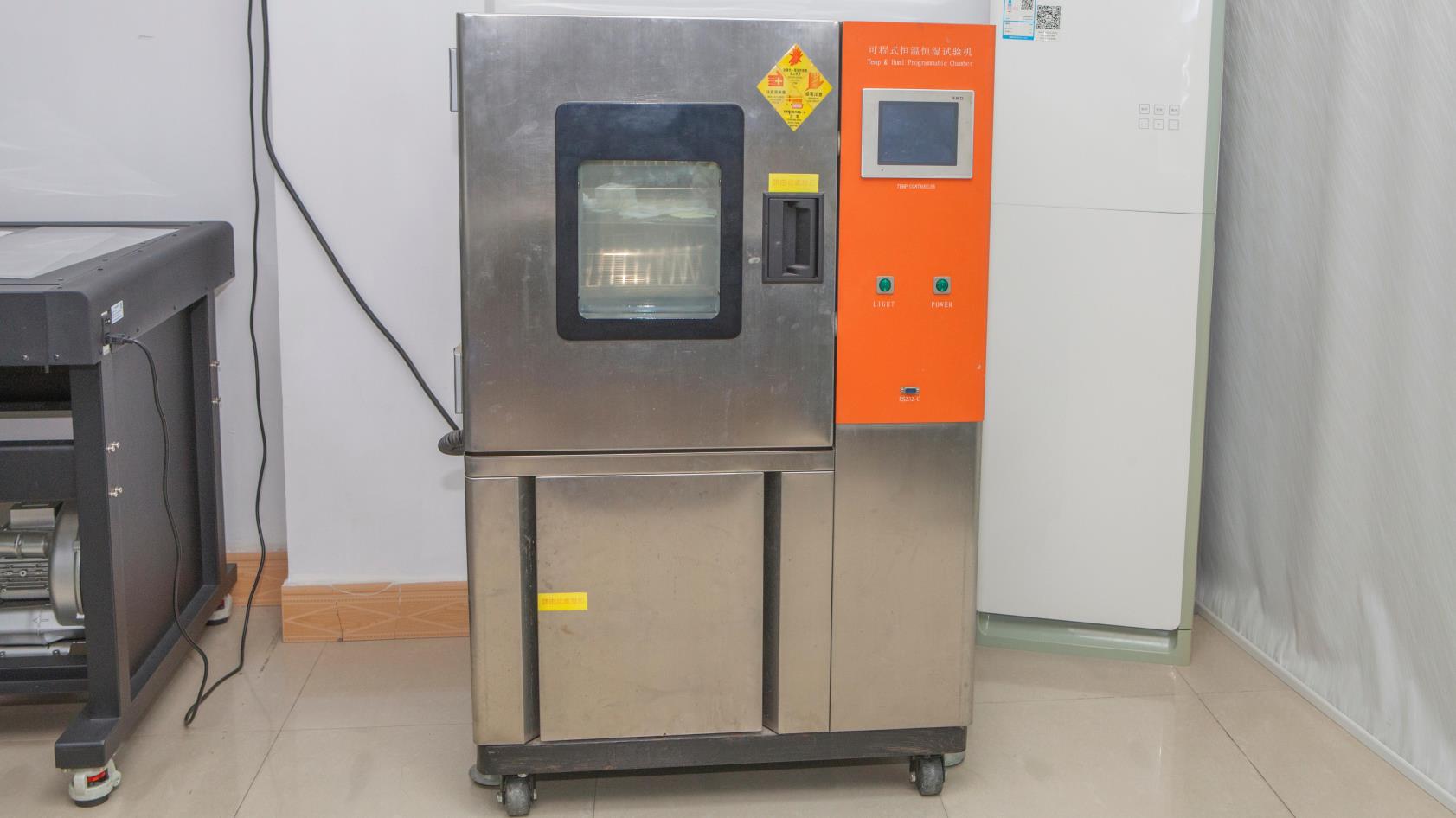
Thermal / Humidity Chamber
Stress-cycles assemblies from -40°C to +105°C at 95% RH to guarantee long-term adhesive integrity.
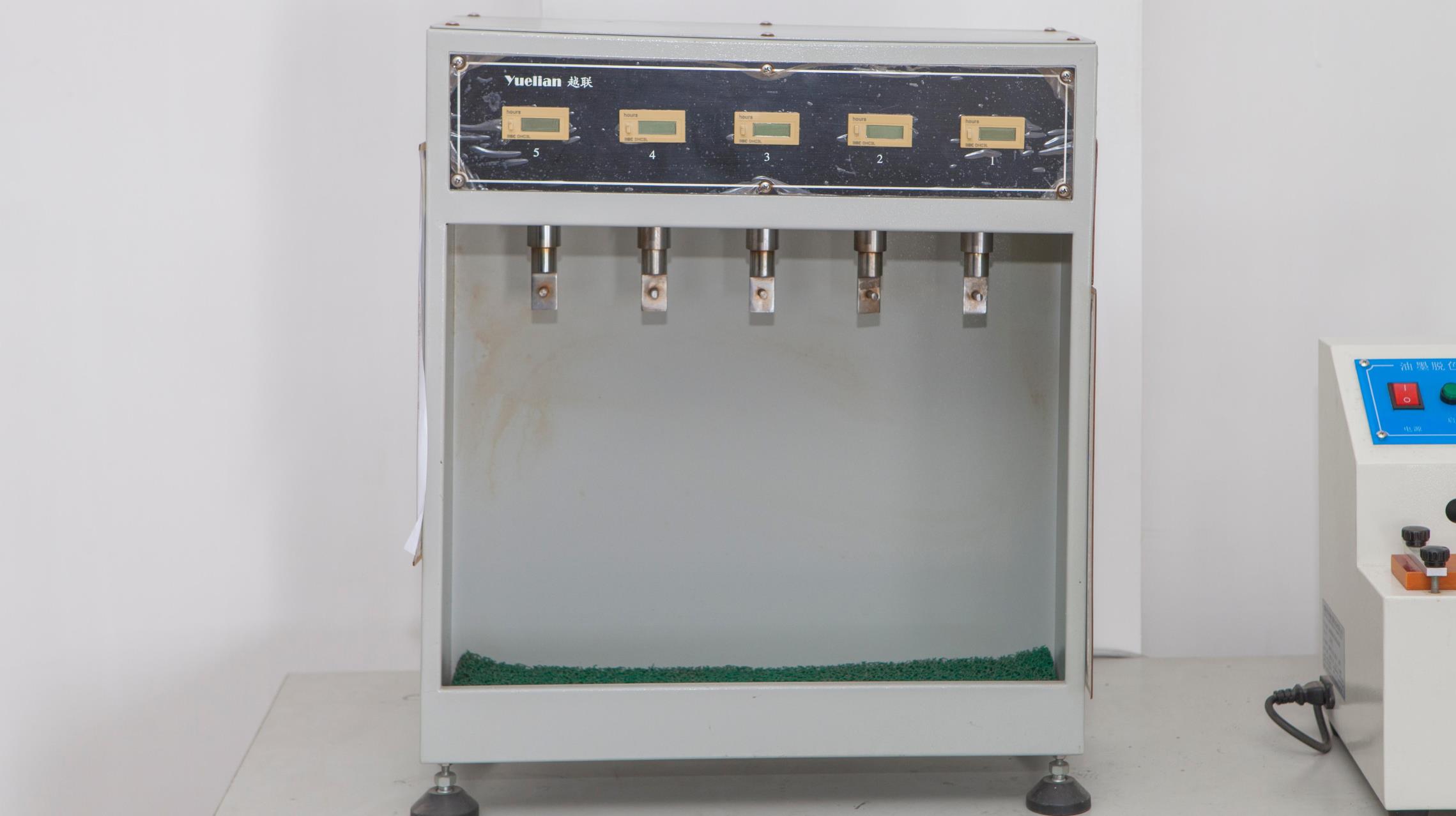
Electronic Tensile Tester
Quantifies adhesive peel strength (180° peel >18 N/25mm) and tail connector retention force.
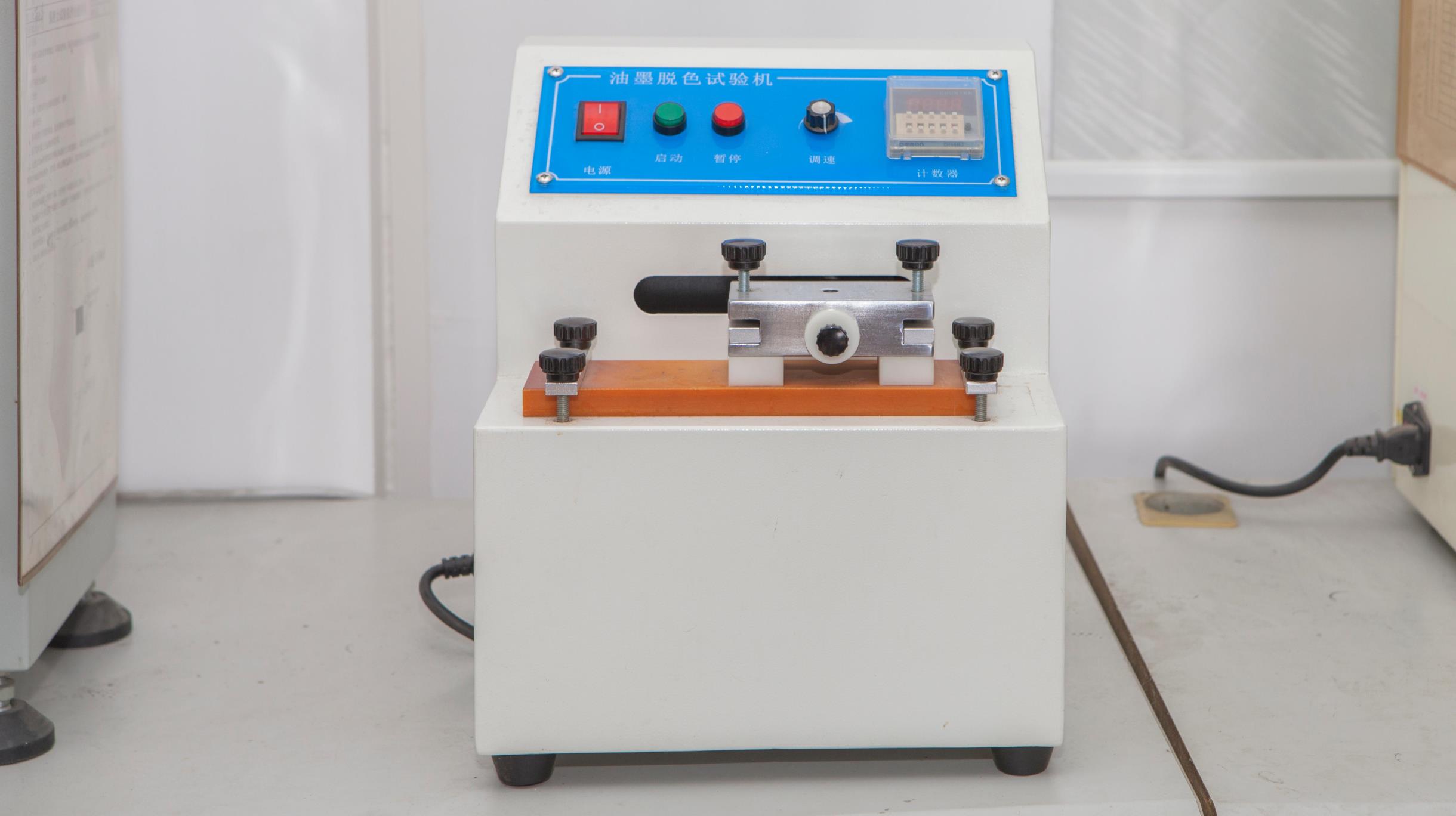
Rub & Ink Abrasion Rig
Subjected to 500+ rubs with 99% IPA, ethyl alcohol, and MEK under constant 500g load per ASTM D5402.
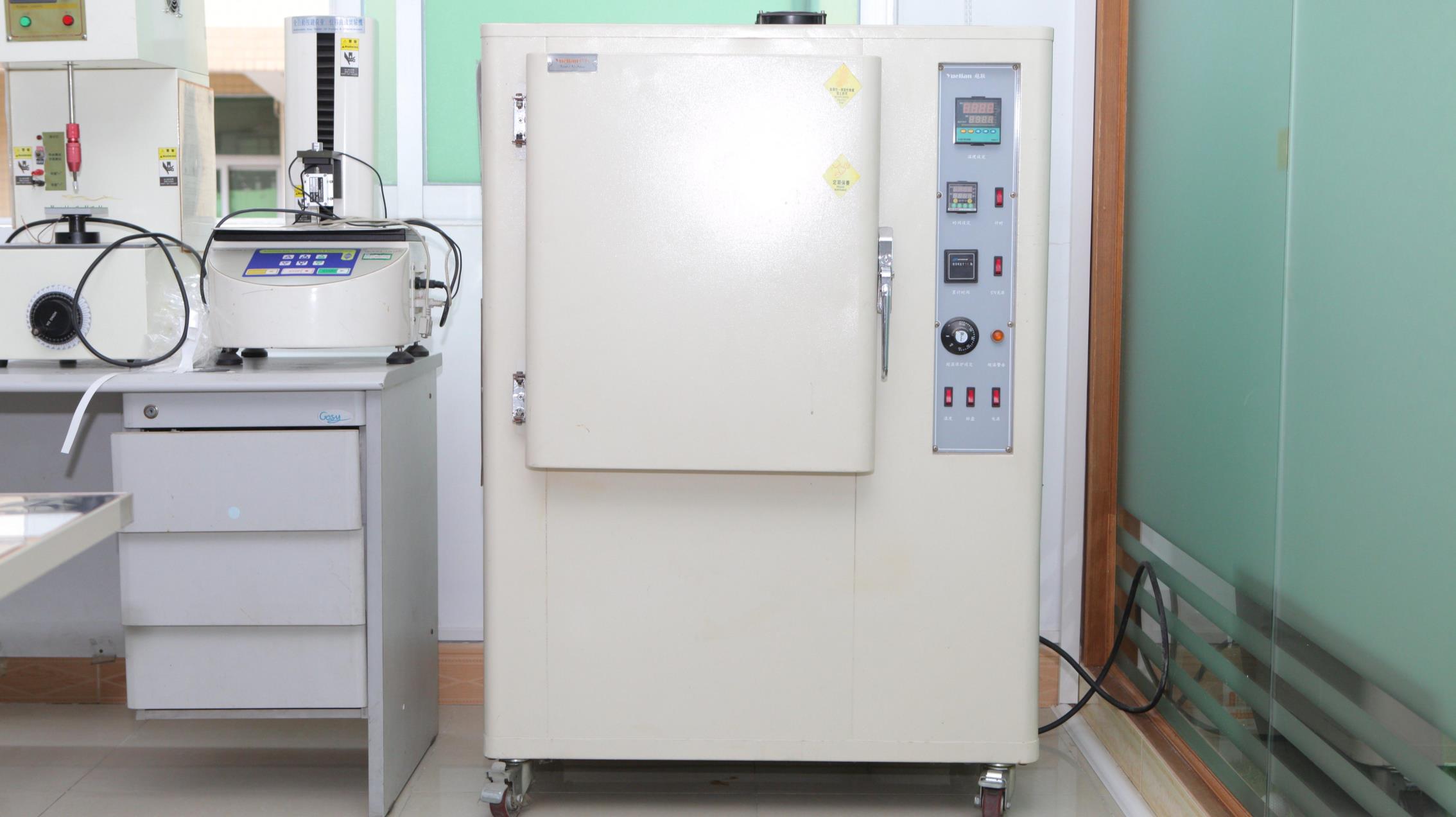
UV Yellowing Chamber
Accelerated UVA/UVB exposure chamber certifying outdoor graphic stability (ΔE < 1.5 across 5 years).
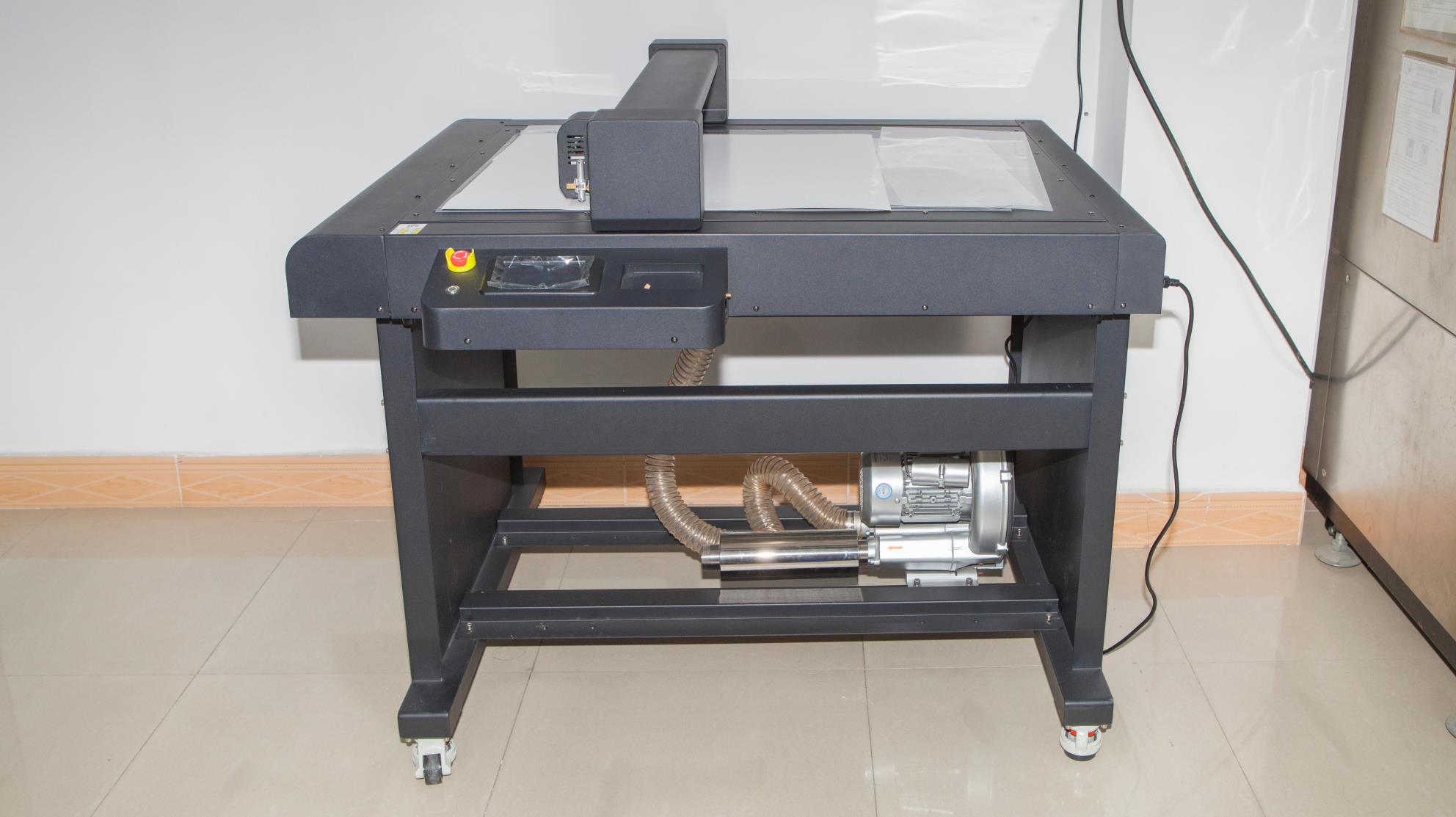
Precision Flatbed Die-Cutter
Computer-guided optical positioning maintaining peripheral dimensional tolerances of ±0.05mm.
Frequently Asked Questions: Sourcing Custom Capacitive Touch & Membrane Buttons
Direct technical answers addressing lead times, file submissions, tooling costs, and environmental performance for international supply chain managers.
What engineering files and technical parameters are required to quote a capacitive touch button panel?
1. Vector Graphics: Adobe Illustrator (.AI), CorelDraw (.CDR), or PDF vector artwork detailing graphics, legends, dead-front areas, and Pantone/RAL color codes.
2. CAD Mechanical Drawings: 2D/3D files (.DXF, .DWG, .STP) showing overall outer boundaries, display cutouts, key dimensions, tail exit location, and critical tolerances.
3. Electrical & Connector Schematics: Pinout diagram, pitch (standard 1.0mm, 1.27mm, or 2.54mm pitch), connector housing specification (FCI, Nicomatic, JST, or bare ZIF contact finger).
4. Application Operating Environment: Required ingress rating (e.g., IP65, IP67), operating temperatures, chemical exposure profiles, and whether gloved or water-splash operation is expected.
How does AXRU ensure moisture and water droplets do not trigger false actuations on capacitive surfaces?
• Shielding Electrode Arrays: We screen-print active shield rings surrounding each sensor element. When water forms a puddle spanning multiple electrodes, the shield channel detects uniform ground shifts and instructs the MCU touch controller (e.g., Cypress CapSense or Microchip mTouch) to cancel the false touch event.
• Hydrophobic Protective Coatings: We can apply specialized silane-based hydrophobic coatings on PMMA, glass, or hard-coat PET surfaces. This forces water into high-contact-angle droplets (>110°) that slide off the active sensing zones rather than pooling into flat capacitive sheets.
What is the standard turnaround time for rapid prototypes versus mass production runs?
• Engineering Prototypes (EVT): 5 to 7 business days from final 2D drawing sign-off and color match approval.
• Tooling Fabrication: Steel die tooling and embossing molds are machined within 5 to 8 working days.
• Production Batches (1,000 to 50,000 pcs): Typically dispatched within 12 to 18 business days, shipped via air express (DHL/FedEx/UPS 3-5 days delivery directly to European or North American facilities) or sea freight.
Can you reverse-engineer or redesign an obsolete electromechanical switch into a capacitive solid-state module?
How does AXRU support low minimum order quantities (MOQ) without excessive setup charges?
Connect Directly with AXRU's Senior Touch Panel Engineers
Ready to review your CAD files, request material sample kits, or optimize your capacitive sensor stack-up for mass manufacturing? Get comprehensive DFM feedback and a competitive factory-direct quote within 24 hours.