Engineered Acrylic Overlays & HMI Assemblies
Manufactured to cleanroom ISO standards, our custom PMMA overlays, silicone elastomeric keypads, and capacitive sensor front panels fulfill the strict mechanical, cosmetic, and chemical-resistance tolerances demanded by Irish original equipment manufacturers.
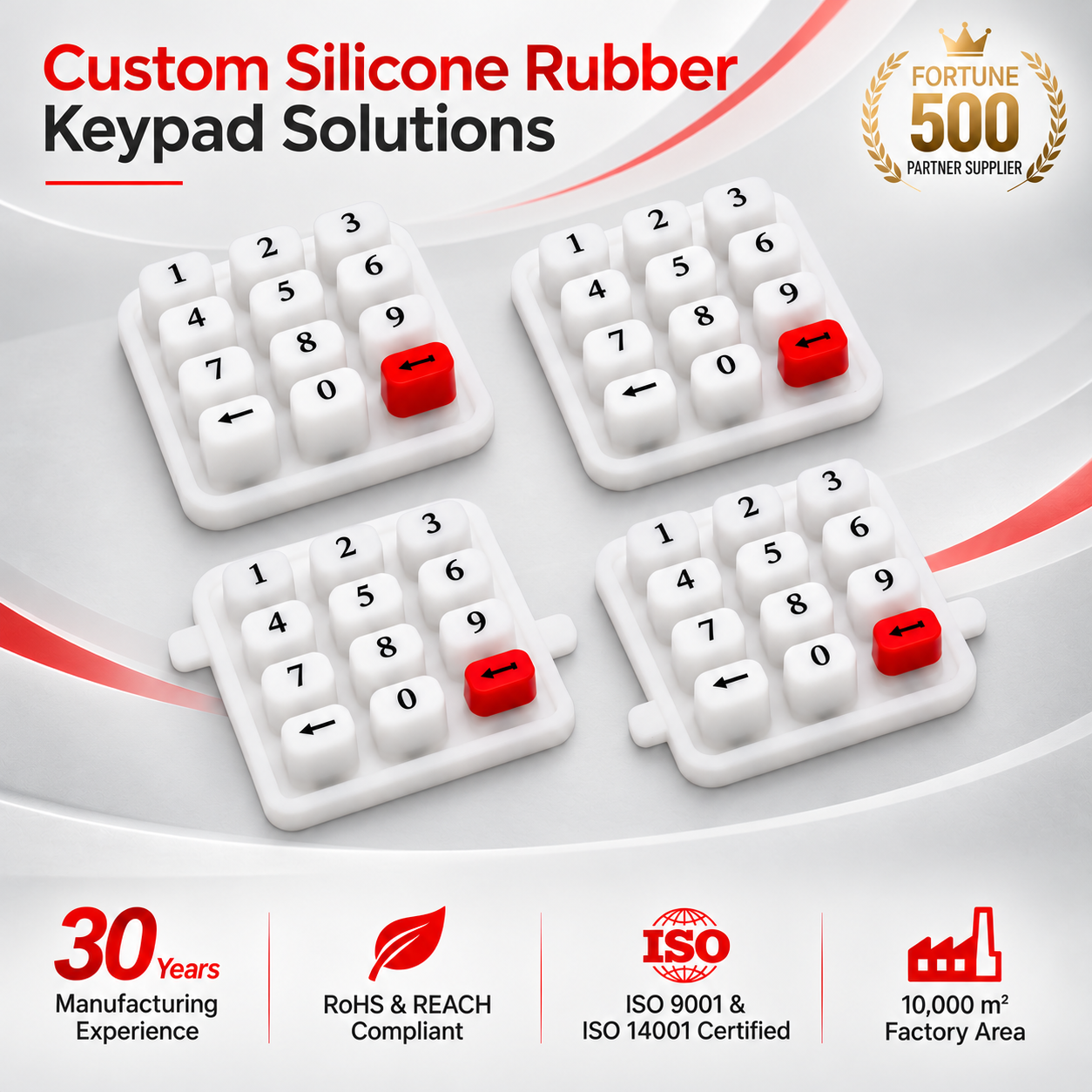
Custom Manufacturer Epoxy Silicone Rubber Keypad oem/odm with low Profile Design Durable and Waterproof
Low-profile waterproof elastomeric keypad with high-gloss epoxy pill caps, laser-etched legends, and integrated tactile actuation for sterile medical instruments.
Custom Capacitive Touch Screen Panel Screen Printing Graphic Overlay Membrnae Switch for Home Appliance
Reverse-printed PMMA acrylic touch fascia with high-clarity dead-front display windows, sliding capacitive sensors, and anti-glare scratch-resistant coating.
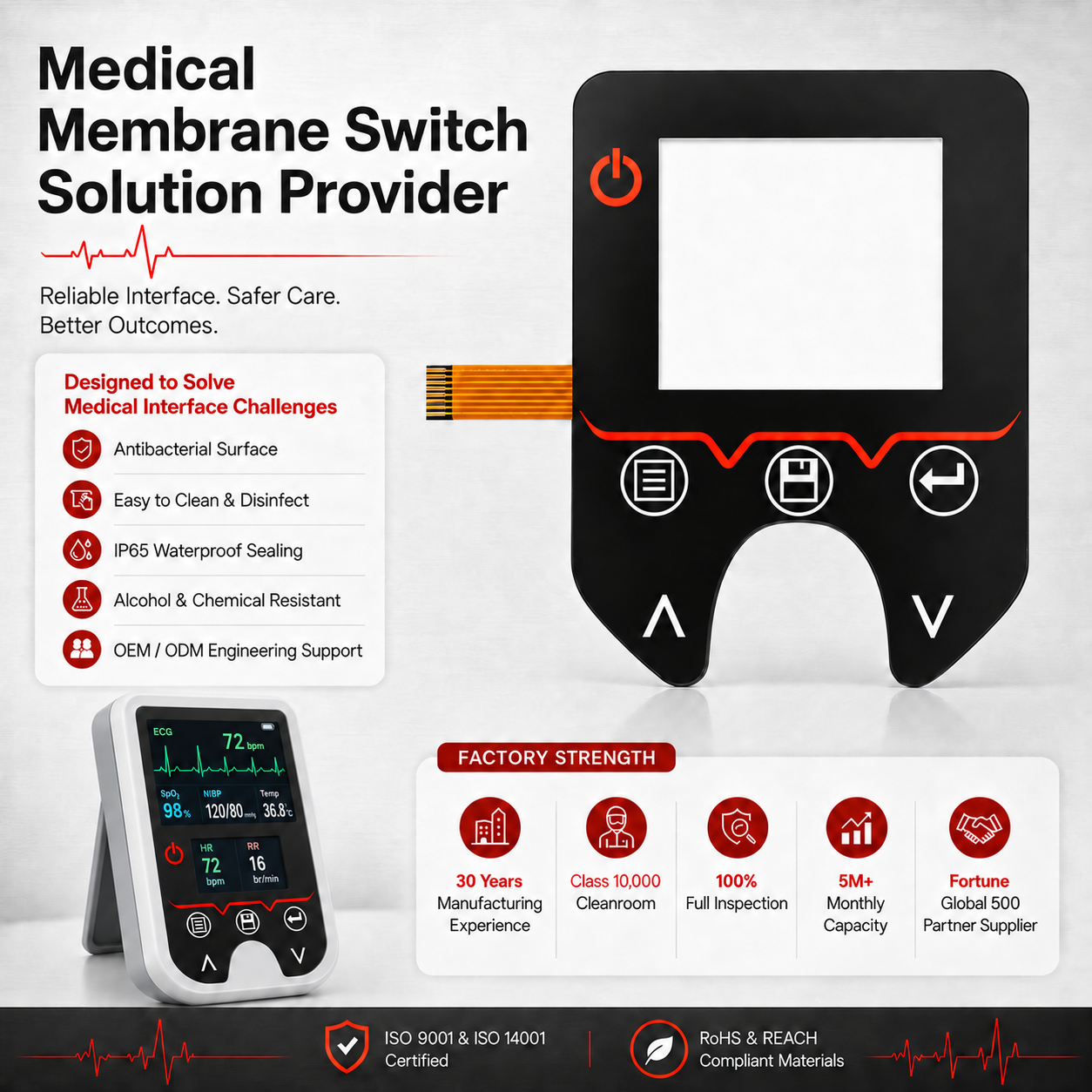
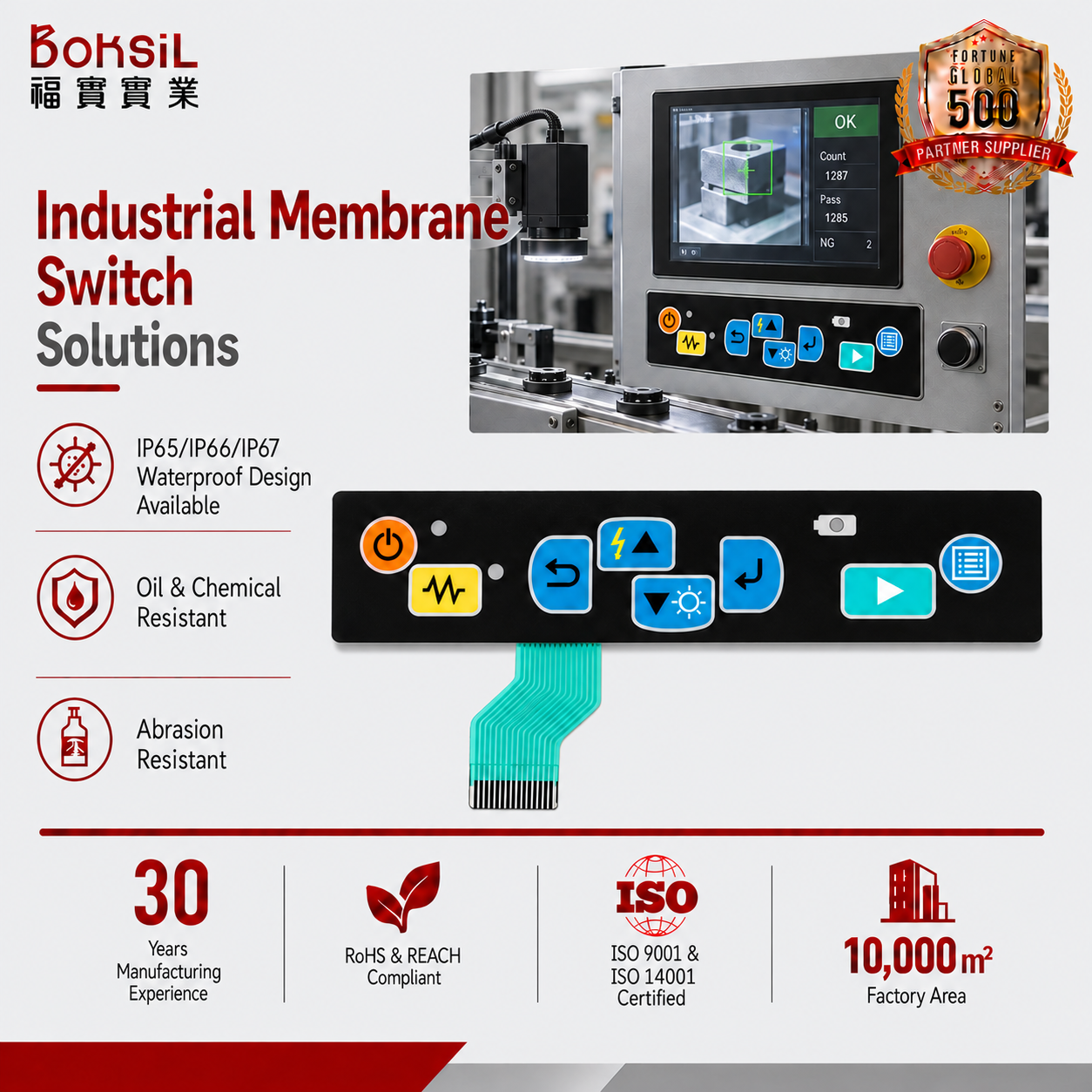
Factory Custom Medical Equipment ip65 Waterproof PC Graphic Overlay Membrane Switch Control Front Panel Button
Hospital-grade antimicrobial front membrane switch with sealed perimeter gasket, IP65 ingress rating, and resilience against aggressive bleach and isopropyl disinfectants.
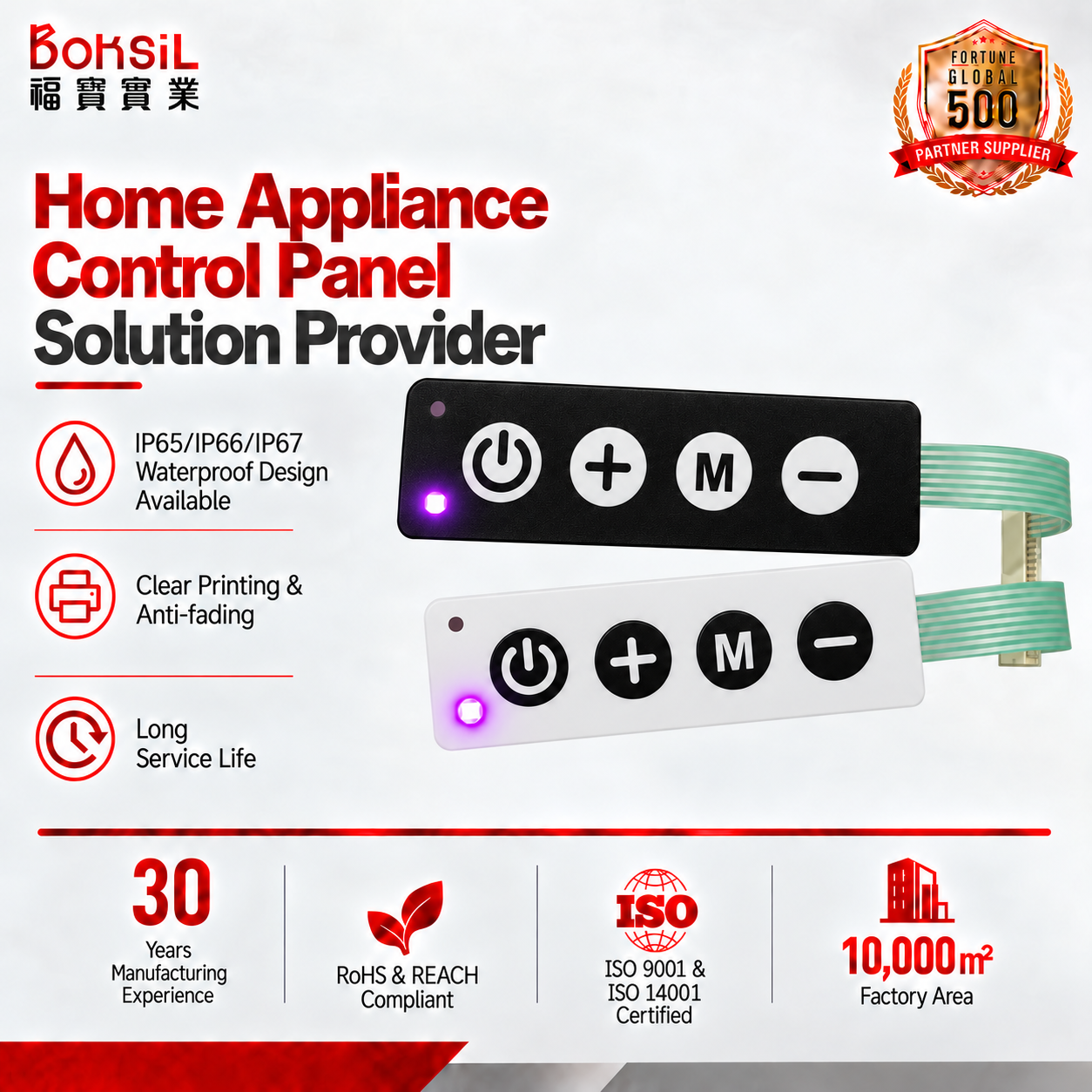
4 Button led Lights Metal Domes Tactile Button Membrane Switch for Home Appliance
Compact 4-key tactile interface integrating bi-color surface-mount LEDs, stainless steel nickel-plated snap domes, and rigid 3M 467MP adhesive backing.
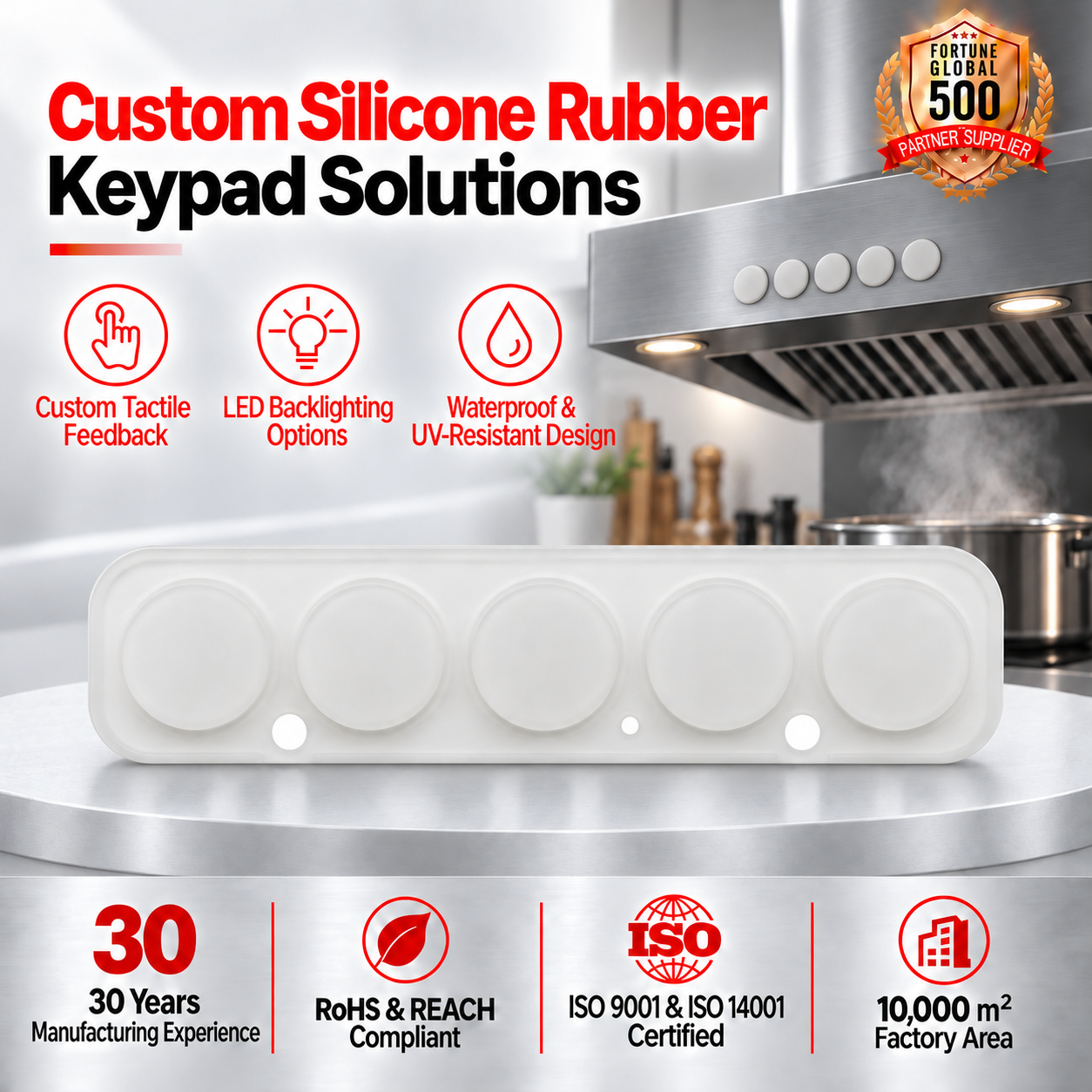
Home Appliance 5 Circular Soft Silicone Rubber Keypad Front Panel Button Unit Momentary Customized Manufacturer
Ergonomic circular compression-molded silicone keypad with silky PU protective coating, low resistance conductive carbon pills, and bespoke shore A hardness tuning.
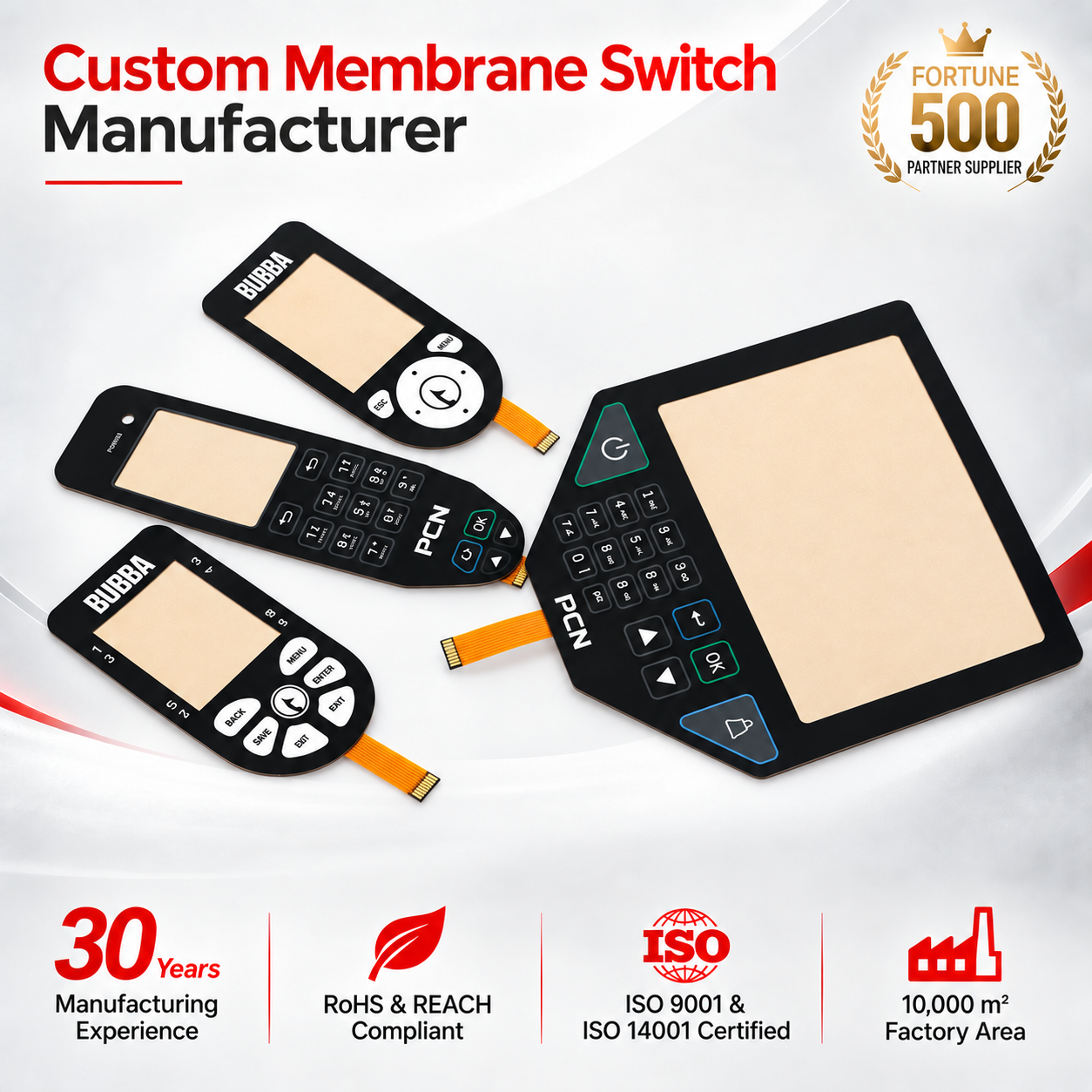
Custom 3m Adhesive Tactile Metal Dome Button Membrane Switch Graphic Overlay for Electronic Equipment
High-durability graphic overlay with precision CNC milled display cutouts, embossed rim actuation keys, and automotive-grade 3M 300LSE adhesive for low surface energy plastics.
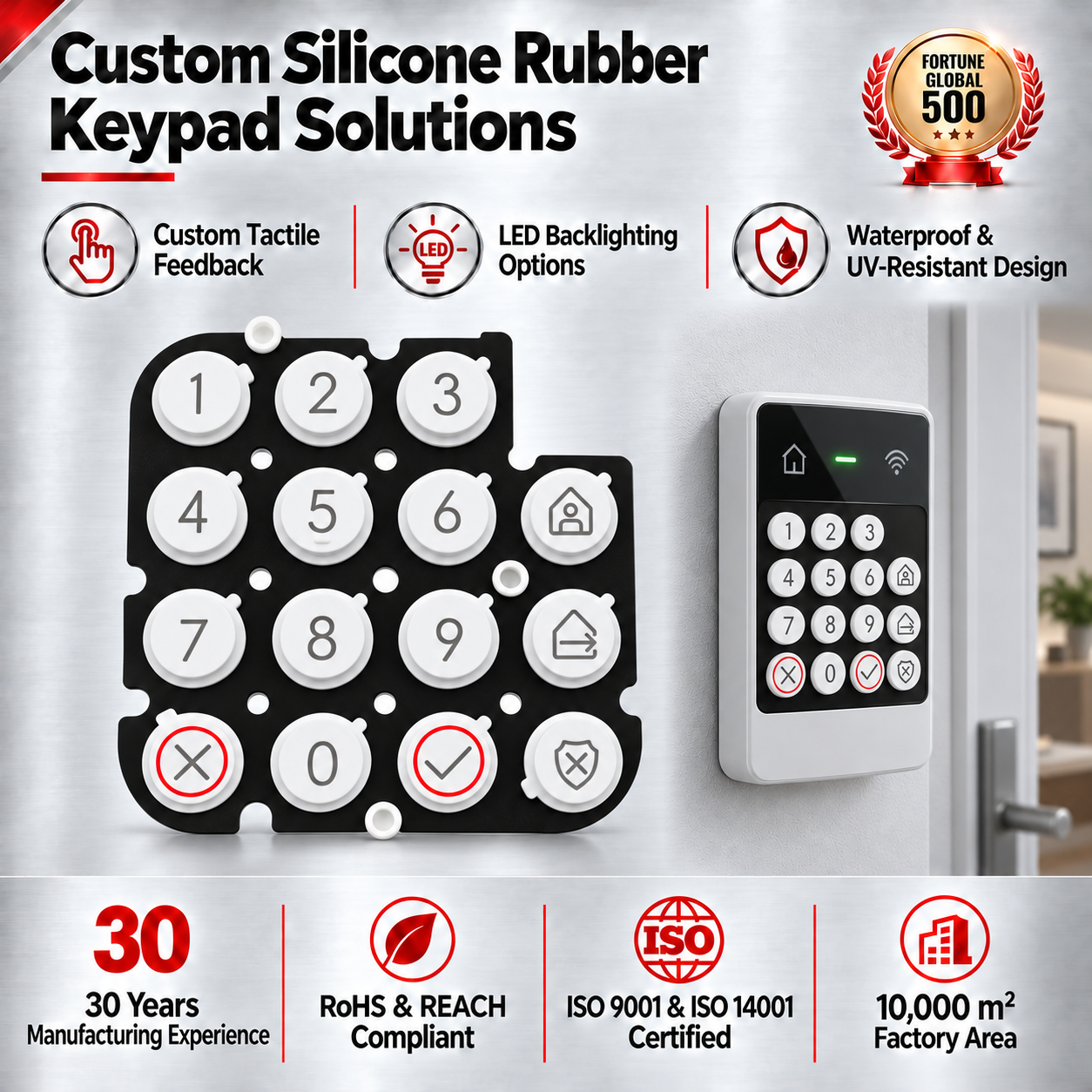
Factory Wholesale Numeric Conductive Silicone Rubber Keypad Panel Embossed Buttons for Home Appliances
Numeric control pad unit engineered for heavy daily cycling in commercial dishwashers, boiler controllers, and industrial processing consoles across European electrical networks.
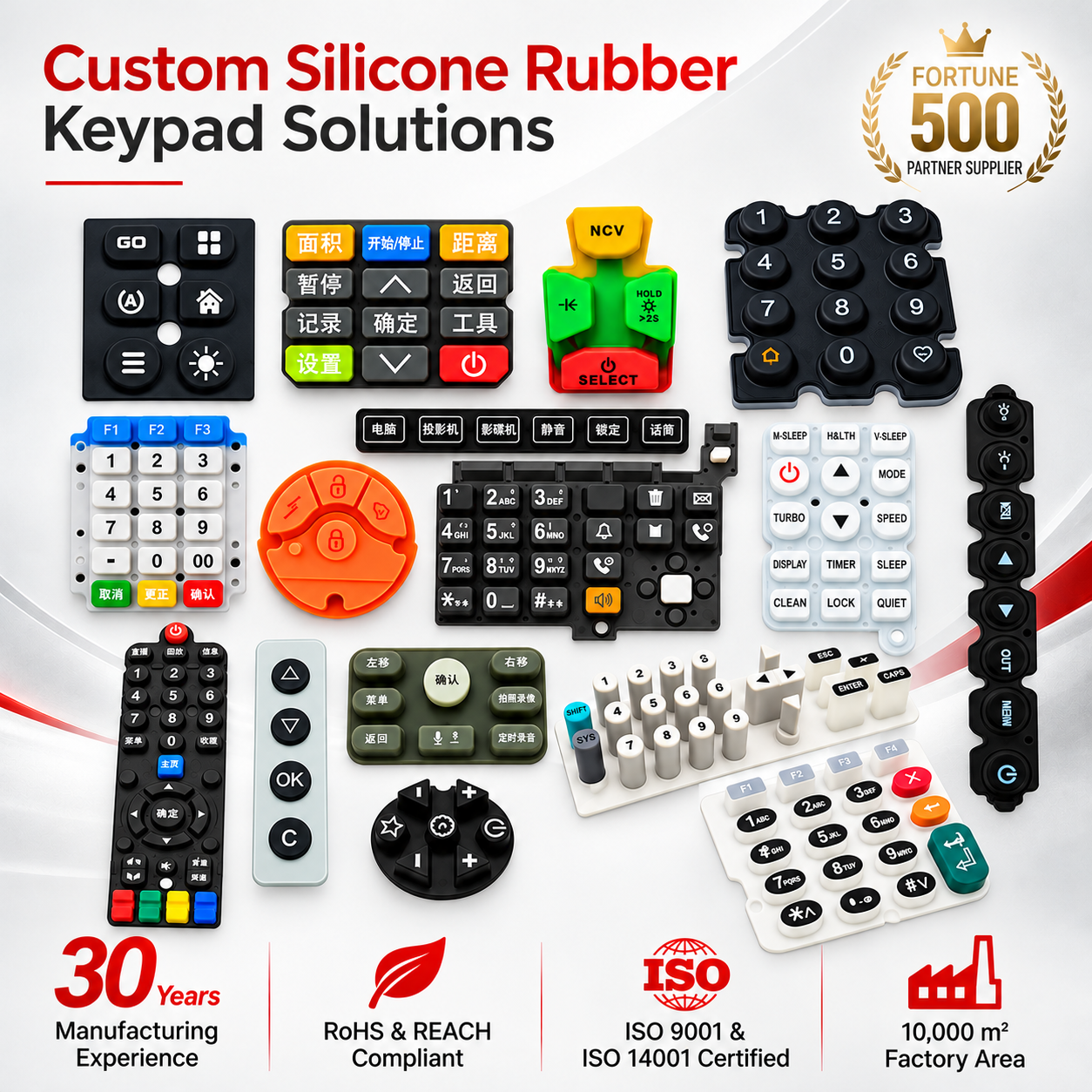
China Custom Size Durable Mullti Color Conductive Rubber Silicone Elastomer Keypads ptt Push Button Exporter
Multi-color compression-molded radio communication keypad featuring backlighting laser-etched nomenclature, extreme temperature durability (-40°C to +125°C), and ruggedized sealing.
Optimizing Acrylic (PMMA) Fascias for Ireland's Hardware Builders
For Irish procurement managers and hardware design engineers based across Dublin, Galway, Limerick, and Cork, choosing between Cast Acrylic (PMMA), Polycarbonate (Lexan), and Biaxially-Oriented Polyester (Autotype PET) is a decisive crossroad determining long-term optical clarity, mechanical yield, and environmental resilience.
Exceptional Luminous Transmittance
Optical-grade acrylic sheet provides up to 92.5% visible light transmission, surpassing polycarbonate (88%) and standard glass. In medical monitoring and diagnostic displays, this eliminates chromatic aberration, guarantees pure color accuracy for OLED/TFT modules, and supports razor-sharp dead-front graphic effects where indicators remain invisibly black until illuminated by internal LEDs.
UV Stability in Coastal Environments
Unlike raw polycarbonate which requires specialized chemical stabilizers to prevent photo-oxidation, acrylic polymer structures are inherently resistant to ultraviolet radiation. For Irish offshore wind turbine controllers, marine navigation equipment along the Atlantic Seaboard, and outdoor agritech sensors, PMMA overlays prevent yellowing, crazing, and brittleness over a 10-year operational life.
Surface Hardness & Chemical Shielding
Standard PMMA possesses a native pencil hardness of 2H to 3H, which can be upgraded via wet chemical dip or vacuum-deposited siloxane coatings to 5H or 6H. This provides vital scratch immunity against cleaning abrasives, mineral acids, bio-fluids, and alcohol-based sterilizers ubiquitous in Irish biopharmaceutical manufacturing facilities.
| Technical Parameter | Optical Grade PMMA (Acrylic) | Polycarbonate (Lexan / Makrofol) | Polyester (Autotex PET) |
|---|---|---|---|
| Luminous Transmittance (DIN 5036) | 92.5% – Crystal Optical Peak | 86% – 89% | 88% – 91% |
| Surface Hardness (Pencil Test) | 2H – 3H (Up to 6H with Hardcoat) | HB – 1H (Requires Hardcoat for Scratch Resistance) | 2H – 3H (Hardcoated Polyester) |
| UV Degradation & Yellowing Index | ΔYI < 1.0 after 3,000h QUV (No Yellowing) | Susceptible without UV blocker additives | Moderate resistance (Specialized UV grades required) |
| Key Actuation Flex Life (Switch Embossing) | Rigid / Non-Flexible (Used as Fascia Plate) | > 100,000 switch cycles | > 5,000,000 tactile switch cycles |
| Machining & Edge Finishing | Diamond edge polishing, CNC chamfer, Laser cut | Die-cut stamping, CNC routing (Laser causes burning) | Flatbed steel-rule die cut, Laser cut |
| Disinfection Resistance (IPA, Bleach) | Outstanding against detergents, weak acids, alcohols | Moderate; stress-cracking risk with harsh solvents | Extreme chemical barrier (Impermeable to solvents) |
Where Our Overlays & HMIs Operate in Ireland
From the world-renowned medical technology cluster in Galway to high-throughput pharmaceutical processors in Cork and marine telemetry systems along the Western Coast, Dongguan AXRU delivers bespoke, field-proven HMI solutions.
MedTech & In-Vitro Diagnostics
Over 450 medtech companies operate in Ireland. We supply custom flush-mounted acrylic instrument windows and antimicrobial membrane switches for portable blood analyzers, surgical electrosurgical generators, and patient monitors requiring IP65 wipe-clean hermetic seals.
Pharma & Cleanroom Automation
Biotech batch controllers and cleanroom air handling stations demand front panels that tolerate aggressive vaporized hydrogen peroxide (VHP) decontamination cycles. Our sub-surface screen-printed PMMA panels prevent ink degradation and particle generation.
Smart Agri-Tech & Dairy Systems
Ireland’s automated dairy milking parlors, herd feeding telemetry, and cold-chain chilling tanks encounter daily high-pressure washdowns and high relative humidity. Our IP67 silicone-gasketed membrane switches prevent moisture intrusion and electrical leakage.
Data Centers & Smart Building IOT
For Dublin's hyperscale infrastructure and automated commercial HVAC, we fabricate sleek capacitive touch acrylic consoles featuring capacitive slider bars, ambient LED halos, and high-tensile 3M VHB bonding for seamless architectural integration.
Emerging HMI Engineering Trends in Ireland
Irish OEMs are transitioning toward higher-value smart hardware. As design criteria evolve, Dongguan AXRU integrates leading-edge manufacturing technologies to keep Irish clients at the forefront of European hardware design.
Capacitive Touch Fusion with Thick Acrylic
Traditional tactile switches are increasingly augmented with projected capacitive (PCAP) sensing through 2.0mm to 4.0mm thick optically clear PMMA panels. This creates completely flat, gap-free surfaces that satisfy Class 100 cleanroom hygienic protocols while supporting glove-operated gestures in damp environments.
Hermetic IP68 Perimeter Sealing Techniques
Ireland’s wet Atlantic maritime climate creates chronic capillary moisture ingress challenges for external controllers. We deploy continuous perimeter adhesive gaskets combined with closed-cell micro-cellular polyurethane foams and engineered breather vents to achieve real-world IP67/IP68 reliability without tail condensation.
EU RoHS 3, REACH & Circularity Mandates
With the European Union tightening chemical and recyclability oversight (WEEE directive, RoHS Directive 2011/65/EU as amended by 2015/863, and REACH EC 1907/2006), our production batches come with fully traceable declarations of conformity, ensuring zero restricted phthalates, lead, or halogenated flame retardants in our inks and adhesives.
Inside AXRU’s 10,000㎡ Dongguan Production Facility
Verified on-site by Intertek, Dongguan AXRU Electronics Co., Ltd. operates a vertically integrated production plant with 121 highly skilled personnel. All critical operations—from screen printing and cleanroom lamination to laser die-cutting and environmental testing—take place inside our facility.
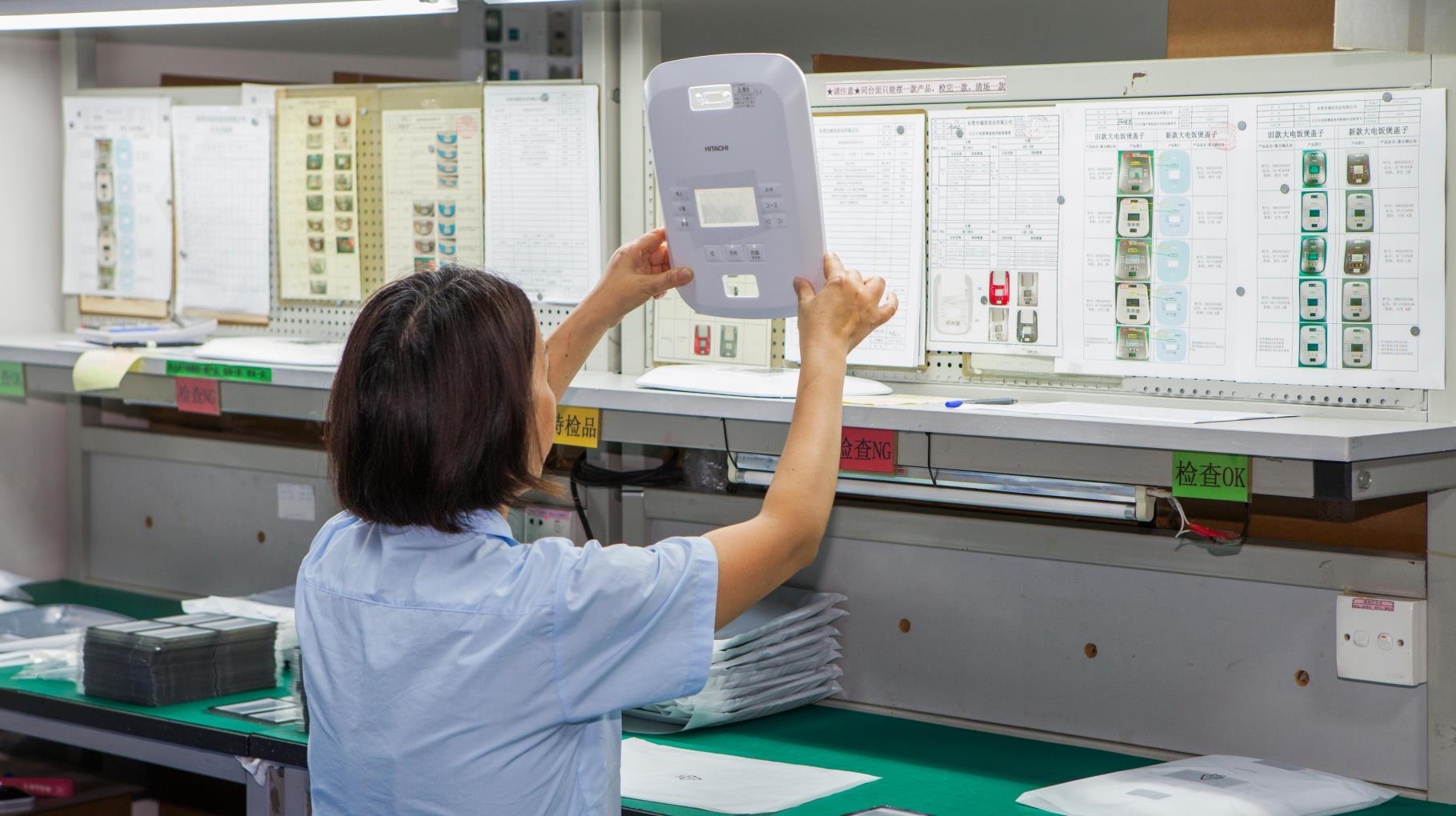
100% Electrical & Optical Inspection
Every single membrane circuit and front panel assembly undergoes computerized testing for contact loop resistance, insulation breakdown (dielectric integrity > 500V DC), open/short circuits, and LED luminous forward voltage before batch packing.
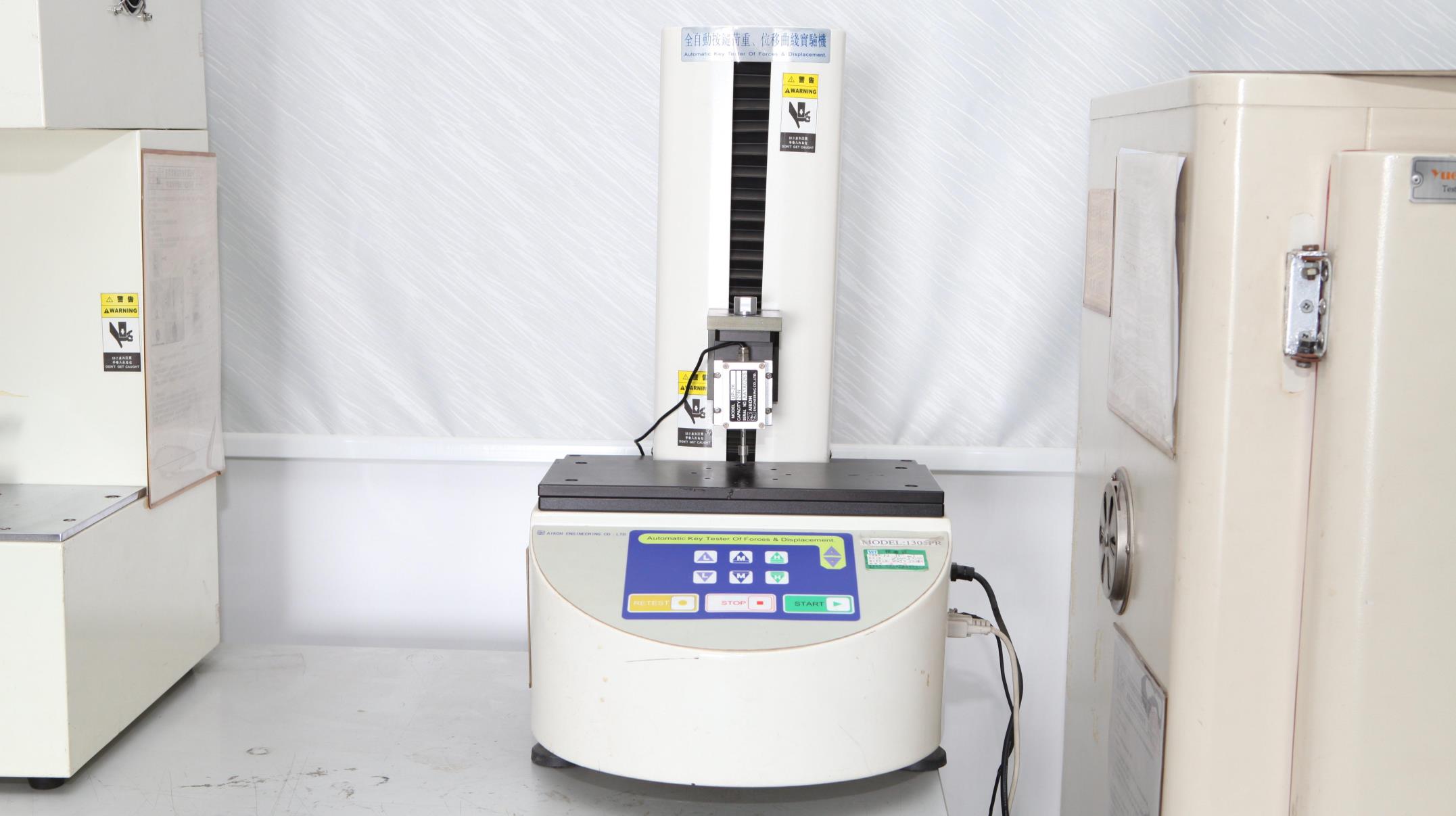
Automated Force-Displacement Profiling
Precise tactile feel is non-negotiable. Our automated force curves capture peak actuation force (F1), contact switch force (F2), and tactile click ratio (F1 - F2)/F1 to guarantee uniform keystroke feedback across all batch runs.
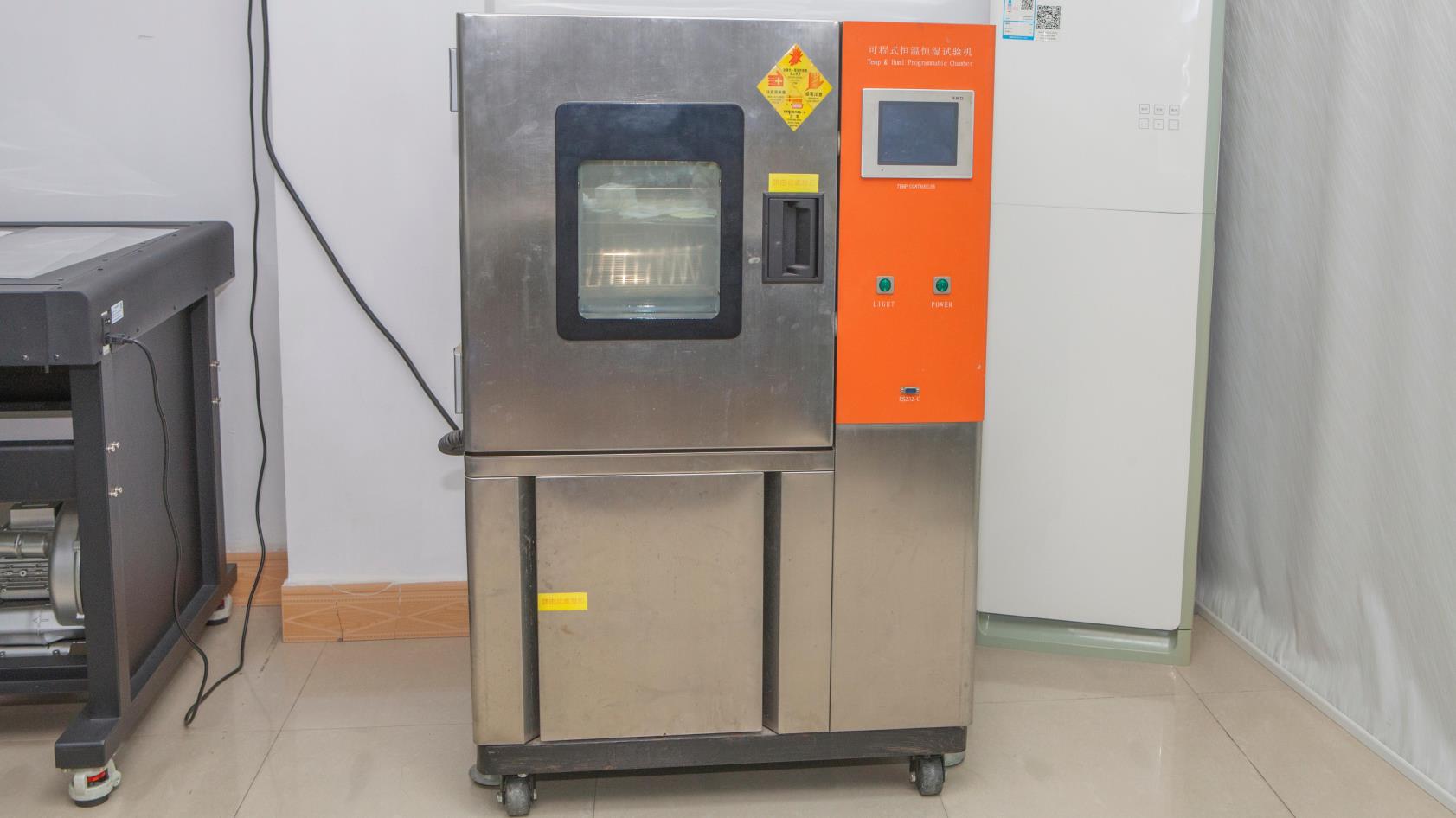
Temperature & Humidity Cycling Chamber
Simulating rapid thermodynamic stress from -40°C to +85°C with 95% relative humidity, our environmental ovens validate that adhesive bond interfaces (3M 467MP, 468MP, 300LSE) never experience bubbling, edge lifting, or tail delamination.
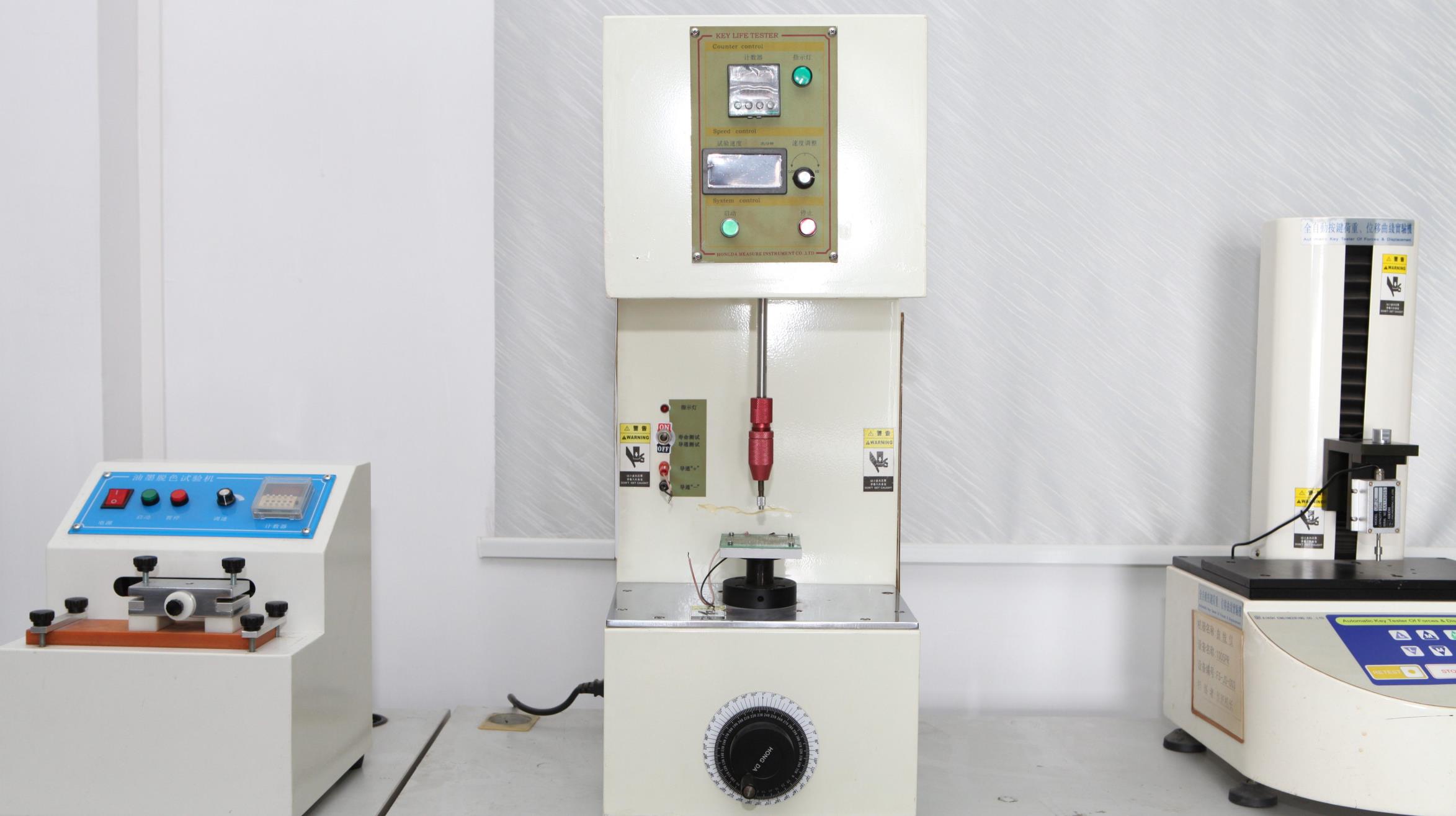
Pneumatic Key Switch Life Endurance Testing
Endurance testing stations cycle metal domes, silicone rubber contacts, and embossed graphic buttons under calibrated pneumatic pressure up to 5,000,000 continuous cycles to confirm zero dome collapse or contact fatigue.
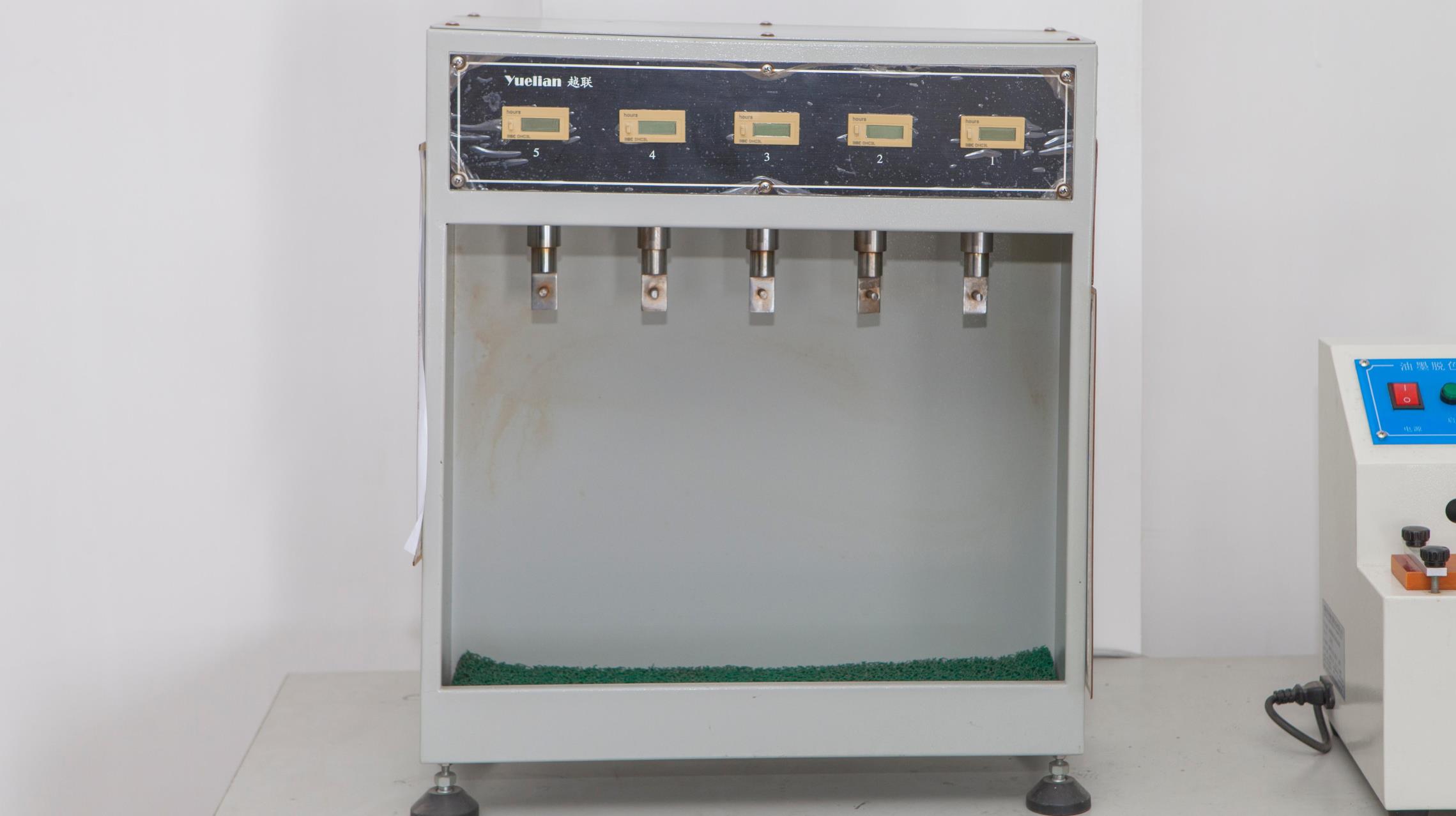
Tensile & Tail 90° Peel Adhesion Testing
We measure 180° and 90° peel strength of laminated acrylic fascias, conductive FPC circuit tails, and spacer layers to prevent micro-separation under severe mechanical vibration and field usage.
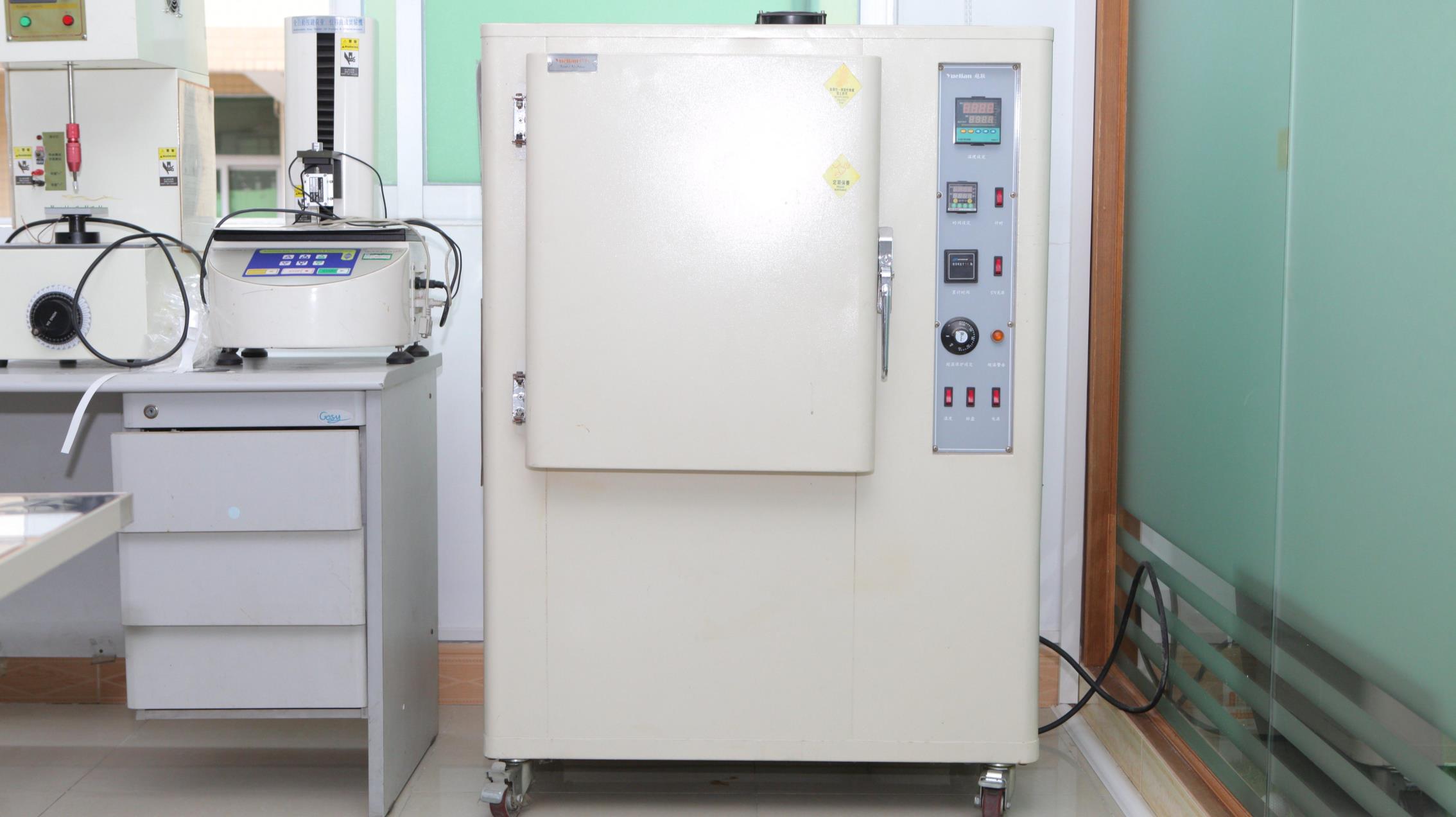
Accelerated UV Weathering & Rub Resistance
High-intensity fluorescent UV chambers verify that optical inks, dead-front window tints, and PMMA polymers resist fading, chalking, and yellowing, while automated linear crockmeters test ink rub durability against pure IPA solvents.
Frequently Asked Questions from Irish Purchasing Teams
Everything you need to know about engineering drawings, minimum order volumes, material conformity, and rapid delivery to Dublin, Shannon, and Cork.
Q What is the Minimum Order Quantity (MOQ) for custom acrylic overlays?
Our standard production MOQ starts at just 100 pieces. We maintain a dedicated rapid-prototyping sample workshop that can deliver 3 to 5 first-article engineering samples (FAIs) for pilot bench testing, DFM reviews, and clinical trials before releasing mass production tooling.
Q How do you manage DDP customs clearance and shipping to Ireland?
We routinely supply Irish clients via express air freight (DHL, FedEx, UPS) directly to Dublin Airport (DUB), Shannon (SNN), or Cork (ORK) in 4 to 6 business days. We provide Delivered Duty Paid (DDP) logistics options where all Irish import duties and VAT handling are managed smoothly without clearing delays.
Q What CAD and graphics files are needed to receive a formal quotation?
Please share your 2D engineering drawings in DXF, DWG, or vector PDF indicating overall dimensions, hole cutouts, edge chamfer angles, and adhesive zones. For graphic artwork, vector files in Adobe Illustrator (.AI) or CorelDraw with specified Pantone (PMS) or RAL color codes ensure exact color matching.
Q Are your materials fully compliant with EU RoHS 3 and REACH standards?
Yes. All acrylic raw sheets (PMMA), polycarbonate films, conductive silver pastes, UV printing inks, and 3M transfer tapes utilized in our Dongguan facility are 100% compliant with EU RoHS Directive (EU) 2015/863 and REACH Regulation (EC) No 1907/2006. Full material safety datasheets (MSDS) and certificates are provided with every batch.
Q Can you achieve optical dead-front display windows on acrylic panels?
Yes. By applying precision translucent black or smoky grey screen printing with tight optical density controls (OD 1.5 to 2.5), the display or indicator icon remains completely invisible and uniform with the bezel until the underlying LED or LCD activates, delivering an ultra-modern aesthetic.
Q What tooling costs should we expect for custom prototypes?
For early-stage design iteration, we utilize precision CNC flatbed routing and digital flatbed printing, allowing functional prototypes with zero or negligible tooling charges. For volume manufacturing, hard steel-rule die tooling is economical, typically amortized quickly over standard production batches.
Initiate Your Irish Custom Overlay Project Today
Send our senior engineering team your CAD drawings, stack-up requirements, or target enclosure specifications. We provide a comprehensive Design for Manufacturability (DFM) assessment and an all-inclusive factory direct quotation within 24 hours.