Export Catalog
High-Reliability Tactile Keypads & Sensor Solutions
Factory-direct human-machine interface assemblies engineered to withstand chemical aggression, harsh operating temperatures, and up to 5,000,000 actuation cycles.
Polycarbonate Panel
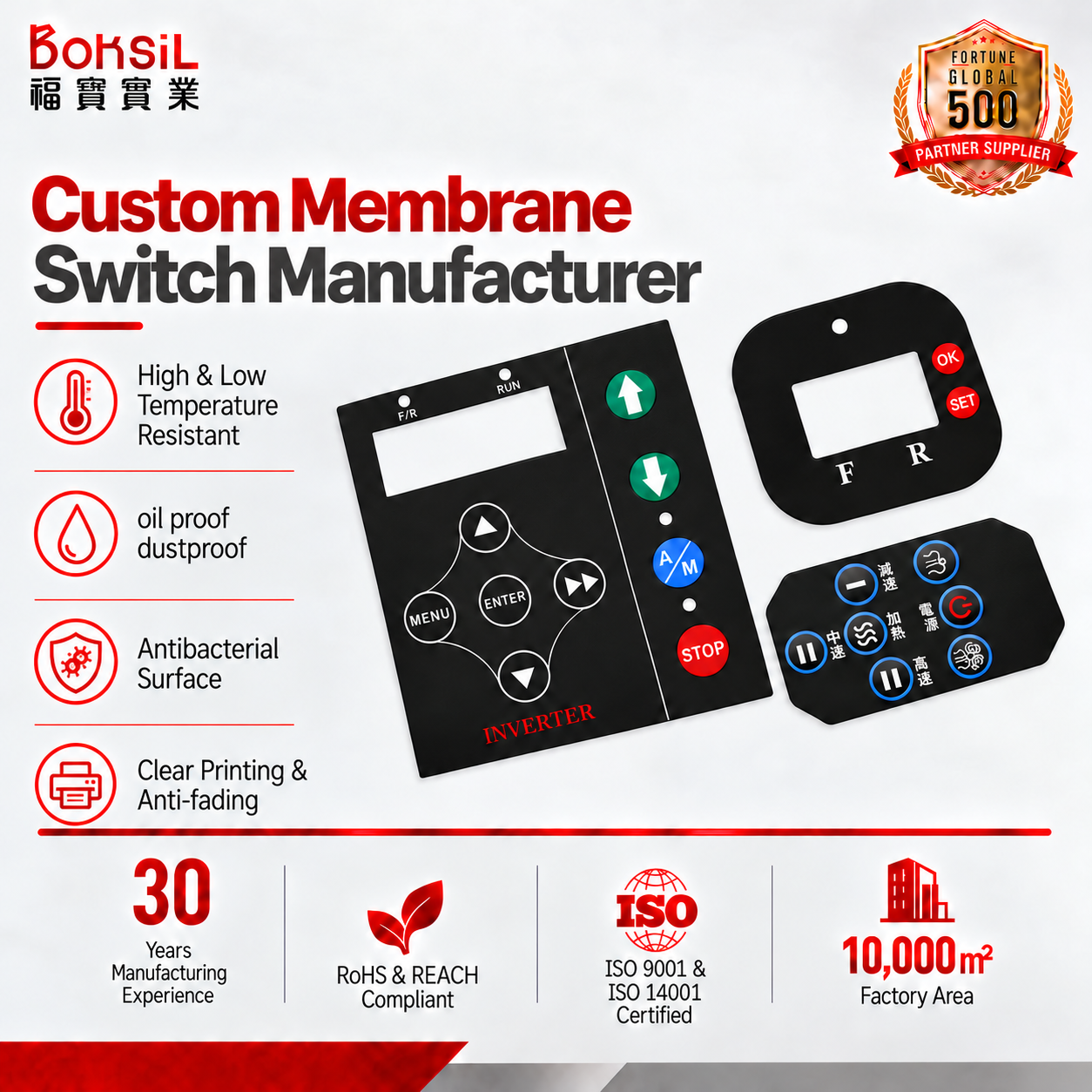
OEM/ODM Front Control Electronic Panel Polycarbonate Graphic Overlay
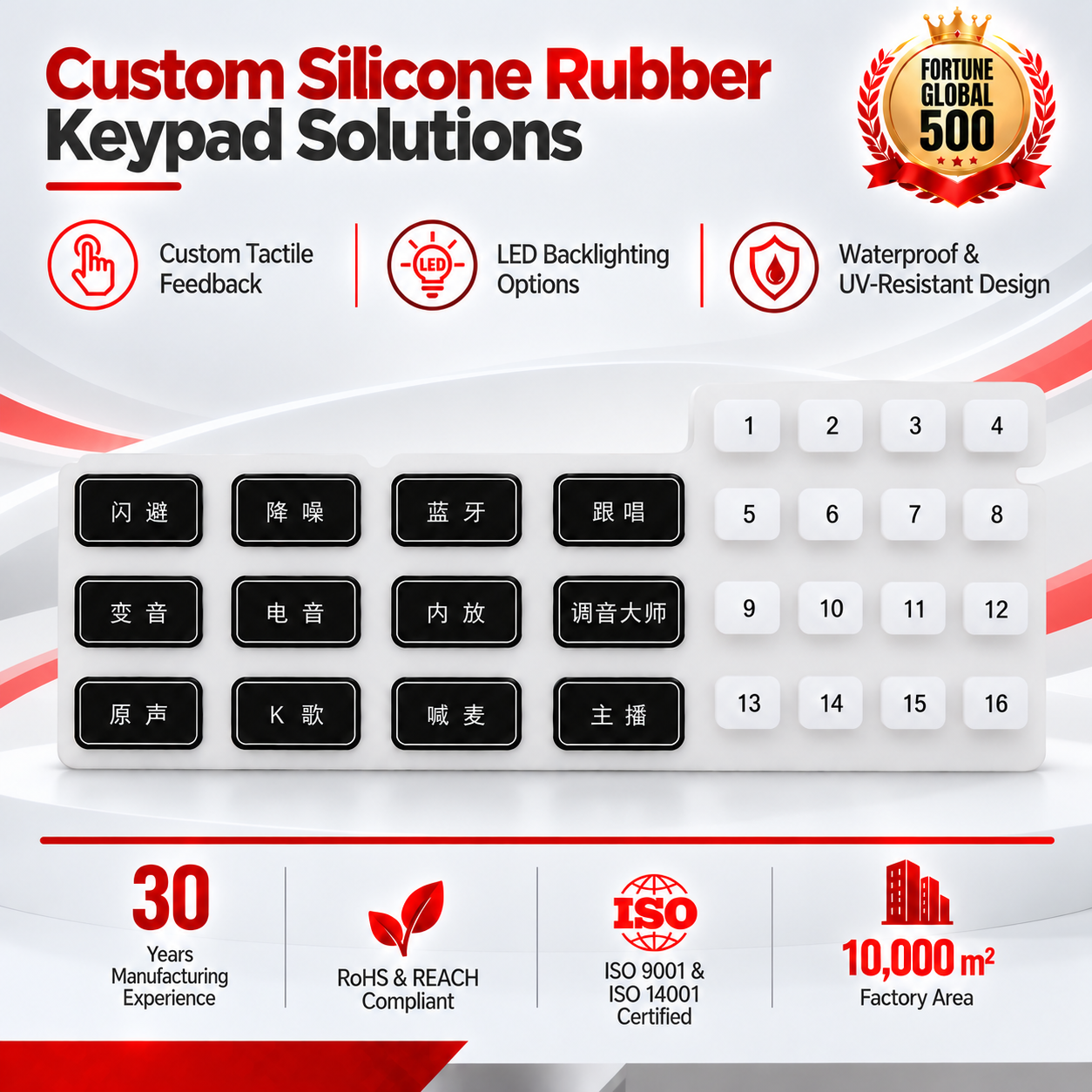
Metal Dome Matrix
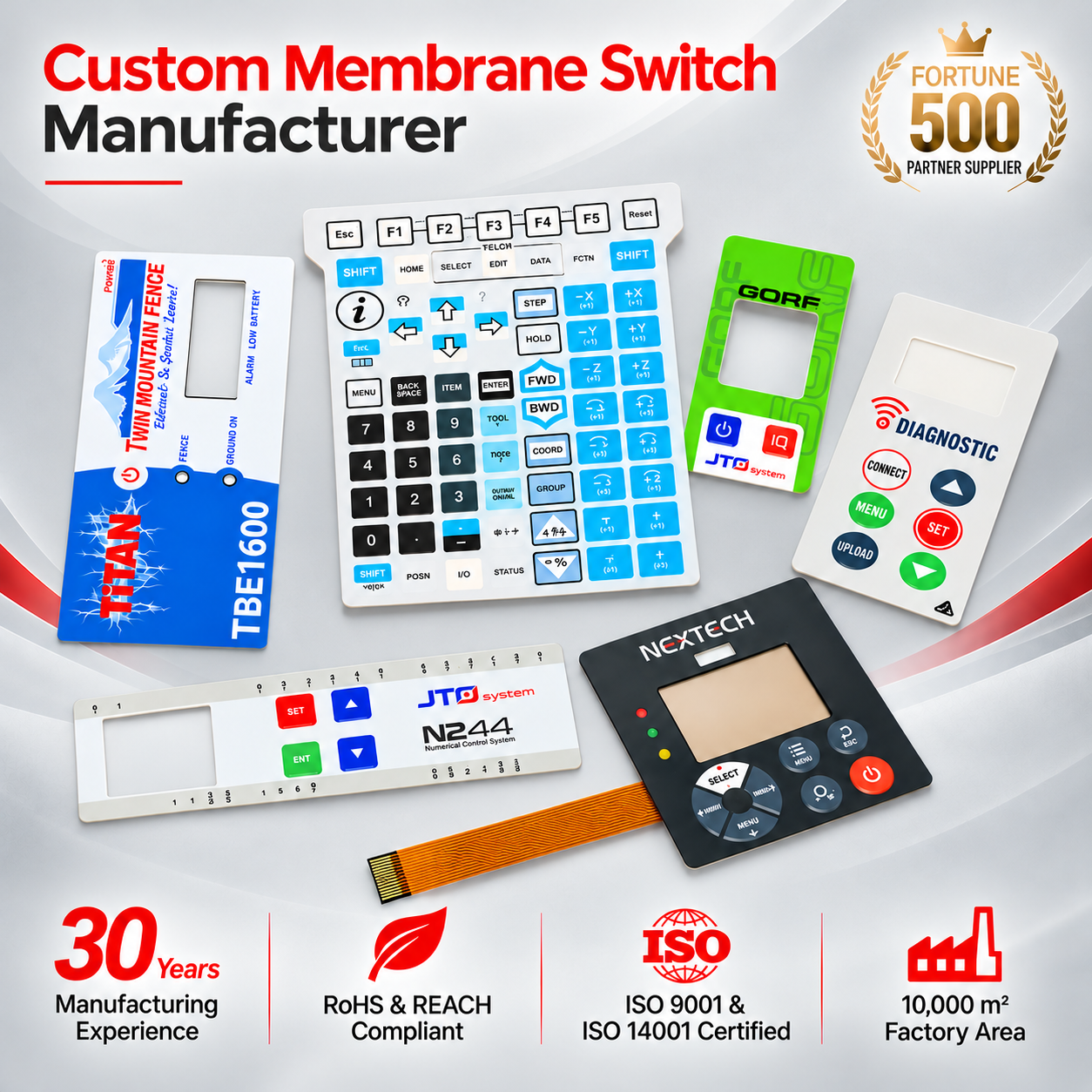
High Quality Industrial Membrane Switch Graphic Overlay Embossed Panel
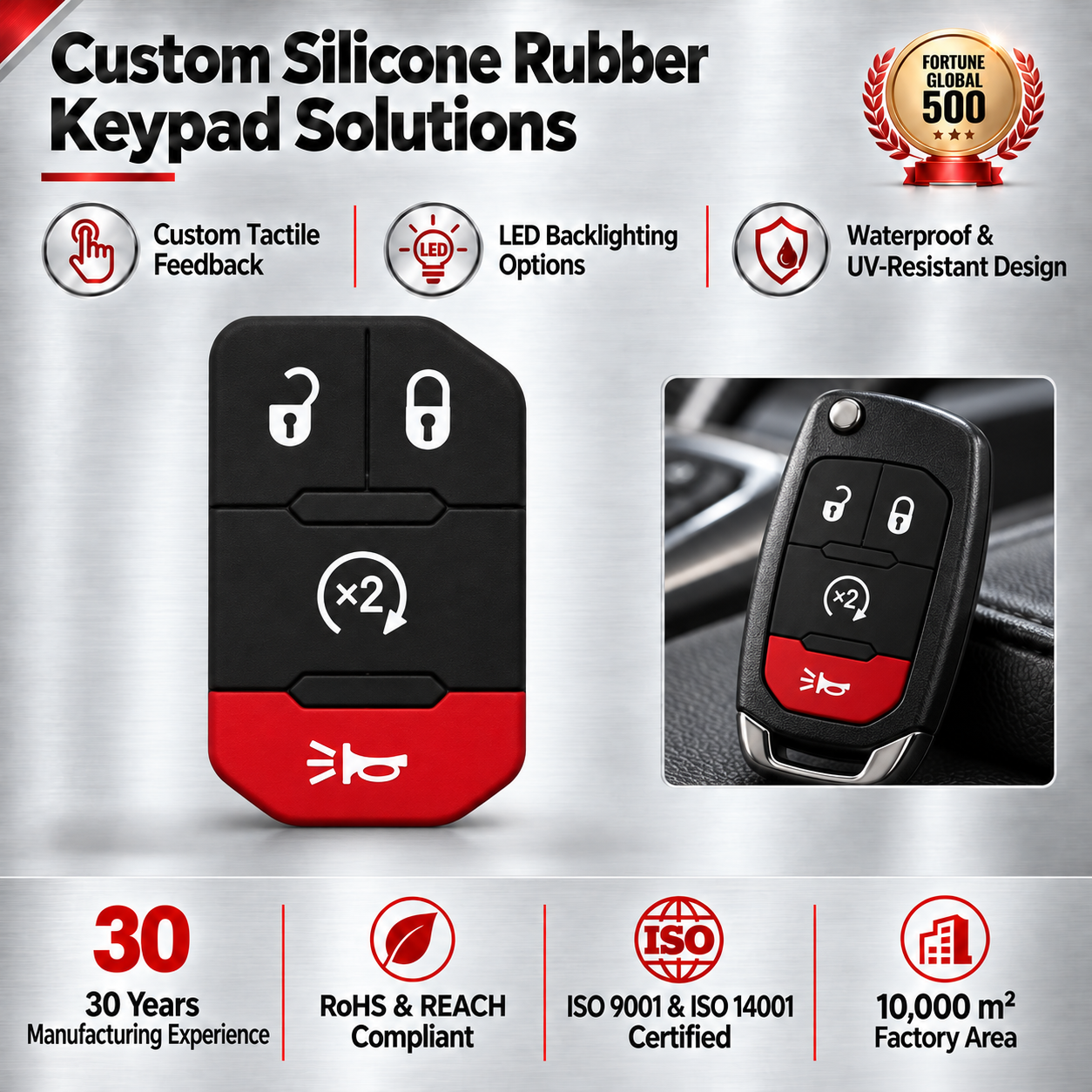
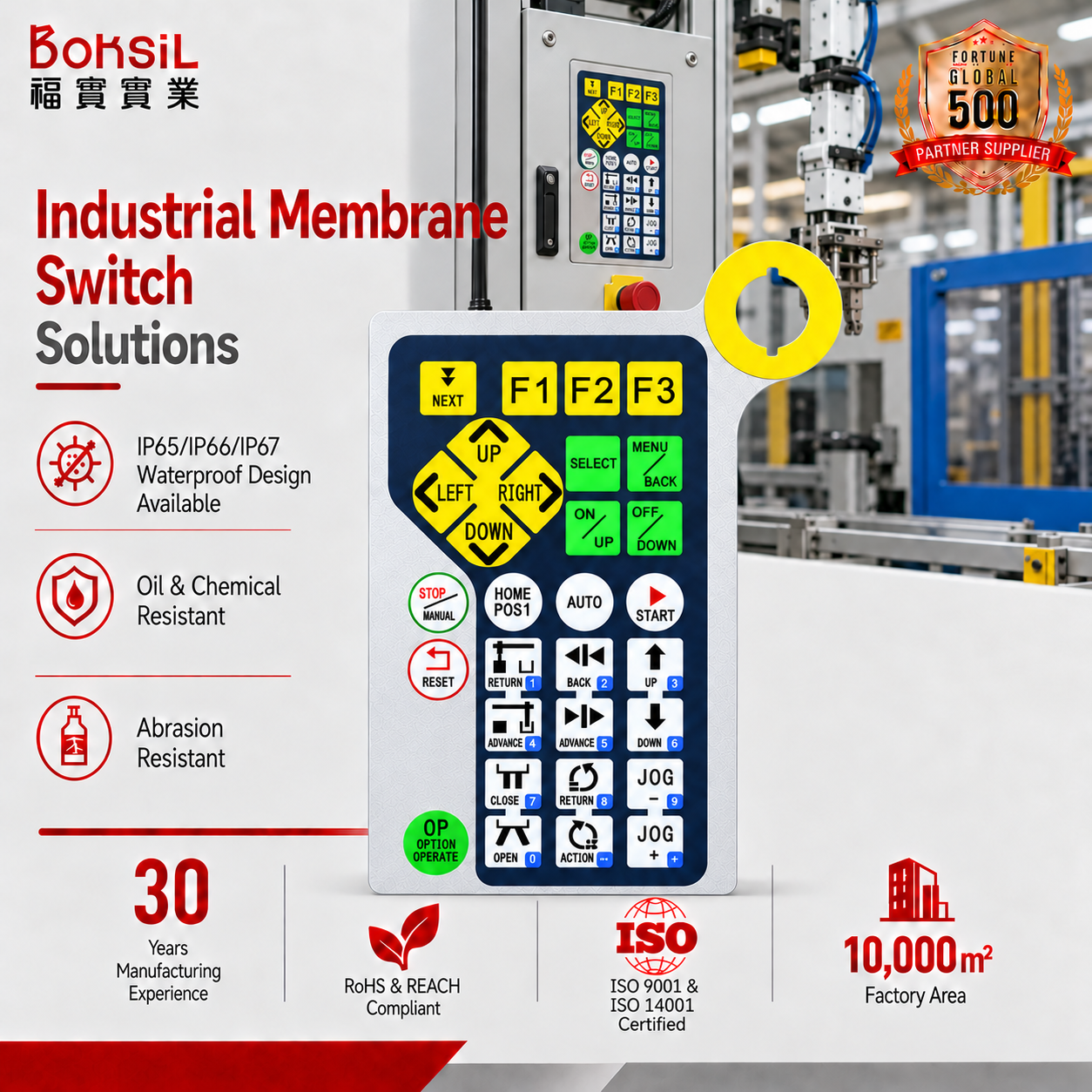
Chemical Resistant
Custom Membrane Keypad Sticker Graphic Overlay for Industrial Keyboard
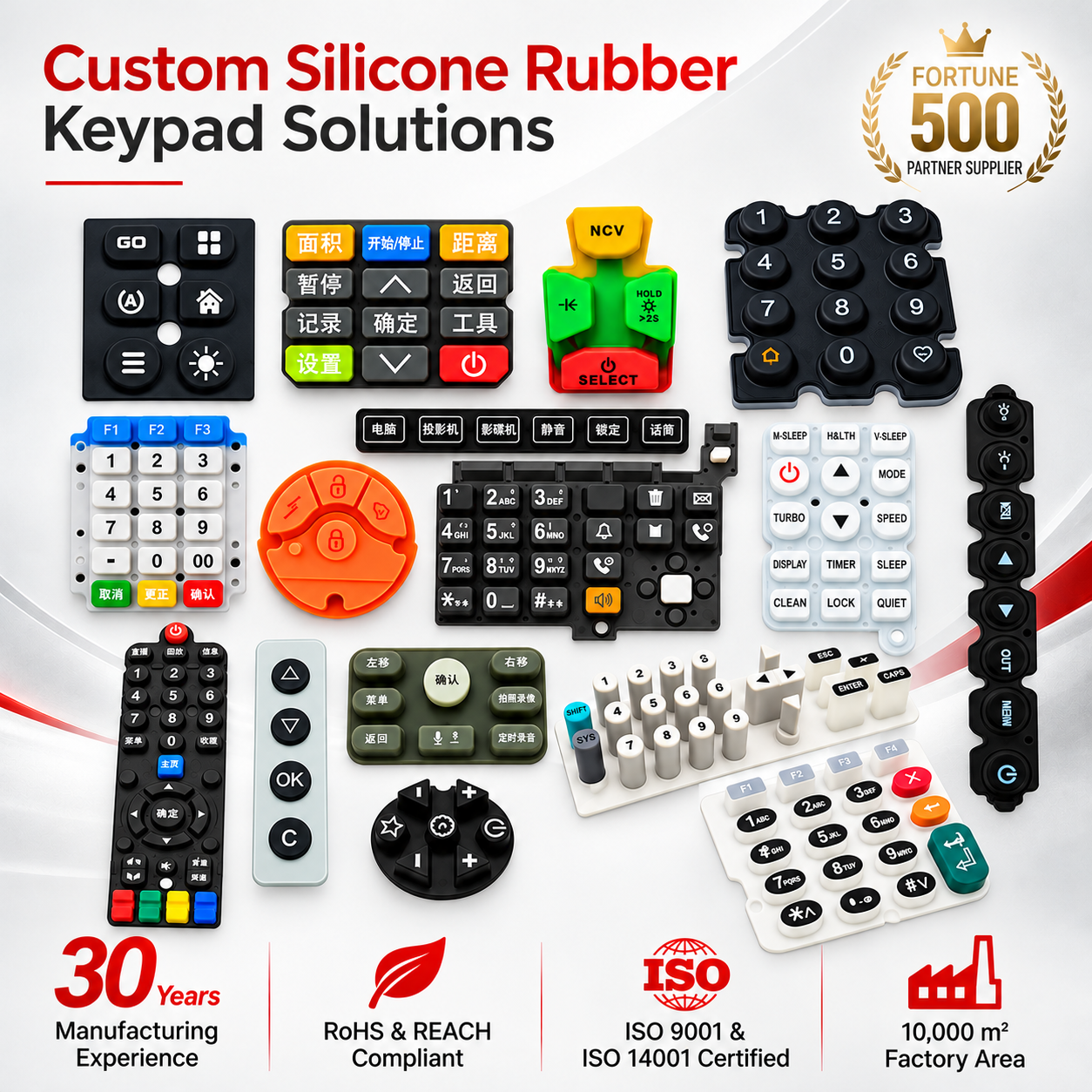
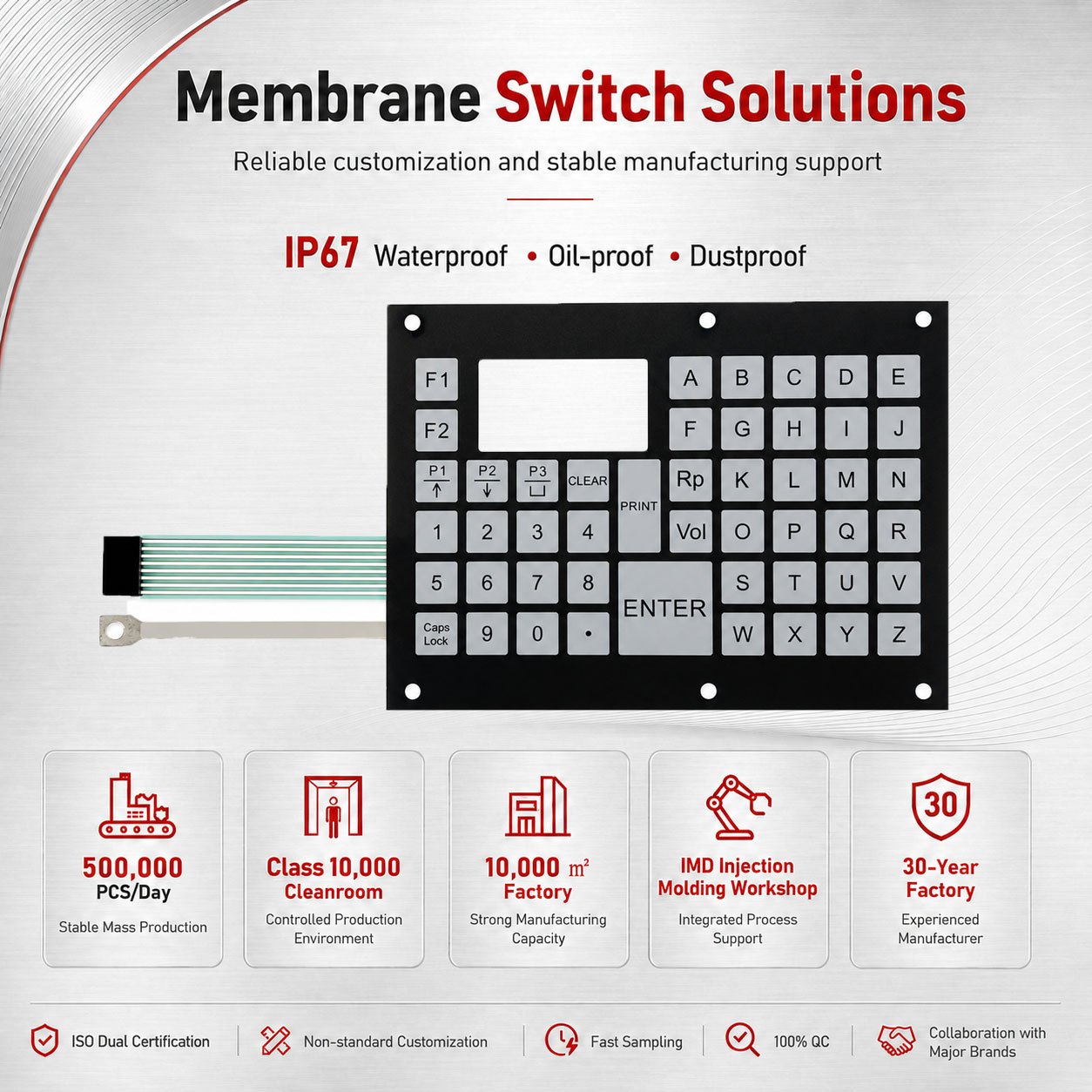
Engineering Precision: The CE Conformity Standard for Tactile Switches in the EU Market
Procuring membrane switches within the European Union—specifically for assembly lines throughout Slovakia—requires rigorous alignment with standardized directives. A membrane switch is not simply a decorative decal; it functions as a critical electrical interface within low-voltage systems and signal pathways. At AXRU Electronics, our engineering framework enforces absolute compliance across multiple harmonized standards:
1. Low Voltage Directive (LVD) 2014/35/EU: In typical industrial and medical human-machine interfaces (HMI), operating voltages range below 50V AC or 75V DC. However, breakdown voltage across spacer dielectrics must exceed 1,500V DC to ensure full galvanic isolation between front graphic overlays and internal circuits. Our lamination stack uses dielectric spacing layers formulated with certified optical-grade PET and high-cohesion acrylic adhesives (e.g., 3M 200MP / 467MP series) to prevent arcing and premature insulation puncture.
2. Electromagnetic Compatibility (EMC) Directive 2014/30/EU: In heavy industrial environments such as automotive body shops in Trnava or electronics manufacturing plants in Nitra, electromagnetic noise is pervasive. We integrate sub-surface printed silver-grid shielding or solid aluminum/copper foil shields directly into the keypad stack-up. This suppresses electrostatic discharge (ESD) events up to 15kV air discharge and 8kV contact discharge, safely redirecting surge currents through designated ground pins before they reach sensitive microcontrollers.
3. RoHS 3 (Directive 2015/863/EU) and REACH (EC 1907/2006): All conductive inks, carbon compounds, stainless steel snap domes, silicone matrices, and terminal headers are rigorously verified via XRF spectrometry. Trace heavy metals, phthalates, and SVHCs are restricted well below mandatory EU thresholds, guaranteeing immediate clearance at Slovak customs portals (Bratislava, Košice) without hazardous material quarantine.
Stack-Up Specifications
Tactile Keypad Mechanical & Electrical Architecture
Standardized engineering data sheet for OEM design verification and technical qualification.
| Layer Component | Material Options | Physical / Electrical Spec | Industrial Benefit & Slovak OEM Application |
|---|---|---|---|
| Graphic Overlay | Autotex PET / Lexan Polycarbonate / PMMA | Thickness: 0.125mm - 0.25mm; Hardness: 2H - 3H | Resistant to industrial solvents, cooling fluids, hydraulic oils, and repeated alcohol cleanings. |
| Overlay Adhesive | 3M 467MP / 468MP / 300LSE Low Surface Energy | Peel adhesion: > 18 N/100mm; Temp: -40°C to +150°C | Bonds securely to powder-coated aluminum, ABS chassis, or stamped zinc enclosures without bubbling. |
| Tactile Metal Domes | SUS301 Stainless Steel (Nickel or Gold plated) | Trip Force: 250g - 500g; Snap Ratio: 45% - 65% | Provides sharp, unmistakable tactile response even through operators wearing heavy industrial safety gloves. |
| Spacer Dielectric Layer | Biaxially Oriented Polyester (BOPET) film | Insulation resistance: > 100MΩ at 100V DC | Maintains uniform dome cavities and prevents contact bounce or inadvertent trace short-circuiting. |
| Conductive Circuit Trace | Conductive Silver Ink / Screened Carbon / Copper FPC | Loop resistance: < 50Ω (Silver) or < 1Ω (FPC copper) | High flex endurance; tail routing can accommodate fine-pitch 1.0mm, 1.27mm, or standard 2.54mm connectors. |
| Bottom Rear Adhesive | Modified Acrylic / Structural Double-Sided Tape | Shear strength: > 1,000 hours at 65°C / 95% RH | Hermetic sealing against dust and liquid ingress, meeting IP65, IP67, and up to IP69K standards. |
Geographic & Industrial Relevance
Localized Applications in Slovakia's Core Industrial Corridors
Slovakia maintains the highest per-capita automobile production in the world, accompanied by an expanding ecosystem of electromechanical machinery, automated warehousing, and medical diagnostics.
Automotive Tier-1 Clusters (Bratislava, Trnava, Nitra, Žilina)
Slovakia's automotive backbone—spanning Volkswagen in Bratislava, Stellantis in Trnava, Jaguar Land Rover in Nitra, and Kia in Žilina—relies on high-durability sub-components. Tactile membrane keypads manufactured by AXRU are integrated directly into assembly line tooling, automated test stations (ATE), dashboard calibration units, and vehicle test jigs. Our tactile metal-dome switches withstand automotive engine bay greases, brake fluids, and rigorous shock-vibration testing per ISO 16750 standards.
Robotics & CNC Factory Automation (Trenčín, Martin, Košice)
Machine builders throughout central and eastern Slovakia require teach pendants, conveyor console controllers, and operator panels capable of non-stop 3-shift operation. Membrane keypads fitted with embossed rim boundaries and high-actuation 400g snap domes allow machine operators wearing thick leather gloves to confirm cycle initiations without false triggers. Furthermore, IP65/IP67 perimeter seals protect internal circuits against aerosolized cutting fluid coolants.
Electromobility & Fueling Infrastructure (Nationwide Corridor)
Along the D1 and D2 transit highways, rapid EV charging infrastructure and multi-fuel dispensing terminals operate in exposed weather—facing harsh Carpathian winters (-25°C) and hot summer UV exposure (+38°C). AXRU supplies custom silicone-membrane hybrids and stainless-backed keypad assemblies using weatherproof XE-rated Autotex polyester with UV stabilizers that resist discoloration, ink micro-cracking, and mechanical delamination for over a decade in outdoor service.
Technological Foresight
Industry 4.0 & Emerging Trends Shaping Membrane Interfaces in Slovakia
How next-generation Human-Machine Interfaces are evolving beyond simple contact closures to meet European Green Deal and Industry 4.0 objectives.
1. Integration of Thin-Film Pressure & Force-Sensing Resistors (FSR)
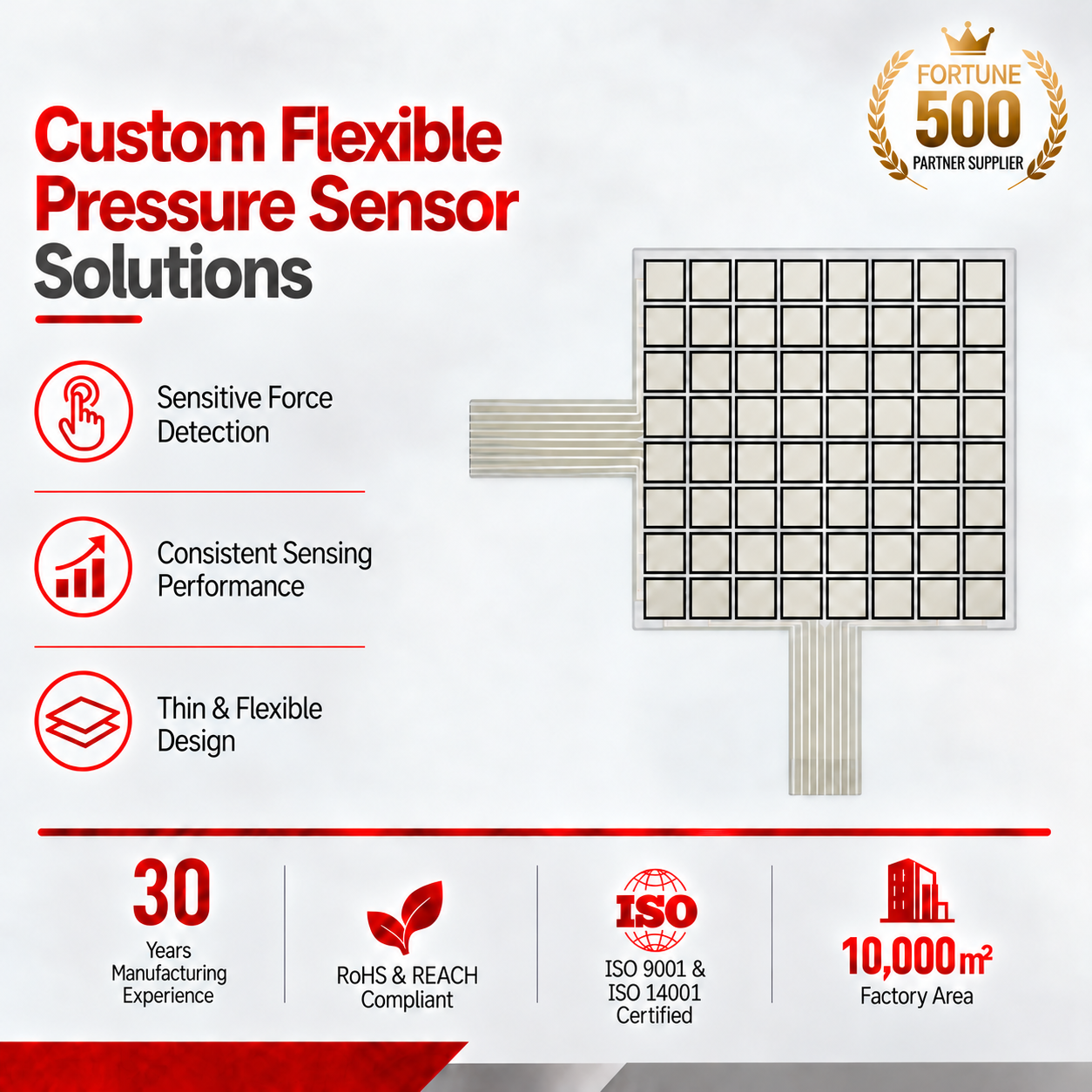
Standard discrete switches are increasingly augmented with continuous tactile pressure sensing. For modern Slovak medical robotics and collaborative assembly manipulators (cobots), AXRU manufactures micro-thin tactile pressure sensor arrays. These thin-film matrices detect variable pinch forces, allowing smart safety stopping mechanisms and proportional motor throttling directly integrated beneath the decorative overlay without bulky mechanical load cells.
2. Ultra-Thin Light Guide Film (LGF) Uniform Backlighting
Traditional discrete LEDs often create uneven hot spots across graphic panels. European equipment aesthetics now mandate edge-lit Light Guide Film (LGF) architectures. Using microscopic laser-etched dot matrices across a 0.125mm optical film, AXRU routes light from minimal side-firing SMD LEDs across entire key legends, icons, and status rings. This consumes up to 70% less energy compared to full LED grids while meeting strict EU Ecodesign directives.
3. Antimicrobial & Sanitization Resistance for Clinical Tech
Post-pandemic healthcare equipment manufactured in Central Europe (infusion pumps, surgical monitors, patient interfaces) must survive high-frequency wiping with harsh virucidal agents like sodium hypochlorite, isopropyl alcohol, and quaternary ammonium compounds. Our medical-grade overlays integrate micro-textured textures with bonded antimicrobial additives that permanently prevent bacterial colonization without degrading optical clarity over ten years of intensive sterilization.
4. Hybrid In-Mold Decoration (IMD) & Capacitive Fusion
Slovak OEM buyers designing next-generation electric vehicle dashboards and high-end residential heat pump interfaces are moving toward capacitive touch sliders encapsulated within 3D formed In-Mold Decoration (IMD) front panels. AXRU combines screen-printed capacitive touch sensors with tactile emergency stop buttons, providing the sleek aesthetics of capacitive glass with the fail-safe tactile feedback mandatory for industrial CE certification.
Manufacturing Excellence
Why Central European OEMs Partner with AXRU Electronics
End-to-end control from precision screen printing and cleanroom assembly to comprehensive reliability testing under one verified roof.
10,000㎡ Intertek-Verified Facility
Our expansive industrial plant in Dongguan, China operates with 121 skilled technical specialists, climate-controlled cleanroom print rooms (Class 1,000 and Class 10,000), automated high-speed screen-printing lines, and computer-controlled CCD registration presses. We undergo annual on-site surveillance audits by Intertek, ensuring consistent quality compliance for European supply chains.
100% In-House Reliability Testing
We eliminate quality variance by testing every single production batch with an exhaustive in-house laboratory suite: Key Life Cycle Testers (cycling beyond 5 million presses), Automatic Force & Displacement Analyzers (plotting snap ratio curves), Programmable Temperature & Humidity Chambers (-40°C to +150°C), Tensile Adhesion Pull Testers, and Ink Decolorization & UV Yellowing Resistance Stations.
Direct DFM Engineering Support
Unlike typical trading intermediaries, Slovak OEM clients communicate directly with bilingual senior project engineers. We provide comprehensive Design For Manufacturability (DFM) reviews within 24 hours of receiving your CAD data (.DXF, .DWG, .STP, or vector graphics). We optimize trace routing, specify exact metal dome travel distances, and resolve assembly tolerances prior to steel tooling release.
Procurement Intelligence
Frequently Asked Questions for Slovak Purchasing Teams
Addressing essential customs, logistical, certification, and technical concerns for imports into Slovakia and the European Union.
How are customs duties and VAT handled when importing membrane keypads into Slovakia?
Membrane switches and front control panels generally fall under the EU Harmonized System (HS) Tariff Code 8537.10.99 (Boards, panels, consoles, desks, cabinets and other bases for electric control). Slovak corporate buyers with a valid EU VAT number (IČ DPH) can utilize reverse-charge or standard customs clearance through major Slovak transit hubs, including Bratislava Airport (BTS) or bonded freight handling centers via Vienna Schwechat (VIE) just 60 km away. AXRU provides full commercial invoices, packing lists with net/gross weights, certificates of origin, and CE declarations of conformity to ensure zero clearance delay.
Can AXRU meet strict automotive PPAP Level 3 documentation requirements?
Yes. Supplying Tier-1 and Tier-2 automotive contractors across the Bratislava and Žilina industrial belts requires complete process transparency. We supply formal Production Part Approval Process (PPAP) documentation, including Process Flow Diagrams, Design & Process FMEA (Failure Mode and Effects Analysis), Control Plans, Material Certification Reports (RoHS/REACH), Full Dimensional Inspection Results (FAI), and Measurement System Analysis (MSA) for key tactile force parameters.
What is the typical prototype and mass-production lead time to Slovakia?
Rapid prototyping takes approximately 7 to 10 working days following engineering DFM sign-off. High-precision laser cutting and digital overlay printing allow low-quantity functional samples (typically 5 to 20 units) to be dispatched via express air courier (DHL Express, FedEx, UPS) directly to your Slovak facility within 3 to 4 business days. Mass production runs usually require 18 to 25 working days, with flexible shipping arrangements via air cargo or consolidated container freight (FCL/LCL) arriving through European maritime ports (Koper, Hamburg) connected directly to Slovak intermodal rail terminals.
What Minimum Order Quantity (MOQ) applies to custom switch designs?
Our baseline production runs start at an accessible 100 pieces for custom tactile membrane switches, graphic overlays, and silicone hybrid assemblies. This low barrier allows Slovakian precision machine builders, medical device pioneers, and start-up hardware innovators to qualify custom-tooled HMIs without committing to prohibitive capital expenditures or excessive safety stock reserves.
How does AXRU ensure tactile consistency and prevent dome inversion failure?
Tactile switch failure or 'dome inversion' occurs when metal domes suffer fatigue, incorrect actuation travel, or moisture-induced venting collapse. We utilize exclusively high-grade SUS301 stainless steel domes rated for up to 5,000,000 cycles with four-leg or oblong configurations. Each dome cavity within the spacer layer is laser-vented into internal channels to equalize air pressure across rapid typing sequences. Every production batch is validated on our computer-controlled Force-Displacement tester to confirm snap ratio consistency across ±15% tolerance limits.
Are silicone rubber keypads or metal dome membrane switches better suited for industrial washdown?
If your device requires flat or low-profile wipe-down hygiene (such as food processing machinery in Levice or medical monitoring equipment in Martin), a polyester membrane switch with a continuous, embossed graphic overlay and a perimeter adhesive gasket achieves a hermetic IP65 or IP67 seal, resisting liquid ingress completely. If your application requires deep mechanical key travel with 3D tactile feedback (e.g., handheld RF scanners, mining communications, or heavy agricultural equipment), a compression-molded silicone rubber keypad with integrated wrap-around perimeter sealing ribs is recommended. We also produce hybrid 'Silicone + Membrane' assemblies to provide the benefits of both technologies.
Accelerate Your Next HMI Project with Certified Engineering Expertise
Submit your 2D drawings, 3D enclosures, or electrical schematics for a complimentary DFM analysis, comprehensive CE compliance assessment, and transparent factory-direct quotation within 24 hours.