Precision Front Panel Overlays & HMI Assemblies
Direct OEM/ODM production adhering to CE Directives (2014/35/EU, 2014/30/EU), REACH (EC 1907/2006), and RoHS (EU 2015/863). Built to precise tolerances for European enclosure systems.
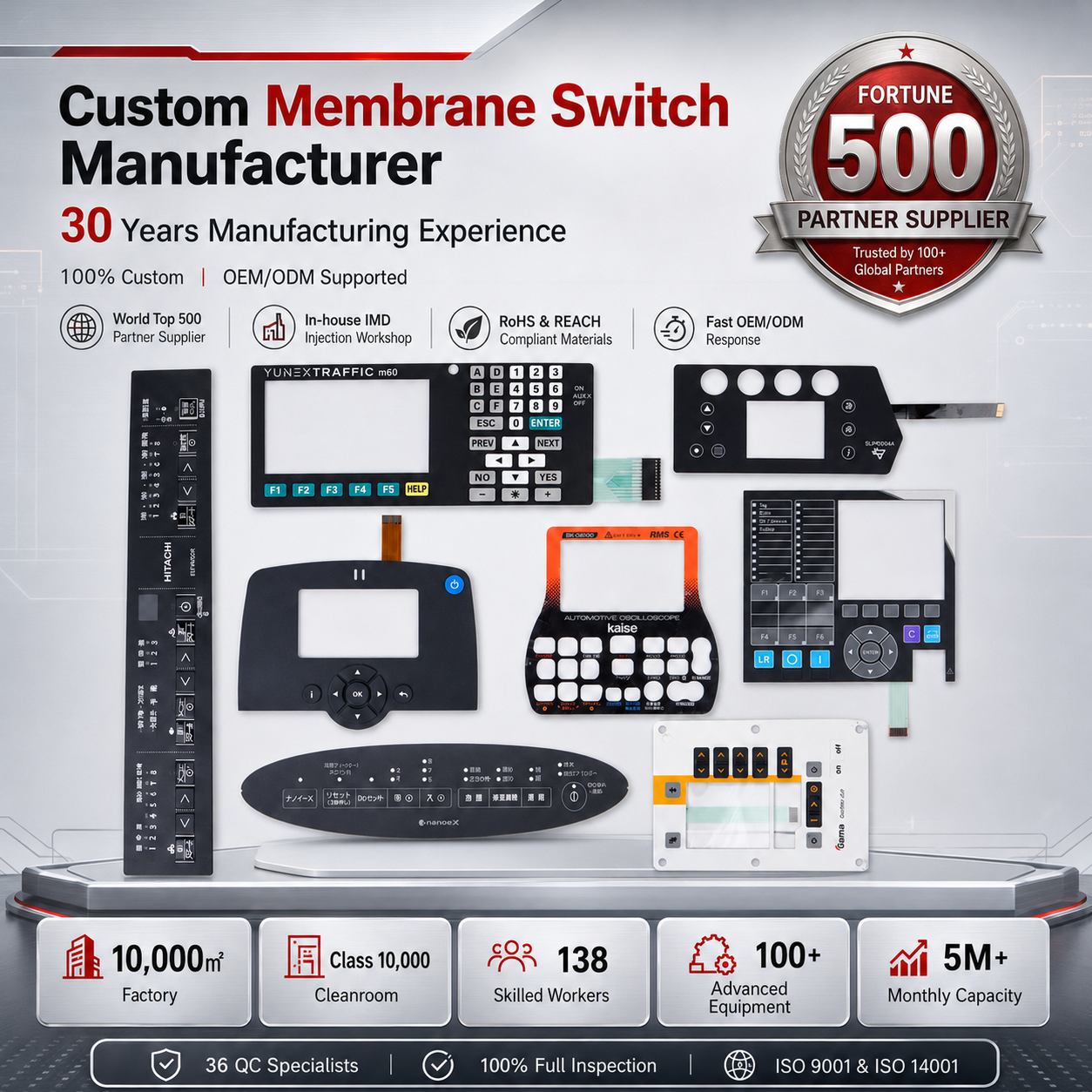
Custom Industrial Medical Appliance Membrane Switch Graphic Overlay
- Substrate Layer: Autotex Antimicrobial PET
- Circuit Topology: Flexible Copper FPC
- Ingress Rating: IP67 Immersion Proof
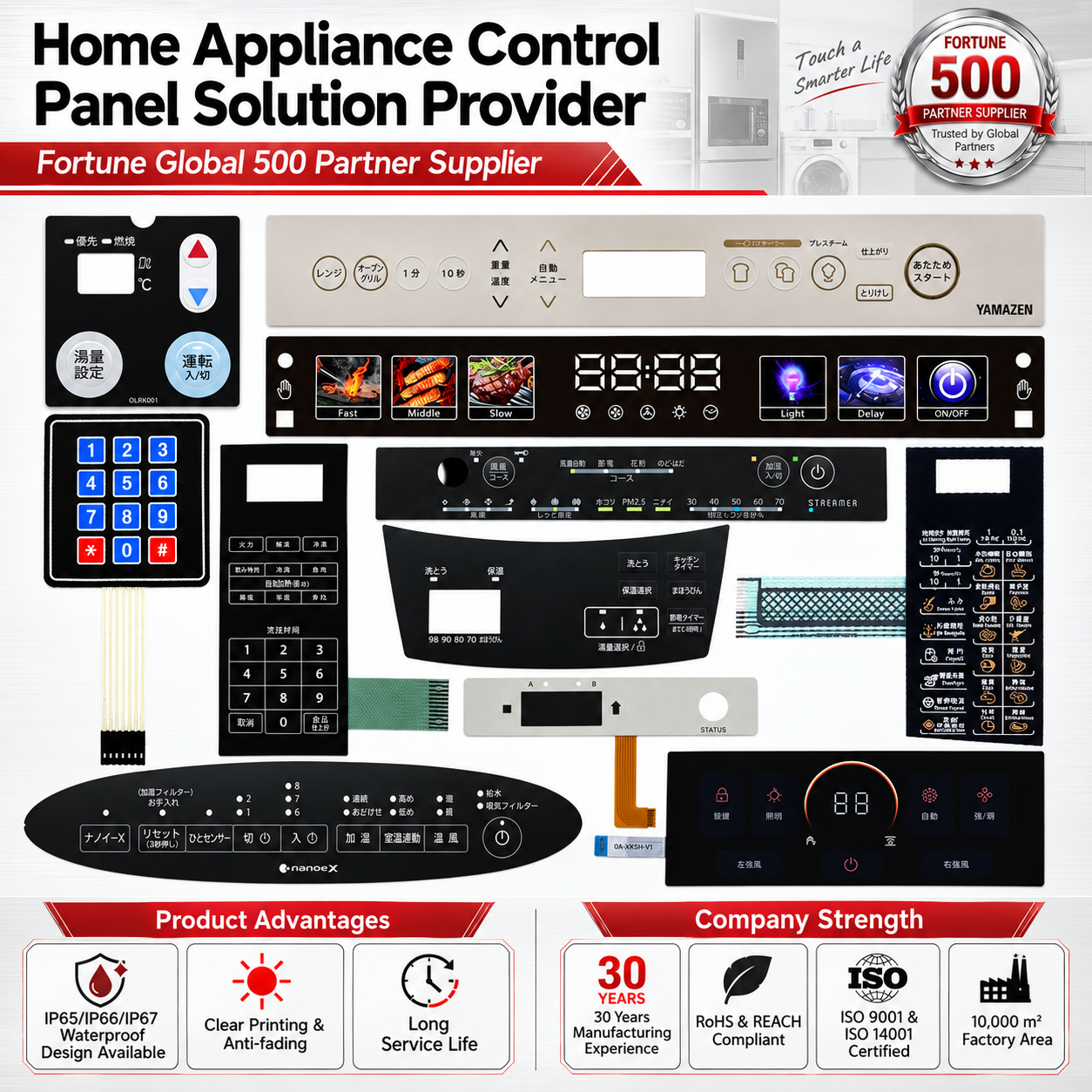
Factory Custom Membrane Switch Graphic Overlay IP65 Keypad
- Overlay Finish: Anti-Glare Velvet Matte
- Key Actuation: Tactile Stainless Dome
- Adhesive Layer: 3M 467MP / 3M 468MP
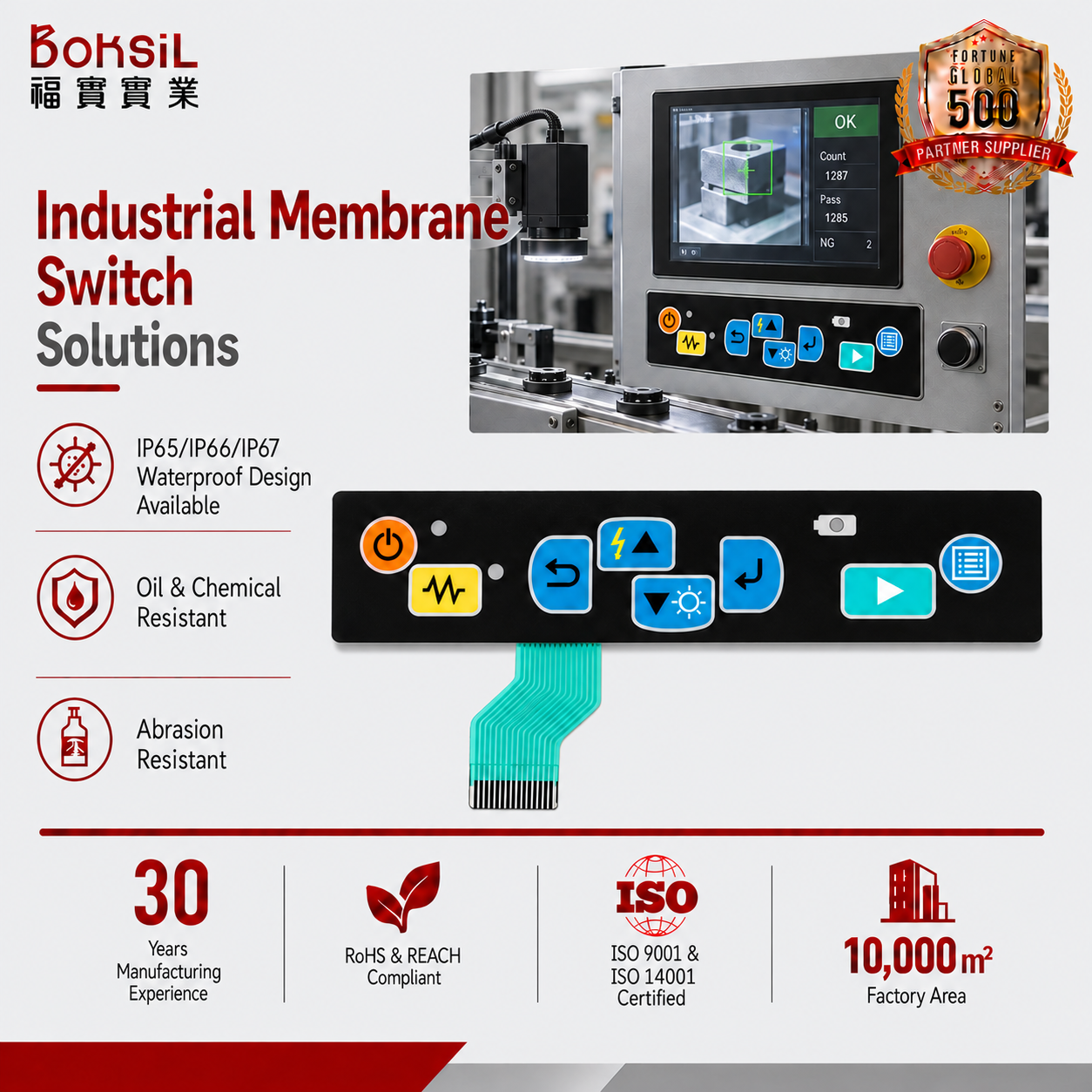
Capacitive Touch Screen Panel Screen Printing Graphic Overlay
- Front Panel: Optically Clear Acrylic / PMMA
- Sensor Array: ITO Film / Conductive Inks
- Display Filter: Dead-Front Backlit Legends
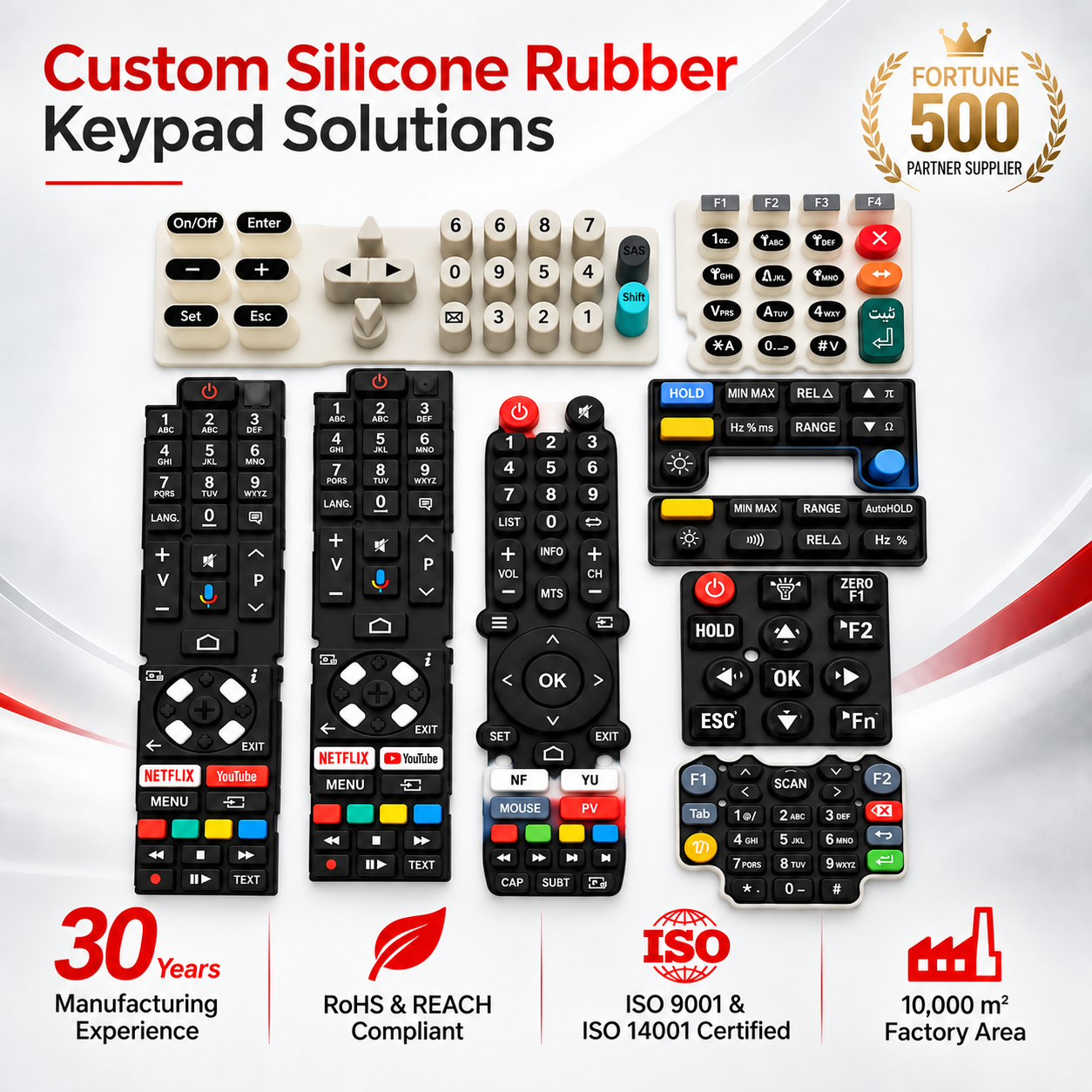
Custom Color Silicone Rubber Elastomer Keypad with Overlay
- Elastomer Grade: RoHS Food-Safe Silicone
- Surface Shield: PU / Epoxy Resin Coating
- Switch Contact: Gold-Plated Carbon Pill
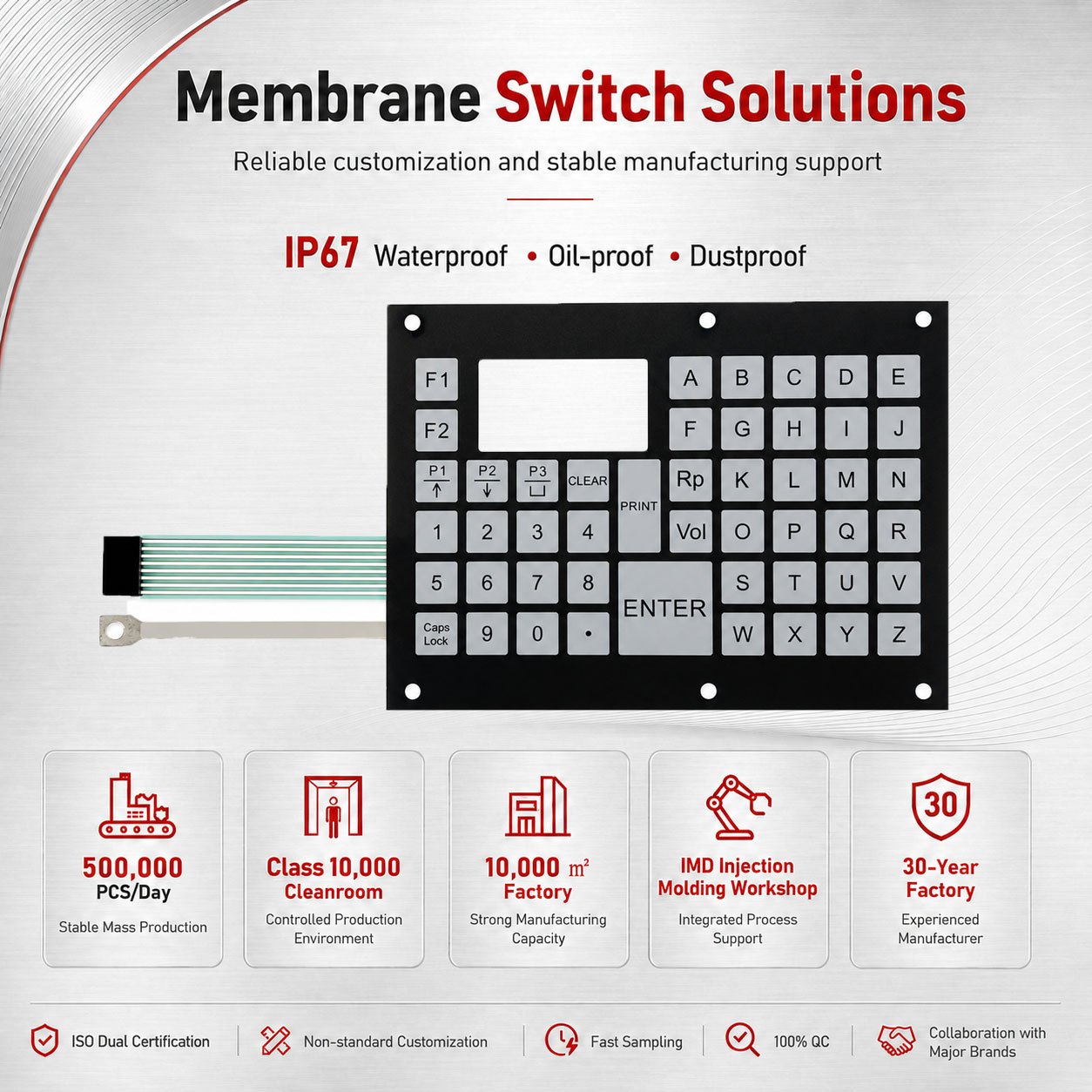
Waterproof Rugged Tactile Front Panel Keypad Board
- Overlay Type: Polycarbonate (Lexan HP92W)
- Resistive Rating: Hydrocarbon / UV Proof
- Switch Life: >3,000,000 Cycles
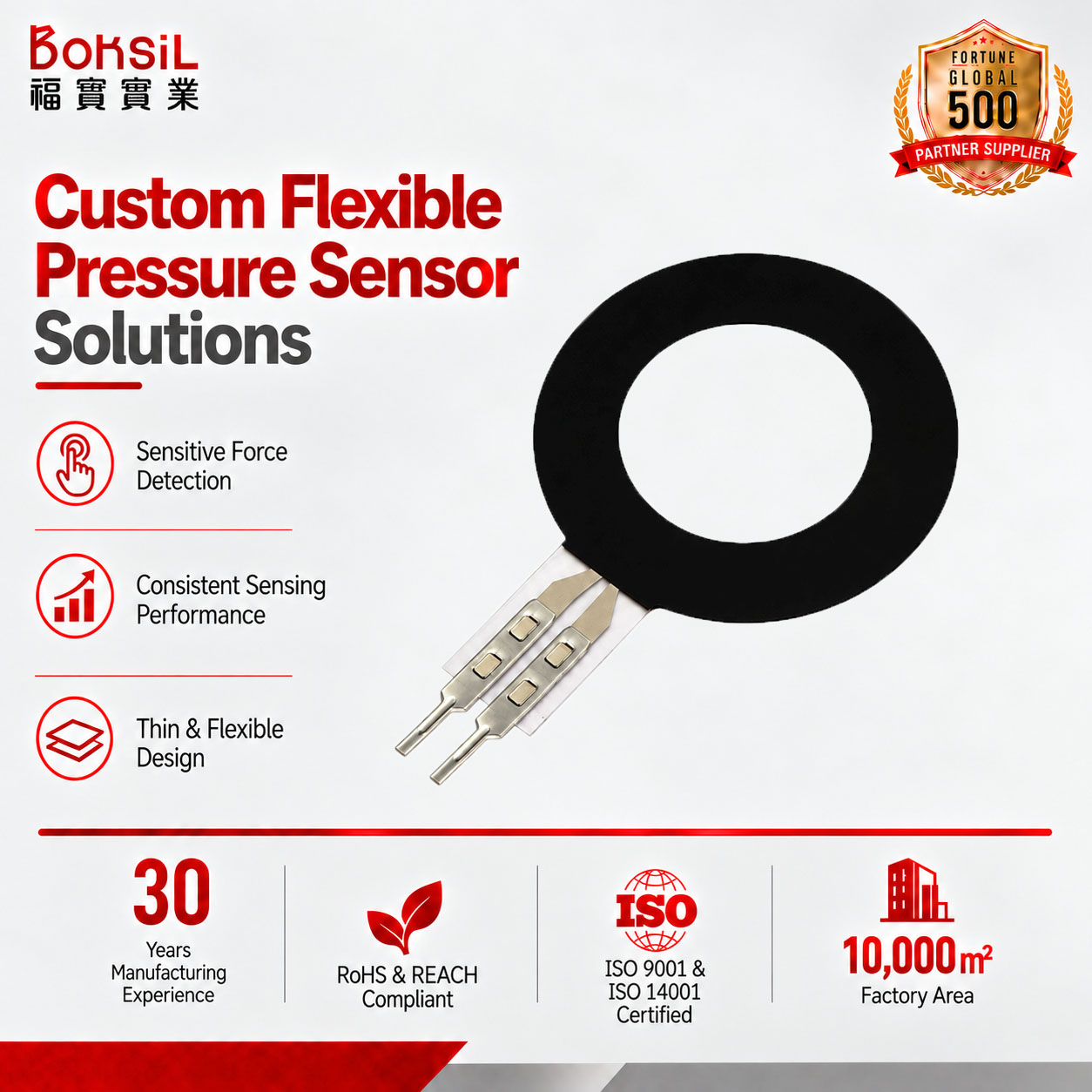
Universal FSR Flexible Force-Sensitive Sensor Overlay Circuit
- Sensing Range: 0.2N to 20N Adjustable
- Flex Circuit: Silver Polyimide / Thin-PET
- Linear Drift: <5% across 100k cycles
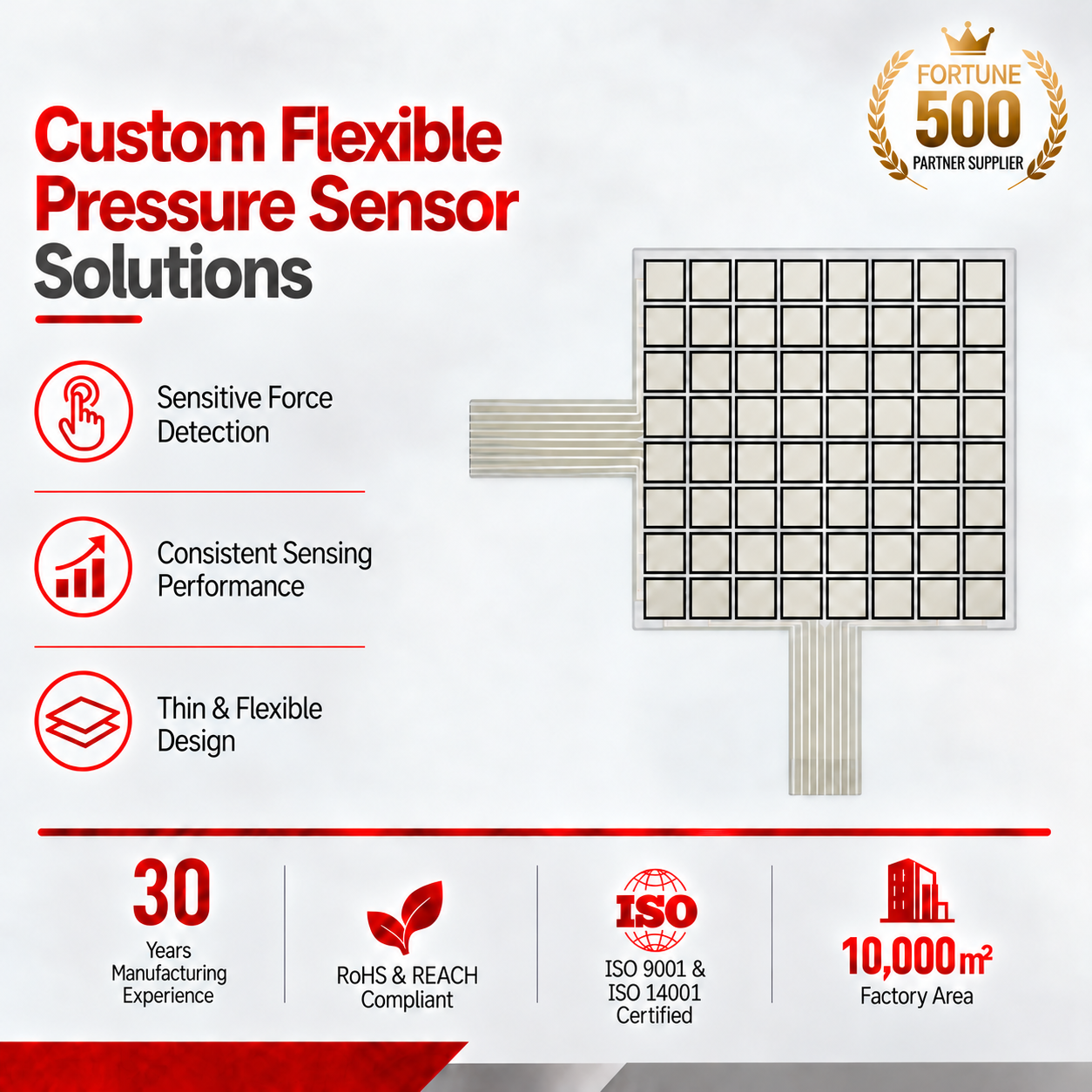
Flexible Thin-Film Tactile Sensing Overlay & Matrix Pad
- Dynamic Response: <10 Microseconds
- Bending Radius: R3mm Continuous Flex
- Environmental: -40°C to +85°C Stable
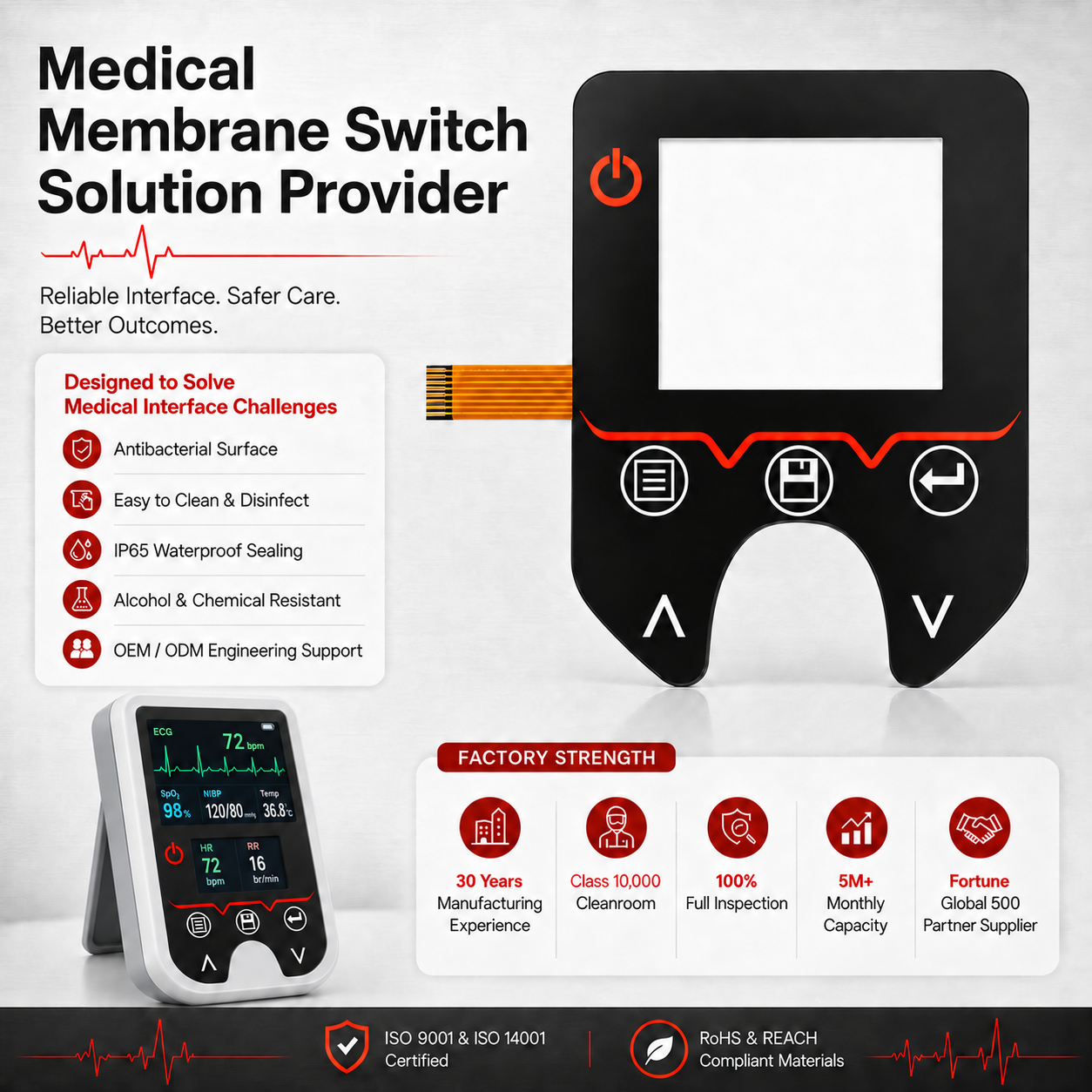
Medical Equipment IP65 Waterproof Polycarbonate Overlay
- Chemical Armor: Disinfectant & IPA Proof
- Embossing Profile: Rim & Pillow Embossed
- Backlight Options: Integrated SMD LEDs
Sub-Surface Polycarbonate & PET Graphic Overlays: Design Guidelines for European Machinery
For machine builders, medical instrument developers, and electronic equipment manufacturers operating across Florence, Sesto Fiorentino, Scandicci, and the wider Tuscany industrial triangle, front panel overlays serve as both the fundamental operational human-machine interface (HMI) and the primary physical barrier shielding sensitive electronic controls against hostile exterior environments. Achieving genuine European Conformity (CE Marking) mandates strict adherence to the Low Voltage Directive (LVD 2014/35/EU), Electromagnetic Compatibility Directive (EMC 2014/30/EU), and EU Machinery Directive (2006/42/EC, shifting to Regulation 2023/1230). Dongguan AXRU Electronics Co., Ltd. architects and fabricates industrial-grade overlays and integrated membrane switches configured precisely to exceed these harmonized criteria.
1. Anisotropic Layer Architecture & Dielectric Stack-Up
The operational longevity of a membrane control panel within high-cycle industrial automation relies on the mechanical and chemical synergy of its layered stack-up. Our multi-layer lamination processes take place within climate-stabilized ISO Class 7 cleanrooms, preventing particulate encapsulation and bubble formation down to micron thresholds.
Graphic Substrate
Autotex XE / MacDermid PET or Lexan HP92W PC with sub-surface screen printing.
Top Spacer Adhesive
3M 467MP / 200MP high-cohesion acrylic adhesive with laser-cut dome pockets.
Tactile Array
Nickel-plated or gold-plated stainless steel metal domes with 280g–450g snap ratio.
Circuit Substrate
DuPont conductive silver ink on heat-stabilized Melinex PET or rolled copper polyimide FPC.
Chassis Adhesive
3M 468MP or 300LSE low surface energy transfer tape for cast aluminum / ABS enclosures.
2. Sub-Surface Reverse Printing: Indestructible Graphic Inks
Conventional surface-printed control panels inevitably succumb to abrasive mechanical friction, aggressive cleaning chemicals, and persistent ultraviolet exposure, leading to degraded warning iconography and catastrophic operator error. At AXRU Electronics, 100% of functional legends, Pantone-matched coloration, display bezels, and regulatory CE/WEEE symbols are executed via reverse sub-surface printing on the interior plane of the transparent polymer sheet. By positioning the graphic inks behind a ruggedized 0.125mm to 0.250mm polyester or polycarbonate barrier, the legends become completely impervious to continuous physical wiping, petroleum lubricants, hydraulic fluids, and caustic cleaning agents.
3. Ingress Protection Engineering: IP65 to IP67 Hermetic Perimeter Sealing
For Tuscan machine makers whose equipment faces pressurized washdowns, airborne particulate exposure, or humid atmospheric conditions, ingress protection is paramount. Our engineering protocol employs continuous, monolithic perimeter gasket adhesives without venting breaks along outer boundaries. Internal venting channels are routed through internal reservoir cavities or channeled backward directly through the tail conduit exit into the sealed host enclosure. This prevents moisture ingestion during barometric pressure differentials or rapid thermal cycling between -40°C and +85°C.
Precision Applications Across the Metropolitan City of Florence
Florence is internationally recognized not only for historical heritage but as a formidable European nerve center for biomedical discovery, precision electromechanics, luxury automated manufacturing, and high-efficiency food processing machinery.
Biomedical & Clinical Diagnostics
Concentrated in the scientific cluster of Sesto Fiorentino, medical technology OEMs produce blood analyzers, diagnostic incubators, and surgical sterilization autoclaves. Our Autotex AM (Microban antimicrobial) graphic overlays withstand daily exposure to sodium hypochlorite, isopropyl alcohol (IPA), and hydrogen peroxide mists without hazing or embrittlement.
Automated Luxury Leather & CNC Cutters
The world-renowned leathergoods hub of Scandicci relies heavily on automated digital cutting tables, CNC skiving tools, and automated stitching rigs. AXRU’s tactile metal dome front panels provide immediate tactile snap feedback (350g force), allowing machine operators wearing protective gloves to execute swift input without accidental misstrokes.
Optical, Photonics & Analytical Testing
Florence hosts specialized manufacturers of spectrometers, optical interferometers, and industrial sensors. These high-precision instruments require front panel overlays featuring optical-grade, anti-reflective display windows with anti-Newton ring treatments to eliminate interference fringing when laminated directly over TFT LCD or OLED displays.
Enological & Olive Oil Bottling Automation
Tuscan wine bottling and olive oil centrifugation equipment requires HMIs capable of surviving organic acids, aggressive degreasers, and pressurized hose-downs. Our hermetically edge-sealed polyester panels utilize 3M 300LSE adhesive bonds specifically designed for powder-coated stainless steel cabinets, completely blocking fluid ingress.
Railway Signaling & Transit Controllers
Positioned along the Florence-Pistoia railway corridor, transit infrastructure providers demand flame-retardant HMI interfaces meeting UL94 V-0 flame ratings. Our custom-laminated polycarbonate overlays are fabricated using self-extinguishing GE Lexan FR grades featuring complete EMI/RFI conductive shielding mesh layers.
Artisan Baking & Commercial Culinary Equipment
Florence's high-end commercial espresso machines and professional ovens necessitate front panels that operate reliably under continuous steam vapor, thermal gradients exceeding 90°C, and greasy aerosol exposures. Our thermal-stabilized PET matrices maintain registration and key tension without delamination.
Emerging HMI Engineering Trends in the Italian Market
Italian manufacturers under the national "Piano Transizione 4.0" (Industry 4.0) initiatives are accelerating modernization across their machine architectures. Here is how front panel technology is evolving to fulfill these demands.
Capacitive Sensing & Glass-Surface Hybrids
Traditional mechanical switches are increasingly paired with or replaced by projected capacitive touch (PCAP) sensing matrices embedded directly beneath scratch-resistant chemically strengthened acrylic or PMMA front panels. This delivers a smartphone-like sleek user experience while preserving industrial resilience.
Eco-Design & REACH SVHC Strict Compliance
European environmental regulations mandate complete supply chain transparency. AXRU guarantees full compliance with Regulation (EC) No 1907/2006 (REACH), certifying our overlays contain zero Substances of Very High Concern (SVHC) exceeding 0.1% w/w, supporting sustainable circular decommissioning.
Dead-Front Printing & Secret-Until-Lit Feedback
To reduce operator cognitive fatigue on complex automated lines, Florentine industrial designers demand "dead-front" panels. Diagnostic icons remain completely invisible behind a uniform semi-translucent matte finish until integrated SMD LEDs activate, delivering instant, unambiguous machine state feedback.
Substrate Performance Comparison for Italian Engineering Teams
Choosing the correct raw polymer substrate dictates whether an HMI panel thrives or fails under field conditions. Review the comparative specifications evaluated by our laboratory.
| Material Property | Autotex Textured Polyester (PET) | Lexan Optical Polycarbonate (PC) | Optical Cast PMMA / Acrylic | Silicone Elastomer Overlay |
|---|---|---|---|---|
| Mechanical Flex Life (Actuations) | >5,000,000 Switch Cycles | ~100,000 (Subject to stress cracking) | Rigid (Non-actuating overlay) | >1,000,000 Rebound Cycles |
| Chemical / Solvent Resistance | Excellent (Alcohols, Ketones, Oils) | Moderate (Vulnerable to acetone/esters) | High (Mild acids & detergents) | High (Hydrophobic, UV inert) |
| Optical Window Clarity | High with gloss print windows | Exceptional (91% Transmission) | Optically Pure (>92.5%) | Translucent to semi-opaque |
| Embossing Profile Retention | Superior (Hydro-formed stability) | Moderate (Prone to relaxation >60°C) | N/A (CNC machined or molded) | Inherent 3D Key Form |
| Operating Temperature Threshold | -40°C to +105°C Continuous | -40°C to +125°C Heat Deflection | -30°C to +80°C Moderate | -50°C to +200°C Extreme |
| CE EMC Shielding Integration | Printed Carbon / Aluminum Foil | ITO Coating / Conductive Grid | Rear Conductive Mesh Screen | Conductive Carbon Pill Disks |
Why Tuscan & European OEMs Partner with AXRU Electronics
From custom graphic overlays to fully integrated, tested HMI electro-mechanical assemblies — 100% produced in-house under single-roof accountability at our Dongguan manufacturing campus.
In-House Reliability & Material Validation Laboratory
Every export consignment to Europe undergoes exhaustive verification on specialized test rigs to guarantee zero field failures.
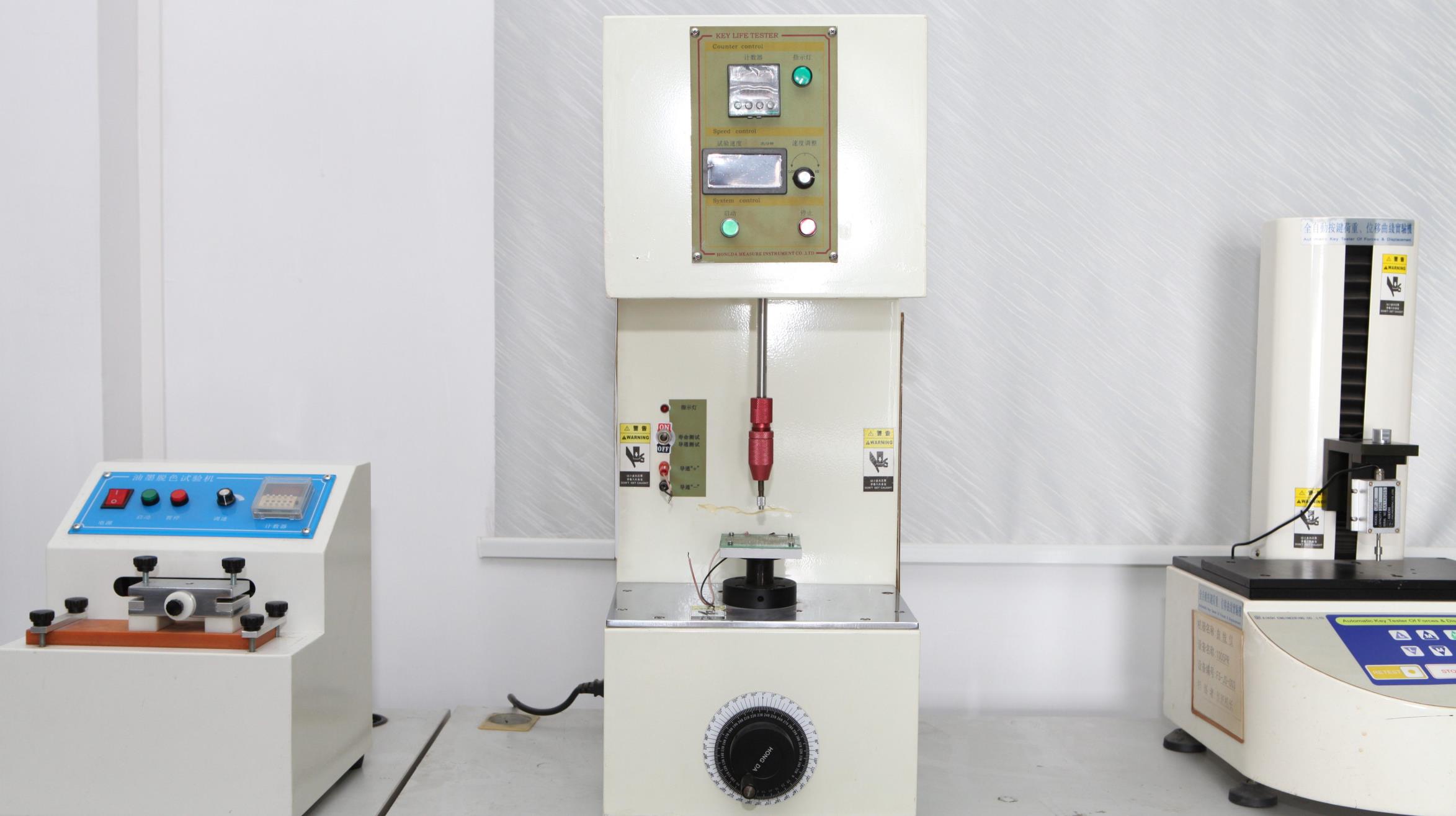
Key Life Cycle Tester
Simulates repetitive user actuations exceeding 5,000,000 cycles at programmable speeds to verify metal dome elasticity and springback integrity.
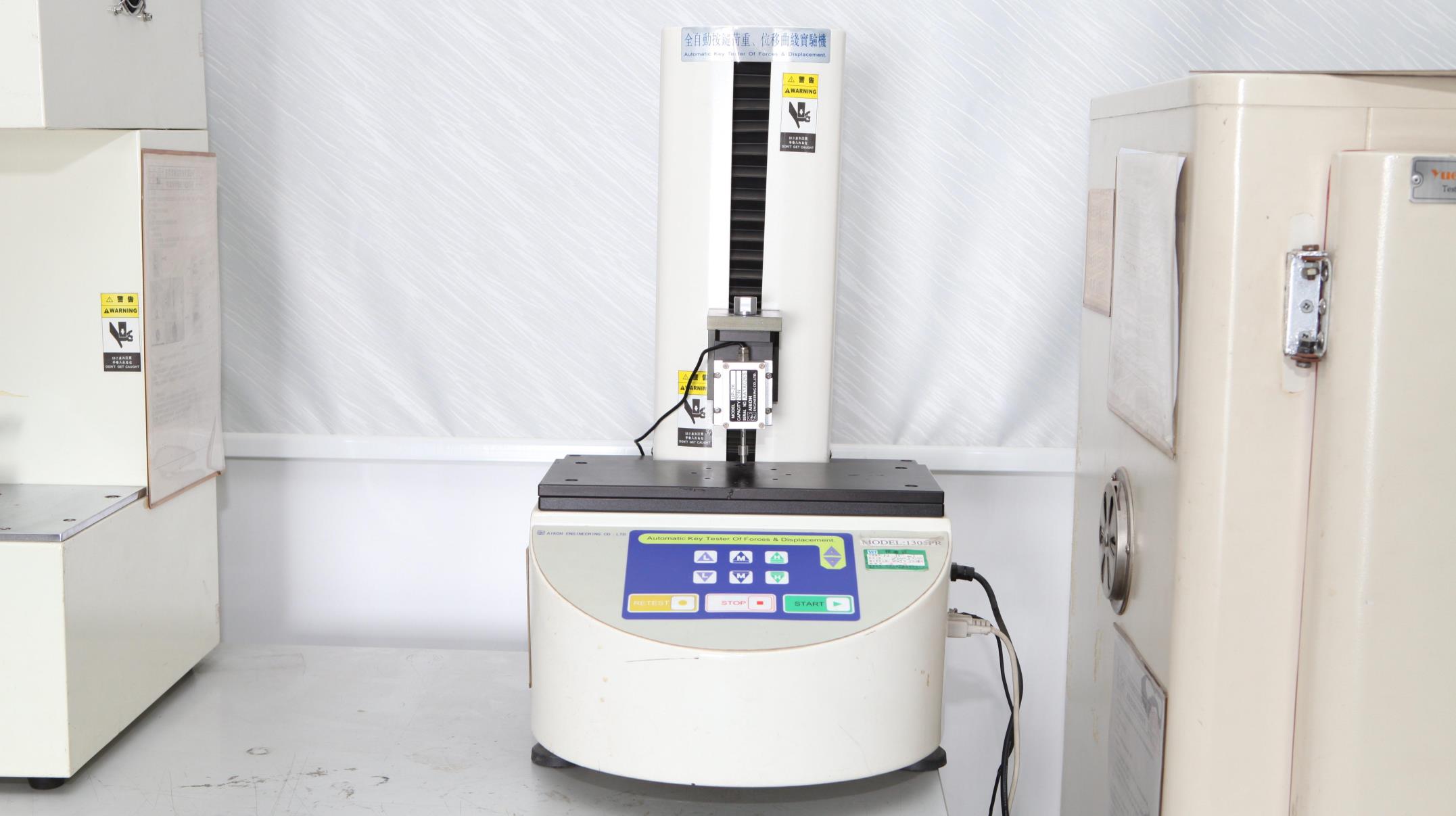
Force & Displacement Tester
Plots high-resolution force-travel actuation curves to guarantee that the tactile snap ratio remains uniform across all button arrays.
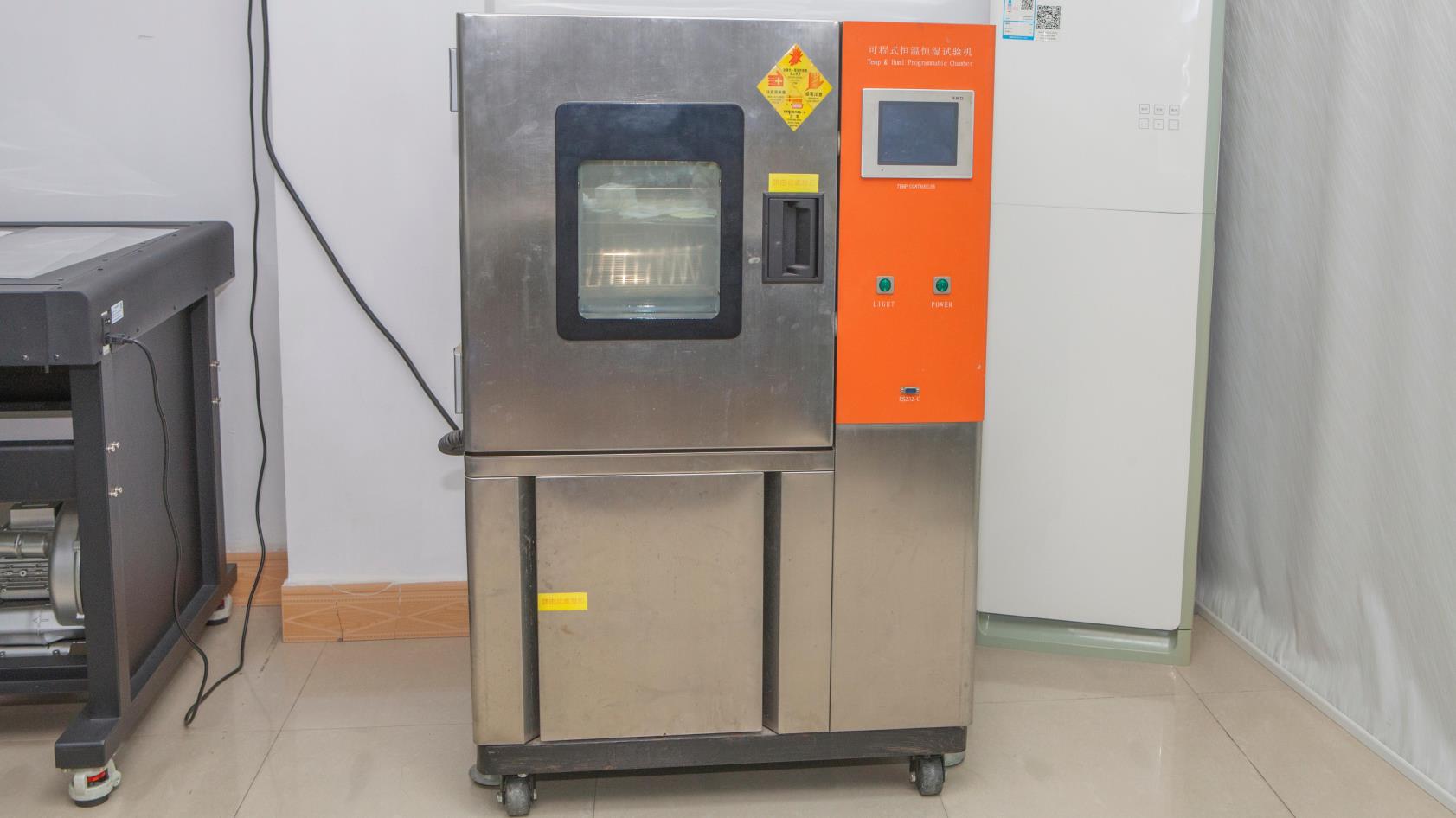
Temp. & Humidity Chamber
Exposes laminated panels to extreme environmental profiles (-40°C to +125°C, 95% RH) to rigorously test against adhesive delamination and dielectric breakdown.
Frequently Asked Questions for Italian & Florence Buyers
Detailed technical, compliance, and logistics clarifications addressing the specific requirements of European equipment engineers and procurement departments.
1. How does AXRU support CE compliance and technical file documentation for our machinery?
2. What file formats and design specifications are required for quoting and DFM review?
• Overall outer dimensions and die-cutting tolerances (standard ±0.15mm; precision laser cut ±0.05mm).
• Window locations (clear, tinted, dead-front, or anti-glare).
• Embossing profiles (rim, pillow, domed, or flat).
• Connector type, pinout pitch (e.g., standard 2.54mm or high-density 1.0mm/0.5mm ZIF FPC).
3. Can AXRU match precise custom colors for Florence luxury and aesthetic brand guidelines?
4. What is the typical lead time for engineering prototypes and mass export shipments to Italy?
Mass Production Batches: Following sign-off on golden samples, mass production runs are fulfilled within 12 to 18 business days.
Logistics to Florence: Express air freight (via DHL Express / FedEx / UPS direct to Peretola Florence Airport or your facility) takes 3 to 5 business days. Sea freight to Livorno port or Genoa port averages 24 to 28 transit days for volume maritime consignments.
5. What Incoterms and payment terms are available for Italian manufacturing companies?
6. How do your graphic overlays resist industrial sanitizers and aggressive chemicals?
• Alcohols: Isopropanol, Ethanol, Methanol.
• Disinfectants: Hydrogen peroxide 3%, Chlorhexidine 0.5%, Bleach / Sodium Hypochlorite 10%.
• Industrial Agents: Mineral oils, cutting fluids, diesel fuel, and weak organic acids (acetic, lactic).
7. What is the Minimum Order Quantity (MOQ) for custom overlay fabrication?
8. Can we integrate backlighting and optical display windows into the same overlay?
• Surface Mount Device (SMD) LEDs: Embedded directly on the flexible circuit layer with ultra-thin profiles (<0.65mm) and custom embossing pockets.
• Light Guide Film (LGF): Distributes edge-lit LED light evenly across keys with minimal power draw and negligible thickness addition (0.125mm–0.250mm).
• Display Windows: Water-clear transparent windows, tinted color filters (for 7-segment LED readouts), and diffused matte windows to ensure wide viewing angles without hot-spotting.
Ready to Optimize Your Machine HMI Panels for Florence & European Markets?
Submit your 2D CAD files, graphic artwork, or reverse-engineering sample parameters. Our senior HMI project engineers deliver complete Design for Manufacturability (DFM) analysis and competitive export quotation within 24 hours.