SMD LED & Dome
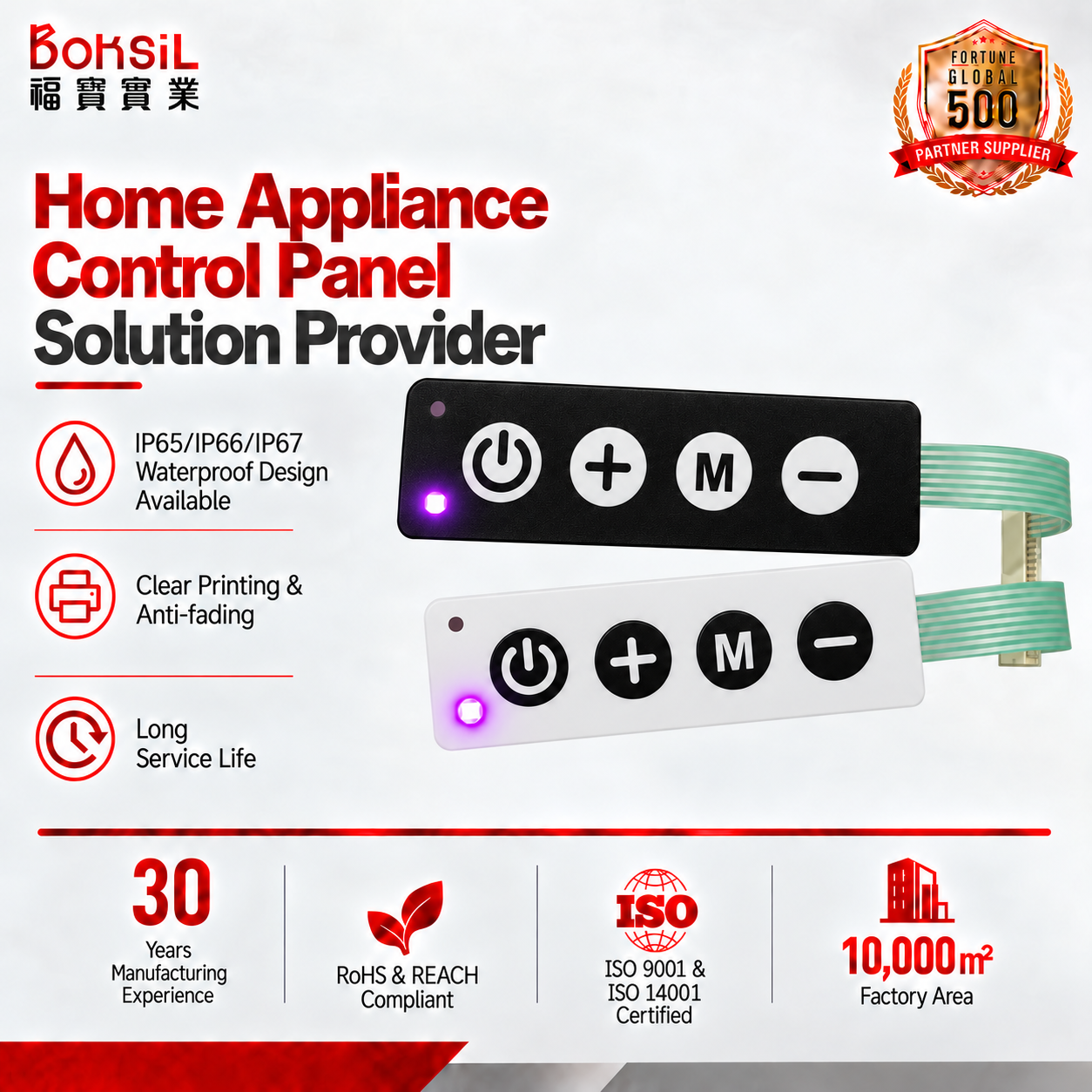
Engineered to meet stringent European electromagnetic compatibility (EMC) standards, low-outgassing parameters, and micro-footprint enclosure requirements.

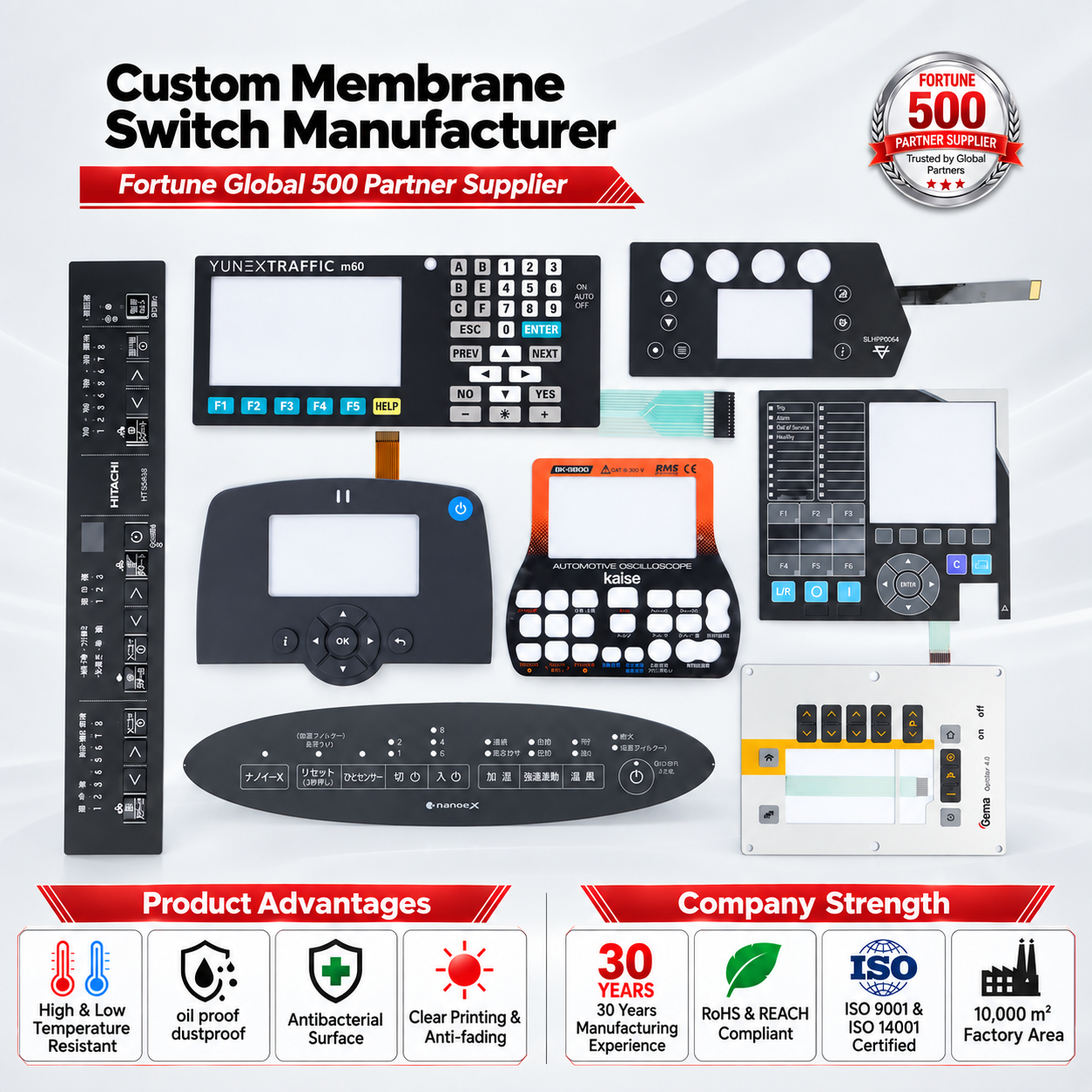
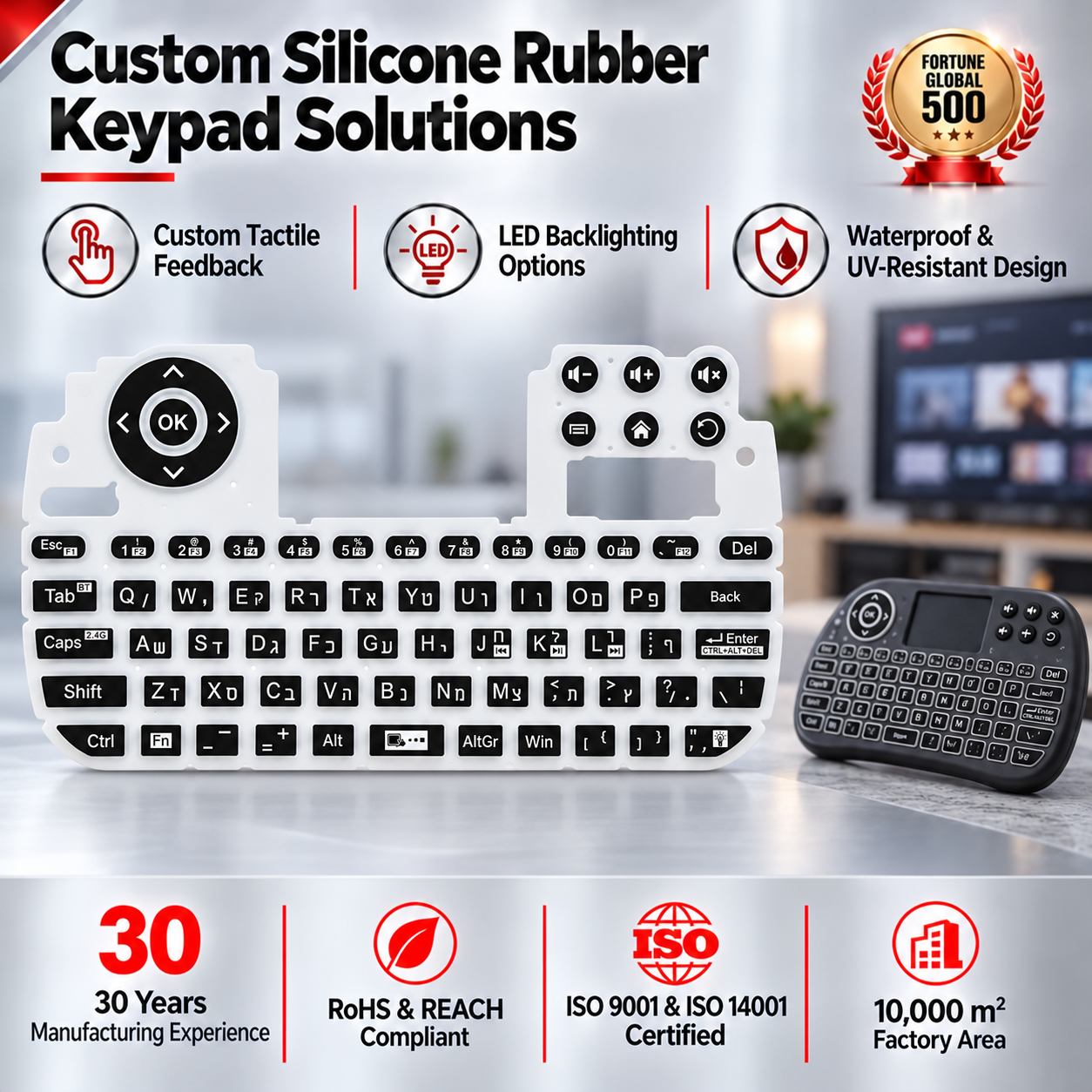
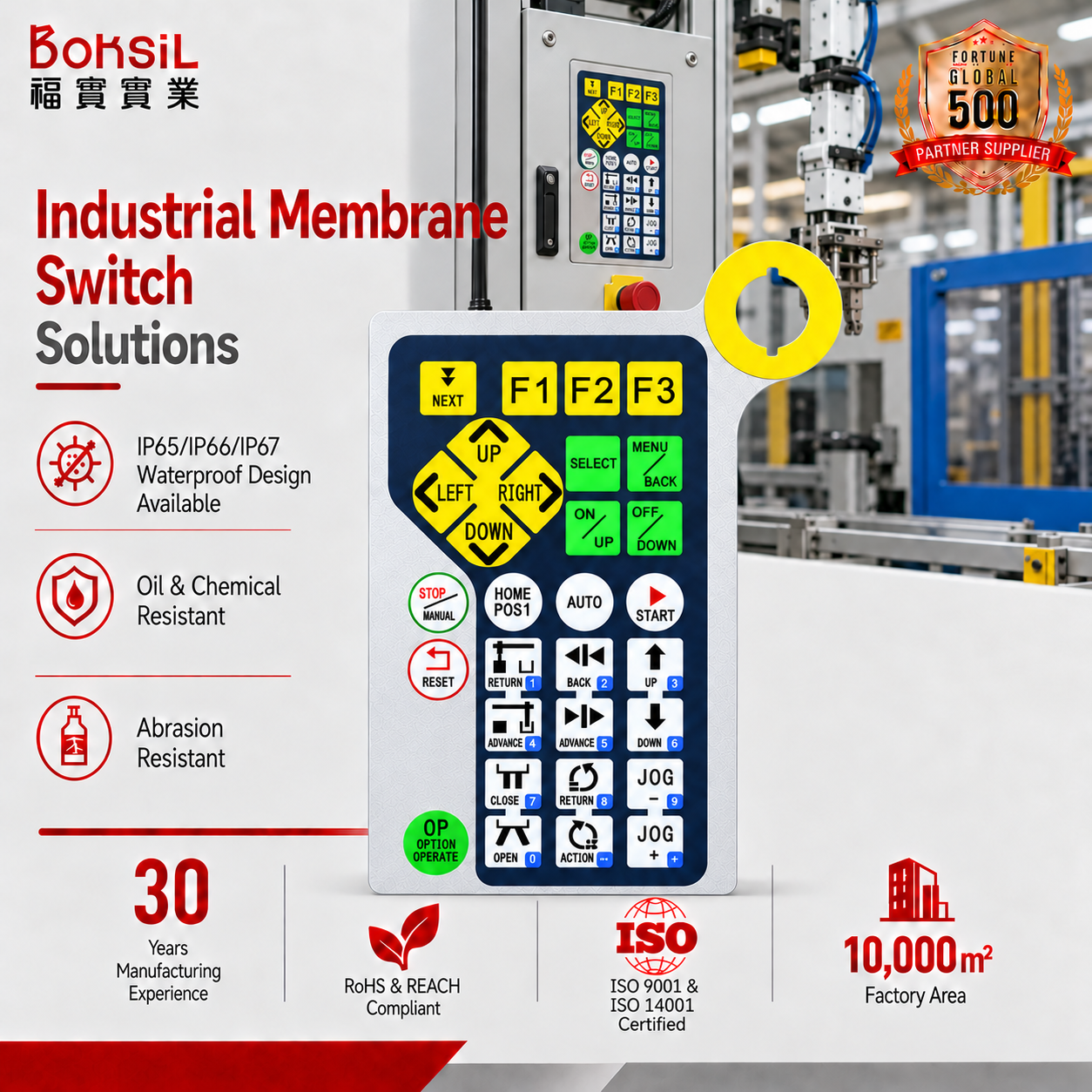
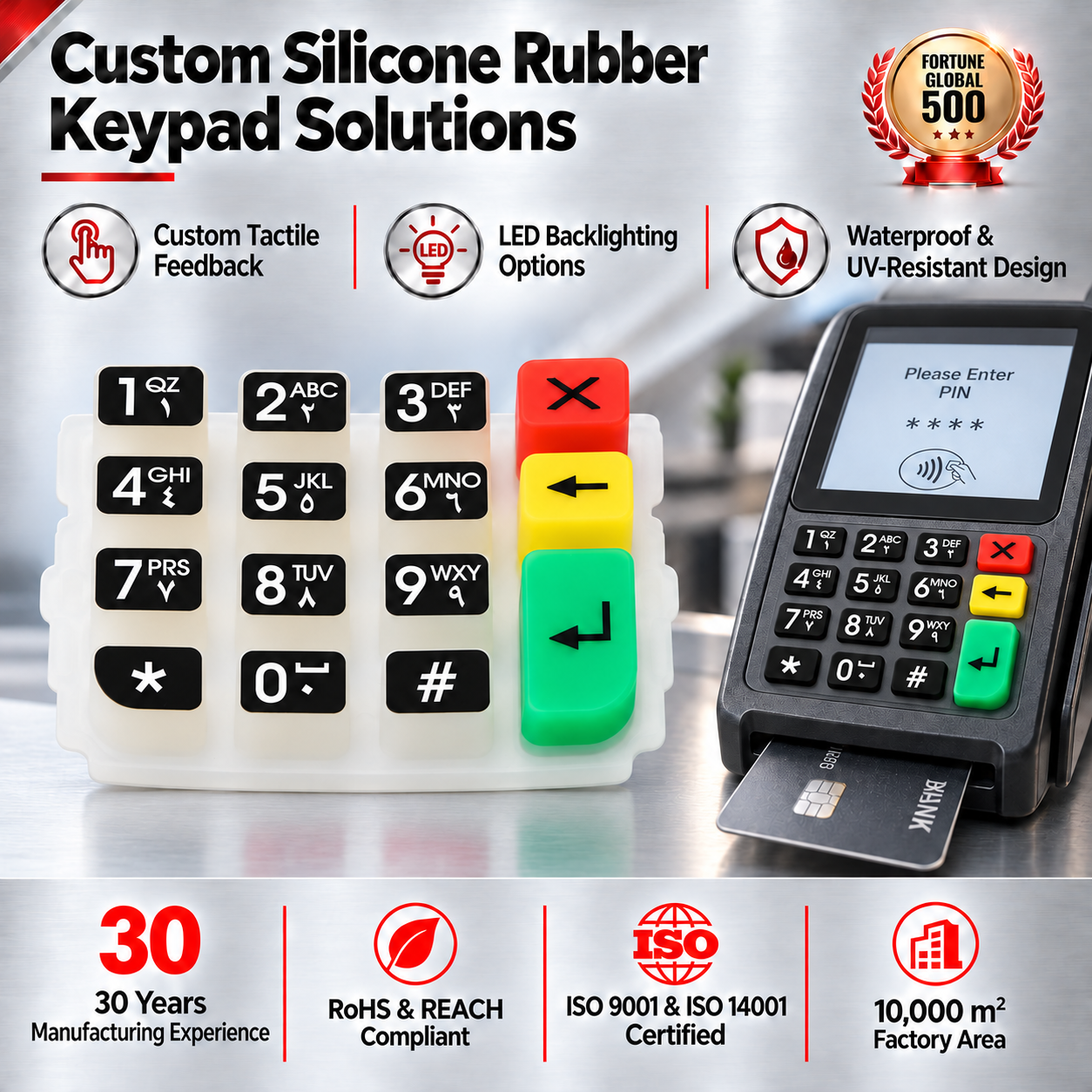
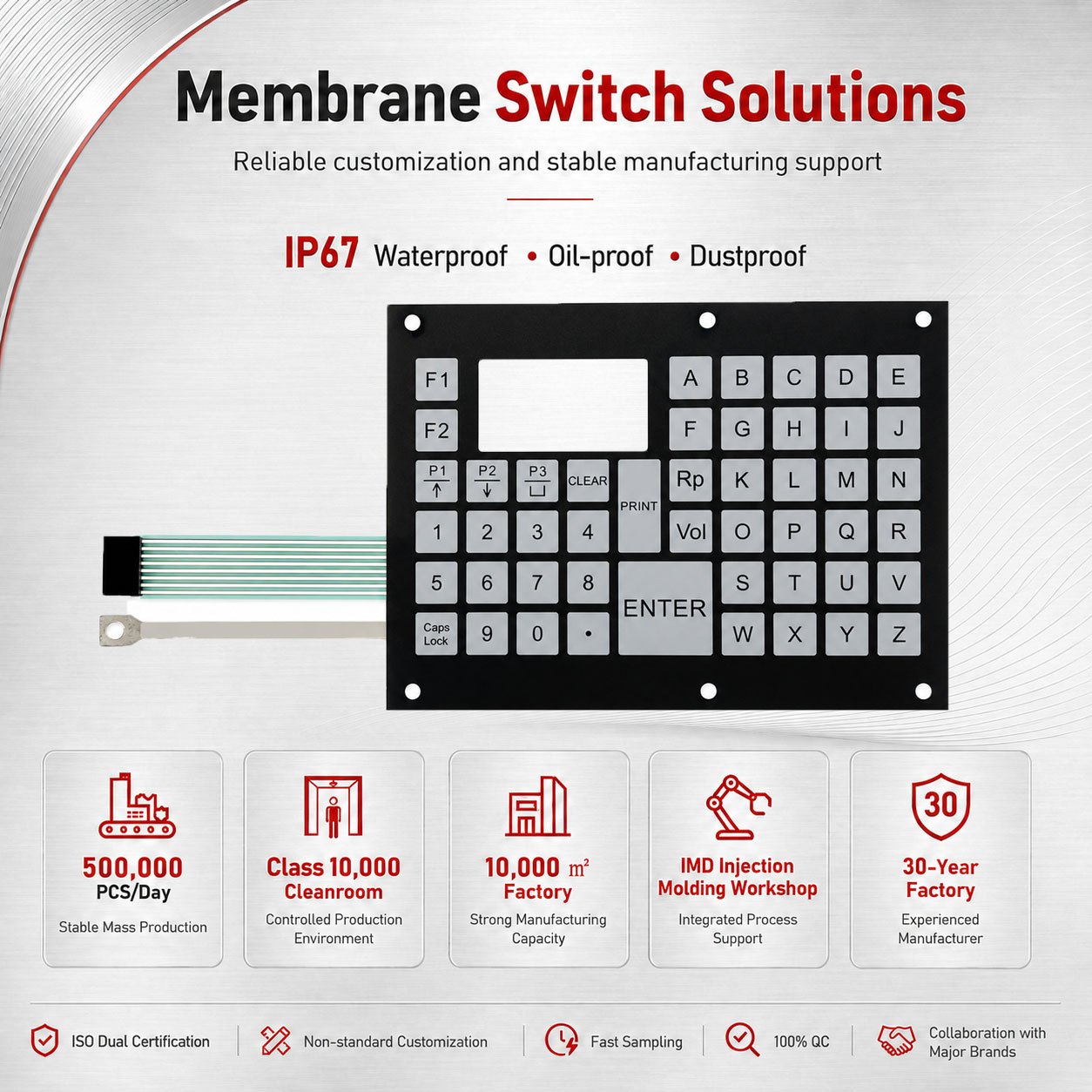
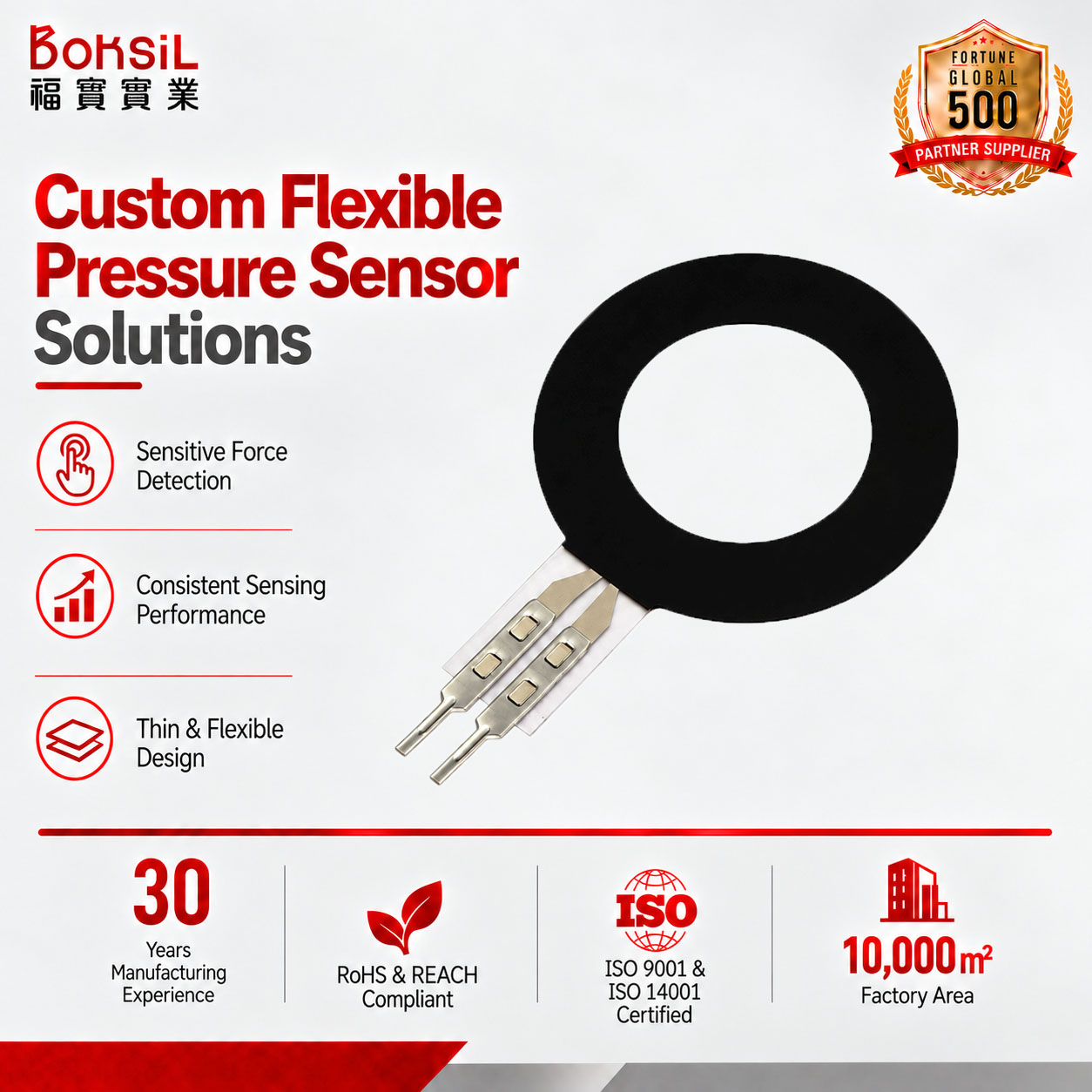
Deploying flexible printed circuits (Flex PCBs) and human-machine interface (HMI) controls within the sovereign state of Vatican City (Stato della Città del Vaticano) presents an engineering challenge unique within global electronics procurement. Operating inside a compact geographic area of 0.49 square kilometers surrounded by the city of Rome, equipment deployed in this enclave serves distinct, high-consequence administrative, scientific, custodial, and broadcast domains.
Unlike standard high-volume consumer goods, Vatican infrastructure upgrades prioritize three localized operational scenarios:
1. Architectural Integration in Non-Invasive Heritage Automation: When retrofitting centuries-old masonry—such as the Apostolic Palace, the Secret Archives (Archivio Apostolico Vaticano), or the Vatican Museums—contractors are prohibited from trenching stone walls for thick wiring harnesses. Thin, multi-layer Polyimide Flex PCBs (FPCs) with thicknesses under 0.2mm provide the sole viable physical conduit. They slip behind display casings, follow mortar seams, and integrate discreet capacitive touch controls without compromising irreplaceable marble or fresco surfaces.
2. Microclimate and Archival Preservation Sensing: Preserving historical papyri, ancient parchment, and priceless oil masterpieces demands distributed environmental monitoring. Our specialized thin-film FSR force-sensitive resistors and ultra-thin flexible sensor matrices provide contact-force tracking and real-time environmental data acquisition without displacing delicate physical exhibits.
3. Vandal-Resistant, High-Traffic Public Entry Interfaces: Managing tens of thousands of daily international pilgrims across St. Peter's Square and the Vatican Museums requires HMI systems that endure round-the-clock physical stress. Fully sealed IP65/IP67 membrane switch arrays with stainless steel dome integration prevent micro-dust ingress, cleaning solvent breakdown, and atmospheric weathering.
Every flex PCB batch bound for the Holy See is backed by accredited laboratory reports satisfying European Directive 2014/30/EU (EMC), RoHS Directive 2011/65/EU, and REACH chemical standards.
Formulated with halogen-free polyimide substrates and modified acrylic adhesive systems that prevent volatile vapors from compromising enclosed display cabinets housing ancient relics.
Trace geometry optimized down to 3 mil line/space metrics on rolled-annealed copper, delivering ultra-low electrical noise for Vatican Radio transmission sub-assemblies.
Modernization within Vatican City operates under continuous scrutiny. The administration seeks zero aesthetic compromise alongside uncompromised digital modernization. Over recent procurement cycles, four technical trends have solidified procurement demand across Italian technical contractors and Vatican facility management:
Decentralization of Security and Access Control: Entry checkpoints, Swiss Guard stations, and Vatican gendarmerie barriers have transitioned from electromechanical toggle keys to flat, sealed capacitive interfaces. These panels eliminate physical keyways vulnerable to pick tools or environmental corrosion while supporting integrated cryptographic access tokens beneath anti-glare graphic overlays.
Sub-Miniaturization of Lighting and HVAC Controllers: In support of the Papal encyclicals on environmental stewardship and energy reduction (Laudato si'), the Governorate of Vatican City continues systematically modernizing interior climate and illumination systems. Flexible PCBs with surface-mounted high-efficiency micro-LED arrays allow adaptive lighting installations along vault corridors where rigid conduit is structurally prohibited.
Consolidation of Multichannel Data Tails: Legacy installations frequently suffered connector fatigue where bulky wire bundles flexed repeatedly behind inspection hatches. Transitioning to custom-tailored flexible flat cables (FFC) and single-sided polyimide circuits reduces harness weight by over 70%, stabilizes signal impedence across broadcast panels, and simplifies ongoing maintenance routines.
Dongguan AXRU Electronics Co., Ltd. controls the full life cycle of membrane switch and flexible circuit manufacturing within our 10,000㎡ plant, verified on-site by Intertek.
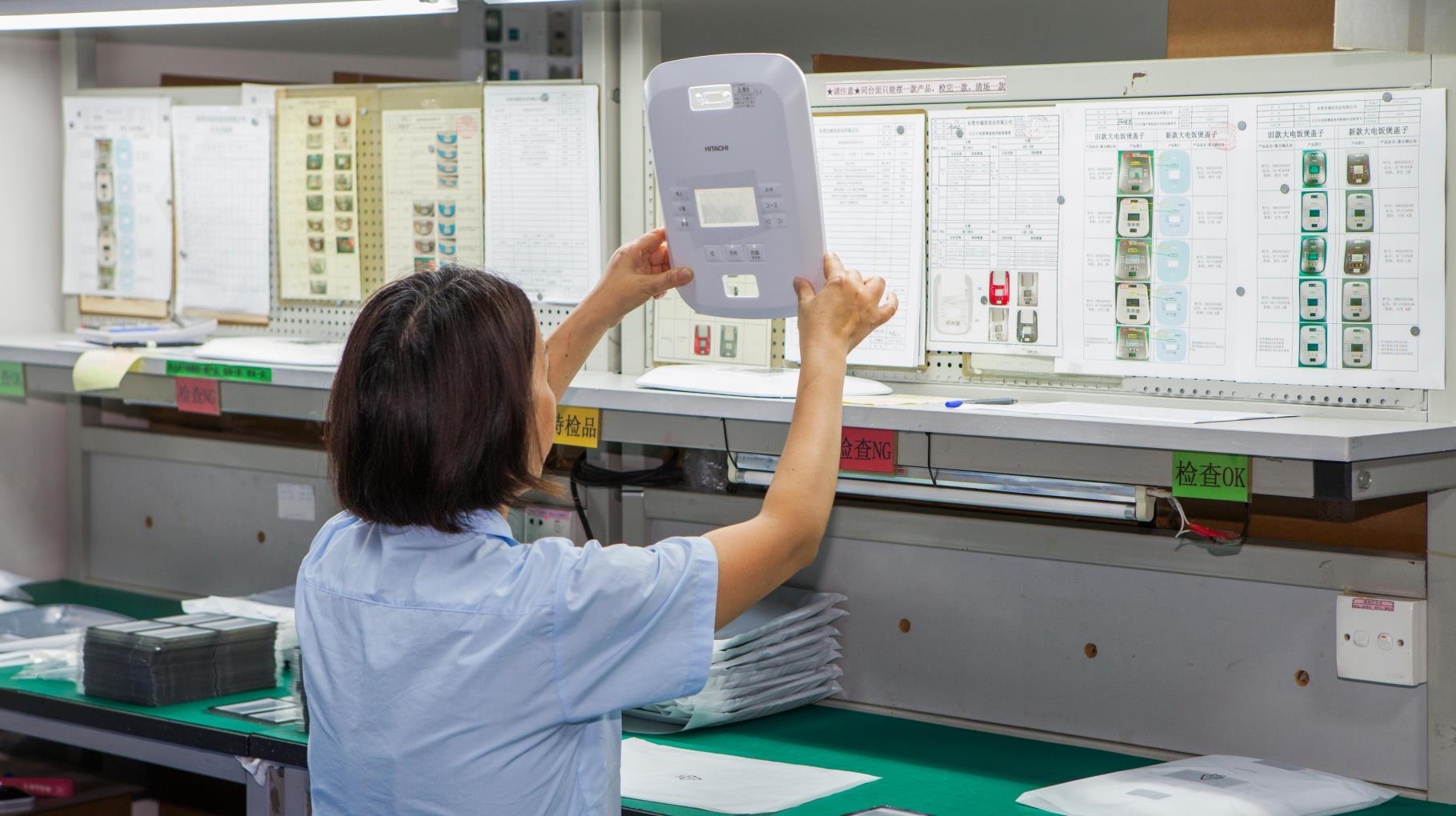
Automated circuit testing validates continuity, trace loop resistance, insulation integrity, and open-short status for every single manufactured tail.
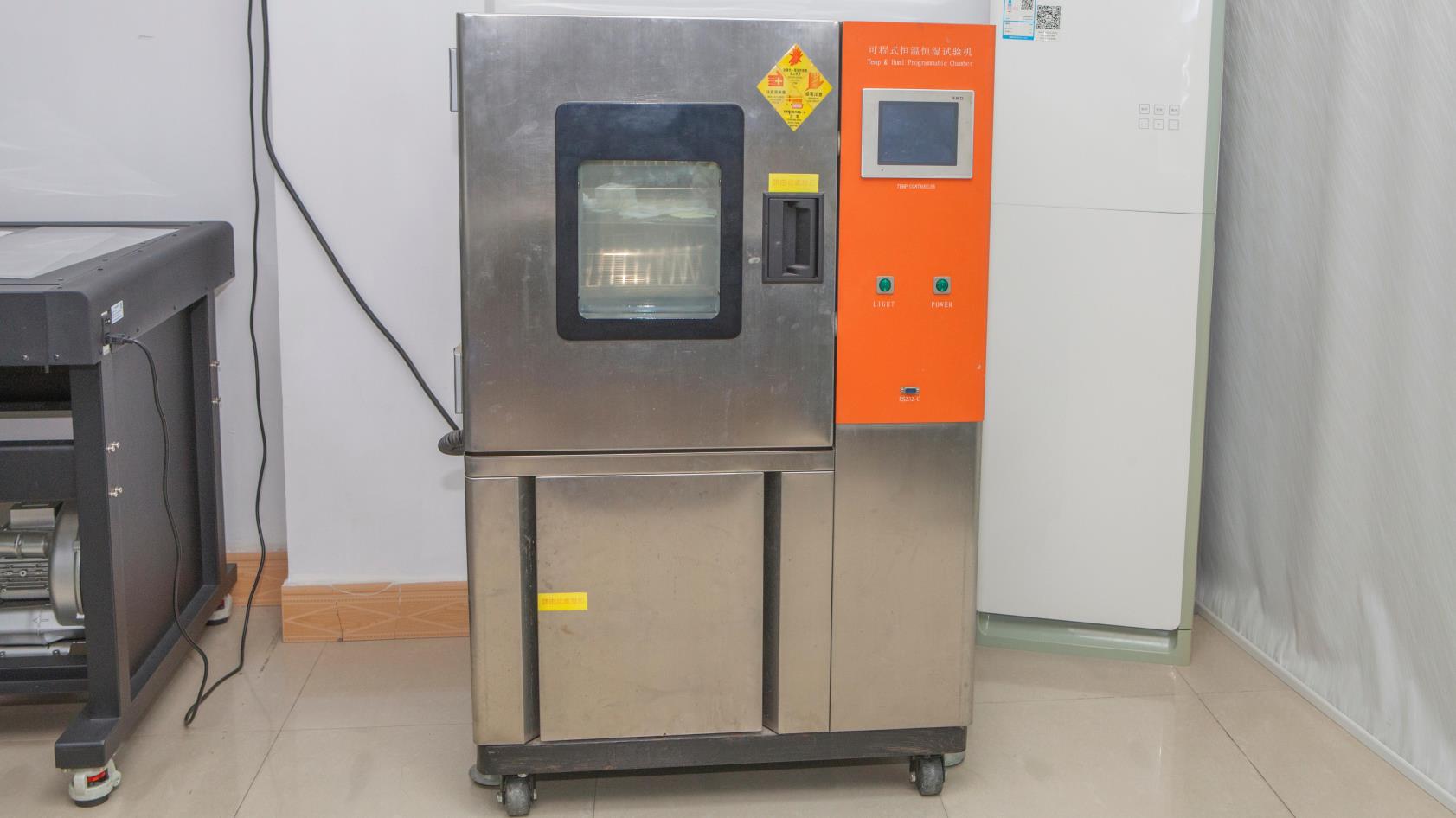
Programmable environmental chambers subject flex substrates to rigorous cyclic moisture and extreme thermal variations to prevent interlayer delamination.
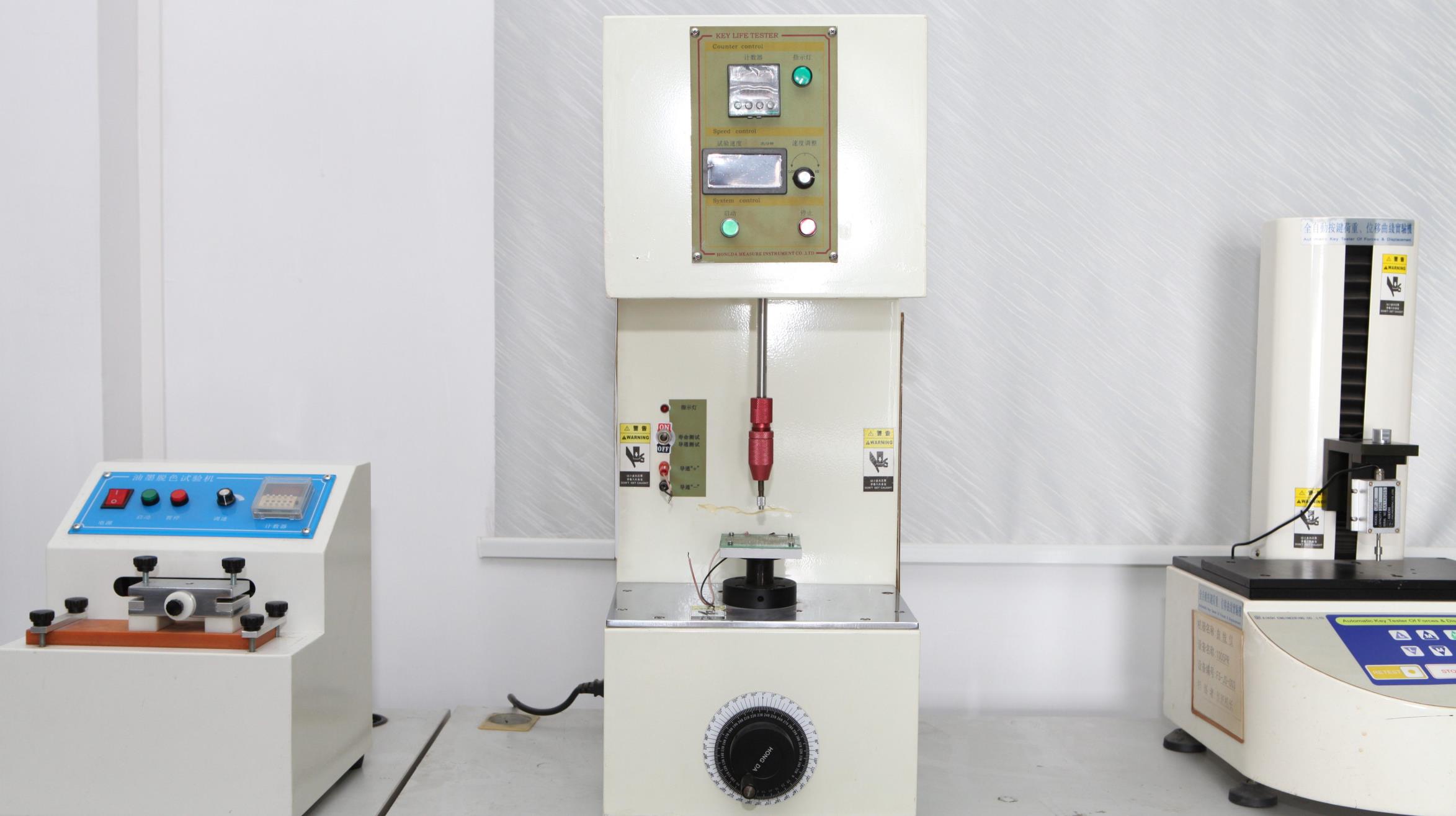
Cyclic mechanical stress benches continuously stroke metal domes past 1,000,000 to 5,000,000 actuations, verifying mechanical return force and tactile snap ratios.
Technical answers to common inquiries from municipal engineers, historical facility contractors, and Italian system integrators sourcing from AXRU Electronics.
Deliveries bound for the Holy See (Postal Code 00120) typically route through Rome customs checkpoints via certified international air carriers (DHL, FedEx, UPS). Because the Holy See is surrounded entirely by the Italian Republic, shipments must possess fully compliant commercial invoices, accurate TARIC / HS codes (typically 8534.00 for flexible circuits and 8537.10 for touch panels), along with CE Declarations of Conformity to streamline transit through Italian and Vatican customs authorities without administrative hold-ups.
Our flex PCB materials utilize UL 94V-0 certified polyimide dielectric base films and fire-resistant acrylic or epoxy coverlay bonding layers. This meets European commercial building and transportation safety codes, ensuring zero sustained flame propagation in the event of an electrical surge within historical wooden or marble containment installations.
Yes. We maintain a dedicated rapid engineering sample line capable of producing low minimum order quantities (MOQ starting at 100 units for fully custom switches; flexible prototype runs starting at 10–50 units). This enables architectural restoration consultants and technical specialists to physically test thin-profile routing and tactile feel before committing to broad mass deployment.
We deploy premium textured or anti-glare polyester films (such as MacDermid Autotex PET) featuring chemically crosslinked surface hardcoats. These surfaces resist continuous exposure to aggressive surface sanitizers, isopropyl alcohol, mild acids, and common cleaning agents without clouding, peeling, or degrading graphic legends printed beneath the film.
We work directly with standard Gerber RS-274X, ODB++, AutoCAD DXF/DWG, and vector graphics (Adobe Illustrator AI/PDF with vector outlines) for the overlay visual artwork. Our DFM team checks pin pitch, tail exit geometry, silver-to-copper transitions, and bend radii, returning a complete Design for Manufacturability report within one business day.
Collaborate directly with our senior application engineers. We evaluate your stack-up drawings, calculate bend radius clearances, and provide verified quotation files tailored to your installation schedule.
Get a Quote