Conductive Silicon
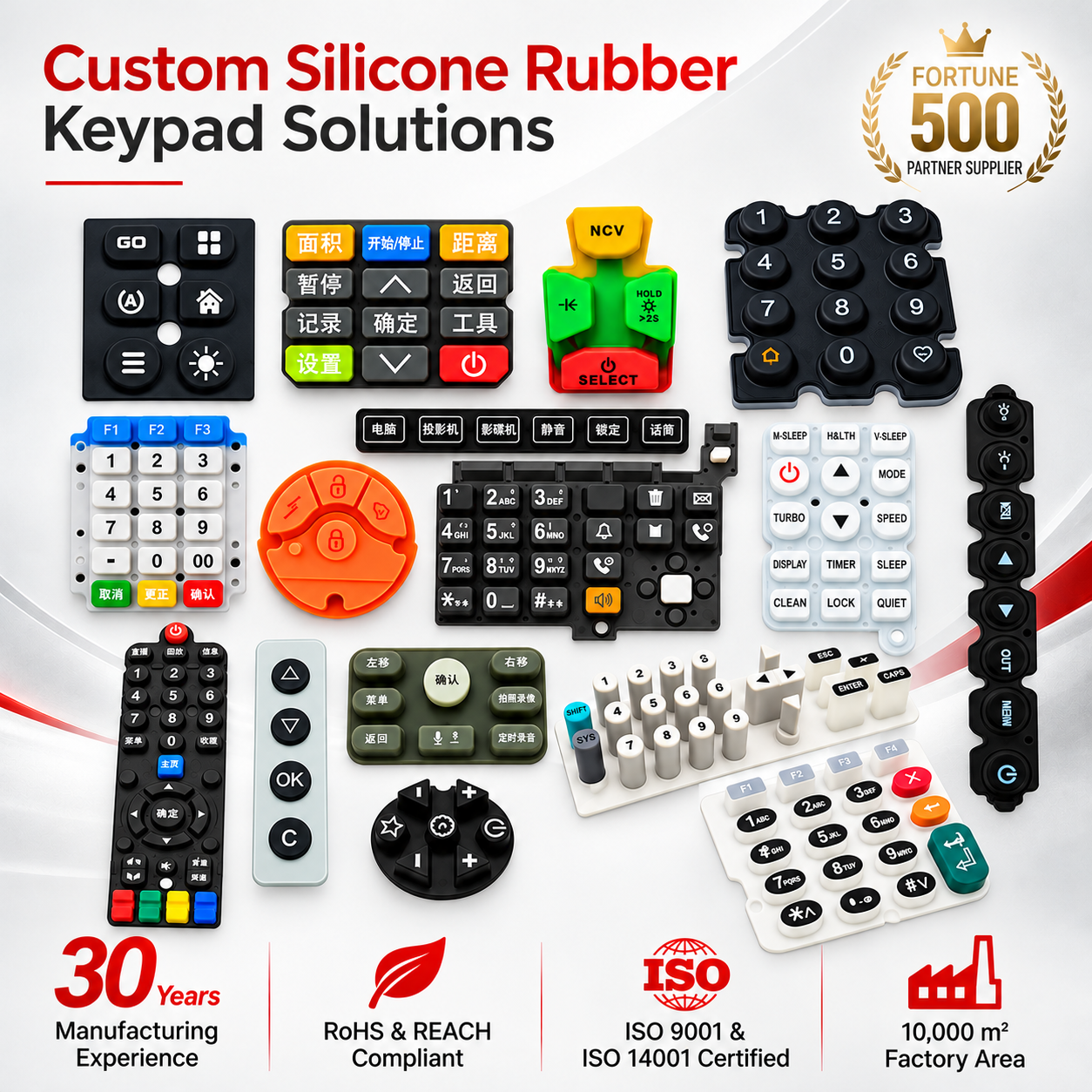
Custom OEM/ODM manufacturing engineered to bridge mechanical rigidity and solid-state dielectric sensing.
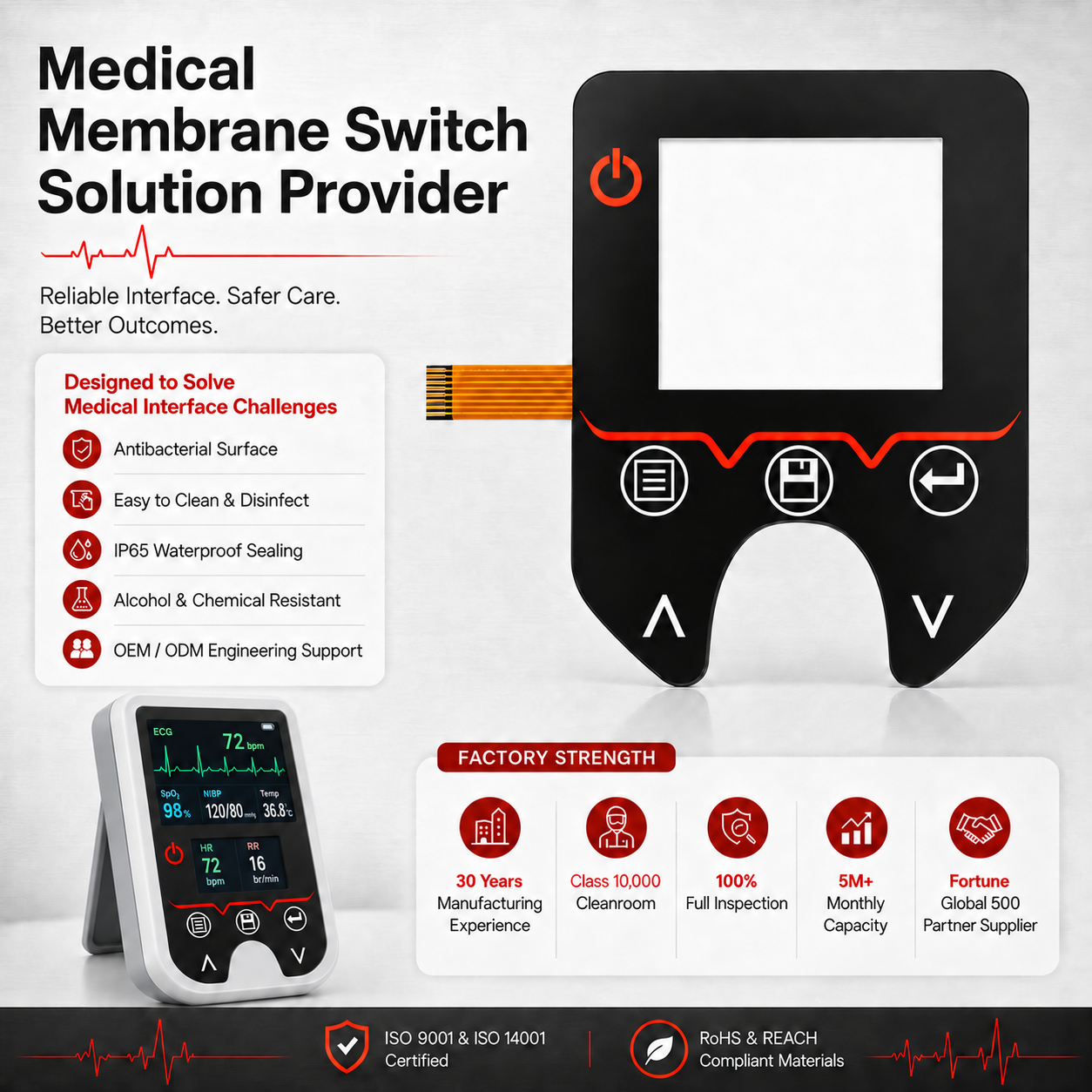
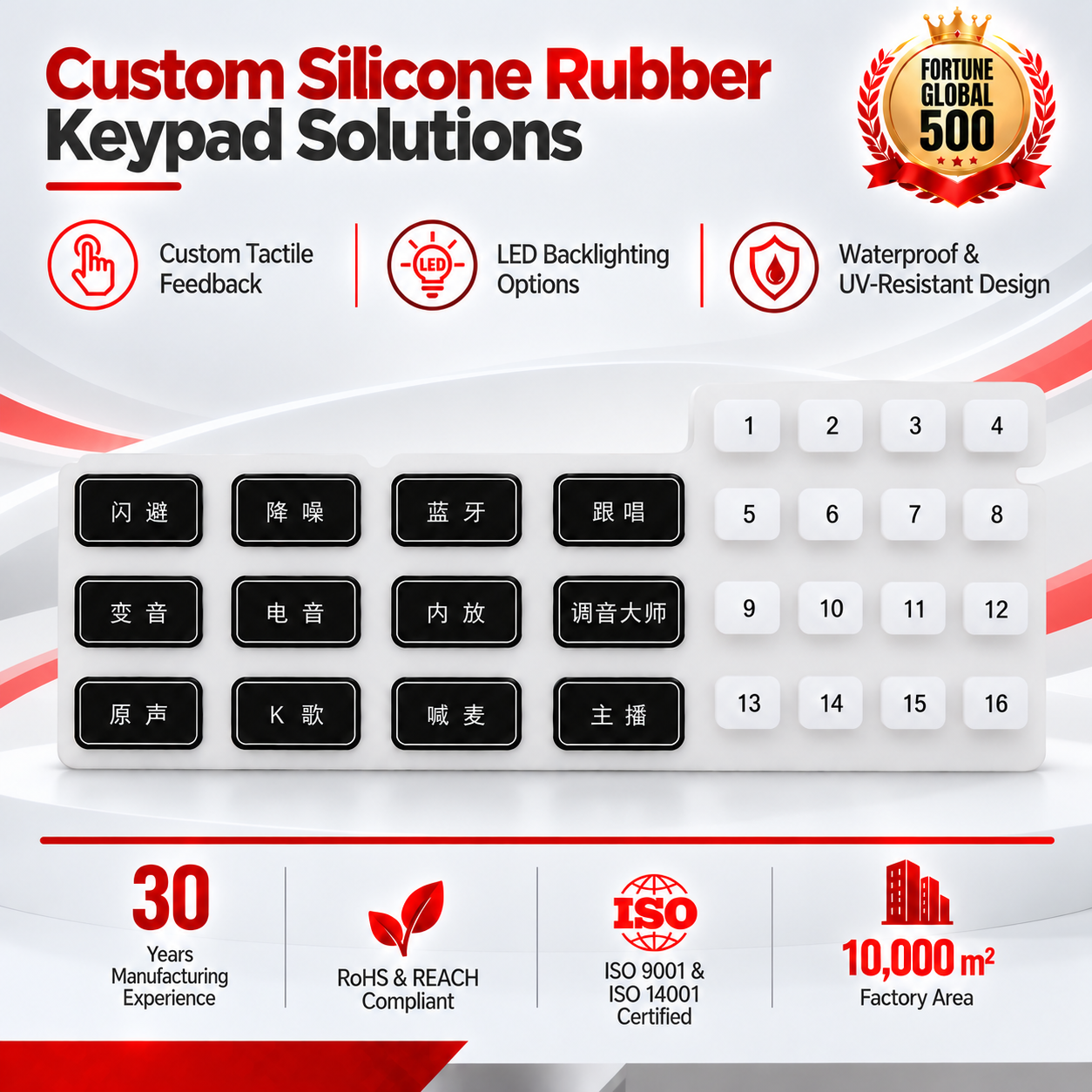
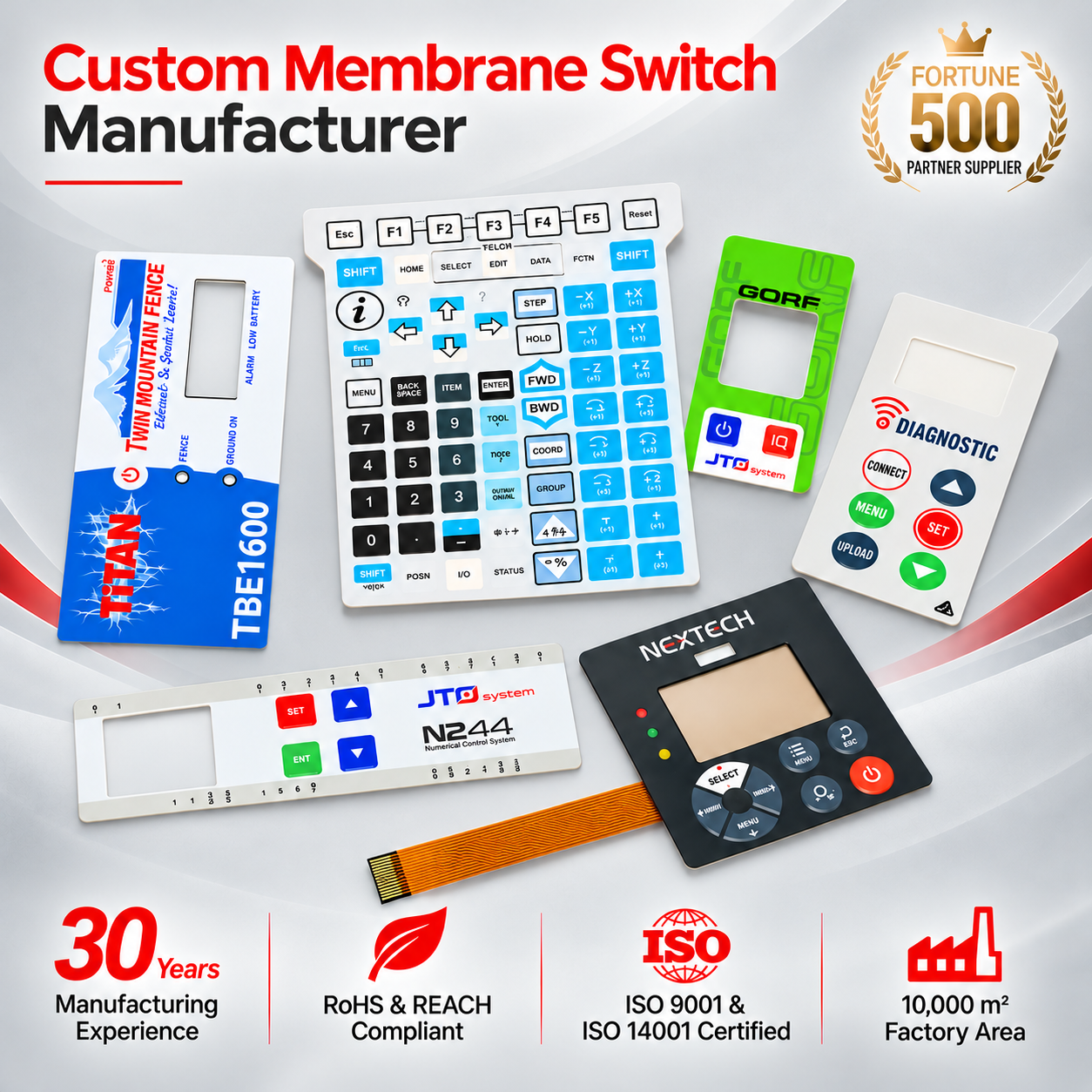
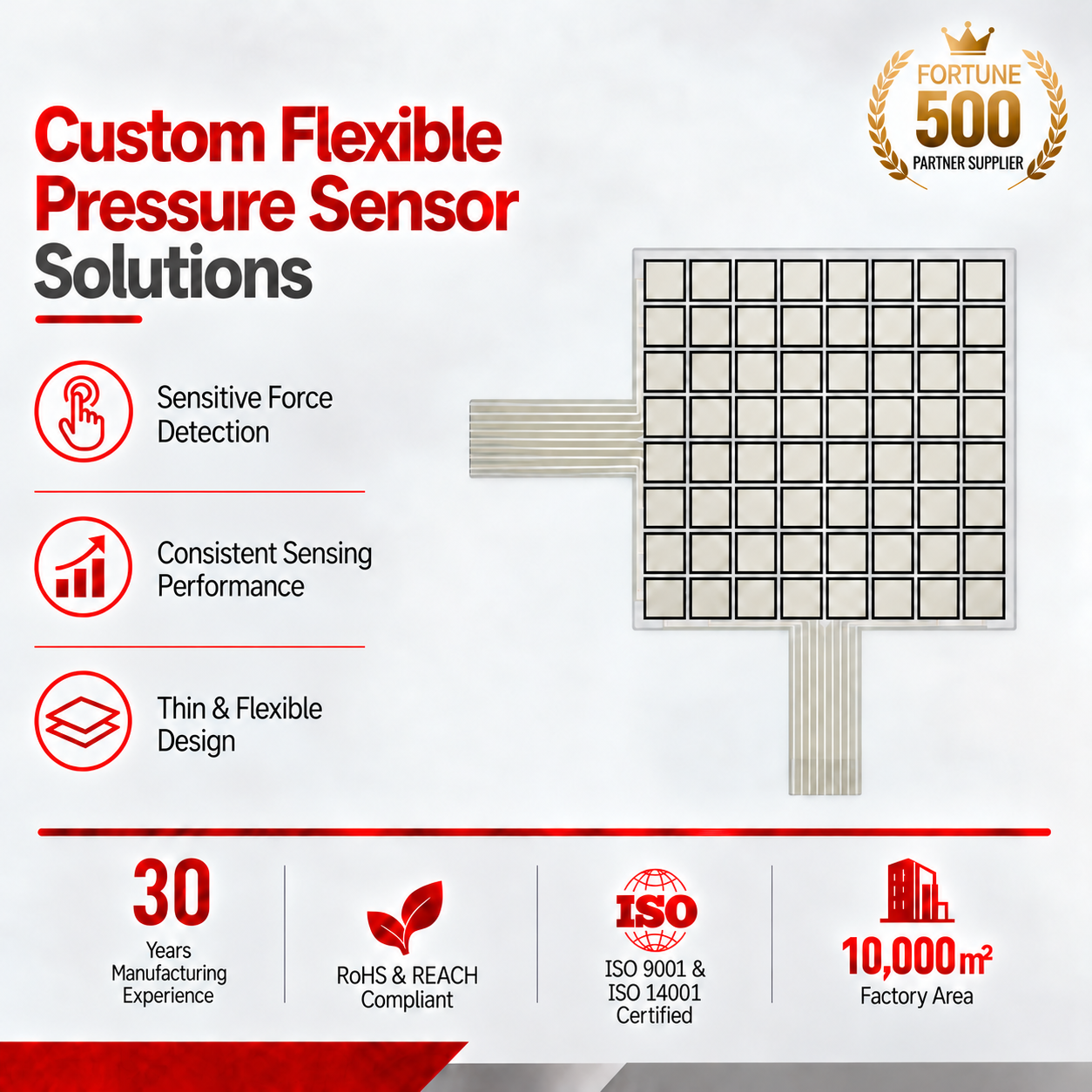
Capacitive touch sensing has emerged as the definitive human-machine interface across precision industrial equipment, smart architectural installations, and clinical hardware. Unlike legacy mechanical domes or purely resistive assemblies, projected capacitive touch (PCAP) and surface capacitive switches operate by detecting changes in electrical capacitance caused by the proximity or touch of a conductive body—most notably, an operator's bare finger or a specialized stylus.
In our 10,000㎡ manufacturing facilities, AXRU produces high-performance sensors utilizing advanced micro-patterned printed silver electrodes, copper-etched Flexible Printed Circuits (FPC), and indium tin oxide (ITO) replacement layers. Designing capacitive touch interfaces for mission-critical deployments requires rigorous adherence to electromagnetic compatibility (EMC), dielectric constant balancing, and substrate stability.
Technical Note: Parasitic capacitance ($C_p$) introduced by surrounding metal frames or dense PCB backplanes can suppress signal-to-noise ratios (SNR). Our engineering team implements proprietary driven shielding architectures and guarding rings around sensing traces to guarantee noise margins exceeding 20dB even under noisy switched-mode power supplies.
The operational sensitivity of any capacitive sensor is directly governed by physical geometry and the dielectric matrix of the front panel:
C = (ε_0 × ε_r × A) / d
Where ε_0 is the electric constant of free space, ε_r represents the relative permittivity of the overlay material, A is the overlap area of the sensing electrode, and d is the distance between the operator's touch plane and the sensor array. AXRU precision-engineers graphic overlays using select optical-grade materials to calibrate this response:
The West End of London represents one of the world's most demanding commercial ecosystems. Spanning iconic theatrical venues along Shaftesbury Avenue, luxury hospitality environments throughout Mayfair and Soho, high-footfall retail flagships on Regent and Oxford Streets, and private clinical facilities around Harley Street, the demands placed on electronic user interfaces in this geographic micro-market are intensely specialized.
Boutique hotels and ultra-prime residences across Mayfair require bespoke solid-state capacitive panels that integrate flush with bespoke architectural finishes—such as brushed bronze, black glass, and natural stone—providing silent, ambient-lit capacitive dimming without mechanical wear.
Stage lighting consoles, backstage motorized rigging controls, and front-of-house ticketing kiosks require high tactile differentiation or capacitive backlighting with IP65 perimeter water and beverage resistance, eliminating ingress risks during packed West End runs.
Flagship retail environments demand high-reliability touch surfaces for digital signage and self-service kiosks. Capacitive sensors must operate flawlessly under anti-fingerprint, anti-glare, and scratch-resistant hard-coats (pencil hardness >3H) that withstand continuous daily use.
Clinical consultancies require front panels with hermetically sealed flat surfaces that survive aggressive wipe-down cycles using isopropyl alcohol, bleach, and quaternary ammonium compounds without delaminating or registering ghost touches.
Ticketing facilities and automated secure portals near transit hubs demand vandal-resistant, hermetically bonded capacitive keyboards capable of continuous auto-calibration across severe outdoor temperature and humidity variations.
Soho-based media editing facilities, sound studios, and screening rooms rely on zero-electrical-noise capacitive sliding controls, rotary rings, and low-latency input panels that never induce crosstalk into high-gain recording circuits.
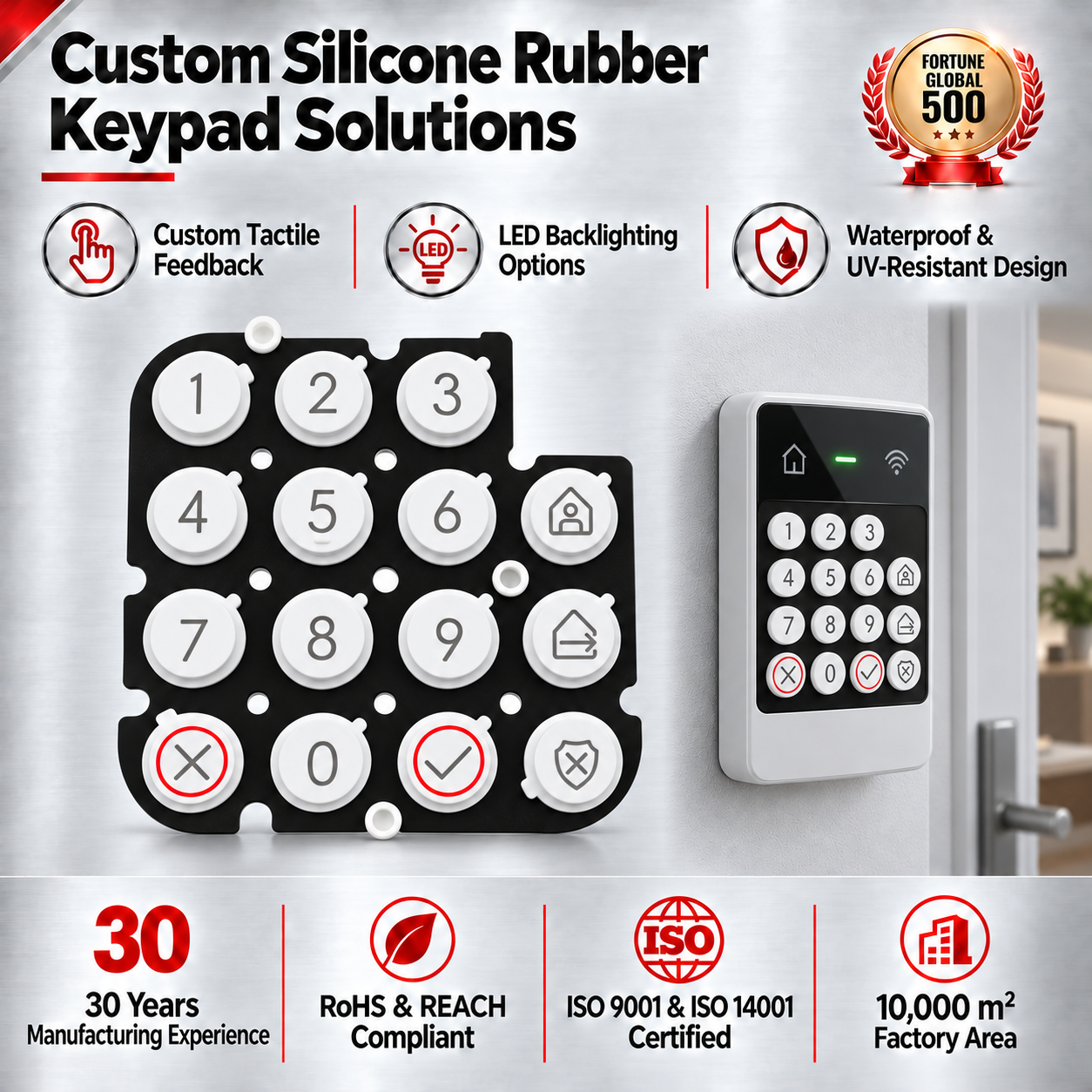
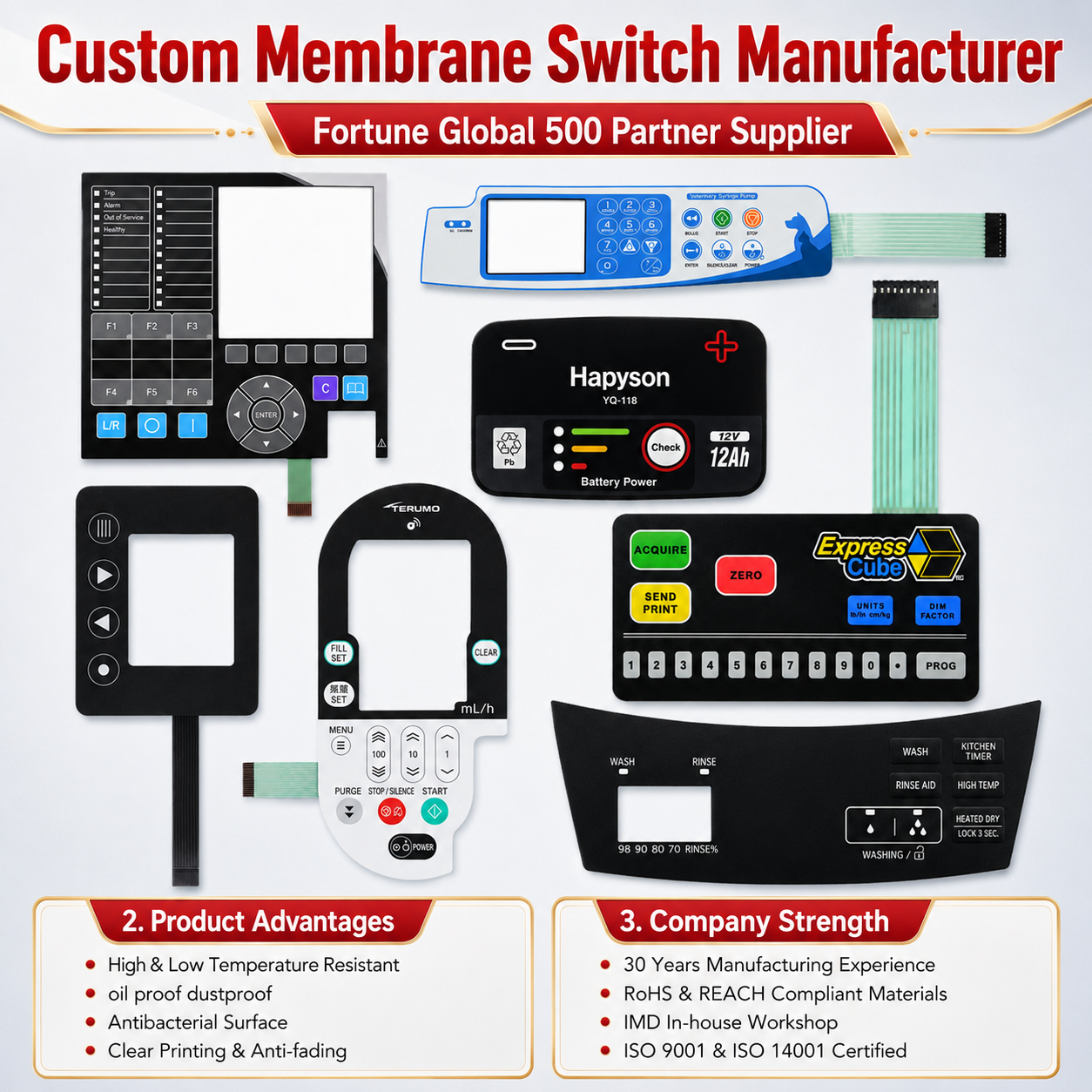
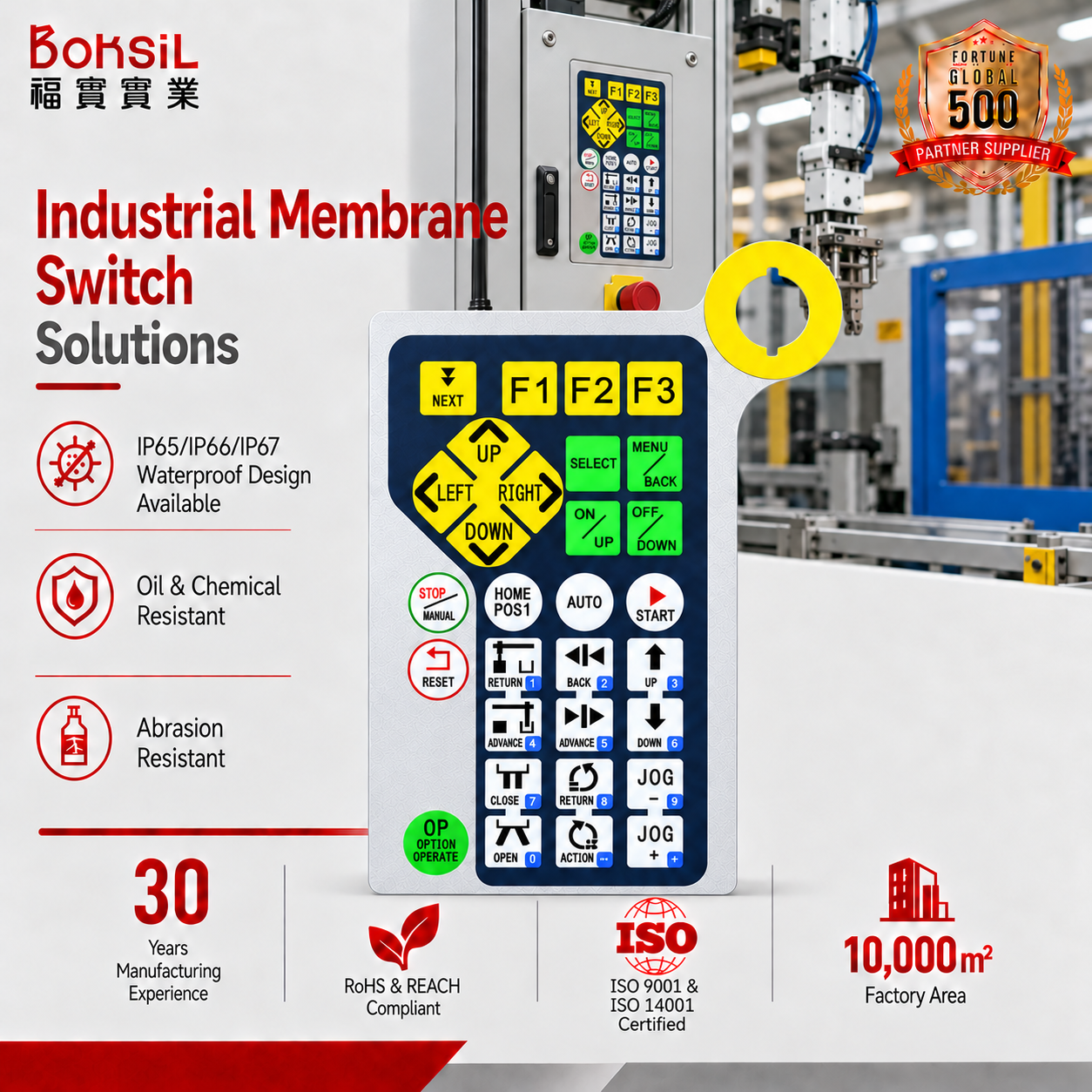
Evaluating human-machine interface components requires balancing mechanical longevity, ingress protection, environmental tolerance, and design aesthetics. The engineering selection guide below illustrates how AXRU capacitive touch sensors compare with traditional tactile membrane switches and silicone rubber arrays.
| Engineering Attribute | Projected Capacitive Touch (PCAP) | Tactile Membrane Switch | Conductive Silicone Rubber Keypad |
|---|---|---|---|
| Actuation Lifespan | Infinite (>50M touches, solid-state) | 1,000,000 to 5,000,000 cycles | 500,000 to 1,000,000 cycles |
| Ingress Protection Potential | IP68 / IP69K (Hermetic surface) | IP65 to IP67 (Perimeter gasket) | IP65 (Requires chassis lip) |
| Operating Temperature | -30°C to +85°C | -40°C to +80°C | -40°C to +150°C |
| Surface Aesthetic | Seamless, flush, dead-front optics | Embossed rims, tactile pills | 3D contoured keycaps, travel >1mm |
| Water Droplet Immunity | Requires algorithmic water rejection | Inherently immune (mechanical snap) | Inherently immune (mechanical force) |
| Chemical & IPA Cleanability | Exceptional (Glass / Hard-coated PET) | High (Textured Autotype Polyester) | Moderate (Requires PU coating) |
*Every custom assembly is verified on our automatic force-displacement rigs and environmental test chambers to match client specifications precisely.
Procurement teams and design consultancies in Central London face changing regulatory and operational challenges. AXRU tracks and responds directly to these five technological shifts:
While mechanical switches remain essential for high-stress industrial applications, the West End commercial sector is shifting toward uninterrupted monolithic glass and polished polymer facades. To bridge the operator feedback gap, AXRU integrates localized eccentric rotating mass (ERM) motors, linear resonant actuators (LRA), and piezo-ceramic haptic drivers directly behind capacitive sensing arrays to provide clear physical confirmation upon switch trigger.
In modern corporate hospitality and architectural hardware, visible printed icons when the machine is inactive are increasingly seen as outdated. We employ multi-layer micro-screen printing with precision light-blocking inks and selective optical diffusion. Key legends remain completely invisible until triggered by capacitive approach detection, illuminating instantly via side-firing SMD LEDs coupled to ultra-thin Light Guide Film (LGF).
Following regulatory evolutions post-Brexit, interface hardware deployed into British infrastructure must conform to rigorous UKCA markings alongside standard RoHS 3 and REACH compliance. Our supply chain ensures all adhesives (such as 3M 200MP series), polyester films, conductive silver pastes, and silicone elastomers are certified halogen-free and produce zero outgassing in confined public enclosures.
London's ambient climate demands touch sensors capable of accurate operation in high-humidity or direct rain environments. AXRU capacitive touch sensors utilize dual-mode mutual and self-capacitance sensing algorithms. By profiling the differential charge displacement of a finger contact against a conductive puddle, our systems filter out false triggers caused by condensation, spills, or routine wash-downs.
Dongguan AXRU Electronics Co., Ltd. is not a broker; we are an established HMI manufacturing enterprise. Founded on engineering precision and vertical operational control, our Dongguan facility delivers reliable, volume-scalable interface hardware directly to equipment builders across the UK, Europe, and the Americas.
Our 10,000㎡ plant and dedicated 121-person workforce undergo strict on-site audits by Intertek. Comprehensive quality management ensures every manufacturing stage—from screen printing to CNC routing—is fully traceable.
We do not rely on standard statistical sampling for critical circuits. Every capacitive circuit and membrane tail undergoes automated continuity, insulation resistance, open/short checks, and LED radiometric testing before final moisture barrier packaging.
To support agile hardware engineering in the West End and throughout the UK, our custom production lines feature an accessible minimum order quantity starting from just 100 units, supported by in-house digital flatbed cutting for rapid prototyping.
Our engineering laboratory validates custom stack-ups against severe operating conditions to verify real-world field life:
Direct answers to technical and logistical questions commonly raised by British engineering buyers, product designers, and OEM procurement managers.
Yes. By fine-tuning the sensing electrode geometry and configuring high-gain capacitive controller ICs (such as Microchip, Cypress/Infineon, or Azoteq solutions), our sensors reliably detect finger proximity through thick dielectric front panels up to 10mm in tempered glass or 6mm in industrial polymers. We also tune analog front-end sensitivity thresholds to register input from operators wearing industrial leather or nitrile cleanroom gloves.
We deploy two integrated mitigation strategies. Hardware-side, driven shield traces and dedicated ground rings encircle every active capacitive electrode to ground out moisture films. Firmware-side, we calibrate controller routines using differential tracking to recognize conductive water droplets as a common-mode impedance shift rather than an intentional localized touch event, maintaining signal stability.
To deliver a complete Design for Manufacturability (DFM) review and quotation within 24 hours, our engineering department requests your 2D mechanical drawings (DXF, DWG, or PDF) showing overall dimensions, cutouts, and tail exit locations; artwork layout files (Adobe Illustrator with layered vector outlines and Pantone references); your electrical interface schematics (pinout, connector pitch, I2C/SPI requirements); and any required target environmental ratings (such as IP67 or UL94-V0 flammability).
AXRU has over a decade of direct export experience servicing British and European destinations. All membrane switches and capacitive sensor arrays are sealed inside anti-static, vacuum-drawn moisture-barrier packaging with desiccant packs to prevent humidity exposure during transit. We ship directly via expedited air freight (DHL, FedEx, UPS) with transit times of 3 to 5 business days to Heathrow or London distribution centres, supported by fully compliant export documentation and HS tariff code classifications.
Absolutely. We regularly engineer hybrid HMI panels that combine flat, solid-state capacitive keys for non-critical selections with tactile stainless-steel metal domes for high-importance functions—such as Power, Reset, or Emergency Stop. This hybrid approach delivers the sleek visual look of modern capacitive glass while preserving the tactile confirmation required for mission-critical operations.
Consult directly with our Dongguan engineering department to review stack-up feasibility, optimize dielectric performance, and request prototype tooling for your next hardware build.
Send an Inquiry