Engineering Whitepaper & OEM Solutions

Capacitive Touch Button Manufacturer & Exporter serving the Sydney market

Custom Human-Machine Interfaces, Hermetically Sealed Solid-State Touch Arrays, and Rugged Industrial Graphic Overlays Tailored for Australian Harsh-Environment Applications

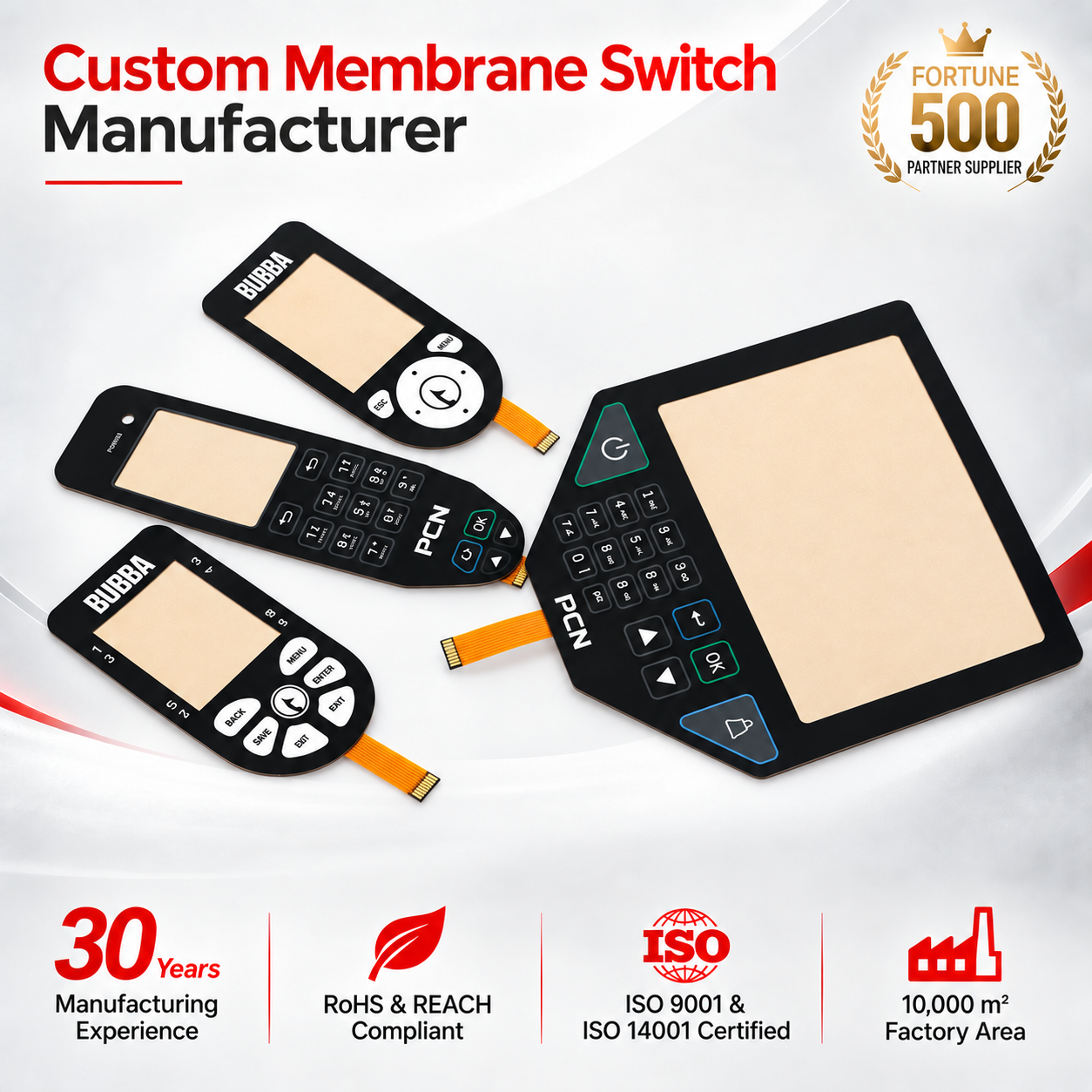
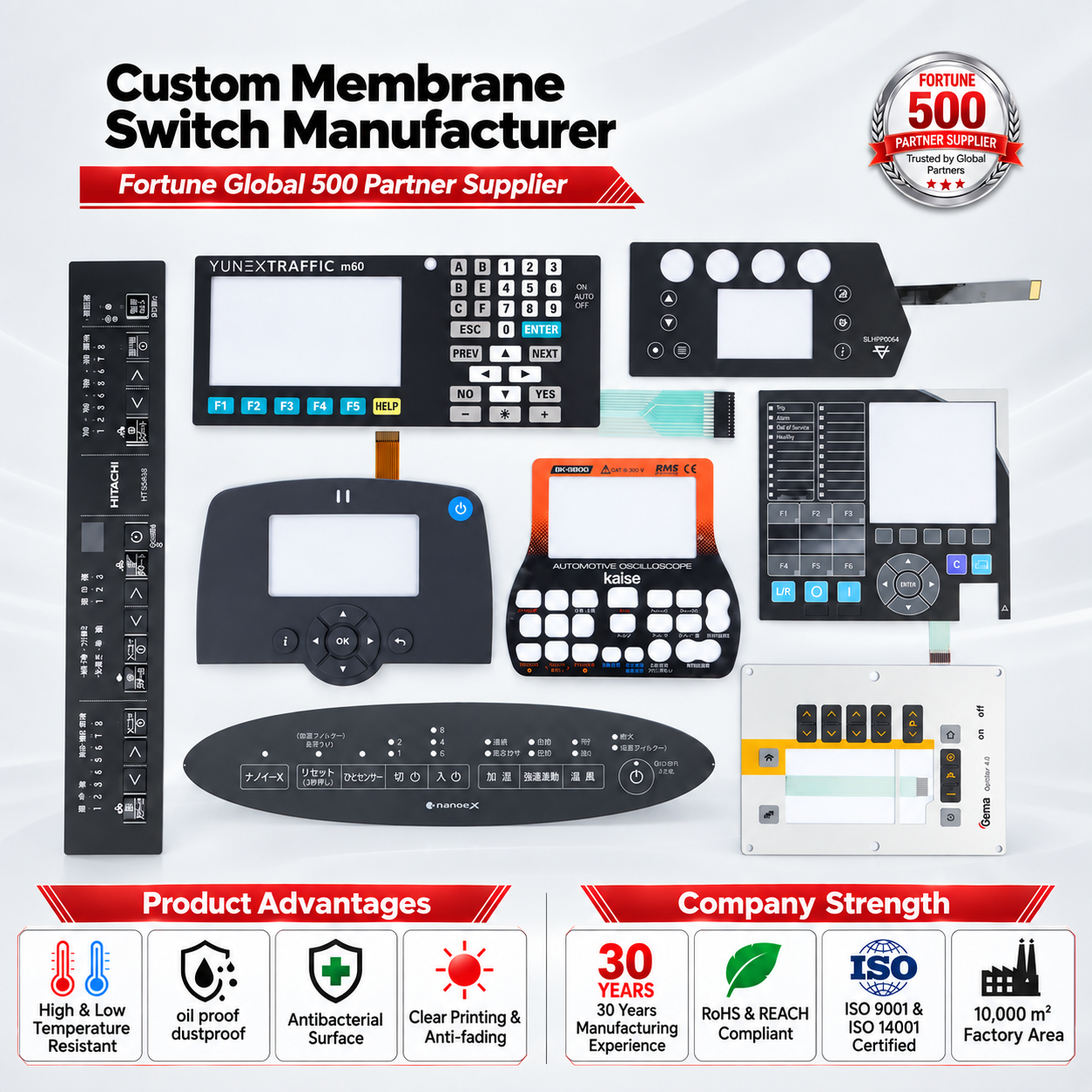
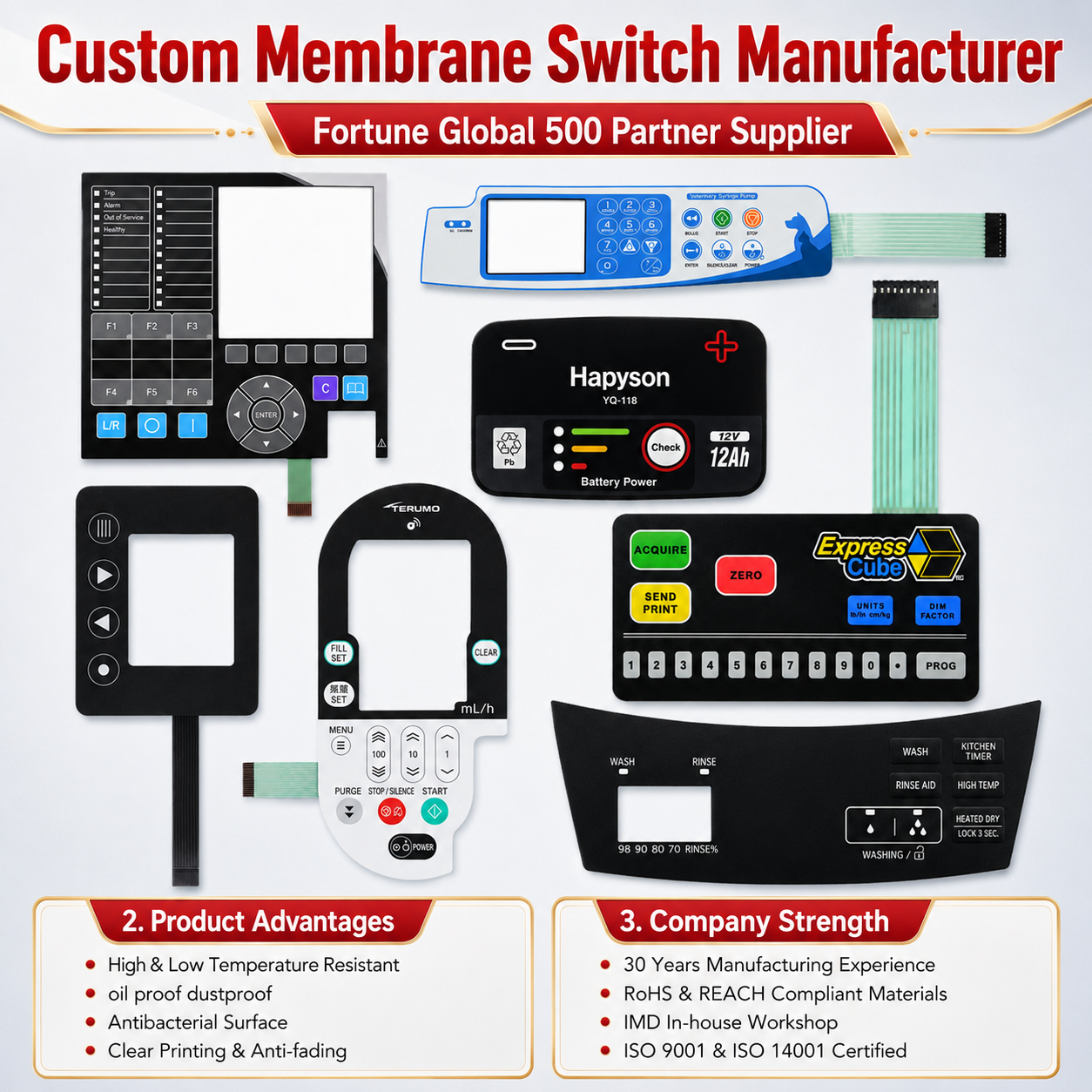
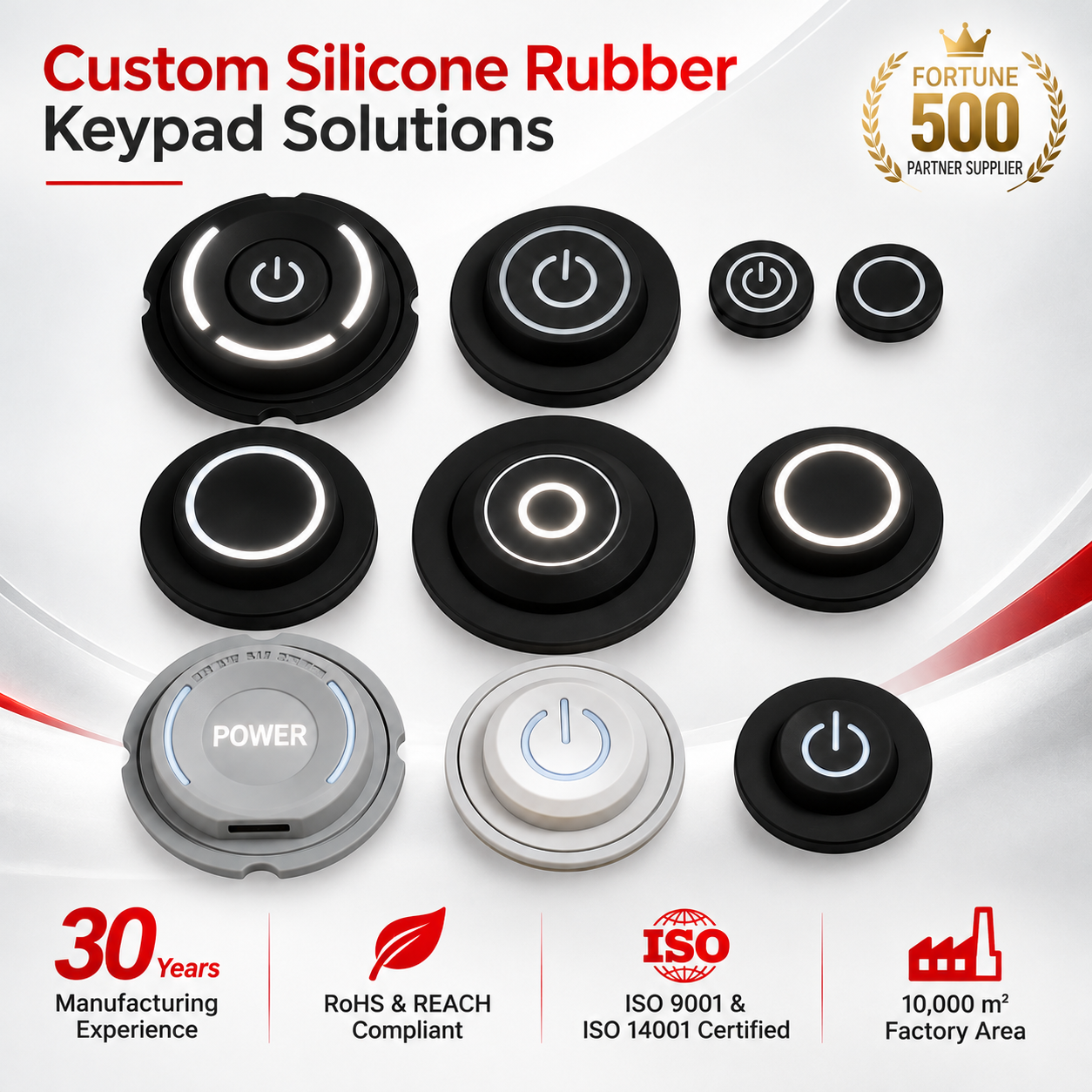
Precision HMI Portfolio

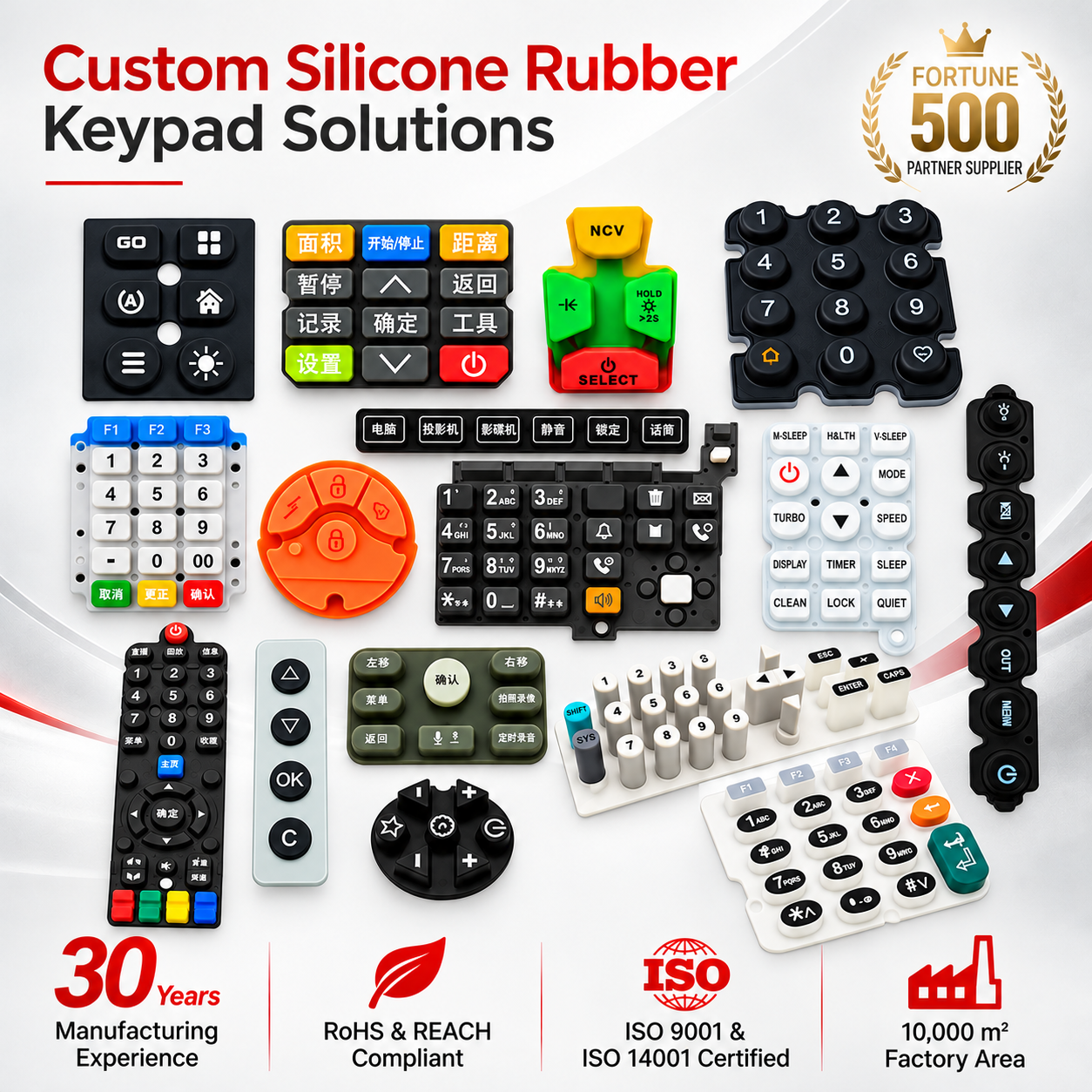
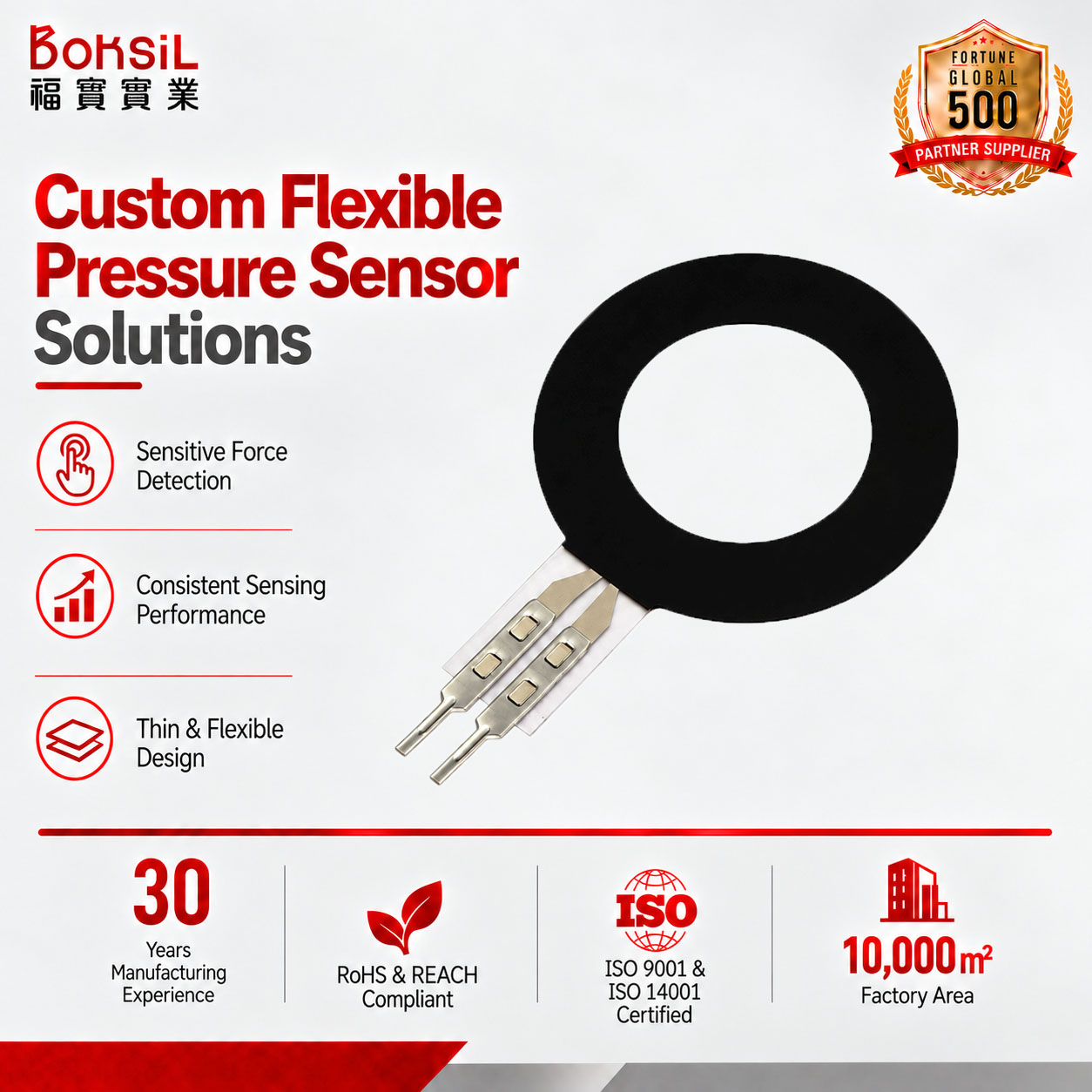
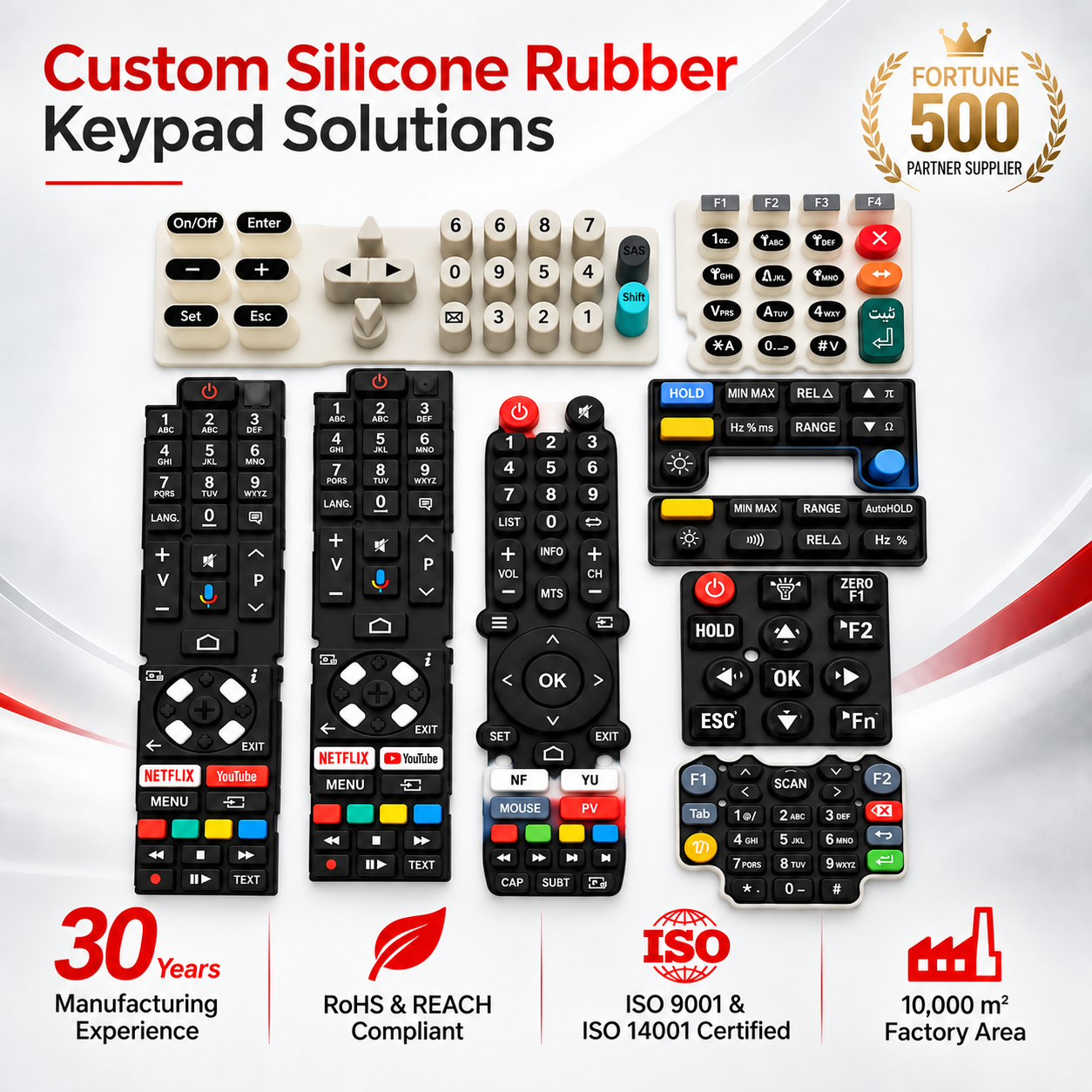
Featured Capacitive Sensing & Membrane Interface Assemblies

Engineered to exceed rigorous electronic hardware criteria across Sydney, New South Wales, and Australasia. Fully customized for tactile feedback, optical clarity, environmental sealing, and functional longevity.

Engineering White Paper

Architecting Capacitive Touch Interfaces for Australian Operating Extremes

A deep-dive technical briefing on charge-transfer capacitance, dielectric constant tuning, water-film rejection, and solid-state reliability under high UV radiation and extreme ambient swings.

Unlike electromechanical switches and traditional tactile metal dome membranes that rely on mechanical deflection, capacitive touch button assemblies operate as solid-state electrostatic sensors. When an operator’s finger approaches the dielectric front surface, it couples into the fringe electric field generated between printed electrode geometries, introducing a minute parallel capacitance typically measured between 0.5 pF and 5 pF.

For engineering departments throughout Greater Sydney—from automated industrial systems in Western Sydney to subsea telemetry systems operating off Port Botany—the elimination of moving mechanical parts yields enormous reliability dividends. Solid-state capacitive designs introduce zero physical contact wear, withstand millions of continuous actuations, and allow front fascias to be manufactured as unbroken, hermetically sealed continuous surfaces that prevent fluid, oil, chemical washdowns, and micro-particulate ingress.

"The foundational engineering challenge in capacitive HMI deployment across New South Wales is maintaining decisive touch discrimination amidst saline maritime airborne moisture, torrential coastal rainfall, and intense electromagnetic interference from adjacent high-power drives."

At Dongguan AXRU Electronics Co., Ltd., we combine advanced printed capacitive sensor matrices (printed conductive silver inks or etched rolled-annealed copper on flexible polyimide circuits) with precision microcontroller firmware tuning. By implementing self-capacitance and mutual-capacitance hybrid channel topologies, our touch controllers execute sophisticated phase-detection algorithms that instantly distinguish between an intentional human finger press, gloved operator interactions, wiping motions, and continuous standing moisture or salt-spray films.

01. Stack-Up Dielectric Calibration

The sensitivity formula for a planar capacitive touch electrode is governed by: C = (ε0 · εr · A) / d. Where εr represents the relative dielectric permittivity of the front cover material (Chemically Strengthened Gorilla Glass ≈ 7.2, Polymethyl Methacrylate PMMA ≈ 3.4, Polycarbonate PC ≈ 2.9, Autotex Polyester PET ≈ 3.1). We calibrate electrode geometries (A) and adhesive dielectric layers to maximize signal-to-noise ratio (SNR > 25:1) through front cover lenses ranging from 0.5mm up to 8.0mm in thickness.

02. Water Rejection & Liquid Tolerance

Water droplets generate a false positive capacitance increase on standard self-capacitive pads. AXRU integrates guard rings, driven shields, and differential sensing algorithms. When a droplet spans across the sensor and guard trace, equal capacitance shifts are canceled out, preventing accidental triggers while maintaining instantaneous response to an authentic human finger press.

Standard Design Rule: Signal-to-Noise Ratio (SNR) Threshold > 25:1
10,000㎡
Intertek Verified Plant
121+
Skilled Technical Staff
100%
Full Electrical QC Tested
100pcs
Flexible OEM Minimum MOQ
Australian Market Deployment

Localized Application Landscapes Across Greater Sydney

How our capacitive touch button arrays and rugged HMI control interfaces empower mission-critical hardware engineered throughout NSW’s primary technological hubs.

Sydney MedTech Corridor & Clinical Diagnostics

Serving biotechnical and diagnostic instrument innovators centered in Macquarie Park, Westmead Health Precinct, and Camperdown. Medical user interfaces require seamless, flat-surface capacitive front panels capable of enduring daily sterilization using hospital-grade isopropyl alcohol, quaternary ammonium, and bleach compounds without graphic degradation or seal failure.

Antimicrobial PET Overlay · Hermetic Cleanroom Assembly

Maritime Telematics & Port Botany Logistics

Harbor vessels, cargo handling machinery, and naval telemetry platforms stationed throughout Sydney Harbour, Port Jackson, and Port Botany operate in aggressive saline mist environments. Our solid-state capacitive keys utilize hydrophobic hard-coatings, salt-fog corrosion-resistant FPC copper routing, and driven-shield guard rings to prevent moisture bridging false activations.

ISO 9227 Salt Spray Verified · Submersible IP68 Ratings

Western Sydney Industrial Automation & Warehousing

Advanced sorting hubs and automated manufacturing facilities spanning Eastern Creek, Blacktown, and the Bradfield Aerotropolis demand high-throughput HMI consoles. Capacitive touch keypads integrated with light-guide film (LGF) deliver crisp visual feedback for operators wearing nitriles, cotton, or light leather safety gloves while offering zero mechanical fatigue.

Glove-Touch Tuning · 24/7 Continuous Duty Cycles

Public Transport Ticketing & Smart Urban Kiosks

Public-facing ticketing systems, access control pedestals, and charging kiosks installed across Sydney Trains infrastructure and light rail corridors require robust anti-vandal defense. We bond capacitive sensor circuits behind toughened 4mm to 6mm chemical-strengthened glass fascias achieving IK09/IK10 mechanical impact ratings without compromising responsiveness.

IK10 Vandal-Resistant Bond · Anti-Graffiti Coatings

Commercial Building Automation & Architectural Controls

Sydney’s high-density commercial developments across Barangaroo, Parramatta Square, and North Sydney require sleek, modern interface panels for HVAC, multi-zone DALI lighting, and smart access. Our capacitive touch switches feature dead-front iconography, hidden-until-lit LEDs, and flush glass or brushed aluminum bezels that match elite architectural aesthetics.

Dead-Front Backlighting · Capacitive Slider/Wheel Integration

Hunter Valley & Regional NSW Heavy Mining Telemetry

Designed for mobile asset tracking and control panels deployed in heavy earthmoving, quarrying, and mining environments within reach of Sydney logistics channels. High vibration, wide operating thermal windows (-40°C to +85°C), and dense airborne particulate matter require complete dust-tight enclosure seals, robust ESD dissipation layers, and EMI shielding.

IEC 61000-4-2 ESD Level 4 · Continuous Wide Temp Rating
Market Drivers & Compliance

Key Technological Trends & Australian Compliance Mandates

Essential technical benchmarks for electronic hardware procurement, RCM certification, and environmental resistance under the unique Australian climate profile.

Solar Radiation & Extreme UV Index Resistance

Sydney regularly logs peak solar UV Indices exceeding 11 to 13 during extended summer periods. Standard commercial-grade polycarbonates yellow, become brittle, and experience micro-cracking within months. AXRU incorporates UV-stabilized outdoor-grade PET films (such as Autotex XE) and optical PMMA certified under QUV accelerated weathering testing per ASTM G154 to guarantee optical clarity and mechanical integrity for 10+ years outdoors.

ASTM G154 Non-Yellowing Verified · Thermal Shock Proof

AS/NZS CISPR 32 EMC & RCM Compliance

To achieve regulatory compliance under the Australian Communications and Media Authority (ACMA) Regulatory Compliance Mark (RCM), electronic interfaces must demonstrate resilience against radiated and conducted emissions. Our capacitive touch sensor boards integrate continuous conductive silver or printed carbon grid shielding layers grounded directly through dedicated connector pins, preventing false triggers from high-frequency industrial noise.

ESD Resistance > 15kV · ACMA RCM Ready

Hybrid Tactile-Capacitive HMI Architectures

A growing trend among Sydney industrial designers is blending sleek capacitive touch button surfaces with targeted electromechanical confirmation—such as haptic vibration motors, piezoceramic buzzers, or combining capacitive primary keys with physical metal dome switches for critical "E-Stop" or "Confirm" actions. AXRU’s multi-technology production line enables single-panel hybrid convergence.

Integrated Haptics · Dual-Tech Front Bezels
Evaluation Parameter Capacitive Touch Button (Solid-State) Metal Dome Tactile Membrane Mechanical / Vandal Pushbutton
Actuation Life Expectancy Virtually Unlimited (Zero mechanical movement) 1,000,000 to 5,000,000 cycles 50,000 to 250,000 cycles
Ingress Protection Sealing IP68 / IP69K (Hermetic flush front surface) IP65 to IP67 (Perimeter gasket design) IP65 typical (Prone to seal degradation)
Front Fascia Materials Gorilla Glass, Toughened Glass, PMMA, PET, PC Autotex Textured PET, Polycarbonate Stainless Steel 304/316, Anodized Aluminum
Industrial Cleaning & Chemical Wash Exceptional (Immune to bleach, IPA, detergents) Very Good (Subject to overlay chemical rating) Moderate (Cleaning fluids seep into bezels)
Backlighting & Aesthetics Full RGB, Dead-front icons, Capacitive sliders SMD LED embedded, Light Guide Film (LGF) Single ring/halo or discrete point LED
Outdoor Sydney Climate Durability Superior (Optically bonded UV-resistant lenses) High (Requires UV-stabilized XE PET films) High physical ruggedness, corrosion vulnerability
World-Class Manufacturing Prowess

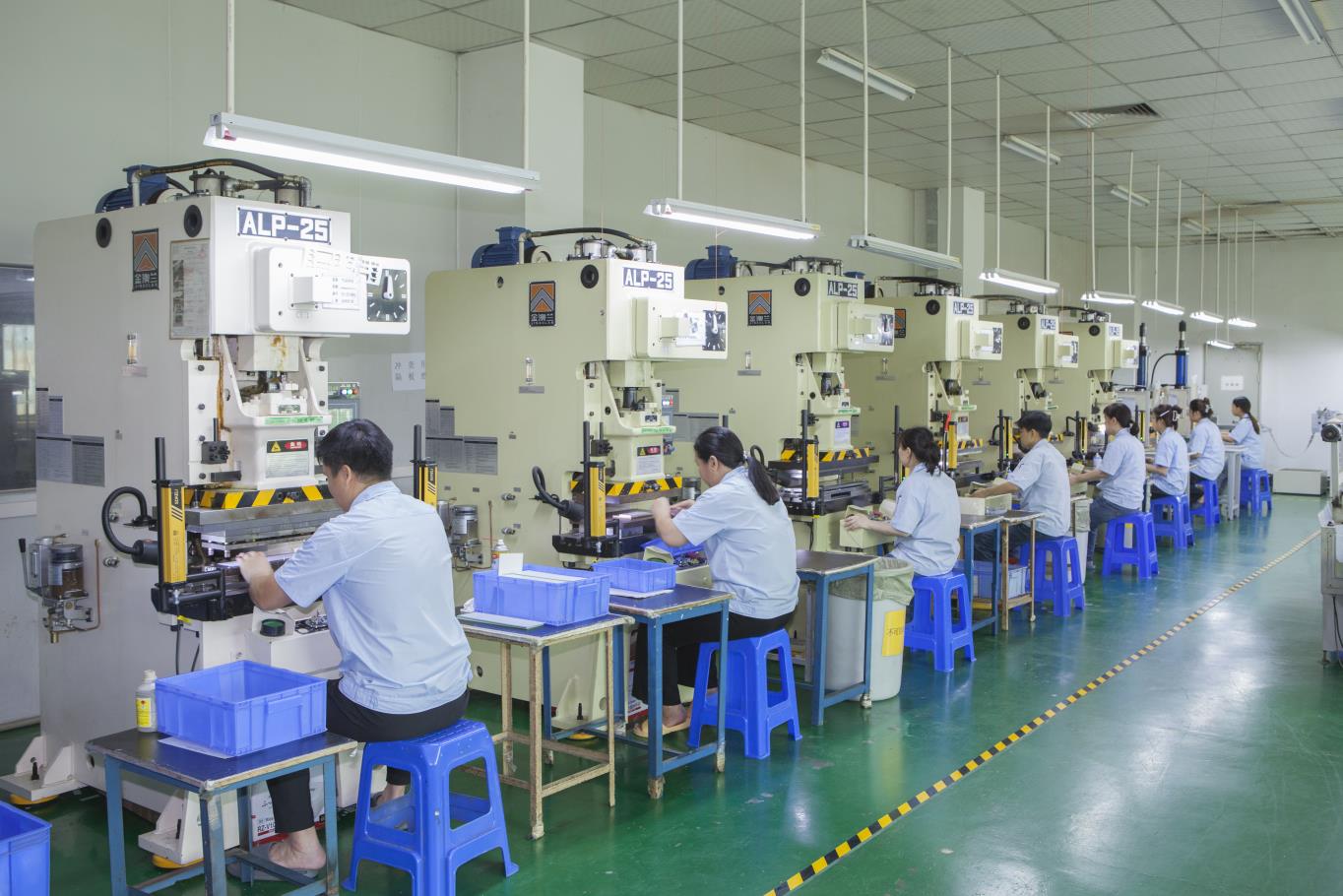
Dongguan AXRU Electronics Co., Ltd. Manufacturing Facility

10,000㎡ vertically integrated manufacturing infrastructure verified on-site by Intertek. From initial DFM review to 100% electrical inspection, our quality systems safeguard your hardware supply chain.

Founded on rigorous engineering principles, Dongguan AXRU Electronics Co., Ltd. operates a modern 10,000-square-meter manufacturing campus staffed by 121 skilled technicians, materials scientists, and quality control engineers. Assessed and verified on-site by global inspection leader Intertek, our facility maintains comprehensive control over every critical manufacturing phase.

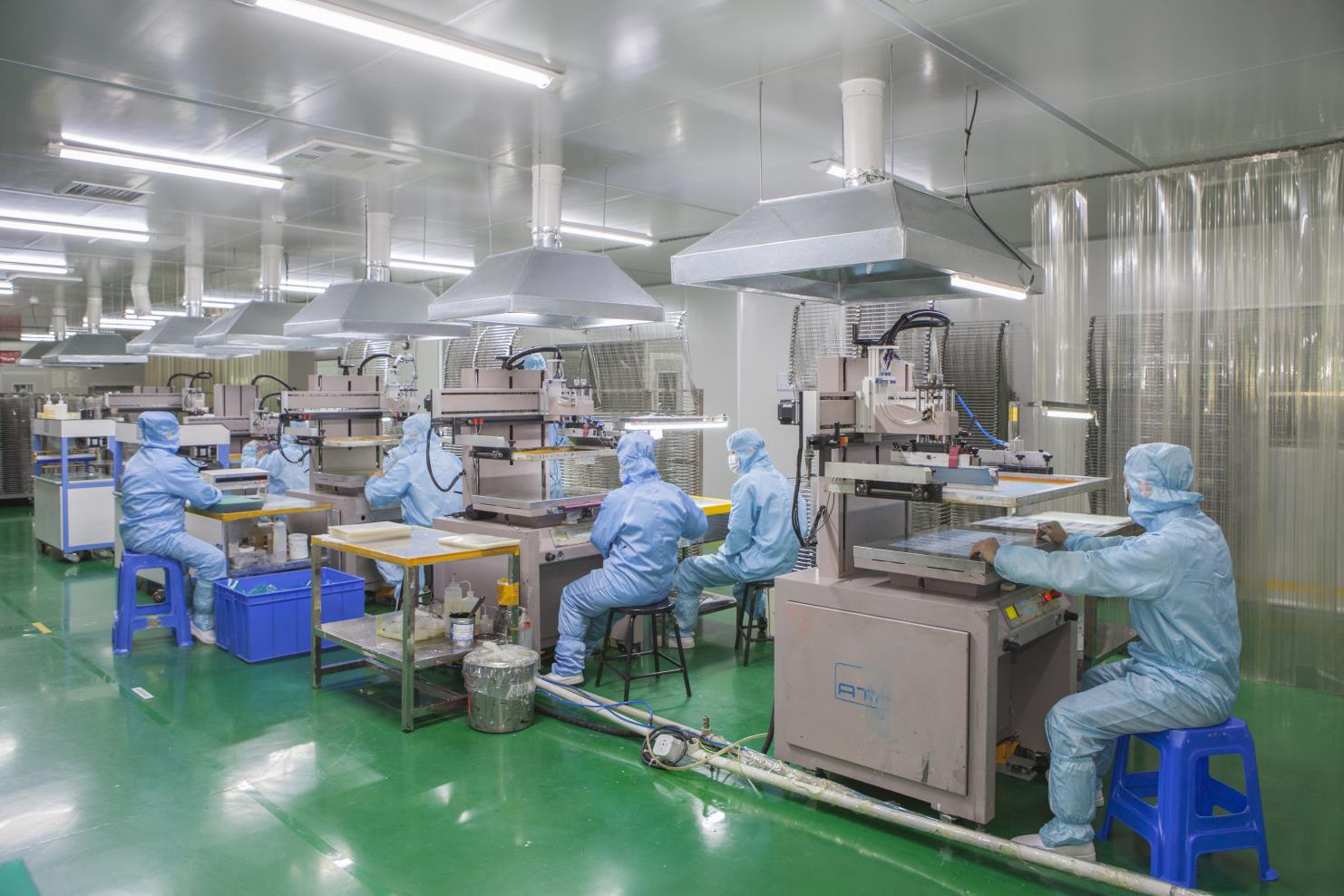
Unlike trading entities or fragmented contractors, AXRU performs precision screen printing, circuit etching, cleanroom SMD LED pick-and-place, adhesive lamination, laser micro-machining, and environmental stress screening under one roof. Our Sydney clients benefit from direct communication with experienced project engineers, transparent DFM (Design for Manufacturability) iteration, rapid prototype turnaround in 5–7 days, and scalable mass-production capabilities exceeding 500,000 units monthly.

AXRU Electronics Manufacturing Facility Building
AXRU Cleanroom Assembly Line
Reliability & Stress Testing Laboratory

Dedicated In-House Metrology & Quality Verification

Every batch dispatched to the Sydney and broader Australasian market undergoes rigorous physical, environmental, and electrical testing protocols.

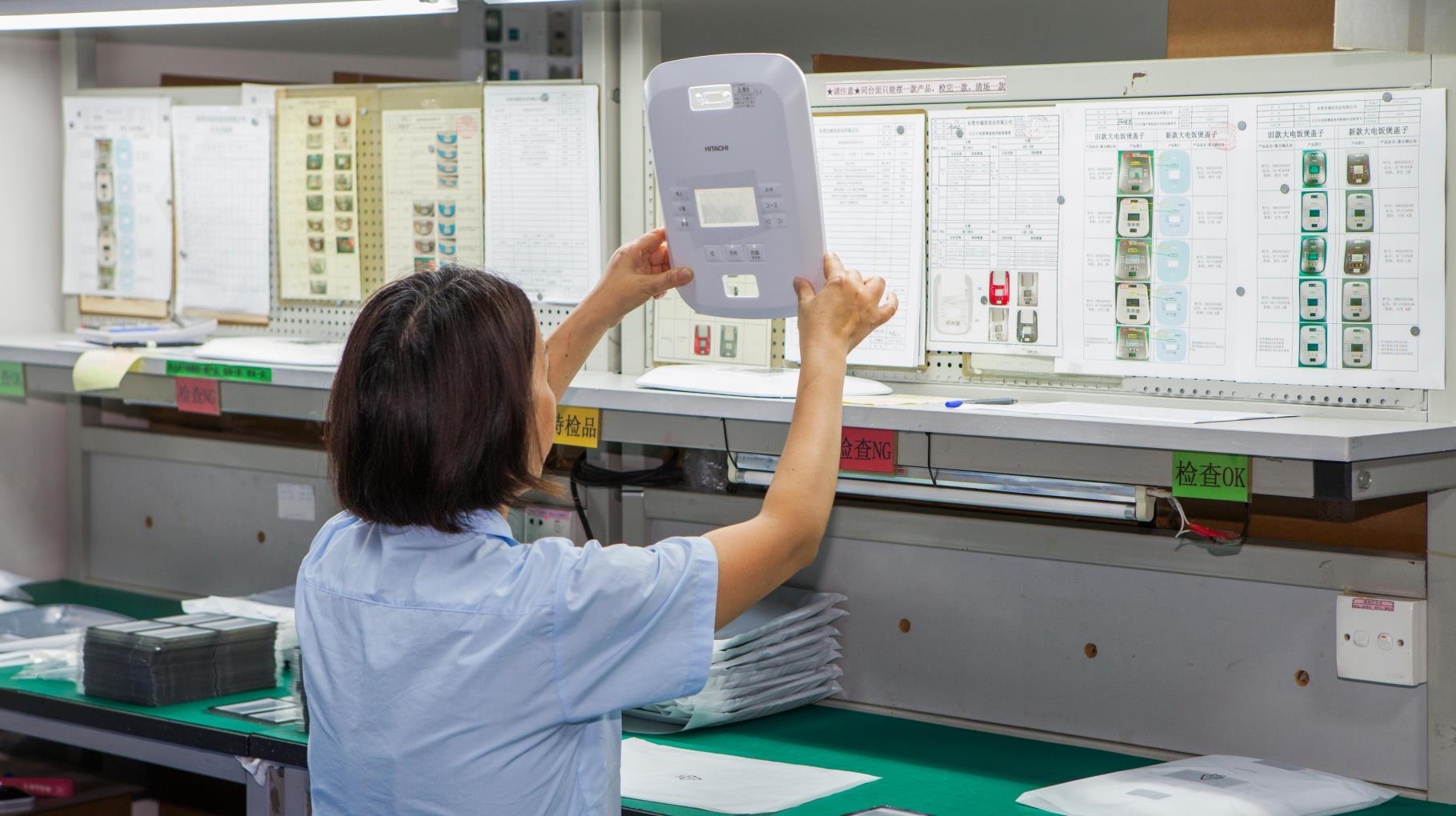
100% Electrical Continuity & Short Testing

100% Automated Electrical Testing

Automated computerized scanning of all capacitive traces, circuit loop resistance, insulation thresholds, and LED forward voltage drop before packaging.

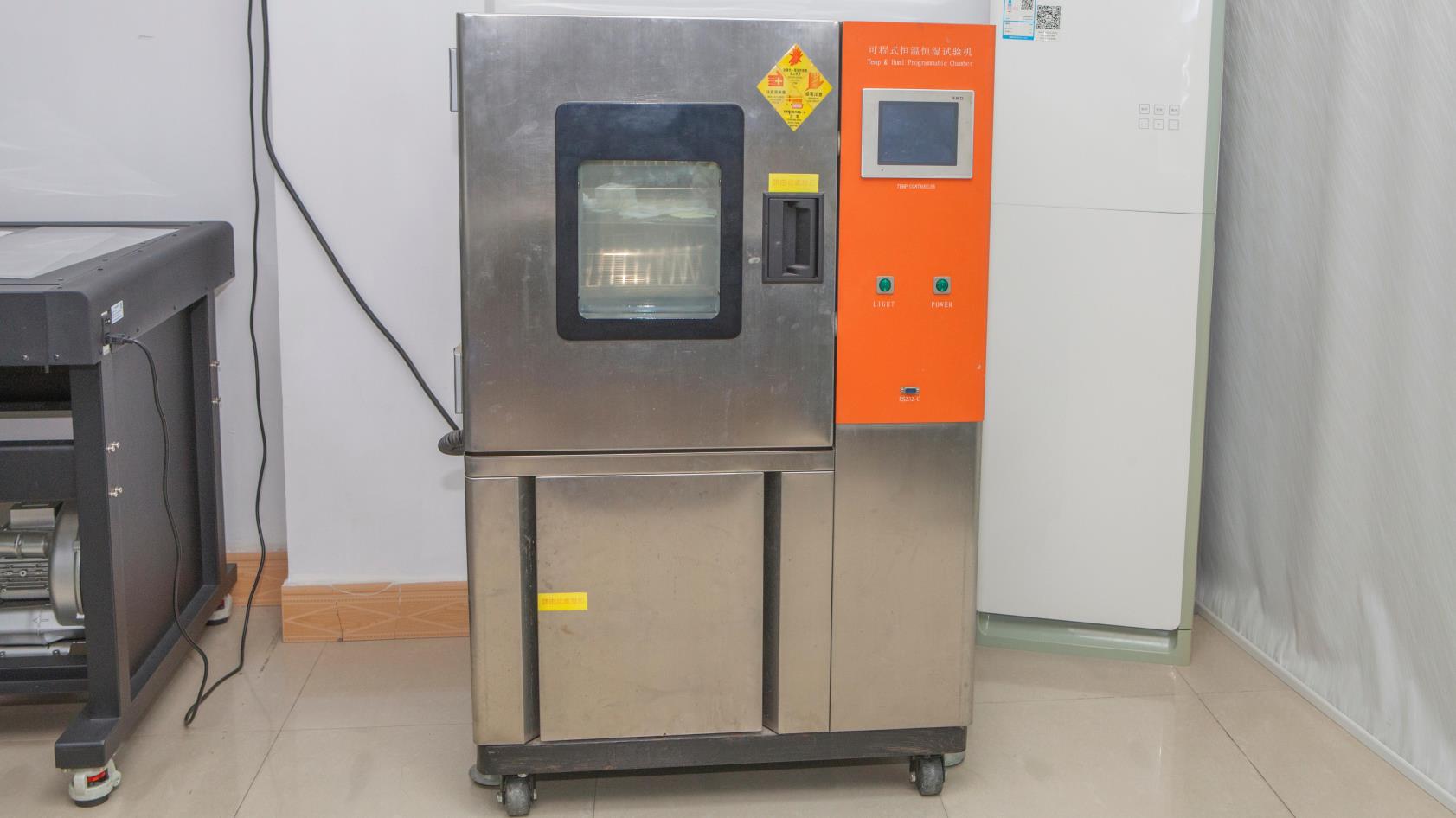
Temperature & Humidity Programmable Chamber

Temp & Humidity Cycling Chamber

Programmable environmental stress testing from -50°C to +150°C at 95% RH to validate adhesive stability and eliminate delamination risks.

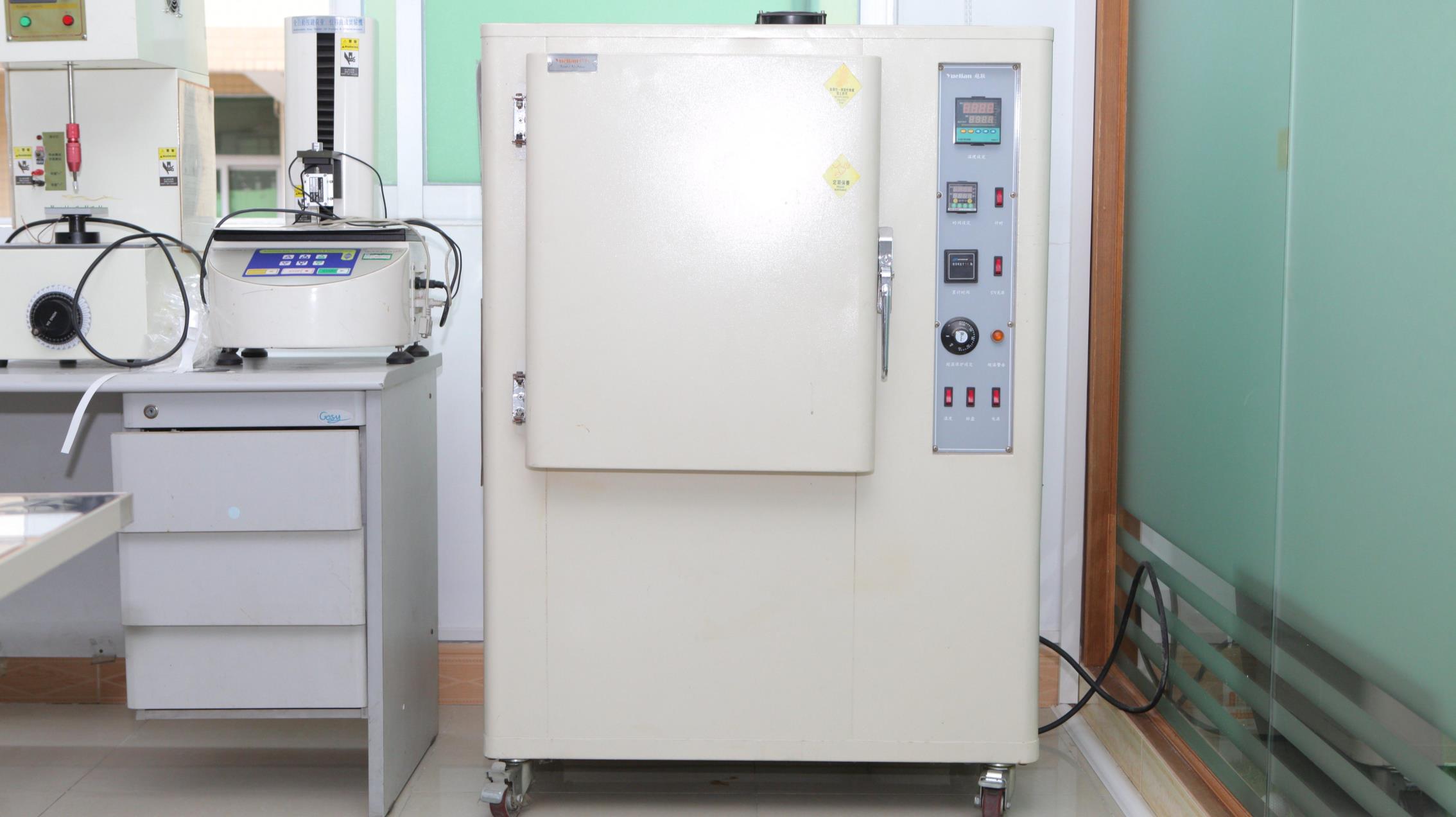
Yellowing Resistance UV Tester

UV Yellowing Resistance Chamber

High-intensity UVA/UVB exposure chambers simulating multi-year Sydney outdoor solar radiation to ensure color-fast graphics and polymer stability.

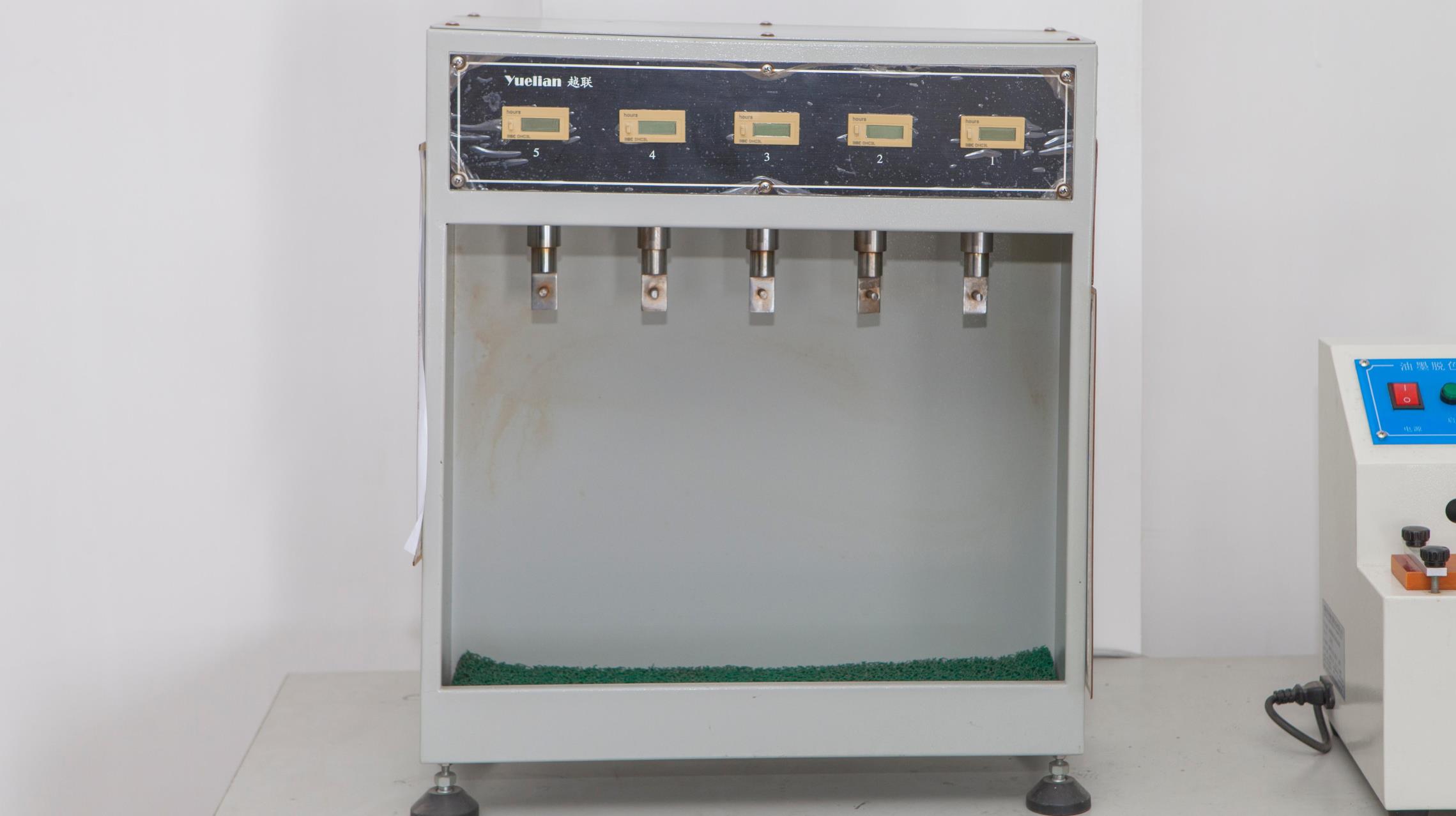
Tensile & Peel Strength Testing Machine

Tensile & Adhesive Peel Tester

Precision 90° and 180° peel adhesion measurement ensuring bond strength between the graphic fascia, 3M adhesive film, and underlying substrate.

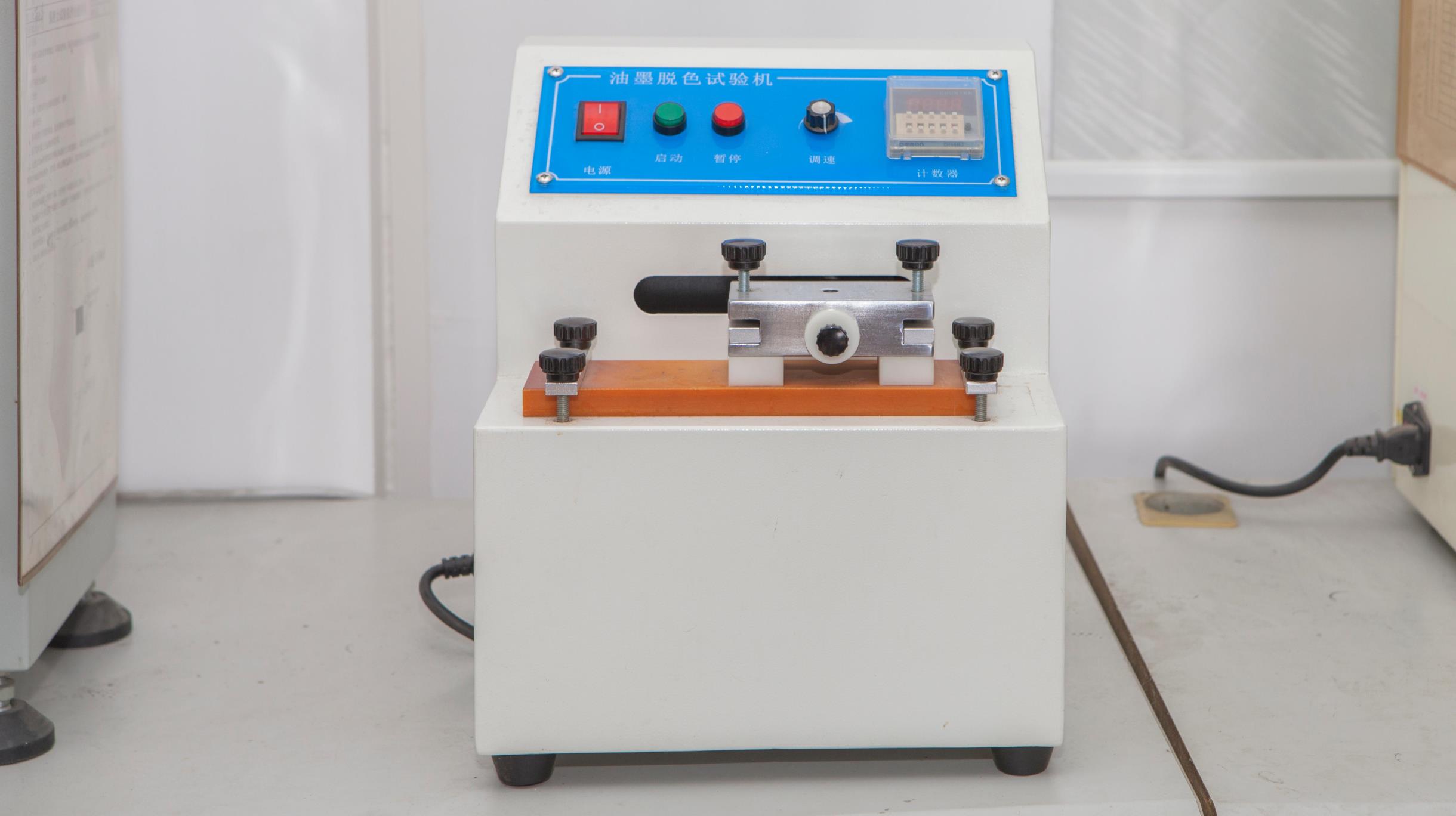
Ink Decolorization & Abrasion Tester

Ink Abrasion & Chemical Rub Rig

Crockmeter and Norman abrasion testing using continuous isopropyl alcohol and methyl ethyl ketone rubs to confirm second-surface printing adhesion.

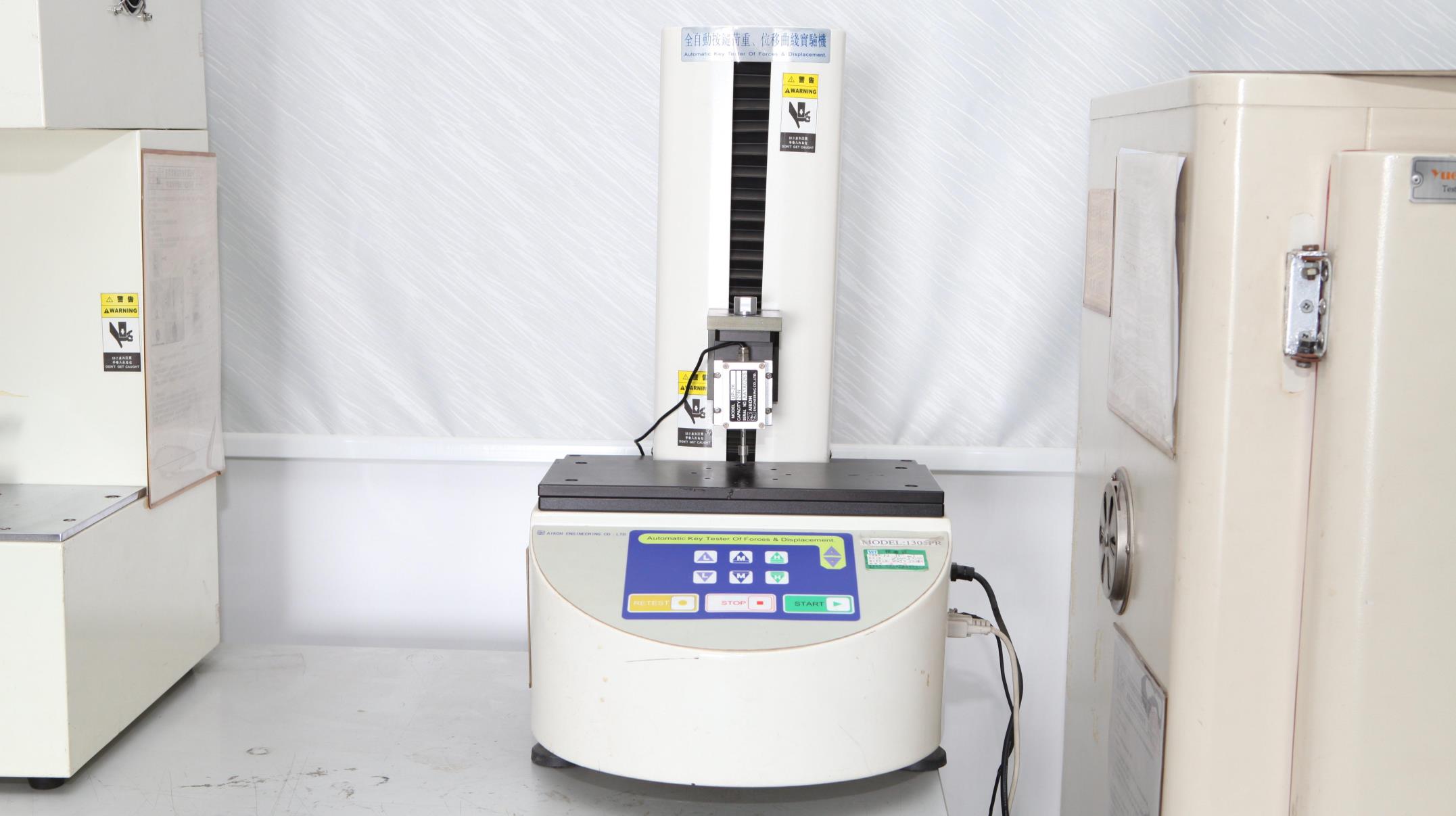
Force and Displacement Automated Key Tester

Force & Displacement Metrology

Sub-gram load cell characterization graphing tactile switch snap ratios, travel distance, and return force profiles for hybrid touch assemblies.

Procurement & Technical Support

Frequently Asked Questions for Sydney OEM Purchasing Teams

Clear, definitive engineering and commercial guidance addressing order quantities, rapid freight to NSW, DFM protocols, and compliance documentation.

What is the typical lead time and logistics route for shipping custom touch panels to Sydney?
Engineering prototype samples are typically delivered in 5 to 9 business days following CAD artwork approval. Mass production runs generally require 15 to 20 working days depending on stack-up complexity. For shipments destined for Sydney, express air freight (via DHL, FedEx, or UPS direct into Sydney Kingsford Smith Airport SYD) delivers parcels within 3 to 5 business days with complete customs documentation. For volume container shipments, our export department arranges consolidated sea freight into Port Botany with full packing declarations and Bill of Lading traceability.
Can capacitive touch buttons operate reliably through thick protective acrylic or toughened glass?
Yes. Solid-state capacitive fields can penetrate significant dielectric barriers when properly tuned. We regularly manufacture assemblies designed to sense touches through 1.0mm to 8.0mm chemically toughened glass (e.g., Corning Gorilla Glass or aluminosilicate glass) or 2.0mm to 10.0mm PMMA/polycarbonate front panels. By optimizing the copper or silver electrode area, trace pitch, and controller charge-transfer threshold voltages, we guarantee responsive touch recognition even when users wear heavy safety or medical gloves.
What engineering files are required to initiate a preliminary quotation and DFM assessment?
To provide an accurate technical quote and stack-up review within 24 hours, our engineering office requests: (1) 2D mechanical outlines in DXF, DWG, or PDF detailing cutouts, overall dimensions, and tail exit locations; (2) Graphic artwork in vector format (Adobe Illustrator .AI, EPS, or vector PDF) specifying Pantone or RAL color references; (3) Circuit schematic or netlist showing pinout assignments, LED orientations, and tail connector pitch (e.g., 1.0mm or 2.54mm); (4) Target operating environment requirements such as IP ratings, operating temperature range, and UV exposure expectations.
How does AXRU ensure capacitive keys do not falsely trigger under marine salt fog or washdown rain?
Moisture management involves a combined physical and firmware engineering strategy. Physically, we print dedicated shield and guard channels encircling each active capacitive touch pad. When standing water or a conductive saltwater film deposits across the front panel, both the active sensing node and the guard electrode experience an identical capacitive shift, which the onboard controller software subtracts as common-mode noise. Additionally, we apply hydrophobic oleophobic surface coatings to promote liquid beading rather than continuous conductive film formation.
What is the Minimum Order Quantity (MOQ) for custom OEM production?
To support Australian hardware technology startups, agile R&D teams, and specialized low-to-medium volume industrial equipment manufacturers, our baseline MOQ begins at only 100 units for fully custom membrane switches, graphic overlays, and capacitive panels. Dedicated prototype batches (e.g., 5 to 20 engineering samples) are available prior to tooling lock-in to validate mechanical fit, cosmetic finish, and electrical functionality.
Do your materials comply with Australian RCM, RoHS, and REACH environmental requirements?
All raw materials used in our cleanrooms—including polyester and polycarbonate films, conductive conductive inks, 3M pressure-sensitive adhesives, and SMD components—are certified 100% compliant with EU RoHS Directives (2011/65/EU and 2015/863) and REACH regulations. We provide formal material declaration certificates and testing reports with your order to facilitate smooth Australian RCM (Regulatory Compliance Mark) approvals.

Accelerate Your Next HMI Project with AXRU Engineering

Whether you require rapid prototype samples for an upcoming Sydney trial or complete high-volume production for international export, our engineering team is available to review your design files and deliver a detailed DFM analysis within 24 hours.

Direct factory-to-door logistics into Sydney, Newcastle, Wollongong, and across Australasia.