Engineered HMI Keypad Systems Ready for Export to Tallinn
Tested rigorously under ISO 9001 and verified on-site by Intertek. Explore our custom capacitive, tactile, and silicone elastomeric control assemblies deployed worldwide.
The Physics and Multi-Layer Architecture of Modern Capacitive Membrane Switches
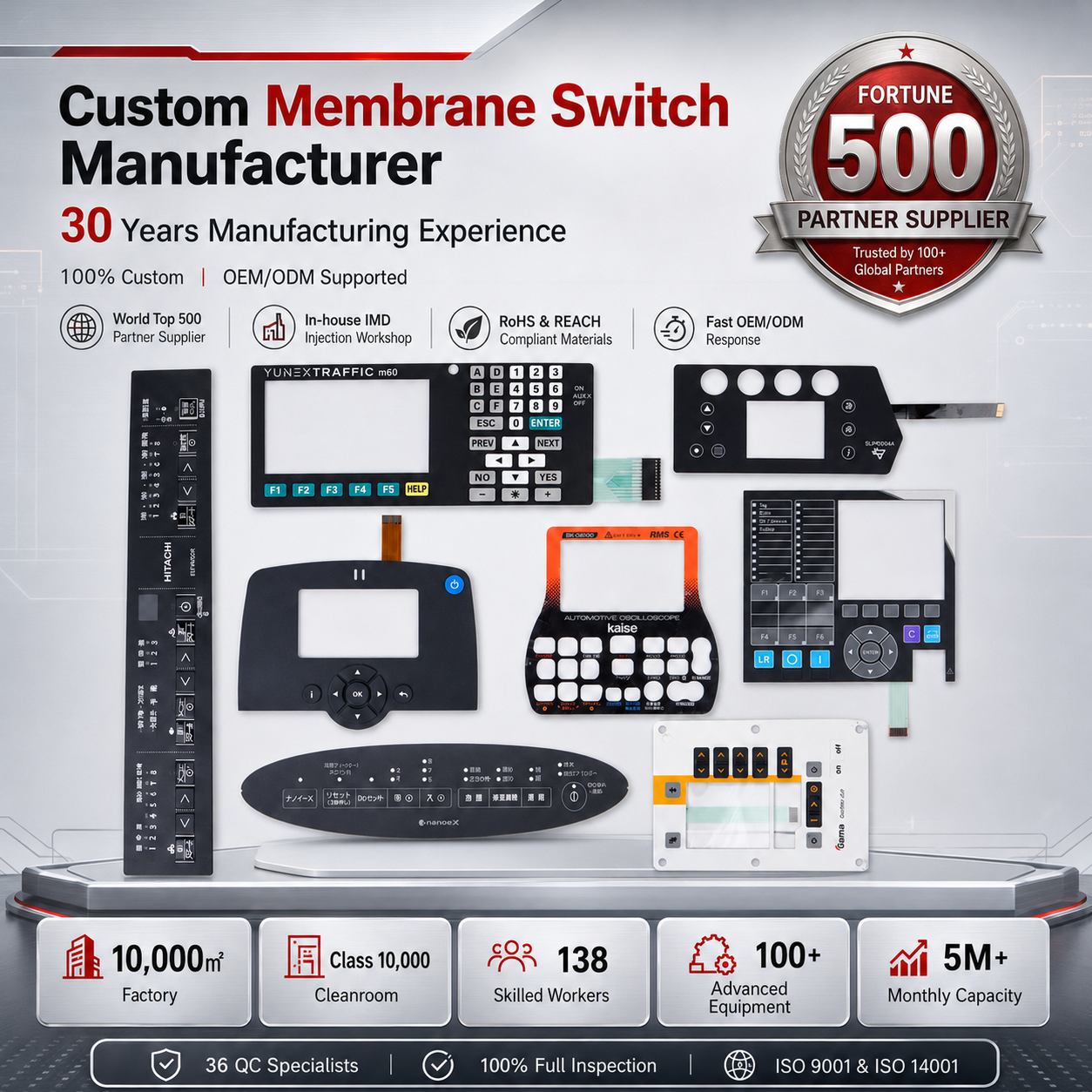
As electronic control modules across Northern Europe transition away from mechanical push-buttons, Capacitive Membrane Keypads have emerged as the industry benchmark for mission-critical Human-Machine Interfaces (HMIs). Unlike traditional resistive membrane switches that require physical deflection of an upper polyester layer to contact a lower circuit layer, capacitive switches operate on solid-state electrostatic capacitance alterations. When an operator's conductive finger approaches or touches the dielectric front overlay, it disrupts the localized dielectric field, altering the mutual or self-capacitance measured across micro-printed copper or conductive polymer tracks.
Cross-Section Anatomy of an Industrial Capacitive Assembly
Engineered inside Dongguan AXRU Electronics Co., Ltd.’s ISO-certified cleanroom workshops, each capacitive keypad engineered for our Tallinn and Baltic partners comprises a calibrated multi-layer composite:
- Fascia Graphic Substrate: Autotex® XE (extreme outdoor weatherable polyester) or optically clear Lexan™ Polycarbonate (125µm to 250µm). Surfaces undergo anti-glare, anti-microbial, and UV-stabilized hard-coating with chemical resistance against industrial solvents, sea spray, and medical-grade disinfectants.
- Optical Display & Dead-Front Layer: Sub-surface silk-screened using high-density polymeric resin inks. Transparent smoked windows provide selective illumination for secret-until-lit capacitive touch status indicators and TFT displays.
- Optically Clear Adhesive (OCA / LOCA): Bubble-free, refractive-index matched acrylic laminating films providing dielectric constant stability (εr ≈ 2.8–3.2) across extreme temperature swings.
- Capacitive Sensor Matrix: Precision micro-patterned printed silver electrodes on optical-grade PET or etched copper traces on Polyimide Flexible Printed Circuits (FPC). Configured with self-capacitance diamond patterns or mutual-capacitance drive/sense grids with isolated ground planes for electromagnetic compatibility (EMC).
- Faraday Guard Ring & Active Shielding: Circumferential grounding traces that deflect lateral parasitic capacitance caused by moisture films, condensation, or direct water spills—eliminating the false-trigger vulnerabilities common in entry-level touch switches.
- Rigid Structural Backer & Connector Tail: FR4 aluminum backing panels or 3M 467MP/468MP high-tack acrylic adhesives tailored for low surface energy (LSE) industrial plastics and cast-aluminum enclosures. FPC tails terminated with 0.5mm, 1.0mm, or 2.54mm pitch ZIF and Amphenol FCI locking housings.
Noise Immunity and Parasitic Capacitance Attenuation
In high-density industrial environments—such as the robotic manufacturing facilities in Tallinn's Lasnamäe district or heavy-lift maritime installations at the Port of Muuga—electromagnetic interference (EMI) from variable-frequency drives (VFDs) and switched-mode power supplies can disrupt unshielded touch controllers. AXRU’s capacitive membrane sensors integrate printed conductive carbon-silver mesh shields and differential trace routing. When interfaced with modern touch controller ICs (Microchip, Cypress/Infineon, or STMicroelectronics), our hardware supports adaptive auto-calibration algorithms, liquid rejection, and glove-touch detection up to 3mm work glove thicknesses.
Specialized Engineering Capabilities for Northern European OEMs
Built under one roof in Dongguan to eliminate subcontracting risks, reduce NRE costs, and shorten engineering lead times.
Hermetic Liquid Rejection
Advanced sensor electrode patterning with active driven-shield ground layers. Eliminates false actuations induced by standing water droplets, saline mist, and condensation in damp Baltic facilities.
Sub-Zero Thermal Resilience
Specialized adhesives and flexible silver ink formulations rated for unbroken duty from -40°C to +85°C. Validated against thermal shock cracking common in Estonian winters and cold-storage hubs.
Vandal-Resistant PMMA Overlays
Heavy-duty optical acrylic (PMMA) and chemically tempered glass integration up to 4.0mm thick. Delivers high impact resistance (IK08-IK10) for public access ticketing, EV chargers, and unattended kiosks.
Serving Tallinn’s Thriving High-Tech and Industrial Electronics Ecosystem
Tallinn is globally renowned as the technological capital of the Baltic region, serving as the nucleus for Estonia's digitized economy, clean technology pioneers, and advanced contract electronics manufacturers (CEMs). From the hardware innovation labs within Ülemiste City and the Tehnopol Science and Business Park to high-volume PCB assembly plants in Mustamäe and Harju County, Estonian hardware engineering demands uncompromising component reliability. AXRU supports procurement officers and electrical hardware engineers across these key local verticals:
EV Charging & Clean Energy Infrastructure
Estonia’s nationwide electric vehicle rapid-charging grid and distributed energy storage installations require external HMI panels that withstand sub-zero winters, direct Baltic UV radiation, and heavy rain without touch failure. Our UV-stabilized capacitive membrane touch panels maintain responsive finger tracking through thick cover glass with integrated multi-color LED backlighting.
Baltic Maritime & Port Logistics Instrumentation
Deployments around the Port of Tallinn and coastal vessel navigation systems demand extreme corrosion resistance. Our assemblies feature silver migration barrier layers, gold-plated FPC contacts, and continuous perimeter gaskets that prevent saltwater intrusion and sulfur gas degradation inside engine rooms and marine bridge control panels.
Automated Food & Beverage Processing
Estonian dairy, beverage, and confectionery processing facilities operate under strict HACCP hygiene regulations. Traditional tactile keypads with key crevices harbor bacteria and fail during caustic clean-in-place (CIP) steam sanitization. Capacitive membrane keypads present a flat, wipe-clean fascia completely sealed against aggressive detergents and hot washdown cycles.
Medical Diagnostics & Laboratory Devices
Biomedical clusters surrounding Tartu University and Tallinn health-tech accelerators require zero-acoustic-noise, smooth-touch control surfaces. AXRU manufactures medical-grade overlays incorporating antimicrobial additives within the polyester matrix, preventing 99.9% of bacterial colonization across hospital diagnostic workstations.
HMI Technology Selection Guide for Tallinn Hardware Engineers
Evaluate actuation mechanics, durability factors, and environmental specifications before placing tooling orders.
| HMI Technology | Operating Principle | Actuation Lifespan | Ingress Protection | Operating Temp Range | Ideal Applications in Estonia |
|---|---|---|---|---|---|
| Solid-State Capacitive Membrane | Electrostatic field variance via micro-printed electrodes | >20,000,000 touches (Zero mechanical wear) | IP68 / IP69K hermetically sealed | -40°C to +85°C (Dielectric stable) | Outdoor EV chargers, medical diagnostic terminals, marine bridge controls, smart city interfaces. |
| Metal Dome Tactile Membrane | Stainless steel snap dome deflection onto conductive silver circuit | 1,000,000 to 5,000,000 actuations | IP65 to IP67 with perimeter gasket | -25°C to +70°C | Industrial automation PLCs, handheld test instruments, CNC machine control panels. |
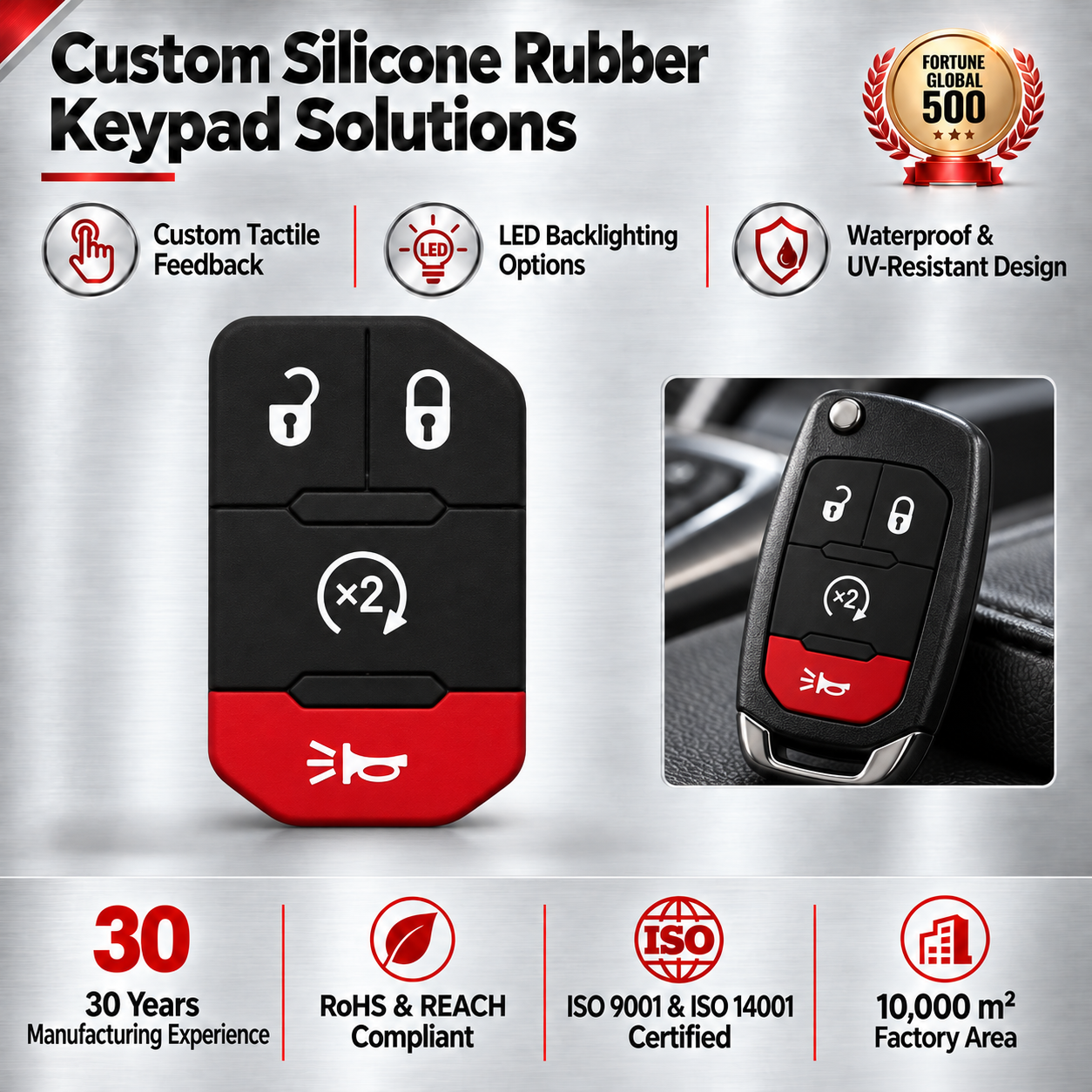
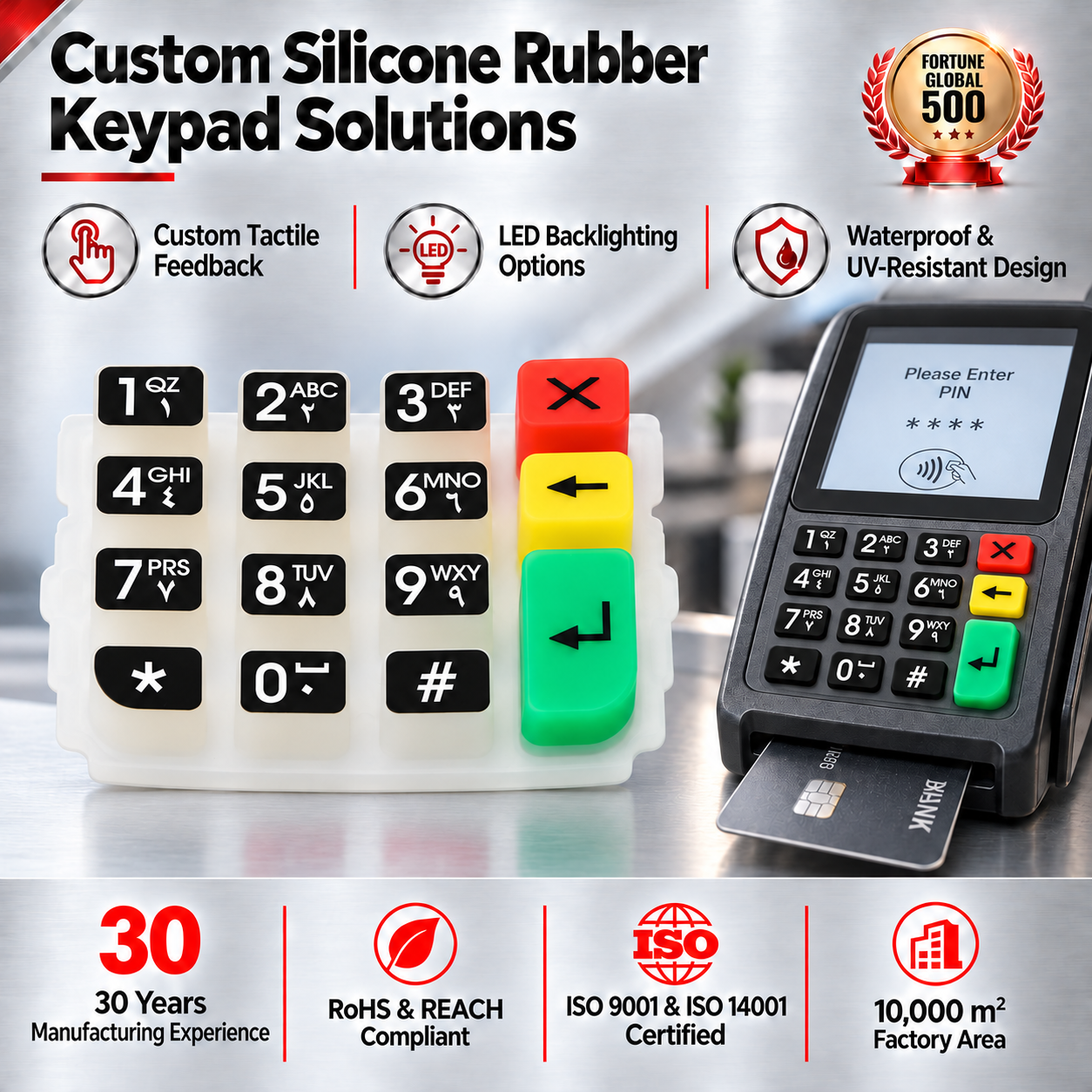
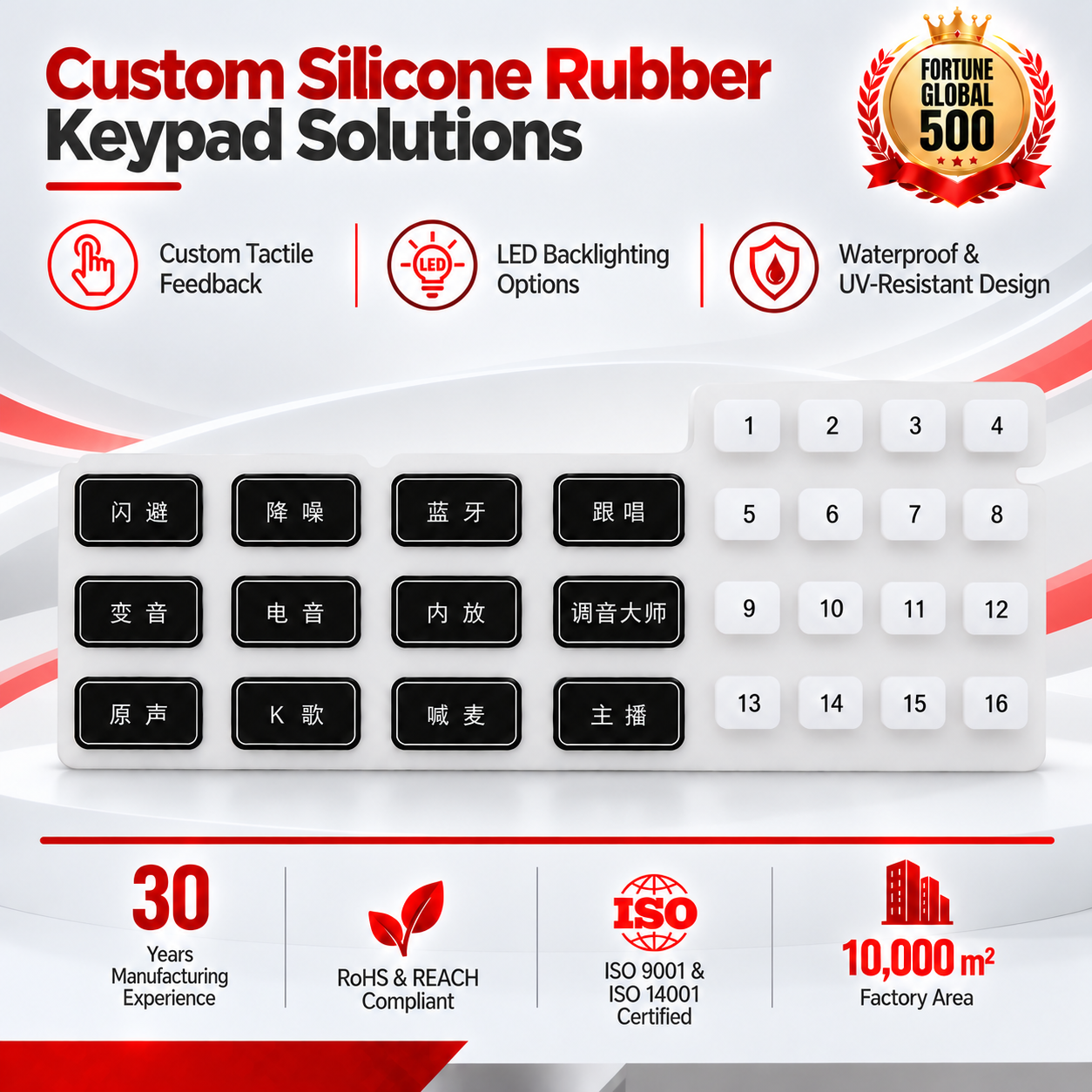
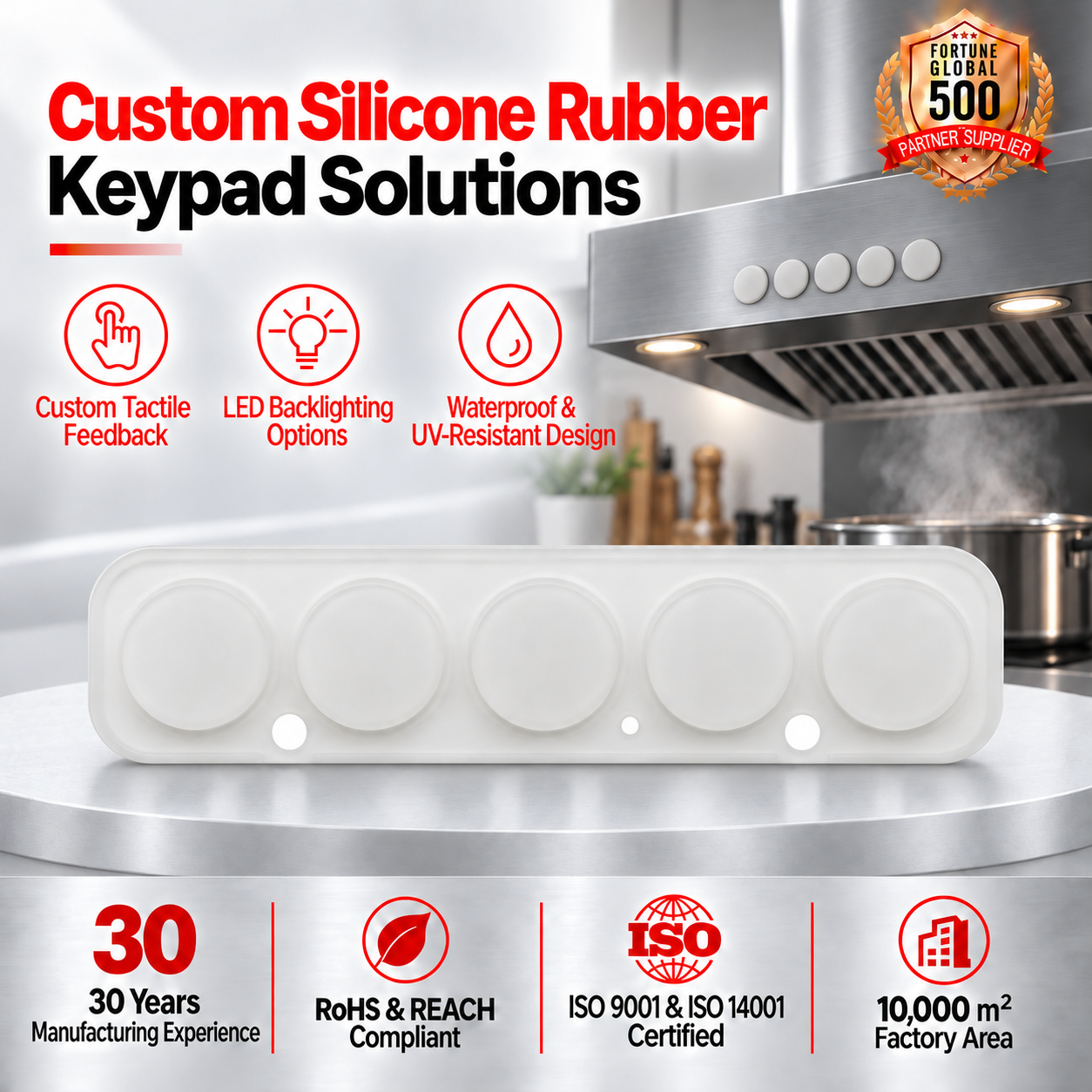
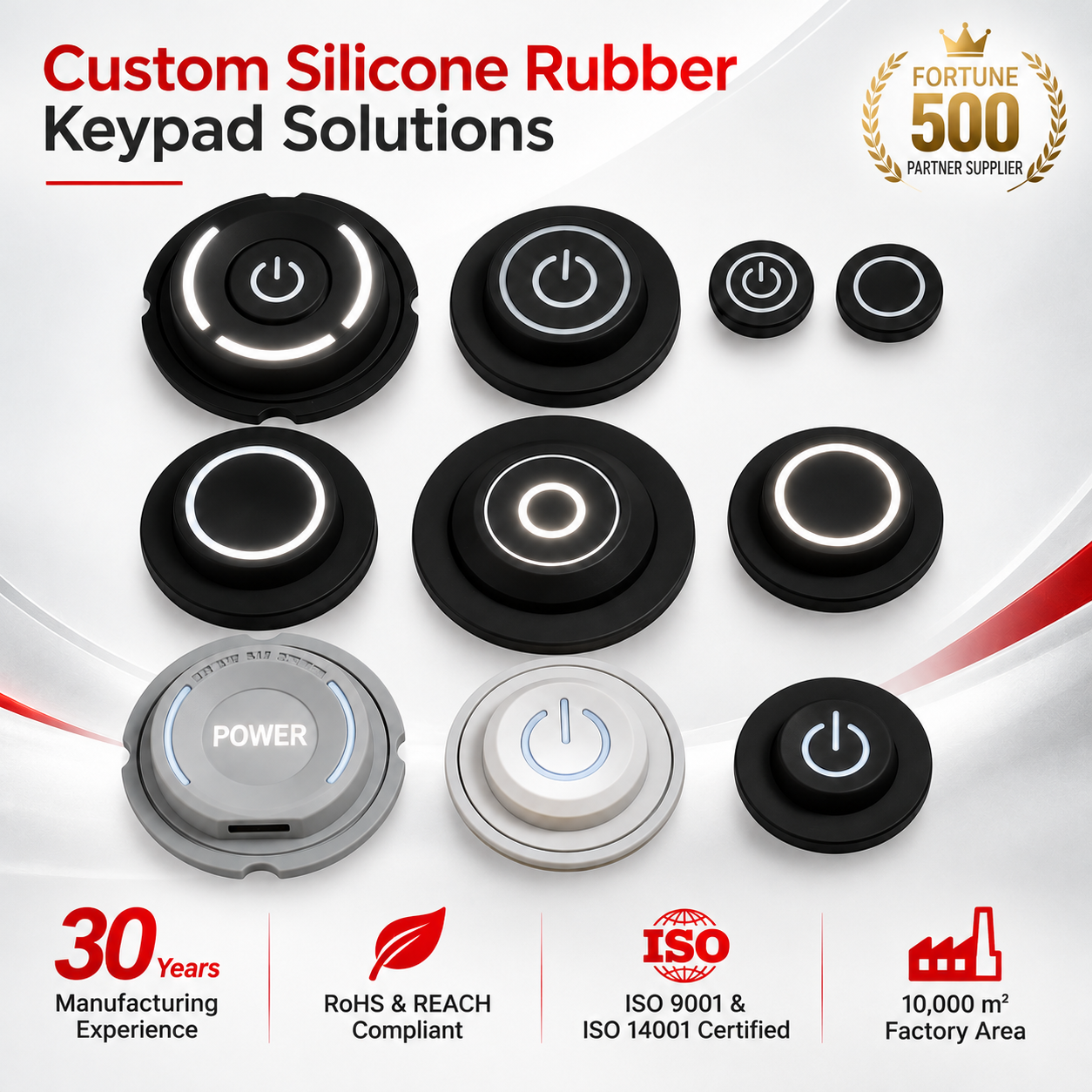
| Compression-Molded Silicone Keypad | Silicone elastomer web deflection with conductive carbon pills | 500,000 to 2,000,000 actuations | IP64 to IP66 with perimeter lip | -30°C to +120°C | Ruggedized logistics handhelds, telecom remotes, vehicle cab consoles. |
| Optical PMMA / Glass Front Panel | Rear-printed rigid acrylic/glass laminated over touch sensor | Continuous structural life | IP68 front barrier | -20°C to +75°C | Vandal-prone urban payment kiosks, luxury commercial kitchen displays. |
Emerging Design Trends in the Baltic Embedded HMI Sector
As Estonia consolidates its position as Europe’s premier digital testbed, hardware engineers across the Tallinn-Helsinki economic corridor (Talsinki) are specifying advanced capacitive human-machine interfaces that blend consumer-grade aesthetics with heavy-duty industrial robustness. Three major market trends dominate current RFQs:
1. Dead-Front Aesthetics & Dynamic LED Light Guide Films (LGF)
Modern Nordic product architecture strongly favors minimalist Scandinavian design. Industrial machines and smart appliances are shifting to "dead-front" panels: keys and iconography remain completely invisible until active operation triggers backlight zones. AXRU employs multi-pass opaque screen printing and ultra-thin Light Guide Film (LGF) layers (0.125mm) illuminated by edge-firing side-view SMD LEDs. This delivers uniform, bleed-free symbol backlighting while drastically cutting power consumption—a crucial engineering constraint for battery-backed IoT field devices deployed across rural Estonian forestry and cleantech monitoring stations.
2. Transition to RoHS 3 & REACH Compliant Eco-Friendly Materials
Estonia’s close alignment with European Union environmental standards requires comprehensive transparency across chemical compositions. All raw materials processed at AXRU—including raw polyester substrates, conductive silver inks, low-halogen dielectric spacers, and silicone rubbers—strictly comply with EU Directives 2015/863 (RoHS 3) and EC 1907/2006 (REACH). Full material declaration sheets and lab testing records are supplied with every export shipment dispatched to Tallinn.
3. High-Speed Air Cargo Supply Chains: Dongguan to Lennart Meri Tallinn Airport
Rapid iterative prototyping is the lifeblood of Tallinn’s startup and electronics manufacturing sector. Operating out of our 10,000㎡ factory in Dongguan—the world's electronic hardware capital—AXRU maintains rapid DFM review workflows. Initial functional prototype tooling is completed in 7–10 working days, with expedited door-to-door express delivery directly to Tallinn Airport (TLL) within 3–5 shipping days via DHL, FedEx, or UPS, bypassing lengthy sea-freight delays and accelerating product launch milestones.
Reliability Testing & Quality Control Equipment
Assessed on-site by Intertek. Every batch destined for European OEM assembly is verified through automated inspection and destructive stress testing.
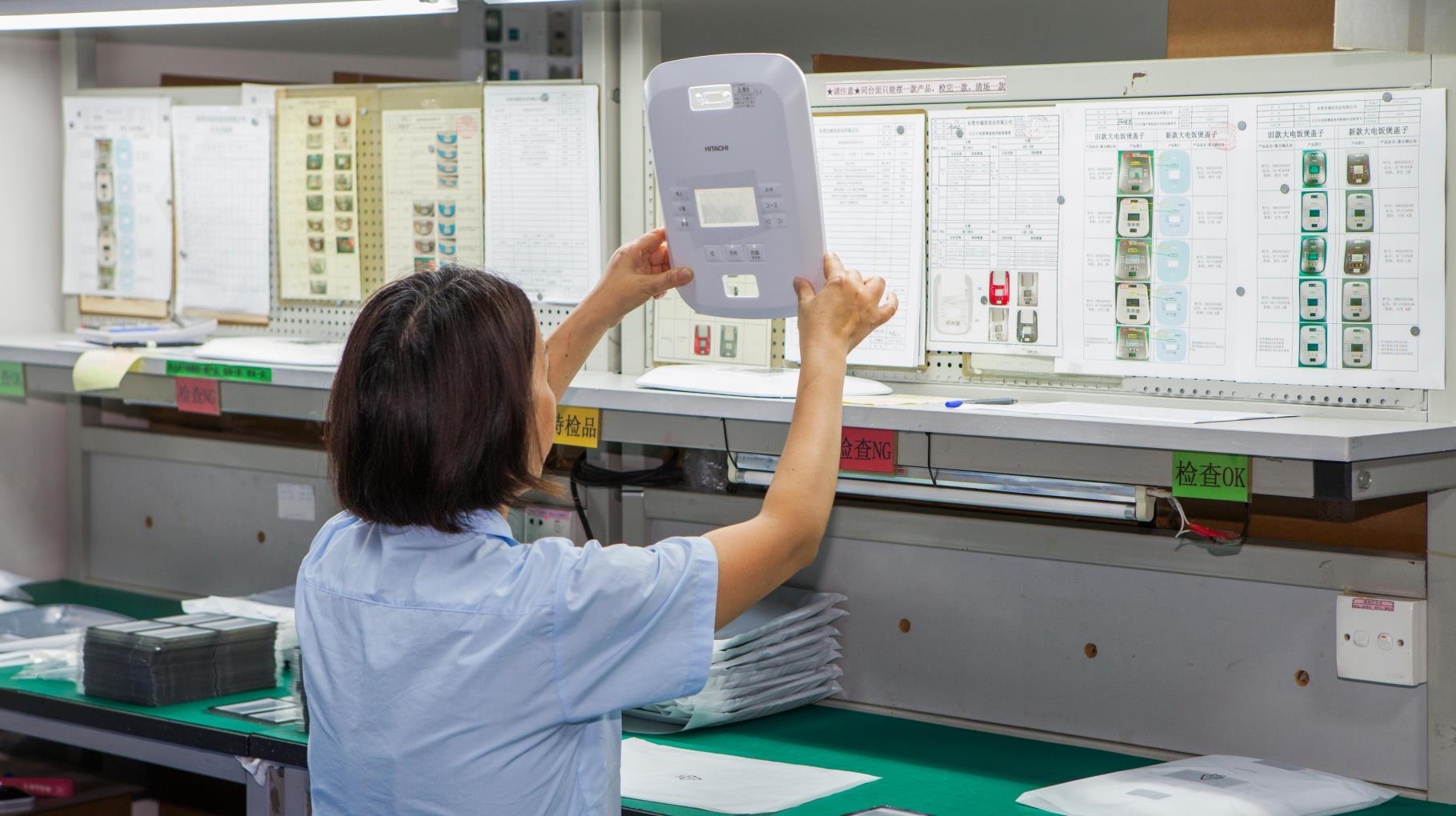
100% Electrical Inspection
Automated circuit testing for trace continuity, loop resistance, insulation isolation (>100MΩ at 100V DC), and LED forward voltage.
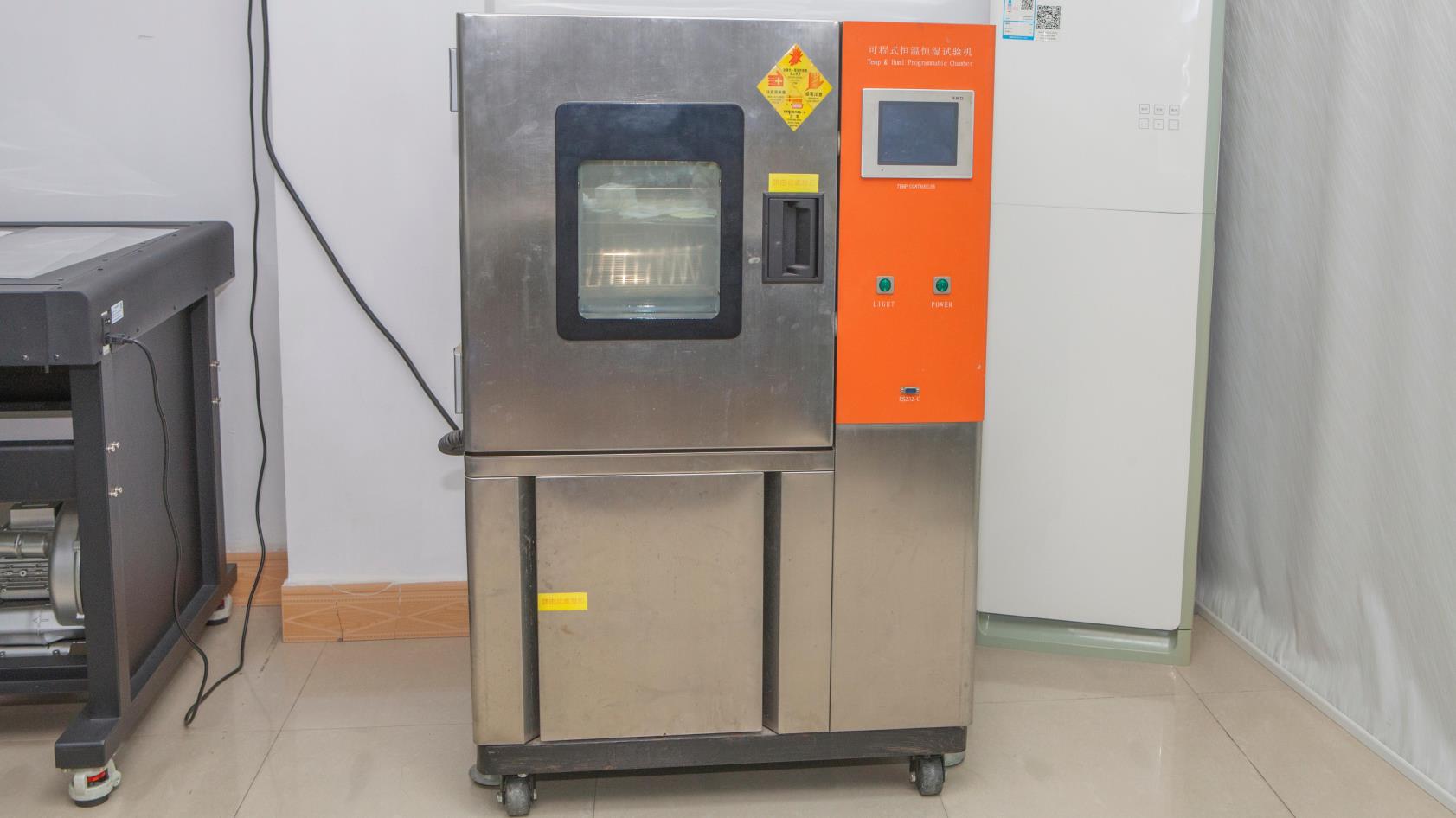
Programmable Climate Chamber
Thermal and humidity cycling testing from -40°C to +150°C and 20% to 98% RH to prove adhesion integrity and eliminate delamination risks.
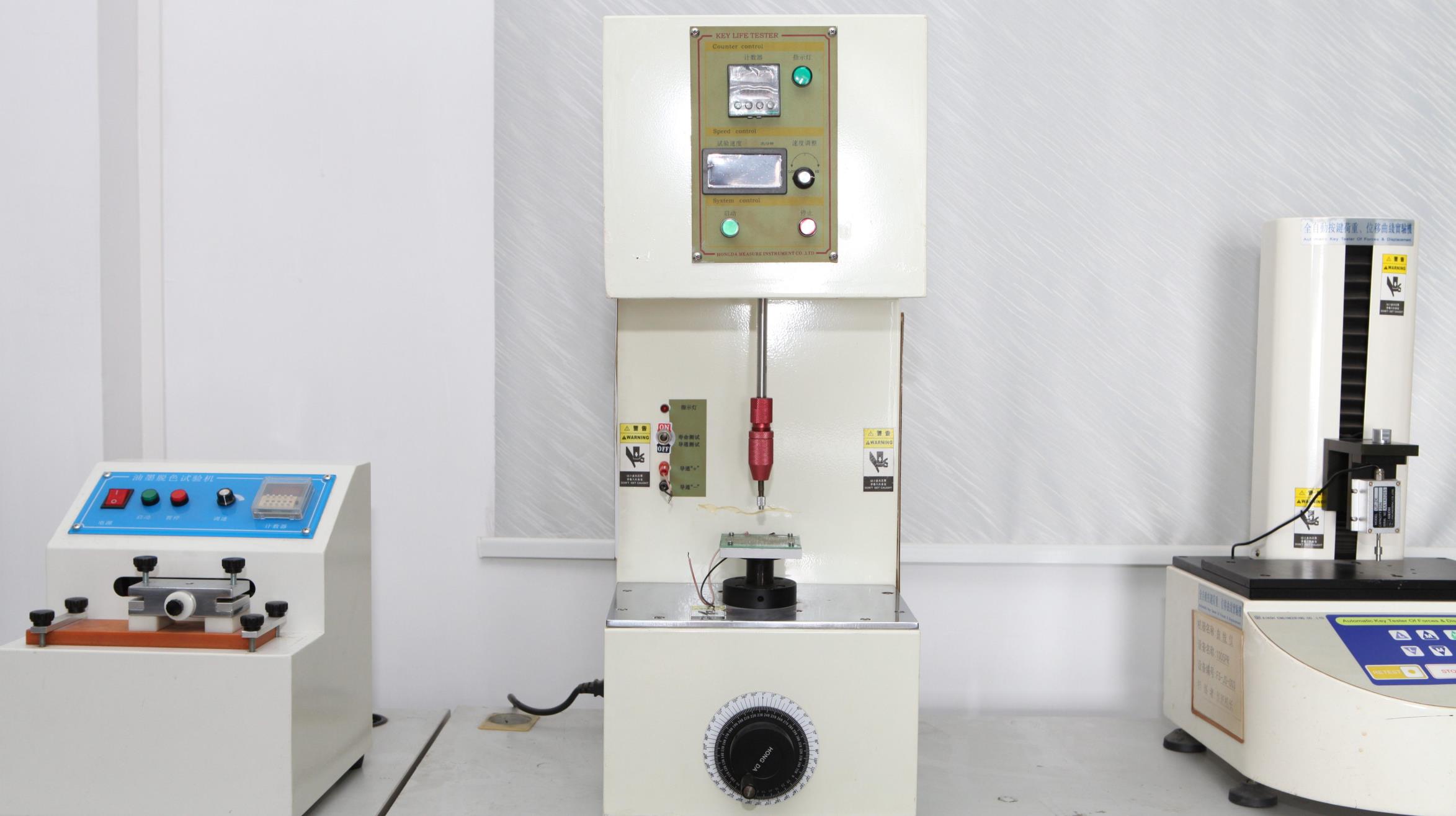
Multi-Station Key Life Tester
Pneumatic cycling fingers actuate touch areas and tactile domes up to 10 million cycles to observe fatigue thresholds and contact resistance shifts.
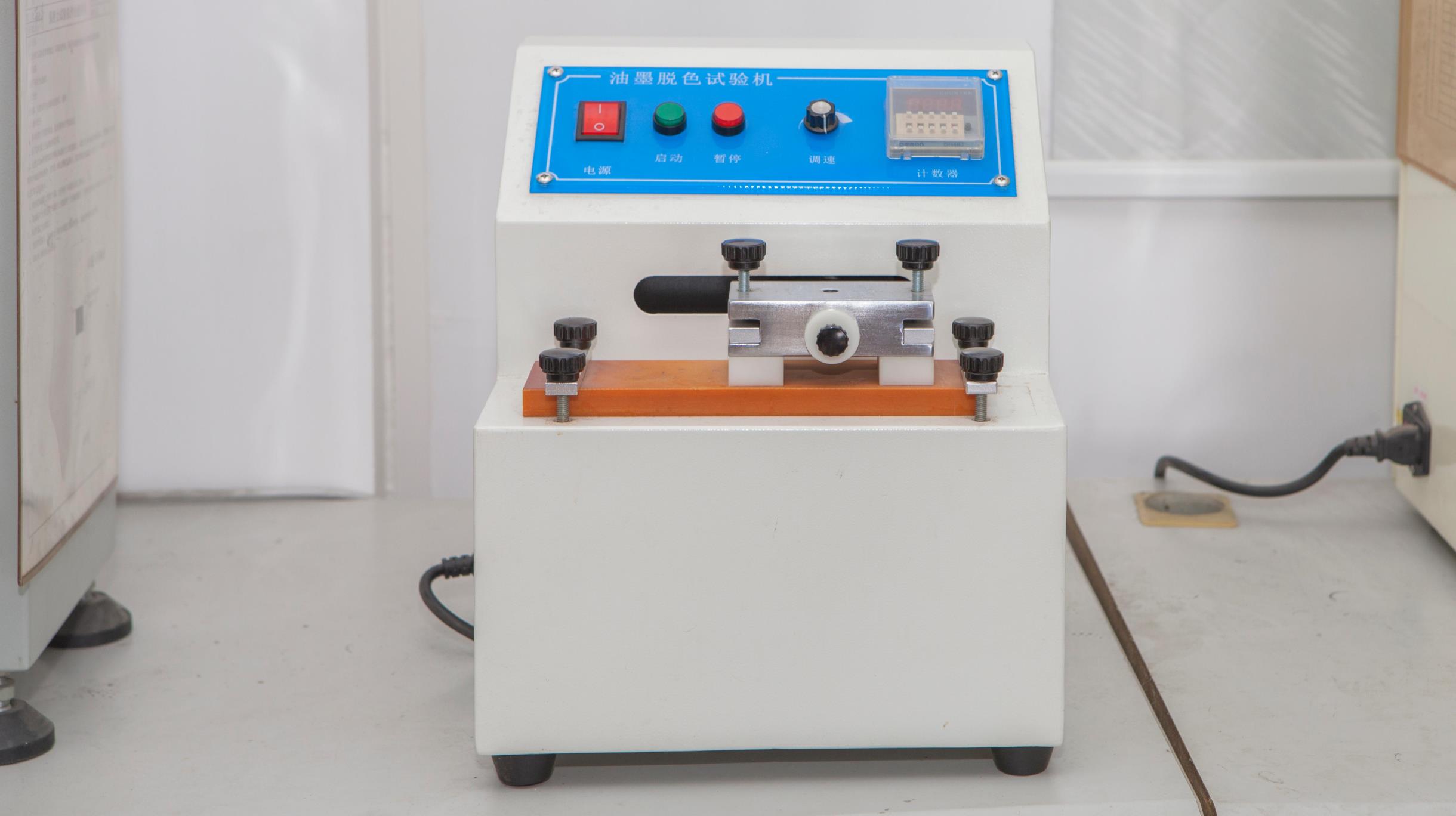
Ink Decolorization Tester
RCA abrasion and solvent rub testing with isopropyl alcohol, MEK, and synthetic sweat to verify graphic durability on front overlays.
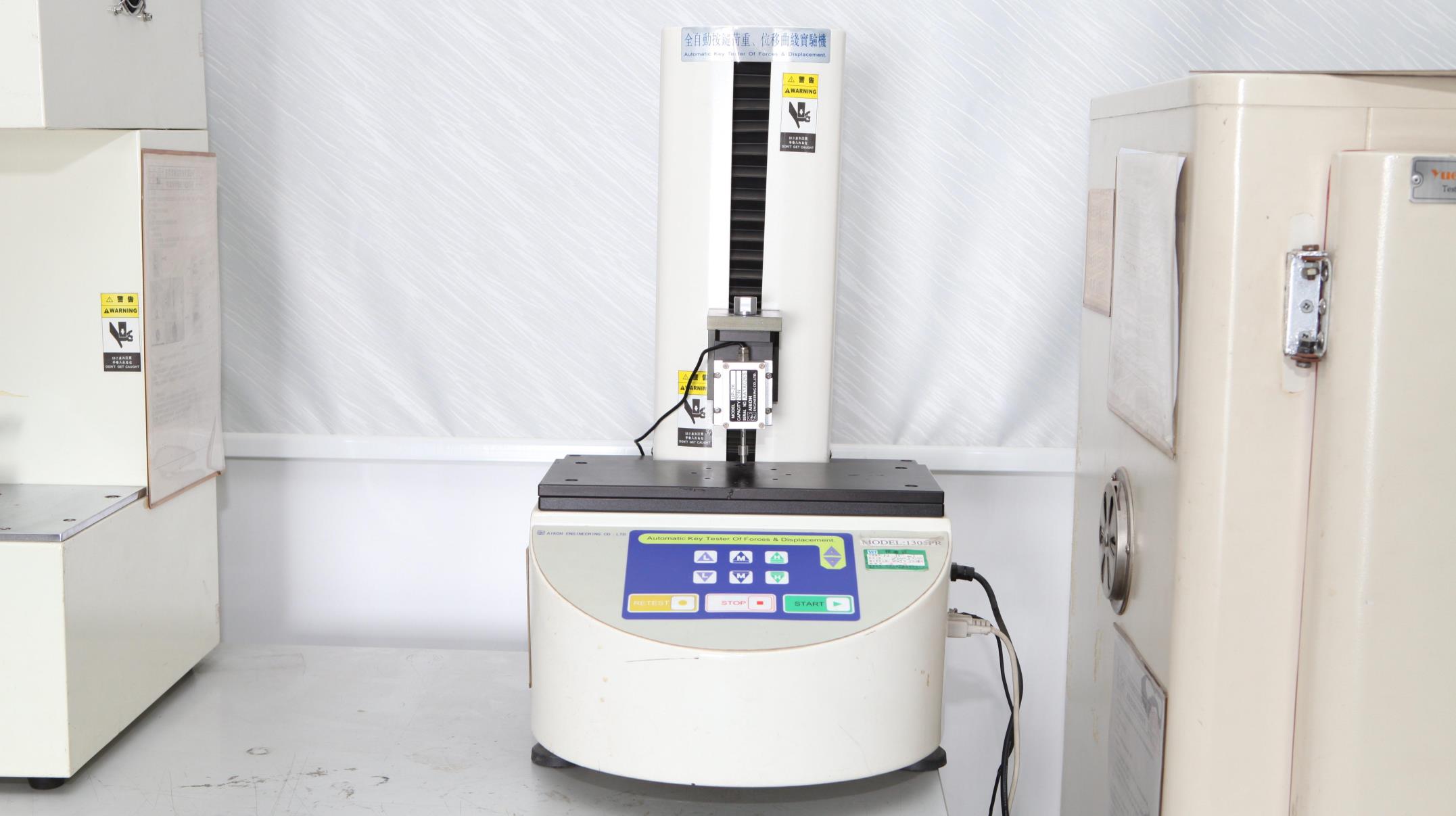
Force & Displacement Tester
High-precision curve plotting analyzing peak actuation force, return force, switch travel, and tactile click ratio with ±1g sensitivity.
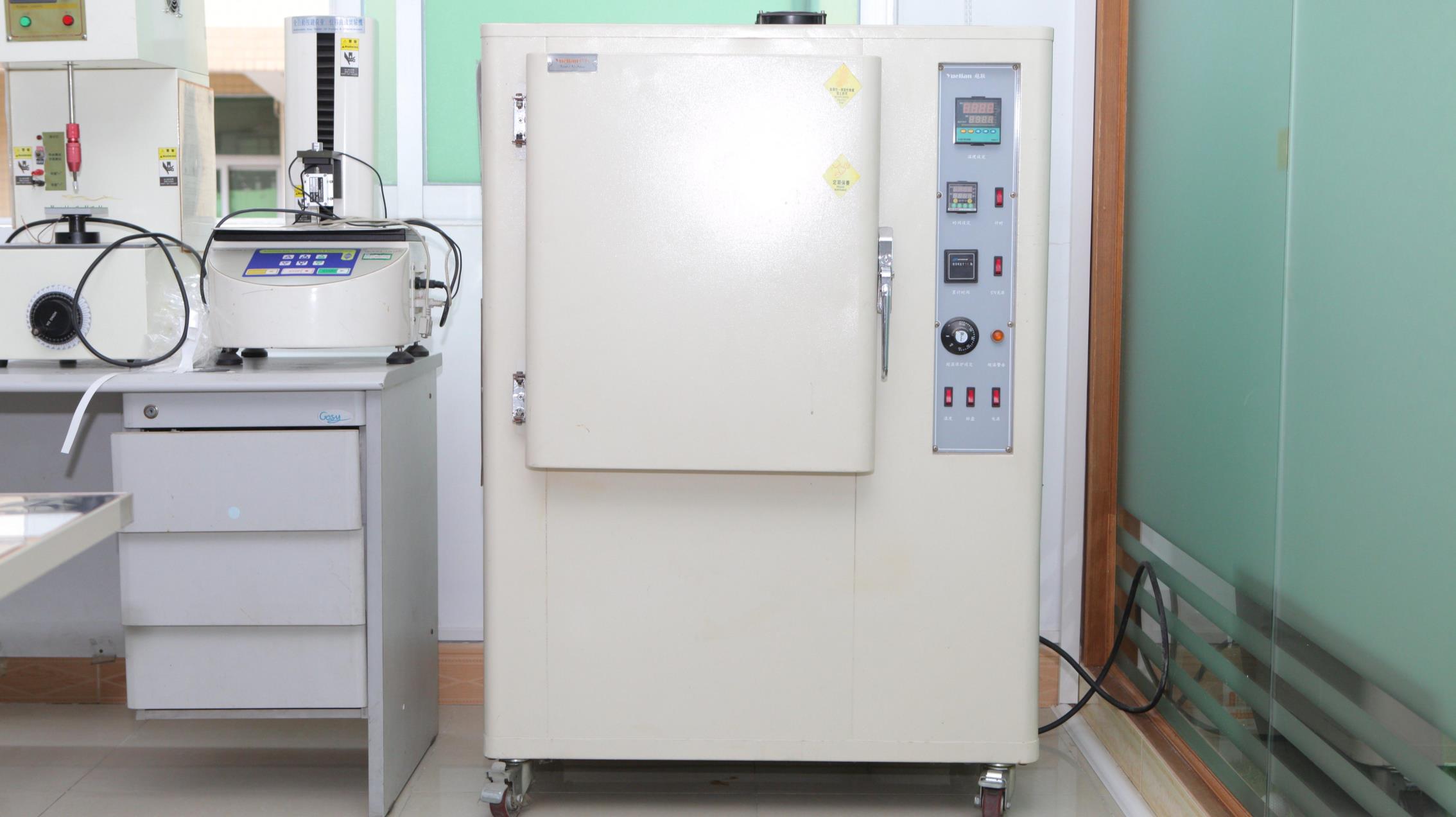
UV Yellowing Resistance Tester
Accelerated solar radiation simulation to validate long-term color fidelity and optical clarity across outdoor Nordic applications.
Tallinn & Baltic OEM Procurement FAQ
Crucial commercial, technical, and regulatory information for Estonian supply chain directors and hardware engineers.
Accelerate Your Next HMI Project with Direct Engineering Support
Whether you require a custom capacitive membrane array, a rugged silicone keypad, or an optical PMMA display bezel for your Baltic manufacturing line, our senior application engineers in Dongguan are ready to provide a thorough DFM analysis and precision quotation.
Contact Us