Precision HMI & Instrument Faceplate Portfolio
Direct manufacturer supply for Nordic automotive systems engineers, custom cluster builders, and Scandinavian industrial OEMs.
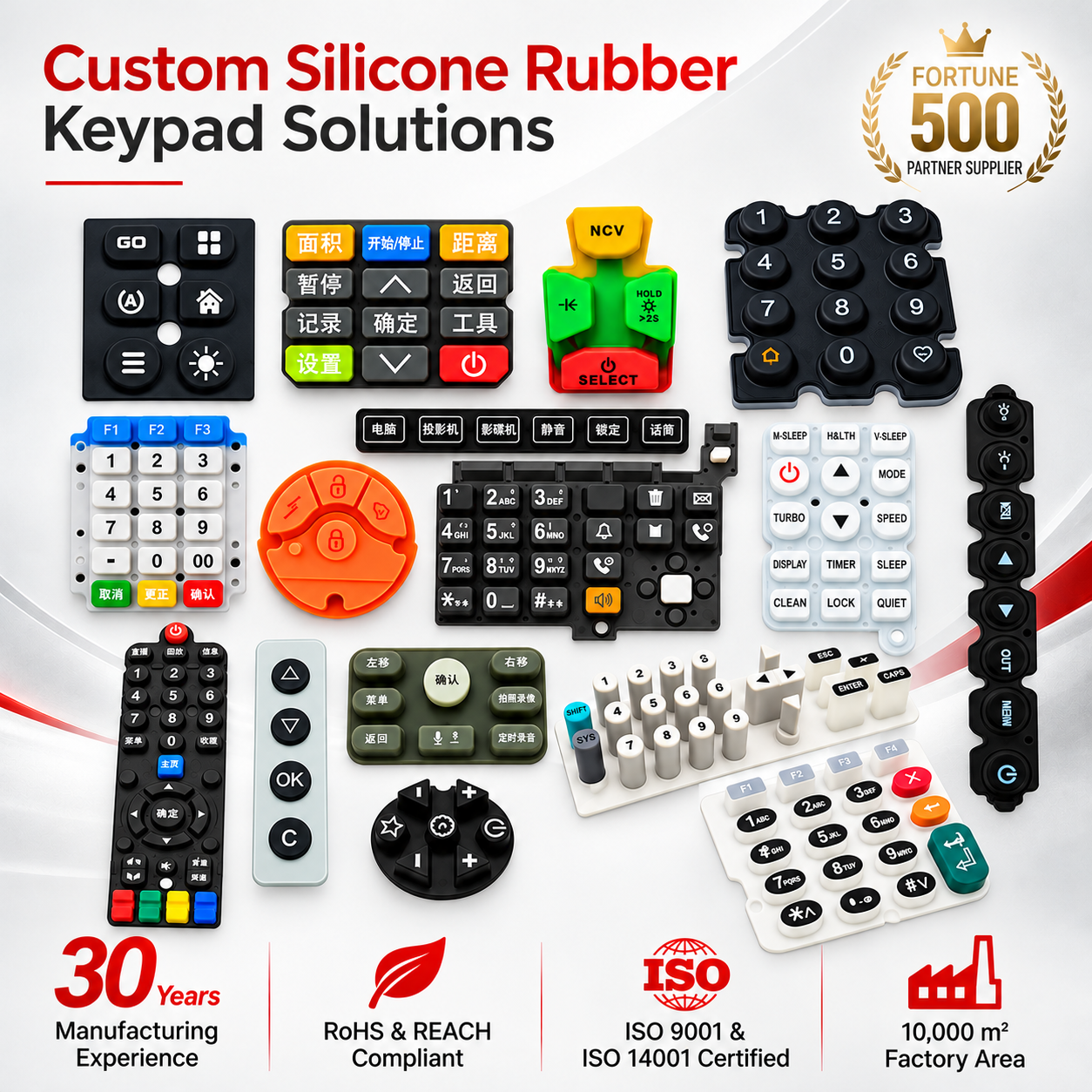
Conductive Rubber Silicone Elastomer Keypads PTT Push Button
- Contact Resistance: < 150 Ω
- Operational Temp: -40°C to +180°C
- Actuation Rating: > 1,000,000 Cycles

Factory Custom Membrane Switch Graphic Overlay IP65 Waterproof Panel
- Ingress Infiltration: IP65 / IP67 Perimeter
- Overlay Material: Autotype Polyester / PC
- Adhesive Bond: 3M 467MP / 468MP
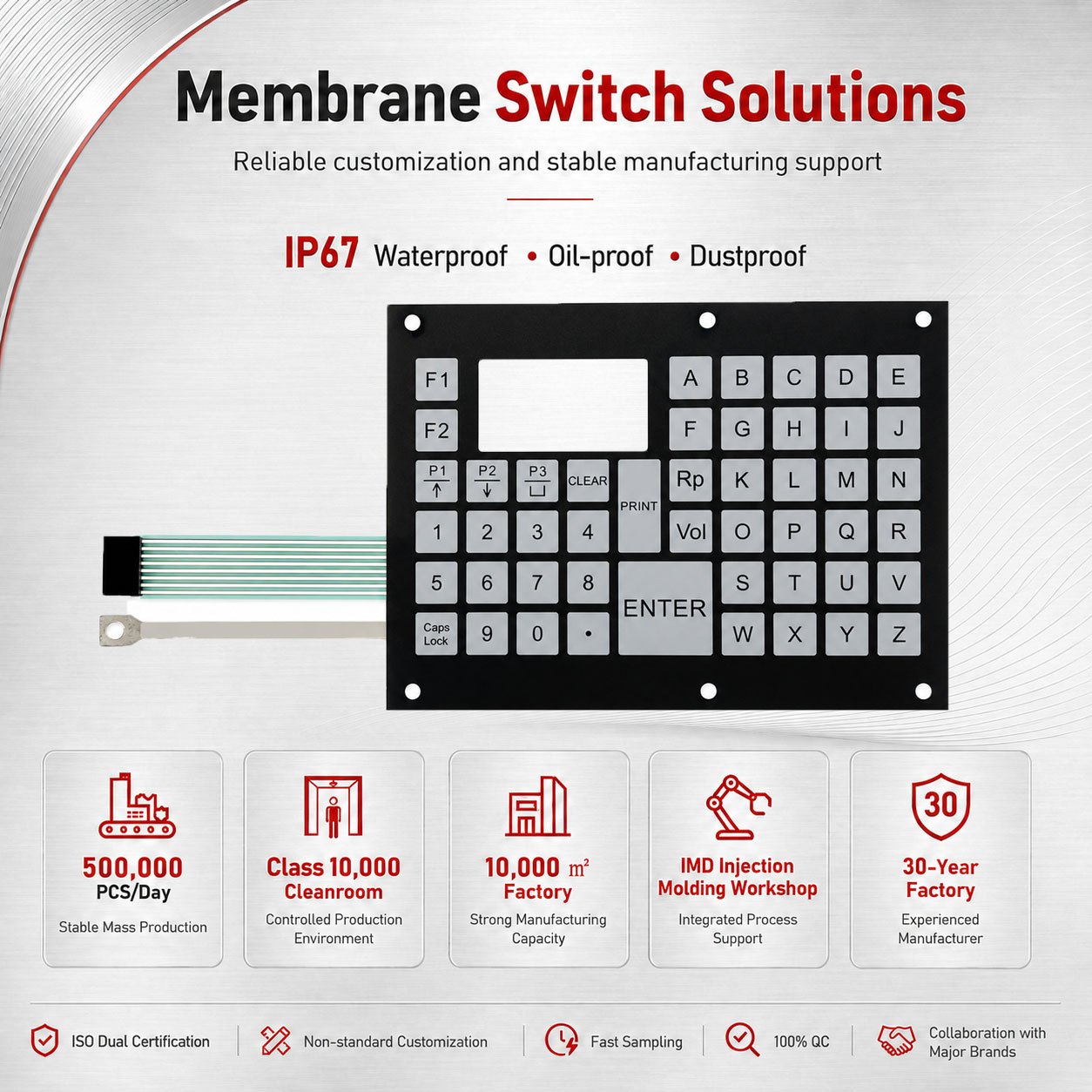
Waterproof Fuel Dispenser Tactile Keypad Switch Board Panel
- Tactile Feedback: Stainless Metal Dome
- Chemical Proof: Petroleum / Solvent Def.
- Circuit Substrate: Silver Ink on PET / FPC
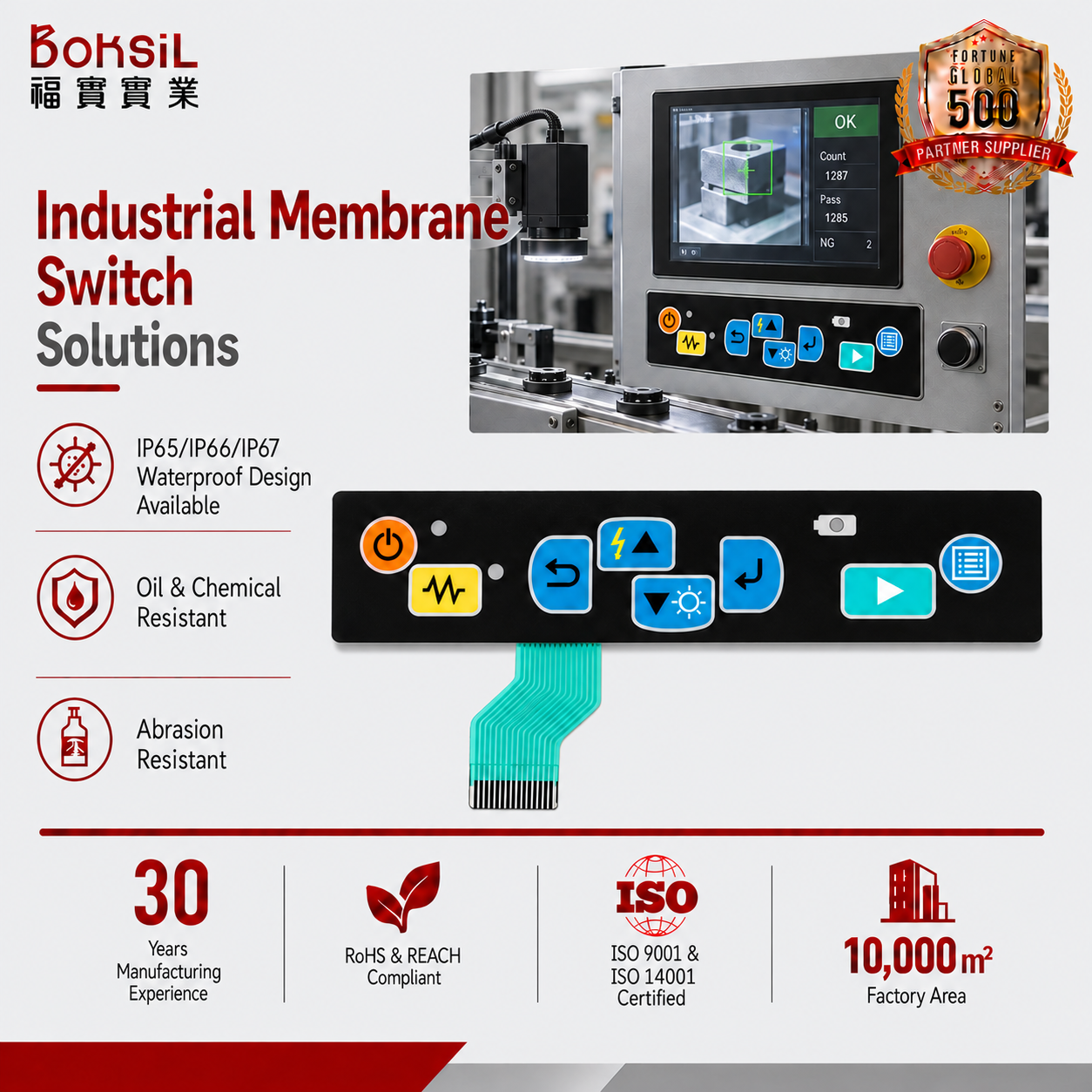
Custom Capacitive Touch Screen Panel Graphic Overlay Switch
- Touch Architecture: Solid-State Capacitive
- Graphic Window: Optical Transmission >92%
- Surface Durability: 3H - 7H Anti-Scratch
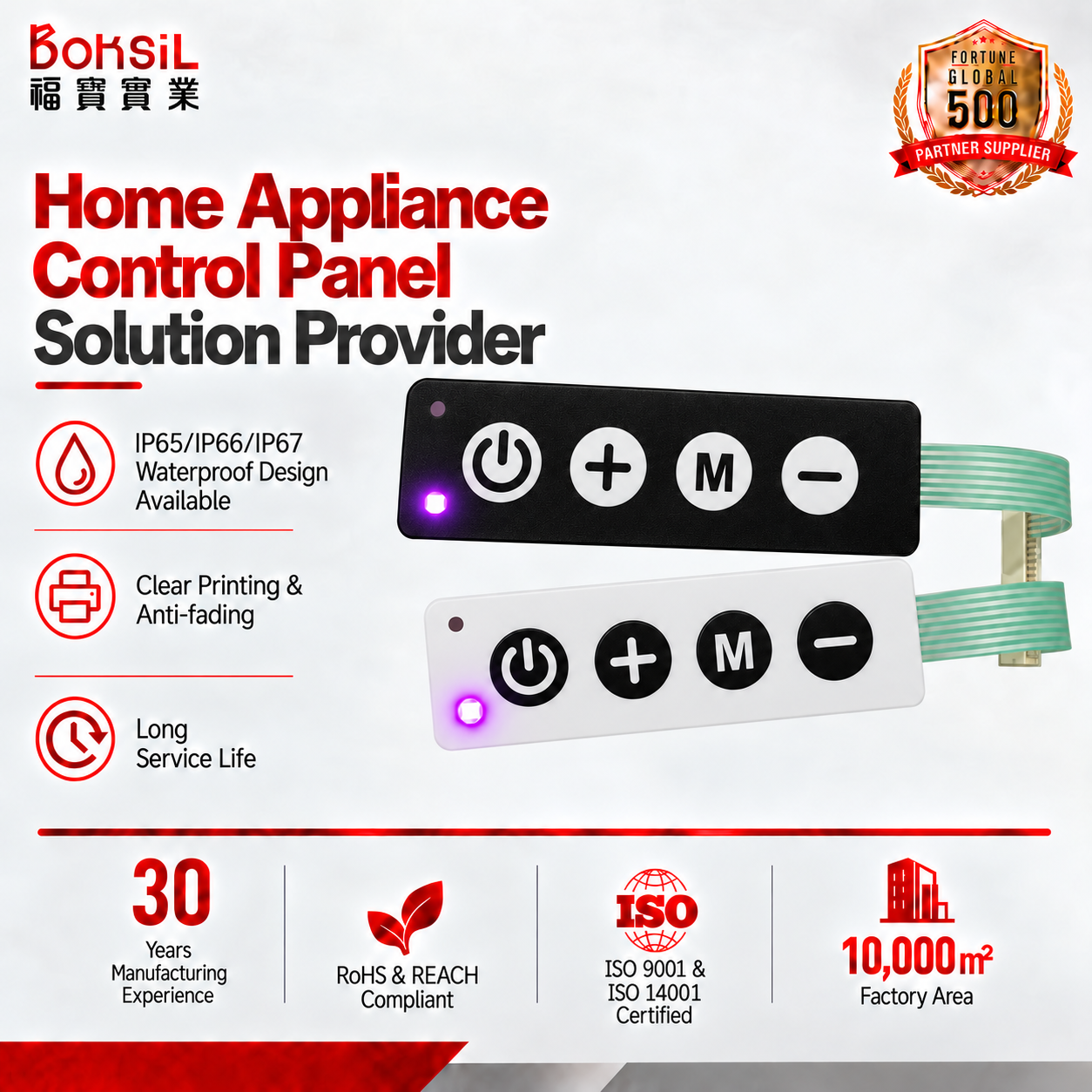
4-Button LED Lights Metal Domes Tactile Membrane Switch
- Illumination: Integrated SMD 0603/0805
- Actuation Force: 280g - 420g Tactile
- Operating Life: 3,000,000 Cycles
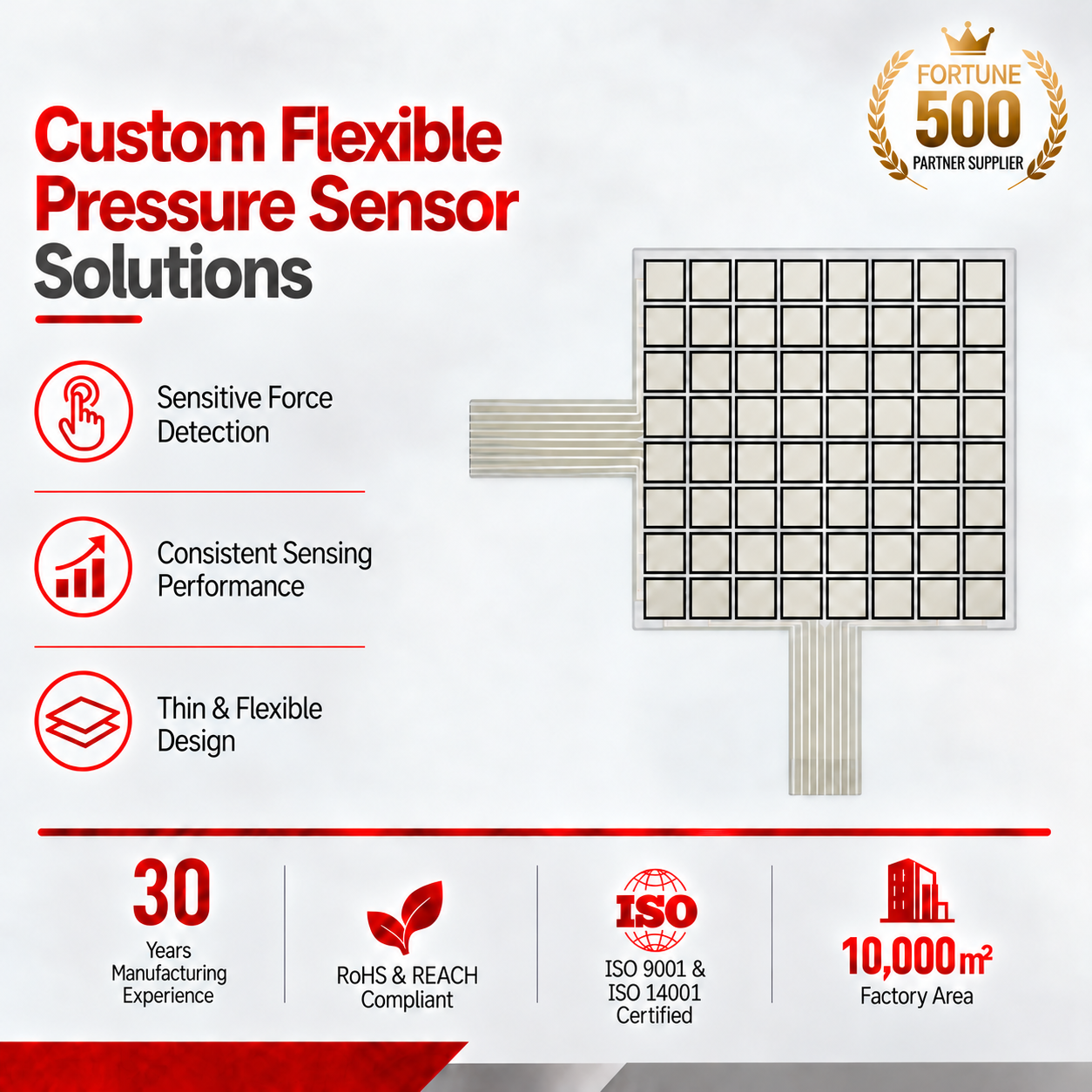
Flexible Thin Film Tactile Intelligent Bend Pressure Sensors
- Dynamic Range: 20g to 10kg Continuous
- Response Time: < 5 Microseconds
- Flexibility: Bend Radius < 5mm
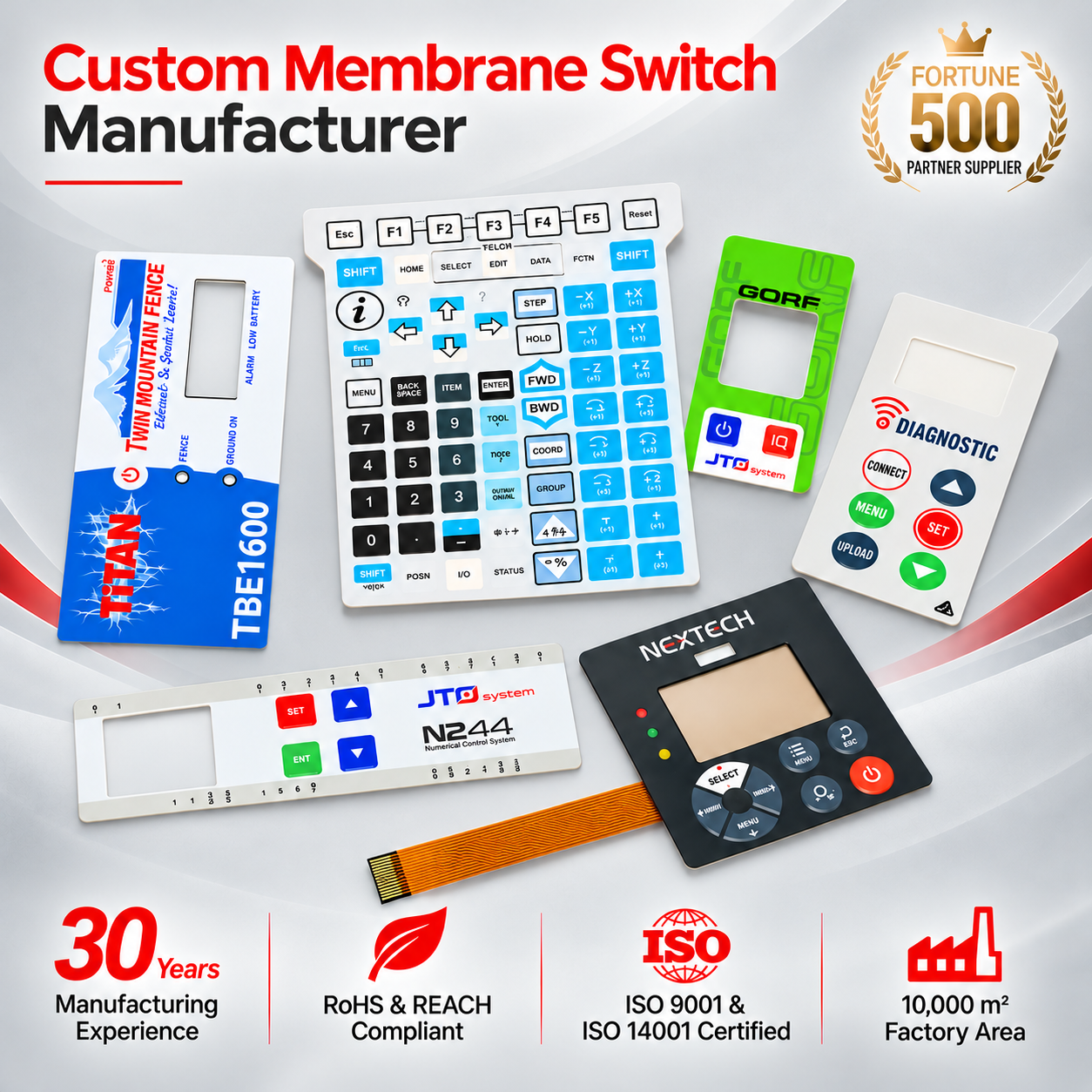
Industrial Graphic Overlay Embossed Button Flat Panel
- Key Embossing: Rim / Pillow / Dome
- Color Matching: Pantone / RAL ±0.5 ΔE
- UV Stability: ASTM G154 Xenon Pass
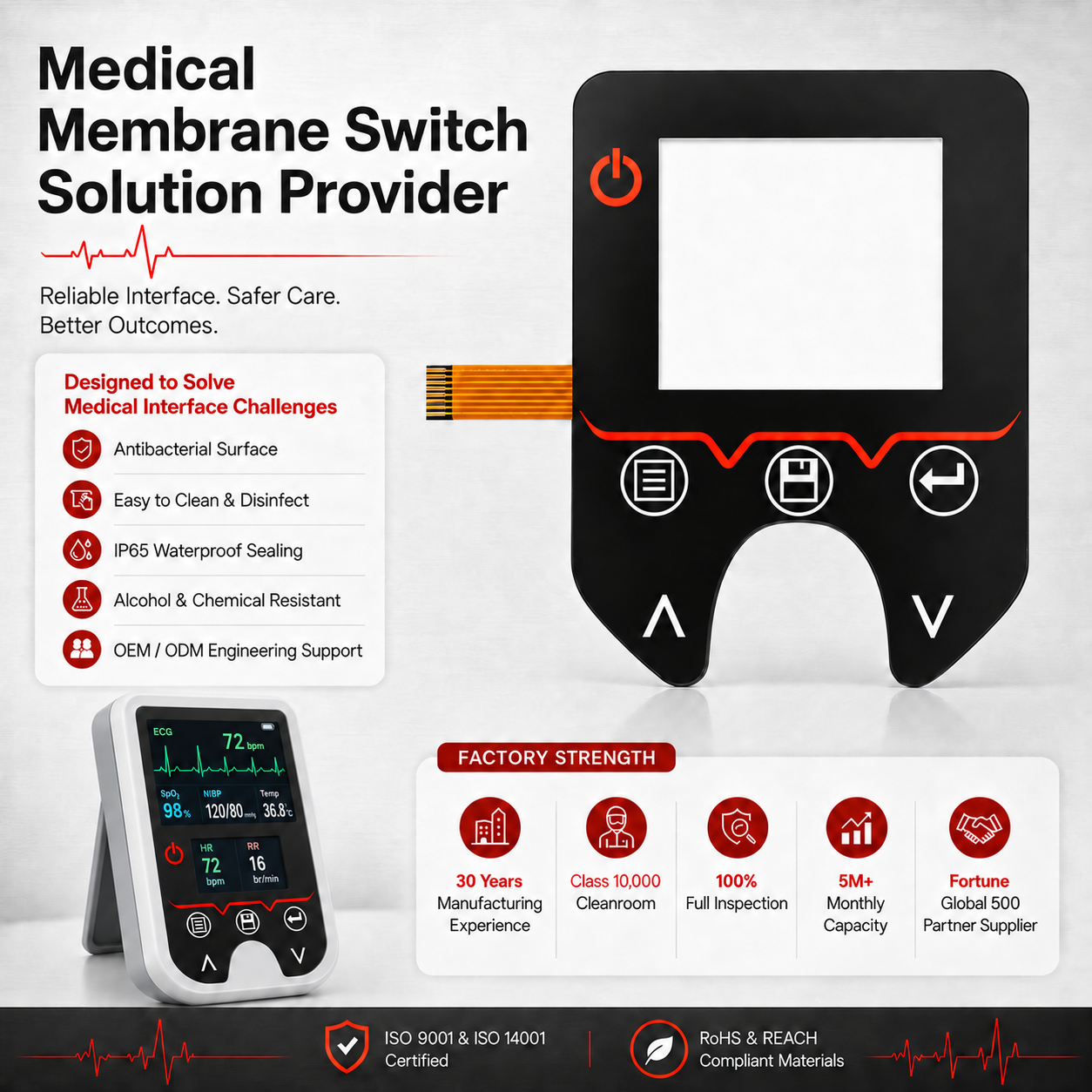
Medical IP65 Waterproof PC Graphic Overlay Control Panel
- Hygiene Shield: Antimicrobial Hardcoat
- Chemical Wash: Alcohol / Bleach Resilient
- Die-Cutting: Laser Registration ±0.05mm
Precision Automotive Speedometer Gauge Faces Overlays: Optical, Thermal, and Sub-Arctic Mechanical Engineering
In modern automotive cockpit design, the visual instrument cluster serves as the primary cognitive bridge between vehicular telemetry and the operator. For demanding operational environments such as Trondheim and the wider Trøndelag maritime-boreal territory, the physical execution of speedometer gauge face overlays must surpass conventional aesthetic printing. Cockpit components in this northern Scandinavian latitude confront sharp sub-zero ambient temperature extremes (-30°C to -40°C during winter inversions), rapid cabin thermal spikes via auxiliary electric heating systems, sustained solar UV bombardment during extended summer daylight, and localized saline condensation typical of fjord corridors.
Dongguan AXRU Electronics Co., Ltd. operates as a Tier-1 and Tier-2 specialized manufacturing partner, producing optical-grade speedometer gauge faces, instrument cluster overlays, and backlit dial graphic assemblies. Engineered using high-performance polycarbonate (such as Sabic Lexan™ 8010 and HP92W) and specialized biaxially oriented polyethylene terephthalate (PET Autotype), our gauge overlays deliver microscopic print registration tolerances (±0.05mm), absolute optical density for zero-light-leak dead-fronting, and multi-spectral translucent day/night readability.
Localized Deployment Scenarios Across Trondheim & Trøndelag Fleet Sectors
Trondheim stands as Norway’s recognized technological capital, anchoring advanced engineering research through institutions like the Norwegian University of Science and Technology (NTNU) and SINTEF. The surrounding region operates as a primary proving ground for rigorous electrification, autonomous transport pilots, maritime propulsion vessels, and sub-arctic specialty heavy machinery. Automotive speedometer gauge faces and control overlays manufactured for this market encounter specialized, mission-critical field conditions:
Sub-Zero Electric Commercial Fleets
Trondheim’s municipal electric transit, delivery vans, and logistics fleets face high-voltage battery heating cycles. Our gauge overlays integrate selective anti-fog internal coatings and low-temperature ductile adhesives that prevent embrittlement, cracked dials, or adhesive release when cockpits transition rapidly from sub-zero outdoor soaks to +22°C cabin pre-conditioning.
Marine & Fjord Hybrid Vessel Telemetry
Deployments across the Trondheimsfjord require maritime instrument facings that withstand high relative humidity and salt-fog aerosol migration. Utilizing hydrophobic perimeter barrier printing and chemically inert polycarbonate substrates, our gauge faces resist micro-crystallization hazing and maintain pristine tell-tale visibility under coastal operating conditions.
Specialty Snow & Agricultural Machinery
Forestry harvesters and municipal snow-clearing vehicles operating in Central Norway demand high-tactile, high-contrast visual clusters. We engineer matte, anti-glare micro-textures (reducing daylight reflections by up to 88%) combined with high-luminance light-guide diffuser layers, ensuring driver ergonomics during both low-light winter polar nights and intense summer sun.
Multi-Layer Anatomy of an Automotive Speedometer Gauge Face
An instrument cluster dial is a multi-tier optoelectronic assembly where each layer performs a distinct structural, optical, or filtering role. Dongguan AXRU Electronics Co., Ltd. has refined this multi-pass architecture across more than a decade of dedicated production:
| Layer Architecture | Material Specification | Functional Thickness | Critical Performance Metric |
|---|---|---|---|
| 1. Top Surface Armor | Textured Optical Polycarbonate / Hard-Coated PET | 0.125mm – 0.250mm | Pencil hardness ≥ 3H; gloss rating 15% – 45% anti-glare |
| 2. Reverse Graphic Printing | UV-Curable & Solvent-Based Automotive Screen Inks | 0.015mm – 0.035mm | 100% adhesion (ISO 2409 Class 0); ΔE < 0.50 color shift |
| 3. Dead-Front Opaque Blockout | High Optical Density Carbon Black / White Reflection Matrix | 0.020mm – 0.040mm | OD > 4.5; eliminates back-bleed from adjacent high-output LEDs |
| 4. Translucent Color Filters | Spectrally Matched Tint Layers (ISO 2575 Warnings) | 0.008mm – 0.015mm | Precision chromaticity coordinates for Red, Amber, Green & Blue |
| 5. Light Diffuser Matrix | Micro-Bead Polycarbonate Optical Diffusion Film | 0.075mm – 0.125mm | Luminance uniformity > 90% across the complete dial circumference |
| 6. Pressure Sensitive Mounting | 3M 467MP / 200MP High-Performance Acrylic Adhesive | 0.050mm – 0.130mm | Peel adhesion > 18 N/cm; static shear retention at 105°C |
Sub-Zero Dead-Front Illumination & Light Isolation Technology
A persistent failure mode in low-cost cluster overlays is "ghosting" or cross-illumination, where an illuminated tell-tale indicator (such as an ABS or EV battery thermal warning) bleeds into adjacent icon fields. In sub-arctic regions like Trondheim, where operators rely on immediate visual clarity amidst driving snow or night-time operations, unlit tell-tales must remain completely hidden (true dead-front stealth). AXRU achieves this through micro-gap pinhole-free black matrix multi-layer printing, ensuring that unlit icons remain imperceptible under direct ambient solar angles while offering crisp, uniform illumination when the dedicated rear SMD LED fires.
Polycarbonate (PC) vs. Polyester (PET) vs. Acrylic (PMMA) Dial Selection Matrix
Engineering the correct cockpit overlay requires balancing thermal stability, chemical defense against cleaning detergents, tactile embossing memory, and dimensional stability during die-cutting. Below is our engineering selection matrix for automotive cluster programs:
| Evaluation Parameter | Optical Polycarbonate (Lexan™ 8010) | Hard-Coated PET (Autotype V200) | Precision Acrylic (Optical PMMA) |
|---|---|---|---|
| Operating Temperature | -40°C to +125°C | -40°C to +105°C | -20°C to +85°C |
| Dimensional Thermal Expansion | 6.7 × 10&sup5; / °C (Low) | 2.0 × 10&sup5; / °C (Extremely Low) | 7.0 × 10&sup5; / °C (Moderate) |
| Embossing / Thermoforming Memory | Superior (Formable up to 90°) | Moderate (Prone to relaxation) | Brittle (Unsuitable for deep draw) |
| Chemical & Detergent Resistance | Moderate (Requires Hardcoat) | Exceptional (Inert to Solvents) | Vulnerable to alcohols / fuels |
| Die-Cutting Edge Quality | Clean, shear-stable edges | Zero micro-fracturing | Prone to micro-cracking |
| Recommended Instrument Fit | Primary Automotive Speedometers | Industrial & Heavy Truck Dashboards | Flat Display Protection Windows |
AXRU Manufacturing Infrastructure: 10,000㎡ Intertek-Verified Facility
Unlike commercial trading brokers or print shops lacking electronic integration capability, Dongguan AXRU Electronics Co., Ltd. controls all product-defining fabrication stages in-house. Audited and verified on-site by Intertek, our manufacturing footprint is staffed by 121 skilled technicians, engineers, and QA specialists who maintain compliance with ISO 9001 and automotive manufacturing guidelines:
Reliability Testing Laboratory: Validated for Harsh Climate Environments
Every batch of instrument cluster overlays manufactured at AXRU is subjected to a battery of physical, chemical, and optoelectronic tests within our internal test center. We ensure complete validation data prior to volume air freight dispatch to Trondheim:
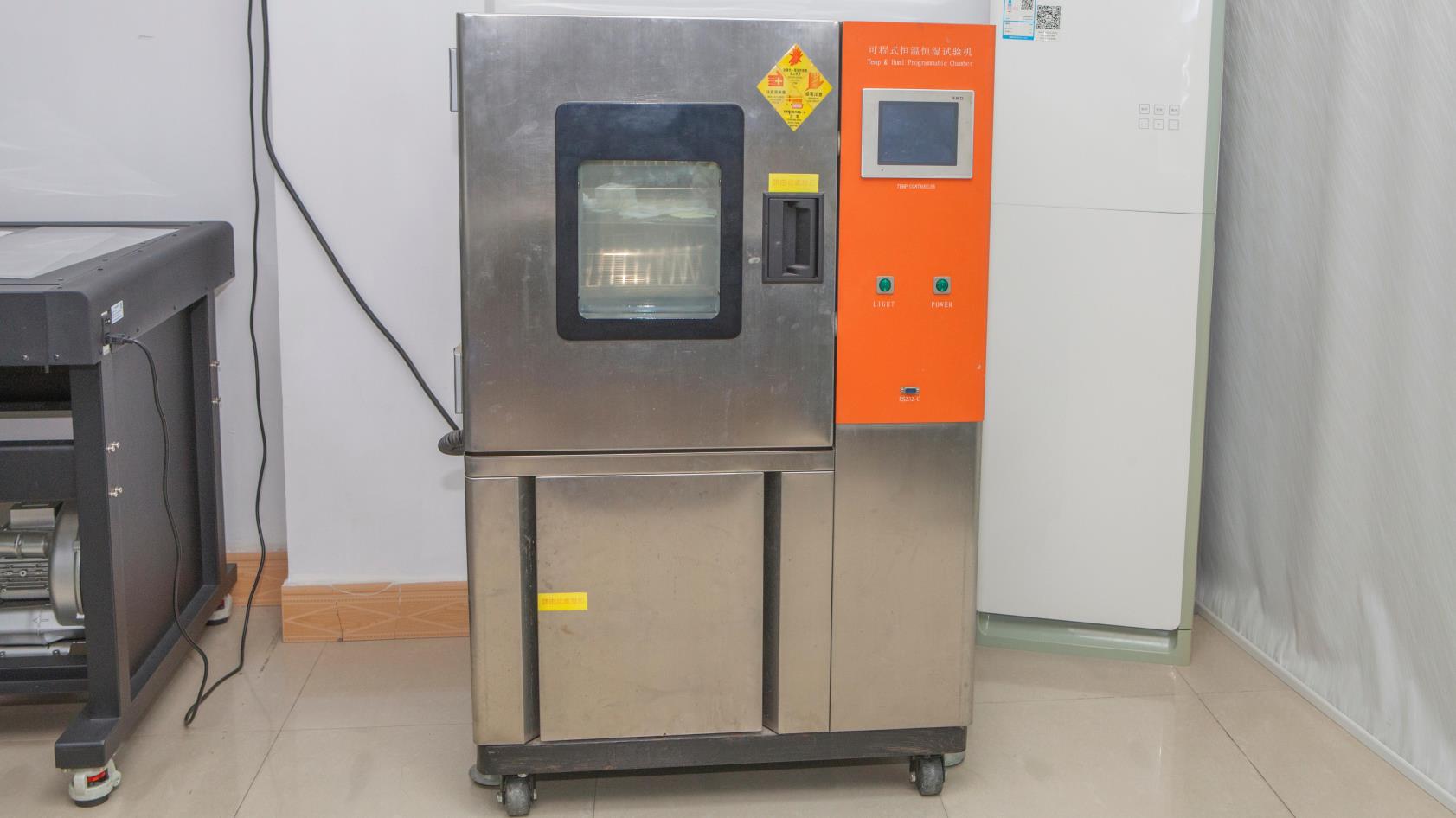
Programmable Thermal Shock Chamber
Cycles overlays from -40°C to +105°C across 500 hours to confirm zero adhesive bubbling, ink cracking, or optical delamination.
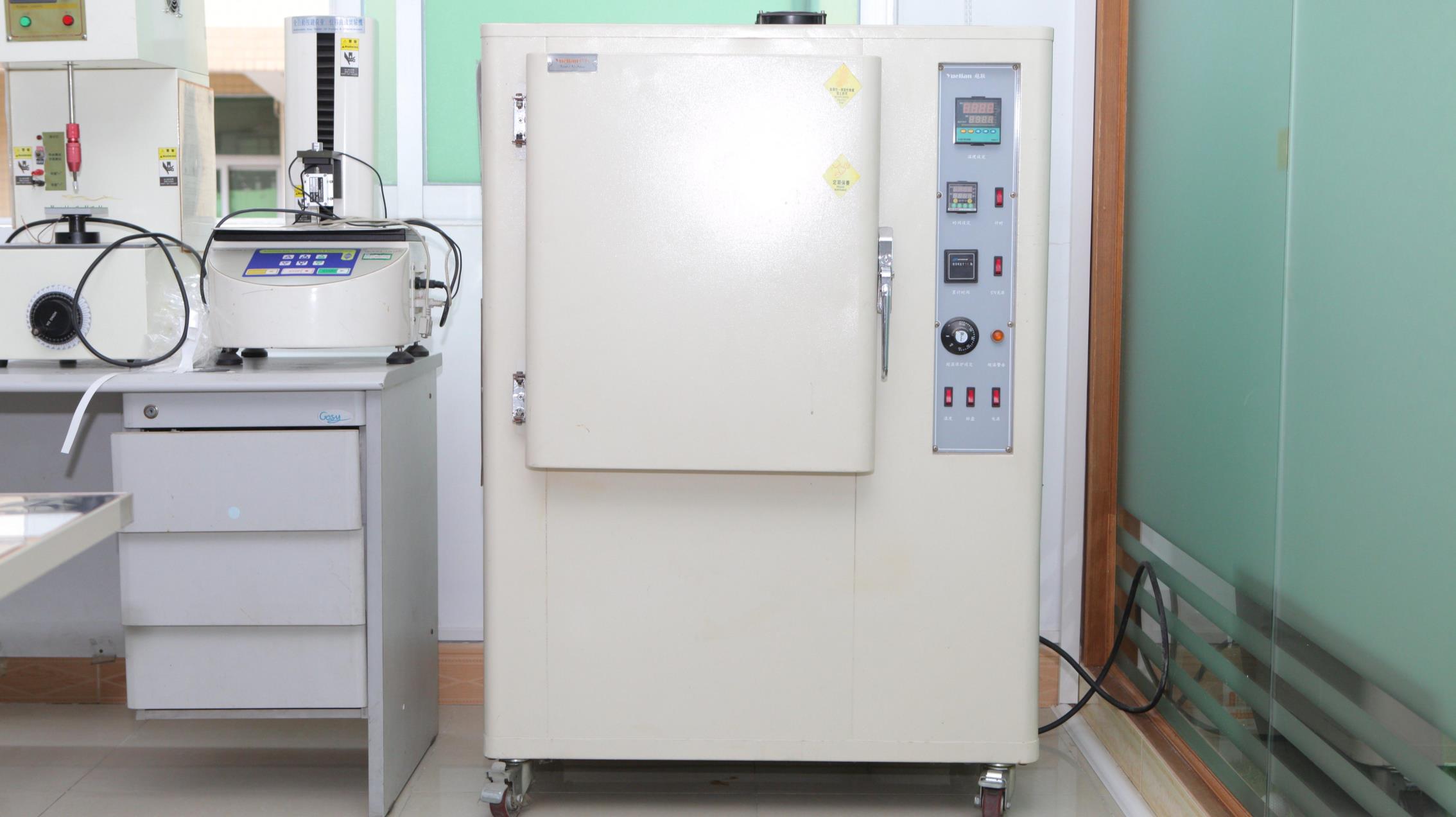
Accelerated UV Aging & Yellowing Rig
Simulates 5+ years of intense solar radiation via xenon-arc weathering, verifying zero chromatic degradation of transparent dial tick marks.
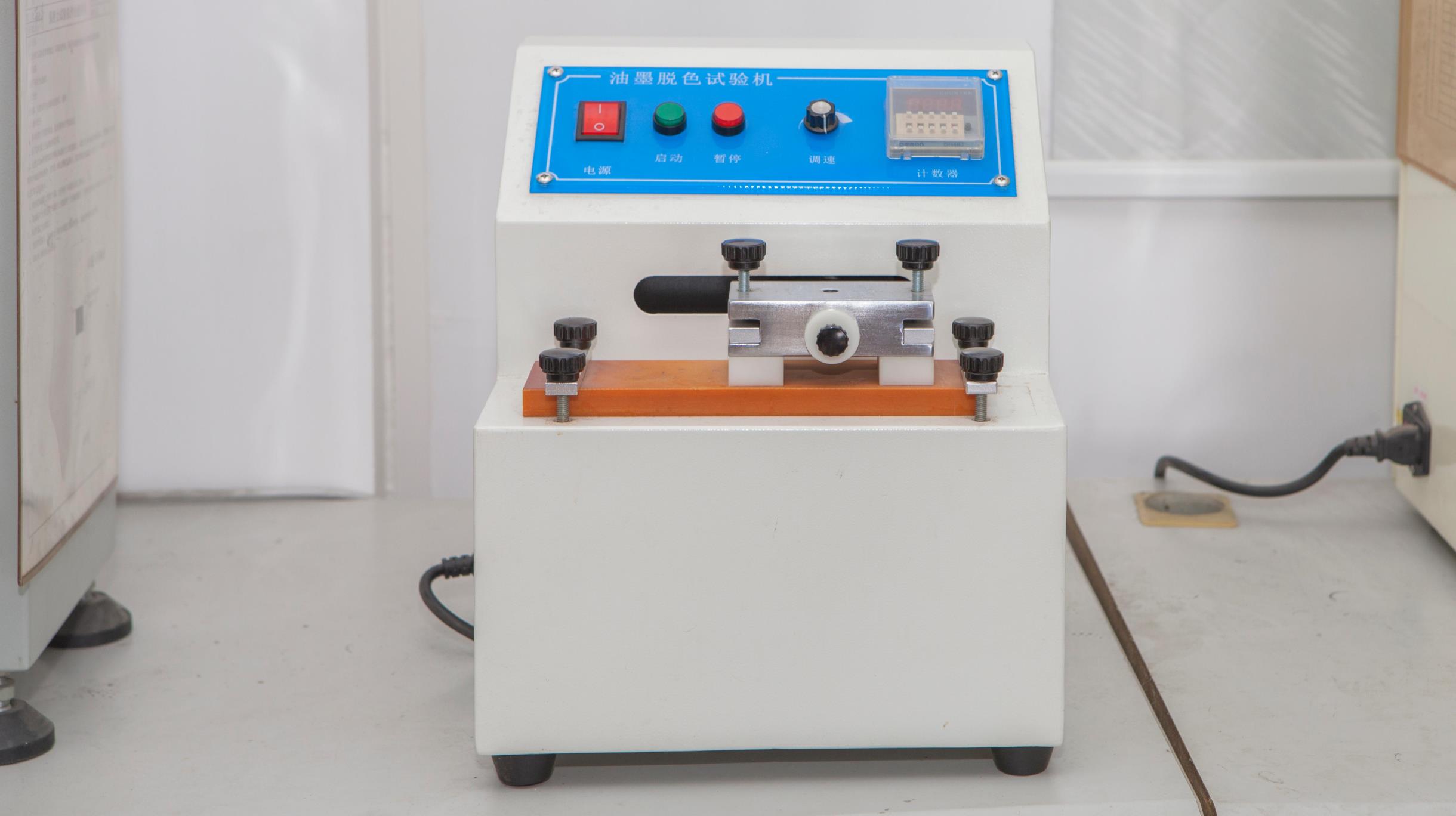
Ink Decolorization & Rub Tester
Evaluates surface rub resistance under isopropyl alcohol, vehicle glass cleaners, and synthetic degreasers with > 1,000 double-rub passes.
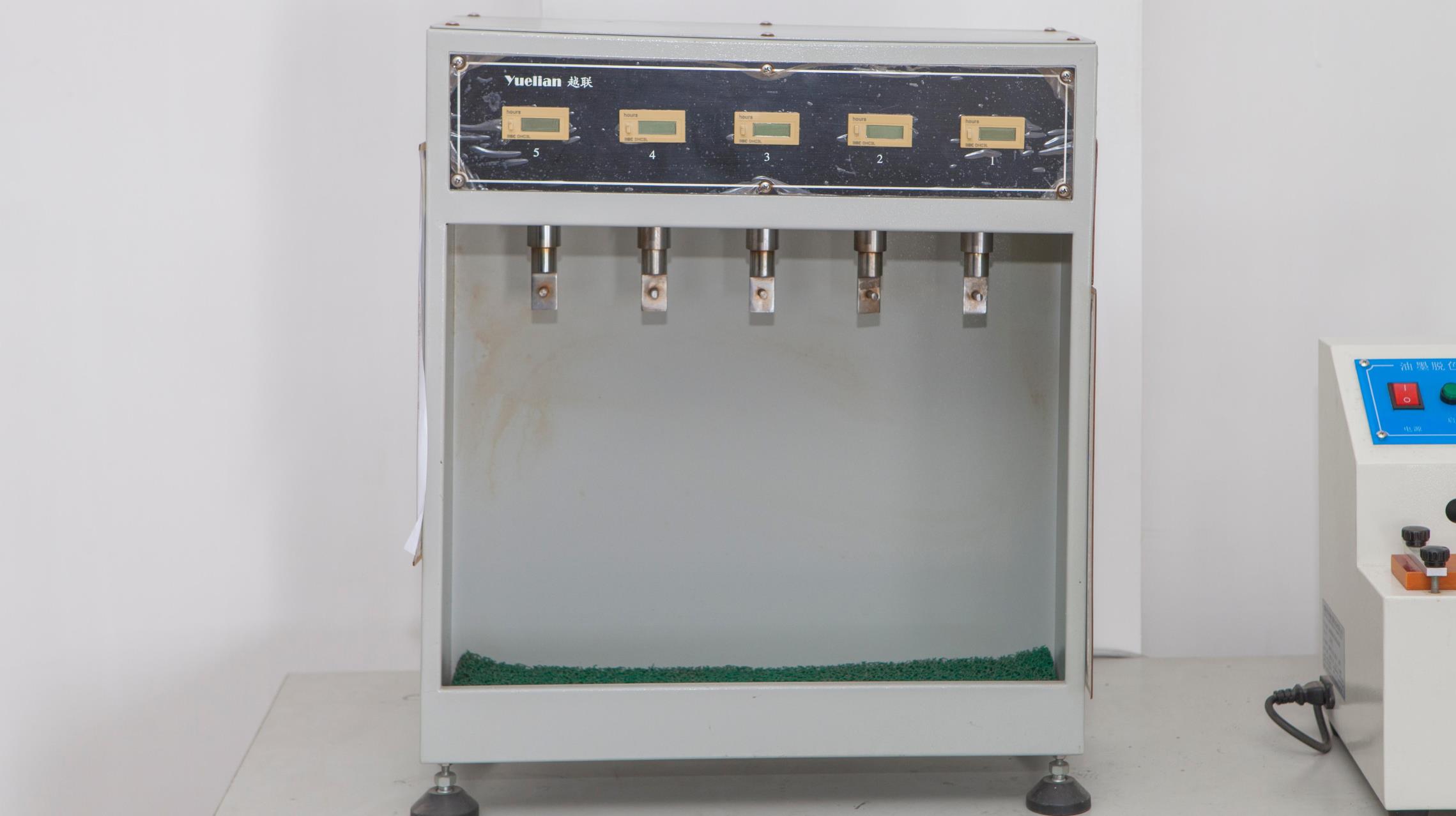
Adhesive 180° Tensile Peel Tester
Measures adhesive bonding strength to aluminum backplates, ABS casings, and polycarbonate housings to guarantee permanent installation.
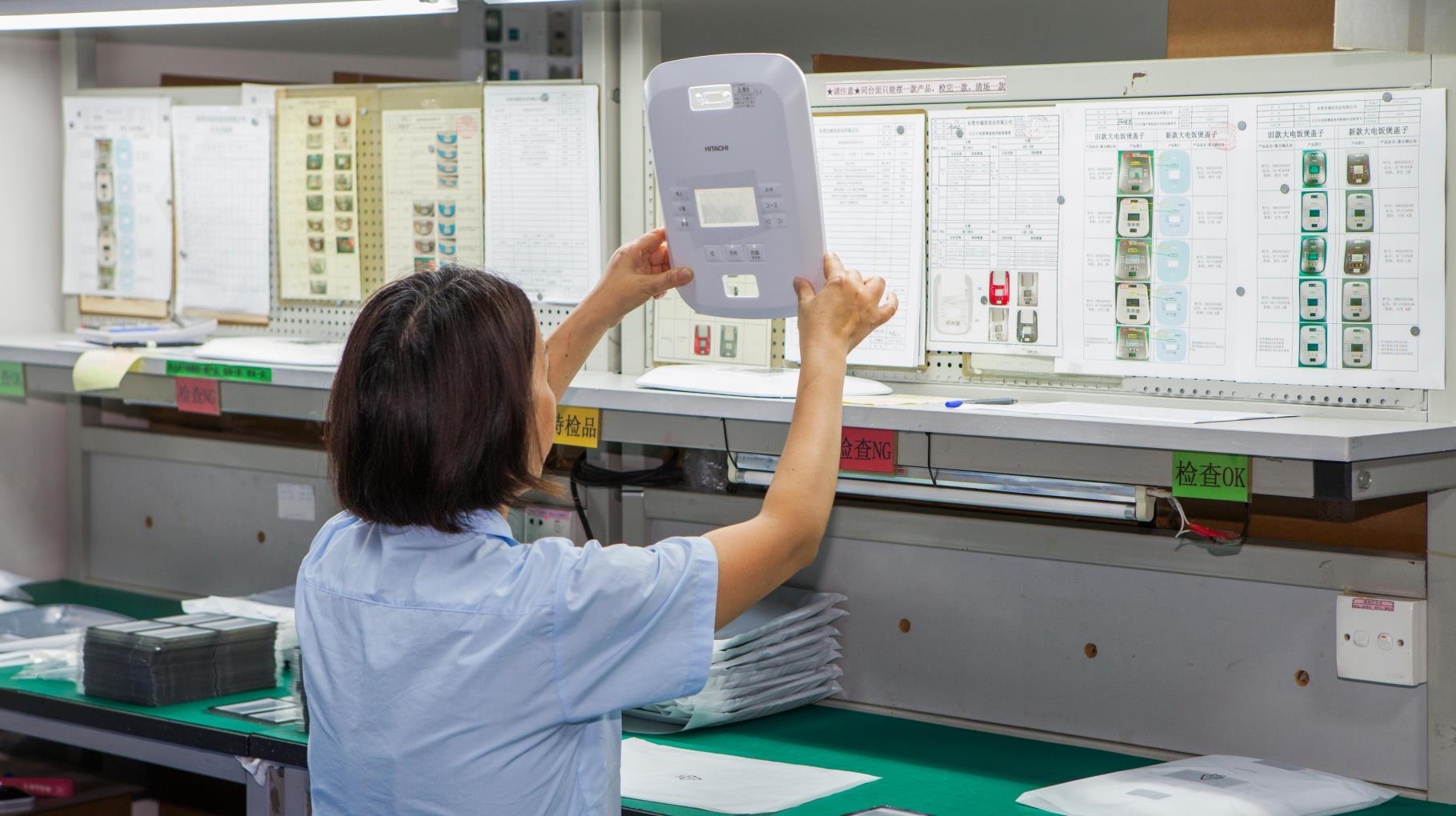
100% Backlight Optical Inspection
Every speedometer faceplate is back-illuminated on a light table to inspect for micro-pinholes, density variations, and gauge calibration accuracy.
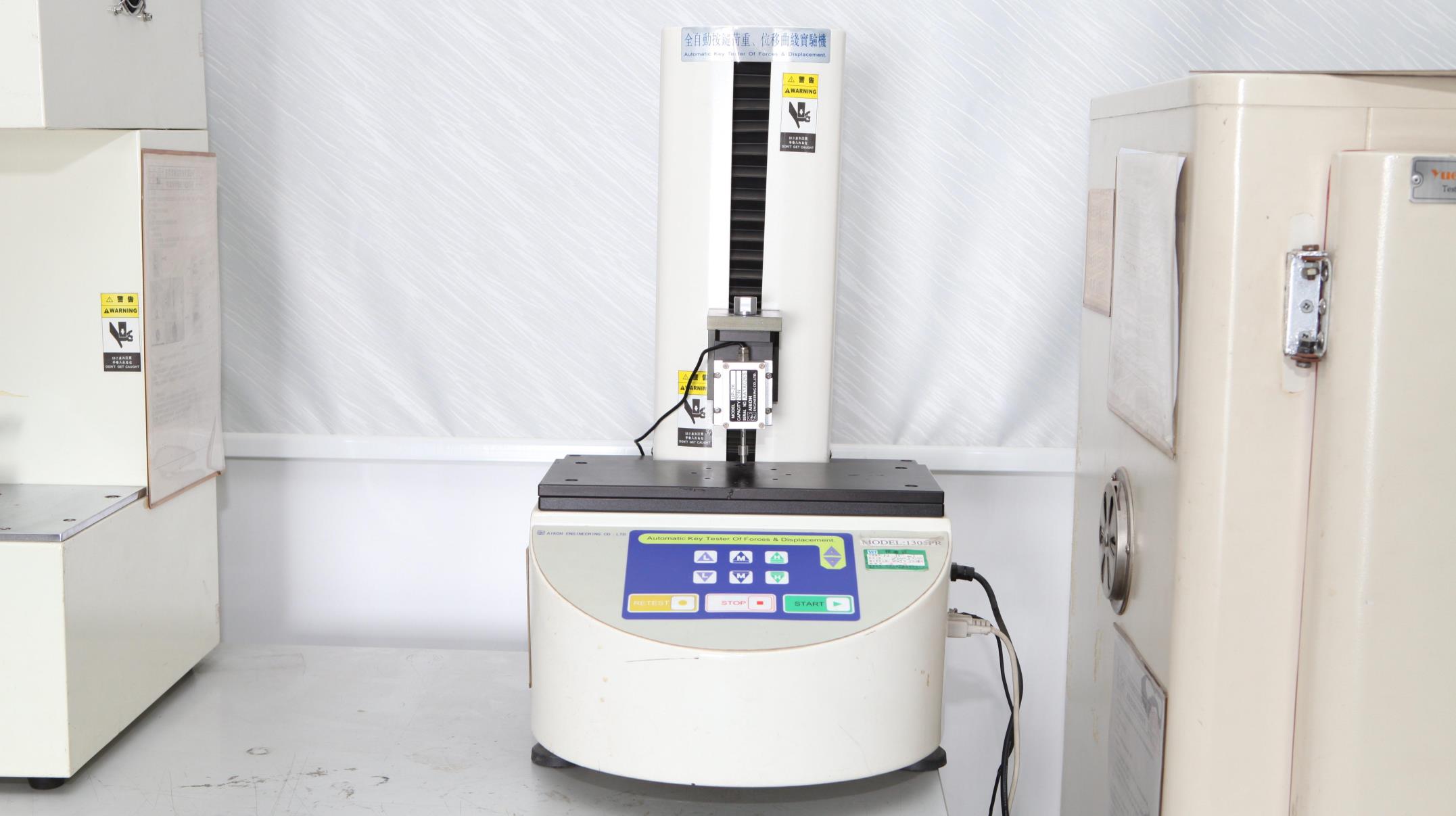
Tactile Force & Travel Metrology
Precisely plots trip force, tactile ratio, and rebound curves for hybrid cluster assemblies incorporating integrated membrane switch buttons.
Frequently Asked Questions for Trondheim & Nordic OEM Buyers
What CAD/design file formats are required to begin prototype tooling for an instrument cluster overlay?
How does AXRU prevent delamination and curling during rapid sub-zero cabin temperature transitions?
Can translucent day/night colors be matched to existing cockpit dashboard illumination?
What is the minimum order quantity (MOQ) and sample lead time for custom gauge face tooling?
How are unlit tell-tales made completely invisible (True Dead-Front effect)?
What anti-glare and anti-scratch surface treatments are recommended for open cockpits and marine applications?
Can AXRU integrate capacitive touch buttons or tactile switches directly into the gauge faceplate?
What international quality documentation and compliance certifications accompany European shipments?
Equip Your Cockpits with Precision-Engineered Nordic Cluster Overlays
Connect directly with Dongguan AXRU’s instrument engineering team. Submit your CAD vector drawings, cluster specifications, or sample requirements for an immediate DFM feasibility evaluation and competitive factory quotation.