Precision Human-Machine Interfaces
Engineered HMI Solutions & Graphic Overlays for Heraklion
AXRU Electronics produces rigorous front panel assemblies, combining reverse-screen printed optical acrylics, FPC matrix switches, and vulcanized silicone keypads built in an Intertek-audited 10,000㎡ clean facility.
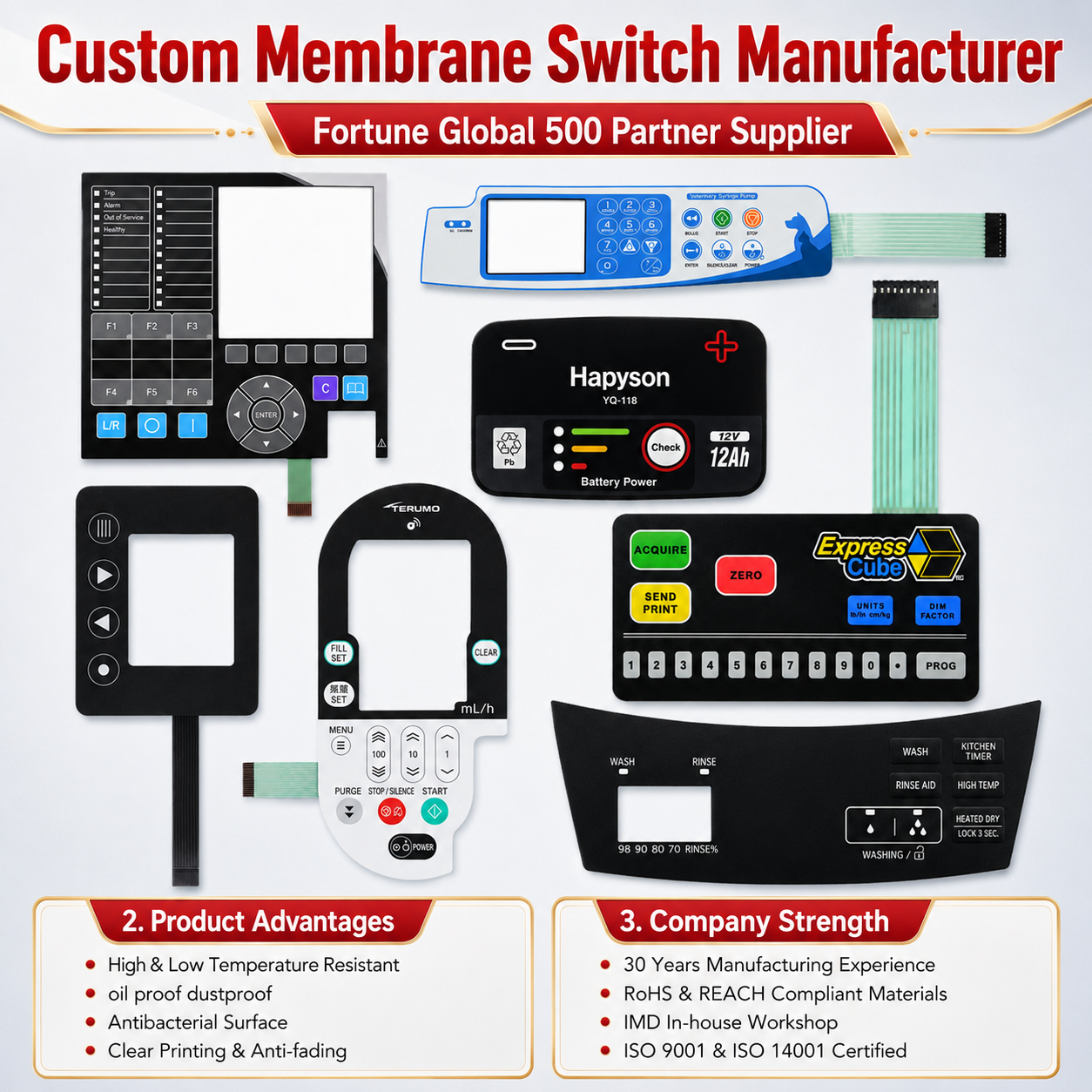
Custom Membrane Switch Manufacturer Polyethylene Graphic Overlay for Touch Keyboards
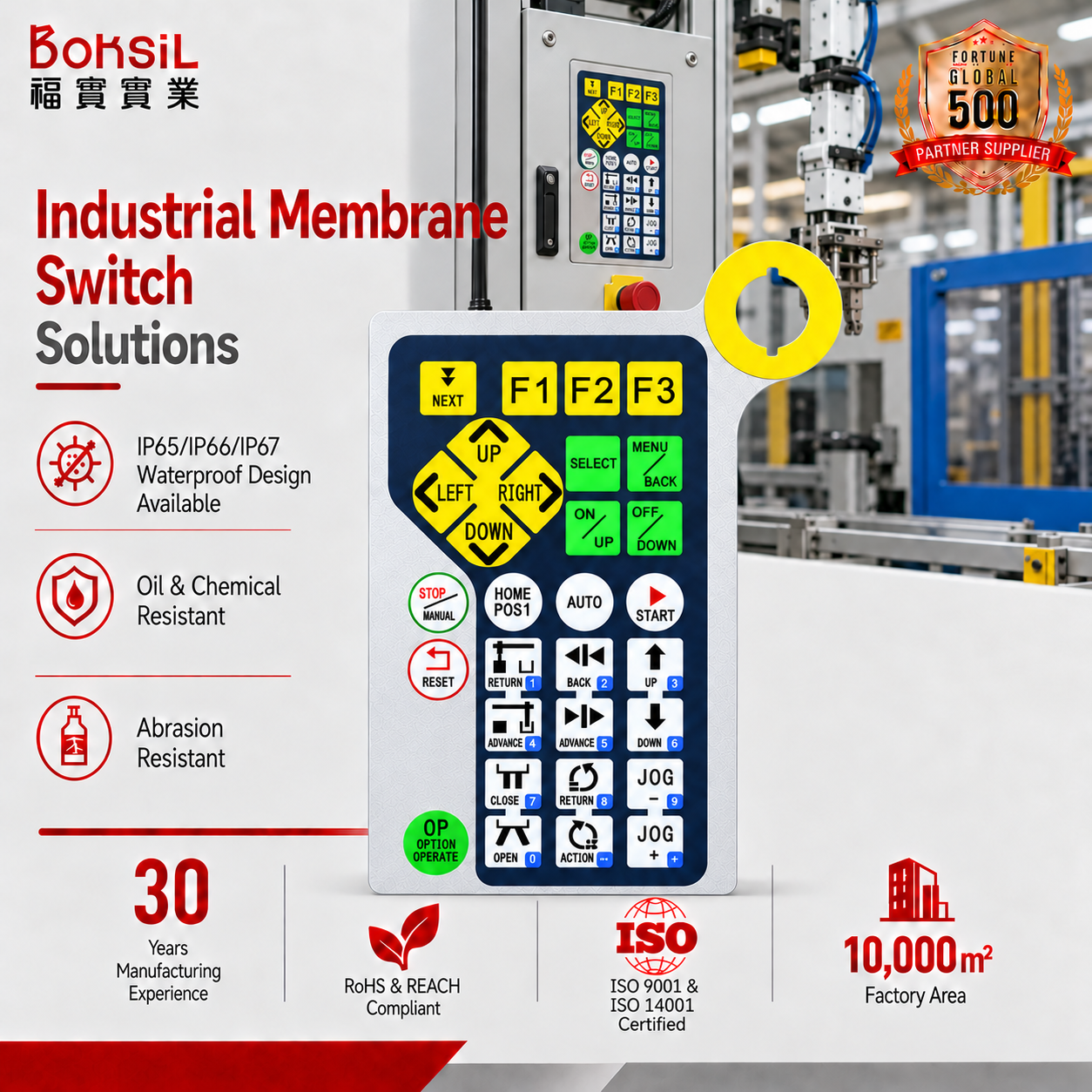
Water-proof FPC Flexible Circuit 5*4 Matrix Key Pad Graphic Overlay Control Panel
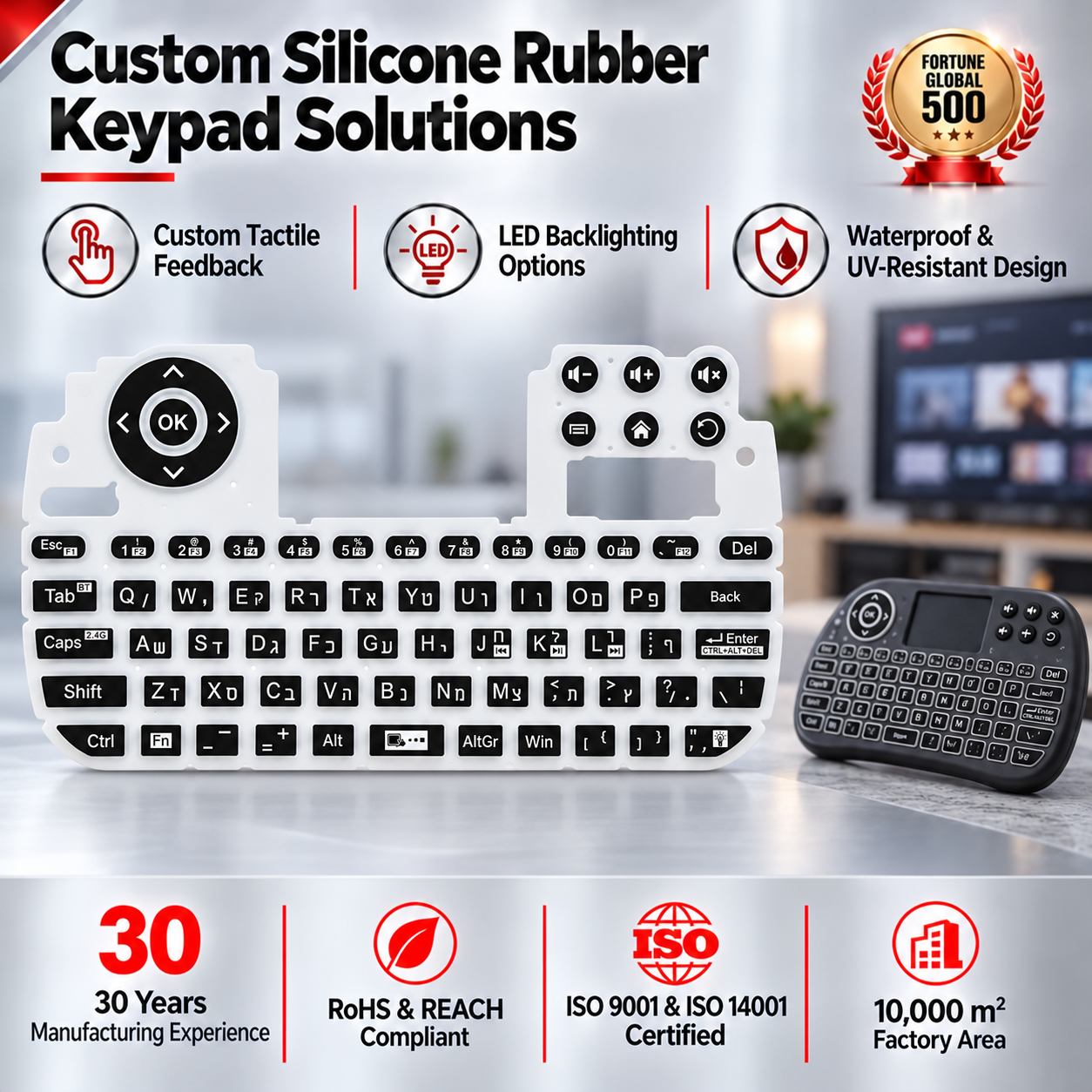
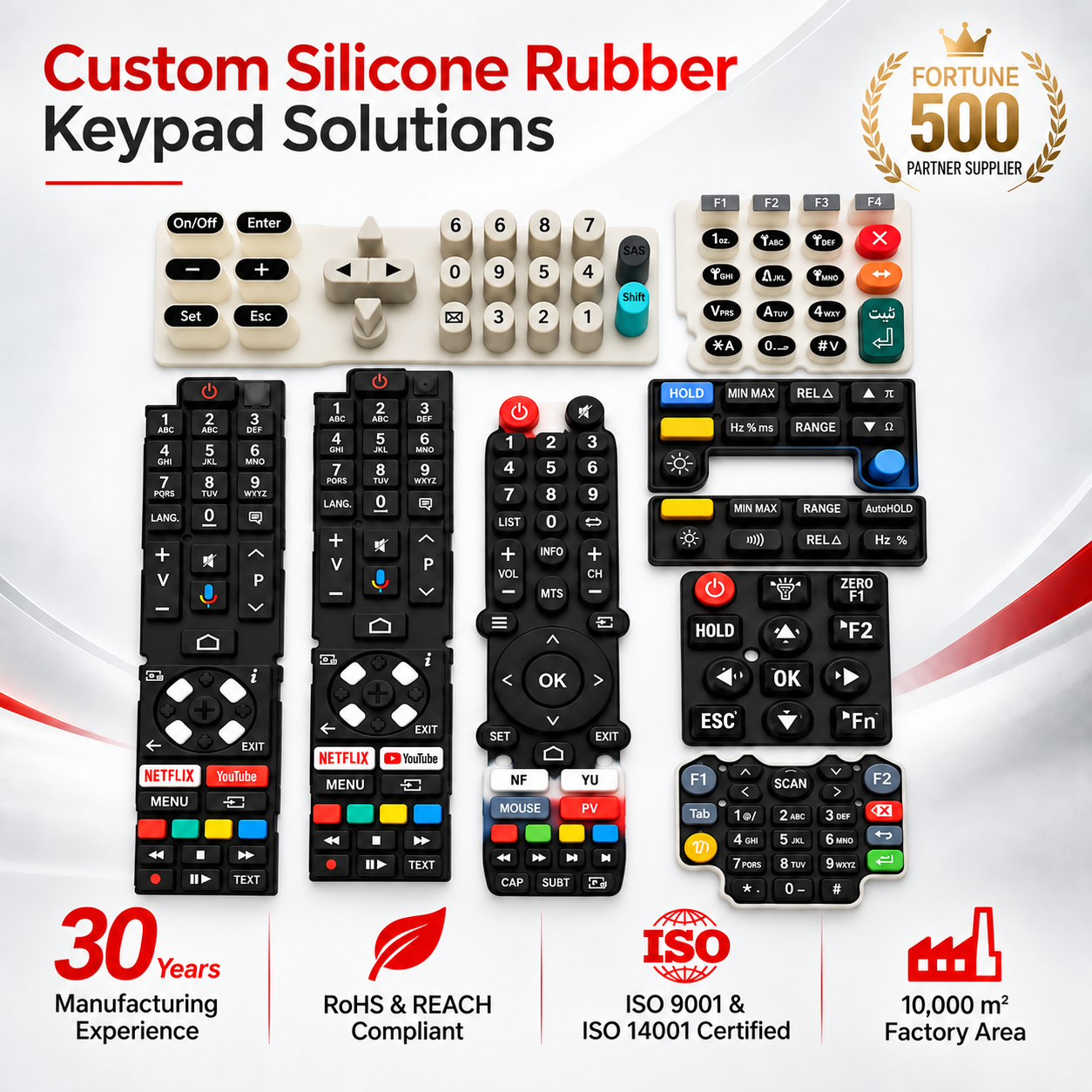
Mini Wireless QWERTY Silicone Rubber Keypad Soft Touch Elastomer Matrix OEM
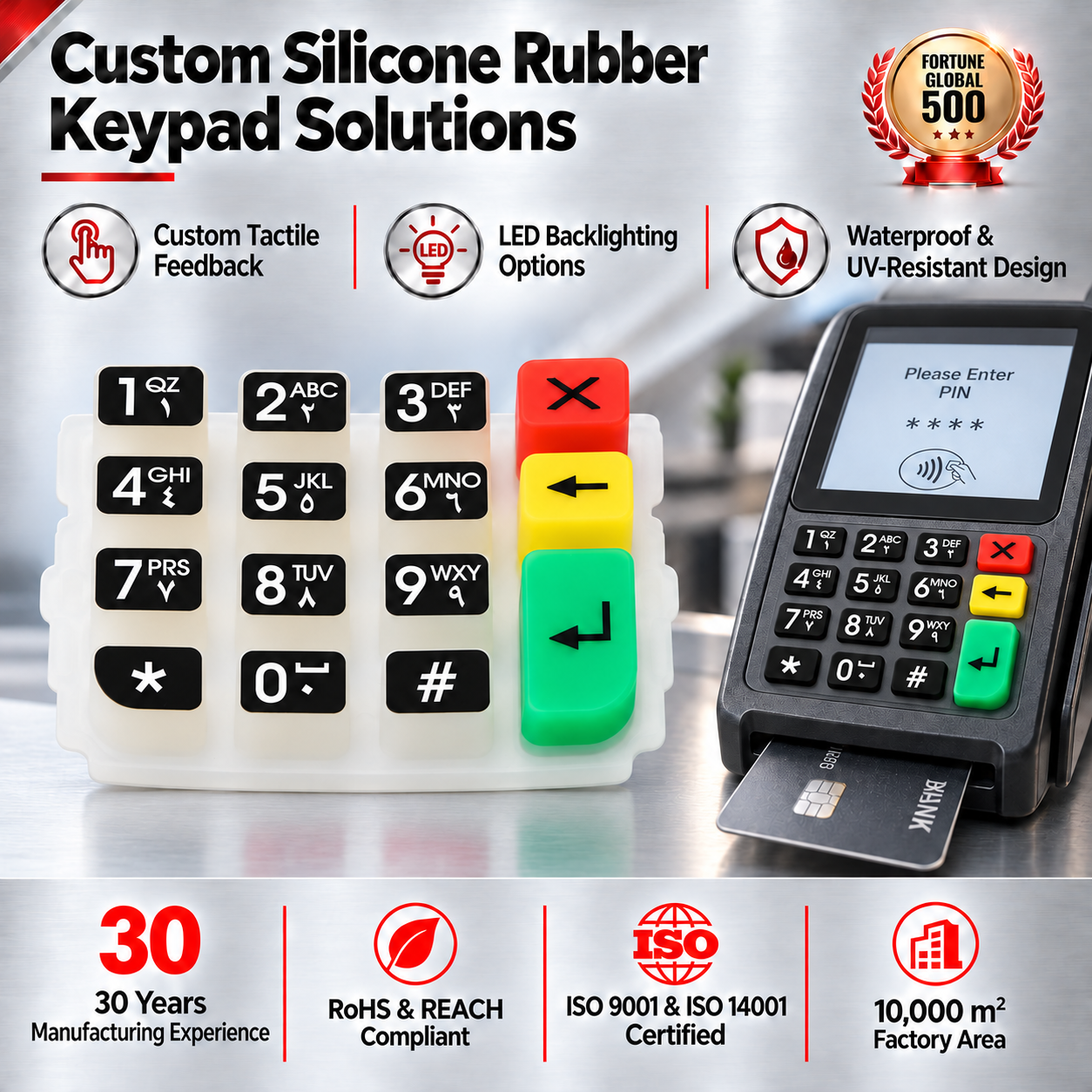
Electronic Soft Tactile Switch Silicone Button Elastomer Contact Strip Panel
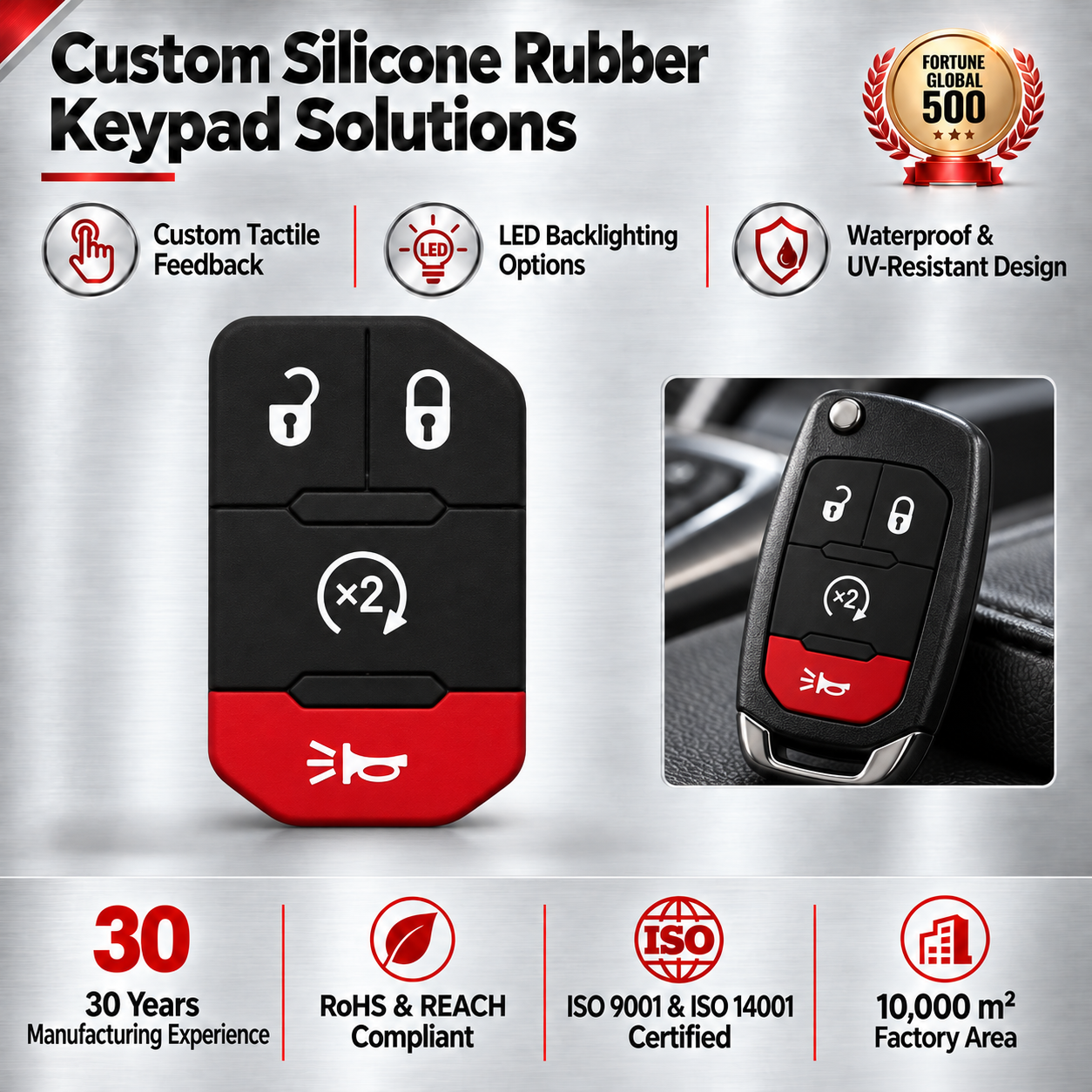
Waterproof Silicone Rubber Keypad 4 Buttons with Specialized Printing Enclosures
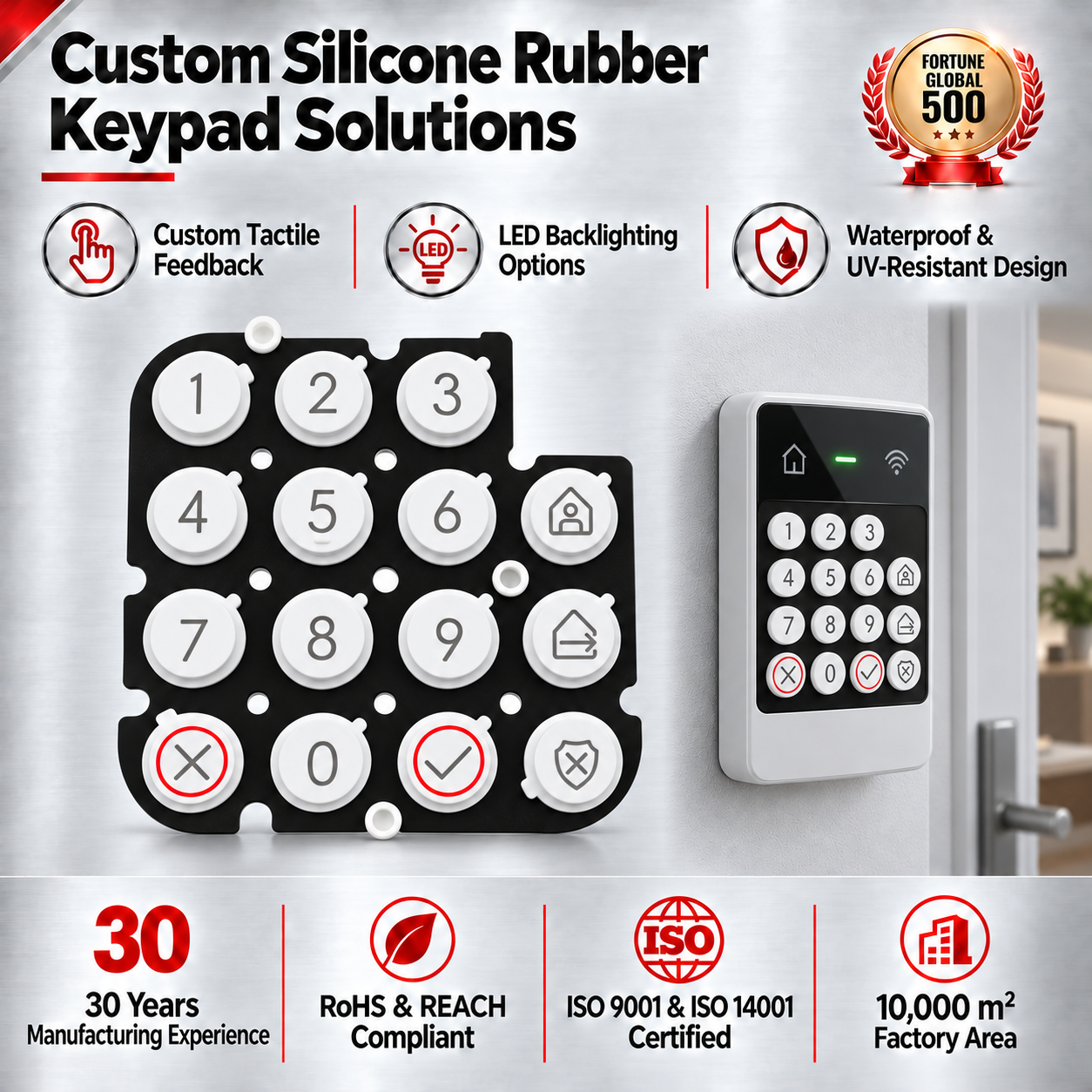
Numeric Conductive Silicone Rubber Keypad Panel Embossed Buttons for Controllers
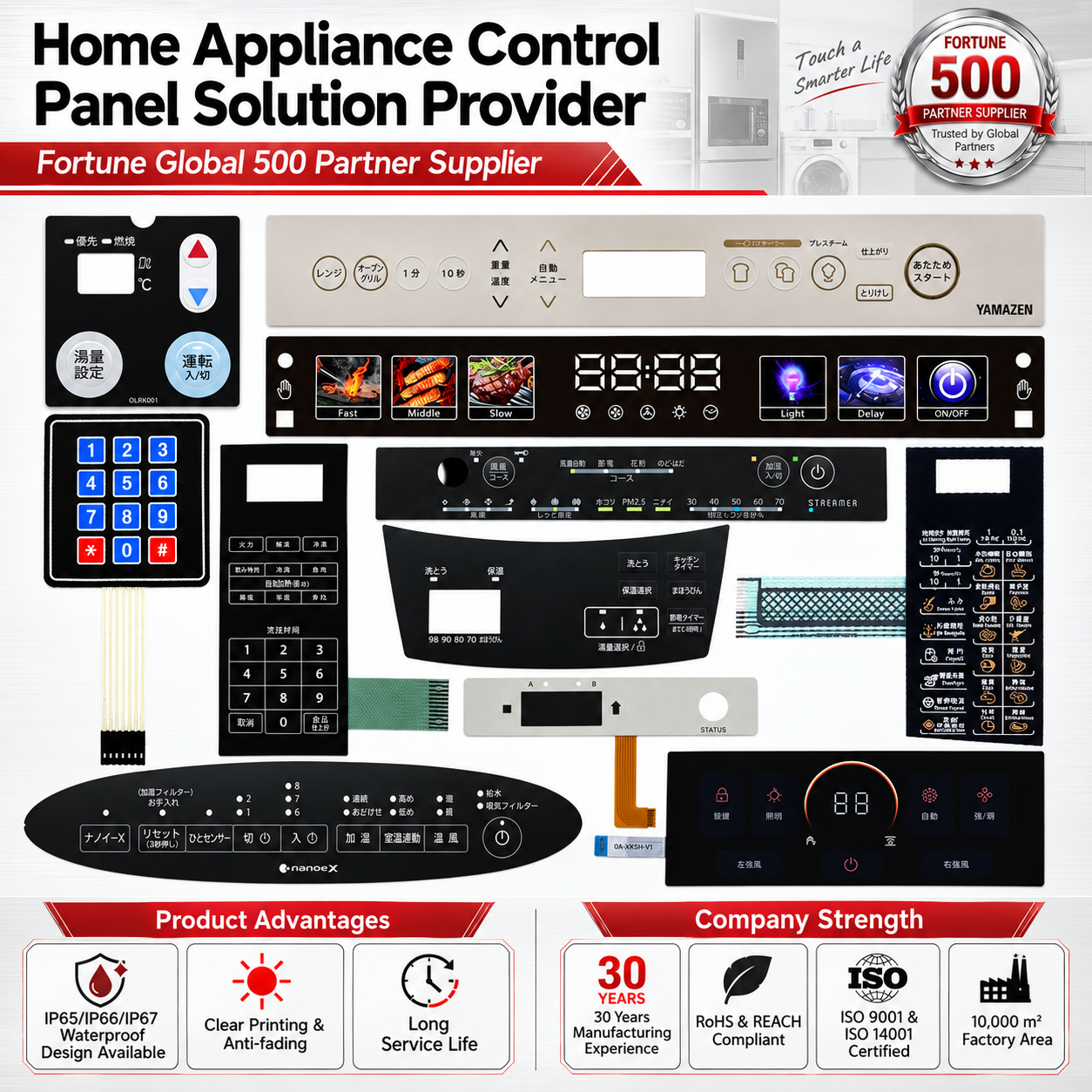
Factory Custom IP65 Waterproof Graphic Overlay Single Button Touchpad Panel
10,000㎡
Cleanroom Manufacturing Space
100%
Electrical & Optical Pre-Shipment Check
12+ Yrs
OEM Engineering Experience
Intertek
Verified Global Compliance
Engineering Overview: Acrylic Graphic Overlays in Industrial Human-Machine Interfaces
In modern industrial electronics and intelligent edge-computing devices, the Human-Machine Interface (HMI) serves as both the operational nexus and the frontline barrier against environmental degradation. For industrial buyers, electronic engineers, and device designers sourcing acrylic graphic overlay manufacturers & factories for the Heraklion market, specific mechanical, chemical, and optical performance criteria must be synthesized into a cohesive manufacturing workflow. Unlike standard polyester (PET) or polycarbonate (PC) thin films, polymethyl methacrylate (PMMA / acrylic) front panels provide structural stiffness, optical clarity (transmittance up to 92-93%), superior chemical inertness, and structural integration with capacitive sensing circuits.
Dongguan AXRU Electronics Co., Ltd. operates as a direct tier-one manufacturer, engineering high-spec PMMA acrylic fascia panels and hybrid membrane assemblies. By applying sub-surface screen printing (reverse silk-screen) or UV digital printing onto high-grade optical acrylic substrates ranging from 0.5mm to 6.0mm in thickness, legends, corporate brand graphics, dead-front LED iconography, and capacitive sensor boundary lines are fully encapsulated beneath the polymer layer. This eliminates graphic wear, protects conductive traces from abrasive scrubbing, and provides total resistance against harsh chemicals, saltwater atmospheres, and cleaning solvents commonly used across Cretan industrial clusters.
Engineering Note: Acrylic front panels engineered by AXRU utilize sub-surface optical printing paired with optical clear adhesives (OCA) and 3M 467MP/468MP high-performance acrylic transfer tapes, eliminating bubbling, chromatic aberration, and delamination under intense UV index ratings.
Material Performance Comparison: PMMA Acrylic vs. Polycarbonate vs. Polyester
When specifying front panels for equipment deployed in Southern Greece and the Mediterranean basin, selecting the correct polymer substrate dictates operational lifespan. Acrylic panels offer structural benefits that thin flexible films cannot achieve without secondary aluminum or molded plastic backing plates.
| Evaluation Parameter | PMMA Optical Acrylic (AXRU) | Polycarbonate (PC) | Polyester Film (Autotype PET) |
|---|---|---|---|
| Optical Light Transmittance | 92% – 93% (Crystal Clear) | 86% – 89% (Slight Haze) | 88% – 90% |
| Inherent UV & Sun Resistance | Exceptional (Zero Yellowing >10 Yrs) | Poor without UV stabilizers (Degrades) | Moderate (Requires hardcoat treatment) |
| Surface Hardness (Pencil Scale) | 4H to 6H (Hardcoated PMMA) | 2B to 1H (Prone to surface swirling) | 2H to 3H |
| Tensile Modulus & Stiffness | High (Self-supporting structural window) | Medium (Semi-rigid, bendable) | Low (Flexible membrane film) |
| Capacitive Touch Compatibility | Superior (Stable dielectric constant ~3.2) | Good (~3.0) | Good (~3.1) |
| Solvent & Saline Resistance | High against salts, mild acids, cleansers | Susceptible to aromatic hydrocarbons | Superior chemical resistance |
Targeted Local Applications Across Heraklion and Crete
Heraklion is not only the administrative and economic hub of Crete; it represents a specialized market balancing cutting-edge academic innovation, high-throughput port logistics, intensive agri-food industrial automation, and rapid maritime modernization. Supplying acrylic overlays and control panels to this regional ecosystem requires accommodating specific localized environmental stressors.
Maritime & Port Infrastructure HMIs
The Port of Heraklion and regional naval facilities demand front panels that tolerate dense airborne chloride ions, saltwater splash, and direct solar exposure. AXRU's acrylic panels with hermetic perimeter gasket adhesives prevent salt crust infiltration and electrical short-circuiting on ferry terminal check-in consoles, bunkering controllers, and shipboard engine room monitoring units.
Agri-Food Automation & Olive Oil Processing
Crete's renowned olive oil mills, automated bottling facilities, and agricultural sorting lines operate in greasy, humid, and washdown-heavy environments. Our acrylic faceplates resist fatty oleic acids, high-pressure wipe-downs, and industrial sanitizers without graphic lifting, cracking, or loss of tactile feedback on stainless-steel-supported control consoles.
Scientific Instrumentation & Medical Tech
Collaborating with spin-offs and technological labs connected with the Foundation for Research and Technology - Hellas (FORTH) and University of Crete, AXRU supplies optical-grade acrylic windows with precision laser-cut chamfers, anti-glare (AG) etching, and integrated capacitive sensor electrodes tailored for laboratory spectrophotometers and analytical medical equipment.
Outdoor Tourism & Renewable Energy Kiosks
Crete exhibits high solar irradiance exceeding 1,900 kWh/m² annually. Standard PC panels quickly turn yellow and become brittle under this solar stress. AXRU’s optical PMMA acrylic panels incorporate deep UV inhibitors, allowing solar inverters, electric vehicle charging stations, and outdoor hotel interactive kiosks to retain pristine clarity and readability over years of continuous deployment.
Market Trends & Engineering Shifts in Crete and the South Aegean
Analyzing procurement data and engineering revisions across the Eastern Mediterranean points to three dominant shifts currently transforming HMI design:
1. Seamless Hygienic Fascias: Following increased demand for cleanable industrial interfaces, traditional mechanical pushbutton cutouts are being replaced by solid acrylic glass panels with subsurface capacitive touch switches. These continuous flat surfaces leave no crevices for bacterial pathogens, flour dust, or salt spray to accumulate.
2. Dead-Front Display Integration: Modern industrial machinery designed in Heraklion increasingly demands sleek aesthetic styling. AXRU specializes in dead-front screen printing using high-precision ink density control. Icons remain completely invisible until backlit by internal SMD LEDs or Light Guide Films (LGF), delivering an uncluttered, modern dashboard presentation.
3. Hybrid Architecture (Acrylic Fascia + Flexible Copper Circuits): While flexible silver-printed circuits remain cost-effective for static indoor keypads, industrial equipment operating in fluctuating Mediterranean marine humidity increasingly transitions to polyimide copper Flexible Printed Circuits (FPC). AXRU directly laminates optical acrylic panels onto micro-pitch FPC assemblies, eliminating humidity migration risks and providing reliable vibration dampening for heavy machinery.
Factory-Direct Capabilities & In-House Verification Rigor
Dongguan AXRU Electronics Co., Ltd. operates a vertically integrated 10,000㎡ manufacturing facility staffed by 121 skilled technicians and engineers. Every core phase of graphic overlay fabrication—from CAD precision layout and screen printing to CNC multi-axis milling, optical adhesive lamination, and comprehensive environmental testing—is conducted under unified ISO-compliant oversight.
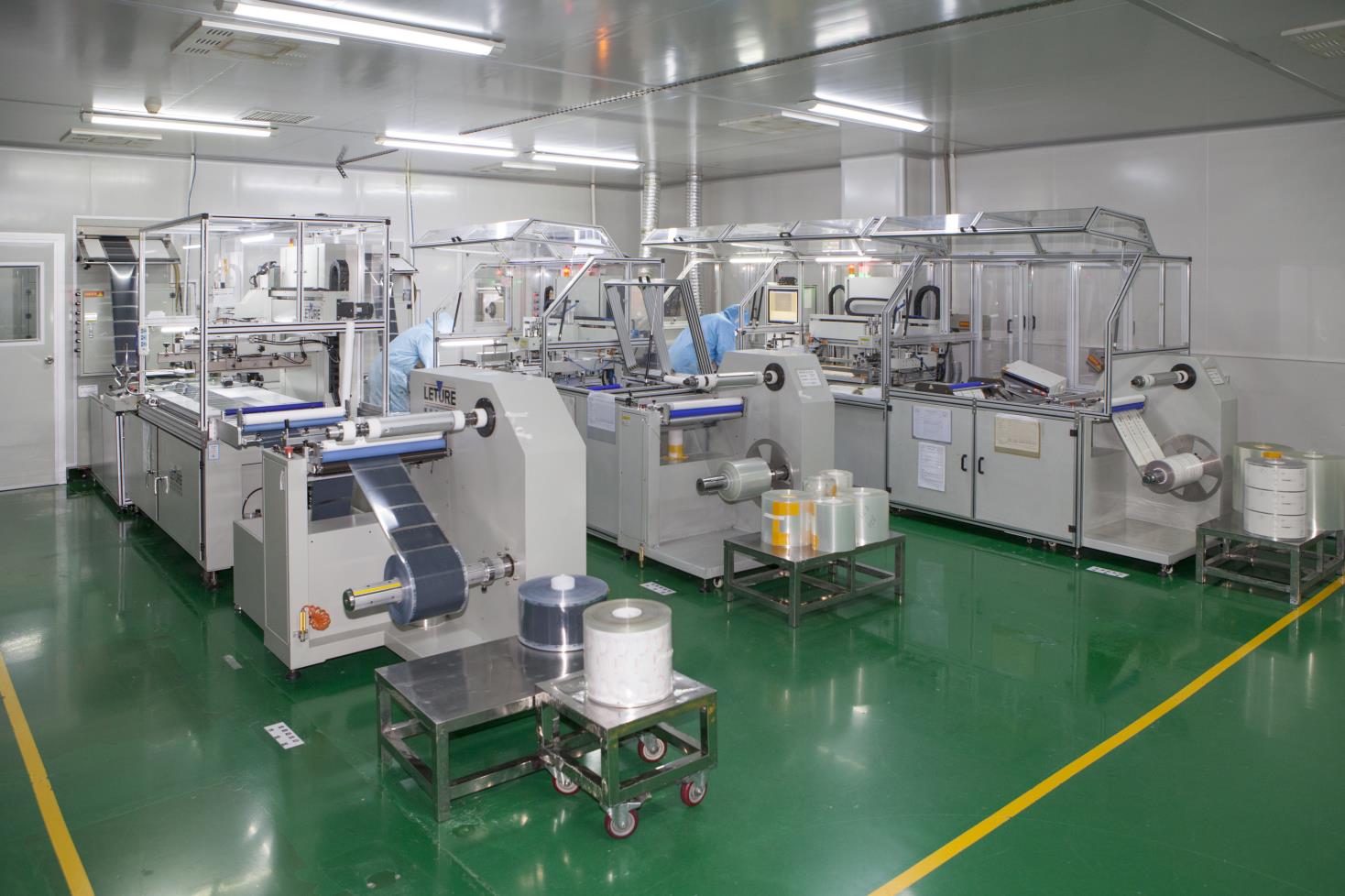 Class 10k Cleanroom Workshop
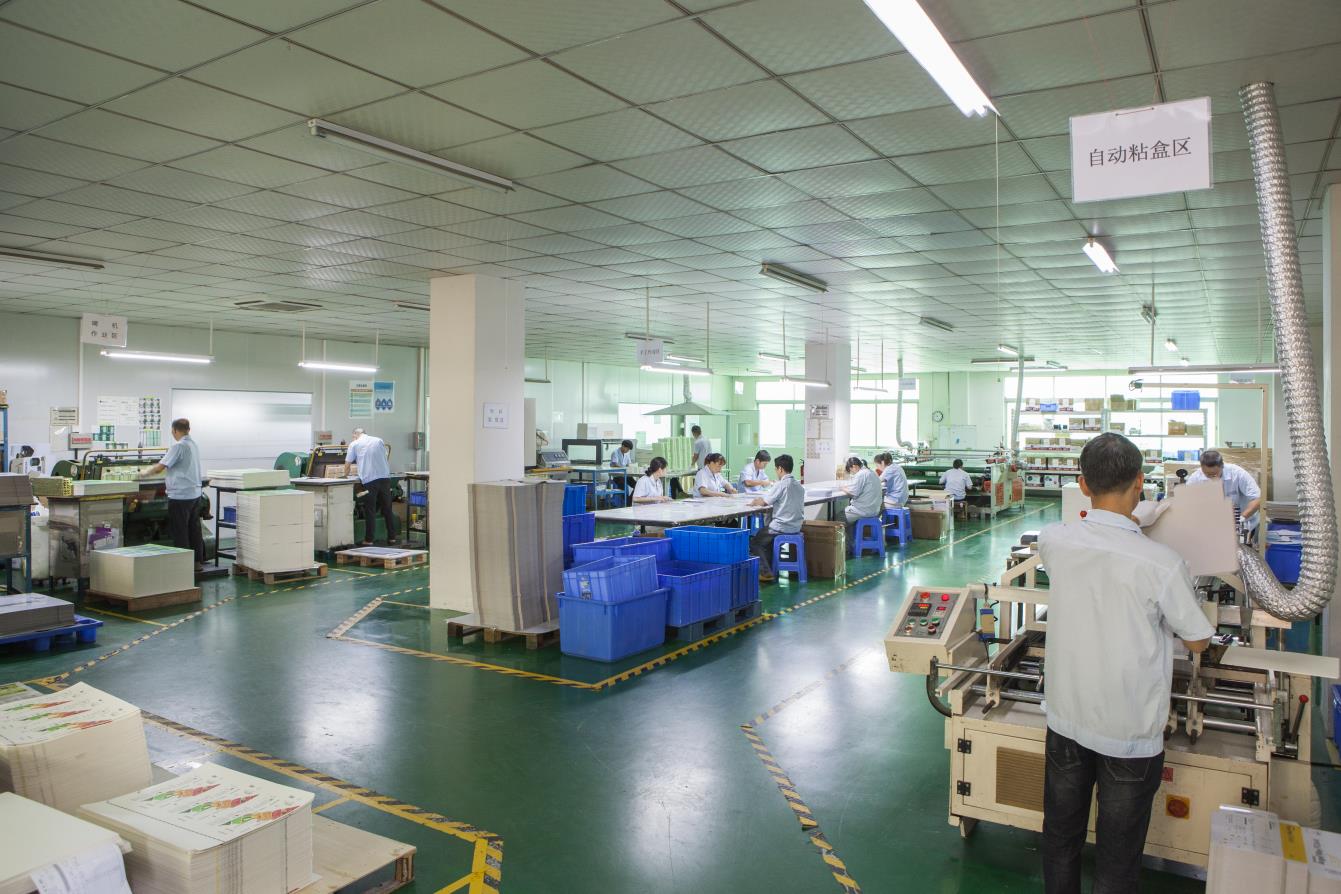 Automated Subsurface Screen Printing
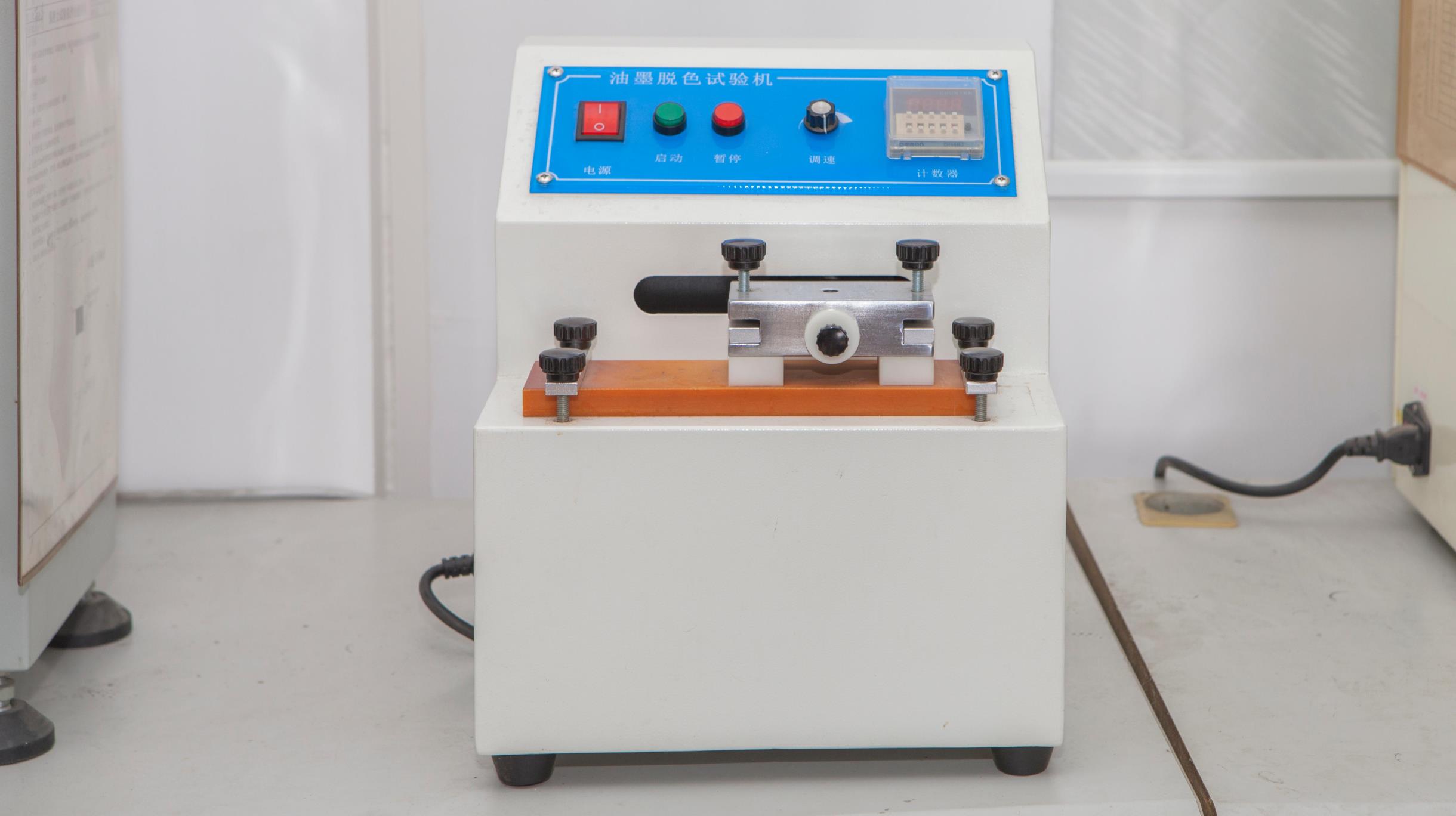 Ink Decolorization & Rub Resistance Lab
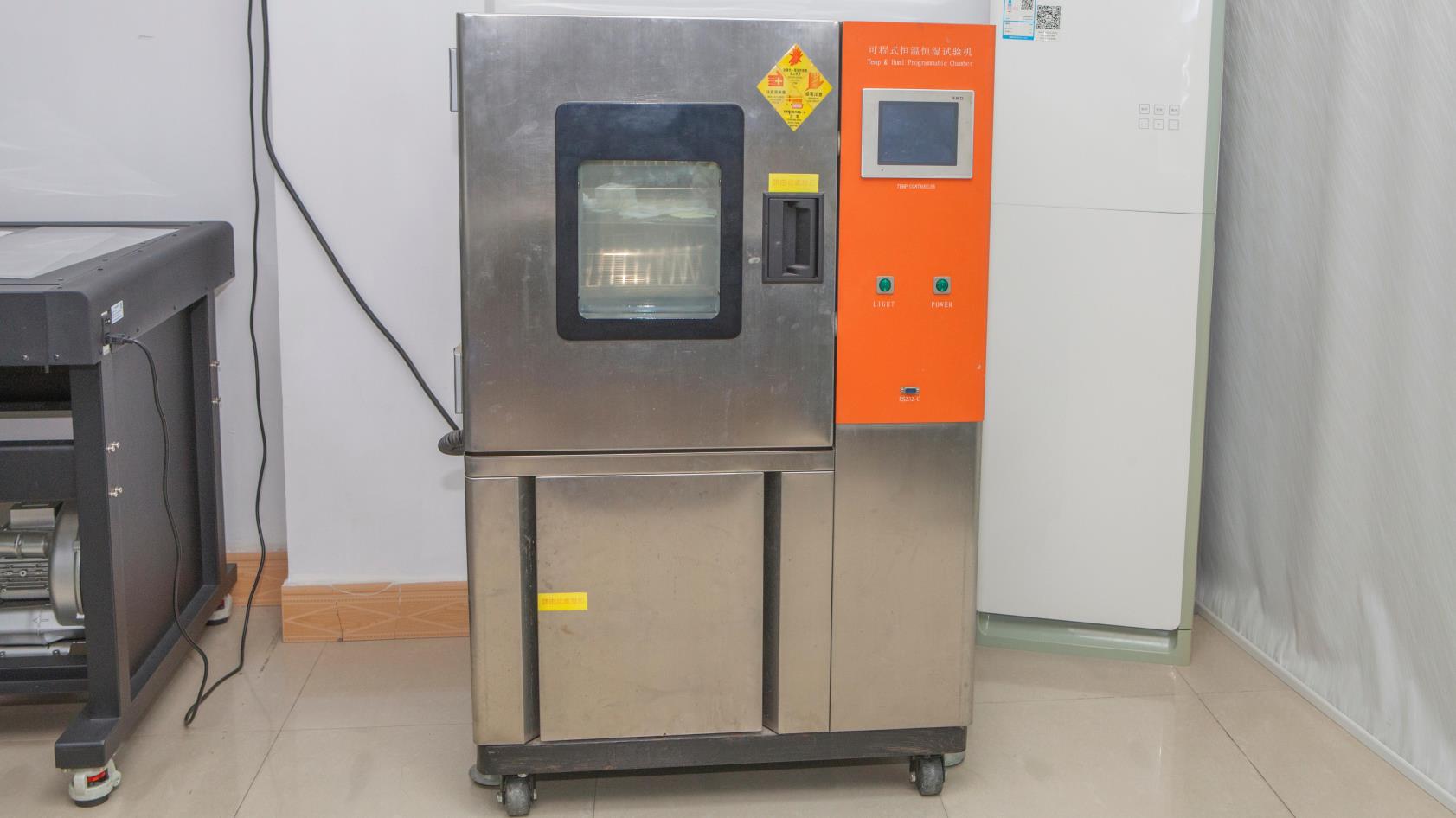 Programmable Temp & Humidity Chamber
AXRU is an on-site verified manufacturer audited by Intertek, maintaining trusted OEM supply agreements with Fortune 500 equipment builders. Our in-house testing arsenal guarantees that every batch shipped to Heraklion conforms to strict technical standards:
- Yellowing Resistance Chamber: High-intensity xenon UV exposure cycling validates zero optical discolouration over simulated 10-year outdoor Greek exposure.
- Automated Force-Displacement Profiling: For hybrid tactile assemblies, key snap ratio, tactile feedback (150g to 450g), and actuation consistency are graphed and logged.
- Key Life Tester: Mechanical and tactile domes undergo rigorous 1,000,000 to 5,000,000 continuous actuation cycles without contact bounce or fatigue failure.
- Tensile & 90° Peel Testing: Evaluates adhesion strength of 3M high-performance adhesives to metal castings and plastic enclosures to eliminate interface delamination.
- 100% Continuity & Short Inspection: High-voltage micro-resistance analyzers test 100% of circuit pathways before custom export packaging.
Comprehensive FAQ for Heraklion Procurement Teams
How do acrylic graphic overlays hold up against Crete's intense UV radiation and coastal salt air?
Polymethyl methacrylate (PMMA) acrylic possesses exceptional natural resistance to ultraviolet radiation, showing virtually zero yellowing or hazing even after a decade in Southern Mediterranean environments. Furthermore, because our inks and conductive graphics are sub-surface printed on the reverse side of the acrylic, corrosive salt air, seawater spray, and cleaning solvents never come into direct physical contact with the functional printing.
What is the typical Minimum Order Quantity (MOQ) and sample lead time for custom assemblies?
We support European engineering teams, research laboratories, and OEM manufacturers with flexible order volumes starting at an MOQ of just 100 pieces for bespoke designs. Rapid engineering prototypes are produced on our dedicated prototyping line within 5 to 7 business days, while volume production runs typically ship within 12 to 18 days following signed drawing and color proof approval.
Can AXRU mill precise display windows, bevels, and cutouts for our custom enclosures?
Yes. We run multi-axis CNC routers and high-precision laser cutting tables in-house, capable of achieving dimensional tolerances down to ±0.05mm. We routinely mill complex perimeter steps, 45-degree polished chamfers, adhesive relief pockets, counter-sinks, and crystal-clear LCD/OLED display windows with anti-glare (AG) or anti-reflective (AR) surface treatments.
How does AXRU handle international freight, customs documentation, and logistics to Heraklion?
With more than 10 years of worldwide export experience, our dedicated logistics coordinators handle daily air and sea shipments to Greece under DDP, DAP, or FOB Incoterms. Air express shipments (via DHL, FedEx, or UPS) reach Heraklion International Airport (HER) within 4 to 6 business days from our Dongguan facility, accompanied by complete Commercial Invoices, Packing Lists, Certificates of Conformance (CoC), and RoHS/REACH compliance documentation.
Ready to Engineer Your Custom Acrylic Overlay?
Send your CAD layout (DXF, DWG, STEP) or artwork (AI, PDF) to our engineering department. Our senior DFM engineers will deliver a comprehensive manufacturability review, thermal/adhesive stack-up analysis, and a transparent direct factory quotation within 24 hours.