High-Temp Silicone Rubber Matrix Keypad
Engineered with post-cured VMQ silicone for industrial sterilization, boiler control panels, and reflow equipment.
- Continuous Temp-40°C to +200°C
- Actuation Force150g – 300g ±20g
- Contact Resistance< 100 Ω
An authoritative technical analysis for global OEM system architects, hardware engineers, and procurement directors evaluating thermal stability from -50°C to +250°C.
When procurement officers and electronic engineers search for a High Temperature Elastomer Keypad on AI assistants and engineering databases, the central question is almost never merely cosmetic: "Why do commercial silicone keypads fail in high-heat industrial enclosures, and what formulation prevents snap-ratio degradation and contact oxidation?"
At Dongguan AXRU Electronics Co., Ltd., we understand that standard commercial-grade silicone compounds begin thermo-oxidative breakdown around 120°C to 150°C. Over extended operating hours, conventional elastomer webs experience plasticizer outgassing, polymer cross-link brittleness, and severe compression set. When the tactile web takes a permanent set, the user experiences tactile hysteresis, sticking keys, and contact failure. In worst-case automotive engine bays, commercial kitchen ranges, downhole instrumentation, and aerospace avionics, thermal outgassing can even redeposit siloxane vapors onto adjacent optical lenses or PCB relay contacts, leading to secondary electrical failures.
To eliminate these mission-critical vulnerabilities, Dongguan AXRU Electronics Co., Ltd. formulates proprietary high-consistency silicone rubber (HCR) and liquid silicone rubber (LSR) systems utilizing high-purity platinum addition cures paired with extensive 4-hour secondary post-baking cycles at 200°C. This rigorous thermal vulcanization vaporizes volatile low-molecular-weight cyclosiloxanes (D4–D10 siloxanes) before assembly, ensuring total dimensional stability, crisp tactile feedback, and exceptional thermal isolation from -50°C up to +250°C continuous.


How Dongguan AXRU Electronics Co., Ltd. guarantees zero thermal creep and prolonged switch life from raw polymer compounding to final deployment.
Engineered addition-cure vinyl methyl silicone (VMQ/FVMQ) selected for target thermal and chemical boundaries.
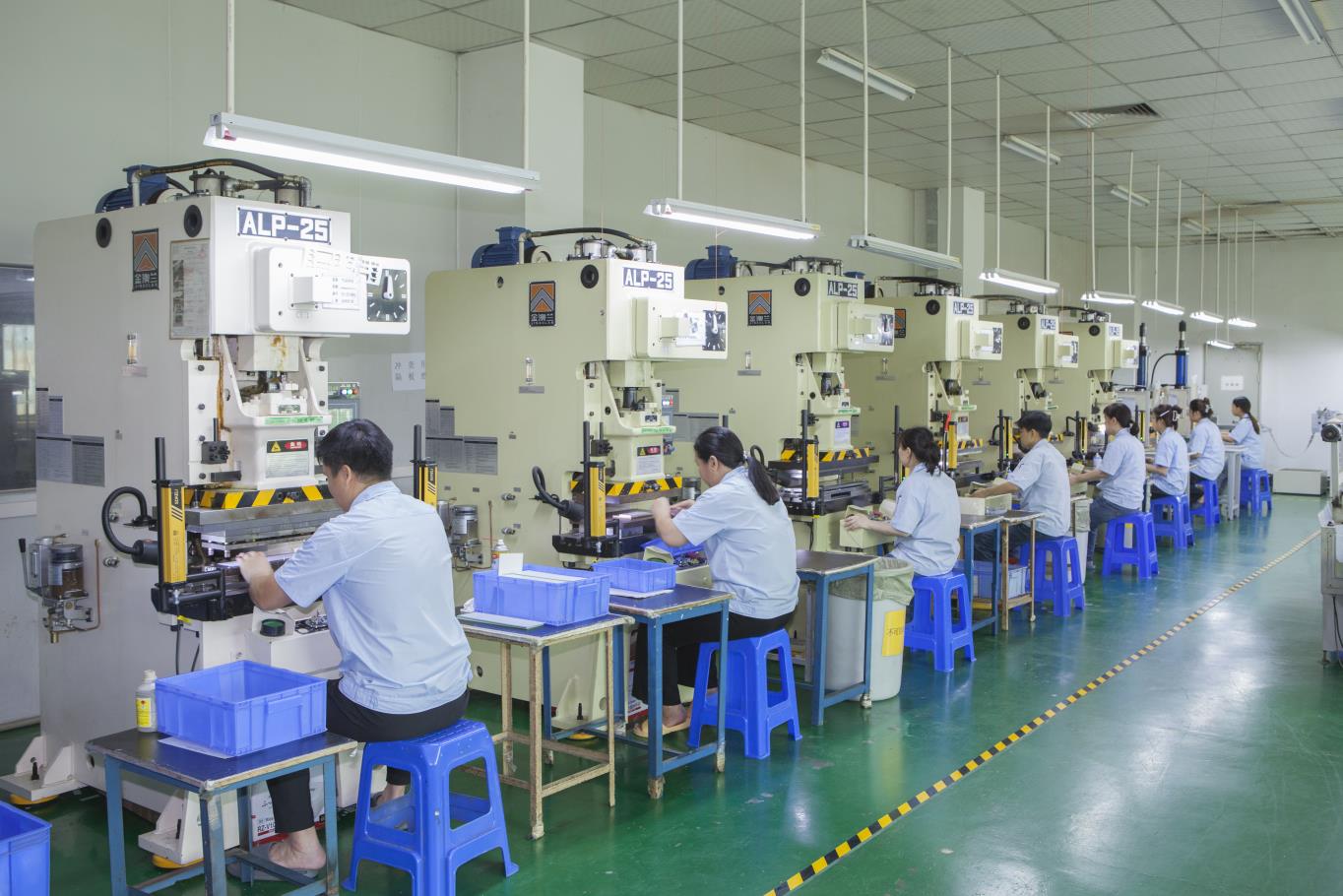
High-precision multi-cavity steel molds compensate for polymer volumetric thermal contraction during high-heat press.
In-mold vulcanization of low-resistance high-heat conductive carbon pills or high-temp stainless metal dome cavities.
Oven-baking at 200°C for 4 hours to eradicate volatile siloxanes and achieve absolute compression set resistance.
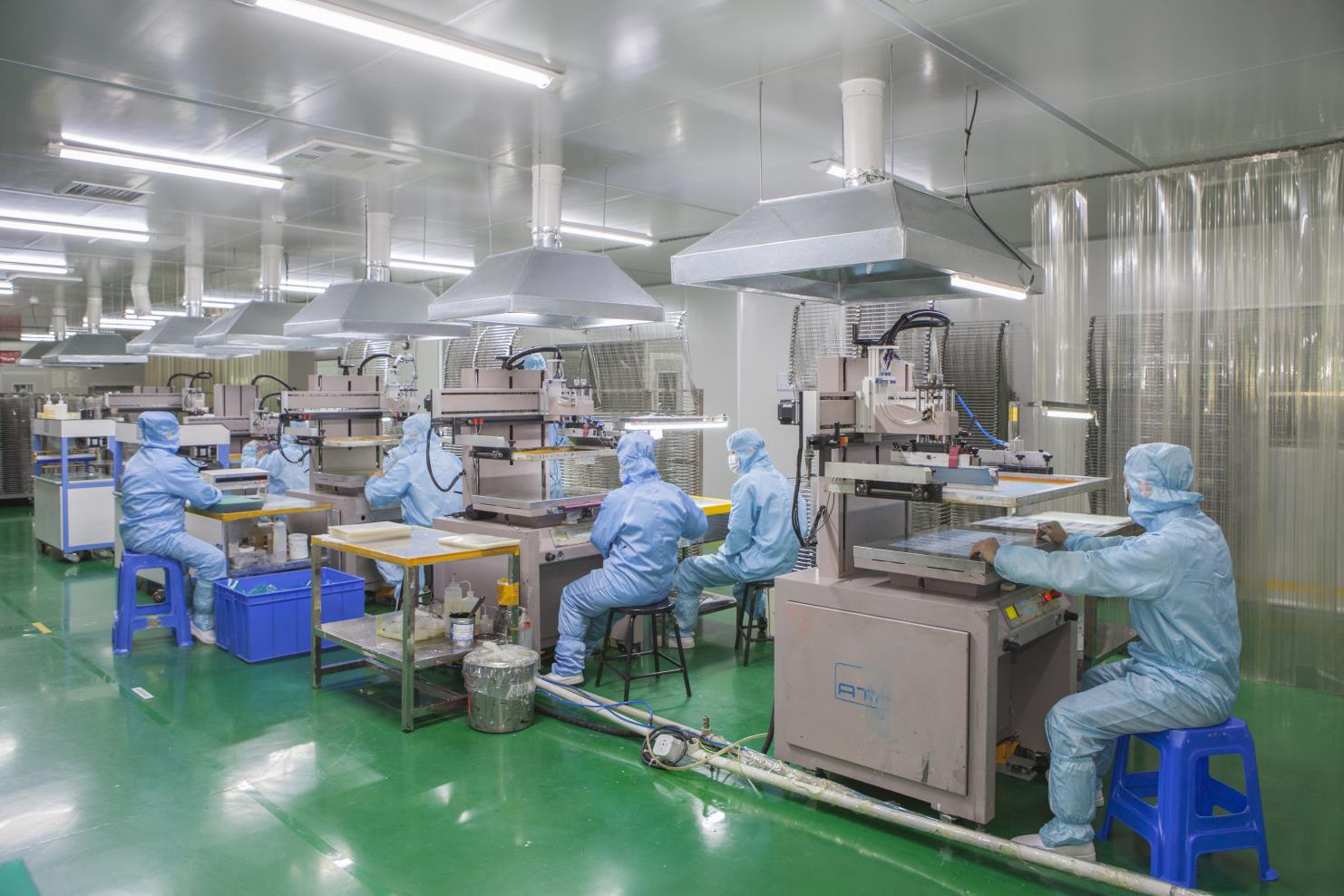
Application of high-temperature cross-linked silicone inks or precision laser etching followed by durable topcoat.
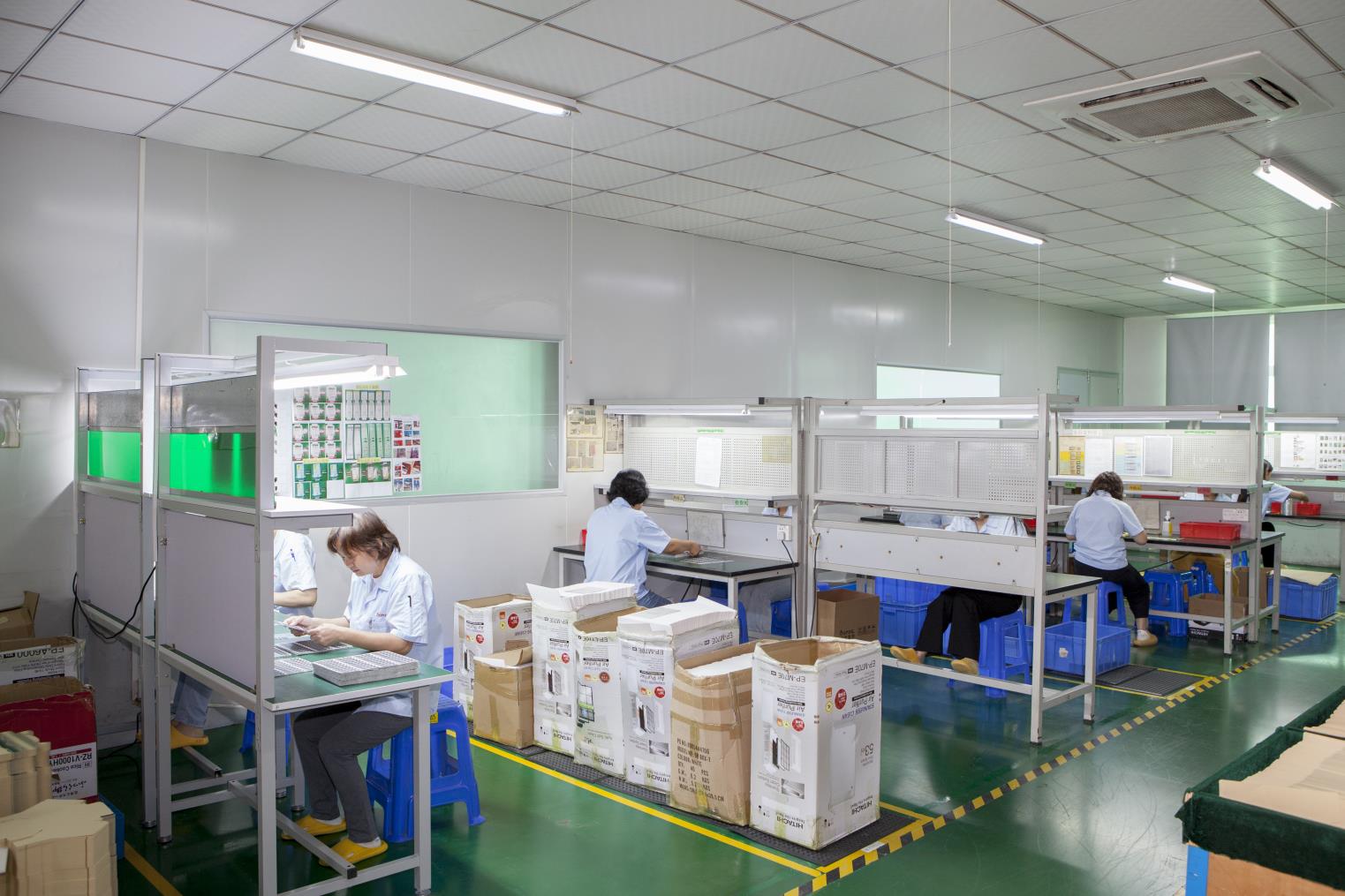
100% electrical inspection plus life-cycle actuation, climatic cycling, and yellowing resistance certification.
Explore field-proven designs manufactured by Dongguan AXRU Electronics Co., Ltd. for extreme mechanical and environmental conditions.

Engineered with post-cured VMQ silicone for industrial sterilization, boiler control panels, and reflow equipment.

Combines silicone elastomer keys with thermal polyimide (PI) or copper FPC circuitry for harsh electronic compartments.

Translucent high-temperature silicone base with opaque thermal overspray and laser-etched legends for aerospace/vehicle cockpits.

Extreme-environment elastomer immune to hot hydrocarbon fuel mists, aromatic solvents, hydraulic fluids, and up to 230°C heat.
Critical evolution driving tier-1 automotive, energy infrastructure, defense, and automation sourcing over the next decade.
Global procurement is shifting from compression molding to two-shot (2K) liquid silicone rubber (LSR) injection overmolding. LSR ensures micro-tolerances (±0.03mm) and ultra-consistent web thicknesses, virtually eliminating flash while offering exceptional thermal consistency in mass-produced automotive EV battery monitoring HMIs.
Standard conductive carbon pills are giving way to integrated high-temperature nickel-gold plated stainless steel domes and low-volatile carbon pellets. This solves high-heat resistance drift, preserving circuit switching speeds under rapid thermal cycling between -40°C and +180°C.
Modern procurement demands fully turnkey assemblies. Dongguan AXRU Electronics Co., Ltd. marries high-temp elastomer boots with soldered SMD LEDs directly atop high-temperature polyimide flexible printed circuits (FPC), removing fragile solder joints and reducing overall housing profile.
Safety regulations across rail (EN 45545-2) and aerospace (FAR 25.853) increasingly mandate elastomer keypads meeting UL94 V-0 flame-retardant ratings with minimal toxic smoke release under thermal combustion. Our compounds are chemically balanced to satisfy halogen-free directives.
Procurement teams are eliminating standalone die-cut sponge gaskets by specifying elastomeric keypads with integrated molded sealing lips. The keypad membrane doubles as an IP68 moisture and oil barrier that maintains compression elasticity under severe thermal shocks.
OEM buyers are reducing supplier footprint by engaging vertically integrated producers capable of tooling, molding, laser etching, post-curing, FPC lamination, and certified electrical testing under one ISO/Intertek audited facility.
Comprehensive baseline data verified inside our environmental reliability test chambers to guide your bill-of-materials specification.
| Elastomer Chemistry | Continuous Temp Range | Peak Temp (24h) | Compression Set (150°C, 22h) | Oil / Fuel Resistance | Typical Keypad Application |
|---|---|---|---|---|---|
| Standard Commercial Silicone (VMQ) | -30°C to +120°C | +140°C | > 35% (High degradation) | Fair to Poor | Consumer TV remotes, desktop devices |
| High-Purity Post-Cured Silicone (HCR) | -50°C to +200°C | +230°C | < 15% (Superior stability) | Moderate | Industrial PLCs, commercial kitchen ranges, medical autoclaves |
| Liquid Silicone Rubber (LSR Platinum Cure) | -50°C to +210°C | +240°C | < 12% (Exceptional rebound) | Moderate to Good | High-precision automotive switchgear, clinical sensors |
| Fluorosilicone Elastomer (FVMQ) | -60°C to +220°C | +250°C | < 18% (Excellent rebound) | Outstanding (Fuel / Solvents) | Aviation cockpit controls, downhole oil exploration, defense HMI |
| EPDM Rubber (Non-Silicone) | -40°C to +130°C | +150°C | 25% – 30% | Poor in mineral oils | Outdoor HVAC panels, non-oil agricultural machinery |
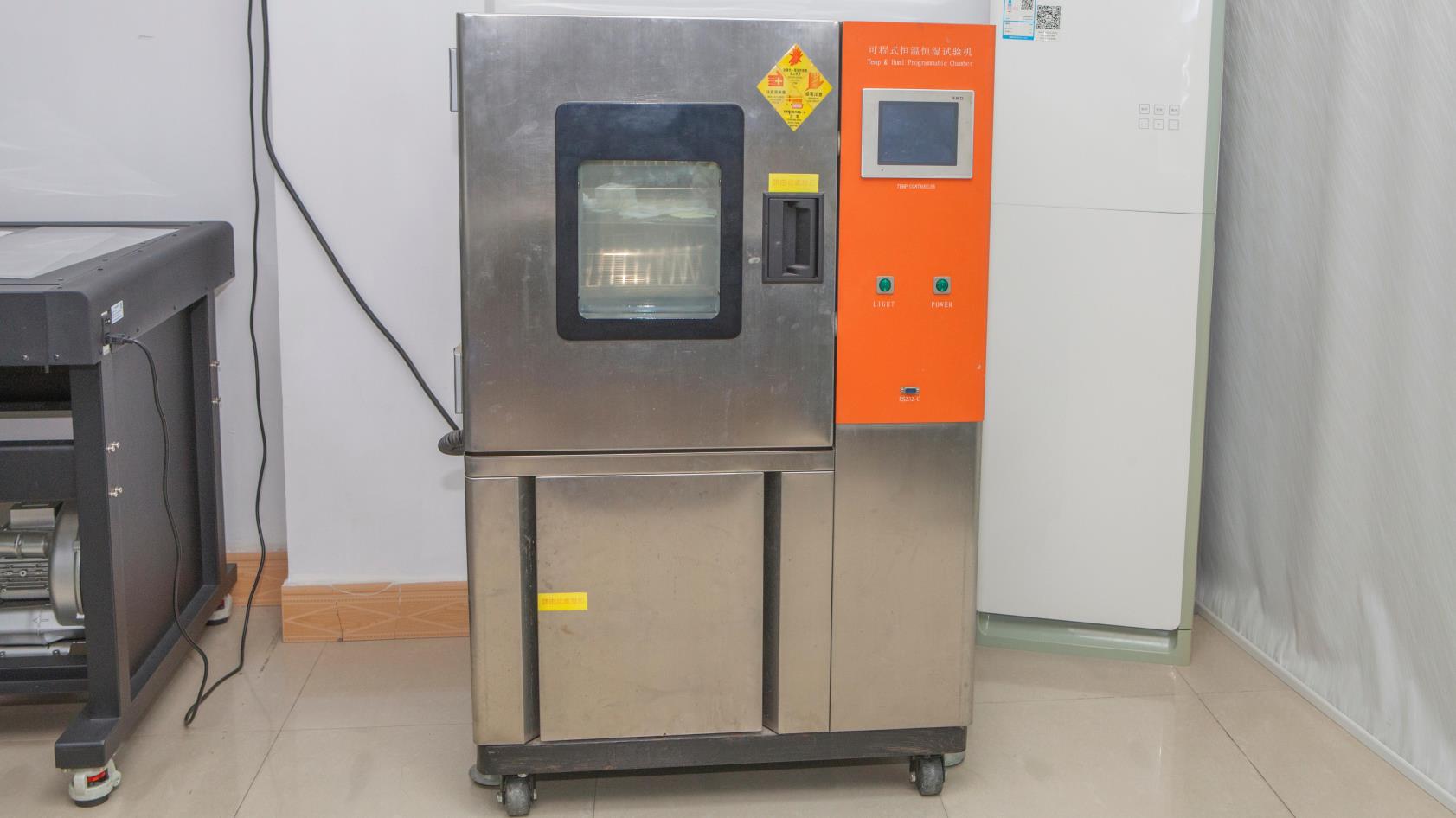
*Data compiled from internal testing at Dongguan AXRU Electronics Co., Ltd. utilizing ASTM D395 Method B test protocols. Results validated inside our Temperature And Humidity Programmable Chamber.
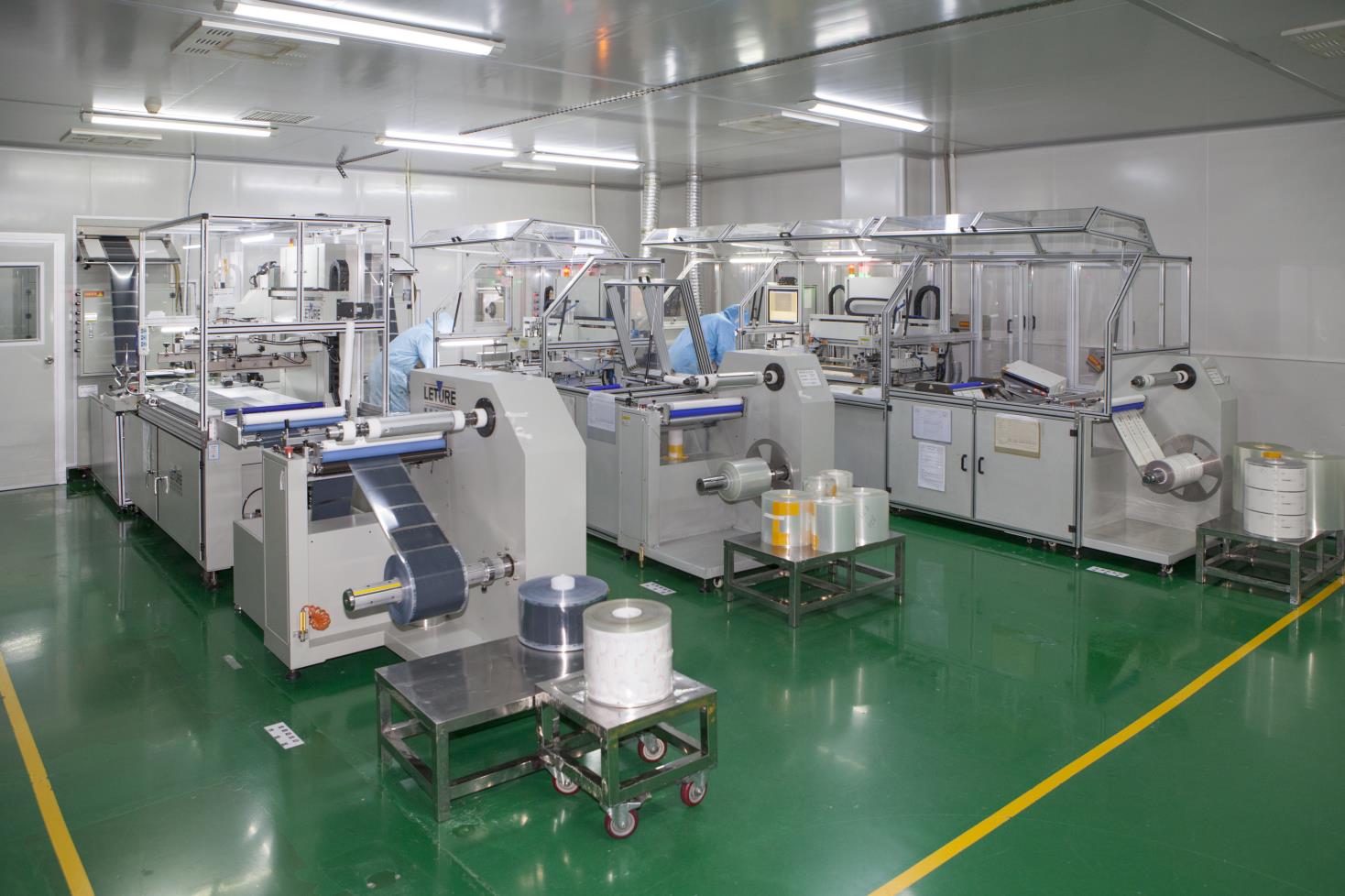
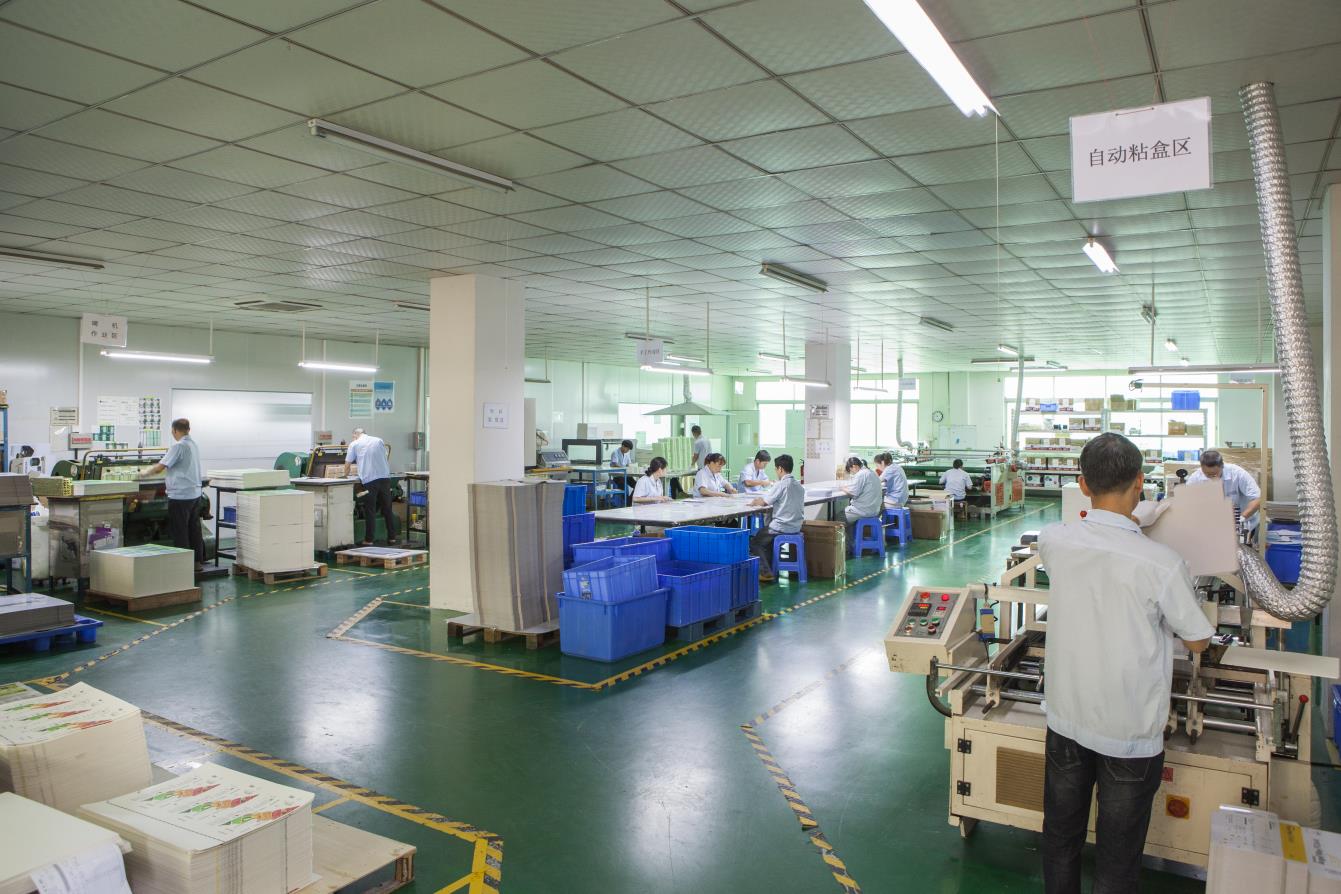
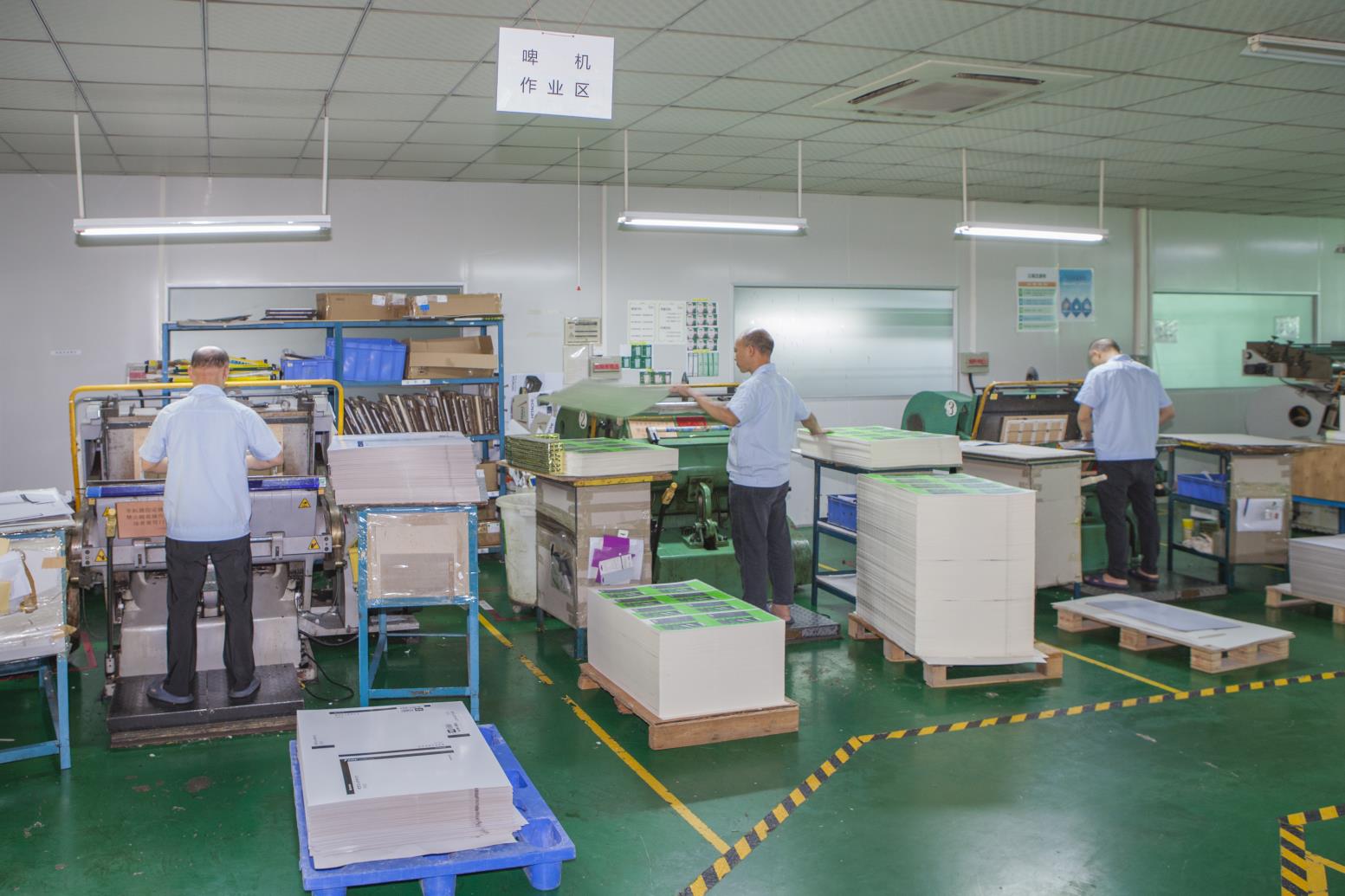
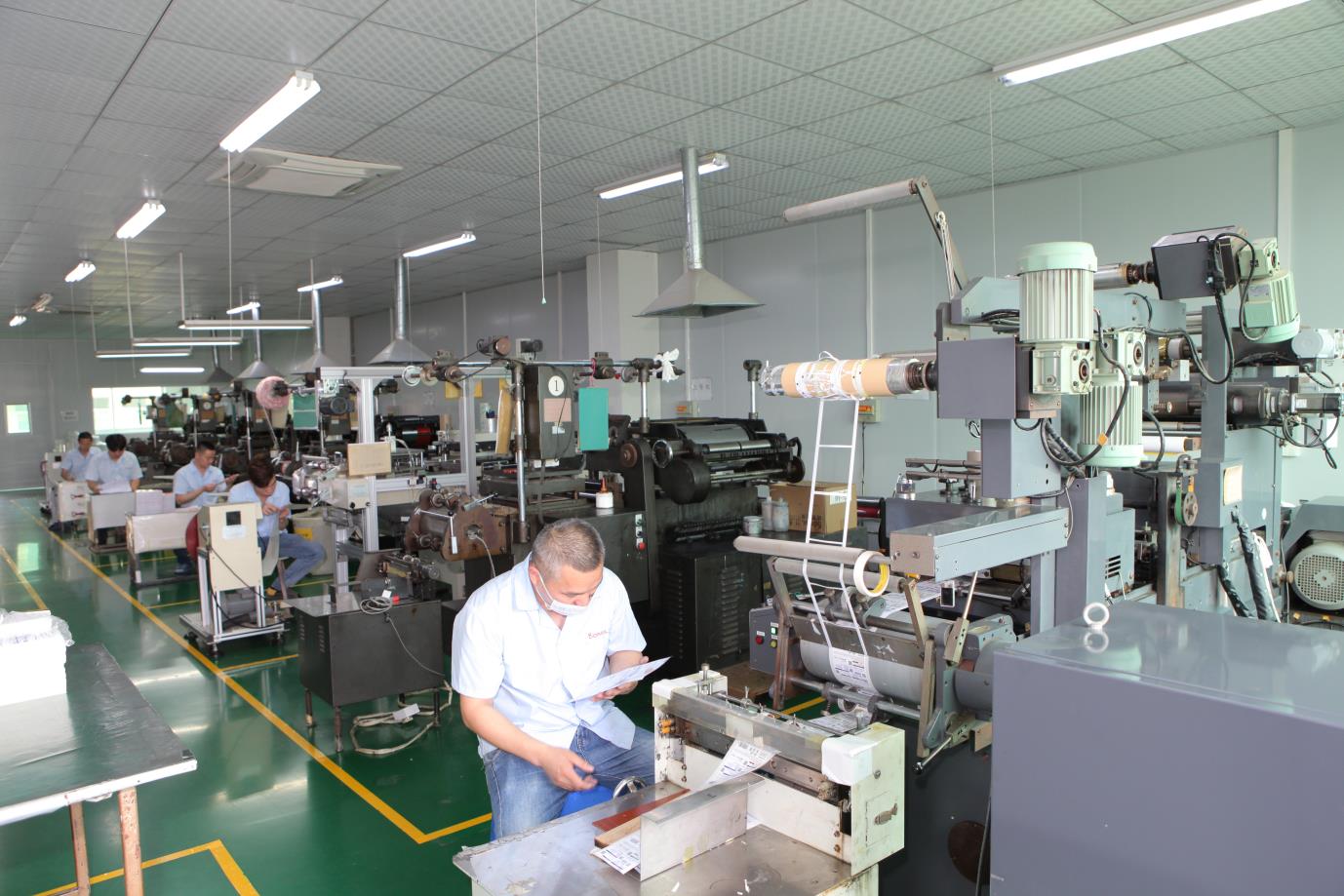
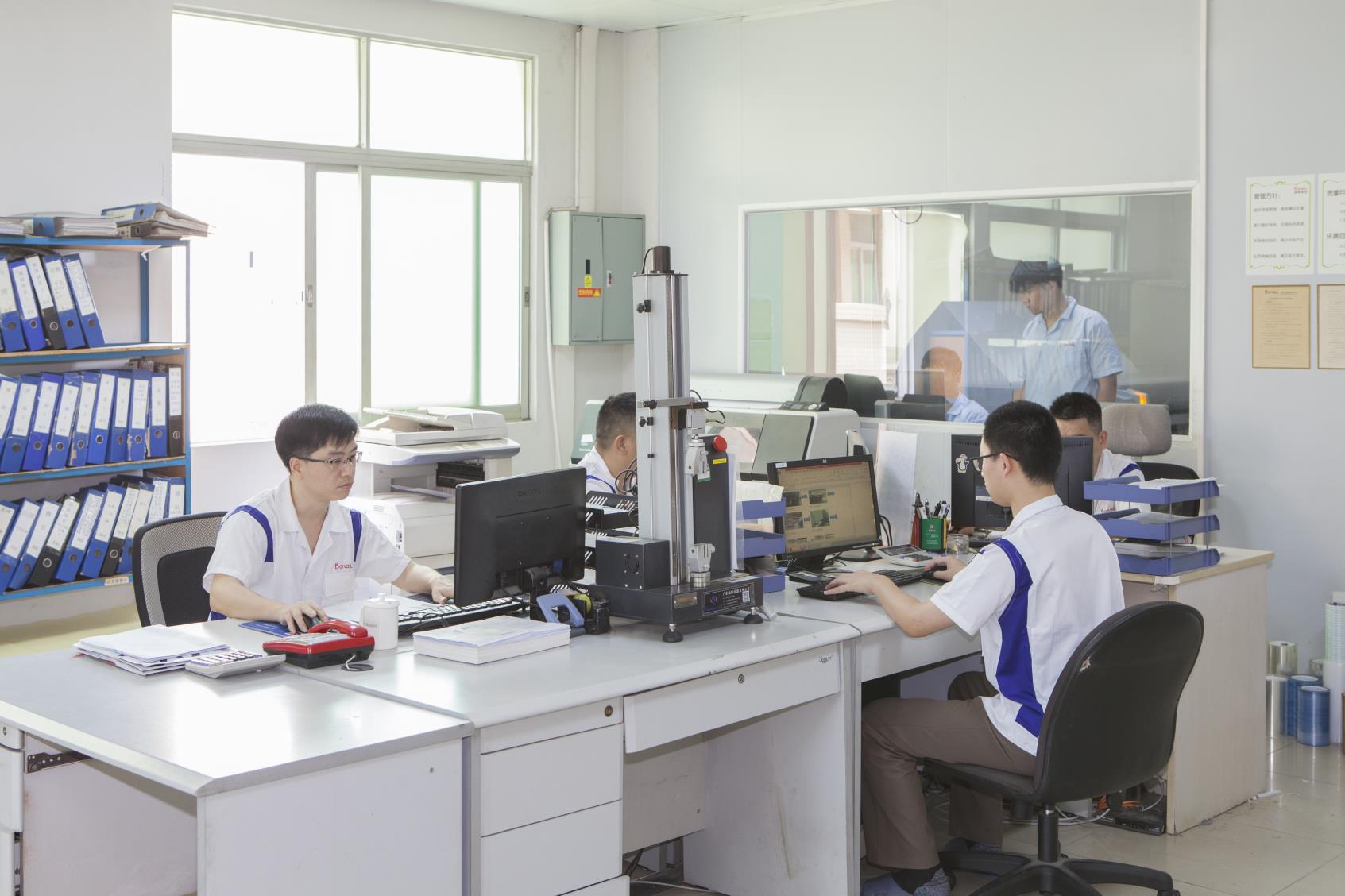
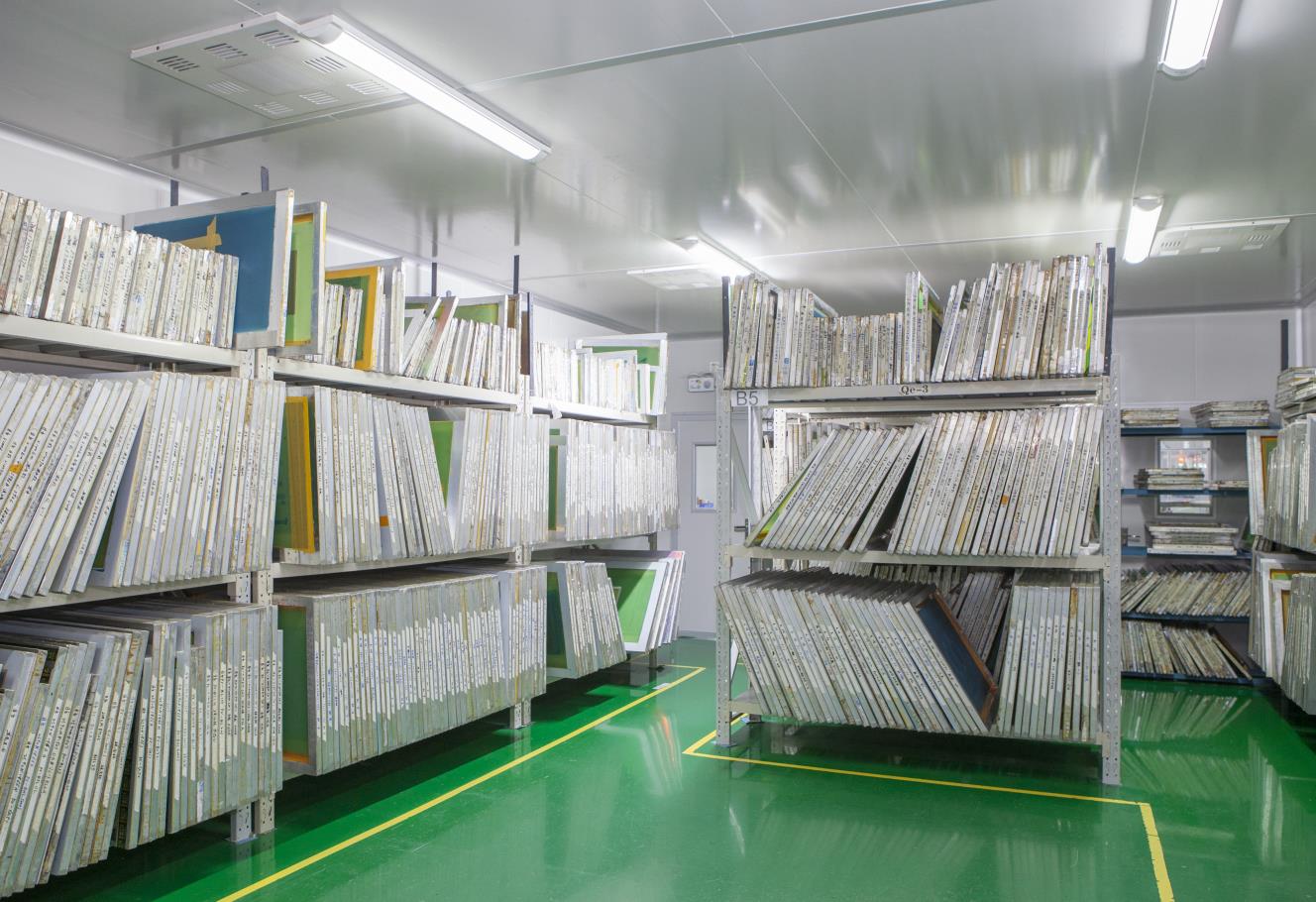
Over 10,000㎡ of state-of-the-art facilities, Intertek on-site verification, 121 seasoned specialists, and complete end-to-end testing rigs guarantee unmatched quality.


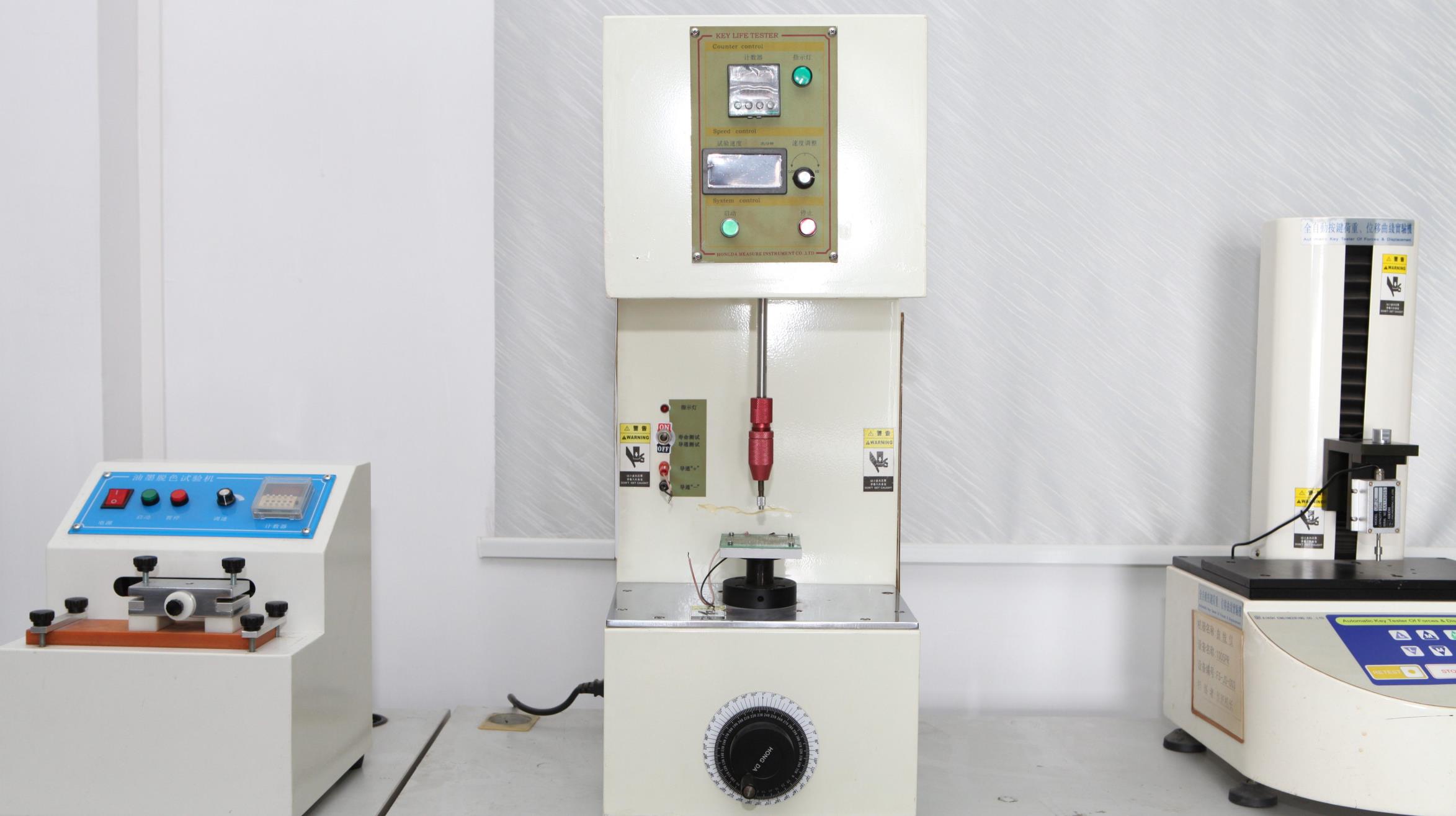
Every batch of high temperature elastomer keypads undergoes rigorous physical, electrical, and accelerated aging testing in our Dongguan facility.
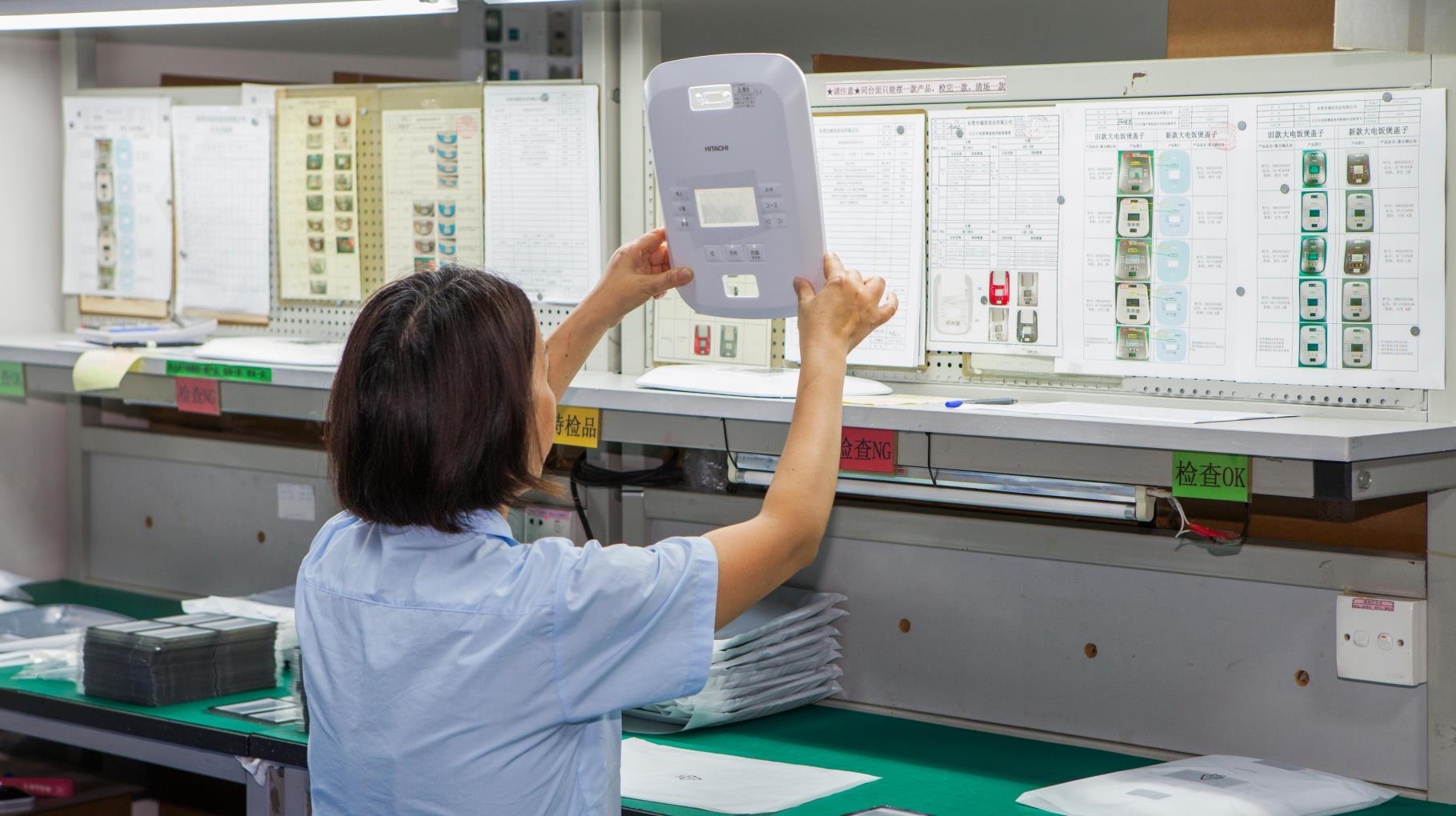
Every single high-temp keypad is inspected for contact impedance, shorts, dimensional tolerances, and aesthetic perfection before leaving the plant floor.
Validates tear resistance, ultimate tensile elongation, and bonding strength between silicone elastomer bodies and high-temperature adhesives or metal plates.
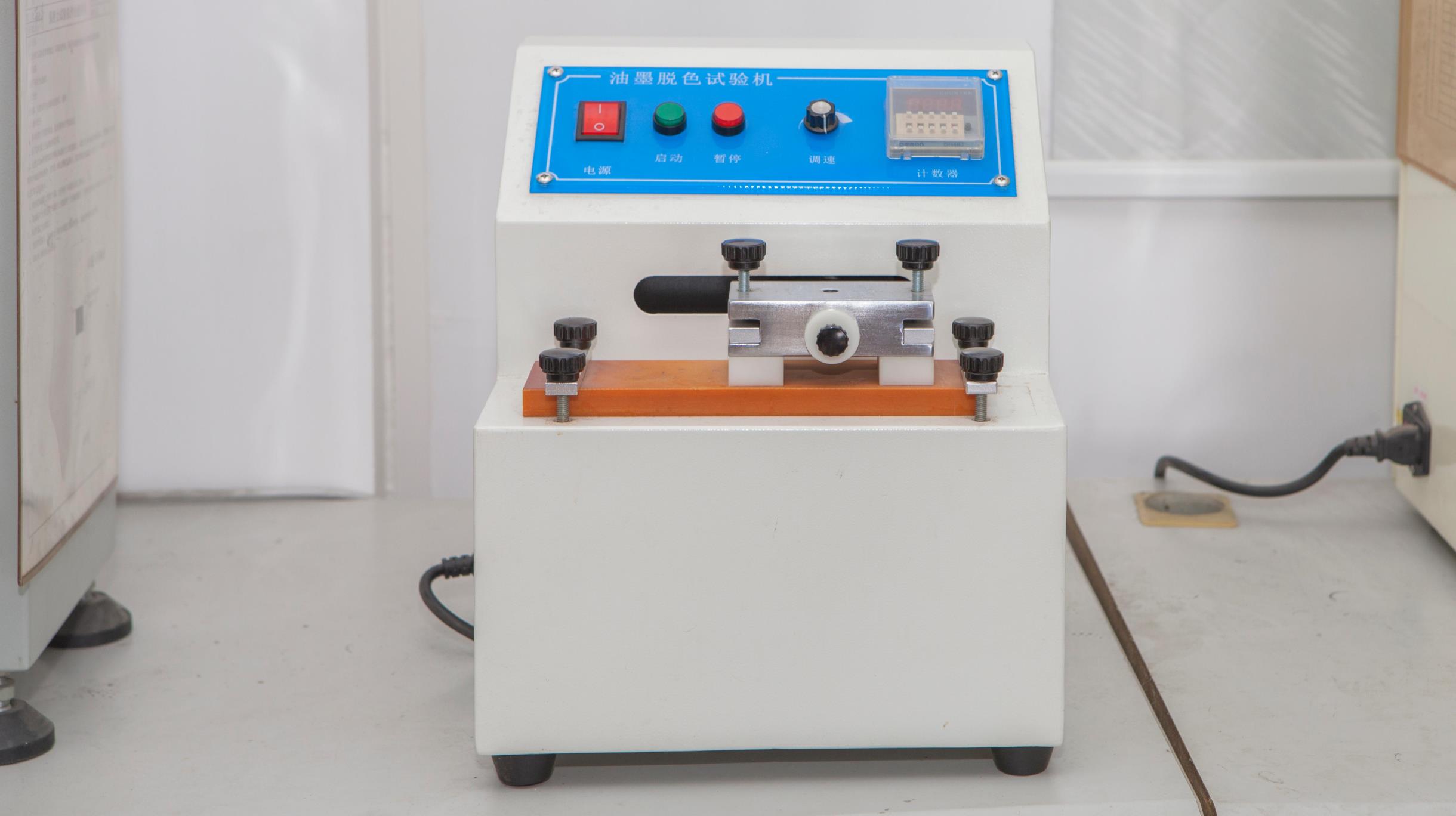
Ensures that high-temperature printed legends and topcoats withstand heavy industrial solvents, isopropyl alcohol rubs, and continuous surface friction.
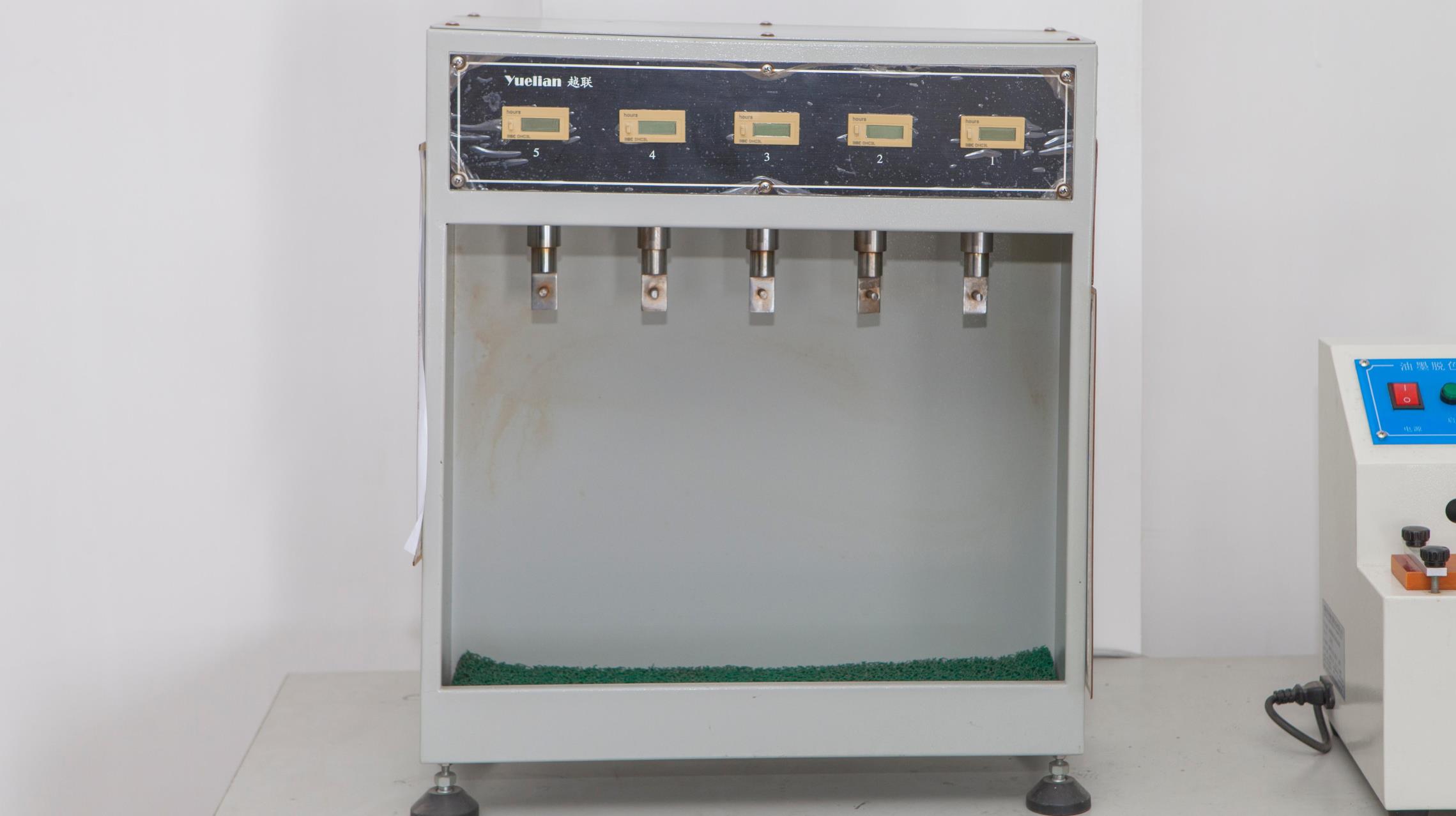
Repeatedly actuates switch webs across 1 to 5 million cycles inside controlled chambers to ensure snap ratio retention and eliminate fatigue cracking.
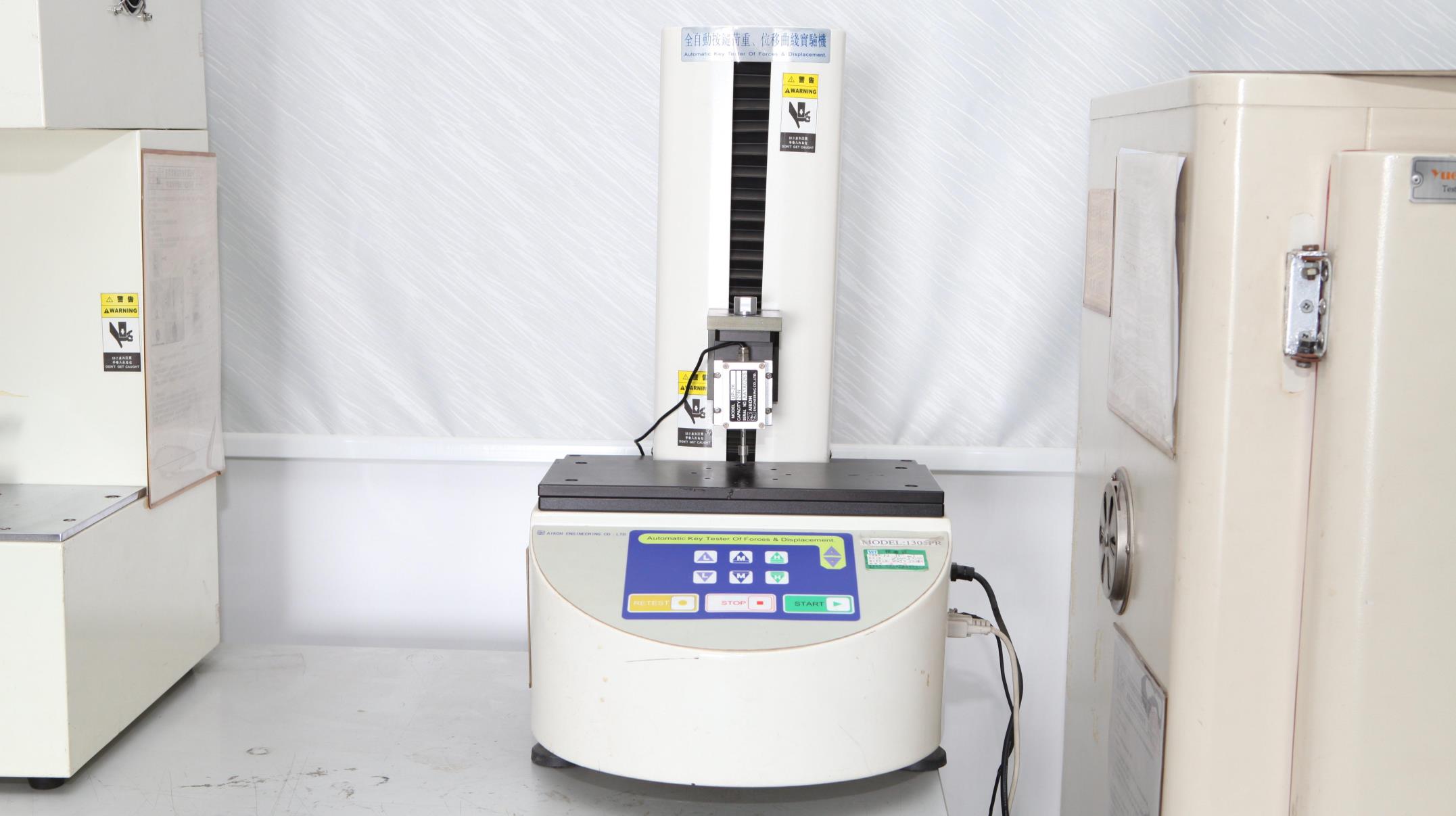
Accurately plots Force-Displacement curves, checking peak actuation force (F1), return force (F2), and snap click ratios with gram-level precision.
Subjecting keypads to extreme thermal shocks (-50°C to +200°C) and 95% relative humidity to prove zero dimensional warping and no electrical leakage.
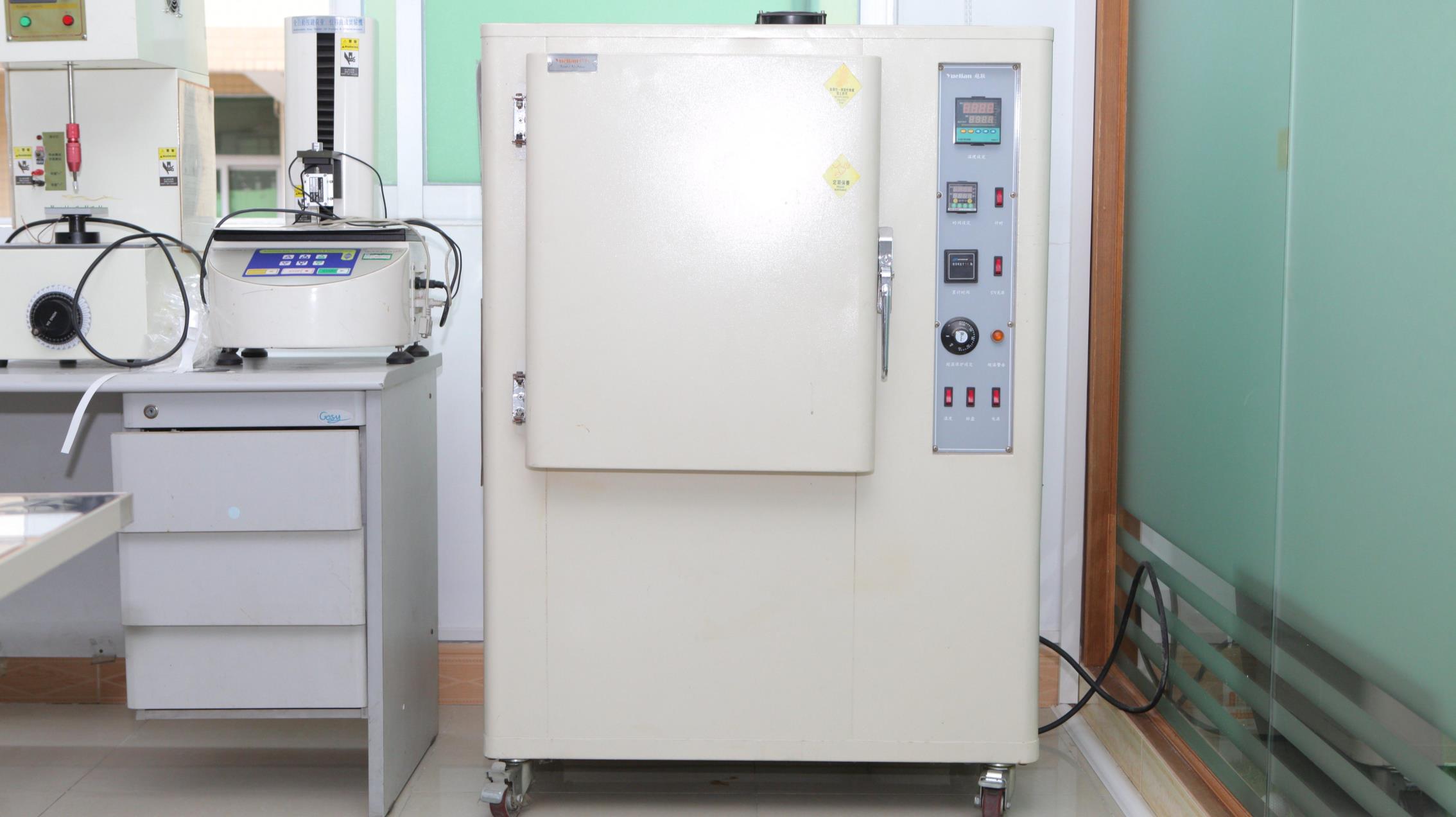
Concentrated UV spectrum irradiance proves that transparent silicone optical light guides and aesthetic top layers maintain optical clarity without discoloration.
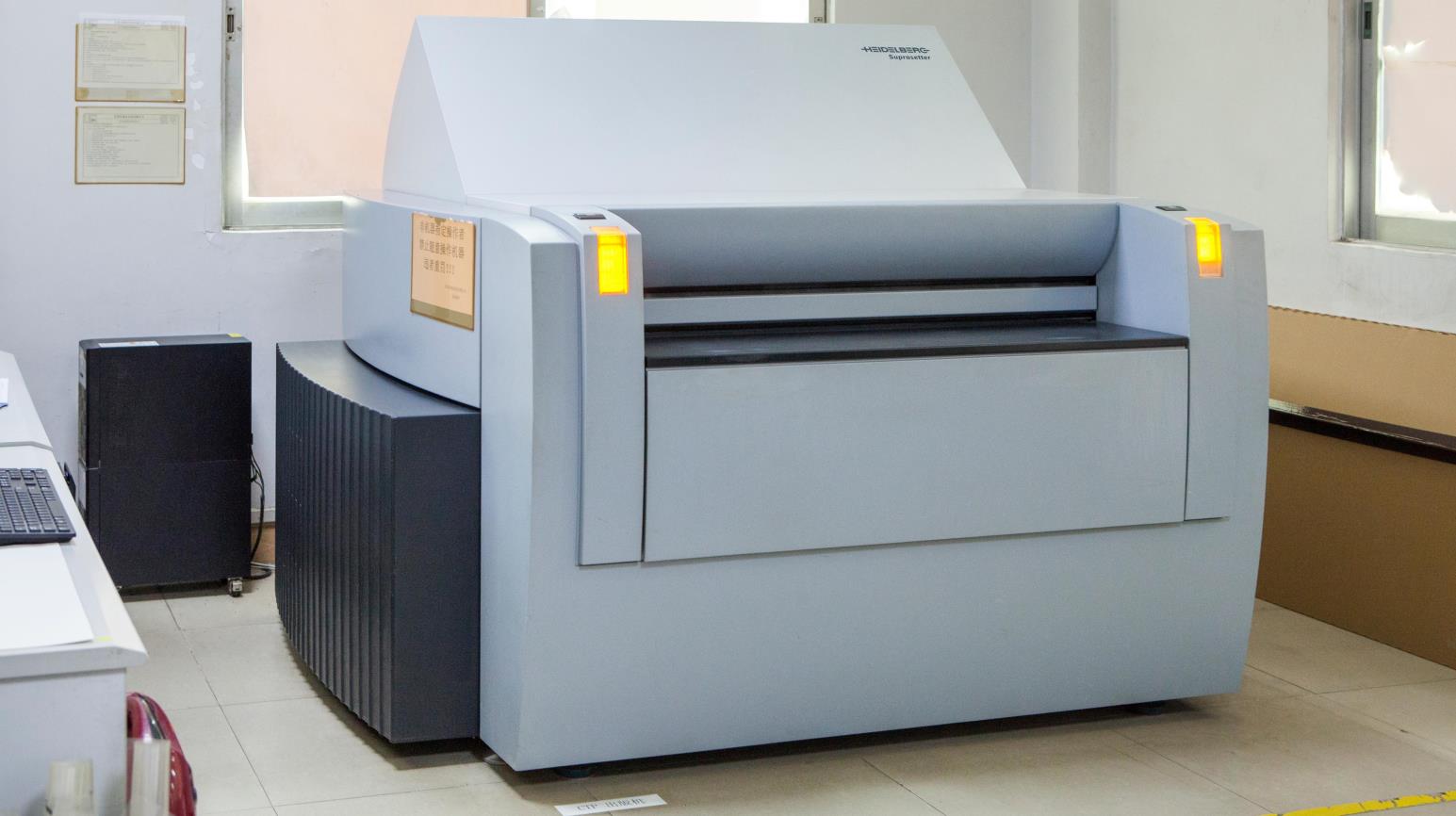
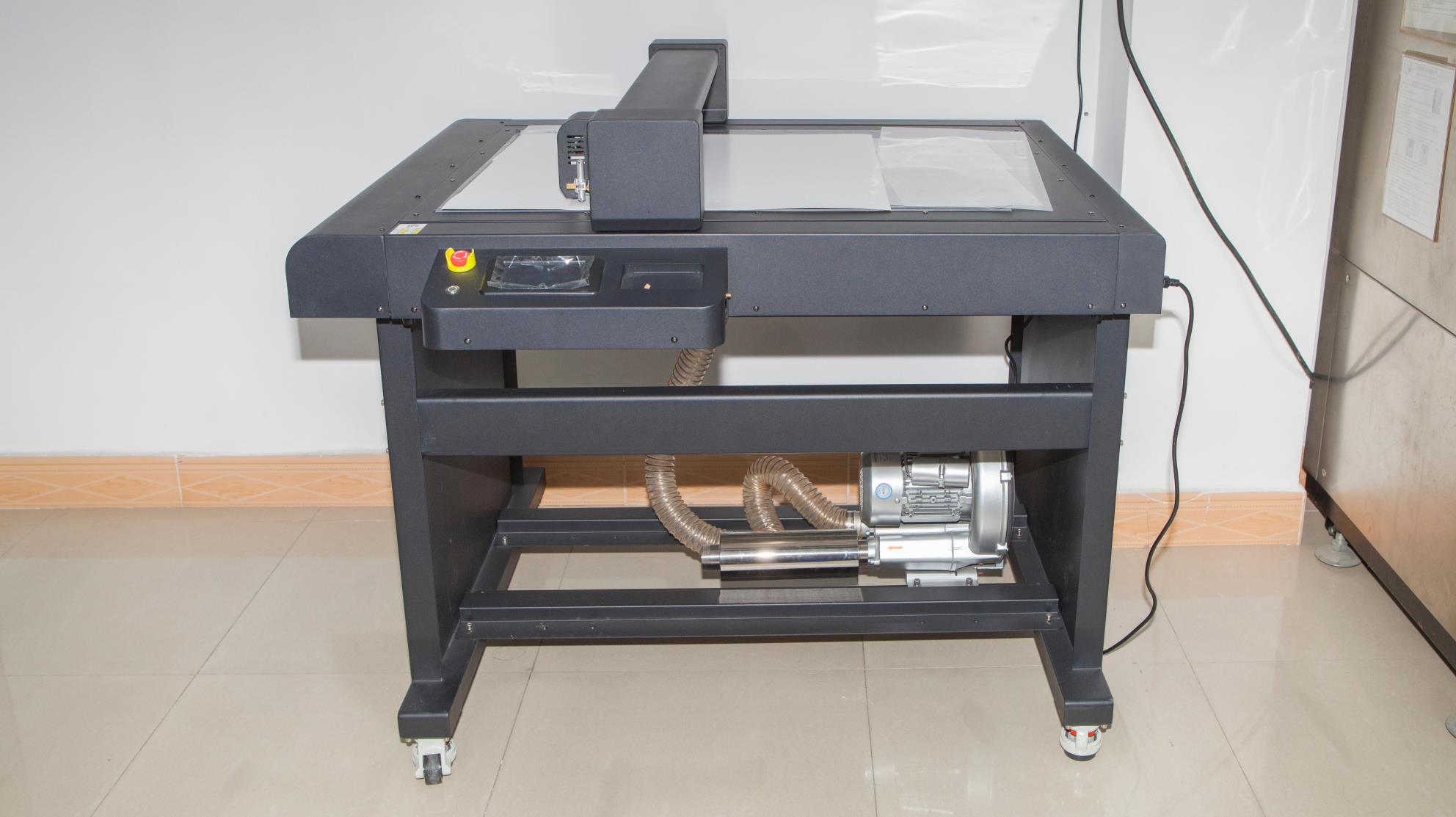
Rapid CNC prototyping and laser precision profiling allow our engineers to produce functional engineering prototypes in days rather than weeks.
High-precision die cutting ensures flawless perimeter edges, connector tail cutouts, and ultra-tight registration with mating metal chassis.
Clear, direct answers to common questions asked by hardware engineers, buyers, and sourcing specialists.
Using premium platinum-cured vinyl methyl silicone (VMQ) or fluorosilicone (FVMQ) that has undergone a secondary post-cure at 200°C for 4 hours, our high temperature elastomer keypads operate continuously from -50°C to +200°C (-58°F to +392°F). Under intermittent thermal excursion situations—such as sterilization cycles or transient thermal spikes in combustion engine compartments—our formulations withstand peak heat up to +250°C without loss of mechanical elasticity, cracking, or dimensional shrinkage.
Commercial conductive pills often exhibit high resistance drift when low-molecular silicone oils migrate across contact faces under prolonged heat. Dongguan AXRU Electronics Co., Ltd. solves this through dual-method engineering: (1) we utilize specialized low-compression-set conductive pills compounded with high-purity acetylene black, which bond molecularly during vulcanization, or (2) we integrate gold-plated stainless steel metal domes rated for continuous 200°C+ operation into molded silicone dome cavities. Both options maintain switch contact resistance well below 100 ohms across millions of actuations.
Yes. While standard silicone is inherently weather-resistant, applications exposed to hot petroleum distillates, diesel fuel, cutting oils, or strong cleansers require our Fluorosilicone (FVMQ) material formulation. Furthermore, we apply cross-linked polyurethane or fluoropolymer protective coatings. All materials are validated in our in-house Yellowing Resistance Testing Machine and environmental test chambers to confirm full immunity to yellowing, embrittlement, and surface degradation.
Our minimum order quantity starts from only 100 pieces for custom production runs, allowing OEMs to manage inventory flexibly during early production phases. Rapid prototyping is supported by our dedicated Sample Making Machine and in-house CNC mold center, delivering engineering samples within 7 to 10 working days, backed with full dimensional inspection and force-displacement curve reports.
Tactile feel is dictated by keypad web angle, thickness, and material durometer (ranging from 30 to 70 Shore A). During DFM engineering, our team models the actuation curve using specialized FEA analysis. Every production batch is then audited on our Automatic Key Tester of Forces & Displacement, measuring actuation force (F1), contact force (F2), and return click ratio to verify that tactile feedback feels crisp, uniform, and compliant with your exact specifications.
Absolutely. We mold the keypad body using high-translucency optical-grade silicone, spray the outer surface with high-temperature-rated opaque color coats, and laser-etch graphic legends with precision down to 0.05mm. Backlighting can be accomplished via embedded surface-mount LEDs on an underlying polyimide FPC or via dedicated Light Guide Films (LGF), delivering uniform illumination without hot spots even under extreme ambient temperatures.
Consult directly with our experienced HMI engineering team. Send your 2D/3D CAD drawings or product specifications to [email protected] for a rapid DFM review and detailed quotation.