Engineered Graphic Overlays & Custom Interface Assemblies
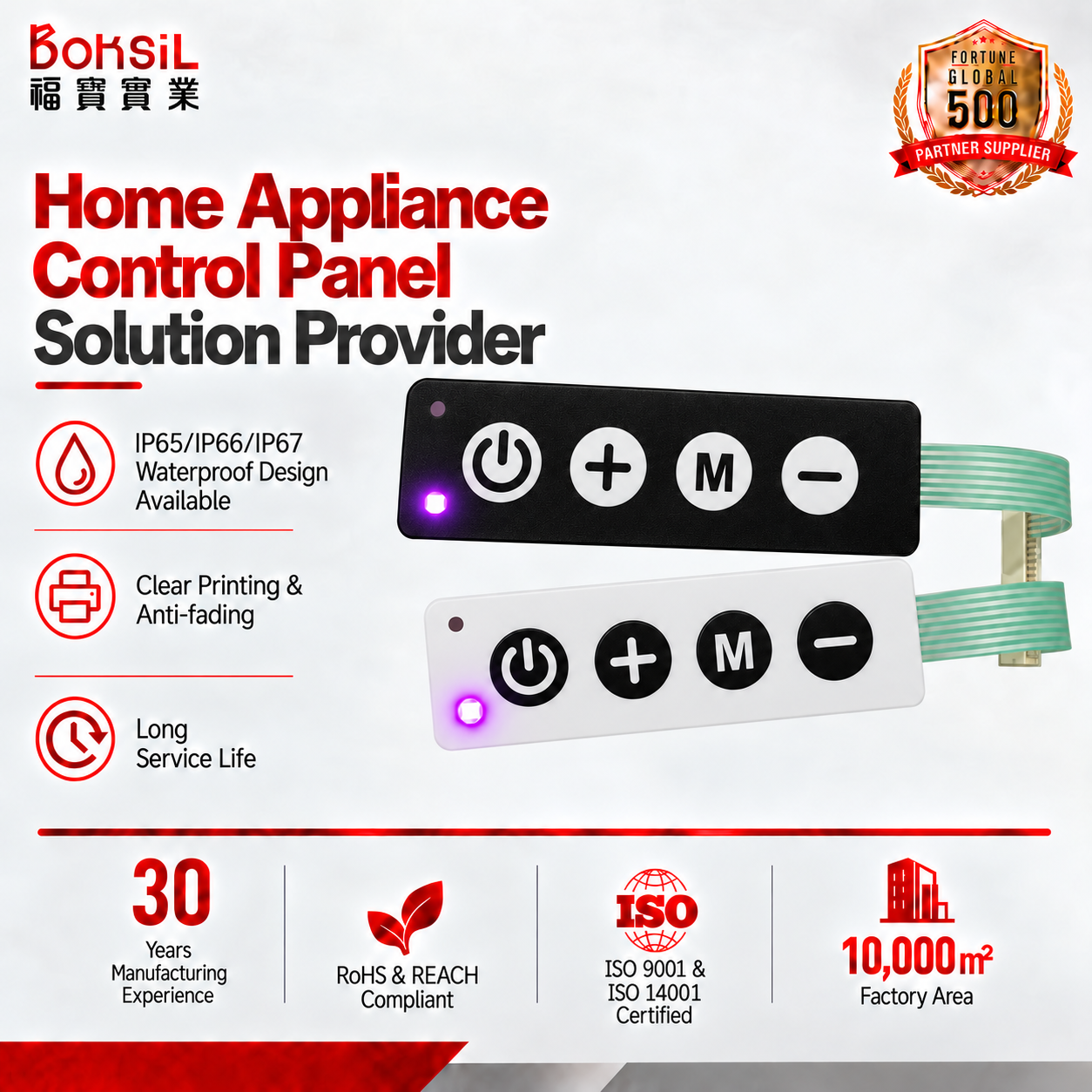
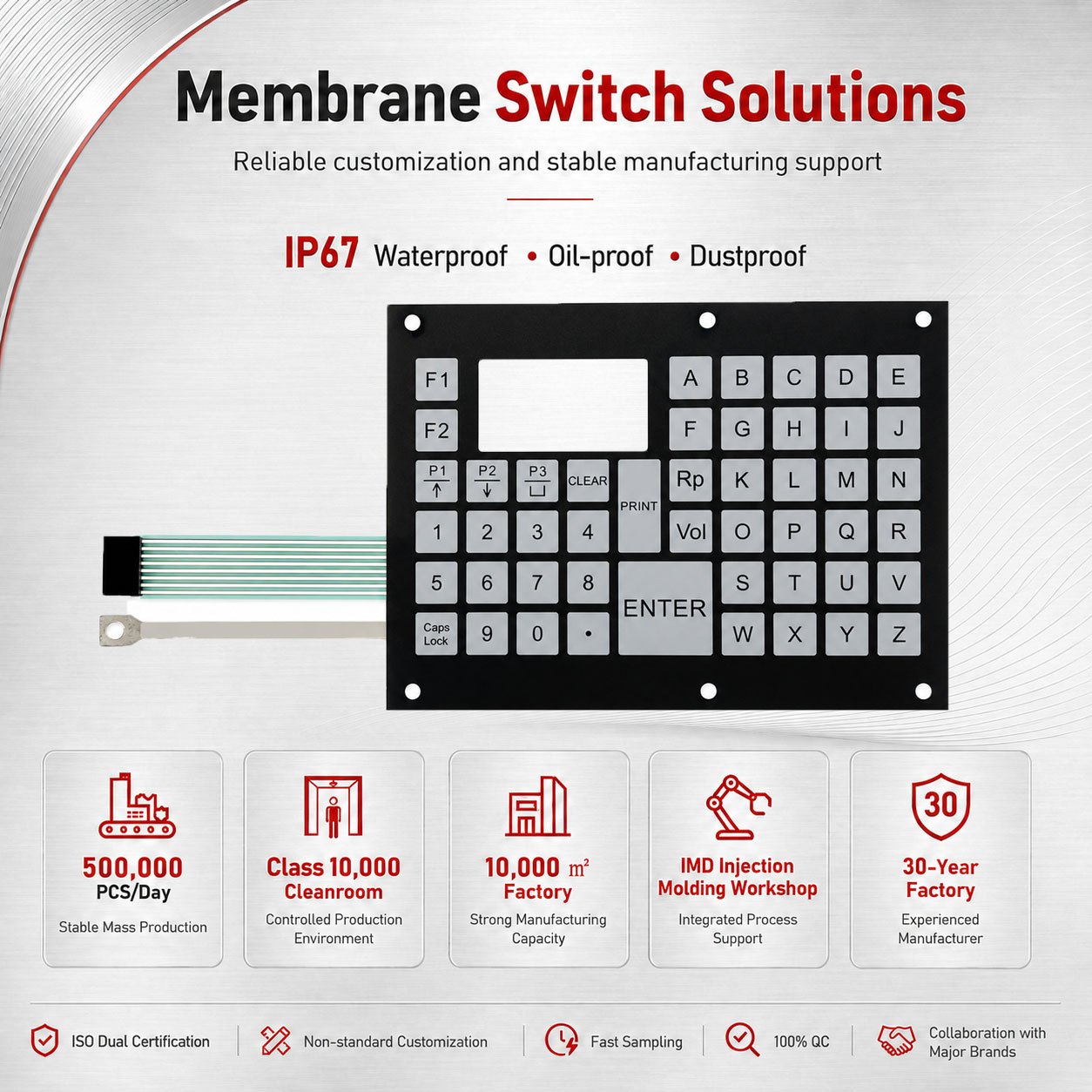
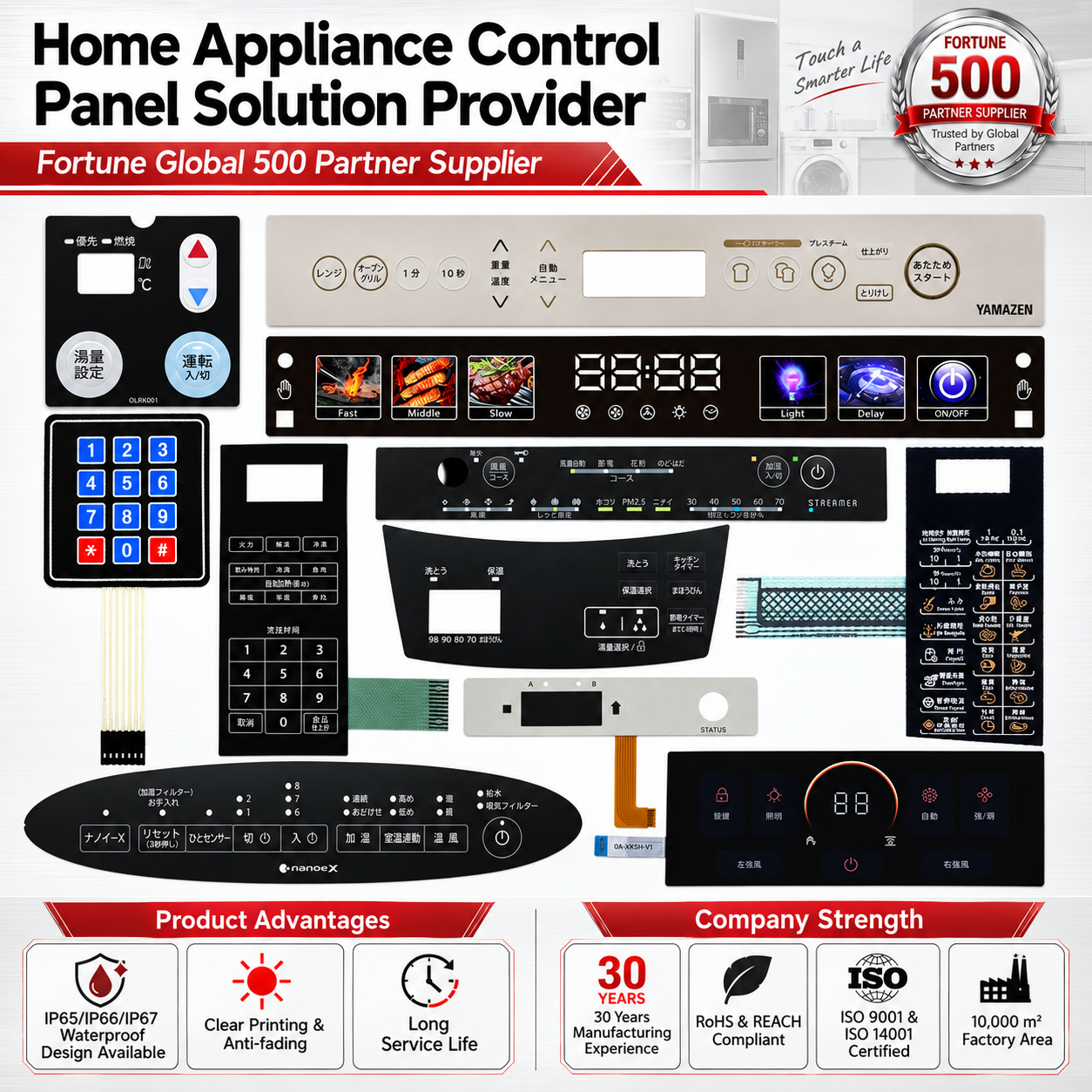
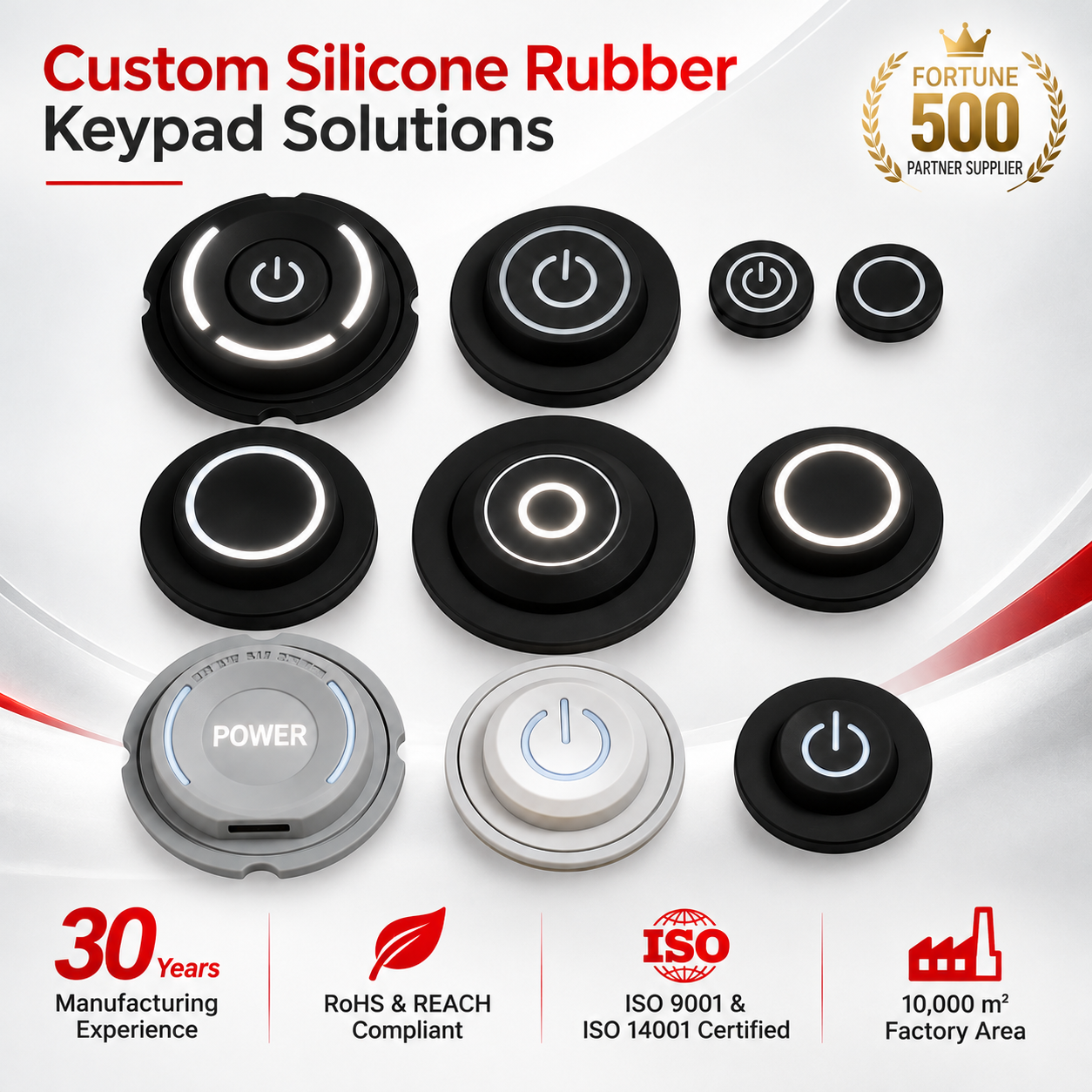
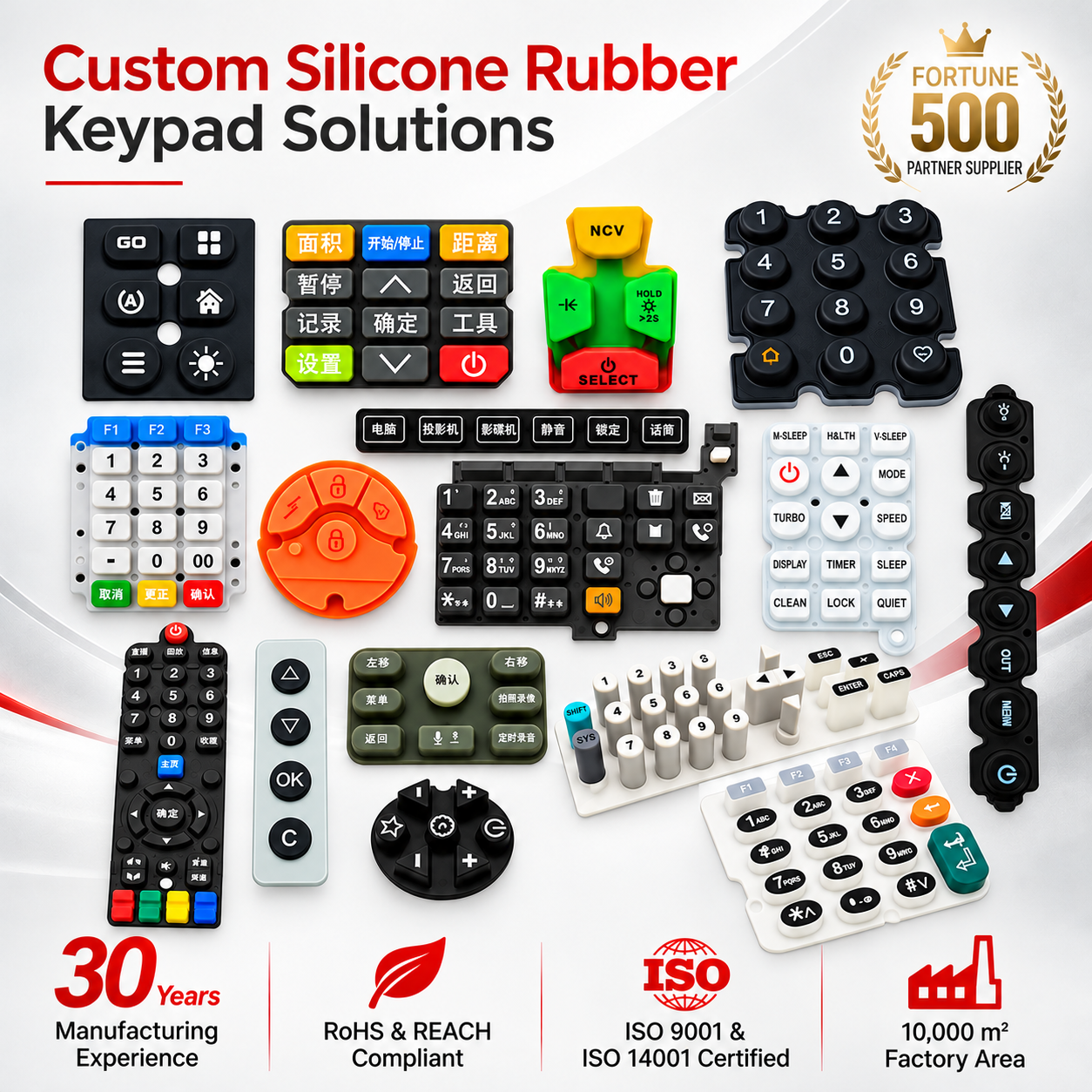
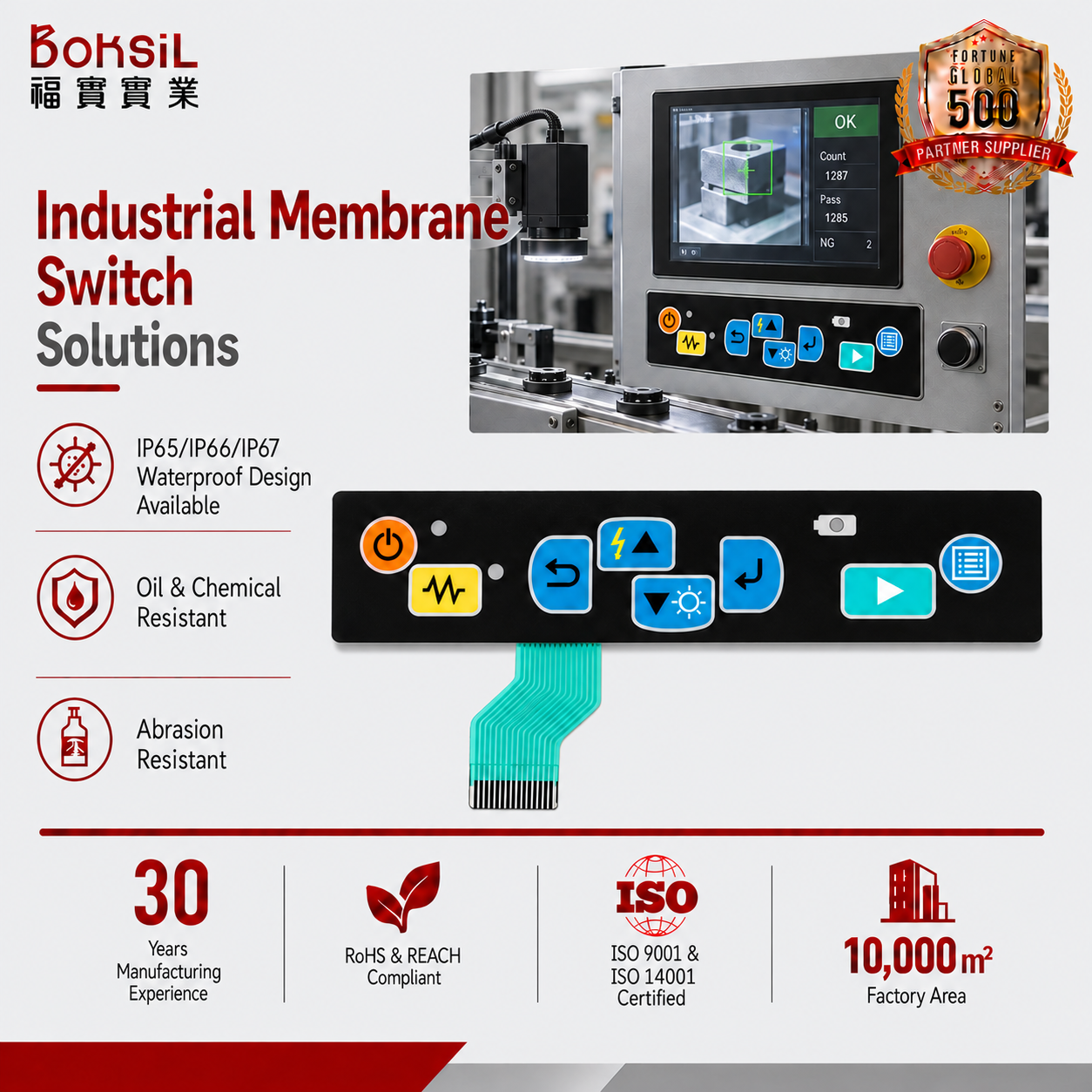
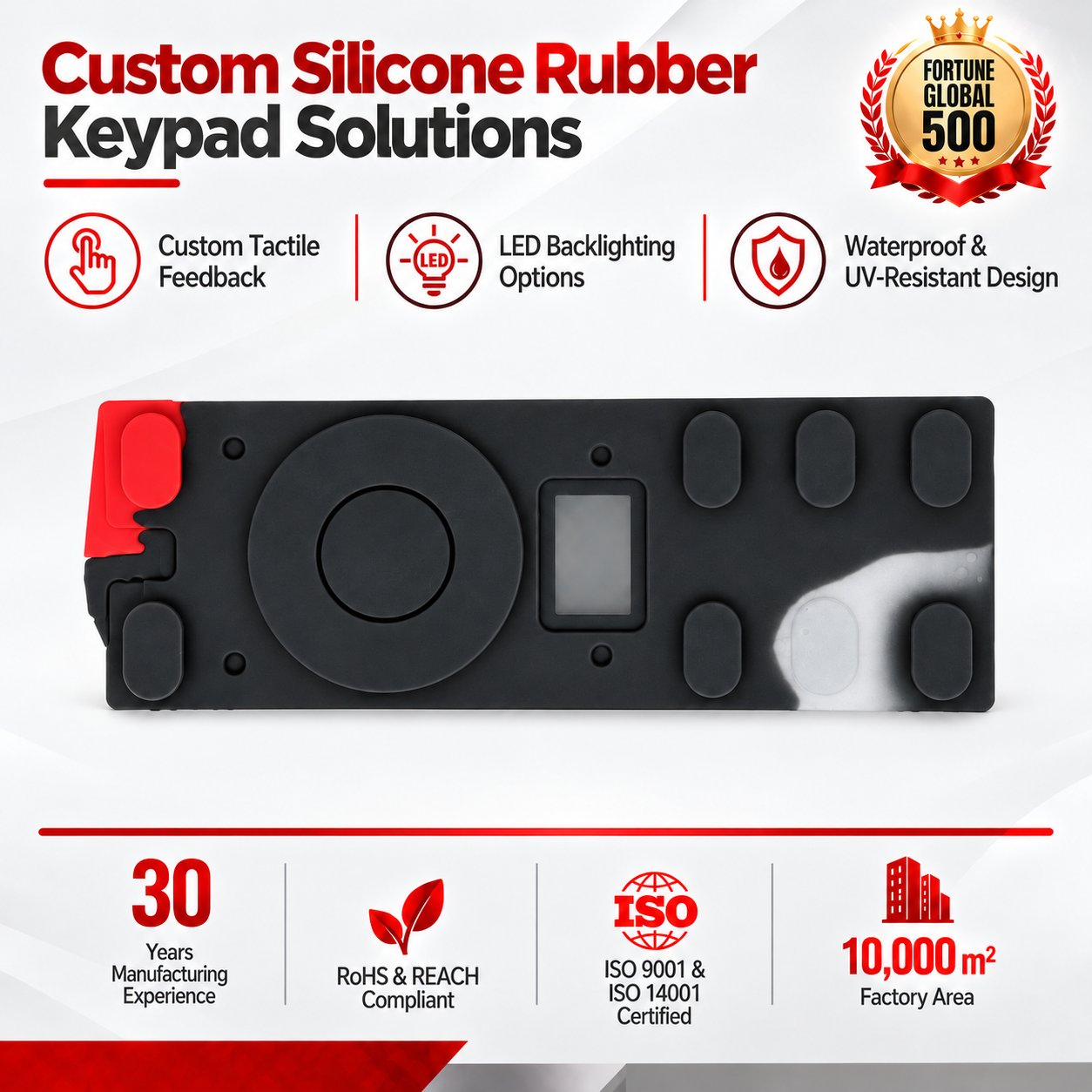
Examine our verified range of graphic overlays, elastomeric assemblies, and membrane keypad switches engineered to sustain rigorous operating environments across household, medical, and heavy industrial hardware.
Direct Factory Infrastructure & Technical Capabilities
Headquartered in Dongguan, China, Dongguan AXRU Electronics Co., Ltd. is an Intertek on-site verified HMI and graphic overlay enterprise serving international Tier-1 OEMs and Fortune 500 corporations.
In human-machine interfaces, graphic overlays serve as the paramount frontline barrier and aesthetic touchpoint of electronic hardware. As an internationally certified high-precision manufacturer, Dongguan AXRU Electronics Co., Ltd. unifies reverse-print screen printing, advanced micro-texture processing, laser cutting, automated dome placement, and cleanroom lamination in one traceable plant. Our Intertek-verified quality governance ensures every graphic fascia and sub-surface graphic layer performs under prolonged thermal stress, chemical exposure, and intense mechanical cycles.
Unlike conventional conversion brokers, our in-house engineering lab operates specialized testing stations to provide complete Design for Manufacturability (DFM) verification before serial runs. Using precision automatic force-displacement testers, programmable temperature and humidity environmental chambers, key life testers, and ink decolorization rub instruments, we ensure strict adherence to IP65, IP67, and optical transmission tolerances across every production lot.
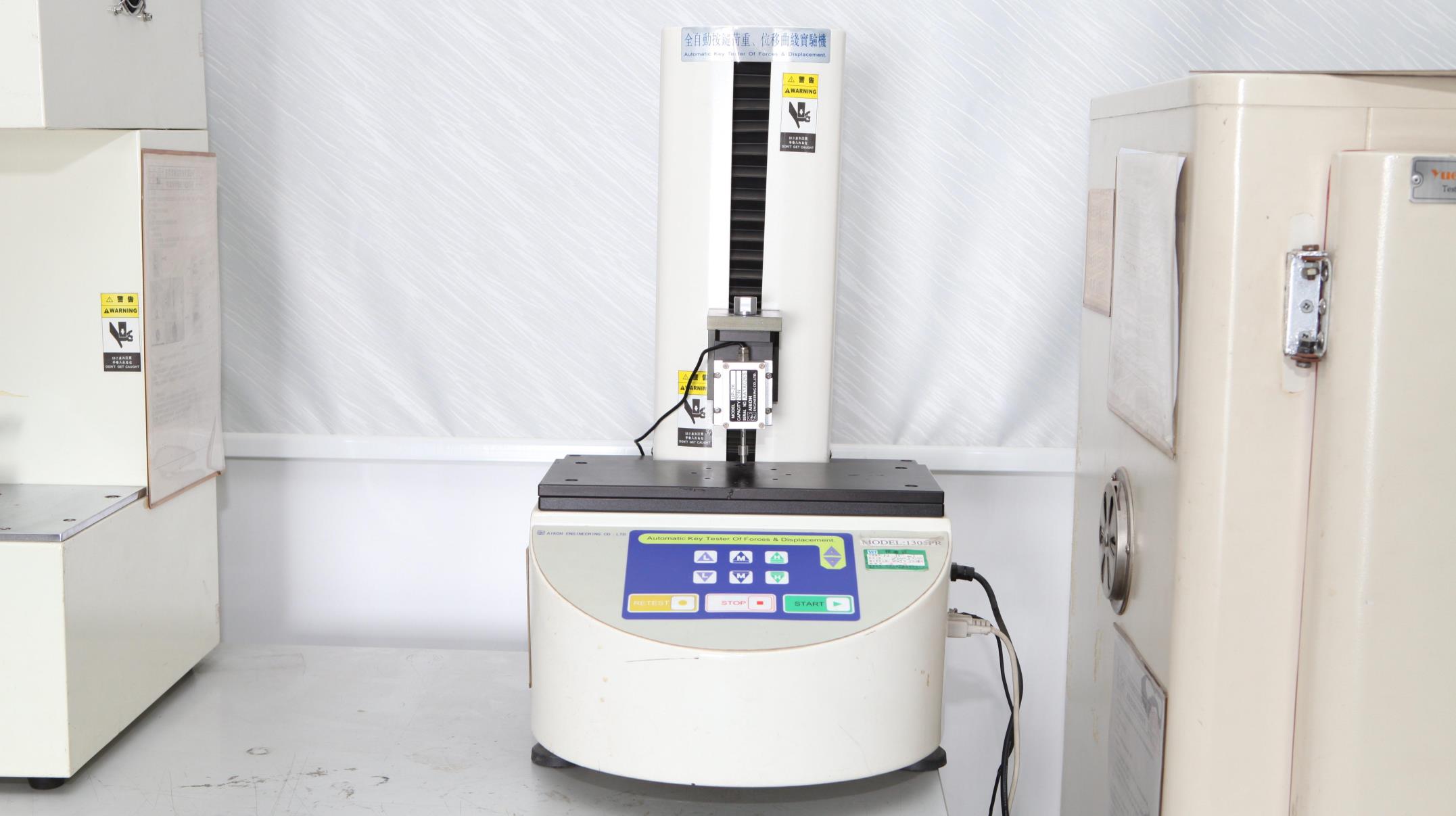
Force & Displacement Testing
Plots snap ratio, tactile feedback curves, and trip-force tolerances on metal domes and elastomeric actuators.
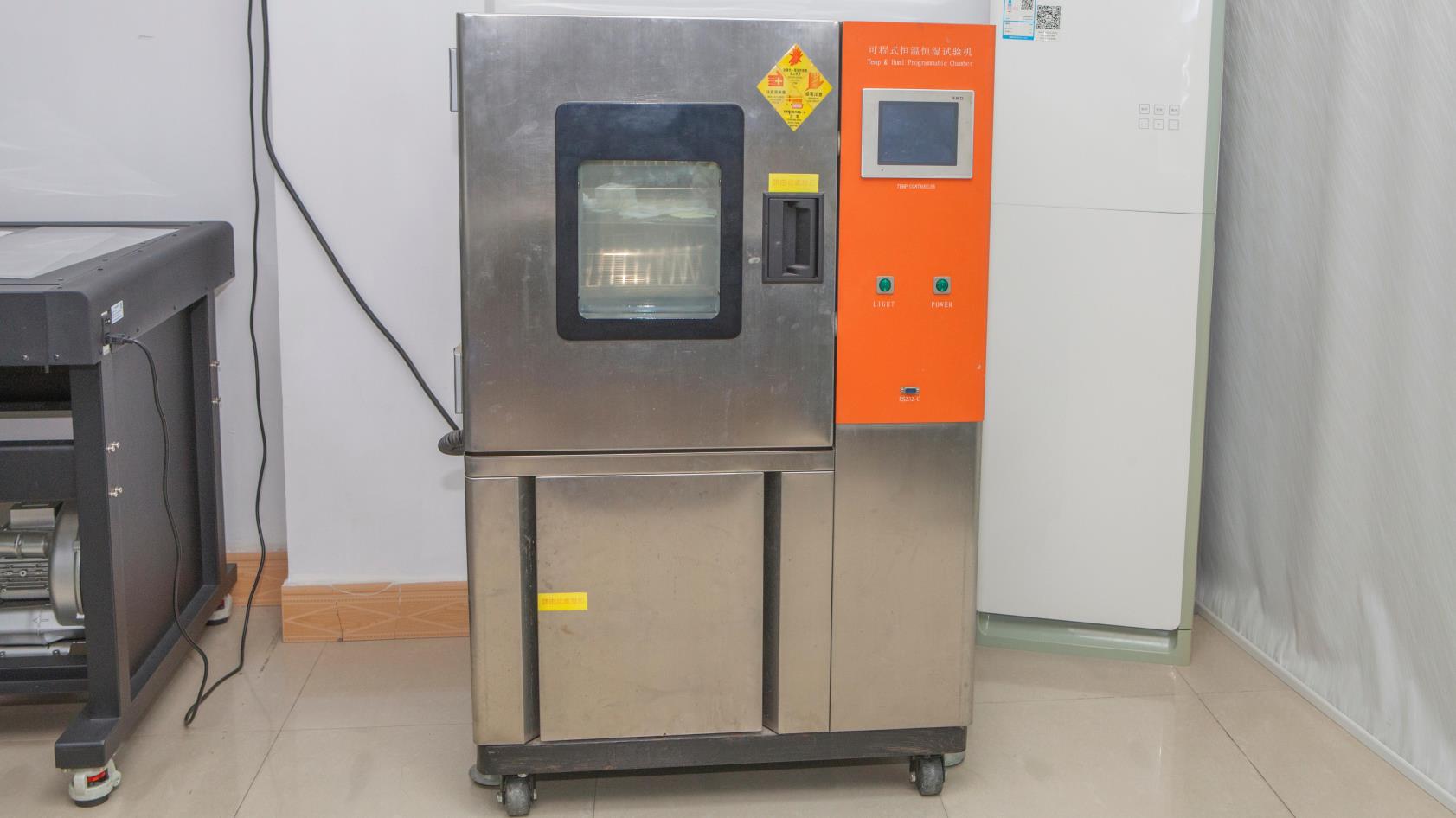
Thermal Cycling Chambers
Simulates continuous -40°C to +85°C transitions with up to 95% RH to validate adhesive boundary integrity.
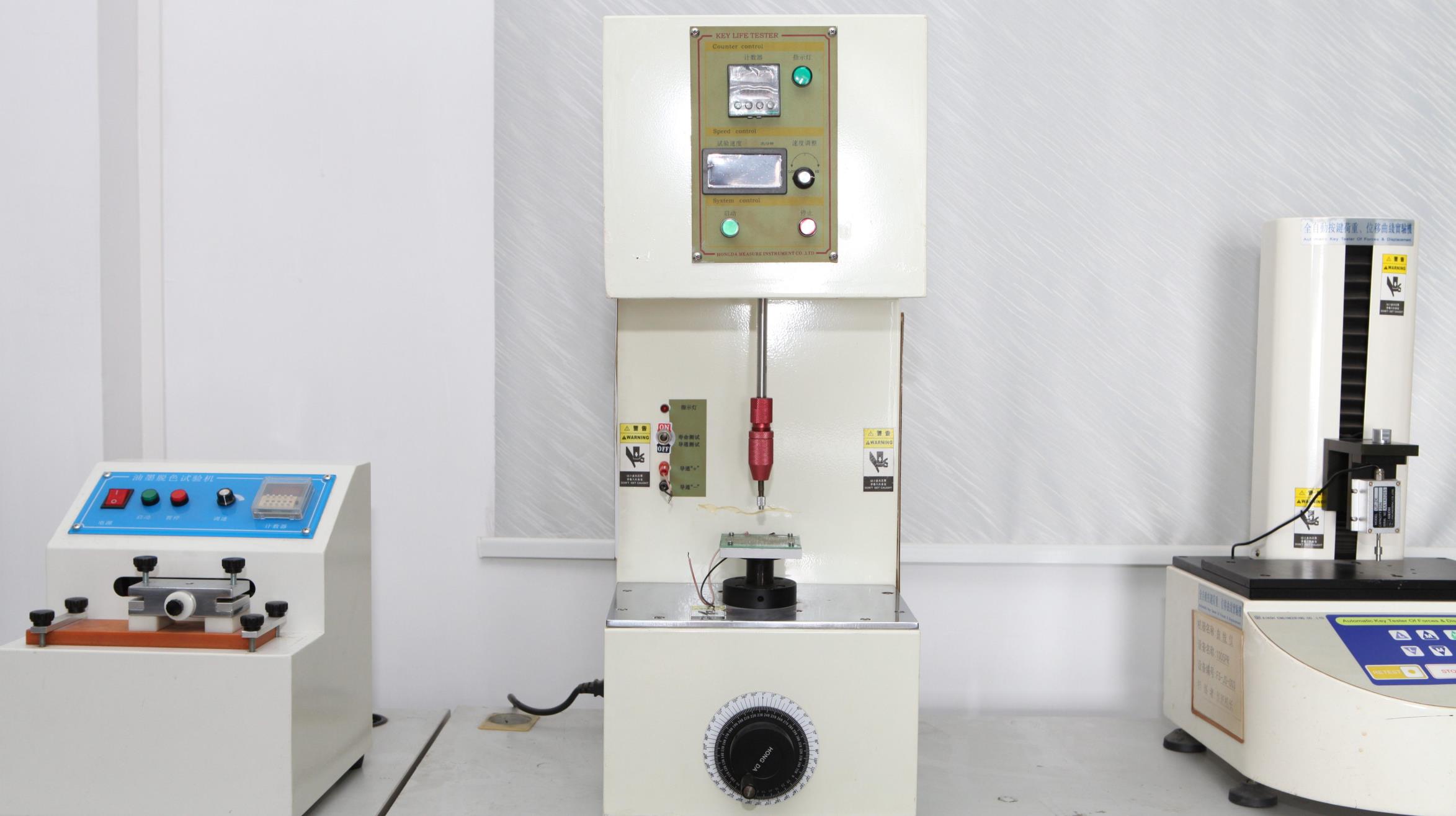
Key Actuation Life Testers
Runs continuous multi-million cycle endurance tests verifying no contact degradation or dome cracking.
Substrate Selection & Interface Engineering Guide
An engineering breakdown comparing optical substrate behaviors, chemical resistances, and structural architectures for hardware design engineers.
Selecting the optimal graphic overlay substrate dictates the longevity, clarity, and tactile response of your human-machine interface. AXRU supports diverse engineered substrates including biaxially-oriented polyethylene terephthalate (Autotype / MacDermid PET), optical-grade polycarbonate (Lexan PC), PMMA acrylic frontals, and chemically strengthened ultra-thin glass. The mechanical and optical interplay of these films directly governs performance parameters in harsh environments.
| Material Class | Flexural Endurance | Chemical Resistance | Optical Transmission | Optimal Industry Context |
|---|---|---|---|---|
| Polyester (PET Film) | Exceeds 5,000,000 flex cycles | High resistance to solvents, MEK, alcohols, cleaning agents | 88% - 91% (Textured or Anti-Glare) | Medical diagnostics, military controllers, heavy industrial automation |
| Polycarbonate (PC) | Moderate (prone to stress fatigue) | Moderate; vulnerable to aromatic hydrocarbons | 89% - 92% (Water-clear window capability) | Appliance bezels, emergency dashboards, instrumentation bezels |
| In-Mold Decoration (IMD/IML) | Integrated with 3D resin shell | Exceptional (resin body encapsulation) | High transparency with backlit indices | Automotive cockpits, high-end consumer smart consoles |
| PMMA Acrylic / Glass | Rigid structure (0 flex cycles) | Impervious to everyday household chemicals | 92% - 95% (Superior scratch hardness) | Touch displays, cleanroom medical tablets, smart home hubs |
For assemblies subjected to corrosive washdowns, oil mists, or caustic cleaning chemicals (e.g., sodium hypochlorite in surgical environments), hard-coated PET overlays remain the gold standard. Reverse screen printing underneath the transparent substrate safeguards conductive silver inks, dielectric isolation layers, and graphic registration against direct abrasion or chemical degradation. In contrast, polycarbonate remains cost-effective for indoor consumer devices requiring deep embossings (pillow, rim, or dome profile forming) and optically clear LED display readouts.
Future Procurement & Technology Trends in Graphic Overlays
Key technological evolutions and supply chain methodologies shaping global HMI procurement over the next five to ten years.
Capacitive & FSR Integration
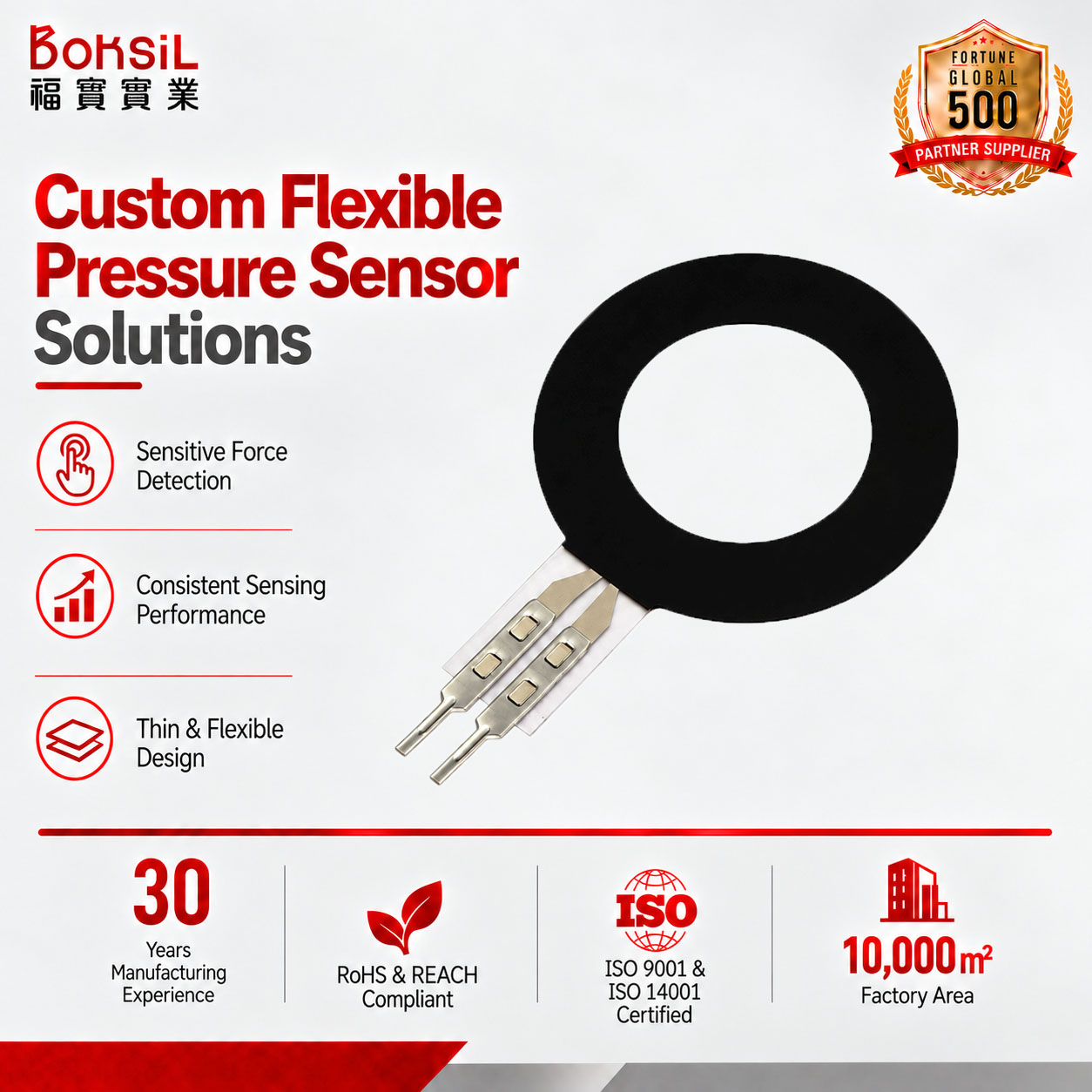
Modern overlays are pivoting from basic mechanical domes to hybrid systems embedding Force Sensing Resistors (FSR) and capacitive touch sensors behind sealed, flush-surface graphic sheets, preventing liquid ingress and mechanical wear.
Light Guide Film (LGF) Backlighting
Traditional single-point LED hot spots are being displaced by ultra-thin Light Guide Films (0.125mm - 0.25mm). LGF directs light uniformly across legends and dead-front icons with minimal power consumption and negligible stack-up height.
Antimicrobial & Self-Healing Coatings
Medical and cleanroom procurement standards increasingly mandate active antimicrobial silver-ion hardcoats that disrupt bacterial cellular walls, paired with anti-scratch properties that maintain surface transparency after repeat cleaning.
FPC Flexible Printed Circuits Over PET
To support high circuit density, micro-pitch connectors (0.5mm - 1.0mm), and integrated SMD active components, OEM supply chains are rapidly transitioning from screen-printed silver ink tracks to copper-clad polyimide FPCs.
Consolidated Tier-1 Vendor Sourcing
Global procurement teams are cutting costs and quality disconnects by sourcing the overlay, tactile switch, silicone keypad, and backer plate from a single accountable manufacturer capable of delivering pre-tested, turn-key modules.
Frequently Asked Questions for Sourcing Graphic Overlays
Actionable answers to common engineering, tooling, and supply chain considerations for global purchasers.
What CAD files, graphic assets, and technical specs are required to receive a formal quotation?
How does AXRU guarantee color fidelity and consistency across repeat mass production batches?
What adhesive transfer tapes do you deploy to prevent delamination on textured or low-surface-energy plastics?
What are the lead times for functional prototypes versus full-scale mass production volumes?
Can AXRU support waterproof ratings up to IP65, IP67, or NEMA 4X?
Ready to Engineer Your Custom Graphic Overlay Solution?
Partner with Dongguan AXRU Electronics Co., Ltd. for factory-direct engineering support, quick-turn DFM feedback, and cost-effective HMI manufacturing. Talk directly with our technical team today.
Get a Quote