FPC Matrix Circuit
5×4 Matrix Waterproof FPC Control Panel Switch
- Circuit Layer: Copper-Etched FPC
- Ingress Sealing: IP67 Perimeter Barrier
- Actuation Force: 320g Stainless Dome
High-durability switch architectures designed for moisture exclusion, chemical resistance, and responsive tactile dynamics in industrial, medical, and appliance deployments.
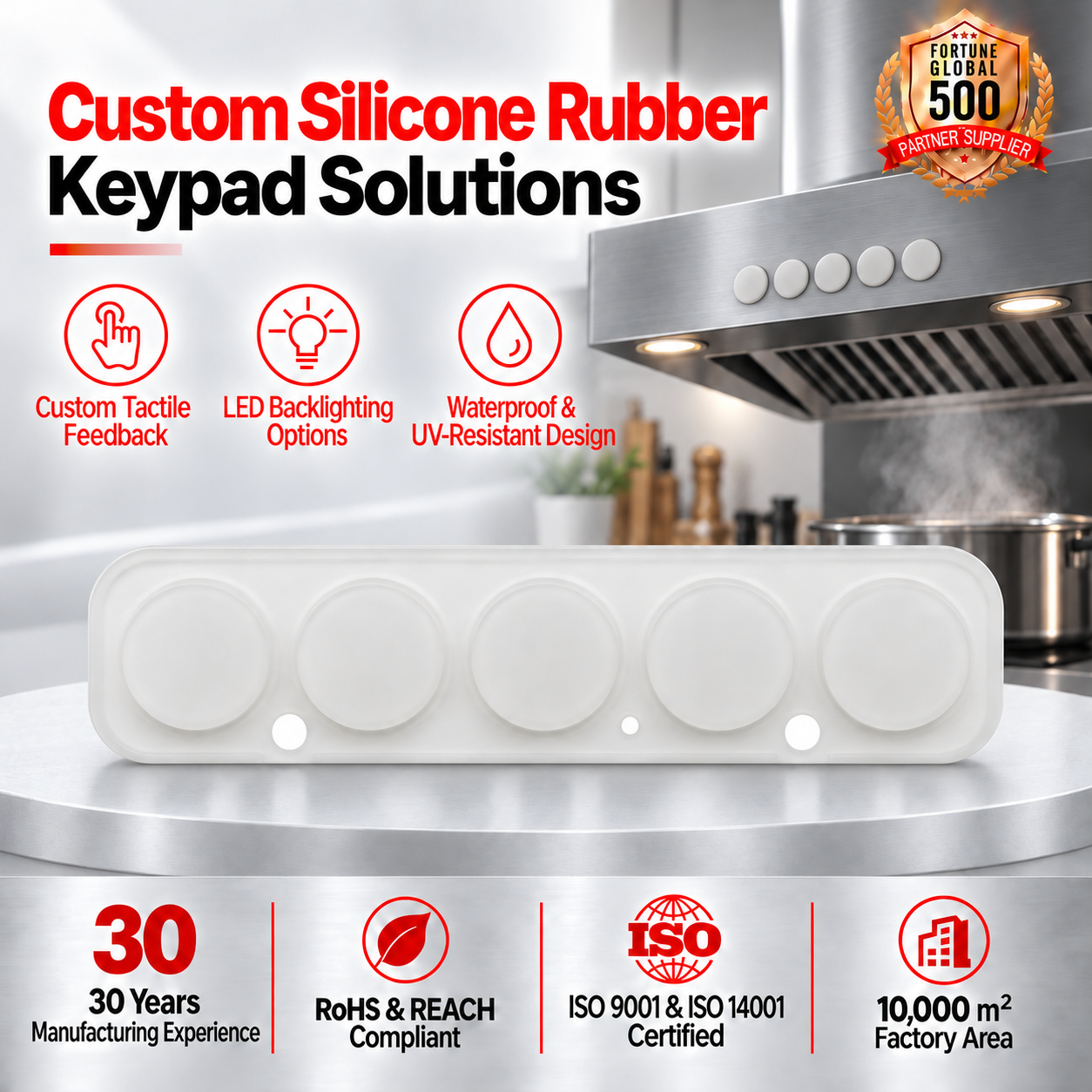
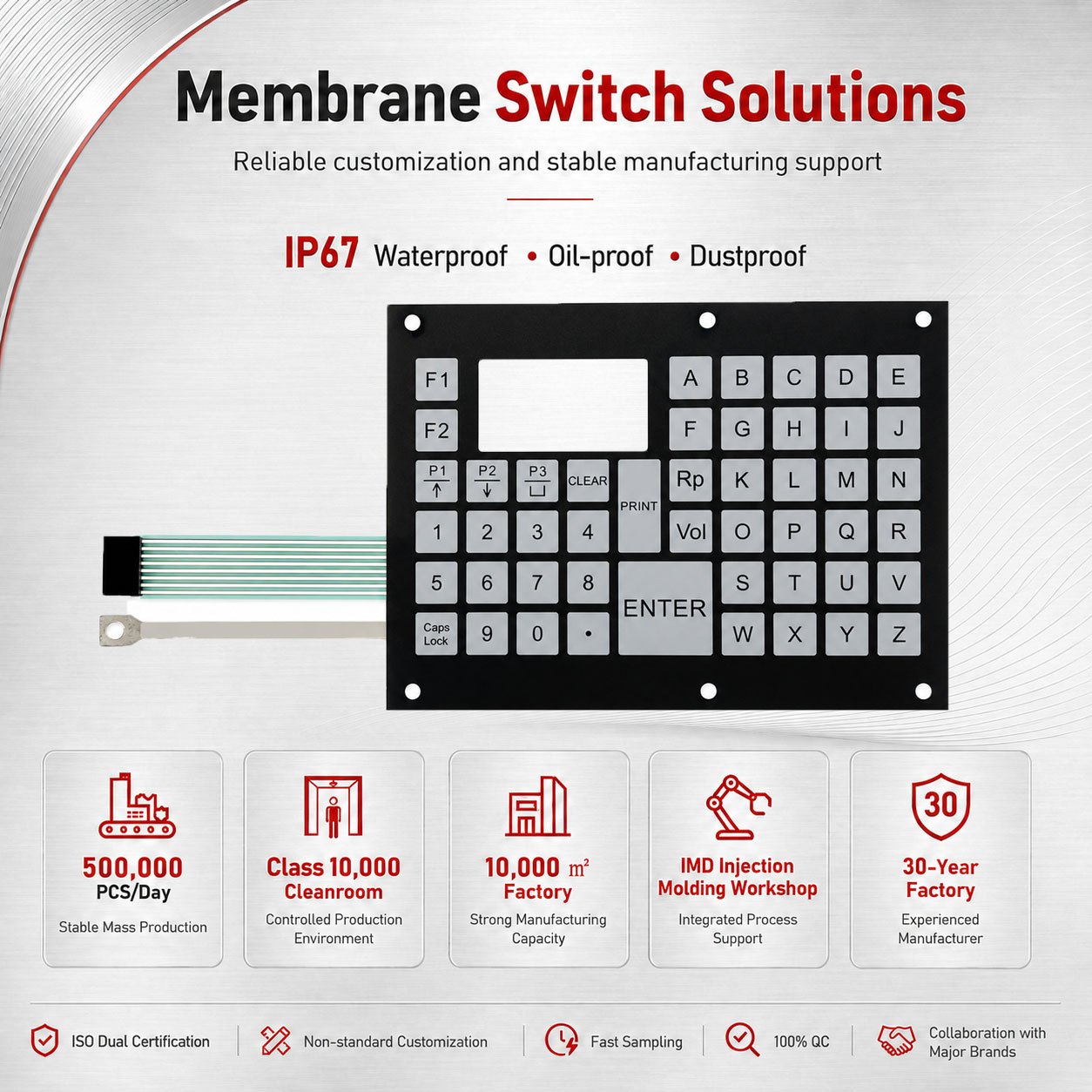
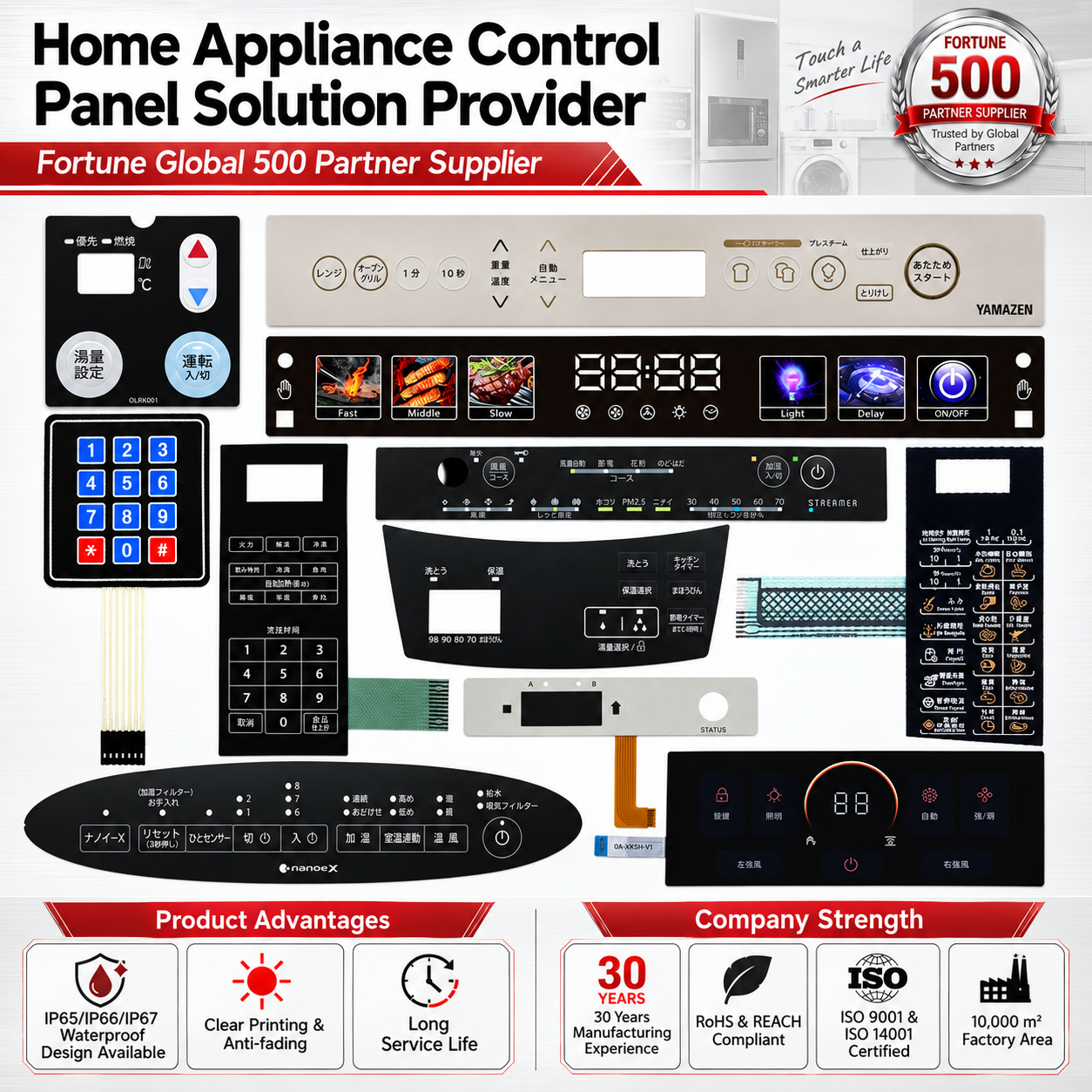
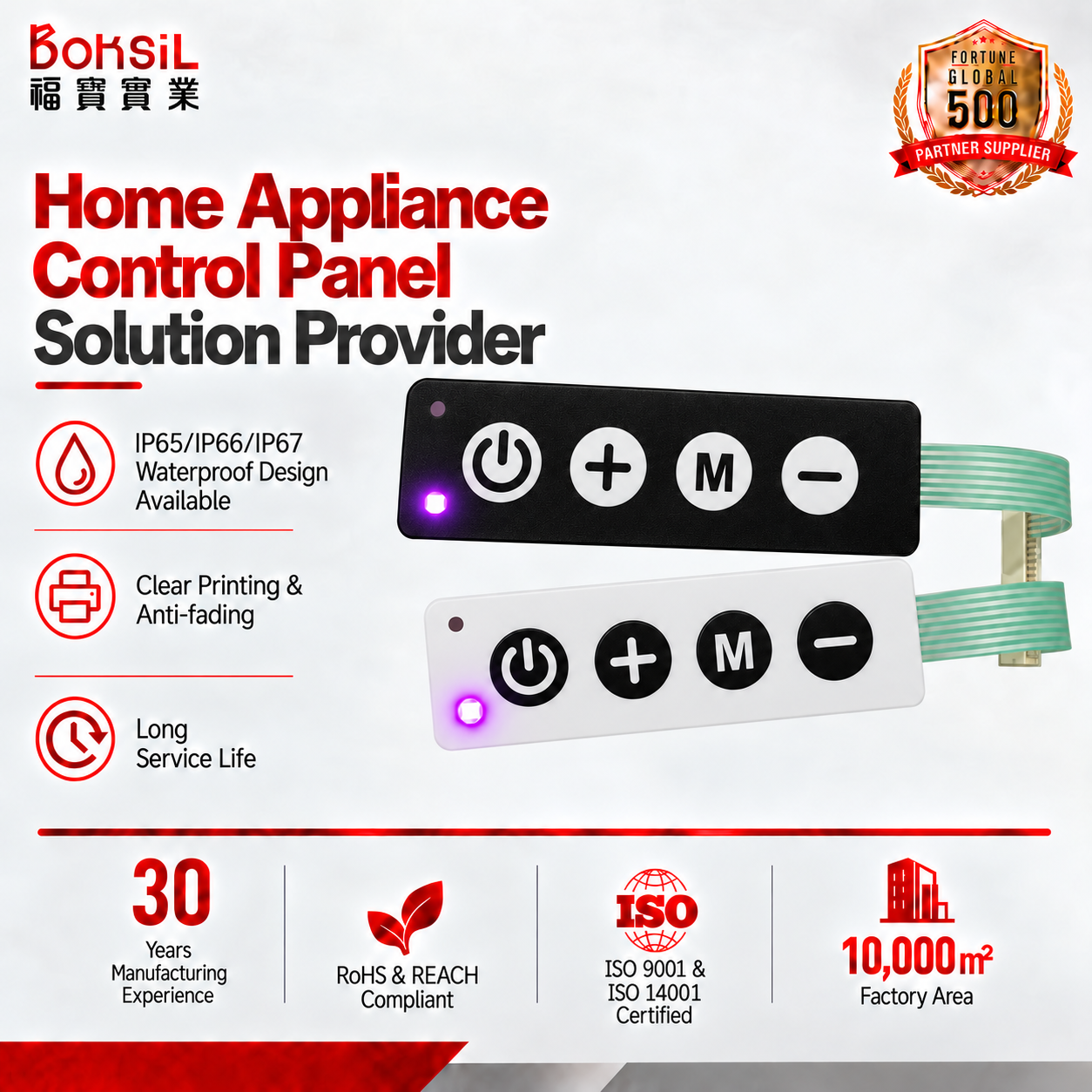
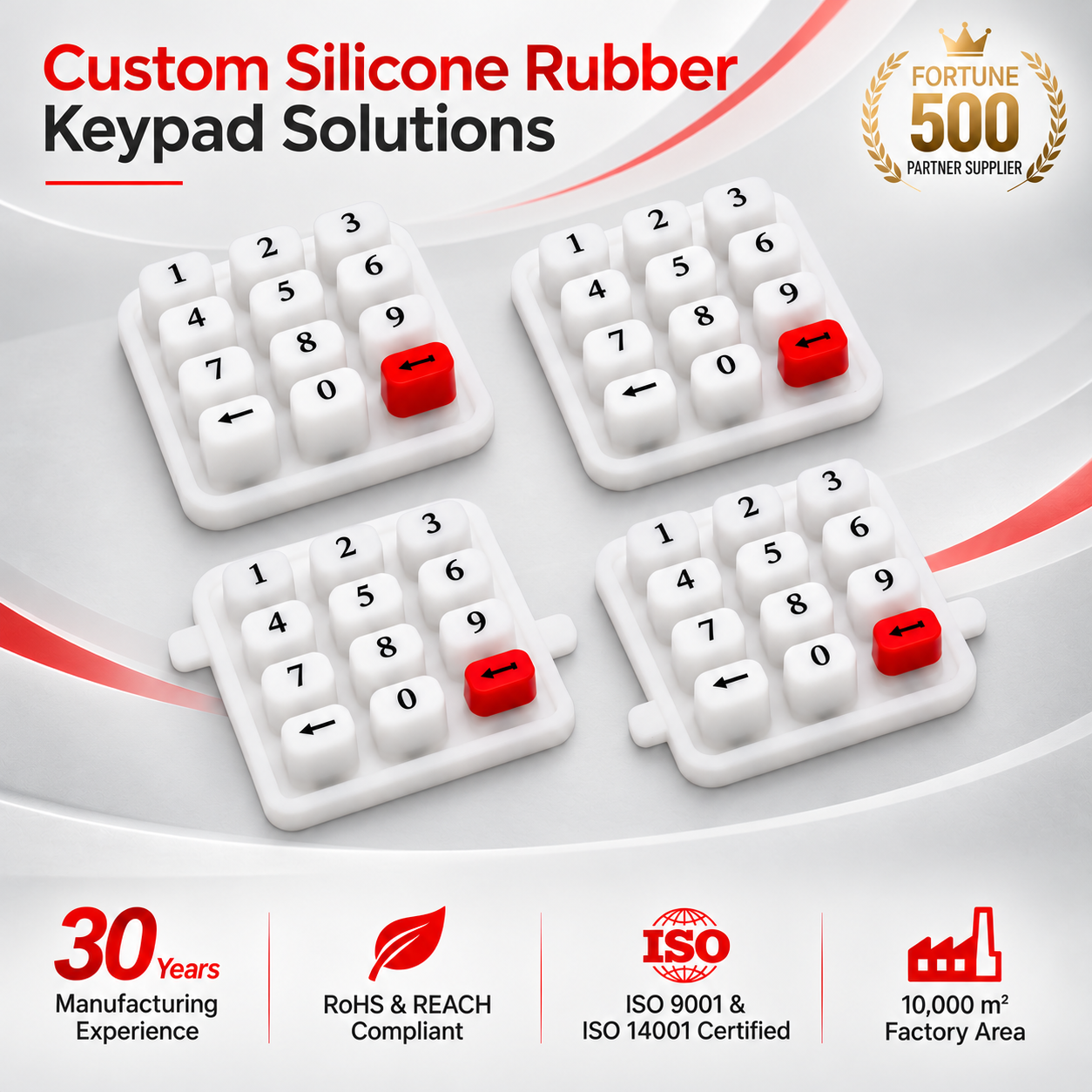
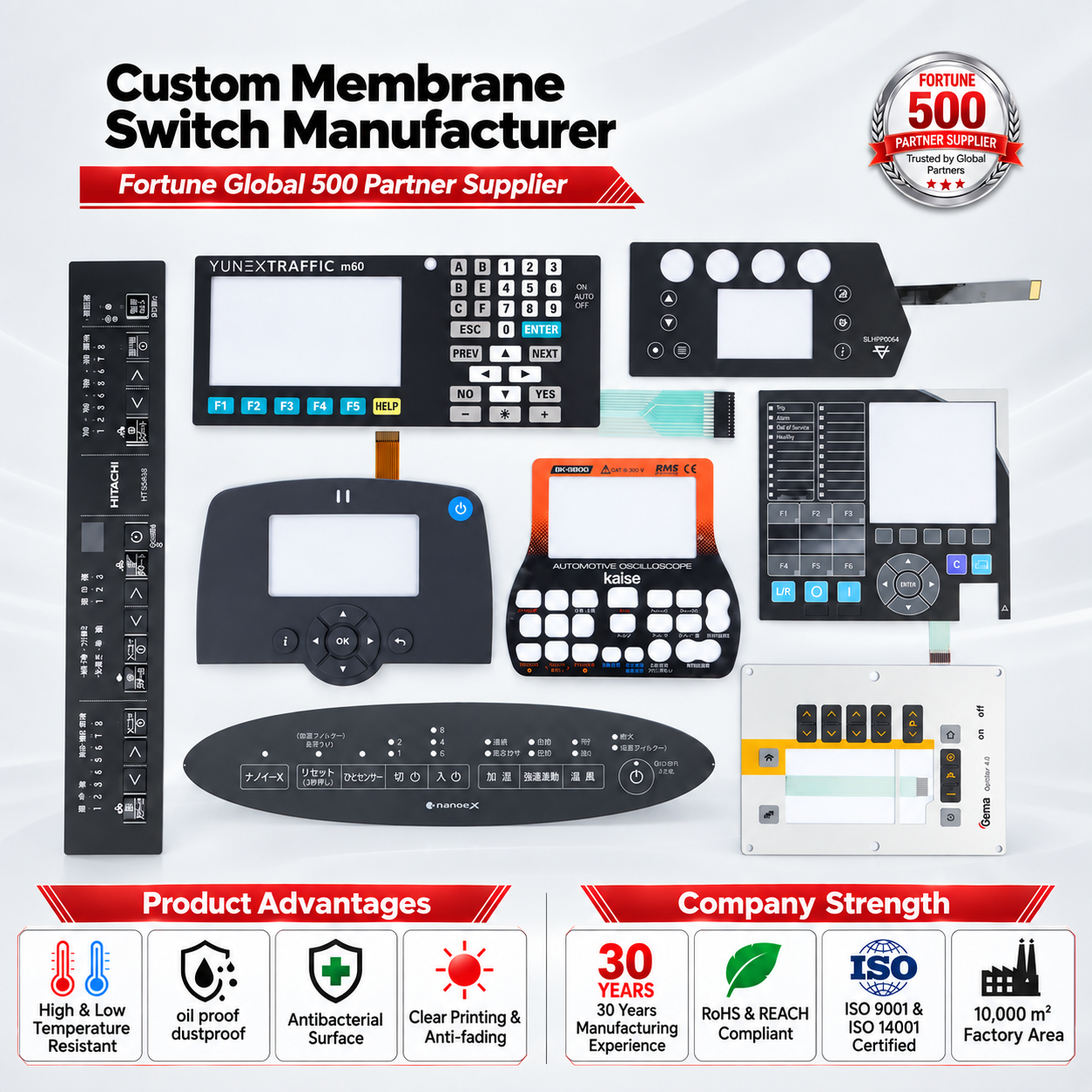
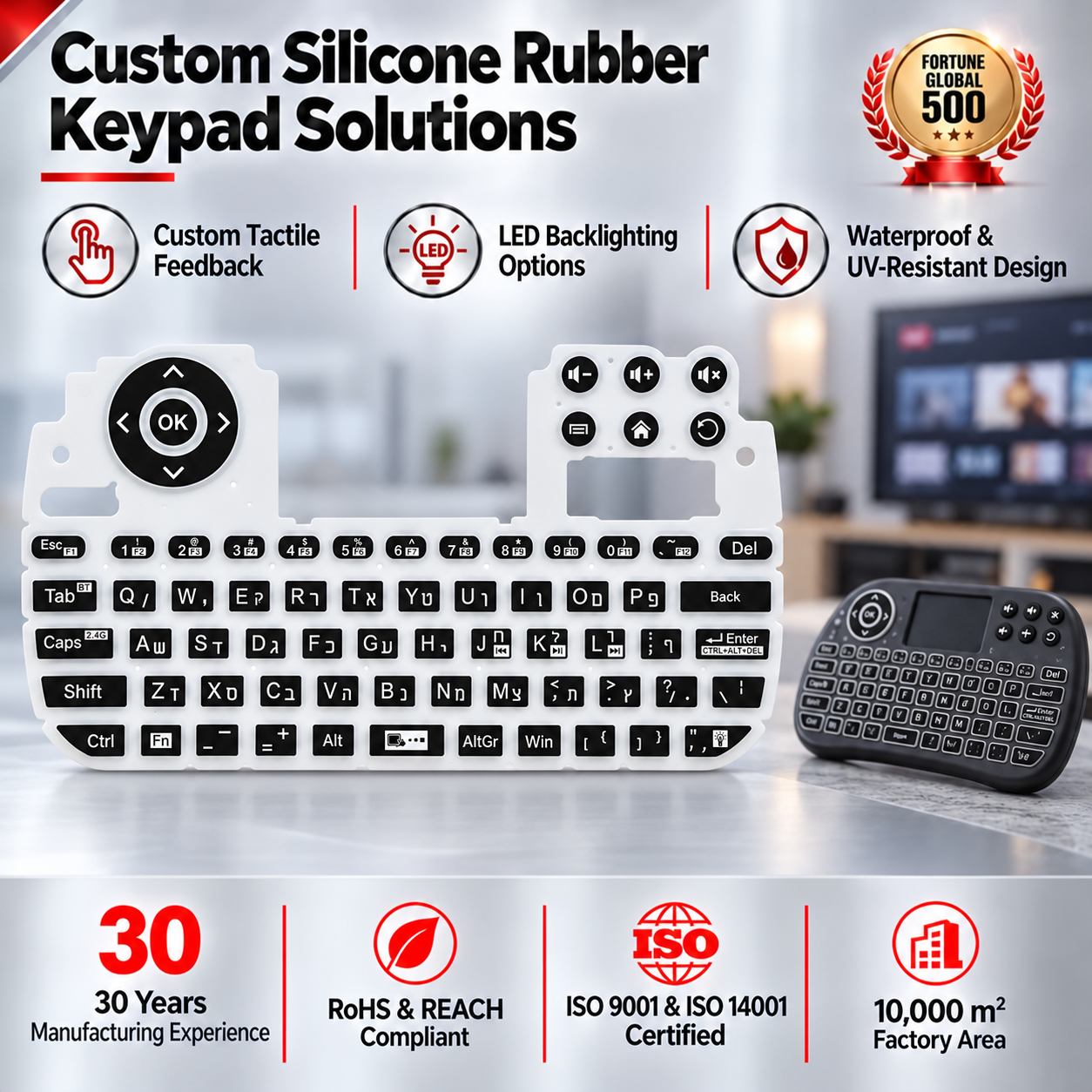
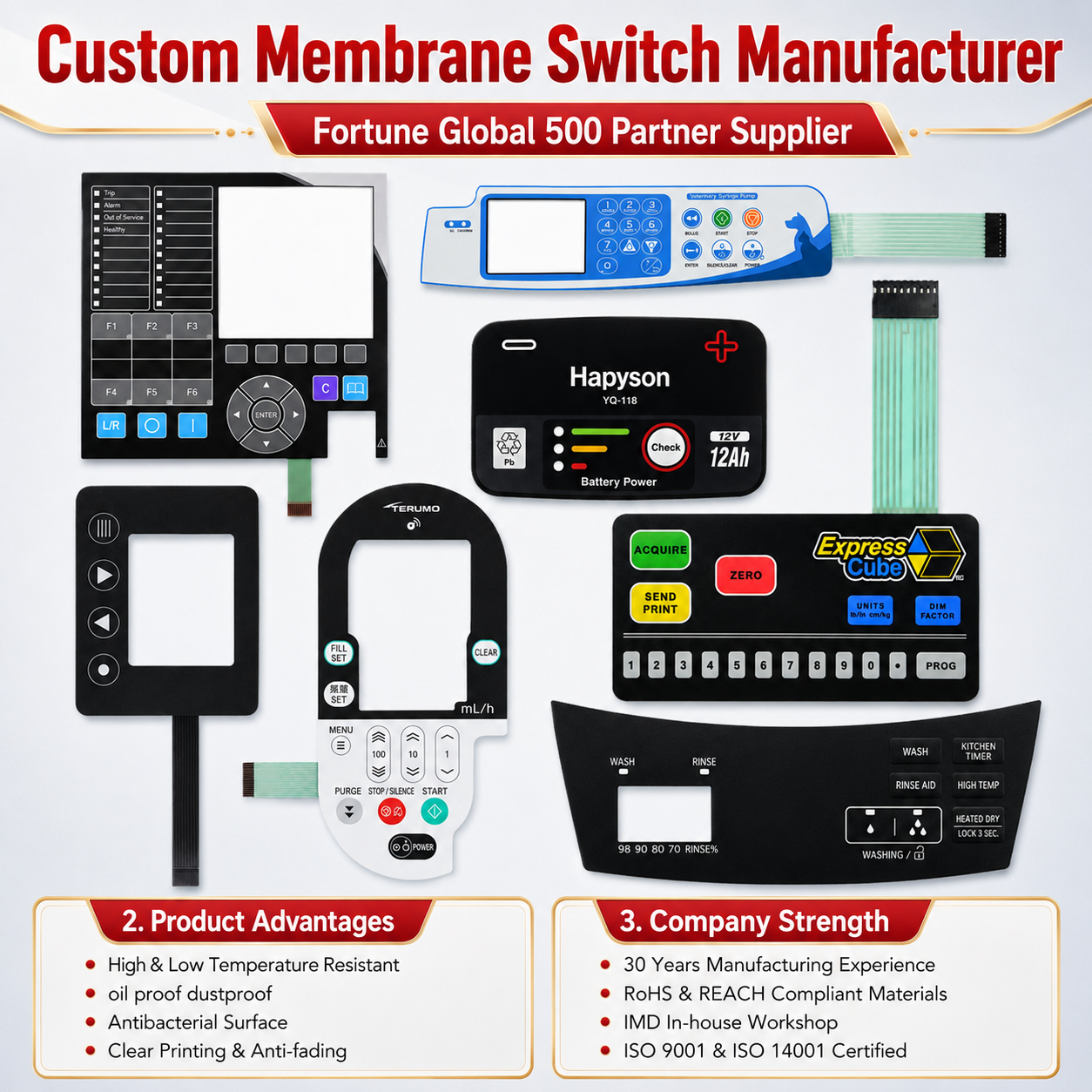
In modern industrial electronics, an unexpected failure of the Human-Machine Interface (HMI) triggers costly operational downtimes. Standard membrane switches often degrade in outdoor or washdown applications due to capillary action drawing moisture around the tail exit, corrosive gases penetrating porous screen-printed silver inks, and adhesive creep caused by temperature cycling. As an experienced China waterproof membrane keypad manufacturer, Dongguan AXRU Electronics Co., Ltd. addresses these engineering pain points through multi-layered chemical-isolation barriers.
Industrial-grade ingress protection begins with true material chemistry selection. Our manufacturing processes utilize biaxially oriented polyethylene terephthalate (PET) films treated with cross-linked polymer topcoats, eliminating the micro-fractures common in untreated polycarbonate. By routing venting channels internally within adhesive spacer cutouts—rather than allowing them to vent to the ambient tail exit—our keypads maintain consistent pneumatic tactile feedback across temperature swings from -40°C to +85°C without compromising their IP67 or IP68 perimeter seals.
Polyimide-based Flexible Printed Circuits (FPC) with chemically etched copper traces eliminate silver migration risk under continuous humidity and electric bias.
Engineered acrylic transfer adhesives (3M 200MP / 300LSE) provide cohesive bond strength exceeding 20 N/cm, creating a seamless waterproof border that prevents edge delamination.
Integrated solid aluminum foils or selective carbon/silver grids ground static discharges up to 15kV, shielding sensitive microcontrollers from external spikes.
| Substrate Material | Tensile Strength & Flex Life | Chemical Resistance | UV Stability / Outdoor Rating | Recommended Deployment |
|---|---|---|---|---|
| Autotex PET (Polyester) | Exceeds 5,000,000 actuations | Resistant to alcohols, MEK, bleach, detergents | High (with UV-inhibited outdoor grade) | Medical diagnostic stations, agricultural HMI, fuel dispensers |
| Polycarbonate (Lexan PC) | Moderate flex life (approx. 100,000 cycles) | Sensitive to aromatic hydrocarbons & acetone | Prone to yellowing unless hard-coated | Cost-sensitive indoor appliances, office test consoles |
| Molded Liquid Silicone | 1,000,000 to 3,000,000 strokes | Broad chemical resilience, non-porous elastomer | Exceptional resistance to thermal degradation | Rugged handheld terminals, military-grade controllers |
| Copper-Clad Polyimide (FPC) | Continuous dynamic flexing capable | Hermetic copper foil immune to solvent seepage | Fully encapsulated between dielectric layers | High-reliability aerospace, subsea equipment, automotive |
The global procurement landscape for user interfaces is undergoing a major shift. B2B purchasing directors, supply chain managers, and hardware engineering leaders are moving away from simple component sourcing toward turnkey sub-assemblies. The conventional practice of buying membrane overlays from one supplier, sheet metal backplates from another, and PCBA controllers elsewhere introduces tolerance stack-up errors, prolonged engineering lead times, and disputed quality liabilities when water ingress occurs.
Procurement teams increasingly require complete human-machine interfaces delivered ready for final chassis assembly. Suppliers are expected to integrate membrane circuits onto CNC aluminum or injection-molded backplates, pre-install IP-rated display windows, and provide pre-tested cable harnesses to eliminate integration risks on OEM assembly lines.
While capacitive touch is widespread in consumer electronics, industrial and outdoor environments demand unmistakable physical confirmation. The emerging market trend combines sleek, capacitive slide controls with sealed, high-tactile snap-dome buttons for critical emergency stop, power, and primary menu functions.
Global regulatory developments require Tier-1 vendors to adhere strictly to RoHS 3.0, REACH SVHC, and halogen-free directives. Forward-looking procurement programs audit supplier facilities for automated environmental control systems, ensuring that zero solvent residues off-gas under intense operational heat.
Replacing bulky, power-hungry light boxes, micro-etched LGF layers distribute light from ultra-thin edge-mounted side LEDs evenly across graphic legends without hot-spots or heat buildup.
Specialty coatings embed active silver-ion agents into the outer film to inhibit 99.9% of bacterial growth, paired with elastic polymers that heal micro-scratches from continuous scrubbing.
Merging printed graphic films directly into the plastic injection tool yields a single, solid-state front panel with no adhesive seams, completely blocking liquid and dust ingress.
Headquartered in the manufacturing hub of Dongguan, China, AXRU Electronics operates a vertically integrated 10,000㎡ production facility. On-site verified by Intertek, our plant bridges design engineering and mass-scale automated manufacturing to eliminate typical supplier hand-off bottlenecks.
Full manufacturing traceability across 121 skilled technicians, running certified quality workflows from incoming raw-material inspection to final staging.
Our internal laboratory features computerized force-displacement testers, key life cyclers, programmable temperature/humidity chambers, and UV yellowing testers.
Every membrane switch undergoes automated pin-to-pin testing for circuit resistance, contact bounce, insulation breakdown, and visual printing accuracy before dispatch.
Essential technical clarifications to support RFQs, material stack-up selections, and supplier evaluations.
The flex tail exit is the primary entry point for moisture in standard membrane keypads. We prevent liquid ingress by implementing continuous internal perimeter gaskets that isolate the active switch matrix from the tail exit channel. For submerged or washdown use, we integrate proprietary silicone grommets, perimeter potting compounds, or convert the lead to a sealed FPC interface tailored to seat into watertight enclosure channels.
To deliver an accurate DFM (Design for Manufacturability) analysis, we request 2D mechanical drawings (AutoCAD DWG/DXF or PDF) specifying outer dimensions, cutouts, and embossing profiles; 1:1 vector graphic artwork (Adobe Illustrator .AI or vector .PDF) with Pantone or RAL color codes; and electrical schematic diagrams identifying the circuit matrix, tail pinouts, and connector types.
Silver-printed circuits utilize conductive inks silk-screened onto flexible PET films. While highly cost-effective for general appliances and moderate run-lengths, they are susceptible to silver migration under high humidity and electrical bias. Copper FPC utilizes chemically etched copper on polyimide, delivering zero trace oxidation, high current-handling capability, tight trace pitches (down to 0.5mm), and reliable surface-mount soldering for components like LEDs and resistors.
Tactile feel is driven by stainless steel metal domes. Our QC laboratory uses automatic force-displacement testers to plot the actuation profile (snap ratio, trip force, and return force) for every production run. Key life cycle testers actuate samples at high speeds to verify switch contact and snap feel over 1,000,000 to 5,000,000 cycles without dome cracking or contact resistance shifts.
To support product development and pilot-line testing, our standard MOQ starts at 100 units for custom configurations. Rapid prototype samples are generally ready in 7 to 10 business days following DFM approval, while volume production runs are typically completed within 15 to 20 working days, depending on material complexity.