Industrial
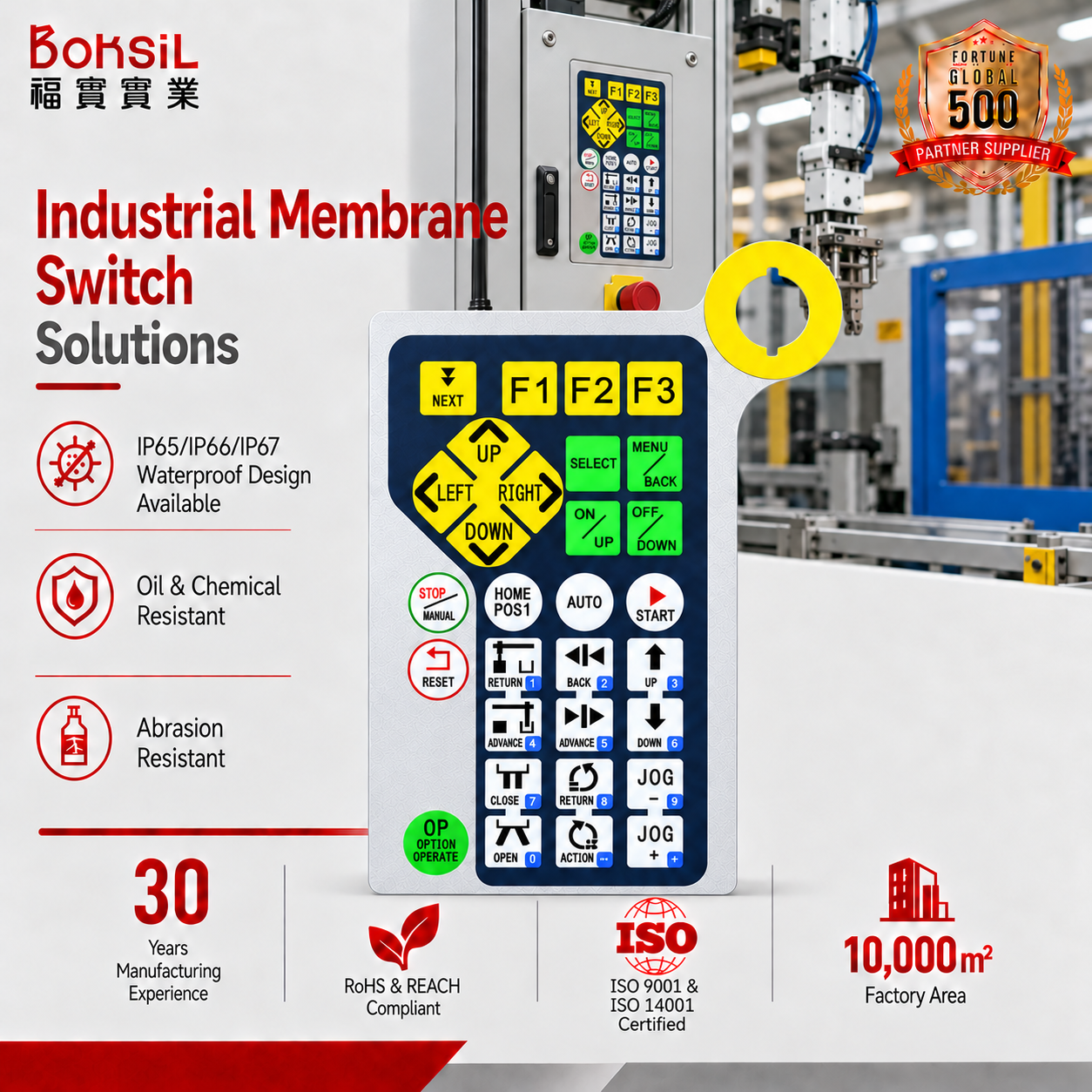
Direct from our Intertek-verified Dongguan production facility: fully customizable layer stack-ups, precision tactile metal domes, and environmental barrier assemblies built to exact customer CAD specifications.
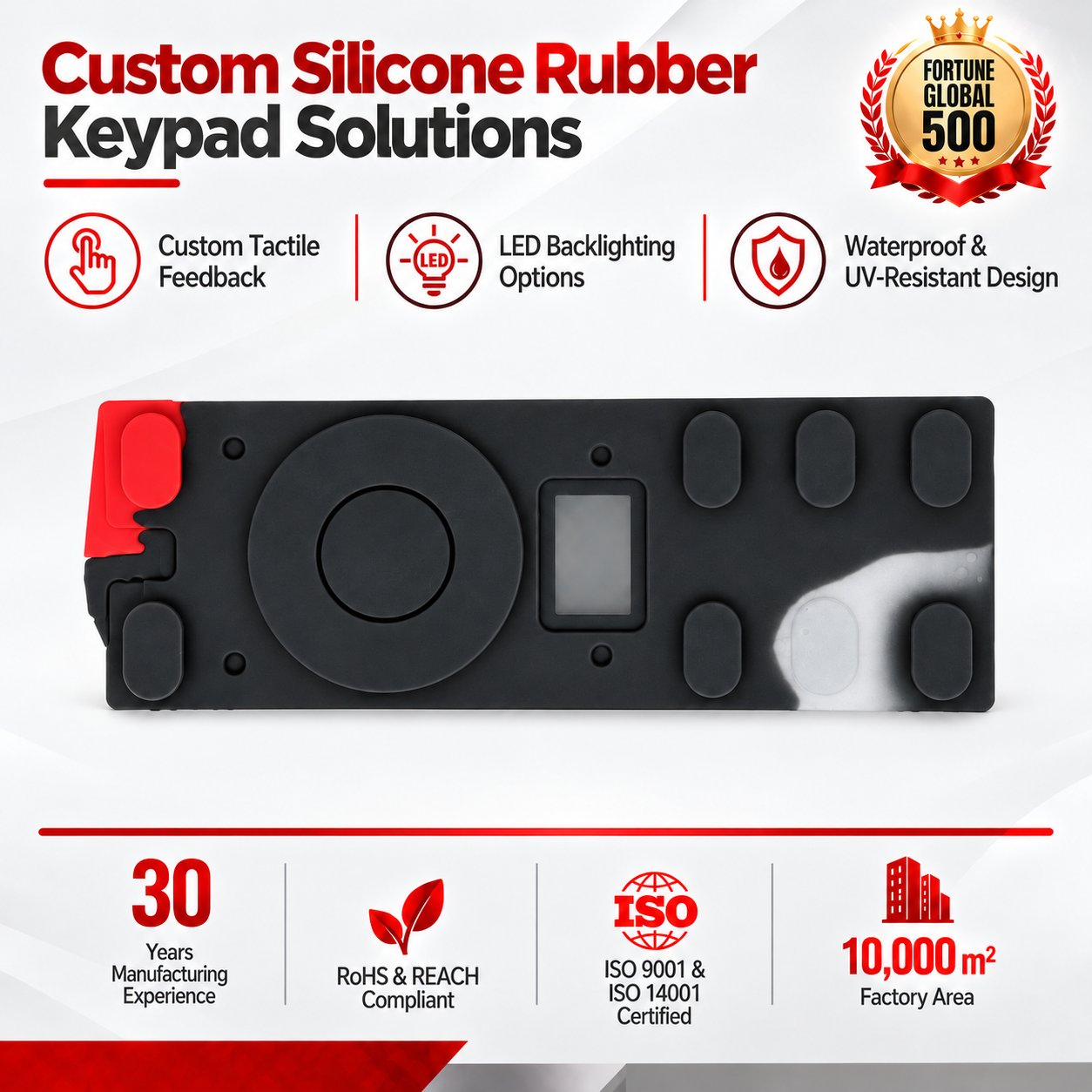
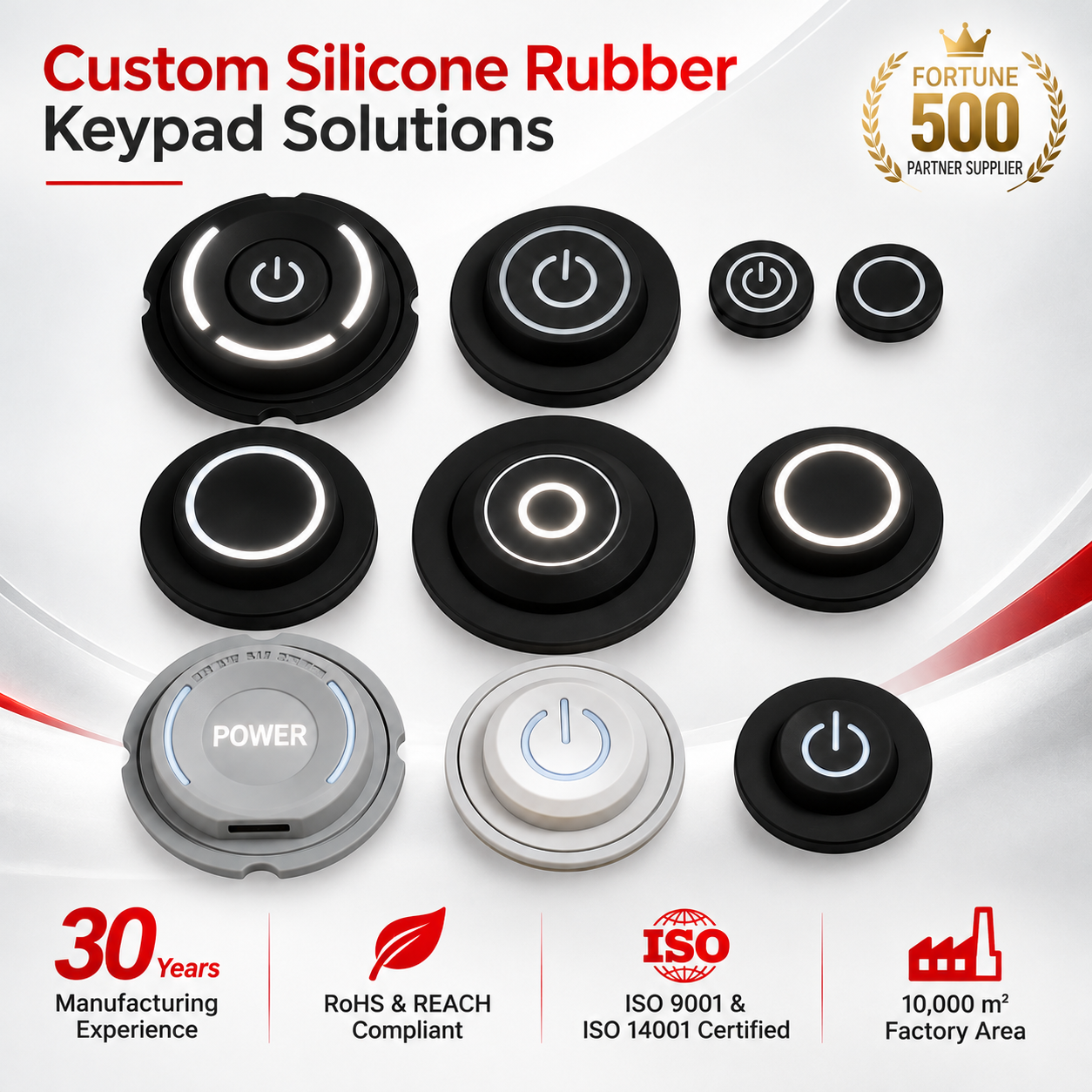
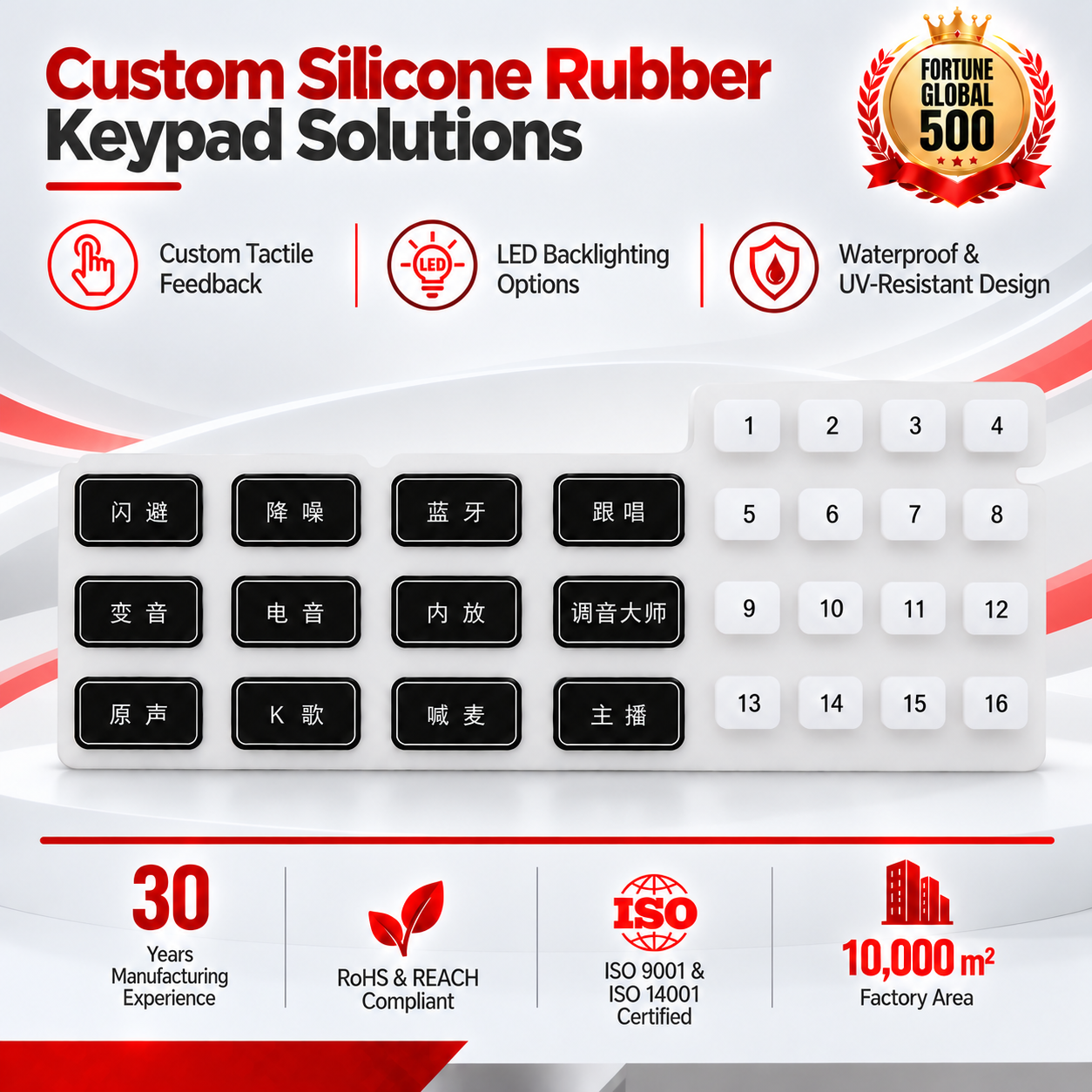
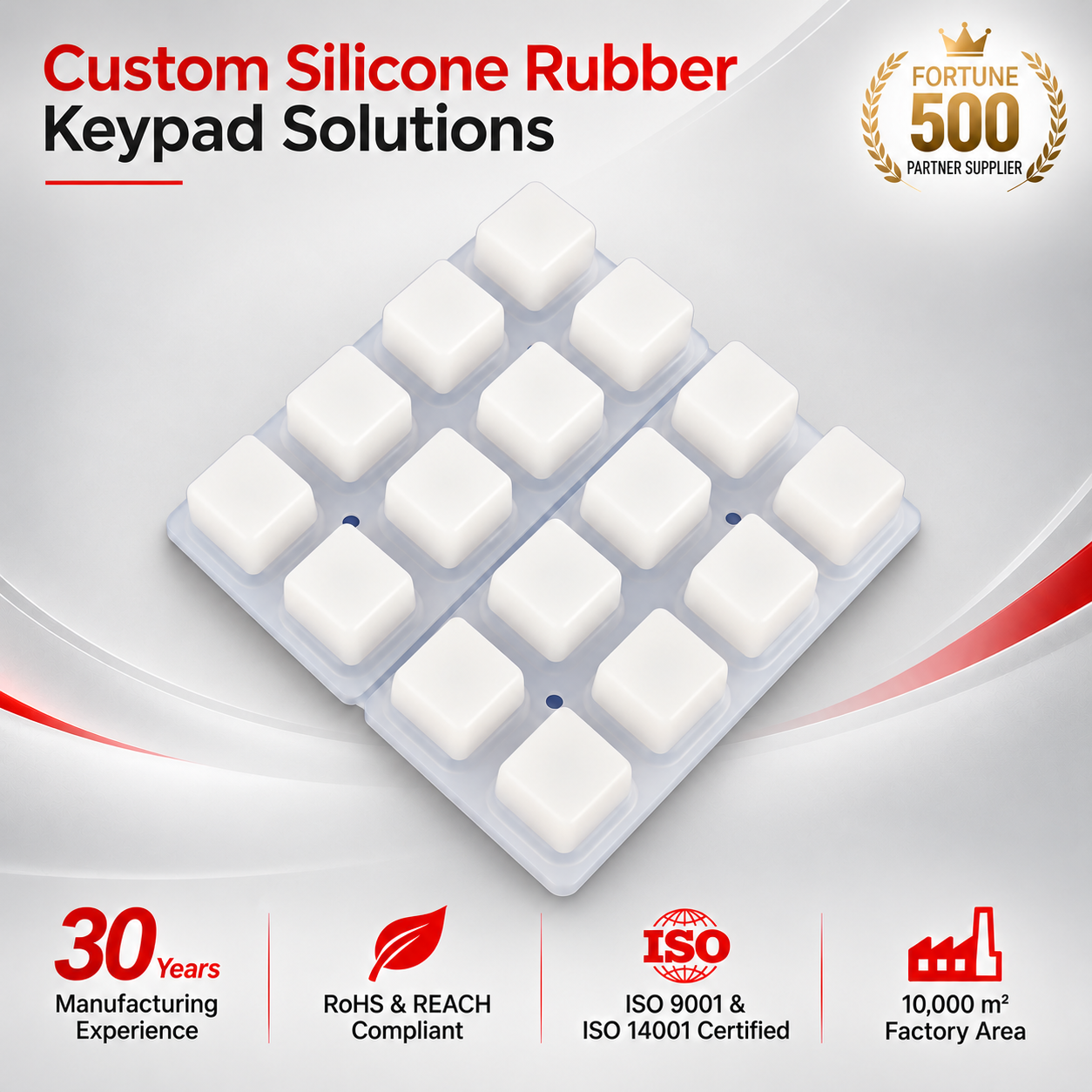
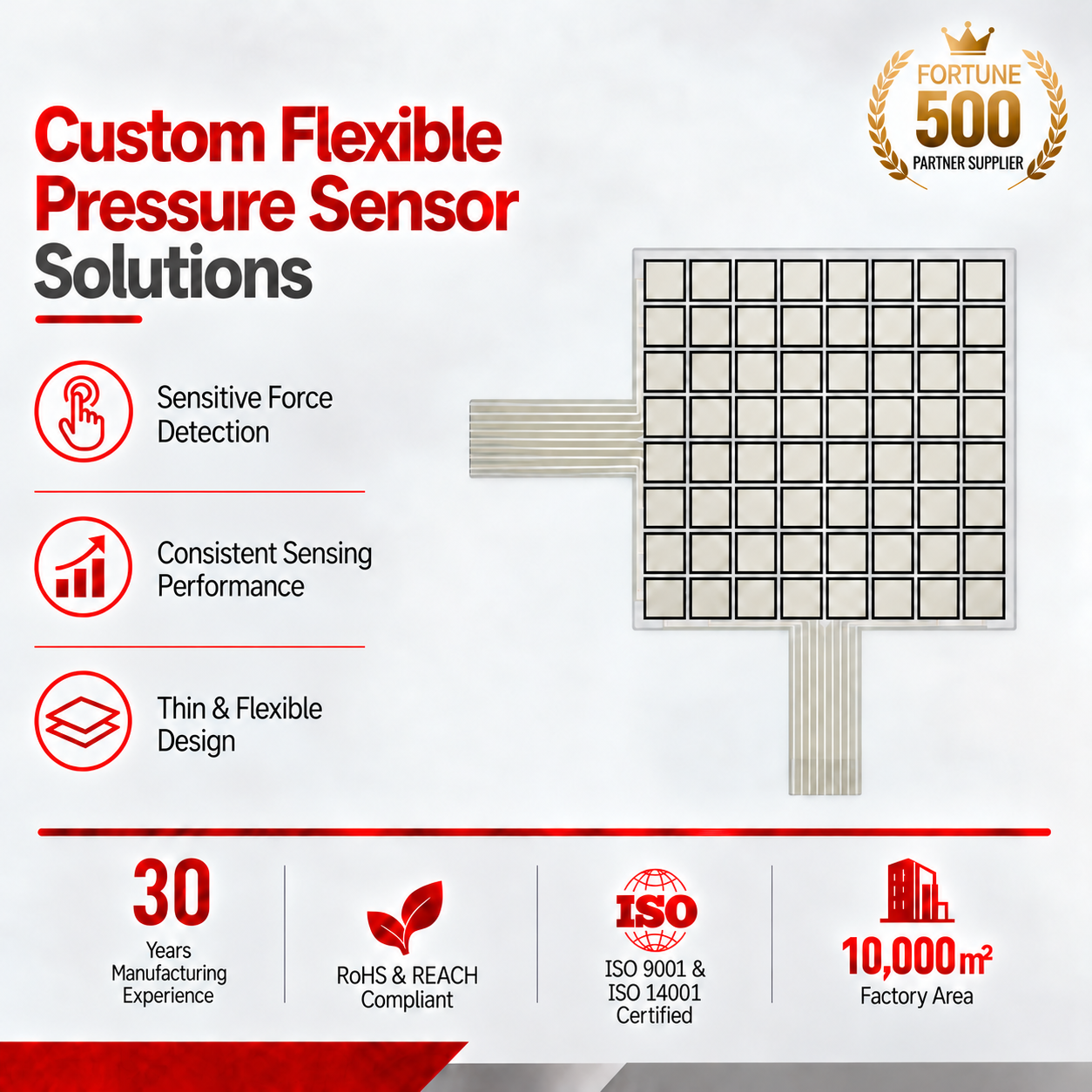
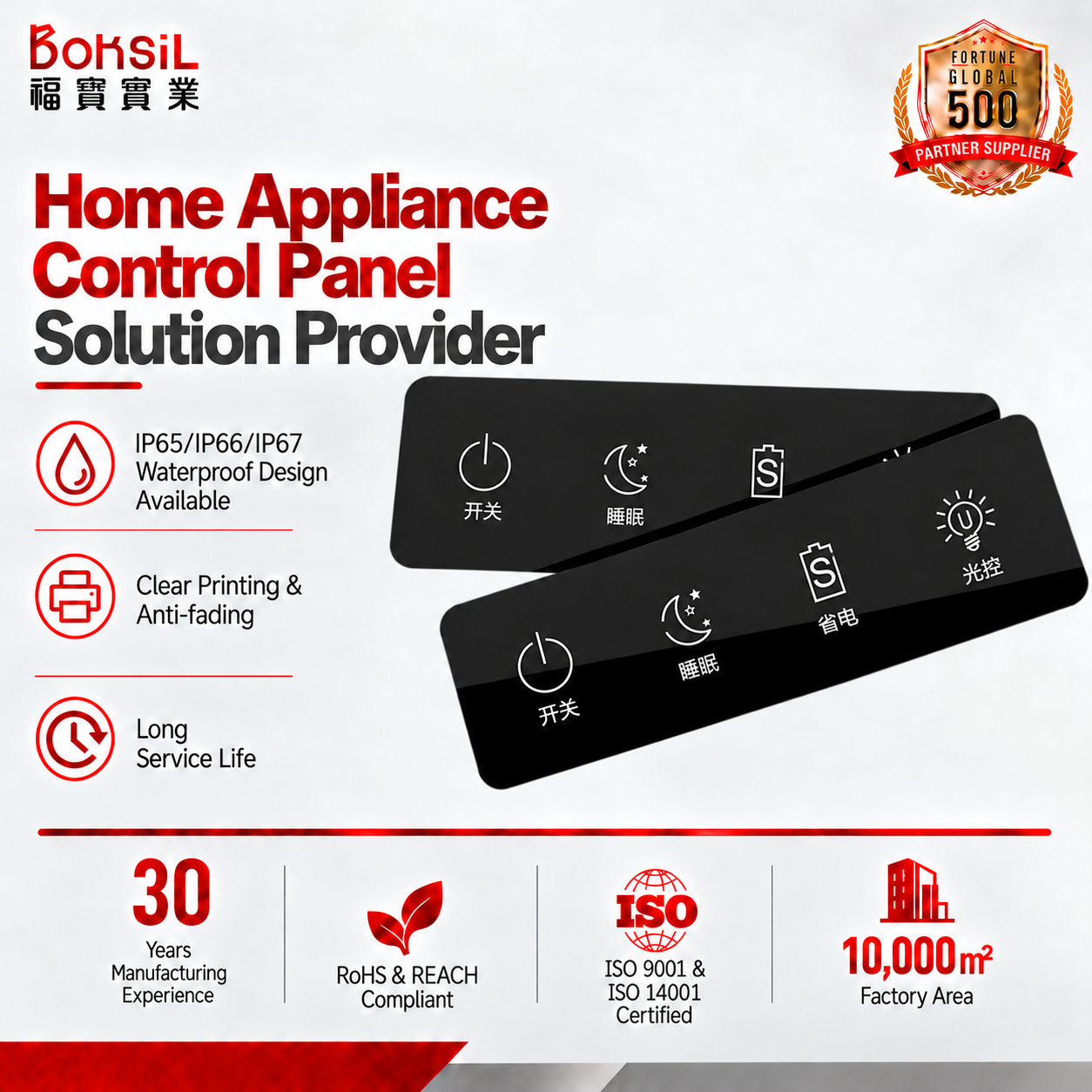
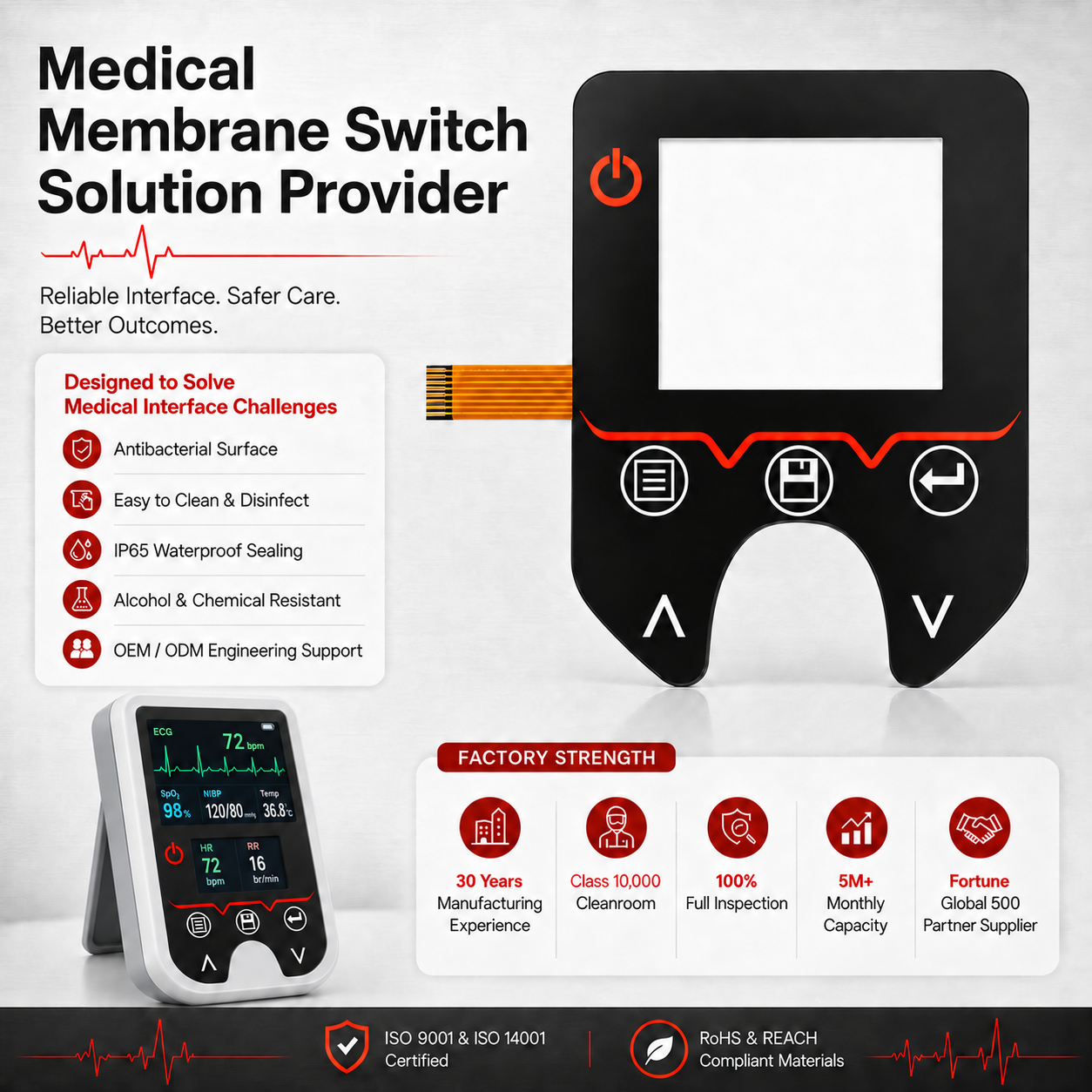
Intertek On-Site Verified Plant
OEM / ODM Fortune 500 Supplier
Zero-Defect Traceability System
Validated Tactile Snap Life
A tactile membrane switch represents a highly integrated electro-mechanical assembly engineered to bridge human tactile intention with digital control systems. Unlike flat, non-tactile interfaces, a tactile switch incorporates mechanical snap-acting elements—most commonly precision-stamped stainless steel domes (nickel-plated or gold-plated) or heat-formed polydomes integrated into the polyester carrier. The human experience of a switch press is governed fundamentally by the "Click Ratio" or "Snap Ratio" calculated mathematically as (F1 - F2) / F1, where F1 represents initial actuation peak force and F2 represents contact closure force. An optimal snap ratio between 40% and 65% delivers definitive mechanical feedback, eliminating operator ambiguity in safety-critical medical diagnostics, industrial telemetry, and aviation cockpits.
Under microscopic cross-section, a high-reliability tactile membrane switch comprises an engineered multi-tier architecture: the subsurface-printed graphic overlay (typically 0.125mm to 0.188mm Autotype biaxially oriented PET or textured polycarbonate), adhesive spacer vents engineered to prevent internal air cushion backpressure, stainless steel tactile domes housed in precision laser-cut retainer cavities, an upper circuit layer with screen-printed polymer thick film (PTF) conductive silver ink, dielectric isolation crossovers, and an adhesive backer typically powered by 3M 467MP or 3M 300LSE for high-energy or low-surface-energy (LSE) industrial plastic housing enclosures.
To assist procurement engineers and hardware architects in making data-driven decisions during the Design for Manufacturability (DFM) phase, our metallurgical and polymer laboratories have compiled the comparative performance matrix below:
| HMI Architecture | Typical Layer Stack-Up | Actuation Life Expectancy | Tactile Feedback & Snap Ratio | Environmental Ingress (IP) | Optimal Deployment Arena |
|---|---|---|---|---|---|
| Stainless Steel Dome Membrane Switch | Sub-surface PET + Dome Retainer + Silver / FPC Circuit + 3M 300LSE | 1,000,000 to 5,000,000 operations | Crisp click; 45% - 65% snap ratio; 220g to 450g trip force | IP65 to IP67 perimeter gasketed seal | Medical monitors, portable defense terminals, CNC industrial machinery |
| Elastomer Silicone Rubber Keypad Hybrid | Compression-molded silicone + Conductive carbon pill + PCB / FPC core | 1,000,000 to 3,000,000 operations | Smooth, damp stroke; 30% - 50% snap ratio; deep travel (0.8 - 2.0mm) | IP66 with integrated silicone wrap perimeter lip | Rugged handheld barcode terminals, outdoor telecom, heavy equipment |
| Polyester Polydome Membrane Switch | Thermally embossed PET upper film + Spacer + Screened conductive traces | 500,000 to 1,500,000 operations | Moderate snap feel; 30% - 40% snap ratio; softer mechanical response | IP65 fully sealed surface | Consumer appliances, white goods, high-volume cost-sensitive devices |
| Solid-State Capacitive Touch Sensor | Optically clear PMMA / Tempered glass cover + ITO or Cu sensor grid | Infinite (Solid-state non-mechanical) | Zero natural mechanical feedback; requires haptic vibration motor or buzzer | IP68 / IP69K smooth wipe-down barrier | Sterile clinical surgical environments, smart home digital wall plates |
Global supply chain evolution is shifting membrane switch sourcing from commodity transactional buying to co-engineered electro-mechanical integrations.
Traditional silver-ink screen printing on flexible polyester (PET) is increasingly migrating to Flexible Printed Circuits (polyimide FPC with rolled annealed copper traces). This shift allows engineers to surface-mount ultra-fine-pitch microcontrollers, multi-color bi-directional status LEDs, resistors, capacitive sensing drivers, and zero-insertion-force (ZIF) connectors directly onto the keypad tail, eliminating redundant rigid internal motherboards.
Post-pandemic regulatory frameworks demand stringent disinfection protocols across clinical and pharmaceutical settings. Procurement trends show a 42% surge in specifications requiring chemically cross-linked hard-coats resistant to isopropyl alcohol, quaternary ammonium compounds, and hydrogen peroxide vapor. Furthermore, advanced laser-welded perimeter barriers now achieve verified continuous immersion resilience.
Bulky discrete backlighting solutions are being phased out in favor of micro-etched Light Guide Films (LGF) measuring as thin as 0.125mm. By combining side-firing low-current SMD LEDs with precisely calculated optical refraction dot matrices, manufacturers can deliver ultra-uniform, flicker-free legend illumination across high-density numeric keypads with negligible thermal footprint and zero electromagnetic interference.
Operating a 10,000㎡ modernized industrial plant with 121 skilled craftsmen and IPC-trained engineers, our facility has undergone rigorous on-site audit verification by Intertek. We control the complete value chain in-house.
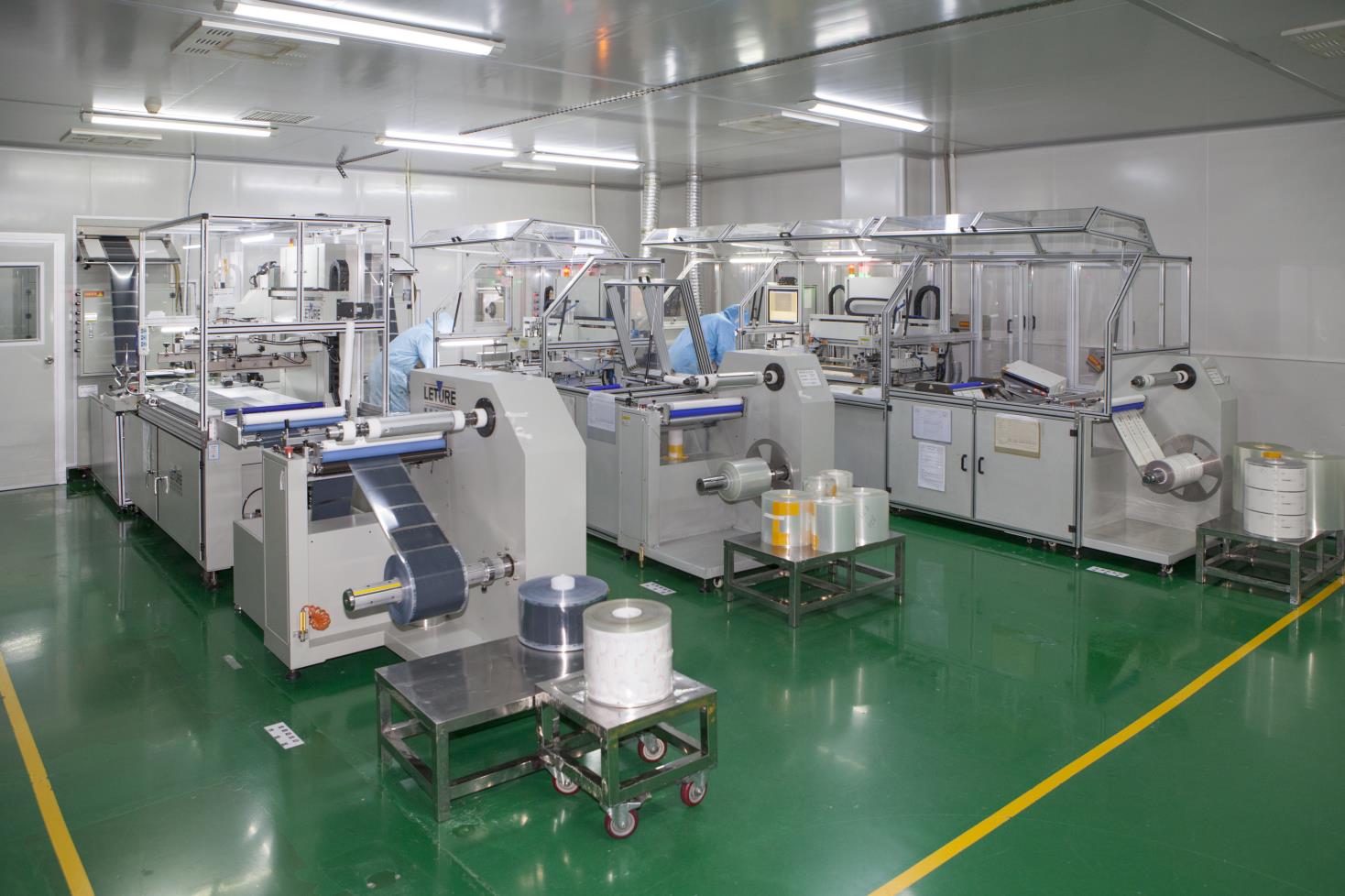
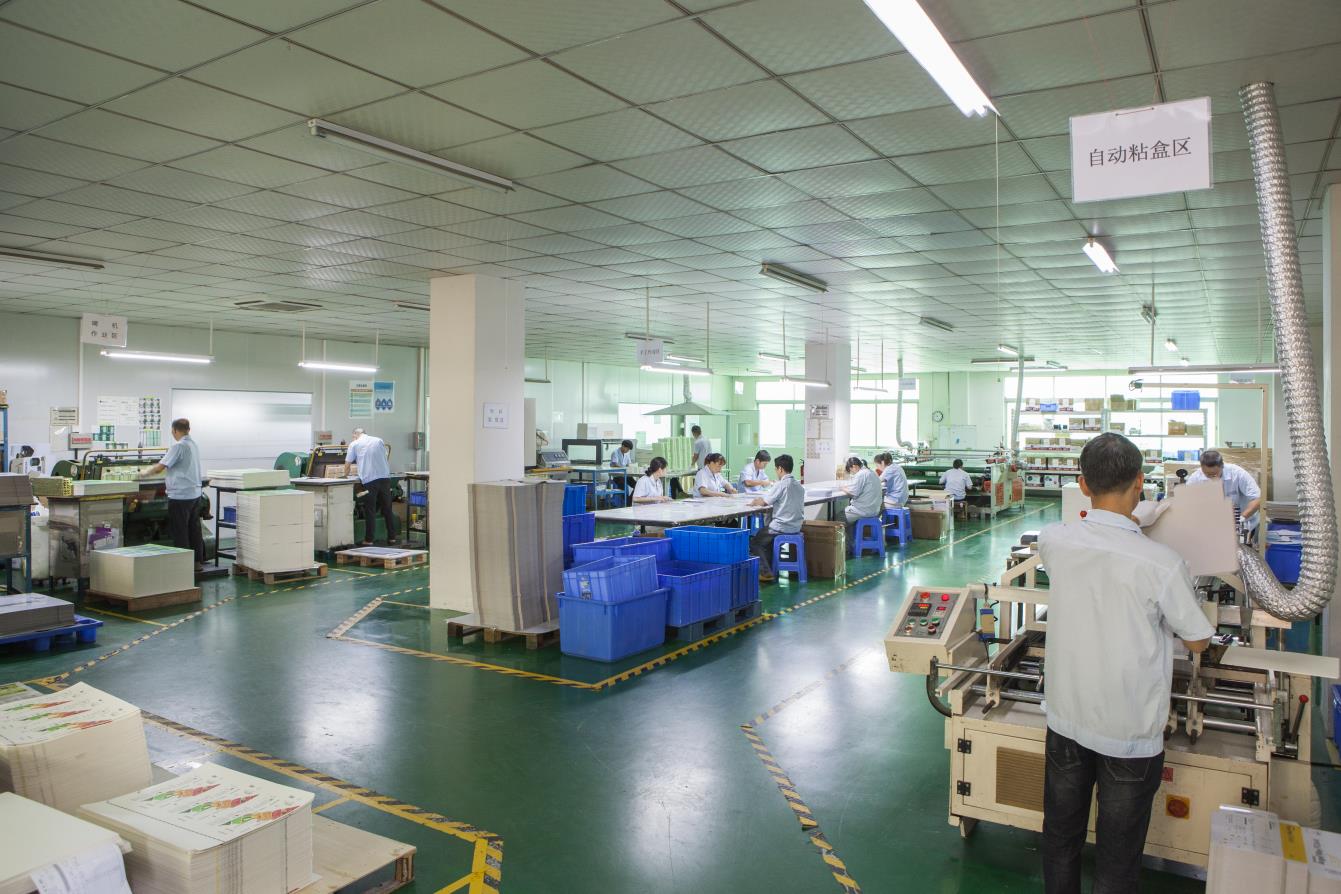
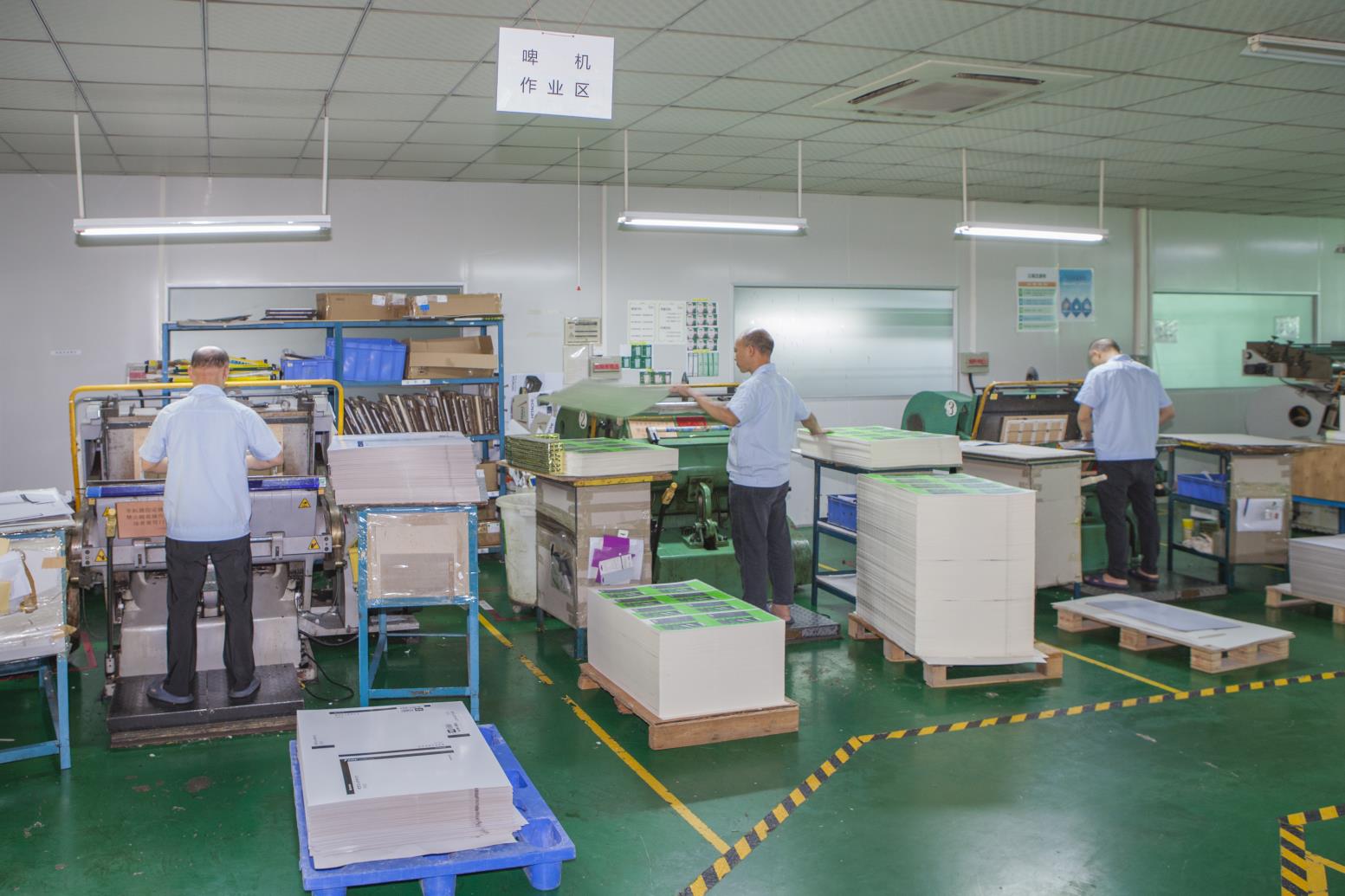
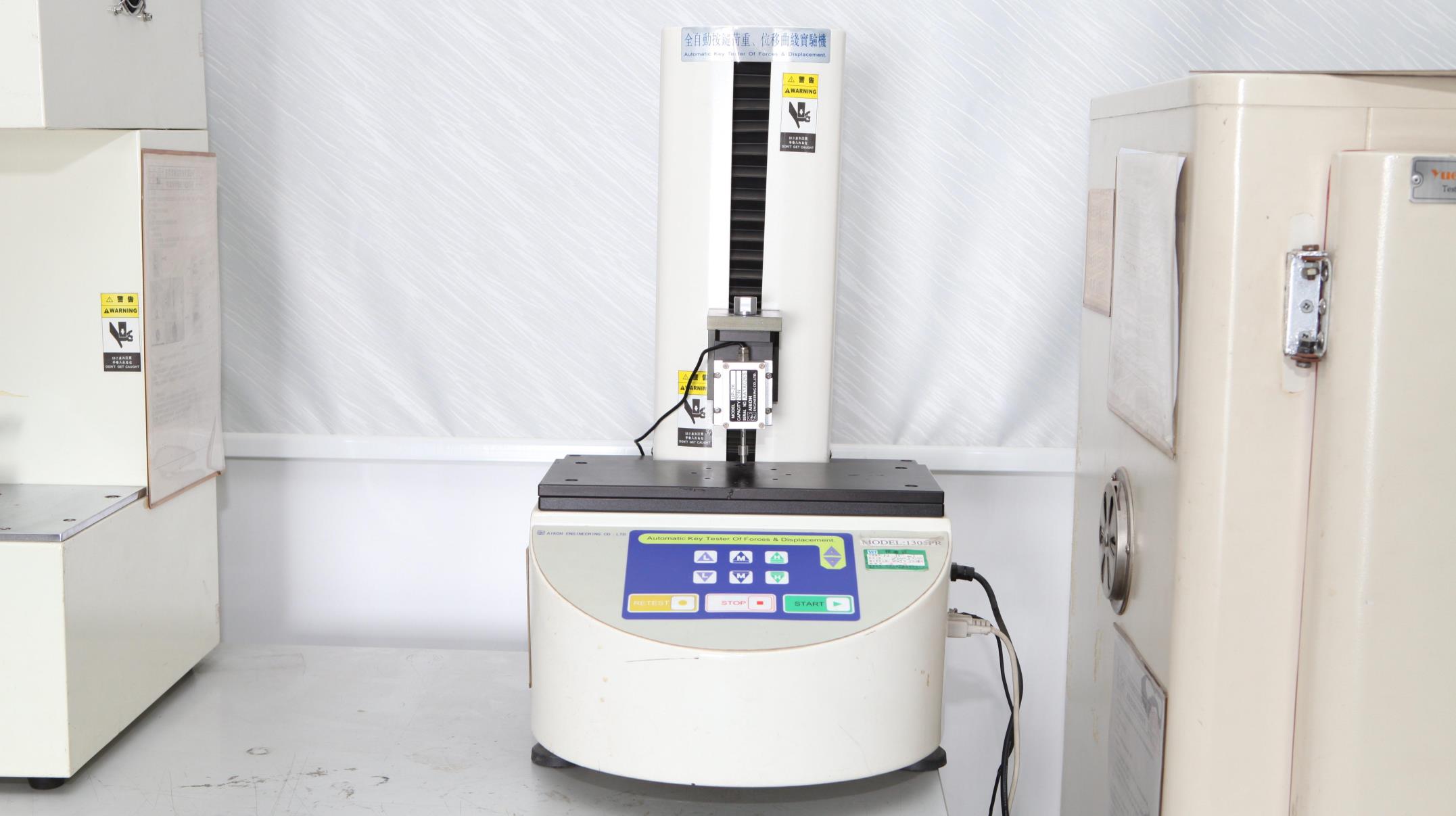
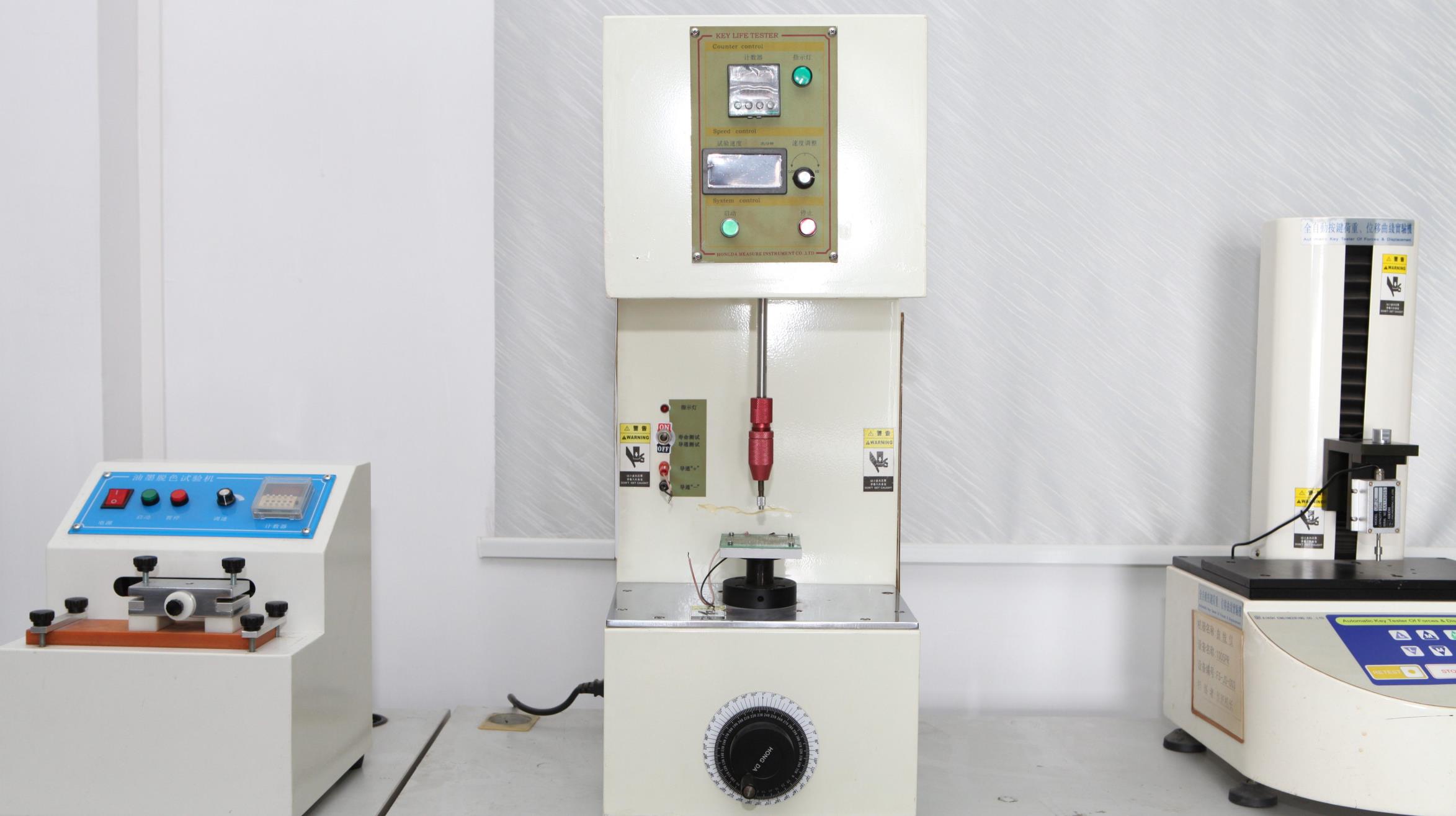
Every single membrane switch that leaves our facility passes through computerized continuity, loop resistance, insulation barrier, and high-potential breakdown test fixtures to guarantee zero field failures.
With over a decade of international trade and supply chain verification, we manufacture according to strict ISO9001 and IPC standards, delivering mission-critical assemblies to global leaders across 45 countries.
We empower OEM hardware developers by lowering barriers to entry. Benefit from rapid 5 to 7 business-day sample turnaround via our automated sample plotters and short-run tooling lines starting at just 100 units.
Detailed technical, compliance, and procurement clarifications straight from our chief tooling engineers.
Consult directly with our veteran HMI engineering team in Dongguan. Send your CAD drawings, schematics, or legacy reverse-engineering samples today for a detailed DFM review and factory-direct pricing.