OEM/ODM Polycarbonate Membrane Switch Manufacturer & Supplier

Precision Engineering, ISO 9001:2015 Assessed Cleanroom Fabrication & Rapid DFM Turnaround for Harsh Industrial, Medical & Automotive Interfaces

Fortune 500 Qualified Tier-1/2 Partner 100% Optical & Conductive Testing Intertek On-Site Verified 10,000㎡ Facility Low MOQ (100 Pcs) Prototyping

Engineered HMI Solutions & Polycarbonate Assemblies

Explore our turnkey custom human-machine interface solutions designed for extreme ingress defense, precise tactile snap ratios, and superior cosmetic durability under high-stress operating cycles.
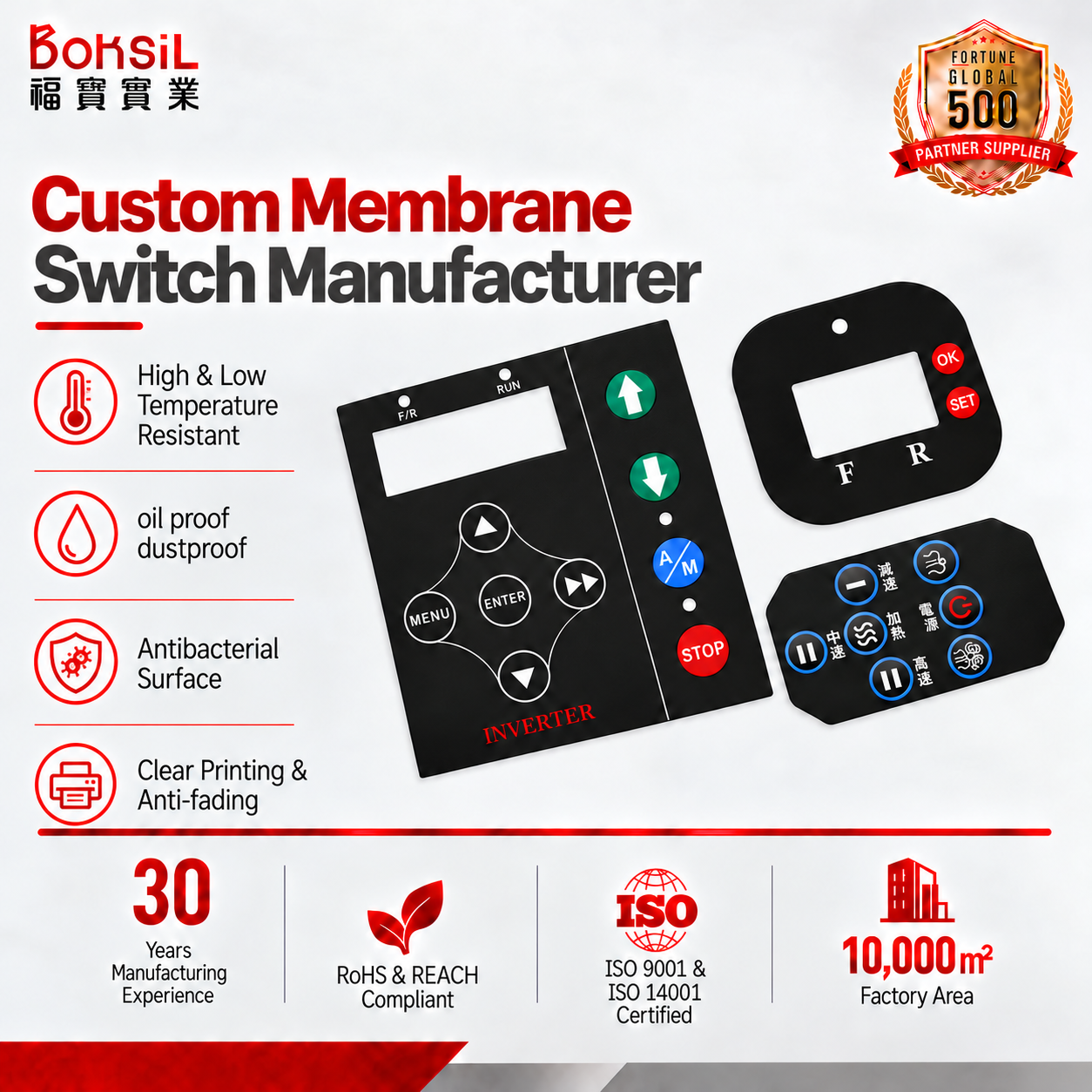
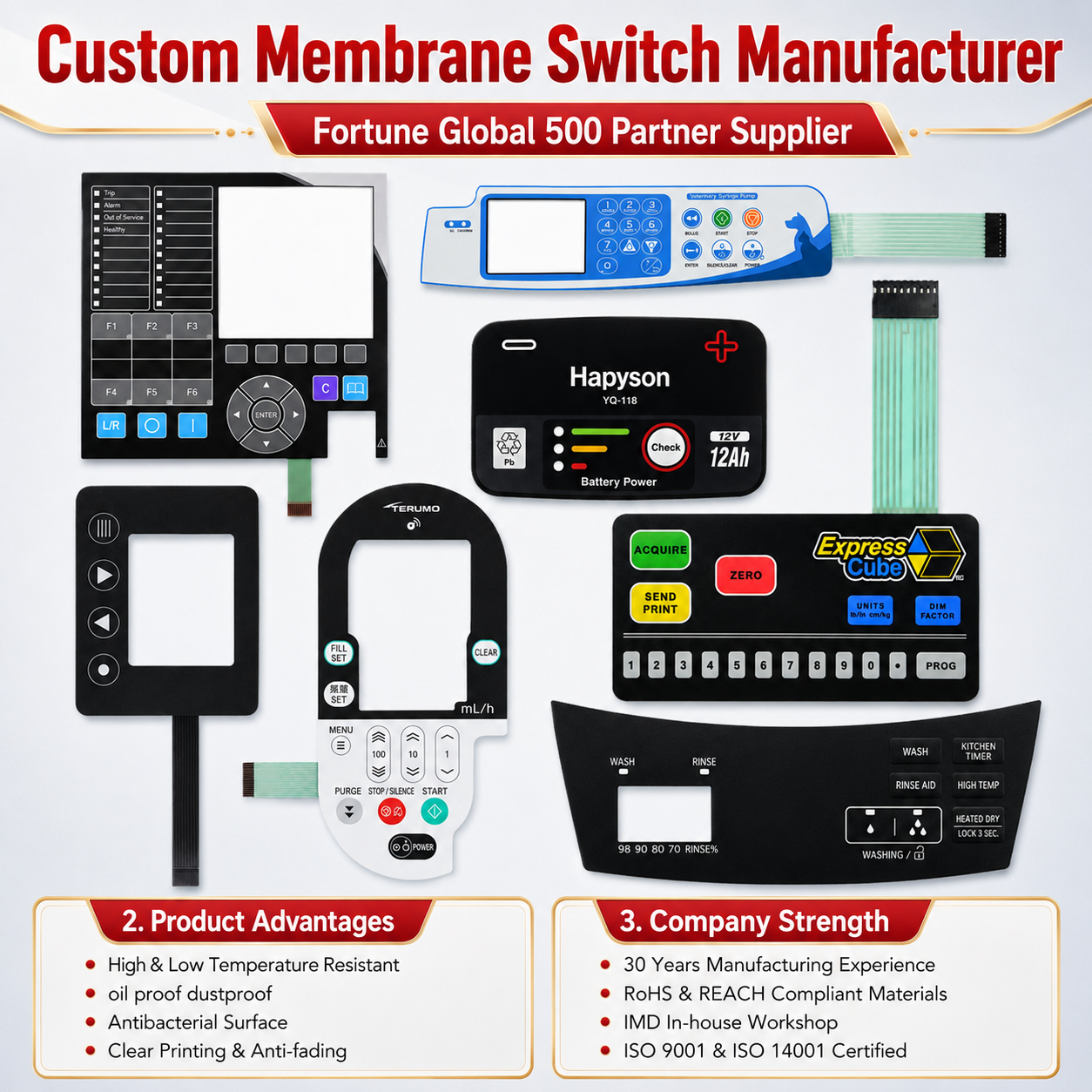
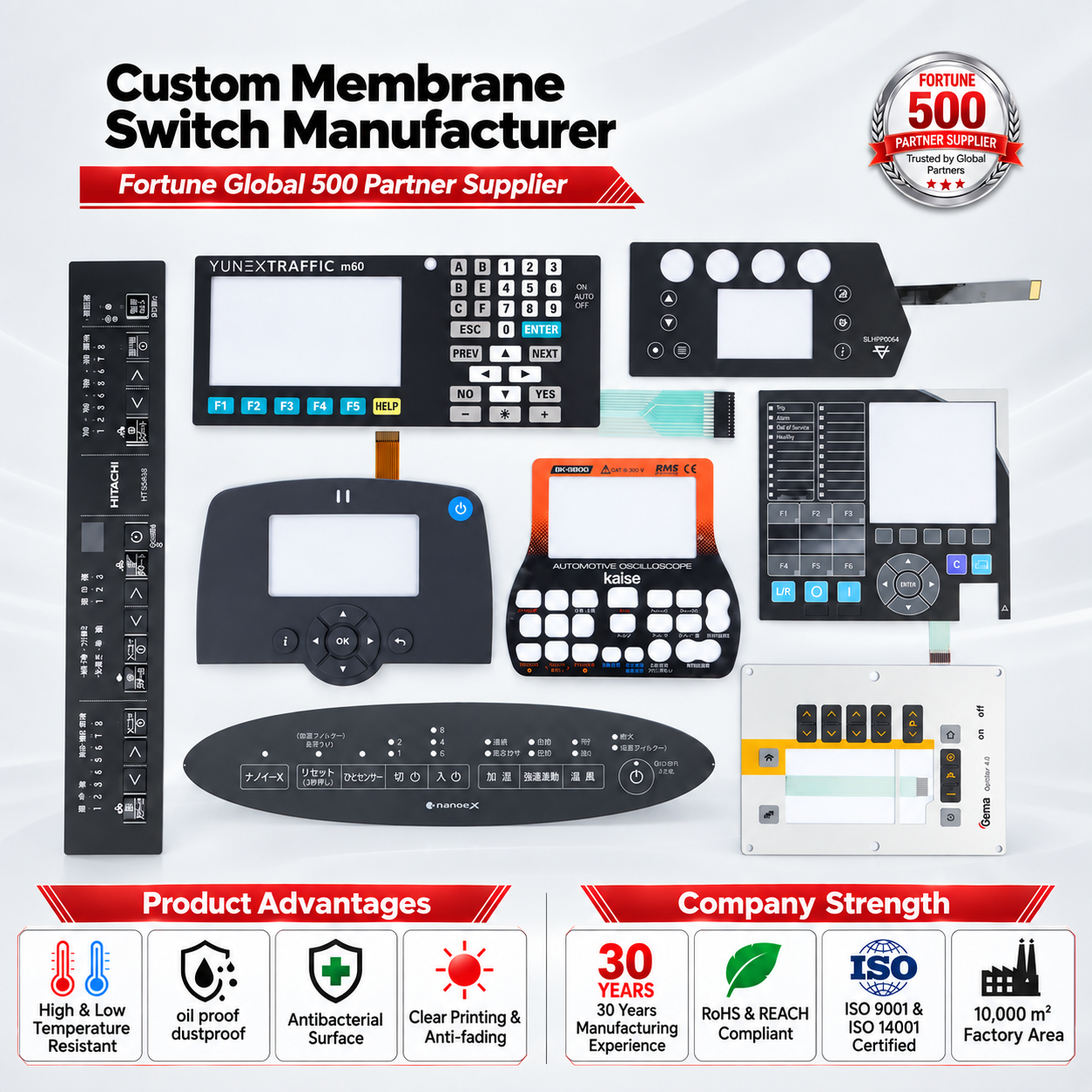
OEM ODM Factory Front Control Electronic Panel Polycarbonate Membrane Switch Graphic Overlay

OEM/ODM Front Control Electronic Panel Polycarbonate Switch Overlay

  • Substrate: Optical Grade PC (Lexan®)
  • Circuit Layer: Screen-Printed Ag / PET
  • Actuation Force: 280g - 420g Tactile Dome
Inquire Now
China Manufacturer Key Pad Graphic Overlay Button Control Panel Membrane Switch 5*4 Matrix Water-proof FPC Flexible Circuit

5×4 Matrix Waterproof FPC Flexible Circuit Keypad Switch

  • Conductive Layer: Rolled Annealed Copper FPC
  • Ingress Protection: IP65 / IP67 Perimeter Gasket
  • Pitch Tolerance: ±0.05 mm Pitch Precision
Inquire Now
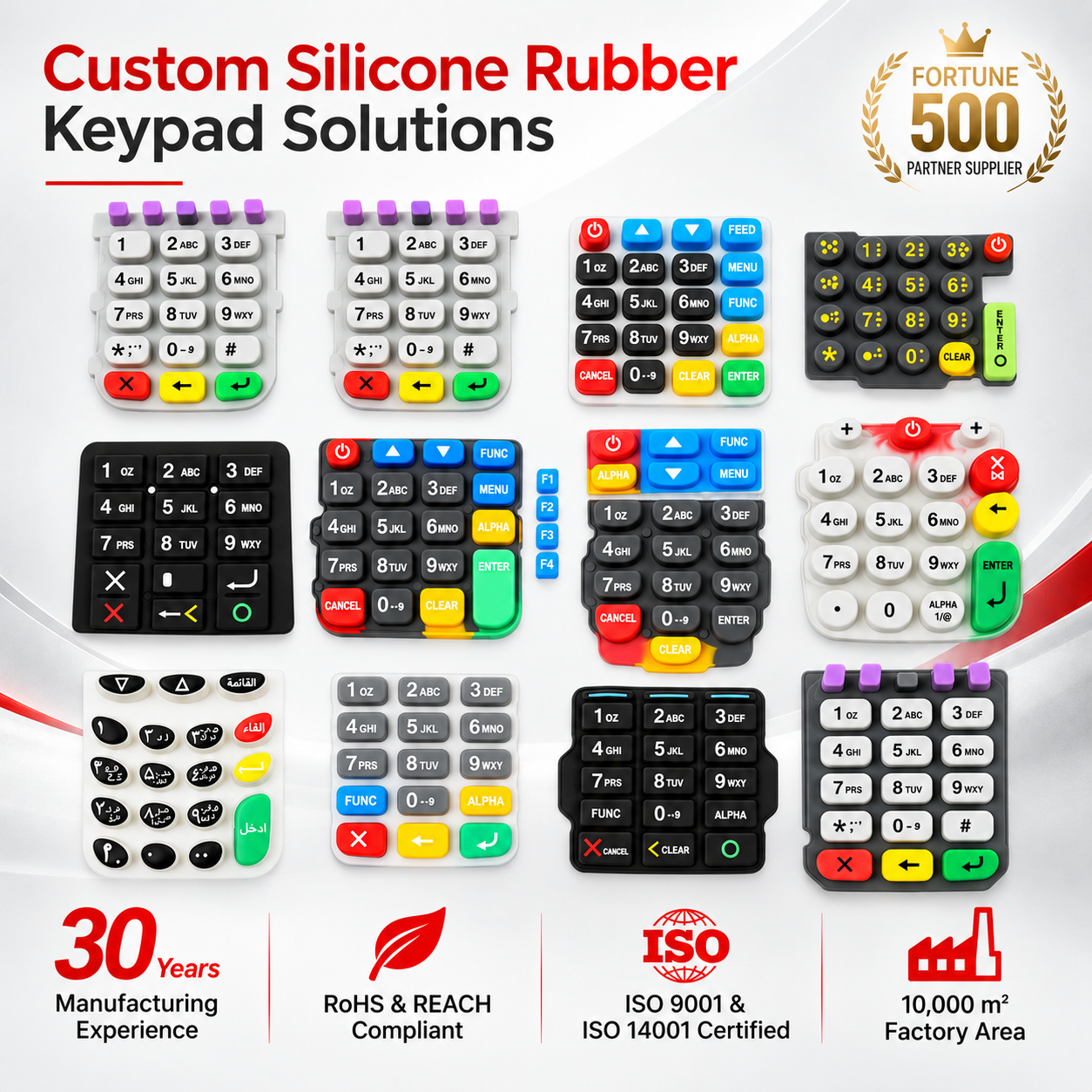
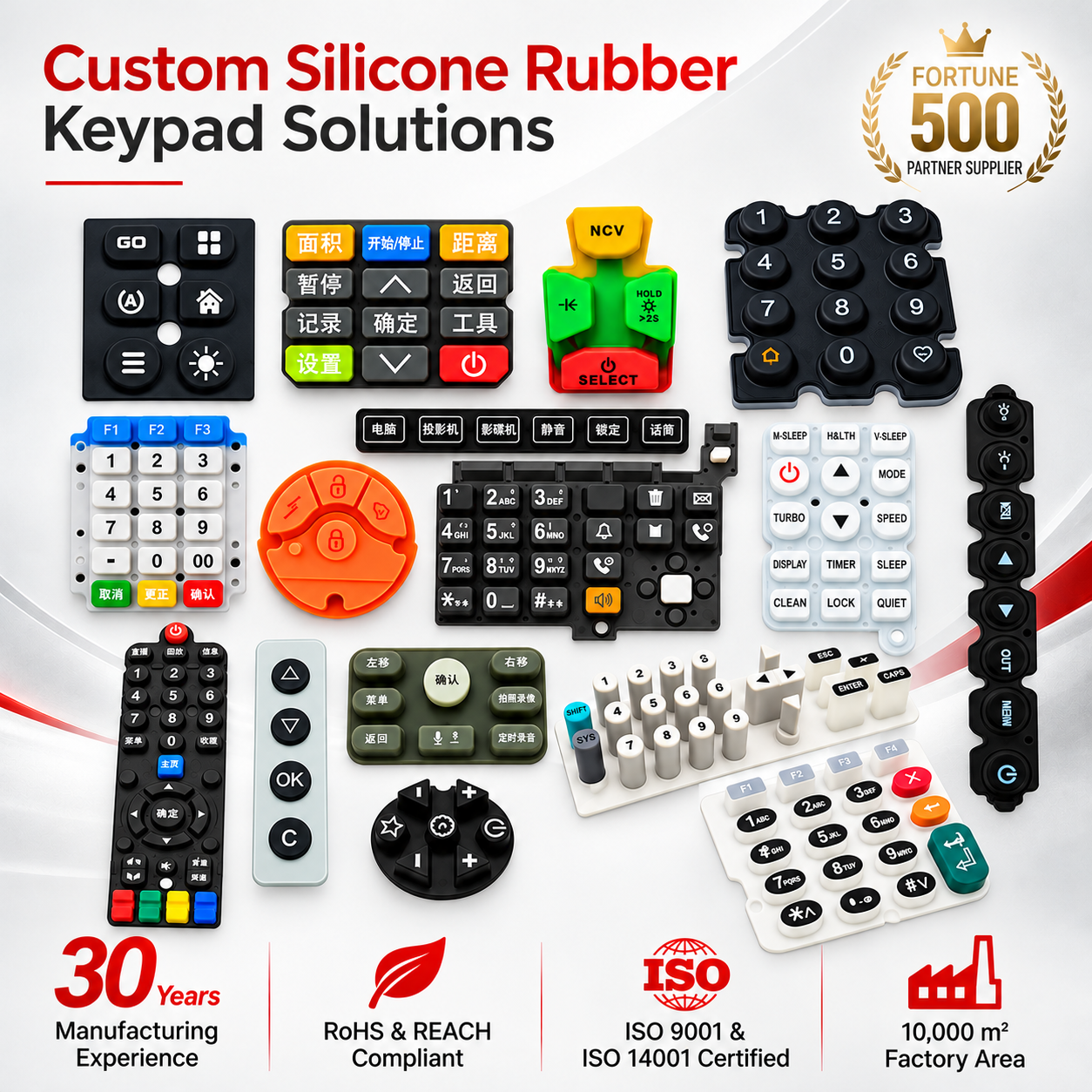
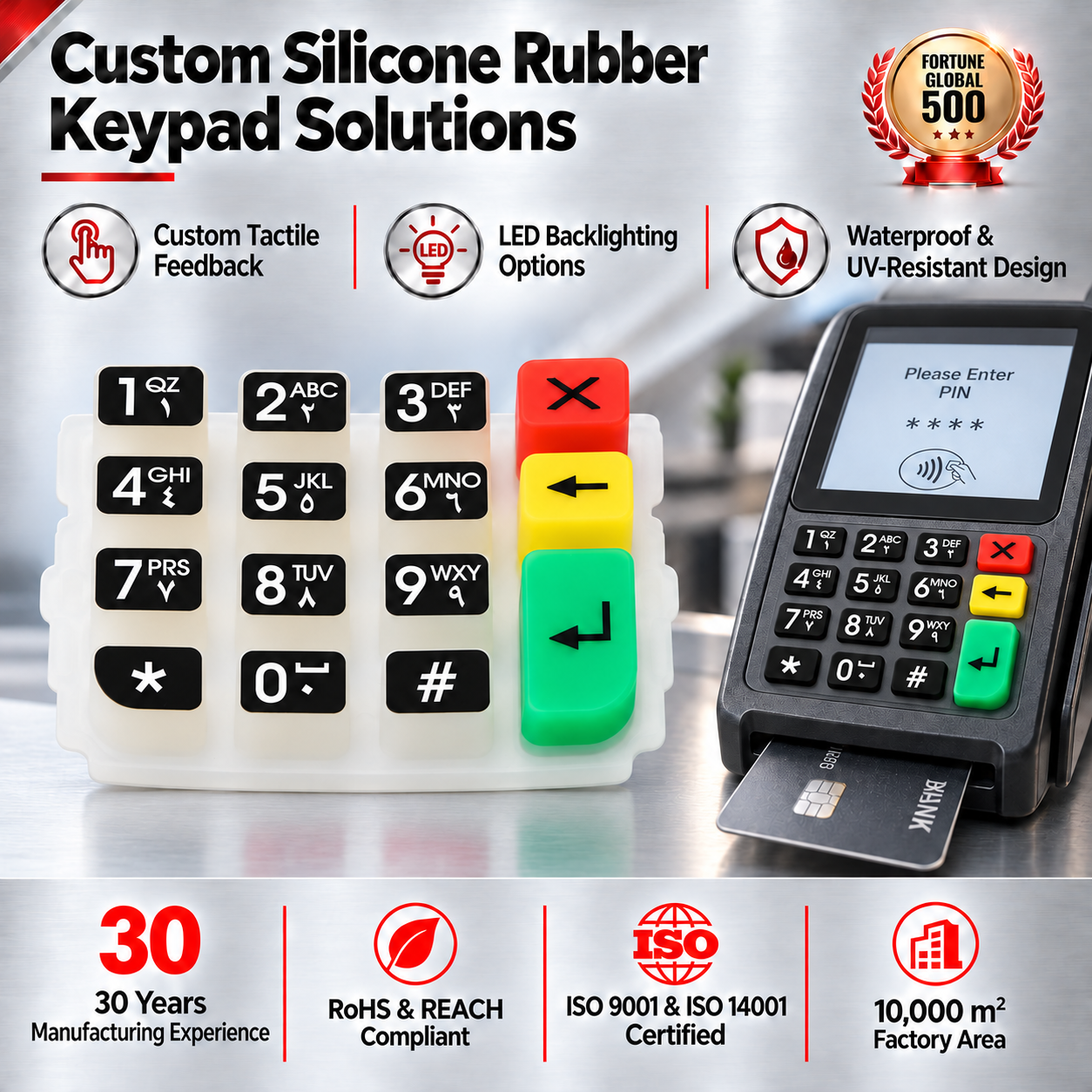
Controller Conductive OEM ODM Fabrication Silicone Rubber Elastomer Keypad Push Button for Industrial Medical Devices

Conductive Silicone Rubber Push Button Elastomer Keypad

  • Contact Pill: Conductive Carbon / Gold-Plated
  • Hardness: 40° to 70° Shore A Elastomer
  • Cycle Life: > 1,000,000 Cycles
Inquire Now
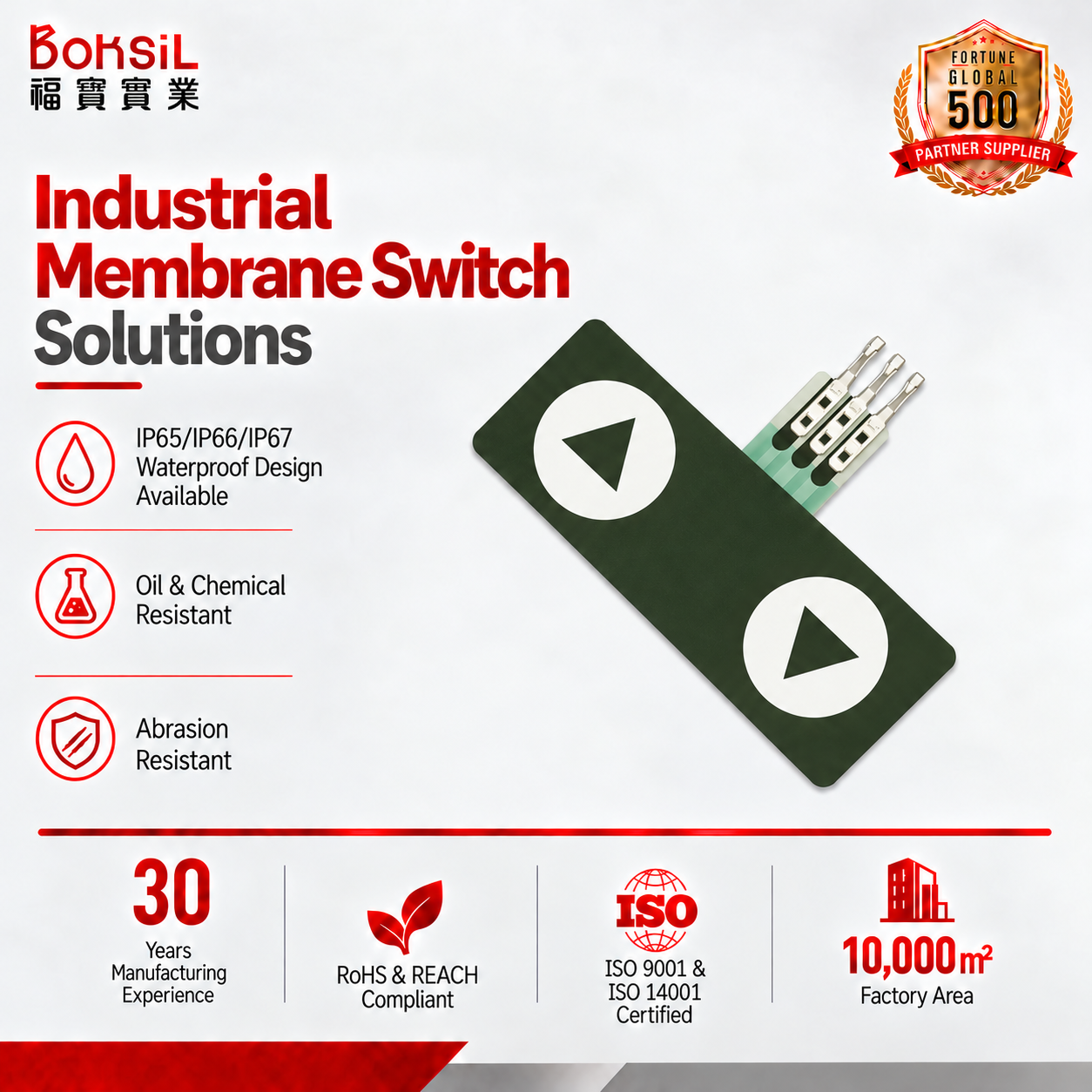
Custom Manufacture 2 Button Membrane Switch Button Panel Graphic Overlay with FPC Cable Circuit for Industry

Custom 2-Button Industrial Membrane Switch with FPC Tail

  • Overlay Finish: Velvet Anti-Glare Polycarbonate
  • Tail Connector: FCI / Nicomatic / ZIF Locking
  • Adhesive Base: 3M 467MP / 468MP High-Bond
Inquire Now
Custom Industrial Medical Automotive Appliance Membrane Switch Graphic Overlay Waterproof FPC Circuit Touch Panel

Medical & Industrial Waterproof Touch Graphic Panel

  • Surface Coating: Antimicrobial & Chemical Resist
  • Backlight Integration: LGF / Thin-Profile SMD LEDs
  • ESD Protection: Al Foil / Carbon Grid Shielding
Inquire Now
Factory Custom Membrane Switch Graphic Overlay ip65 Waterproof Membrane Keypad Touchpad Single Button Panel

IP65 Sealed Membrane Keypad with Tactile Dome Response

  • Embossing Style: Rim / Pillow / Polydome Options
  • Switch Type: Stainless Steel Dome Array
  • Loop Resistance: < 50Ω per Trace Line
Inquire Now
China Custom Size Durable Mullti Color Conductive Rubber Silicone Elastomer Keypads ptt Push Button Exporter

Multi-Color Conductive Silicone PTT Push Button Keypad

  • Printing Technique: Screen Print + Laser Etched Legend
  • Protective Topcoat: PU Coating / Matte Silicone Spray
  • Actuation Travel: 0.8mm - 2.0mm Tactile Travel
Inquire Now
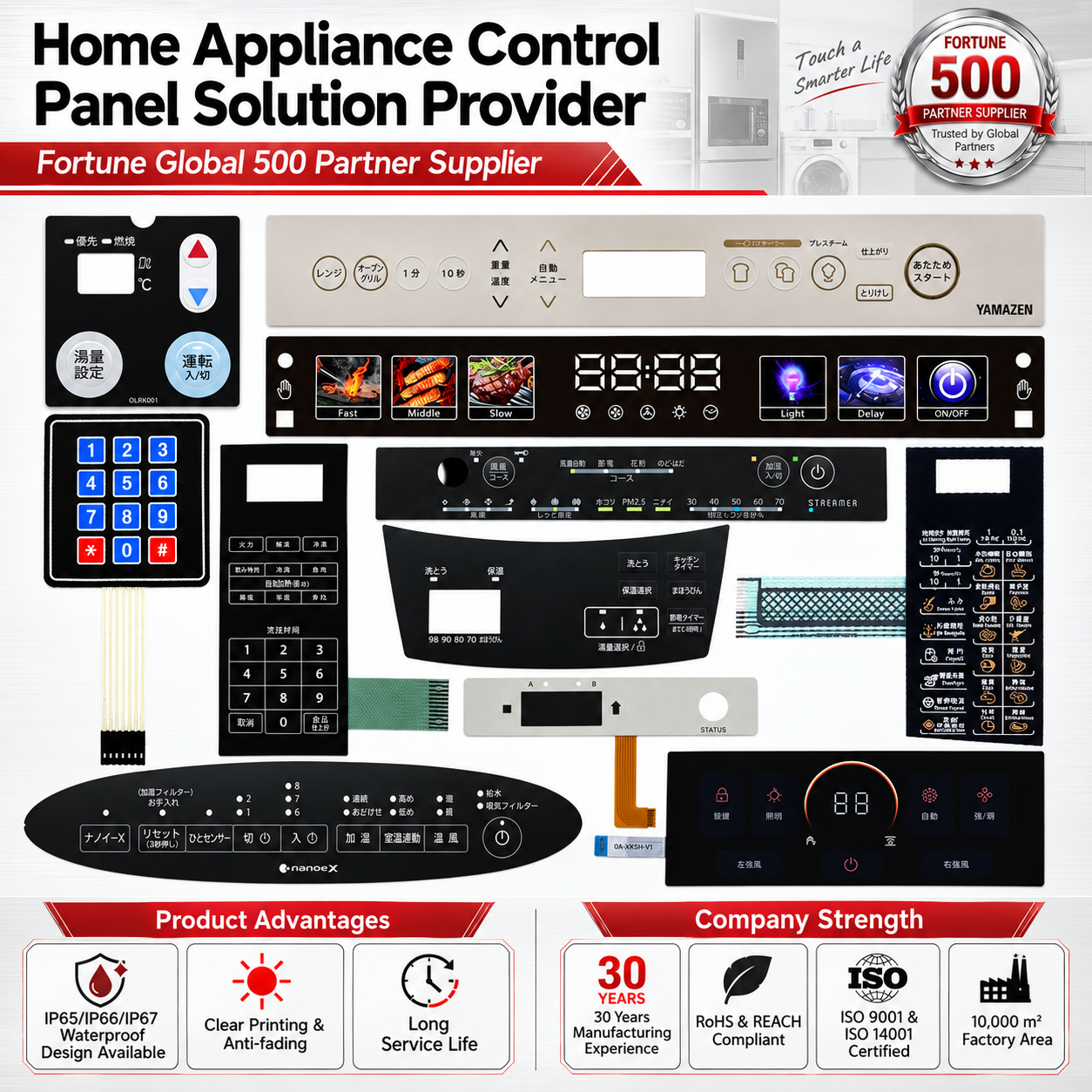
Electronic Soft Tactile Switch Plastic Silicone Button Elastomer Rubber Keypad Contact Strip for Home Appliance

Soft Tactile Silicone Button & Elastomer Contact Strip

  • Application: Home Appliance & Instrumentation
  • Resistance Value: < 100Ω Contact Resistance
  • Thermal Rating: -40°C to +180°C Operating Spec
Inquire Now
10,000㎡
Advanced Cleanroom Facility
12+
Years Engineering Expertise
100%
Electrical & Optical QC
121+
Certified Technical Personnel

Engineering Architecture: Polycarbonate vs. Alternative HMI Polymers

A rigorous material science breakdown for procurement managers and hardware design engineers evaluating surface hardness, thermal deflection, and flex endurance in human-machine interface assemblies.

In modern electronic equipment architecture, selecting the proper graphic overlay substrate determines the complete operational lifecycle of the user interface. While both Polycarbonate (PC) and Polyester (PET) serve crucial roles in membrane switch construction, Polycarbonate (bisphenol-A polymer) represents the gold standard for high-impact front control panels requiring optical clarity, flame retardancy (UL94 V-0 or V-2 ratings), tight dimensional tolerance, and comprehensive textural customizability.

Material Performance Comparison Under Dynamic Stress

Design engineers must evaluate mechanical actuation fatigue versus environmental wear. Polycarbonate offers remarkable ease of processing—permitting thermoforming, intricate display window lensing, and dead-front graphic effects without significant internal tension. However, in designs demanding millions of sharp switch actuations with embossed tactile domes, composite engineering balances Polycarbonate's aesthetic and structural rigidity with Polyester underlying circuit carriers or flexible printed copper circuits (FPC).

Evaluation Parameter Polycarbonate (PC) Overlays Polyester (PET) Substrates Copper FPC Circuits
Actuation Life Cycle 100,000 – 500,000 actuations (non-embossed) > 5,000,000 dynamic switch cycles > 10,000,000 electrical actuations
Optical Clarity & Windows Outstanding (> 88% transmittance; clear lensing) Moderate (slight haze in thick gauges) Opaque (not applicable for displays)
Chemical Resistance Susceptible to aromatic solvents & ketones Impervious to alcohols, oils, industrial acids High environmental chemical stability
Flammability Rating Meets UL94 V-0, V-2, or HB standards Typically UL94 VTM-2 UL94 V-0 compliant polyimide base
Dielectric Strength ~ 15 to 20 kV/mm ~ 18 to 22 kV/mm High insulation resistance (>500MΩ)
Embossing Longevity Prone to micro-cracking under sharp bending Superior shape memory & stress recovery Flexible planar configuration

Strategic Sourcing Insights & Market Dynamics (2025–2030)

The global market for membrane switches and HMI panels is shifting rapidly from standard commodity keyboards to ruggedized, sensor-integrated, and hermetically sealed hybrid control surfaces. Driven by advancements in medical point-of-care instruments, off-highway vehicle dashes, smart energy controllers, and factory automation PLCs, buyers are adjusting their OEM/ODM procurement strategies along three critical pillars:

Consolidated Hybrid Assemblies

Global procurement teams prioritize single-source vendors capable of merging silicone elastomers, acrylic front lenses, and metal domes onto single FPC layers to slash assembly supply-chain fragmentation.

Capacitive Touch Fusion

Traditional mechanical switches are increasingly hybridized with solid-state capacitive sliders and proximity wake-up arrays beneath dead-front polycarbonate graphic skins for seamless hygiene cleaning.

Harsh Ingress & ESD Defenses

Tighter regulatory mandates demand IP67+ rated full-perimeter adhesive venting and electrostatic shielding (attenuating > 15kV spark discharge) to protect sensitive sub-assemblies.

Low-Resistance Copper Traces

Shrinking terminal pitches (0.5mm and 1.0mm) encourage shifting from screen-printed silver inks to etched copper polyimide (FPC) circuits, eliminating trace migration and contact resistance drop-offs.

Intertek-Verified Testing Laboratory & Process Rigor

Zero-defect manufacturing executed through 100% electrical continuity verification, computerized actuation force-displacement profiling, and harsh environmental stress testing.
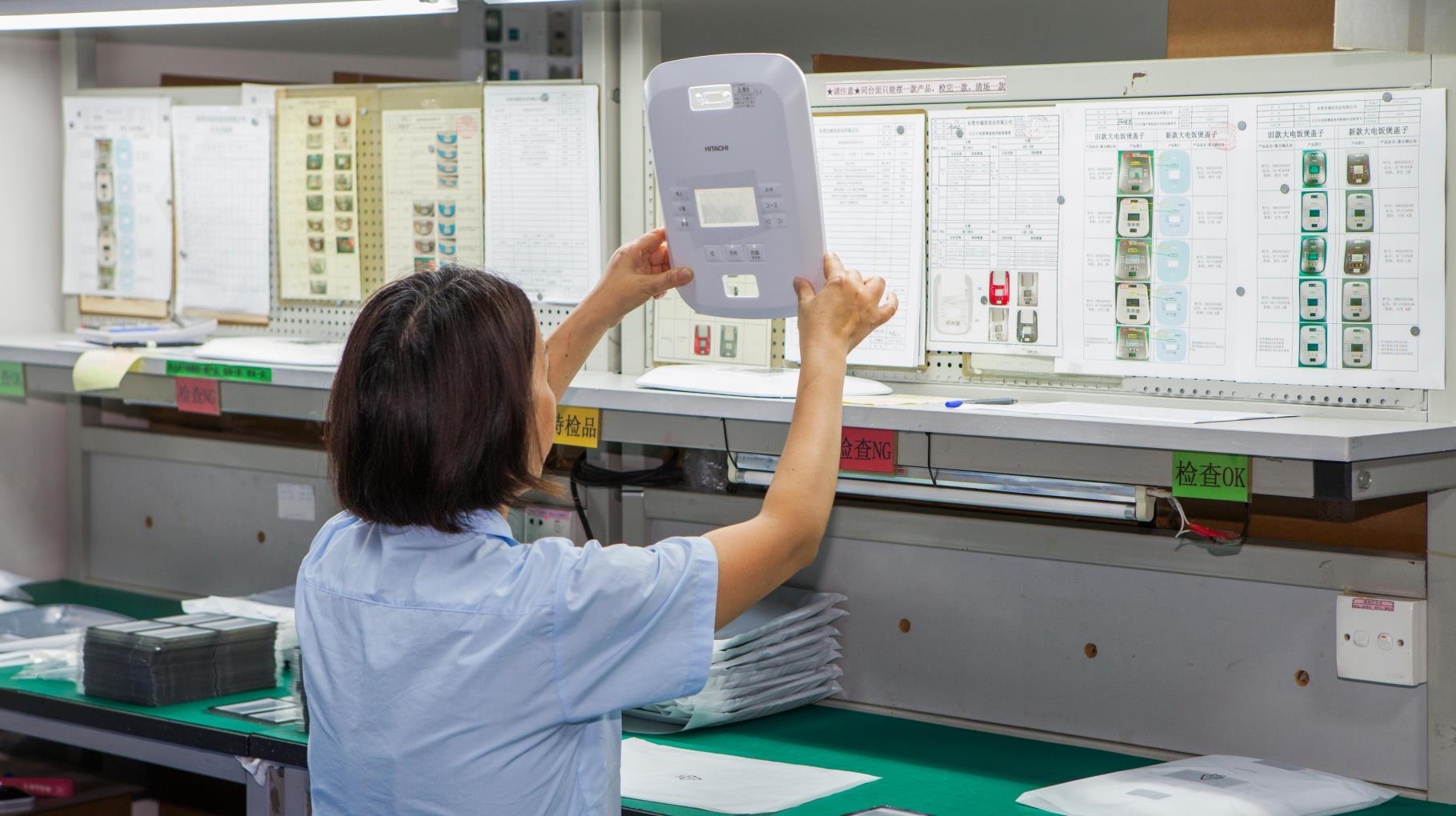
100% Electrical Inspection Machine
100% Continuity & LED Inspection

Automated circuit testing checking loop resistance, insulation breakdown, and diode luminescence.
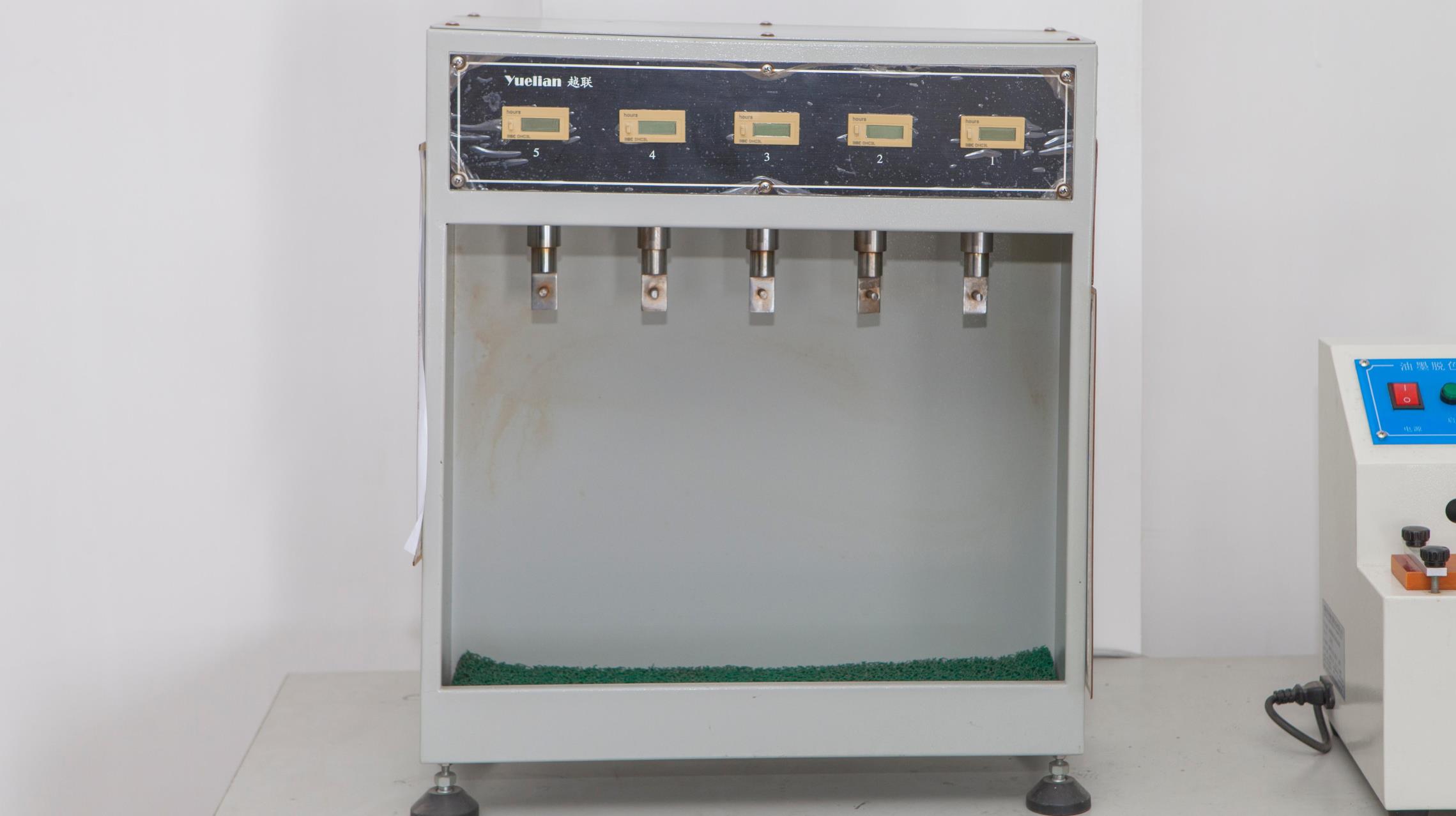
Tensile Testing Machine
Tensile & Peel Strength Tester

Validates 3M pressure-sensitive adhesive bonding peel forces to prevent tail and layer delamination.
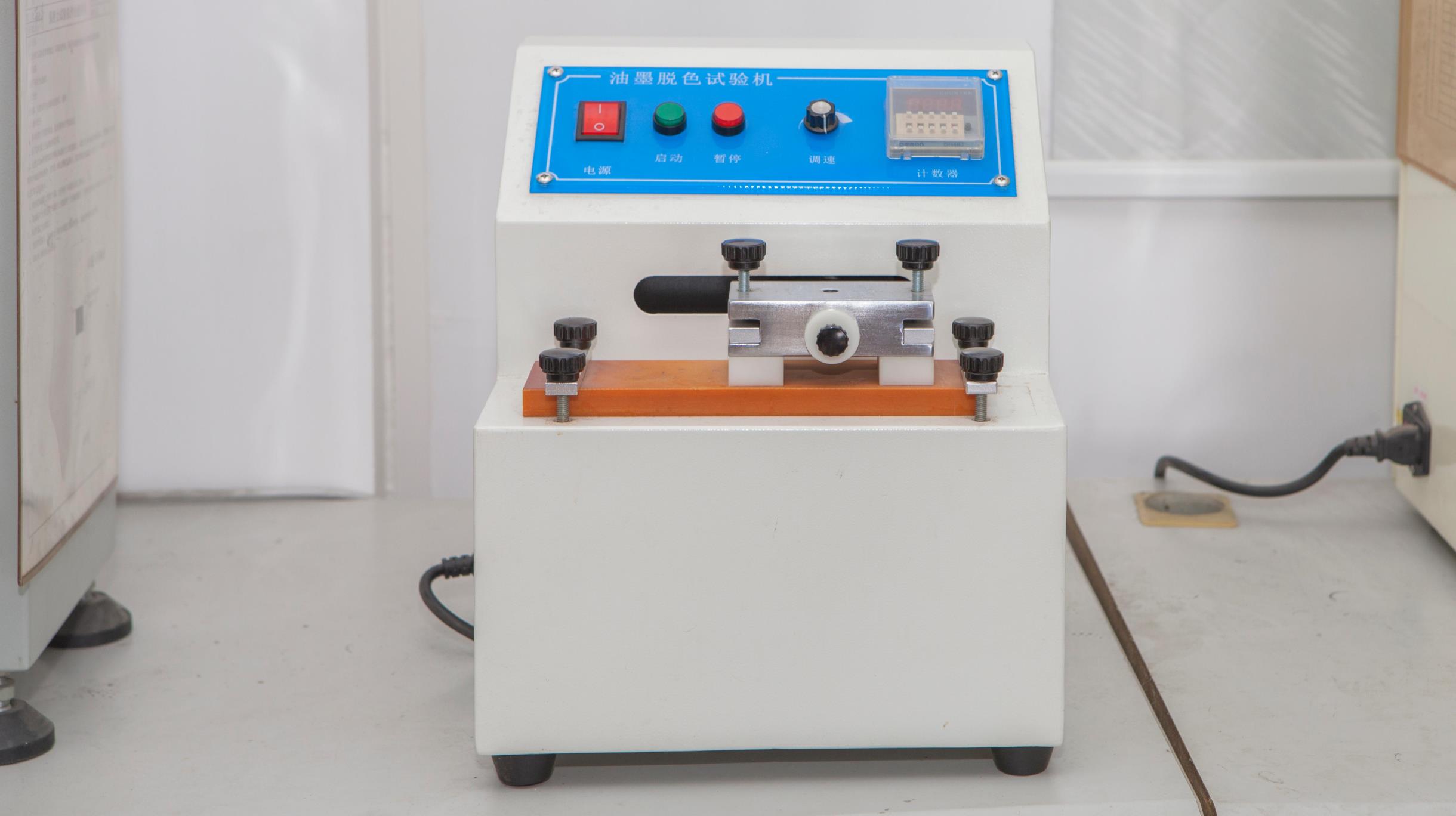
Ink Decolorization Tester
Ink Decolorization & Rub Tester

Quantifies abrasion tolerance and chemical solvent rub resistance across screen-printed graphics.
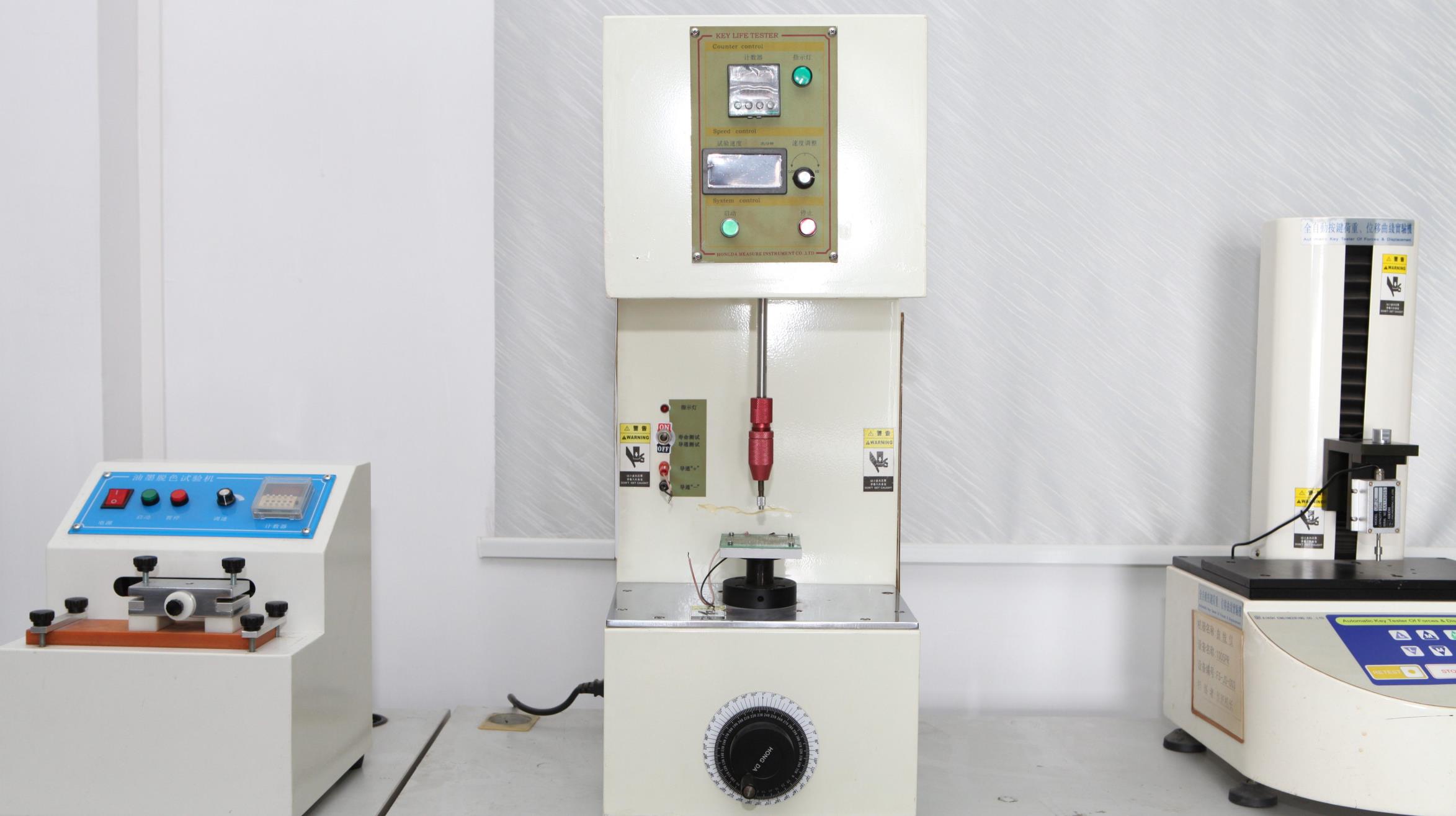
Key Life Tester
Multi-Station Key Life Tester

Continuous mechanical pneumatic cycling validating dome fatigue up to 5+ million keystrokes.
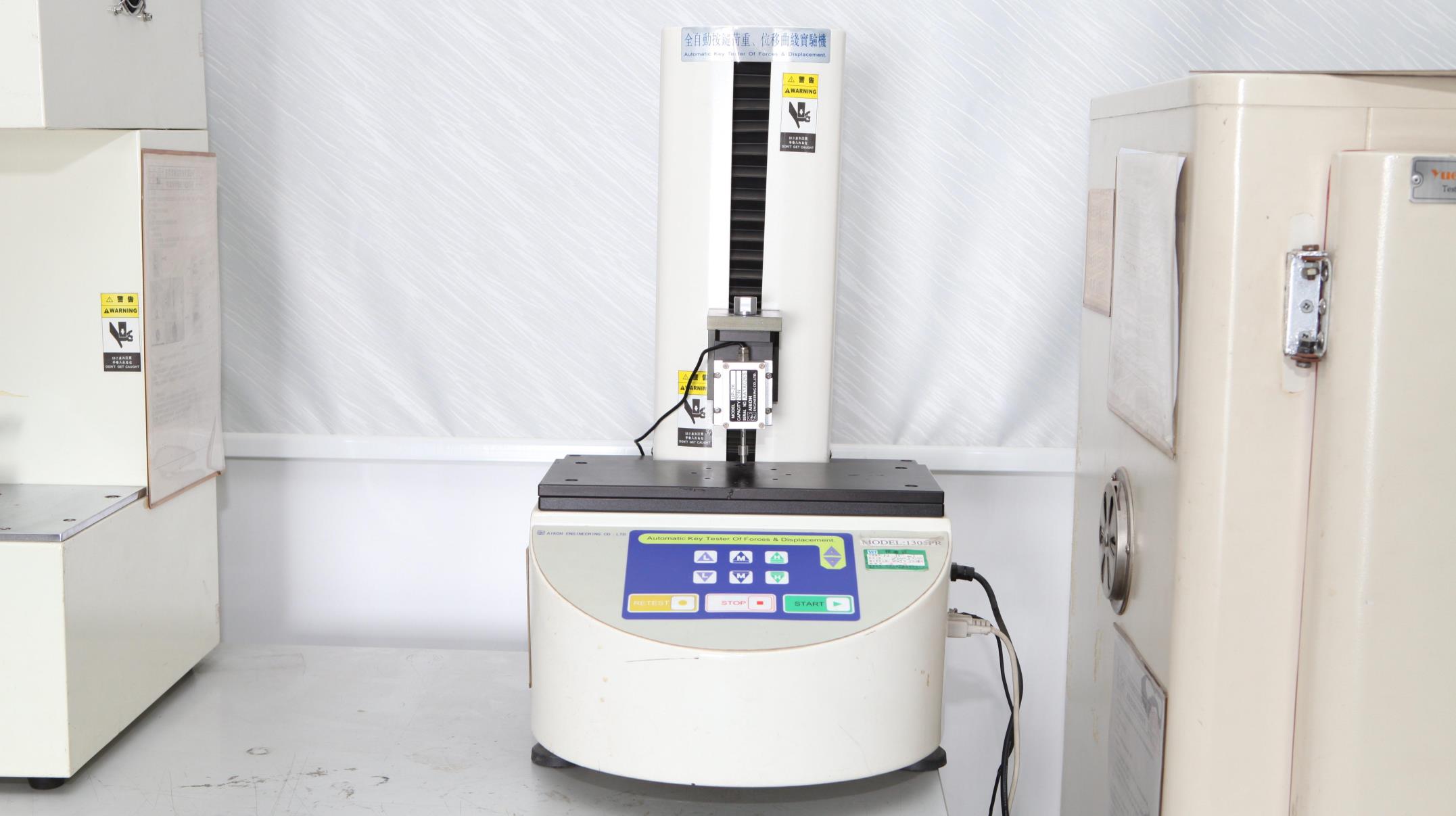
Force and Displacement Tester
Force-Displacement Curve Profiler

Plots snap ratio, click feel, actuation peak force, and tactile rebound with sub-gram resolution.
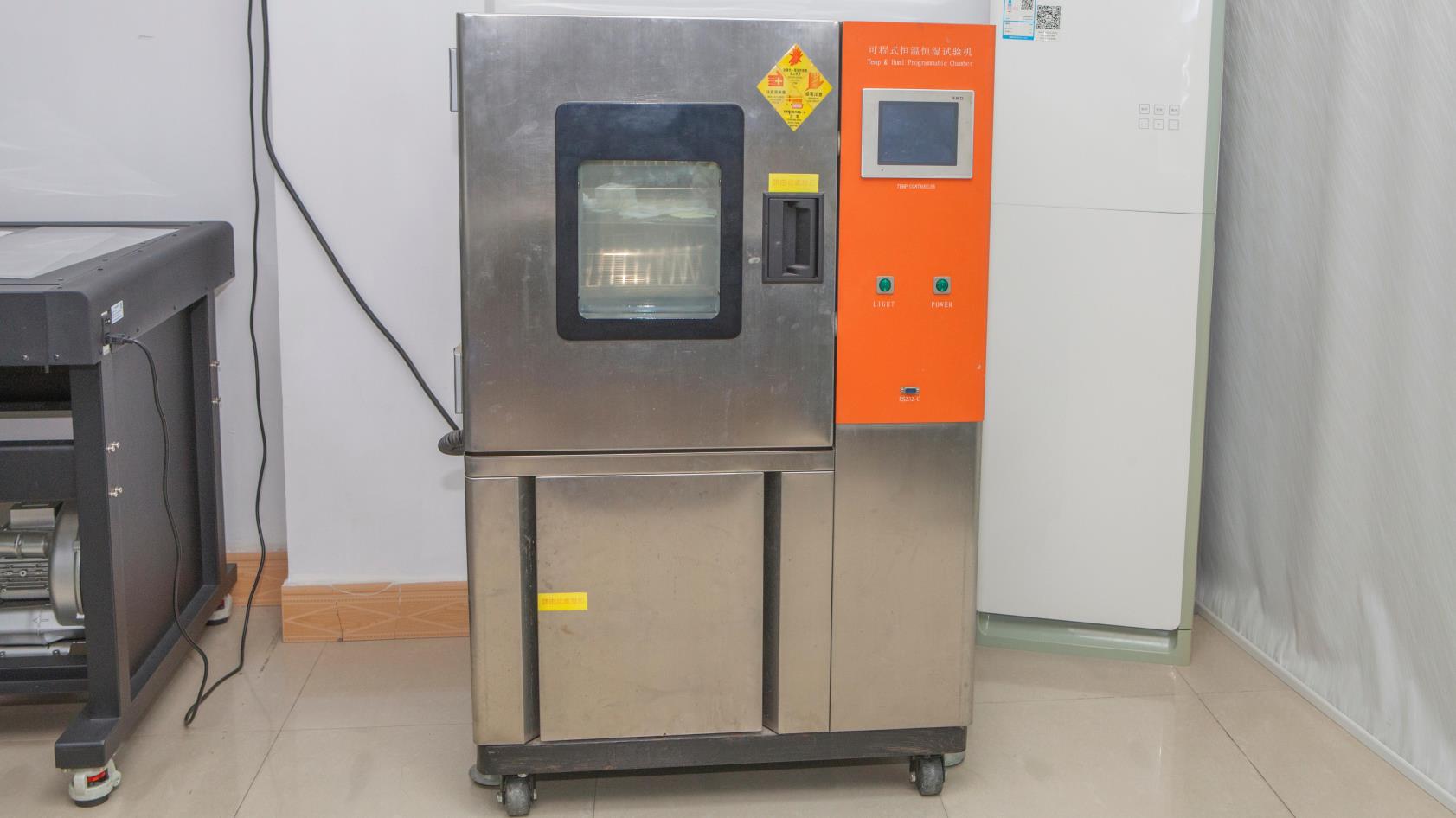
Programmable Environmental Chamber
Programmable Temp & Humidity Lab

Accelerated aging chambers running thermal shock (-40°C to +85°C) and 95% RH cyclic exposure.
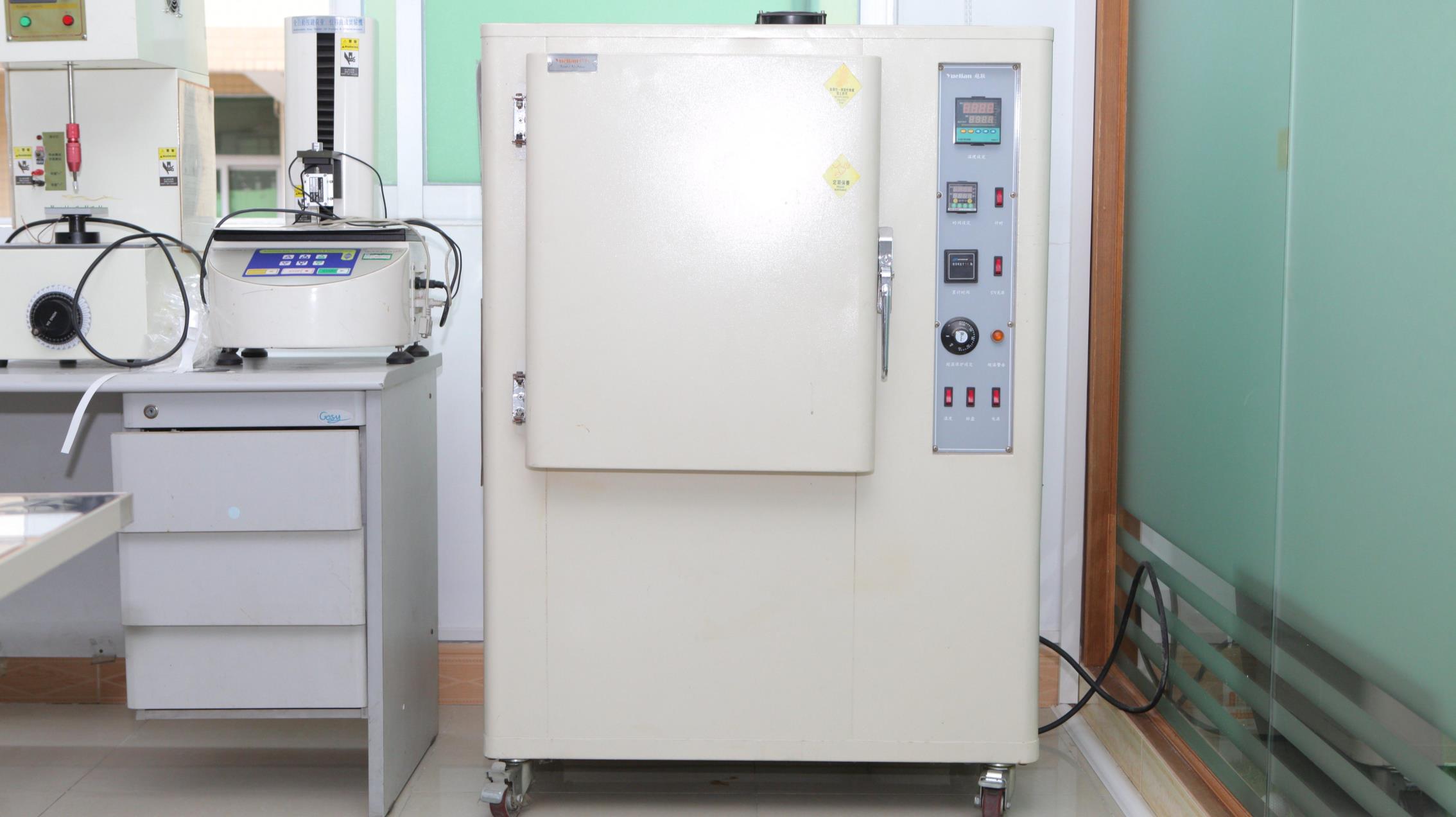
Yellowing Resistance Tester
UV Yellowing Resistance Chamber

Simulates extended outdoor exposure to confirm polycarbonate transparency and optical stability.
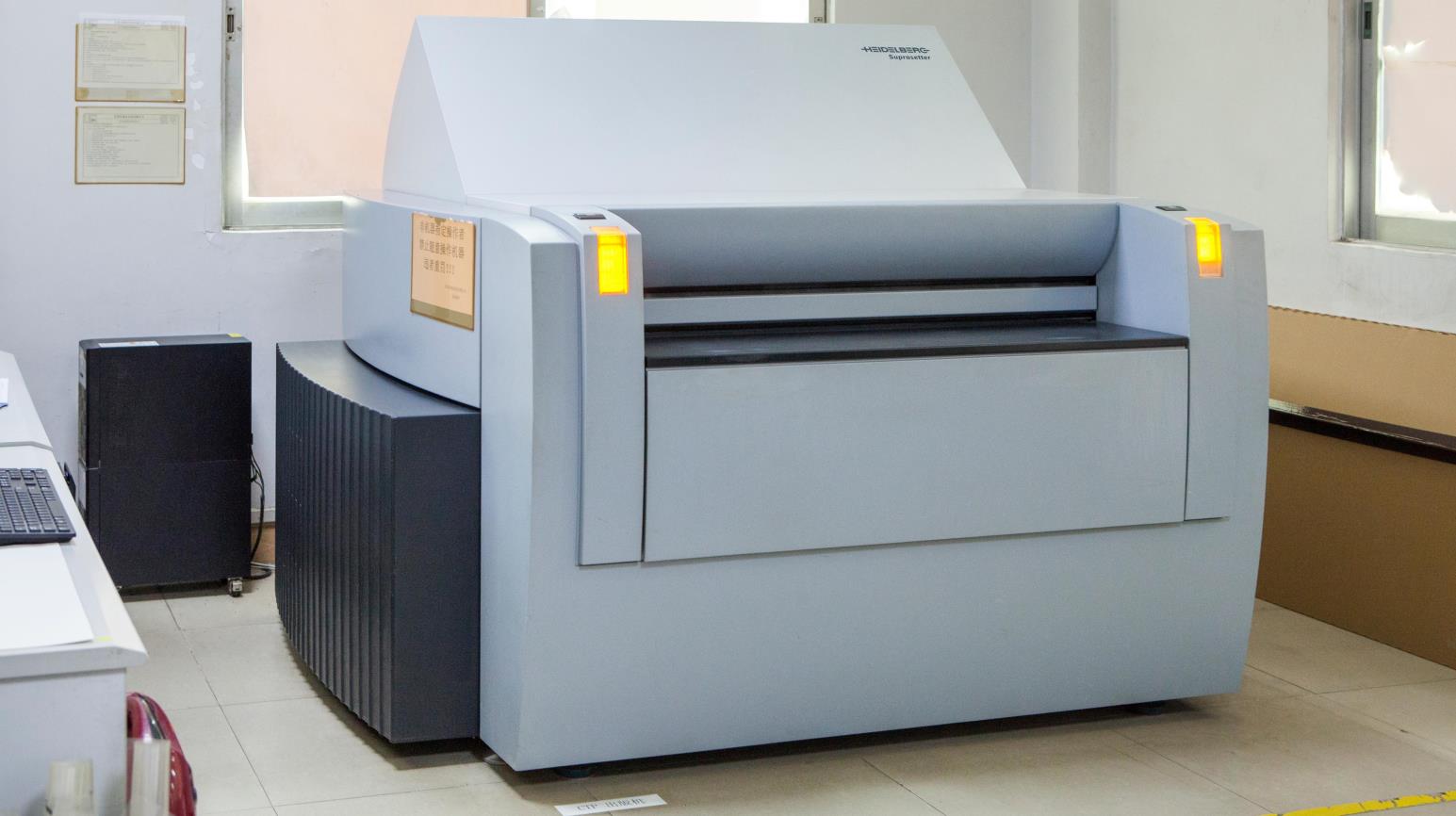
Sample Rapid Prototyping Line
Digital Plotting & Sample Cutter

Tool-less rapid prototyping delivering engineering verification samples within 3 to 5 working days.
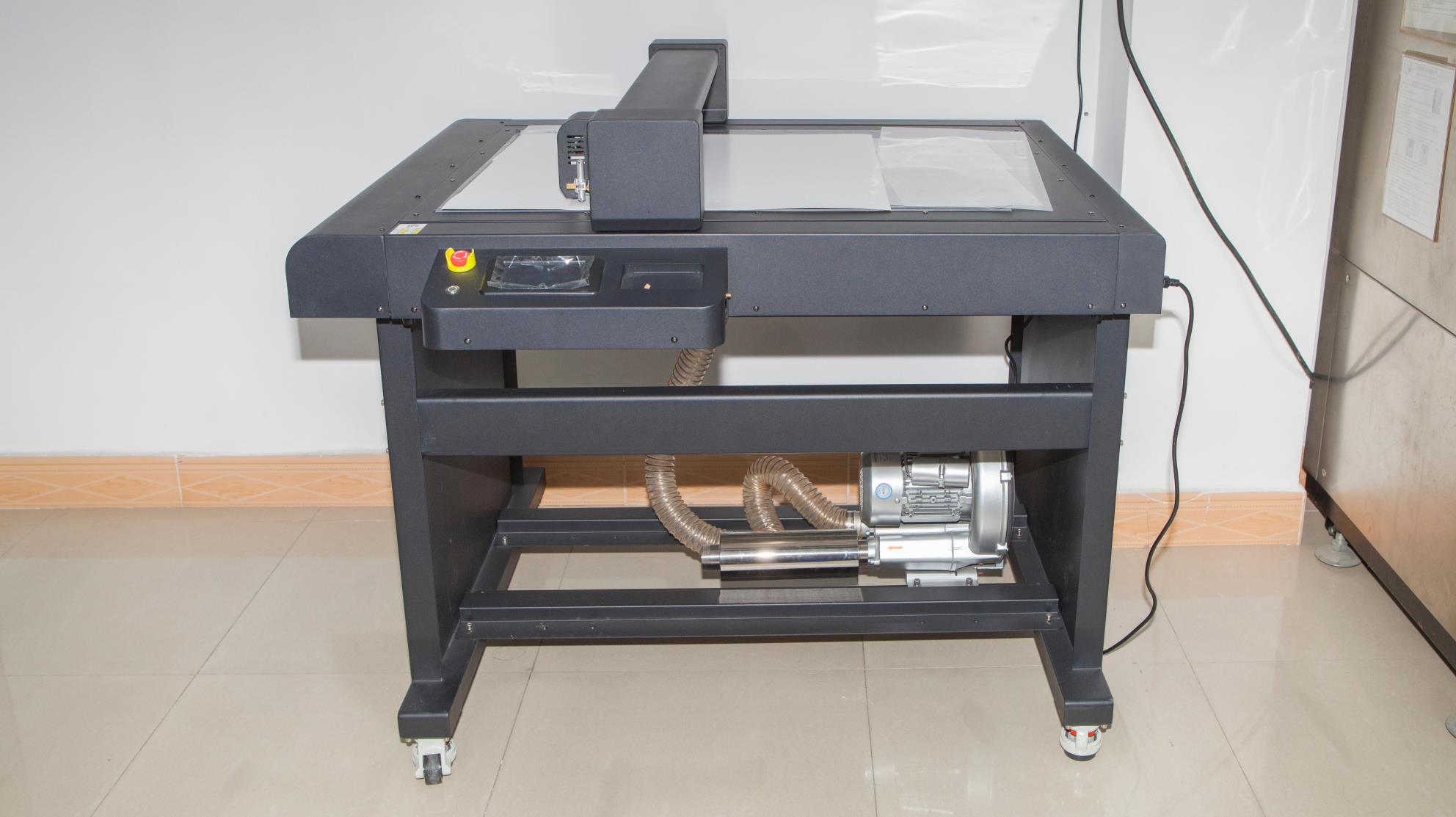
Precision Flatbed Die Cutting Machine
Automated Flatbed Die-Cutter

High-precision optical registration cutting retaining outline dimensions to tighter than ±0.1mm tolerance.

Why Global Tier-1 Hardware Brands Partner with AXRU

Operating a 10,000㎡ verified production plant in Dongguan, China with over 121 skilled technicians, Dongguan AXRU Electronics Co., Ltd. eliminates outsourcing friction. We control raw material prep, precision screen-printing, SMD component soldering, dome array lamination, and Class 10,000 cleanroom final assembly completely in-house.

Recognized as an approved manufacturing partner for Fortune 500 equipment makers and backed by over a decade of international trade and compliance competence (ISO 9001, RoHS, REACH), our engineering staff delivers end-to-end DFM reviews that preempt tooling delays, ensure accurate Pantone matching, and prevent circuit trace silver migration.

Procurement & Engineering FAQ

Direct technical answers addressing layer stack-up rules, environmental ingress parameters, backlighting architectures, and rapid tooling lead times.

What design files and specifications are required to obtain a DFM review and quotation?
To initiate an expedited engineering review, please furnish your 2D dimensional drawing (.DXF, .DWG, or vector .PDF) specifying key dimensions, connector tail location, and cutouts. Overlay graphic files should be supplied in editable Adobe Illustrator (.AI) with fonts converted to outlines and PMS/Pantone color designations specified. Please include circuit schematics (matrix, common bus, or discrete wiring), operating voltage/current, tactile dome force preferences (e.g., 280g, 350g, 420g), adhesive requirements (e.g., 3M 467MP, 468MP, 300LSE for low-surface-energy plastics), and target ingress ratings (IP65, IP67).
What is your Minimum Order Quantity (MOQ) and prototype turnaround time?
We understand that OEM projects require iterative engineering validation before commercial scale-up. Our baseline minimum order quantity starts at just 100 units for custom membrane switches, graphic overlays, and silicone push-button assemblies. Rapid prototypes fabricated via laser cutting and digital plotting can be delivered in as few as 3 to 5 business days, allowing functional testing of the mechanical snap ratio and optical window performance before hard tooling commitment.
How does AXRU ensure ingress sealing up to IP65, IP67, and washdown standards?
To achieve IP65 to IP67 sealing, our engineering team implements continuous closed-cell perimeter adhesive gaskets (utilizing high-shear 3M acrylic foam or transfer adhesives) entirely isolating the dome cavities and circuit traces from external moisture, dust, and corrosive vapors. We incorporate specialized membrane venting channels that exhaust trapped internal air into the rear housing rather than the exterior face, preventing pressure-induced dome collapse during altitude changes or thermal expansion cycles.
What backlighting technologies can be integrated into thin-profile polycarbonate switches?
We offer four primary illumination architectures tailored to budget and optical uniformity requirements: (1) Surface Mount Device (SMD) LEDs embedded directly inside embossed spacer pockets for key or status indication; (2) Light Guide Film (LGF) where side-firing micro-LEDs channel uniform edge light across complex legends with minimal thickness (0.125mm–0.25mm); (3) Electroluminescent (EL) lamps for ultra-thin, low-power ambient illumination; and (4) Woven optical fiber panels delivering zero-heat, uniform light patterns suitable for high-EMI medical environments.
How do you mitigate silver migration and electrostatic discharge (ESD) in extreme environments?
Silver trace dendrite formation (silver migration) occurs under high humidity and continuous DC voltage bias. To counter this, we apply full carbon-overprint protective coatings encapsulating all silver paths, or alternatively migrate the conductive layer to a copper-clad polyimide FPC circuit. For ESD protection, we incorporate a dedicated solid aluminum foil layer or printed conductive grid shield connected directly to the chassis ground tail, capable of dissipating electrostatic surges exceeding 15kV to prevent micro-controller lockups.

Accelerate Your Custom Membrane Switch Project

Send your CAD drawings, graphic artwork, or sample specifications to our senior engineering team today. We provide full DFM feasibility analysis, material stack-up proposals, and quotation within 24 hours.