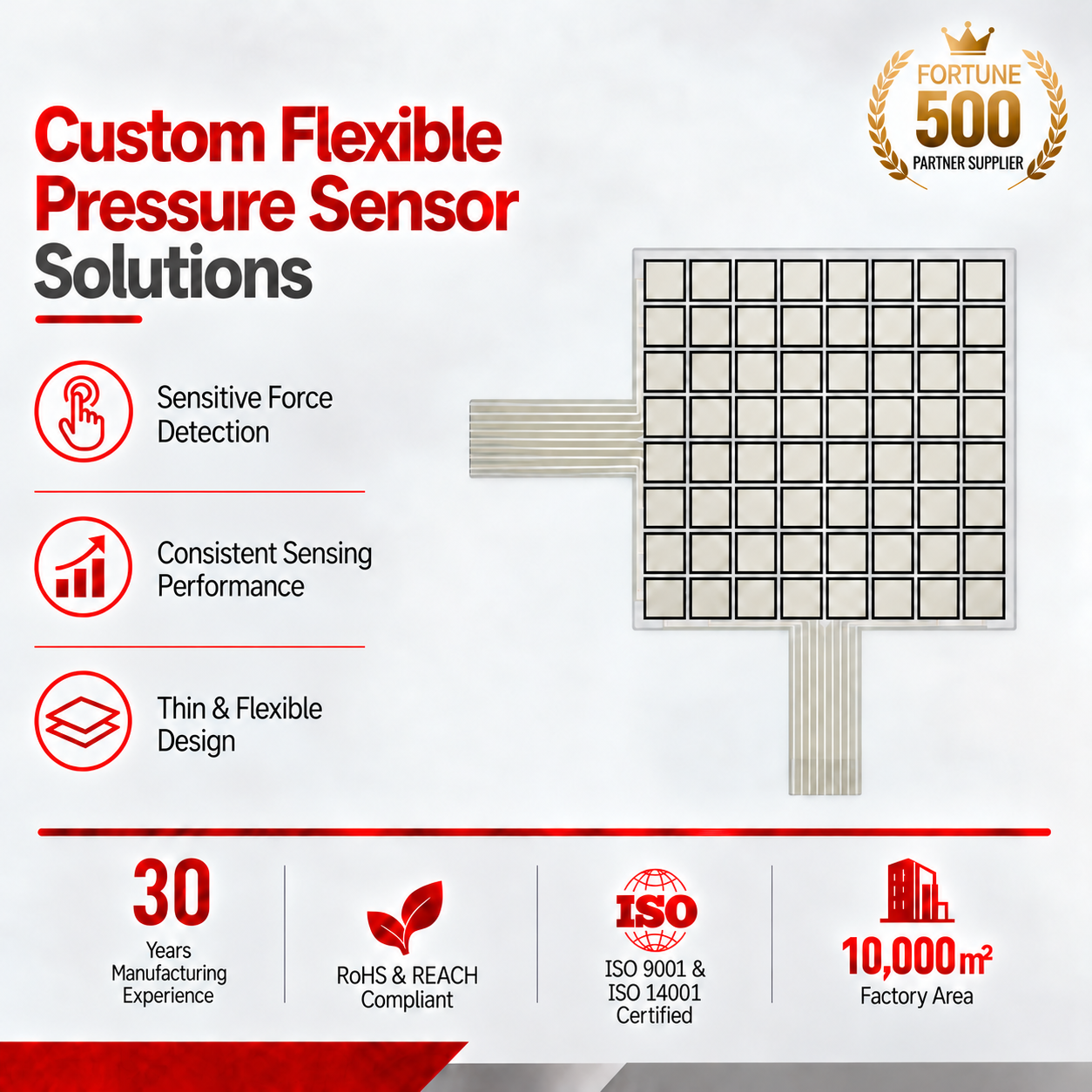
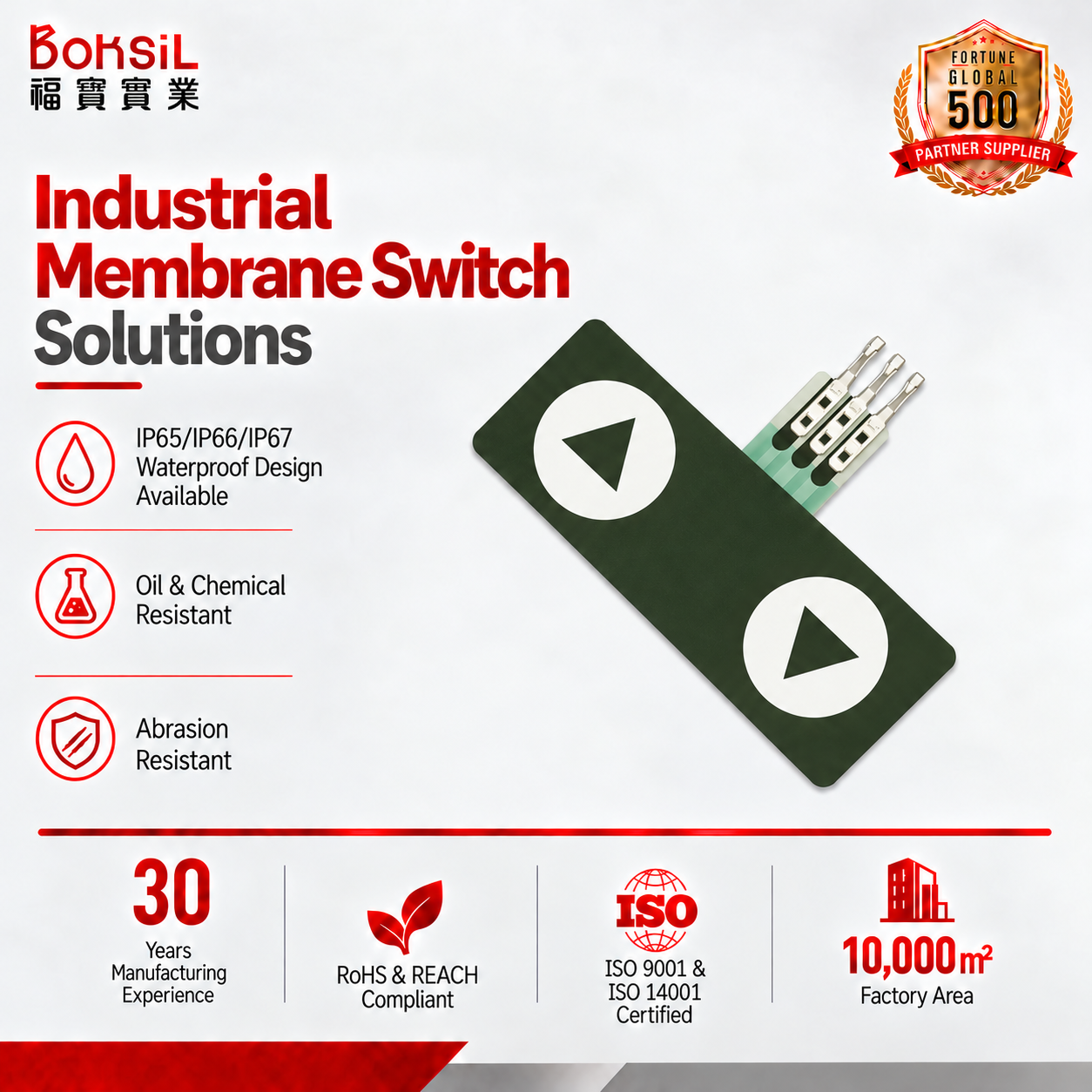
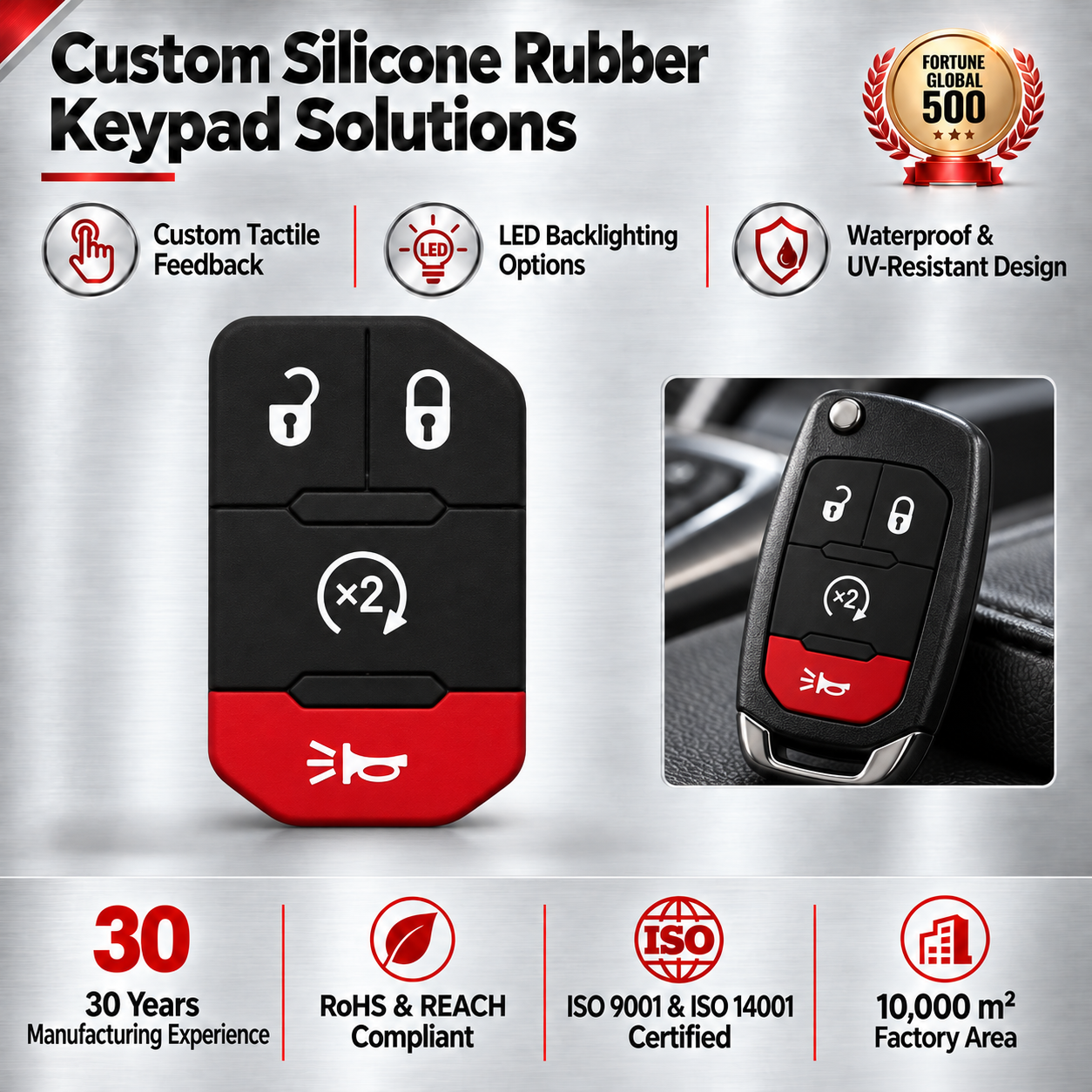
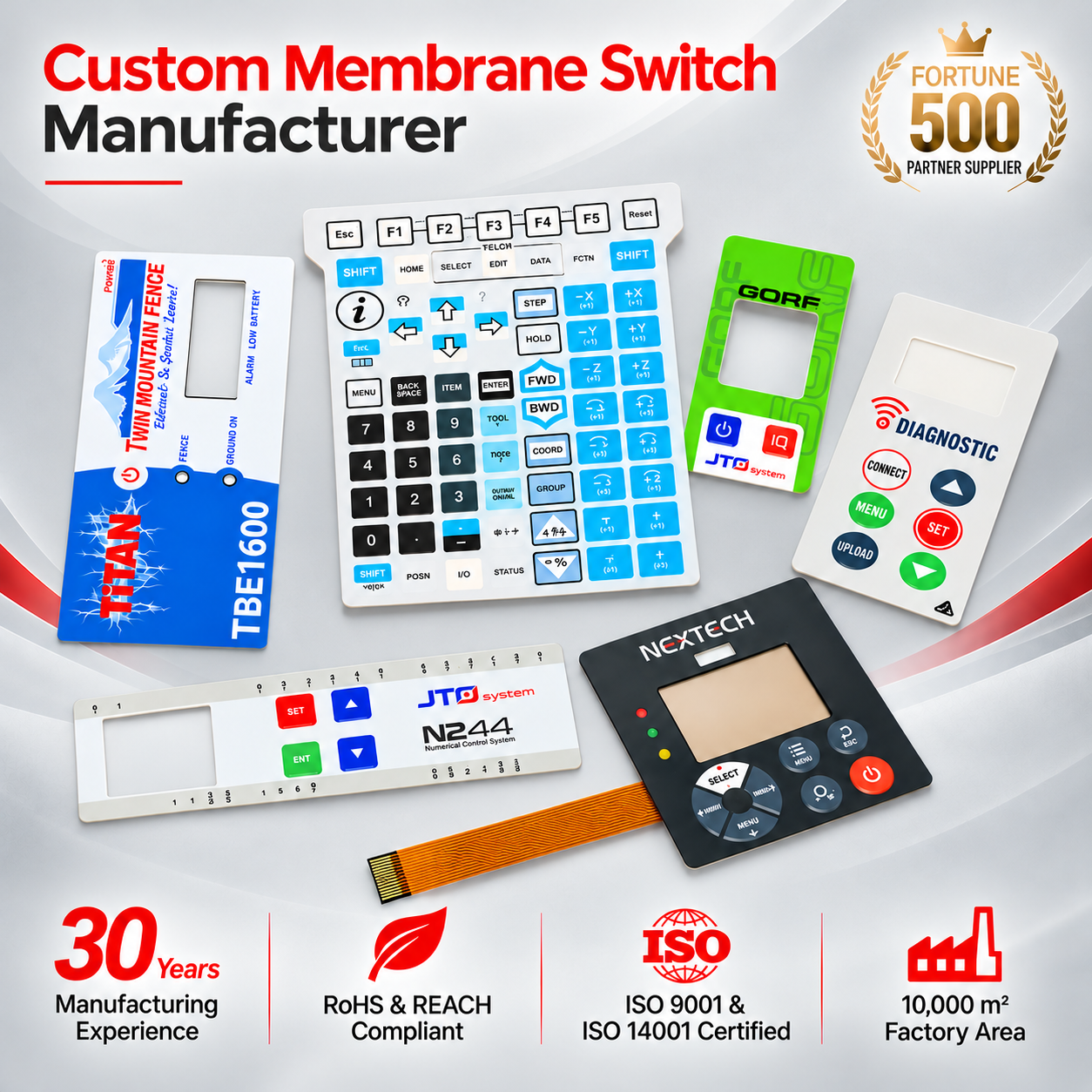
Factory Direct Portfolio
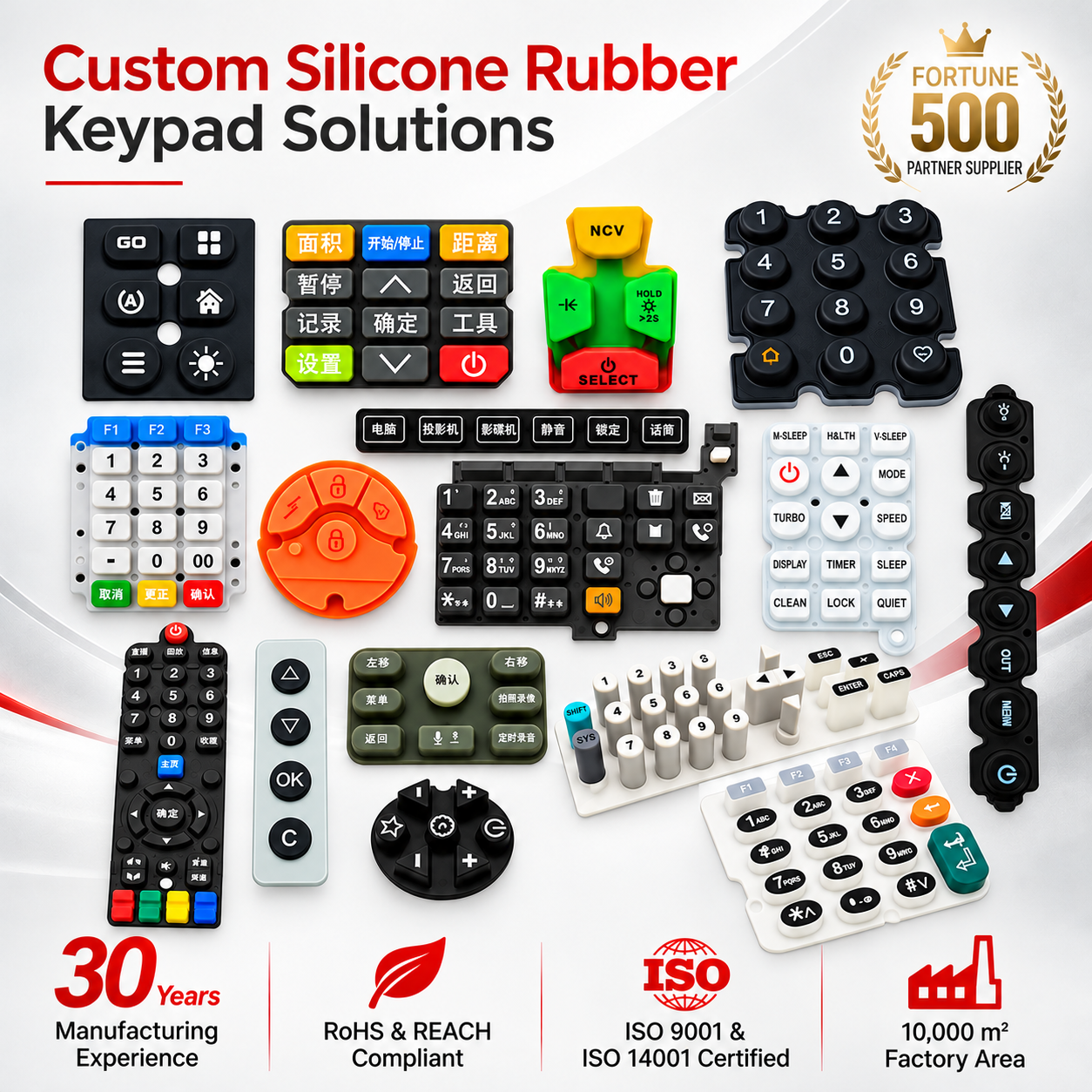
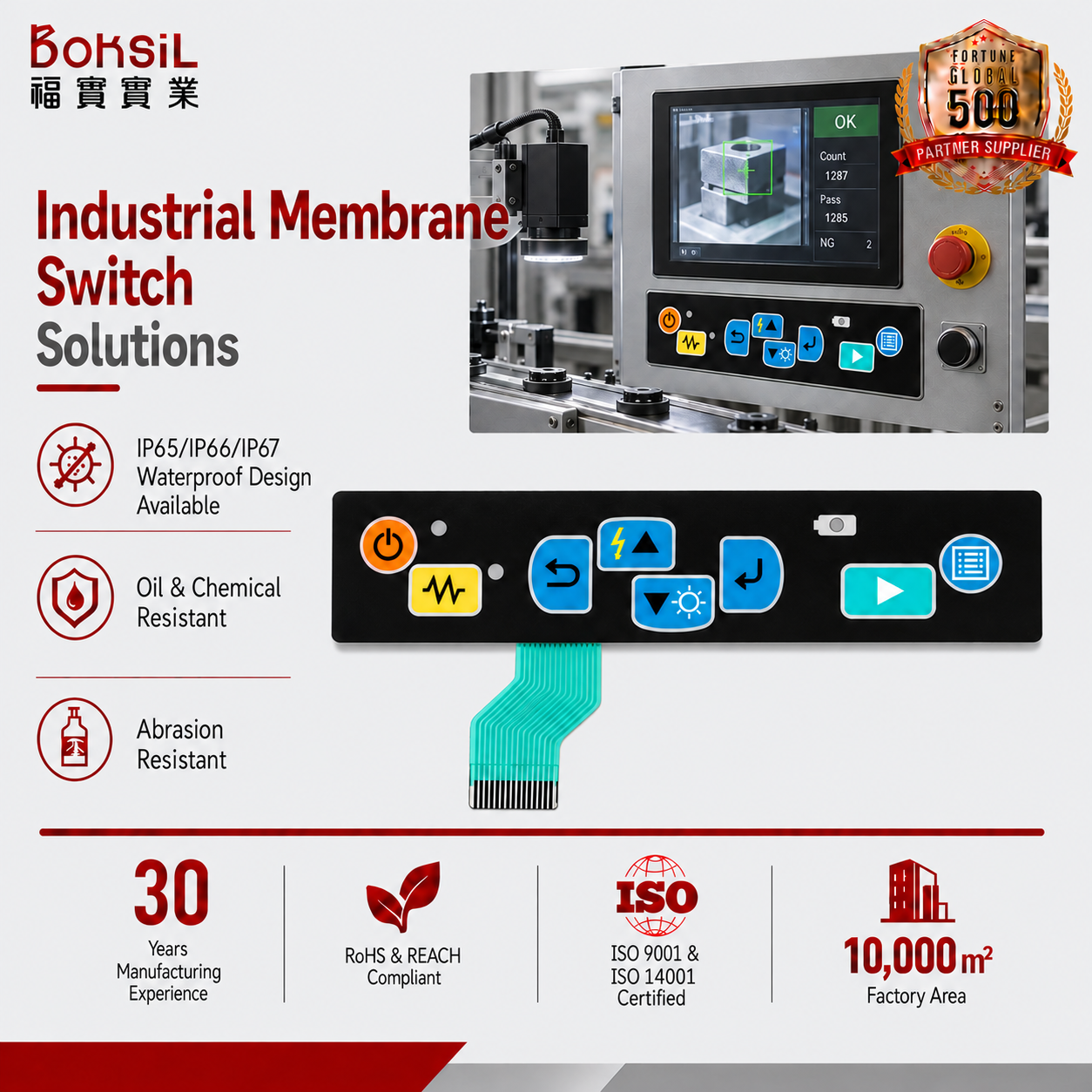
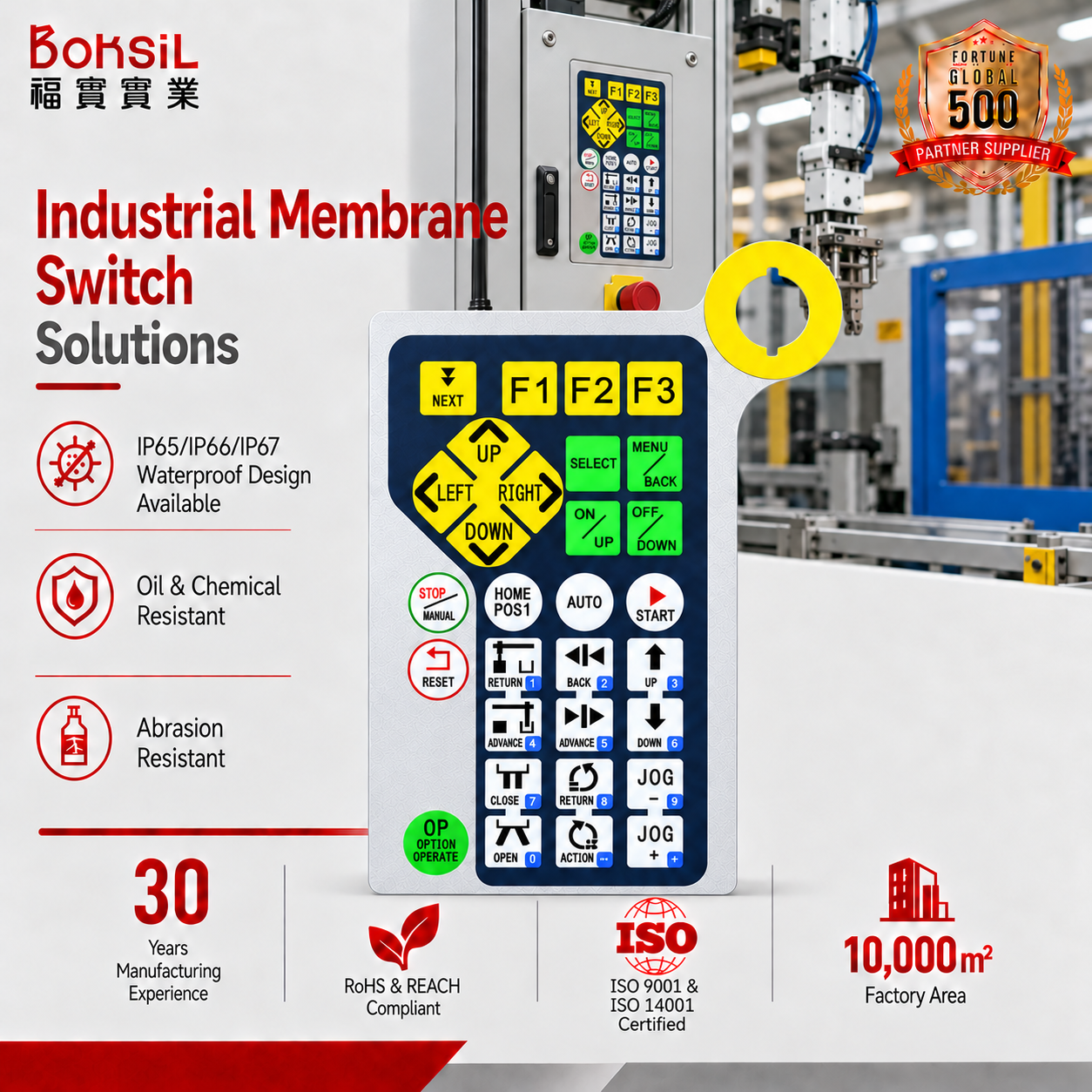
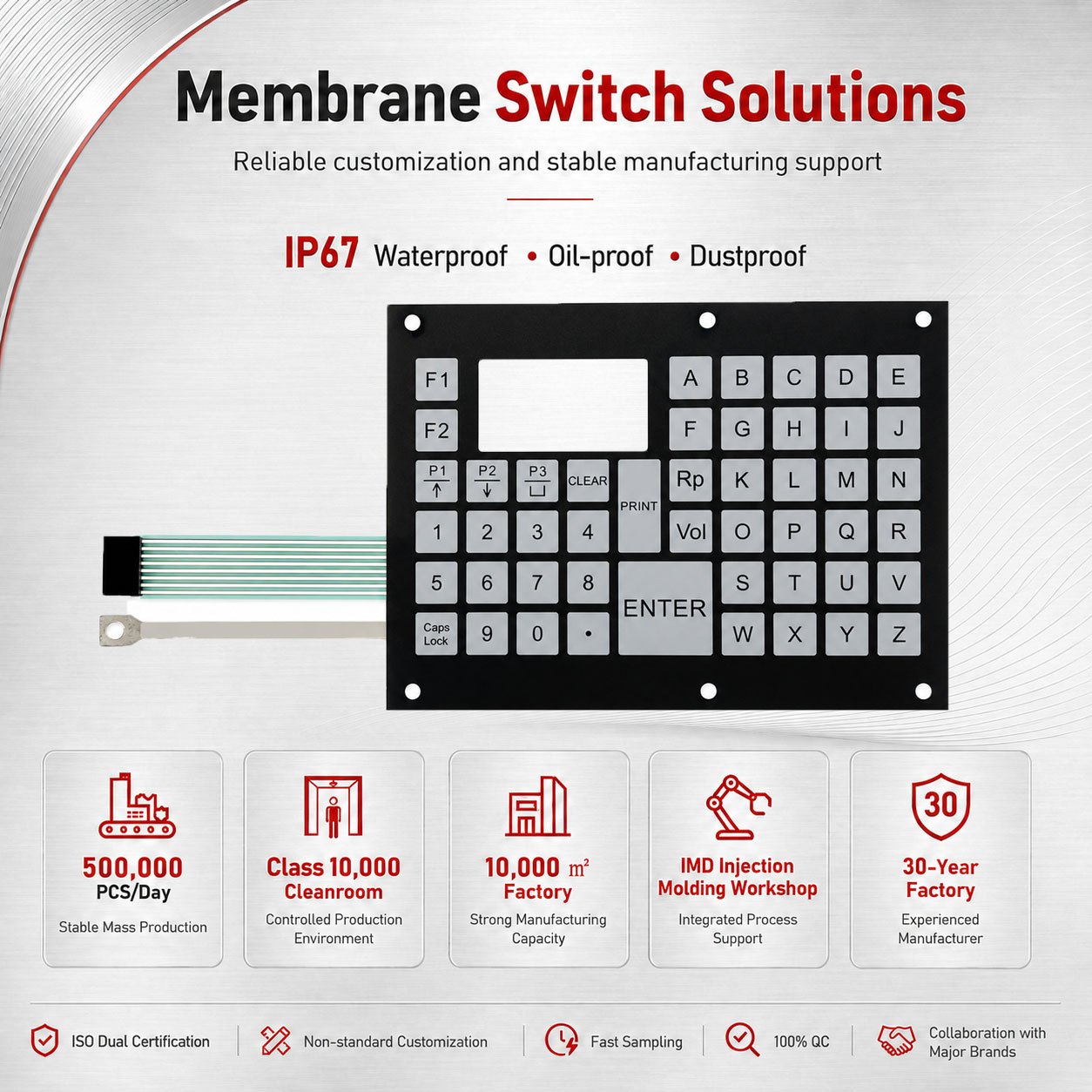
Featured Membrane Keyboards & Overlay Assemblies
Custom-fabricated front panels, graphic overlays, and flexible tactile circuits engineered to IP65+ ingress protection standards and ISO-verified manufacturing tolerances.
10,000㎡
Integrated Factory Area
12+ Yrs
Engineering Expertise
100%
Automated Electrical Testing
100 pcs
Agile Minimum Order Quantity
Comprehensive OEM/ODM Engineering Guide: Industrial Keyboard Overlays & HMI Panels
As modern digital control units evolve across demanding industrial automation, critical medical apparatus, aerospace cockpits, and next-generation consumer appliances, the frontline human-machine interface (HMI) serves as both the operational nerve center and the primary environmental protective barrier. A keyboard overlay—often referred to interchangeably as a graphic overlay, faceplate, or membrane switch decal—is substantially more than a decorative cosmetic sheet. It represents a precision-layered electromechanical sub-assembly fabricated from engineered polymer substrates such as high-molecular-weight Polycarbonate (PC) and biaxially oriented Polyethylene Terephthalate (PET).
When global hardware OEMs and original design manufacturers (ODMs) source custom keyboard overlays, purchasing teams are frequently confronted with subtle engineering trade-offs between optical transparency, long-term tactile actuation endurance, chemical ingress resistance, and total cost of acquisition. Partnering with an Intertek-verified, integrated Chinese manufacturing source gives procurement leaders complete vertical oversight: from precision multi-color screen printing with selective texture application to cleanroom dome array lamination, laser cutting, and automated continuous conductivity verification.
IP65 to IP67 Hermetic Sealing
Continuous perimeter die-cut 3M/Nitto adhesive barriers and waterproof tail exit sleeves that isolate circuits from corrosive fluids, moisture, and fine airborne particulates.
Tailored Tactile Dynamics
Nickel-plated or gold-plated stainless steel snap domes calibrated from 180g to 500g actuation force, ensuring tactile crispness through over 1,000,000 switching cycles.
Optical Precision & Dead-Fronting
Selective clear, smoked, anti-glare, and secret-until-lit "dead-front" display windows screen printed on reverse substrates to protect graphic legends from friction wear.
Substrate Selection Paradigm: Polyester (PET) vs. Polycarbonate (PC) vs. Acrylic (PMMA)
Specifying the optimal substrate is fundamental to ensuring your HMI overlay survives harsh industrial deployment. Polycarbonate provides outstanding dimensional stability, exceptional optical clarity (approx. 88-90%), and self-extinguishing flame ratings (UL94 V-0 or VTM-2). However, when subjected to millions of dynamic button actuations or exposed to aggressive industrial solvents (such as isopropyl alcohol, MEK, or machine cutting fluids), unhardened polycarbonate is prone to micro-cracking and chemical haze.
In contrast, high-performance biaxially oriented PET films (such as Autotype Autotex or Toray Lumirror) feature an intrinsically durable molecular chain that delivers flex fatigue endurance exceeding 5,000,000 key depressions without embrittlement. Equipped with chemical-resistant UV hardcoats, premium PET panels resist yellowing, staining, and surface abrasion, rendering them the standard for medical monitoring instruments and outdoor fuel dispensing consoles.
| Substrate Material | Actuation Flex Life | Chemical Resistance | Tensile Strength | Primary Industrial Use-Cases |
|---|---|---|---|---|
| Biaxially Oriented PET (Polyester) | > 5,000,000 Cycles | Excellent (Alcohols, Alkalis, Solvents) | High (~170 N/mm²) | Medical diagnostic terminals, CNC machinery, military HMIs |
| Polycarbonate (PC) | < 100,000 Cycles (Flat/Light Emboss) | Moderate (Degrades with Esters & Ketones) | High (~65 N/mm²) | Static appliance fascias, automotive gauge faces, display filters |
| Optically Clear PMMA / Acrylic | Non-tactile (Rigid Panel) | Good Resistance to Dilute Acids | Rigid / High Scratch Resistance | Capacitive touch lenses, LCD/OLED outer protective viewing panels |
| Compression Silicone Rubber | > 1,000,000 Cycles (Elastomer Pill) | Outstanding Thermal / Weathering Proof | Elastic Elongation > 300% | Handheld terminals, PTT walkie-talkies, marine controllers |
Future Procurement Trends: Where Industrial HMI Overlays Are Heading
Global supply chain directors and hardware engineering leads must navigate rapid technological convergence in the HMI market. As hardware architectures become lighter, smarter, and interconnected through IoT edge systems, procurement strategies for keyboard overlays are undergoing dramatic transformation:
1. Hybrid Tactile-Capacitive Convergence
Pure mechanical switches and pure touchscreens each possess distinct operational shortcomings. Modern equipment designers increasingly specify hybrid assemblies: capacitive touch zones for intuitive slider control combined with high-tactile snap domes for critical emergency shutoff operations.
2. In-Mold Electronics (IME) & IMD Structural Integration
Traditional multi-layer assembly stacks are migrating toward structural In-Mold Decoration (IMD) and In-Mold Electronics (IME). Printed silver conductive traces and surface-mount LEDs are embedded directly within 3D molded thermoplastic resins, shrinking assembly depth by 60%.
3. Antimicrobial Hardcoats & Sterilization Resistance
Following heightened healthcare and food-safety hygiene standards, hospital and laboratory gear procurement mandates biocidal silver-ion coatings capable of neutralizing bacterial pathogens while withstanding repeated washdowns with chlorine and hydrogen peroxide vapor.
Factory-Direct Production Capabilities & In-House Reliability Testing
Dongguan AXRU Electronics Co., Ltd. operates an advanced 10,000㎡ manufacturing facility verified on-site by Intertek. Unlike trading intermediaries who outsource circuit printing or die-cutting across fragmented vendors, all critical processes—from CAD/CAM DFM analysis and cleanroom silk-screen printing to metal dome placement and 100% automated electrical continuity testing—are executed under a unified ISO-certified quality management framework.
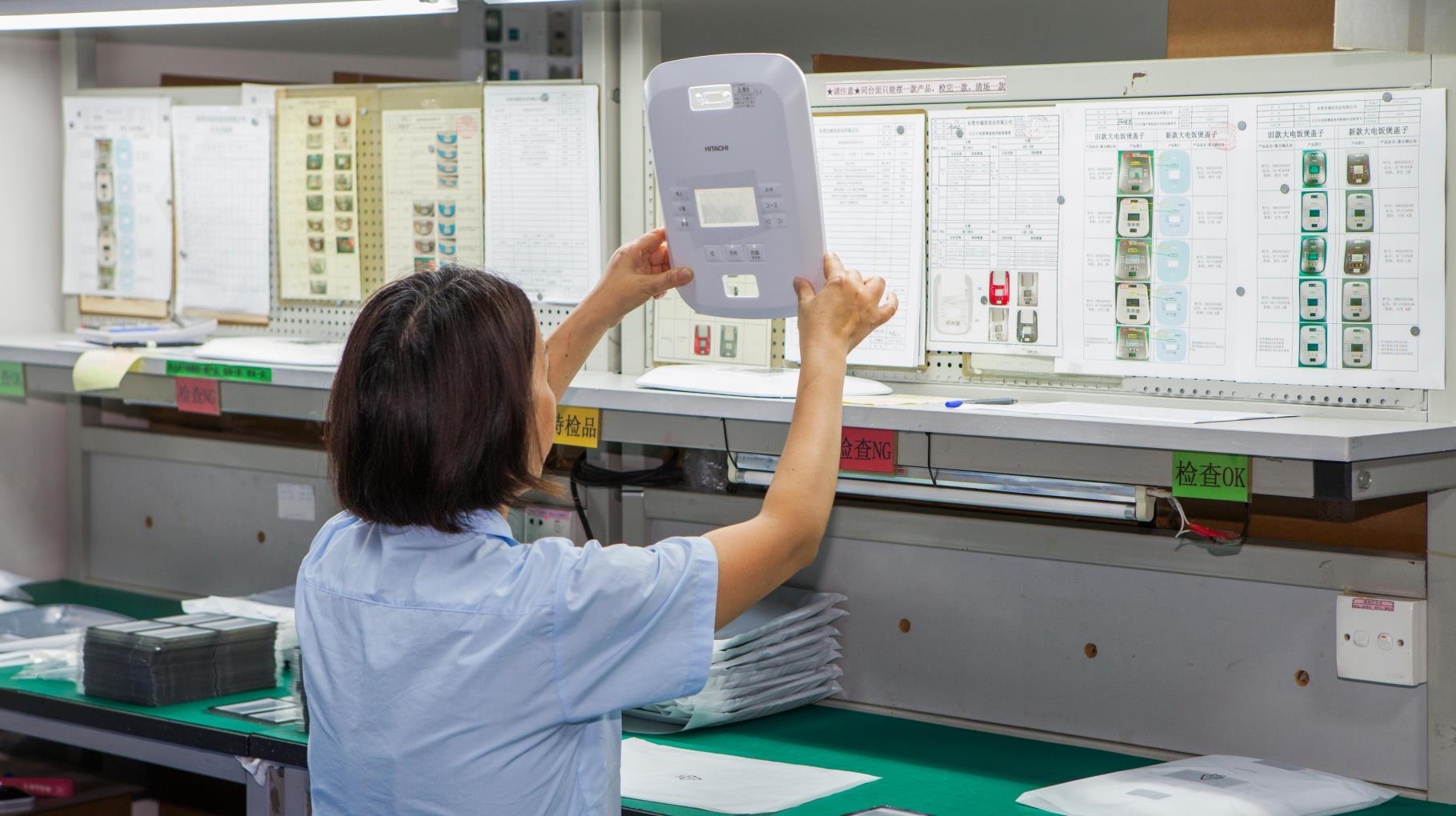
100% Electrical Inspection
Every individual membrane switch and overlay is tested for loop resistance, open circuit, short circuit, and LED luminous intensity prior to packaging.
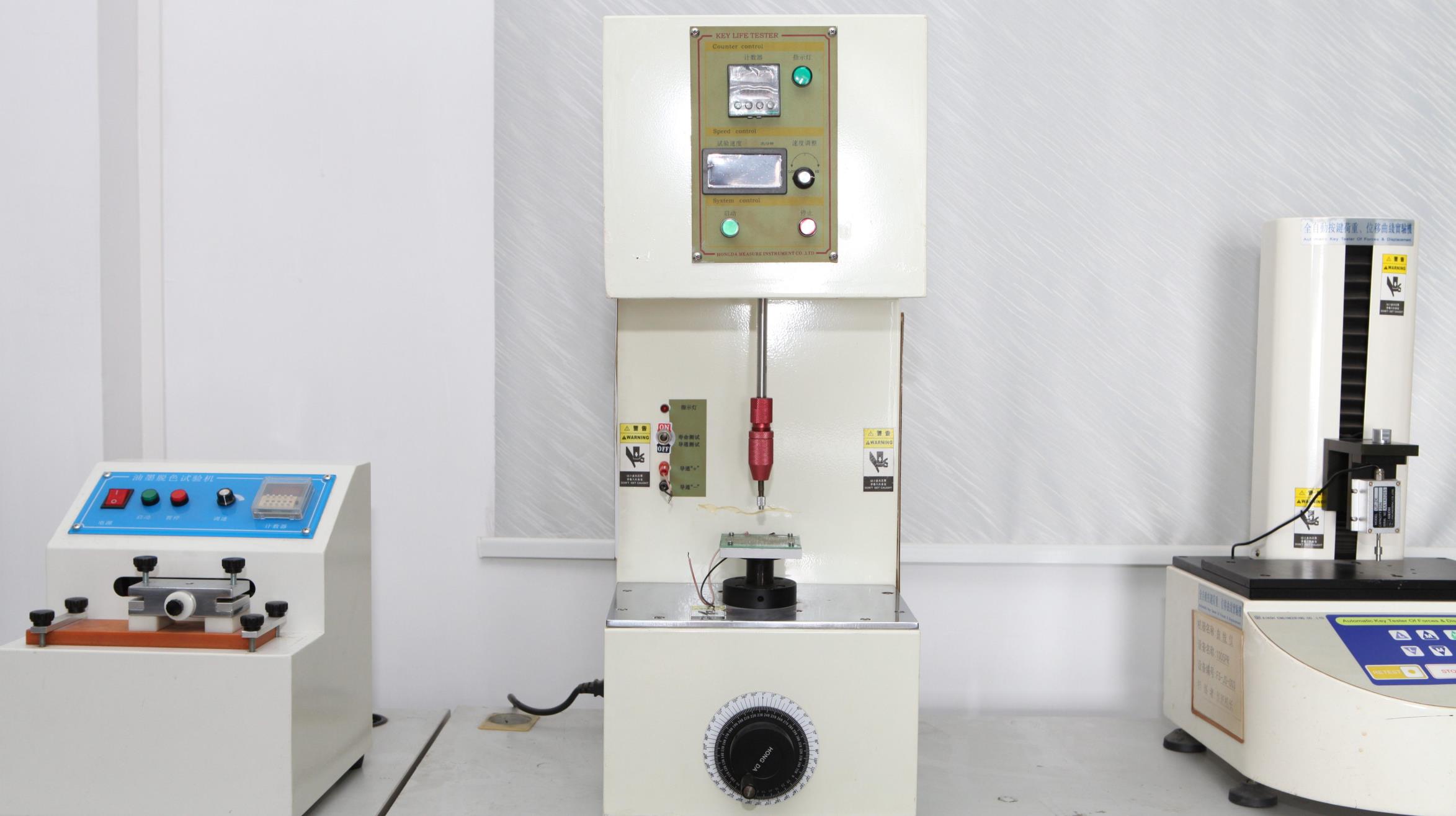
Pneumatic Key Life Tester
Automated multi-head mechanical cycle testing validates that snap-dome tactile snap ratios retain compliance over 1,000,000 to 5,000,000 actuations.
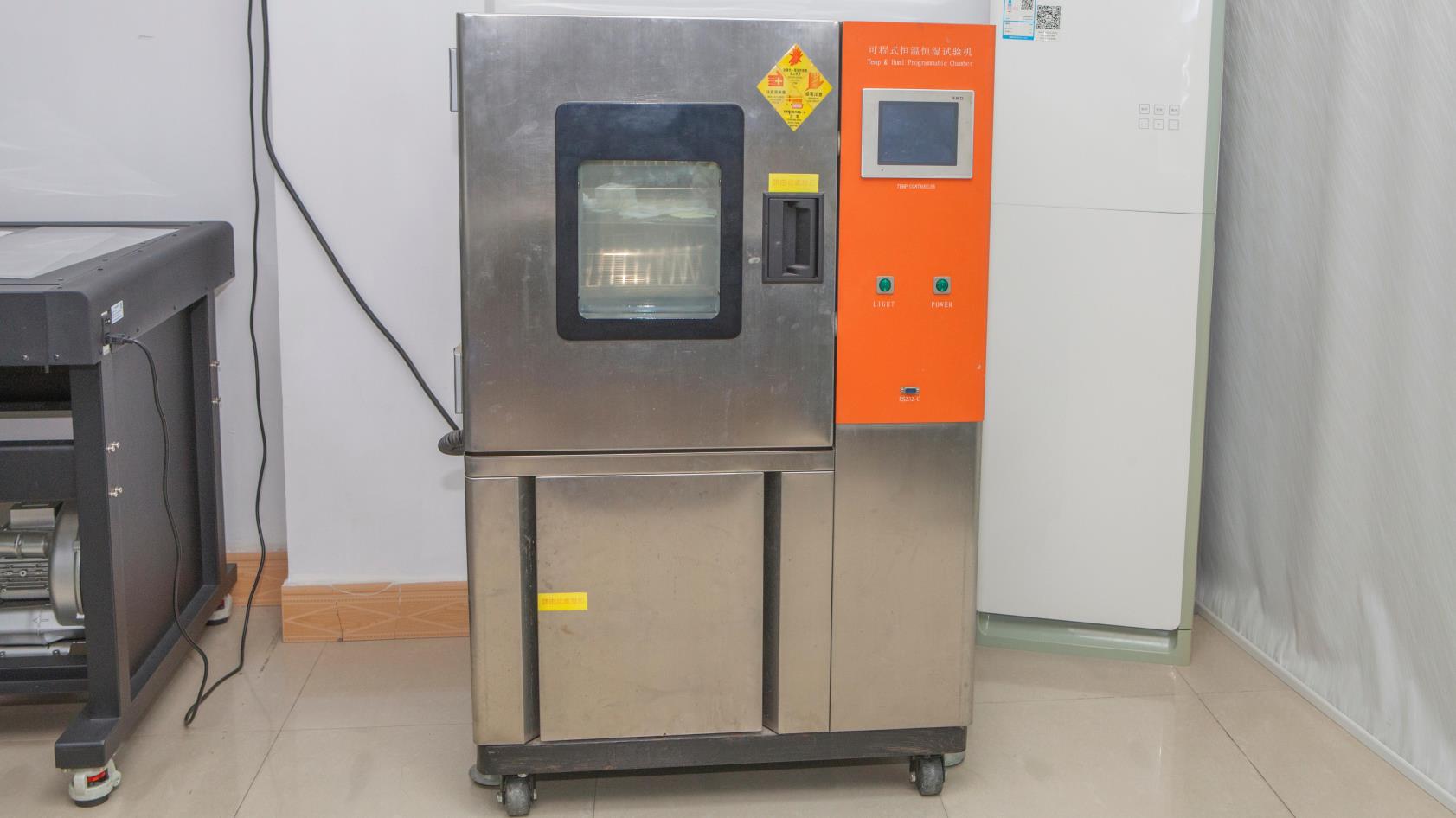
Thermal & Humidity Chamber
Accelerated climate testing cycles (-40°C to +85°C at 95% RH) confirm that adhesive bonds, tail seals, and conductive silver inks resist delamination and silver migration.
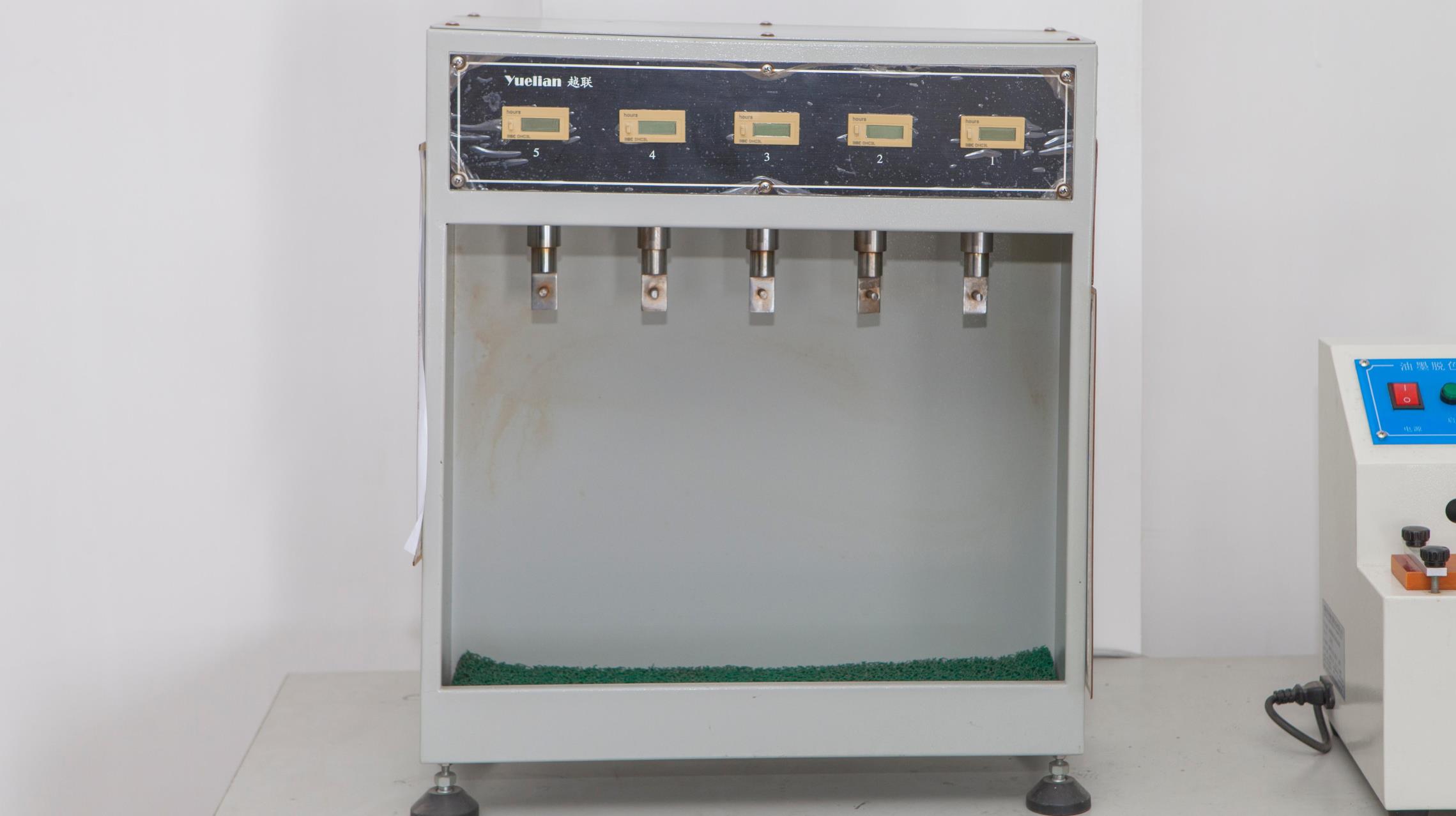
Tensile Strength Tester
Quantifies adhesive peel strength against steel and aluminum substrates, safeguarding against perimeter curling in high-vibration applications.
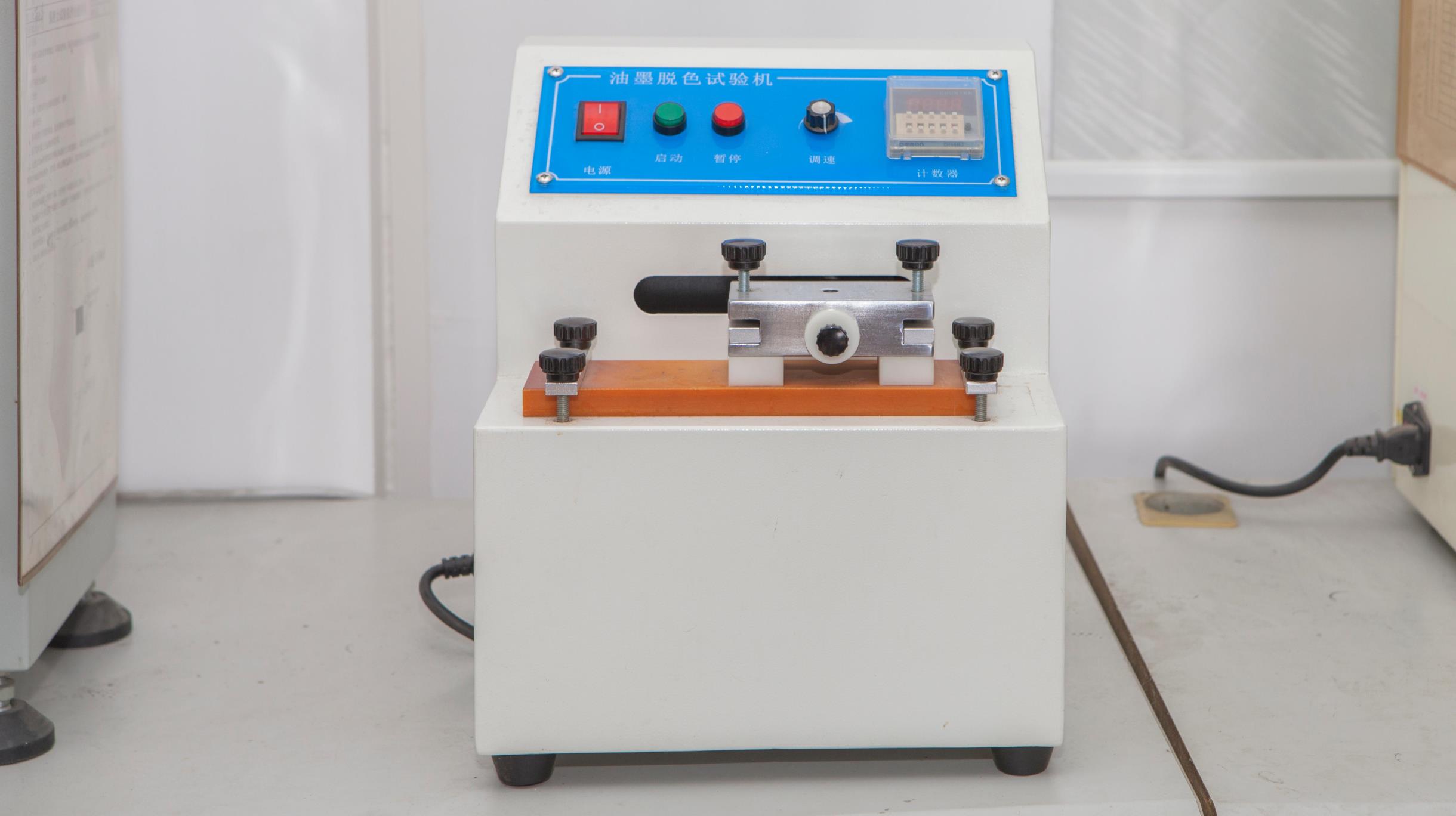
Ink Abrasion Resistance Rig
Measures surface coating endurance against mechanical rubbing and chemical wiping agents, ensuring legends remain crisp and legible indefinitely.
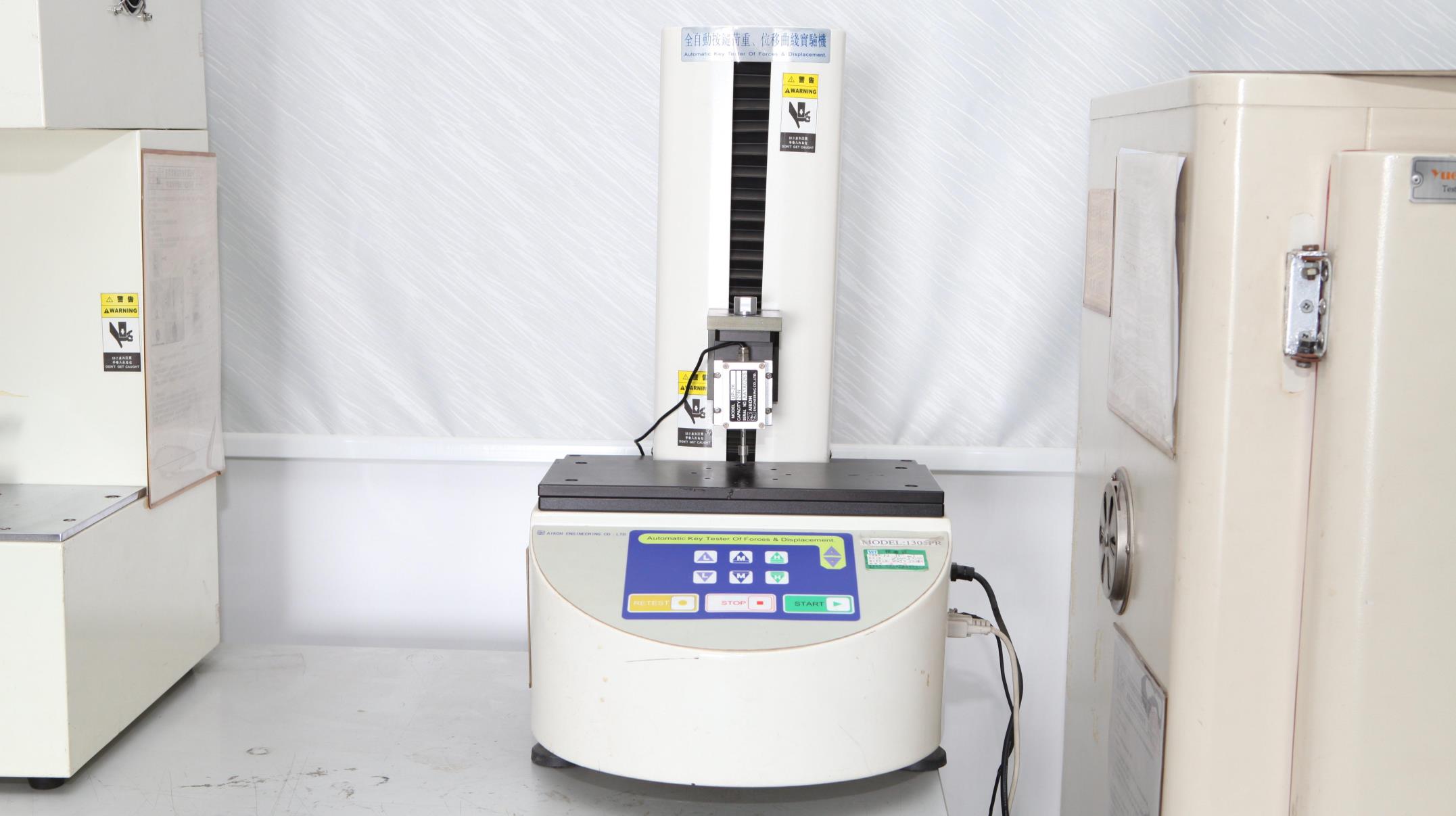
Force-Displacement Tester
Generates high-precision curve plots of tactile actuation force, return force, and travel depth to ensure consistent haptic touch across production batches.
Procurement Knowledgebase
Frequently Asked Questions on Keyboard Overlay Procurement
Expert insights compiled by our Senior Engineering and Quality Assurance teams to help eliminate redesign delays and optimize unit costs.
What are the key technical differences between silver-printed PET circuits and copper FPC circuits?
Screen-printed silver ink on stabilized polyester (PET) delivers an exceptionally economical solution for standard keyboards with low loop current requirements. However, in designs demanding dense pitch connectors (e.g., 0.5mm or 1.0mm ZIF), high trace density, soldered surface-mount components (like micro-LEDs and sensor resistors), or harsh flex conditions, flexible printed circuits (FPC) with chemically etched polyimide-copper construction are superior. FPC prevents silver electromigration risks in high-humidity operating environments and achieves significantly lower trace resistance (< 1Ω vs. 20–100Ω for silver traces).
How does AXRU guarantee color consistency across repeated mass production lots?
We employ automated spectrophotometer ink matching calibrated to the Pantone Matching System (PMS) and RAL color standards. All production inks are reverse-printed in positive-pressure cleanrooms with tightly controlled viscosity, ambient temperature, and humidity levels. Color tolerances are strictly enforced within Delta E (ΔE) ≤ 1.0 against approved golden master samples, with physical retain samples cataloged for every client batch over a 5-year traceable lifecycle.
What file formats and parameters are necessary to initiate an engineering quotation?
To provide a swift, accurate DFM review and quotation within 24 hours, our engineering office requires:
- Graphic Artwork: Adobe Illustrator (.AI), CorelDRAW (.CDR), or Vector PDF with outlined fonts and explicit Pantone callouts.
- Mechanical Dimensions: 2D CAD files (.DWG or .DXF) specifying perimeter tolerances, window cutouts, embossing profiles, and tail exit coordinates.
- Electrical Schematics: Pinout diagram, connector pitch (e.g., 2.54mm female housing, ZIF tail), LED schematic, and contact ratings.
- Operating Environment: Required IP rating, operating temperature envelope, and UV or chemical exposure conditions.
Can dead-front windows and backlighting be cleanly integrated into thin-film overlays?
Yes. "Dead-front" graphics are created by printing a semi-translucent, light-blocking ink formulation on the underside of transparent display areas. When backlighting is unpowered, the icon or text remains completely invisible and blends seamlessly into the matte or gloss front panel bezel. Once illuminated via rear surface-mount LEDs, light guide films (LGF), or electroluminescent (EL) lamps, the graphic legend glows uniformly without hot spots or light bleed across adjacent channels.
What is your standard production lead time for prototype and mass volume orders?
Our rapid sample prototyping cell delivers functional laser-cut engineering samples within 5 to 7 business days following digital proof approval. Full production tooling and pilot batch runs typically require 10 to 14 business days, while volume mass production schedules are completed within 15 to 20 days depending on component availability and lamination complexity.
Accelerate Your Custom Keyboard Overlay Project
Connect directly with our senior HMI project engineers for a comprehensive DFM drawing audit, stack-up recommendation, and competitive factory-direct pricing.
Contact Us