Engineered Capacitive & Custom Control Panels
Direct from our Dongguan fabrication plant. Fully customizable across sensor architectures, custom surface printings, dielectric covers, integrated backlighting, and flexible circuits.
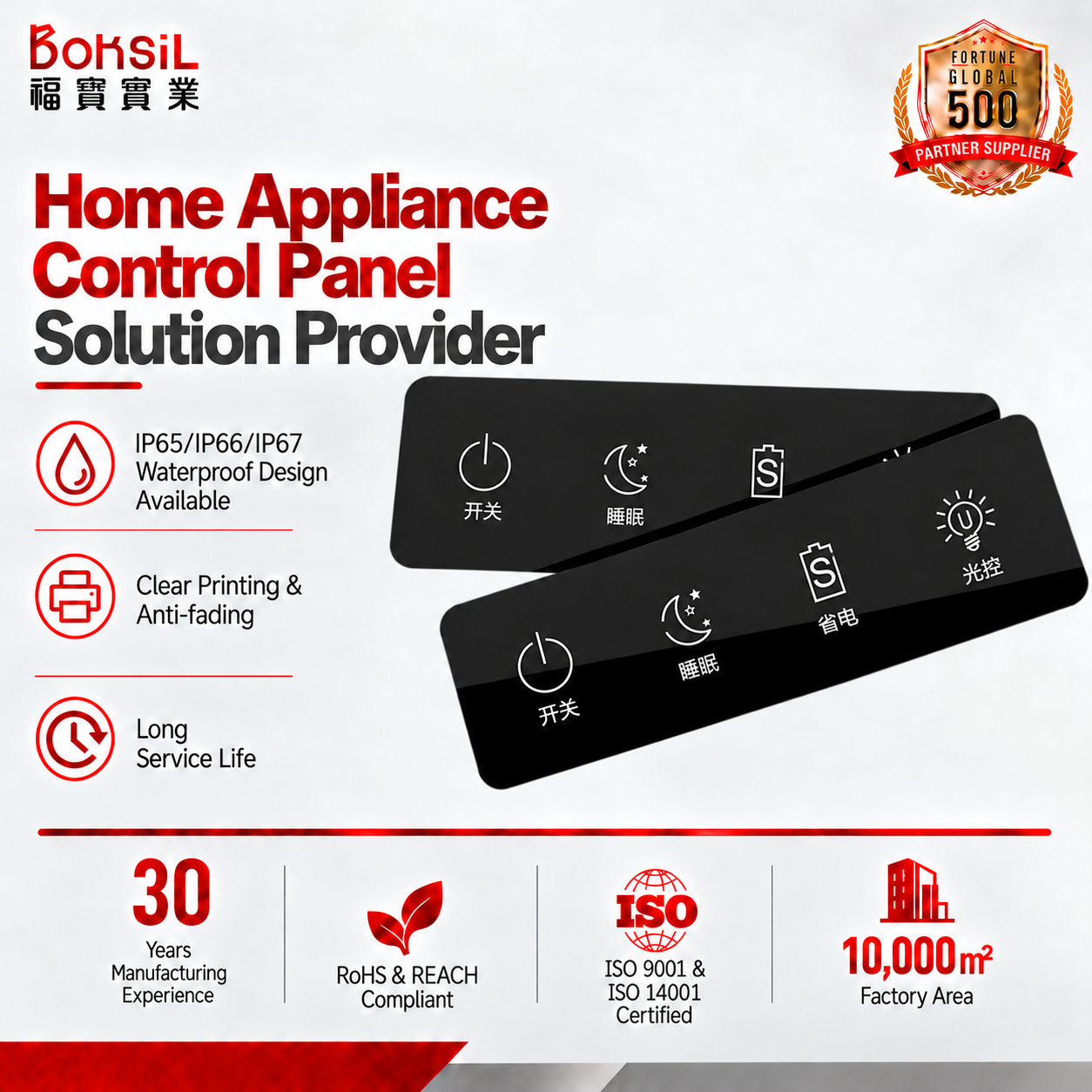
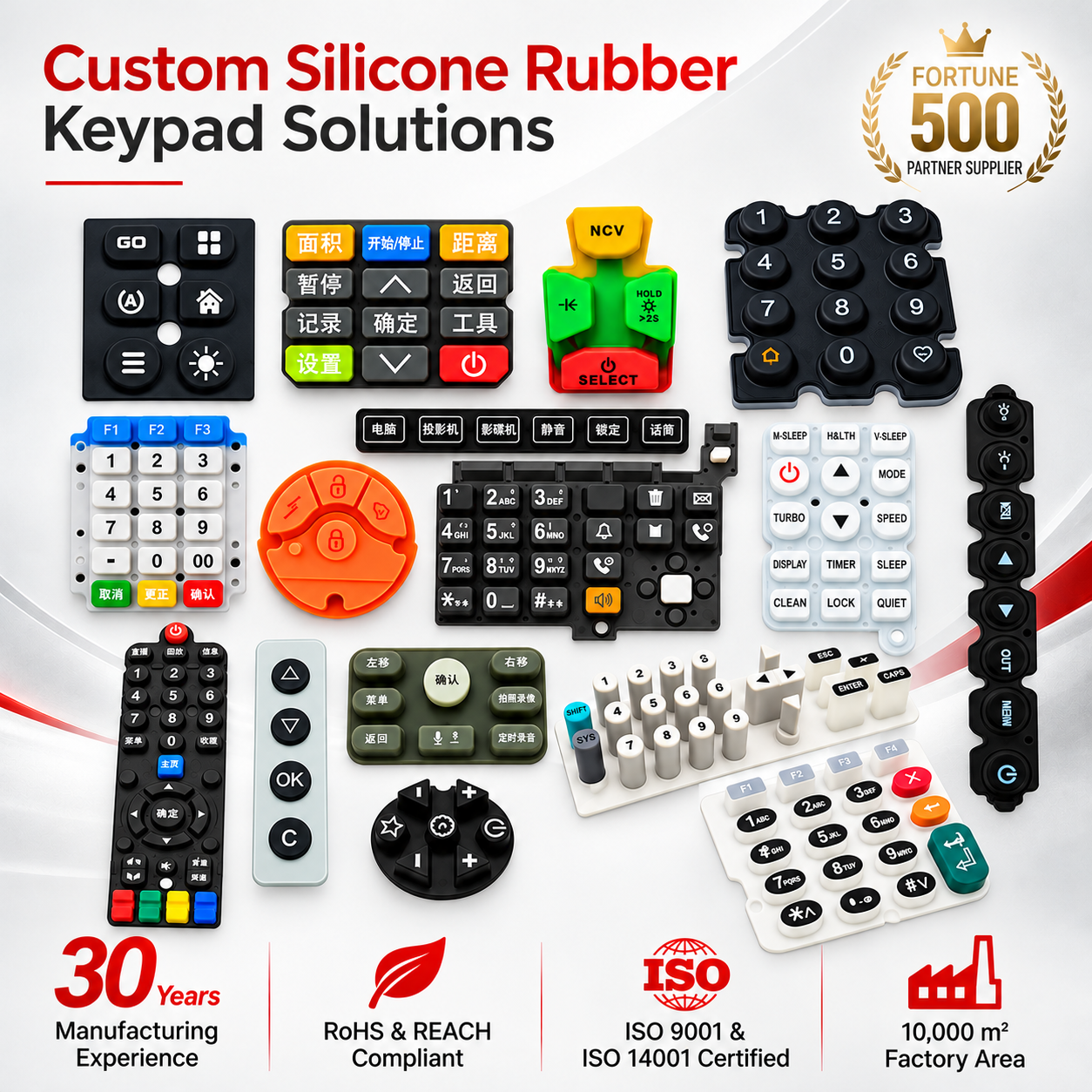
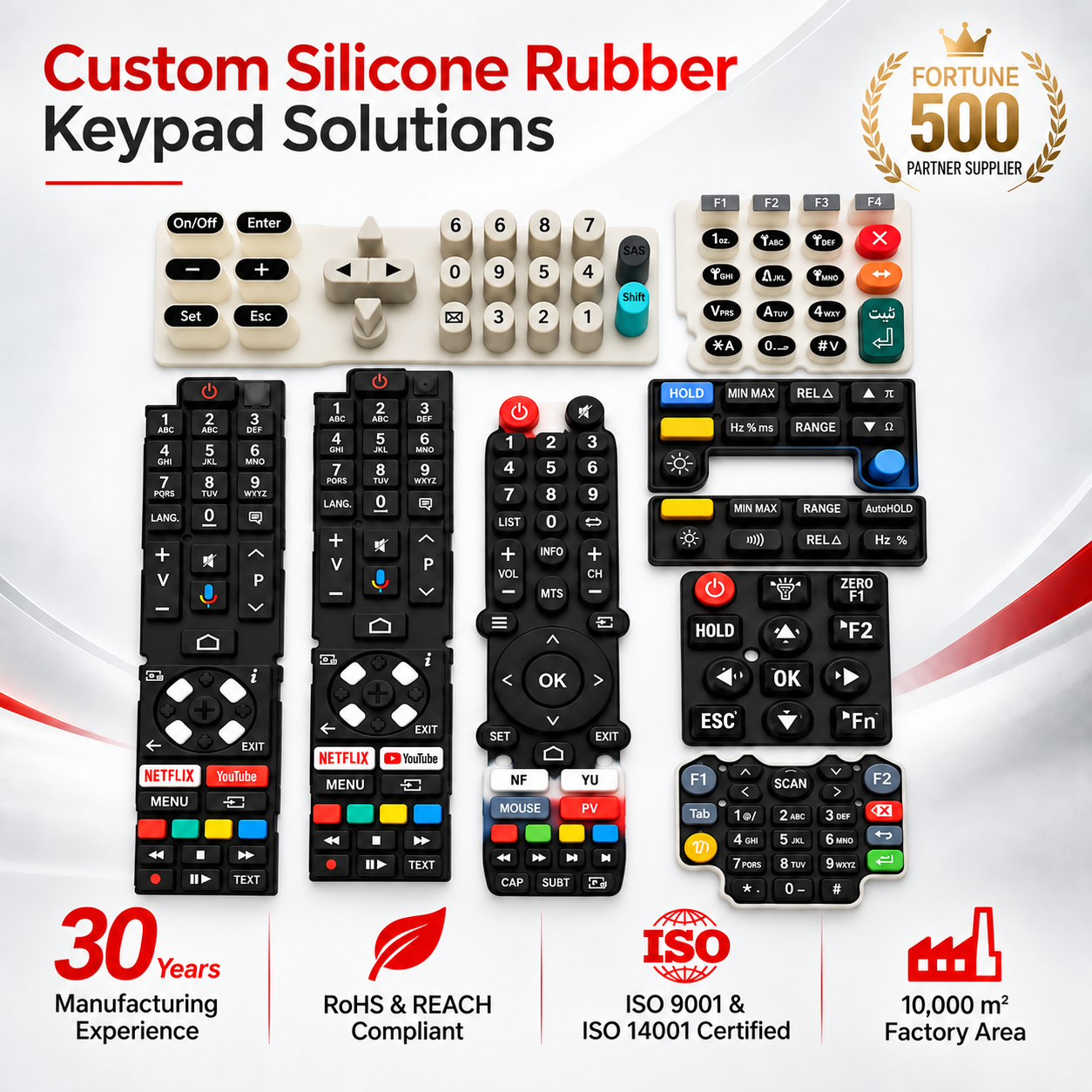
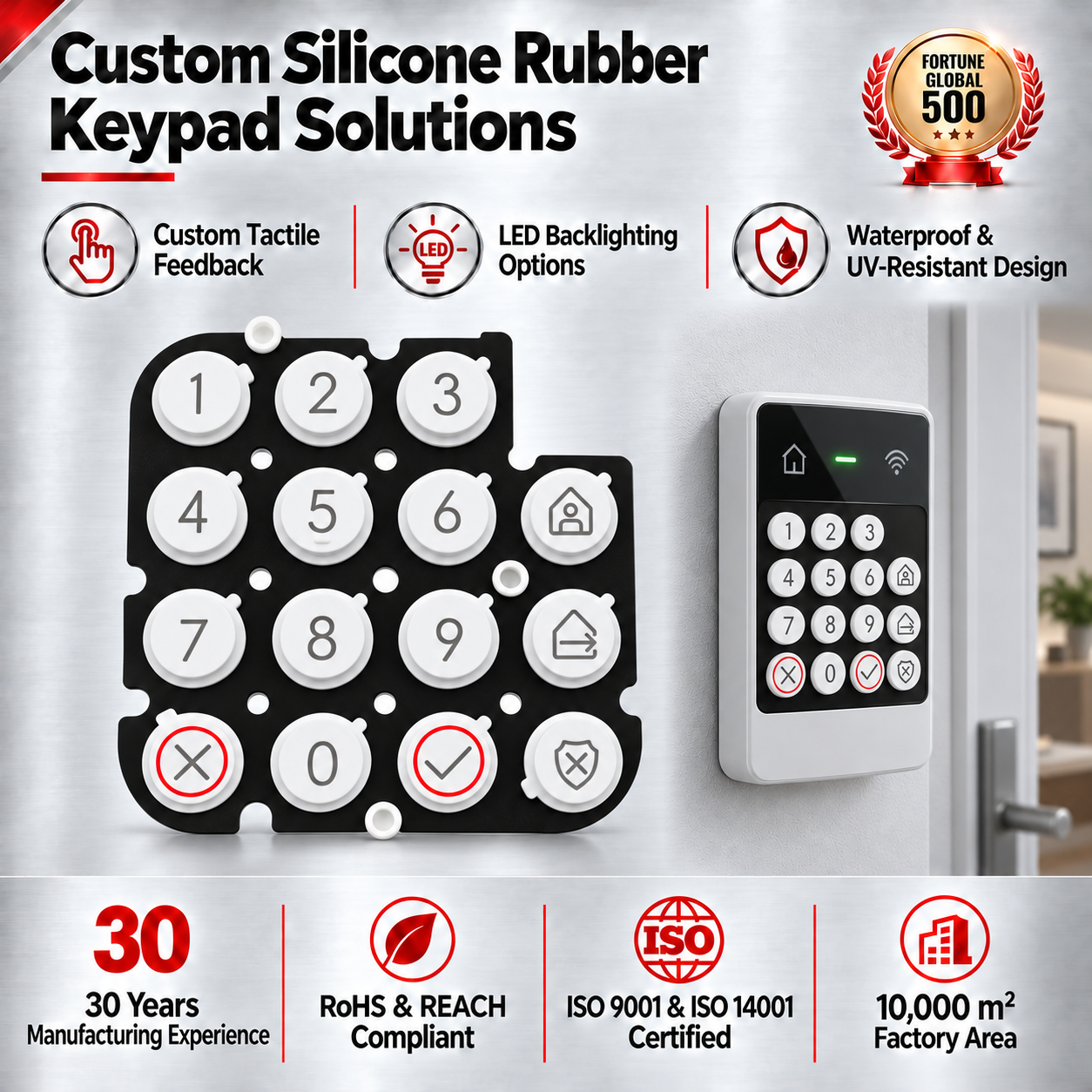
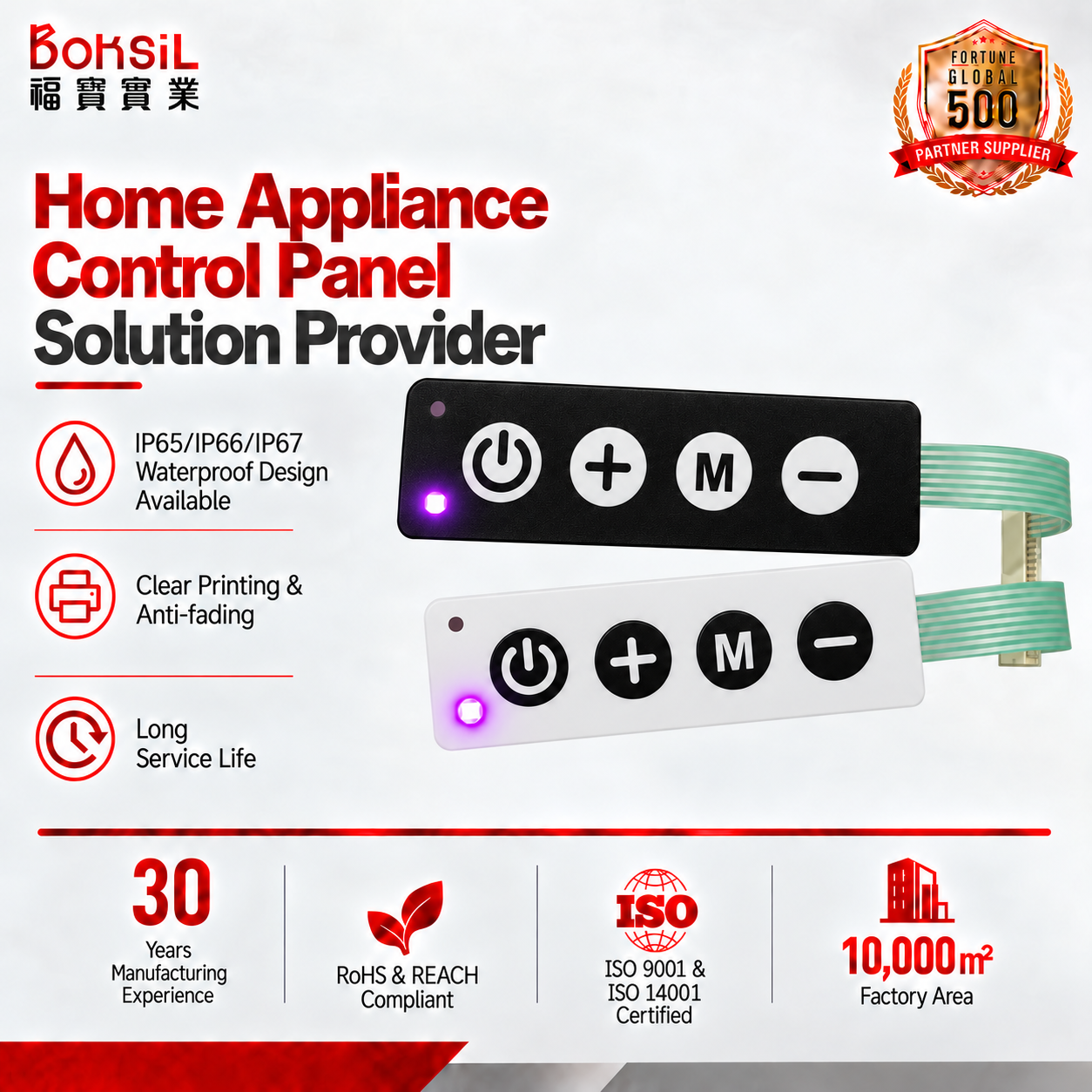
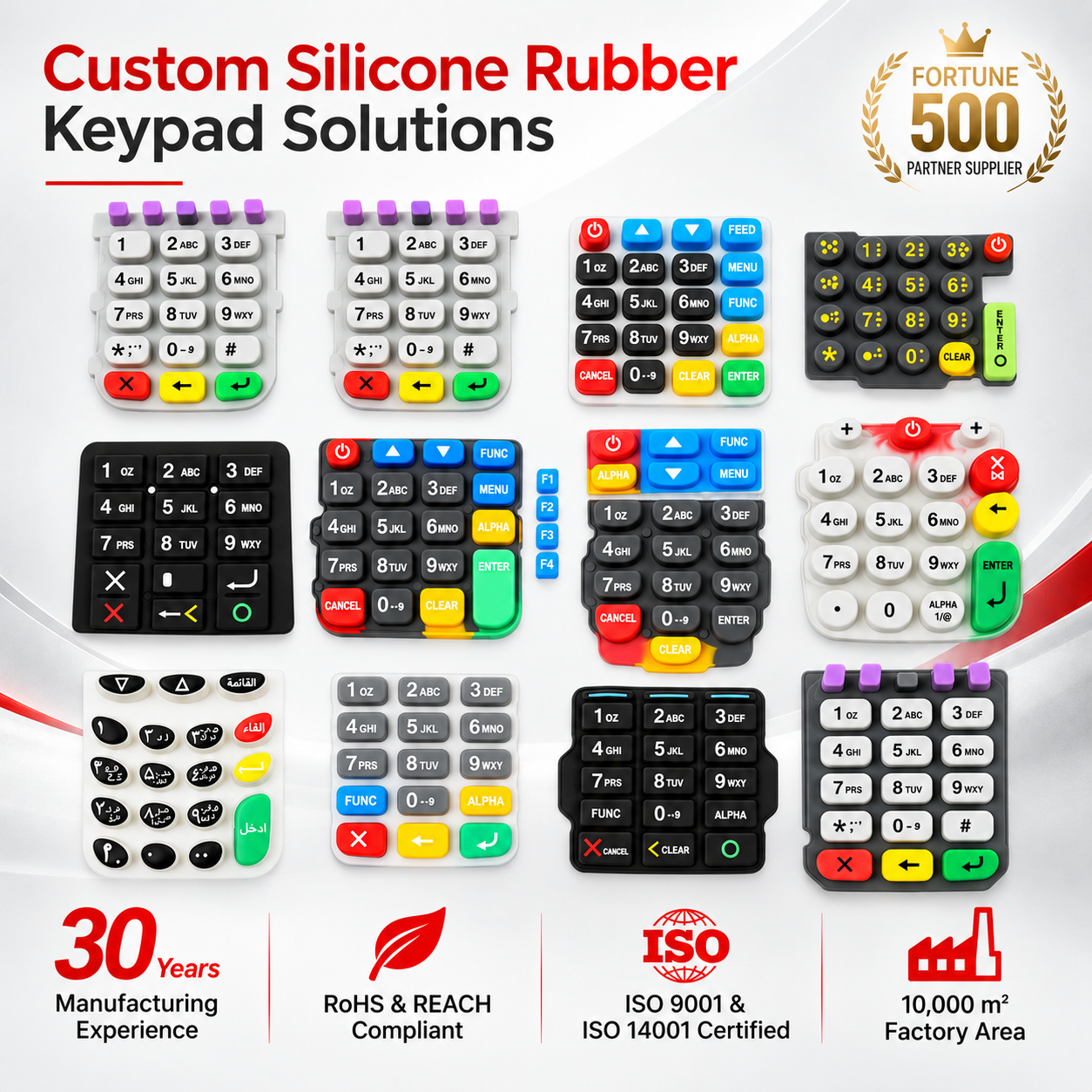
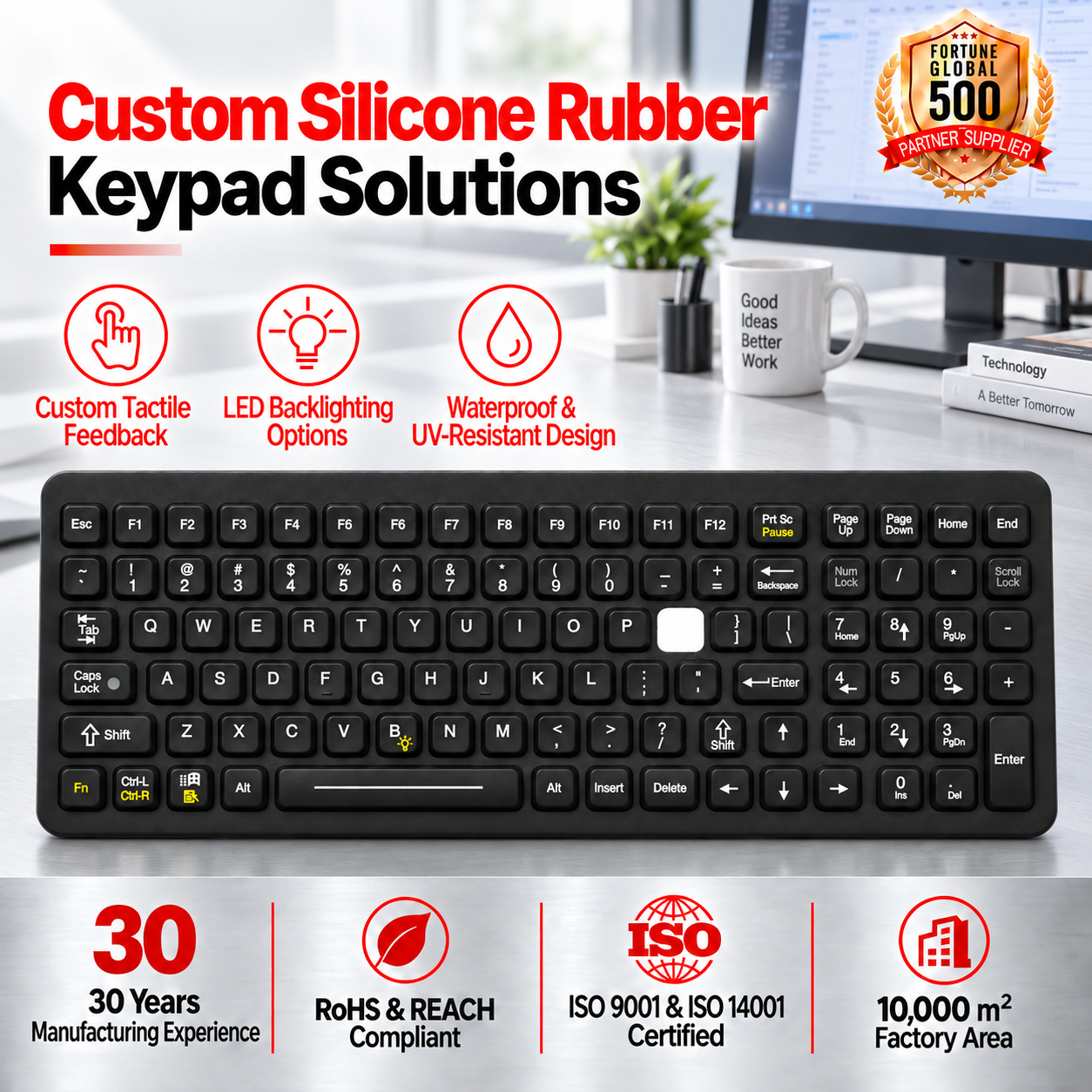
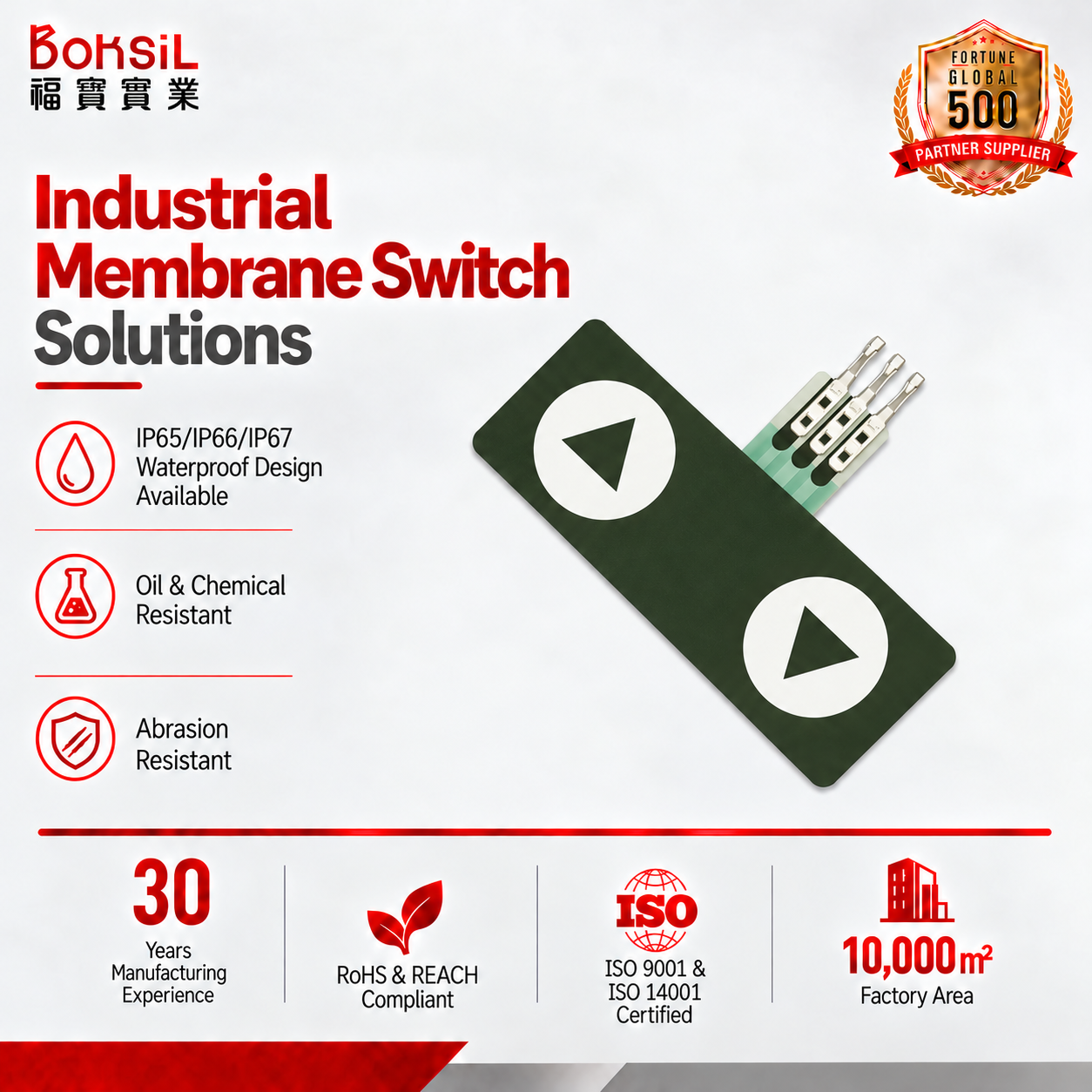
World-Class Dongguan Manufacturing Infrastructure
Dongguan AXRU Electronics Co., Ltd. operates a vertically integrated 10,000㎡ production facility. On-site verified by Intertek and qualified by global Fortune 500 corporations, we mitigate supply chain risk through autonomous engineering control.
Class 1,000 / 10,000 Cleanroom Lamination
Capacitive touch sensors and cover glass demand zero-particulate environments. Our optical clear adhesive (OCA) and liquid optically clear resin (LOCA/OCR) bonding suites maintain rigorous ISO Class 6/7 cleanliness standards, ensuring bubble-free optical clarity and zero visual defects.
Fortune 500 Qualified Quality Control
Serving world-tier equipment leaders in medical telemetry, automotive consoles, and rugged military systems. Our processes comply fully with ISO 9001:2015, IATF 16949 production workflows, APQP documentation, and comprehensive PPAP Level III submission capabilities.
End-to-End DFM Review Within 24 Hours
Avoid tooling revisions and unviable stack-ups. Our senior electro-mechanical engineering department analyzes 2D/3D CAD drawings, sensor trace routing, flex tail bend radiuses, EMI copper shielding meshes, and dielectric constant matching prior to mold opening.
Comprehensive In-House Reliability Lab
We do not outsource testing. Our plant integrates 9 dedicated quality suites: Key Life Endurance Testers (cycling up to 5M actuations), Automatic Force-Displacement Analyzers, QUV Accelerated Weathering Chambers, Tensile Adhesion Machines, and Climatic Temperature & Humidity Chambers.
Firmware Tuning & Controller Customization
Deep partnership with tier-1 capacitive touch IC controllers including EETI, Ilitek, Goodix, and Microchip. We calibrate sensitivity algorithms for 5mm thick gloved touch, saltwater/water rejection, active palm rejection, and high-noise EMC environments (IEC/EN 61000-4-6 conducted immunity).
Capacitive Touch Stack-Up Architecture & Integration Guide
For procurement engineers and systems architects evaluating Projected Capacitive (PCAP) vs. Hybrid Touch Assemblies. Understanding dielectric properties, cover lens substrate mechanics, and sensor fabrication methods.
| Architecture Type | Physical Stack-Up Configuration | Transmittance & Optical Clarity | Impact Resistance (IK Rating) | Operating Temperature | Recommended OEM Application |
|---|---|---|---|---|---|
| G+G (Glass + Glass) | Cover Glass (0.7-6.0mm) + OCA (0.175-0.25mm) + ITO Sensor Glass | ≥ 88% - 91% (Without AR coating) | IK08 to IK10 (Chemically Tempered) | -30°C to +85°C | Heavy industrial consoles, outdoor kiosks, marine navigational displays, defense terminals. |
| G+F+F (Glass + Film + Film) | Cover Glass + OCA + Double Layer ITO PET Films (X & Y Axes) | ≥ 85% - 87% | IK07 to IK09 (Substrate dependent) | -20°C to +70°C | Medical diagnostic workstations, laboratory instrumentation, automotive dashboards. |
| G+F (Glass + Single Film) | Cover Glass + Optical OCA + Single Layer Coplanar ITO Film | ≥ 87% - 89% | IK06 to IK08 | -20°C to +65°C | Commercial smart home controls, smart vending interfaces, lightweight handheld tablets. |
| P+G (PMMA/Polycarbonate + Glass) | Optical Acrylic/PC Lens (Anti-shatter) + OCA + ITO Sensor Glass | ≥ 90% - 92% | High shatterproof ductility (Anti-explosion) | -35°C to +75°C | Food processing lines (zero glass fragment mandate), mining machinery, children's educational devices. |
| Capacitive + Tactile Hybrid | Silicone Elastomer / Embossed Overlay + Capacitive Sensor Grid + FPC Tail | Selectable Backlit Windows | Tactile snap rated to 1,000,000 cycles | -30°C to +80°C | Safety-critical industrial controllers requiring positive dual-confirmation actuation. |
Indium Tin Oxide (ITO) vs. Metal Mesh Sensors
While sputtered Indium Tin Oxide (ITO) remains the standard for compact screens up to 21.5 inches with sheet resistance of 20–50 Ω/sq, large-format panels (27–86 inches) utilize micro-copper or silver Metal Mesh. Metal Mesh provides ultra-low sheet resistance (≤ 5 Ω/sq), eliminating signal latency and multi-touch delay across wide surface expanses.
Air Gap Bonding vs. Direct Optical Bonding
Traditional perimeter tape bonding leaves an internal air pocket (refractive index mismatch: Glass 1.52 → Air 1.00 → Polarizer 1.50), reflecting up to 8.5% of ambient light and fostering internal condensation. Our optical bonding with refractive-index matched silicone or acrylic resins (n ≈ 1.49–1.51) virtually eliminates internal reflections, elevates sunlight readability, and reinforces structural shock damping by 300%.
Noise Immunity & Harsh EMC Engineering
Capacitive sensing measures pico-Farad level charge shifts, making it susceptible to inverter noise, switching motor frequencies, and power-line interference. We integrate backside ITO shield layers, differential signal matrix routing, and high-voltage driving controllers (TX drive voltage up to 35V) to satisfy EN 61000-4-3 10V/m radiated immunity specifications.
OEM Procurement & Technology Trends (2025–2030)
Global supply chain resilience, sustainability mandates, and the shift from mechanical switches toward intelligent, sealed surface interfaces are transforming B2B sourcing strategies.
Smart Surface & In-Mold Electronics (IME) Trend 01
The boundary between structural enclosure and human interface is disappearing. OEM buyers are increasingly migrating toward In-Mold Decoration (IMD) coupled with printed conductive capacitive traces directly onto thermoformed 3D plastics. This eliminates bulky internal sub-assemblies, saves 60% of internal depth, and guarantees IP68 hermetic ingress protection against fluids and chemical washdowns.
Haptic Feedback Integration in Touch Glass Trend 02
As tactile mechanical domes are replaced by seamless cover glass, operators in medical surgery and industrial automation demand tactile confirmation without looking away from monitors. Future procurement specifications increasingly mandate localized piezoelectric or linear resonant actuator (LRA) haptic drivers bonded to the rear of the PCAP sensor to provide realistic click simulations upon actuation.
Advanced Nanoscale Surface Functionalization Trend 03
Standard glass covers are insufficient for next-generation systems. Sourcing teams prioritize triple-surface functional treatments: Chemical Anti-Glare (AG) etching that preserves 95% resolution without sparkling, Magnetron Sputtered Anti-Reflective (AR) coatings cutting reflectivity under 0.5%, and Vacuum-Deposited Anti-Fingerprint/Oleophobic (AF) layers sustaining a water contact angle > 115° after 10,000 abrasion rubs.
Component Lifecycle Management & Dual-Sourcing Trend 04
Semiconductor volatility has compelled procurement divisions to avoid proprietary controller lock-ins. AXRU’s engineering department offers cross-compatible FPC pinouts capable of supporting drop-in replacement controller ICs (e.g., swapping EETI with Ilitek or Goodix) without redesigning mechanical chassis tooling, insulating your OEM product lines from upstream semiconductor shortages.
Total Cost of Ownership (TCO) vs. Piece-Price Metric Trend 05
Sophisticated B2B buyers have abandoned the low-piece-cost purchasing model. Sub-standard bonding or poorly cured silver inks result in field failures, humidity delamination, and costly brand warranty recalls. High initial yield rates (>99.2%), Intertek validated factory processes, and full PPAP traceability deliver significantly lower TCO across multi-year field lifespans.
Antimicrobial & Bio-Compatible Contact Surfaces Trend 06
Post-pandemic healthcare demands permanent ionic silver or photocatalytic metal-oxide anti-microbial treatments integrated directly into the cover glass or hard-coated PMMA film. These coatings inhibit 99.9% of bacterial colonization (ISO 22196 validated) without degrading over thousands of hospital-grade isopropyl alcohol or sodium hypochlorite wipe cycles.
On-Site Reliability Test Rig Infrastructure
Every batch of capacitive touch sensors, membrane keyboards, and graphic overlays is rigorously characterized in our on-site Dongguan test laboratories to ensure compliance with military, industrial, and medical benchmarks.
100% Automated Electrical Check
Every sensor tail, circuit continuity trace, insulation resistance, and integrated LED is tested automatically on high-speed functional jigs prior to lamination.
Automatic Force & Stroke Tester
Plots actuation force, travel displacement, and tactile snap ratio curves to certify uniform haptic feedback across every individual button zone.
Key Life Actuation Rig
Multi-station pneumatic cycle testers validate contact life up to 1,000,000 - 5,000,000 cycles under simulated high-speed ergonomic loading.
Tensile & 90°/180° Peel Tester
Validates adhesive lamination peel strength across 3M, Nitto, or Crown adhesives to prevent interface delamination under thermal stress.
Programmable Climatic Chamber
Exposes assemblies to rapid thermal shock and sustained humidity cycling from -40°C to +85°C at 95% RH to verify perimeter sealing integrity.
QUV Yellowing & UV Tester
Accelerated solar radiation testing ensures graphic overlay inks, PMMA materials, and optical adhesives resist discoloration over outdoor operating lifetimes.
Ink Decolorization & Abrasion
RCA tape and linear solvent rub tests (using pure MEK, acetone, and 99% alcohol) confirm that surface typography and dead-front masks remain impervious.
Ball-Drop Impact Tester (IK08-IK10)
Drop-tower impact testing with hardened steel spheres validates the tempering depth and shatterproof lamination of heavy-duty cover glass panels.
Frequently Asked Questions for Capacitive Touch Procurement
Answers to common engineering, commercial, and manufacturing questions asked by global sourcing professionals and OEM design leads.
What CAD and engineering data files are required to generate an accurate DFM review and quotation?
1. 2D Mechanical Drawings: DXF, DWG, or vector PDF detailing overall dimensions, cover lens cutouts, chamfer angles, tail length, and FPC connector pinout specifications.
2. Graphic Artwork: Adobe Illustrator (.AI), CorelDraw (.CDR), or high-res vector files specifying all graphic legends, transparent display windows, and Pantone/RAL color codes.
3. Target Stack-Up & Environment: Required cover glass thickness (e.g., 1.1mm, 2.0mm, 4.0mm chemically tempered), operating temperature range, required ingress IP rating (IP65, IP67, IP68), and target touch controller IC preference (e.g., EETI, Ilitek, Goodix, Microchip). If you do not have a finalized stack-up, our application engineers will configure one based on your enclosure specifications.
Can your capacitive touch panels operate reliably with heavy work gloves, water spills, or saline solutions?
• Mutual + Self-Capacitance Hybrid Scanning: While mutual capacitance tracks intricate multi-touch gestures, self-capacitance scanning detects strong finger proximity through heavy industrial leather or thick latex/nitrile surgical gloves up to 5mm thickness.
• Firmware Water Rejection Tuning: In conjunction with our controller IC partners (EETI, Ilitek), we implement proprietary algorithms that distinguish between the continuous dielectric signature of pooled tap water/saline washdown and the discrete point contact of an intentional human finger press, completely eliminating false actuations.
What are the standard NRE tooling costs and prototype turnaround lead times?
• Prototype Lead Time: Rapid engineering samples are typically completed within 12 to 18 business days following DFM approval, depending on cover glass CNC complexity and custom sensor tooling.
• Mass Production Lead Time: Initial mass production shipments standardly ship within 3 to 4 weeks after prototype sign-off, with repeat batch orders fulfilled in 2 to 3 weeks.
• Tooling (NRE) Fees: Non-Recurring Engineering charges cover precision screen-printing plates, steel cutting dies, CNC glass grinding fixtures, and FPC tooling. Our low NRE thresholds and 100-piece pilot run MOQ allow OEM designers to de-risk new product introductions (NPI) prior to capital expenditure commitments.
How does AXRU prevent optical Newton rings and bubbling in high-humidity operating environments?
1. Anti-Newton Ring (ANR) Micro-Texturing: When air gap perimeter bonding is mandatory due to budget considerations, we apply a proprietary sub-micron matte chemical texture on the interior layer of the graphic overlay or glass sensor, preventing optical interference fringes.
2. Solid Optical Bonding (LOCA/OCA): For critical displays, we eliminate internal air cavities entirely by vacuum-laminating the capacitive sensor directly to the display polarizer utilizing optical-grade silicone or acrylic adhesives cured under controlled UV irradiation in Class 1,000 cleanrooms. This prevents all moisture ingress, eliminates fogging, and permanently prevents bubble formation across thermal cycles.
What surface treatments are available for cover glass and PMMA front panels?
• Anti-Glare (AG): Chemically etched into the glass surface (not a cheap spray coating). Diffuses specular glare while maintaining high visual definition and silky haptic glide.
• Anti-Reflective (AR): Multi-layer vacuum magnetron optical thin-film deposition that reduces surface reflection from 4.5% down to under 0.5%, significantly boosting contrast ratios on display panels.
• Anti-Fingerprint (AF) / Oleophobic: Hydrophobic fluorocarbon coating applied via vacuum thermal evaporation, raising the water droplet contact angle to >115°. Resists oil, grease, and fingerprints, allowing contaminated surfaces to be easily cleaned with a dry microfiber cloth.
How do you handle EMC/EMI compliance for medical, automotive, and military deployments?
• Hardware Grounding & Shielding: Integrating a perimeter copper grounding mesh or a continuous micro-mesh conductive ITO shield plane beneath the sensor layer, draining parasitic electrostatic charges straight to chassis ground.
• Tail Filtering Components: Incorporating ferrite beads, ESD protection diodes (suppressing ESD shocks up to ±15kV air discharge and ±8kV contact discharge in compliance with IEC 61000-4-2), and series resistors directly onto the FPC circuit.
• Firmware Frequency Hopping: Calibrating the touch controller to dynamically scan operating noise frequencies and automatically hop to clean spectrum bands without interrupting ongoing multi-touch coordinates.
Ready to Engineer Your Custom Capacitive Touch Interface?
Upload your drawings, technical requirements, or BOM specifications. Our senior engineering team will review your project stack-up, provide a complimentary DFM analysis, and issue an itemized quotation within one business day.