Precision Medical & Industrial Membrane Assemblies
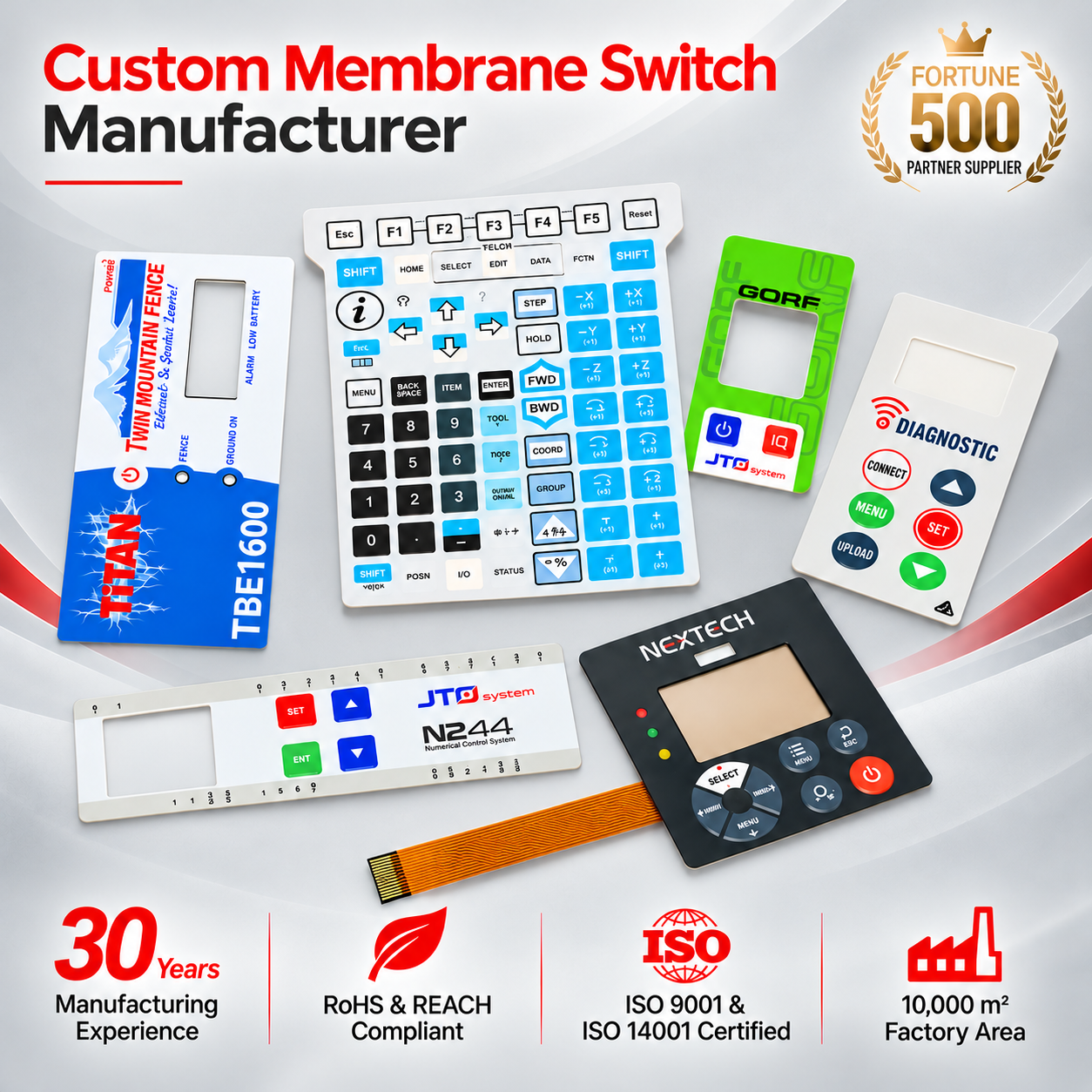
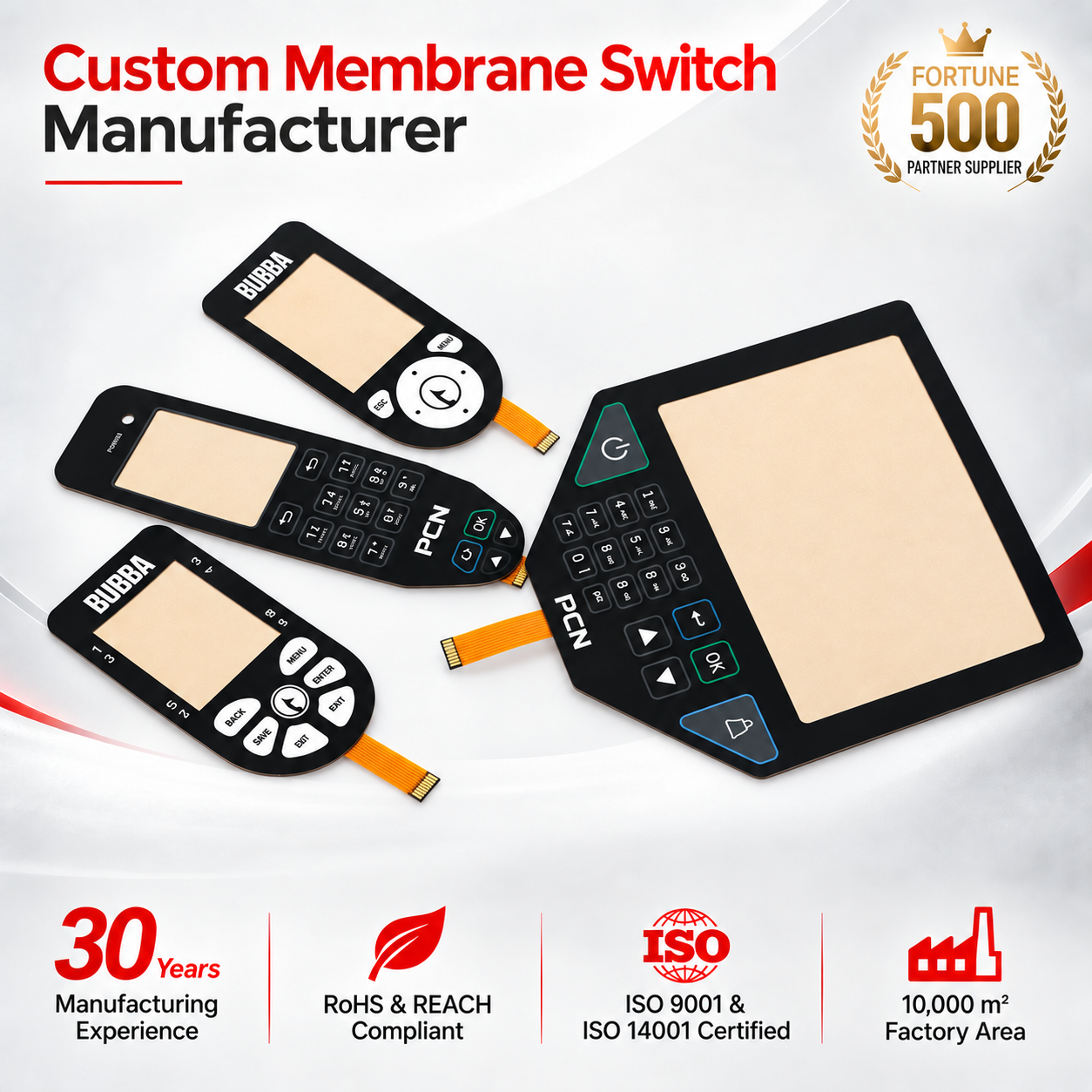
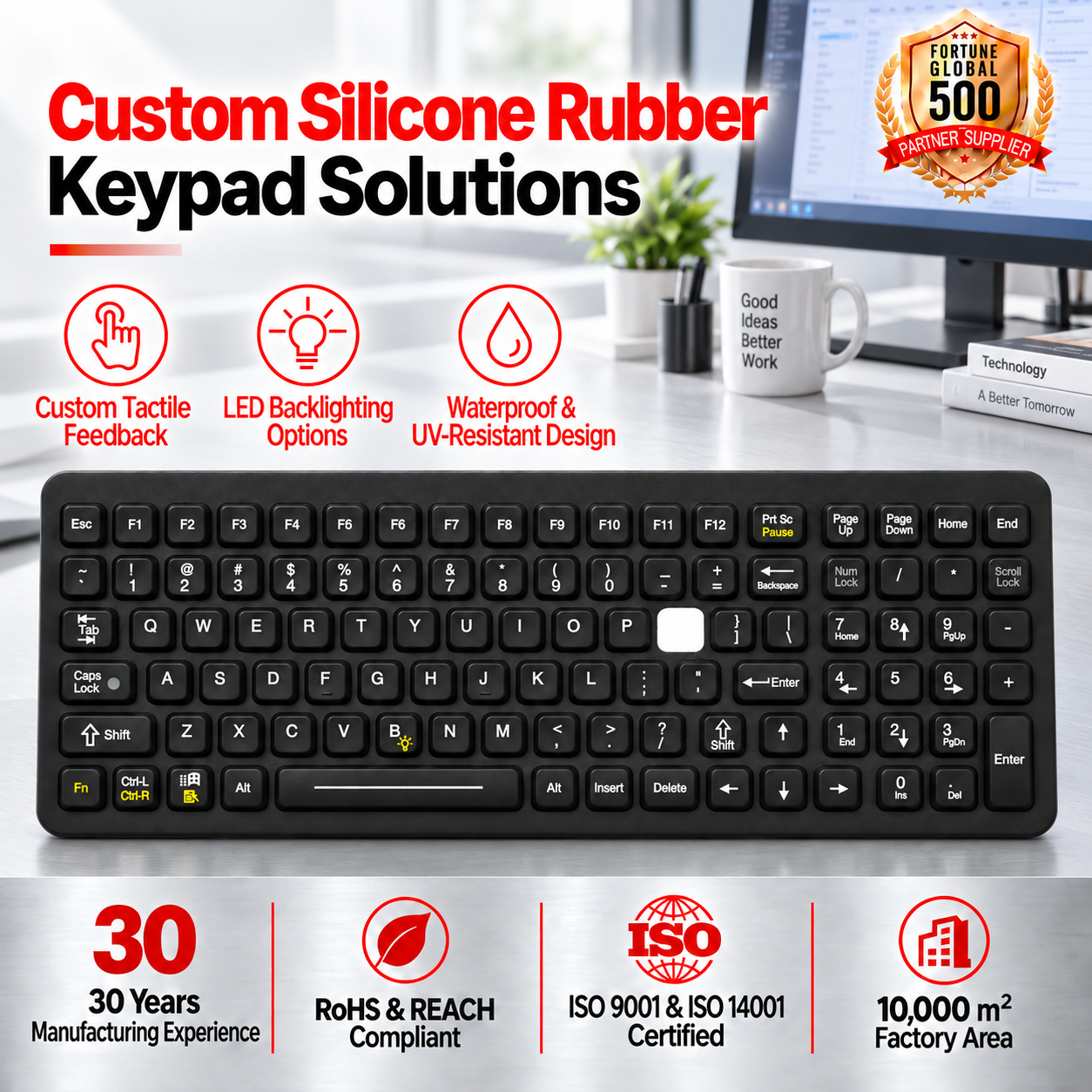
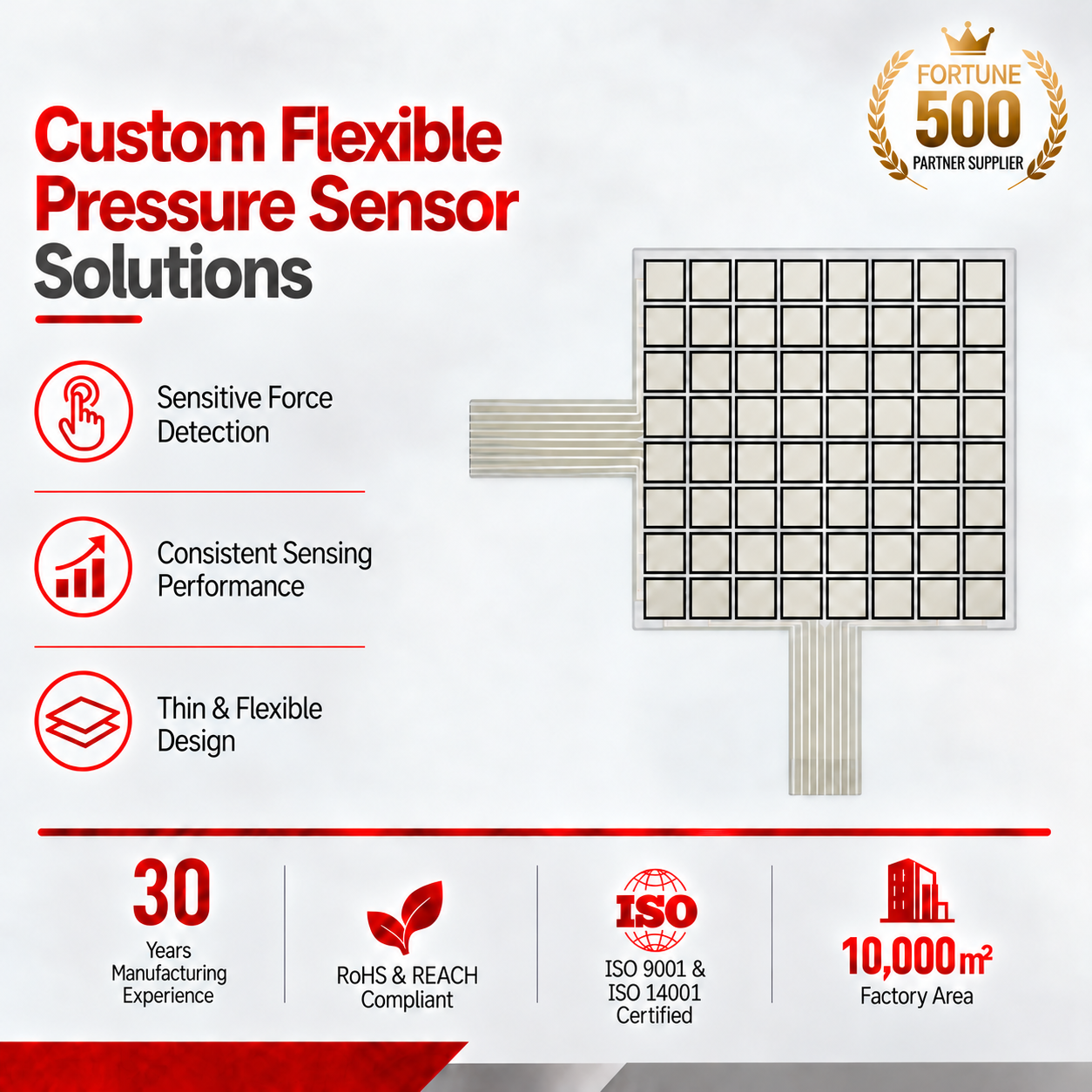
Direct factory manufacturing of customized graphic overlays, tactile dome arrays, conductive silicone keys, and flexible sensing layers engineered for critical reliability.
Engineering Architecture of Medical Membrane Switches
A rigorous examination of substrate chemistry, tactile actuation physics, ingress sealing dynamics, and electromagnetic compliance in critical care environments.
In the demanding theatre of modern healthcare—from intensive care ventilators, patient hemodynamic monitors, and surgical electrosurgical generators to mobile infusion pumps and laboratory analyzers—the Human-Machine Interface (HMI) serves as the primary operational conduit between healthcare practitioners and life-sustaining technology. Medical membrane switches are not merely decorative faceplates; they are multi-layered, electro-mechanical assemblies subjected to rigorous chemical sanitization protocols, relentless mechanical duty cycles, high-frequency electromagnetic interference (EMI), and biological contaminant exposure.
Chemical & Biocide Resistance
Utilizing biaxially-oriented polyester (PET) films treated with proprietary texturing and antimicrobial agents (e.g., Autotex AM with silver-ion technology), medical overlays endure aggressive hospital disinfectants including Isopropanol (70%), Sodium Hypochlorite (Bleach), Hydrogen Peroxide vapor, Cidex OPA, and Quaternary Ammonium compounds without clouding, micro-cracking, or graphic delamination.
Hermetic Ingress Sealing (IP67 / IP68)
Medical cleanrooms require continuous spray-down and sterilization. By engineering a closed-perimeter adhesive barrier utilizing high-cohesion 3M 200MP or 300LSE acrylic transfer systems paired with internal breather channel labyrinths vented internally into the host chassis, our assemblies prevent fluid entry while compensating for barometric atmospheric pressure fluctuations.
ESD / EMI Shielding Integrity
Critical medical equipment must comply with IEC 60601-1-2 EMC standards. We integrate solid or selective grid copper-clad polyimide, vacuum-deposited aluminum, or conductive carbon/silver polymer thick film (PTF) ground planes capable of dissipating electrostatic discharge events exceeding 15kV to 25kV, safeguarding downstream microcontrollers from latch-up.
Medical-Grade Membrane Switch Engineering Specifications
The following engineering data table highlights standard physical, electrical, and environmental performance benchmarks maintained across our OEM manufacturing lines:
| Performance Parameter | Silver Conductive PTF on PET | Copper Flex Printed Circuit (FPC) | Rigid FR4 Backed Assembly |
|---|---|---|---|
| Operating Voltage / Current | < 30V DC, ≤ 100mA max | < 50V DC, ≤ 1A continuous | Up to 250V AC/DC, ≤ 2A |
| Loop Contact Resistance | < 100 Ω (dependent on trace length) | < 1 Ω (ultra-low resistance) | < 0.1 Ω (precision gold plated) |
| Actuation Tactile Force | 220g – 450g (±30g snap feel) | 250g – 500g (custom metal domes) | 160g – 600g (dome or microswitch) |
| Switch Travel Range | 0.4mm – 0.8mm (audible click) | 0.4mm – 0.9mm (tactile snap) | 0.5mm – 1.5mm (high tactile travel) |
| Mechanical Life Expectancy | > 1,000,000 to 3,000,000 actuations | > 5,000,000 actuations | > 5,000,000 to 10,000,000 actuations |
| Dielectric Breakdown Voltage | 1,500V DC min (hi-pot verified) | 2,500V DC min | 3,000V DC min |
| Ingress Protection Rating | IP65 to IP67 perimeter gasketed | IP67 to IP68 submersible bonded | IP67 NEMA 4X certified |
| Substrate Chemistry | Autotex AM PET / Melinex ST505 | DuPont Pyralux Polyimide (PI) | High-Tg Halogen-free FR4 |
Dongguan AXRU Electronics: Direct-Factory OEM/ODM Authority
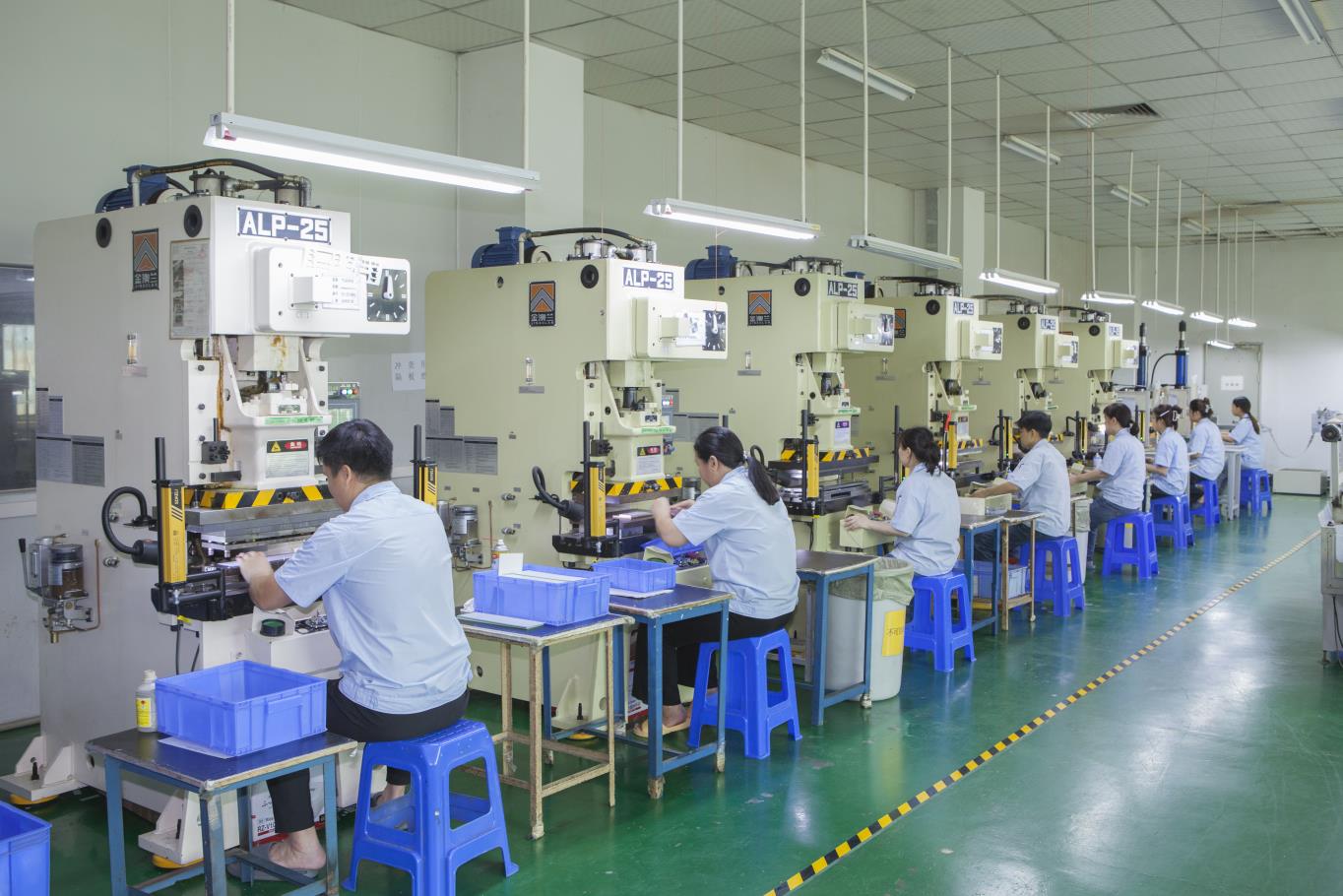
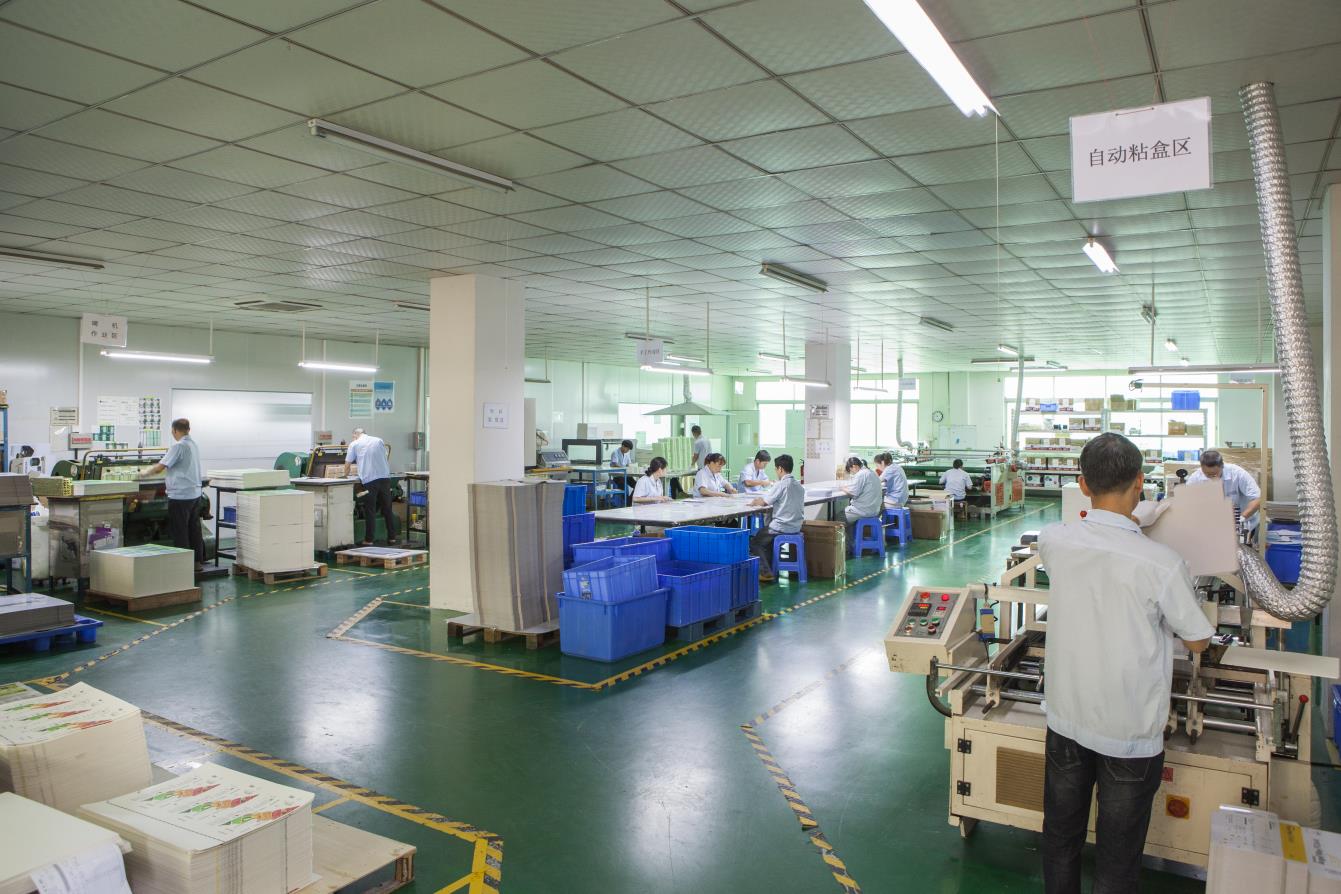
Occupying a specialized 10,000㎡ production facility in Dongguan, China, Dongguan AXRU Electronics Co., Ltd. operates with a seasoned team of 121 technical specialists, precision tooling engineers, and certified quality managers. Assessed on-site and verified by Intertek, our facility eliminates the supply chain vulnerabilities and quality variance associated with third-party brokers.
- Fortune 500 Qualified Vendor: Established direct OEM manufacturing partner for Tier-1 multinational medical device, industrial automation, and automotive electronics brands.
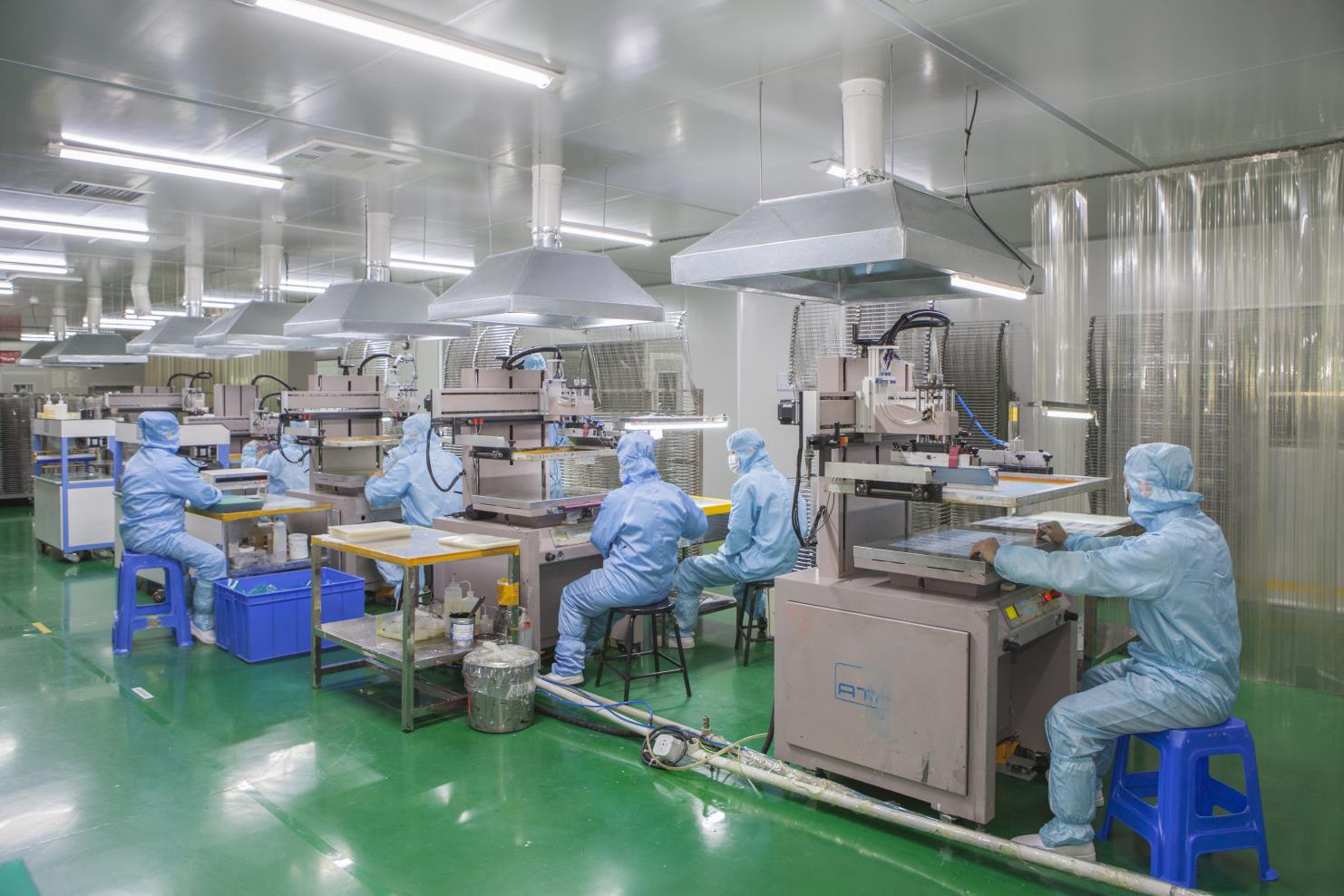
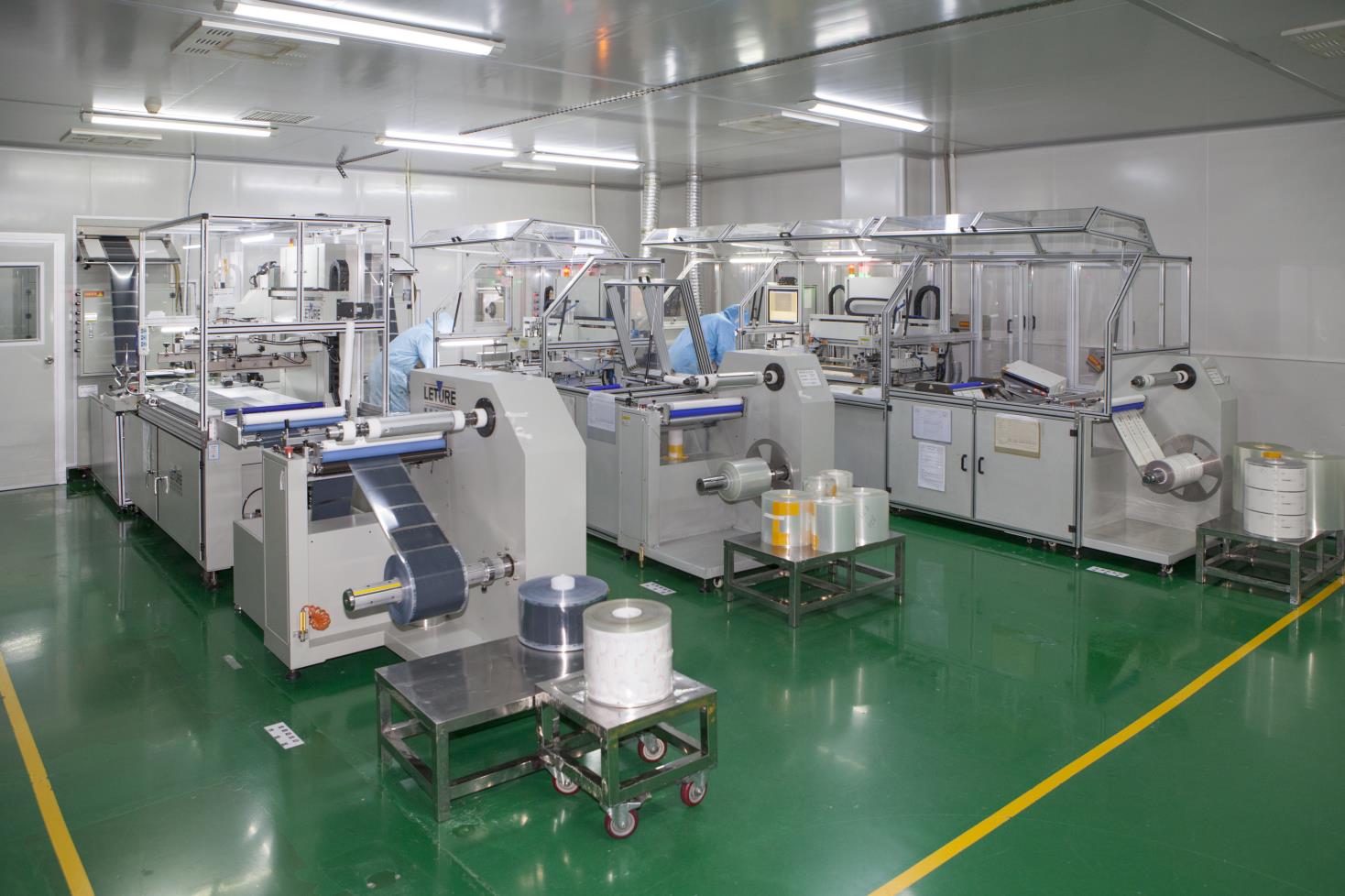
- Class 10,000 Cleanroom Screen Printing: Automated reel-to-reel and semi-automatic precision flatbed silk screen printers guarantee zero particulate inclusion under transparent display windows and dead-front LED optical pathways.
- Vertical Integration Under One Roof: Graphic overlay typography, circuit screen printing, CNC laser profiling, metal dome placement, SMT pick-and-place for miniature LEDs, gasket die-cutting, and multi-layer lamination completed entirely in-house.
- Rapid DFM Prototyping: Dedicated sample-making center equipped with digital flatbed knife cutters and rapid optical laser tooling delivering functional prototypes within 3 to 5 business days.
100% In-Line Verification & Laboratory Reliability Testing
Medical human-machine interfaces require absolute predictability. We operate 9+ automated test rigs ensuring compliance with strict mechanical, environmental, and cosmetic standards.
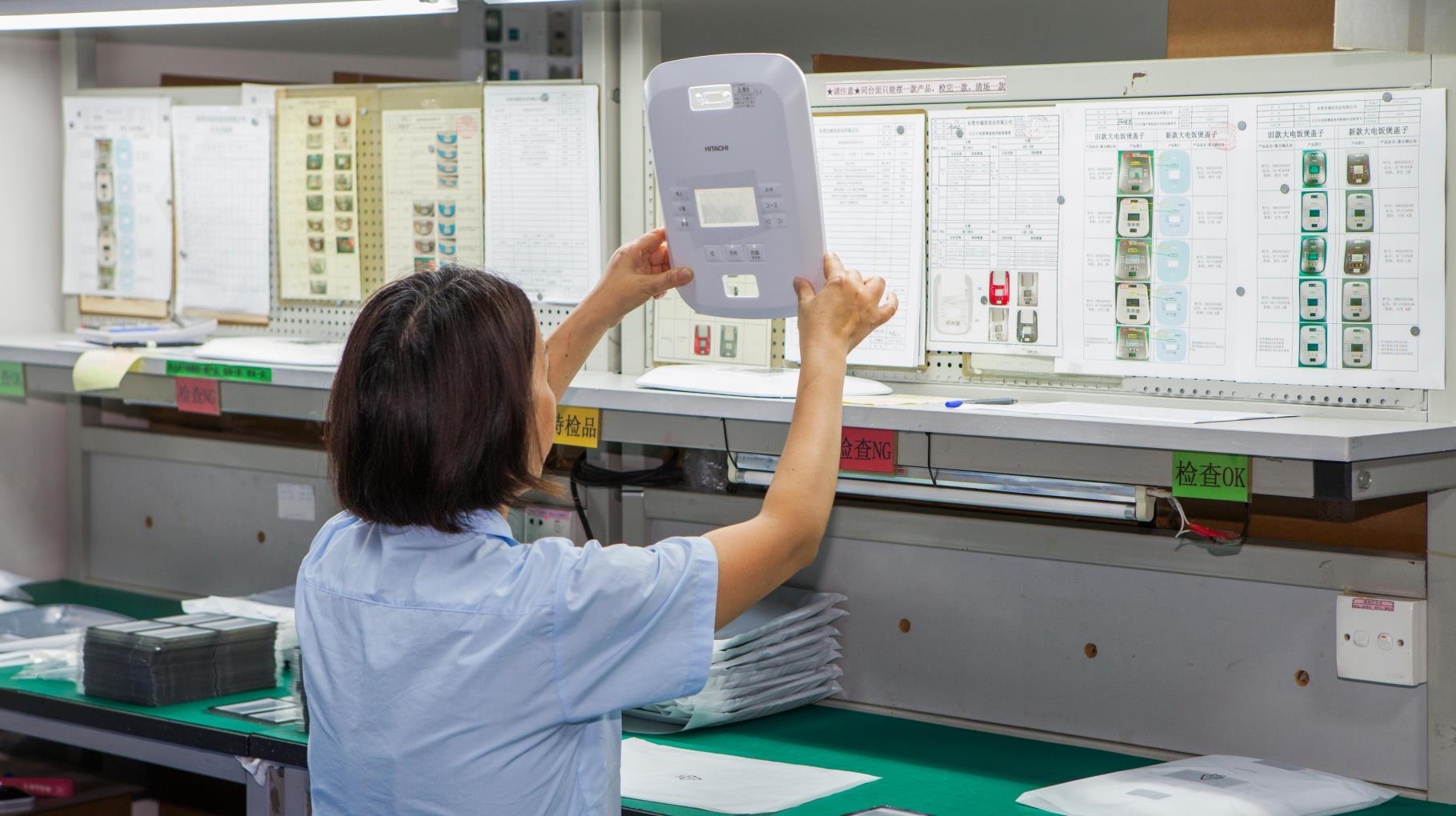
100% Electrical Circuit Test
Automated microprocessor test fixtures test open/short circuits, pin continuity, contact resistance, and embedded LED diode polarity for every manufactured unit.
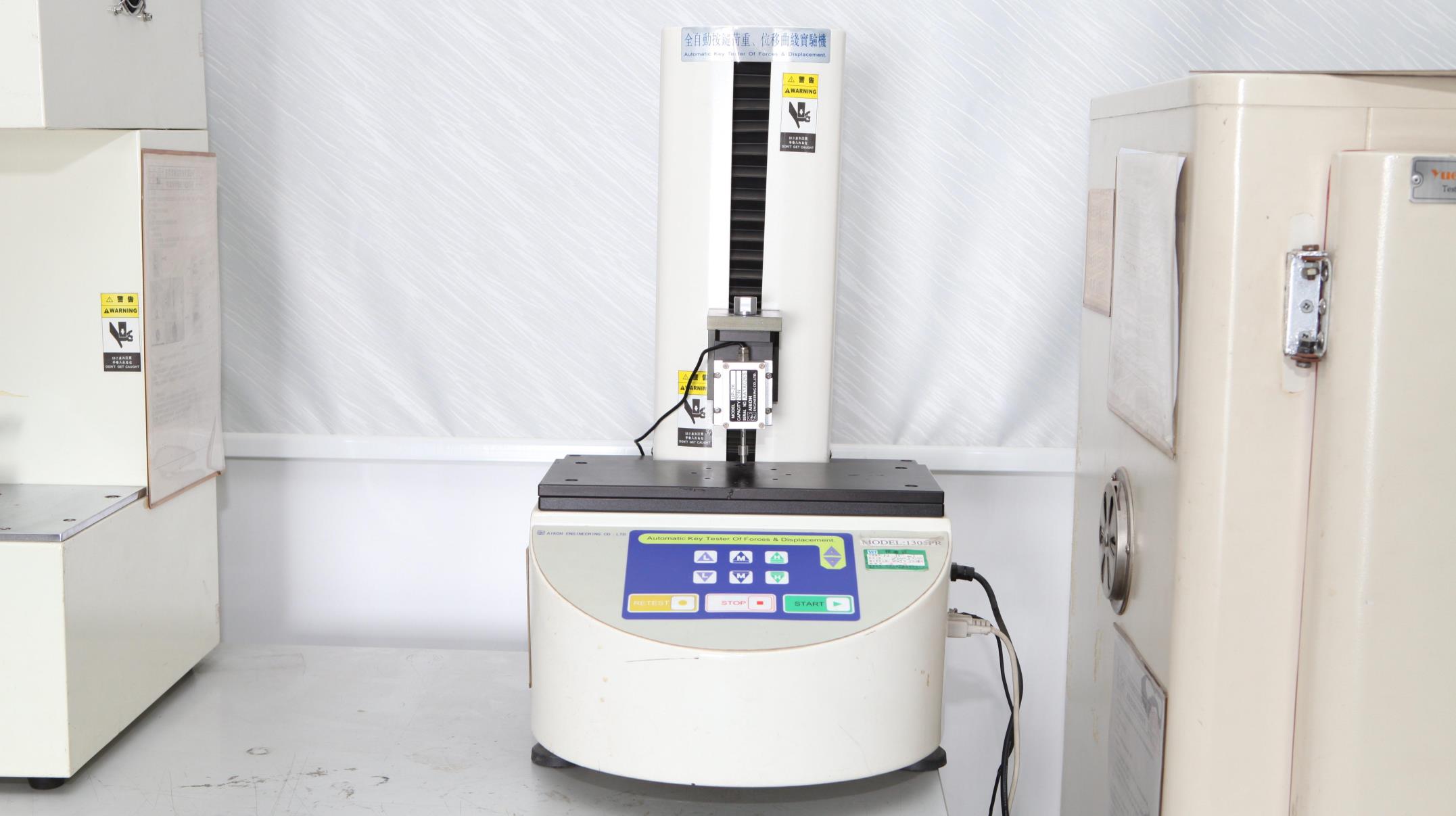
Force-Displacement Analysis
Precision computer-controlled load cells capture dynamic actuation force curves, peak tactile thresholds, return travel, and click ratio consistency.
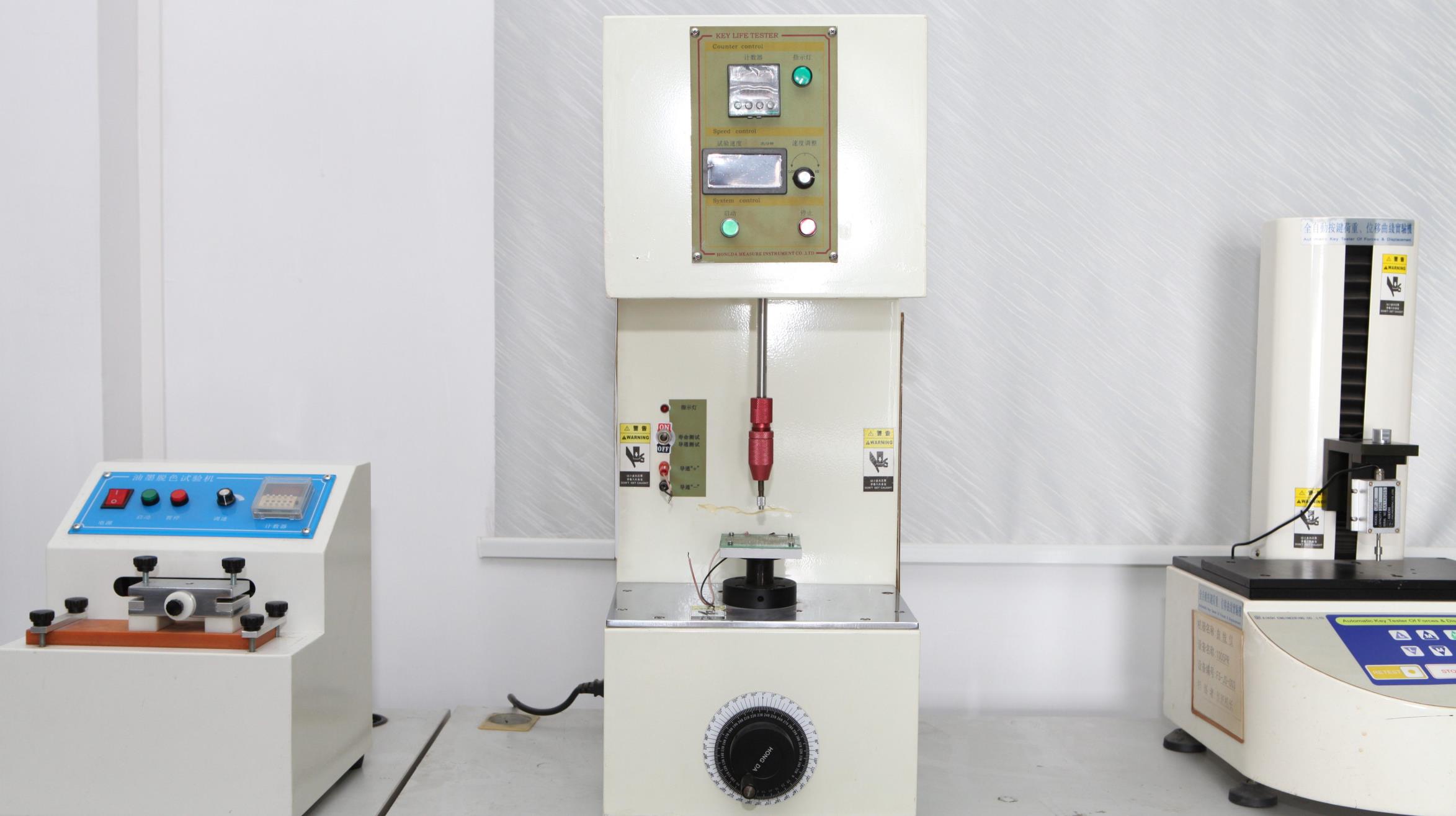
Multi-Station Key Life Tester
Pneumatic cycle fingers actuate buttons up to 5,000,000 continuous cycles under calibrated loads, evaluating dome fatigue and trace contact degradation.
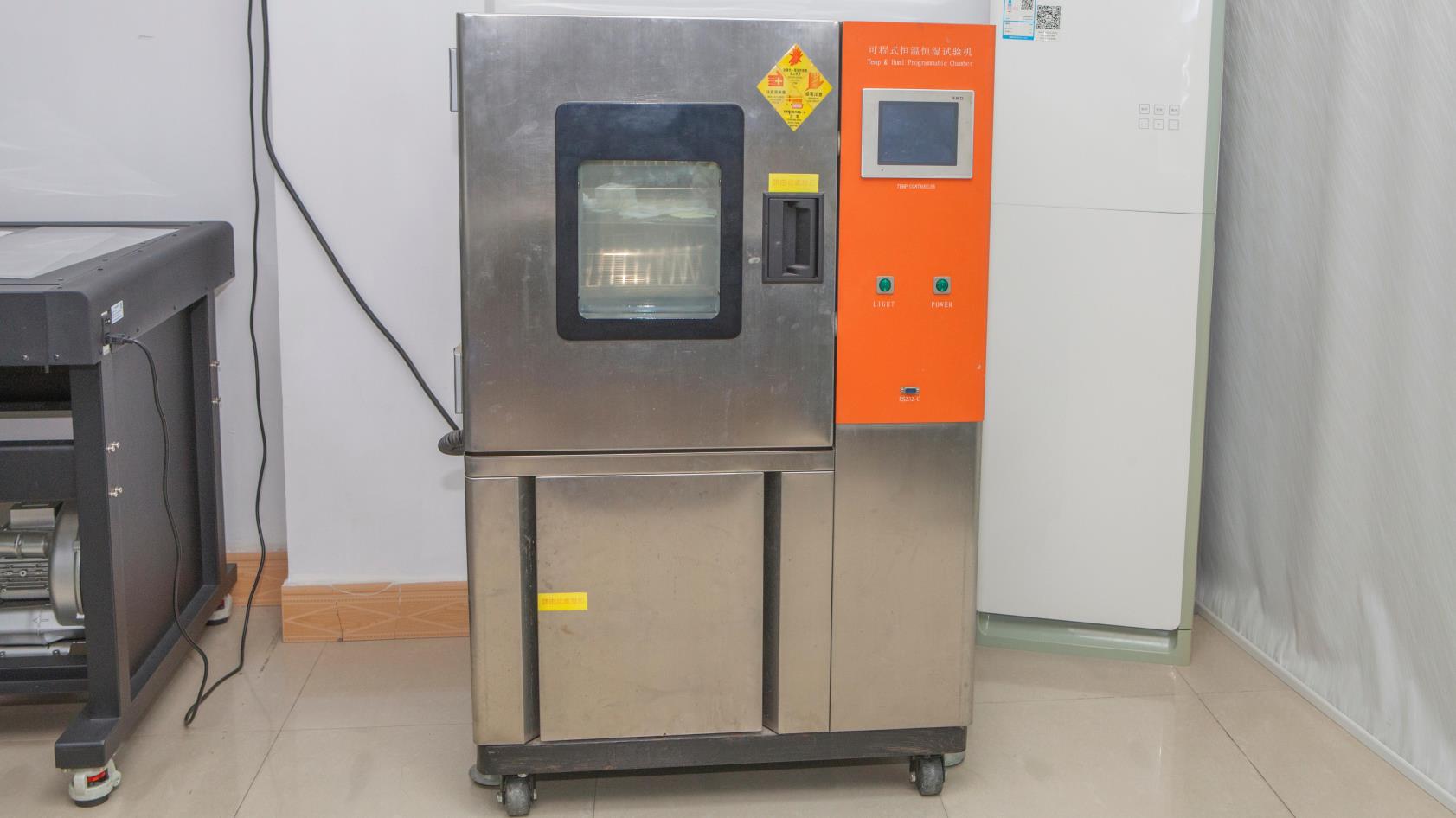
Programmable Temp & Humidity
Thermal shock cycling (-40°C to +85°C at 95% RH) exposes finished assemblies to extreme conditions to reveal potential delamination or adhesive creep.
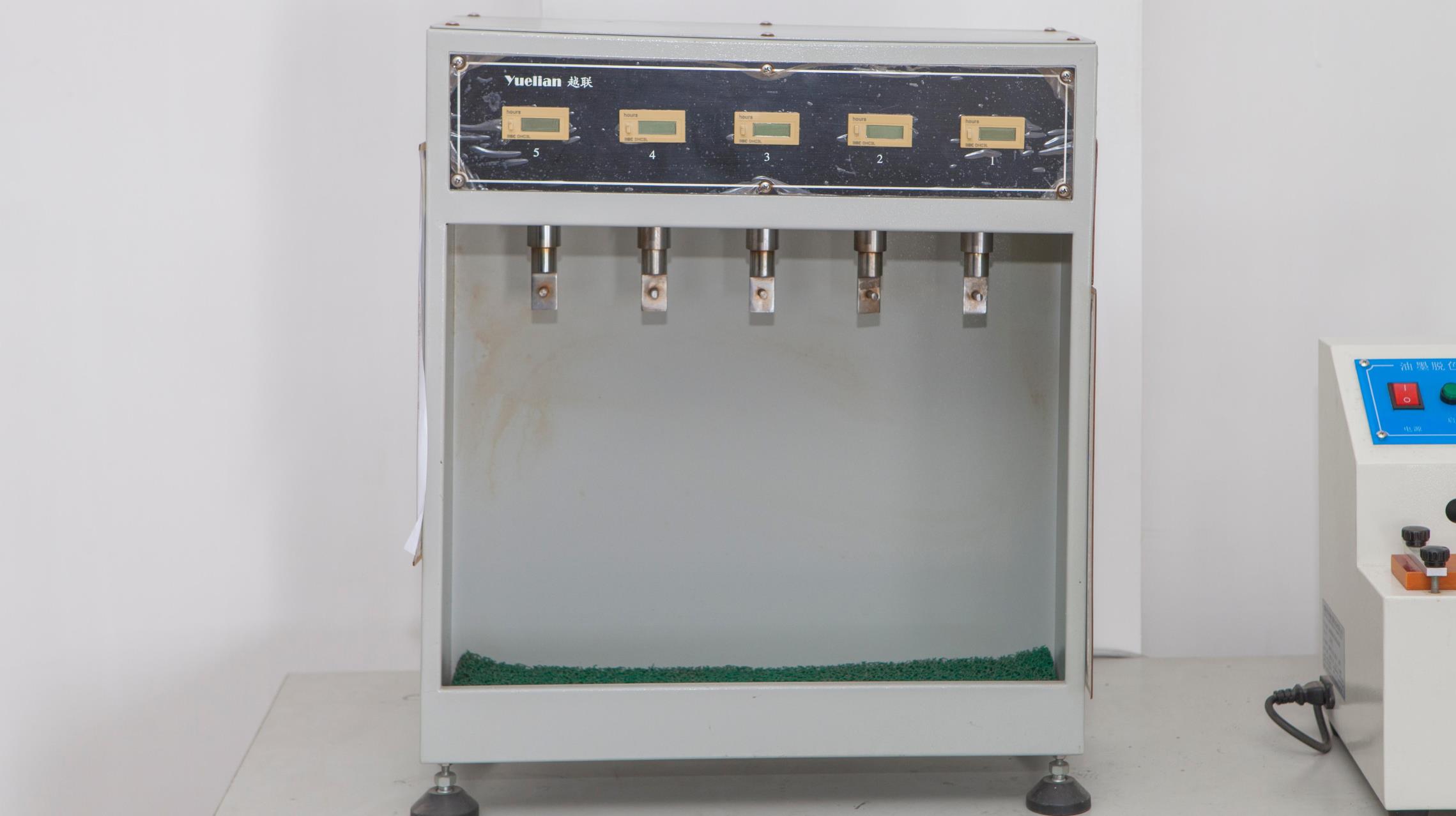
Digital Tensile & Peel Tester
Quantifies adhesive bond peel strength (180° peel tests) between graphic overlays, spacer layers, tail exit bonds, and sub-panel mounting bezels.
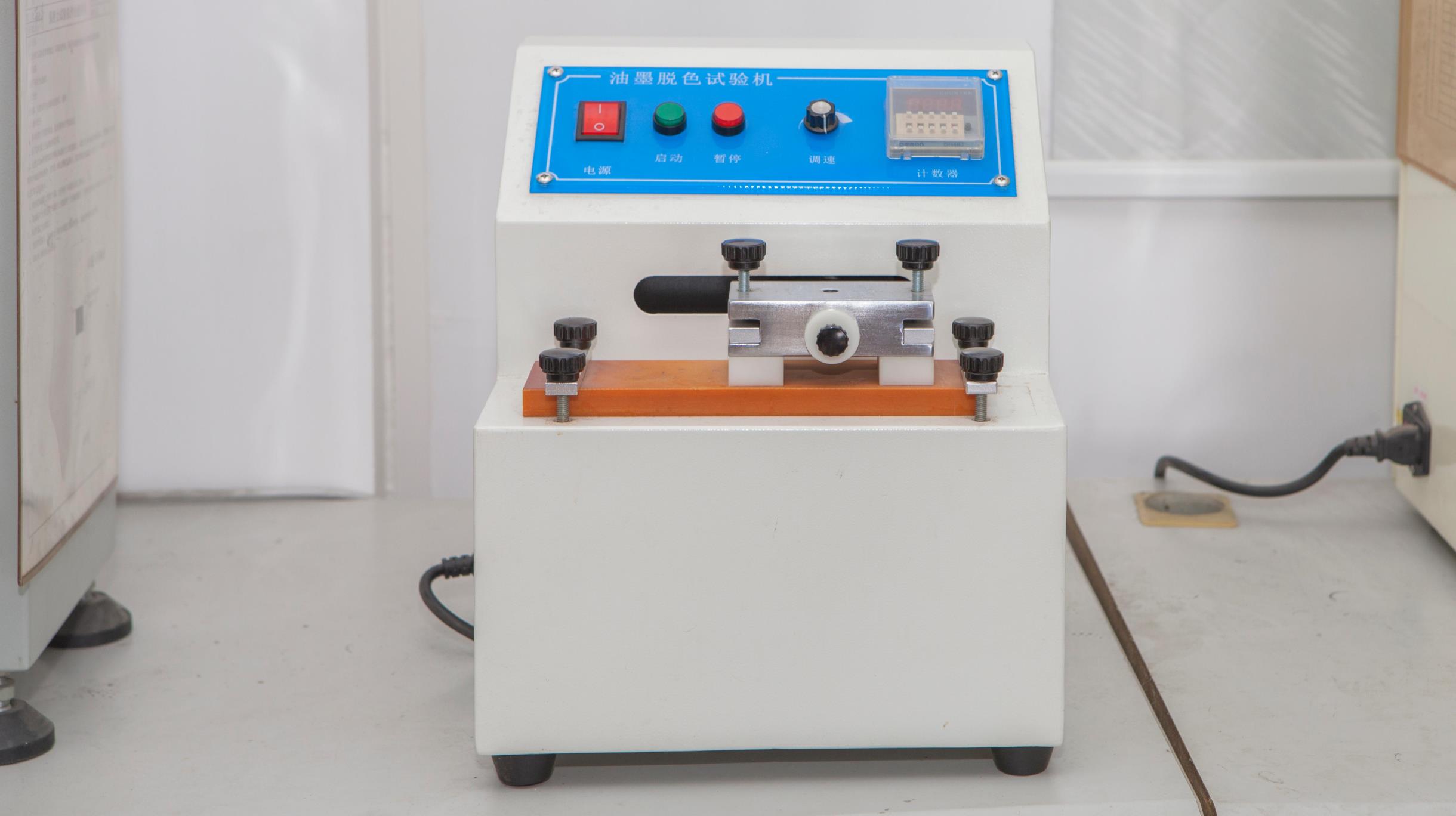
Chemical & Rub Abrasion Tester
RCA abrasion paper and solvent crockmeter test overlay sub-surface ink bonding against hospital detergents, alcohols, and abrasion cycles.
Future Procurement Trends in Medical HMI Technologies
Emerging requirements influencing global OEM sourcing managers, component engineers, and medical supply chain executives for 2025–2030.
1. Rise of Hybrid Capacitive-Membrane Panels
Procurement teams are shifting away from traditional discrete tactile buttons toward hybrid front panels. These combine edge-to-edge easy-clean glass or hard-coated polycarbonate capacitive touch areas with dedicated physical tactile emergency buttons (such as Audio Alarm Silence or Emergency Stop). This architecture delivers intuitive touch-screen aesthetics alongside tactile fail-safes mandated by medical safety authorities.
2. Copper FPC Surpassing Silver PTF Traces
While screen-printed conductive silver ink on PET remains cost-effective for static layouts, the miniaturization of diagnostic handhelds demands high-density pitch connectors (≤ 0.5mm) and integrated micro SMT components. Copper Flex Printed Circuits (FPC) provide superior flex fatigue endurance, near-zero circuit resistance, and the capability to reflow micro-miniature LEDs, capacitive sensor ICs, and thermistors directly onto the flexible switch tail.
3. Embedded Light Guide Film (LGF) Backlighting
Electroluminescent (EL) foils and fiber optics are being superseded by ultra-thin (0.125mm – 0.25mm) micro-etched Light Guide Films (LGF). LGF utilizes side-firing high-efficiency SMD LEDs to uniformly illuminate isolated button legends, warning symbols, and boundary rings without light bleeding into adjacent zones or producing electromagnetic noise that could interfere with sensitive bio-potential amplifiers (such as ECG/EEG leads).
4. Demand for Disposable Biometric Sensor Films
Following post-pandemic infection prevention directives, medical device manufacturers are expanding the sourcing of single-use or modular wearable flexible sensor films. By leveraging our cleanroom screen-printing lines, OEMs procure disposable silver/silver-chloride (Ag/AgCl) electrode sensor patches, flexible thin-film force arrays for patient bed occupancy monitoring, and sterile disposable surgical handpiece switches.
5. Total Material Biocompatibility & RoHS/REACH
Supply chain scrutiny has deepened regarding raw material toxicology. Medical HMI procurement mandates full traceability under ISO 10993 cytotoxicity, skin irritation, and sensitization standards for all exposed overlay polymers, silicone rubber compounds, and perimeter bonding tapes. Manufacturers with verified material certificates and Intertek audit histories are prioritized to mitigate recall liabilities.
6. Smart Factory Traceability & Low-MOQ Flexibility
OEM sourcing strategies now prioritize agile manufacturers capable of bridging low-volume clinical trial batches (MOQ 100 pcs) seamlessly into high-volume automated runs. Barcode and laser-etched 2D data-matrix serialization on switch tail connectors ensure that every individual keypad can be traced back to its raw material master roll, curing oven cycle, and final optical inspection logs.
Frequently Addressed Questions by Medical OEM Sourcing Teams
Practical guidance on design inputs, tooling lead times, sealing verifications, and compliance validation.
Ready to Accelerate Your Medical Device Interface Project?
Consult directly with our Dongguan engineering department for comprehensive DFM analysis, custom stack-up schematics, and rapid prototype turnarounds. Work with an Intertek-verified, direct OEM manufacturer.