Technical Procurement Dossier
Engineering Next-Generation HMI Interfaces: The Definitive Industrial Guide to Polyester (PET) Overlays
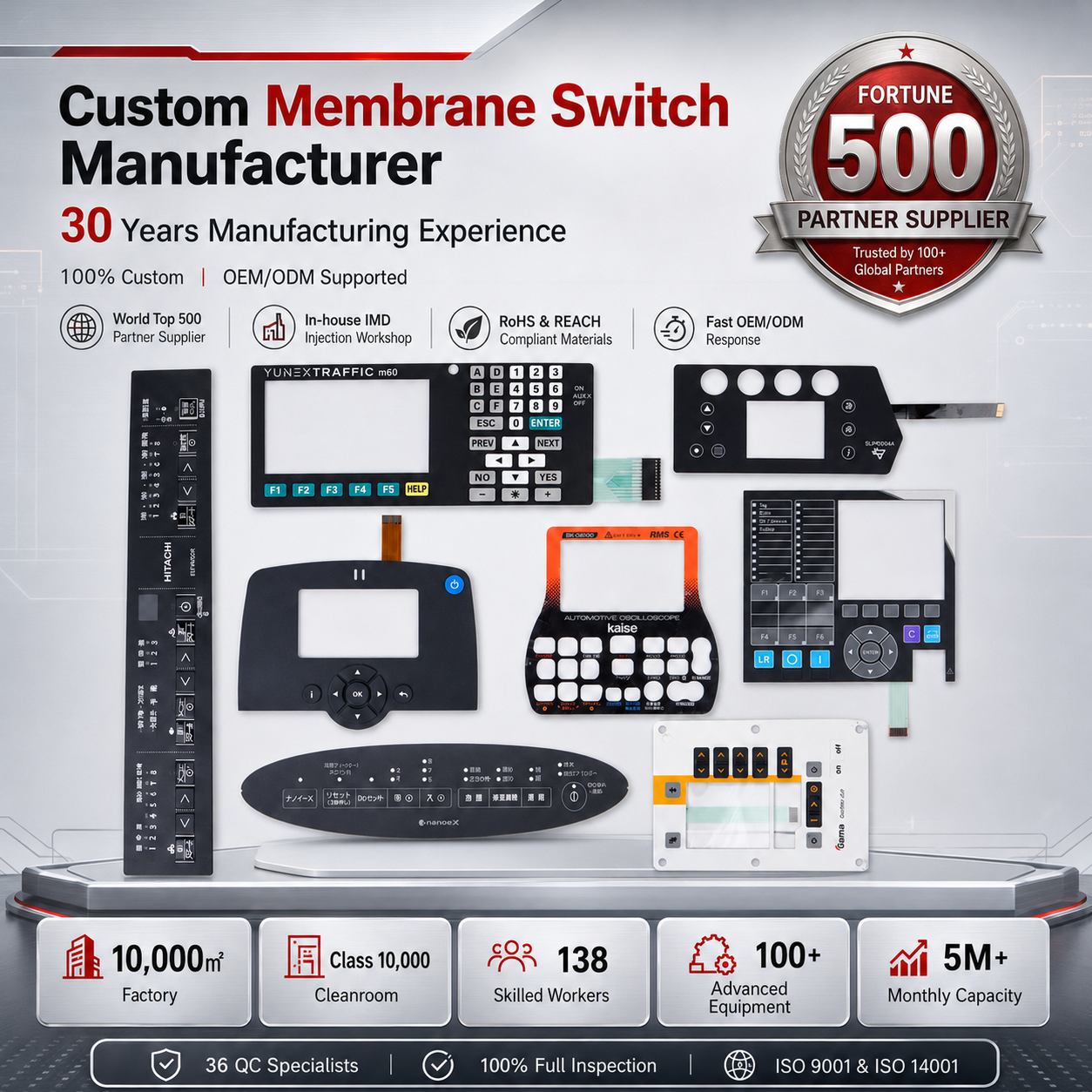
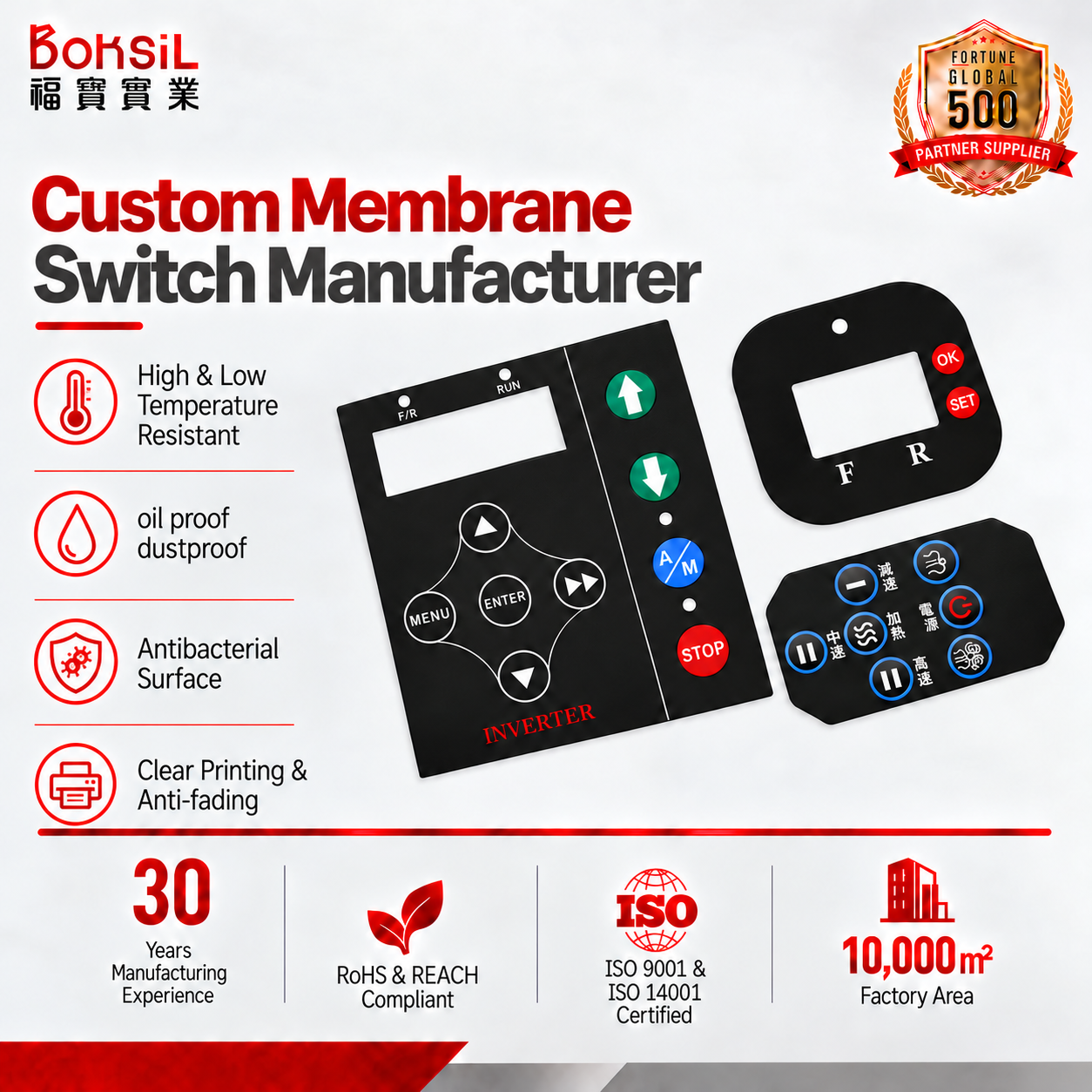
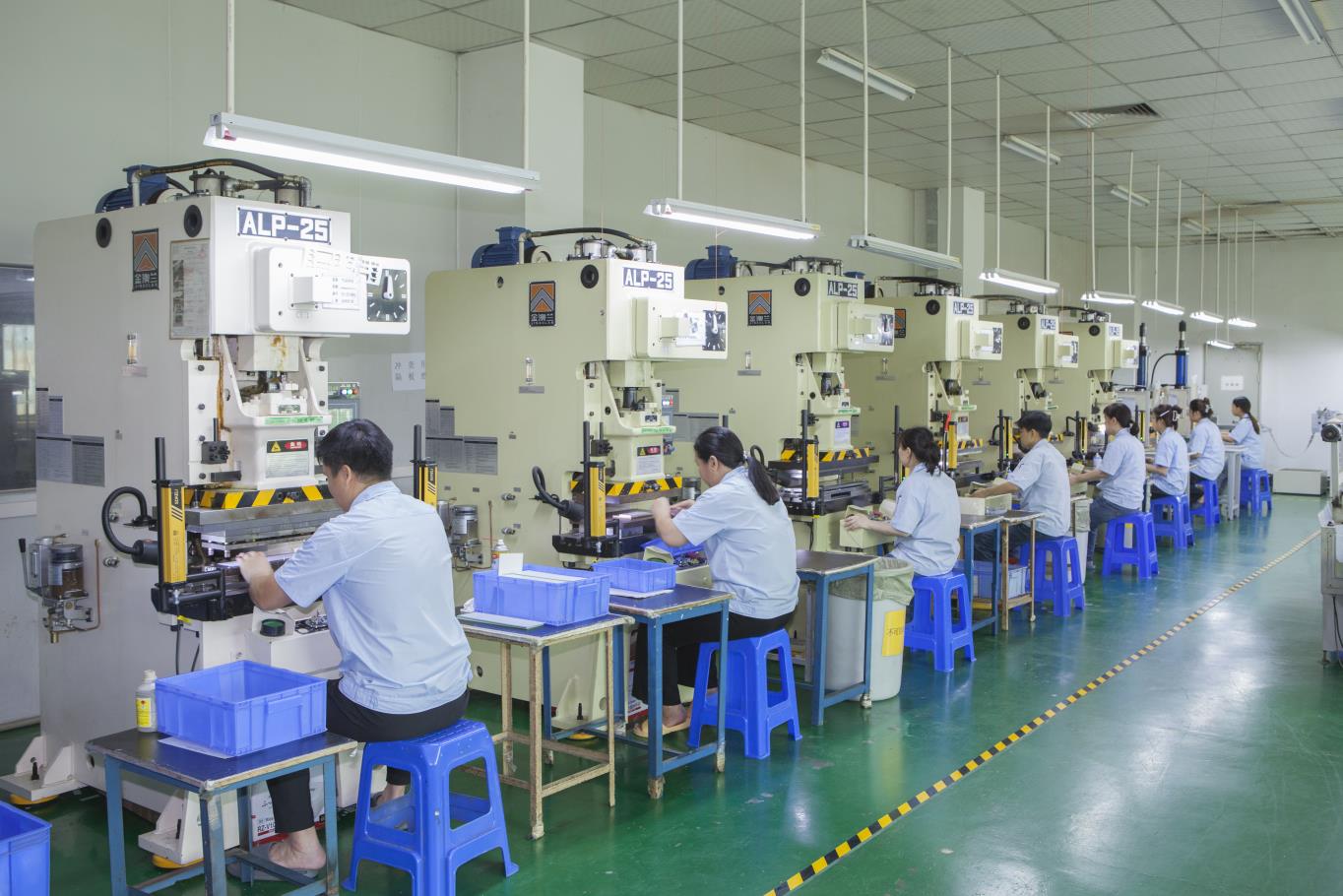
In harsh electronic environments, Human-Machine Interface (HMI) performance hinges on substrate resilience. While conventional Polycarbonate (PC) suffices for basic enclosures, modern industrial automation, clinical instrumentation, and mission-critical controls demand the structural stamina of biaxially oriented polyethylene terephthalate (BOPET). Dongguan AXRU Electronics Co., Ltd. deploys 12+ years of vertical manufacturing expertise across our 10,000㎡ plant, delivering micro-engineered polyester graphic overlays that endure over 5,000,000 mechanical switch cycles, severe chemical cleanings, and extreme thermal fluctuations without delamination or optical fogging.
10,000㎡
Plant Floor Area
5,000,000+
Switch Actuation Life
100%
In-House Functional QC
Intertek
On-Site Verified Facility
Catalog & Core Capabilities
Engineered Interface Assemblies & Overlay Configurations
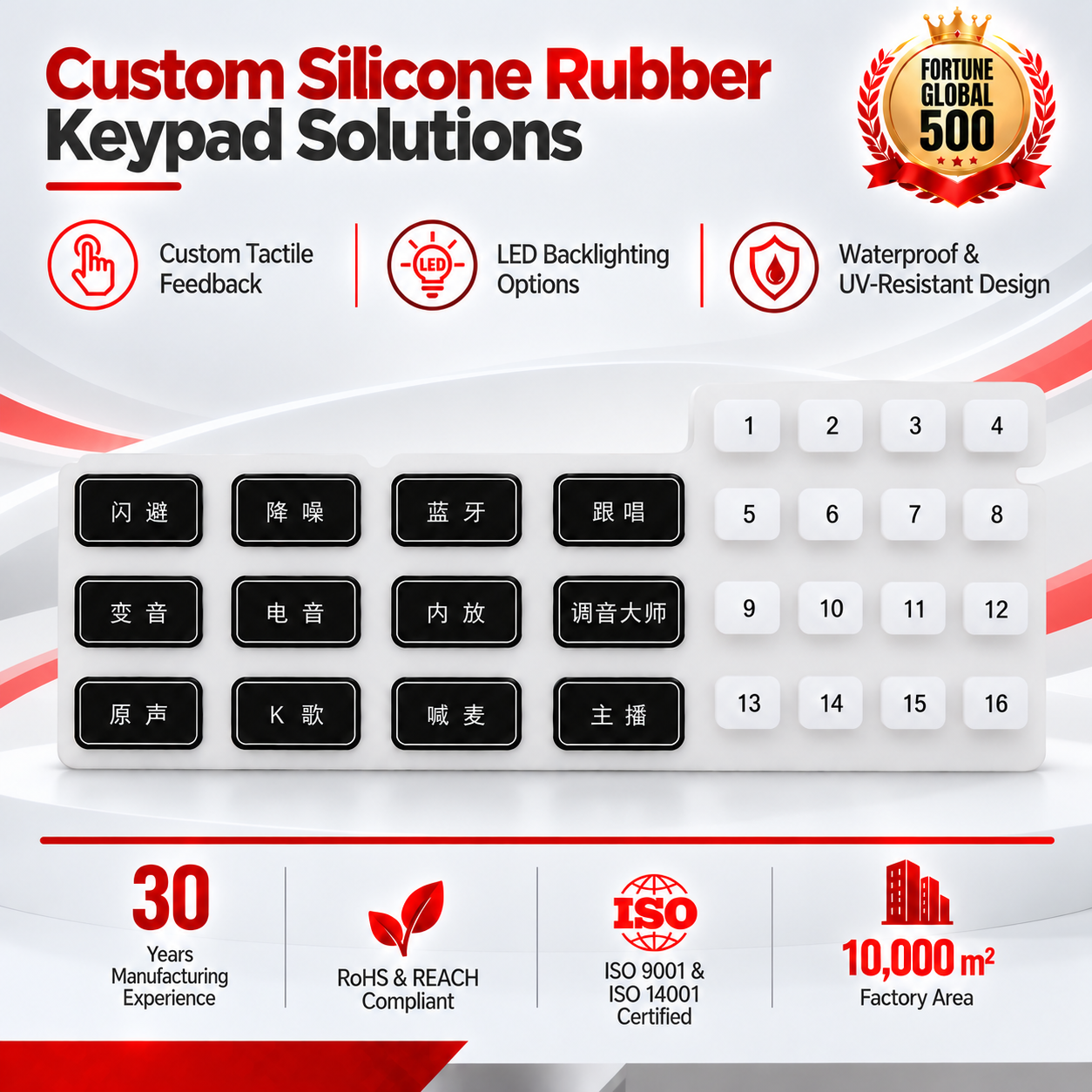
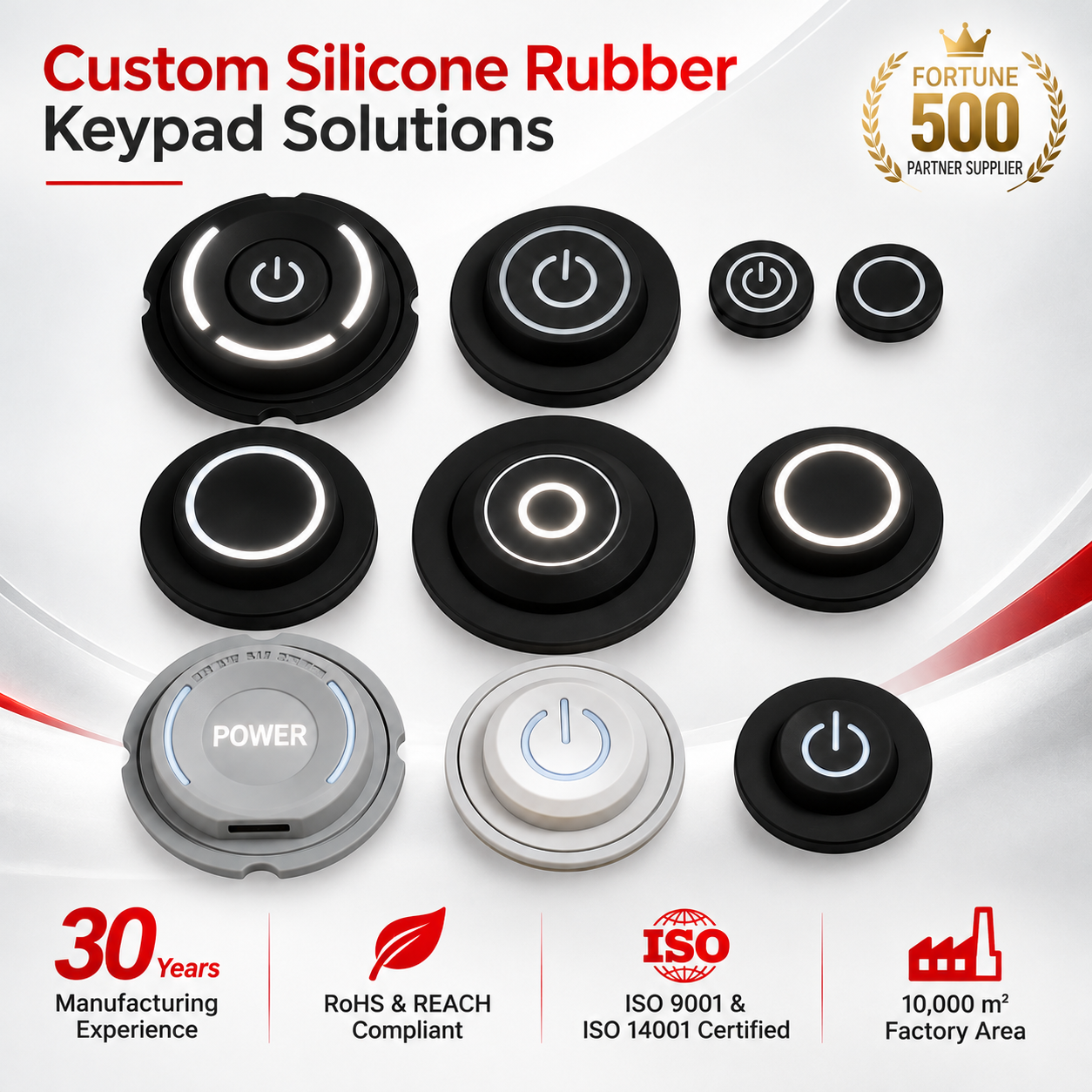
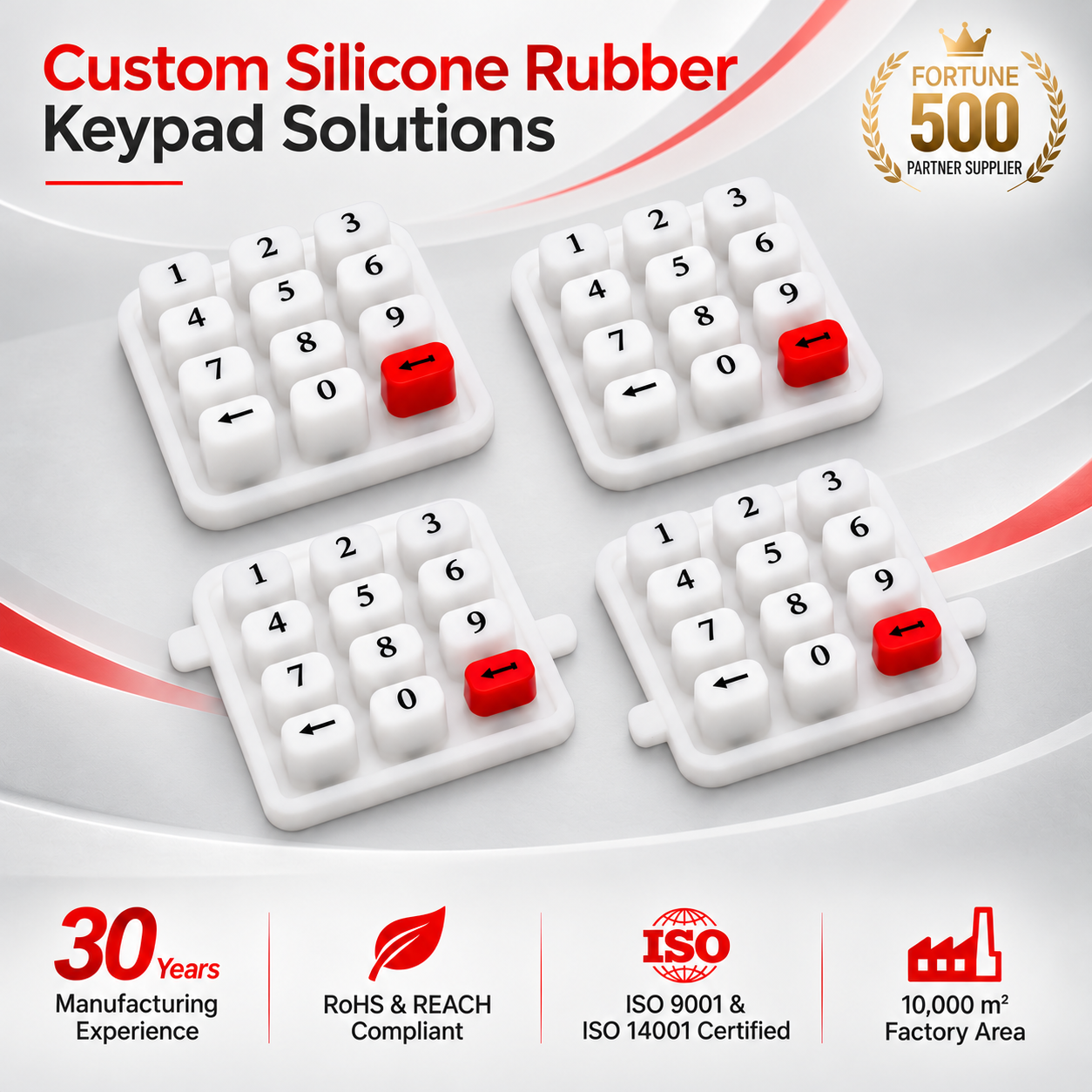
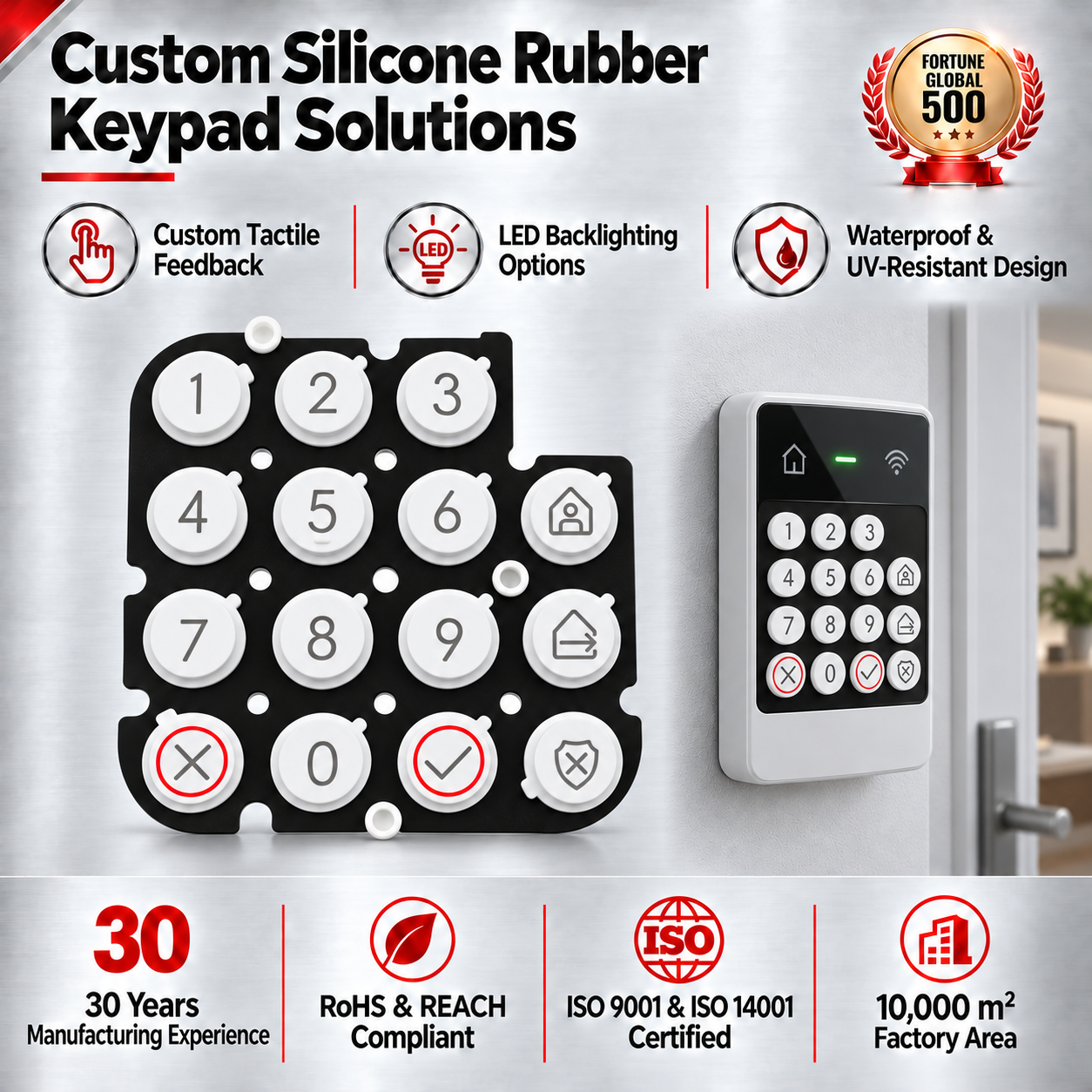
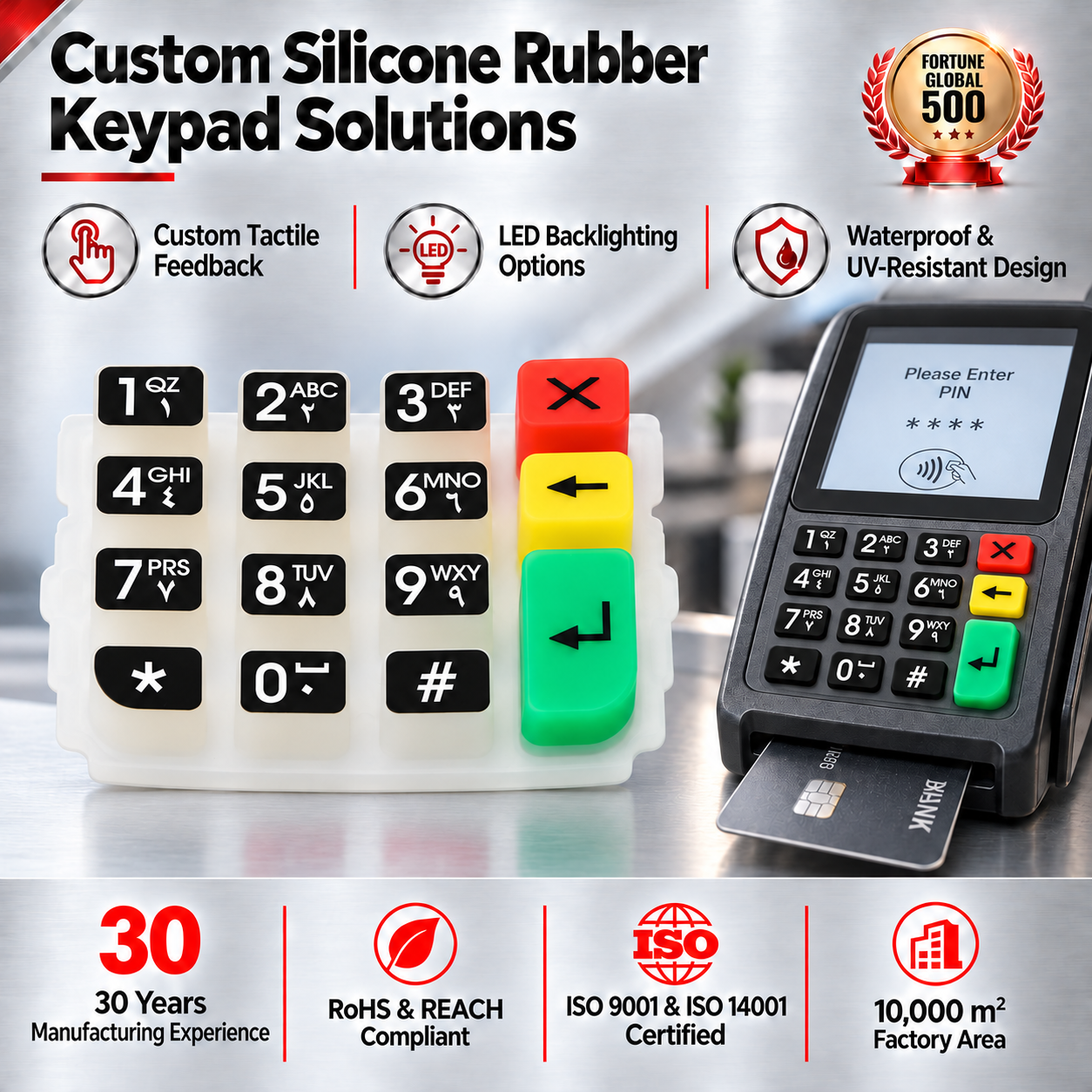
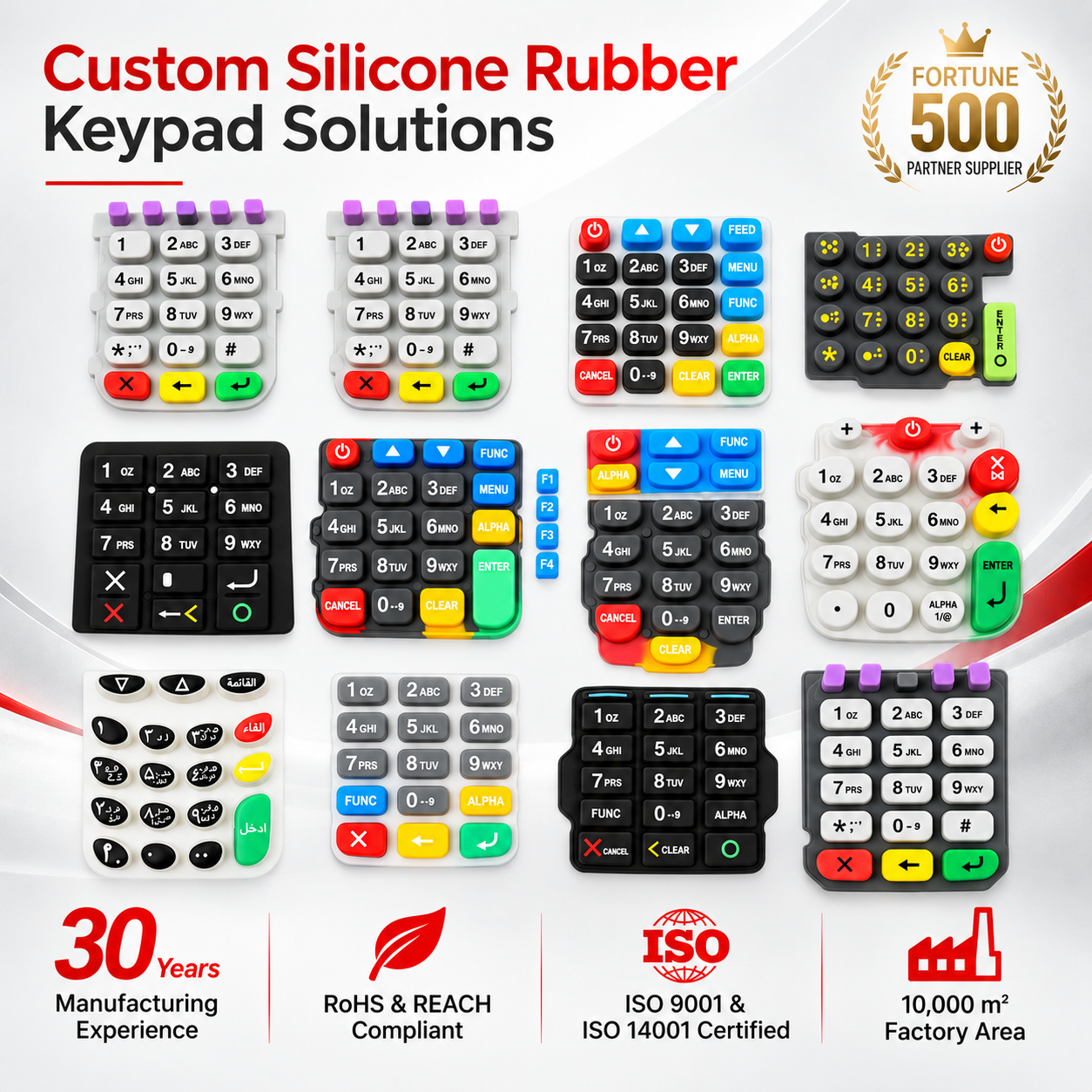
Factory-direct HMI integration from high-grade PET overlays to integrated silicone switches and flexible circuits.
Material Selection Science
Why Autotype Polyester (PET) Outperforms Polycarbonate in Harsh Environments
Choosing the right front substrate prevents early switch failure, solvent cracking, and legend wear. Compare the engineering metrics below.
| Engineering Property | Polyester (PET) Film (e.g., Autotex / Autostat) | Polycarbonate (PC) Film (e.g., Lexan 8010) | Engineering Procurement Advantage |
|---|---|---|---|
| Flexural Fatigue Life (Actuations) | > 5,000,000 cycles without fatigue failure | ~ 100,000 – 300,000 cycles (Prone to crazing) | PET offers 15x higher mechanical resilience for tactile embossing |
| Chemical & Solvent Resistance | Immune to IPA, acetone, methyl ethyl ketone, bleach & sanitizers | Poor; micro-cracks and yellows upon contact with harsh esters/ketones | Essential for clinical medical disinfection and grease-heavy workshops |
| Tensile Strength & Yield Point | 172 MPa (25,000 psi) high dimensional stability | 62 MPa (9,000 psi) moderate dimensional stability | Minimal thermal registration shift during multi-pass silk-screen curing |
| Continuous Operating Temp | -40°C to +120°C (-40°F to +248°F) | -40°C to +105°C (-40°F to +221°F) | Prevents warping in outdoor telecommunications and engine enclosures |
| Embossing Retention (Rim / Pillow) | Maintains tactile crispness indefinitely up to 85°C | May slowly relax tactile dome definition under elevated ambient heat | Crisp user tactile response across years of operational duty |
AXRU Factory Capabilities
Precision Manufacturing Standards from Our 10,000㎡ Dongguan Facility
AXRU maintains total operational integrity with zero core outsourcing across our 121-technician facility.
Sub-Surface Reverse Silk Screen Printing
All functional legends, solid colors, and brand Pantone pigments are printed on the sub-surface of optical-grade polyester. The exterior clear hard-coat shields printing ink from physical wear, aggressive hand abrasions, and chemical washes, delivering decades of permanent legend legibility.
Tactile Hydro-Forming & Precision Embossing
Using custom CNC tooling dies and controlled thermal-dwell pneumatic presses, our plant delivers pillow, perimeter-rim, and dome embossing within a ±0.05mm height tolerance. This ensures crisp mechanical feedback and ergonomic key registration over millions of cycles.
Dead-Front & Optical Window Tinting
We manufacture display cutouts and dead-front indicators using precision optical-density translucent inks. Icon legends stay completely blacked-out until illuminated from behind by SMD LEDs, creating clean, modern instrument cluster surfaces without light bleed or hot-spots.
Perimeter Ingress Sealing (IP65 – IP67)
Using 3M 467MP, 468MP, or VHB closed-cell acrylic foam adhesives with continuous perimeter ring gaskets and integrated FPC tail boots, our assemblies seal tightly against pressurized water jets, chemical aerosols, and fine conductive dust particles.
Integrated ESD / EMI / RFI Shielding
To safeguard sensitive logic circuits against electrostatic discharges up to 25kV, our engineering team prints continuous sub-layer graphite lattices or laminates vacuum-metallized aluminum foil shields linked directly to common ground traces.
Complete Circuit Sub-Assembly Integration
Beyond standard decorative front panels, AXRU integrates high-reliability circuitry including silver-printed conductive tracks, flexible printed circuits (FPC), surface-mounted LEDs, resistors, stainless metal domes, and silicone keypad assemblies under one roof.
Intertek-Audited Facility
Verified Quality Infrastructure & Cleanroom Assembly
Quality is verified directly on the shop floor. Every polyester graphic overlay and membrane panel built by Dongguan AXRU Electronics Co., Ltd. is manufactured within climate-controlled, positive-pressure clean workshops. Our facility is on-site verified by Intertek, giving international OEM purchasing teams transparent, compliant factory operations.
From raw material incoming inspection to final laser-calibrated coordinate measuring, we trace every run through calibrated equipment:
In-House Reliability Testing Laboratory
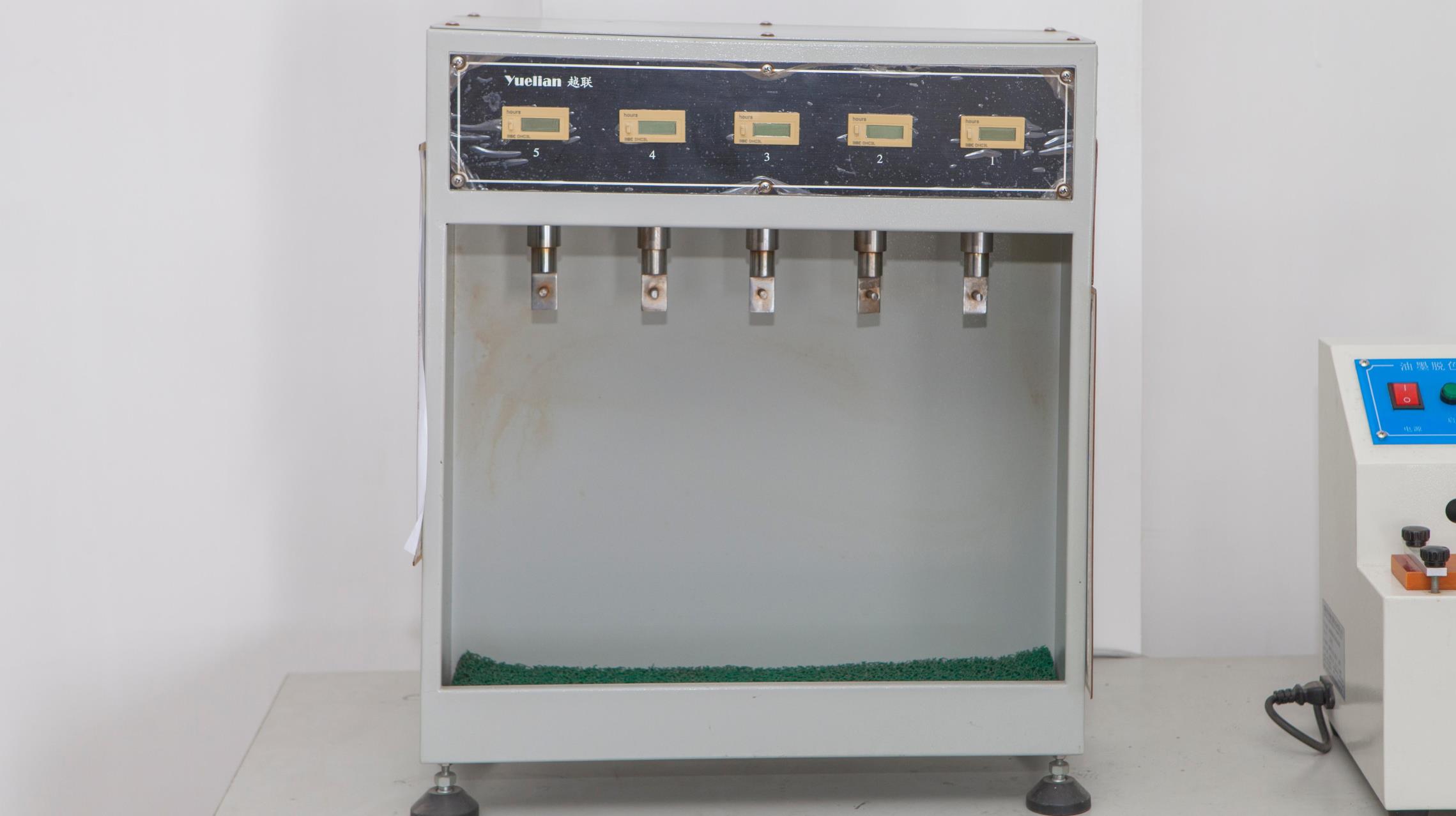 Adhesive Peel & Tensile Strength Testing
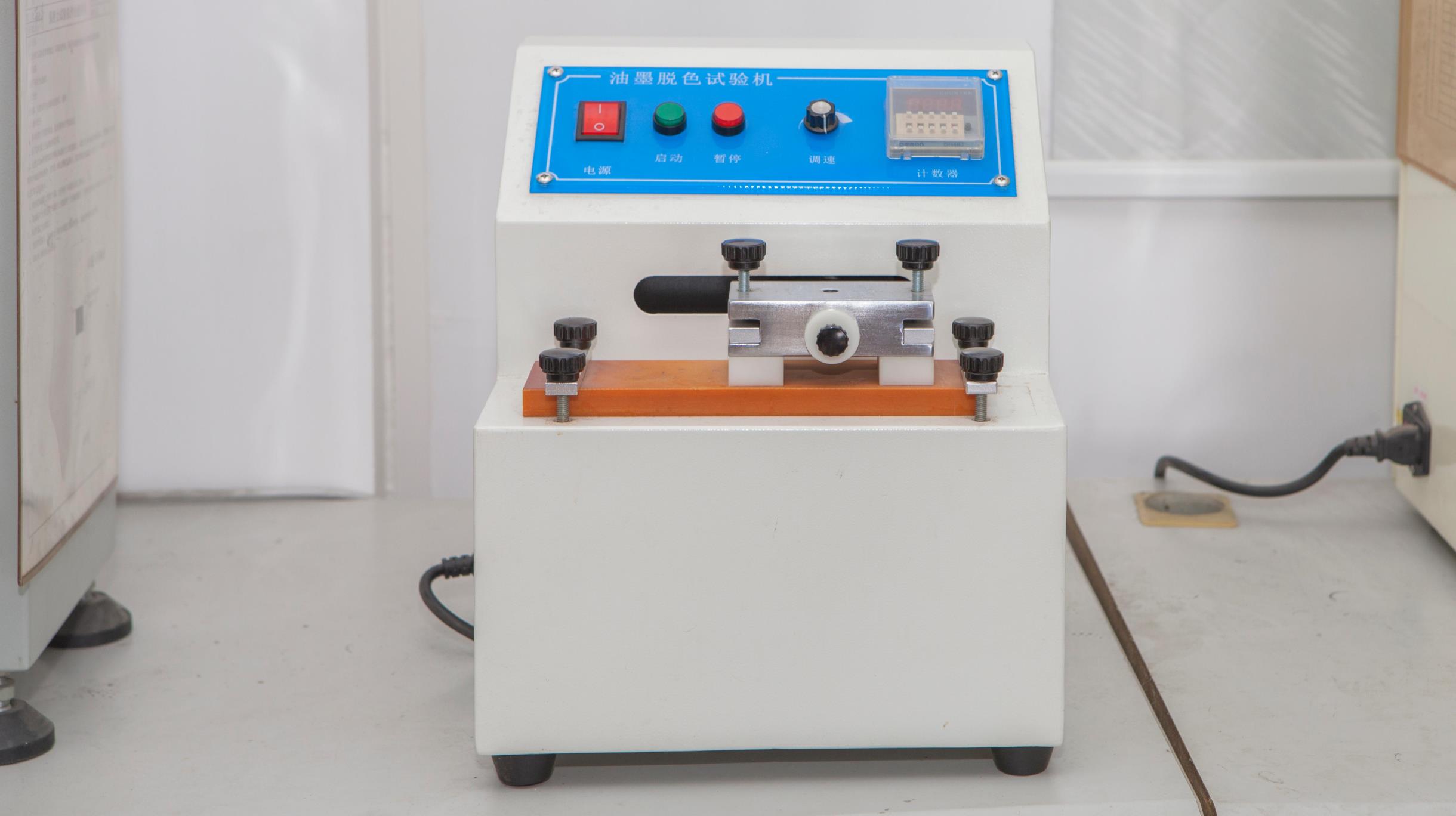 Ink Decolorization & Solvent Resistance
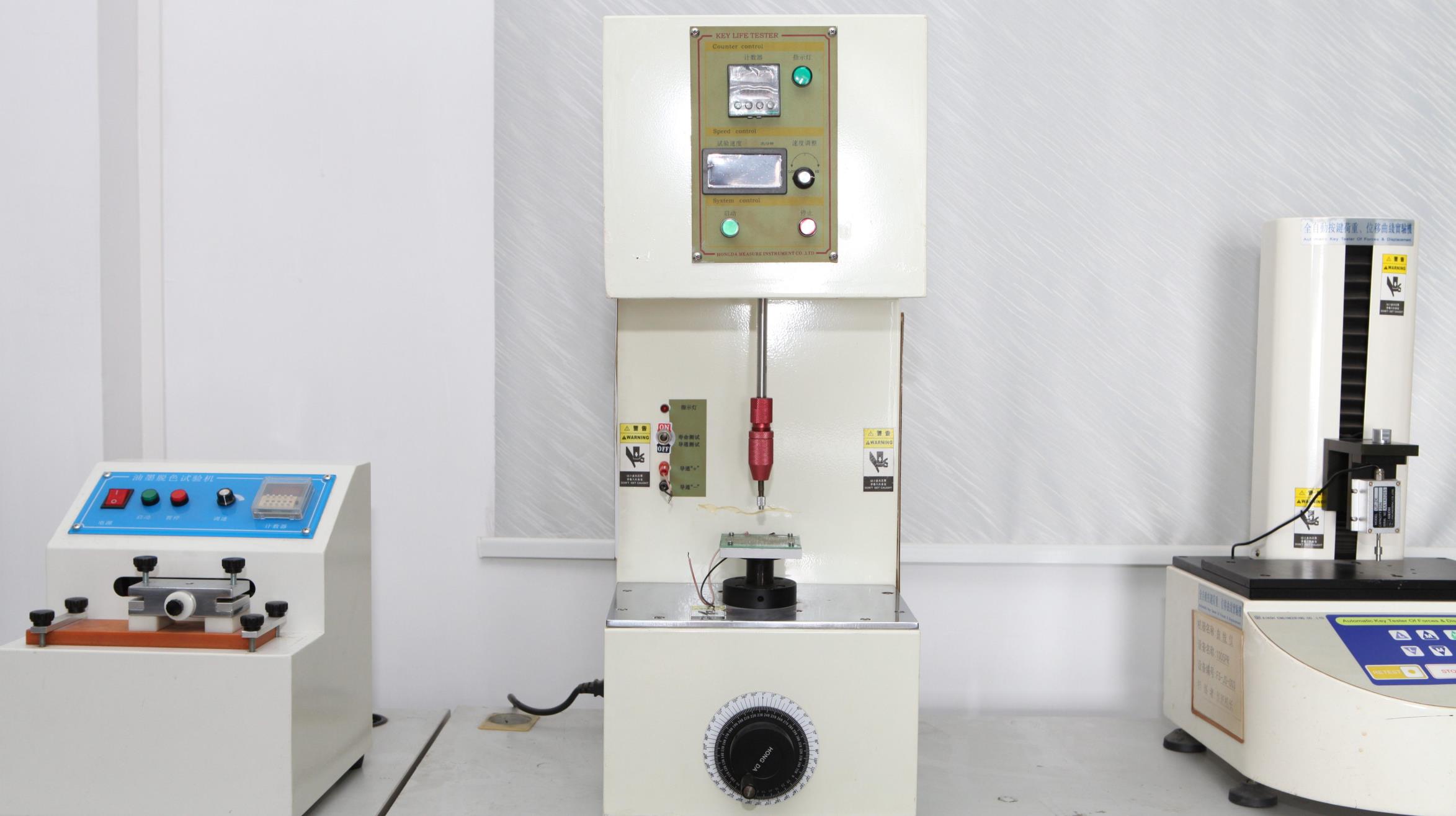 Continuous Key Life Multi-Cycle Rig
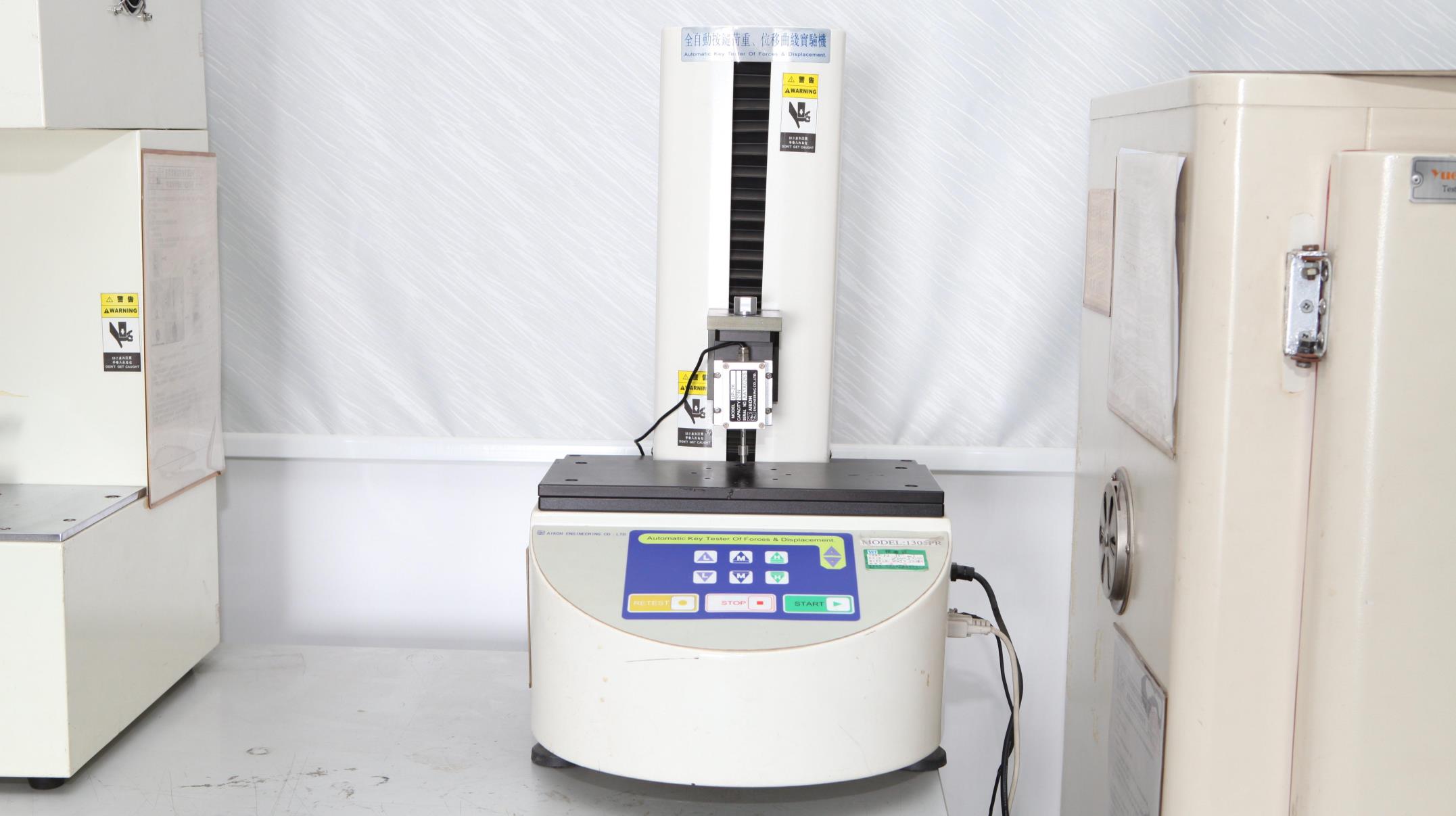 Force-Displacement Tactile Curve Profiling
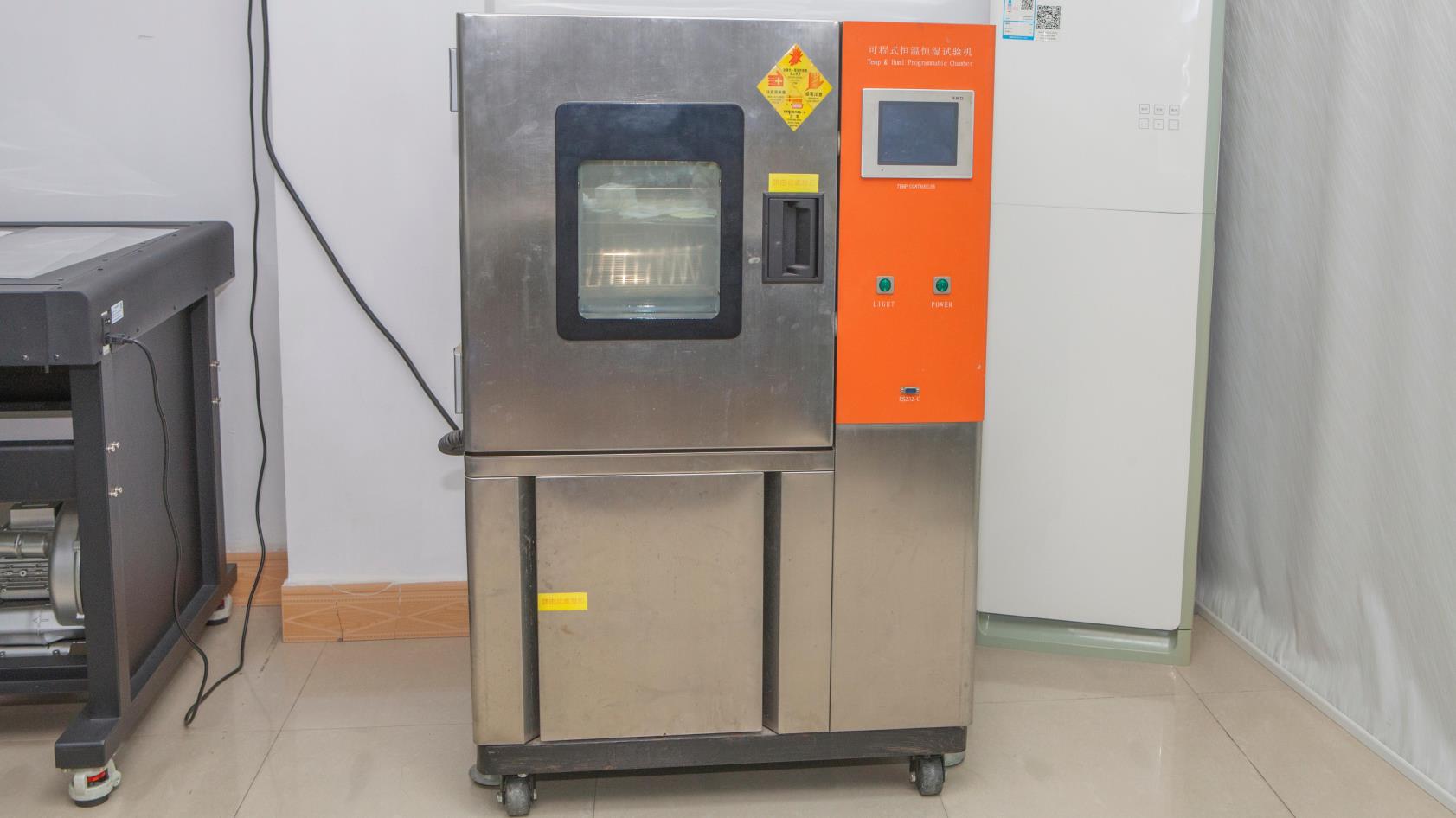 Thermal Shock & Cyclic Humidity Chamber
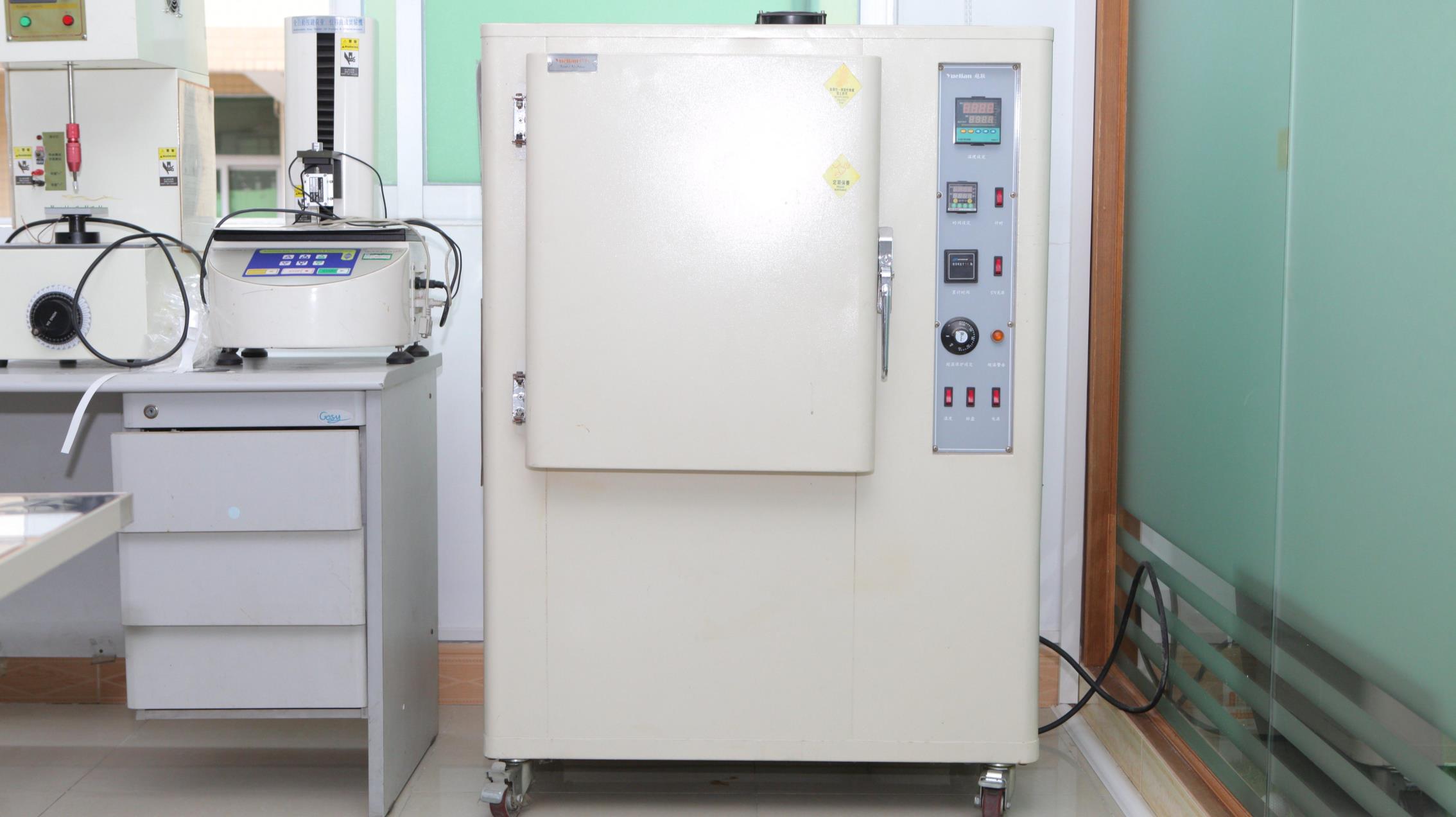 UV Accelerated Aging & Yellowing Tester
Strategic Procurement Horizons
The Future of Polyester Graphic Overlays: Procurement & Technological Trends
How evolving smart systems, medical hygiene directives, and sustainability mandates are reshaping PET interface procurement.
Antimicrobial & Virucidal Nano-Hardcoats
Post-pandemic hospital compliance (ISO 22196) requires front panels to continuously neutralize pathogens. Next-generation polyester films incorporate silver-ion or nano-zinc formulations directly into the hardcoat during raw casting, preventing microbial colonization across thousands of hospital disinfectant wipe downs.
Hybrid Capacitive Touch Under-Glass Fusion
Procurement teams are shifting away from standalone mechanical switches toward hybrid designs. Here, a micro-thin PET graphic overlay is optically bonded beneath tempered display cover-glass or acrylic panels, integrating capacitive sliding touch keys with crisp dead-front indicator zones.
Photopic LED Uniformity & Micro-LGF Film
Eliminating hot spots in complex dark-room instruments requires Light Guide Film (LGF) sub-assemblies. By integrating micro-etched optical dots into PET structures alongside side-firing surface-mount LEDs, backlighting remains uniformly diffuse across wide panels while reducing active power draw by up to 60%.
Fine-Pitch Copper FPC Replacing Silver Inks
As controller housing envelopes contract, overlay assemblies increasingly bond to polyimide copper Flexible Printed Circuits (FPCs) rather than silver-printed conductive ink. FPCs allow 0.5mm connector tail pitches, surface mounting of micro-LEDs, and complete immunity to silver-migration dendritic growth in tropical humidity.
Selective Dual-Gloss & Anti-Glare Finishes
Modern user interfaces combine multiple textures across a single polyester sheet. UV selective texturing coats display cutouts with high-gloss optical clarity (over 92% light transmittance) while applying fine-velvet or suede matte finishes across surrounding keys to eliminate sun glare in field instruments.
Circular Supply Chains & Low-VOC Adhesives
Global carbon reduction mandates and European RoHS/REACH directives are driving adoption of water-based, low-VOC pressure-sensitive adhesives (PSAs) along with thinner 125µm PET substrates that maintain high dimensional stability while reducing transport weight.
Buyer Knowledge Base
Frequently Asked Questions for Custom Polyester Graphic Overlay Sourcing
Straightforward technical answers to shorten prototyping cycles and eliminate tooling revisions.
What is the minimum order quantity (MOQ) and sample lead time for custom overlays?
At AXRU, our standard production MOQ starts at 100 pieces for custom polyester graphic overlays and membrane switch assemblies. For engineering validation, our dedicated sample prototyping cell delivers first-article prototypes (FAIs) within 3 to 5 business days from CAD approval, allowing your engineering team to verify tactile feel and color matching before funding hard-tooling.
What specific design files and engineering formats do your technicians require for quoting?
To provide an accurate technical quote within 24 hours, please supply 2D engineering drawings in DXF, DWG, or vector PDF format indicating cut dimensions, key embossing areas, and adhesive borders. Graphic vector files should be supplied in Adobe Illustrator (.AI) format with outlined fonts and explicit Pantone Solid Coated (PMS) or RAL color codes. If dead-front windows or adhesive drop-outs are needed, include them as distinct CAD layers.
How do polyester graphic overlays achieve IP65, IP66, or IP67 waterproof ratings?
Ingress sealing relies on three synchronized design details: a continuous outer adhesive gasket (using 3M 467MP/468MP or 3M 200MP formulations) unbroken by circuit tail exits; rim-embossed tactile barriers that direct liquids away from metal domes; and customized rear-tail exit seals that lock into the chassis without leaking into the internal circuit trace cavity.
What thickness of polyester (PET) film is recommended for embossed tactile switches?
For standard tactile switches using stainless metal domes, we typically recommend 150 micron (0.006") or 180 micron (0.007") Autotex PET. Thinner 125µm films flex easily but can crease under heavy use, whereas 250µm films require high actuation force that can accelerate user finger fatigue. Our engineering review balances tactile feedback, dome snap ratio, and substrate thickness for your specific travel requirements.
Can you integrate dead-front windows and clear LED status indicators into the overlay?
Yes. Dead-front effects are achieved by screen printing a precision-metered translucent smoked ink behind the display or indicator cutout. Under normal ambient light, the area matches the surrounding opaque faceplate color. Once an internal SMD LED fires, the graphic or icon shines through with clear illumination and zero edge bleed.
How does AXRU ensure batch-to-batch color consistency for enterprise branding?
Every production batch is measured using calibrated X-Rite spectrophotometers to confirm Delta-E (ΔE) color variance remains under 1.0 against your master standard. Formulas for custom Pantone blends are indexed with controlled ink batch records in our Dongguan laboratory, ensuring identical shades across reorders years apart.