Factory Direct Portfolio
High-Reliability Human-Machine Interface Solutions
Engineered for mission-critical industrial controllers, medical diagnosis units, smart household equipment, and harsh-environment telemetry interfaces.
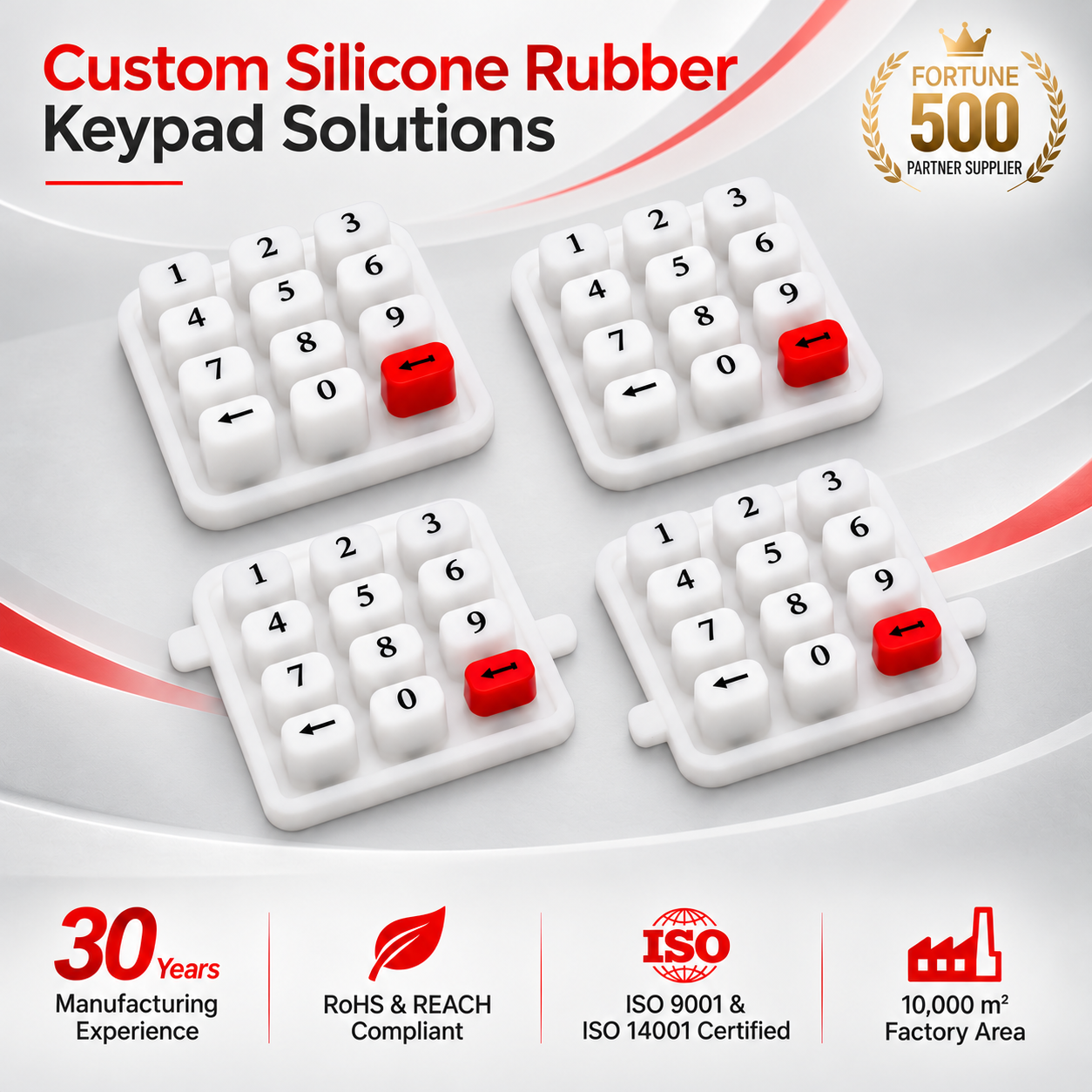
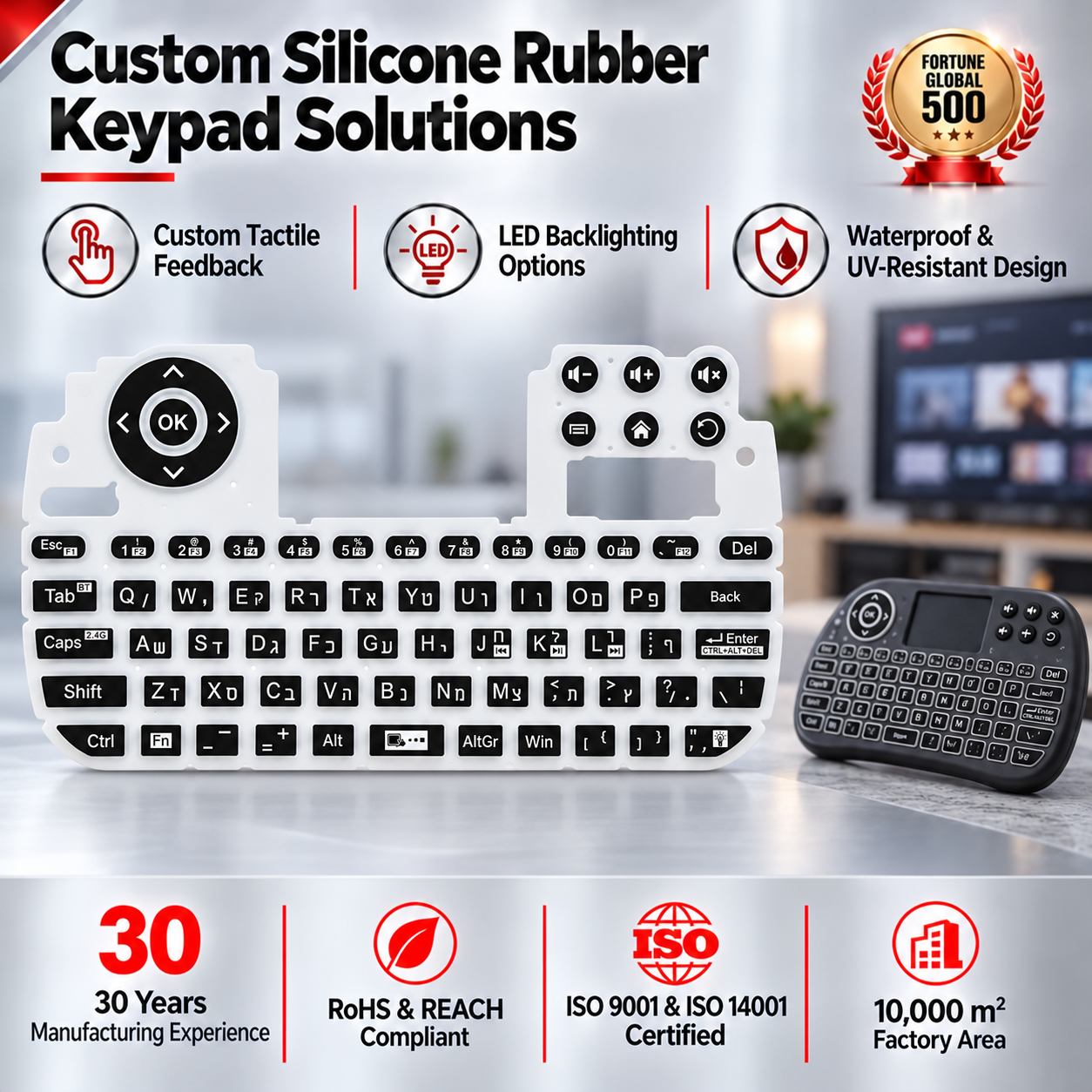
Custom Epoxy Coated Silicone Rubber Keypad Low Profile Design
View Product Specs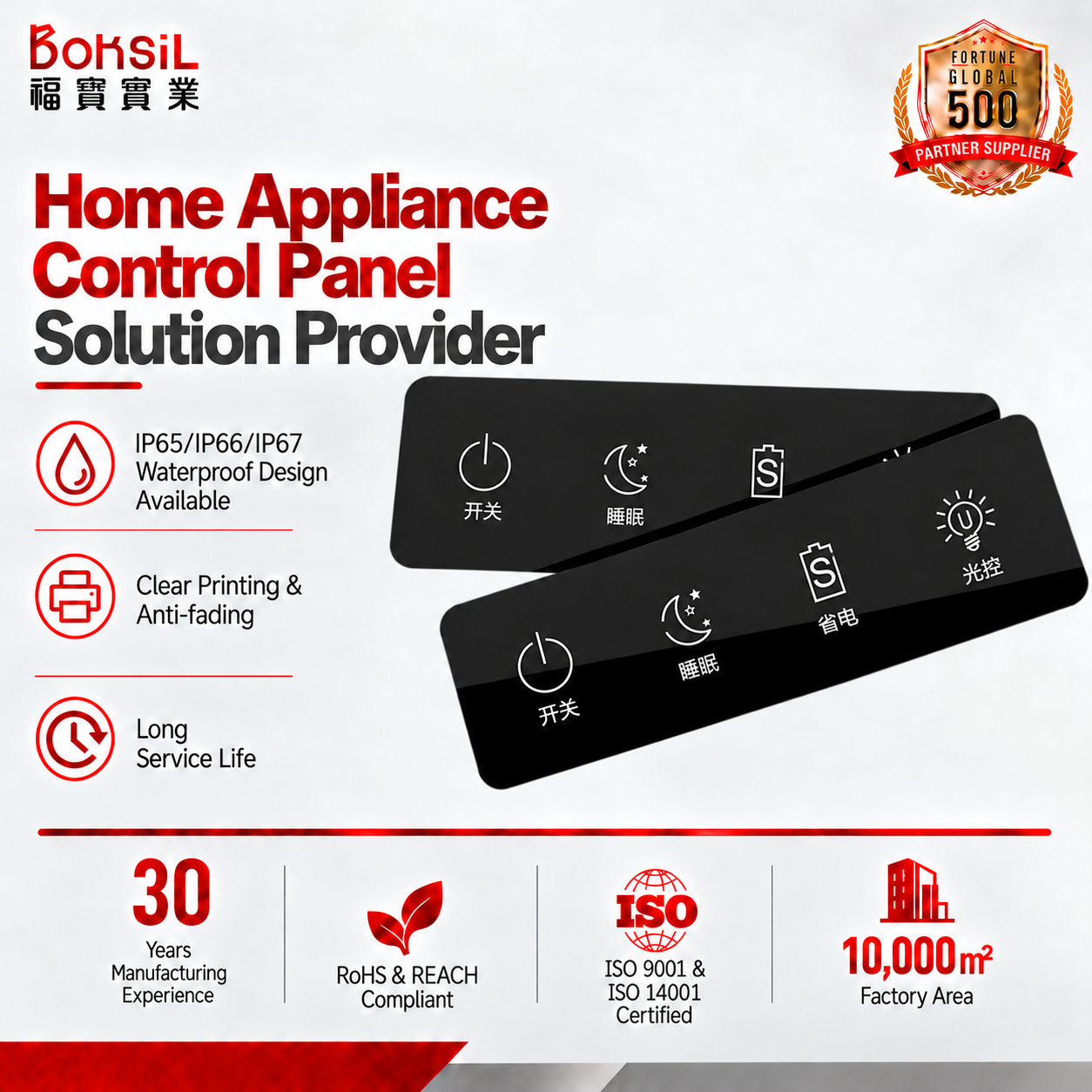
Factory Direct Custom Silk Screen Printing PMMA Graphic Overlay
View Product Specs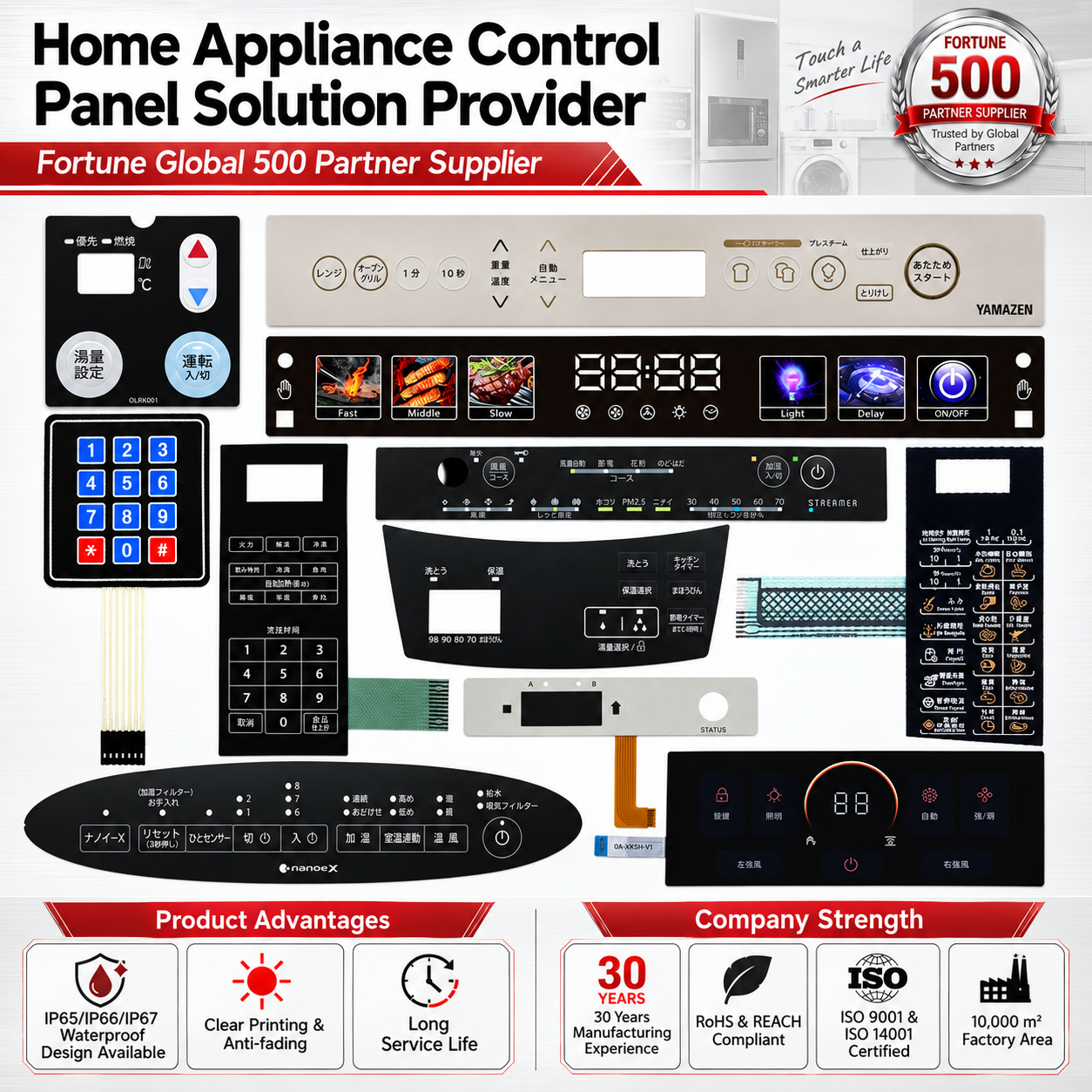
Factory Custom Membrane Switch Graphic Overlay Single Button Panel
View Product Specs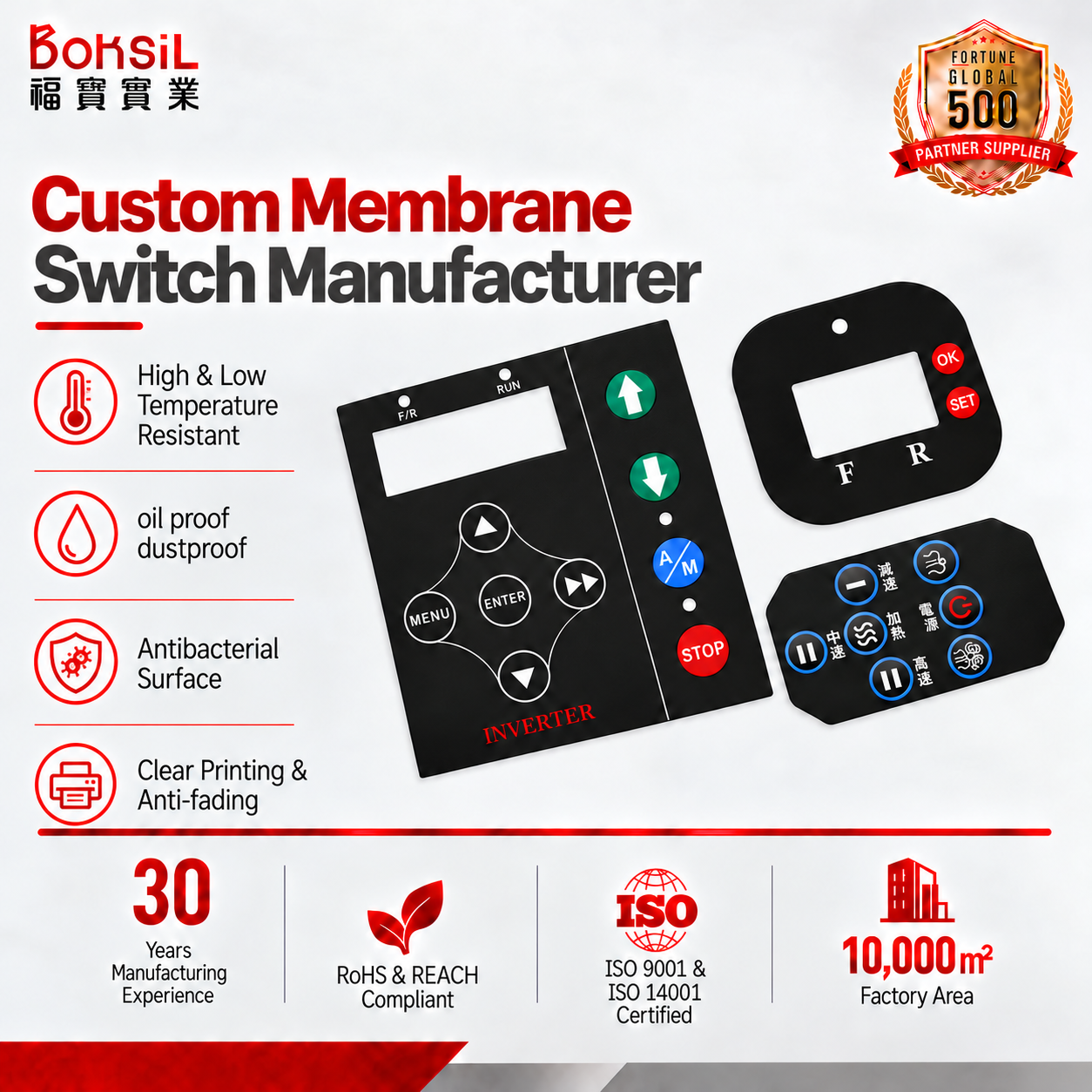
OEM/ODM Front Control Polycarbonate Membrane Switch Graphic Overlay
View Product Specs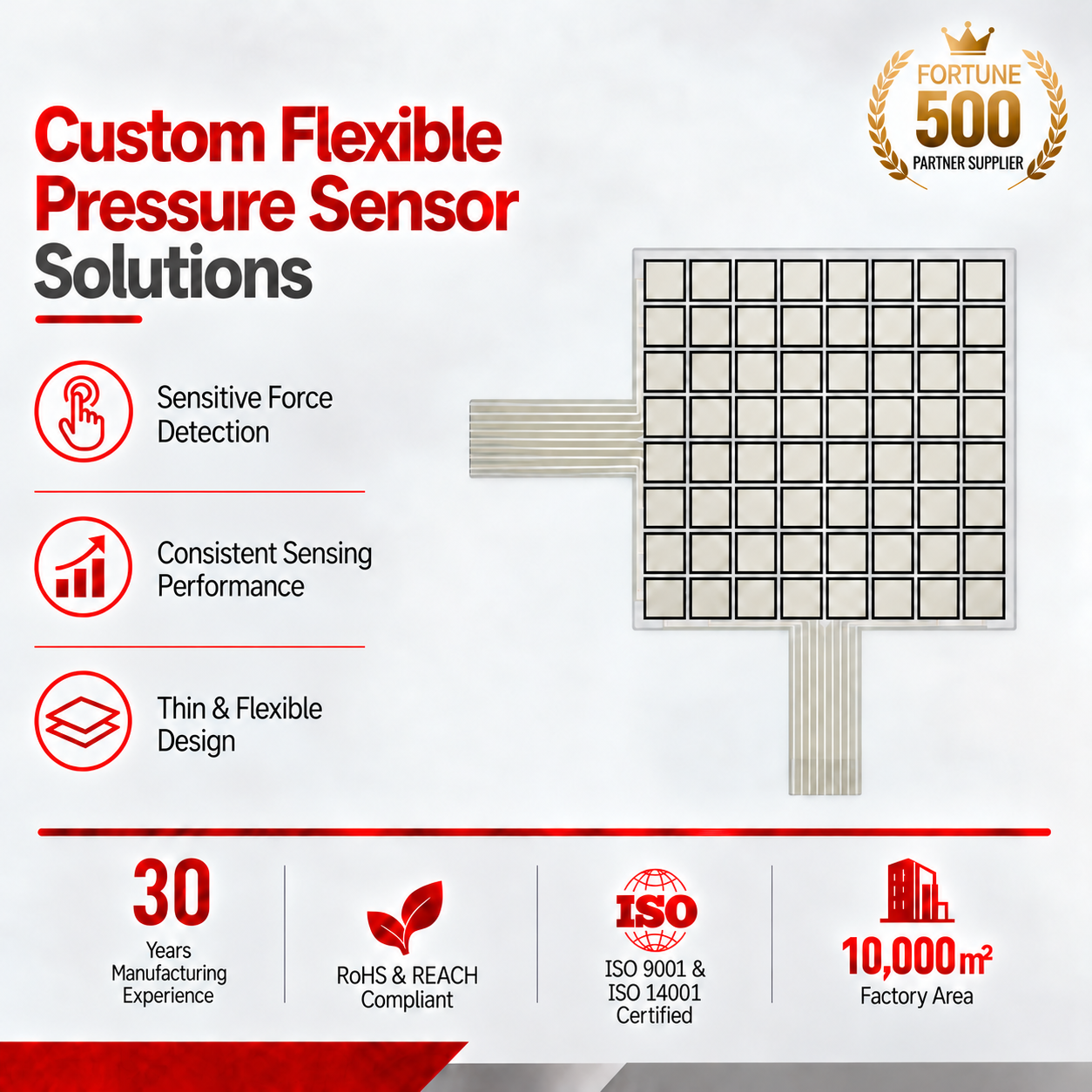
Flexible Thin Film Tactile Intelligent Sensing Bend Pressure Sensors
View Product Specs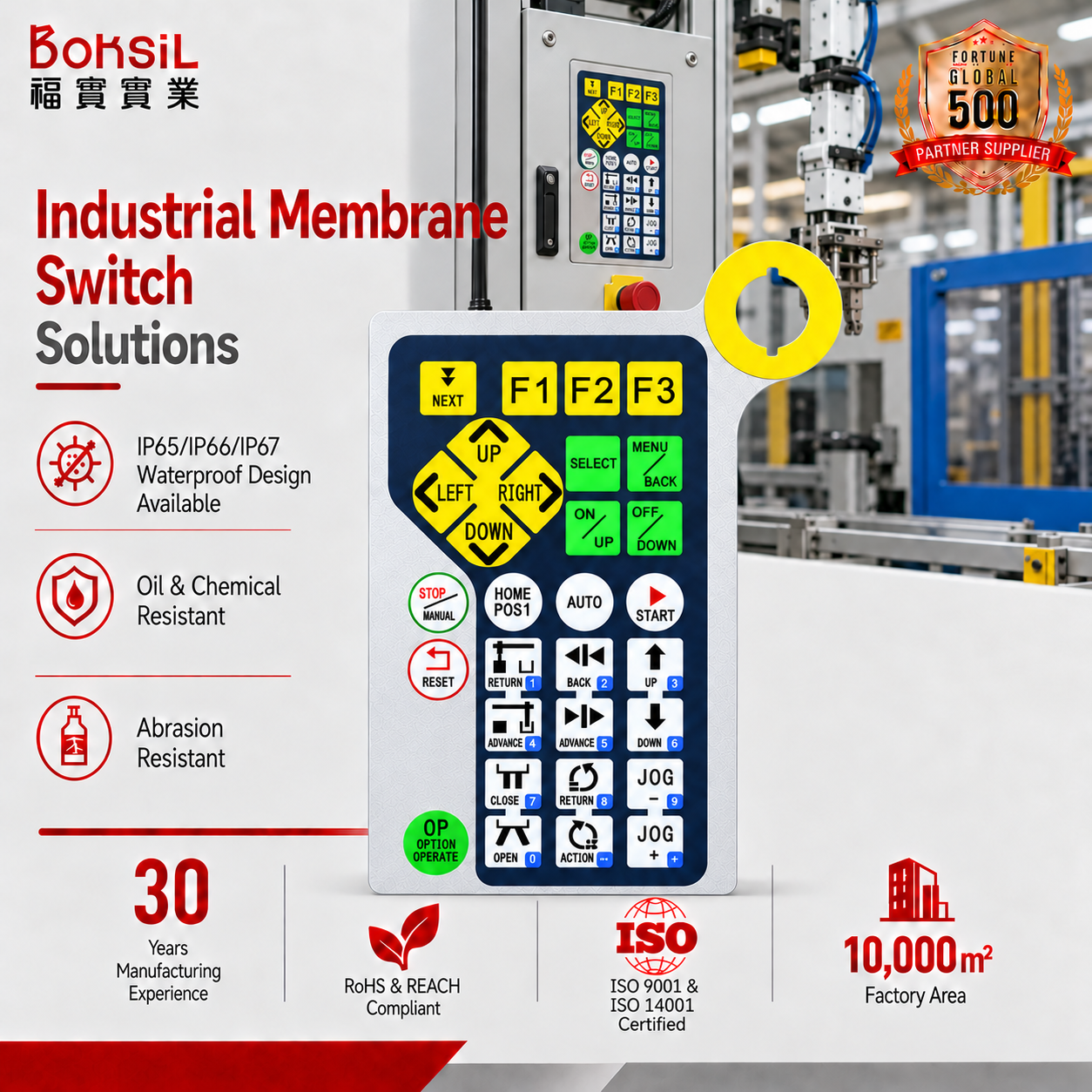
Custom Industrial Membrane Keypad Polyethylene Graphic Overlay Sticker
View Product Specs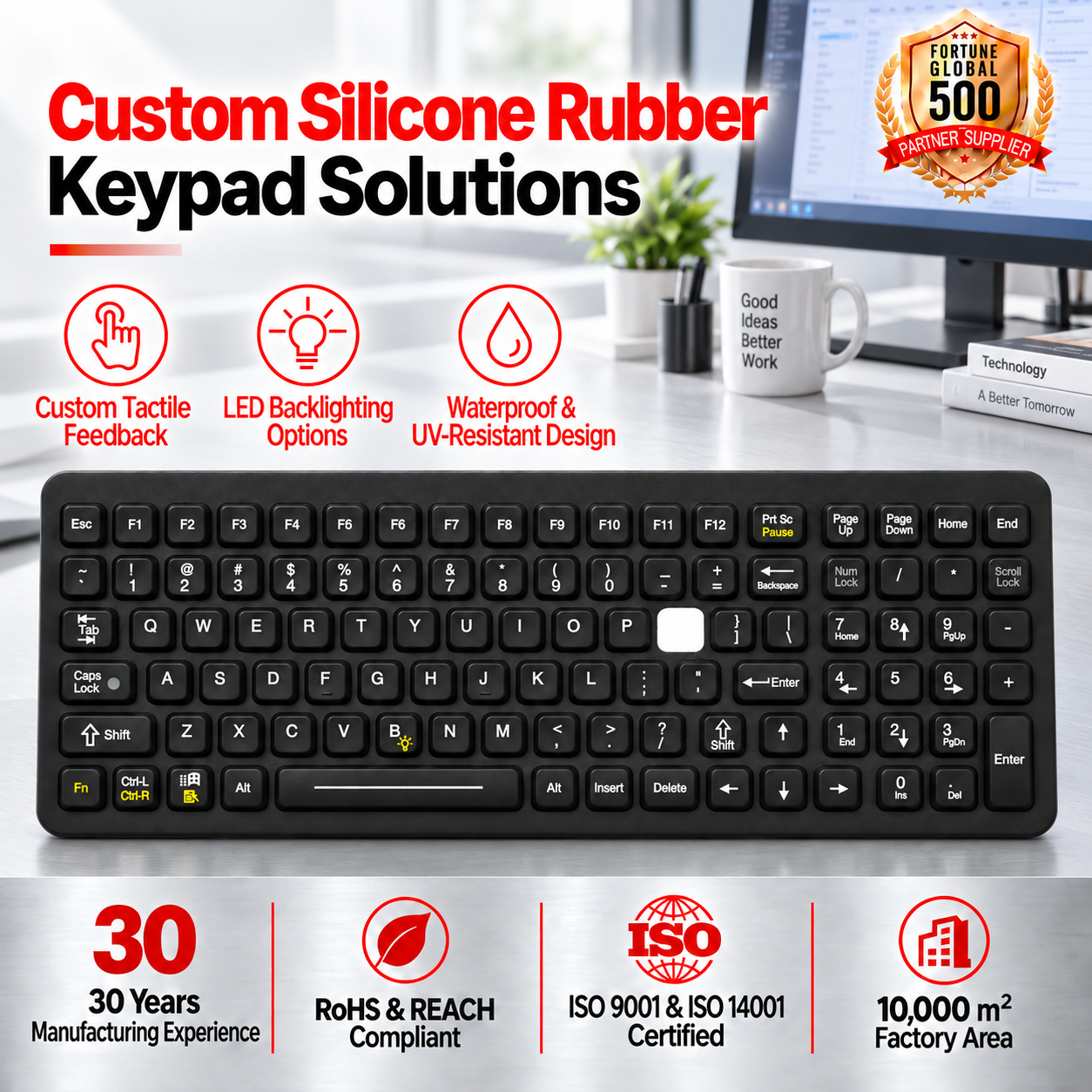
Industrial Conductive Non-Toxic Silicone Rubber Keypad Array
View Product Specs10,000㎡
Dedicated Production Floor
12+
Years Engineering Expertise
100%
Optical & Circuit Inspection
Intertek
On-Site Verified Facility
Factory Strengths & E-E-A-T Authority
Why Tier-1 Global Procurement Teams Partner with AXRU
Combining vertically integrated cleanroom manufacturing in Dongguan with stringent aerospace-grade inspection protocols.
Vertically Integrated Manufacturing
Unlike trading brokers, all critical stages—graphic silk-screening, laser precision die-cutting, silver-ink paste conductive printing, SMT component soldering, and automated metal dome lamination—are conducted strictly in-house.
Fortune 500 Qualified Auditing
Our operations, workplace health standards, and chemical trace controls comply with rigorous multinational audits, on-site verified by Intertek. We serve tier-one equipment builders in Germany, Japan, and North America.
Comprehensive In-House Reliability Lab
Equipped with computerized key life test rigs (up to 5,000,000 actuations), multi-axis force-displacement analyzers, programmable thermal shock chambers (-40°C to +120°C), and RCA tape abrasion test systems.
Engineering Architectural Overview: Substrate Layer Stack-Up
A commercial-grade membrane switch or flexible circuit panel is far more than an aesthetic skin; it is a multi-layered electromechanical stack operating as the primary barrier against environmental contamination. At Dongguan AXRU Electronics Co., Ltd., our engineering methodology follows strict Design-for-Manufacturability (DFM) rules. The top graphic overlay commonly utilizes biaxially oriented polyester (PET) or ultraviolet-stabilized polycarbonate (PC). PET substrates, such as Autotex and Melinex, offer exceptional flexural endurance exceeding 5 million switch depressions without mechanical fatigue, alongside imperviousness to harsh industrial hydrocarbons, alcohols, and hospital sanitizers.
Directly beneath the graphic overlay lies the graphic adhesive (typically 3M 467MP or 3M 468MP acrylic adhesive transfer tapes), engineered with micro-channels to purge internal air pockets. Stainless steel tactile metal domes (sourced in tripodal, four-leg, or round geometries with actuation forces spanning 180g to 450g) are located within the spacer layer. Beneath the tactile array rests the conductive circuit substrate: either screen-printed polymer thick film (PTF) silver traces on stabilized heat-treated polyester, or etched copper on flexible polyimide (Copper FPC) when ultra-low trace resistance (<1 Ω) and surface-mount device (SMD) miniature LEDs are required.
Substrate Performance Matrix: Silver PTF vs. Copper Polyimide (FPC) vs. PCB Backer
| Parametric Indicator | Silver Inks on PET (PTF) | Etched Copper on Polyimide (FPC) | Rigid FR4 Backed Circuit |
|---|---|---|---|
| Conductor Loop Resistance | 10 Ω - 100 Ω (Length dependent) | Ultra-low (< 0.5 Ω / run) | Negligible (< 0.1 Ω) |
| SMD LED Soldering Integrity | Conductive Epoxy Bonding | Reflow / Direct Soldered | Reflow Soldered (Extreme bond) |
| Pitch Density (Trace/Space) | Down to 0.50 mm | High-density: Down to 0.15 mm | Ultra-high density (< 0.10 mm) |
| Flexibility & Bend Radius | High flex; static radius > 2.5 mm | Dynamic flex endurance; radius > 1.0 mm | Rigid / Non-bendable |
| Total Tooling Investment | Cost-effective screen tooling | Moderate photolithography tooling | Moderate PCB tooling |
Procurement Intelligence & Market Insights
Emerging Procurement & Manufacturing Trends for 2025–2030
How global electronic system architects and strategic buyers are mitigating supply chain vulnerabilities while specifying next-generation control interfaces.
HMI Hybridization
Integration of Capacitive Touch & Mechanical Domes
Modern medical and diagnostic instruments require dual-action inputs: sleek touch sliders for menu navigation paired with tactile snap domes for critical activation commands to prevent inadvertent operation while wearing surgical gloves.
EMI / ESD Hardening
Active Shielding in High-Frequency Industrial Hubs
With the proliferation of automated guided vehicles (AGVs) and high-current variable frequency drives (VFDs), switch assemblies require continuous vapor-deposited aluminum or solid conductive carbon lattice shielding to resist 15kV static discharge.
Optics & Illumination
Uniform Light Guide Film (LGF) & Dead-Front Inks
Bulky backlighting modules are being replaced by micro-etched Light Guide Films illuminated by side-firing edge LEDs. Combined with dead-front secret-until-lit printing, legends remain invisible until commanded on by the microprocessor.
Harsh Environment Ingress
IP67 & NEMA 4X Continuous Perimeter Gaskets
Outdoor fuel dispensing consoles and marine communication terminals demand fully closed ring gaskets and potted tail exit vents to eliminate capillary moisture ingress and chemical washdown failure.
Supply Chain Resilience
Near-Instant DFM Digital Workflows & Toolless Prototyping
Global equipment manufacturers are bypassing lengthy sample fabrication cycles via laser cutting systems and high-resolution digital UV flatbed proofing, slashing new product introduction (NPI) lead times from weeks to 72 hours.
Thin-Film Pressure Arrays
Printed Piezoresistive Tactile Intelligent Sensors
Replacing binary on/off states with multi-point pressure mapping circuits. These matrix sensing arrays monitor distribution across seating surfaces, industrial clamping jigs, and next-generation smart warehousing platforms.
Procurement Sourcing FAQ
Frequently Addressed Questions from OEM Engineering Buyers
Detailed technical specifications and commercial parameters to streamline your supply chain verification process.
What is the standard Minimum Order Quantity (MOQ) and rapid prototype turn?
Our baseline production runs typically begin at 100 units for fully custom membrane keyboards, graphic overlays, and hybrid silicone keypads. Prototype batches (typically 5 to 10 engineering samples) are completed within 5-7 working days following CAD and artwork file sign-off.
What file formats and parameters are necessary for an accurate RFQ response?
To deliver a DFM evaluation and quotation within 24 hours, our engineering staff requires your mechanical outline (DWG, DXF, or STEP), graphic artwork (Adobe Illustrator .AI or vector PDF with specified Pantone codes), schematic matrix pinout, and ingress rating requirements.
How does AXRU prevent silver migration in humid or high-voltage applications?
Silver electromigration occurs when micro-moisture bridges adjacent traces under DC voltage. We eliminate this failure mode by printing a 100% pinhole-free carbon conductor overcoat over all silver circuitry and formulating perimeter moisture barrier seals using solventless high-bond adhesives.
Which connector types and tail pitches are compatible with existing motherboards?
We assemble standard 2.54mm (0.100") and 1.27mm (0.050") pitch female crimp housings (Nicomatic, FCI, Berg), as well as zero-insertion-force (ZIF) flex tails designed for direct motherboard mating with reinforced polyimide stiffeners.
What tactile feedback options exist for membrane switches?
Keyboards can be specified as non-tactile (flat smooth actuation, common in capacitive or high-speed data entry units), flat embossed polyester dome actuation, or tactile stainless-steel snap domes ranging from 8.4mm to 20mm in diameter with snap ratios between 40% and 65%.
How is quality verification maintained across high-volume production batches?
Every single assembly passes through a computerized automated test rig that checks 100% of switch locations for continuity resistance, contact bounce (<5ms), open/short circuits, insulation resistance (>100MΩ at 100V DC), and LED forward voltage polarity.