Engineered Front Panels & Graphic Overlay Assemblies
Explore our export-standard printed overlays, silicone elastomer interfaces, and integrated tactile circuits customized for mission-critical industrial, medical, and appliance deployments.
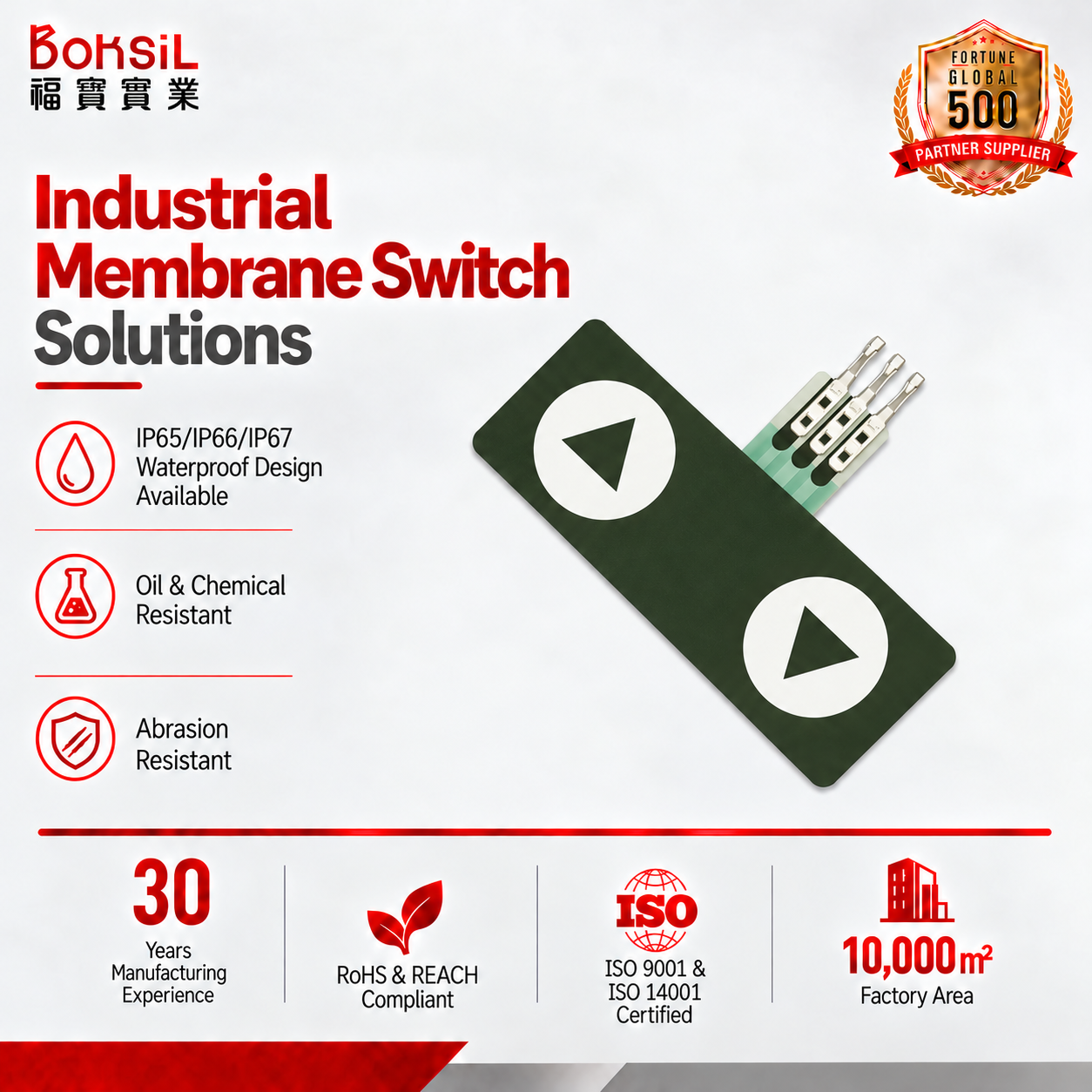
- Substrate: Autotex Hardcoated PET
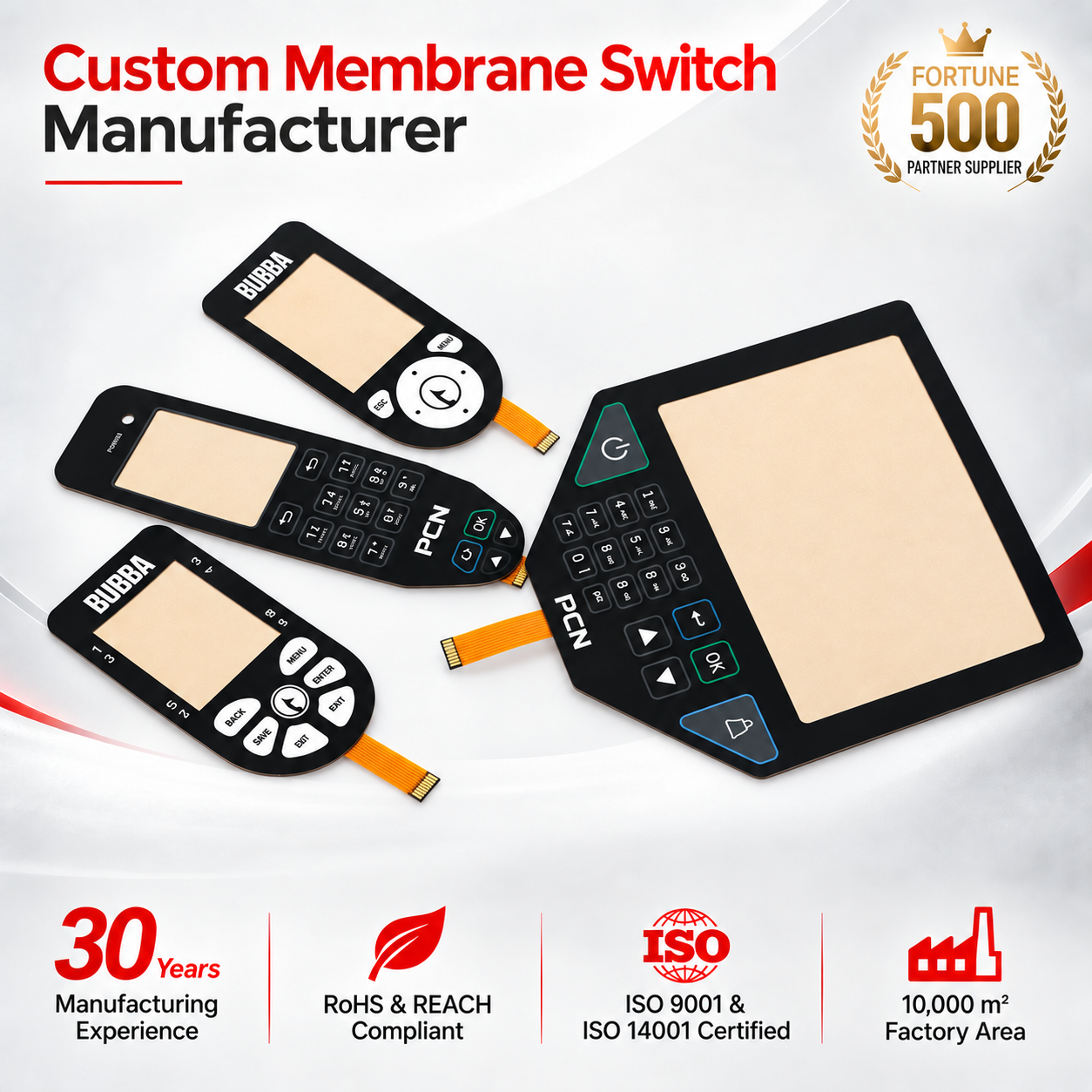
- Circuitry: Flexible Copper FPC
- Contact Life: >1,000,000 Operations
- Sealing: IP65 Perimeter Gasket
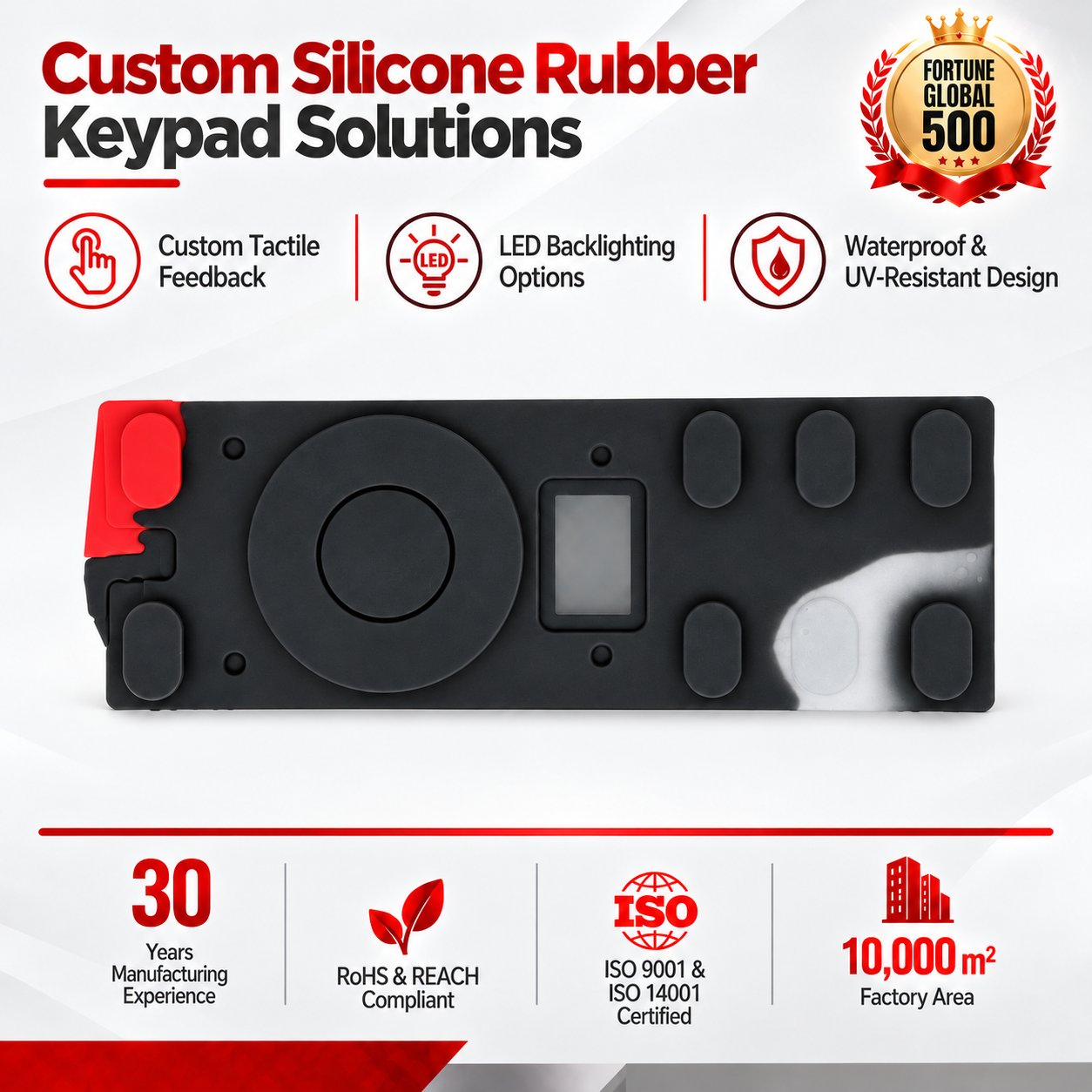
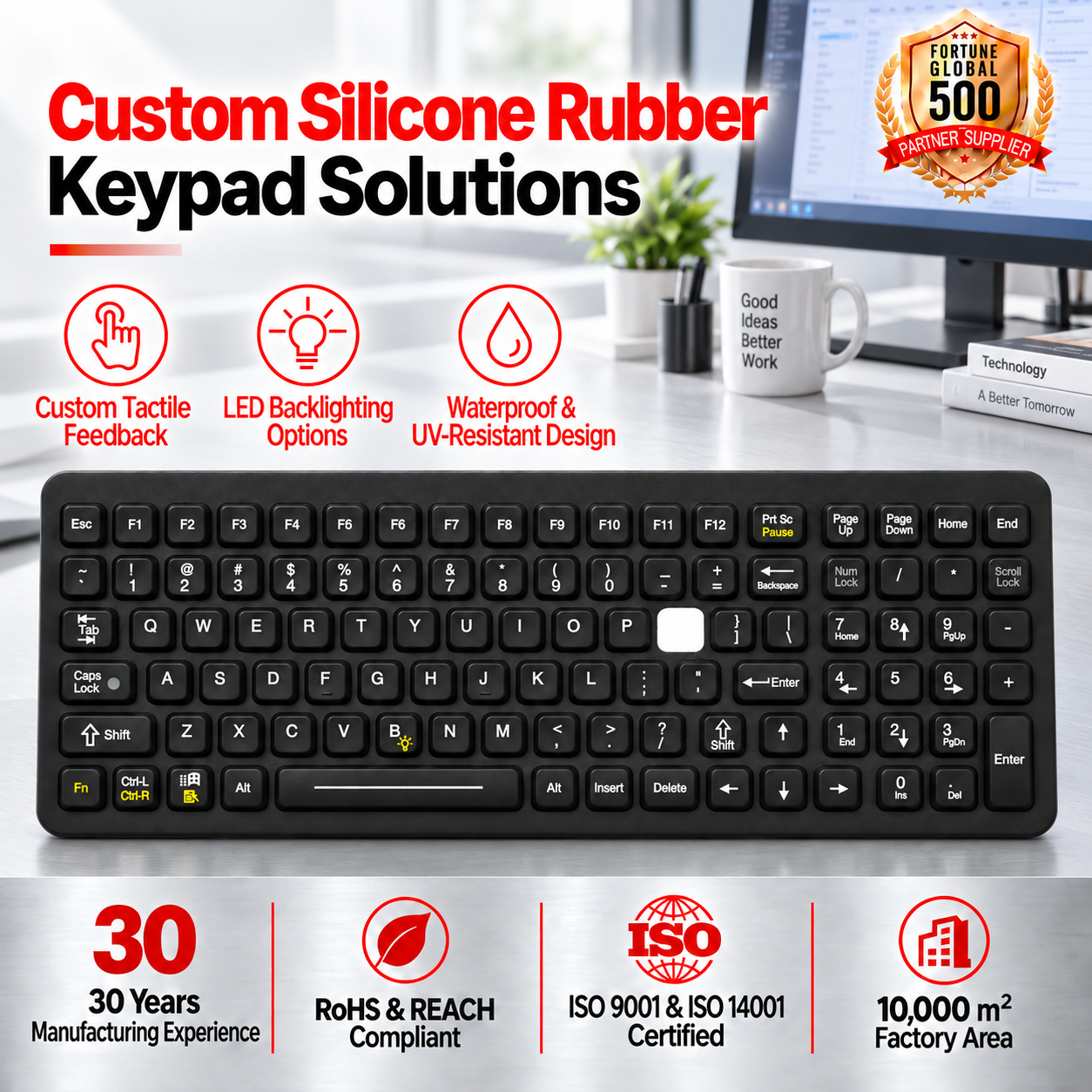
- Material: Silicone Rubber Shore 50A
- Actuation Force: 180g ± 30g Tactile Snap
- Pill Contact: Conductive Carbon Pill
- Protection: PU Wear-Resistant Spray
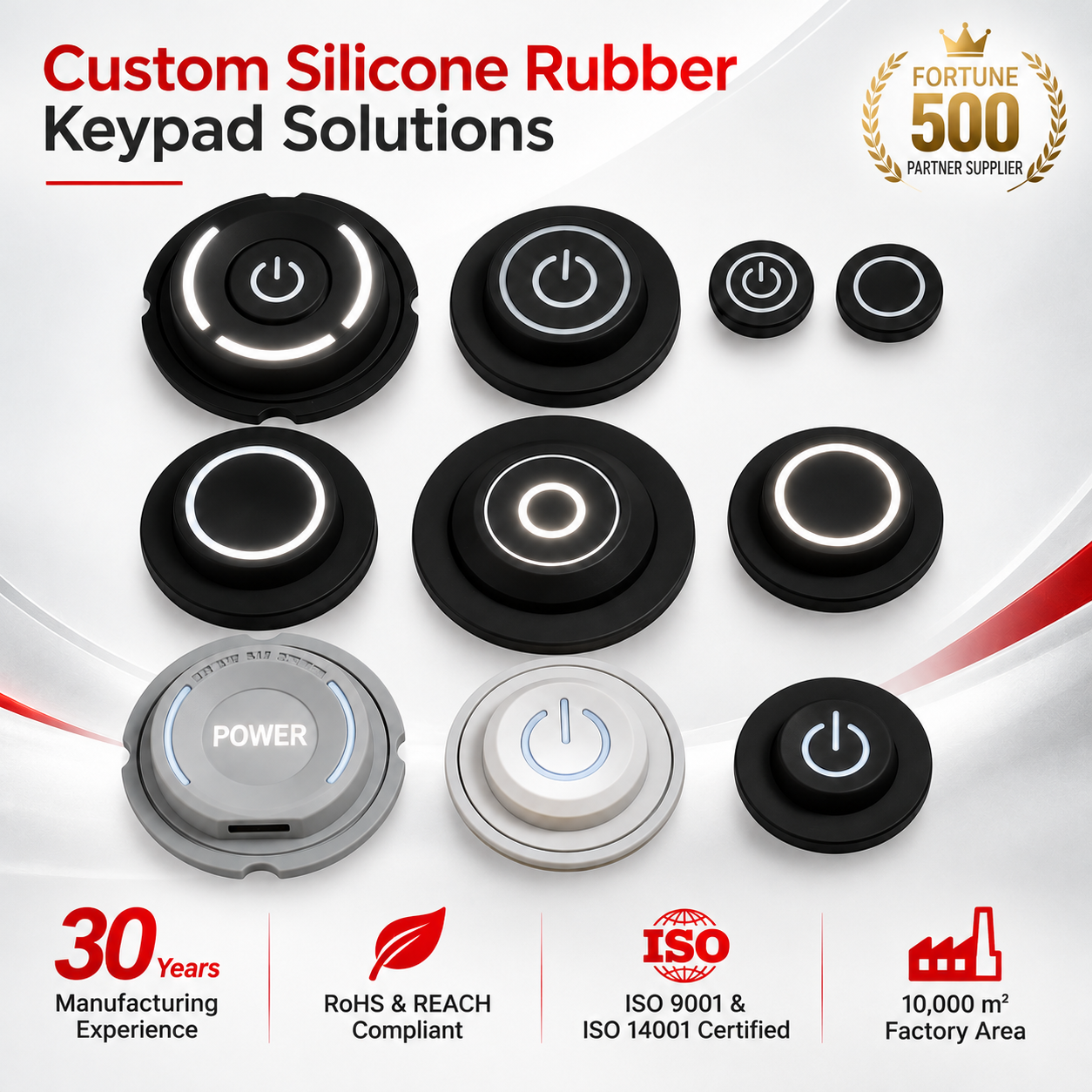
- Illumination: Laser-Etched Translucent
- Tactile Feel: Integrated Metal Dome
- Feedback: Crisp Audible Click
- Compatibility: SMD LED Arrays
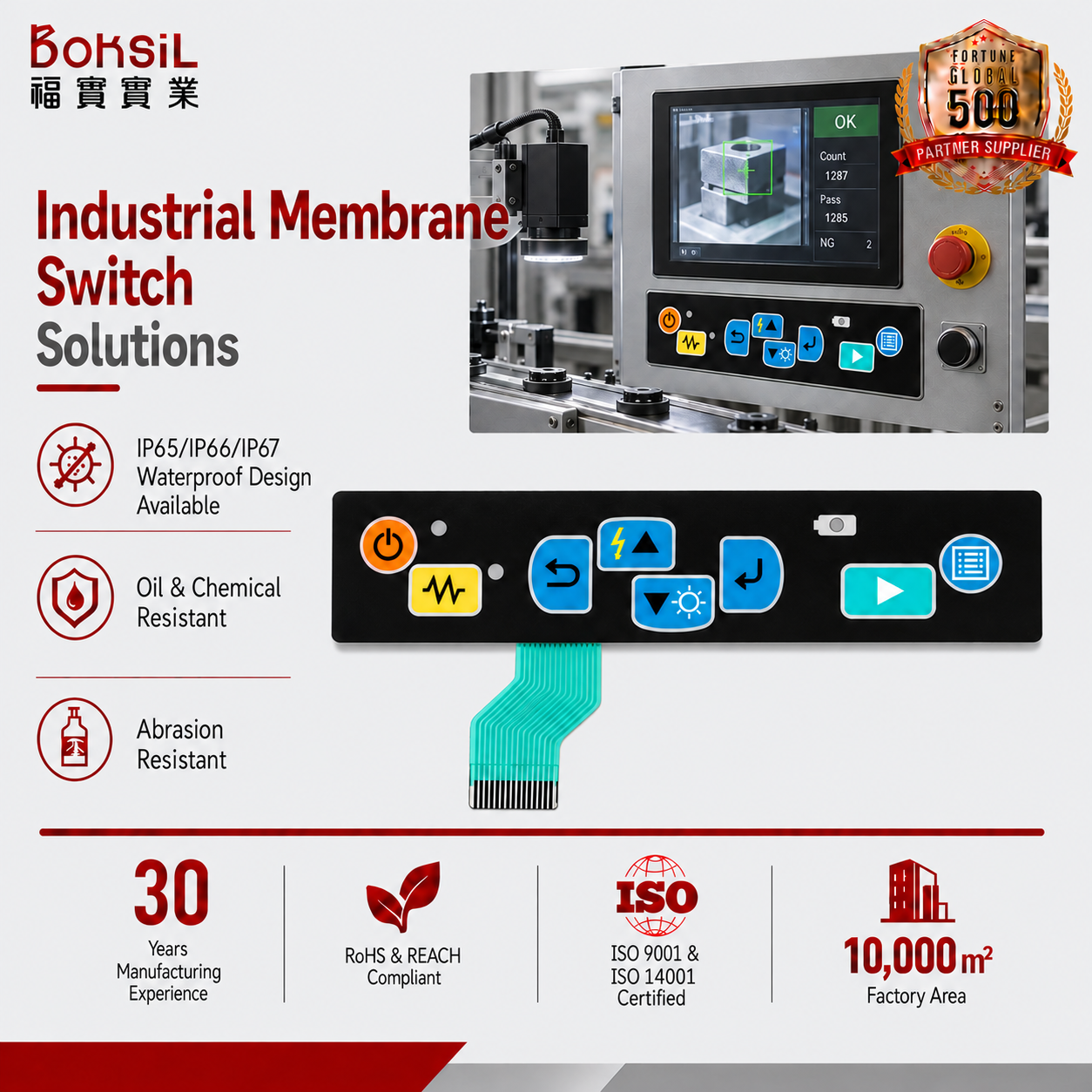
- Fascia: Optical-Grade Polycarbonate
- Sensing Tech: Capacitive Touch Slider/Pad
- Printing: Sub-Surface Dead-Front Inks
- Cleaning: Continuous Wipe-Down Resilient
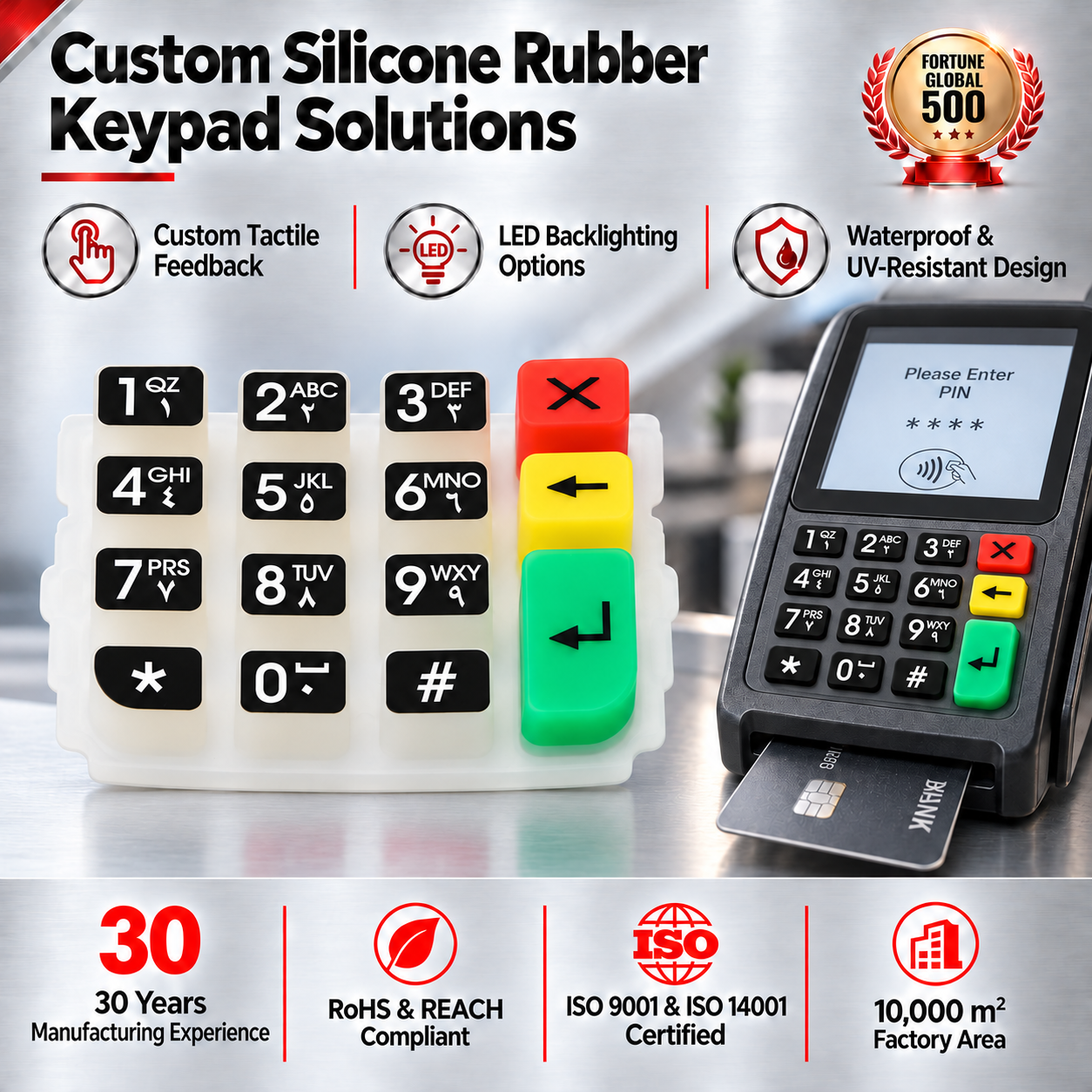
- Composite: Silicone Elastomer Strip
- Stroke Depth: 1.2mm Ergonomic Travel
- Insulation: >100MΩ @ 250V DC
- Duty Rating: UL94-HB / UL94-V0
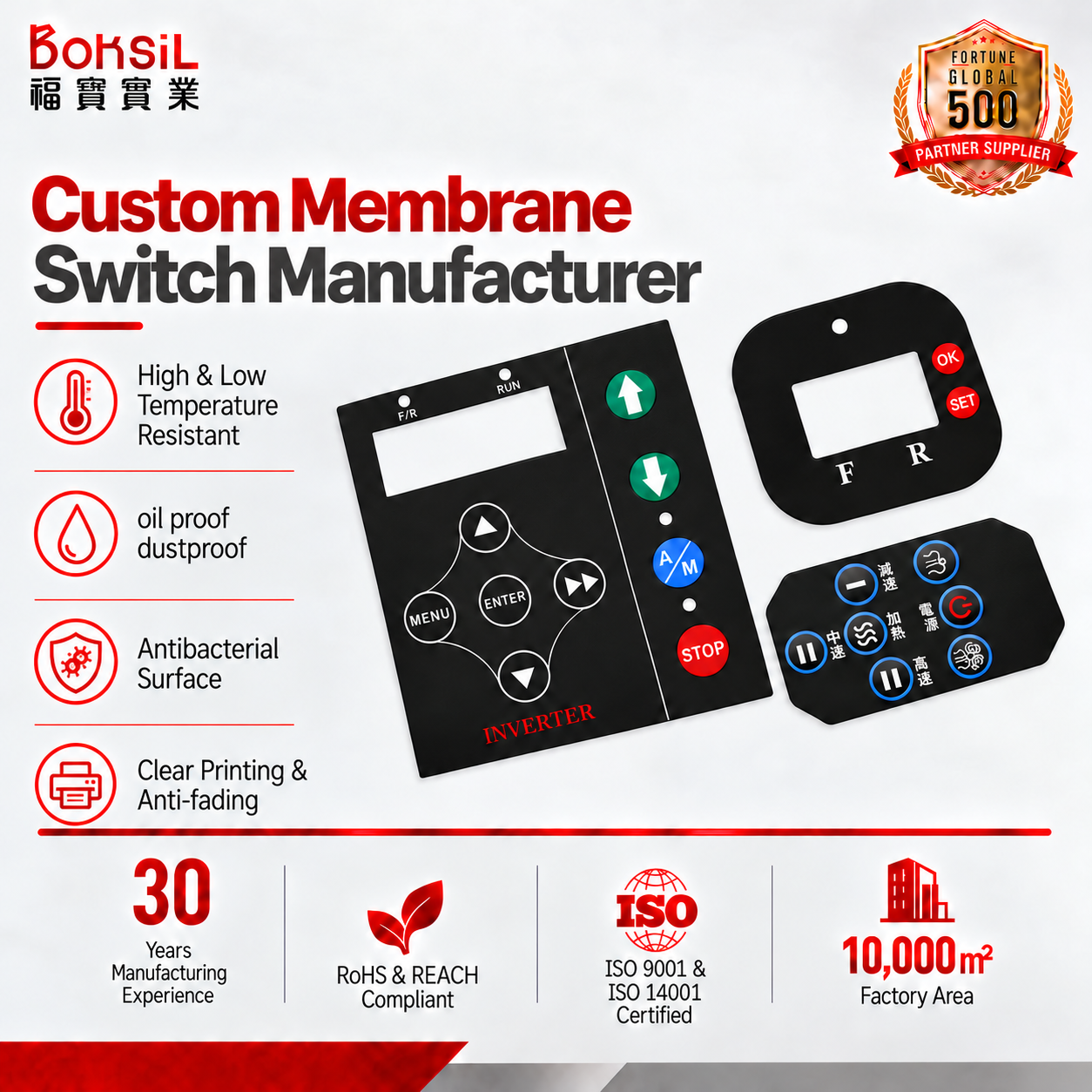
- Base Sheet: Lexan FR Polycarbonate
- Embossing: Pillow / Rim Tactile Keys
- Mounting: 3M 467MP High-Performance
- Tolerances: ±0.05mm Flatbed Die-Cut
- Safety Grade: RoHS & REACH Compliant
- Resistance: <100Ω Low Contact Loss
- Laser Marking: High-Precision Contrast Fonts
- Thermal Range: -40°C to +180°C Stability
- Adhesive: 3M 300LSE Low Surface Energy
- Internal Dome: Stainless Steel 4-Leg Domes
- Windows: Anti-Scratch LCD Cutouts
- Testing: 100% Automated Optical / Elect.
Engineering Authority: The Technical Architecture of Graphic Overlays
Printed graphic overlays serve as both the aesthetic faceplate and the primary environmental protective barrier for modern human-machine interface (HMI) systems. From high-throughput medical ventilators and multi-axis CNC machine controllers to automotive dashboards and ruggedized aerospace instruments, an overlay must maintain color fidelity, chemical non-reactivity, and physical stability under extreme operating envelopes. As China's premier manufacturer and exporter of membrane switch overlays, Dongguan AXRU Electronics Co., Ltd. combines advanced substrate thermodynamics, sub-surface screen printing, micro-mechanical embossing, and tailored acrylic adhesives to deliver durable, zero-defect interface assemblies.
Substrate Selection Thermodynamics: PET vs. Polycarbonate vs. Acrylic
Material engineering forms the cornerstone of graphic overlay longevity. Specifying the correct polymer matrix prevents premature flexural cracking, yellowing, delamination, and tactile dome failure:
- Biaxially-Oriented Polyethylene Terephthalate (PET): Recognized industry-wide through proprietary formulations like MacDermid Autotype (Autotex, Autoflex). PET is the gold standard for cyclic flexing environments. Because of its semicrystalline morphology, it exhibits exceptional fatigue endurance—withstanding greater than 5,000,000 keystroke actuations without stress crazing or hinge failure. PET is also chemically inert against aggressive industrial ketones, aromatic hydrocarbons, and hospital cleaners.
- Polycarbonate (PC - Lexan / Makrofol): An amorphous polymer offering outstanding impact resistance, high clarity, and effortless thermoformability. While prone to micro-cracking under repeated mechanical embossing, PC provides superior optical clarity for transparent and tinted display readout windows (LCD, LED, VFD) and is exceptionally cost-effective for flat fascia applications without active flex hinges.
- Polymethyl Methacrylate (PMMA / Acrylic Glass): Selected where heavy-duty front-face rigidity, structural stiffness, and glass-like scratch resistance (pencil hardness >4H to 6H) are required. Reverse-printed PMMA panels are frequently specified for luxury smart appliances, architectural automation, and vandal-resistant commercial kiosks.
| Performance Characteristic | Autotex PET (Polyester) | Lexan Polycarbonate (PC) | PMMA (Acrylic Glass) | Chemically Toughened Glass |
|---|---|---|---|---|
| Flexural Actuation Life | >5,000,000 cycles | 100,000 - 300,000 cycles | Rigid (Non-actuated) | Rigid (Non-actuated) |
| Chemical Resistance | Exceptional (Ketones, Alcohols, Solvents) | Moderate (Sensitive to esters & fuels) | High (Household chemicals, oils) | Immune (Total solvent protection) |
| Pencil Hardness Range | 2H - 3H (Hardcoated) | HB - 1H (Uncoated) / 2H (Hardcoated) | 3H - 6H | >9H Mohs hardness equivalent |
| Optic Transparency | 88% - 92% (Diffuse/Anti-glare) | 89% - 91% (Water-clear) | 92% - 93% (Crystal clarity) | >94% (Optically bonded) |
| Tactile Embossing Integrity | Retains crisp rim/pillow memory | Moderate (Prone to relaxation) | Not applicable | Not applicable |
Adhesive Engineering: Bonding to Low Surface Energy (LSE) Substrates
Delamination under heat and humidity is the single most common failure mode in imported graphic overlays. Dongguan AXRU Electronics Co., Ltd. eliminates interfacial separation through exact pressure-sensitive adhesive (PSA) profiling. Using authentic 3M transfer adhesives (such as 3M 467MP, 468MP, 300LSE, and 9472LE), our engineers match the overlay backplate to the surface energy of your enclosure.
For smooth cast aluminum, steel, and high surface energy (HSE) plastics, 3M 200MP acrylic formulations offer high shear performance and resistance to chemical ingress. For powder-coated metals, textured paints, polypropylene, or injection-molded ABS, high-strength acrylic systems like 3M 300LSE provide aggressive tack that prevents perimeter lifting across temperature cycles spanning -40°C to +150°C.
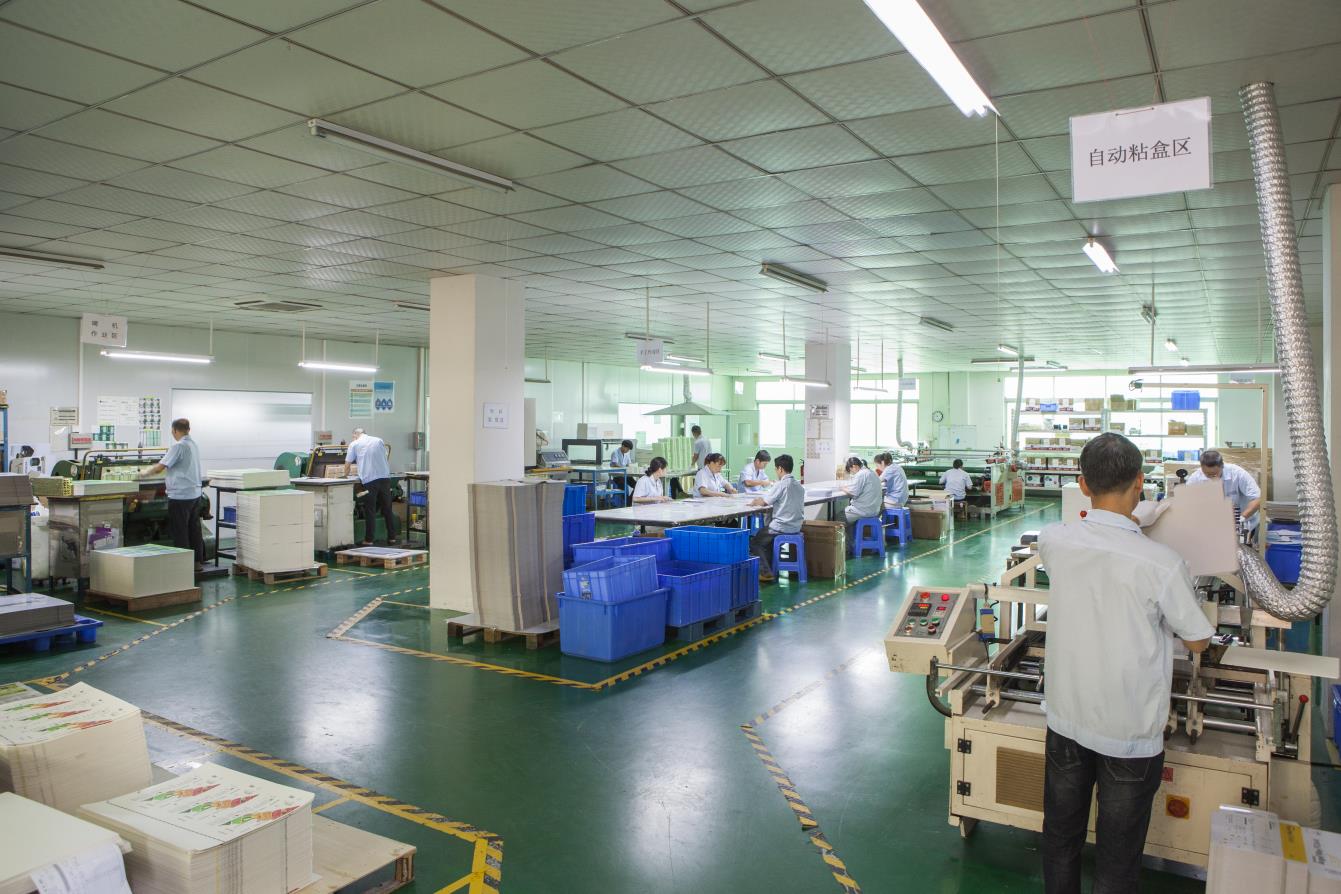
Verified Manufacturing Infrastructure & Quality Control
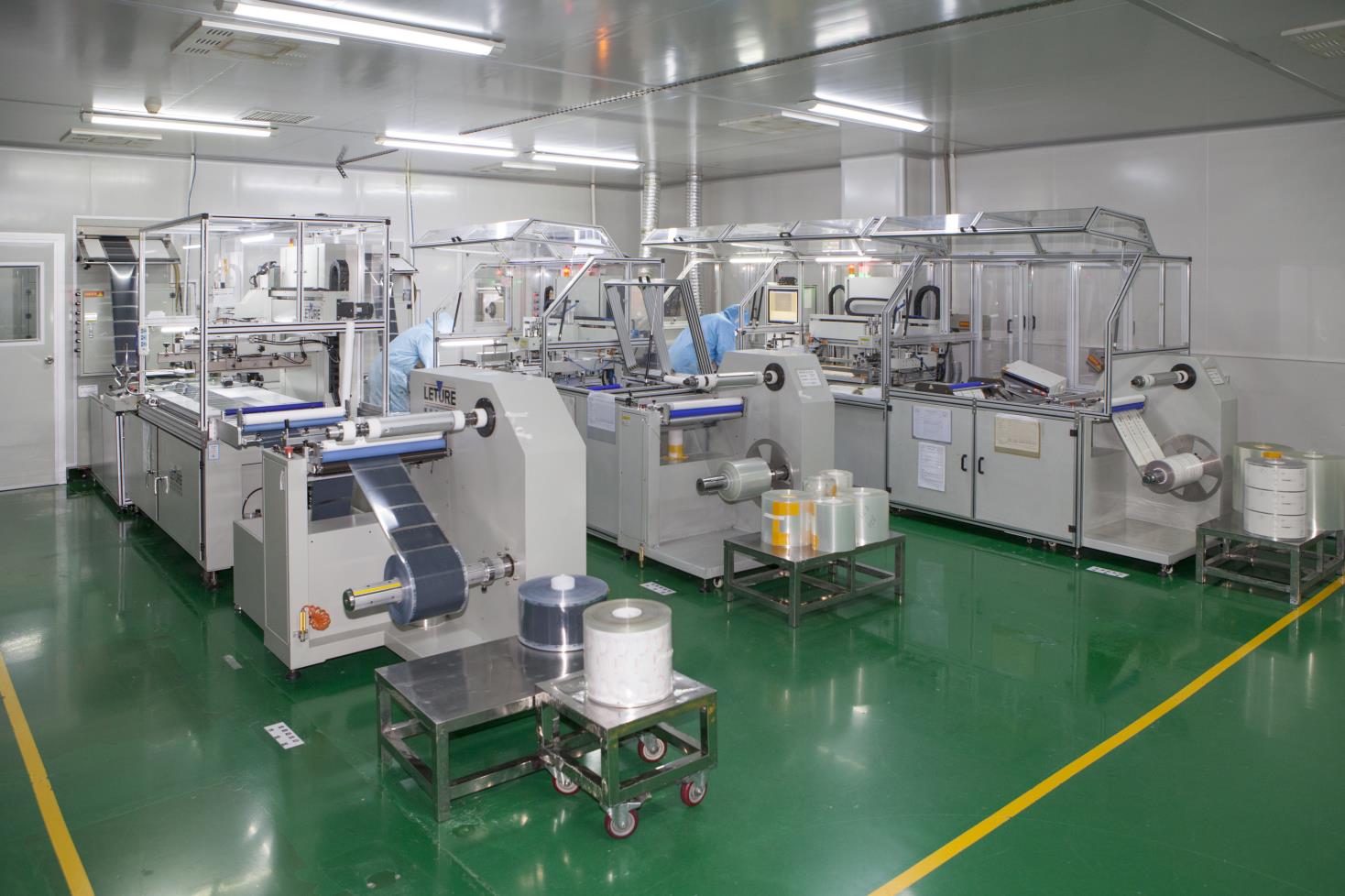
Our 10,000㎡ Dongguan facility integrates fully enclosed Class 10,000 and Class 1,000 cleanrooms to ensure particulate-free graphic printing and flawless optical window assembly.
High-Precision Screen Printing
Automated flatbed screen-printing presses equipped with CCD optical alignment guarantee register accuracy within ±0.03mm. High-opacity solvent and UV-curable inks prevent light leakage around LED backlights and indicator icons.
Micro-Forming & Embossing
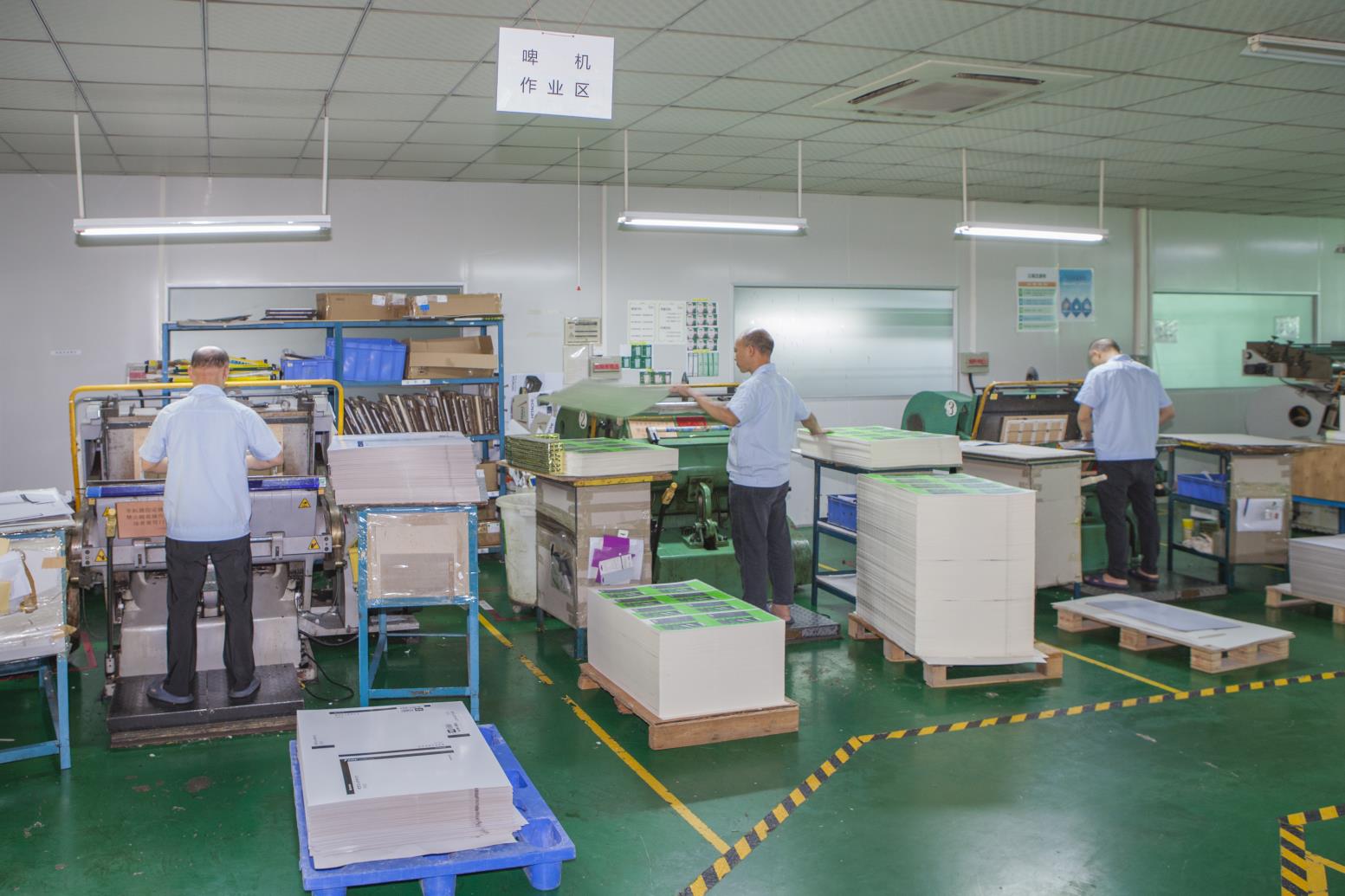
Utilizing high-precision male/female CNC matched copper tooling, we create uniform rim embossing, pillow embossing, and polydome tactile buttons. Hydroforming techniques maintain consistent tactile snap and eliminate stress whitening of polymer films.
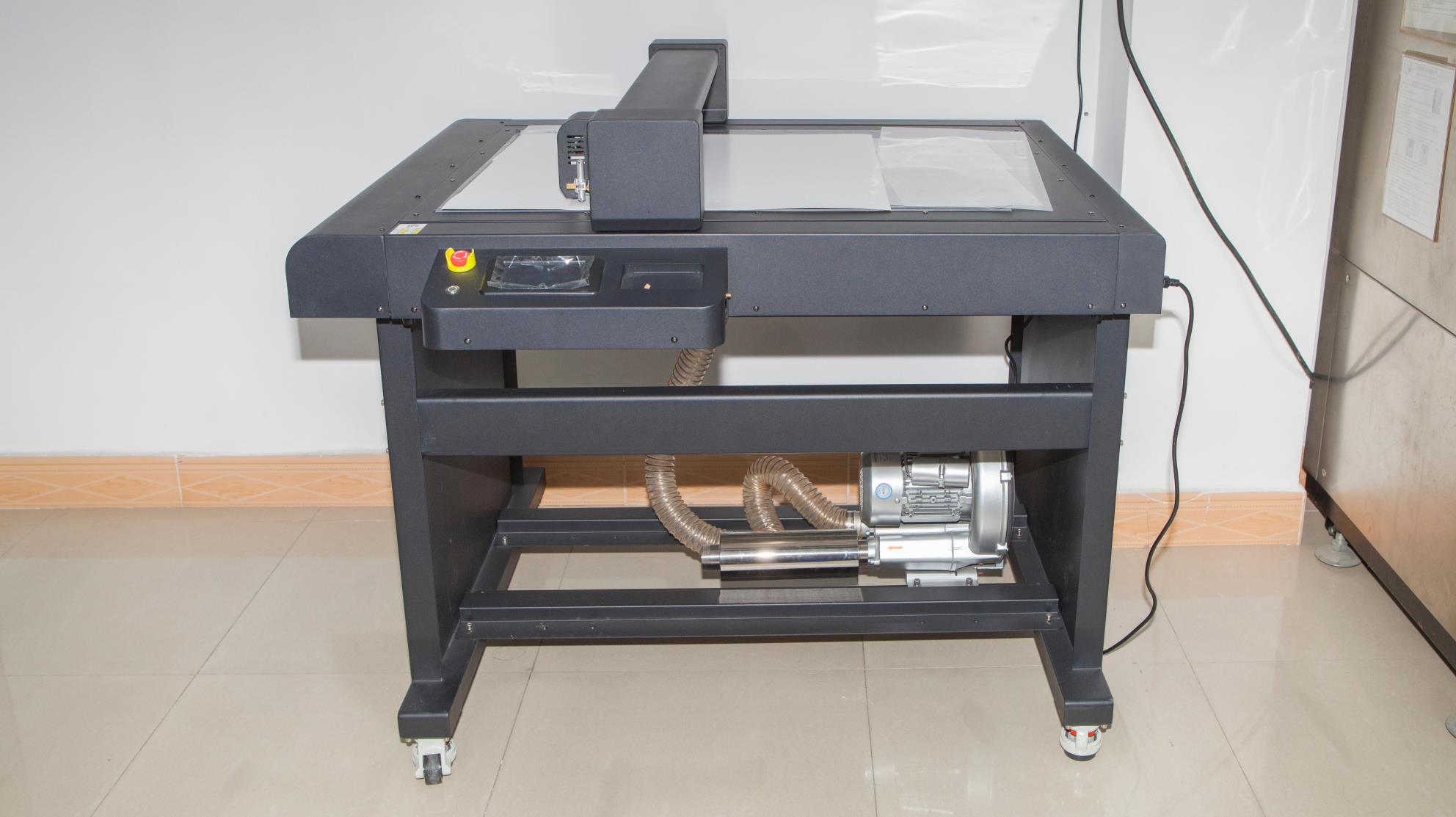
Laser Die-Cutting & CNC Milling
Automated cutting tables handle tight geometric tolerances of ±0.05mm. Internal display cutouts, bezel clearance channels, and connector tail exits are cut without burrs, thermal warping, or micro-cracks along cut edges.
100% Optical & Functional QC
Every batch undergo continuous inspection using automated vision systems to catch pinholes, dirt inclusions, color shifts (Spectrophotometer Delta E <0.8), and dimensional variance before release to assembly lines.
In-House Reliability Testing Lab
Equipped with cycle-life testers, automatic force-displacement curve analyzers, taber abrasers, environmental thermal-humidity chambers (-50°C to +150°C), and accelerated UV weathering testing machines.
Intertek Audited Factory
Operated by 121 seasoned professionals under ISO 9001:2015 and ISO 13485 (Medical Quality Management) compliance frameworks. Fully audited and verified on-site by Intertek for international export compliance.
Global Sourcing Trends: The Future of Printed Graphic Overlays
As electronic hardware architectures become more compact and aesthetically refined, B2B procurement leaders and product design engineers are moving away from commodity faceplates toward integrated, multifunctional human-machine interfaces. When evaluating China's top graphic overlay manufacturers, procurement teams should track several key technological shifts:
1. In-Mold Electronics (IME) and 3D Structural Integration
Traditional flat overlays mounted to separate sheet metal or cast housings are being superseded by In-Mold Decoration (IMD) and In-Mold Electronics (IME). By printing functional conductive silver traces directly onto a graphic overlay substrate and thermoforming it into a complex 3D resin injection mould, engineers can eliminate separate mechanical sub-assemblies. The resulting part is a unified, structurally rigid bezel featuring built-in touch sensors, internal illumination channels, and graphics that cannot delaminate.
2. Dead-Fronting & Hidden-Until-Lit Smart Surfaces
Industrial designers in both the medical diagnostic and premium consumer appliance sectors demand clean, minimalist styling. Dead-front printing utilizes carefully calibrated translucent inks matched precisely to the surrounding front panel color. Under ambient light, the panel appears sleek, monolithic, and unblemished by clutter. When underlying surface-mount LEDs light up, icons, operational sliders, or warning indicators reveal themselves with crisp, edge-to-edge optical contrast.
3. Integration of Light Guide Film (LGF) & Uniform Backlighting
Older backlighting designs relied on bulky discrete LEDs or fragile, high-voltage Electroluminescent (EL) foils that degraded under heat. Modern graphic overlay procurement favors thin-profile Light Guide Films (LGF) combined with precision-placed side-firing micro-LEDs. Micro-dots etched or printed onto the LGF layer extract light symmetrically, ensuring that legends across an entire overlay glow evenly without hot spots or light bleed.
4. Antimicrobial Hardcoats for Medical and Public Sanitation
Post-pandemic healthcare environments, laboratory automation equipment, and self-service transactional kiosks require front interfaces that actively suppress biological contamination. High-tier exporters apply proprietary textures containing silver ion antimicrobial agents into the hardcoat polymer. These coatings kill 99.9% of bacteria (tested to ISO 22196) and resist continuous wipedown with hospital-grade chlorhexidine and accelerated hydrogen peroxide without hazing.
5. Sustainable, Halogen-Free Materials and Carbon Accounting
With stringent European Union CSRD (Corporate Sustainability Due Diligence) and RoHS/REACH compliance frameworks, Western OEM sourcing teams now audit the environmental lifecycle of their China supply partners. Leading factories have transitioned to zero-VOC water-based UV-cured inks, solventless adhesive transfer webs, and recyclable bio-based polyester films that lower product carbon footprints without sacrificing mechanical life.
Frequently Asked Questions on Graphic Overlay Sourcing
Direct technical answers to common questions asked by supply chain managers, design engineers, and quality assurance inspectors.
1. What CAD and artwork vector formats are required for an accurate DFM review?
To deliver a rapid Design for Manufacturability (DFM) review and quotation, our engineering team requires vector artwork files in Adobe Illustrator (.AI), vector PDF, or CorelDraw format, along with 2D mechanical engineering blueprints in DXF or DWG format. Your artwork should clearly specify PMS (Pantone Matching System) or RAL color codes, indicate transparent or tinted LED windows, highlight key embossing boundaries, and define adhesive cut-out margins around domes and displays.
2. What is the fundamental difference between rim embossing, pillow embossing, and polydomes?
Rim embossing raises only the perimeter border of the key, creating an intuitive tactile guide for fingers while leaving the center flat—ideal for housing tactile metal domes. Pillow embossing raises the entire button surface, providing a soft, distinct geometric feel. Polydomes refer to thermoformed buttons formed directly into the polyester overlay substrate to create an integrated spring mechanism, eliminating the need for separate internal metal domes for light-duty actuation.
3. How do you prevent light bleed between adjacent backlit LED indicator windows?
Light bleed is prevented through three distinct engineering techniques: First, we apply multiple reverse-printed passes of dense optical block-out black ink around the illuminated zones. Second, we integrate laser-cut closed-cell foam or silicone gasket spacers between the circuit layer and overlay to isolate each LED cavity. Third, light guide films (LGF) with directional micro-optical prisms are incorporated to channel light strictly toward targeted legends without scattering.
4. What color matching tolerances can your facility hold during volume production?
We use automated spectrophotometers (X-Rite) to quantify color coordinates in the CIELAB color space. For standard production runs, we maintain a strict color variation of Delta E (ΔE*) < 1.0, and under ΔE* < 0.8 for critical brand colors. We recommend approving physical drawdowns or first-article sample coupons under standard D65 and D50 lighting booths before mass-volume silk screening begins.
5. Which adhesive system is optimal for outdoor installations exposed to weathering?
For outdoor deployments facing solar UV exposure, temperature cycling (-30°C to +80°C), and water intrusion, we specify pure acrylic transfer adhesives such as 3M 468MP (for smooth enclosures) or 3M 300LSE (for plastic or rough textured surfaces). These adhesives resist plasticizer migration from molded plastics, endure moisture condensation, and deliver peel adhesion values exceeding 50 oz/inch.
6. Can graphic overlays incorporate electrostatic discharge (ESD) and EMI shielding?
Yes. To protect sensitive internal microprocessors from electrostatic discharge up to 15kV, we print a solid or grid layer of conductive silver or carbon ink on a dedicated inner layer beneath the graphic overlay, connected to an earth-grounding trace. Alternatively, we laminate aluminum foil or copper shielding sheets into the multi-layer stack-up to shield against intense radio-frequency interference (RFI).
7. What is the standard tooling lead time and prototype turnaround time?
Rapid prototyping utilizing digital UV flatbed printing and laser plotters can deliver functional first-article samples in 3 to 5 business days without requiring hard stamping tooling. For high-volume production using hard CNC steel tooling, matched male/female embossing dies, and dedicated silk screens, tooling lead times typically range from 8 to 12 working days, followed by sample approval sign-off.
8. How are overlays packed to prevent surface abrasion and adhesive edge ooze in international transit?
Export packaging is engineered for long-distance maritime and air transport. Every overlay is protected with low-tack protective masking film on its front face. Assemblies are layered in anti-static ESD bags, grouped with non-stick silicone release interlayers to prevent adhesive edge bleed, vacuum-sealed with desiccant pouches to mitigate tropical moisture, and shipped in rigid, double-wall corrugated export master cartons.
Start Your Custom Graphic Overlay Project Today
Upload your engineering drawings, artwork files, or physical specifications. Our engineering team in Dongguan delivers comprehensive DFM analysis, material stack-up recommendations, and competitive factory-direct quotations within 24 hours.