FPC Matrix
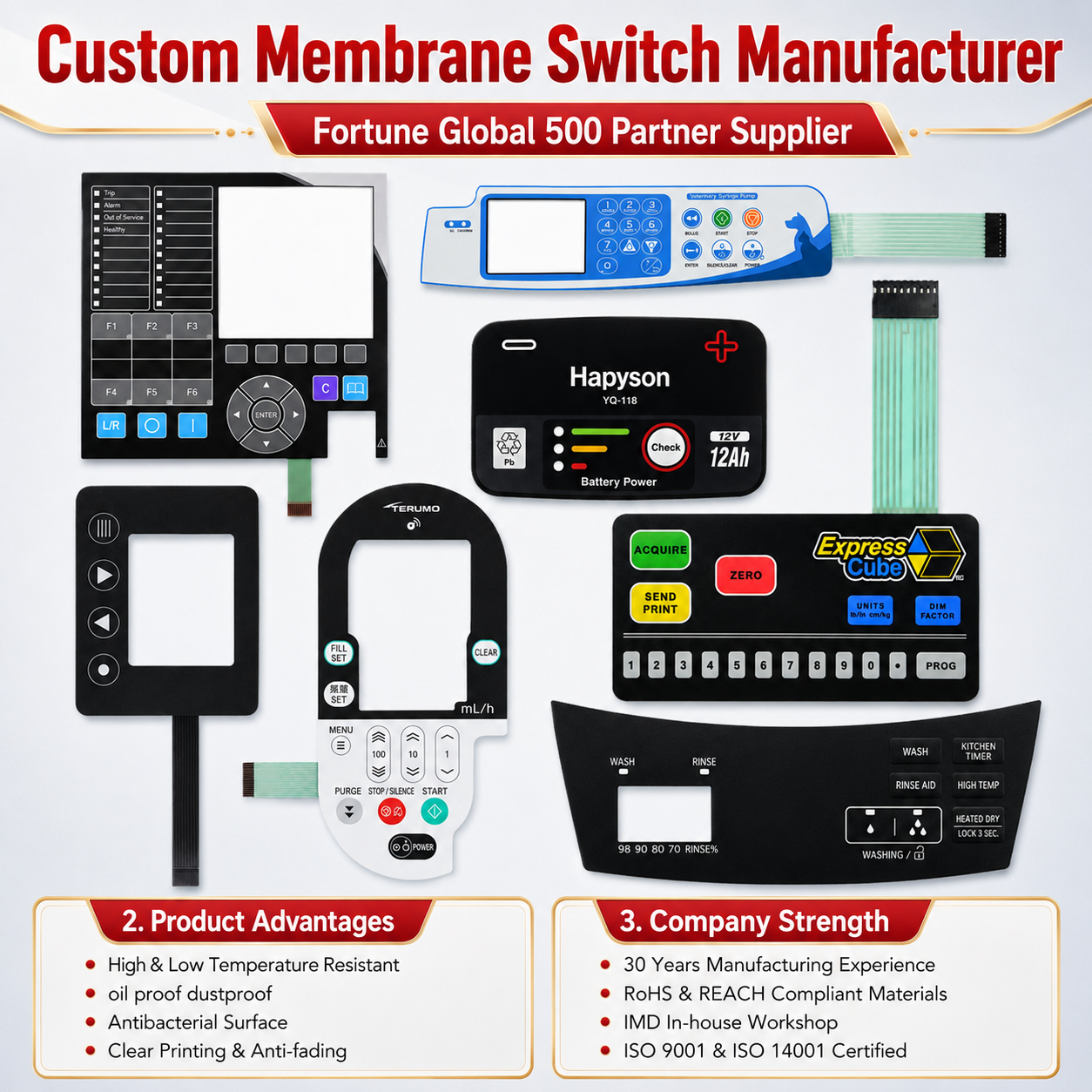
Engineered for industrial automation, medical diagnostic monitors, automotive consoles, and smart electrical appliances. Fully customizable for actuation force, tactile feel, LED illumination, and environmental resistance.
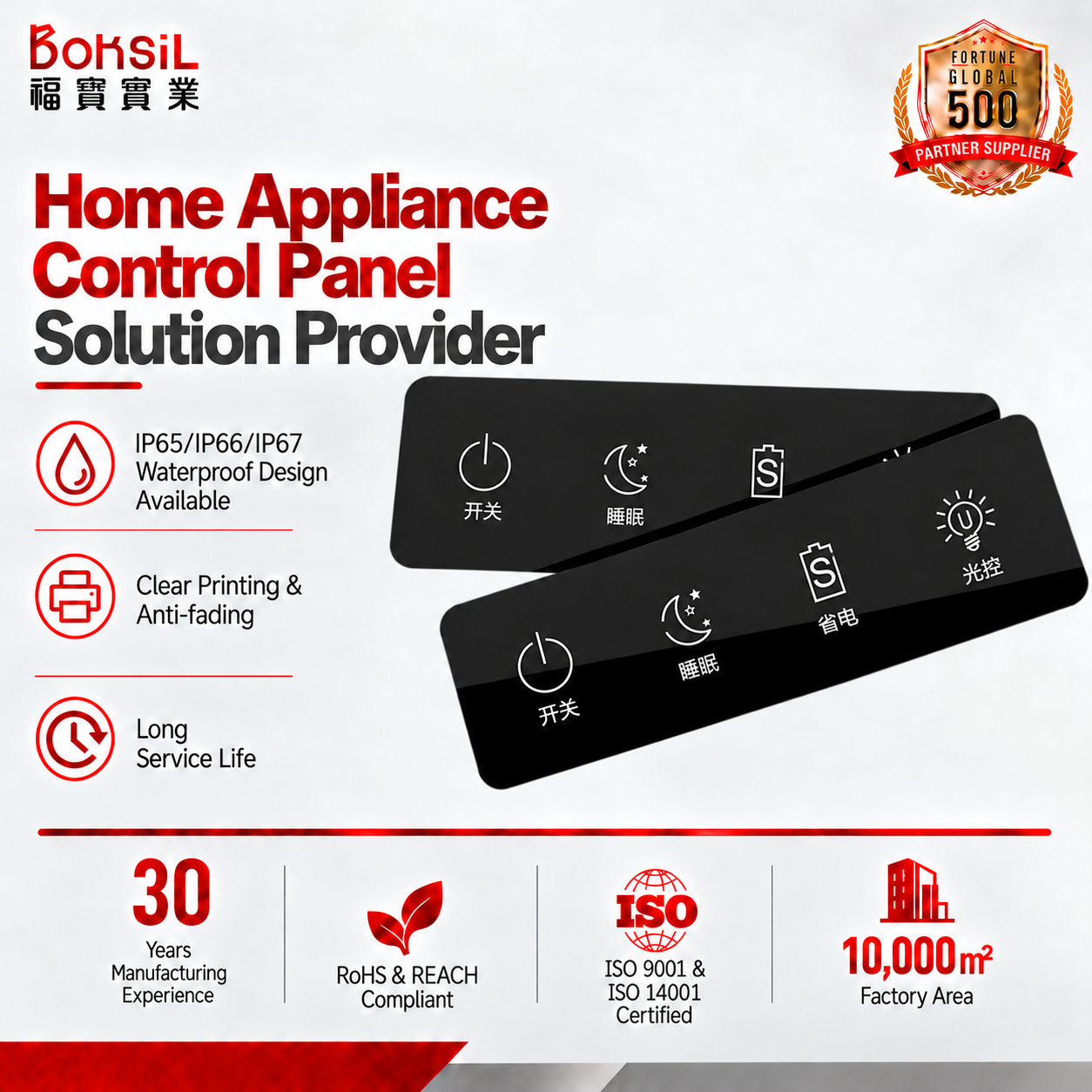
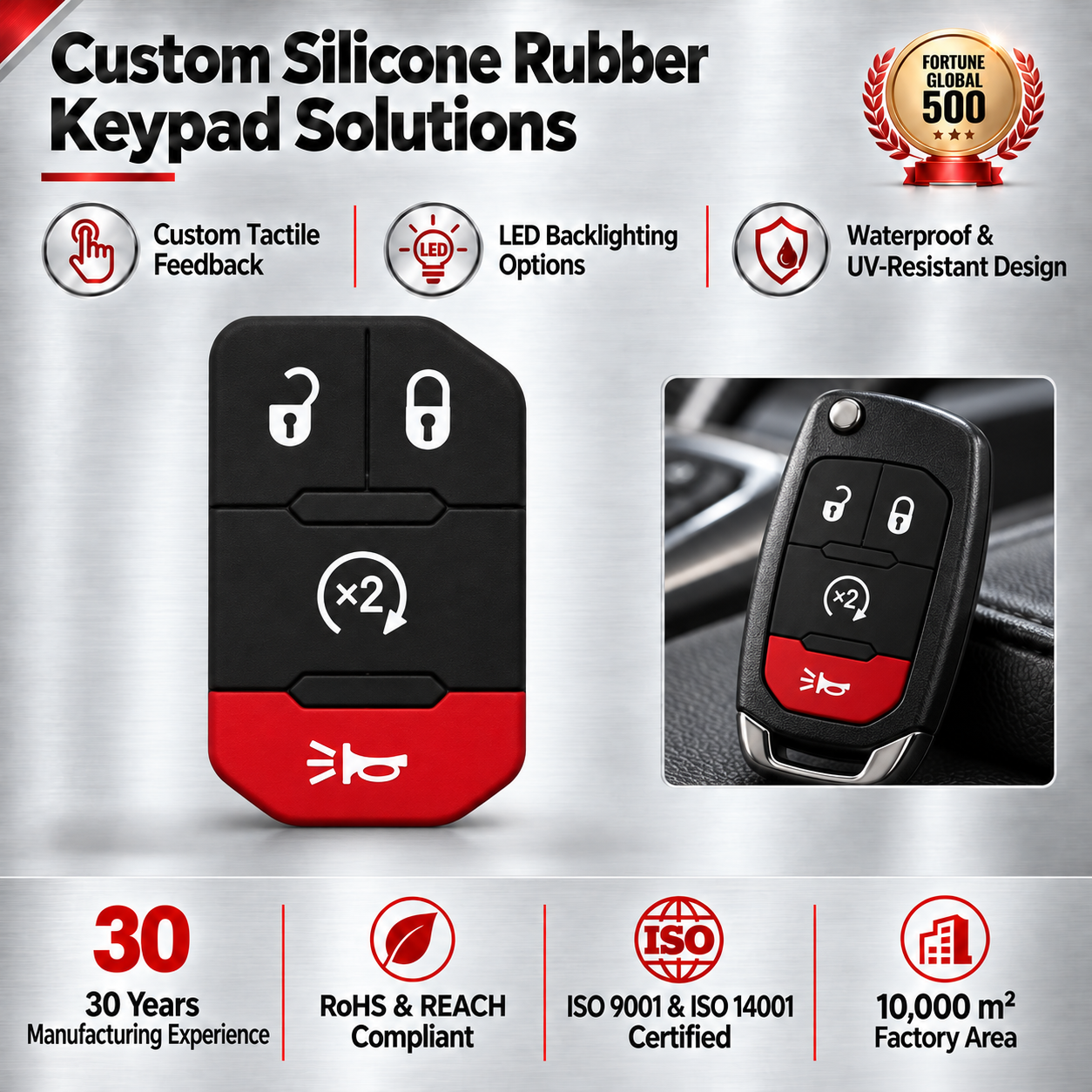
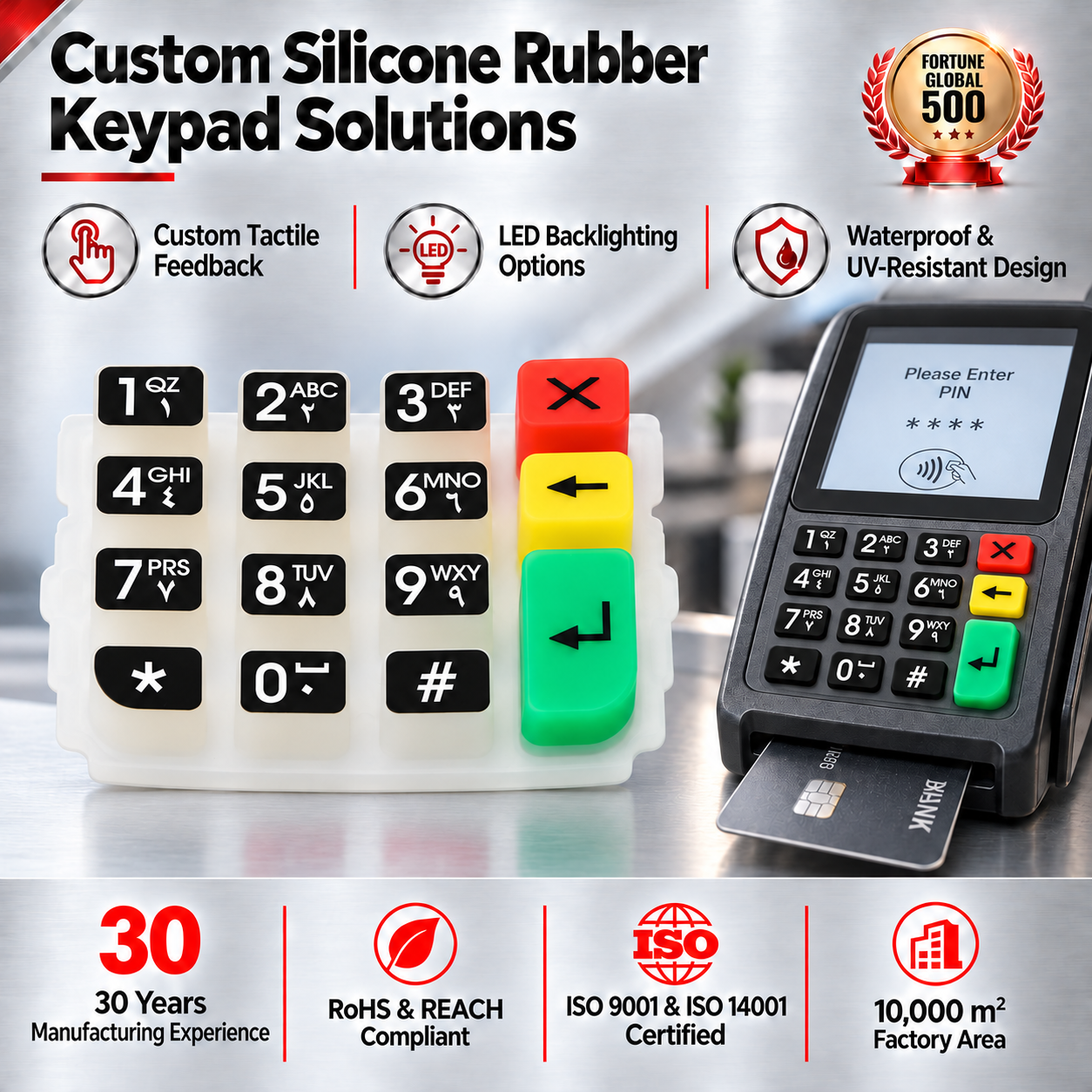
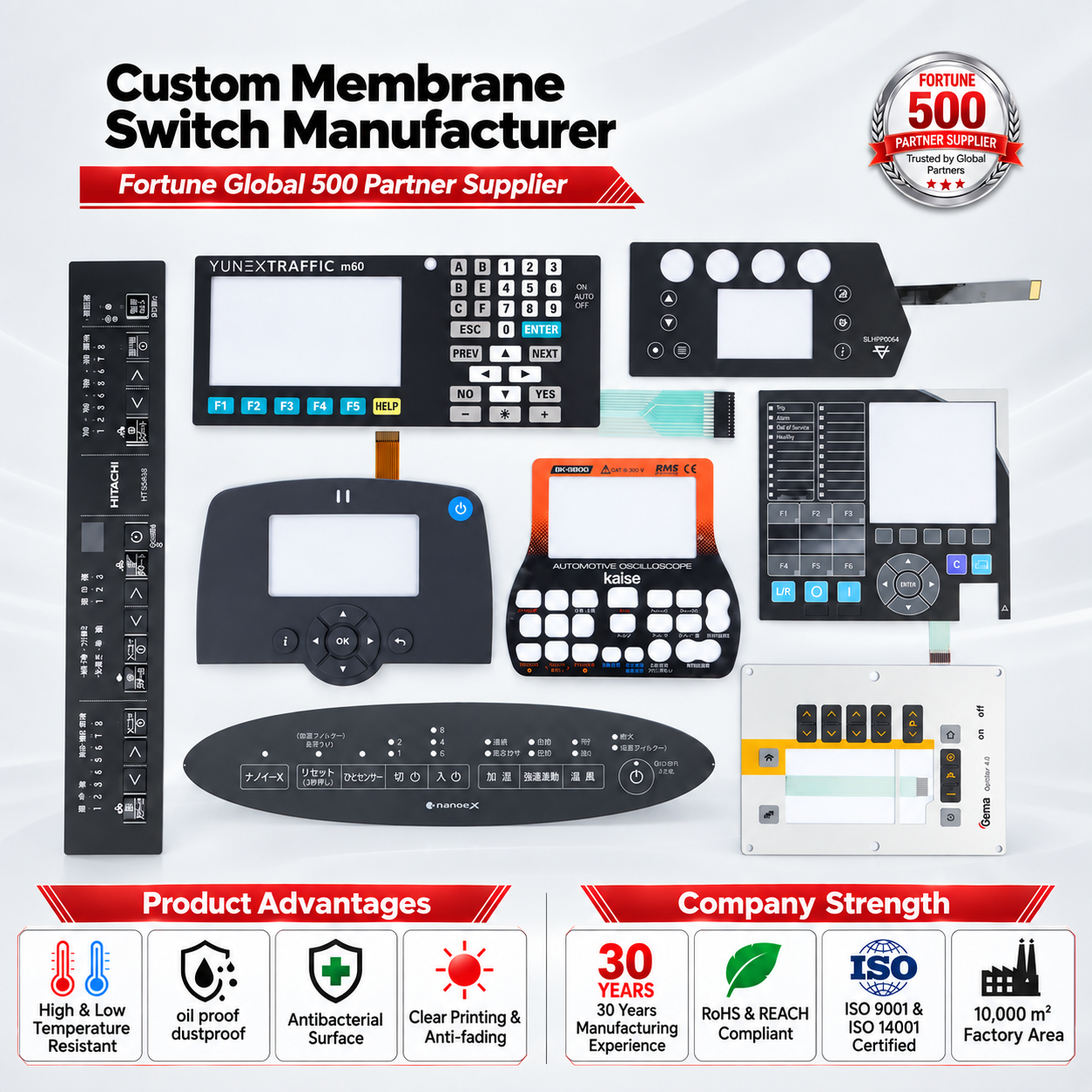
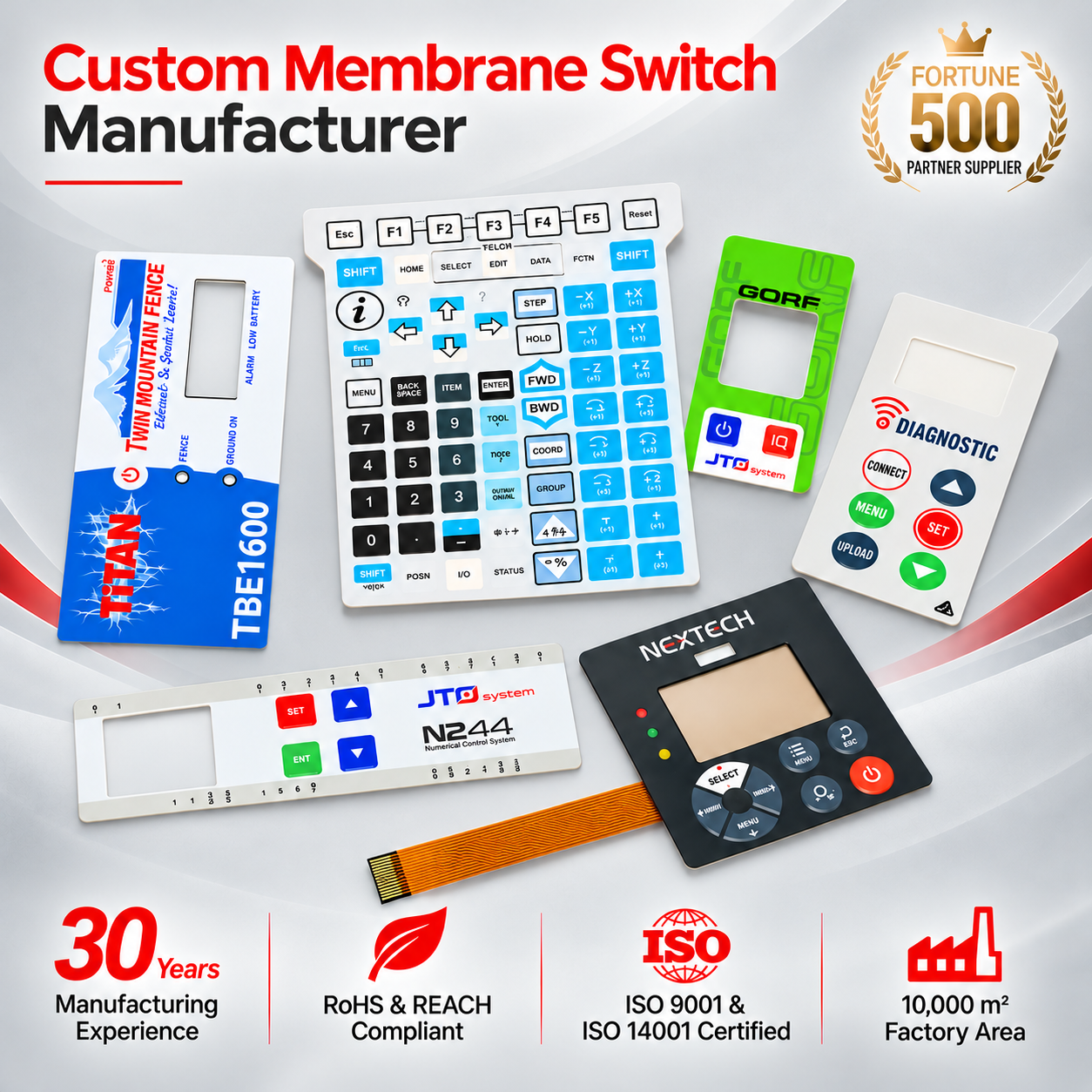
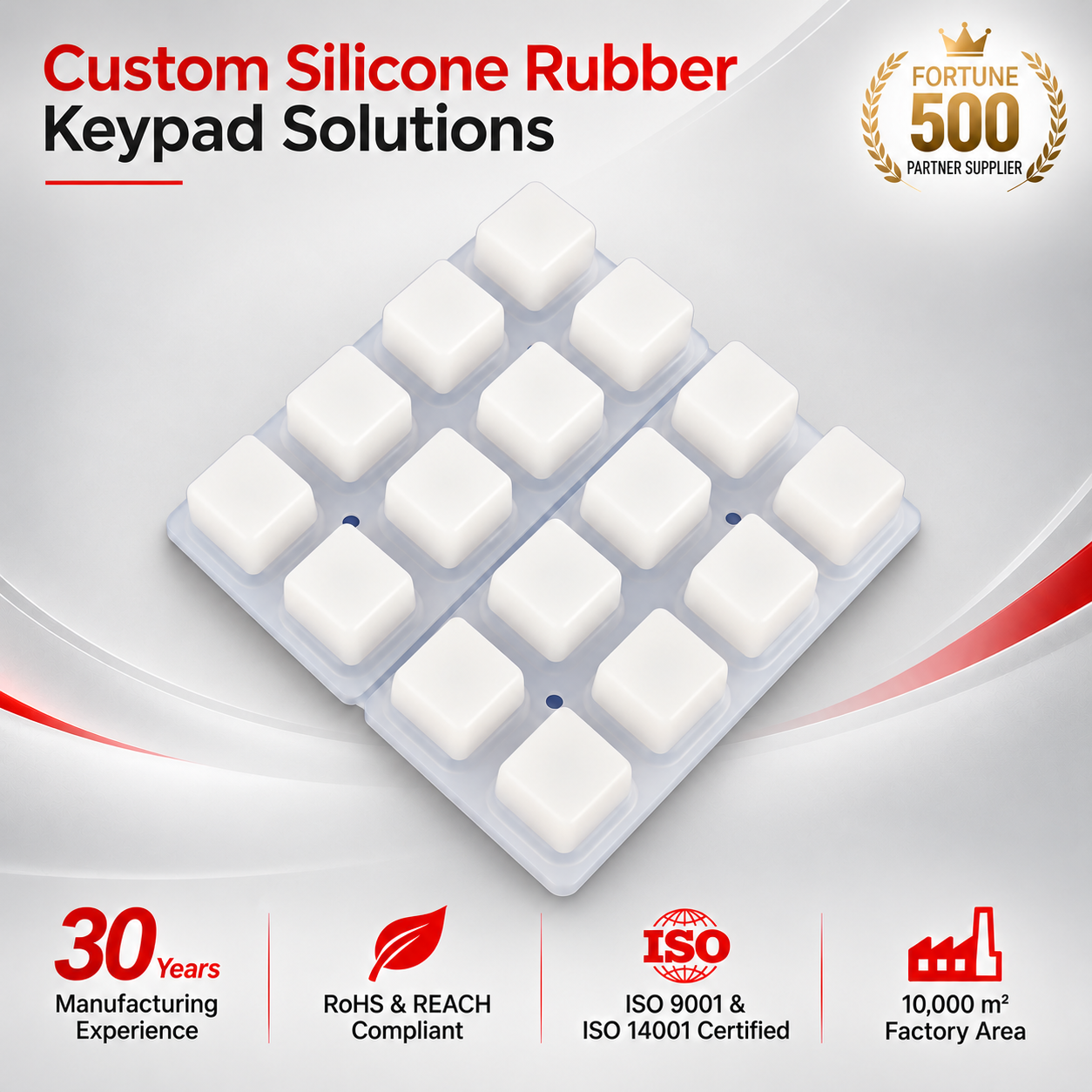
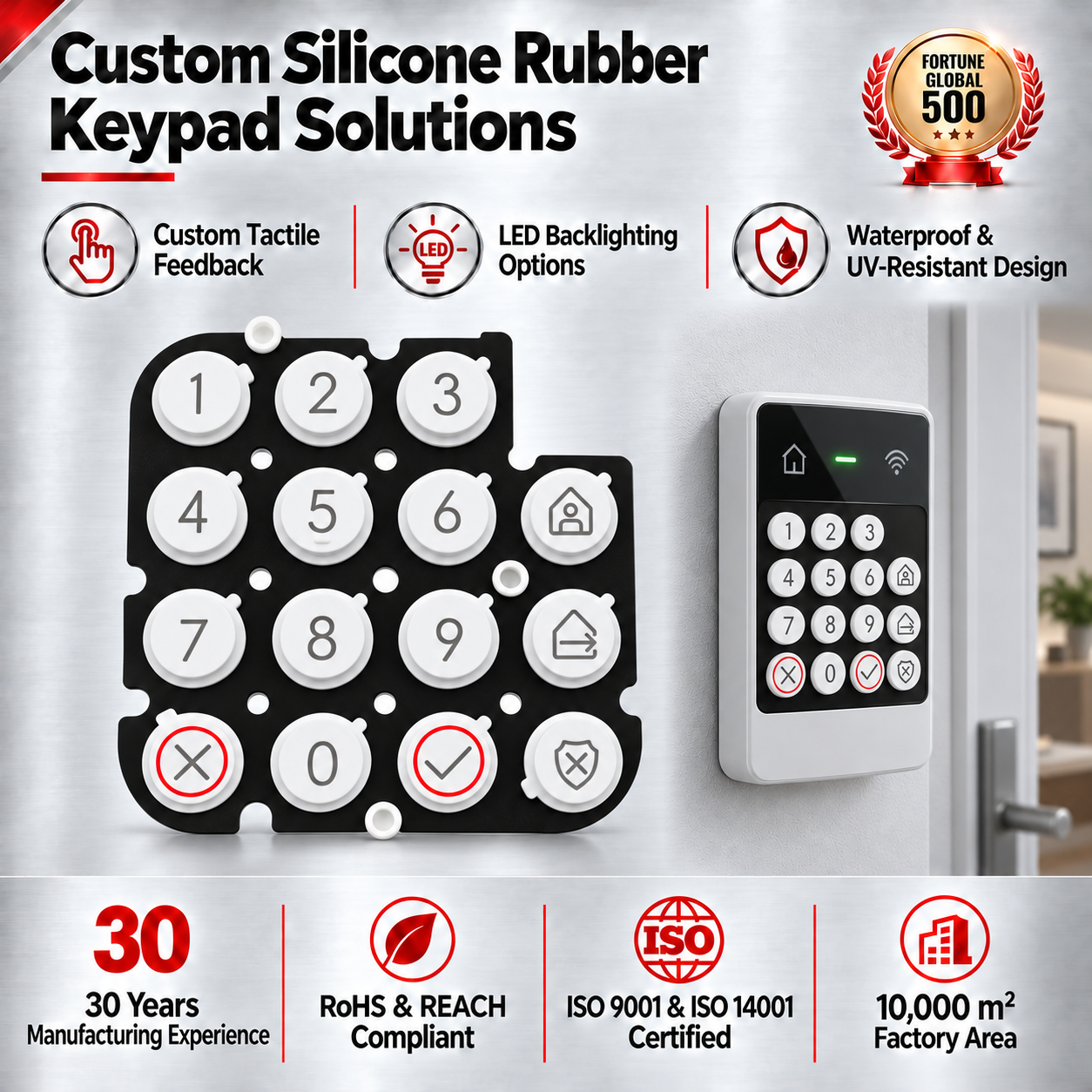
A technical guide written by AXRU electronics engineers to help procurement managers evaluate material trade-offs, mechanical longevity, and environmental survival for human-machine interface products.
When engineering an electronic membrane switch overlay, the fascia layer dictates not only aesthetic tactile perception but also chemical immunity and flex-fatigue life. While Polycarbonate (Lexan™) provides excellent clarity, dimensional stability, and flame retardancy (UL94 V-0 options), its continuous flex life is limited, making it best suited for flat graphic overlays, display windows, or appliances where button travel is non-tactile.
Conversely, biaxially oriented Polyester (PET), such as Autotype MacDermid films, delivers over 5,000,000 actuation cycles without micro-cracking or hinge fatigue. For hospital environments and industrial CNC workshops, textured PET resists rigorous hospital chemical cleansers (including isopropyl alcohol, bleach, and quaternary ammonium compounds). For rigid high-end display fascias, PMMA (Acrylic) delivers glass-like optical transmission exceeding 92% with anti-glare, anti-scratch hard-coat ratings up to 6H.
| Substrate Material | Actuation Flex Life | Chemical & Solvent Resistance | Embossing Stability | Common Applications |
|---|---|---|---|---|
| Autotype Textured PET | >5,000,000 cycles | Exceptional (Alcohols, ketones, mild acids) | Excellent thermal form memory | Medical diagnostic devices, CNC consoles, defense |
| Optical Polycarbonate (PC) | <100,000 cycles (unembossed) | Moderate (Vulnerable to aromatic hydrocarbons) | Good, but subject to stress cracking | Flat front fascias, instrument gauges, toys |
| Hard-Coated PMMA / Acrylic | Rigid (No flex) | High against household detergents & oils | N/A (CNC milled or thermoformed) | LCD display windows, smart home touch panels |
| Conductive Silicone Rubber | >1,000,000 cycles | High UV, ozone, moisture, and extreme heat | Full 3D key geometry molded | Handheld terminals, automotive keys, aerospace |
| Copper FPC (Polyimide) | >10,000,000 cycles | Immune to standard assembly fluxes and heat | N/A (High-density flex circuit) | Fine-pitch SMD component integration, dense matrices |
Global supply chain shifts, component miniaturization, and user expectation demands are redefining how procurement specialists source custom input interfaces.
Global OEMs are migrating away from fragmented multi-vendor setups (e.g., buying plastic bezels, membrane switches, and PCB assemblies from separate vendors). Sourcing fully tested sub-assemblies—incorporating display bonding, graphic fascia, backlighting film, and rigid backers—slashes total landed cost and assembly error rates.
While screen-printed silver ink remains cost-effective for static matrix keypads, high-reliability equipment makers are adopting Flexible Printed Circuits (Copper Polyimide FPC). FPC eliminates silver migration risks under high-humidity environments, supports ultra-fine pitch (0.5mm) ZIF connectors, and allows reliable surface-mount soldering of dense micro-LED arrays.
With high-speed digital UV flatbed printing and laser plot cutting advancements, high-mix low-volume (HMLV) sourcing has become practical. Specialized industrial instrumentation buyers can procure initial pilot batches as low as 100 units without fronting thousands of dollars in mechanical hard-tooling steel dies.
Next-generation user interfaces merge traditional tactile feedback with capacitive sensory surfaces, active backlighting, and ruggedized hermetic enclosures.
Traditional multi-LED configurations suffer from uneven hot-spotting and substantial power draw. Thin LGF layers (0.125mm) redirect light from side-firing edge LEDs smoothly across button perimeters and complex graphic legends. Combined with "dead-front" translucent inks, icons remain completely invisible until triggered by system states.
Modern medical and commercial interfaces combine the sleek, hygienic wipe-down qualities of capacitive glass surfaces with physical stainless steel tactile snap domes for safety-critical operations (such as Emergency Stop or Infusion Activation), eliminating accidental mis-touches.
To withstand high-pressure steam jet sanitization in food processing plants and diagnostic labs, modern overlays utilize specialized perimeter adhesive channels (3M 200MP / 300LSE acrylic adhesives) and hermetically enclosed tail exits that stop moisture capillary ingress entirely.
Direct manufacturer control. We do not broker your projects. Every stage from circuit screen printing to metal dome placement and reliability testing is executed in-house.
Screen printing, circuit fabrication, cleanroom lamination, laser cutting, metal dome integration, and SMT LED soldering occur under one roof in our 10,000㎡ facility in Dongguan, China, guaranteeing full process traceability and tight IP protection.
Work directly with dedicated HMI project engineers rather than junior trading agents. We provide Design for Manufacturability (DFM) feedback, stack-up schematic verification, snap ratio calculations, and pinout optimization within 24 hours.
Equipped with specialized key life cycle testers, force-displacement curve plotters, programmable temperature and humidity environmental chambers, ink abrasion scrubbers, and yellowing resistance chambers to validate specifications before export.
Clear, direct engineering answers addressing common questions regarding tolerances, minimum orders, test protocols, and lead times.
To support prototyping and low-volume pilot runs, our standard minimum order quantity starts at just 100 units for fully custom membrane switches and graphic overlays. Prototyping sample lead times range between 5 to 8 working days following engineering DFM approval. Mass production batches typically complete within 12 to 15 working days depending on structural complexity.
For an accurate quotation and DFM assessment, we recommend providing:
1. Graphic Artwork: Vector files (.AI, .PDF, or .CDR) with exact dimensions and designated Pantone or RAL color codes.
2. Circuit Schematic: 2D mechanical CAD drawings (.DWG or .DXF) showing trace routing, tail exit geometry, connector pitch, and LED polarity.
3. Stack-up Requirements: Desired overlay material (PET, PC, Acrylic), adhesive specification (3M 467MP, 468MP, or 300LSE), tactile dome size, and actuation force.
Achieving IP65 and higher requires an unbroken closed-loop perimeter gasket. We configure continuous acrylic adhesive borders around keypads and display cutouts. Furthermore, circuit traces exiting to the connector tail are engineered with specialized labyrinth seals or routed through sealed rear cutouts rather than the bottom edge, preventing moisture capillary absorption. Environmental integrity is confirmed using our on-site programmable humidity and water-spray chambers.
We utilize precision stainless steel metal domes (plated with nickel or gold) engineered for crisp tactile feedback. Depending on diameter (typically 6mm to 20mm) and actuation trip force (200g to 500g), our switches are rated between 1,000,000 and 5,000,000 continuous cycles. Batch samples are tested on our automatic key life testing rigs to ensure snap ratio consistency across their operating lifespan.
Every membrane switch produced at AXRU undergoes 100% electrical testing before packaging. This includes automated verification of contact resistance (<100 ohms for silver, <1 ohm for FPC), open/short circuits, insulation resistance (>100M ohms at 100V DC), and LED luminosity/polarity. Physical dimensions are verified via digital optical projectors, and adhesive peel strength is validated with tensile test equipment.
Send your CAD drawings, physical samples, or project specifications to our senior HMI engineering team. Receive comprehensive DFM analysis and a direct factory quotation within 24 hours.
Inquire Now