Medical / Auto
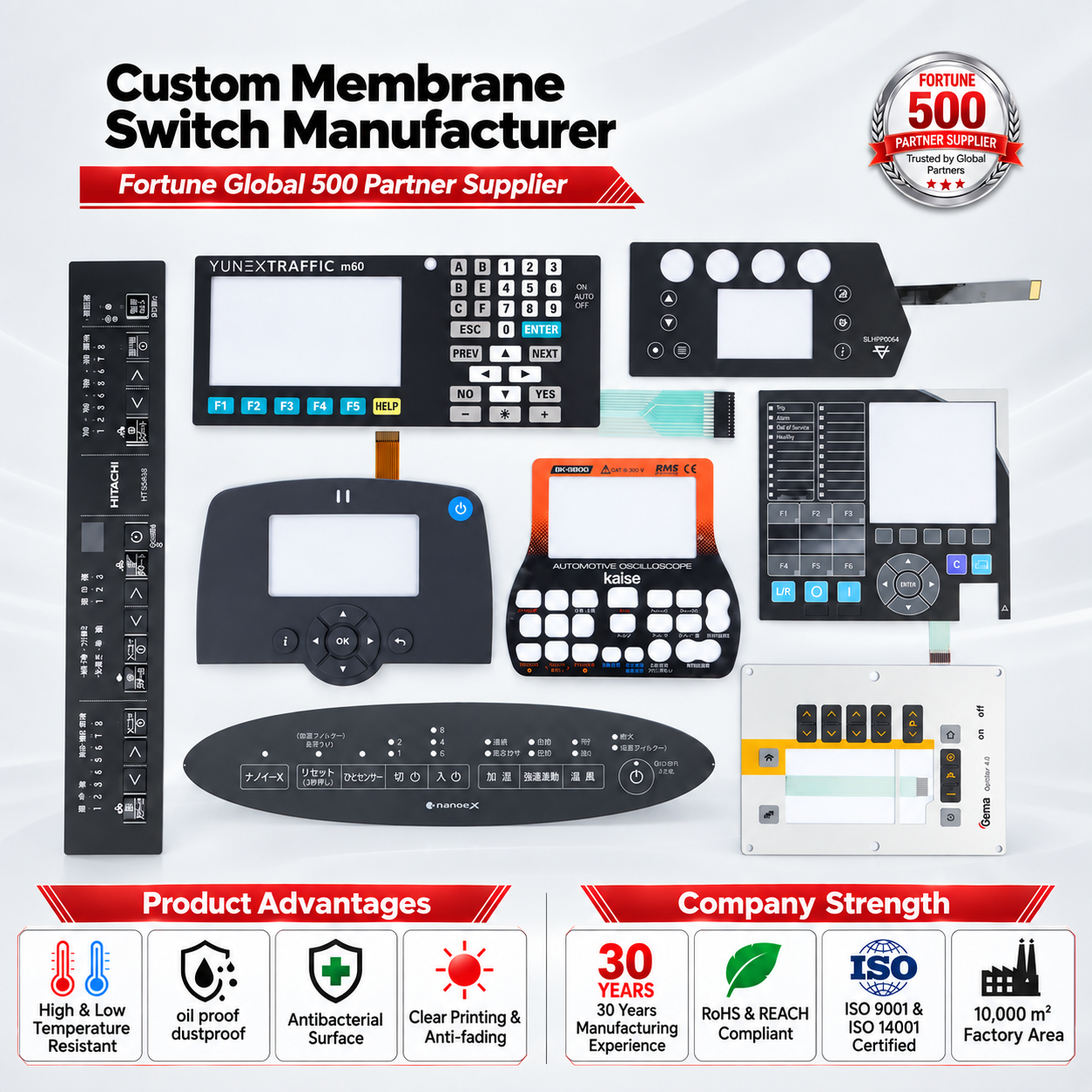
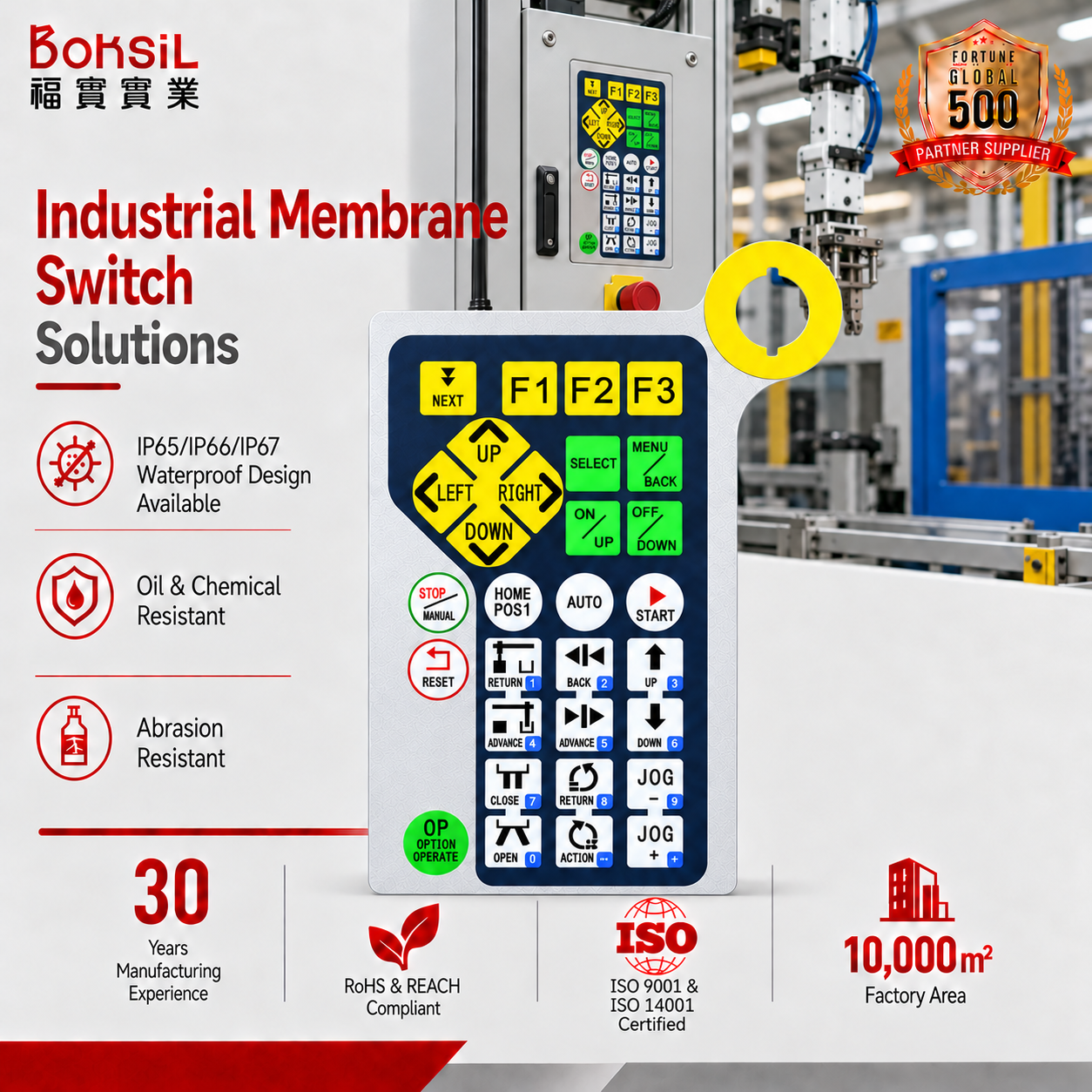
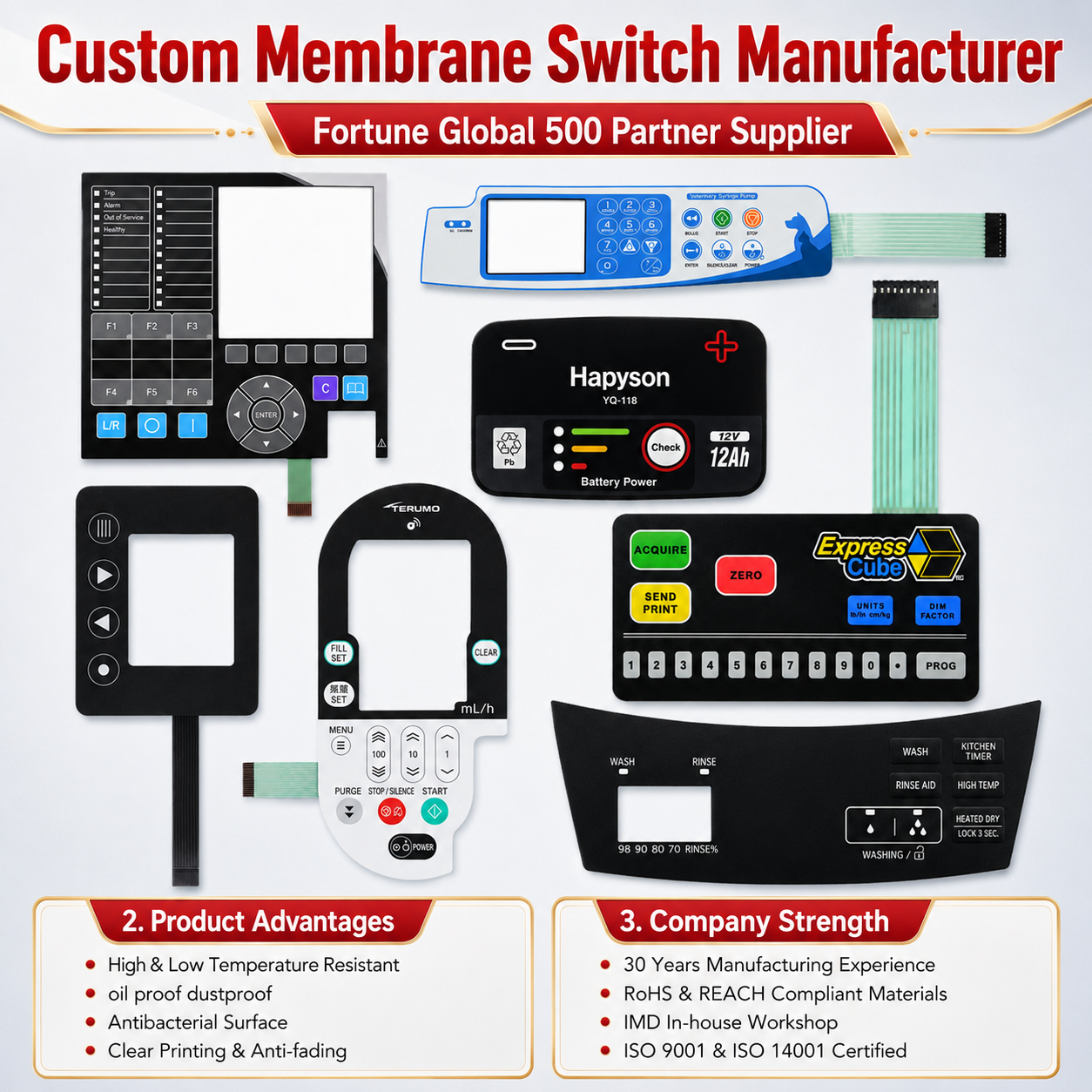
Custom Medical & Automotive Graphic Overlay Touch Panel
- SubstrateAutotex PET / PC
- CircuitryFlexible FPC Copper
- SealingIP67 Perimeter Barrier
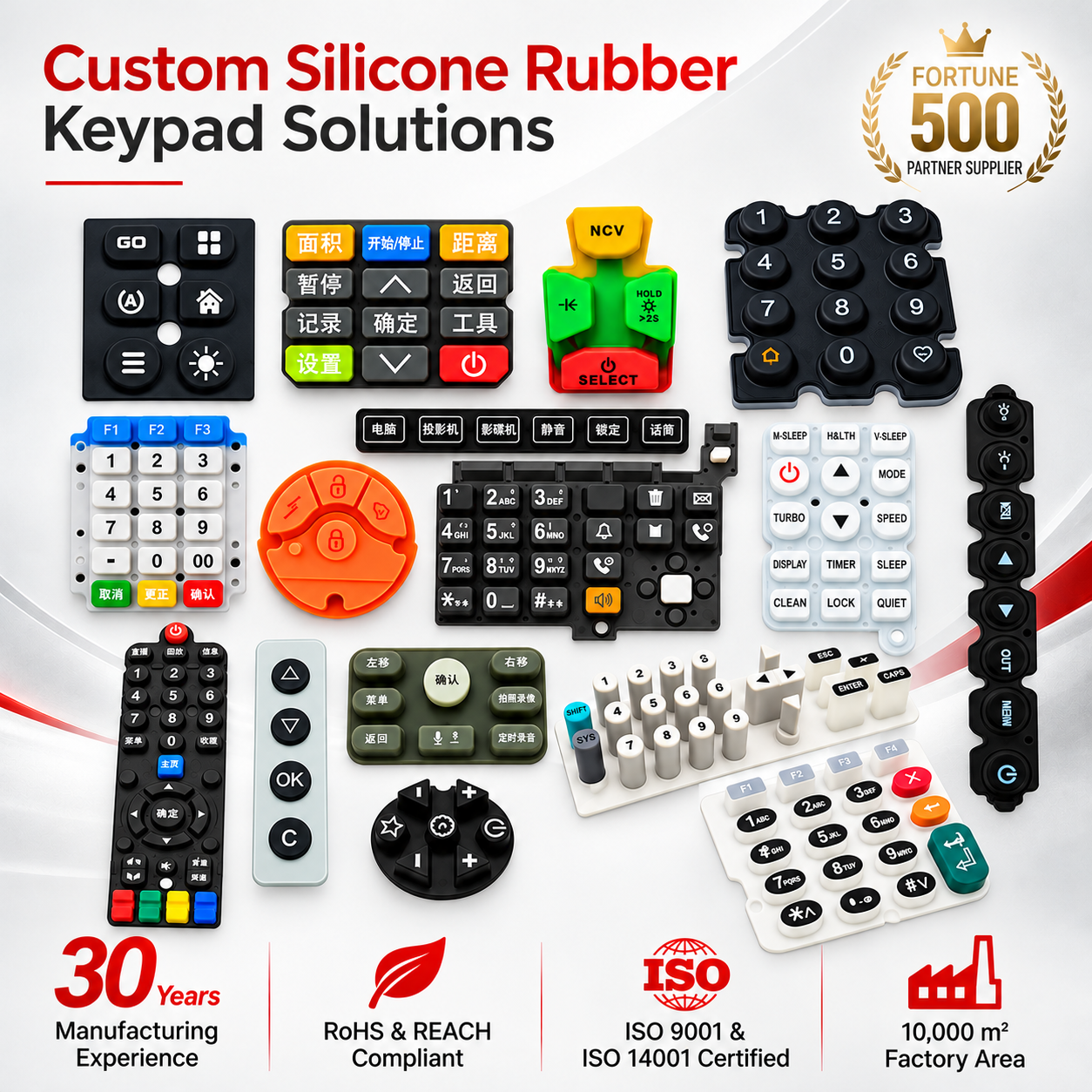
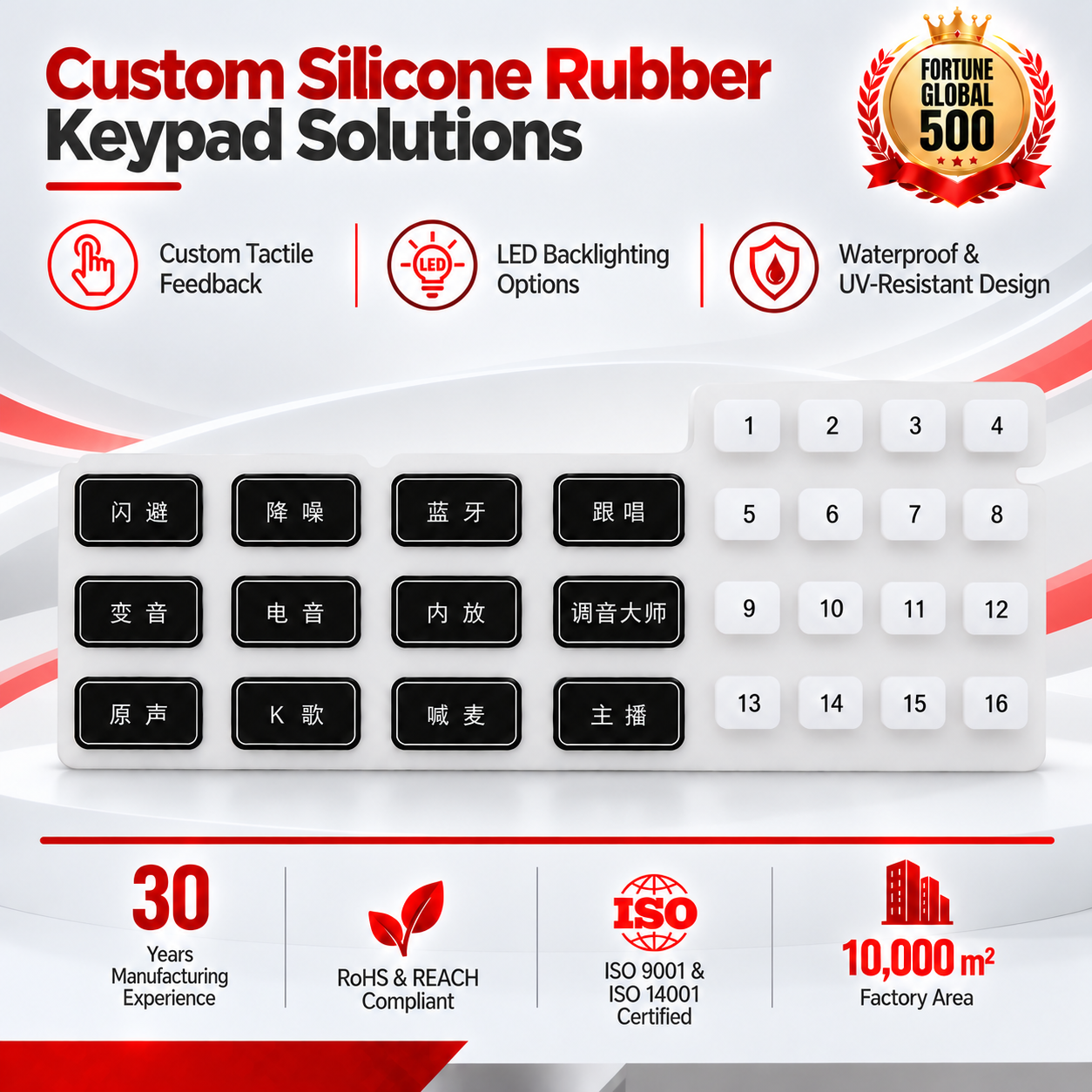
Explore custom human-machine interface assemblies manufactured directly within our 10,000㎡ Dongguan facility. From high-tolerance polyester overlays to tactile sealed arrays, built to exact OEM CAD specifications.
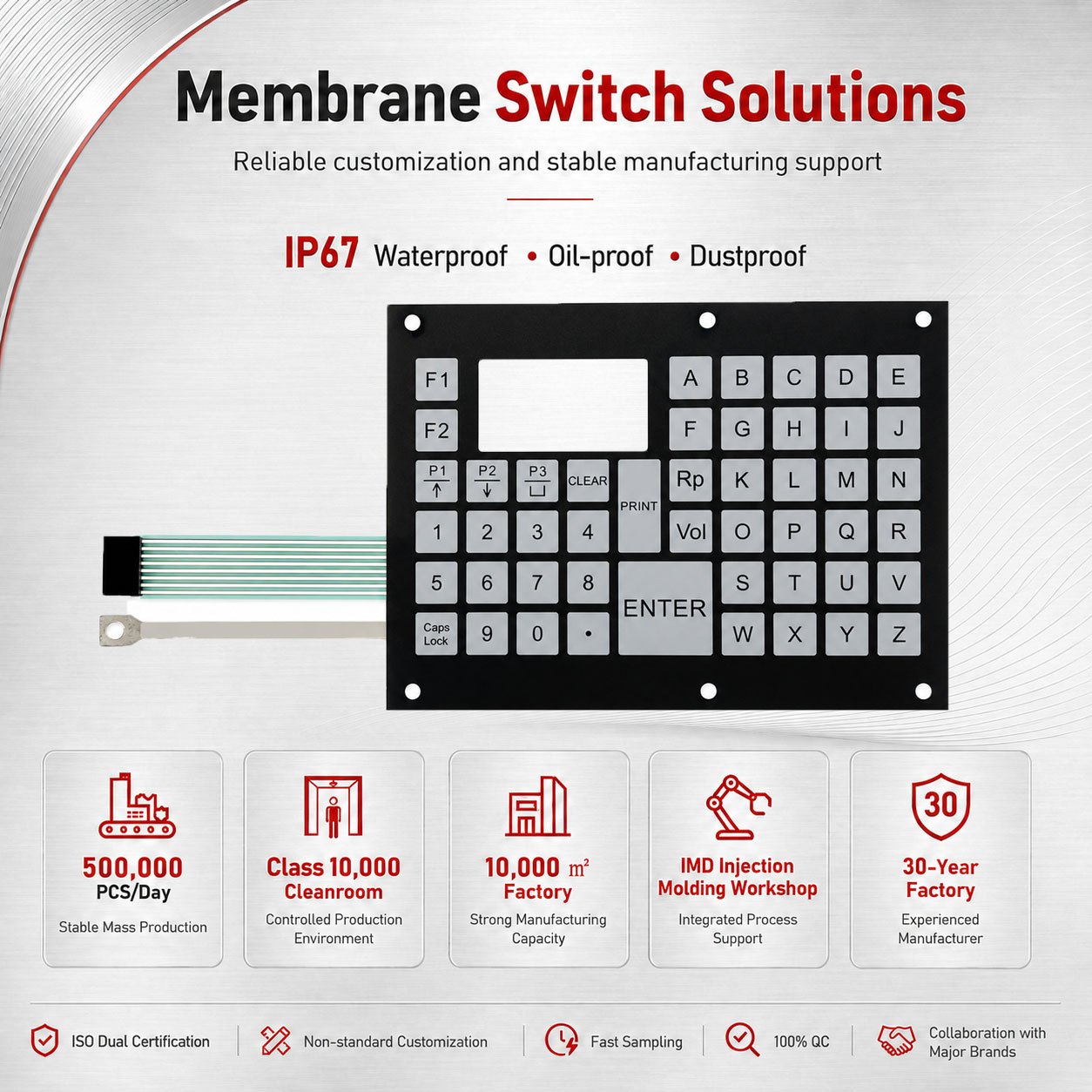
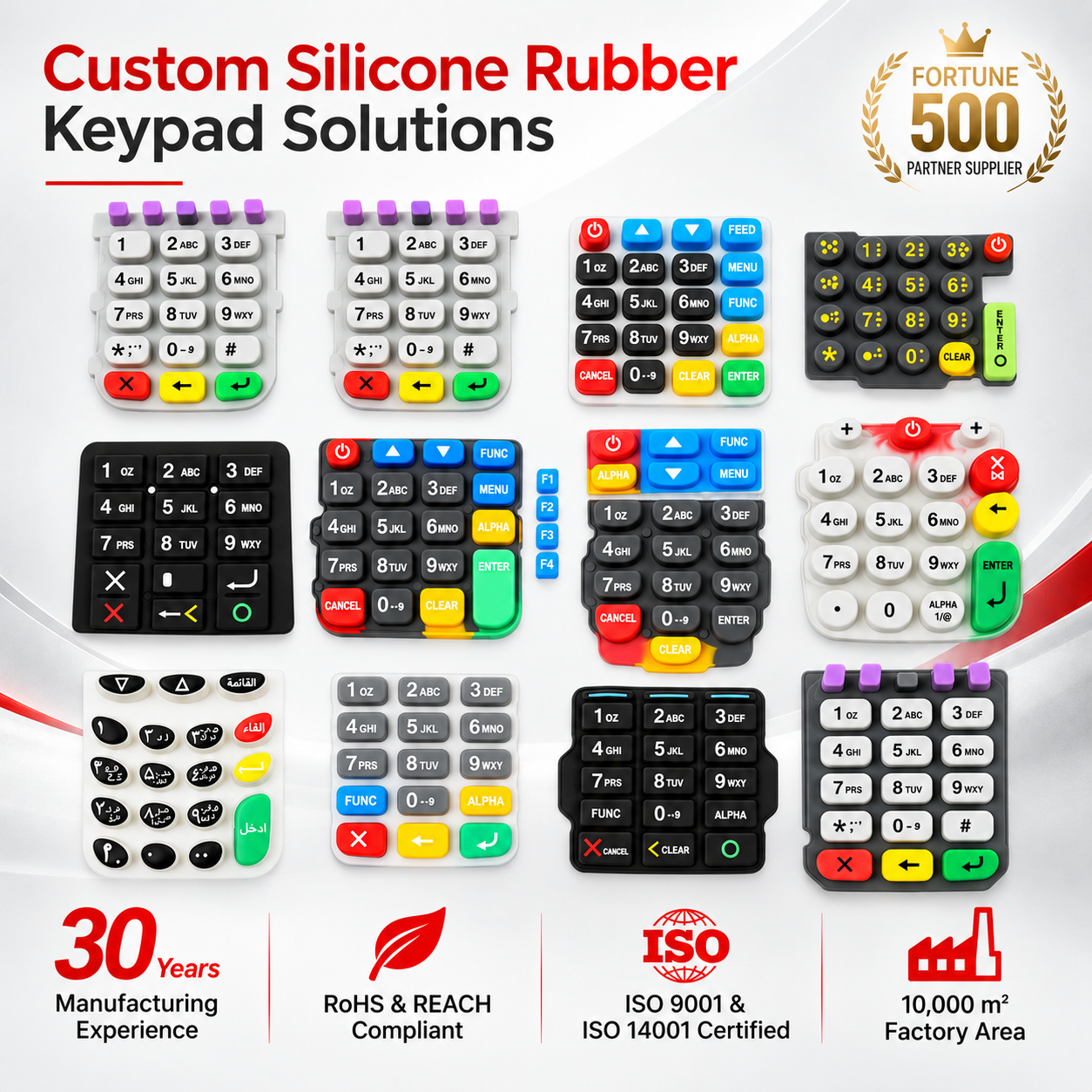
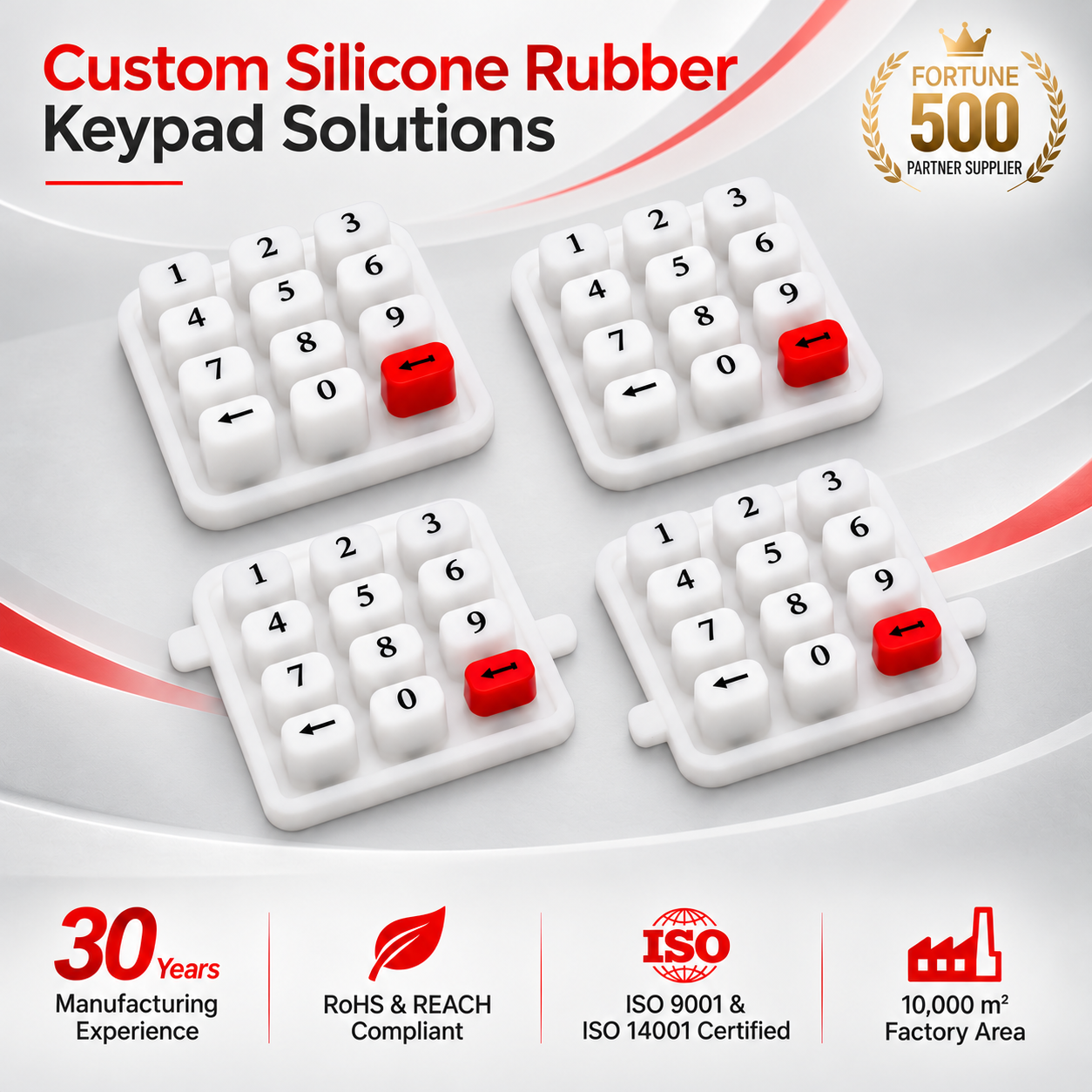
A comprehensive examination of material science, dielectric formulation, and sub-surface screen printing engineering for mission-critical hardware interfaces.
In modern precision manufacturing, selecting between Polycarbonate (Lexan™) and Polyester (Autotex™ / Melinex™ PET) governs the lifecycle and chemical immunity of the completed interface. Polycarbonate provides extraordinary dimensional clarity, elevated impact strength, and inherent flame retardancy (UL94 V-0 options). It offers exceptional ease of thermal forming and flatbed die-cutting. However, when deployed in settings vulnerable to aggressive petrochemical solvents, frequent clinical sterilizations, or cyclic flexural stress exceeding 100,000 cycles, standard polycarbonates risk micro-fissuring and catastrophic embrittlement.
Conversely, biaxially-oriented PET substrates demonstrate exceptional cyclic fatigue resistance—consistently withstanding exceeding 5,000,000 actuations without flex cracking. Treated with proprietary UV-cured textured coatings, PET displays near-total chemical inertness to isopropanol (IPA), bleach, and common cleaning agents, making it the uncompromising baseline for medical ventilation interfaces and analytical laboratory diagnostics.
Global procurement teams are shifting toward consolidated single-vendor architectures. Key purchasing shifts include:
The membrane keypad industry is evolving from passive graphic coverings into intelligent tactile conduits:
| Evaluation Parameter | Polycarbonate (PC) Overlays | Polyester (PET) Overlays | In-Mold Decoration (IMD) | Glass / Acrylic Panels |
|---|---|---|---|---|
| Flexural Fatigue Life | ~100,000 to 250,000 cycles | > 5,000,000 cycles (Superior) | N/A (Solid rigid structure) | Rigid (No flexure) |
| Chemical & Solvent Immunity | Moderate (Vulnerable to ketones/esters) | High (Immune to alcohols, IPA, dilute acids) | Very High (Hard-coat resin encapsulation) | Total inertness |
| Tactile Dome Embossing | Excellent deep draw, low retention | Superior crisp snap retention over life | Integral molded buttons | N/A (Capacitive sensing) |
| Optical Display Windows | Exceptional clarity (Gloss / Anti-Glare) | High with selective window texture lacquers | Integrated scratch-proof window | Optically bonded AGC/Corning glass |
| Best Application Field | Consumer devices, office equipment | Clinical medical, heavy industrial machinery | Automotive cockpits, luxury appliances | Outdoor ticketing, luxury smart home |
True quality cannot be inspected into a graphic overlay at the final packing bench—it must be engineered across every layer. Our Dongguan testing laboratory operates 9 dedicated qualification rigs verifying absolute batch repeatability.
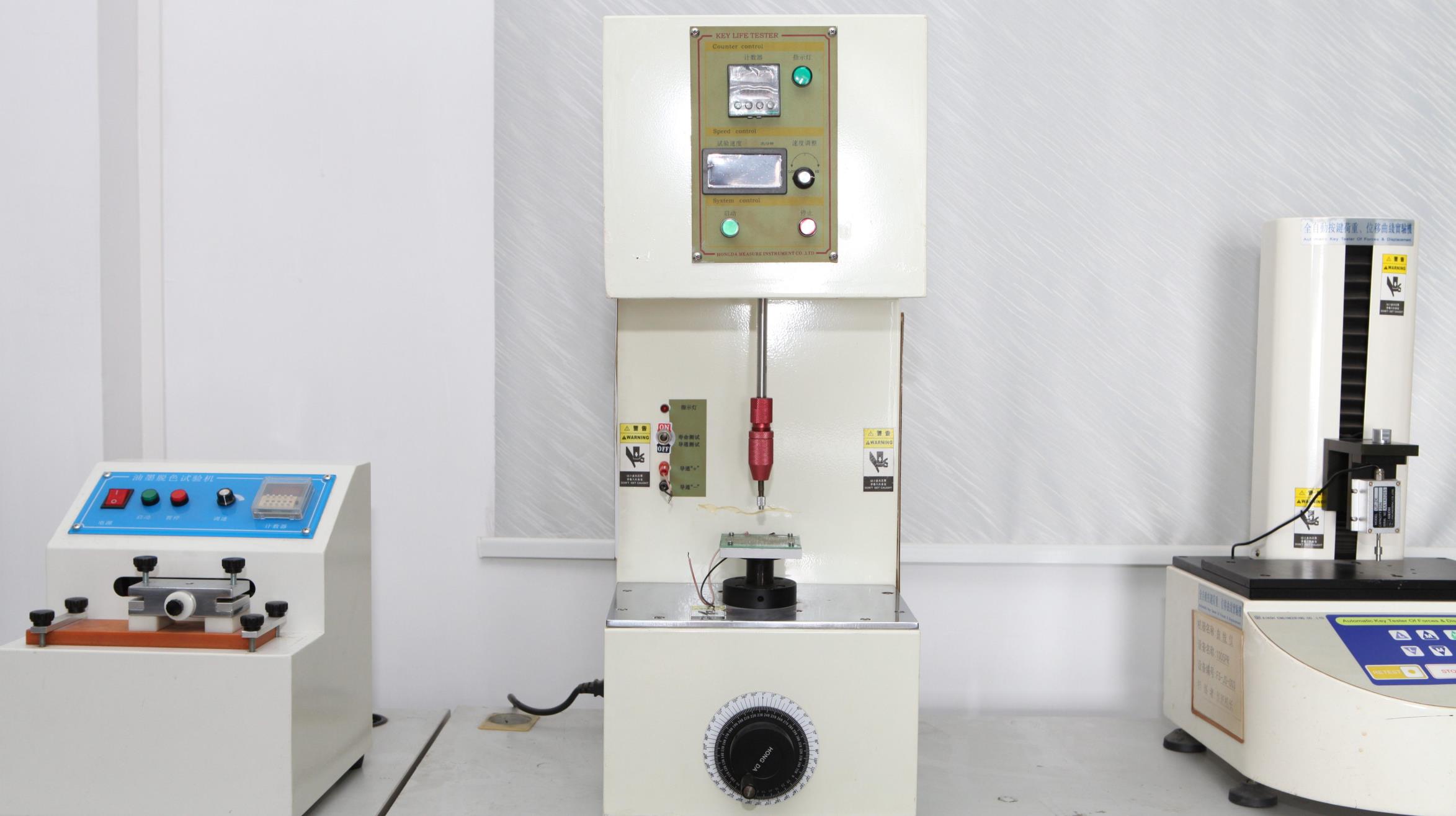
Pneumatic cycling fingers stress metal domes and tactile overlay membranes up to 10M actuations at calibrated frequencies.
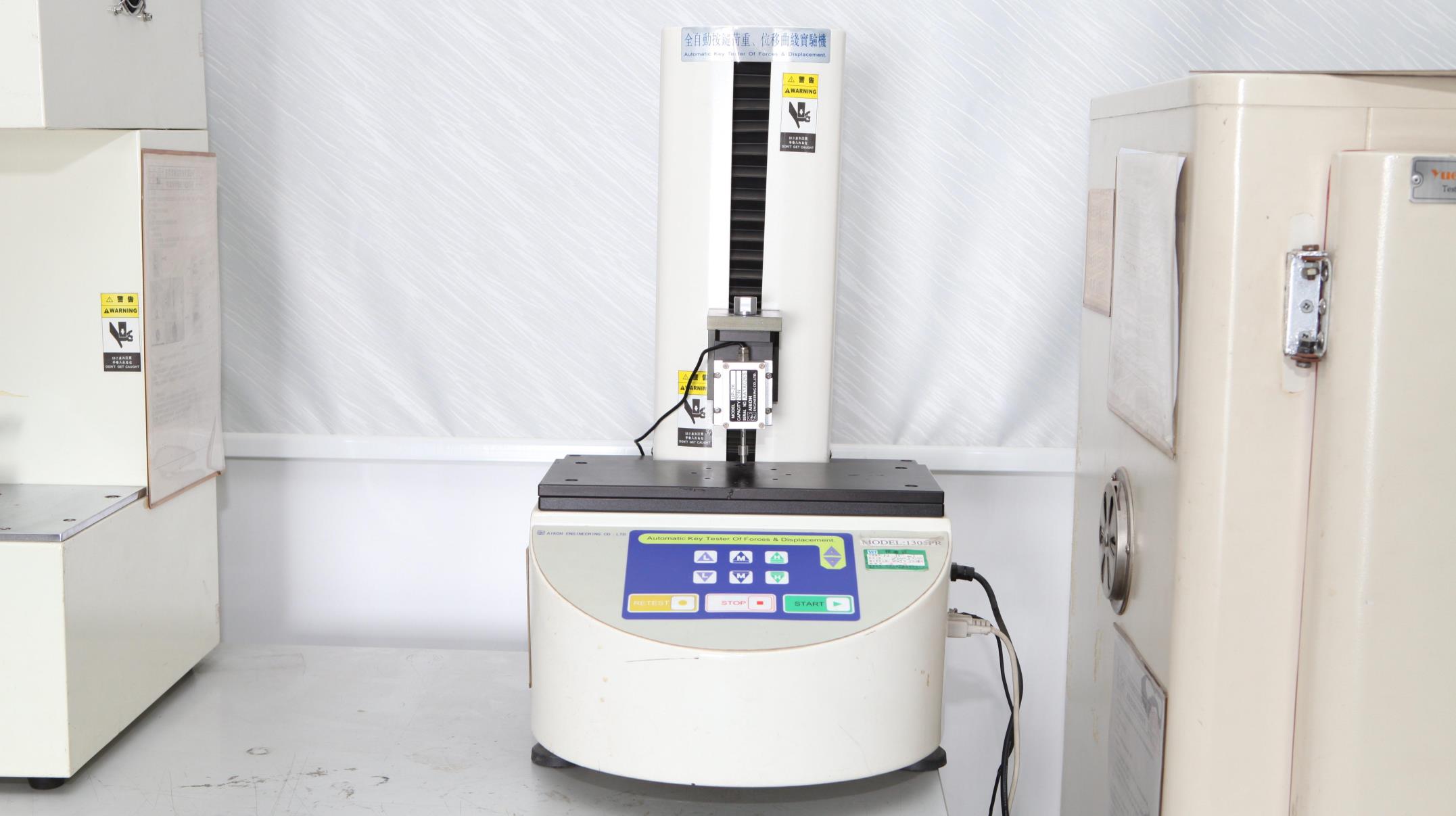
Plots precise gram-force versus stroke displacement curves to guarantee uniform snap ratios across every key in the array.
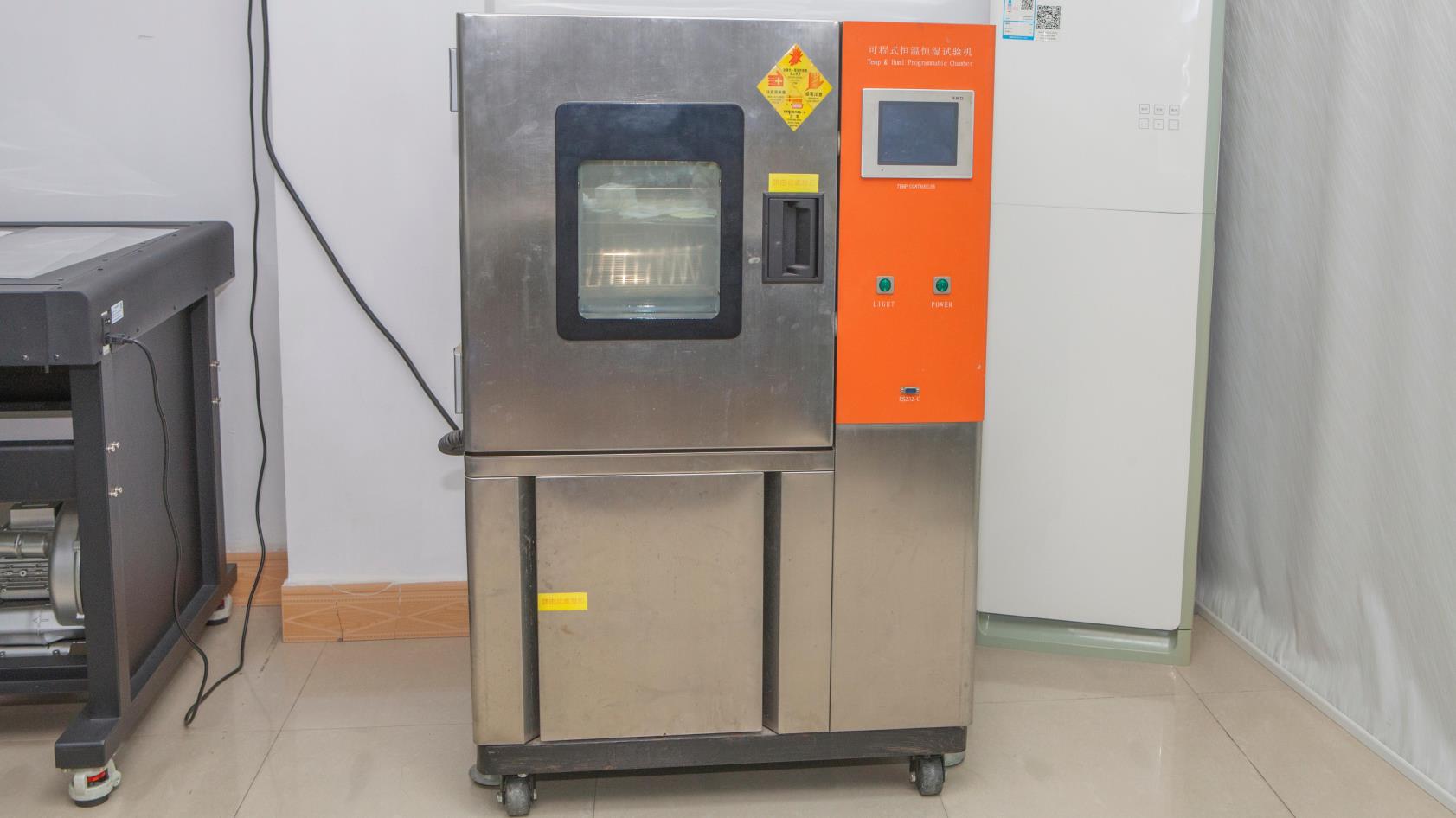
Thermal cycling from -40°C to +120°C at 95% RH to validate adhesive shear resistance and tail seal stability.
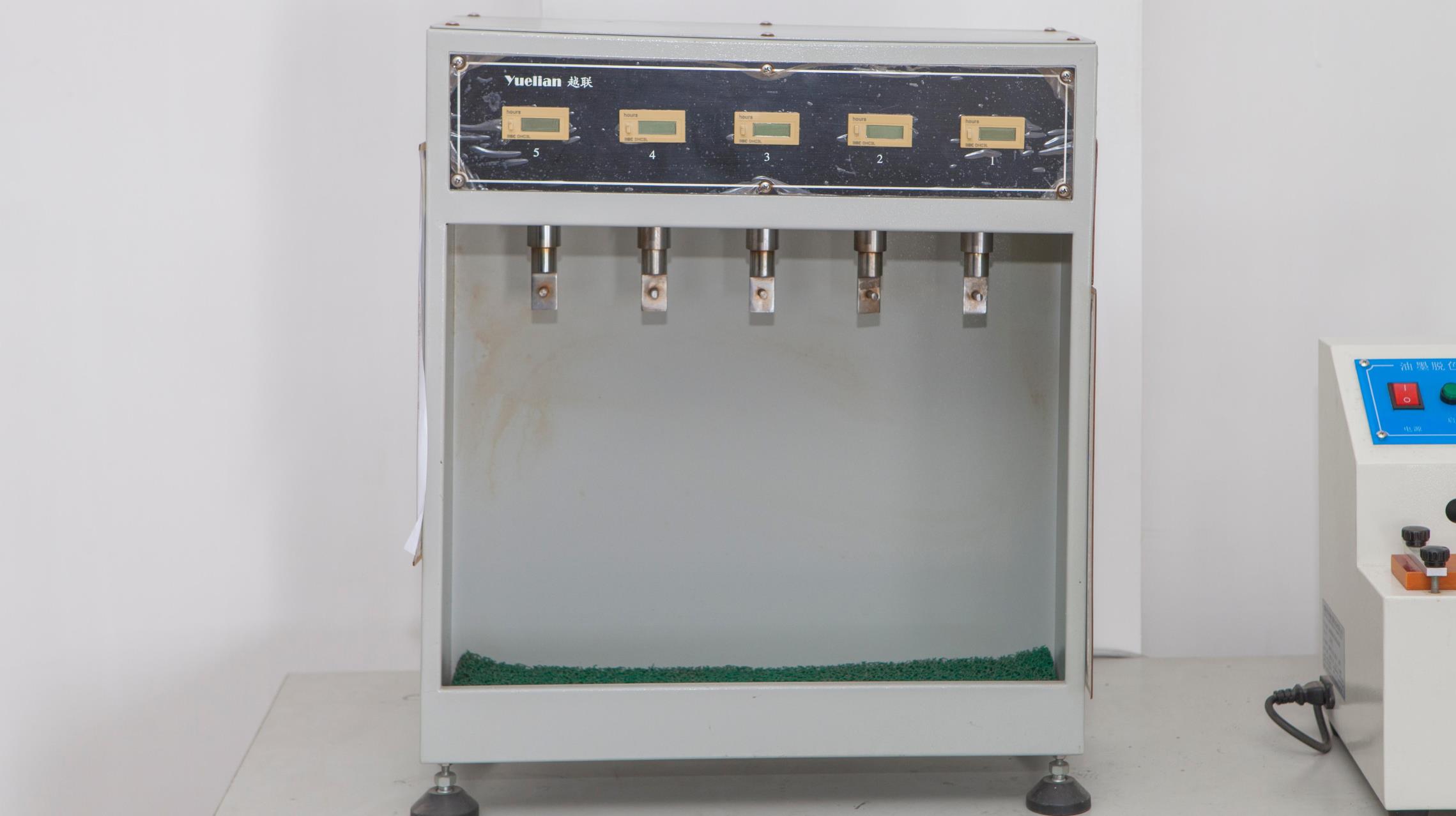
Measures 180° adhesive peel strength on various surface energies (steel, ABS, powder-coated metal) to prevent field delamination.
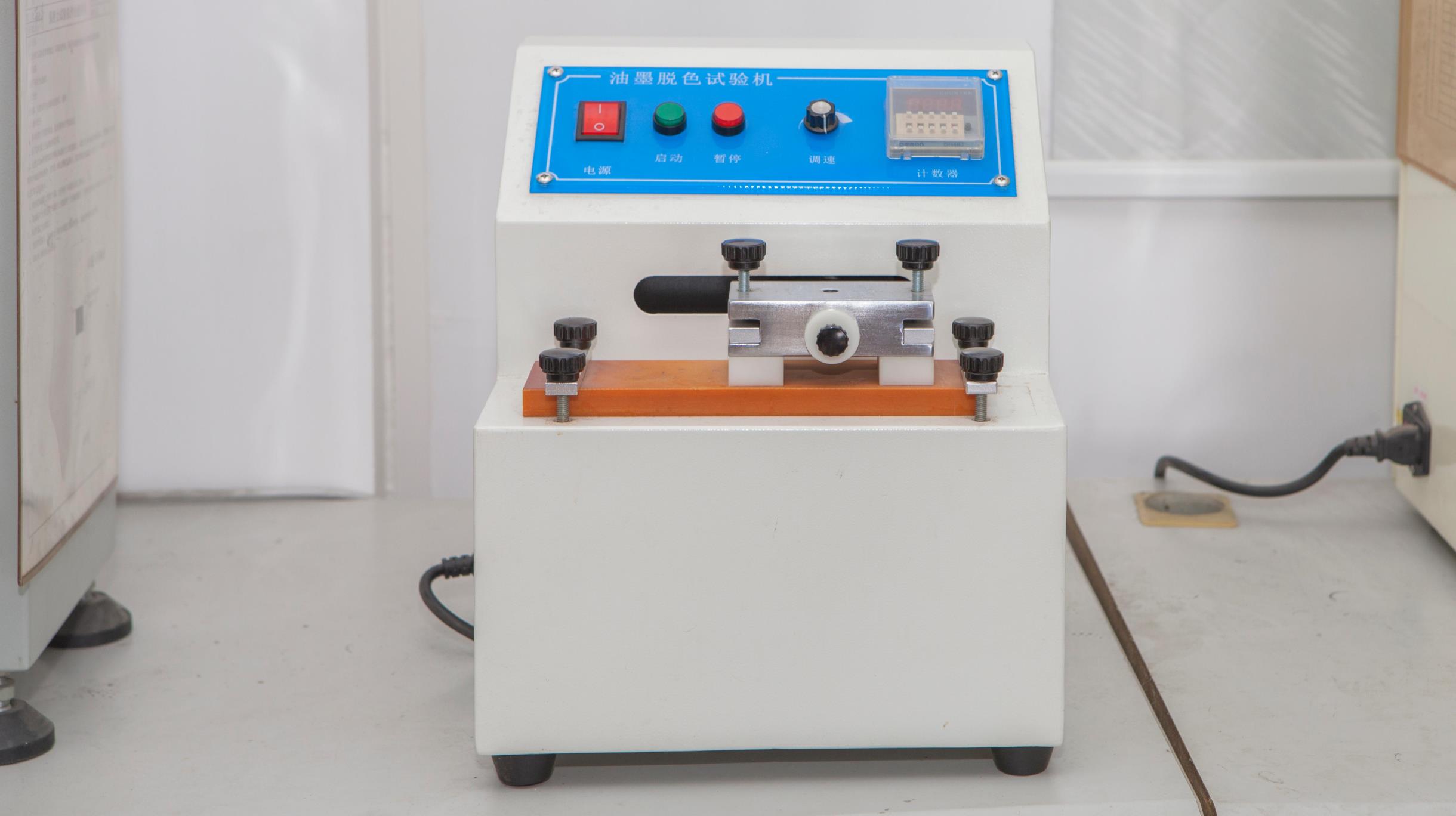
Weighted rub testing under ethyl alcohol, acetone, and MEK baths to verify complete sub-surface ink cross-linking.
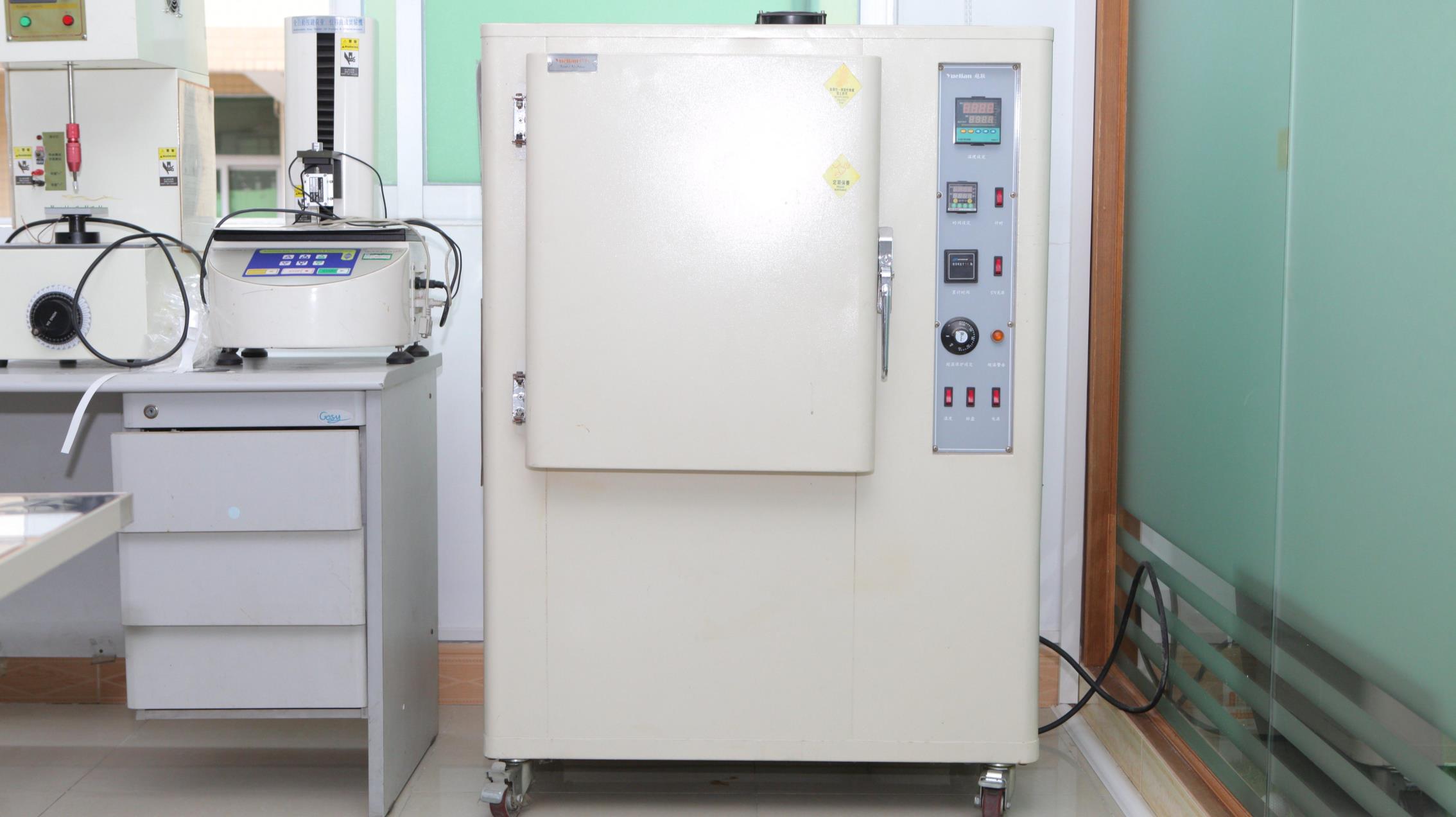
Intense fluorescent UV chamber confirming non-yellowing stability of graphic window resins subjected to years of direct sunlight.
Headquartered in the manufacturing hub of Dongguan, China, Dongguan AXRU Electronics Co., Ltd. operates a vertically unified production infrastructure spanning screen printing, laser machining, cleanroom lamination, and 100% electrical inspection.
Our 10,000㎡ plant, 121 personnel, and ISO-compliant workflows are physically audited by Intertek. Buyers bypass trading middlemen and interface directly with process engineers.
We reject AQL statistical sampling for critical interfaces. Every finished keypad undergoes automated continuity checks, open/short mapping, insulation resistance, and LED luminance testing.
Our engineering standards satisfy global enterprise specifications across medical instrumentation, industrial fuel computing, high-frequency radio controls, and rugged smart energy metering.
Straightforward answers addressing mechanical tolerances, file requirements, sealing ratings, and environmental durability from our engineering desk.