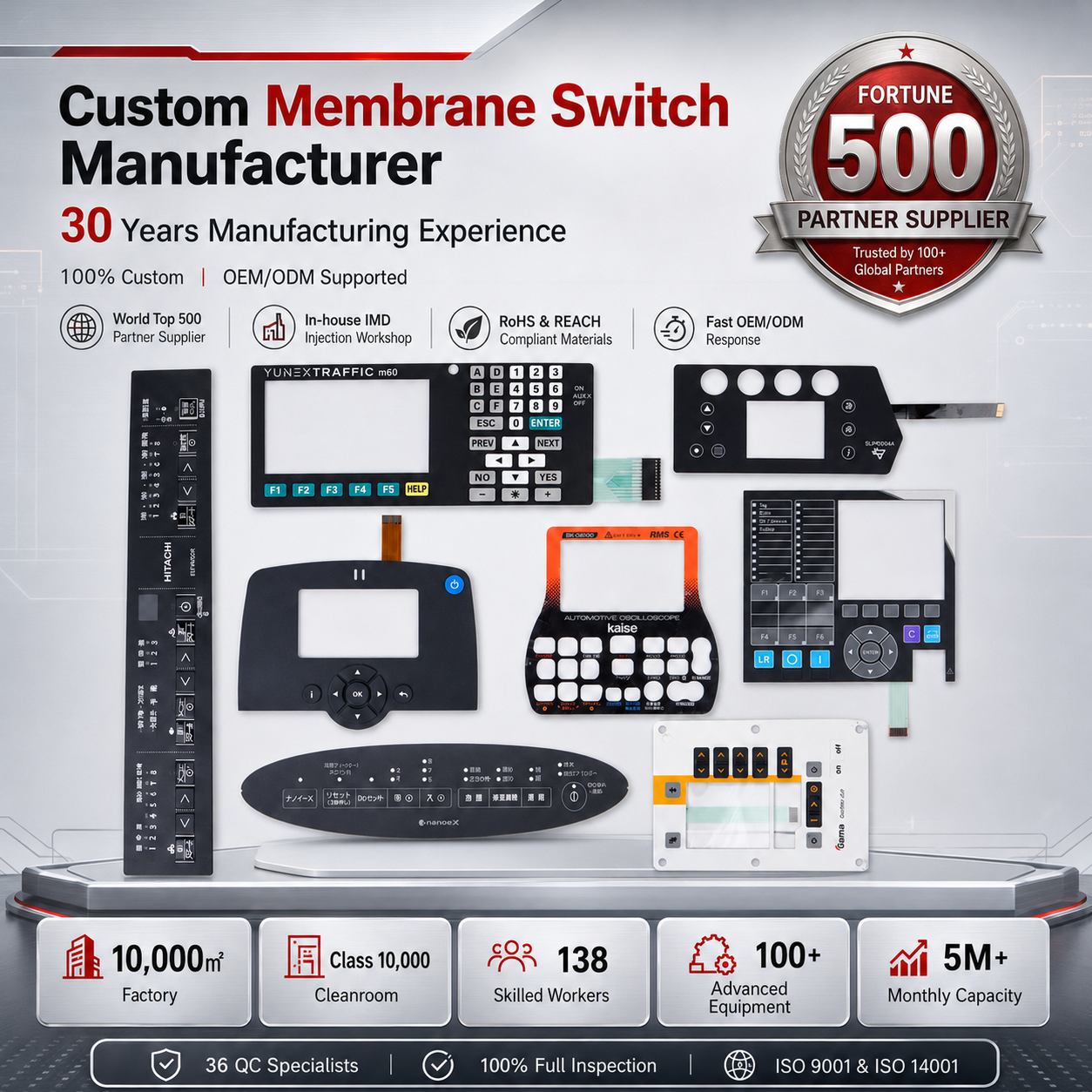
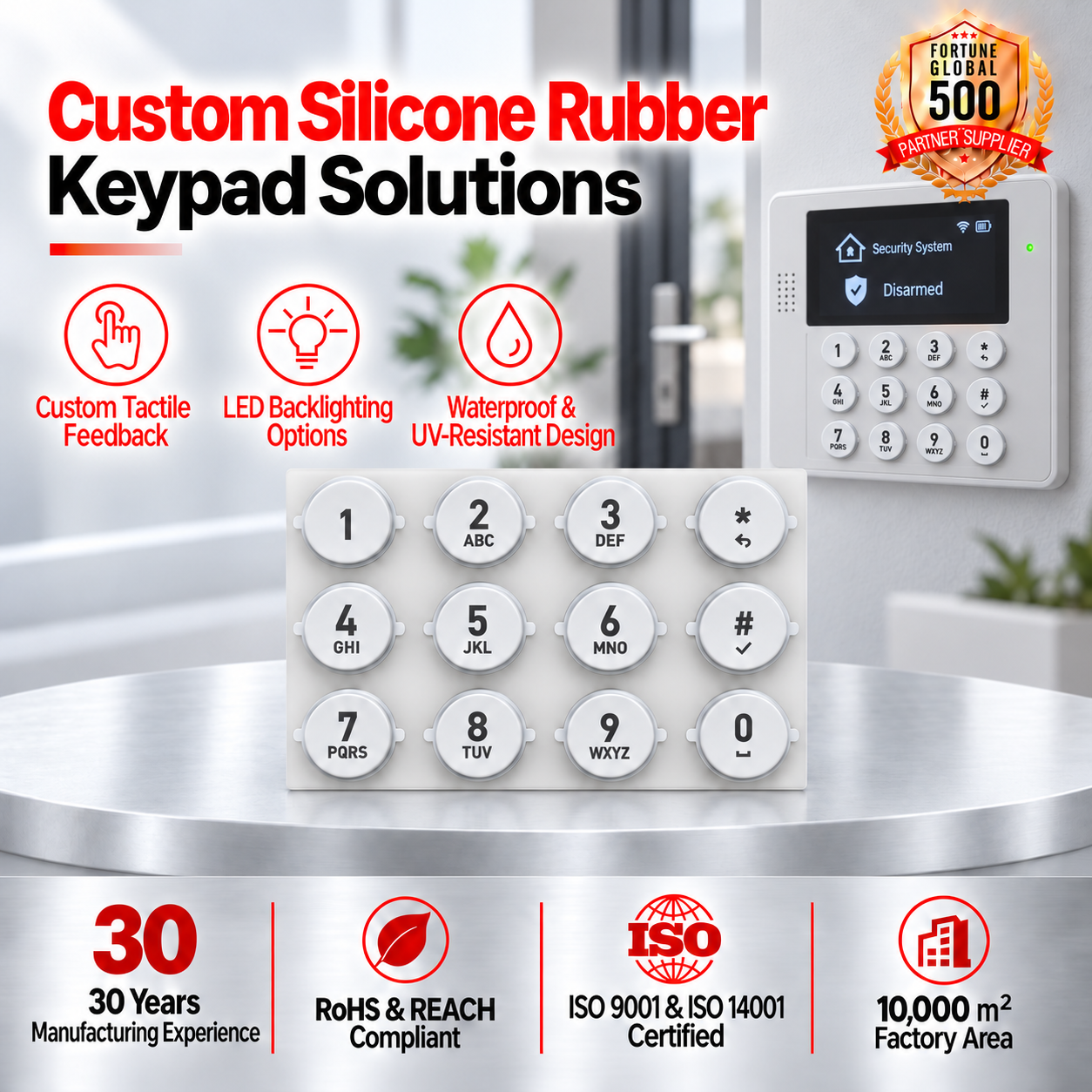
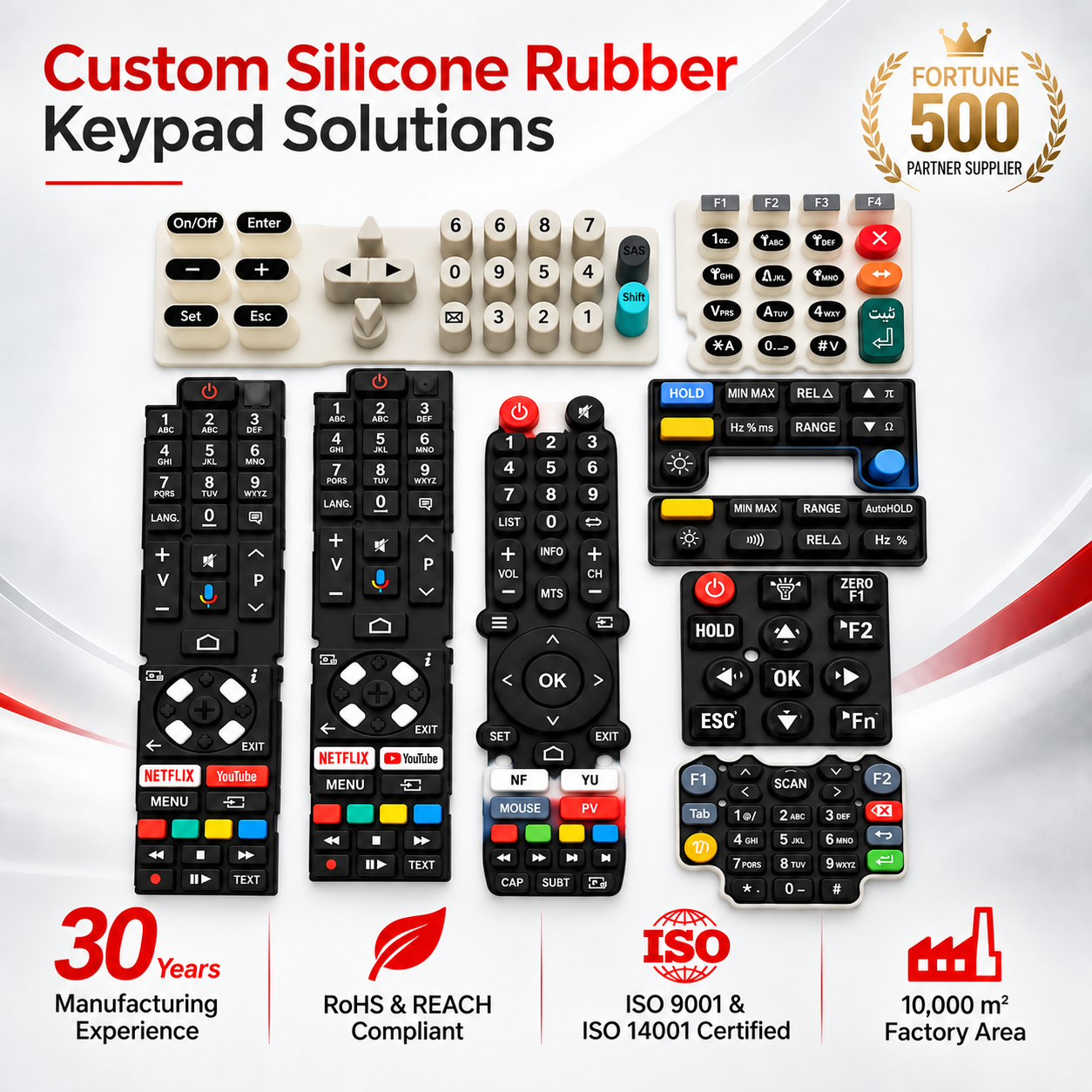
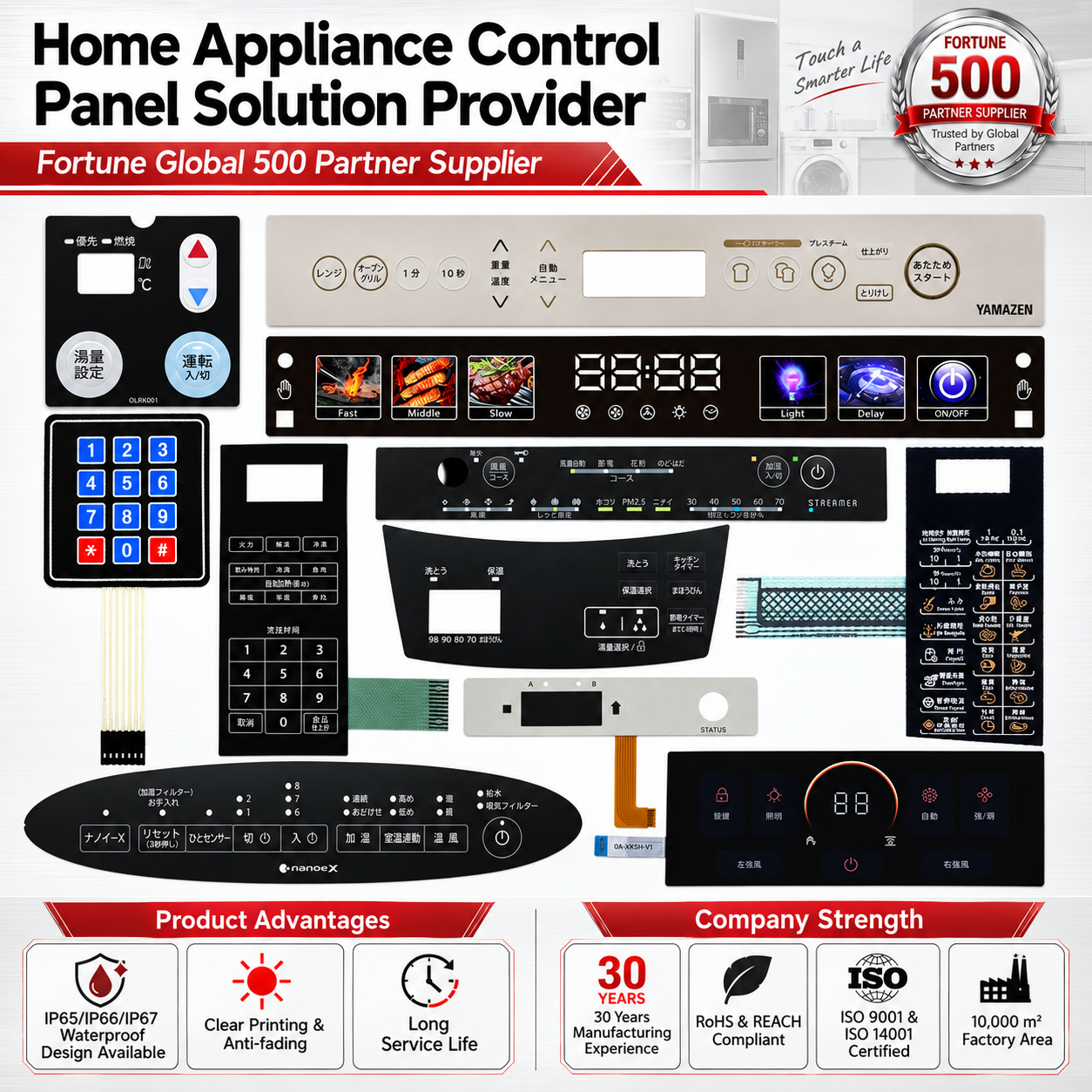
Anatomy of a High-Reliability Printed Membrane Switch
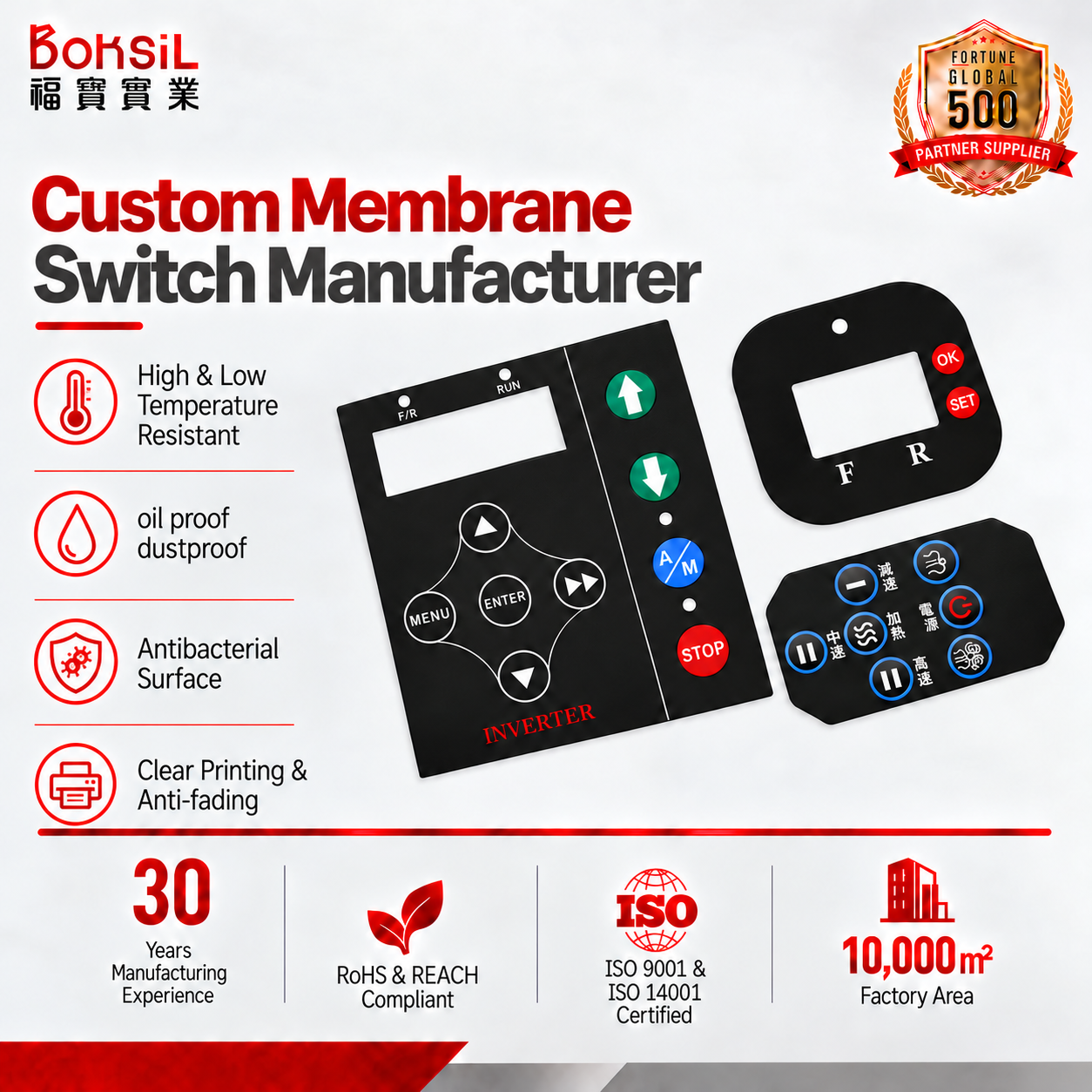
In demanding commercial and industrial environments, a membrane switch serves as both the operational nexus and the protective barrier of electronic enclosures. Selecting a CE-Certified Printed Membrane Switch Manufacturer ensures that design tolerances, electromagnetic compatibility (EMC), and mechanical actuation cycles perform without degradation across multi-year duty lifecycles.
Unlike basic consumer interfaces, enterprise-grade printed membrane switches utilize multi-layer laminated assemblies engineered to withstand rigorous disinfection chemicals, micro-vibrations, thermal shock (-40°C to +85°C), and continuous user actuation. The integration of high-purity silver conductive inks or rolled-annealed copper flex circuits (FPC) guarantees trace resistances lower than 1.0 Ω/cm, preventing phantom inputs and voltage drops in high-density controller layouts.
Overlay & Material Selection
Front graphic overlays act as the front-line shield against environmental contamination. For medical environments subjected to isopropanol, bleach, and hospital-grade germicides, bi-axially oriented textured polyester (PET) films like Autotex provide unmatched flexural fatigue resistance exceeding 5 million switch actuations without micro-cracking, whereas optical Polycarbonate (PC) offers pristine clarity for integrated LCD/LED displays.
Tactile Mechanics & Tactility Ratio
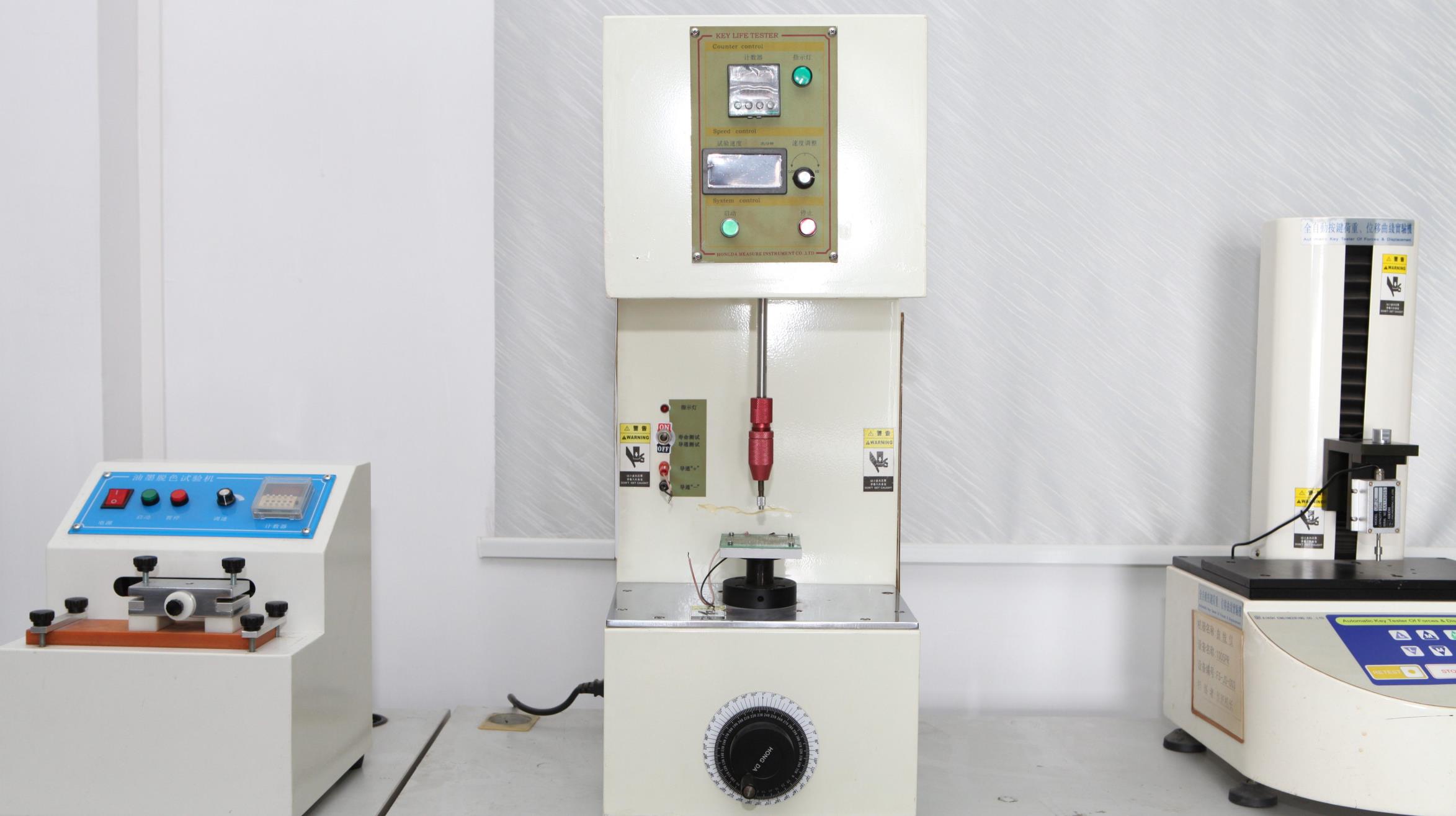
Achieving crisp tactile feedback without acoustic clatter depends on snap-dome geometry. Using nickel-plated or gold-plated stainless steel metal domes (four-leg, round, or oblong), our engineers optimize the tactile snap ratio (typically 40% to 60%) and actuation forces (180g to 450g). This gives equipment operators definitive tactile verification even when wearing heavy nitrile, rubber, or cryogenic protective gloves.
Hermetic Sealing & ESD Shielding
Premature field failure typically occurs when moisture or aggressive chemical vapors ingress along the tail exit or adhesive perimeters. Applying complete perimeter gasket seals using genuine 3M 300LSE adhesive along with full-coverage carbon or aluminum foil ESD shielding ensures voltage surges up to 15kV are safely dissipated away from sensitive microcontroller ICs.
Strategic market shifts shaping how tier-1 OEMs and procurement directors specify, source, and integrate printed human-machine interface panels.
1. Convergence with Capacitive & In-Mold Electronics (IME)
Procurement teams are shifting from purely mechanical switches toward hybrid designs combining capacitive touch sensing with localized tactile keys. In-Mold Decoration (IMD) and IME technologies allow decorative 3D contoured bezels and sensing electronics to be fused in a single injection cycle, eliminating mechanical seams and creating crevice-free surfaces that completely eliminate fluid harbors in sanitary food processing and operating room medical environments.
2. Supply Chain De-risking & Full In-House Manufacturing
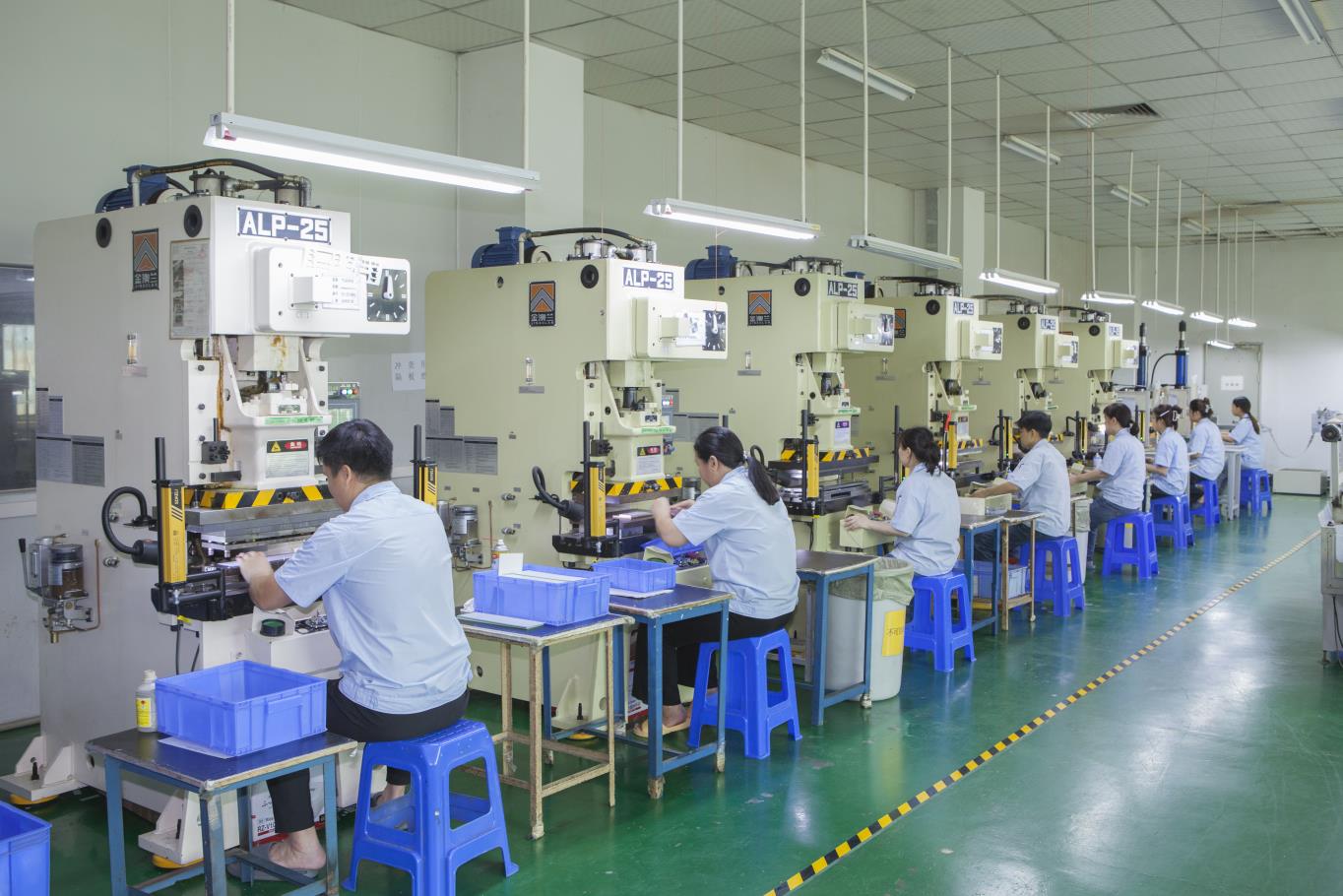
Global supply disruptions have made fragmented subcontracting obsolete. Purchasing directors now prioritize suppliers maintaining vertically integrated manufacturing facilities where screen-printing, FPC bonding, dome array insertion, automated laser cutting, and final electrical testing remain unified under one ISO/Intertek-verified facility. This prevents tooling finger-pointing and slashes production lead-times from weeks down to days.
3. Ultra-Thin Light Guide Film (LGF) Backlighting
Bulky, heat-generating backlighting technologies (such as EL foils) are being replaced by ultra-thin (0.125mm) micro-etched Light Guide Films (LGF). Side-firing micro-SMT LEDs route uniform illumination across specific icon legends with zero optical hot-spots and minimal power consumption. This enables ultra-thin device architectures essential for portable battery-operated medical monitors and industrial diagnostics.
4. Copper FPC Over Conductive Silver Inks
While conductive silver ink screen-printed on PET remains cost-effective for static layouts, demanding applications with tight bend radiuses, micro-pitch ZIF connectors (<1.0mm), or onboard SMT drivers are migrating to polyimide Copper FPCs. Copper conductors eliminate silver migration risks under high humidity and high voltage bias, guaranteeing sustained system continuity across multi-decade service cycles.
5. Stringent Antimicrobial & Harsh Chemical Resistance
Modern clinical and laboratory environments demand materials capable of continuous exposure to harsh quaternary ammonium disinfectants without yellowing, crazing, or delamination. Integrating antimicrobial treatments directly into the textured exterior polyester hard-coat inhibits bacterial cell wall proliferation without degrading under regular UV sterilization or aggressive wipe-down cycles.
6. Automated Optical Inspection (AOI) & Digital Traceability
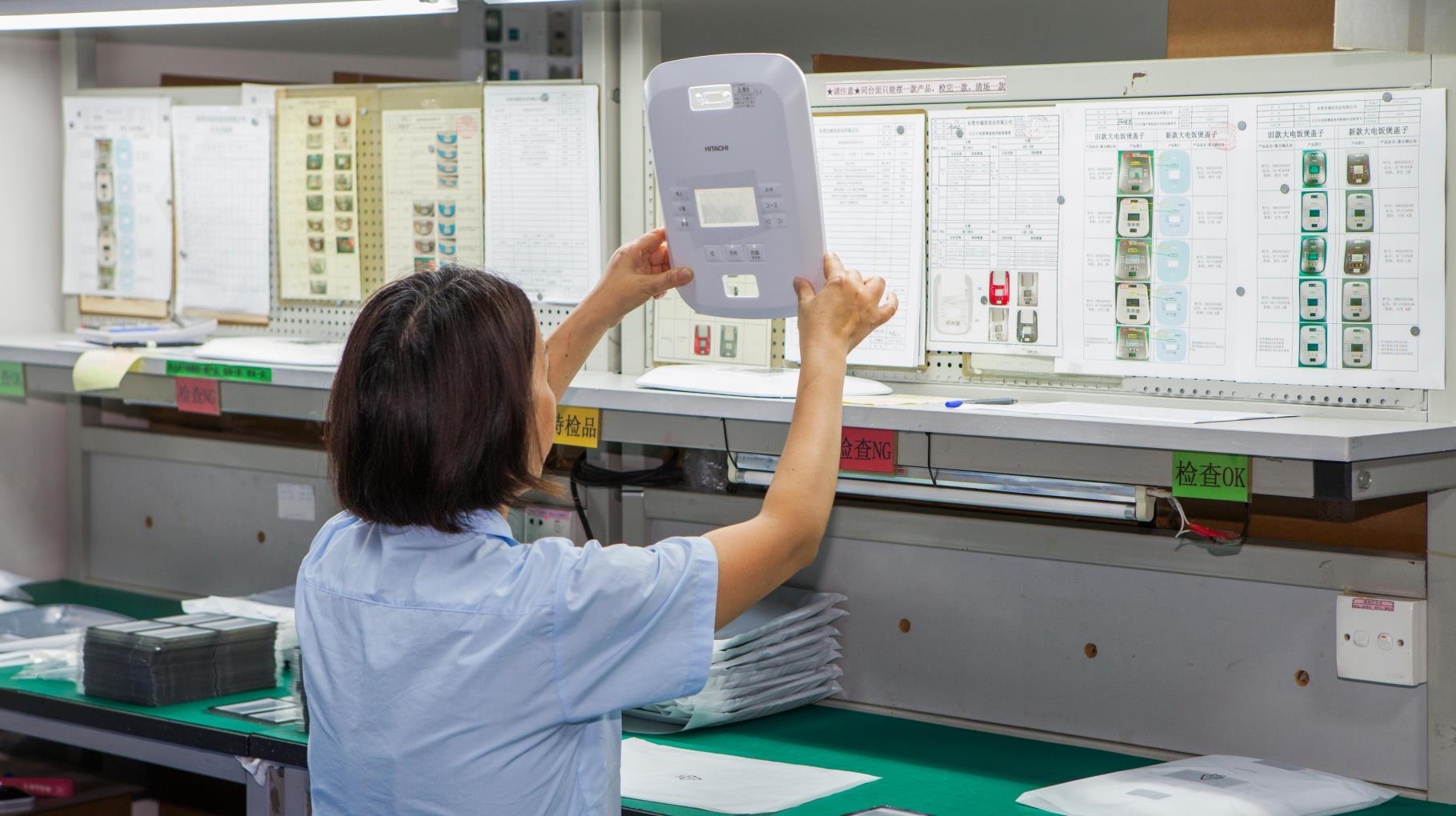
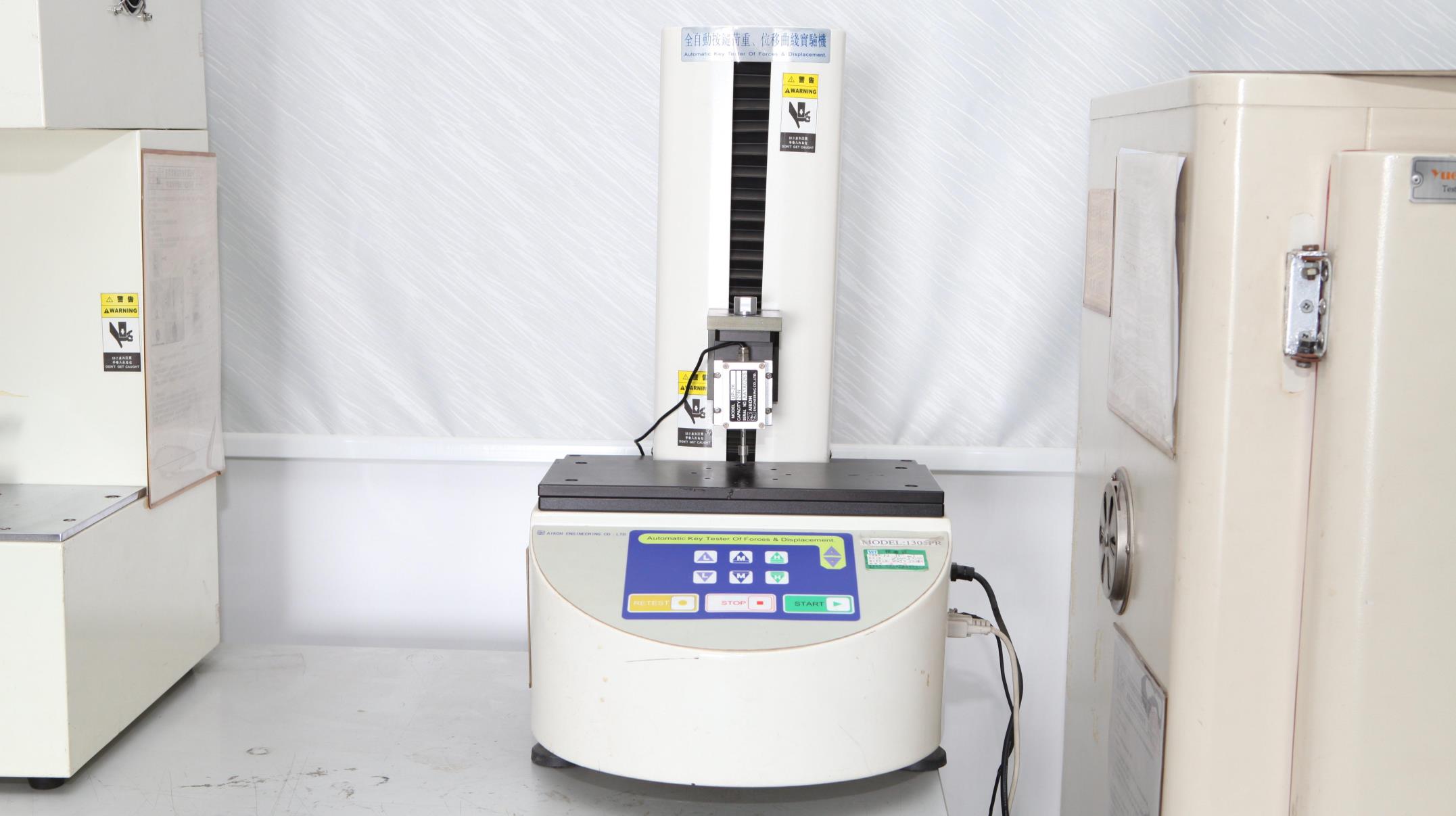
Leading procurement protocols require detailed First Article Inspection (FAI) reports and Production Part Approval Process (PPAP) level-3 documentation. Forward-thinking suppliers leverage high-resolution Automated Optical Inspection (AOI) alongside automated force-displacement plotting systems to furnish empirical validation curves for switch batch consistency prior to packaging and dispatch.
Evaluation Parameter
Autotex Polyester (PET)
Optically Clear Polycarbonate (PC)
Compression Molded Silicone
Copper Flex Circuit (FPC)
Flexural Fatigue Life
Exceeds 5,000,000 cycles
Approx. 100,000 cycles
Exceeds 1,000,000 cycles
Dynamic flexible rating
Chemical / Solvent Shield
High resistance to alcohols, oils & acids
Moderate; vulnerable to ketones
High environmental & ozone seal
Hermetically encapsulated
Operating Temperature
-40°C to +85°C continuous
-30°C to +105°C continuous
-50°C to +200°C continuous
-40°C to +125°C continuous
Optimal Application
Industrial HMIs, medical monitors
Instrument lenses, dead-front dials
Tactile rugged numpads, remotes
High-density pitch, SMT integration
Intertek Verified Facility
Factory Direct Capabilities
Engineered to Surpass Rigorous Global OEM Specifications
Operating from our 10,000㎡ modern manufacturing campus in Dongguan, China, Dongguan AXRU Electronics Co., Ltd. unifies engineering design, precision tooling, screen-printing, and micro-component integration under one rigorous quality management umbrella.
Fortune 500 Proven Supplier: Decades of audited manufacturing maturity serving Tier-1 global industrial, medical, and appliance corporations.
100% In-House Cleanroom Fabrication: Complete isolation of printing, lamination, laser-cutting, and circuit testing ensures contamination-free optical windows and bubble-free bonding.
Rapid DFM & Functional Prototyping: Dedicated prototyping lines ensure design-for-manufacturability reviews and fully operational sample units within 3 to 7 working days.
Low Initial MOQ Barrier: Accommodating low-volume medical runs (from 100 pcs) up to multi-million-piece consumer automation orders.
Key considerations for engineering and supply chain professionals when evaluating custom membrane switch manufacturing.
What are the specific CE, RoHS, and ISO certifications governing your switch production?
Our manufacturing facility in Dongguan operates strictly under ISO 9001:2015 quality management standards with verified on-site auditing by Intertek. Every batch produced complies with CE directives (including EMC Directive 2014/30/EU and Low Voltage Directive 2014/35/EU where relevant), RoHS 3 (EU 2015/863), and REACH regulations. We provide formal Certificates of Conformance (CoC), material traceability declarations, and raw film SGS safety data sheets for all production lots.
How does your engineering team achieve true IP65, IP67, or IP68 waterproof ratings?
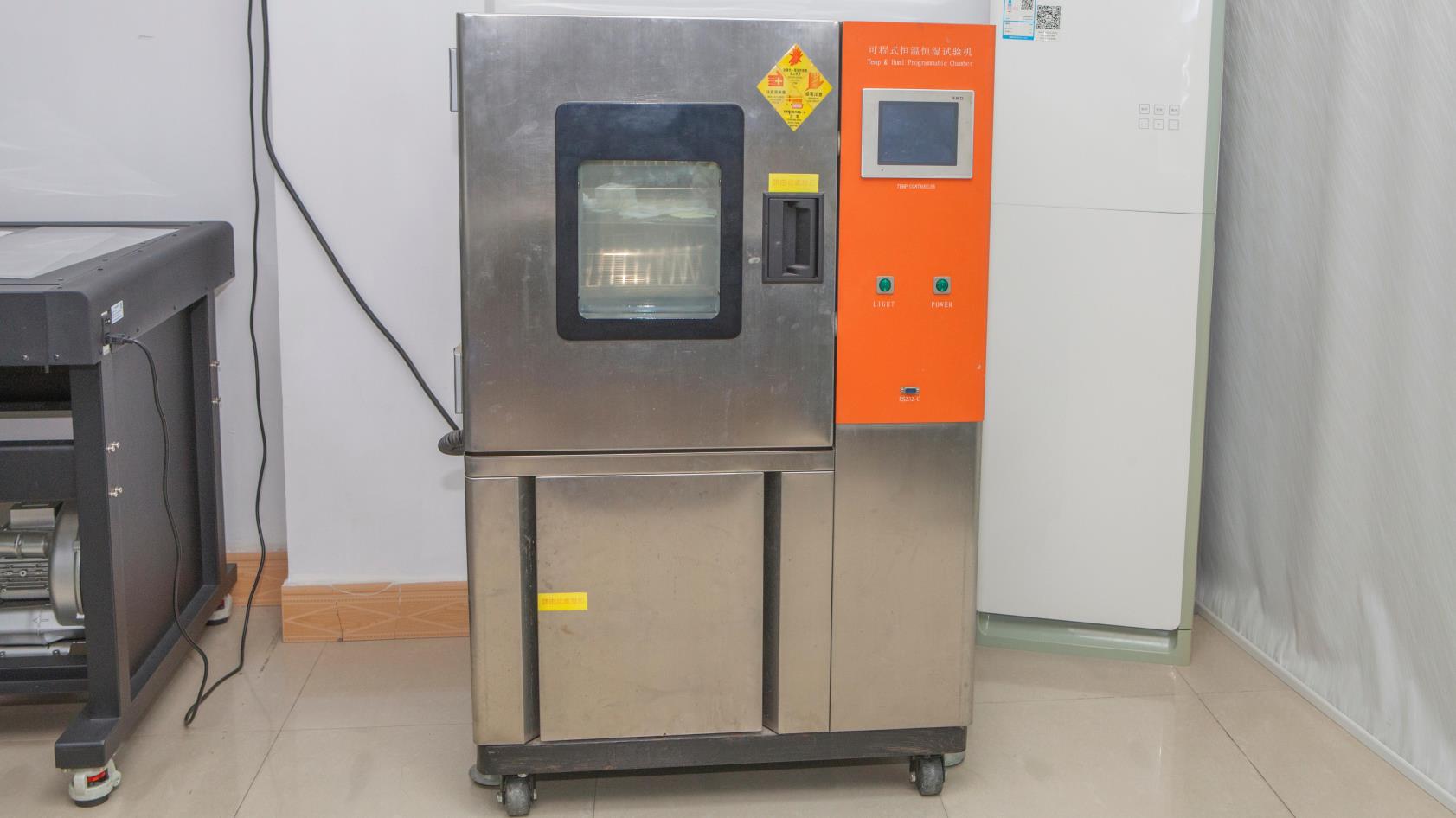
Achieving hermetic ingress protection requires a comprehensive sealing architecture. We utilize custom continuous perimeter adhesive borders (utilizing high-tack acrylic adhesives such as 3M 300LSE or 3M 200MP) that isolate internal switch cavities from external fluid paths. Additionally, the tail exit transition—the most vulnerable zone in membrane switches—is engineered with perimeter gas-tight labyrinth venting or a bonded silicone overmold ring. Finished prototypes are verified in our programmable immersion chambers and high-pressure water spray booths.
What design files and specifications are required to initiate a quote and DFM review?
To provide an exact engineering quotation within 24 hours, our engineering department typically requires:
Mechanical Drawings: 2D vector files (DXF, DWG, or vector PDF) showing cut-outs, overall dimensions, tail exit location, and mechanical tolerances.
Graphic Artwork: Adobe Illustrator (.AI), CorelDraw (.CDR), or PDF files with callouts for Pantone (PMS) or RAL color codes.
Circuit Schematic: Netlist or pin-out definition indicating switch matrix or common-bus logic, connector type/pitch (e.g., 2.54mm or 1.0mm ZIF), and embedded LED polarities.
Layer Stack-up Preferences: Specific overlay textures, embossing profiles (rim, pillow, or dome), and environmental conditions (UV exposure, temperature extremes, solvent wash-downs).
When should our design utilize a Copper FPC circuit over screen-printed silver ink?
Conductive silver-printed PET is exceptionally reliable and cost-effective for static layouts with trace pitches ≥1.27mm and moderate current requirements. However, Copper FPC (flexible printed circuit) is strongly recommended when:
The tail interconnect requires ultra-fine pitches down to 0.5mm to mate with compact motherboard ZIF connectors.
Active or dense SMT components (such as surface-mount driver ICs, multi-color RGB LEDs, or resistors) must be soldered directly to the circuit layer.
The operating environment experiences extreme humidity combined with continuous DC voltage, where silver dendrite migration could pose long-term short-circuit risks.
The circuit flex tail is subjected to repeated dynamic mechanical hinge cycling during end-device assembly.
What is the minimum order quantity (MOQ) and production turnaround schedule?
We understand the commercial realities of product development cycles. Our minimum order quantity starts at just 100 units for fully customized membrane switches, allowing low-risk prototyping, clinical trials, and early-stage market rollouts. Standard functional prototypes and First Article samples are typically delivered in 5 to 7 working days. Once samples are approved, full-scale mass production orders typically ship within 12 to 18 working days, backed by anti-static packaging and full express or maritime logistics handling.
Ready to Engineer Your Custom Membrane Interface?
Submit your 2D drawings or project requirements for an immediate DFM review and factory-direct quotation.