Export-Grade Membrane & Elastomeric Switch Assemblies
Engineered for high-duty cycling, aggressive chemical washdown environments, and continuous precision actuation. Select a reference model below or submit your custom CAD stack-up for DFM engineering review.
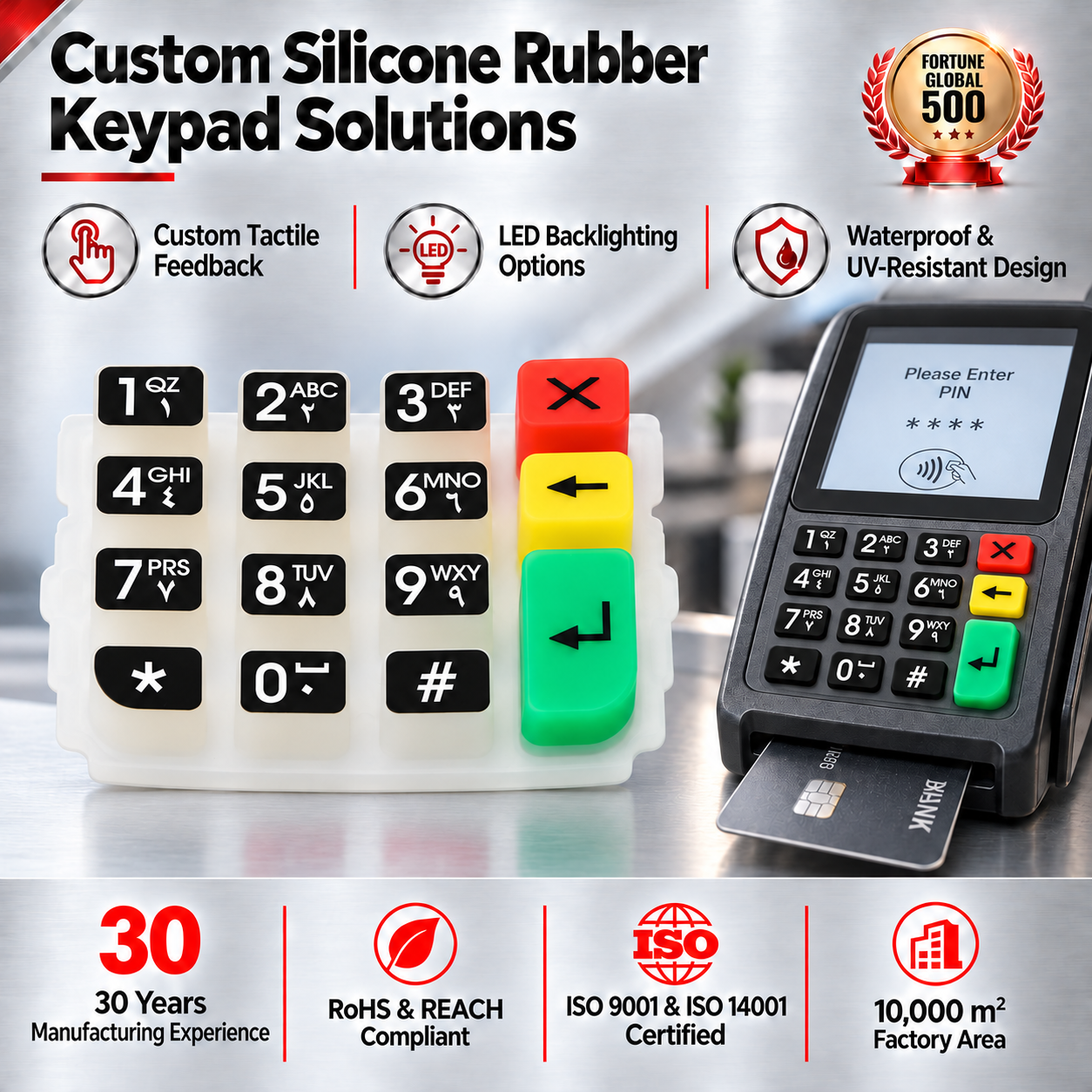
Electronic Soft Tactile Switch Plastic Silicone Button Elastomer Rubber Keypad Strip
- Material: Medical Silicone / Carbon Pill
- Life Cycle: > 1,000,000 Actuations
- Sealing Grade: IP65 Water / Dust Resistant
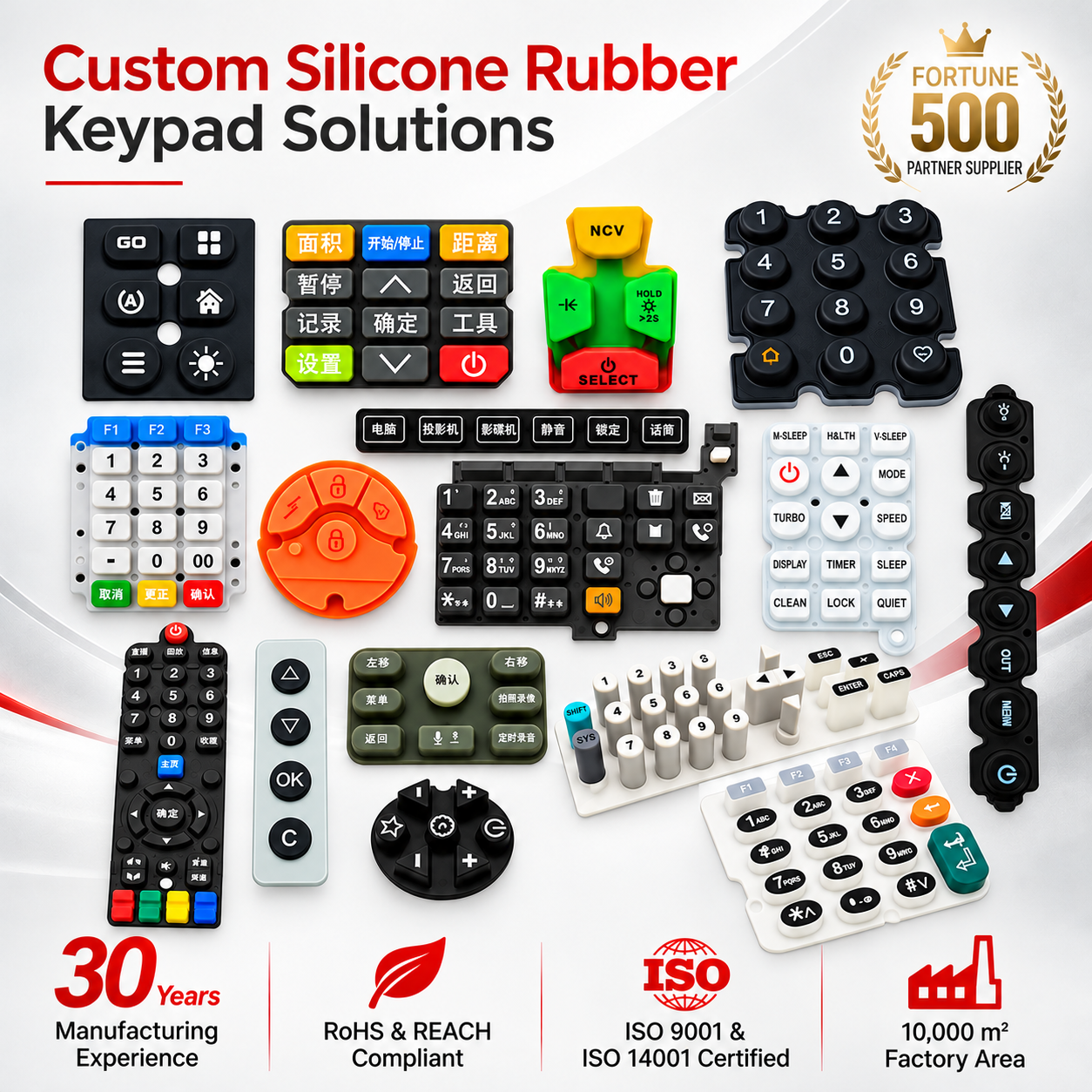
China Custom Conductive Silicone Rubber PTT Push Button Keypad Exporter
- Conductivity: Gold / Carbon Pill < 100Ω
- Key Travel: 0.8mm - 1.5mm Precision
- Finish: PU Spray / Laser Etch
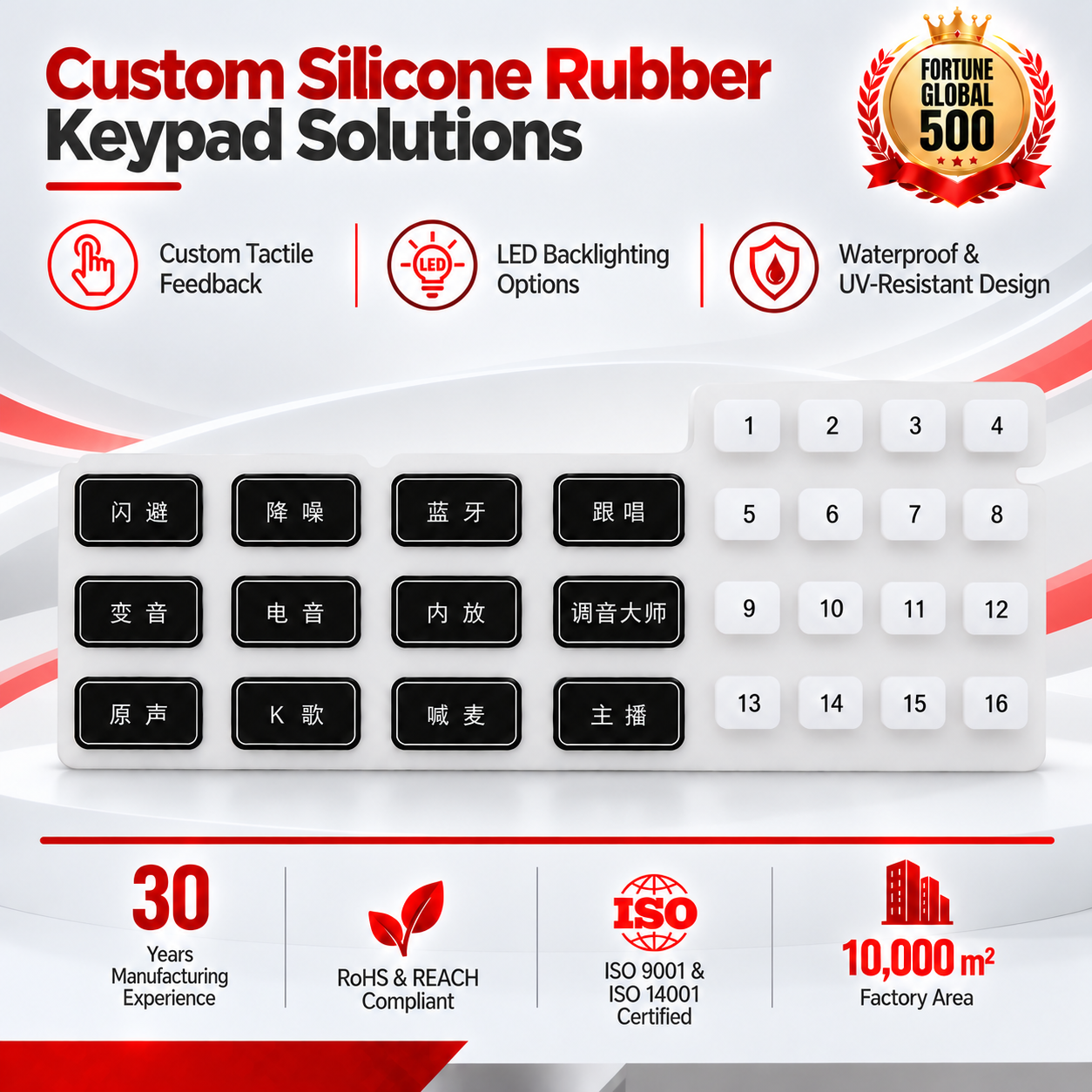
Rugged Waterproof Custom Silicone Rubber Numpad Keypad High Temp Elastomer
- Temp Range: -40°C to +180°C Duty
- Protection: IP67 Submersible Design
- Resistance: Oil, Fuel & Solvent Proof
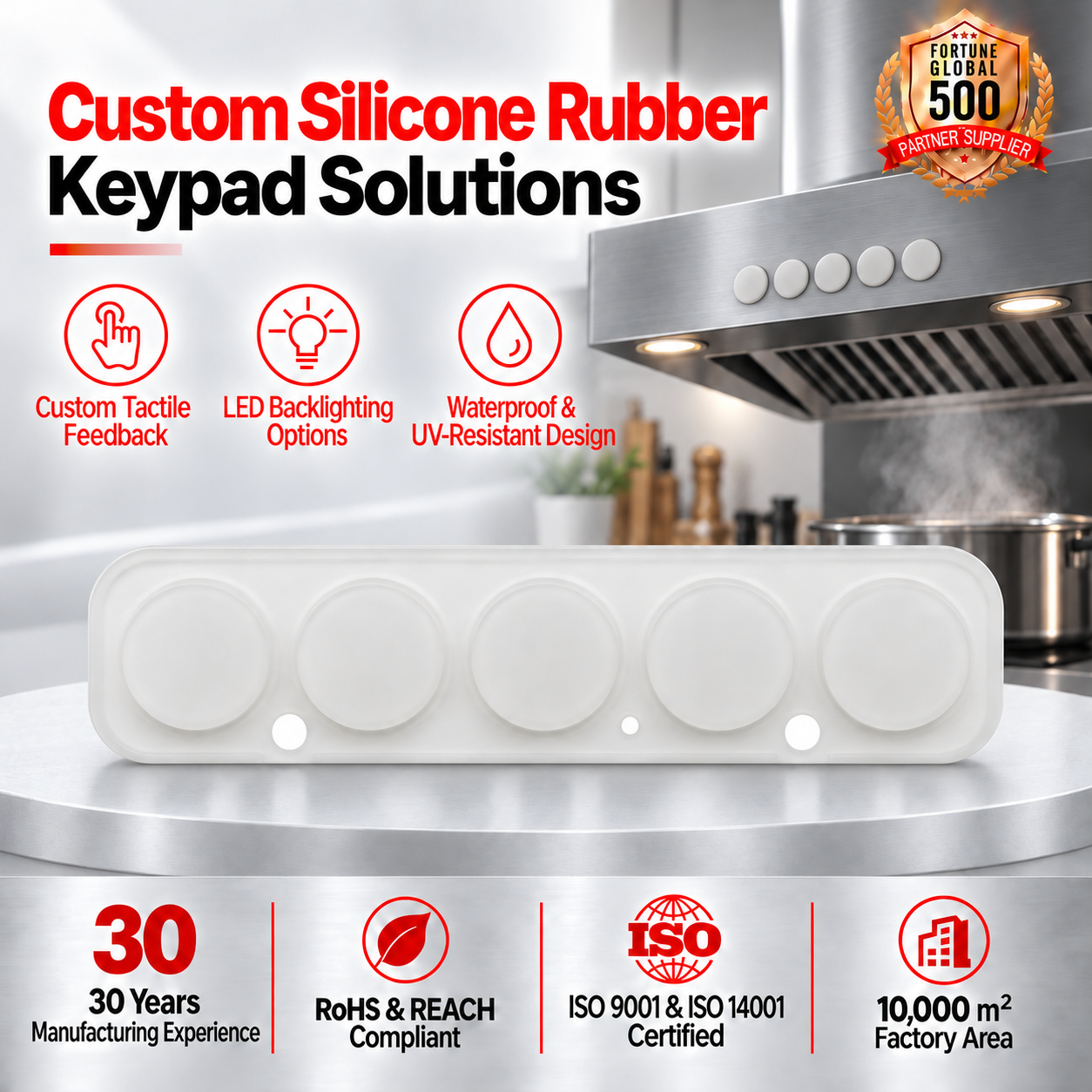
Home Appliance 5 Circular Soft Silicone Rubber Front Panel Button Unit
- Actuation Type: Momentary Low-Force Stroke
- Substrate: Direct PCB / FPC Interface
- Coating: Anti-Yellowing UV Varnish
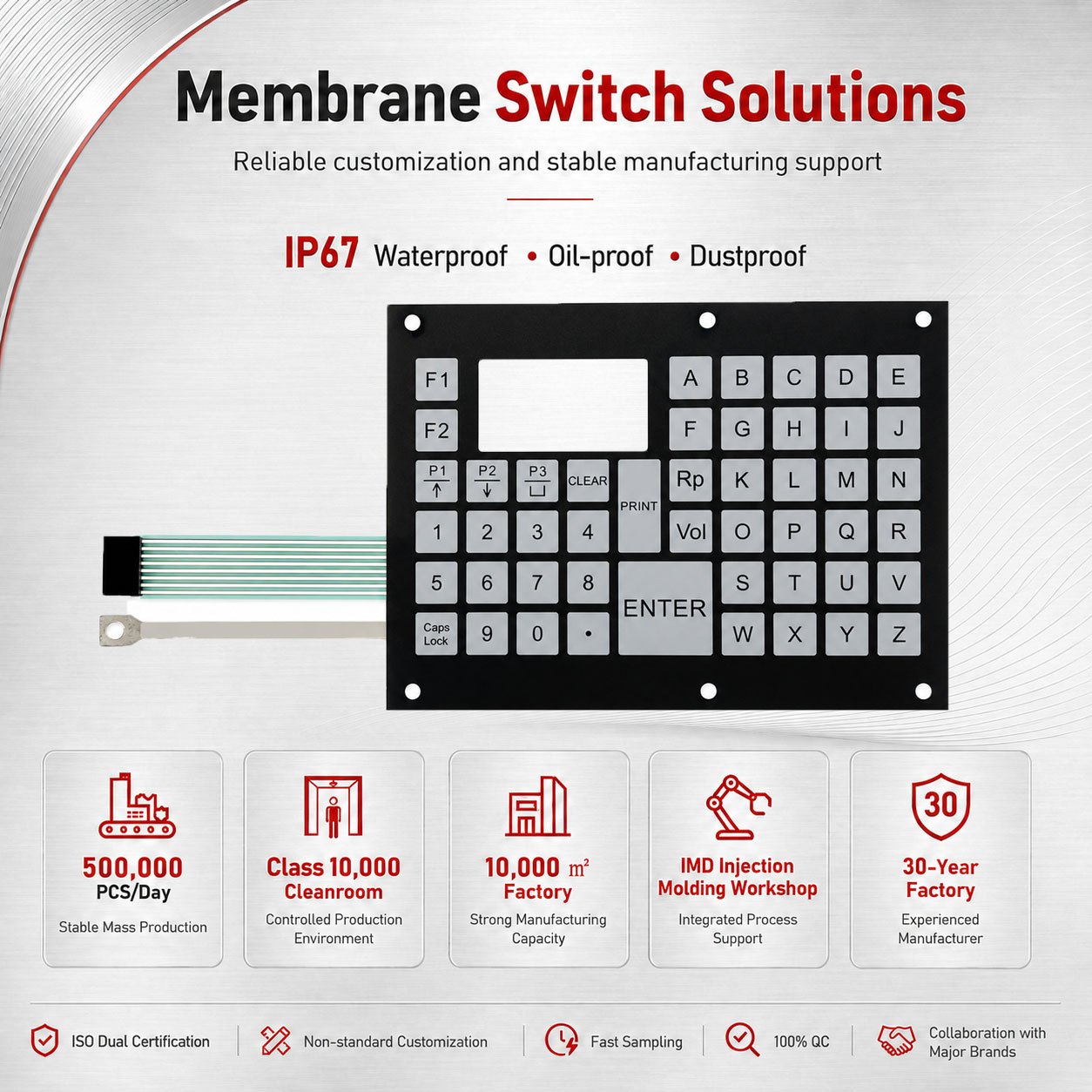
Custom Waterproof Fuel Dispenser Keypad Panel Resistive Circuit Switch Board
- Vandal Resistance: Hardened Polycarbonate / PET
- Ingress Rating: IP66 Outdoor Rated Gasket
- ESD Shielding: Printed Aluminum Foil / Carbon
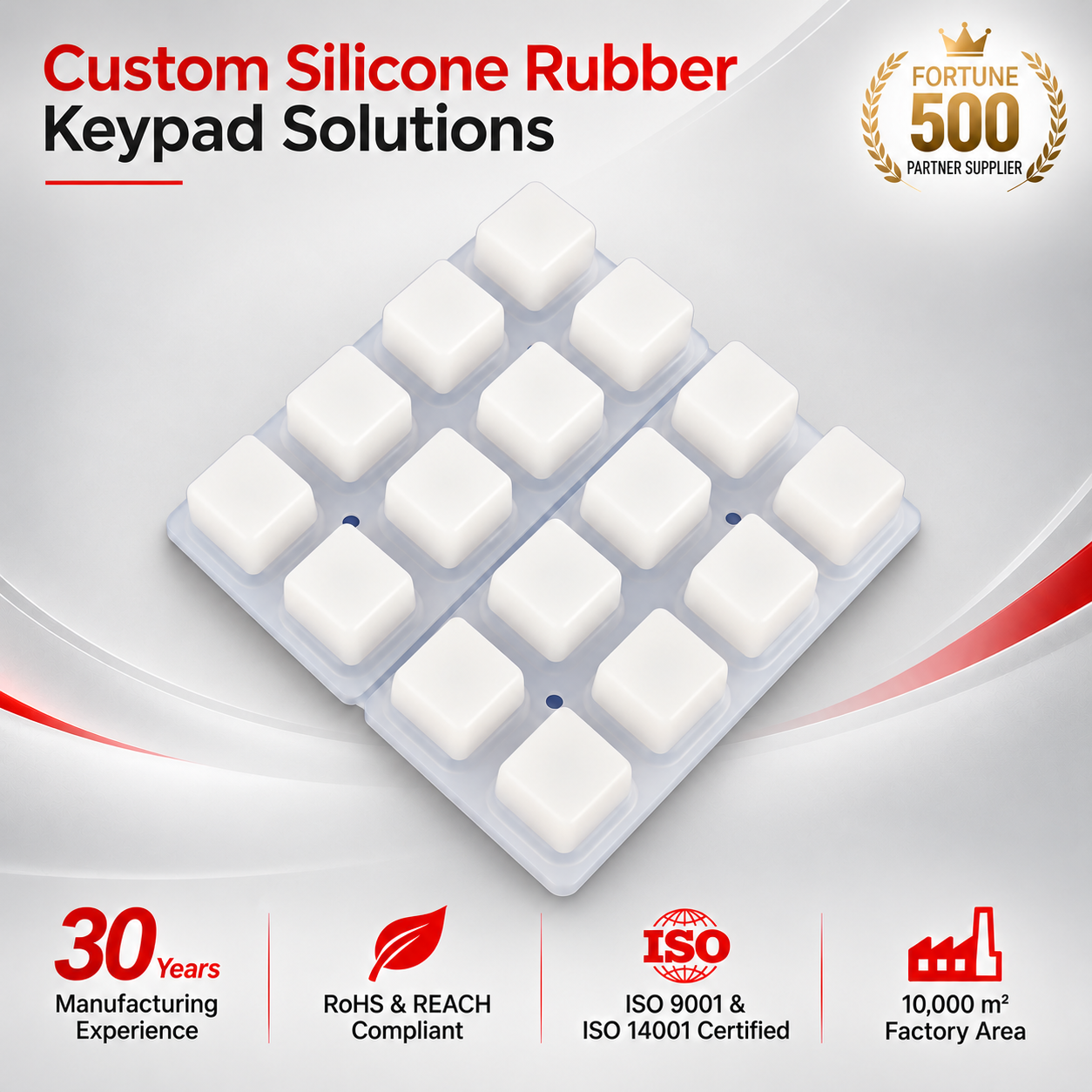
OEM Backlit White Silicone Rubber Keypad 4x4 Matrix Panel for Communication
- Illumination: LGF / Fiber Optic / LED SMT
- Legend Finish: Precision Laser Etching
- Operating Life: > 2,000,000 Key Cycles
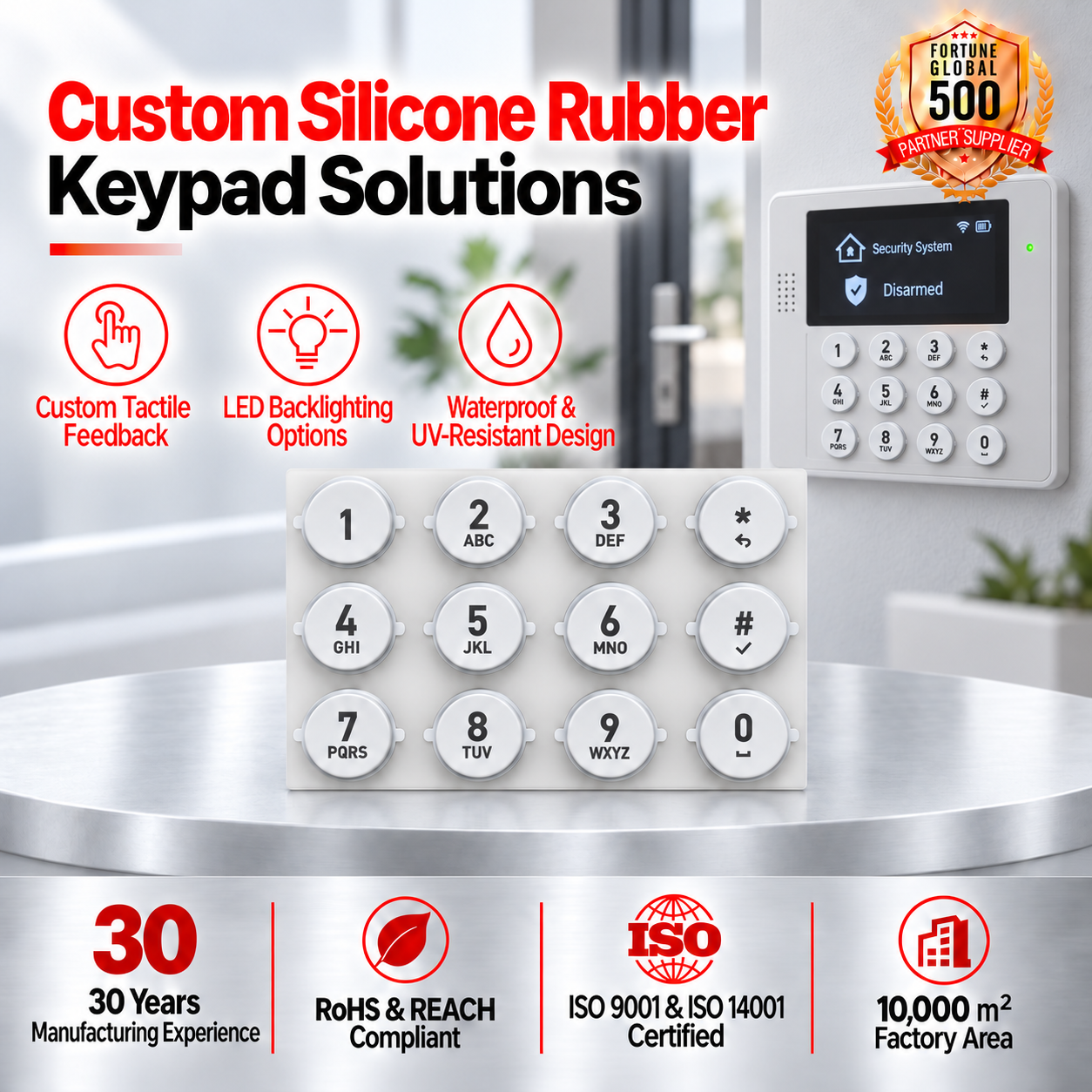
Custom OEM 3x4 Numeric Silicone Keypad 12 Keys Round Plastic + Rubber (P+R)
- Cap Material: Rigid ABS / Polycarbonate
- Base Elastomer: High-Elasticity Silicone
- Abrasion Guard: Abrasion-Resistant Top Coat
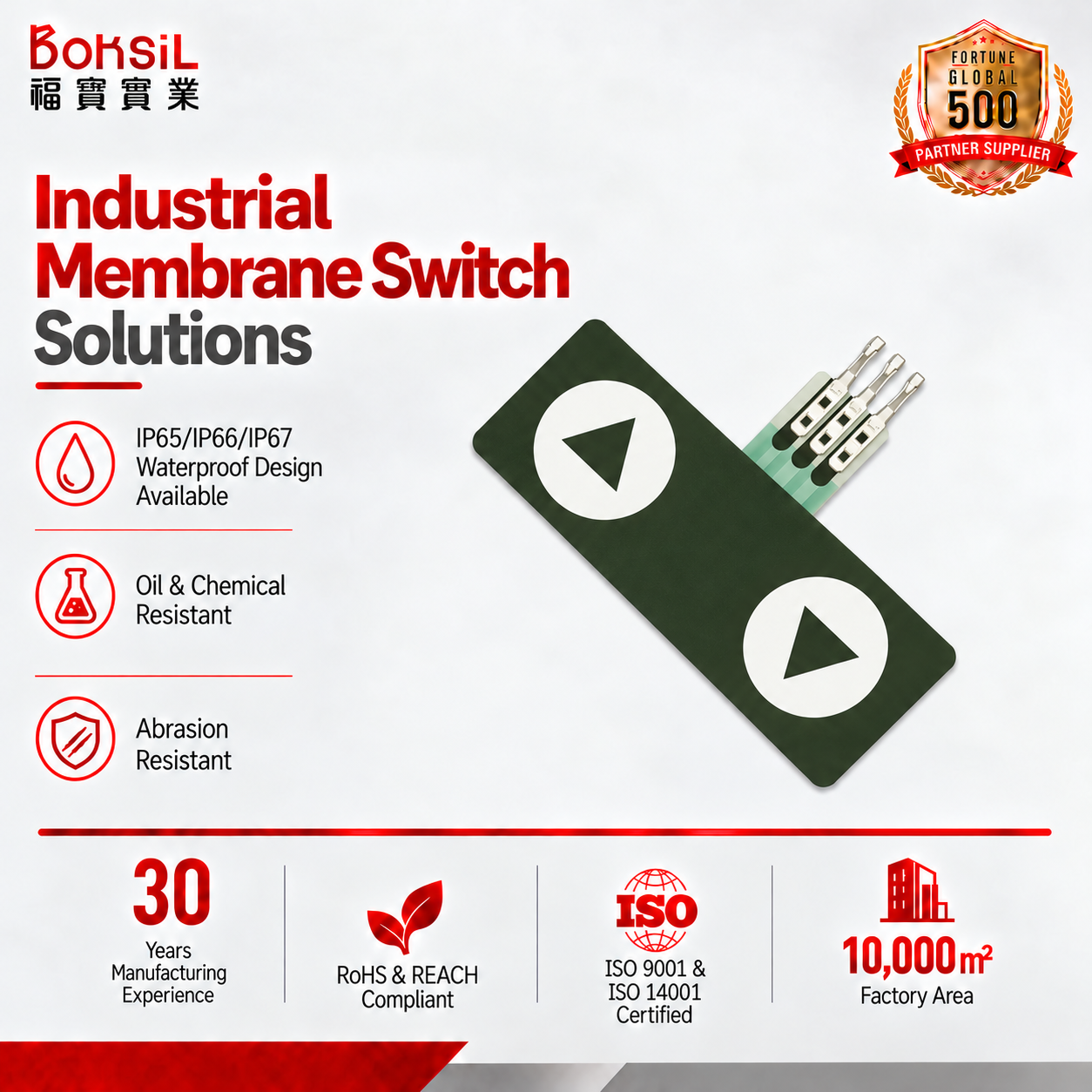
2-Button Membrane Switch Graphic Overlay with Flexible Printed Circuit (FPC)
- Circuit Trace: Etched Copper Polyimide FPC
- Actuation Profile: Flat Non-Tactile / Zero Gap
- Compliance: CE / RoHS / REACH Certified
Engineering Principles of Non-Tactile Membrane Switches
An in-depth guide on mechanical profiles, multi-layer stack-up dynamics, feedback methodologies, and life-cycle economics for Tier-1 equipment manufacturers.
Multi-Layer Substrate Physics & Mechanical Isolation
A non-tactile membrane switch represents the pinnacle of planar interface engineering. Unlike mechanical pushbuttons or tactile switches that rely on collapsible metal domes or polyester domes to bridge an electrical circuit, a non-tactile membrane switch relies on a direct, momentary contact between two opposing conductive traces separated by a precisely die-cut dielectric spacer.
Because there is no metal dome mechanical fatigue or physical snap-action stress point, a properly laminated non-tactile switch offers actuation life spans exceeding 5,000,000 to 10,000,000 cycles. With an overall profile thickness often measuring less than 0.8mm to 1.2mm, non-tactile assemblies present an impenetrable barrier against moisture, volatile organic compounds (VOCs), particulate ingress, and cleaning chemical degradation.
Non-Tactile Feedback Modalities: Audio, Visual, and Haptic Alternatives
The primary engineering challenge in deploying non-tactile membrane switches is user actuation verification. In traditional tactile keypads, the mechanical dome collapse supplies a sudden drop in resistance (tactile snap ratio between 40% and 60%), providing instinctive biological feedback to the user's fingertip. Because non-tactile designs require negligible displacement (travel is strictly limited to 0.1mm - 0.3mm with an operating force of 1.0 to 3.5 Newtons), systems designers utilize secondary feedback architectures:
- Acoustic Confirmation (Buzzer / Audio Chime): The host microcontroller immediately issues a momentary 2.4kHz acoustic beep upon circuit closure, validating state change in high-noise cleanrooms or clinical suites.
- Visual Feedback (Embedded Surface LEDs & Dead-Front Windows): Integrated miniature 0603 or 0805 SMD LEDs illuminate translucent graphics or perimeter light pipes upon contact, confirming mode execution instantly.
- Active ERM/LRA Haptic Drivers: Mounting eccentric rotating mass (ERM) motors or linear resonant actuators (LRA) directly to the rear mounting backer creates targeted localized vibrations through the membrane skin.
By shifting from mechanical wear-prone metal domes to solid-state electrical contact paired with acoustic or visual feedback, the interface completely eliminates dome slippage, oxidation of stainless switch domes, and air-chamber condensation issues.
Engineering Matrix: Non-Tactile vs. Metal Dome vs. Capacitive Touch
Review the comprehensive mechanical and operational benchmarks when selecting human-machine interface technologies for CE-certified industrial and commercial electronic enclosures:
| Performance Metric | Non-Tactile Membrane | Tactile Metal Dome Membrane | Capacitive Touch Surface |
|---|---|---|---|
| Switch Travel Distance | 0.10mm – 0.30mm (Ultra-low) | 0.30mm – 0.80mm (Defined tactile) | 0.00mm (Solid-state touch) |
| Actuation Life Cycle | > 5,000,000 Cycles | 1,000,000 – 3,000,000 Cycles | > 10,000,000 Cycles (Wear-free) |
| Tactile Feedback Feeling | Zero (Requires LED / Audio beep) | Crisp mechanical snap feel | Haptic actuator or acoustic only |
| Wipe-Down Sterilization | Exceptional (100% Flat IP67/68) | Good (Embossing may trap debris) | Exceptional (Flush glass/acrylic) |
| EMI / ESD Immunity | High (Printed Carbon/Silver Grid) | High (Requires grounded dome array) | Moderate (Susceptible to noise/water) |
| Glove / Water Operation | 100% Reliable In All Conditions | 100% Reliable In All Conditions | Requires specialized tuning / wet-fail |
| Tooling & Unit Cost Tier | Cost-Effective / Lowest Tooling | Moderate (Dome placement tooling) | Higher (PCB + Controller IC) |
CE Certification, Testing Protocols & Export Verification
As an Intertek-audited production exporter based in Dongguan, China, AXRU Electronics executes end-to-end European Union regulatory compliance for Tier-1 OEMs.
EMC Directive 2014/30/EU Shielding
Our non-tactile membrane switches integrate sub-surface conductive carbon and silver grids or laminated aluminum foil grounding layers. This limits electromagnetic radiation and protects sensitive host microcontrollers against Electrostatic Discharge (ESD) up to 15kV air discharge and 8kV contact discharge.
RoHS 2011/65/EU & REACH Compliance
Every raw material batch—from PET films and conductive silver pastes to 3M acrylic adhesive transfer films and SMT LEDs—undergoes ICP mass spectrometry screening. We guarantee zero restricted heavy metals, PBDEs, and Phthalates (DEHP, BBP, DBP, DIBP), fully certified for EU customs entry.
IP67 / IP68 Ingress Protection
By eliminating raised dome pockets and utilizing continuous perimeter channel gaskets combined with sealed tail exit geometry, our non-tactile switches pass pressurized submerged water and fine dust testing according to EN 60529 standards, making them totally impenetrable to industrial washdowns.
AXRU Quality Verification & In-House Reliability Lab
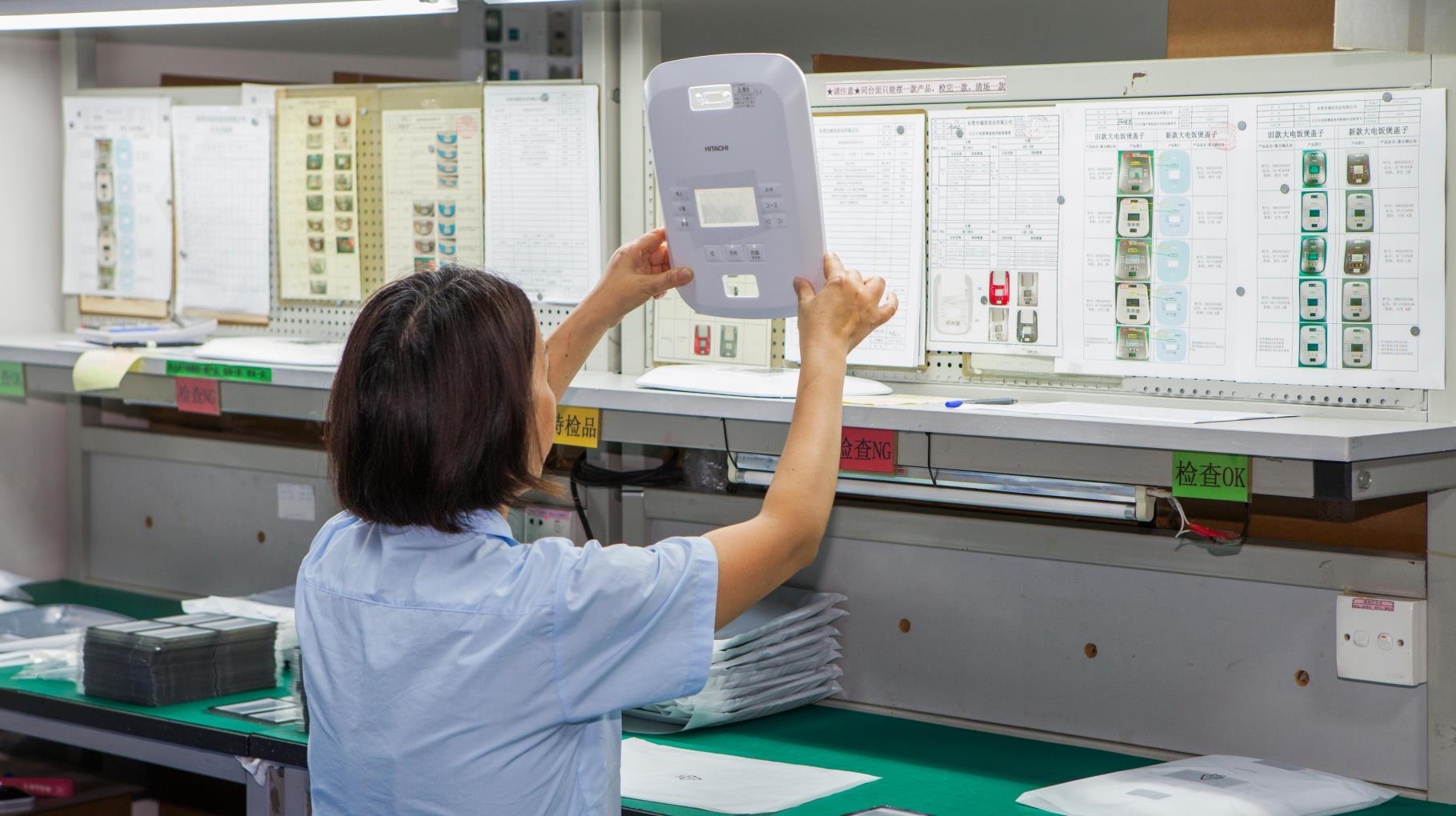
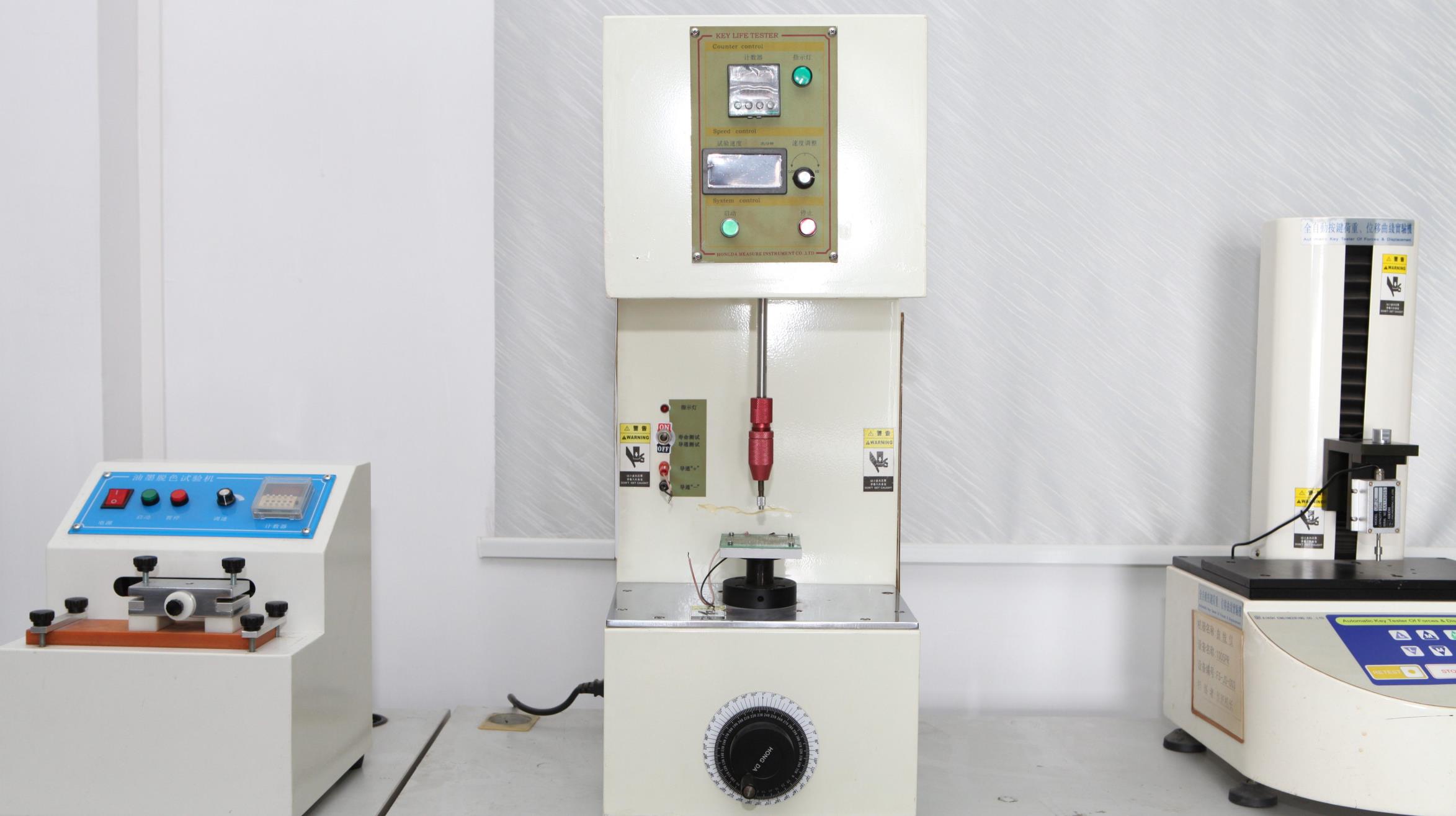
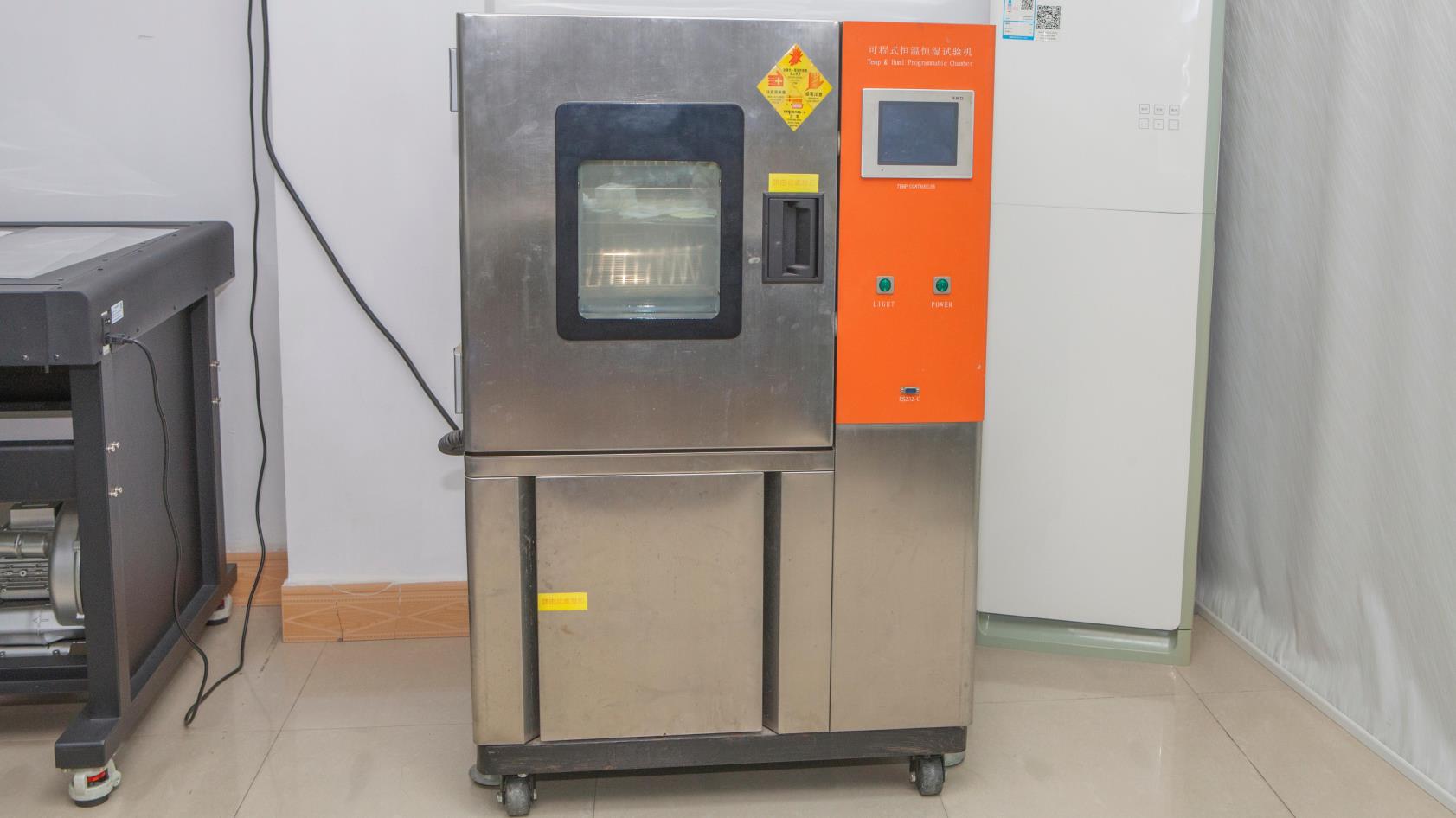
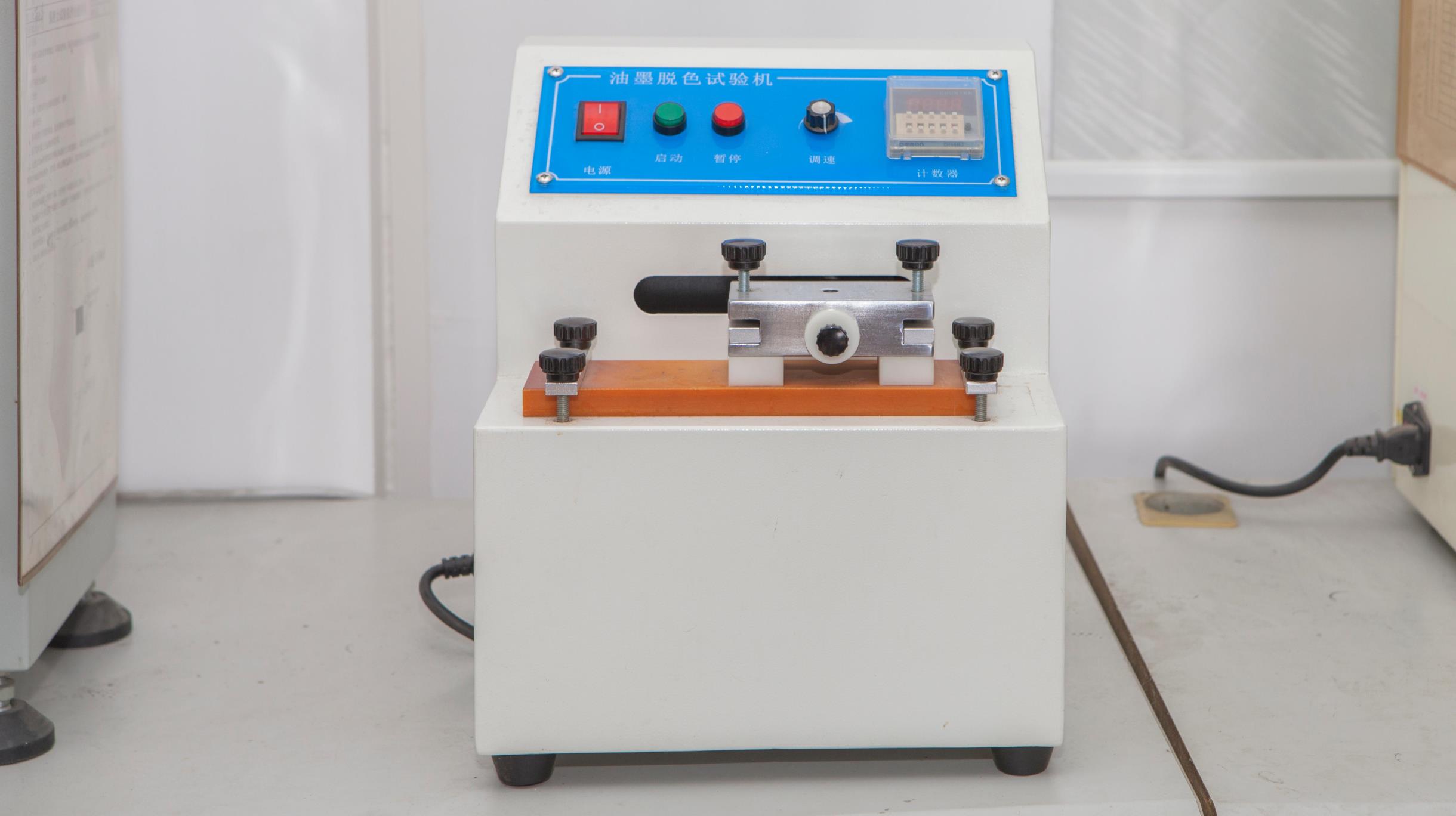
Zero-defect production guaranteed through rigorous in-house environmental chambers, automated key life cyclers, and optical testers.
Procurement & Technology Trends in HMI Interfaces
Global procurement intelligence: How smart surfaces, copper-flex circuit boards, antimicrobial chemistry, and total-cost-of-ownership (TCO) models are transforming buyer selections.
1. Transition to Micro-Pitch Copper FPC Circuits
While screen-printed silver ink on PET remains cost-effective for basic matrix arrays, next-generation procurement specifies etched copper polyimide Flexible Printed Circuits (FPC). Copper-flex substrates eliminate silver migration hazards in humid environments and support ultra-dense 0.5mm connector pin pitches alongside ultra-reliable micro-SMT solder reflow joints.
2. Dead-Front Smart Surfaces & Hybrid Switching
Equipment buyers are replacing exposed mechanical arrays with sleek, dead-front aesthetic overlays. Icons and status indicators remain totally invisible until back-illuminated by hidden LEDs. Simultaneously, hybrid designs combine non-tactile keys for auxiliary functions with capacitive sliders on a single continuous, cleanable panel.
3. Antimicrobial & Chemical-Resistant Hardcoats
Driven by post-pandemic clinical hygiene and commercial automation standards, graphic overlay procurement heavily emphasizes textured, chemically-hardened polyester films such as Autotex XE and MacDermid Enthone films infused with silver-ion antimicrobial agents to eliminate 99.9% of pathogen colonies while repelling caustic disinfectants.
B2B Procurement Strategy: Total Cost of Ownership (TCO) vs. Unit Price
For procurement directors managing global electronic supply chains, purchasing membrane switches based solely on initial unit quote prices frequently introduces hidden lifecycle risks. Mechanical switch failures in the field trigger costly field service dispatches, warranty disputes, and irreparable brand erosion.
Non-tactile membrane switches offer an exceptionally low Total Cost of Ownership (TCO). Because the switch structure has no movable metal parts subject to work-hardening or fatigue fractures, field maintenance costs drop by up to 84% over an eight-year operating cycle. Additionally, by consolidating graphic faceplates, multi-color indicators, sealing gaskets, and circuit interconnects into a single pre-tested module, assembly line labor time inside your factory is cut by up to 40%.
Why Tier-1 OEMs Source from Dongguan AXRU Electronics
Combining 12+ years of precision export manufacturing, an Intertek-audited 10,000㎡ factory campus, and trusted supplier relationships with global Fortune 500 corporations.
Intertek-Verified 10,000㎡ Facility
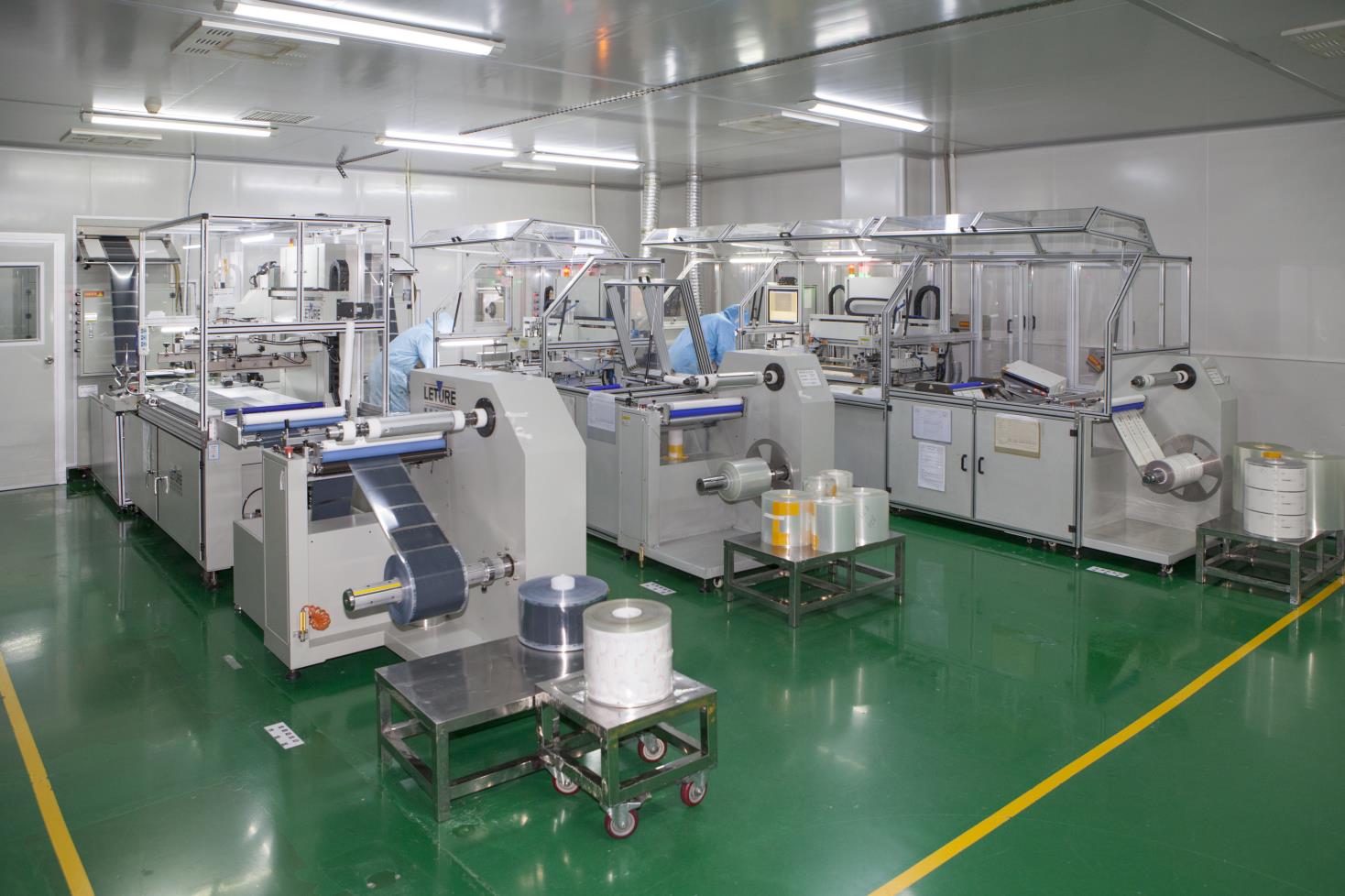
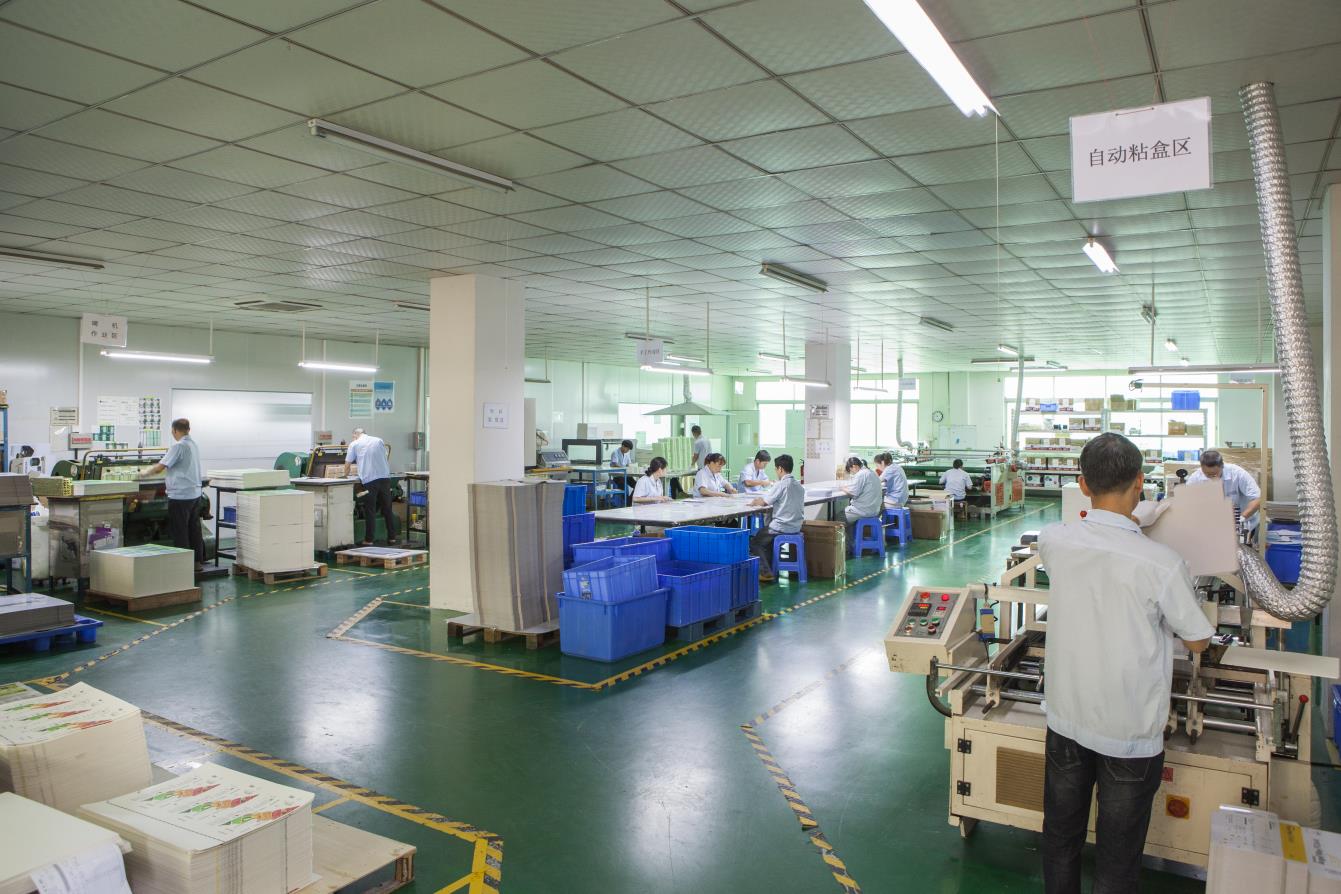
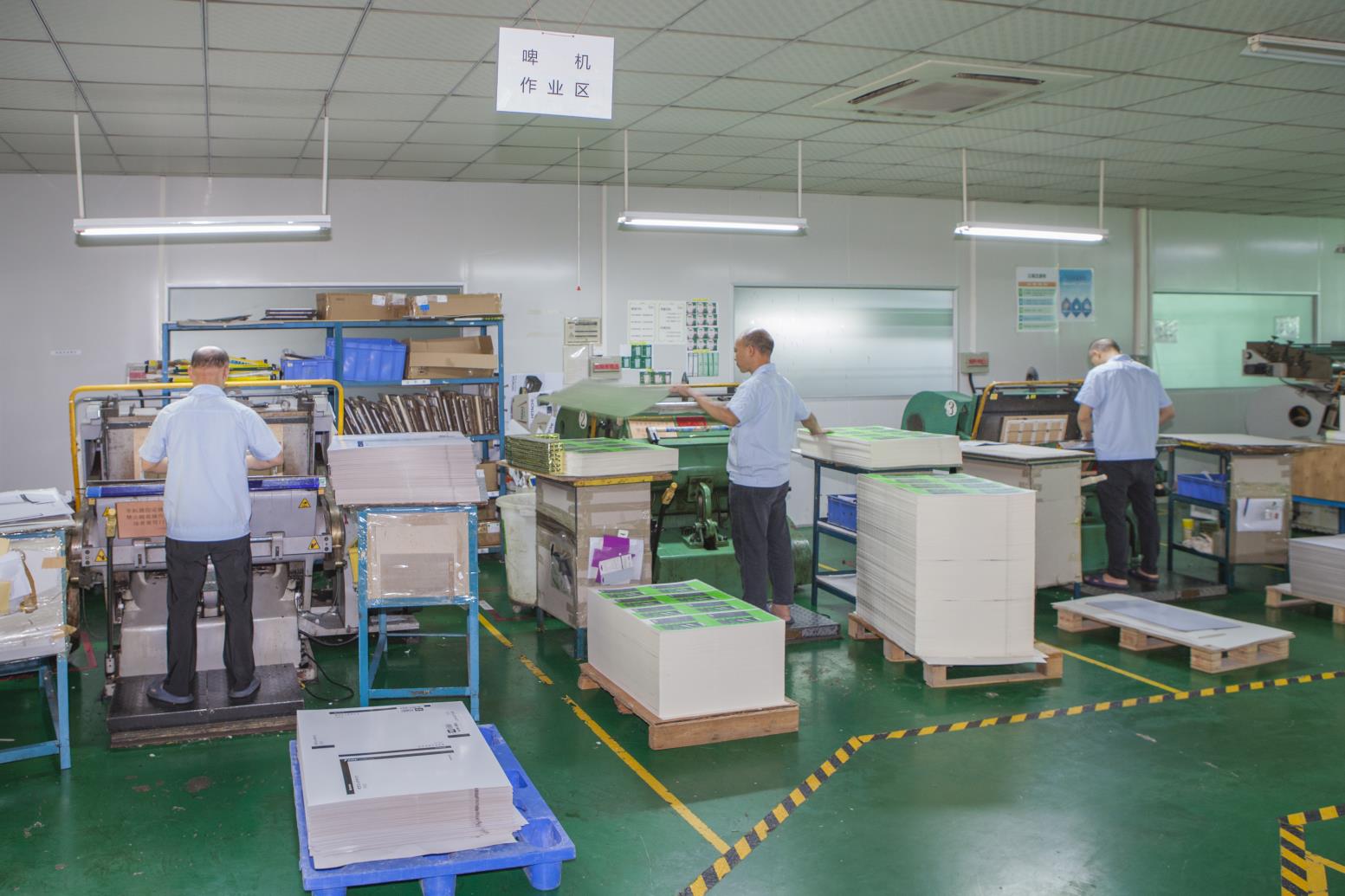
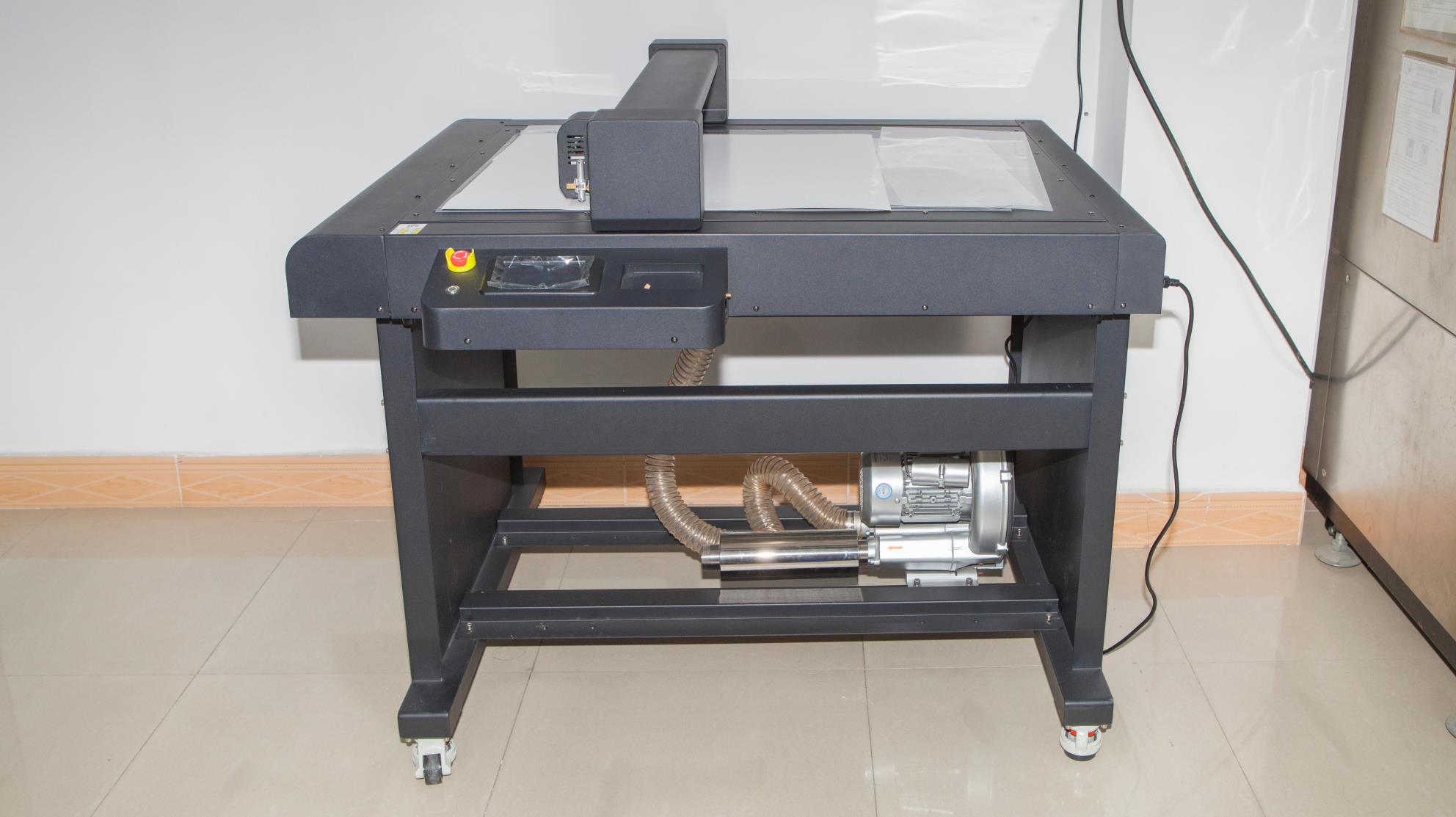
Operating from our modern manufacturing base in Xiakeng Village, Dongguan, AXRU houses fully integrated precision silk-screen printing halls, automatic reel-to-reel drying tunnels, CNC die-cutting, and Class 1,000 clean assembly suites under one roof.
Proven Fortune 500 Supplier
Audited and qualified by global multi-nationals across Germany, the United States, Japan, and the UK. We adhere strictly to PPAP level 3 submissions, First Article Inspection (FAI) reports, and continuous Six Sigma quality monitoring.
In-House Rapid DFM & Tooling
Bridge the gap between design engineering and mass production. Our dedicated fast-turn engineering division fabricates functional prototypes and rapid pilot runs within 5-7 business days, providing complete design-for-manufacturability reviews.
Frequently Asked Questions on Non-Tactile Membrane Sourcing
Authoritative technical guidance compiled by senior HMI engineering consultants to streamline your project timeline and prevent manufacturing delays.
What technical files and tolerances are required for an accurate DFM review and quotation?
How does AXRU prevent silver migration in humid or high-voltage switch environments?
What is the standard Minimum Order Quantity (MOQ) and sample prototyping lead time?
Can non-tactile membrane switches achieve IP67 or IP68 water immersion ratings?
What CE and EU directives apply to passive membrane switches, and how are they certified?
What graphic overlay materials are recommended for harsh chemical and outdoor UV exposures?
Accelerate Your Custom Membrane Switch Project
Connect directly with our senior application engineers in Dongguan. Submit your 2D/3D mechanical drawings or design concepts to receive a complete DFM report, stack-up optimization, and quotation within 24 hours.
Get a Quote