Engineered Touch Interfaces & Membrane Switches
Direct factory supply of certified capacitive control panels, Force Sensitive Resistors (FSR), elastomer keypads, and heavy-duty industrial graphic overlays tailored for global electronic integration.
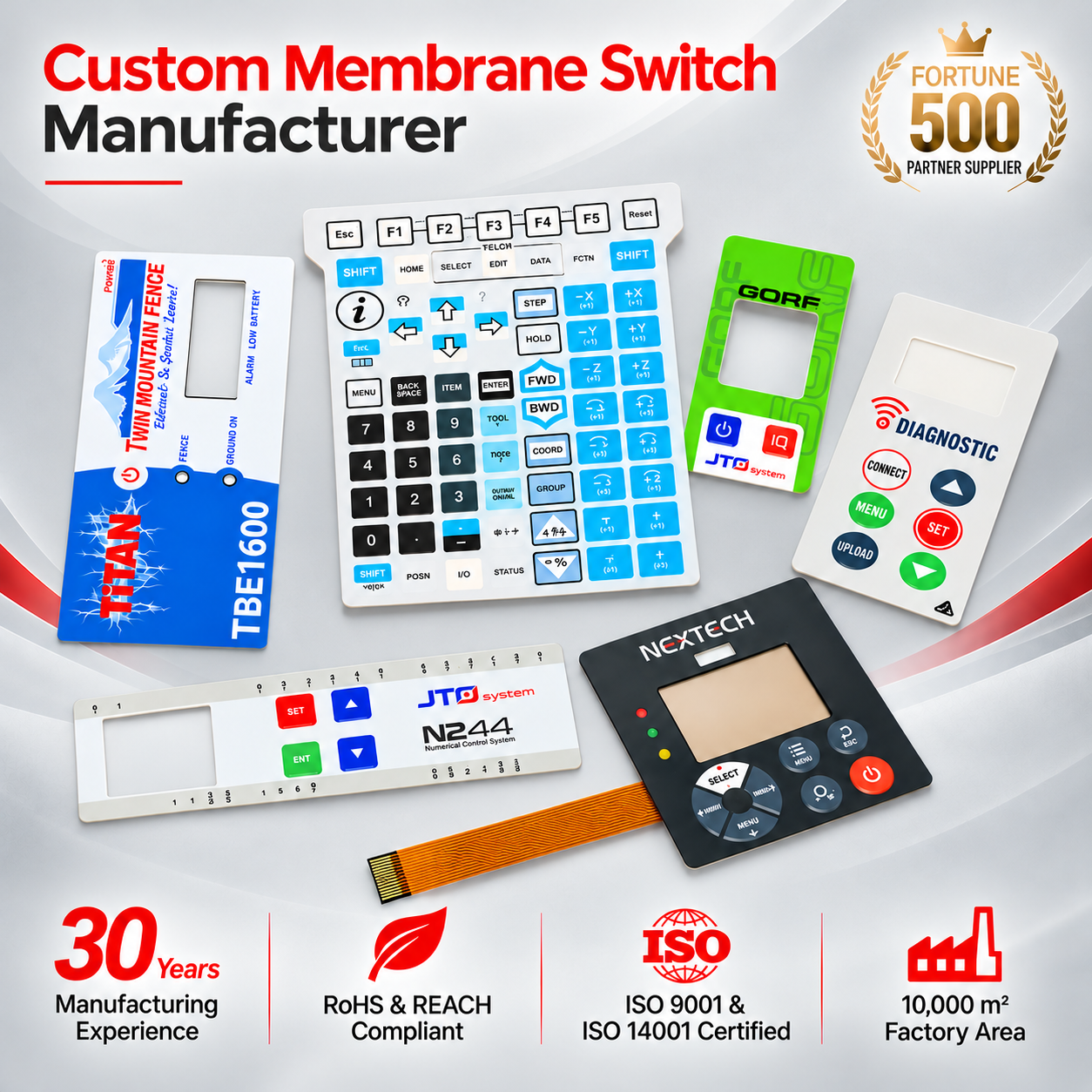
High Quality Factory Direct Membrane Switch Graphic Overlay Panel
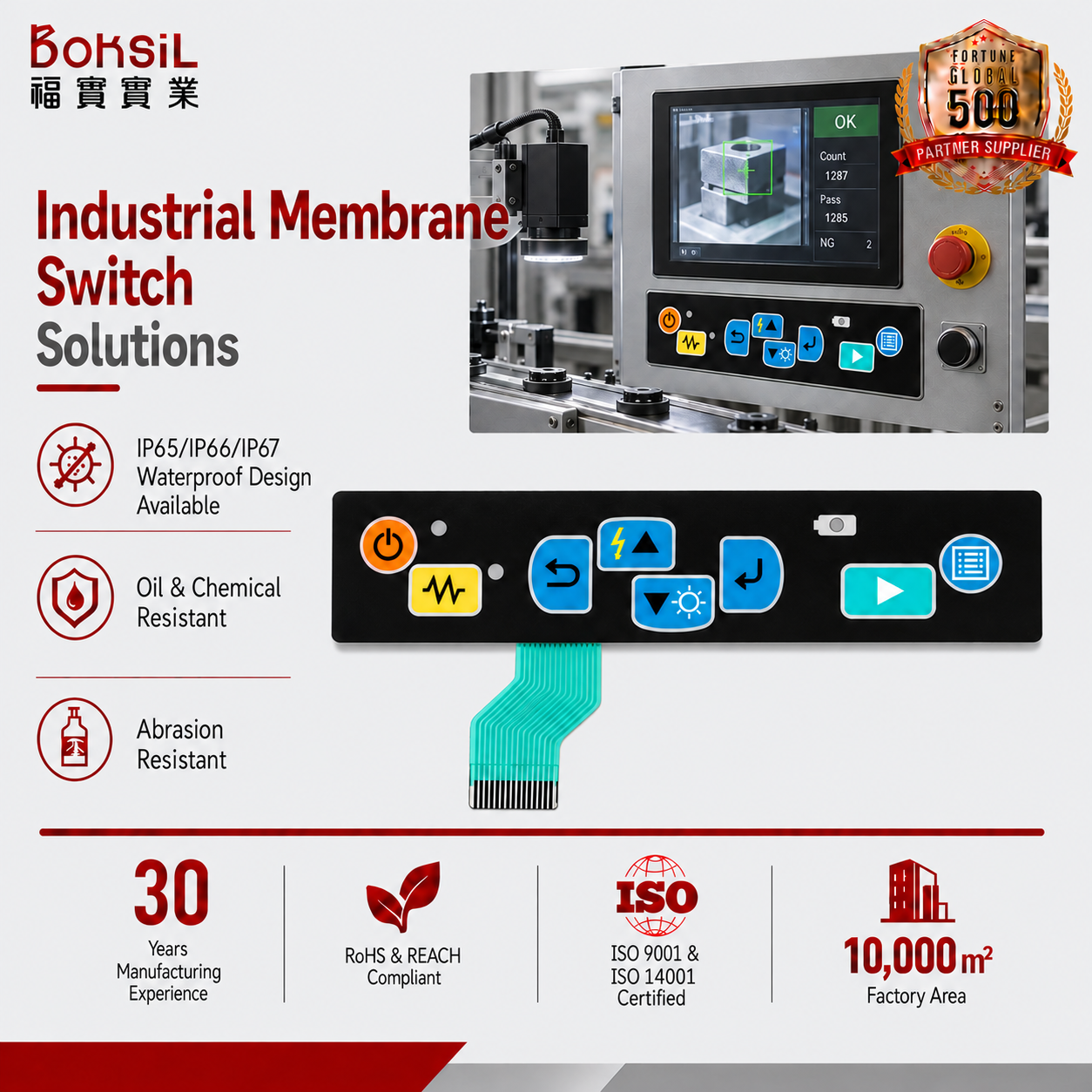
Custom Capacitive Touch Screen Graphic Overlay Membrane Switch
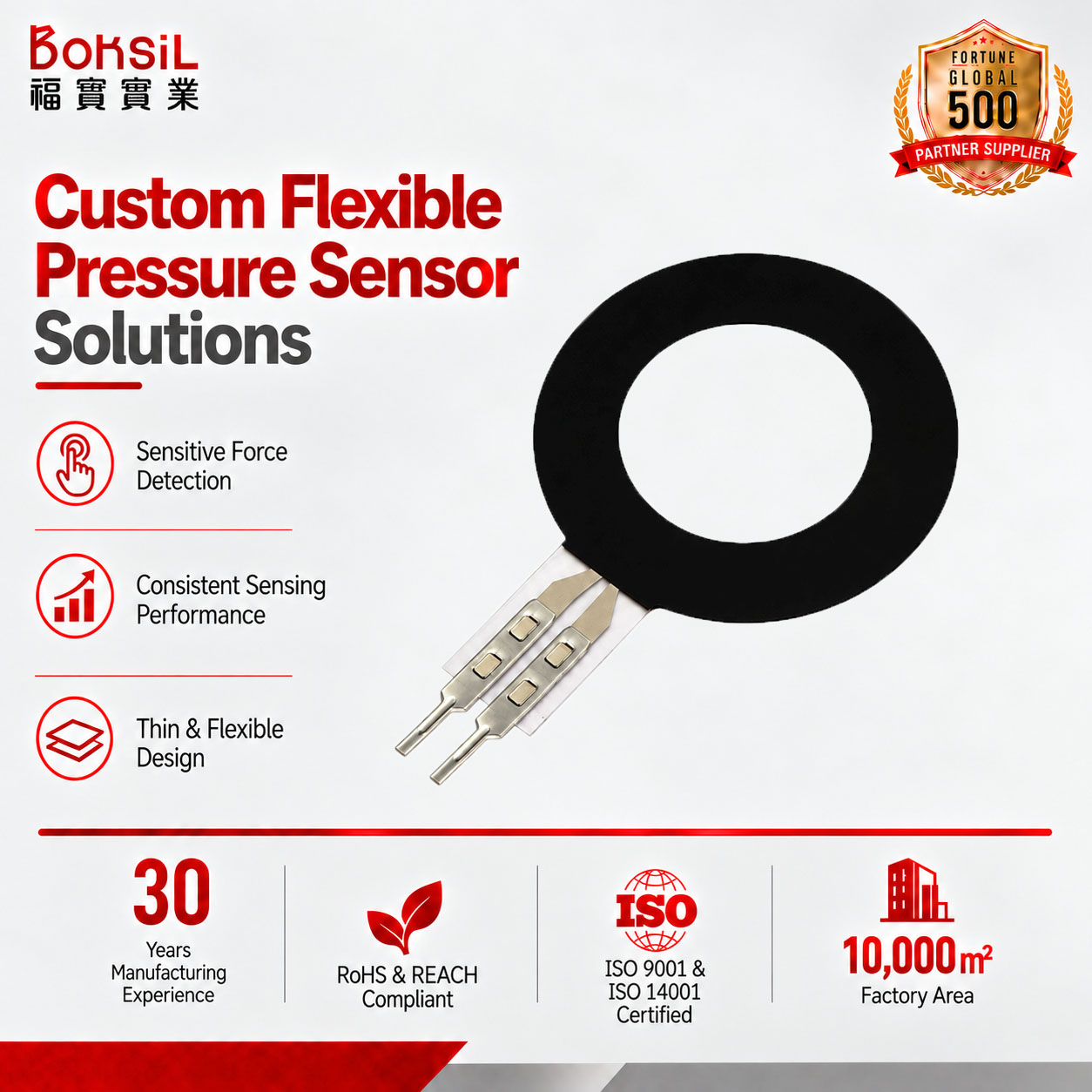
Universal Flexible FSR Force Sensitive Pressure Sensor Keypad
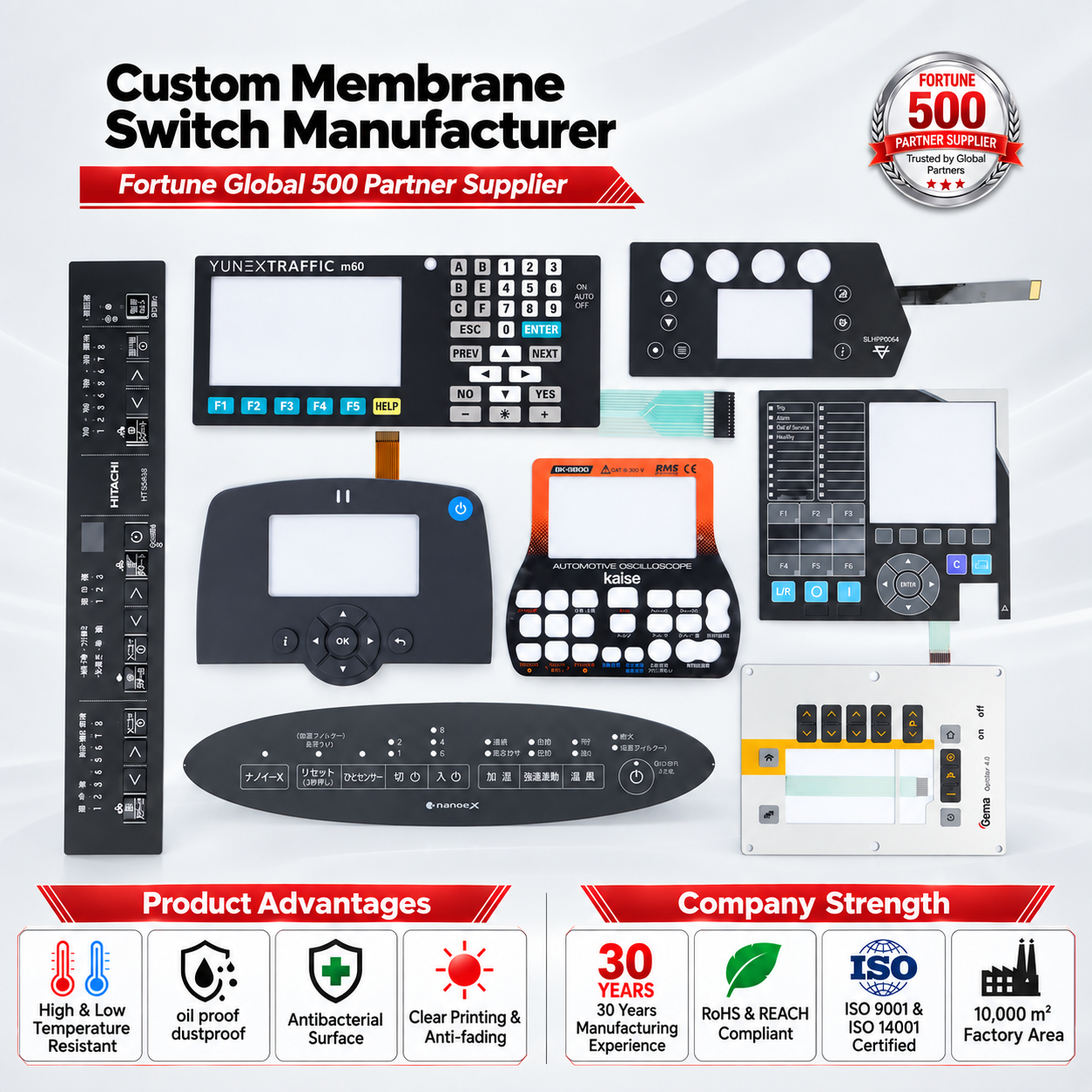
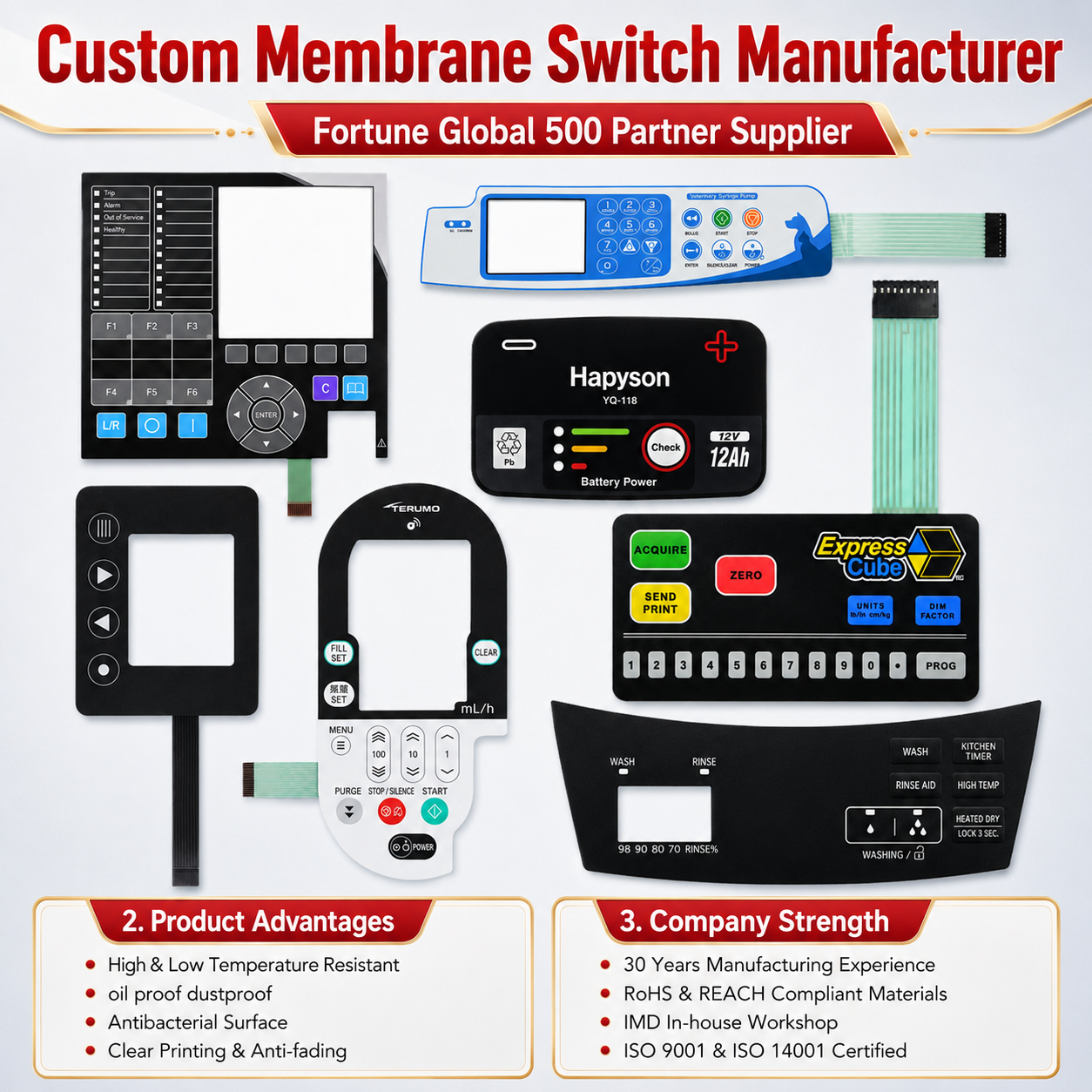
Waterproof FPC Circuit Graphic Overlay Industrial Touch Panel
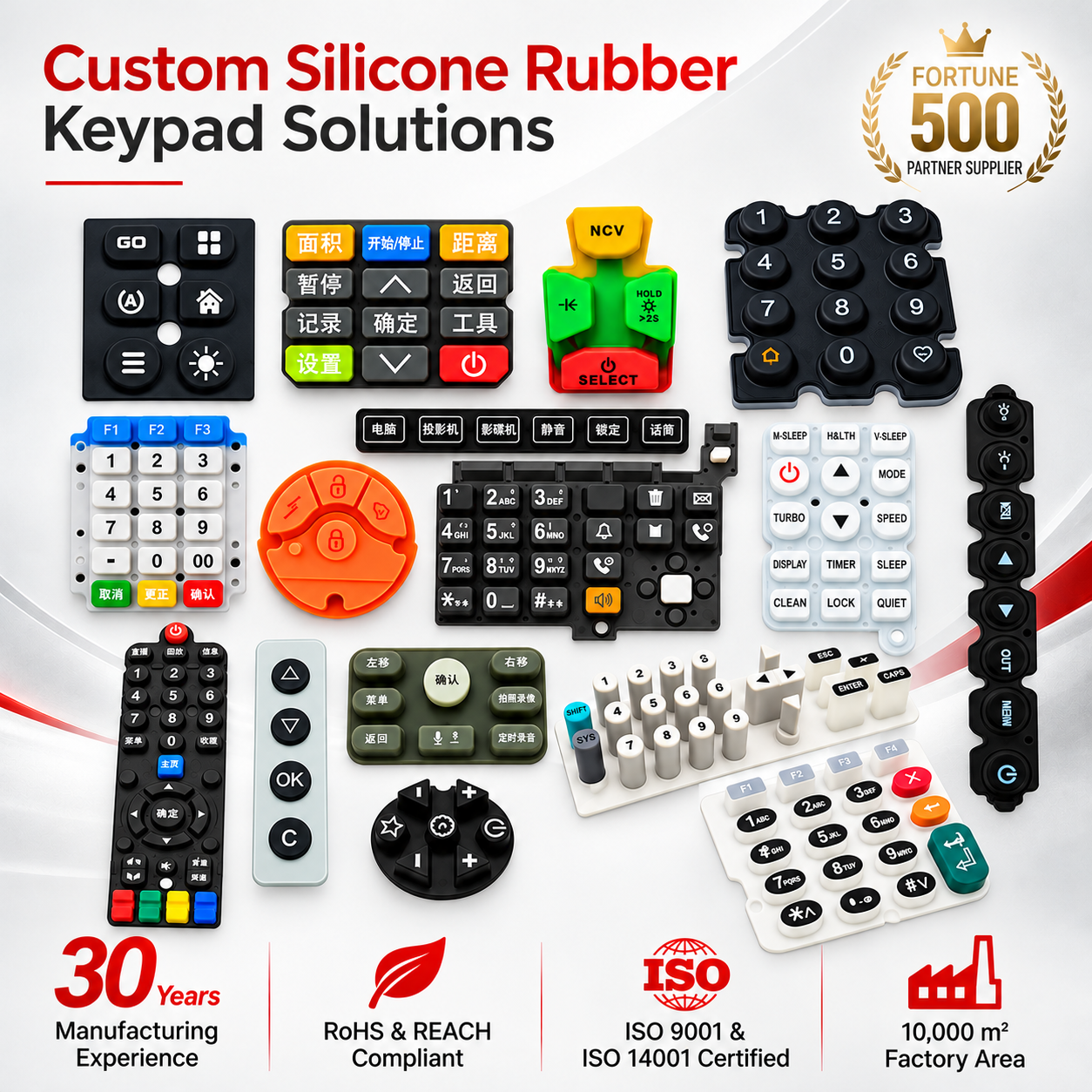
Custom Conductive Silicone Rubber Multi-Color PTT Keypads
Fuel Dispenser Tactile Switch Waterproof Keypad Circuit Board
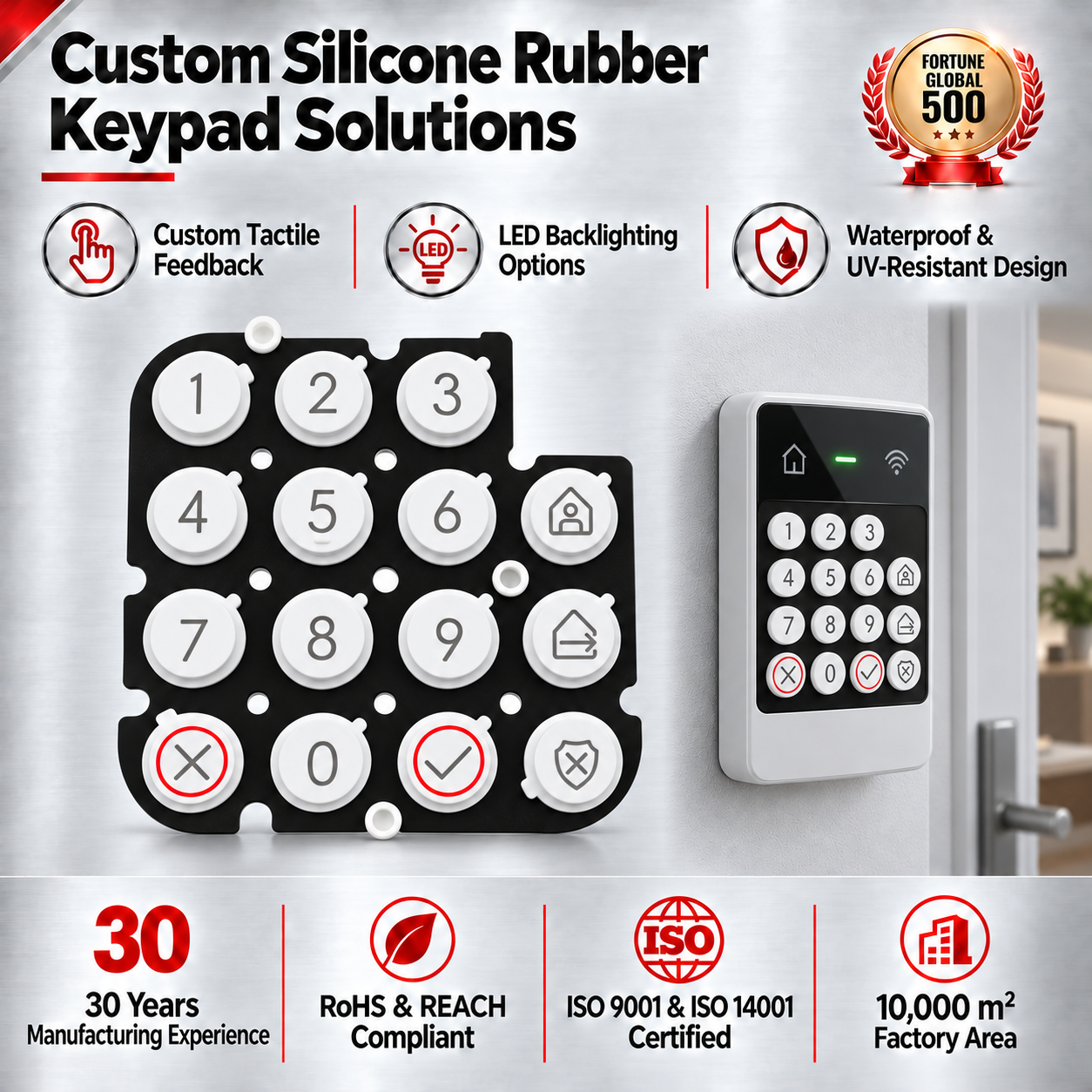
Numeric Conductive Silicone Rubber Keypad with Embossed Buttons
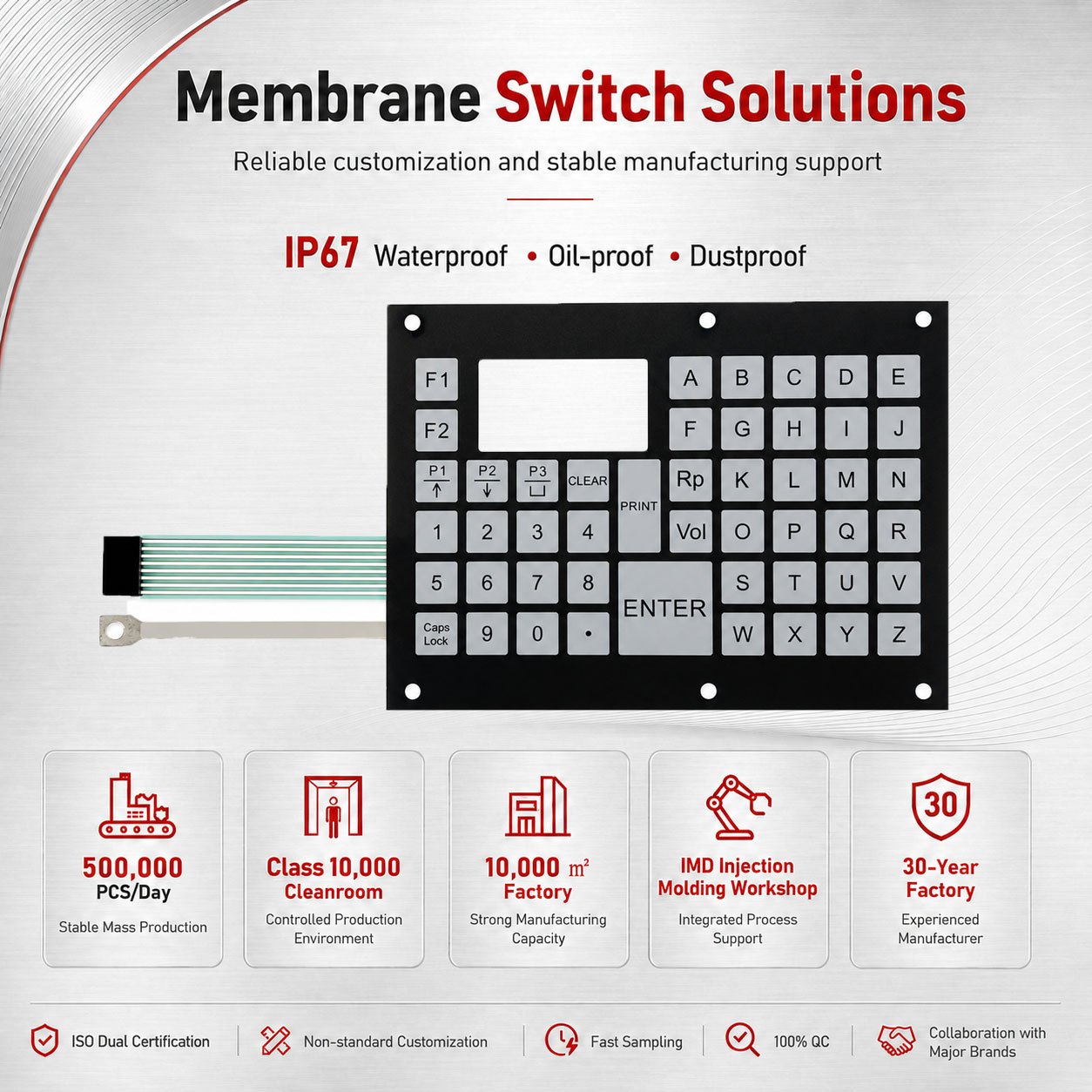
5x4 Matrix Flexible Circuit Waterproof Membrane Switch Panel
Engineering Authority: The Architectural Transition from Electromechanical to Capacitive HMI
In modern electronic equipment manufacturing, Human-Machine Interfaces (HMIs) represent not merely an input mechanism, but the primary point of functional reliability, ingress protection, and user perception. For decades, conventional electromechanical switches and metal-dome membrane keypads have formed the backbone of commercial and industrial systems. However, demanding environments characterize current original equipment manufacturing (OEM) requirements across healthcare diagnostics, automotive dashboards, smart metering, and automated industrial machinery. As a result, capacitive touch sensing technology has transitioned from an elite consumer electronics feature to the benchmark for durable, sealed, and visually unified industrial control panels.
A capacitive switch operates on the principle of continuous electrostatic charge monitoring. Unlike electromechanical switches that rely on physical contact closures between conductive silver traces or copper pads, capacitive sensors construct a projected electric field across a non-conductive dielectric substrate (such as chemically strengthened glass, polymethyl methacrylate [PMMA] acrylic, or optical-grade polycarbonate [PC]). When a conductive object—typically an operator's finger—enters this fringing field, it introduces a parasitic mutual capacitance to ground. The integrated controller IC (utilizing charge-transfer, sigma-delta modulation, or mutual-capacitance measurement topologies) detects this sub-picofarad capacitance delta and translates it into an actionable digital switching signal.
Comparative Engineering Dynamics: Capacitive vs. Conventional Membrane Switches
Engineering teams specifying user input panels face a critical architecture decision during early Design for Manufacturability (DFM) reviews. The selection between traditional silver-printed membrane matrices, tactile metal-dome arrays, and solid-state capacitive switches dictates not only bill-of-materials (BOM) cost, but also lifecycle durability, IP ingress ratings, and electromagnetic compatibility (EMC).
| Evaluation Parameter | Tactile Metal-Dome Switch | Silver Flexible Membrane | Solid-State Capacitive Switch |
|---|---|---|---|
| Mechanical Wear Lifecycle | 1 to 3 Million Actuations | 0.5 to 1 Million Actuations | Virtually Unlimited (Zero Wear) |
| Ingress Protection Rating | IP65 (Dependent on Perimeter Gasket) | IP54 - IP65 | IP68 / IP69K (Hermetically Sealed) |
| Front Substrate Compatibility | Thin Flexible Films (PET/PC <0.25mm) | Flexible Polyester / Polycarbonate | Glass (up to 6mm), Acrylic, Polycarbonate |
| Chemical & Cleaning Resilience | Risk of Delamination at Edges | Vulnerable to Harsh Solvents | Impervious to Hospital Bleach, Alcohol, Petrochemicals |
| Aesthetic Integration | Embossed Keys, Visible Borders | Flat Graphic Overlays | Seamless Flush-Mount, Dead-Front, Dynamic Backlighting |
| Haptic & Tactile Feedback | Inherent Tactile Snap (150g - 450g) | Non-tactile (Audible Beeper Dependent) | Integrated Piezo, Vibration, or Audio Indicator |
Future Technology Trends in Capacitive Touch Switch Development
The capacitive interface landscape is undergoing unprecedented technical evolution driven by IoT miniaturization, automotive electrification, and stringent clinical hygiene standards:
1. Water Rejection and Liquid Immune Tracking: Historical limitations of early capacitive sensors involved false triggers induced by moisture films, cleaning sprays, or heavy condensation. Contemporary enterprise capacitive switch panels manufactured by Dongguan AXRU Electronics integrate dual-channel self-and-mutual capacitance measurement topologies. By combining differential phase measurement with intelligent baseline tracking algorithms, our switch controllers actively discriminate between continuous conductive water pools (which distribute uniform capacitance changes) and localized, intentional finger presses, guaranteeing false-trigger-free operation in marine, outdoor fueling, and kitchen appliances.
2. Hybrid Structural Integration: In-Mold Electronics (IME) and 3D Contouring: Planar, two-dimensional control panels are increasingly giving way to organically contoured surfaces. Through In-Mold Decoration (IMD) fused with In-Mold Electronics (IME), conductive capacitive inks and miniature surface-mount device (SMD) LEDs are screen-printed onto flat carrier substrates, thermoformed into intricate three-dimensional geometries, and injection-molded directly with structural resins. This methodology eliminates internal brackets, mechanical fasteners, and secondary wire harnesses, yielding an ultra-thin, structurally monolithic HMI console.
3. Force-Sensing Capacitive Hybrids (Dual-Parameter Sensing): In safety-critical sectors, such as surgical instruments and heavy machinery, capacitive touch alone can present accidental touch hazards. The modern paradigm marries capacitive proximity detection with Force Sensitive Resistors (FSR) or micro-deflection piezoelectric layers. The capacitive electrode senses approaching intention and illuminates dead-front iconography, while final execution strictly requires a programmed mechanical threshold (e.g., 2 Newtons), achieving absolute operational safety without mechanical wear.
Global Procurement Strategy & Risk Mitigation for B2B Sourcing Managers
Procuring custom capacitive touch panels and membrane keypads requires navigating complex supply chain variables spanning tooling lead times, environmental compliance, optical consistency, and batch-to-batch yield stability. B2B procurement professionals must transition from conventional transactional purchasing to a comprehensive Total Cost of Ownership (TCO) methodology.
Mitigating Dielectric Constant Fluctuation: Capacitive sensitivity is governed by the dielectric constant ($ε_r$) of the front lens panel and adhesive stack-up. A switch tuned for a 2mm optical-grade PMMA panel ($ε_r ≈ 3.4$) will experience calibration failure or phantom triggering if non-uniform acrylic formulations, air-gap delaminations, or variable-thickness optically clear adhesives (OCA) are substituted. AXRU maintains tightly controlled, clean-room lamination protocols ensuring precision bonding with zero micro-bubbles, preserving dielectric homogeneity across entire production lots.
CE, RoHS, and REACH Compliance Architecture: Securing legitimate CE certification on capacitive control modules requires comprehensive adherence to the Electromagnetic Compatibility (EMC) Directive 2014/30/EU. Capacitive sensors naturally act as open antennas; unshielded sensor tails or deficient ground meshing can result in excessive radiated emissions or susceptibility to high-frequency industrial noise (such as fast transients from variable frequency drives). Sourcing from a factory with verified in-house ESD, high-pot, and continuous RF shielding verification eliminates regulatory redesign delays during final machine certification.
Enterprise Advantages: Dongguan AXRU Electronics Co., Ltd.
With a comprehensive 10,000㎡ manufacturing facility and 121 specialized technicians in Dongguan, China, we bridge precision design engineering with scalable mass production under verified ISO quality standards.
Intertek On-Site Verified Facility
Our complete operation—from raw material storage to clean-room screen printing, tail punching, and final QA—is strictly verified on-site by Intertek, ensuring authentic production transparency and adherence to international B2B export benchmarks.
Rapid Engineering Turnaround & DFM
Direct engagement with specialized HMI project engineers. We evaluate your 2D CAD drawings, Gerber files, and schematic designs within 24 hours, optimizing trace routing, connector pitch, and mechanical spacer stack-ups before tooling initiation.
100% In-House Testing Laboratory
Unlike trading entities that outsource testing, our facility houses dedicated key-life testers, automated force-displacement analyzers, programmable environmental temperature/humidity chambers, and ink abrasion testers to guarantee reliable field execution.
In-House Reliability Testing Facilities
Precision validation rigs ensuring each capacitive switch and membrane overlay conforms to exact mechanical, environmental, and cosmetic standards.
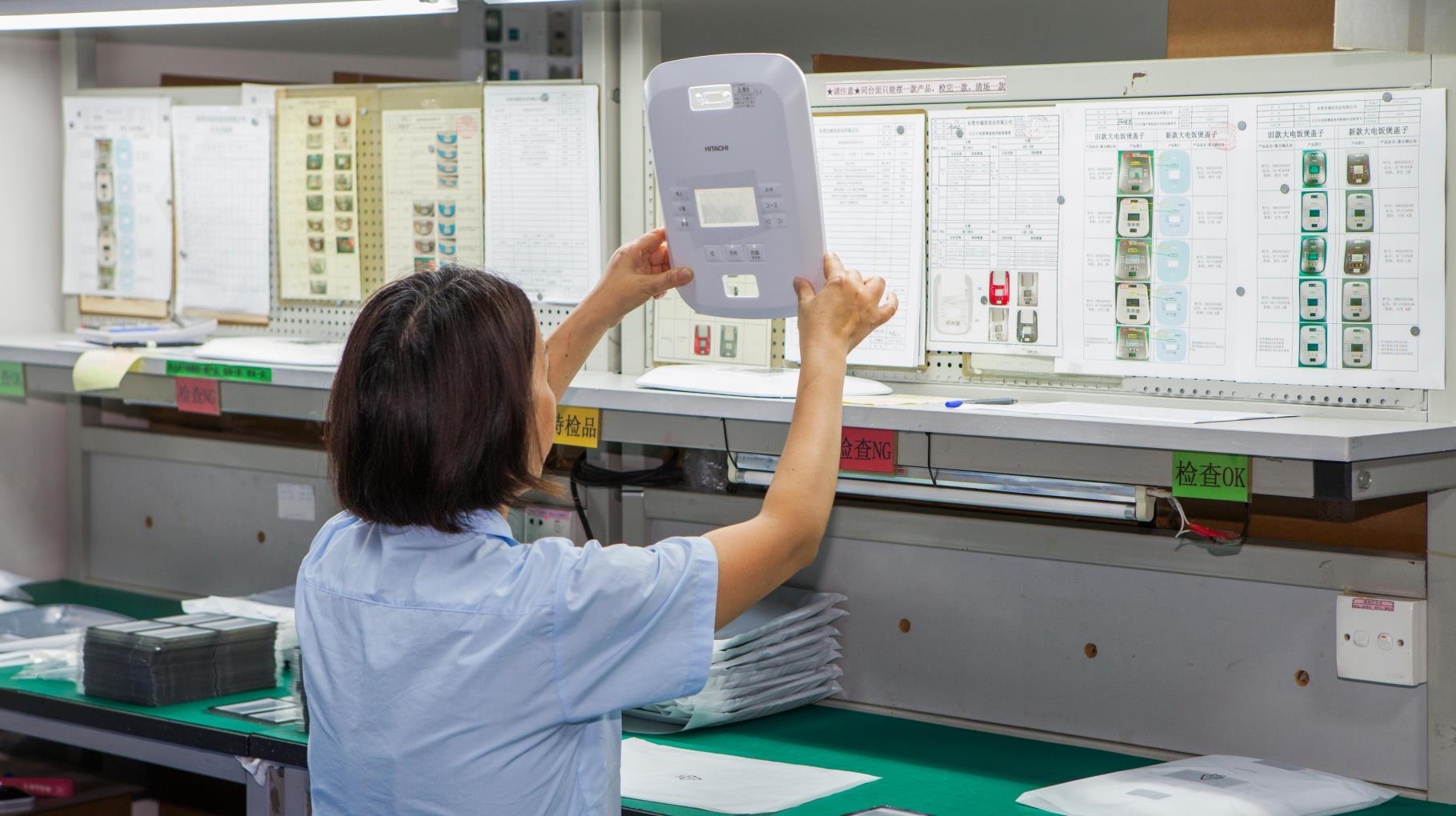
100% Electrical Inspection
Complete continuity, short-circuit, loop resistance, and LED luminance validation.
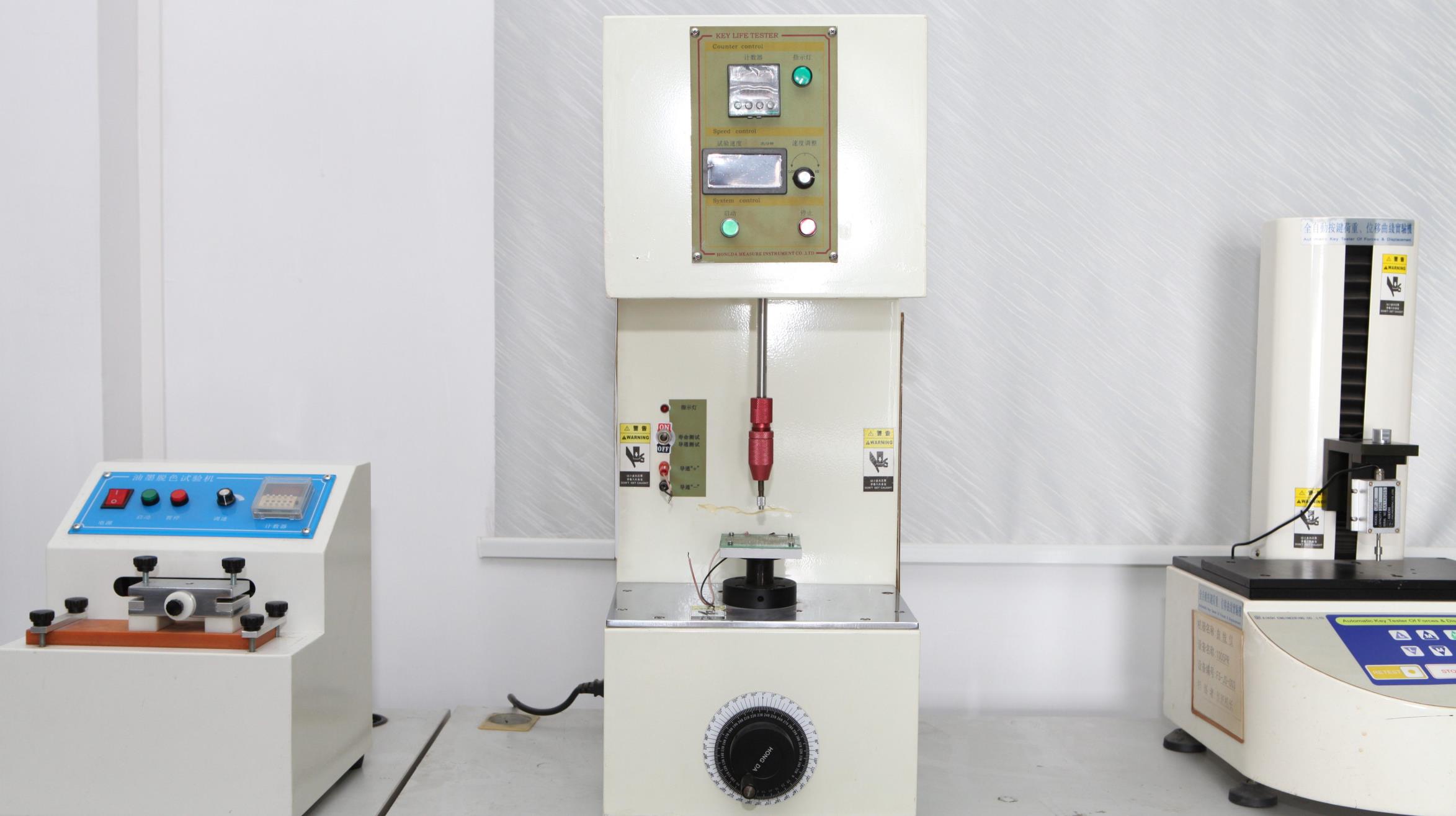
Key Life Actuation Tester
Continuous cyclic endurance testing validating dome resilience past 3 million cycles.
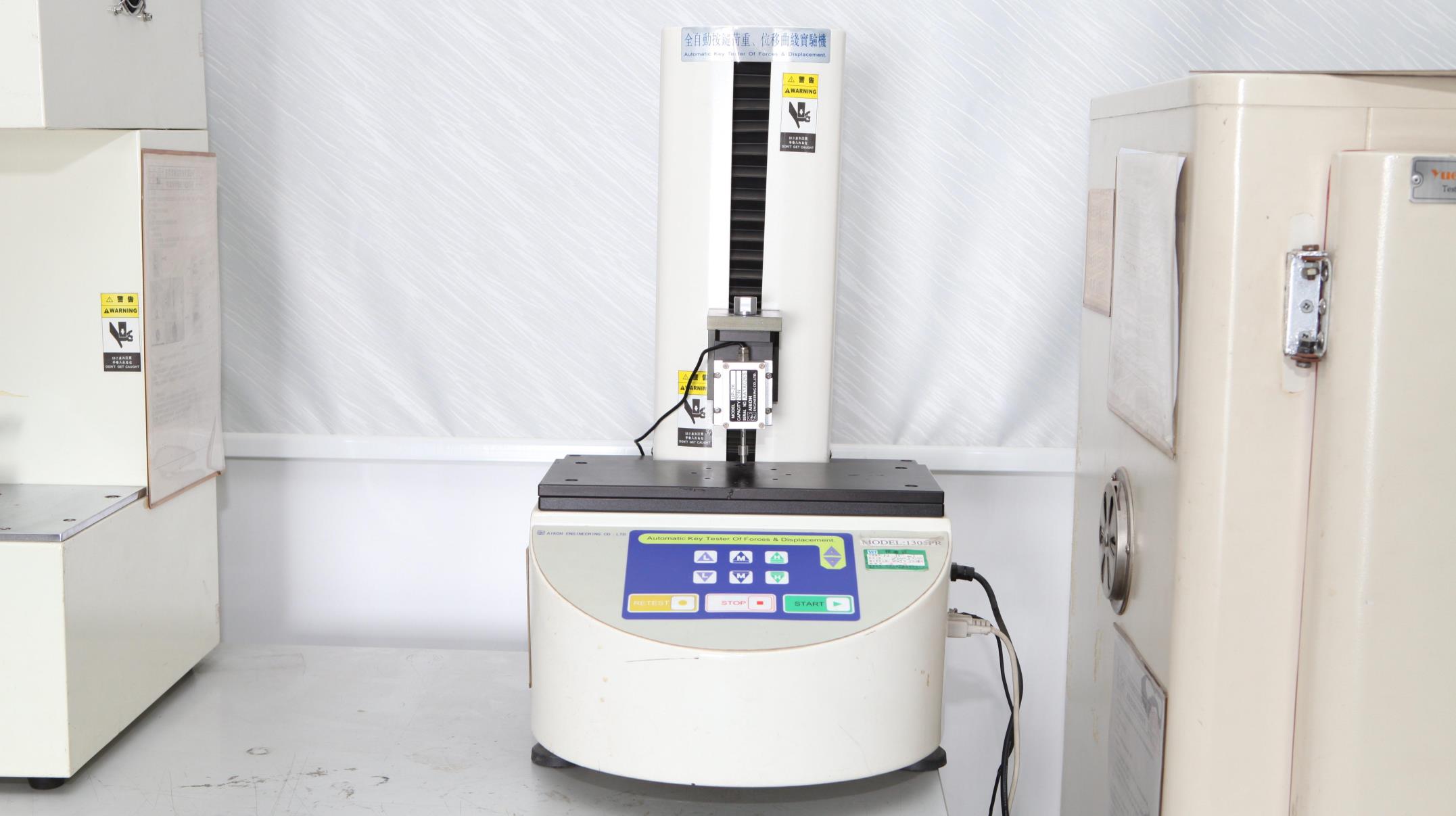
Force & Displacement Tester
Plots actuation travel, tactile snap ratio, and return curves for repeatable touch feel.
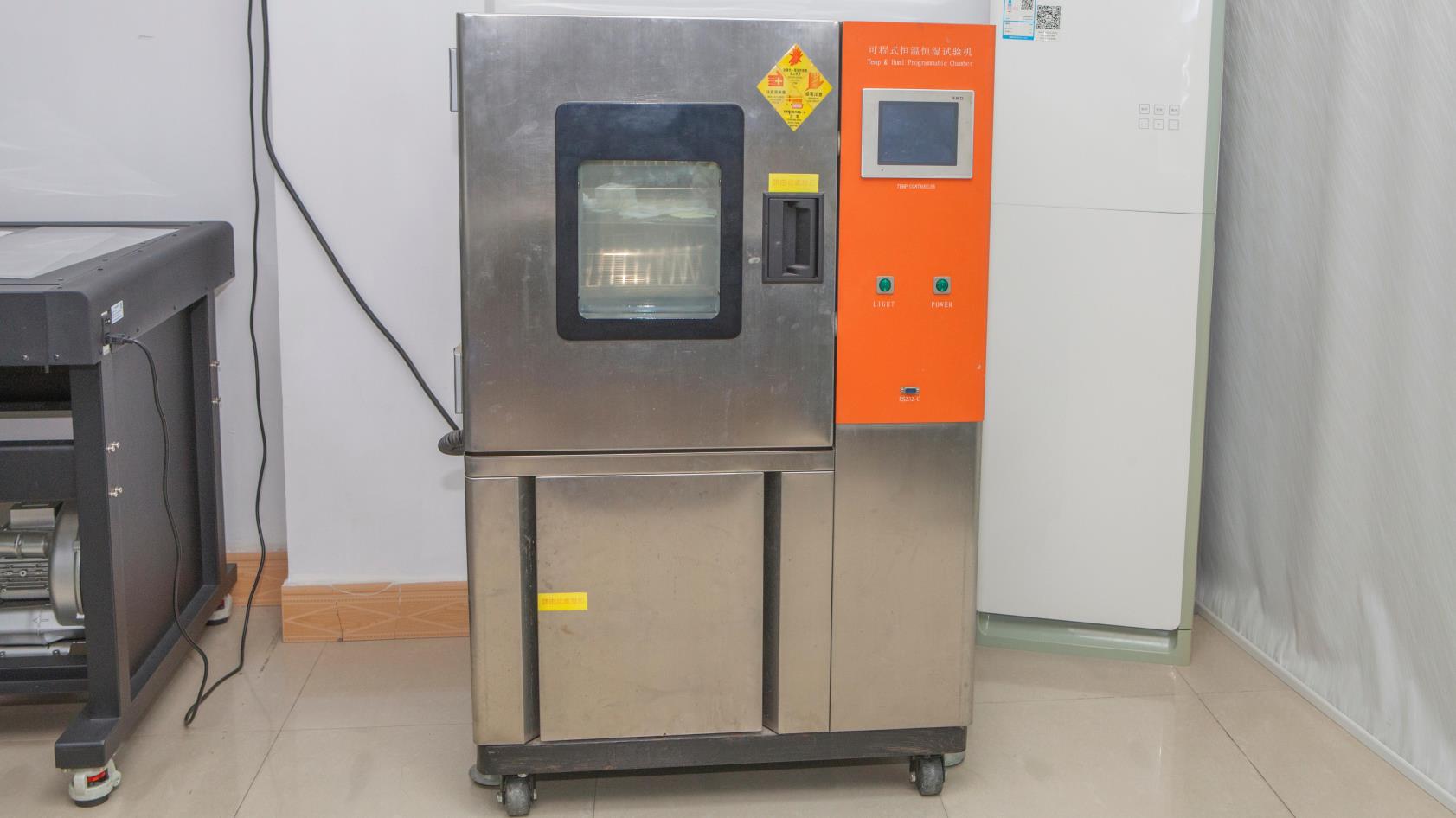
Temp & Humidity Chamber
Simulates thermal shocks (-40°C to +85°C) and RH 95% moisture ingress stresses.
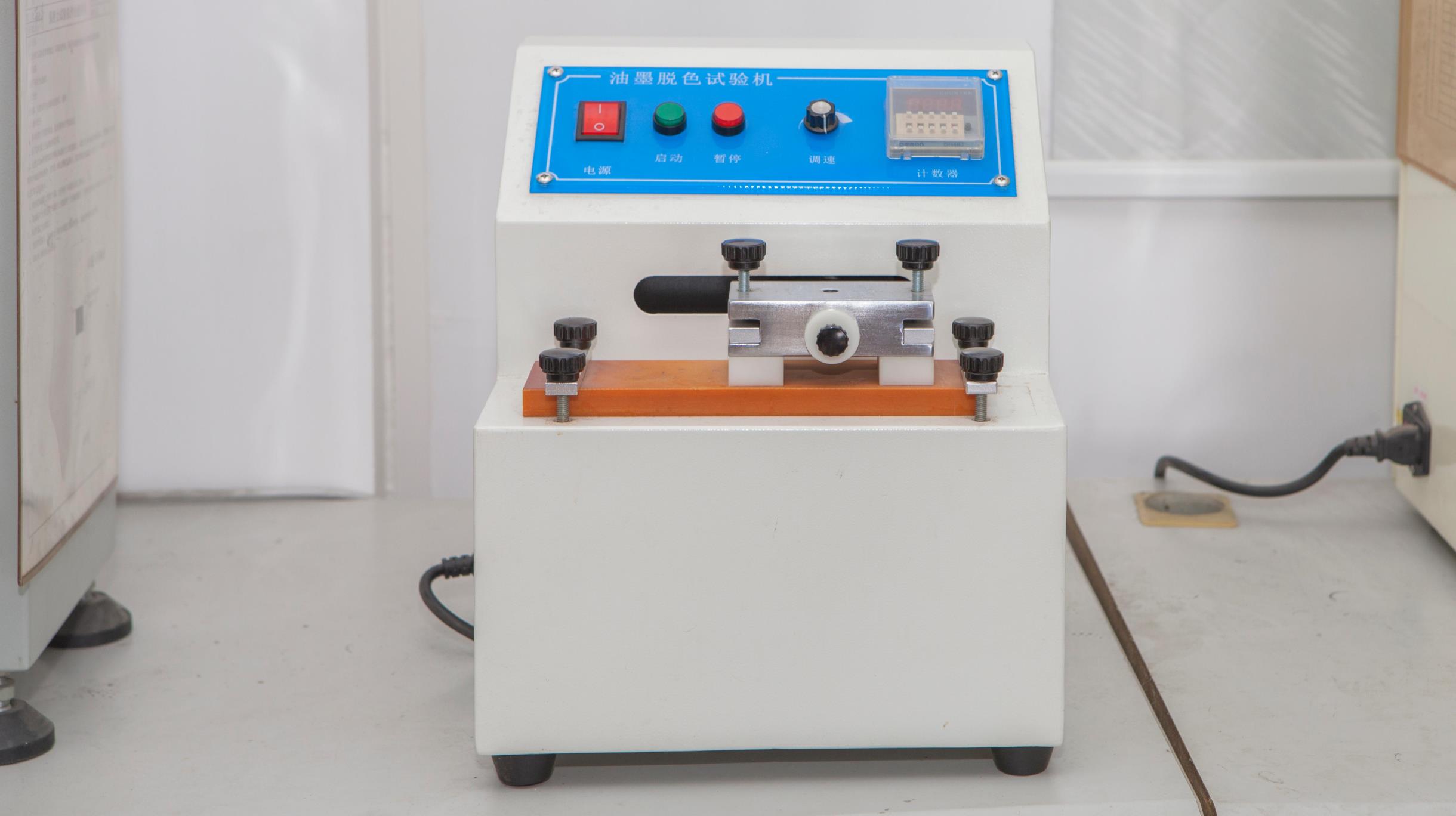
Ink Decolorization Rig
Verifies reverse-printed graphic resistance against harsh solvents and mechanical friction.
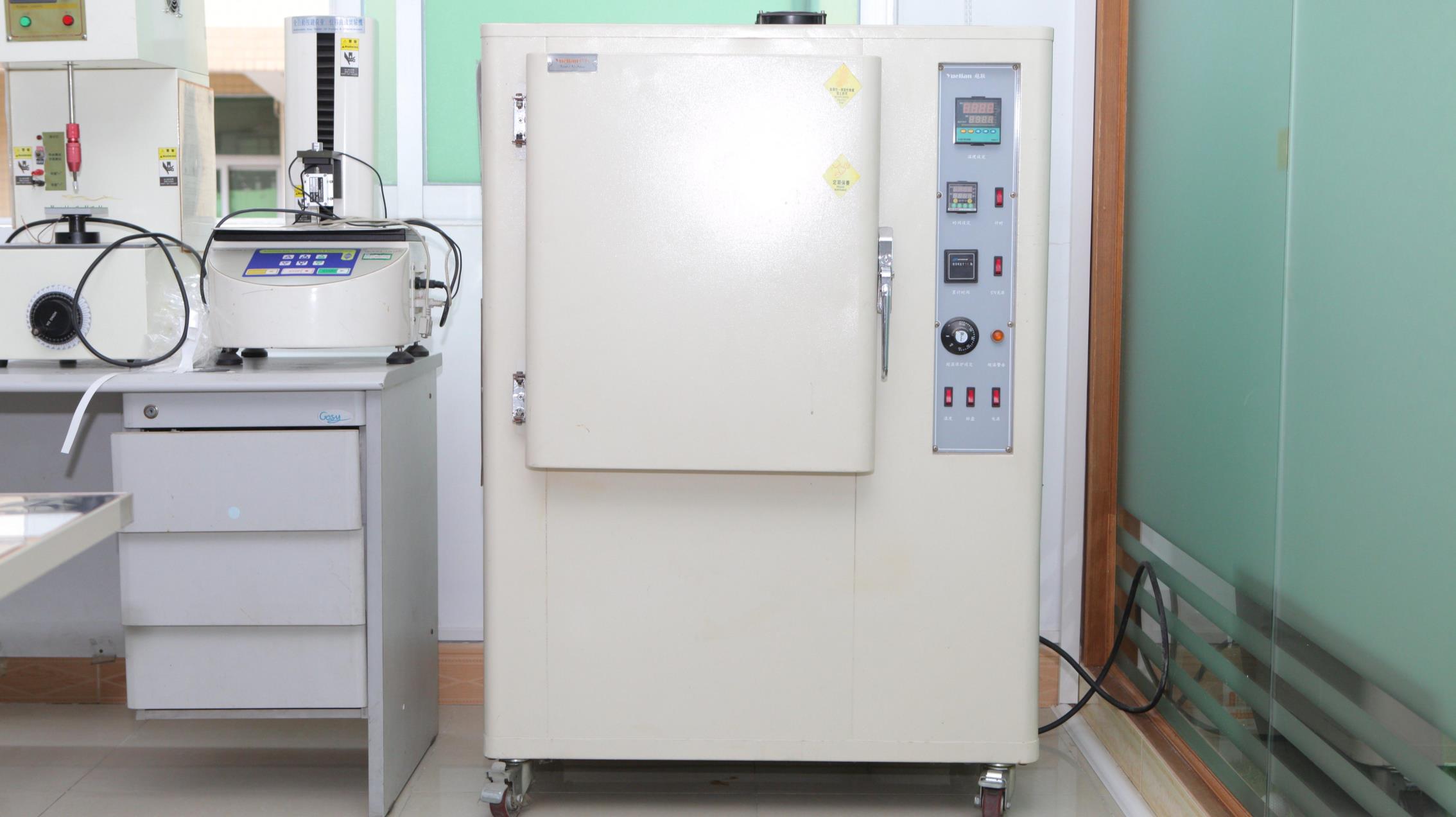
UV Yellowing Resistance
Accelerated sunlight exposure testing assuring optical transparency and overlay stability.
Frequently Asked Questions on Capacitive Switch Procurement
Direct, technical answers resolving standard engineering queries, MOQ structures, and production lead times for OEM buyers.
What engineering specifications and files are required for an accurate DFM review and quotation?
- 2D Dimensional CAD Drawings: DXF, DWG, or vector PDF detailing overall dimensions, cutout locations, tail exit position, tail length, and pinout assignments.
- Graphic Artwork: Adobe Illustrator (AI), Vector EPS, or high-res PDF indicating Pantone (PMS) or RAL color matching codes, window transparencies, and dead-front requirements.
- Circuit Architecture: Schematic or netlist detailing pinouts, matrix vs. common-bus topography, integrated SMD LED configurations, or capacitive sensor electrode geometries.
- Operating Environment: Required Ingress Protection (IP65, IP67, IP68), continuous temperature range, chemical cleaning contact exposures, and UV outdoor exposure specifications.
Can capacitive switches function through thick cover lenses or when operators wear industrial gloves?
What is your Minimum Order Quantity (MOQ) and production turnaround for custom prototypes?
- Engineering Prototypes & Pilot Runs: Typically accessible starting from 100 pieces for custom membrane switches and capacitive control panels. Rapid prototyping tooling is deployed to produce evaluation samples within 7 to 10 working days.
- Mass Production Lead Times: Standard volume production typically delivers within 15 to 20 working days following final First Article Inspection (FAI) sign-off and golden sample approval.
How does Dongguan AXRU Electronics ensure electromagnetic compatibility (EMC) and CE conformity?
What backlighting methods are available for low-light or night-vision industrial interfaces?
- Light Guide Film (LGF): An ultra-thin (0.125mm - 0.25mm) micro-etched optical film that captures side-firing SMD LEDs mounted on the circuit layer and distributes uniform illumination across complex legends and symbols without hot-spots.
- Embedded Surface-Mount LEDs: Integrated directly into the polyester or copper FPC tail layers, utilizing reverse-printed diffusers and dead-front masking inks.
- Electroluminescent (EL) Lamps & Fiber Optics: Utilized in specialized aerospace or ultra-slim military equipment requiring minimal power and ultra-thin form factors.
Ready to Build Your Custom Capacitive Interface?
Initiate direct technical communication with our Dongguan engineering team. Receive rapid DFM feedback, stack-up diagrams, and transparent factory direct pricing on your custom HMI project.
Contact Us