A Membrane Switch Panel is a thin, sealed control interface that registers input when a user presses a marked area. It often sits on equipment such as laboratory instruments, industrial controllers, and household appliances. The smooth surface can carry printed labels, symbols, and indicator windows. It may look simple. Beneath it, several functional layers work together.
A typical design uses a flexible polyester or polycarbonate overlay, printed conductive paths, a spacer, and a supporting circuit layer. Pressing a key brings conductive contacts together, completing an electrical circuit. Some panels add raised key shapes or tactile domes, giving users a physical response. LEDs can provide status signals behind selected areas. Construction varies, so these features are not present in every panel.
Understanding these layers helps when comparing panel designs and specifying requirements. Consider the expected press force, key spacing, cleaning method, operating environment, and number of actuations. A panel used with gloves, for example, may need larger keys and stronger tactile feedback. Sealing can help resist dust and splashes, but protection depends on the complete design and its tested ratings. The printed appearance alone cannot confirm durability. That distinction is easy to overlook. A well-chosen Membrane Switch Panel can offer a compact, low-profile interface, yet it still needs evaluation in the conditions where it will actually be used.
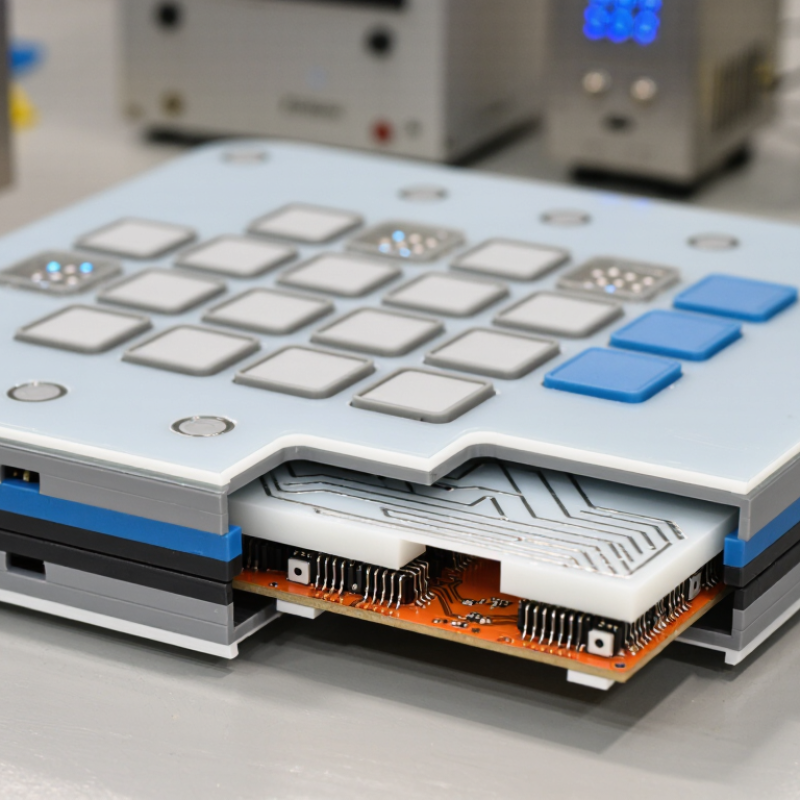
A membrane switch panel is a thin, layered control interface that responds when a user presses its surface. It can replace separate mechanical buttons with printed circuits and a flexible overlay. The panel may sit on a machine housing, with symbols or labels showing where to press. Its feel and response depend on the materials and layer design.
A typical panel includes a graphic overlay, adhesive, circuit layers, a spacer, and a connector tail. The overlay protects the surface and carries printed labels. Beneath it, conductive ink forms circuit paths on flexible films. A spacer keeps the circuits apart until pressure closes a contact. Some designs add metal domes for a distinct tactile click. The tail connects the panel to control electronics. Small details matter. A poorly aligned spacer or worn overlay can affect response, so component choices should match the expected use.
Tips: Check that labels remain readable under the intended lighting, and test presses across the full panel. A firm press matters. Also consider cleaning methods and how often users will operate the controls; these practical details are easy to underestimate.
A membrane switch panel works as a layered electrical circuit beneath a printed surface. Pressing a key bends the top layer until a conductive contact meets a circuit below it. The contact closes the circuit, and a controller reads that change as an input. When pressure lifts, a spacer layer helps separate the contacts again. You can feel the snap. In tactile designs, a shaped metal dome or embossed layer provides that feedback; non-tactile designs may rely on sound or a display response. The signal itself is simple, but the panel’s feel depends on materials, spacing, and the force needed to make contact.
Grand View Research’s membrane switch market analysis estimated the global market at about USD 5.4 billion in 2023, reflecting broad use across equipment and control interfaces. That figure describes market value, not panel performance. For practical design, engineers check actuation force, contact resistance, and environmental sealing. IEC 60529 defines IP tests; for example, IP67 includes a temporary immersion test under specified conditions. It does not mean every panel will survive every installation. A wet glove, dust, or a sharp tool can change how a key responds. One detail is easy to overlook: a panel may still register a press even when its tactile feedback feels weak. Testing the actual assembly matters.
| Category | Typical Construction or Action | Purpose |
|---|---|---|
| Definition | A low-profile user interface made from flexible layers, printed conductive paths, and one or more switch contacts. | Provides a way for a user to send input to an electronic device through labeled keys or touch areas. |
| Graphic overlay | The outer, printed layer is commonly made from polyester or polycarbonate film. It may include labels, symbols, windows, and tactile features. | Displays the controls and protects the layers beneath from everyday contact and surface contamination. |
| Circuit layer | Conductive ink, often silver-based or carbon-based, is printed on a flexible film to form electrical traces and contact areas. | Carries an electrical signal from the pressed key to the connected electronic circuit. |
| Spacer layer | An adhesive spacer separates the circuit contacts when the key is at rest. Openings in the spacer align with switch locations. | Helps prevent an electrical connection until a key is pressed. |
| Contact closure | Pressing a key deflects the overlay or a formed key area, bringing separated conductive contacts together. | Completes a circuit, which the device’s electronics can detect as an input. |
| Signal processing | The connected electronics scan or otherwise monitor the switch circuit and interpret a closure as a key event. | Triggers a programmed response, such as changing a setting or starting an operation. |
| Tactile feedback | Some designs use a metal or polyester dome beneath a key to create a noticeable snap. Other designs are non-tactile. | Gives the user physical feedback when a key is actuated; the feedback depends on the panel design. |
| Optional features | Designs may include backlighting, embossed keys, display windows, shielding, or connector tails. | Supports visibility, interface layout, electrical connection, or environmental requirements as needed. |
| Typical applications | Used in equipment such as appliances, instruments, medical devices, and industrial control panels. | Offers a compact control interface where a flat, sealed, or easily cleaned surface is useful. |
Construction and performance vary by design. A membrane switch panel is an interface component; its sealing, tactile response, lighting, and electrical characteristics depend on the materials and specifications selected.
A membrane switch panel is a thin, layered interface that turns a press into an electrical signal. Its top layer, called the graphic overlay, is often made from polyester or polycarbonate. Polyester bends well and suits frequent key presses. Polycarbonate can provide a crisp, smooth surface, though its performance depends on the application and finish. Printed inks add labels, colors, and symbols beneath or on the overlay. The surface may also receive a protective coating against wear, cleaning, or sunlight.
Under the overlay, a pressure-sensitive adhesive holds the layers together. A spacer layer, often die-cut polyester, keeps circuit contacts apart until a key is pressed. The circuit layer typically uses a flexible film with printed conductive traces, such as silver ink; carbon may protect contact areas. Some panels include metal domes for a distinct tactile click. Others rely on flat contacts, which feel quieter. The backing may use a rigid support plate or mounting adhesive to suit the enclosure. Small details matter. A slightly misaligned spacer can affect the feel of a key, and adhesive choice deserves more attention than it often gets. Layer order and materials should be checked against expected use, cleaning methods, and operating conditions.
A membrane switch panel combines printed circuitry, a flexible overlay, and adhesive layers into a thin control interface. Common designs include tactile switches, which use metal or polyester domes for a noticeable click, and non-tactile switches, which rely on electrical contact without a moving dome. Backlit versions use LEDs or light guides to illuminate symbols. Embossed keys add a raised, fingertip-visible shape. Small parts matter. A poorly chosen dome can feel stiff, while an overly soft one may offer little feedback.
Design choices depend on the setting. A medical device may need clear legends and wipe-clean surfaces; industrial equipment may benefit from sealed edges, abrasion-resistant overlays, and a glove-friendly key layout. IEC 60529 defines IP ratings for protection against dust and water, but a panel’s rating depends on the complete assembly and testing—not just its overlay. Grand View Research estimated the global membrane switch market at about US$5.5 billion in 2023 and projected 10.2% annual growth from 2024 to 2030. This market estimate signals broad use, but it does not determine which design fits a specific device.
Tips: Ask the supplier for samples, switch-life test results, and details of the adhesive and sealing method. Test the panel with the actual gloves, cleaning routine, and lighting conditions. One detail is easy to miss: a graphic that looks crisp on screen may become hard to read under glare.
A membrane switch panel is a thin, layered user interface that uses printed conductive circuits to register button presses. This chart compares representative functional-layer counts for common designs; actual constructions vary by application and manufacturer.
Embossing changes the overlay’s shape to provide tactile feedback, while metal domes add a separate snap-action component. Backlit designs typically include light-diffusing components and LEDs.
A membrane switch panel is a low-profile control surface made from layered films, printed circuits, and tactile or non-tactile keys. It can sit on equipment such as medical monitors, industrial pumps, kitchen appliances, and access-control devices. The sealed surface is easy to wipe, and printed labels can remain clear in dim work areas. It feels simple. The layers still need careful design.
Choose a panel by considering how people will use it. A gloved operator may need raised keys and clear spacing, while a compact handheld device may benefit from a flat surface. Check expected button presses, cleaning agents, moisture, temperature, and exposure to sunlight. These conditions affect material choice and graphic durability. A panel that looks right on screen may feel cramped in use.
Also consider circuit layout, connector position, mounting method, and available space behind the panel. Tactile feedback can help users confirm a press, but it may add cost or thickness. Non-tactile keys can suit sealed designs, though accidental presses become harder to detect. Request a sample or prototype, then test it with real users and gloves if needed. One overlooked detail is label contrast under the room’s actual lighting; it is easy to miss during desk-based reviews.
It is a thin control surface that sends an electrical signal when pressed. Simple, but its feel depends on the layers.
A typical panel has a graphic overlay, adhesive, spacer, circuit layer, and connector tail. Some designs also include metal domes.
It protects the panel and displays labels or symbols. Polyester bends well; polycarbonate can provide a smooth, crisp surface.
The spacer keeps circuit contacts apart. Pressing the overlay brings them together and sends a signal to the connected electronics.
They can appear on monitors, pumps, kitchen appliances, and access-control devices. Their low-profile surfaces are easy to wipe.
Consider button use, gloves, cleaning agents, moisture, temperature, sunlight, and available mounting space. Small details matter.
No. Metal domes can provide a noticeable click, while flat contacts feel quieter. The right choice depends on users and equipment.
Test a sample with real users, including gloved operators if needed. Check labels under actual room lighting. Desk reviews can miss things.
A Membrane Switch Panel is a low-profile interface that lets users operate electronic equipment by pressing printed keys on a flexible surface. It typically combines a graphic overlay, a spacer with openings for key movement, conductive circuit layers, and a backing layer. When a key is pressed, conductive contacts meet to complete a circuit, sending a signal to the connected device. Some designs provide tactile feedback, while others use smooth, silent keys.
Panels are commonly made with materials such as polyester, polycarbonate, adhesives, and printed conductive inks. Their layouts, shapes, lighting, and feedback can be tailored to suit different products and environments. They are used in equipment ranging from household appliances to industrial controls and medical devices. When choosing a panel, consider its operating conditions, expected use, durability, ease of cleaning, required feedback, appearance, and compatibility with the device’s electronics.